The Philosophy of Summer in Chinese Baby Naming
Imagine naming your child after a season that represents peak vitality, boundless growth, and radiant energy. In Chinese culture, summer is far more than a stretch of warm months. It carries layers of philosophical weight that have shaped chinese names for thousands of years. The character 夏 (xià) itself traces back to one of China's earliest recorded civilizations, the Xia Dynasty, linking the season to origins, legacy, and enduring strength.
When Chinese parents choose a summer-inspired name, they are weaving nature and meaning together in a single breath. Each character selected carries a precious meaning rooted in centuries of tradition, cosmology, and familial hope.
Why Summer Holds Special Meaning in Chinese Naming
Summer sits at the pinnacle of yang energy in Chinese philosophy. Where spring hints at potential, summer delivers on it fully. The season embodies outward expansion, high vitality, and abundance. In Traditional Chinese Medicine, summer is characterized by warmth, brightness, and activity, with its energy encouraging openness and expressiveness. The emotion tied to summer is joy, and the color associated with it is red, a symbol of luck and celebration across Chinese culture.
Children born during summer months are traditionally seen as carrying this expansive, joyful energy within them. A name reflecting the season acts as both a timestamp and a blessing, anchoring the child to the life force at its most powerful. You'll notice that many families deliberately select summer characters even for children born in other seasons, simply to bestow that vitality upon them.
In Chinese philosophy, summer represents the fullest expression of yang energy: a time of growth, abundance, and outward radiance. A name drawn from this season carries the wish that a child's life will flourish with the same unstoppable force.
The Connection Between Summer and the Five Elements
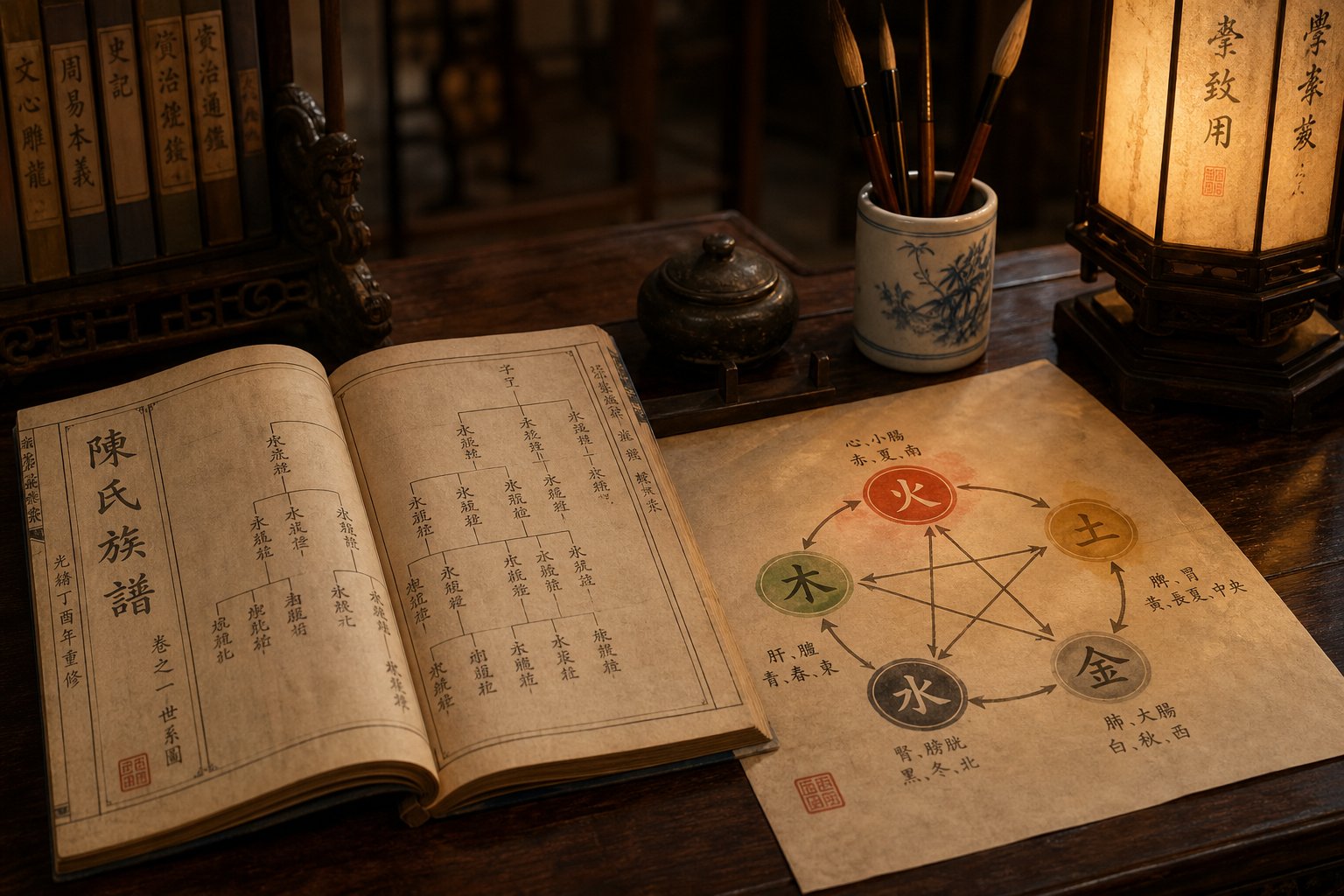
Chinese cosmology organizes the natural world into Five Elements: wood, fire, earth, metal, and water. Summer belongs to fire (火), the element of passion, transformation, and illumination. The heart is the organ linked to fire, reinforcing the idea that summer names speak to the emotional and spiritual core of a person.
This 夏 meaning extends into naming strategy. Parents working with a naming master or consulting bazi (eight characters) astrology will consider whether a child's birth chart needs more fire energy or whether it requires balancing with cooler elements like water or earth. A summer name is never chosen in isolation. It exists within a system where each element supports or tempers another, creating harmony.
The historical resonance matters too. The Xia Dynasty (circa 2070-1600 BCE) is considered the first dynasty in traditional Chinese historiography. Naming a child with 夏 connects them not just to a season but to the very idea of civilization's beginning. That layered depth is what makes chinese baby names meaning summer so compelling for families seeking something both beautiful and philosophically grounded.
Understanding these foundations helps you move beyond surface-level name lists. The characters that follow in this guide each carry specific elemental weight, tonal beauty, and cultural resonance, and knowing why summer holds this power makes every name choice more intentional.
Essential Summer Characters Every Parent Should Know
Every Chinese name is built character by character, and each character functions like a building block carrying its own weight of their meaning, sound, and visual beauty. Before you can assemble a summer-inspired name, you need to understand the individual pieces available to you. Think of it like learning the palette before painting. These eight characters each capture a distinct facet of summer, from scorching midday heat to the gentle warmth of a late afternoon breeze.
Core Summer Characters and Their Individual Meanings
Chinese characters are not arbitrary symbols. They are constructed from radicals, smaller components that hint at category or meaning. A character with the sun radical (日) will almost always relate to light, time, or brightness. One built on the fire radical (火) connects to heat, energy, or transformation. Recognizing these radicals helps you decode any summer name at a glance, even if you have never seen the specific combination before.
Here is a breakdown of the eight most important summer-related characters used in chinese baby names meaning summer. Each one offers a different syllable meaning and tonal quality, giving you flexibility when constructing a name that sounds as good as it reads.
| Character | Pinyin | Literal Meaning | Summer Connection | Stroke Count | Common Usage in Names |
|---|---|---|---|---|---|
| 夏 | xià (4th tone) | Summer | Directly represents the season; also references the Xia Dynasty and ideas of grandeur | 10 | Used as a standalone given name or as the first character in two-character names |
| 阳 / 陽 | yáng (2nd tone) | Sun, yang energy, brightness | Embodies the solar intensity and outward energy that define summer days | 6 (simplified) / 12 (traditional) | Extremely popular in boy names; pairs well with nature or virtue characters |
| 炎 | yán (2nd tone) | Blazing, scorching flame | Two fire radicals stacked, representing peak summer heat and intensity | 8 | Used in boy names to convey strength and passion; less common in girl names |
| 暖 | nuǎn (3rd tone) | Warm, gentle warmth | Captures the comforting, nurturing side of summer rather than its fierce heat | 13 | Popular in girl names; conveys tenderness and emotional warmth |
| 晴 | qíng (2nd tone) | Clear sky, fine weather | Evokes cloudless summer skies and the brightness of long sunny days | 12 | Widely used in girl names; carries a cheerful, optimistic tone |
| 曦 | xī (1st tone) | Dawn light, first rays of sun | Represents the early morning brilliance of summer sunrise | 20 | Elegant and literary; used in both girl and boy names for a refined feel |
| 煦 | xù (4th tone) | Gentle warmth, kindly | Suggests the mild, pleasant warmth of early summer rather than midsummer blaze | 13 | Gender-neutral; pairs beautifully with virtue or nature characters |
| 灿 / 燦 | càn (4th tone) | Radiant, brilliant, splendid | Reflects the dazzling brightness and vivid colors of summer in full bloom | 7 (simplified) / 17 (traditional) | Used in both genders; implies a life that shines brightly |
How Each Character Captures a Different Facet of Summer
What makes this set of characters so useful is that they do not overlap. Each one isolates a specific sensory or emotional quality of summer, giving parents precise control over the feeling a name conveys.
- 夏 (xià) is the broadest choice. It names the season directly, carrying historical and cultural gravity without specifying a particular quality like heat or light.
- 阳 (yáng) zeroes in on solar energy. If you want a name that radiates confidence and openness, this character delivers that ming meaning with clarity.
- 炎 (yán) doubles down on fire. Structurally, it is literally two 火 radicals stacked vertically, making it one of the most visually intense characters in the set. It suits names meant to project power and determination.
- 暖 (nuǎn) softens the season. Its radical is 日 (sun) on the left, paired with a phonetic component on the right. The result is warmth without aggression, comfort without passivity.
- 晴 (qíng) paints a picture. You hear this character and immediately see blue sky. It contains the sun radical (日) beside 青 (blue-green), literally constructing the image of a clear day.
- 曦 (xī) is the most literary option. With 20 strokes, it is complex to write but carries an elegance that simpler characters cannot match. It suggests the quiet magic of first light.
- 煦 (xù) occupies the middle ground between warmth and gentleness. Its fire radical (灬, four dots of fire at the bottom) is tempered by the upper components, creating a character that feels nurturing.
- 灿 (càn) is pure visual brilliance. It pairs the fire radical with 山 (mountain) in its simplified form, evoking the image of sunlight blazing across a landscape.
When you pair any of these characters with a second character, you create a two-syllable name where each half contributes distinct meaning. The art lies in matching complementary qualities. A fierce character like 炎 might pair with something grounding, while a gentle character like 煦 can be lifted by something aspirational. That interplay between characters is where summer names truly come alive, and the next step is seeing how these building blocks form complete names for girls, boys, and any child in between.
Chinese Girl Names That Capture Summer Beauty
With those building blocks in hand, you can start assembling complete names. Chinese girl names inspired by summer tend to balance strength with grace, pairing radiant characters with softer, more lyrical ones. The result is a collection of female chinese names that feel vivid on the page and musical when spoken aloud. Below, you will find names grouped by the specific quality of summer they evoke, from blazing sunlight to the quiet elegance of a lotus pond.
Sunlight and Radiance Names for Girls
These chinese names for girls draw on characters associated with light, clear skies, and the brilliance of long summer days. They suit families looking for unique girl names that project optimism and clarity.
| Name (Characters) | Pinyin | Pronunciation Guide | Character Breakdown | Full Meaning |
|---|---|---|---|---|
| 曦瑶 | Xī Yáo | "shee yaow" | 曦 = dawn light, first rays of sun; 瑶 = precious jade, flawless beauty | The radiance of dawn meeting the luster of jade. Suggests a girl whose brilliance is both natural and refined. |
| 晴岚 | Qíng Lán | "ching lahn" | 晴 = clear sky, fine weather; 岚 = mountain mist, ethereal haze | A clear summer sky above soft mountain mist. Evokes someone who is bright yet carries depth and mystery. |
| 曦彤 | Xī Tóng | "shee tohng" | 曦 = dawn light; 彤 = vermillion red, painted red | Sunrise painted in red. Captures the vivid color of a summer morning sky, implying warmth and creative energy. |
Warmth and Gentle Summer Names for Girls
Not every summer name needs to blaze. These chinese female names lean into the nurturing, comforting side of the season, using characters that suggest tenderness and emotional depth. Among asian girl names, these carry a softness that pairs well with both traditional and modern sensibilities.
| Name (Characters) | Pinyin | Pronunciation Guide | Character Breakdown | Full Meaning |
|---|---|---|---|---|
| 煦妍 | Xù Yán | "shoo yen" | 煦 = gentle warmth, kindly; 妍 = beautiful, graceful | Beauty warmed by kindness. Implies a girl whose attractiveness comes from inner gentleness as much as outward appearance. |
| 夏萱 | Xià Xuān | "shyah shwen" | 夏 = summer; 萱 = daylily (the "forget-worry" flower) | Summer's daylily. The daylily blooms in midsummer and traditionally symbolizes freedom from sorrow, making this a name of joyful ease. |
| 暖晴 | Nuǎn Qíng | "nwahn ching" | 暖 = warm, gentle warmth; 晴 = clear sky | Warm and clear, like a perfect summer afternoon. Suggests an open, sunny personality with emotional steadiness. |
Summer Flower and Nature Names for Girls
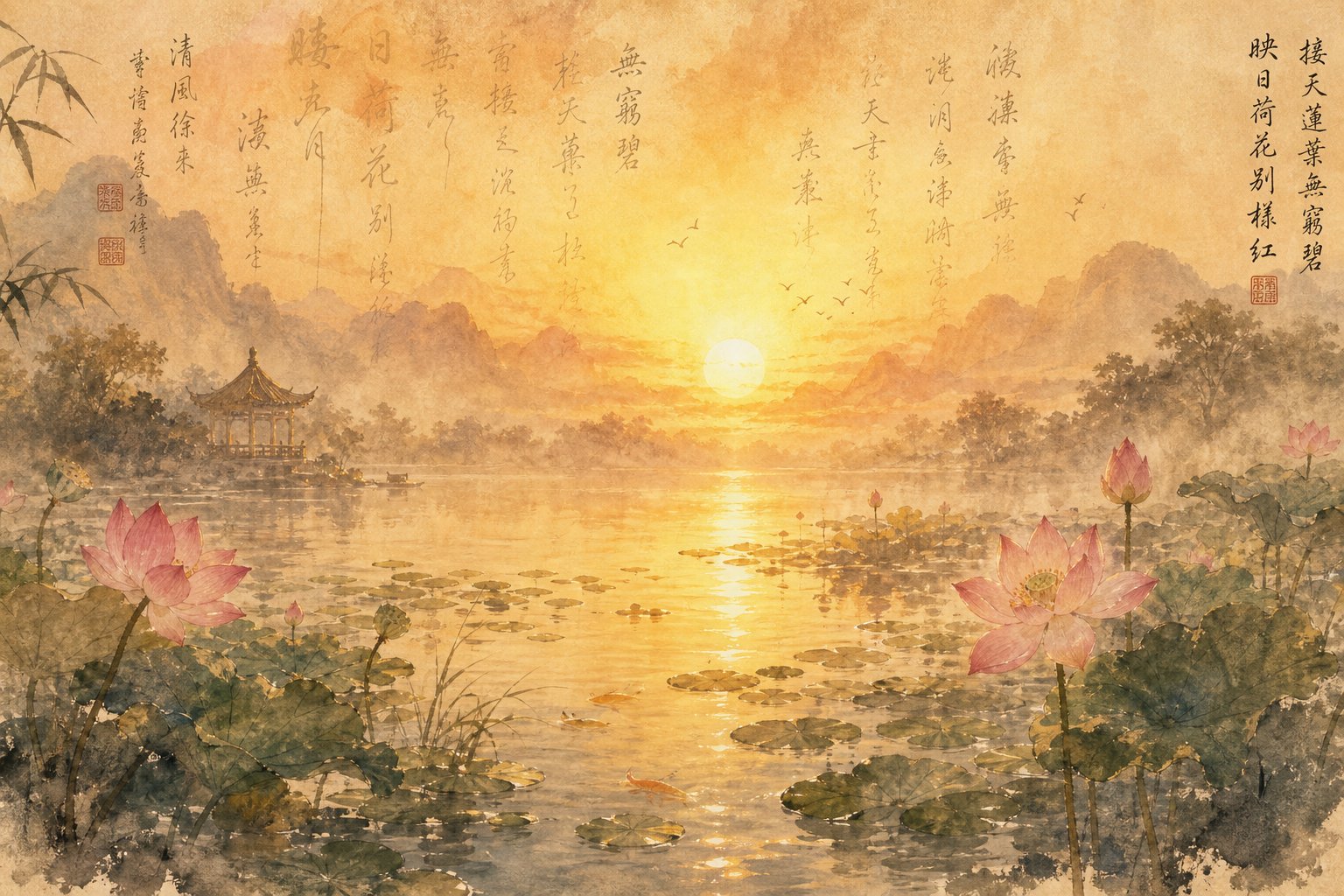
Summer in China means lotus ponds in full bloom and hibiscus lining garden walls. These flower girl names draw directly from that imagery. In Chinese tradition, the lotus rises from mud to bloom immaculately above the water, symbolizing purity and grace under pressure. That symbolism makes lotus-based chinese girl names especially meaningful for families who value resilience alongside beauty.
| Name (Characters) | Pinyin | Pronunciation Guide | Character Breakdown | Full Meaning |
|---|---|---|---|---|
| 荷韵 | Hé Yùn | "huh yewn" | 荷 = lotus, water lily; 韵 = charm, rhythm, poetic grace | The poetic rhythm of a lotus. Suggests elegance that unfolds naturally, like a lotus opening at dawn. |
| 蓉夏 | Róng Xià | "rohng shyah" | 蓉 = hibiscus, lotus blossom; 夏 = summer | Hibiscus of summer. The hibiscus is a quintessential summer flower in southern China, representing delicate beauty and renewal. |
| 荷清 | Hé Qīng | "huh ching" | 荷 = lotus; 清 = pure, clear, uncorrupted | Pure as a lotus. Directly references the classical ideal of remaining untainted by one's surroundings. |
Each of these chinese names girl families choose tells a small story. The sunlight names project confidence outward. The warmth names speak to emotional character. The nature names root a child in imagery that has inspired Chinese poetry and art for centuries. What matters most is matching the name's energy to the qualities you hope your daughter will carry.
Of course, summer's fire and brightness are not reserved for girls alone. The same characters that create radiant feminine names can be paired differently to produce names with bold, expansive energy suited to boys.
Chinese Boy Names Inspired by Summer Warmth
Most summer name guides lean heavily toward girls, as if the season's beauty belongs only to feminine naming. That leaves a real gap for parents of boys. Summer's fire, solar intensity, and surging vitality translate powerfully into masculine names. Characters like 炎 (blazing), 旭 (rising sun), and 昊 (vast sky) carry a weight and energy that feel tailor-made for boys. The key difference is in pairing. Where girl names often soften a summer character with grace or floral imagery, boy names amplify it with strength, ambition, or expansiveness.
Below you will find names with sun meaning, fire energy, and warm vitality, each broken down character by character so you know exactly what you are giving your son.
Fire and Strength Summer Names for Boys
Fire is summer's ruling element, and these names channel that raw, transformative power. They suit families who want a name projecting confidence and determination.
| Name (Characters) | Pinyin | Pronunciation Guide | Character Breakdown | Full Meaning |
|---|---|---|---|---|
| 炎昊 | Yán Hào | "yen how" | 炎 = blazing, scorching (two fire radicals stacked); 昊 = vast sky, immense heavens | A blazing sky stretching without limit. Suggests a boy whose passion and ambition are as boundless as the summer heavens. |
| 炎铮 | Yán Zhēng | "yen jung" | 炎 = blazing flame; 铮 = clang of metal, unyielding integrity | Fire tempered into steel. Implies fierce inner strength combined with moral backbone. |
| 夏铭 | Xià Míng | "shyah ming" | 夏 = summer; 铭 = inscription, engraved motto, to remember | An inscription of summer. Carries the idea of lessons and values etched permanently into character, like words carved in metal. |
Sun and Brightness Names for Boys
Names with meaning of sun are among the most popular choices for Chinese boys. The sun represents clarity, leadership, and forward momentum. These names pair solar characters with elements that ground or elevate them.
| Name (Characters) | Pinyin | Pronunciation Guide | Character Breakdown | Full Meaning |
|---|---|---|---|---|
| 旭阳 | Xù Yáng | "shoo yahng" | 旭 = rising sun, dawn's first light; 阳 = sun, yang energy, brightness | The rising sun in full yang radiance. Doubles down on solar imagery to create a name of relentless optimism and upward energy. |
| 晨曦 | Chén Xī | "chun shee" | 晨 = morning, early dawn; 曦 = first rays of sunlight | The light of early morning. Evokes new beginnings and the quiet power of a summer day just starting to unfold. |
| 昊阳 | Hào Yáng | "how yahng" | 昊 = vast sky; 阳 = sun, brightness | Sun across a limitless sky. Projects openness, vision, and the kind of expansive thinking associated with leadership. |
Vitality and Growth Summer Names for Boys
Summer is not only heat and light. It is also the season when everything grows at its fastest. These names tap into that surging life force, pairing warmth characters with those suggesting clarity, flourishing, or steady development.
| Name (Characters) | Pinyin | Pronunciation Guide | Character Breakdown | Full Meaning |
|---|---|---|---|---|
| 煦明 | Xù Míng | "shoo ming" | 煦 = gentle warmth, kindly; 明 = bright, clear, wise | Gentle warmth illuminating clearly. Suggests a boy who leads through kindness and insight rather than force. |
| 夏荣 | Xià Róng | "shyah rohng" | 夏 = summer; 荣 = flourishing, glory, honor | Summer's flourishing. Implies a life that grows toward honor and prosperity, reaching full bloom like the season itself. |
| 阳禾 | Yáng Hé | "yahng huh" | 阳 = sun, yang energy; 禾 = grain, harvest crop | Sunlit grain. Connects solar warmth to the tangible result of growth, a harvest. Grounded and hopeful. |
You will notice that several of these work as one syllable boy names when used informally. Characters like 昊, 旭, and 铭 each stand strong on their own as single-character given names, offering flexibility for families who prefer brevity. A child named simply 昊 (Hào) carries the entire summer sky in one syllable.
Whether you lean toward the intensity of fire names or the steady glow of warmth names, the goal is the same: matching the name's energy to the qualities you envision for your son. And for families who prefer not to choose along gendered lines at all, many of these same summer characters cross over beautifully into neutral territory.

Gender-Neutral Chinese Summer Names
Gender in Chinese naming is not fixed by the character itself but by the company it keeps. A single character like 煦 (gentle warmth) or 晴 (clear sky) carries no inherent gender. Pair it with 妍 (graceful beauty) and it reads feminine. Pair it with 铭 (inscription) and it reads masculine. Pair it with 然 (naturally, as-is) and it floats comfortably in neutral space. This flexibility is one reason modern families choosing a chinese baby name increasingly gravitate toward summer characters that refuse to pick a side.
Unisex Summer Characters and How They Work
Not all summer characters sit equally on the gender spectrum. Cultural usage patterns over decades have nudged certain characters toward one end or the other. Here is how the core summer palette breaks down:
- Lean feminine: 暖 (nuǎn, warm) and 晴 (qíng, clear sky) appear more frequently in girl names due to their association with softness and cheerful brightness. However, paired with a strong second character, they can work for boys.
- Lean masculine: 炎 (yán, blazing) and 阳 (yáng, sun/yang) carry intensity and outward force that Chinese naming tradition associates with boys. You will rarely see 炎 in a girl's name, though 阳 occasionally crosses over.
- Truly neutral: 夏 (xià, summer), 煦 (xù, gentle warmth), 曦 (xī, dawn light), and 灿 (càn, radiant) sit comfortably in the middle. Their gendered reading depends entirely on what you pair them with.
This matters because the second character is where you steer perception. Characters like 安 (peace), 然 (natural), 川 (river), and 禾 (grain) are themselves gender-neutral, so combining them with a neutral summer character produces asian names that feel open and modern without sacrificing depth.
Gender-Neutral Summer Name Recommendations
These names work for any child. Each one pairs a summer character with a neutral companion, creating a balanced name that carries seasonal warmth without gendered expectation.
| Name (Characters) | Pinyin | Pronunciation Guide | Character Breakdown | Full Meaning |
|---|---|---|---|---|
| 夏安 | Xià An | "shyah ahn" | 夏 = summer; 安 = peace, calm, safety | Summer's peace. A name suggesting the deep contentment of a long, unhurried summer day. Calm energy without passivity. |
| 晴川 | Qíng Chuān | "ching chwahn" | 晴 = clear sky; 川 = river, flowing water | A clear sky over a flowing river. Evokes openness and steady forward movement, like sunlight on water. |
| 煦然 | Xù Rán | "shoo rahn" | 煦 = gentle warmth; 然 = naturally, as-is | Naturally warm. Implies someone whose kindness is effortless, not performed. A name that feels easy and genuine. |
| 阳禾 | Yáng Hé | "yahng huh" | 阳 = sun, yang energy; 禾 = grain, harvest crop | Sunlit grain. Connects warmth to tangible growth, grounding solar energy in something nourishing and real. |
| 夏宁 | Xià Níng | "shyah ning" | 夏 = summer; 宁 = tranquility, serenity | Summer tranquility. Captures the stillness of a hot afternoon when the world slows down and everything feels held. |
The trend toward gender-neutral naming among Chinese parents, both in China and abroad, reflects a broader cultural shift. Families want names that give a baby in chinese tradition room to grow into their own identity without a name that prescribes who they should become. Summer characters are especially well-suited to this approach because the season itself is universal. Warmth, light, and growth belong to everyone.
Choosing any of these names is only half the work, though. A name that looks beautiful on paper still needs to sound right when called across a playground or spoken in a classroom. Pronunciation is where many non-Mandarin-speaking parents feel uncertain, and summer names carry a few sounds that deserve careful attention.
How to Pronounce Chinese Summer Names Correctly
A name that looks stunning in characters can lose its magic if mispronounced. Worse, a wrong tone can shift the meaning entirely, turning a poetic summer name into something unintended. The good news is that you do not need to become fluent in han Mandarin to say your child's name beautifully. You just need to understand a few core principles about how pinyin, tones, and certain consonant sounds work together.
If you have ever looked up the ni hao meaning ("hello") and tried saying it aloud, you have already encountered tones in action. That same system governs every summer name in this guide. Let's break it down so you can speak these names with confidence.
Understanding Mandarin Tones for Name Pronunciation
Mandarin Chinese has four main tones plus a neutral tone. Each tone changes the pitch of your voice in a specific pattern, and that pattern determines which word you are actually saying. Think of it this way: in English, pitch conveys emotion or signals a question. In Mandarin, pitch changes the word itself.
Here are the four tones with English analogies:
- First tone (high and flat): Hold your voice at a steady high pitch, like the sustained note when a doctor asks you to say "ahhh." Example: 曦 (xī) meaning dawn light.
- Second tone (rising): Your pitch climbs from middle to high, exactly like the inflection when you ask "What?" in surprise. Example: 阳 (yáng) meaning sun.
- Third tone (dipping): Your voice drops low and then rises slightly, like the drawn-out, skeptical "well..." when you are not convinced. Example: 暖 (nuǎn) meaning warm.
- Fourth tone (falling): A sharp drop from high to low, like a firm command: "Stop!" Example: 夏 (xià) meaning summer.
Why does this matter for names specifically? Consider the syllable "xī." With a first tone, it gives you 曦 (dawn light), a beautiful name character. Shift to a fourth tone and you get 夕 (xì), meaning evening or dusk, a completely different image. A name like ming xi (明曦) meaning "bright dawn" only works when the tones land correctly. Mispronounce the second character and you may inadvertently suggest something else entirely.
Tone sandhi, the rule where tones shift based on neighboring tones, also affects names. When two third tones appear in sequence, the first one is pronounced as a rising second tone. So a name like 暖美 (Nuǎn Měi) would sound closer to "Nuán Měi" in natural speech. You do not change the written pinyin, but your spoken delivery adjusts automatically once you are aware of the rule.
Tricky Sounds in Summer Names Explained
Beyond tones, certain Mandarin consonants have no direct English equivalent. Three of them appear constantly in summer names:
- x- (as in 夏 xià, 曦 xī, 煦 xù): Place your tongue where you would say "sh," then slide it forward so the tip rests behind your lower front teeth. The sound lands somewhere between English "sh" and "s," with a hissing, breathy quality. Imagine whispering "she" with your tongue pushed forward.
- q- (as in 晴 qíng, 清 qīng): Similar trick. Start with "ch" but move your tongue forward and flatten it against the roof of your mouth, just behind the teeth. The result is a softer, more aspirated "ch" sound. Think of saying "cheese" with your tongue pressed flat and forward.
- zh- (as in 铮 zhēng): Curl your tongue tip backward so it touches the hard palate, then release with a "j" sound. It is like English "j" in "judge" but with the tongue rolled back. This retroflex quality gives it a fuller, rounder sound.
These three sounds trip up English speakers most often because pinyin letters do not map to their English equivalents. The "x" in xià sounds nothing like the "x" in "xylophone." Once you internalize that disconnect, pronunciation becomes much more intuitive.
Here is a reference table for common syllables you will encounter in summer names. Use it as a quick lookup when practicing any name from this guide:
| Pinyin | Tone | English Approximation | Example Name | Audio Description |
|---|---|---|---|---|
| xià | 4th (falling) | "shyah" with a sharp downward pitch | 夏安 (Xià An) | Start high, drop firmly like saying "stop" |
| xī | 1st (high flat) | "shee" held steady and high | 晨曦 (Chén Xī) | Sustain one even pitch, like a long beep |
| xù | 4th (falling) | "shoo" dropping from high to low | 煦然 (Xù Rán) | Quick, decisive fall in pitch |
| qíng | 2nd (rising) | "ching" rising like a question | 晴岚 (Qíng Lán) | Pitch climbs from middle to top |
| yáng | 2nd (rising) | "yahng" with upward inflection | 旭阳 (Xù Yáng) | Lift your voice as if asking "really?" |
| yán | 2nd (rising) | "yen" rising upward | 炎昊 (Yán Hào) | Same rising pattern as yáng |
| nuǎn | 3rd (dipping) | "nwahn" dipping low then rising slightly | 暖晴 (Nuǎn Qíng) | Voice sinks then lifts, like a reluctant "well..." |
| càn | 4th (falling) | "tsahn" dropping sharply | 灿灿 (Càn Càn) | Firm downward pitch, short and decisive |
| hào | 4th (falling) | "how" with a falling tone | 昊阳 (Hào Yáng) | Starts high, drops like a command |
| lán | 2nd (rising) | "lahn" rising upward | 晴岚 (Qíng Lán) | Smooth upward glide, like lan yan in 岚嫣 |
A few practical tips for daily use: when introducing your child's name to English speakers, offer the phonetic approximation first and then the pinyin for anyone who wants precision. For a name like 晴岚 (Qíng Lán), you might say "Ching Lahn" casually, similar to how someone named qin lan might simplify for non-Mandarin speakers. Names like yi mei (怡美) or mei ling (美玲) have become familiar enough in Western contexts that people often recognize the sounds even without tonal guidance.
The effort you put into pronunciation pays off in a specific way: it preserves the meaning you chose. A summer name is not just a label. It is a wish, a story, a piece of philosophy compressed into two syllables. Saying it correctly keeps that story intact every time someone calls your child's name. And as you move from pronunciation into the deeper mechanics of how Chinese naming conventions work, you will see that sound is only one layer of a much richer system governing stroke counts, elemental balance, and generational tradition.
Naming Conventions and Cultural Rules for Summer Names
Sound is only one dimension of a Chinese name. Beneath the pronunciation sits a structural framework that traditional families have followed for centuries: stroke counts that add up to auspicious totals, elemental balancing that prevents one energy from overwhelming a child's destiny, and generational characters that anchor a person within their family lineage. If you are choosing a summer name, these conventions shape which character combinations work and which ones quietly undermine the meaning you intended.
Think of it this way. You might find a character with an elegant meaning and a beautiful sound, but if its stroke count clashes with the surname or its elemental weight tips the balance too far toward fire, a traditional naming consultant would steer you elsewhere. Understanding these rules gives you the freedom to make informed choices, whether you follow them strictly or simply use them as a lens.
Stroke Count and Auspicious Number Combinations
In Chinese naming tradition, every character has a fixed stroke count, and the total strokes across a full name (surname plus given name) carry numerological significance. Certain totals are considered lucky. Others are avoided. The system most commonly used is called 五格剖象法 (Five-Grid Name Analysis), which breaks the name into five numerical sections based on stroke counts and evaluates each one for fortune.
For summer characters specifically, here is what you are working with:
- 夏 (xià): 10 strokes
- 阳 (yáng): 6 strokes (simplified) or 12 (traditional)
- 炎 (yán): 8 strokes
- 暖 (nuǎn): 13 strokes
- 晴 (qíng): 12 strokes
- 曦 (xī): 20 strokes
- 煦 (xù): 13 strokes
- 灿 (càn): 7 strokes (simplified) or 17 (traditional)
A surname like 王 (Wáng) has 4 strokes. Pair it with 煦明 (13 + 8 = 21 strokes for the given name), and the full name totals 25 strokes. Whether that total is auspicious depends on the specific system your family follows. Some families consult charts where odd totals carry yang energy and even totals carry yin. Others look for totals divisible by certain numbers. The key takeaway: if stroke count matters to your family, check the math before falling in love with a name. A character like 曦 at 20 strokes is gorgeous but limits your pairing options if you need a specific total.
Five Elements Balancing With Summer Fire Names
This is where summer names require the most careful thought. Summer belongs to fire (火). Characters like 炎, 煦, 灿, and even 阳 all carry fire energy. Stack two fire characters together and you get intensity, but you may also get imbalance.
Traditional Chinese naming philosophy, rooted in bazi (八字) analysis, holds that a person's name should complement their birth chart. A child born in midsummer already carries strong fire energy from their birth season. Adding more fire through their name can create excess, which in Five Elements theory leads to restlessness, impulsiveness, or burnout. The remedy is introducing a tempering element.
When a child's birth chart already runs hot with fire energy, balance the name with water or earth characters. Fire unchecked burns out. Fire meeting water creates steam, which is power with direction.
This is why you will often see summer names paired with characters carrying water or earth energy. Names that mean water, like 淼 (miǎo, vast water), 泽 (zé, marsh or grace), or 川 (chuān, river), serve as cooling counterweights. Earth characters like 坤 (kūn, earth) or 安 (ān, peace, which contains the roof radical suggesting shelter and grounding) offer stability. Even the jade name meaning embedded in characters like 瑶 (yáo, precious jade) or 琳 (lín, fine jade) carries earth energy, since jade is a stone drawn from the ground.
A name like 炎泽 (Yán Zé) balances blazing fire with nourishing water. 夏瑶 (Xià Yáo) pairs summer directly with jade's grounding earth. These are not random aesthetic choices. They are deliberate elemental engineering.
The chinese symbol for love, 爱 (ài), is another character parents sometimes want to incorporate. Elementally, 爱 is considered neutral to slightly fire-leaning due to its association with the heart. Pairing it with a summer character like 夏爱 works tonally but doubles down on warmth, so families concerned with balance might pair it with a water surname or add an earth-element middle character instead.
Generational Characters and Summer Naming
Many Chinese families follow a tradition called 字辈 (zìbèi), where one character in a child's given name is predetermined by a generational poem composed by ancestors. Each generation receives the next character in the poem's sequence. If your family's current generational character is, say, 荣 (róng, flourishing), then your child's name must include 荣 and you choose only the remaining character freely.
This tradition, documented across centuries of Chinese genealogical practice, means summer-themed naming sometimes becomes a puzzle: how do you incorporate seasonal meaning when one character slot is already claimed? The answer is strategic pairing. If the generational character is 文 (wén, literature), you might pair it with 曦 to create 文曦 (literary dawn light), weaving summer into the available space. If the generational character already carries fire or warmth energy, like 明 (míng, bright), you get a natural summer connection without needing to force it.
In mainland China, the practice of generational naming has declined significantly since the mid-twentieth century. But among diaspora families and those maintaining traditional genealogical records, 字辈 remains a living system. If your family keeps a 族谱 (zúpǔ, clan genealogy book), check whether a generational character applies before selecting your summer name. It narrows your options but also gives the name a layer of ancestral continuity that a freely chosen name cannot replicate.
These conventions, stroke counts, elemental balance, and generational placement, form the invisible architecture beneath every well-constructed Chinese name. They explain why two names using identical summer characters can feel entirely different in cultural weight. One follows the system. The other simply sounds nice. Both are valid choices, but knowing the system lets you decide consciously rather than accidentally. The next consideration is equally practical: how a summer name actually sounds when paired with a specific surname and whether it flows gracefully alongside a Western name for families living between two languages.
Pairing Summer Names With Surnames and Western Names
A summer name can carry perfect meaning and beautiful characters, yet still stumble when spoken aloud with a particular surname. The issue is tonal flow. Chinese is a tonal language, and when tones collide awkwardly across syllables, even a poetically constructed name can sound clunky or monotonous. For families navigating two cultures, there is a second layer: how does the Chinese name sit alongside a Western first name or within an English-speaking environment? Getting both right turns a good name into one your family will genuinely love saying every day.
Tonal Flow and Surname Pairing Principles
The most important rule is simple: avoid stacking three consecutive third tones. When three third-tone syllables land in a row, the pronunciation becomes labored and unnatural, even for native speakers. Tone sandhi helps (the first third tone shifts to a second tone in speech), but the cognitive load remains. A surname like 李 (Lǐ, third tone) paired with a given name like 暖美 (Nuǎn Měi, both third tone) creates a triple-third-tone pileup: Lǐ Nuǎn Měi. It is technically pronounceable but feels heavy on the tongue.
Beyond avoiding that specific collision, aim for tonal variety. A name that moves through different tones creates a natural melodic arc. The most pleasing combinations tend to alternate between rising and falling tones or pair a flat first tone with a decisive fourth tone. Think of it like rhythm in music: contrast creates interest.
Among the most common chinese surnames, here is how the top four interact with summer characters:
- 王 (Wáng, 2nd tone): Rising tone. Pairs smoothly with fourth-tone summer characters like 夏 (xià) or 煦 (xù), creating a rise-then-fall pattern. 王夏安 (Wáng Xià An) flows naturally: up, down, flat.
- 李 (Lǐ, 3rd tone): Dipping tone. Avoid following it with another third tone. Characters like 阳 (yáng, 2nd) or 曦 (xī, 1st) work well. 李阳禾 (Lǐ Yáng Hé) gives you dip, rise, rise, a comfortable upward momentum.
- 张 (Zhāng, 1st tone): High and flat. Almost anything follows it cleanly because the steady pitch acts as a neutral launchpad. 张晴川 (Zhāng Qíng Chuān) moves from flat to rising to flat, creating gentle undulation.
- 刘 (Liú, 2nd tone): Rising, like 王. Same principle applies: follow with a falling or flat tone for contrast. 刘煦然 (Liú Xù Rán) gives rising, falling, rising, a satisfying wave pattern.
Surname length matters too. The vast majority of asian surnames are monosyllabic, meaning your given name carries the melodic weight. A two-character given name gives you more room to create tonal variety than a single-character one. If your surname is already tonally "busy" (like a third tone that requires sandhi adjustments), a two-character given name with contrasting tones smooths everything out.
Bridging Summer Chinese Names With Western Names
For diaspora families, a child often carries both a Chinese name and a Western name. The goal is not perfect phonetic matching between the two. Forced transliterations sound awkward in both languages. Instead, look for shared sonic threads: a similar opening consonant, a matching vowel sound, or a complementary syllable count that lets both names feel like they belong to the same person.
A few guiding principles:
- Match syllable count loosely. A two-syllable Western name pairs naturally with a two-character Chinese given name. The rhythm feels balanced when introducing yourself in either language.
- Echo a sound, don't mirror it. If the Western name starts with an "S" sound, a Chinese name beginning with 煦 (xù) or 曦 (xī) creates a soft phonetic echo without forcing a direct copy.
- Avoid transliteration traps. Naming a child "Summer" in English and 夏 (Xià) in Chinese is direct but can feel overly literal. A subtler approach uses a Western name that evokes warmth or light (like Soleil, Clara, or Ray) alongside a Chinese summer name, letting each language carry the theme in its own way.
Here are example pairings showing how pretty family names can work across both languages:
| Surname | Chinese Summer Name | Western Name Pairing | Tonal Flow Notes |
|---|---|---|---|
| 王 (Wáng) | 曦瑶 (Xī Yáo) | Celia Wang | Rising, flat, rising. The "C" in Celia echoes the soft "X" in Xī. Smooth alternation. |
| 李 (Lǐ) | 煦明 (Xù Míng) | Sean Li | Dip, fall, rise. Avoids third-tone stacking. "Sean" shares the clean single-syllable brevity of 明. |
| 张 (Zhāng) | 晴川 (Qíng Chuān) | Claire Zhang | Flat, rising, flat. "Claire" mirrors the clarity meaning in 晴. Tonal wave is gentle. |
| 刘 (Liú) | 夏安 (Xià An) | Shea Liu | Rising, falling, flat. "Shea" phonetically echoes 夏 (shyah) without being a direct copy. |
| 陈 (Chén) | 炎昊 (Yán Hào) | Ian Chen | Rising, rising, falling. "Ian" shares the vowel sound of 炎 (yán). Strong, open feel. |
| 杨 (Yáng) | 灿灿 (Càn Càn) | Candace Yang | Rising, falling, falling. "Candace" picks up the "can" sound naturally. Rhythmic repetition in the Chinese name adds warmth. |
You will notice that the strongest pairings share a subtle sonic link without being literal translations. The Western name and the Chinese name feel like siblings rather than copies. This approach gives your child a name that sounds intentional in both languages, one that teachers, grandparents, and friends can all say comfortably.
Tonal flow and cross-language pairing are about what works. But equally important is knowing what does not work, which characters to avoid, which combinations create unintended meanings, and where well-meaning parents commonly stumble when assembling summer names.

Summer Name Pitfalls and What to Avoid
Knowing what works is only half the equation. The other half is knowing what quietly undermines a name you thought was perfect. Summer characters are generally positive, but certain combinations produce homophones that sound like unlucky words, create unintended double meanings, or simply land as dated and overused. These pitfalls are rarely discussed in name lists, yet they are exactly what a native speaker would flag immediately.
Homophones and Unfortunate Sound Combinations
Chinese is dense with homophones, words that sound identical but carry wildly different meanings. A name that reads beautifully on paper can sound unfortunate when spoken aloud. Summer characters are not immune to this problem. Here are specific combinations to steer clear of:
- 夏健 (Xià Jiàn): Intended meaning is "summer strength," but spoken quickly it echoes 下贱 (xiàjiàn), meaning "lowly" or "despicable." The tonal similarity is close enough to trigger the association for native listeners.
- 炎凉 (Yán Liáng): Literally "blazing" plus "cool," which might seem like a balanced fire-and-water pairing. But 炎凉 is actually a fixed phrase in Chinese meaning "fickleness of human relationships" (世态炎凉). Using it as a name imports that cynical connotation directly.
- 夏思 (Xià Sī): "Summer thoughts" sounds poetic until you realize 下死 (xià sǐ) means "to death" in colloquial speech. The phonetic overlap is too close for comfort.
- 煦死 or any pairing with 死-sounding finals: Characters ending in "-si" sounds near summer characters can accidentally invoke 死 (sǐ, death). Always say the full name aloud rapidly to catch these collisions.
- 阳炎 (Yáng Yán): Two strong fire characters that seem powerful on paper. But 阳炎 literally means "heat shimmer" or "mirage" in literary Chinese, implying something illusory and insubstantial, hardly the foundation you want for a child's identity.
The most common naming mistake foreigners make is relying on written meaning alone without testing how a name sounds in rapid speech. Always say a prospective name out loud, in full with the surname, at conversational speed. If it triggers any negative association, move on regardless of how lovely the characters look.
Mandarin vs Cantonese Considerations
A summer name chosen in Mandarin may land differently in Cantonese, and for families with roots in Guangdong, Hong Kong, or Southeast Asian diaspora communities, this matters. The character 夏 is pronounced "haa6" in Cantonese (similar to "hah" with a low tone), which carries no negative associations. But other summer characters shift more dramatically.
Consider 暖 (nuǎn in Mandarin, "nyun5" in Cantonese). In Cantonese, this character is less commonly used in names and can sound slightly awkward because the syllable "nyun" does not appear in many Cantonese given names. It reads as unusual rather than elegant. Similarly, 煦 (xù in Mandarin) becomes "heoi2" in Cantonese, a syllable that sounds close to 去 (heoi3, "to go" or "to leave"), which some families find inauspicious for a name meant to anchor a child.
The character 晴 works well in both systems: "cing4" in Cantonese carries the same clear-sky brightness without phonetic baggage. And 曦 ("hei1" in Cantonese) sounds close to 希 (hope) and 熙 (prosperous), giving it positive sonic neighbors in both dialects.
If your family speaks Cantonese at home but uses Mandarin pinyin for official documents, test the name in both pronunciations. A name that sings in Mandarin but stumbles in Cantonese will create friction in the very spaces where it should feel most natural.
Overly Common Summer Names to Reconsider
Popularity is its own kind of pitfall. Certain summer names have been used so heavily that they have lost their distinctiveness. In China, naming trends cycle through generations, and what felt fresh in one decade can sound like old woman names in the next. Here are summer-adjacent names that have tipped into overuse:
- 夏雪 (Xià Xuě, "summer snow"): Paradoxical and once considered clever, but it became so popular in the 1990s and 2000s that it now reads as generic. Multiple people in any classroom or office will share it.
- 晴晴 (Qíng Qíng): Reduplication names (repeating the same character) are common for young children but can feel diminutive in adulthood. What sounds endearing for cute asian girls at age five may not carry professional weight at thirty-five.
- 阳阳 (Yáng Yáng): Same issue as above. Extremely common as a childhood nickname (小名) but limiting as a formal given name on a resume or legal document.
- 夏天 (Xià Tiān, literally "summer"): Using the word for the season itself as a name is the equivalent of naming a child "Summer" in English. It is direct to the point of being flat, offering no layered meaning or personal distinction.
- 炎炎 (Yán Yán): While the reduplication emphasizes intensity, 炎炎 is also a common adjective phrase (炎炎夏日, "scorching summer day") rather than a name. It sounds descriptive rather than personal.
Modern Chinese parents, both in mainland China and abroad, are increasingly aware of these saturation effects. The generation naming their children now grew up surrounded by 晴s and 阳s and actively seeks less common alternatives. Characters like 曦, 煦, and 灿 have risen in popularity precisely because they offer summer energy without the overexposure. If you want a name that feels current rather than dated, lean toward these less-saturated options.
One more consideration worth noting: some parents searching for dark girl names or names with dramatic intensity are drawn to characters like 焰 (yàn, flame) or 烈 (liè, fierce/intense). These carry strong fire energy but can read as aggressive rather than warm in a naming context. The line between "powerful" and "harsh" is thin, and cultural context determines which side a name falls on. When in doubt, pair an intense character with something softening rather than doubling down on ferocity.
The broader lesson across all these pitfalls is consistent: a Chinese summer name lives in sound as much as in writing, in cultural memory as much as in dictionary meaning. Test every name aloud, in both relevant dialects, with the full surname attached, and in the social context where your child will actually use it. A name that passes all those filters is one your family will love saying for a lifetime.
Frequently Asked Questions About Chinese Baby Names Meaning Summer
1. What Chinese character means summer and how is it used in baby names?
The character 夏 (xia, fourth tone) directly means summer and has 10 strokes. It traces back to the Xia Dynasty, linking it to origins and legacy. Parents use it as a standalone given name or as the first character in two-character combinations like 夏安 (summer peace) or 夏萱 (summer daylily). It is gender-neutral and pairs well with both soft and strong companion characters.
2. How do you balance the fire element in Chinese summer names?
Summer belongs to fire in Five Elements theory, so stacking multiple fire characters like 炎 or 煦 can create elemental excess, especially for children born in summer months. Traditional naming practice recommends tempering fire with water characters such as 川 (river), 泽 (marsh), or 淼 (vast water), or grounding it with earth characters like 安 (peace) or jade-related characters like 瑶. This creates harmony rather than overwhelming intensity in the child's energetic profile.
3. Are Chinese summer names suitable for both boys and girls?
Many summer characters are inherently gender-neutral. Characters like 夏, 煦, 曦, and 灿 carry no fixed gender and take on masculine or feminine energy based on their pairing. Combine 煦 with 妍 (graceful) and it reads feminine; pair it with 铭 (inscription) and it reads masculine; match it with 然 (naturally) and it stays neutral. Modern Chinese families increasingly favor this flexibility, choosing summer characters that let a child grow into their own identity.
4. What summer-related Chinese name combinations should parents avoid?
Several pitfalls exist. 夏健 sounds like 下贱 (despicable), 夏思 echoes 下死 (to death), and 炎凉 is a fixed phrase meaning fickleness in relationships. Reduplication names like 晴晴 or 阳阳 sound endearing for toddlers but lack professional weight in adulthood. Overly common choices like 夏天 (literally summer) offer no layered meaning. Always say the full name aloud at conversational speed with the surname attached to catch unfortunate homophones.
5. How do you pair a Chinese summer name with a Western name for diaspora families?
Rather than forcing direct phonetic translations, look for subtle sonic echoes between the two names. A Chinese name starting with 曦 (xi, a soft sh-sound) pairs naturally with Western names beginning with S or C sounds, like Celia. Match syllable counts loosely so both names share a similar rhythm. Avoid literal translations like naming a child Summer in English and 夏 in Chinese, which feels flat. Instead, let each language carry the summer theme in its own way through meaning or sound.