Understanding Chinese Honorifics and How They Shape Communication
Imagine meeting a Chinese business partner for the first time. You extend your hand and say, "Nice to meet you, Wei." Except Wei is their surname, not their given name, and you just skipped the title entirely. In Chinese culture, that small misstep signals more than a language gap. It reveals a misunderstanding of how relationships, respect, and social hierarchy are woven into everyday speech.
Chinese honorifics are polite forms of address that acknowledge a person's status, profession, age, or relationship to you. They function much like "Mr." or "Dr." in English, but the system runs far deeper. A single title in Chinese can communicate formality level, social rank, and even emotional closeness all at once.
What Are Chinese Honorifics
At their core, Chinese titles are suffixes attached after a person's surname. When you address someone as 王先生 (Wáng xiānsheng), you're saying "Mr. Wang," with the family name leading and the title following. Terms like 老师 (lǎoshī, teacher) and 医生 (yīshēng, doctor) work the same way. This surname-first, title-after structure is the opposite of English conventions, and it's one of the first things that trips up learners.
In English, titles precede names: "Dr. Smith." In Chinese, titles follow surnames: "Smith Dr." This reversal isn't just grammatical. It reflects a cultural priority where family identity comes before individual role, making the asian honorific system fundamentally different from Western naming conventions.
Why Address Conventions Matter in Chinese Culture
Choosing the right honorific in Chinese isn't optional politeness. It's a social signal rooted in Confucian values of hierarchy, respect, and relational harmony. Using someone's professional title shows you recognize their expertise. Calling a stranger by a kinship term like 阿姨 (āyí, auntie) builds instant warmth. Getting it wrong, on the other hand, can create awkwardness or even offense.
As business communication experts note, addressing Chinese counterparts correctly is key to making the right first impression and fostering good relationships in formal settings.
How This Guide Is Organized
This article covers the full landscape of honorifics in Chinese, organized from the most practical to the most specialized. You'll find everyday titles like Mr. and Ms., professional and academic forms of address, kinship-based conventions, historical imperial ranks, fiction-derived terms from C-dramas and wuxia novels, regional variations, and modern digital-age shifts. Think of it as a complete list of honorifics you'll actually encounter, whether you're navigating a boardroom in Shanghai or binge-watching a xianxia series.
Each section pairs Chinese characters with pinyin and practical context so you can move beyond memorization into real-world use.
Everyday Titles From Mr to Ms in Mandarin Chinese
The most practical place to start with Chinese name titles and honorifics is the set of terms you'll use daily: the equivalents of Mr., Mrs., Ms., and Miss. These four titles handle the majority of formal introductions, business meetings, and polite exchanges in modern Mandarin. But they come with usage rules and cultural nuances that don't have direct parallels in English.
One key structural point to remember: in Chinese, the surname always comes before the title. So "Mr. Wang" becomes 王先生 (Wáng xiānsheng), not 先生王. This applies to every title in this section.
Mr and Sir in Chinese
先生 (xiānsheng) is the standard way to say mr in chinese. It works in virtually any formal context, from addressing a colleague to greeting a stranger at a business dinner. The literal meaning is "born before," which hints at its origins as a term of respect for elders and scholars.
Here's where it gets interesting. 先生 doubles as the word for "husband" in conversational Chinese. A woman might introduce her partner by saying 这是我先生 (zhè shì wǒ xiānsheng), meaning "This is my husband." Context makes the distinction clear, but it's worth knowing both uses.
If you're looking for the equivalent of sir in chinese for more formal or ceremonial situations, 先生 still covers it. There's no separate word that maps perfectly onto the English "sir" as a standalone address. You'll hear service staff say 先生 when getting a customer's attention, much like a waiter saying "Sir, your table is ready." The term mister in mandarin functions identically, with 先生 serving as the universal polite address for men regardless of age or marital status.
Ms and Miss in Chinese
Addressing women in Chinese requires more awareness than addressing men, because the available titles carry different social signals depending on region and context.
女士 (nǚshì) is the safest and most versatile option. It translates to ms in chinese and works for any woman regardless of marital status. In formal speeches, business correspondence, and public announcements, 女士 is the default. Think of it as the go-to when you're unsure. If you need to say ms in mandarin in a professional setting, this is your word.
太太 (tàitai) means mrs in chinese and specifically addresses a married woman. It also means "wife" in casual conversation. In mainland China, women keep their own surnames after marriage, so you'd say 张太太 (Zhāng tàitai) using the woman's own family name. In Hong Kong and Taiwan, some women adopt their husband's surname, which changes how this title is applied.
小姐 (xiǎojiě) is where cultural sensitivity becomes critical. Historically, miss in chinese was 小姐, and it remains perfectly appropriate in formal settings like hotels, airlines, and high-end restaurants, especially when paired with a surname: 李小姐 (Lǐ xiǎojiě). However, linguistic research from East China Normal University documents how this term developed negative connotations in parts of mainland China during the late 20th century, becoming associated with sex workers in some informal contexts. The safest approach: use 小姐 with a surname in formal situations, and default to 女士 when addressing someone you don't know well.
Gender-Neutral Address Options
Modern Mandarin doesn't have a widely adopted gender-neutral title equivalent to English "Mx." However, practical workarounds exist. In informal settings, you can use 小 (xiǎo) + surname for younger people or 老 (lǎo) + surname for older acquaintances, regardless of gender. In professional contexts, job titles like 经理 (jīnglǐ, manager) or 老师 (lǎoshī, teacher) sidestep gender entirely. Younger generations increasingly default to full names or nicknames in casual communication, avoiding gendered titles altogether.
| Chinese | Pinyin | English Equivalent | Formality | Usage Context |
|---|---|---|---|---|
| 先生 | xiānsheng | Mr. / Sir | Formal | Any man, any context; also means "husband" |
| 女士 | nǚshì | Ms. | Formal | Any woman regardless of marital status |
| 太太 | tàitai | Mrs. | Formal | Married women; also means "wife" |
| 小姐 | xiǎojiě | Miss | Formal | Young women in formal settings; use with surname |
| 小 + surname | xiǎo + surname | — | Informal | Younger colleagues or acquaintances, any gender |
| 老 + surname | lǎo + surname | — | Informal | Older colleagues or acquaintances, any gender |
For non-Chinese speakers working with Chinese colleagues in English-language settings, a few practical guidelines help. When writing emails, use the title your colleague uses on their business card or email signature. If a colleague introduces herself as "Ms. Chen," follow her lead. In face-to-face English conversations, using Surname + professional title ("Director Li," "Professor Zhang") is always well received. Avoid using first names unless explicitly invited to do so, as this signals a level of familiarity that may feel premature in Chinese professional culture.
These everyday titles handle most social situations, but the workplace introduces an entirely different layer of address conventions, where professional expertise and organizational rank reshape how people greet each other.
Professional and Academic Titles for Work and School
In Chinese professional culture, your job title isn't just a line on your business card. It's how people address you every single day. Walk into any Chinese office, hospital, or university, and you'll notice that colleagues rarely use first names. Instead, they reach for professional titles that signal expertise, rank, and mutual respect. Understanding these titles is essential for anyone navigating Chinese workplaces or academic environments.
The same structural rule from everyday titles applies here: surname always comes first, followed by the professional title. So a doctor named Zhang is 张医生 (Zhāng yīshēng), never 医生张. This pattern holds across every title in this section, whether spoken in a hallway or written in a formal email.
Teacher and Professor Titles
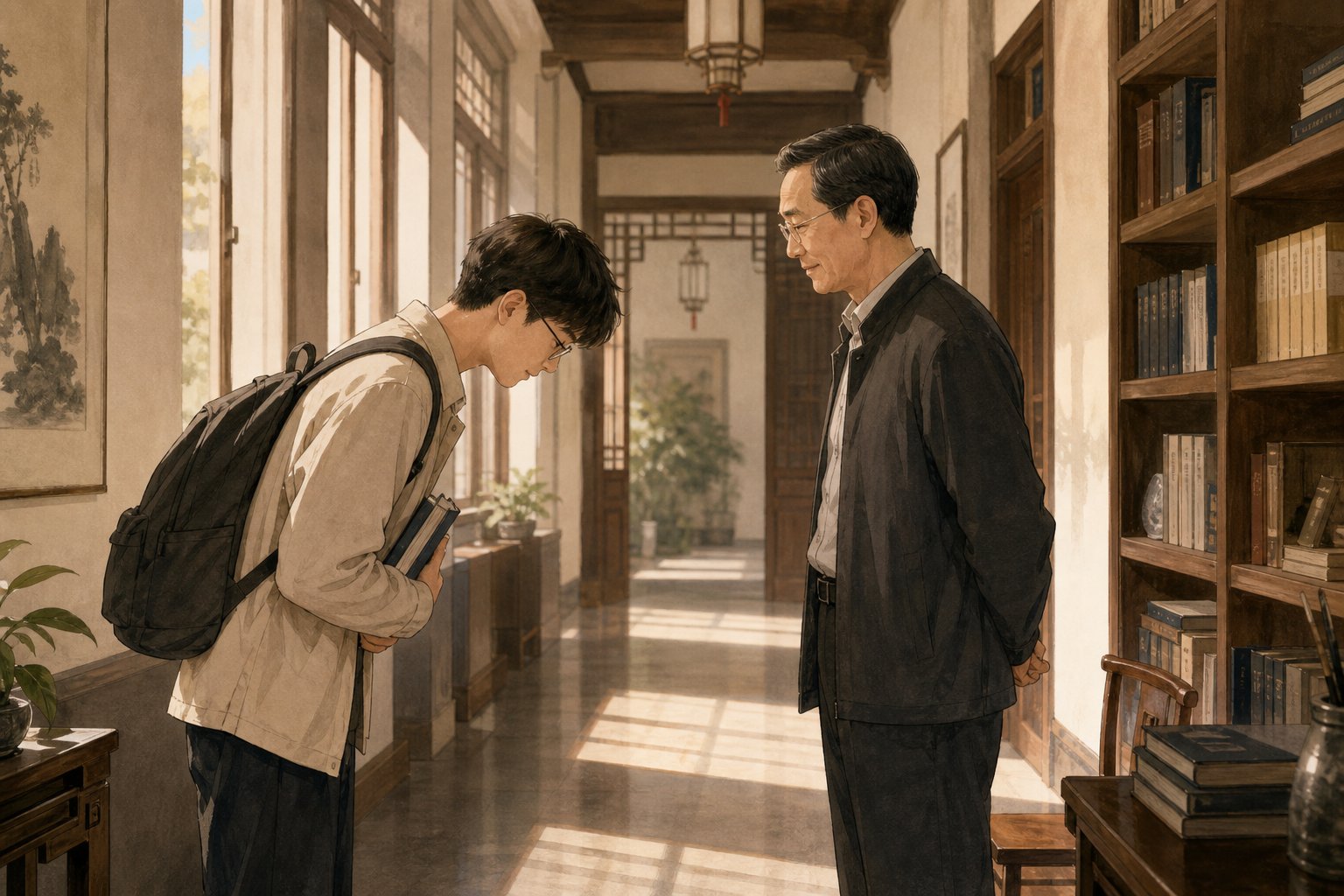
老师 (lǎoshī) literally translates to "old teacher," but the 老 prefix here expresses respect rather than age. In Confucian-influenced societies, deep reverence for teachers is embedded in the culture, and this title reflects that tradition. You can address your teacher simply as "lǎoshī" or combine it with their surname: 黄老师 (Huáng lǎoshī, Teacher Huang).
Here's what surprises most learners: 老师 has expanded far beyond the classroom. It's now commonly used to respectfully address anyone with expertise in a particular field, from film directors to media personalities to administrative staff at schools. If someone is knowledgeable and you want to show respect, 老师 works. This mirrors how the Japanese term "sensei" functions as a broad honorific for experts and mentors. In fact, the sensei in chinese equivalent is essentially 老师, both sharing the same cultural DNA of honoring those who teach and guide.
教授 (jiàoshòu) is more specific. It means "professor" and is reserved for those who hold an actual professorial rank at a university. You wouldn't call a high school teacher 教授, but you'd absolutely use it for your university lecturer: 王教授 (Wáng jiàoshòu, Professor Wang). In academic settings, this title carries significant weight and is used in both spoken conversation and written correspondence.
A quick example of how these work in practice:
老师好。你忙吗?(Lǎoshī hǎo. Nǐ máng ma?) — "Hello, teacher. Are you busy?" Notice that you don't need to add 你 or 您 before 好 when greeting someone by title. You simply attach 好 directly to the title, just as you'd say 大家好 (hello everyone).
What Does Shifu Mean in Chinese
This is one of the most commonly asked questions about Chinese titles, and the answer depends on which characters you're looking at. There are actually two versions of shifu, and they carry different meanings despite sounding nearly identical.
师傅 (shīfù), written with the character 傅 meaning "instructor," refers to a skilled worker or expert tradesperson. It's used as a respectful form of address for taxi drivers, plumbers, chefs, electricians, and other skilled professionals. During the Cultural Revolution, 师傅 was even adopted as a general form of address for strangers, functioning as a substitute for 同志 (comrade). Today, if you hop into a cab in Beijing, you'd naturally say 师傅 to get the driver's attention.
师父 (shīfu), written with the character 父 meaning "father," carries a deeper emotional weight. This version is reserved for teachers of self-cultivation practices: martial arts masters, Buddhist monks, Taoist priests, and spiritual mentors. The substitution of "father" for "instructor" signals a familial bond between master and disciple. A martial arts 师父 isn't just teaching technique. They're guiding a student's character development, much like a parent would.
The practical distinction matters. You'd call a construction worker 师傅 to show respect for their craft. You'd call your kung fu teacher 师父 to honor the personal relationship. Both are pronounced almost identically in everyday speech, which is why even native speakers sometimes blur the line, but the written distinction remains important in formal contexts.
Doctor and Academic Titles in Chinese
The chinese for doctor depends on whether you mean a medical professional or someone with a doctoral degree.
医生 (yīshēng) is the term for a medical doctor. It's used both as a title and a general noun. You'd address your physician as 李医生 (Lǐ yīshēng, Dr. Li) in conversation. In hospitals, patients and staff alike use this title constantly. The term doctor in traditional chinese medicine contexts works the same way: a TCM practitioner is still addressed as 医生 or, more formally, as 大夫 (dàifu) in northern China.
博士 (bóshì) refers specifically to someone who holds a doctorate in chinese academic contexts, equivalent to a Ph.D. holder. This is a prestigious title in Chinese culture, and people who've earned it are often addressed as 张博士 (Zhāng bóshì). It's worth noting that 博士 is an academic credential, not a medical title. A surgeon is 医生; a researcher with a Ph.D. is 博士. Some people hold both, in which case context determines which title gets used.
大师 (dàshī) sits at the top of the respect hierarchy. It means "great master" and is reserved for individuals who've achieved extraordinary mastery in their field, whether that's calligraphy, painting, martial arts, or Buddhist practice. You wouldn't casually call someone 大师 unless their reputation truly warrants it.
- 博士 (bóshì) — Most formal; reserved for verified Ph.D. holders in academic and research settings
- 教授 (jiàoshòu) — Highly formal; used exclusively for university professors
- 医生 (yīshēng) — Formal; standard address for medical professionals
- 老师 (lǎoshī) — Semi-formal; broad usage from classrooms to creative industries
- 师傅 (shīfù) — Respectful but casual; used for skilled tradespeople and service workers
- 大师 (dàshī) — Context-dependent; extremely respectful but used sparingly for true masters
In written communication like emails and formal letters, professional titles tend to be used more consistently than in face-to-face conversation. An email to a professor would open with 尊敬的王教授 (Respected Professor Wang), while in person you might simply say 王老师 if the relationship is familiar. Business cards in China prominently display professional titles, and referencing someone's card title in correspondence shows attentiveness. In spoken settings, the Chinese sensei equivalent 老师 often replaces more specific titles once a comfortable working relationship is established, functioning as a warm default that never offends.
Professional titles define how colleagues interact within institutions, but Chinese address conventions extend even further. Outside the workplace, a parallel system based on age and family relationships governs how strangers and acquaintances speak to each other on the street, in shops, and across generations.
Kinship Terms and Age-Based Address Conventions
In English, calling a stranger "auntie" or "big brother" might sound odd. In Chinese, it's completely normal and even expected. The kinship-based address system extends family vocabulary into everyday social interactions, turning strangers into honorary relatives based on their perceived age relative to yours. This practice reflects deep Confucian values: society is modeled on the family, and treating others as kin reinforces social harmony and mutual obligation.
Using Family Terms With Strangers
When you encounter someone in China who's roughly your parents' age, you'd address them as 叔叔 (shūshu, uncle) for a man or 阿姨 (āyí, auntie) for a woman. These aren't terms of actual kinship. They signal warmth and respect while acknowledging the generational gap. A vendor at a market, a neighbor you've just met, or a friend's parent all receive these titles naturally.
For people closer to your grandparents' generation, the terms shift upward: 爷爷 (yéye, grandpa) and 奶奶 (nǎinai, grandma), or the more formal 老人家 (lǎo rén jiā) as a gender-neutral option. Someone only slightly older than you? That's 哥 (gē, older brother) or 姐 (jiě, older sister) territory. You'll hear 大哥 (dà gē) and 大姐 (dà jiě) used constantly in casual exchanges to establish a friendly, respectful tone without excessive formality.
Younger people get addressed differently too. The chinese for younger brother is 弟弟 (dìdi), and younger sister is 妹妹 (mèimei). Playful variations like 小哥哥 (xiǎo gēge) and 小姐姐 (xiǎo jiějie) have become popular among younger generations, connoting youth and approachability. For a young man you don't know, 小伙子 (xiǎo huǒzi) works well, while 小姑娘 (xiǎo gūniang) addresses a young woman casually.
The cultural logic is straightforward: by placing someone within a family framework, you immediately establish how to relate to them. It removes the awkwardness of interacting with strangers by giving both parties a relational script to follow. The chinese word for father, 父 (fù), even appears embedded in the respectful title 师父 (shīfu), reinforcing how deeply family metaphors permeate Chinese address conventions.
Age-Based Prefixes and Suffixes
Beyond kinship terms, two chinese prefix options transform surnames into casual but meaningful forms of address: 小 (xiǎo, little/young) and 老 (lǎo, old/senior).
小 + surname is used for younger colleagues, junior staff, or anyone noticeably younger than the speaker. 小王 (Xiǎo Wáng) feels friendly and approachable, like calling someone "young Wang." Meanwhile, 老 + surname signals seniority and familiarity. 老李 (Lǎo Lǐ) doesn't mean "old Li" in a negative sense. It conveys respect for experience and a comfortable working relationship. These chinese suffixes and prefixes are gender-neutral, making them versatile in mixed professional and social settings.
You can also combine family names with kinship titles for people who aren't blood relatives but are close to your family. A family friend your parents' age might be 马叔叔 (Mǎ shūshu) or 郭阿姨 (Guō āyí), blending the personal surname with the relational title.
Common Mistakes With Kinship Honorifics
The biggest pitfall? Misjudging someone's age and assigning the wrong generational term. Calling a woman 大妈 (dàmā, auntie/older woman) when she considers herself young can be considered offensive, as the term carries connotations of being middle-aged or elderly. When in doubt, err younger. Using 姐 (jiě) for a woman whose age you're unsure about is almost always safer than 阿姨, and certainly safer than 大妈.
Another common mistake: using someone's full name in a tone that implies seriousness. For some Chinese people, hearing their full name spoken aloud feels like being called to the principal's office. Stick with kinship terms, surname-based nicknames, or given names among peers.
- 爷爷 (yéye) / 奶奶 (nǎinai) — Grandparent's generation; elderly strangers
- 叔叔 (shūshu) / 阿姨 (āyí) — Parent's generation; middle-aged strangers or family friends
- 大哥 (dà gē) / 大姐 (dà jiě) — Slightly older than you; friendly and respectful
- 哥 (gē) / 姐 (jiě) — Peers who are a bit older; casual warmth
- 弟弟 (dìdi) / 妹妹 (mèimei) — Younger people; affectionate tone
- 小 + surname — Younger colleagues or acquaintances; informal and friendly
- 老 + surname — Older colleagues or long-time acquaintances; respectful familiarity
- 老人家 (lǎo rén jiā) — Elderly person; gender-neutral and highly respectful
These kinship conventions feel instinctive to native speakers, but they're rooted in a social philosophy that predates modern China by millennia. The same Confucian hierarchy that shapes how strangers address each other on the street once governed an entire imperial court, where titles carried the weight of law and a single rank determined your place in the world.
Historical Titles From Imperial China to the Modern Era
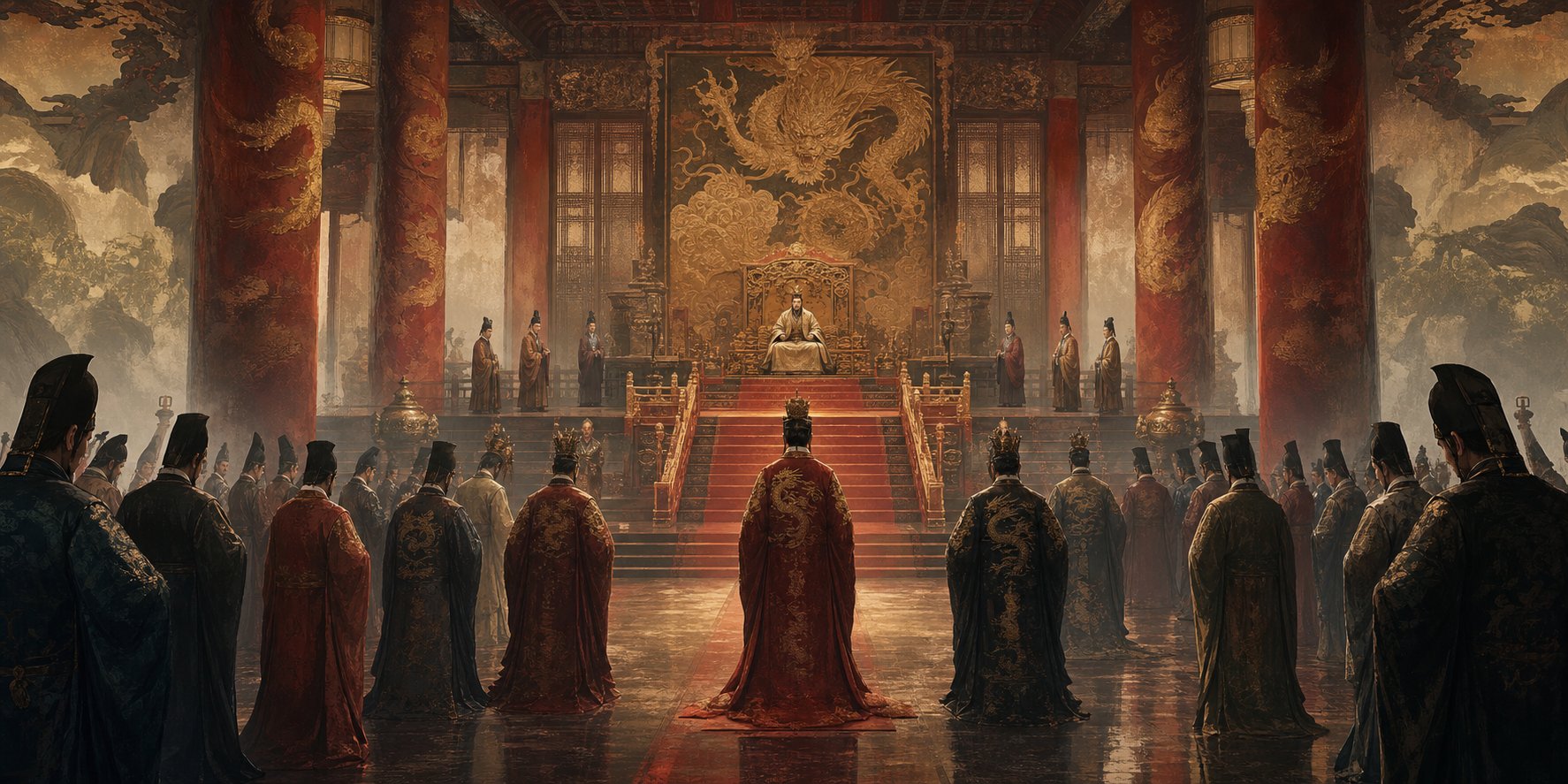
The kinship-based address system you encounter on Chinese streets today is, in many ways, a simplified echo of something far more elaborate. For over two thousand years, imperial China maintained a rigid hierarchy of noble titles that dictated not just how people spoke to each other, but who could speak to whom at all. Understanding these ancient china terms gives you the context behind many honorifics that still appear in literature, idioms, and popular media.
Imperial Nobility Ranks Explained
Chinese nobility operated on a five-rank peerage system called 五等爵位 (wǔděng juéwèi) that crystallized during the Zhou dynasty (roughly 1046-256 BCE). Each rank corresponded to a level of political authority, land ownership, and proximity to the sovereign. The system influenced every subsequent dynasty, with later emperors adapting and expanding it to suit their own political needs.
At the top sat 王 (wáng), meaning king or prince, a title reserved for the sovereign or his closest male relatives. Below that, the five formal peerage ranks governed the chinese noble class. The title duke in chinese is 公 (gōng), the highest of these five ranks, originally held by the most senior lineages. 侯 (hóu, marquis) followed, typically granted to powerful border lords. Then came 伯 (bó, earl), 子 (zǐ, viscount), and 男 (nán, baron).
For women of the imperial household, titles carried equal weight. 夫人 (fūrén) designated a high-ranking lady or consort, while 王妃 (wángfēi) referred specifically to a prince's wife. The empress held the title 皇后 (huánghòu), and royal chinese names for female members of the court followed strict protocols based on their husband's or father's rank.
| Chinese | Pinyin | English Equivalent | Rank Level | Notes |
|---|---|---|---|---|
| 皇帝 | huángdì | Emperor | Sovereign | Supreme ruler; title created by Qin Shi Huang in 221 BCE |
| 王 | wáng | King / Prince | Royal | Used for sovereign or close male relatives of the emperor |
| 公 | gōng | Duke | 1st Rank | Highest peerage; held by the most senior noble lineages |
| 侯 | hóu | Marquis | 2nd Rank | Often granted to powerful regional lords |
| 伯 | bó | Earl / Count | 3rd Rank | Originally a birth-order term meaning "eldest" |
| 子 | zǐ | Viscount | 4th Rank | Also a general term of respect ("master") |
| 男 | nán | Baron | 5th Rank | Lowest peerage rank; held by very few lineages |
| 夫人 | fūrén | Lady / Madame | Consort | High-ranking woman; wife of a noble or official |
| 王妃 | wángfēi | Princess Consort | Royal Consort | Wife of a prince (王) |
The Courtesy Name Tradition
So what is a courtesy name in china, and why did it matter so much? In classical Chinese society, a person's birth name, or 名 (míng), was considered deeply private. Only parents and elders could use it. Calling someone by their birth name in public was an act of disrespect bordering on insult.
To solve this, men received a chinese courtesy name called 字 (zì) at around age twenty, during their coming-of-age ceremony. This was the name peers, colleagues, and juniors used in daily interaction. The 字 was typically chosen to complement or contrast with the birth name in meaning. The famous strategist 诸葛亮 (Zhūgě Liàng) had the courtesy name 孔明 (Kǒngmíng), where both 亮 and 明 mean "bright." The poet 韩愈 (Hán Yù, meaning "to advance") took the courtesy name 退之 (Tuìzhī, meaning "to retreat"), creating an elegant antonym pairing.
Beyond the 字, scholars and artists often adopted a 号 (hào), a self-chosen alias that expressed personal philosophy or aesthetic taste. The poet 陶渊明 (Táo Yuānmíng) called himself 五柳先生 (Wǔliǔ Xiānshēng, "Mr. Five Willows") after the trees near his home. This layered naming system meant a single person could be known by up to five different names, each appropriate for a different social context and relationship.
How Revolution Changed Chinese Address
The Xinhai Revolution of 1911 formally ended the imperial system, and with it the legal basis for chinese nobility titles. The Republic of China dismantled hereditary ranks, though noble families retained social prestige for a time. But the real linguistic revolution came after 1949.
When the Communist Party established the People's Republic, it deliberately replaced the entire feudal address system with a single, egalitarian term: 同志 (tóngzhì, comrade). The word carried revolutionary weight, signaling that all citizens were equals working toward a shared political goal. For decades, 同志 functioned as the universal form of address in mainland China, erasing distinctions of class, profession, and gender in one stroke.
The shift was intentional and ideological. Titles like 先生 and 小姐 were associated with bourgeois society and fell out of official use. 同志 appeared in government documents, workplace interactions, and everyday greetings alike. Only after China's economic reforms in the 1980s did older titles gradually return to common usage, with 先生 and 女士 reclaiming their place in business and formal contexts.
Today, many imperial-era terms survive not as living address conventions but as cultural artifacts. You'll encounter them in historical idioms, literary references, and especially in the booming world of Chinese period dramas and fantasy fiction, where ancient court hierarchies provide the scaffolding for entire fictional universes.

Chinese Honorifics in Popular Culture and Fiction
If you've ever watched a C-drama, read a xianxia web novel, or fallen into the world of danmei literature, you've encountered a dense web of honorifics that subtitles barely explain. Terms like 殿下, 师兄, and 公子 fly past in dialogue, and understanding them transforms a confusing viewing experience into a rich one. Many of these titles trace directly back to the imperial system covered above, but fiction has adapted, stylized, and sometimes reinvented them for dramatic effect.
The good news? Once you learn the underlying logic, the same handful of patterns repeat across nearly every wuxia, xianxia, and historical drama you'll encounter.
Xianxia and Wuxia Honorifics Decoded
Xianxia (immortal cultivation) and wuxia (martial arts) fiction draw heavily from Taoist and Buddhist monastic traditions. The term 道长 (dàozhǎng) means "Taoist priest" or "Taoist elder" and is used to respectfully address a Taoist practitioner. You'll hear it constantly in cultivation dramas when characters visit temples or encounter wandering cultivators. For those curious about taoist pronunciation in these contexts, the key is the falling tone on 道 (dào) and the rising tone on 长 (zhǎng), distinguishing it from other meanings of these characters.
Buddhist monks' honorifics follow a parallel structure. A senior Buddhist monk is addressed as 法师 (fǎshī, Dharma master) or 大师 (dàshī, great master), while monks themselves use humble self-references like 贫僧 (pínsēng, "this penniless monk") or 贫道 (píndào, "this penniless priest") for Taoist adepts. These self-deprecating forms appear in classical texts and remain standard in historical fiction.
公子 (gōngzǐ) is another term you'll hear in nearly every period drama. It originally meant "son of a duke" but evolved into a polite address for any young man of good standing, roughly equivalent to "young master" or "young lord." What does furen mean in chinese fiction? 夫人 (fūrén) addresses a married woman of status, translated as "Madam" or "Lady," and remains in contemporary use for formal introductions of someone's wife.
Royal Court Titles in Chinese Drama
Court dramas rely on a precise hierarchy of address that signals exactly where each character stands in relation to the throne. If you've ever wondered how to say your majesty in chinese, the answer depends on who's speaking and to whom.
陛下 (bìxià) is the standard way officials address the emperor. The literal meaning is "beneath the ceremonial ramp," implying the speaker stands below the emperor's elevated platform. For members of the imperial family who aren't the emperor, such as princes and princesses, the correct address is 殿下 (diànxià), meaning "beneath your palace hall." This is the Chinese equivalent of "Your Royal Highness."
- Royal court terms:
- 陛下 (bìxià) — Your Majesty; used by officials addressing the emperor
- 殿下 (diànxià) — Your Royal Highness; for princes, princesses, and other imperial family
- 皇上 (huángshàng) — Your Majesty (less formal variant); used by close attendants
- 公子 (gōngzǐ) — Young Master / Young Lord; for sons of nobility
- 夫人 (fūrén) — Madam / Lady; for married women of rank
- 娘娘 (niángniang) — Your Ladyship; for empresses and high-ranking consorts
- Sect and school terms:
- 师父 (shīfu) — Master; the head teacher or personal mentor
- 师兄 (shīxiōng) — Senior martial brother; male disciple who entered the sect earlier
- 师姐 (shījiě) — Senior martial sister; female disciple who entered earlier
- 师弟 (shīdì) — Junior martial brother; male disciple who entered later
- 师妹 (shīmèi) — Junior martial sister; female disciple who entered later
- 师公 (shīgōng) — Grandmaster; your master's master
- 前辈 (qiánbèi) — Senior; respectful address for anyone of an older generation in the martial world
- Terms of intimacy:
- 阿 (ā-) + name — Intimacy prefix; 阿亮, 阿莲 show closeness and affection
- -儿 (ér) suffix — Endearing diminutive; 艳儿 (Yàn'ér) sounds tender and personal
- 小 (xiǎo-) + name — Familiar diminutive; used between close friends or by elders to juniors
Martial Arts Sect Hierarchy Terms
The martial arts sect operates like a family, and its address system mirrors kinship conventions exactly. Your master (师父) is your "father." Your master's master (师公) is your "grandfather." Fellow disciples who joined before you are your "elder siblings," and those who joined after are your "younger siblings." This structure appears in virtually every wuxia story, from classic Jin Yong novels to modern web serials.
The shimei chinese meaning is "junior martial sister," referring to a female disciple who entered the sect after the speaker. It's one of the most frequently searched terms thanks to its constant appearance in danmei and xianxia fiction. The relationship between 师兄 and 师妹 (or 师弟) often drives romantic subplots, since these characters share a master and train together daily without being blood relatives.
What makes this system confusing for newcomers is that seniority is based on when you joined the sect, not your actual age. A forty-year-old who joined a sect last year would still call a twenty-year-old who joined five years ago 师兄 (senior brother). This detail creates dramatic tension in fiction and reflects the real Confucian principle that 辈分 (bèifèn, generational seniority) isn't purely about age.
The chinese for master in this context is always 师父 (shīfu), with the "father" character. Fiction never uses 师傅 (the "instructor" variant for tradespeople) for martial arts masters. This distinction matters if you're reading untranslated text or writing fan translations.
Many of these terms bridge fiction and reality more than you might expect. 前辈 (qiánbèi, senior) is still used in modern workplaces. 师兄 and 师姐 appear in universities when students address classmates who enrolled earlier. And the 阿 (ā-) prefix for intimacy remains one of the most common ways to address close friends in southern China and Taiwan. The fictional world didn't invent these conventions. It preserved and amplified ones that everyday modern Chinese has quietly retained.
These honorifics feel universal when you're watching subtitled content, but the reality is more nuanced. The same title can carry different weight, different connotations, and even different pronunciation depending on whether you're in Guangzhou, Taipei, or Singapore.
Regional Variations Across Mandarin and Cantonese
A title that sounds perfectly natural in Beijing might raise eyebrows in Hong Kong, and a form of address common in Taipei could confuse someone in Singapore. Chinese isn't a monolithic language, and its honorific system reflects that diversity. Regional dialects, colonial histories, and political trajectories have all shaped how people address each other across the Chinese-speaking world. If you want to use these terms correctly, knowing where you are matters almost as much as knowing whom you're speaking to.
Cantonese vs Mandarin Honorifics
Cantonese, spoken primarily in Guangdong province, Hong Kong, and Macau, shares much of its honorific vocabulary with Mandarin but deploys it differently. The most distinctive feature is the 阿 (aa3, a-) prefix, which appears far more frequently and flexibly in Cantonese than in standard Mandarin.
In Mandarin, 阿 typically attaches to kinship terms or given names to signal intimacy: 阿姨 (āyí, auntie) or 阿明 (Ā Míng). In Cantonese, the prefix extends to borrowed English words and professional titles. The classic example is 阿Sir (aa3 Sir), the standard way to address a police officer in Hong Kong, drawn from decades of British colonial influence on the police force. Teachers are addressed as 阿Miss (aa3 Miss) in schools. These hybrid forms blend Cantonese grammar with English loanwords in a way that has no parallel in Mandarin.
Kinship terms also differ. The younger brother in cantonese is 細佬 (sai3 lou2), literally "small fellow," rather than the Mandarin 弟弟 (dìdi). An older brother is 大佬 (daai6 lou2), which doubles as slang for "boss" in informal contexts. These Cantonese-specific terms carry cultural weight that standard Mandarin equivalents don't capture.
Another key difference: Mandarin uses 您 (nín) as a formal second-person pronoun to show respect. Cantonese has no spoken equivalent. The character 您 occasionally appears in written Cantonese as a visual marker of politeness, but linguists at the University of Pennsylvania note that it's pronounced identically to 你 (nei5) in Cantonese, making it a purely written distinction. When Cantonese speakers want to express respect, they rely on title choice and sentence structure rather than pronoun switching.
Taiwan and Mainland Differences
Taiwan preserves several formal address conventions that mainland China has largely abandoned. The most notable is the continued everyday use of 小姐 (xiǎojiě) as a respectful title for young women. While this term developed problematic connotations in parts of the mainland, it remains perfectly standard in Taiwan for addressing waitstaff, receptionists, and strangers. Taiwanese speakers also use 先生 and 小姐 more liberally in service contexts where mainland speakers might default to job titles or casual terms like 帅哥 (shuàigē, handsome) and 美女 (měinǚ, beauty).
The concept of expressing oneself respectfully 中文 style also manifests differently across the strait. Taiwan retains traditional characters and more classical phrasing in formal correspondence, while mainland China uses simplified characters and tends toward directness. A formal Taiwanese letter might open with 敬启者 (jìng qǐ zhě, "respectfully to the reader"), a convention that feels archaic on the mainland.
Taiwan also maintains stronger use of 您 in daily speech, particularly in customer service and formal settings. Mainland China reserves 您 primarily for northern dialects (especially Beijing Mandarin) and official contexts, while southern mainland speakers rarely use it at all.
Honorifics in Overseas Chinese Communities
Singapore presents a fascinating case of multilingual honorific mixing. With four official languages (English, Mandarin, Malay, and Tamil) and multiple Chinese dialects (Hokkien, Teochew, Cantonese, Hakka), Singaporean Chinese speakers often code-switch between systems mid-conversation. A Singaporean might address their boss as "Mr. Tan" in English, switch to 陈老板 (Chén lǎobǎn, Boss Chen) in Mandarin, and use Hokkien kinship terms with older relatives, all within the same day.
The title 中文 (zhōngwén, Chinese language) itself carries different weight in these communities. In Singapore and Malaysia, "speaking Chinese" might mean Mandarin, Hokkien, or Cantonese depending on context, and each dialect brings its own address conventions. Chinese terms in english contexts also behave differently overseas. Singaporean English naturally incorporates terms like "Auntie" and "Uncle" as direct translations of Chinese kinship address, applied to strangers in hawker centers and shops regardless of the speaker's ethnicity.
| Social Situation | Mainland China (Mandarin) | Taiwan (Mandarin) | Hong Kong (Cantonese) | Singapore |
|---|---|---|---|---|
| Addressing a male stranger politely | 先生 (xiānsheng) or 帅哥 (shuàigē, casual) | 先生 (xiānsheng) | 阿Sir (if police) or 先生 (sin1 saang1) | Mr. + surname or Uncle (if older) |
| Addressing a young woman in a shop | 美女 (měinǚ) or 女士 (nǚshì) | 小姐 (xiǎojiě) | 小姐 (siu2 ze2) or Miss | Miss or 小姐 |
| Calling a taxi driver | 师傅 (shīfu) | 司机先生 (sījī xiānsheng) or 大哥 (dà gē) | 司机 (si1 gei1) or 师傅 | Uncle or Driver |
| Addressing a teacher | 老师 (lǎoshī) | 老师 (lǎoshī) | 阿Miss / 阿Sir | Teacher or Mr./Ms. + surname |
| Referring to someone's younger brother | 弟弟 (dìdi) | 弟弟 (dìdi) | 細佬 (sai3 lou2) | Didi or younger brother |
These regional differences remind us that learning address conventions isn't a one-size-fits-all exercise. The "correct" title depends on geography as much as social context. But geography is only one axis of change. Time is the other. Across all these regions, younger generations are reshaping honorific norms through digital communication, creating new conventions that would puzzle their grandparents.
Modern Digital Communication and Generational Shifts
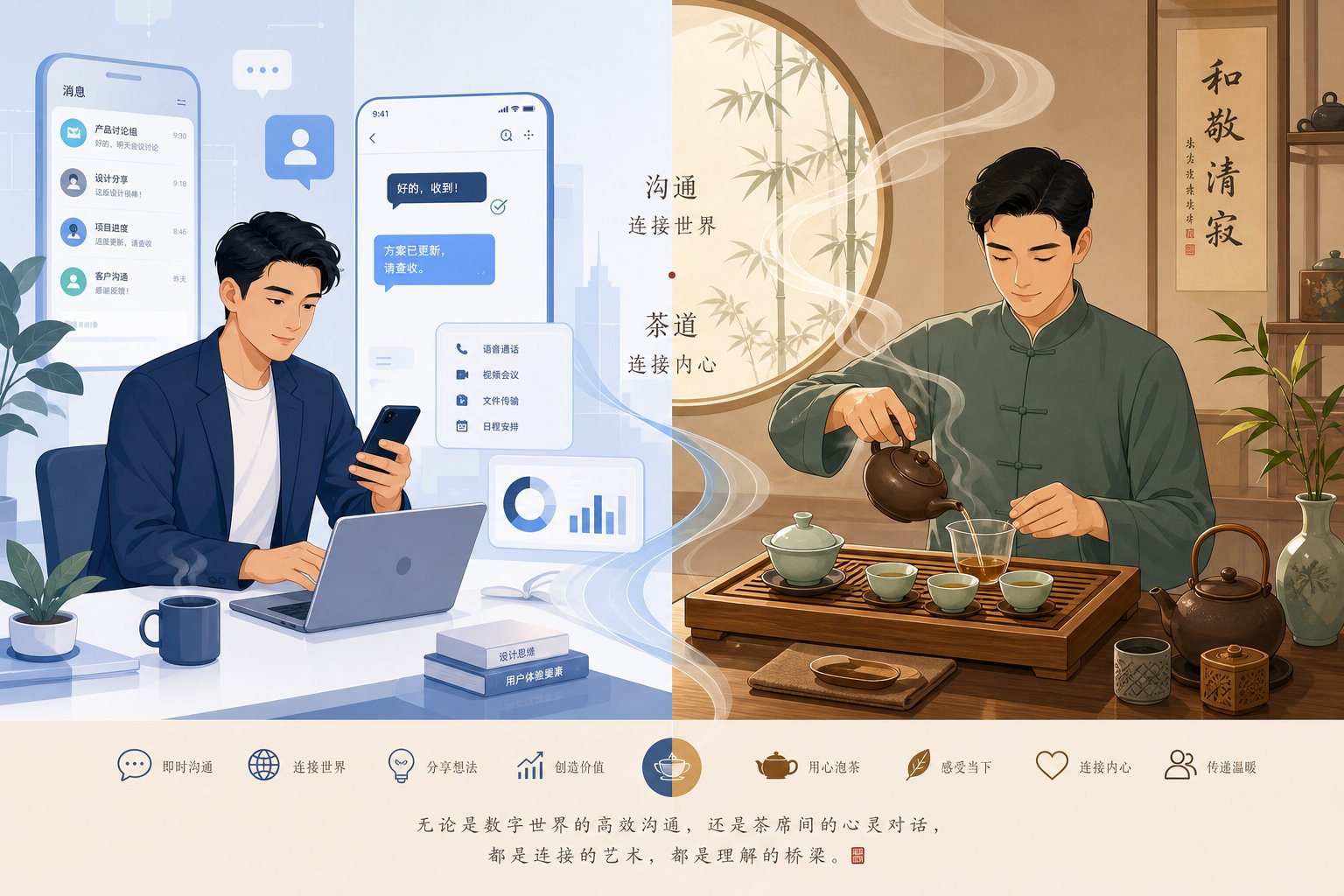
Open any Taobao customer service chat and the first word you'll see is 亲 (qīn, dear). Browse Bilibili comments and you'll find users calling each other 老铁 (lǎotiě, "old iron," meaning close buddy). Scroll through WeChat group chats and watch colleagues toggle between chinese formal titles and playful nicknames within the same conversation. Digital communication hasn't just added new vocabulary to Chinese address conventions. It's rewriting the rules of when formality applies and when it doesn't.
Online and Social Media Address Conventions
The most visible shift is the rise of internet-native terms of address that have no precedent in traditional honorific systems. 亲 (qīn) started as a chinese short form of 亲爱的 (qīn'ài de, "dear") and exploded across e-commerce platforms in the early 2010s. Taobao sellers adopted it as a universal greeting for customers, and it quickly spread into casual online conversation. Today, 亲 functions as a warm, gender-neutral opener in any digital exchange where you want to sound friendly without being overly formal.
Other digital-age address patterns have emerged from specific online communities. On Bilibili and Douyin, viewers call content creators 大大 (dàdà, "big big," meaning someone impressive) or UP主 (UP zhǔ, channel host). Fan communities use 太太 (tàitai) not for married women but for talented fan artists and writers, repurposing a traditional title into a term of creative admiration. Gaming communities have their own vocabulary: 大佬 (dàlǎo, big boss) for skilled players and 萌新 (méngxīn, cute newbie) for beginners.
WeChat, the dominant messaging platform, has created its own naming conventions. In work group chats, people typically display their real name plus department or title. In friend groups, nicknames and emoji-laden display names are standard. The platform's "remark name" feature lets you privately label contacts however you want, meaning the same person might be "Director Chen" in your phone but "陈姐" in your head. This layered system mirrors the traditional Chinese practice of using different names in different relational contexts, just digitized.
- 亲 (qīn) — Universal warm greeting in e-commerce and casual online chats; gender-neutral
- 宝 (bǎo) / 宝宝 (bǎobao) — "Baby" or "babe"; chinese terms of endearment used between close friends online, not just romantic partners
- 大大 (dàdà) — Admiring address for skilled creators or experts in fan communities
- 老铁 (lǎotiě) — "Old iron"; close buddy, originated from northeastern dialect and spread via livestreaming
- 集美 (jíměi) — Playful homophone of 姐妹 (jiěmèi, sisters); used among young women online
- 家人们 (jiārénmen) — "Family"; livestreamers addressing their audience to create intimacy
- X总 (X zǒng) — Surname + 总; used semi-ironically online for anyone acting boss-like, but still standard in business WeChat groups
- 老师 (lǎoshī) — Still thrives online as a safe, respectful default when you're unsure how to address someone with expertise
Written vs Spoken Honorifics
One of the trickiest aspects of modern Chinese address is that written and spoken conventions have diverged significantly. A formal email and a face-to-face greeting to the same person might use completely different language.
In chinese formal written communication like business emails, the opening typically follows a set pattern: 尊敬的 (zūnjìng de, respected) + title + surname. A letter to Professor Wang opens with 尊敬的王教授. Business correspondence between companies uses 贵公司 (guì gōngsī, your esteemed company) and closes with 此致敬礼 (cǐ zhì jìnglǐ, with respectful regards). These conventions remain rigid and largely unchanged by digital culture.
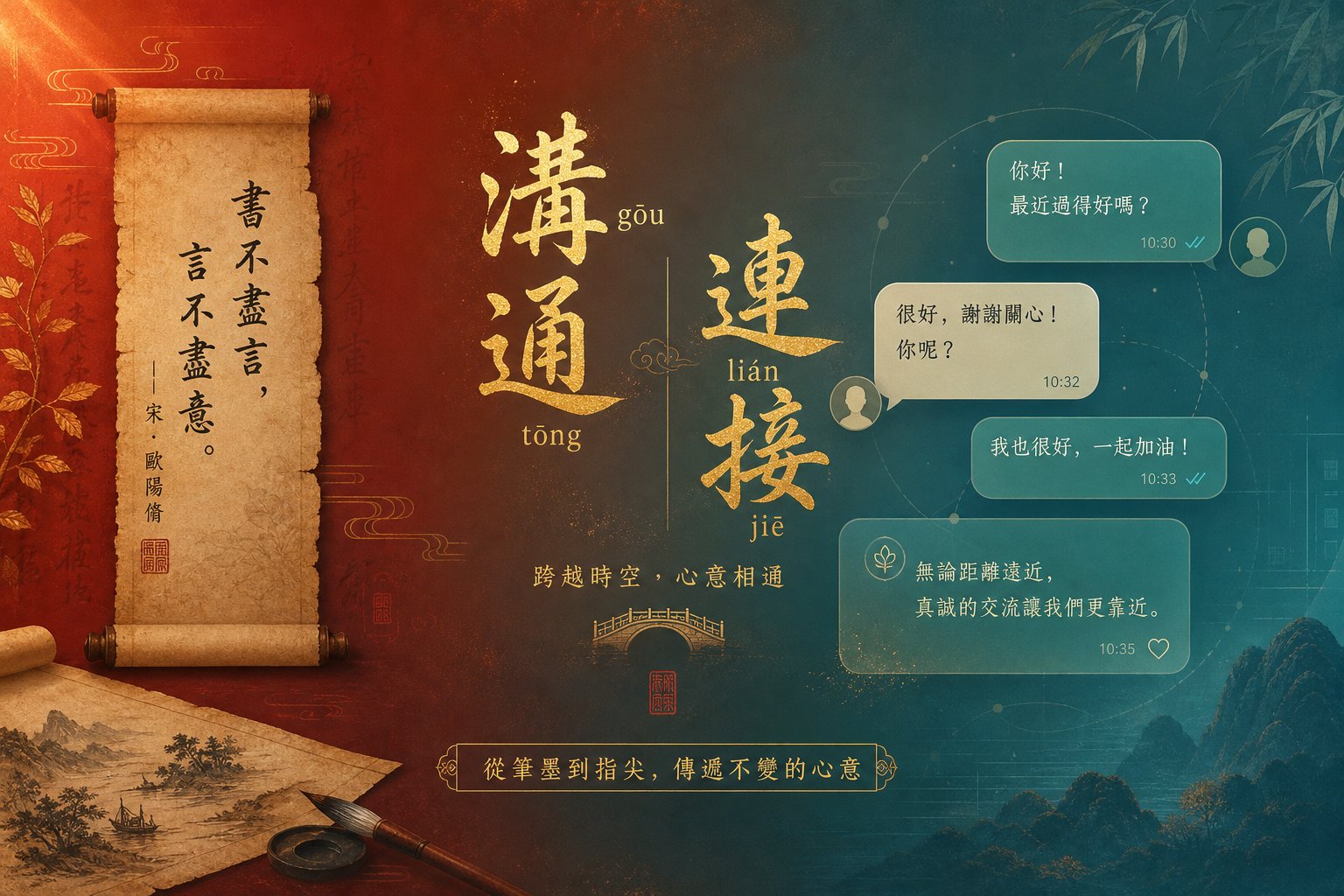
WeChat messages to the same professor? Completely different register. You might write 王老师您好 (Wáng lǎoshī nín hǎo) or even just 老师好. The formality drops by several levels, but the title remains. This is the key insight: digital communication in Chinese reduces formality of phrasing while preserving formality of address. You still use the title. You just wrap it in shorter, more casual sentences.
Business cards add another layer. In face-to-face meetings, exchanging cards (名片, míngpiàn) establishes how someone wants to be addressed. The title printed on the card is your guide. If it says 总经理 (zǒng jīnglǐ, general manager), you address them as X总 or X经理 in subsequent messages. Ignoring the card title in favor of a first name signals either closeness or carelessness, and you don't want it to be the latter.
How Younger Generations Are Changing the Rules
Chinese speakers born after 1995 (the so-called 95后, jiǔwǔ hòu) are reshaping address norms in ways that sometimes alarm older generations. Language scholars and cultural commentators have debated whether internet slang is enriching or degrading the Chinese language, but the generational shift in honorific use is undeniable.
Younger speakers tend to flatten hierarchies in casual settings. Where their parents would carefully calibrate 您 versus 你, many young people default to 你 in all but the most formal situations. Chinese terms of affection like 宝 (bǎo, treasure) and 崽 (zǎi, kid) have expanded from romantic contexts into friendship, with young women calling each other 姐妹 (jiěmèi) or the playful variant 集美 regardless of actual age difference. These terms of endearment in chinese online spaces carry warmth without the hierarchical weight of traditional kinship terms.
The generational divide shows up clearly in workplace communication. Older managers expect to be addressed by title: 李总, 张主任. Younger teams in tech startups often adopt flat naming conventions, using English names, nicknames, or even just full Chinese names without titles. Some companies explicitly encourage dropping honorifics to foster a less hierarchical culture, a practice that would have been unthinkable a generation ago.
Yet the old system hasn't disappeared. It's become context-dependent in a way it never was before. The same twenty-five-year-old who calls friends 宝贝 (bǎobèi, baby) in group chats will switch to 您 and full titles when messaging a client. Chinese terms of affection coexist with rigid formality, separated by platform, audience, and intent. The rules haven't been erased. They've been multiplied.
This constant code-switching between registers, knowing when to be playful and when to be proper, is itself a new social skill. And for non-Chinese speakers trying to navigate these waters, the stakes of getting it wrong remain real. The final piece of the puzzle is understanding exactly where the landmines are and how to sidestep them gracefully.
Etiquette Tips and Common Mistakes to Avoid
Knowing the full list of formal titles is one thing. Using them correctly in real time, under social pressure, with someone watching your face for a reaction, is something else entirely. The good news? Most Chinese people are forgiving of honest mistakes from non-native speakers. The bad news? A few specific errors carry enough cultural weight that they're worth memorizing before your next meeting, dinner, or WeChat exchange.
When in doubt, default to surname + professional title. It's the single safest formula in Chinese address culture and virtually impossible to get wrong. If you don't know someone's title, 老师 (lǎoshī) works as a respectful fallback in almost any situation.
Mistakes That Offend and How to Avoid Them
Some errors are minor and easily laughed off. Others hit cultural nerves. Here are the ones that matter most, drawn from real honorifics examples that trip up non-Chinese speakers regularly:
- Calling someone by their first name too early — In Chinese culture, using someone's given name without invitation implies a level of intimacy you haven't earned. Stick with surname + title until they explicitly invite you to do otherwise.
- Misjudging age with kinship terms — Addressing a woman in her thirties as 阿姨 (āyí, auntie) when she expects 姐 (jiě, older sister) can genuinely offend. Always err younger.
- Using 小姐 without a surname in mainland China — On its own, this term carries risky connotations in some regions. Pair it with a surname (李小姐) or default to 女士 (nǚshì).
- Reversing name order — In a bilingual setting, confusing surname and given name is common. If someone introduces themselves as "Wang Li," Wang is the surname. Address them as Mr./Ms. Wang, not Mr./Ms. Li.
- Skipping titles entirely — Calling a senior colleague by their bare surname feels abrupt and disrespectful. Always attach a title.
- Using 同志 (tóngzhì) casually — Once meaning "comrade," this term now primarily refers to LGBTQ+ identity in informal contexts. Using it as a general address will confuse or amuse people.
Recovering from a mistake is straightforward. A quick 不好意思 (bù hǎo yìsi, "excuse me, my mistake") followed by the correct title shows awareness and respect in chinese social interactions. Nobody expects perfection from a non-native speaker, but they do notice whether you care enough to correct yourself.
Practical Tips for Non-Chinese Speakers
Should you use Chinese titles when speaking English with Chinese colleagues? The short answer: yes, when it feels natural. Saying "Director Chen" or "Professor Zhang" in English conversation shows you respect chinese professional conventions without forcing yourself into unfamiliar pronunciation. Many Chinese professionals operating in bilingual environments appreciate this small gesture of politeness in chinese business culture.
A practical example of chinese address in an English email might look like: "Dear Director Li" rather than "Dear Xiaoming." Mirror whatever title appears on their business card or email signature. If their signature says "Dr. Wang," use that. If it says "Lily Wang, Marketing Manager," then "Dear Ms. Wang" or "Dear Manager Wang" both work.
When speaking Mandarin, remember that manners in chinese communication often come down to tone and title choice rather than magic words. Using 您 (nín) instead of 你 (nǐ) with elders, attaching proper titles, and avoiding bare names covers most situations.
Business Etiquette and Name Card Conventions
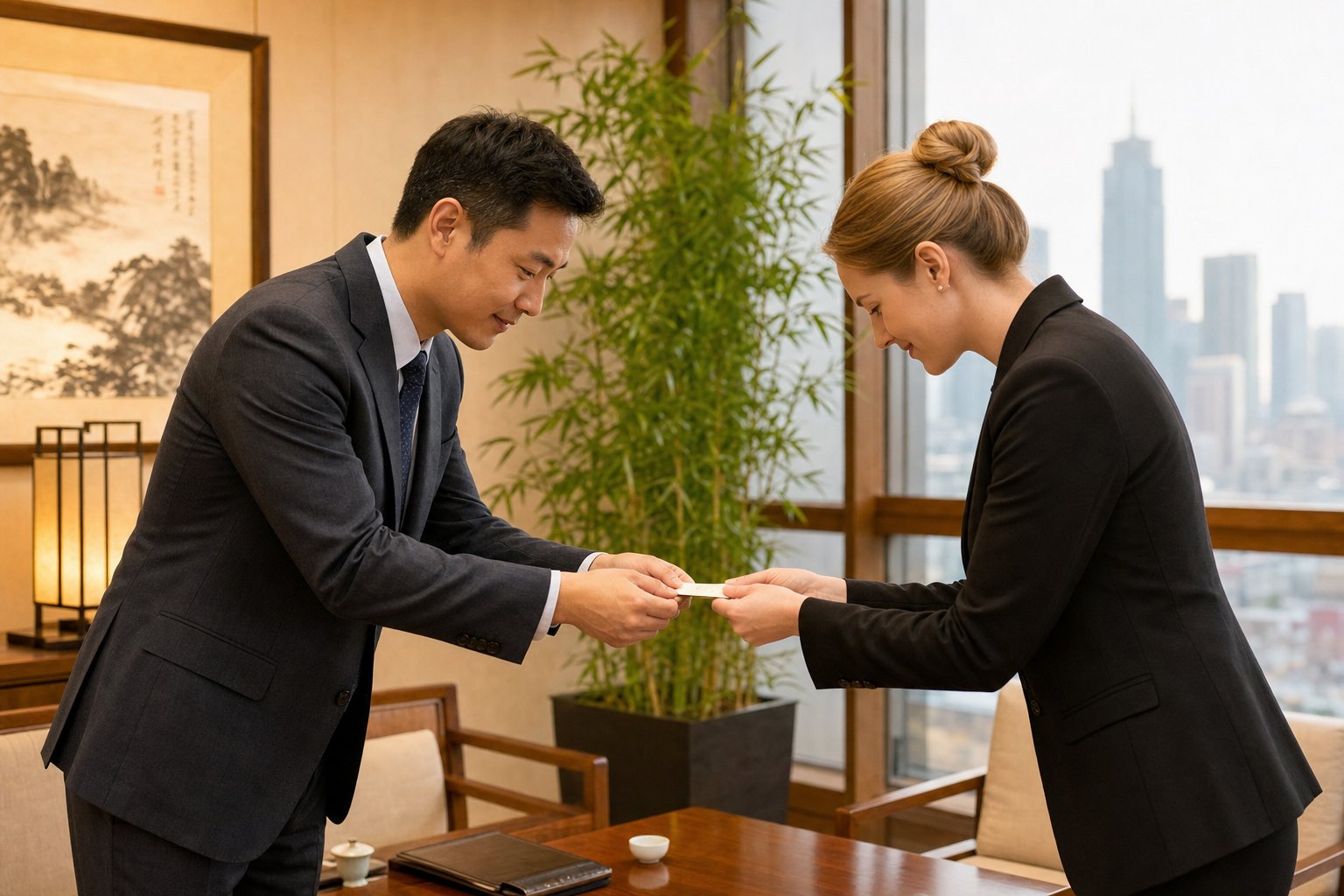
Business cards remain central to Chinese professional introductions. Chinese business etiquette experts emphasize that cards should be given and received with both hands, with the Chinese-language side facing the recipient. Reading the card carefully before putting it away signals respect. Sliding it into your pocket without a glance is considered rude.
The title printed on someone's card tells you exactly how to address them going forward. If it reads 总经理 (zǒng jīnglǐ, general manager), use surname + 总 in conversation. If it lists 博士 (bóshì, Ph.D.), acknowledge that credential. The card is your cheat sheet, so treat it like one.
One final point worth remembering: effort matters more than perfection. Chinese culture places enormous value on the intention behind your words. A foreigner who stumbles through 王老师好 with imperfect tones will always be received more warmly than one who doesn't try at all. The system of address exists to build connection, not to gatekeep it. Show that you're paying attention, and the rest follows.
Frequently Asked Questions About Chinese Name Titles and Honorifics
1. What is the correct order for Chinese names and titles?
In Chinese, the surname always comes first, followed by the title as a suffix. For example, Mr. Wang is expressed as 王先生 (Wang xiansheng), with the family name leading and the honorific following. This is the opposite of English conventions where titles precede names. This structure applies universally across everyday titles, professional designations, and kinship-based address forms in both spoken and written Chinese.
2. What is the difference between shifu and shifu in Chinese?
There are two versions written with different characters. 师傅 (shifu, with the character meaning instructor) is a respectful address for skilled workers like taxi drivers, chefs, and tradespeople. 师父 (shifu, with the character meaning father) is reserved for martial arts masters, Buddhist monks, Taoist priests, and spiritual mentors. The second version implies a deeper familial bond between master and disciple, while the first acknowledges professional skill without personal attachment.
3. Why is 小姐 (xiaojie) considered offensive in some parts of China?
While 小姐 historically meant Miss and remains appropriate in formal settings in Taiwan and Hong Kong, it developed negative connotations in parts of mainland China during the late 20th century, becoming associated with sex workers in some informal contexts. The safest approach is to pair it with a surname in formal situations (such as 李小姐) or default to 女士 (nushi, Ms.) when addressing someone you do not know well.
4. How do you address someone respectfully if you don't know their title in Chinese?
The safest formula is surname plus professional title. If you do not know someone's specific title, 老师 (laoshi, teacher) works as a respectful fallback in nearly any situation because it has expanded beyond the classroom to honor anyone with expertise. For formal written communication, 先生 (xiansheng) for men and 女士 (nushi) for women are universally safe choices that carry no risk of offense.
5. What do terms like 师兄 and 师妹 mean in Chinese dramas and novels?
These are martial arts sect hierarchy terms used extensively in wuxia and xianxia fiction. 师兄 (shixiong) means senior martial brother, referring to a male disciple who joined the sect earlier, while 师妹 (shimei) means junior martial sister, a female disciple who joined later. Seniority is based on when someone entered the sect rather than actual age, which often creates dramatic tension in stories. These terms also appear in modern universities where students address classmates who enrolled earlier as 师兄 or 师姐.