Finding beauty in the dark side of Chinese names
When you search for chinese names with dark meanings, are you hoping for elegant mystery or heavy gloom? Sounds complex? The difference matters. In Chinese, dark can be lyrical and refined, or it can signal misfortune. With a little context, you can capture moody, gothic vibes without crossing into insensitive territory.
What dark means in Chinese naming
Dark in Chinese often points to night, shadow, depth, or seclusion. Those themes can feel stylish and poetic. But terms tied to death or mourning lean inauspicious. You will notice that a single hanzi may carry multiple senses. Your goal is to choose meanings that read as mysterious, not morbid, in real usage.
In Chinese, dark can mean 'mysterious and elegant' or 'bleak and inauspicious' - focus on literary nuance, not shock value.
Poetic versus negative connotations
Use this quick map to sort dark-leaning ideas before you build a name. Include hanzi + pinyin with tone marks in every shortlist so you avoid ambiguity and can discuss choices with native speakers.
- Night and shadow: 夜 Yè, 影 Yǐng (poetic; widely acceptable in literary or nickname contexts; modern acceptability varies by combo; gender tone neutral)
- Mystery and profundity: 玄 Xuán, 幽 Yōu (poetic or literary; often positive when paired well; neutral to refined vibe)
- Gloom or darkness: 冥 Míng, 暗 Àn (ambiguous to negative; 冥 leans much darker and funereal; 暗 can be tasteful if balanced; use with care)
- Mourning or death: 亡 Wáng, 墓 Mù (negative/taboo for names; avoid in formal given names and public personas)
- Weeping and abyss: 泫 Xuàn, 渊 Yuān (literary; melancholic or abyssal imagery; acceptable when softened with nature terms; neutral to solemn)
Combine characters to balance tone. For example: 玄影 Xuán-yǐng "mysterious shadow" (poetic; gender tone neutral; register literary). By contrast: 冥墓 Míng-mù "dark grave" (taboo; strongly negative; avoid). If you like nocturnal imagery, a gentler pair such as 夜岚 Yè-lán "night mist" can feel elegant rather than bleak (poetic; traditionally feminine-leaning; register literary).
How to read hanzi and tones in names
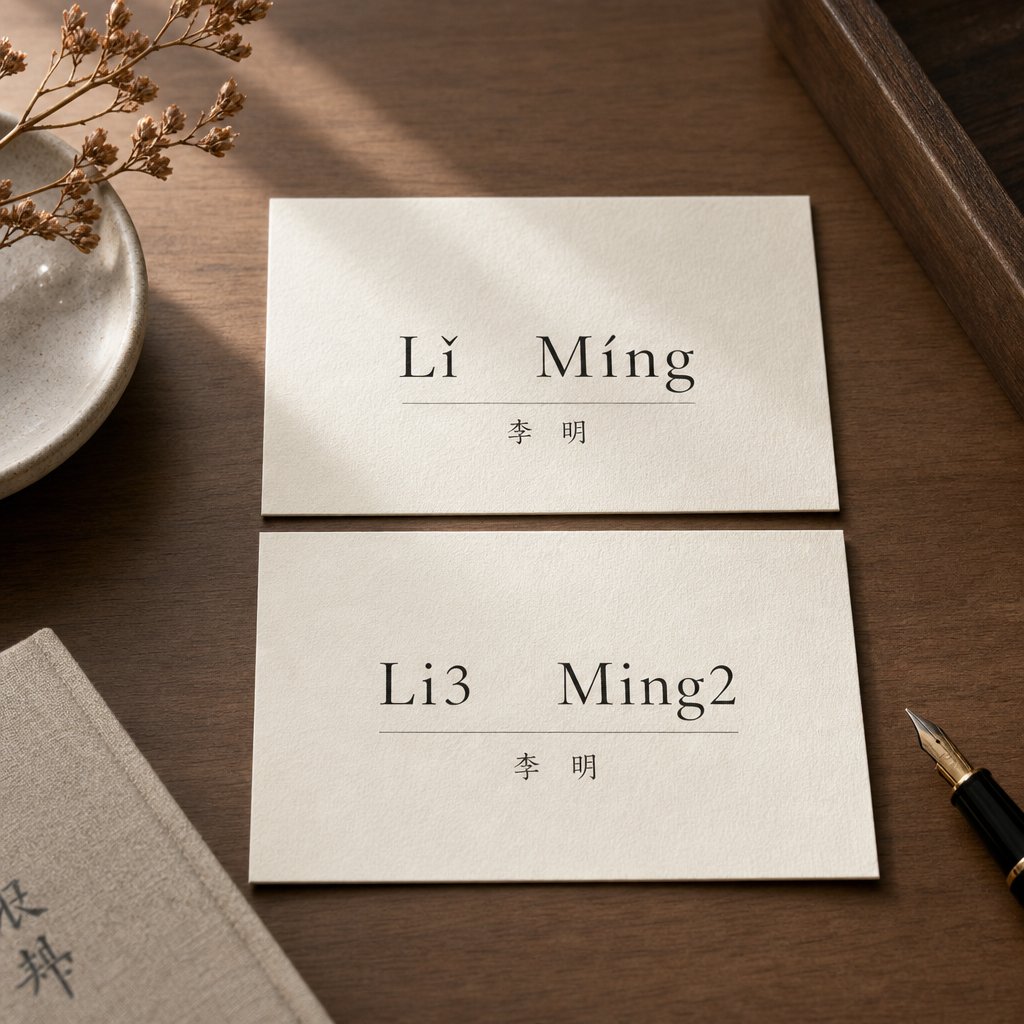
- Always write pinyin with tone marks, for example 玄 Xuán, 幽 Yōu, 夜 Yè, 影 Yǐng, 冥 Míng, 暗 Àn, 亡 Wáng, 墓 Mù, 泫 Xuàn, 渊 Yuān. Tone changes meaning, so dropping marks invites mistakes.
- Check common senses and sample phrases. 玄 Xuán often reads as mysterious or profound, while 冥 Míng skews darker and can suggest the underworld in some contexts.
- Watch homophones. Different hanzi may share the same syllable but carry very different connotations.
- Note social tone. Mark each idea with a connotation label (poetic, literary, ambiguous, negative/taboo), a gender tone tag (traditionally masculine, feminine, or neutral), and a register note (formal, poetic, casual). This helps you compare chinese names and meanings at a glance.
With nuance, you can aim for stylish depth rather than shock. Let pinyin tone marks guide accurate reading, and let connotation labels guide tasteful choices. That is how you keep your chinese name meanings elegant, culturally aware, and memorable.
Methodology for chinese name interpretation that protects meaning
When you want moody elegance without crossing lines, how do you vet names and tools? Sounds complex? Use this clear process to keep taste and respect front and center while exploring chinese names with dark meanings.
How we evaluated tools
We prioritized cultural accuracy, connotation awareness, and control over meaning. That means tools and sources had to respect naming taboos and the deep symbolism of Chinese naming, where characters are chosen for meaning and tone, not just sound.
Verification workflow
- Pick a theme. Choose subcategories like night or shadow, mystery or profundity, or melancholic nature. Examples to guide your lens include 玄 Xuán mysterious, 幽 Yōu secluded, 夜 Yè night, 影 Yǐng shadow.
- Shortlist hanzi with dictionary-backed senses. Record radicals and any etymology notes so your chinese characters for names form a coherent set.
- Verify connotations. Check reputable Chinese dictionaries and corpora, and read example phrases to see real usage tone. Your given name meaning should feel poetic in context, not bleak.
- Combine and recheck. Pair characters, then confirm the compound sense and watch for homophones that could mislead. For instance, balance 玄 Xuán with 影 Yǐng rather than literal negatives.
- Get social feedback. Ask native speakers or experienced learners how the name lands in modern use and whether it leans refined or inauspicious.
- Favor ambiguity over bluntness. In formal names, choose literary mystery over morbid literalness. You might wonder how many chinese characters are there, but for naming, curating a tasteful few matters far more than total counts.
- Acceptable sources to consult: authoritative dictionaries, classical poetry anthologies, naming manuals, and style guides.
Stay editorially neutral. Unless a source gives concrete performance or popularity data, make qualitative comparisons only. Always present each example with hanzi plus pinyin tone marks, a connotation label, and a brief usage note to avoid ambiguity.
Ethical naming guidelines
- Respect connotation. Avoid overtly funereal or taboo characters in formal given names. Aim for literary darkness, not shock.
- Context matters. A pen name or gamer tag allows more mood than a legal name. Some literary characters are uncommon or unsuitable in official registrations. Check local naming rules where applicable.
- Document choices. Track tones, sample phrases, and register notes so your chinese name interpretation stays consistent from idea to final pick.
With this workflow set, the next step is to apply it to a meaning-driven generator so you can steer outputs toward 玄 and 幽 style mystery without slipping into negativity.

Old West History Chinese Name Generator authentic customizable
Want moody, tasteful vibes without tripping over taboos? When you need curated suggestions fast, a meaning-driven generator can steer you toward poetic darkness and away from overtly negative compounds. The CNG Chinese Name Generator provides AI-powered suggestions with cultural authenticity, gender styles, and even creative nicknames and bios, making it easier to find unique chinese names and chinese names with meanings that fit your tone.
Quick take
CNG blends traditional naming sense with modern controls. You set style, gender, and meaning preferences, and the engine proposes culturally resonant choices rather than random strings. This approach reflects Old West History’s emphasis on bridging tradition with personalization by tone and style, so outputs feel intentional and respectful rather than edgy for the sake of shock (Old West History blog).
Your meanings
To tap elegant, dark-leaning aesthetics, choose themes that signal mystery and depth instead of misfortune. Start by setting meaning filters around:
- 玄 Xuán mysterious
- 幽 Yōu secluded
- 夜 Yè night
Then explore balanced two-character ideas you can discuss with native speakers:
- 玄影 Xuán-yǐng mysterious shadow - poetic, neutral gender, literary
- 夜岚 Yè-lán night mist - poetic, traditionally softer tone, literary
- 幽篁 Yōu-huáng secluded bamboo - literary elegance, nature imagery
Tips you will notice help in practice:
- For male chinese first names or a chinese name for boys, keep the mystery refined, not bleak. 玄 Xuán and 幽 Yōu pair well with nature or light imagery.
- If you are crafting great instagram names, awesome instagram names, or the best cool names for instagram, favor suggestive metaphors like night, mist, or shadow over literal negativity.
- Always record hanzi plus pinyin with tone marks and add a connotation label like poetic or ambiguous.
Aim for mysterious over morbid - 玄 and 幽 signal depth without taboo.
Pros and cons
Pros
- Personalization by style, gender, and desired meanings for moody yet tasteful outputs (supports both male and female styles).
- Balanced modern and traditional signals with a focus on cultural authenticity (Old West History).
- Creative nickname and bio suggestions that inspire social-ready identities.
- Great starting point to ideate unique chinese names without losing nuance.
Cons
- Always verify final hanzi in a reputable dictionary and scan usage examples before adopting.
- Avoid literal negative compounds that read funereal even if they fit a dark theme.
- Social perception still requires native-speaker feedback.
Best for
- Gamer handles and world-building where you want elegant, moody names without taboo.
- Writers developing characters, settings, and pen names with literary darkness.
- Social identities that need tasteful depth for bios and profiles.
- Explorers seeking chinese names with meanings who value guided personalization over randomness.
Use the generator to shape a refined shortlist, then widen your search with a community-driven repository to discover rare characters and cross-check senses before you commit.
Behind the Name Chinese Submitted Names discovery hub
Exploring moody ideas and want to see how others build them? A large community list can spark options fast. The Chinese Submitted Names section is user contributed, and it clearly notes that accuracy cannot be guaranteed, so treat entries as inspiration, not final authority.
Quick take
You will notice wide variety. Many entries show multiple possible hanzi, quick glosses, and gender tags like m and f. Use it to draft a chinese character names list, then verify meanings and tone elsewhere. It is great for discovery, but it is not a list of common chinese boy names or a naming manual.
Your meanings
Hunting for elegant darkness without taboo? Try this focused pass.
- Search characters tied to depth, not doom, such as 玄 Xuán mysterious, 影 Yǐng shadow, and 冥 Míng dark. For example, the curated database glosses 影 Yǐng as image, shadow.
- Open each entry and log the exact hanzi, plus pinyin with tone marks. If tones are not shown, add them after checking a dictionary.
- Scan variant character combinations. Favor pairs that soften darkness with nature or elegance.
- Note the gender tag. This helps when you want chinese first names female or masculine-leaning options.
Tip: compare multiple submissions for the same syllable and cross-reference with a dictionary before shortlisting.
Pros and cons
Pros
- Big pool of user-submitted ideas across styles and tones.
- Many entries list alternate hanzi, which helps steer toward acceptable connotations.
- Quick way to spot chinese names with meaning notes and possible variants.
Cons
- Accuracy varies because entries are user contributed; meanings may be incomplete or ambiguous.
- Connotation and modern acceptability are not always explained.
- Every candidate still needs external verification for tone, usage, and fit.
Best for
- Early ideation and mood boards, not final picks.
- Finding uncommon or literary forms to avoid clichés from common chinese names.
- Swapping in alternate characters with similar sounds to sidestep overly negative meanings.
- Benchmarking against common chinese boy names while also exploring softer or poetic directions.
Once you gather a shortlist, move straight to a precise dictionary to check definitions, sample usage, and tone so your dark-leaning name reads poetic in real contexts.

MDBG Chinese Dictionary precise meaning and usage check
Unsure whether your dark-leaning idea reads poetic or bleak? When you are weighing meaning chinese names, a precise dictionary keeps you grounded in real definitions and tones. Imagine pasting a phrase, checking each hanzi, and confirming that your pick signals mystery, not misfortune.
Quick take
MDBG is a straightforward Chinese-English dictionary that lets you look up by Chinese, Pinyin, or English and even type Pinyin with tone marks. It also offers stroke order animations and quizzes for many characters, plus a tool to look up all Chinese words in a text. These features make it a reliable first stop for clarifying a chinese name definition and tightening tone accuracy MDBG Chinese Dictionary.
Your meanings
Try this fast workflow to vet moody, tasteful options for mandarin chinese names.
- Search single hanzi like 幽 Yōu, 玄 Xuán, 夜 Yè, 影 Yǐng, 暗 Àn. Read definitions closely and note any senses that feel inauspicious.
- Confirm Pinyin and tone marks. If you type Pinyin, use the built-in tone-mark tool to avoid mistakes.
- Scan for multiple senses. Prefer literary or neutral readings and avoid literal negatives that could suggest names meaning troubled.
- Guard against homophones. Similar sounds can carry very different meanings, so double-check tones and characters; consulting a dictionary when tones feel uncertain is a best practice.
- Paste a line into the text lookup to segment words. This helps you check a two-character pairing before you shortlist it.
- Use stroke order animations to ensure you have the exact character you intended, not a lookalike.
When in doubt about tone or character, check it immediately.
Pros and cons
Pros
- Simple Chinese-English lookups for clear, quick definitions.
- Search by Chinese, Pinyin, or English, with a tool to type tone-marked Pinyin.
- Stroke order animations and quizzes for many characters to confirm form.
- Text analyzer to look up all Chinese words in a pasted passage.
Cons
- Not a naming-specific tool, so you must judge connotation and social fit.
- Literary nuance still requires outside reading and native feedback.
- Definitions alone do not settle whether a pair feels poetic or taboo.
Best for
- Validating each character’s core meaning and tone before you combine them.
- Screening compounds to avoid unlucky readings and clarify intent.
- Practicing recognition and stroke order while you refine choices.
- Pairing dictionary checks with component study; learning common radicals is a long-term investment that boosts character understanding.
Once definitions and tones are locked, move to a character decomposition tool to shape elegant, balanced builds without sliding into taboo.
HanziCraft to build elegant dark Chinese Mandarin names
Ever pair two characters and wonder why the vibe feels off? Decomposition lets you see the skeleton of each hanzi so you can balance form and meaning before you commit.
Quick take
HanziCraft breaks characters into radicals, components, and even stroke level views. For instance, 玄 Xuán appears with xuan2 black or mysterious and shows layered decomposition levels plus graphical parts like base strokes, which makes structure easy to judge at a glance HanziCraft 玄. This matters because many characters are phono-semantic compounds. The radical often signals meaning while a companion part hints sound, commonly on the right, though there are exceptions. Decompose first, then design tasteful dark chinese builds that look and read balanced.
Your meanings
Try this quick workflow to sculpt elegant depth without taboo.
- Decompose targets: 玄 Xuán, 幽 Yōu, 夜 Yè, 影 Yǐng, 冥 Míng. Note radicals and recurring phonetic parts.
- Pair structures that harmonize. Curate smooth silhouettes and stroke density so the name feels coherent.
- Explore balanced examples to discuss with native speakers: 玄影 Xuán-yǐng mysterious shadow, 夜岚 Yè-lán night mist, 幽篁 Yōu-huáng secluded bamboo.
- Watch for components that cue funerary imagery. If a part suggests graves or mourning, swap to nature or mist motifs.
- Because over 80 percent of characters are phono-semantic, let the radical guide meaning and the phonetic guide sound, then verify both with a dictionary and native feedback.
Decompose first, then define; good structure prevents bad blends.
Pros and cons
Pros
- Instant breakdown of components and radicals for clear structural insight.
- Visual learning sharpens taste and avoids clashing forms.
- Helps surface near-synonyms and related shapes that fit your theme.
- Great for echoing the calligraphic feel of old chinese names while staying modern.
Cons
- Decomposition does not replace semantic vetting or connotation checks.
- Limited guidance on social acceptability or taboo.
- Some results can feel technical without context.
Best for
- Designing balanced two-character names with moody yet tasteful aesthetics.
- Comparing look and feel across options for chinese mandarin names.
- Avoiding characters whose parts hint overtly negative or funereal imagery.
- Scoping a chinese name male that feels strong but refined.
Once you have a visually balanced shortlist, move to a mobile-first dictionary to verify tones, usage, and examples on the go.

Pleco on-the-go dictionary checks for gender neutral Chinese names
Spot a striking character on a sign or in a poem and want to verify its vibe fast? With a mobile app that does OCR, handwriting, audio, and rich lookups, you can confirm meaning before you commit. Pleco is a Chinese dictionary app for iOS and Android with live camera OCR, accurate handwriting input, licensed dictionary databases, audio, a document reader, an Android screen reader, and powerful flashcards, all designed for quick, reliable checks in the wild.
Quick take
For dark-leaning ideas, Pleco helps you capture the exact hanzi, tones, and common senses in seconds. Research notes that Pleco includes two free dictionaries covering about 100,000 words, 78,000 more detailed entries, and over 20,000 example sentences with Pinyin, plus simplified/traditional conversion and related-word search ETMHS 2022 study. Use it to separate poetic darkness from outright negativity, then annotate your shortlist.
Your meanings
- Capture the character. Use the camera OCR or draw it by hand to grab the exact hanzi and tone marks.
- Read definitions and example sentences. Prefer literary or neutral senses over funereal ones.
- Listen to audio to lock tones. This helps when curating chinese men's names and meanings or chinese names for boys with meaning.
- Toggle simplified and traditional forms to see variants that may feel softer in names.
- Add promising hanzi to flashcards with notes on connotation and register. This works well for gender neutral chinese names too.
Pros and cons
Pros
- Camera OCR and handwriting input tolerant of stroke-order errors for quick capture.
- Licensed dictionary databases, fast search, and native-speaker audio for tone assurance.
- Document Reader and Android Screen Reader to tap and look up words in context.
- Built-in free dictionaries with large entry counts and Pinyin-annotated example sentences.
- Powerful flashcards to track and review your naming shortlist.
Cons
- Not a name generator. You still judge connotation and social fit.
- Example sentences are not designed for cultural nuance and may feel generic or less current, so verify vibe elsewhere.
- Screen Reader is Android only, so workflows differ by device.
Best for
- Validating on-the-go when inspiration strikes in books, games, or signage.
- Practicing tones with audio and flashcards before settling on a name.
- Quickly comparing alternate characters to keep a moody yet acceptable vibe.
Store each candidate with hanzi + tone marks, a connotation label, and a usage note. If you also need to gauge popular chinese first names, pair Pleco checks with broader research. Next, we will compare these tools side by side so you can match strengths to your goals.
Compare tools to craft good chinese names with dark nuance
Not sure which tool to use when you want mystery without taboo? Imagine lining them up side by side. You will notice that each shines at a different step, from ideation to verification. For example, Pleco supports OCR, handwriting recognition, and deep dictionary integration that help you capture exact hanzi on the go.
At a glance comparison
| Tool | Summary role | Meaning controls | Hanzi accuracy | Connotation guidance | Learning curve | Export or workflow |
|---|---|---|---|---|---|---|
| Old West History Chinese Name Generator | Personalized ideation for dark poetic tones | Theme and style prompts to steer vibe | Needs external dictionary verification | User labels poetic vs negative | Low | Copy shortlist for native review |
| Behind the Name Chinese Submitted Names | Discovery and variants | Search by sound or character | Varies by entry, cross-check | Limited, user interprets | Low | Collect options and note tones |
| MDBG Chinese Dictionary | Definition and tone clarity | Search by character or pinyin | Dictionary-grade lookups | Neutral, user interprets | Medium | Confirm senses before combining |
| HanziCraft | Visual decomposition | Design via components and radicals | Structural accuracy | None, pair with dictionary | Low | Match shapes for elegant two-character builds |
| Pleco | Mobile lookup and capture | On-the-go validation | OCR and handwriting to grab exact hanzi | Neutral, examples inform tone | Medium | Save cards and review shortlist |
Which tool fits your goal
- Personalized generation and social-friendly outputs. Use a generator first to surface tasteful, moody ideas you can refine.
- Dictionary-grade validation and examples. Use a dictionary to confirm core senses and tones before you pair characters.
- Visual decomposition for elegant builds. Use a decomposition tool to balance form and stroke density.
- Mobile lookups and handwriting. Use a mobile dictionary to capture hanzi from signs, books, or art in the wild.
- Community-sourced discovery. Use a large name repository to spot variants and sound-alike options; note that a name can carry many meanings depending on the characters you choose.
The best chinese names for a somber vibe lean on metaphor, not shock. Do not assume popular chinese male names or chinese famous names will automatically fit a dark theme.
If you are choosing a chinese man's name with a nocturnal or mysterious mood, combine generator ideation with dictionary checks and a final native-speaker read.
Avoid these pitfalls when comparing
- Mistaking dictionary glosses for social acceptability. Some characters feel inauspicious or taboo in names; learn the boundaries before you decide.
- Over-literal dark compounds. Favor poetic ambiguity over blunt negatives.
- Ignoring tone marks and homophones. The same syllable can hide very different meanings.
- Skipping native feedback. Before locking a chinese man's name, ask how it lands in real use.
Next, you will turn this comparison into a simple checklist and shortlist flow so you can finalize a respectful, evocative pick.

Final recommendation for tasteful moody name choices
Ready to choose a name that feels moody yet respectful? Sounds complex? Start by remembering how seriously Chinese naming is treated, with etiquette and taboos that discourage ominous or disrespectful choices. Avoid chasing lists of bad names with meanings. If you run into names with bad meanings boy or girl names with bad meanings on social media, treat them as red flags, not inspiration. If your aesthetic leans toward ancient chinese names male, favor classical nature and night imagery over funerary terms.
Choose a dark meaning responsibly
Dark can be elegant when framed as night, shadow, or seclusion. It turns inauspicious when tied to death or misfortune. For chinese boy names and meanings, aim for positive or poetic senses that still deliver mood, a principle echoed in modern guidance about harmony and cultural fit. When brainstorming boy chinese names with a darker vibe, prefer metaphor over literal gloom.
Practical checklist
- Pick a subtheme. Mysterious 玄 Xuán, secluded 幽 Yōu, nocturnal 夜 Yè, shadow 影 Yǐng.
- Shortlist hanzi with poetic, not funereal, senses. Record Pinyin with tone marks and quick notes on connotation and register.
- Validate definitions and example usage in a dictionary or app. Confirm tones and watch for polysemy that shifts the vibe.
- Build two-character pairs and recheck the compound sense. Avoid overtly negative or funerary cues.
- Run native-speaker checks for social perception. Ask how the name lands in real contexts.
- Finalize with Pinyin plus tones, a connotation label, and a short usage note so intent is clear.
Mystery endures; morbidity alienates.
- Too heavy? Swap 冥 Míng for 玄 Xuán. Example: 玄影 Xuán-yǐng mysterious shadow (poetic; literary). Avoid 冥影 Míng-yǐng dark shadow (taboo in names).
- Replace 墓 Mù with 岚 Lán for mist. Example: 夜岚 Yè-lán night mist (poetic; gentle). Avoid 夜墓 Yè-mù night grave (taboo).
- Use 幽 Yōu with natural elements. Example: 幽篁 Yōu-huáng secluded bamboo (literary; refined).
Top pick and next steps
- Ideation first. Use a meaning-driven generator to filter for 玄 Xuán, 幽 Yōu, 夜 Yè themes. Save hanzi plus Pinyin with tones.
- Verification second. Check each character and the full compound in a dictionary to confirm definitions, tone, and collocations.
- Refinement third. Use a decomposition tool to balance forms and avoid components that hint at funerary imagery.
- On-the-go checks. A mobile dictionary with OCR or handwriting input helps verify inspiration you find in the wild.
Names carry cultural weight. Stay neutral, verify everything, and adapt choices to your audience and context.
FAQs about dark meanings and Chinese names
1. What is the Chinese name that means demon?
In Chinese, words for demon like 魔鬼 describe evil spirits in a religious or folklore sense and are not used as personal names. Using demon-themed characters is considered inauspicious. For a dark yet respectful tone, lean on characters that suggest mystery, such as 玄 or 幽, paired with nature imagery. See background on folklore terms in Mogwai (Chinese culture) at Wikipedia: https://en.wikipedia.org/wiki/Mogwai_(Chinese_culture)
2. What Chinese name means dark beauty?
There is no single standard name for dark beauty because meaning depends on the exact hanzi. You can evoke the idea with tasteful pairings like 玄 + 艳 or 幽 + 雅 to suggest profound and elegant vibes without morbid overtones. Always verify connotations in a reputable dictionary and confirm with native speakers before using any combination.
3. What does Ying Yue mean?
The meaning depends on the characters. If written 盈月, it reads as full moon. Other character choices pronounced Ying Yue can have different meanings, so confirm the hanzi and tone marks before deciding. See an example on MadeForMums: https://www.madeformums.com/pregnancy/200-chinese-girl-names-with-their-meaning/
4. What does Xiao mean?
Xiao can map to different meanings depending on the characters chosen, such as dawn, morning, little, or respectful. It is also used as a polite address before a surname for someone younger, like Xiao + surname. For a quick overview, see Bounty: https://www.bounty.com/pregnancy-and-birth/baby-names/baby-name-search/x/xiao
5. Which Chinese characters feel dark but acceptable for names?
For poetic darkness, many creators choose 玄 Xuán, 幽 Yōu, 夜 Yè, and 影 Yǐng, often balanced with nature or light imagery. Avoid clearly funereal characters such as 冥 Míng, 亡 Wáng, or 墓 Mù in formal names. If you want guided ideation with meaning filters, try the Old West History Chinese Name Generator and then verify each hanzi choice with dictionaries and native feedback: https://www.oldwesthistory.net/