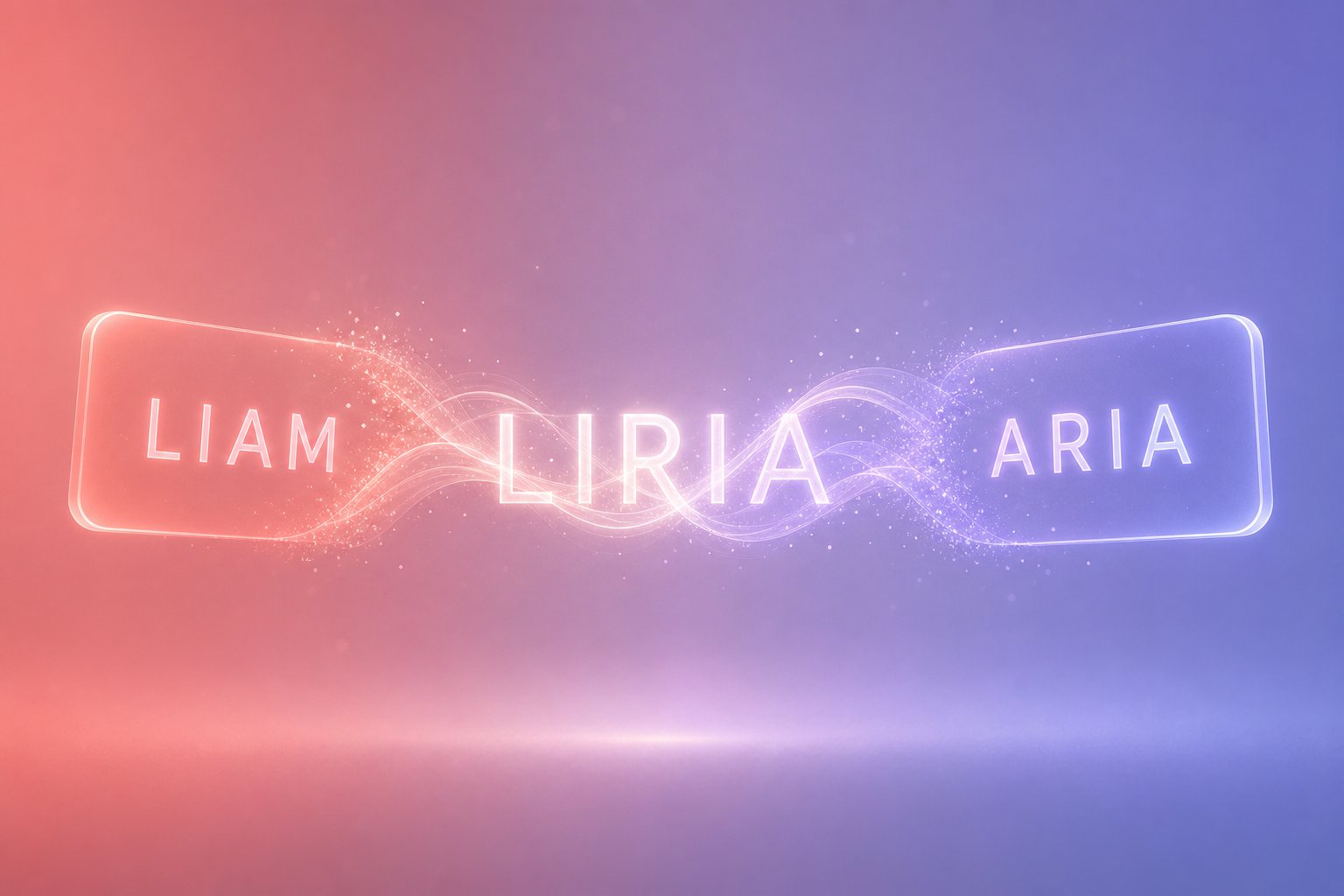
What Is a Name Masher Generator and How Does It Work
You type in two names, hit a button, and get something that sounds like a fantasy character nobody asked for. Sound familiar? The problem usually is not the tool itself but a gap in understanding how name mashing actually works under the hood.
A name masher generator is a tool that blends two or more names into a single new creation by merging syllables, sounds, or letter patterns to produce a pronounceable portmanteau rather than a random string of characters.
What a Name Masher Generator Actually Does
A basic name combiner simply glues the front of one name to the back of another. You get predictable, often clunky results. A true name masher goes further. It analyzes syllable boundaries, identifies overlapping sounds, and attempts to produce something that feels like a real word. Think of the difference between sticking "Brad" and "Angelina" side by side versus crafting "Brangelina," a portmanteau that Microsoft's writing guide describes as attaching the first half of one word to the second half of another.
When you combine a name using this approach, the output carries phonetic DNA from both inputs. It is not a random mashup. It is a deliberate blend where vowel placement and consonant flow determine whether the result sounds natural or forced. A name mixer that understands these principles will outperform one that simply splits names at a fixed midpoint every time.
Why Name Mashing Has Become a Creative Naming Practice
The explosion of celebrity couple portmanteaus pushed this concept into everyday culture. Fans did not just combine names for fun. They created identity markers, from "Bennifer" to "Kimye," that spread across social media within hours. Claire Sisco King of Vanderbilt University notes this trend emerged alongside reality television, changing expectations about intimacy with public figures. A nickname became a term of endearment, a shorthand for a shared cultural moment.
That same energy now drives people toward a name combiner generator for baby names, brand identities, gaming usernames, and creative writing. The combine of names is no longer just celebrity gossip. It is a legitimate creative practice. Yet most people rely on tools without understanding the logic behind them, which is exactly why results often feel awkward or meaningless.
This guide teaches you the mechanics so you can evaluate any name masher output critically, not just accept whatever a tool spits out.
The Cultural History Behind Name Mashing
Celebrity gossip columns did not invent name blending, but they turned it into a reflex. The moment tabloid readers started recognizing "Brangelina" faster than "Brad Pitt and Angelina Jolie," something shifted in how people relate to combined couple names. A portmanteau was no longer a literary curiosity. It became cultural shorthand.
How Celebrity Couple Names Popularized Portmanteaus
The word "portmanteau" traces back to Lewis Carroll's Through the Looking-Glass, where a character explains how two meanings can be packed into one word like clothes packed into a suitcase. For over a century, the concept stayed mostly in linguistics textbooks. Then celebrity media changed everything.
Vanessa Diaz, a communications professor at Cal State Fullerton, traced how the term "Brangelina" emerged during an intense period of competition between celebrity tabloids in the mid-2000s. Earlier portmanteaus like "Billary" (Bill and Hillary Clinton) had been used as terms of derision, and self-created blends like Desi Arnaz and Lucille Ball's "Desilu" served business purposes. But "Brangelina" was different. It was affectionate, catchy, and it stuck. Suddenly, combined names of couples became a way for audiences to signal emotional investment in a relationship. "Bennifer," "TomKat," "Kimye" followed. Each one proved that when you mix names together for couples effectively, the result becomes more memorable than either name alone.
Why does this work psychologically? A blended name creates a single identity from two separate people. It implies unity, permanence, and a story worth following. Humans process short, novel-sounding words more easily than two-name phrases, which is exactly why advertisers and fans gravitate toward them.
From Fan Culture to Everyday Naming Creativity
While tabloids popularized couple portmanteaus for the mainstream, fan communities had been running their own ship name generator experiments for years. According to Fanlore's documentation of pairing names, fandoms like Smallville coined "Clex" (Clark + Lex) and Popslash created "Trickyfish" (Chris Kirkpatrick + Lance Bass) long before celebrity media caught on. The Marvel fandom produced "Stucky" (Steve + Bucky) and the elaborate "Stark Spangled Banner" for a three-character ship. These communities essentially functioned as a massive, decentralized couple ship name generator, testing thousands of blending patterns across dozens of fandoms.
This nickname combiner instinct spread outward. Fans who spent years crafting ship names started applying the same logic to baby naming, blending parents' names into something fresh. Entrepreneurs borrowed the technique for brand creation, producing names like "Pinterest" (pin + interest) and "Instagram" (instant + telegram). Gamers used it to build unique usernames that felt personal without revealing real identities.
The practice evolved because the underlying principle is universal: blended words are efficient, memorable, and emotionally resonant. They carry meaning from both source words while creating something entirely new. That dual inheritance is what makes a well-crafted portmanteau feel satisfying rather than random, whether it labels a celebrity relationship or a startup.
The real question is not whether name mashing works. It clearly does. The question is which blending technique produces the best result for a given pair of inputs, and that depends on understanding the specific methods available.

Name Mashing Techniques and Methods Explained
Not all blends are created equal. Some name mixtures roll off the tongue like they have always existed, while others sound like a cat walked across a keyboard. The difference comes down to technique. Every name masher generator relies on one or more specific blending methods, and knowing which method is at work helps you understand why certain outputs feel natural and others feel forced.
Think of it this way: you would not use a hammer to turn a screw. Similarly, the right blending technique depends on the raw material, the names themselves, their length, their sounds, and where their vowels and consonants fall. Here is a breakdown of six core methods that any name blender or manual approach draws from.
The Overlap Method and Syllable Swap Technique
The overlap method is the most elegant approach when it works. You scan both names for a shared letter sequence or sound, then use that overlap as a bridge to fuse them into one word. Imagine you want to mix a name like "Lucas" with "Cassandra." Both share the "cas" sound, so the blend becomes "Lucassandra," a smooth fusion of names that feels intentional rather than forced. The shared phonetic material acts like a hinge, connecting both inputs without any jarring transition.
This method produces the most natural-sounding results because the listener's ear does not detect a seam. The blend point is hidden inside a sound that already belongs to both names. The catch? It only works when the names actually share overlapping letters or phonemes. If they do not, you need a different approach.
The syllable swap technique is more versatile. You take the first syllable of one name and attach the last syllable or two of the other. "James" plus "Elena" becomes "Jamena." "Sophia" plus "Michael" becomes "Sophael." This mixer of names approach works reliably because it preserves the opening identity of one name and the closing rhythm of the other. Name blending guides recommend saying each result out loud three times. If you stumble, the blend is not working.
Phonetic Blending and Prefix-Suffix Swapping
Phonetic blending prioritizes how names sound over how they are spelled. Instead of cutting names at fixed letter positions, you identify compatible sound units and merge them based on auditory flow. This is how portmanteaus like "brunch" (breakfast + lunch) and "smog" (smoke + fog) were formed, as VOA's linguistics coverage explains. The same principle applies to personal names. You listen for where one name's sound naturally transitions into another's, regardless of spelling.
Why does this matter? Because English spelling is inconsistent. The letters "ph" sound like "f." The letter "c" can sound like "k" or "s." A name fuser that works purely on letters will miss blending opportunities that become obvious when you focus on pronunciation instead. Phonetic blending tends to produce results that sound great spoken aloud, even if the spelling looks slightly unusual on paper.
Prefix-suffix swapping is the most straightforward method and the one most basic tools default to. You take the beginning of Name A and attach the ending of Name B. "Nathan" plus "Olivia" gives you "Nolia." "Derek" plus "Emily" produces "Demily." It is fast, predictable, and works well for short, punchy results. The trade-off is that it can feel mechanical if the consonant-to-vowel transition at the splice point is not smooth.
Acronym Style and Anagram Approaches
Acronym-style blending pulls initials or key letters from each name and builds something entirely new. This works especially well when you need a short result, like a username or brand tag. It functions less like a traditional name fusion and more like a combine words generator, constructing a fresh word from selected building blocks rather than merging existing syllables.
Letter interleaving is the most experimental approach. You alternate letters from each name to create a woven pattern. The results are unpredictable and often require heavy editing, but occasionally this method produces something genuinely surprising that neither name could have suggested on its own.
| Method Name | How It Works | Example Pattern |
|---|---|---|
| Overlap Method | Finds shared letter sequences between names and uses them as a bridge | Lucas + Cassandra = Lucassandra (shared "cas") |
| Syllable Swap | Takes the first syllable of Name A and last syllable(s) of Name B | James + Elena = Jamena |
| Phonetic Blend | Merges names based on compatible sounds rather than spelling | Charlotte + Andrew = Charlandrew (sound-based splice) |
| Prefix-Suffix Swap | Combines the beginning of one name with the ending of another | Nathan + Olivia = Nolia |
| Acronym Style | Uses initials or key letters to construct a new short word | Derek + Emily = Demily |
| Letter Interleaving | Alternates letters from each name in a woven pattern | Mia + Leo = Mlieoа (requires editing) |
Why Some Methods Sound Better Than Others
The secret to natural-sounding name mixtures is vowel placement. English words almost always alternate between consonants and vowels in some rhythm. When a blend creates a consonant cluster of three or more letters without a vowel break, like "ndr" or "strl," the result becomes difficult to pronounce and sounds artificial.
Methods like the overlap approach and phonetic blending tend to produce smoother results because they inherently respect the vowel-consonant flow of the source names. The shared sound in an overlap already contains a natural transition. Phonetic blending, by definition, prioritizes what sounds good. Prefix-suffix swapping and letter interleaving carry more risk because they cut names at arbitrary points, sometimes creating those harsh consonant pileups that make a blend feel broken.
When you use any name masher generator, the output quality depends on which of these techniques the tool applies and whether it checks for pronounceability after the splice. Understanding these methods gives you the vocabulary to diagnose why a result sounds wrong and the knowledge to fix it manually, which is exactly what the next step involves.
How to Mash Names Together Step by Step
Knowing the techniques is one thing. Applying them with your own two names in front of you is another. When you want to create a combined name that actually sounds like something a person would say out loud, a structured manual process beats random experimentation every time. Here is the exact sequence that produces reliable results, no tool required.
Breaking Names Into Syllables and Sound Units
Before you can merge two names, you need to see their internal structure. Every name breaks into syllables, and every syllable contains a vowel sound at its core. Start by mapping this out on paper.
- Write both names out and mark syllable boundaries. Clap the name out loud if you are unsure where one syllable ends and the next begins. "Natalie" breaks into Na-ta-lie. "Cameron" breaks into Cam-er-on.
- Label each letter as a vowel (V) or consonant (C). Write the pattern underneath. Natalie becomes C-V-C-V-C-V-V. Cameron becomes C-V-C-V-C-V-C. This map reveals where smooth transitions can happen.
- Identify the stressed syllable in each name. The stressed syllable carries the most identity. In "Natalie," it is "Nat." In "Cameron," it is "Cam." Preserving at least one stressed syllable in your blend keeps the result recognizable.
- Look for overlap points or compatible sounds. Scan both names for shared letters, similar vowel sounds, or places where one name's ending consonant flows naturally into the other name's opening vowel. Natalie ends with an "ee" sound. Cameron starts with a hard "C." That C-to-vowel transition in "Cam" could connect smoothly to the "-alie" ending.
- Test multiple combination orders. Try Name A into Name B, then reverse it. "Natalie" + "Cameron" could yield "Nataleron," "Camalie," or "Naeron." Merging two names in both directions often reveals one order that flows and another that stumbles.
- Evaluate for pronounceability. Say each candidate out loud three times quickly. If your mouth trips, the blend has a problem. Check whether the splice point creates a consonant cluster longer than two letters. If it does, insert a vowel or trim a consonant until the word breathes.
Finding Natural Blend Points Between Names
The blend point is where one name hands off to the other. Choosing it well is the difference between names mashed together gracefully and names that sound like a typo. A vowel-to-consonant transition at the splice creates the smoothest handoff because it mimics how natural English words are structured. A consonant-to-consonant splice, especially with plosive sounds like "k" or "t" meeting another hard consonant, creates friction that makes the result feel forced.
Name length matters here too. When you mix name together from two short names (one syllable each), you have fewer options and the blend often sounds abrupt. Two- or three-syllable names give you more material to work with, more potential splice points, and a better chance of landing on something with natural rhythm. Naming research suggests that blends landing at two to three syllables total tend to score highest for memorability, because names with awkward vowel pileups are rated as clunky the majority of the time.
Testing and Refining Your Mashed Result
You will rarely nail it on the first attempt. The goal is to generate five to ten candidates, then pressure-test the survivors. When names mix together well, the result passes a simple three-part check: you can say it without hesitation, someone else can spell it back after hearing it once, and it does not accidentally resemble an existing word with unwanted meaning.
Creating a name by combining two names is a creative process, not a formula. If your first blend sounds mechanical, try shifting the splice point by one letter in either direction. Drop a repeated consonant. Soften a hard ending. Small adjustments often transform a clunky attempt into something that feels discovered rather than constructed. The manual method builds intuition that helps you evaluate any tool's output, which becomes especially important when comparing what different types of generators can actually deliver.
AI-Powered Name Mashers vs Simple Algorithmic Tools
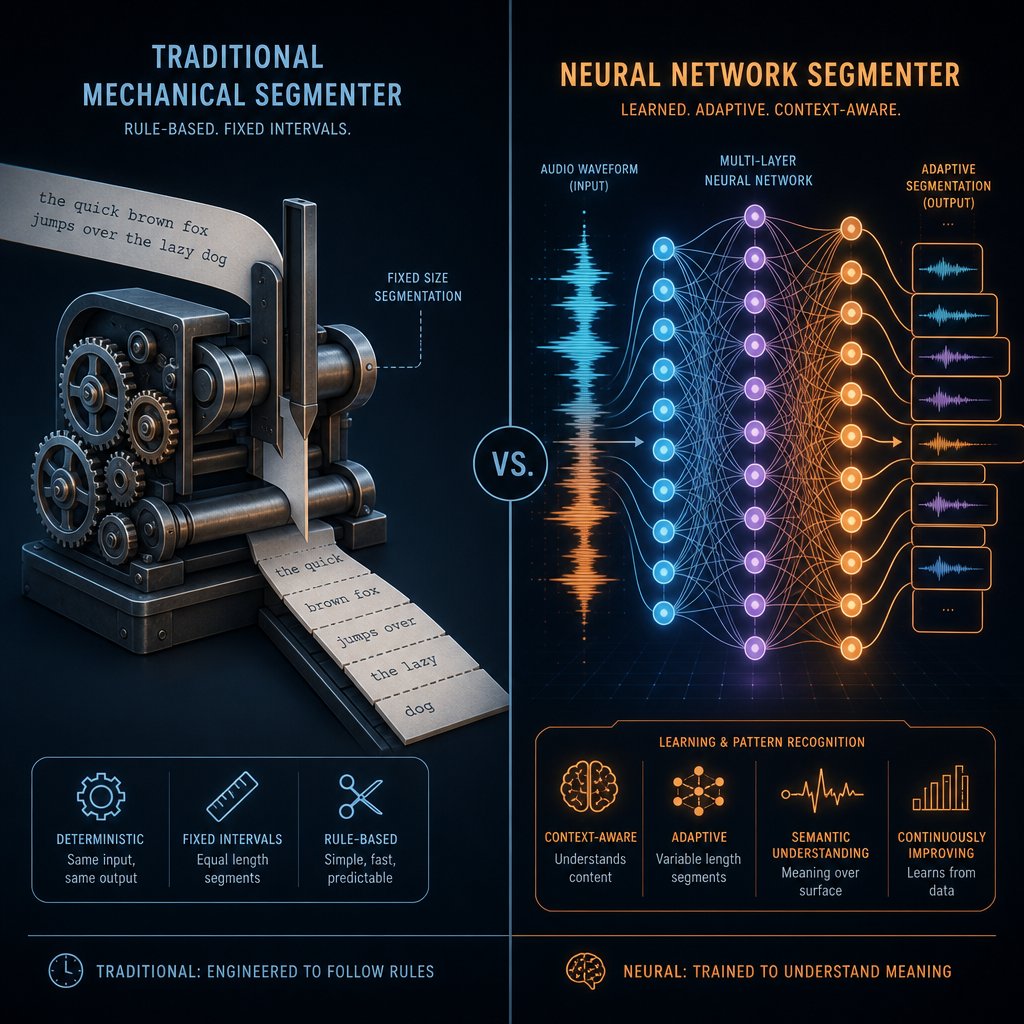
You have the manual skills now. But what happens when you hand the job to a tool? The answer depends entirely on what kind of engine is running behind that input field. A name mixer generator that simply chops strings at a midpoint operates on completely different logic than one using natural language processing to evaluate phonetic flow. Understanding the gap between these two categories helps you set realistic expectations and know when to trust the output versus when to override it.
Simple Algorithmic Combiners and Their Limitations
Most free online tools fall into this category. They perform basic string manipulation: take the first three letters of Name A, attach the last four letters of Name B, and display the result. Some rotate through a few fixed splitting positions to give you multiple options. Others reverse the order and repeat. That is the entire operation.
Imagine feeding "Christopher" and "Amanda" into a basic name generator combiner. It might split at position four and produce "Chrianda" or "Amopher." Neither result considers whether the consonant cluster at the splice point is pronounceable. Neither checks if the output accidentally spells something offensive in another language. The tool does not know or care that "mph" is a difficult transition for English speakers or that the blend lost both names' stressed syllables.
These combine name maker tools have a place. They are fast, free, and occasionally produce something usable by sheer probability. When you feed in names that happen to have compatible letter patterns, the fixed-position splice can land on a natural blend point by accident. But the hit rate is low, and you will scroll through dozens of awkward outputs to find one worth keeping. The tool cannot tell you which result is good because it has no concept of "good." It only knows positions and characters.
How AI Improves Name Mashing Output Quality
AI-powered tools operate on a fundamentally different level. Instead of treating names as raw character strings, they analyze multiple dimensions simultaneously. Modern AI name generators use pattern recognition to evaluate phonetic qualities, syllable structure, stress patterns, and linguistic origins before producing output. The matching algorithms represent names as mathematical vectors, clustering similar-sounding options together and filtering results through natural language processing layers.
What does this mean in practice? A name generation combination powered by AI can evaluate whether a proposed blend follows natural vowel-consonant alternation patterns. It can flag results that sound like existing words with negative connotations. Some tools check pronounceability across multiple languages, catching blends that work in English but carry unfortunate meanings in Spanish or Mandarin. The AI does not just splice. It evaluates, ranks, and filters.
That said, AI-powered tools still have real limitations. They tend to produce results that follow patterns from training data, which can make outputs feel generic or predictable. They lack the emotional intelligence to understand why a particular blend might carry personal significance. And they sometimes generate names that sound technically correct but lack soul, combinations like "Synerglow" or "Techtricity" that are phonetically valid but feel manufactured rather than meaningful.
A name generator that can combine names using AI sits somewhere between a blunt instrument and a creative partner. It handles the mechanical filtering that would take you hours manually, eliminating unpronounceable clusters and offensive overlaps. But it cannot replace the human judgment that recognizes when a blend captures something emotionally resonant about both source names.
So when should you rely on a mix name generator versus doing it yourself? Use algorithmic tools when you need volume, dozens of quick options to scan for inspiration. Use AI-powered tools when you want pre-filtered results that meet basic quality thresholds. And use the manual method from the previous section when the name matters enough that you need full creative control over every syllable. The fusion name generator that produces the best results is often your own trained ear, informed by the techniques you already understand, using tool output as raw material rather than a final answer.
The real skill is not picking the right tool. It is knowing what you are trying to achieve with the blend, because the ideal approach shifts dramatically depending on whether you are naming a baby, a brand, or a gaming character.
When to Use Different Name Mashing Approaches
A couple nickname generator and a baby name generator using parents' names might rely on the same blending mechanics, but the standards for success could not be more different. One needs to survive a group chat. The other needs to survive a lifetime. The technique that produces a perfect ship name might create an awkward birth certificate entry, and the blend that works for a startup could fall flat as a gaming handle.
Choosing the right approach starts with a simple question: what does this name need to do in the real world?
Couple Portmanteaus and Ship Names
Couple names live in a low-stakes, high-fun environment. They show up in Instagram bios, wedding hashtags, and friend group texts. The bar for success here is charm, not permanence. A couple name maker approach should prioritize instant recognition over elegance. Both people need to be identifiable in the blend, and the result should be short enough to type quickly.
The prefix-suffix swap works well here because it preserves the opening sound of one partner's name and the closing rhythm of the other. "David" plus "Sarah" becomes "Darah" or "Savid." Neither is poetry, but both are immediately readable and clearly point back to the source names. Phonetic blending adds polish when you want something that sounds more natural, like "Dara" pulling the soft vowel ending from Sarah while keeping David's opening consonant.
For ship names specifically, shorter is almost always better. Naming practitioners note that ship names need meme survival above all else. If it starts looking like a Wi-Fi password, trim it. Favor obvious roots so anyone can tell who is in the blend, and choose energy over perfect symmetry.
Baby Name Blending From Parents Names
This is where stakes climb sharply. Mixed baby names created from parents' names carry emotional weight, but they also need to function as standalone identities for decades. A name generator from two names can surface options quickly, but the evaluation criteria are far stricter than for couple nicknames.
The syllable swap and overlap methods tend to produce the most natural-sounding results for baby names because they create blends that feel like discovered names rather than constructed ones. "Serena" plus "Paul" can yield "Saul" or "Aulena." "Daniel" plus "Jessica" produces "Danica." Each result sounds like a name that already exists in some tradition, which is exactly the quality you want for a child who will introduce themselves thousands of times.
Research into baby naming patterns highlights three critical questions for evaluating blended baby names: Does it sound like a real name when spoken naturally? Does it avoid obvious teasing material? Can grandparents pronounce it without needing a user manual? That last point matters especially in multilingual families, where a blend that works in English might collapse in another language's phonetic system.
When using a name generator with two names for baby naming, treat the output as raw material. Run every candidate through the full pronounceability and cultural sensitivity checks before getting emotionally attached.
Brand Names and Gaming Usernames
Brand naming borrows from name mashing but adds commercial constraints. A startup name needs to be memorable, searchable, and legally protectable. Brand naming analysis shows that portmanteau brands like Pinterest (pin + interest) and FedEx (Federal Express) succeed because they hit a sweet spot between descriptive clarity and inventive creativity. The blend tells you something about what the company does while remaining distinctive enough to trademark.
For brand work, the phonetic blend and prefix-suffix methods dominate. You want one component that signals function and another that adds personality or ambition. "Tech" plus "Nova" becomes "Technova" because the stress pattern is clean and both roots stay recognizable. A name generator using two names can accelerate this process, but the final candidate still needs domain availability checks, trademark screening, and the "phone test," can someone hear it once and type it correctly?
Gaming usernames operate under entirely different rules. They need to be distinctive enough to claim across platforms, short enough to display cleanly in interfaces, and memorable enough that teammates can call them out during gameplay. Here, acronym-style blending and creative letter selection often outperform traditional portmanteau methods. A fragment of your real name plus a niche signal or style word creates something personal without revealing your full identity.
For app name ideas and creative projects, the same brand-naming logic applies at a smaller scale. The blend should hint at purpose while sounding fresh enough to stand out in an app store search.
Matching Input Characteristics to the Right Method
The names themselves dictate which technique will produce the best output. Short, one-syllable names have fewer splice points, so prefix-suffix swaps and acronym approaches work better than overlap methods that need shared letter sequences to function. Long, multi-syllable names offer more material for syllable swaps and phonetic blending but risk producing results that are too long to be practical.
Names from different linguistic origins add another layer. Blending a Japanese name with an English name requires extra attention to vowel patterns, since Japanese names tend to alternate consonant-vowel pairs consistently while English names tolerate consonant clusters. The phonetic blend method handles cross-origin combinations most gracefully because it focuses on sound compatibility rather than letter-level splicing.
| Goal | Recommended Method | Key Considerations |
|---|---|---|
| Couple nickname or ship name | Prefix-suffix swap or phonetic blend | Keep it short, fun, and instantly recognizable. Both names should be identifiable in the result. |
| Baby name from parents' names | Syllable swap or overlap method | Must sound like a real name. Test for pronounceability across family languages and playground resilience. |
| Brand or startup name | Phonetic blend or portmanteau | Check domain availability, trademark conflicts, and whether it communicates function. Aim for 2-3 syllables. |
| Fictional character name | Overlap method or letter interleaving | Can be more experimental. Prioritize memorability and tonal fit with the story's world. |
| Gaming username | Acronym style or fragment combination | Must be short, claimable across platforms, and easy to say aloud during voice chat. |
The pattern is clear: as the name's lifespan and public exposure increase, so does the need for careful method selection and rigorous testing. A ship name can be playful and imperfect. A baby name or brand name cannot afford that luxury. Matching your goal to the right blending approach saves hours of scrolling through unusable outputs and dramatically improves your odds of landing on something worth keeping.
But what happens when you are not blending just two names? Adding a third or fourth input name into the mix changes the math entirely, and most standard approaches break down without a modified strategy.
Combining Three or More Names Into One
Two names give you a manageable set of blend points. Three names? The possibilities multiply fast. Four names? You are staring at dozens of potential combinations, most of which will produce unpronounceable chaos. A standard name masher generator is built for two inputs, so when you need a name combiner 3 names can feed into, the approach requires a fundamentally different strategy.
Here is why complexity spikes: with two names, you have one relationship to manage, Name A flowing into Name B. Add a third name and you suddenly have three pairwise relationships (A-B, A-C, B-C) plus the challenge of representing all three in a single short word. A fourth name creates six pairwise relationships. The math works against you, and brute-force blending produces results that sound like someone sneezed on a keyboard.
Strategies for Combining Three or More Names
The trick is accepting a constraint upfront: you cannot give every input name equal real estate in the final blend. Something has to give. The question is what you sacrifice and what you preserve. Here are the most reliable approaches for a 3 name combiner challenge:
- Sequential pairwise mashing. Blend two names first using any standard technique, then blend that result with the third name. For example, "Daniel" + "Maria" = "Daria," then "Daria" + "Elise" = "Darise." This keeps each step manageable but tends to favor the names blended first, since they get more phonetic representation in the final output.
- Key syllable extraction. Pull the strongest syllable from each name, typically the stressed one, and arrange them into a pronounceable sequence. "Cameron" + "Sophia" + "Elijah" becomes "Cam-So-Eli" or, trimmed for flow, "Camsoli." This is the most balanced approach for a three name combiner because each input contributes equally.
- Initials plus syllables. Use the first letter from one or two names and a full syllable from the remaining name. "Thomas" + "Rachel" + "Nadia" could become "Tradia" (T + R + adia). This works well when one name has a particularly strong or melodic syllable worth preserving intact. It functions like a name maker using letters from some inputs and sounds from others.
- The phonetic priority method. Rank the input names by how distinctive their sounds are, then give more space to the most phonetically unique name. If you are blending "Anna," "Oliver," and "Kai," the name "Kai" has the most distinctive sound profile. Build around it: "Kaioliv" trimmed to "Kailiv" or "Kaiver." The common-sounding names contribute fragments while the distinctive one anchors the blend.
- Vowel chain threading. Extract the primary vowel sound from each name and use them as the skeleton of a new word, filling consonants around them. "Amara" (ah) + "Felix" (ee) + "Hugo" (oo) gives you the vowel chain ah-ee-oo, which you can build into something like "Afeehu" or, more naturally, "Afeego." This approach lets you make a name with letters that carry each input's vocal identity.
Prioritizing Syllables When Working With Multiple Inputs
The biggest mistake people make with a 3 name combination is trying to cram too much in. A blend of three names should still land at two to three syllables total. Anything longer loses the efficiency that makes portmanteaus appealing in the first place. That means each input name contributes, at most, one syllable or a couple of letters to the final result.
Which syllable should you keep from each name? Prioritize the stressed syllable, the one that carries the most identity. In "Jessica," that is "Jes." In "Alexander," it is "Zan" or "Alex." In "Olivia," it is "Liv." These fragments are what people recognize. Drop the unstressed syllables first, because they add length without adding recognition value.
When working with four input names, the constraint tightens further. At that point, you are realistically pulling one or two letters from each name rather than full syllables. The result functions more like a creative acronym than a traditional portmanteau. "Marcus" + "Elena" + "Sophia" + "Tyler" might become "Mest" (initials) or "Melesty" (first letters woven with connecting vowels). A name combiner 3 or more names deep needs to accept that equal representation is a spectrum, not a binary.
The trade-off is always the same: the more names you include, the less each individual name is recognizable in the output. A two-name blend can preserve half of each input. A three-name blend preserves roughly a third. A four-name blend often reduces each contribution to a single letter or sound. At some point, the result stops being a blend and starts being a new invention inspired by the inputs, which is perfectly valid, but it changes what you should expect from the process.
Pronounceability remains the non-negotiable filter regardless of how many names you combine. If the three-name blend creates a consonant cluster that trips your tongue, no amount of personal meaning will save it from sounding awkward when spoken aloud. That evaluation step, checking for hidden pitfalls in your blended result, deserves its own focused attention.
Common Mistakes and How to Evaluate Mashed Names
A name combination can look brilliant on screen and still crash the moment someone says it out loud. Or worse, it can sound perfectly fine in English while carrying an embarrassing meaning in another language. These are not edge cases. They are the most common reasons people end up unhappy with their blended results, and they are entirely preventable with the right evaluation process.
Avoiding Unintentional Offensive or Unpronounceable Results
When names get mixed, the splice point can accidentally create letter sequences that spell or sound like something you never intended. Imagine blending "Cassandra" and "Ashton" without checking the middle overlap. Or combining "Shiloh" and "Ira" without reading the result as a continuous string. These collisions happen more often than you would expect, especially with longer names where internal letter combinations are harder to spot at a glance.
Consonant clusters are the other silent killer. A mixed name like "Markstrom" (from Mark + Astrom) packs four consonants together at the splice. Your eye might accept it on paper, but your mouth will fight it every time. Baby naming experts warn that hard-to-pronounce names cause daily friction, from introductions to form-filling, and that friends and family may default to nicknames or mispronunciations that strip the blend of its intended meaning.
The fix is simple but non-negotiable: read every candidate out loud, fast, three times in a row. Then spell it out letter by letter and look for hidden words within the string. If you stumble speaking it or spot an unfortunate substring, discard it and move on.
Cultural Sensitivity When Blending Names From Different Backgrounds
Matching names from different linguistic traditions adds creative richness but also introduces risk. A blend that works phonetically in English might violate naming conventions in another culture or, worse, sound like an offensive term in a language you did not consider. Cultural sensitivity research emphasizes that what reads as neutral in one language can carry deep negative connotations in another, and that even colors, sounds, and syllable patterns hold culturally specific meanings.
This matters most for baby names and brand names, contexts where the blended result will be encountered by diverse audiences over many years. A Japanese-English blend might accidentally produce a syllable that means something crude in Korean. A Spanish-Arabic combination could create a sound that clashes with religious naming traditions in either culture. The challenge is that no single person can catch every cross-linguistic collision, which is why testing with speakers of relevant languages is essential rather than optional.
Names mixed from different origins also face structural mismatches. Many East Asian names follow strict consonant-vowel alternation, while Slavic names tolerate heavy consonant clusters. Blending across these systems without adjusting for phonetic compatibility produces results that feel foreign to both traditions rather than honoring either one.
Scoring Your Mashed Name for Memorability and Appeal
Once you have eliminated offensive and unpronounceable candidates, you still need a way to rank the survivors. Not every technically valid name combination is worth keeping. The best blends score high across multiple dimensions simultaneously. Use this checklist to pressure-test any result before committing:
- Pronounceability test: Can a stranger read it correctly on the first attempt without coaching? If they hesitate or guess wrong, the spelling-to-sound mapping is unclear.
- Telephone test: Can you say it once over a phone call and have the listener spell it back accurately? This catches names that sound fine but have ambiguous spelling.
- Cross-language check: Search the blend in translation tools or ask native speakers whether it resembles any words, slang, or names with unwanted meanings in other languages.
- Substring scan: Read the name as a continuous letter string and look for hidden words. Check both forward and backward.
- Memorability after delay: Tell someone the name, then ask them to recall it 24 hours later. If they cannot remember it or reconstruct it, the blend lacks a memorable hook.
- Visual balance: Write the name in lowercase and evaluate its shape. Names with a mix of ascenders (b, d, h) and descenders (g, p, y) tend to look more distinctive than names sitting entirely on the baseline.
- Nickname potential: Does the name lend itself to natural short forms? A blend that cannot be shortened may feel rigid in casual contexts.
- Surname compatibility: Say the full name, first and last, together. Listen for awkward rhymes, unintentional alliteration, or rhythmic clashes that only emerge in combination.
Product naming research from Zappi found that 60% of consumers avoid products with unappealing names, and the same principle applies to personal names. A name that fails the pronounceability or memorability test will be shortened, misspelled, or avoided regardless of how meaningful it is to you. Emotional attachment to a blend does not override how the world will actually interact with it.
The strongest names mixed from two or more inputs pass every item on this list without requiring explanation or defense. If you find yourself saying "well, once people learn how to say it..." that is a signal the blend needs more refinement. The goal is a result that feels inevitable, like it always existed, rather than one that needs a backstory to justify its existence. That standard of effortlessness is exactly what should guide your final selection process.

Choosing the Right Tool and Finalizing Your Name
A name that passes every evaluation check still is not finished until you have committed to it. And commitment requires confidence, not just in the blend itself, but in the process that produced it. Whether you arrived at your result through a mixer name generator, a manual syllable map, or some combination of both, the final selection step is where most people stall. They have three decent options and no framework for picking one.
Matching Your Naming Goal to the Right Approach
Here is the simplest decision rule: if speed matters more than precision, use a name mixing generator to produce volume and scan for standouts. If the name carries long-term weight, like a baby name or brand identity, start with the manual method to build intuition, then use a combine names generator to surface options you might have missed. The two approaches are not competitors. They are complementary stages in the same workflow.
A mixing names generator excels at revealing combinations your brain would never assemble on its own. It tests splice points you would skip, reverses orders you would not think to try, and occasionally lands on something genuinely surprising. But it cannot tell you which result carries emotional resonance or fits the specific context of your life. That judgment stays with you.
When iterating on results, resist the urge to settle on the first blend that does not sound terrible. Generate at least ten candidates. Sleep on your shortlist. Come back the next day and see which ones you still remember without checking your notes. The name combination generator that produces the best outcome is often the one you use multiple times with slight input variations, trying nicknames, middle names, or alternate spellings as source material.
How to Narrow Down and Finalize Your Mashed Name
A name that is easy to pronounce will always outperform a name that is clever to construct. Prioritize how it sounds in someone else's mouth over how impressive the blending technique looks on paper.
That principle should guide every final decision. The combinations of names generator might produce something technically brilliant, a perfect overlap with shared phonemes and balanced syllable weight, but if a stranger cannot say it correctly on the first try, the cleverness works against you.
Test your finalists with people who do not know the source names. This is critical. When you know the inputs, you hear them inside the blend automatically. Someone with no context hears only the output. Ask three people unfamiliar with your project to read the name aloud, spell it back after hearing it once, and share their first impression. If all three stumble on the same syllable, that is your answer.
For commercial names, add two more checks before committing. Search the exact blend as a domain name and across social media platforms. A combining names generator can produce hundreds of options, but availability narrows the field fast. If the .com is taken, that usually signals the name is already in active commercial use. For personal names like baby blends or couple portmanteaus, these checks are less urgent, but a quick search still catches embarrassing overlaps with existing public figures or brands.
Say the name out loud in context. Introduce yourself with it. Call it across a room. Whisper it. Shout it. A name combo generator gives you the raw material, but only real-world vocal testing reveals whether the blend has the weight and rhythm to survive daily use. The strongest blended names feel like they were always there, waiting to be found rather than assembled from parts. That effortlessness is the standard worth holding out for, and understanding the techniques behind every tool is what gives you the confidence to recognize it when it arrives.
Frequently Asked Questions About Name Masher Generators
1. How does a name masher generator differ from a simple name combiner?
A simple name combiner typically cuts two names at fixed positions and glues the pieces together, producing predictable and often clunky results. A true name masher generator analyzes syllable boundaries, identifies overlapping sounds, and evaluates vowel-consonant patterns to create a pronounceable portmanteau. The key difference is that mashers attempt to produce something that sounds like a natural word by respecting phonetic flow, while basic combiners treat names as raw character strings without considering how the output will actually sound when spoken aloud.
2. What is the best method for combining two names into a baby name?
The syllable swap and overlap methods produce the most natural-sounding baby names because they create blends that feel like discovered names rather than manufactured ones. Start by breaking both parents' names into syllables, identify the stressed syllable in each, then look for natural blend points where one name's ending flows into the other's beginning. The result should pass three tests: it sounds like a real name when spoken naturally, it avoids obvious teasing material, and family members across different language backgrounds can pronounce it without difficulty.
3. Can you combine three or more names into one blended name?
Yes, but the approach changes significantly. With three names, you cannot give each input equal representation in a short result. The most reliable strategies include sequential pairwise mashing (blend two names first, then blend that result with the third), key syllable extraction (pull the stressed syllable from each name and arrange them into a pronounceable sequence), or the initials-plus-syllables method. The final blend should still land at two to three syllables total, meaning each input name contributes at most one syllable or a few letters.
4. Why do name masher generators sometimes produce offensive or unpronounceable results?
Most basic tools perform string manipulation without evaluating the output for hidden words, consonant clusters, or cross-language meanings. When names get spliced at arbitrary positions, the junction can accidentally spell offensive terms or create consonant pileups like 'ndr' or 'strl' that are nearly impossible to pronounce. AI-powered tools reduce this risk by filtering results through natural language processing layers, but even they miss context-specific issues. Always read candidates aloud three times and scan the letter string for hidden subwords before committing.
5. How do I choose between using a name masher tool or blending names manually?
Use algorithmic tools when you need volume and speed, such as generating dozens of couple nickname options for fun. Use AI-powered tools when you want pre-filtered results that meet basic quality thresholds. Choose the manual method when the name carries long-term significance, like a baby name or brand identity, because it gives you full creative control over every syllable. The strongest workflow combines both: use a tool to surface unexpected combinations, then apply manual evaluation techniques to select and refine the best candidate.