What Bao Bei Really Means and Why People Search for It
Someone just called you bao bei. Maybe it was in a text message, maybe whispered across a pillow, or maybe you spotted it on a Chinese shopping app and wondered why a product listing shares a name with a term of endearment. Either way, you want to know what it actually means and what it signals about the person who said it.
What Does Bao Bei Mean in Chinese
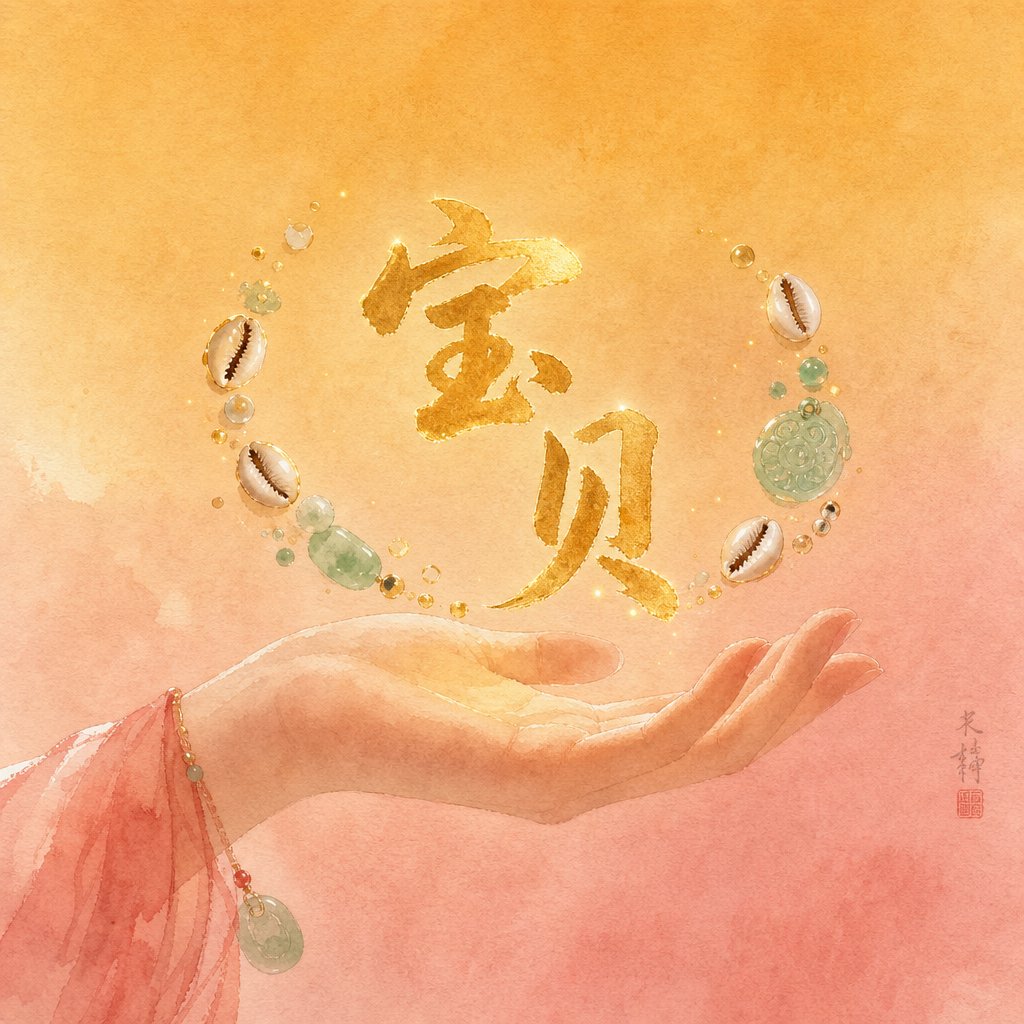
Bao bei (宝贝, pinyin: bǎobèi) literally translates to "treasure" or "precious one." It functions as a term of endearment in Mandarin Chinese, used to express deep affection for a child, romantic partner, or loved one. Depending on context, it can mean "baby," "darling," "sweetheart," or even refer to a valued object or product listing.
That definition covers the basics, but it barely scratches the surface. The baobei meaning shifts dramatically based on who says it, who hears it, and where the conversation happens. A mother calling her toddler bao bei carries a completely different weight than a boyfriend texting it late at night. And when a Taobao seller labels their product as a bao bei, the emotional charge disappears entirely, replaced by commercial shorthand for "item."
Why Context Changes Everything
If you're wondering what does bao bei mean when directed at you specifically, the honest answer is: it depends. Chinese terms of endearment don't map neatly onto English equivalents. The same two characters can signal parental warmth, romantic intimacy, playful teasing between friends, or nothing personal at all.
Consider these real scenarios where the term shows up:
- A grandparent greeting a child at the door
- A partner sending a goodnight message
- A livestream host addressing thousands of viewers
- A product page on China's largest e-commerce platform
Each of these uses is common, natural, and culturally appropriate. The word itself stays the same. The relationship and setting do all the heavy lifting.
This layered quality is exactly why a dictionary entry falls short. To genuinely understand bao bei, you need the cultural scaffolding around it: the etymology that connects ancient currency to modern affection, the tonal pronunciation that changes how it lands, and the social boundaries that determine when it feels sweet versus awkward. That full picture starts with the two characters themselves and the surprising history they carry.
The Etymology Behind 宝贝 and Its Layered Meaning
Two characters. Two thousand years of cultural weight. When you break bao bei apart, you find that this term of endearment is built on a foundation of material wealth that gradually transformed into emotional currency. Understanding the bao meaning in Chinese and the role of bei reveals why this word carries so much more resonance than its English equivalents.
Breaking Down the Characters 宝 and 贝
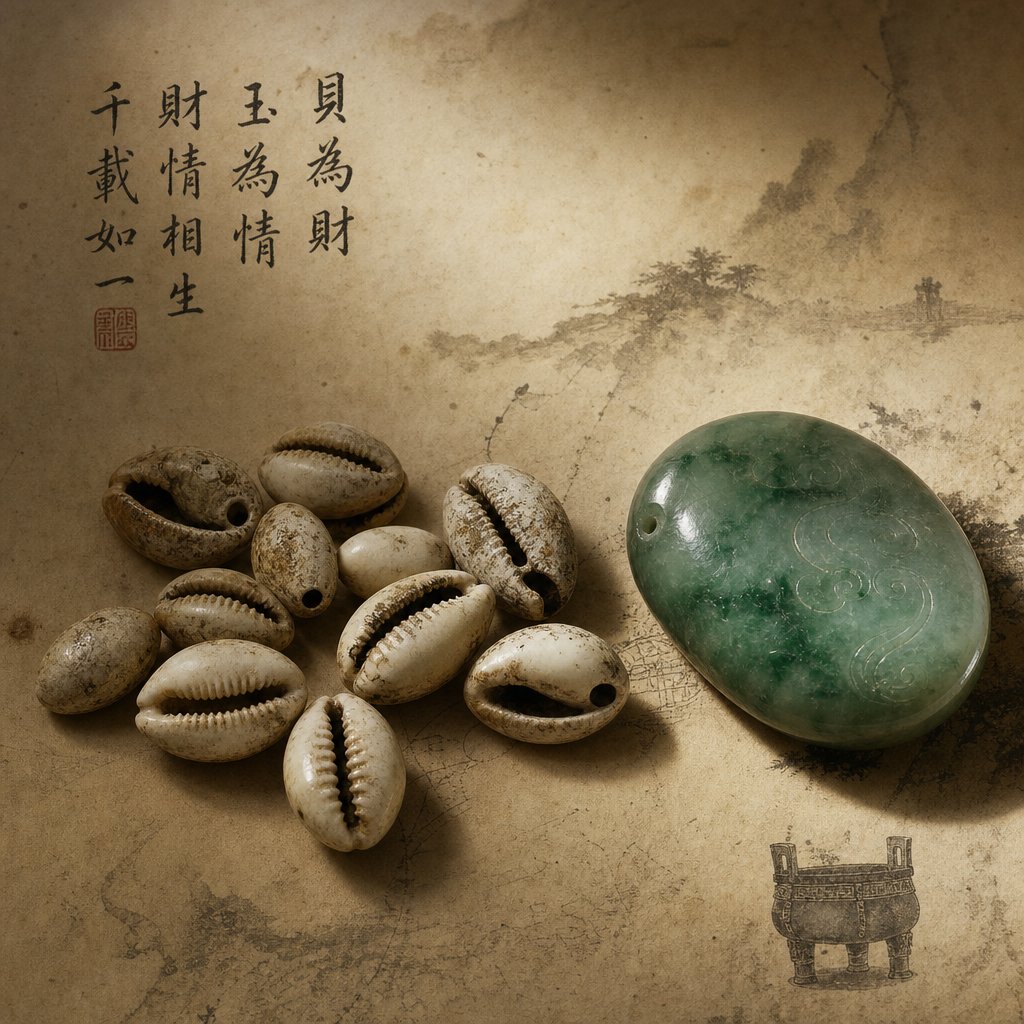
Each half of baobei tells its own story. The first character, 宝 (bǎo), means treasure, jewel, or something precious. Its traditional form, 寶, is classified as an ideographic character depicting valuable things, including jade (玉) and shells (贝), stored safely under a roof (宀). Imagine a house protecting your most prized possessions. That image is literally embedded in the character's structure.
The second character, 贝 (bèi), means shell or cowrie. Sounds unremarkable until you learn that cowrie shells served as currency in ancient China, used for the exchange of goods long before metal coins existed. The oracle bone script of 贝 visually resembles a cowrie shell, and to this day, 37 HSK-level characters containing the 贝 radical relate to money, wealth, or trade.
Here's how the two characters contribute to the compound word:
| Character | Pinyin | Individual Meaning | Key Radical | Role in 宝贝 |
|---|---|---|---|---|
| 宝 | bǎo | Treasure, jewel, precious | 宀 (roof/house) | Conveys preciousness and the act of cherishing |
| 贝 | bèi | Shell, cowrie (ancient currency) | 贝 (shell/money) | Anchors the word in tangible, material value |
Together, they create a compound that literally means "precious shell" or "treasured currency." You'll notice that both characters independently carry connotations of value, so combining them doubles down on the idea of something irreplaceably important.
From Ancient Currency to Modern Affection
Here's where it gets interesting. In its earliest usage, bao bei referred to actual physical treasures: rare objects, heirlooms, or items of significant material worth. A family's bao bei might have been a jade pendant passed down through generations or a collection of precious shells used for trade.
Over centuries, the term migrated from describing objects to describing people. The logic is intuitive: if something is your treasure, and a person becomes more valuable to you than any object, then that person becomes your bao bei. This shift from material to emotional didn't happen overnight. It reflects a broader pattern in Chinese culture where affection is expressed through metaphors of value and worth rather than through direct emotional declarations.
Think about it this way. English speakers say "I love you" as a direct emotional statement. Chinese culture historically favored showing love through actions and through language that frames the beloved as something precious, irreplaceable, worth protecting. Calling someone your bao bei doesn't say "I feel love." It says "you are my treasure." The emphasis lands on the other person's worth, not on the speaker's feelings.
This etymological DNA still pulses through every modern use of the word. When a mother calls her child bao bei, she's invoking centuries of linguistic history that equates her child with the most valuable thing imaginable. When a partner whispers it, they're drawing on the same deep well of meaning: you are rare, you are cherished, you are worth safeguarding under my roof.
That cultural depth is precisely what makes bao bei untranslatable in a single English word. "Baby" captures the intimacy but misses the treasure metaphor. "Darling" gets the affection but lacks the weight of ancient currency. The full resonance lives only in the original Chinese, where shells once bought goods and now buy something far more valuable: a moment of genuine human connection.
Of course, knowing what the characters mean on paper is only half the equation. The way you actually say them, the tones you use, and the regional variations in pronunciation all shape how bao bei lands in real conversation.
How to Pronounce Bao Bei with Correct Tones
Knowing the meaning is one thing. Saying it so a native speaker actually recognizes it is another challenge entirely. Mandarin is a tonal language, which means the pitch pattern you use on each syllable changes the word itself. Get the tones wrong on bǎo bèi and you might produce a sound that means nothing at all, or worse, something unintended.
Pinyin Tones and How to Say Bao Bei Correctly
The pinyin for this term is bǎobèi. Two syllables, two different tones. Here's what each one requires your voice to do:
bǎo (third tone): The third tone starts low in your vocal range, dips even lower, and then rises slightly. Imagine the way you'd say "well..." if someone asked whether you have a secret and the answer is yes. That drawn-out, low-then-rising contour is your target. In practice, when the third tone appears before a fourth tone (as it does here), you'll mostly feel the low, creaky quality without much of the final rise. Keep your voice low and relaxed rather than trying to force a dramatic dip-and-bounce.
bèi (fourth tone): The fourth tone is a sharp, decisive fall from the top of your pitch range straight down to the bottom. Think of the way you'd say a firm "No!" to a child reaching for something dangerous. It's quick, assertive, and drops without hesitation. Start high, end low, but don't shout.
Here's a step-by-step guide for the full baobei pronunciation:
- Set your pitch low. Before you say anything, let your voice settle into the lower part of your comfortable speaking range. This prepares you for the third tone on bǎo.
- Say "bao" with a low, slightly creaky voice. The vowel sounds like "bow" (as in taking a bow). Keep the pitch low and steady, letting it dip just slightly. Don't rush upward at the end since the following syllable is a fourth tone, not another third tone.
- Jump to the top of your range. Immediately after finishing bǎo, reset your pitch to the highest comfortable point. This contrast between the low third tone and the high start of the fourth tone is what makes the word sound natural.
- Drop sharply on "bei." The vowel rhymes with "bay." Start high and let your pitch fall decisively, like a stone dropping. The whole syllable should feel short and punchy.
- Put it together. The rhythm is: low-creaky + high-falling. Think of it as a valley followed by a cliff edge. Say it at a natural conversational speed without pausing between syllables.
A common mispronunciation pitfall for English speakers is treating both syllables with flat, even pitch, the way you'd say "bow-bay" in English. Without the tonal contours, a Mandarin speaker hears undifferentiated noise rather than a recognizable word. Another frequent mistake is making the third tone too dramatic, swooping your voice up high at the end. In connected speech, the third tone before a fourth tone stays mostly low. Save the full dip-and-rise for when a third tone appears in isolation or at the end of a phrase.
Variant Forms and Regional Pronunciation
Once you've nailed the standard pronunciation, you'll encounter a few common variations in the wild:
- Xiǎo bǎobèi (小宝贝): Literally "little treasure." Adding xiǎo (small, little) in front creates an even more affectionate diminutive. The tone pattern is third + third + fourth. Because two third tones appear in sequence, the first xiǎo shifts to a rising tone in natural speech (a standard Mandarin tone sandhi rule), so it sounds more like xiáo bǎobèi in practice.
- Bǎobèir (宝贝儿): This is the bao bei er variant you'll hear in Beijing and northern China. The "er" suffix (called erhua, 儿化) doesn't add a full extra syllable. Instead, it curls the tongue slightly at the end of bèi, producing a soft "r" color on the final vowel. Think of it as "bao-beir" blended into two syllables rather than three. It adds a casual, warm, slightly playful quality to the word.
Regional accent also plays a role. Speakers from southern China or Taiwan tend to pronounce the tones with slightly less exaggerated contours, and the erhua suffix is largely absent. You'll still be understood either way, but matching the variant to your conversation partner's dialect shows cultural awareness.
Tones might feel like a technical hurdle, but they're actually part of what gives bao bei its emotional texture. The low, intimate quality of that third tone followed by the decisive drop of the fourth creates a sound that feels tender and certain at the same time. It's a word that sounds like what it means: something precious, spoken with conviction. And that tonal shape is exactly what carries the romantic weight when a partner directs it at you.
Bao Bei in Romantic Relationships and What It Signals
Let's address the question that probably brought you here. A Chinese speaker called you bao bei, and you want to know: is this serious? Is it flirty? Are you being claimed, complimented, or casually charmed?
Short answer: when used between romantic partners, baobei means something very close to "baby" or "babe" in English. It signals intimacy, affection, and a level of comfort that goes beyond casual friendship. If someone is calling you bao bei in a romantic context, they're telling you that you occupy a special place in their emotional world.
When a Romantic Partner Calls You Bao Bei
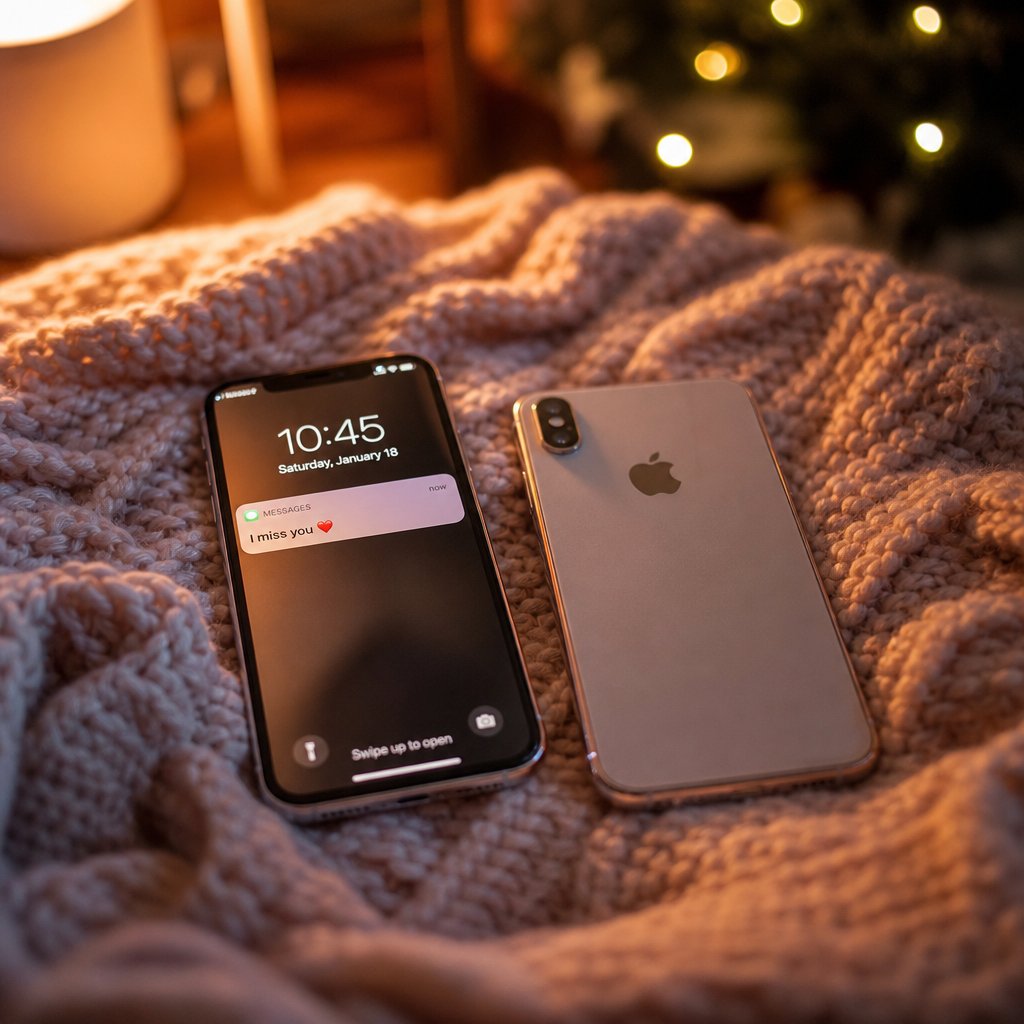
Among couples in China, 宝贝 is one of the most common terms of endearment, sitting alongside 亲爱的 (qīn'ài de, "darling") as a go-to expression of closeness. It's the word for baby in Chinese that carries warmth without sounding overly formal or poetic. You'll hear it in goodnight texts, whispered apologies, and the soft opening line of a phone call between people who've moved past the "just dating" phase.
Here are real examples of how couples use it:
- 宝贝,我想你了。
Bǎobèi, wǒ xiǎng nǐ le.
"I miss you, babe." - 宝贝,你到了吗?
Bǎobèi, nǐ dào le ma?
"Babe, are you there yet?" - 宝贝,别生气了。
Bǎobèi, bié shēngqì le.
"Don't be mad, babe." - 宝贝,今天辛苦了。
Bǎobèi, jīntiān xīnkǔ le.
"You worked hard today, babe."
Notice the pattern. Bao bei often appears at the start of a sentence as a soft opener, the way English speakers might begin with "hey babe" before saying something affectionate, reassuring, or even slightly apologetic. In texting especially, it can function as a gentle signal that the speaker is about to ask for a favor or smooth over a disagreement.
What It Signals About Your Relationship
If a Chinese boyfriend or girlfriend calls you bao bei, it generally means they feel emotionally close enough to use intimate language with you. It's not a word people throw around with casual dates or acquaintances. Using it implies a certain level of established trust and mutual affection.
That said, intensity varies. Some couples use it constantly, the way some English-speaking pairs say "babe" in every other sentence. Others reserve it for private moments, finding it too sweet or performative for public settings. Among younger couples, it can lean playful and lighthearted. Among older or more reserved partners, it might appear only in texts or quiet, one-on-one conversations.
Gender dynamics are worth noting too. Both men and women use bao bei freely in modern relationships. A woman calling her partner bao bei sounds natural and affectionate. A man using it carries the same warmth, though in some contexts it can also function as a softening move, a way to defuse tension or signal vulnerability. Neither gender "owns" the term, and there's no imbalance in who initiates it.
One nuance that catches non-native speakers off guard: bao bei between partners doesn't always signal deep, serious love. Sometimes it's simply habitual, a verbal reflex that says "we're comfortable together" rather than "I'm profoundly in love with you." The emotional weight depends on tone, timing, and what follows. A whispered bao bei before a vulnerable confession hits differently than a quick bao bei tossed into a grocery list text.
The romantic register is the one most people encounter first, but it's far from the only one. The same word that signals passion between partners transforms into something entirely different when a grandmother says it to a toddler or when close friends use it to tease each other.
Bao Bei Between Family Members and Close Friends
Picture a grandmother at the front door, arms open, calling out to a three-year-old running up the walkway. The word she uses is the same one a boyfriend might text at midnight, yet the feeling couldn't be more different. In family settings, bao bei sheds its romantic charge entirely and becomes pure parental warmth: a verbal hug that says "you are the most precious thing in my world."
Parents and Family Members Using Bao Bei
For parents and grandparents, 宝贝 is the default term of endearment for young children. It functions the way "sweetheart," "my precious," or "honey" does in English-speaking households. There's nothing flirtatious or ambiguous about it. A mother saying bao bei to her five-year-old is simply expressing the most natural form of familial love.
You'll hear it woven into everyday instructions, gentle corrections, and moments of praise:
- 宝贝,过来洗手。
Bǎobèi, guòlái xǐ shǒu.
"Sweetheart, come wash your hands." - 宝贝,慢慢说,我听着呢。
Bǎobèi, mànman shuō, wǒ tīngzhe ne.
"Take your time, precious. I'm listening." - 宝贝,今天学校怎么样?
Bǎobèi, jīntiān xuéxiào zěnmeyàng?
"Sweetheart, how was school today?" - 宝贝,做得真棒。
Bǎobèi, zuò de zhēn bàng.
"You did great, my dear."
Grandparents use it just as freely. In many Chinese families, the grandparent-grandchild bond is especially close, and bao bei flows naturally in voice notes, video calls, and those moments when a child climbs into a grandparent's lap. The intensified version, 心肝宝贝 (xīngān bǎobèi, literally "heart-and-liver treasure"), takes the affection up a notch. It sounds dramatic in translation, but in practice it's the Chinese equivalent of "my absolute darling" and is often used with a touch of playful exaggeration.
Age matters here. Children between roughly three and eight hear bao bei constantly and accept it without a second thought. Once kids hit the preteen years, some start to find it embarrassing, especially in front of friends. Many families naturally shift to using the child's name with a 小 (xiǎo, "little") prefix, like 小安 or 小杰, or reserve bao bei for private moments at home.
It's also worth clarifying the difference between bao bei and a closely related term that often confuses learners. The bao bao meaning in Chinese depends on which characters you're looking at. 宝宝 (bǎo bǎo) uses the "treasure" character twice and translates more directly as "baby." While bao bei (宝贝) means "precious one" or "treasure" and works across a wider age range, bao bao meaning in English leans more specifically toward "baby" or "little one" and is typically reserved for very young children or used as baby talk. Parents might call an infant 宝宝 and then transition to 宝贝 as the child grows. Some families use both interchangeably, but bao bao carries a slightly more infantile, cutesy tone.
Friendship and Playful Usage Among Peers
Outside the family, bao bei takes on a different flavor. Between close friends, particularly young women, it can function as a playful, affectionate address that signals closeness without any romantic implication. Think of the way some English-speaking friends call each other "babe" or "hun" in a purely platonic way.
Here's what that looks like in practice:
- 宝贝,好久不见!
Bǎobèi, hǎojiǔ bú jiàn!
"Babe, long time no see!" - 宝贝,生日快乐!
Bǎobèi, shēngrì kuàilè!
"Happy birthday, darling!" - 宝贝们,今天吃什么?
Bǎobèimen, jīntiān chī shénme?
"Babes, what are we eating today?"
This usage is heavily dependent on tone and context. Among very close female friends, it sounds warm and natural. Among male friends, it's far less common and almost always ironic or humorous when it does appear. A guy calling his buddy bao bei is usually going for a laugh, exaggerating affection for comedic effect.
Younger speakers, especially Gen Z, have also adopted bao bei as part of internet-inflected speech where exaggerated sweetness becomes a form of humor. You'll see it in group chats, social media comments, and livestream interactions where the over-the-top endearment is the joke itself. Someone might respond to a friend's minor accomplishment with an ironic "哇,宝贝太厉害了" ("Wow, bao bei, you're amazing") in the same spirit that English speakers might say "oh my god, you absolute legend" for something trivial.
The key distinction is this: in family contexts, bao bei is sincere and unironic. In friendship contexts, it's either a marker of genuine closeness between very tight friends or a playful, slightly performative gesture. If your child picks up the word from a drama and starts calling classmates bao bei, it won't cause harm, but it might land awkwardly. The social awareness of when it fits and when it doesn't is something native speakers absorb through years of context, not from a vocabulary list.
This spectrum of sincerity, from a grandmother's heartfelt call to a friend's ironic text, only covers the personal side of bao bei. The word has also migrated into spaces where relationships are transactional rather than emotional, showing up in product listings, customer service scripts, and the rapid-fire language of Chinese livestream commerce.

Modern Digital and E-Commerce Uses of Bao Bei
Here's something that surprises most learners: open China's largest online marketplace, and every single product for sale is called a bao bei. Not just the expensive ones. Not just the beautiful ones. A pack of socks, a phone charger, a bag of dried noodles. All treasures. This commercial usage of bao bei chinese culture has normalized reveals just how elastic the word has become in the digital age.
Bao Bei on Taobao and Chinese E-Commerce
The name Taobao (淘宝) itself means "searching for treasure," so it's no accident that every item listed on the platform is officially labeled a 宝贝. When a buyer messages a seller to ask about availability, the standard phrasing is: 请问这件宝贝有货吗? ("Is this particular treasure in stock?"). When a seller encourages a purchase, they'll say something like 亲拍下吧 ("Go ahead and buy it, dear"). The entire transactional vocabulary is steeped in the language of affection and value.
This isn't just branding. It's baked into the platform's interface. Product pages are literally titled "宝贝详情" (treasure details). Feedback systems ask buyers to rate their 宝贝. If an item doesn't match its description, the complaint template reads: 宝贝与描述不相符 ("The treasure doesn't match the description"). The word has been fully stripped of emotional intimacy in this context and repurposed as commercial shorthand for "item" or "listing."
Sellers also address buyers with saccharine warmth. The go-to term is 亲 (qīn), short for 亲爱的 (dear), used regardless of the buyer's age, gender, or purchase history. A typical exchange between buyer and seller looks something like this: the buyer asks a question, and the seller responds with "在的,亲~" ("I'm here, dear~") followed by helpful information and a trail of tildes and emoji. Some sellers layer bao bei on top of qin, calling loyal customers 宝贝 to signal extra attentiveness.
Sounds excessive? Maybe. But this linguistic sweetness serves a practical purpose. On a platform where sellers live and die by their reviews, warmth is a business strategy. Positive feedback (好评) keeps shops visible in search results, and a curt or unfriendly tone can earn negative reviews that tank a seller's reputation. The endearments aren't personal. They're professional survival.
Social Media and Digital Communication Contexts
Beyond e-commerce, baobei chinese internet culture has given the word entirely new functions. Livestream hosts on platforms like Douyin (China's TikTok) routinely address their audiences as 宝贝们 (bǎobèimen, "treasures" with the plural suffix). It creates a parasocial intimacy, making thousands of anonymous viewers feel individually acknowledged. A host might say 宝贝们,今天给你们推荐一个好东西 ("Babes, I'm recommending something great today") before launching into a product pitch.
This usage blurs the line between genuine affection and commercial persuasion. The livestream host doesn't know their viewers personally, yet the language mimics the closeness of a friend sharing a recommendation. It's calculated warmth, and audiences understand the dynamic implicitly. Nobody believes the host actually considers them a personal treasure, but the word still creates a feeling of inclusion and trust that drives sales.
In private messaging and texting, bao bei shows up in a phrase that's become almost a meme in Chinese digital culture: bao bei zai gan ma (宝贝在干嘛, "what are you doing, baby?"). It's the classic check-in text between couples, so ubiquitous that it's spawned parodies, sticker packs, and ironic usage among friends. Sending 宝贝在干嘛 is the Chinese equivalent of the English "wyd" text, but wrapped in a layer of sweetness that signals romantic interest. If someone sends you this phrase unprompted, they're either your partner, someone who wants to be, or a friend making fun of couple culture.
Here's a quick reference showing how bao bei functions differently across digital contexts:
| Context | Who Says It | Who Hears It | What Bao Bei Means Here | Emotional Charge |
|---|---|---|---|---|
| Taobao product listing | Platform/seller | Buyer | Item, product, listing | None (purely functional) |
| Customer service chat | Seller | Buyer | Valued customer | Low (commercial warmth) |
| Livestream commerce | Host/influencer | Audience | Viewers, fans | Medium (parasocial intimacy) |
| Couple texting (宝贝在干嘛) | Partner | Partner | Baby, babe | High (romantic affection) |
| Social media comments | Fan or friend | Creator or friend | Playful endearment | Low to medium (performative) |
What makes bao bei chinese digital culture so fascinating is this range. The same word operates at zero emotional intensity on a product page and maximum intensity in a late-night text. Native speakers navigate these registers instinctively, reading context cues like platform, sender, and tone to decode which version of bao bei they're encountering.
This digital fluidity is relatively new. The commercial and parasocial uses of bao bei have exploded in the last decade alongside China's e-commerce boom and livestream economy. Older generations didn't grow up hearing the word applied to socks and phone cases. That generational gap in how bao bei is understood and used extends well beyond the digital world, shaping everything from how the word lands in conversation to whether it feels intimate or ordinary.
How Generations and Regions Use Bao Bei Differently
A sixty-year-old grandmother in Beijing and a twenty-two-year-old college student in Shenzhen both say bao bei. They use the same characters, the same tones, and technically the same word. But the social weight they attach to it, the contexts where they'd deploy it, and the reactions they'd expect are worlds apart. Bao bei in chinese conversation doesn't carry a fixed emotional charge. It carries the charge that the speaker's generation and geography assign to it.
Generational Differences in Bao Bei Usage
For speakers born before the 1970s, bao bei belongs to a small, protected category of language. They reserve it almost exclusively for two relationships: young children and deeply intimate romantic partners. A grandfather might call his grandchild bao bei without hesitation, but he'd be unlikely to use it with a friend, a colleague, or even his adult daughter. The word feels too tender, too vulnerable for casual deployment. Using it outside those narrow contexts would strike older speakers as either inappropriate or performatively sweet.
Millennials, born roughly between 1980 and 1995, expanded the word's territory. They grew up during China's rapid economic opening, absorbing both traditional family language and the influence of Taiwanese and Hong Kong pop culture where terms of endearment flowed more freely in media. For this generation, bao bei became standard vocabulary between romantic partners at nearly any stage of a relationship, not just long-established ones. They also began using it more openly in friendships, particularly among women, though still with some awareness that it signaled genuine closeness.
Gen Z speakers, born after 1995, have stretched bao bei even further. For them, the word operates on a spectrum from sincere to deeply ironic, and they switch between registers effortlessly. A Gen Z user might call their actual partner bao bei in a text, then turn around and use the same word sarcastically in a group chat to mock someone's minor complaint. The ironic layer doesn't erase the sincere one. Both coexist, and context does the sorting.
This generational loosening mirrors a broader cultural shift. Younger Chinese speakers are generally more comfortable with overt emotional expression than their parents or grandparents were. The influence of social media, dating apps, and exposure to Western relationship norms has made public affection less taboo. Bao bei rode that wave, moving from a word you'd whisper privately to one you'd type in a comment section for thousands to see.
The result is occasional friction. An older parent might raise an eyebrow hearing their adult child casually call a new boyfriend bao bei after two weeks of dating. A Gen Z speaker might find their grandmother's exclusive reservation of the word for toddlers charmingly old-fashioned. Neither is wrong. They're simply operating from different generational scripts about what the word is allowed to do.
Regional Variations Across Chinese-Speaking Communities
Geography adds another layer of complexity. Mandarin-speaking regions share the core meaning of 宝贝 in english ("treasure" or "precious one"), but the cultural weight and frequency of use shift depending on where you are.
In Mainland China, bao bei enjoys its widest range of usage. It's the default term of endearment in families, relationships, and commercial contexts alike. Northern speakers, particularly in Beijing, often add the erhua suffix (宝贝儿) that softens the word and gives it a casual, hometown warmth. Southern Mandarin speakers tend to pronounce it without that suffix, keeping the word crisper and slightly more formal in sound.
Taiwan uses the traditional character form, 寶貝, and the word carries similar affectionate meaning. However, Taiwanese Mandarin speakers tend to use it somewhat more conservatively than their Mainland counterparts. The commercial usage that dominates platforms like Taobao hasn't penetrated Taiwanese e-commerce culture to the same degree. On Taiwanese shopping platforms, product listings are more likely to be called 商品 (shāngpǐn, "product") than 寶貝. Between partners and family members, though, the word functions almost identically to its Mainland usage.
Hong Kong presents a different picture entirely. Cantonese, not Mandarin, is the dominant language of daily life. The Cantonese equivalent of baobao in chinese endearment culture would be terms like 寶貝 pronounced as "bou2 bui3" in Jyutping, or more commonly, 心肝 (sam1 gon1, "heart and liver") and BB (pronounced "bi-bi," borrowed from English "baby"). Younger Hong Kong speakers who are bilingual in Cantonese and Mandarin might code-switch and use the Mandarin bao bei in texting or social media, especially if they consume Mainland Chinese content. But in spoken Cantonese conversation, the Mandarin pronunciation would sound out of place.
Diaspora communities add yet another dimension. Chinese speakers in North America, Southeast Asia, Australia, and Europe often code-switch between their heritage language and English. A Chinese-American parent might call their child bao bei at home while using "sweetie" in public. Second-generation speakers who understand Mandarin but primarily communicate in English sometimes adopt bao bei as a cultural marker, a way to signal Chinese identity and familial warmth that English endearments don't quite capture. For them, the word carries an extra layer of nostalgia and cultural belonging that monolingual speakers in China might not consciously feel.
| Group | Typical Bao Bei Usage | Contexts Where It Appears | Notable Characteristics |
|---|---|---|---|
| Older generation (pre-1970s) | Conservative, reserved | Young children, long-term partners only | Feels too intimate for casual use; rarely used publicly |
| Millennials (1980-1995) | Moderate, normalized | Partners, children, close female friends | Standard couple vocabulary; friendship use emerging |
| Gen Z (post-1995) | Broad, fluid, often ironic | Partners, friends, strangers online, memes | Switches freely between sincere and performative registers |
| Mainland China (Northern) | Frequent, with erhua suffix | All personal and commercial contexts | 宝贝儿 variant common; deeply embedded in e-commerce |
| Mainland China (Southern) | Frequent, no erhua | Personal and commercial contexts | Crisper pronunciation; same breadth of usage |
| Taiwan | Moderate, slightly more reserved | Family, romance; less commercial saturation | Traditional characters (寶貝); less e-commerce crossover |
| Hong Kong | Rare in spoken Cantonese | Texting, social media (Mandarin influence) | Cantonese equivalents preferred in speech; code-switching among youth |
| Diaspora communities | Selective, identity-marking | Home, family calls, cultural signaling | Carries nostalgia; often mixed with English endearments |
What emerges from this map is a word that refuses to sit still. Bao bei bends to fit the speaker's age, location, and cultural positioning. A single term carries the weight of generational attitudes toward emotional expression, regional linguistic identity, and the ongoing negotiation between tradition and modernity in Chinese-speaking communities worldwide.
All of this variation raises a practical question for non-native speakers: if bao bei means different things to different people, how do you know when it's appropriate to use it yourself, and when it might land as too intimate, too casual, or simply awkward? The answer lies in understanding where the word sits on a broader spectrum of Chinese terms of endearment and where the social boundaries fall.

Social Boundaries and Common Mistakes to Avoid
Knowing the 宝贝 meaning is straightforward. Knowing when to actually say it out loud is where things get tricky. Every Chinese term of endearment occupies a specific position on an intimacy spectrum, and using one that's too warm for the situation creates the same discomfort as calling a coworker "babe" in English. Bao bei sits in a particular zone on that spectrum, and understanding its neighbors helps you gauge exactly how much emotional weight you're deploying.
Where Bao Bei Sits on the Intimacy Spectrum
Imagine a ladder. At the bottom, you have terms so casual they barely register as affectionate. At the top, you have language reserved for your most intimate relationships. Here's where common Chinese endearments fall, ranked from most casual to most intimate:
- 亲 (qīn) - "Dear." The most casual endearment, used commercially by strangers (Taobao sellers, customer service reps). Zero romantic implication. Think of it as the Chinese equivalent of a retail worker calling you "hon."
- 甜心 (tiánxīn) - "Sweetheart." Borrowed from English influence, it sounds slightly foreign and playful. Used between couples or close friends, but carries a lighter, more modern feel. Less traditional weight than bao bei.
- 宝贝 (bǎobèi) - "Treasure/baby." The versatile middle ground. Warm enough for romance, soft enough for children, flexible enough for close friends. This is where most people land when they want affection without the gravity of commitment language.
- 亲爱的 (qīn'ài de) - "Darling/my dear." Slightly more formal and deliberate than bao bei. One of the most widely used terms of endearment in Chinese, it signals clear romantic intent when directed at a partner. You wouldn't use it casually with friends without raising eyebrows.
- 宝宝 (bǎobao) - "Baby." More infantile and cutesy than bao bei. Between adults, it implies a playful, slightly dependent dynamic. Some couples love it; others find it too childish.
- 老婆/老公 (lǎopó/lǎogōng) - "Wife/husband." These carry serious relationship weight. Even unmarried couples use them, but doing so signals deep commitment and a shared future. Dating couples often use 老公 to reveal deep commitment and the vision of a shared life together.
- 心肝 (xīngān) - "Heart and liver." The most viscerally intimate term on this list. Reserved for someone you consider absolutely essential to your existence. Old-fashioned, deeply tender, and rarely used lightly.
You'll notice bao bei lands right in the middle. It's intimate enough to mean something, but flexible enough to avoid the heavy commitment signals of 老婆/老公 or the raw vulnerability of 心肝. That middle position is exactly why it's so popular: it lets speakers express warmth without locking themselves into a specific relationship declaration.
When Using Bao Bei Becomes Inappropriate or Awkward
The flexibility that makes bao bei useful also makes it easy to misfire. Non-native speakers sometimes treat it like a universal friendly greeting, which it absolutely is not. Context, relationship, and social hierarchy all determine whether the word lands as sweet or strange.
Here are the most common mistakes to avoid:
- Using it with strangers or new acquaintances. Calling someone bao bei when you've just met implies a level of intimacy that doesn't exist yet. At best, it sounds presumptuous. At worst, it feels invasive. Even if you mean it warmly, the other person hears a claim on closeness they haven't granted.
- Deploying it in professional settings. Bao bei has no place in a work email, a business meeting, or a conversation with your boss. Chinese workplace culture maintains clear boundaries between personal and professional language. Using an endearment with a colleague or superior signals either romantic interest or a serious misread of social dynamics.
- Directing it at someone older or of higher social status. Calling an elder bao bei can sound condescending, as if you're treating them like a child. The word flows downward in age and status (parent to child, older friend to younger friend) or laterally (between equals in a close relationship). Directing it upward breaks the expected social hierarchy.
- Confusing bao bei with bao bie. Some learners accidentally write or say "bao bie" instead of "bao bei," swapping the syllable order or misspelling it. While native speakers will likely understand what you meant, the error signals unfamiliarity with the language and can undermine the warmth you're trying to convey. The correct form is always 宝贝 (bǎobèi), not "baobie" or "bao bie."
- Overusing it to seem fluent or culturally aware. Dropping bao bei into every sentence doesn't make you sound like a native speaker. It makes you sound like someone performing intimacy rather than feeling it. Native speakers use the term selectively, in moments where the emotional context supports it. Frequency without genuine connection feels hollow.
- Using it with someone else's child without established rapport. Parents are protective about who uses intimate language with their kids. If you're not a close family friend or relative, addressing someone's child as bao bei can feel overly familiar. A safer choice is the child's name or a neutral term like 小朋友 (xiǎo péngyou, "little friend").
The underlying principle is simple: bao bei requires relational permission. You earn the right to use it through established closeness, not by deciding unilaterally that the relationship is warm enough. When in doubt, wait for the other person to use it first. If they call you bao bei, you have a clear green light to reciprocate. If they haven't, hold back and let the relationship develop naturally.
One more subtlety worth noting: tone of voice changes everything. A soft, genuine bao bei between people who clearly care about each other sounds natural. The same word delivered with exaggerated sweetness or a flat, mechanical tone can sound sarcastic, manipulative, or simply awkward. The word itself is neutral. Your delivery and your relationship to the listener determine whether it connects or misfires.
With these boundaries mapped out, the remaining question is practical: how do you actually integrate bao bei into your own speech in a way that feels natural rather than forced? That comes down to reading context cues, matching the register of the people around you, and understanding that this single word is really a window into how Chinese culture navigates affection, hierarchy, and connection through language.
Practical Guide to Using Bao Bei with Confidence
You've seen how bao bei shifts across relationships, platforms, generations, and regions. The question now is: what do you actually do with all of this? If you're a non-native speaker who wants to use the word naturally, or simply wants to understand what does baobei mean when it's directed at you, here's the practical framework that ties everything together.
A Quick Reference for Using Bao Bei Naturally
Rather than memorizing rules, think of bao bei as a word that requires one thing before you say it: relational context. Ask yourself two questions. First, what is my relationship to this person? Second, would they use it with me? If both answers point toward closeness, you're safe. If either answer feels uncertain, hold back.
This table gives you a decision framework at a glance:
| Context | Appropriate Use | Example |
|---|---|---|
| Parent to young child | Freely, as a daily endearment | 宝贝,过来吃饭了。(Sweetheart, come eat.) |
| Romantic partner | Freely in private; selectively in public depending on couple's comfort | 宝贝,我到家了。(Babe, I'm home.) |
| Close female friends | Playfully, when the friendship is clearly intimate | 宝贝,周末出来玩!(Babe, let's hang out this weekend!) |
| Ironic/humorous among peers | When the exaggerated sweetness is clearly a joke | 宝贝,你可真行啊。(Oh babe, you're really something.) |
| Addressing someone's child (not yours) | Only if you're a close family friend or relative | 小宝贝,来阿姨这里。(Little treasure, come to auntie.) |
| E-commerce/commercial | Standard platform language; no personal warmth implied | 这个宝贝有货吗?(Is this item in stock?) |
| Strangers or new acquaintances | Avoid entirely | — (Use their name or a neutral address instead) |
| Professional or workplace settings | Never appropriate | — (Use titles or surnames) |
Notice the pattern. The word flows naturally in relationships where emotional closeness already exists. It doesn't create closeness on its own. Trying to use xiao bao bei with someone you barely know won't charm them into feeling connected to you. It'll just feel premature.
Understanding Chinese Affection Through Language
Here's the deeper takeaway. Baobei in chinese isn't just vocabulary to memorize. It's a lens into how Chinese culture handles emotional expression. Where English tends toward direct declarations ("I love you," "you mean everything to me"), Chinese often wraps affection in metaphors of value. Calling someone your treasure says "you matter" without the vulnerability of saying "I feel." The emphasis stays on the other person's worth, not the speaker's emotional state.
That cultural logic extends beyond bao bei into the entire ecosystem of Chinese endearments, from 心肝 (heart and liver) to 亲爱的 (dear one). Each term positions the beloved as something precious rather than narrating the speaker's internal experience. Once you see that pattern, you start reading Chinese affection differently. A parent who never says "I love you" but calls their child bao bei every single day isn't withholding emotion. They're expressing it through a different cultural grammar.
So the next time you hear bao bei, whether in a text, a family gathering, a livestream, or a product listing, pause and read the context before you react. Who said it? To whom? In what setting? Those three questions will tell you everything the dictionary can't. The word stays the same. The world around it tells you what it means.
Frequently Asked Questions About Bao Bei
1. What does it mean when a guy calls you bao bei?
When a guy calls you bao bei in a romantic context, it signals that he feels emotionally close to you and considers you someone special. It functions similarly to calling someone 'baby' or 'babe' in English and implies a level of intimacy beyond casual friendship. However, the intensity depends on tone and timing. A habitual bao bei in everyday texts may simply mean comfort and familiarity, while a softly spoken one during a vulnerable moment carries deeper emotional weight. If he uses it early in dating, he may be signaling strong interest or testing whether you reciprocate the closeness.
2. Is bao bei the same as bao bao in Chinese?
They are related but not identical. Bao bei (宝贝) translates to 'treasure' or 'precious one' and works across a wide age range, from children to romantic partners to friends. Bao bao (宝宝) uses the treasure character twice and translates more directly as 'baby,' carrying a more infantile, cutesy tone. Parents typically use bao bao for infants and toddlers, then transition to bao bei as the child grows. Between adults, bao bao implies a playful or slightly dependent dynamic that some couples enjoy and others find too childish.
3. Can you use bao bei with friends or is it only romantic?
Bao bei is not exclusively romantic. Close female friends in China commonly use it as a playful, affectionate address, similar to how English speakers might call a friend 'babe' or 'hun' platonically. Among male friends, it appears almost exclusively as ironic humor. Gen Z speakers also use it performatively in group chats and social media comments where exaggerated sweetness is part of the joke. The key factor is the established closeness of the friendship. Using it with a casual acquaintance would feel presumptuous regardless of intent.
4. Why are products called bao bei on Taobao?
Taobao's name means 'searching for treasure,' so every product listing on the platform is officially labeled a 宝贝 (bao bei). This is built into the platform's interface where product pages are titled '宝贝详情' (treasure details) and feedback systems ask buyers to rate their bao bei. In this context, the word carries zero emotional charge and simply functions as commercial shorthand for 'item' or 'listing.' The linguistic warmth serves a business purpose on Chinese e-commerce platforms, where friendly language helps sellers maintain positive reviews and customer relationships.
5. How do you pronounce bao bei correctly in Mandarin?
Bao bei uses two tones: bǎo is a third tone (voice dips low with a slight creaky quality) and bèi is a fourth tone (sharp, decisive fall from high to low pitch). The vowel in bǎo sounds like 'bow' as in taking a bow, while bèi rhymes with 'bay.' The rhythm should feel like a valley followed by a cliff drop. A common mistake is pronouncing both syllables with flat, even pitch like English, which makes the word unrecognizable to native speakers. In Beijing, you may also hear the variant bǎobèir with a soft tongue-curling 'r' sound at the end.