Why Chinese Pet Names for Lovers Carry Hidden Meaning
When you call someone "honey" or "babe" in English, the meaning is pretty transparent. Sweet thing, attractive person, done. Chinese pet names for lovers work differently. They carry layers of cultural context, historical poetry, and relationship-specific signals that a direct translation will never capture.
So what is a pet name in the Chinese context? It is not just a cute label. It is a coded message about where you stand in a relationship, how much intimacy you share, and even what generation you belong to. The word you choose tells your partner whether you see them as a lifelong companion, a playful crush, or something deeper than language can easily hold.
Why Chinese Pet Names Feel Different From English Ones
English-speaking couples tend to pull pet names from a shared pool. Honey, sweetheart, baby, darling. These terms are interchangeable across most relationships and carry roughly the same weight. You might call a new partner "babe" just as easily as a spouse of twenty years.
Chinese terms of endearment do not work this way. Each term signals a specific relationship stage, level of commitment, and emotional tone. Using the wrong one at the wrong time can feel jarring, even presumptuous. A term reserved for married couples sounds strange on a first date. A playful internet nickname might feel too casual for someone you have been with for a decade.
The Emotional Logic Behind Mandarin Terms of Endearment
Chinese culture historically expresses romantic affection through action and implication rather than blunt declaration. As eChineseLearning notes, in Chinese culture love is often conveyed through indirect and nuanced means, with daily acts of kindness and subtle expressions playing a significant role.
Where English romance tends toward direct verbal declaration, Chinese terms of affection often encode love sideways, through metaphor, body-part imagery, and deliberate understatement that makes the feeling land harder, not softer.
This indirectness shapes how terms of endearment in Chinese evolved. Rather than simply describing a lover in the Chinese language as "sweet" or "dear," many pet names reference the heart, the liver, or even food, drawing on poetic traditions that stretch back centuries.
The goal here is not to hand you a list to memorize. It is to show you the system behind the names so you can understand what your partner actually hears, and choose your words with the precision they deserve.
The Linguistic Patterns Behind Every Chinese Pet Name
Most guides hand you a list of nicknames in chinese and expect you to memorize them cold. That approach misses the point. Chinese endearments are not random. They follow four predictable linguistic patterns, and once you recognize them, you can decode any pet name you encounter and even build your own from scratch.
Think of these patterns as the grammar of intimacy. Each one transforms an ordinary word into something softer, warmer, or more playful. Learn the four building blocks below, and you will never need to rely on rote memorization again.
Reduplication and Why Doubling Makes Words Intimate
Reduplication, called 叠词 (dié cí) in Mandarin, is the practice of repeating a syllable to shift its emotional register. When you double a word, it mimics the babbling repetition of early childhood speech. As linguist Victor Mair notes in his research on diminutives and reduplicatives in Chinese, baby talk in Mandarin consists of many reduplicative words, and young children often carry these doubled nicknames into adulthood.
In romantic contexts, reduplication does something specific: it makes a word feel smaller, softer, and more intimate. The standalone 宝 (bǎo, treasure) is a compliment. But 宝宝 (bǎo bao) becomes a tender pet name, the kind whispered between partners in private. The doubling signals that you are speaking from a place of closeness, not formality.
Other common reduplicated pet names in chinese follow the same logic:
- 乖乖 (guāi guāi) - from 乖 (obedient/good). Doubled, it becomes a sweet term meaning "my good one" or "darling." The emotional effect is protective tenderness.
- 猪猪 (zhū zhū) - from 猪 (pig). Alone, it is an insult. Doubled, it becomes a ke ai (cute) nickname between lovers, playful rather than mean.
- 亲亲 (qīn qīn) - from 亲 (kiss/close). Doubled, it becomes both a verb (give a kiss) and a pet name (my dear one). The emotional effect is flirtatious warmth.
You will notice that reduplication does not always intensify meaning the way repetition does in English. In cute Mandarin expressions, doubling often softens or miniaturizes a word, making it feel safe and affectionate rather than emphatic.
The 小 Prefix and 儿 Suffix as Markers of Closeness
The character 小 (xiǎo, little) placed before a name or noun instantly creates a diminutive. It signals youth, affection, or junior status, and it is one of the most productive ways to form a chinese nickname. As Preply's guide to Chinese prefixes explains, 小 expresses warmth and familiarity, making it perfect for addressing someone you want to show affection toward.
In romantic relationships, 小 works like this:
- 小宝 (xiǎo bǎo) - "little treasure." A common nickname mandarin speakers use for a partner, carrying a sense of preciousness and protectiveness.
- 小心肝 (xiǎo xīn gān) - "little heart-liver." Intensifies the already intimate body-part metaphor by making it diminutive and tender.
- 小猪 (xiǎo zhū) - "little pig." Transforms an animal name into an affectionate tease rather than an insult.
On the other end of the word, the 儿 (ér) suffix adds a soft, slightly nasal sound that Beijing speakers use to signal familiarity and tenderness. It does not translate directly into English. Instead, it changes the texture of a word, making it feel more casual and intimate. For example, 宝贝儿 (bǎo bèir) sounds warmer and more personal than the standard 宝贝 (bǎo bèi). The suffix wraps the word in a layer of spoken closeness that written characters alone cannot capture.
Using 阿 to Signal Familiarity
The prefix 阿 (ā) is especially common in southern China, Taiwan, and among Cantonese speakers. It attaches to a person's given name or a kinship term to create instant warmth. Where 小 suggests smallness, 阿 suggests belonging. It says: you are part of my inner circle.
In romantic contexts, 阿 works best with a partner's actual name. If your partner's name is 明 (Míng), calling them 阿明 (Ā Míng) creates a private, affectionate version of their identity that only close people use. It is less about cuteness and more about emotional proximity, a signal that formality has been dropped entirely.
Here is a quick summary of all four patterns and their emotional effects:
- Reduplication (叠词) - Repeat the syllable. Effect: softens, miniaturizes, creates baby-talk intimacy. Example: 宝宝.
- 小 prefix - Add "little" before the word. Effect: makes the term diminutive and protective. Example: 小猪.
- 阿 prefix - Add 阿 before a name. Effect: signals inner-circle familiarity and warmth. Example: 阿明.
- 儿 suffix - Add the 儿 sound to the end. Effect: softens the word with spoken tenderness, common in northern dialects. Example: 宝贝儿.
These four patterns are not mutually exclusive. Chinese nicknames often stack them. 小宝宝 (xiǎo bǎo bao) combines the 小 prefix with reduplication. 小乖乖 (xiǎo guāi guāi) layers diminutive on top of doubled sweetness. The more patterns you combine, the more intimate and playful the name becomes.
With these building blocks in hand, the classic pet names that appear in every relationship start to make structural sense rather than feeling like arbitrary vocabulary to memorize.
Classic Chinese Pet Names Every Couple Should Know
The linguistic patterns are the skeleton. The classic terms are the living, breathing body. These are the chinese words of endearment that have survived generations of use because they hit the right emotional frequency every time. Some date back centuries. Others evolved from formal address into intimate whispers. All of them carry more weight than their English translations suggest.
Below are the five essential terms you will hear in nearly every Chinese relationship, along with the cultural logic that makes each one land.
| Characters | Pinyin | Literal Meaning | Emotional Register | Best Used By |
|---|---|---|---|---|
| 亲爱的 | qin ai de | dear one / beloved | Warm, versatile, slightly formal | Any couple, any stage |
| 宝贝 | bao bei | treasure / precious shell | Tender, doting, intimate | Committed couples, parents to children |
| 老公 | lao gong | old husband | Devoted, casual, deeply committed | Wives or long-term girlfriends |
| 老婆 | lao po | old wife | Protective, affectionate, loyal | Husbands or long-term boyfriends |
| 甜心 | tian xin | sweet heart | Light, playful, modern | Younger couples, casual dating |
| 心肝 | xin gan | heart and liver | Deeply romantic, poetic, intense | Deeply committed partners, literary contexts |
亲爱的 and 宝贝 as Everyday Romantic Staples
If you only learn two love words in chinese, make them these two. They cover the widest range of situations and carry the least risk of sounding awkward.
亲爱的 (qin ai de) is the closest thing Mandarin has to a universal "darling." The my dear meaning here runs deeper than the English equivalent. 亲 means "close" or "intimate," 爱 means "love," and 的 turns the phrase into a descriptor. Together, they form something like "my intimately loved one." It works at the start of a text message, whispered before sleep, or called across a crowded room. Couples use it, but so do close friends in letters and parents addressing children. Its versatility is its strength.
In practice, you will hear it like this: "亲爱的, 你今天累不累?" (Qin ai de, ni jintian lei bu lei?) meaning "Darling, are you tired today?" Simple, warm, and natural.
宝贝 (bao bei) operates on a different emotional frequency. The literal meaning is "treasure" or "precious shell," a reference to ancient China when cowrie shells served as currency. Calling someone your 宝贝 says: you are the most valuable thing I possess. It is more intimate than 亲爱的, more doting, and carries a slight sense of protectiveness. LingoAce describes it as one of the most popular and affectionate terms that shows endearment and closeness.
A typical usage: "宝贝, 早点睡吧." (Bao bei, zao dian shui ba.) meaning "Baby, go to sleep early." You will notice the tone is caring, almost parental. That is intentional. 宝贝 blurs the line between romantic love and nurturing love, which is exactly why Chinese couples find it so comforting.
老公 and 老婆 - Why "Old" Means Devoted
Here is where English speakers stumble. Imagine calling your partner "old husband" or "old wife" in English. It sounds like an insult. In Mandarin, 老公 (lao gong) and 老婆 (lao po) are among the most beloved pet names a couple can exchange.
The key is the character 老 (lao). While it can mean "old" in terms of age, it also carries connotations of longevity, reliability, and deep familiarity. Think of it less as "aged" and more as "time-tested." When a woman calls her partner 老公, she is saying: you are my constant, my person who has been here and will stay here. The word encodes loyalty, not decline.
Culturally, these terms originally belonged exclusively to married couples. That boundary has softened considerably. Young couples in committed relationships now use 老公 and 老婆 freely, sometimes within months of dating. Using them signals that you see the relationship as serious, that you are not just passing through. As Culture Yard notes, even unmarried couples use these terms to show deep commitment.
You might hear: "老公, 你什么时候回来?" (Lao gong, ni shenme shihou huilai?) meaning "Hubby, when are you coming home?" The tone is casual, domestic, and deeply familiar. It is the sound of a relationship that has settled into comfort.
Body-Part Pet Names Like 心肝 and Their Poetic Origins
This is where Chinese pet names diverge most dramatically from Western conventions. Calling someone your "heart and liver" sounds clinical in English. In Mandarin, 心肝 (xin gan) is one of the most intensely romantic things you can say.
The logic comes from traditional Chinese medicine. In this system, the heart (心) is considered the monarch of the body, governing consciousness and emotion. The liver (肝) is the general, responsible for protection and defense. When you call someone 心肝, you are saying: you are both my emotional center and my protector. You are the organ I cannot live without. eChineseLearning explains that the heart represents "you are the king in my world," while the liver conveys "I will use powerful arms to shelter you from the wind and rain."
The full expression 心肝宝贝 (xin gan bao bei) combines both body-part imagery and the "treasure" metaphor, creating something like "my heart-liver treasure." It is the darling chinese equivalent that carries the most emotional density. Parents use it for children they adore. Lovers use it in moments of deep tenderness.
A natural example: "你是我的心肝宝贝." (Ni shi wo de xin gan bao bei.) meaning "You are the apple of my eye." Notice how the English translation loses the visceral, bodily quality of the original. The Chinese version says: you are literally inside me, part of my vital organs.
甜心 (tian xin) offers a lighter alternative for couples who want sweetness without the intensity. It translates directly as "sweet heart" and functions much like the English "sweetheart." Among the classic terms, it is the most modern and the most influenced by Western romantic vocabulary. It works well for newer relationships or couples who prefer a playful, less weighty tone. If you are looking for the chinese for my love that feels approachable rather than poetic, 甜心 is a safe and charming choice.
What separates these classic terms from a simple vocabulary list is their emotional specificity. Each one occupies a distinct register. 亲爱的 is versatile and safe. 宝贝 is doting and protective. 老公/老婆 signals permanence. 甜心 keeps things light. And 心肝 goes straight for the visceral core. Choosing between them is not about translation accuracy. It is about knowing exactly what you want your partner to feel when they hear you speak, and these names meaning beloved each deliver that feeling in a different way.
The classic terms anchor a relationship in tradition. But language never stays still, especially when millions of young couples start inventing new ways to say "I love you" through their phones.
Modern and Internet-Era Pet Names Chinese Couples Use Now
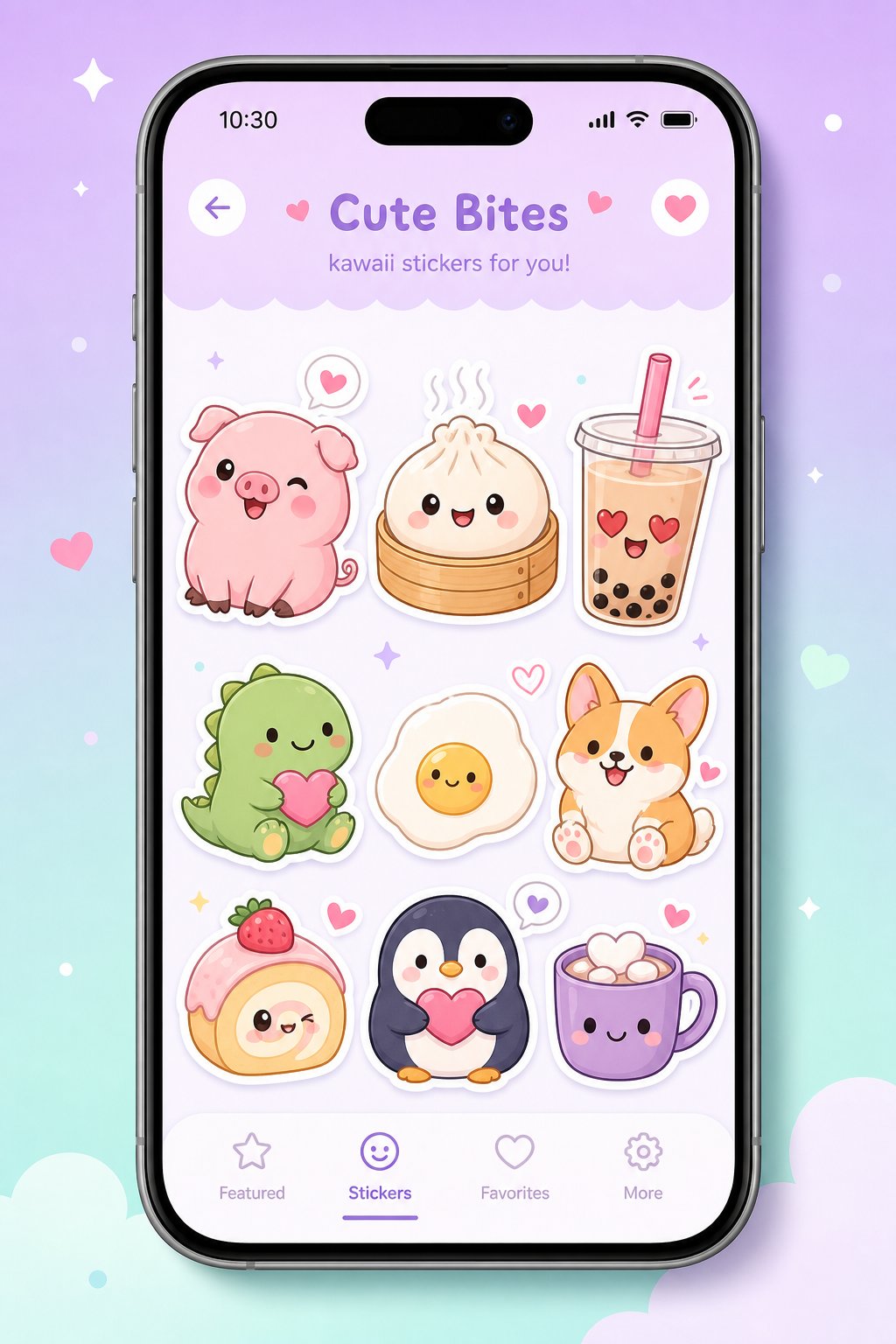
Phones changed everything. When Chinese couples moved their flirting onto WeChat, Weibo, and Douyin, they brought an entirely new vocabulary with them. The classic terms still hold weight in private moments, but the daily texture of digital romance demanded something faster, funnier, and more visually expressive. The result is a generation of funny chinese nicknames that would confuse anyone relying on a textbook.
Imagine receiving a text from your partner that calls you a dumpling. Or a pig. Or a little idiot. In English, you might be offended. In modern Chinese internet culture, you would probably smile. These names thrive because they break the rules of formality that older terms respect, and that rule-breaking itself becomes the intimacy signal.
Food-Based Nicknames and Why Chinese Lovers Call Each Other Dumplings
Food is love in Chinese culture. This is not a metaphor. Asking someone "你吃了吗?" (Have you eaten?) is a genuine expression of care, sometimes more meaningful than saying "I love you" directly. So when couples reach for pet names, food imagery feels natural, warm, and deeply cultural.
The logic works like this: food is comforting, round things are cute, and small portions feel precious. Combine all three and you get nicknames that sound adorable in Mandarin even when they sound bizarre in translation.
- 小笼包 (xiao long bao) - "soup dumpling." Popularized on Douyin, this nickname says: you are warm, soft, and I want to hold you carefully. The roundness of a dumpling maps onto the Chinese aesthetic of cuteness.
- 汤圆 (tang yuan) - "glutinous rice ball." These are eaten during Lantern Festival and symbolize family reunion and togetherness. Calling your partner 汤圆 implies sweetness and wholeness.
- 小甜豆 (xiao tian dou) - "little sweet bean." Combines the 小 diminutive with a food that is both tiny and sweet. Common among younger couples on WeChat.
- 奶茶 (nai cha) - "milk tea." Since bubble tea culture dominates young Chinese social life, calling someone your milk tea means they are your daily comfort, your go-to craving.
- 糖果 (tang guo) - "candy." Simple, sweet, and universally understood. Works as a cute chinese nickname for partners who prefer something lighthearted.
Why food over flowers or jewels? Chinese romantic culture ties love to nourishment rather than decoration. Feeding someone is an act of devotion. Naming someone after food you crave says: I need you the way I need sustenance. It is visceral without being heavy.
Playful Insults That Actually Mean I Love You
This category confuses outsiders the most. Calling your partner stupid, clumsy, or a pig sounds cruel in English. In Mandarin internet culture, these playful insults function as intimacy markers. The logic is simple: only someone truly close to you can call you something rude and have it land as affection. The insult proves the closeness.
- 笨蛋 (ben dan) - "stupid egg" or "dummy." One of the most common silly pet names for girlfriend or boyfriend. It carries zero real malice and sounds endearing when said with a soft tone.
- 傻瓜 (sha gua) - "silly melon" or "fool." Lighter than 笨蛋, more playful. Often used when a partner does something clumsy or naive. The funny chinese words here come from the unexpected pairing of "silly" with "melon."
- 猪猪 (zhu zhu) - "piggy." Covered earlier as reduplication, but its popularity exploded through WeChat sticker packs featuring cartoon pigs. Calling someone 猪猪 means they are lazy, cuddly, and lovable.
- 臭宝 (chou bao) - "stinky treasure." A recent Douyin favorite. The contradiction between "stinky" and "treasure" creates humor, and humor creates closeness.
- 大猪蹄子 (da zhu ti zi) - "big pig's trotter." Used by girlfriends to tease boyfriends who are being unreliable or forgetful. It went viral on Weibo and became a cultural meme about male behavior in relationships.
The key distinction: these insults only work within established intimacy. Using 笨蛋 on a first date would feel strange or genuinely rude. Using it after months together feels like a private joke. The insult is funny in chinese language contexts precisely because both people know it means the opposite of what it says.
Social Media Pet Names From Douyin and WeChat
Each platform has contributed its own vocabulary to modern Chinese romance. Douyin, China's version of TikTok, spreads terms through viral couple videos. WeChat normalizes them through daily messaging. Weibo turns them into trending hashtags that cement their place in the culture.
- 小哥哥 (xiao ge ge) / 小姐姐 (xiao jie jie) - "little older brother / little older sister." Originally used by strangers to flirt online, these terms migrated into early-stage relationships. They signal attraction without commitment. Popularized through Douyin comment sections.
- 崽崽 (zai zai) - "little cub" or "baby animal." A newer term that spread through WeChat sticker culture. It positions your partner as something small and precious that you want to protect. Works for any gender.
- 宝 (bao) - The single-character shortening of 宝贝. Texting culture demands brevity, and 宝 became the default one-character pet name on WeChat. It is fast, warm, and universally understood among younger users.
- 神兽 (shen shou) - "mythical beast." Used humorously for a partner who is wild, unpredictable, or high-energy. Originally a term parents used for hyperactive children during lockdowns, it crossed over into romantic teasing on Weibo.
The generational divide here is real. Couples in their twenties rotate through these terms fluidly, often cycling new nicknames every few months based on whatever is trending. Couples in their forties and fifties tend to stick with 老公/老婆 or 亲爱的 and view the internet terms as playful but not serious. Neither approach is wrong. They simply reflect different relationships with digital culture.
What unites all these modern terms is their origin in shared experience. A funny animal nickname only works if both partners have seen the same sticker pack. A food name only resonates if both people associate that dish with comfort. The pet name becomes a tiny piece of shared culture, a reference that belongs only to the two of you.
These internet-era names tend to be gender-flexible, used freely regardless of who is speaking. But traditional Chinese culture does draw sharper lines around which names suit a girlfriend versus a boyfriend, and those distinctions still shape how couples navigate their private vocabulary.
Pet Names for Her and Him in Chinese Relationships
Gender shapes everything about how Chinese couples name each other. The internet-era terms may flow freely between partners, but a deeper layer of culturally gendered pet names still governs most relationships. Knowing which terms suit a girlfriend versus a boyfriend is not about rigid rules. It is about understanding the emotional expectations each name carries and who it sounds natural coming from.
If you are in a cross-cultural relationship and searching for the right chinese name for girlfriend or boyfriend, this distinction matters more than vocabulary alone. The wrong gendered term will not offend, but it will sound odd, like wearing a suit jacket with pajama pants. Technically possible, but clearly off.
Sweet Chinese Nicknames to Call Your Girlfriend
Chinese pet names for girlfriend tend to emphasize softness, preciousness, and a kind of protective adoration. The cultural expectation is that a boyfriend positions his partner as someone cherished and slightly elevated, someone worth doting on. These chinese girlfriend nicknames reflect that dynamic:
- 小仙女 (xiao xian nu) - "little fairy." This term exploded on social media and positions your girlfriend as ethereal and beautiful. It carries a light, admiring tone without the weight of deep commitment. Perfect for newer relationships or complimenting her appearance.
- 宝宝 (bao bao) - "baby." While gender-neutral in theory, boyfriends use this for girlfriends far more often than the reverse. It signals tenderness and a desire to care for her. Pandanese notes it reflects the special status of someone in your heart.
- 丫头 (ya tou) - "little girl" or "lass." This one carries a slightly older, protective energy. A boyfriend using 丫头 positions himself as the mature one looking after someone younger or more playful. It works best when there is a real or perceived age gap.
- 小公主 (xiao gong zhu) - "little princess." Straightforward in its meaning: you treat her like royalty. Common among couples where the boyfriend enjoys a pampering, chivalrous role.
- 乖乖 (guai guai) - "good girl" or "my obedient one." This reduplicated term sounds nurturing rather than controlling in Mandarin. It is used when a girlfriend does something sweet or when a boyfriend wants to comfort her.
You will notice a pattern. Most chinese nicknames for girlfriend position the speaker as a protector and the girlfriend as something precious, small, or magical. This reflects traditional gender dynamics in Chinese romance, though younger couples increasingly play with and subvert these roles.
What to Call Your Chinese Boyfriend
Chinese pet names for boyfriend operate on different emotional logic. Where girlfriend names emphasize preciousness, boyfriend names tend to emphasize strength, reliability, or playful teasing about male shortcomings. The girlfriend positions her partner as either someone she admires or someone she affectionately mocks.
- 哥哥 / gege (ge ge) - "older brother." The gege meaning in chinese romantic contexts is completely different from its family usage. Between siblings, it is a neutral kinship term. Between lovers, it signals admiration, slight deference, and flirtatious respect. A girlfriend calling her boyfriend 哥哥 says: I look up to you, you make me feel safe. It is one of the most common terms girlfriends use for boyfriends in Chinese, especially in the early committed stage.
- 大猪蹄子 (da zhu ti zi) - "big pig's trotter." Covered in the previous section as a viral meme, but worth repeating here as a gendered term. Only girlfriends use this for boyfriends, never the reverse. It teases a boyfriend for being unreliable, forgetful, or saying the wrong thing.
- 帅哥 (shuai ge) - "handsome guy." While strangers use this casually (like calling a waiter "handsome"), between partners it becomes a genuine compliment wrapped in playful flattery. It works at any relationship stage.
- 老大 (lao da) - "boss" or "the big one." A girlfriend using this term playfully acknowledges her boyfriend's role while gently teasing the idea of male authority. It is humorous and affectionate, never truly submissive.
The table below maps these gendered terms against relationship stage and context so you can choose with confidence:
| Pet Name | Characters | Who Uses It | Intimacy Level | Context Note |
|---|---|---|---|---|
| Little Fairy | 小仙女 | Boyfriend to girlfriend | Casual to committed | Complimenting appearance or charm |
| Baby | 宝宝 | Boyfriend to girlfriend (primarily) | Committed | Daily affection, texting, comfort |
| Little Girl | 丫头 | Boyfriend to girlfriend | Committed to married | Protective, slightly paternal tone |
| Little Princess | 小公主 | Boyfriend to girlfriend | Any stage | Pampering, treating her as special |
| Good Girl | 乖乖 | Boyfriend to girlfriend | Committed to married | Comforting, nurturing moments |
| Older Brother | 哥哥 | Girlfriend to boyfriend | Casual to committed | Flirtatious admiration, seeking comfort |
| Pig's Trotter | 大猪蹄子 | Girlfriend to boyfriend | Committed | Teasing him for being unreliable |
| Handsome | 帅哥 | Girlfriend to boyfriend | Any stage | Playful flattery, getting his attention |
| Boss | 老大 | Girlfriend to boyfriend | Committed | Humorous acknowledgment, light teasing |
How Gender Shapes Pet Name Choices in Chinese Culture
The asymmetry here is cultural, not accidental. Traditional Chinese relationship dynamics expect men to be the provider and protector, and women to be the nurtured and cherished one. Pet names encode these roles. A boyfriend in chinese culture is expected to use names that elevate his girlfriend. A girlfriend in chinese culture is expected to use names that either admire her boyfriend or gently deflate his ego with humor.
This does not mean every couple follows the script. Younger, urban couples frequently swap roles. A girlfriend might call her boyfriend 宝宝 with full sincerity. A boyfriend might jokingly call himself 小公主. The subversion works precisely because both people understand the traditional expectation they are playing against.
For non-Chinese partners navigating a cross-cultural relationship, here is the practical takeaway: start with the terms that match your role in the table above. They will sound natural and culturally appropriate. Once your partner responds with their own nickname for you, you will have a clearer sense of how traditional or playful your shared vocabulary can become. Let them set the tone, then match it.
The safest entry point? If you are a non-Chinese boyfriend, try 宝宝 or 小仙女. If you are a non-Chinese girlfriend, try 哥哥 or 帅哥. These carry warmth without requiring perfect tonal pronunciation to land correctly, and they signal that you have taken the time to learn something real about how your partner's language expresses love.
Gender-specific names anchor a relationship in its current moment. But relationships are not static. The names couples use shift as they move from first dates to shared apartments to raising children together, and those shifts follow a surprisingly predictable path.

How Pet Names Evolve Across Relationship Stages and Regions
A couple in Chinese does not use the same vocabulary at month two as they do at year twenty. The names shift, sometimes gradually, sometimes overnight after a milestone like moving in together or having a child. If you pay attention, you can actually map where a relationship stands just by listening to what two people call each other.
This progression is not random. It follows a cultural logic rooted in how Chinese society views commitment, family formation, and the slow merging of two identities into one household. Think of it as a relationship timeline written in nicknames.
How Pet Names Change From First Date to Marriage
Early dating in Chinese culture comes with its own set of chinese flirting phrases, and the pet names at this stage reflect uncertainty mixed with attraction. You are testing the waters. The names stay light, playful, and easy to walk back if things do not work out. As commitment deepens, the names grow heavier, more possessive, and eventually domestic.
Here is the typical progression of chinese couple nicknames across relationship stages:
- Attraction and early flirting stage: 小哥哥 (xiao ge ge) or 小姐姐 (xiao jie jie). These terms keep things casual and slightly flattering. They function almost like code names for your crush, signaling interest without declaring anything serious. You might use them in a Douyin comment or a first WeChat message. They say: I notice you, I find you appealing, but I am not claiming you yet.
- Exclusive dating stage: 宝贝 (bao bei) or 亲爱的 (qin ai de). Once a couple becomes official, the names shift toward warmth and possession. Using 宝贝 tells your partner they are no longer just someone attractive. They are yours, treasured and held close. 亲爱的 adds emotional weight, signaling that the relationship has substance beyond initial chemistry.
- Committed partnership or engagement: 老公 (lao gong) or 老婆 (lao po). As discussed earlier, these terms encode permanence. Adopting them before marriage has become common among younger couples, but the shift still carries meaning. The first time someone calls their partner 老公 or 老婆, it is a quiet declaration: I see a future here. The term husband in mandarin, 老公, stops being a legal label and becomes an emotional one.
- Married with young children: 孩子他爸 (hai zi ta ba) or 孩子他妈 (hai zi ta ma), meaning "the child's father" or "the child's mother." This shift surprises many non-Chinese speakers. Once children arrive, many couples begin referring to each other through the child's perspective. It is not a loss of romance. It is an expansion of identity. You are no longer just a lover. You are a co-parent, and the name reflects that shared role.
- Long-term couples with older children: The child's actual name becomes the reference point. A wife might call her husband 小明他爸 (Xiao Ming ta ba), meaning "Xiao Ming's dad." The individual romantic identity partially merges with the family identity. Among older generations, this is the norm rather than the exception.
You will notice the trajectory moves from playful distance to intimate closeness to family integration. Each stage drops a layer of individual performance and adds a layer of shared life. The chinese flirt phrases of early dating give way to the domestic shorthand of a household that has been running together for decades.
Cantonese and Taiwanese Variations You Should Know
Mandarin dominates most discussions of Chinese pet names, but China's linguistic landscape is far more varied. Cantonese, Taiwanese Mandarin, and Hokkien each bring their own flavor to romantic address, and if your partner speaks one of these varieties, knowing the local terms matters more than textbook Mandarin ever could.
Cantonese nicknames carry a distinct tonal energy. Cantonese has six tones compared to Mandarin's four, and this extra tonal range means small pitch shifts can completely change a word's feeling. The term 老豆 (lou dau) means "father" in Cantonese and is sometimes used affectionately between older married couples in a teasing, familiar way. 老母 (lou mou) works similarly for "mother." These are not romantic pet names in the traditional sense, but among long-married Cantonese couples, using parental terms for each other signals deep domestic comfort.
More commonly, Cantonese couples use 老公 and 老婆 just as Mandarin speakers do, but the pronunciation shifts to lou gung and lou po. The Cantonese diminutive suffix 仔 (zai) functions like Mandarin's 小, creating terms like 靓仔 (leng zai, "handsome boy") and 靓女 (leng leui, "pretty girl") that couples use as casual, flattering address.
Taiwanese Mandarin preferences lean softer and more playful. Taiwanese couples frequently use 亲爱的 but pronounce it with the gentler Taiwanese accent that drops certain retroflex sounds. The term 老公 is universal, but Taiwanese speakers also favor 拔拔 (ba ba, a cutesy spelling of "papa") used by wives for husbands in a deliberately childlike, humorous way. Taiwanese internet culture also popularized 北鼻 (bei bi), a phonetic borrowing of the English "baby," which has become a staple among younger Taiwanese couples.
Hokkien endearments from Fujian province and Southeast Asian Chinese communities add yet another layer. The Hokkien term 水 (sui, meaning "beautiful") is used as a compliment-turned-nickname. 阿娘 (a nia) can function as an affectionate address for a wife in older Hokkien-speaking households. These terms rarely appear in mainstream Mandarin media, but they remain alive in family settings across southern China, Taiwan, and diaspora communities in Singapore and Malaysia.
The regional dimension matters because Chinese is not one language with one set of love words. If your partner grew up speaking Cantonese at home, the cantonese nicknames they heard their parents use will shape what feels natural and intimate to them. A Mandarin pet name might work perfectly in text, but the term that makes them feel truly seen might be the one from their home dialect, the one their grandmother used for their grandfather.
Regional variation also means that code names for crushes differ by community. A Taiwanese teenager might use 北鼻 where a mainland teenager uses 宝. A Cantonese speaker might default to 靓仔 where a Mandarin speaker reaches for 帅哥. Same emotional intent, different linguistic packaging.
All of these terms, whether stage-specific or region-specific, share one thing in common: they can go wrong. The progression from casual to committed has clear boundaries, and crossing them at the wrong moment creates awkwardness. Regional terms used out of context can sound forced or even comical. Knowing when and where not to use a pet name is just as important as knowing the names themselves.
Cultural Rules and Mistakes to Avoid With Chinese Pet Names
Knowing the right term is only half the equation. Using it in the wrong setting, with the wrong tone, or at the wrong relationship stage can turn a romantic gesture into an uncomfortable moment. Chinese culture draws sharp boundaries around where intimacy belongs, and pet names sit squarely inside those boundaries. Cross the line, and what you intended as flirty chinese sweetness lands as social awkwardness or genuine disrespect.
When and Where NOT to Use Chinese Pet Names
Picture this: you are meeting your partner's parents for the first time. You turn to your girlfriend and call her 宝宝 in front of her father. The room goes quiet. Not because the word is offensive, but because you just broadcast private intimacy into a space that demands formality.
In Chinese culture, romantic pet names belong exclusively to private space. Using them in front of elders, colleagues, or strangers signals a lack of social awareness that reflects poorly on both partners.
The rules are straightforward once you know them:
- Never use intimate terms in front of elders. Parents, grandparents, aunts, and uncles expect formal or familial address. Calling your partner 老婆 at a family dinner makes older relatives uncomfortable. Use their actual name or a neutral term like their surname plus a title.
- Professional settings are off-limits. Even if your coworkers know you are a couple, using 亲爱的 in a meeting or work chat crosses a boundary. Chinese workplace culture separates personal and professional identity more rigidly than many Western offices.
- Avoid generationally mismatched terms. A college-age couple using 孩子他爸 (the child's father) sounds bizarre. These terms belong to parents. Similarly, a married couple in their fifties adopting 小哥哥/小姐姐 from Douyin may draw raised eyebrows from their peers.
- Watch for unlucky homophones. Chinese culture takes phonetic resemblance seriously. As Cultural Atlas notes, Chinese parents avoid names that sound like words with negative connotations, and the same principle applies to nicknames. A creative pet name that accidentally sounds like 死 (si, death) or 苦 (ku, bitterness) will make your partner wince rather than smile.
Pronunciation Mistakes That Change Everything
Mandarin is a tonal language, and tones are not optional decoration. They are the difference between romance and confusion. When you are learning how to say my love in chinese or practicing any romantic words in chinese, a single tonal slip can derail your meaning entirely.
The classic example: 亲 (qin) in first tone means "close" or "dear." Shift to second tone and you get 琴 (qin), meaning "musical instrument." Say 爱 (ai) in fourth tone and it means "love." Flatten it to first tone and it becomes 哀 (ai), meaning "grief" or "sorrow." Telling your partner you feel grief for them is not the romantic declaration you intended.
According to TryKaiwa's pronunciation guide, English speakers struggle with tones because English uses pitch for emotion and emphasis rather than core meaning. The pitch IS part of the word in Chinese, not added feeling. This means your cute in chinese language attempt can sound like a completely different word if the tone wavers.
Common tonal pitfalls with pet names:
- 宝贝 (bao bei) - Both syllables need precise tones (3rd, 4th). Flattening the third tone on 宝 makes it sound uncertain rather than affectionate.
- 老婆 (lao po) - The 婆 needs a light second tone. Dropping it to fourth tone shifts toward 破 (po, broken), which is not what you want to call your partner.
- 亲爱的 (qin ai de) - Three syllables, three chances to go wrong. The most common mistake is making 爱 (fourth tone, sharp fall) too flat, which weakens the emotional punch of the i love you chinese word at the center of this phrase.
Cross-Cultural Etiquette for Non-Chinese Partners
If you are a non-native speaker in a relationship with a Chinese partner, the stakes feel higher. You want to show effort without overstepping. You want to know how to say girlfriend in chinese in a way that sounds natural, not like you are reading from a phrasebook. Here is practical guidance that respects both your effort and your partner's culture:
- Start with one term and use it consistently. Do not cycle through five pet names in a week. Pick one that your partner responds warmly to and let it become yours. Consistency builds intimacy faster than variety.
- Ask your partner to correct your tones. Most Chinese partners find it endearing when a non-native speaker tries. They find it less endearing when the same mispronunciation persists for months. Invite correction early.
- Do not perform chinese nicknames in english around friends. Translating 心肝 as "my heart-liver" in front of English-speaking friends turns your partner's language into a punchline. Keep the Chinese terms in Chinese contexts.
- Respect the public-private divide. Even if your own culture is comfortable with public displays of affection, follow your partner's lead on when pet names are appropriate. If they switch to your actual name around family, mirror that behavior.
- Learn the difference between how to say love in chinese casually versus formally. 我爱你 (wo ai ni) is the direct "I love you," but many Chinese people reserve it for significant moments. Pairing it with a pet name in everyday conversation can feel too heavy. Let the pet name carry the daily affection. Save the direct declaration for when it matters most.
The underlying principle across all these rules is simple: Chinese romantic language operates on a spectrum from public to private, and pet names sit firmly on the private end. Respecting that boundary is not about being cautious. It is about understanding that restraint in public makes the private words land with more force. The name you whisper matters precisely because you do not shout it.
With the rules clear, the final step is the most creative one: building a pet name that belongs only to your relationship, using the patterns and cultural knowledge you have gathered along the way.
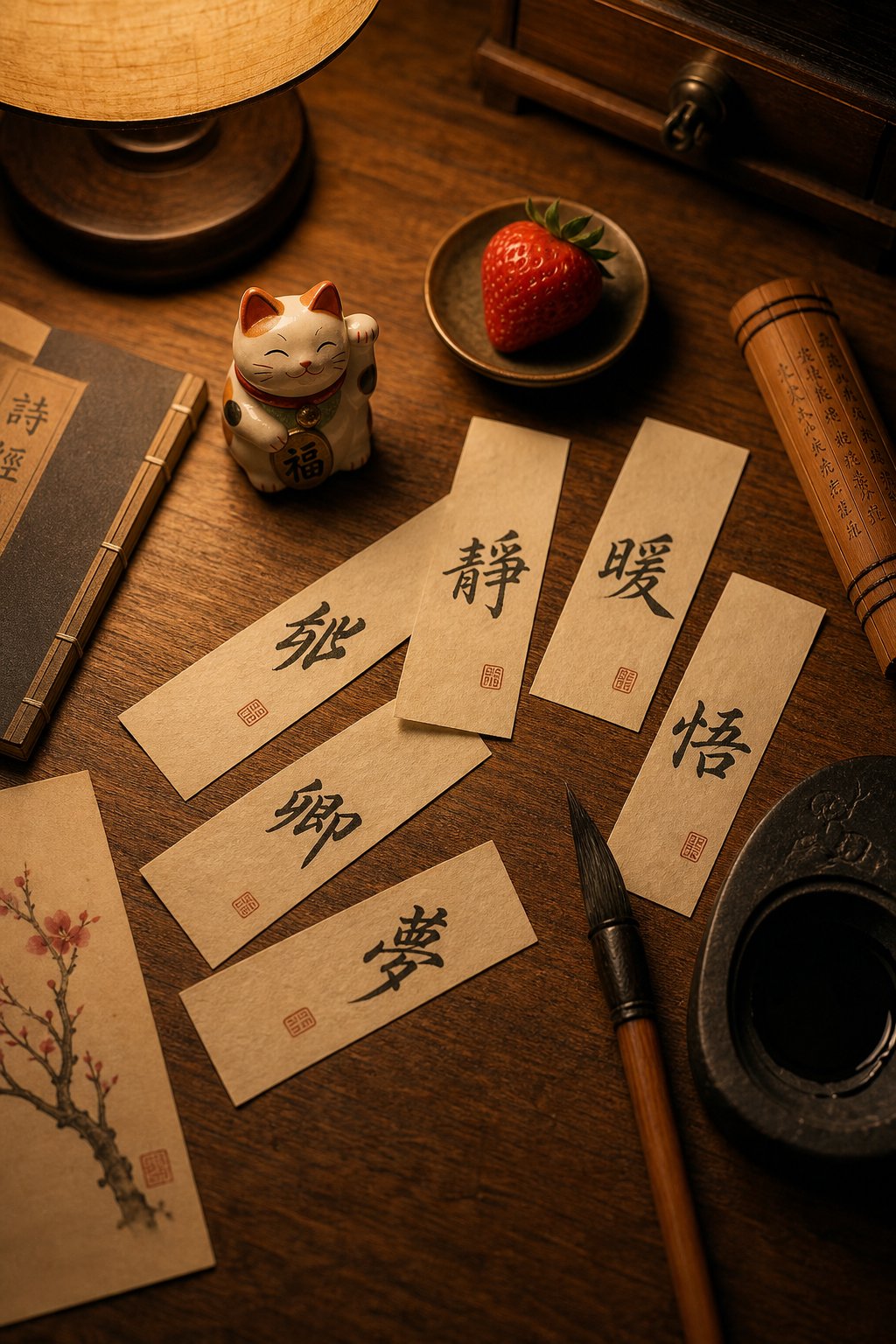
Create Your Own Personalized Chinese Pet Name
The best chinese nicknames for lovers are not found on a list. They are built from shared experience, inside jokes, and the linguistic patterns you now understand. A name you create together carries more emotional weight than any term borrowed from a textbook because it belongs exclusively to your relationship.
Here is a simple framework that turns any meaningful word into a personalized chinese pet name:
A Simple Framework for Creating Your Own Chinese Pet Name
- Choose a base word. Pick something that connects to your partner or your relationship. This could be an animal (猫 mao, cat), a food (桃 tao, peach), or a trait (甜 tian, sweet). The word should carry a positive or playful association for both of you.
- Apply a linguistic pattern. Use one of the four building blocks: reduplication (桃桃 tao tao), the 小 prefix (小猫 xiao mao), the 儿 suffix (桃儿 taor), or the 阿 prefix (阿甜 a tian). Each pattern shifts the emotional tone differently, so choose based on whether you want something cute, tender, or familiar.
- Test for cultural fit. Say it out loud. Does it sound like an unlucky word? Does it carry unintended meaning in another dialect? Run it past a native speaker or your partner before committing. A chinese name for my love should make them smile, not wince.
- Use it consistently. A nickname gains power through repetition. Use it in texts, whisper it before sleep, and let it become the word that means only them.
For example, if your partner loves strawberries, start with 莓 (mei). Apply reduplication: 莓莓 (mei mei). Add the 小 prefix for extra softness: 小莓莓 (xiao mei mei). You have just created a cute chinese nickname that no one else in the world uses. That exclusivity is the point.
Or imagine your partner is always warm and cozy. Start with 暖 (nuan, warm). Add the 儿 suffix: 暖儿 (nuanr). Now you have a cool chinese nickname that sounds tender in northern Mandarin and captures exactly what they mean to you.
Example Dialogues Using Pet Names Naturally
Seeing these names in conversational flow helps you practice using them without overthinking. Here are two short exchanges showing how personalized terms fit into everyday moments:
"小莓莓, 今天想吃什么?" (Xiao mei mei, jintian xiang chi shenme?) — "Strawberry, what do you want to eat today?"
"暖儿, 早点回来." (Nuanr, zao dian huilai.) — "Warmth, come home early."
Notice how the pet name replaces the partner's actual name at the start of the sentence. That position, right at the opening, is where chinese pet names feel most natural. It is a small signal that says: this conversation belongs to us, not the outside world.
You can also layer terms for different moods. Use your custom name for daily affection and reserve a classic like 宝贝 for deeper moments. Expressing my love in chinese language does not require one perfect word. It requires the right word at the right time. Some couples even rotate between a playful term like chinese babe and a private creation that only makes sense to them.
The framework works because it respects the same principles that make traditional terms resonate: sound patterns that soften meaning, cultural associations that carry emotional weight, and the intimacy of a shared reference. Whether you borrow from centuries of tradition or invent something entirely new, the best pet name is the one that makes your partner feel known.
Frequently Asked Questions About Chinese Pet Names for Lovers
1. What is the most common Chinese pet name for a lover?
宝贝 (bao bei), meaning 'treasure' or 'precious one,' is widely considered the most popular Chinese pet name between romantic partners. It works across relationship stages and conveys tenderness, protectiveness, and deep affection. The term originates from ancient China when cowrie shells were used as currency, so calling someone 宝贝 essentially means they are the most valuable thing in your life. It is used by both men and women, though boyfriends use it for girlfriends slightly more often in everyday texting and conversation.
2. What does gege mean in a Chinese romantic relationship?
In a romantic context, 哥哥 (gege) means 'older brother' but carries a completely different emotional weight than its family usage. When a girlfriend calls her boyfriend gege, she is expressing flirtatious admiration and a sense of feeling safe with him. It signals slight deference and respect wrapped in intimacy. This term is most common in the early committed stage of a relationship and should not be confused with its literal sibling meaning. It is one of the most frequently used terms girlfriends choose for boyfriends in Chinese-speaking cultures.
3. Why do Chinese couples call each other food names like dumpling or milk tea?
Food-based pet names reflect a core principle in Chinese culture: food is love. Asking 'have you eaten?' is a genuine expression of care in Chinese daily life, sometimes carrying more emotional weight than a direct 'I love you.' When couples use names like 小笼包 (soup dumpling) or 奶茶 (milk tea), they are drawing on associations of comfort, warmth, and daily craving. Round foods are considered cute, small portions feel precious, and naming someone after a food you crave implies you need them like sustenance. It is visceral affection without being heavy.
4. Is it rude to use Chinese pet names in front of your partner's parents?
Yes, using intimate pet names in front of elders is considered socially inappropriate in Chinese culture. Romantic terms like 宝宝, 老婆, or 亲爱的 belong exclusively to private space. Using them in front of parents, grandparents, or older relatives signals a lack of social awareness and can embarrass both you and your partner. In these settings, use your partner's actual name or a neutral, respectful form of address. The public-private divide around romantic language is much sharper in Chinese culture than in most Western contexts.
5. How do I create a personalized Chinese pet name for my partner?
Start by choosing a base word that connects to your partner or your shared experiences, such as an animal, food, or personality trait. Then apply one of four linguistic patterns: reduplication (doubling the syllable, like 桃桃), the 小 prefix for cuteness (小猫), the 儿 suffix for tenderness (桃儿), or the 阿 prefix for familiarity (阿甜). Before committing to it, say it aloud to check it does not sound like an unlucky word or carry unintended meaning. Then use it consistently so it becomes uniquely yours. The exclusivity of a custom name gives it more emotional power than any borrowed term.