What Are Childhood Nicknames in Chinese Culture
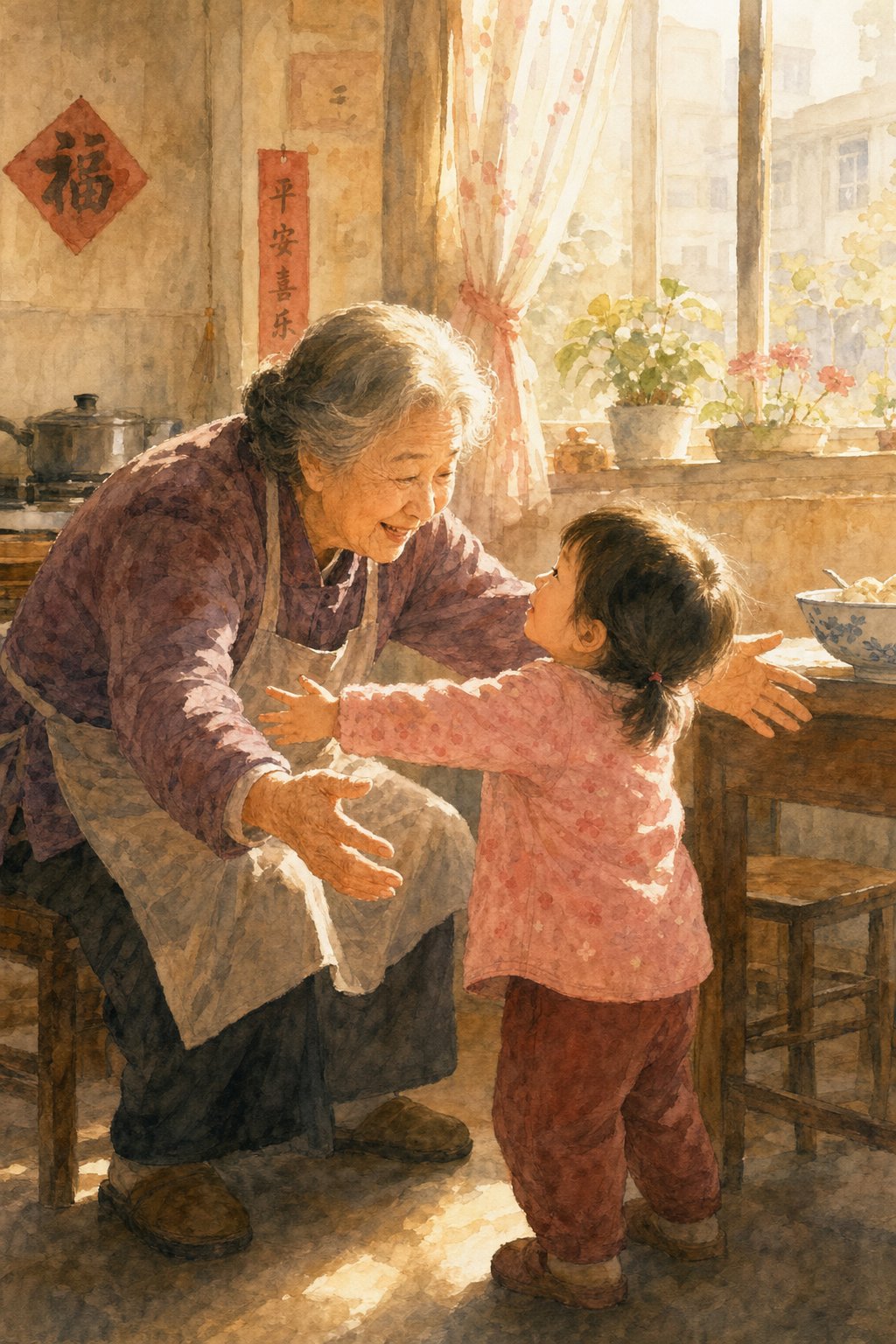
Imagine a kitchen in a small apartment in Chengdu. A grandmother leans over the balcony and calls out to the courtyard below: "Dou Dou! Dinner!" The child who comes running is not named Dou Dou on any official document. His legal name might be something elegant, carefully chosen to reflect his parents' highest aspirations. But to his grandmother, he will always be Dou Dou, "little bean," the name she whispered to him the day he was born.
This scene plays out millions of times a day across China. Nearly every Chinese child grows up with two names: a formal one for the outside world and a softer, more intimate one reserved for family. That intimate name is called a 小名.
What Is a 小名 and Why Does Every Chinese Child Have One
A 小名 (xiǎomíng), literally "small name," is an informal pet name given to a child by parents or close family members. It functions as a private term of endearment used within the family circle, distinct from the child's official registered name.
You might think of it as a nickname, but that comparison only goes so far. In English-speaking cultures, nicknames often emerge organically from a person's given name or personality. A 小名 is different. It is deliberately chosen, sometimes even before the child is born, and it carries a specific emotional weight. As Yoyo Chinese explains, these names are created by parents or close family members, and they are created out of love.
Chinese nicknames like these are not casual. They mark a boundary between the public and the private, between the formal world of school and work and the warm inner world of family. A child's formal name, or 大名 (daming), might express hopes for success, wisdom, or moral character. The 小名, by contrast, expresses something simpler: you are ours, you are small, you are loved.
The Emotional Role of Pet Names in Chinese Family Life
Why does this matter? Because in Chinese culture, names carry real weight. Chinese naming traditions hold that a name can influence a child's fate regarding education, career, and marriage. The formal name shoulders that responsibility. The 小名 is free from it. It exists purely in the space of affection.
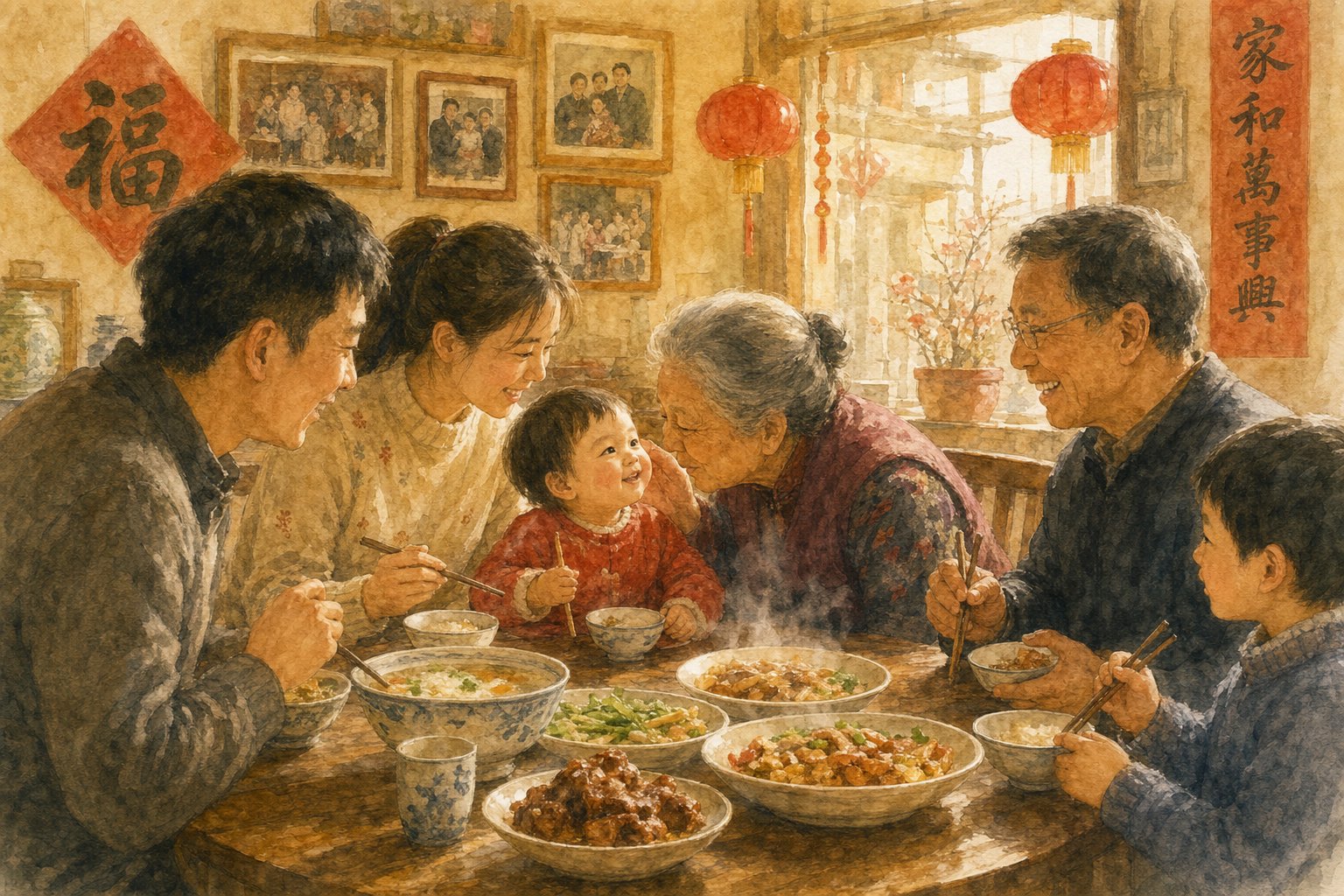
Chinese pet names also serve as a kind of emotional shorthand within families. When a mother calls her grown son by his childhood 小名, she is not being forgetful. She is pulling him back into the circle of family intimacy, reminding both of them of a bond that predates everything else in his life. These terms of endearment in Chinese carry decades of shared memory in a single repeated syllable.
This article explores the cultural reasons behind the practice, not just what these names sound like, but why they exist, how they evolved over thousands of years, and what they reveal about the intersection of love, fear, and identity in Chinese family life. The story begins with understanding that China does not have just one type of nickname. It has several, each with its own rules, its own context, and its own emotional register.
The Four Types of Chinese Nicknames You Should Know
China does not lump all informal names into a single category. The language draws careful distinctions between nicknames based on who gives them, when they are given, and the social relationship they signal. If you have ever tried to look up the word "nickname" in Mandarin and found multiple results, this is why. Each term occupies its own emotional and social territory.
Understanding these differences is essential for grasping how nicknames in Chinese actually function. A name whispered by a grandmother carries a completely different weight than one shouted across a schoolyard. The Chinese language reflects that difference with precision.
小名 vs 乳名 vs 綽號 vs 外号 Explained
Four terms come up most often when discussing informal names in Chinese culture. They overlap in some ways, but each has a distinct origin story and social function.
小名 (xiǎomíng) translates literally as "small name." This is the most common term for a childhood pet name given by parents or close family. It is chosen deliberately, often with care and affection, and used primarily within the home. A 小名 might be selected before birth or shortly after, and it typically stays with a person throughout their life within the family circle.
乳名 (rǔmíng) means "milk name," and it refers specifically to the very first informal name a baby receives. As the NZ China Friendship Society notes, babies were traditionally named a hundred days after birth, and the milk name served as the child's identifier during that waiting period before a formal name was settled upon. In practice, 小名 and 乳名 overlap significantly. Many families use the terms interchangeably. The subtle difference is one of timing and emphasis: 乳名 stresses the name's role as the earliest name, while 小名 emphasizes its intimate, diminutive quality regardless of when it was chosen.
綽號 (chuòhào) is closer to what English speakers think of as a nickname in the social sense. It is a sobriquet or alias used among peers, classmates, or colleagues. Unlike 小名, a 綽號 is not given by family. It emerges from social interaction, often based on a person's appearance, personality, or a memorable incident. Not everyone has one. Those who do typically acquired theirs during childhood or adolescence.
外号 (wàihào) literally means "external name" or "outside name." It functions similarly to 綽號 but often carries a slightly more teasing or irreverent edge. Think of it as the nickname your classmates gave you whether you liked it or not. As one language guide puts it, 綽號 and 外号 are both common terms for peer-given nicknames, though 外号 can lean more toward playful ribbing.
When and Where Each Type of Chinese Nickname Is Used
The real distinction between these four terms is not just linguistic. It is social. Each one belongs to a specific relationship and setting. You would never use someone's 乳名 at a business meeting, and calling a stranger by a teasing 外号 is a fast track to awkwardness.
| Term | Pinyin | Meaning | Who Gives It | Who Uses It | Social Context |
|---|---|---|---|---|---|
| 小名 | xiǎomíng | Small name / pet name | Parents, grandparents | Immediate family, close relatives | Home, private family settings |
| 乳名 | rǔmíng | Milk name / birth name | Parents, grandparents (at birth) | Family members | Infancy onward, within the household |
| 綽號 | chuòhào | Nickname / sobriquet | Friends, classmates, peers | Social circle, acquaintances | School, work, casual social settings |
| 外号 | wàihào | External nickname / byname | Peers, sometimes strangers | Friends, classmates | Informal, sometimes teasing or humorous |
Notice the pattern. The first two terms belong to the family sphere. They are given out of love, chosen with intention, and used in private. The second two belong to the social sphere. They are earned rather than given, shaped by observation rather than affection, and used in group settings.
This distinction matters because it reveals something deeper about how Chinese culture organizes intimacy. A nickname in Mandarin is never just a nickname. It is a signal that tells you exactly where you stand in relation to the person using it. When someone calls you by your 小名, they are claiming closeness. When they use your 外号, they are claiming familiarity of a different, more horizontal kind.
The overlap between 小名 and 乳名 confuses even native speakers sometimes. A practical way to think about it: every 乳名 is a 小名, but not every 小名 is technically a 乳名. If the name was given at birth or in the first days of life, it qualifies as both. If it was chosen later, perhaps when the child's personality began to emerge, it is a 小名 but not a 乳名 in the strictest sense.
These categories also interact with regional dialect. In southern China and Taiwan, the prefix 阿 (a) is commonly attached to both family pet names and peer nicknames, blurring the line between 小名 and 綽號 in everyday speech. In northern China, 小 (xiǎo) dominates as the casual prefix across both categories. The underlying social logic, however, remains consistent: family names are private, peer names are social, and everyone involved understands the difference instinctively.
With these four categories mapped out, the deeper question becomes how each type developed its own traditions, patterns, and cultural logic over centuries of Chinese history.
A Brief History of Childhood Naming Traditions in China
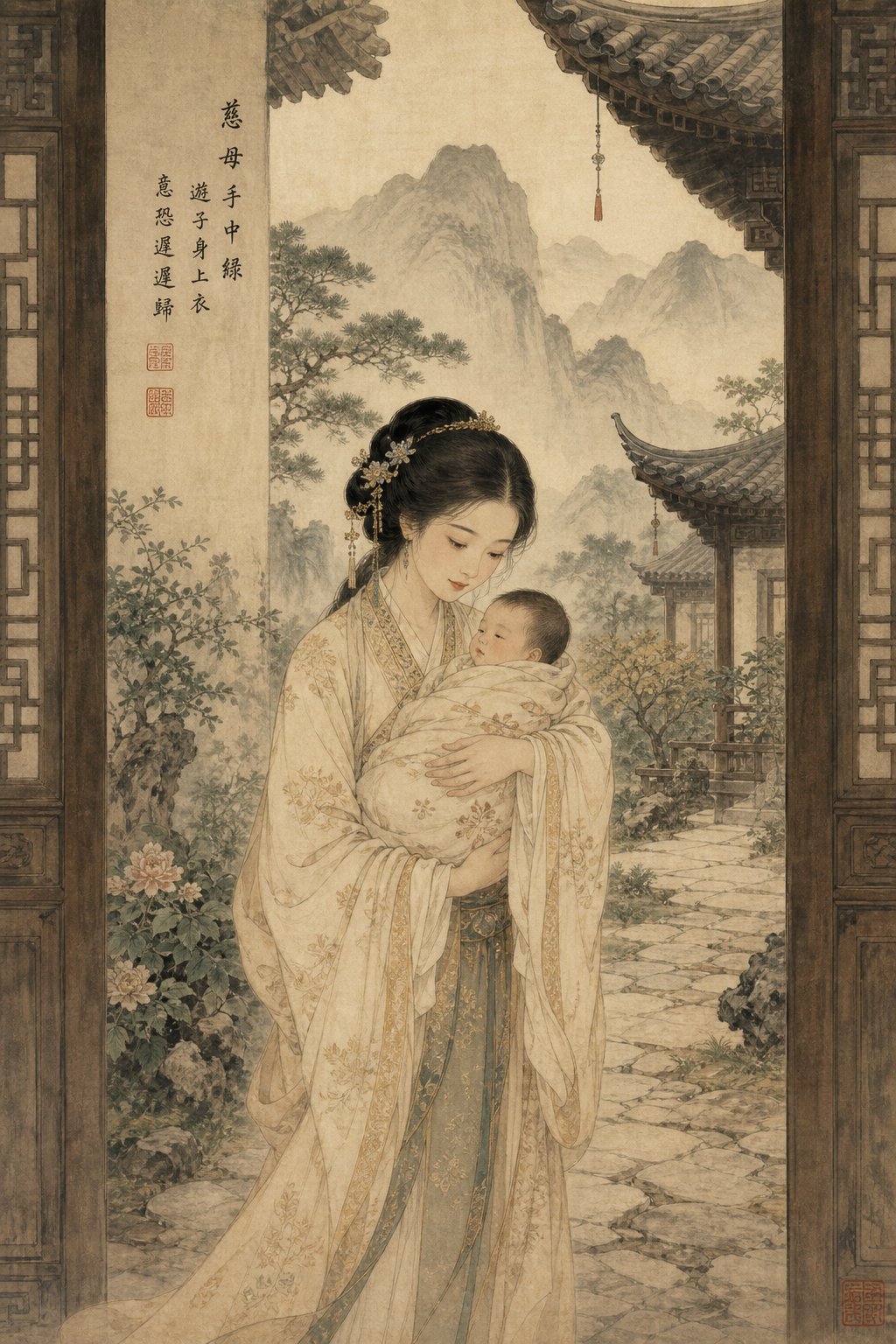
These categories did not appear overnight. The practice of giving children a separate intimate name stretches back thousands of years, and its original purpose had less to do with affection than with survival. To understand why Chinese families still give their children 小名 today, you need to understand what they were protecting them from.
Protective Naming in Ancient and Imperial China
Scholar You Guoen traced the custom of giving children pet names to the Han dynasty, noting that it "flourished during the Two Han periods and peaked in the Six Dynasties." But the roots go deeper. As early as the Spring and Autumn period, noble families gave children humble or even ugly-sounding names to ward off evil spirits. The folk logic was straightforward: demons and ghosts targeted children who seemed valuable. A child with a grand, beautiful name was advertising their worth to malevolent forces. A child called "dog" or "iron egg" was beneath notice.
This was not a fringe belief. It cut across class lines. China Daily notes that ancient Chinese families would give children names like pig or cow, believing such names would not attract evil spirits and thereby assure the child a long life. Emperor Wu of Han, one of the most powerful rulers in Chinese history, carried the childhood name 彘 (zhi), meaning "pig." Cao Cao, the legendary warlord of the Three Kingdoms era, was called 阿瞒 (A Man), meaning "little deceiver." Sima Xiangru, the celebrated Western Han poet, had the milk name 犬子 (quanzi), literally "puppy."
Liu Yu, who would become Emperor Wu of the Song dynasty, was given the childhood name 寄奴 (Ji Nu), meaning "entrusted servant," because his mother died in childbirth and he was sent to live with relatives. His humble 小名 both reflected his circumstances and, by folk belief, kept him safe from jealous spirits.
These were not random choices. They followed a deliberate strategy: make the child sound worthless, and death would pass them by. In an era when infant mortality was devastatingly high and medical knowledge limited, this was one of the few things parents felt they could control. Chinese words of endearment, in their earliest form, were actually words of deliberate ugliness, twisted by love into something protective.
How the Tradition Evolved From Superstition to Affection
The superstitious core of the practice began to soften over centuries, though it never disappeared entirely. During the Tang and Song dynasties, the naming patterns diversified. Some families still chose humble names, but others began selecting 小名 that simply sounded cute or reflected the circumstances of birth. Song dynasty founder Zhao Kuangyin carried the childhood name 香孩儿 (Xiang Hai'er), meaning "fragrant child," a name driven by affection rather than fear. By the Ming dynasty, number-based names became common among commoners. Zhu Yuanzhang, founder of the Ming, was called 重八 (Chong Ba), meaning "double eight," reflecting his birth date rather than any spiritual anxiety.
What changed was not the tradition itself but its emotional engine. As material conditions improved and medical knowledge advanced, the terror of infant death gradually loosened its grip. Parents no longer needed to trick spirits. They could simply express love. The modern era completed this shift. Today, most urban Chinese parents choose 小名 that sound adorable, playful, or sweet, names like 糖糖 (candy) or 小宝 (little treasure). The protective function has faded, but the structural habit of maintaining two names, one public and one private, persists unchanged.
This evolution also intersects with what is sometimes called a courtesy name in China. In imperial times, men received a 字 (zi), or courtesy name, at age twenty to mark their entry into adult society. The 小名 belonged to childhood; the courtesy name belonged to adulthood. Together with the formal name, these layers created a system where different names marked different life stages and relationships. The courtesy name tradition has largely disappeared, but the 小名 endures, proof that the intimate family layer of Chinese naming proved more resilient than the formal social one.
The shift from fear to fondness reshaped not just why parents chose these names, but how they constructed them. Specific linguistic patterns emerged for building chinese endearments, each with its own regional flavor and phonetic logic.
How Chinese Childhood Nicknames Are Formed
Chinese pet names do not follow a single formula. They draw on a handful of distinct linguistic patterns, each producing a different sound, a different feeling, and a different shade of intimacy. Some patterns dominate in the north, others in the south. Some sound playful, others deliberately humble. What they share is a structural logic rooted in how Mandarin phonetics create warmth through repetition, diminutives, and concrete imagery.
If you are trying to understand cute Chinese nicknames, the key is recognizing these formation categories. Once you see the pattern, you will hear it everywhere.
Reduplication and Prefix Patterns in Chinese Pet Names
The most common method for forming a 小名 is reduplication: taking a single character and doubling it. This works because Mandarin is a syllable-timed language. When you repeat a syllable, you create a rhythmic, musical quality that sounds inherently affectionate. It is the verbal equivalent of a gentle touch on the arm.
- 明明 (Mingming) - from 明 (bright)
- 乐乐 (Lele) - from 乐 (happy)
- 甜甜 (Tiantian) - from 甜 (sweet)
- 圆圆 (Yuanyuan) - from 圆 (round)
- 安安 (An'an) - from 安 (peaceful)
There is something almost childlike about doubled names, and that is intentional. They evoke simplicity and directness, stripping away the formality that accumulates as a person ages. Parents and grandparents often choose a character from the child's formal name and simply repeat it, creating an instant bridge between the public and private identity.
The second major pattern uses a prefix to shrink the name down. The xiao nickname meaning is straightforward: 小 (xiǎo) means "small" or "little," and attaching it to a character creates immediate familiarity. As Preply's guide to Chinese prefixes explains, 小 expresses youth, junior status, or affection when attached to names.
- 小宝 (Xiǎo Bǎo) - little treasure
- 小虎 (Xiǎo Hǔ) - little tiger
- 小鱼 (Xiǎo Yú) - little fish
- 小星 (Xiǎo Xīng) - little star
In southern China, Hong Kong, and Taiwan, the prefix 阿 (ā) replaces 小 as the default diminutive. Where 小 emphasizes smallness and youth, 阿 suggests familiarity bred through time. It is the pet name equivalent of saying "old friend" rather than just "friend."
- 阿明 (Ā Míng)
- 阿花 (Ā Huā)
- 阿宝 (Ā Bǎo)
- 阿毛 (Ā Máo)
You will notice that 阿 sometimes attaches to just one character of a longer name, dropping both the surname and part of the given name. This truncation signals deeper intimacy. When someone uses only a fragment of your name, they are saying: we know each other well enough that I do not need the full identifier.
Food Names and Animal Names as Terms of Endearment
Beyond prefixes and repetition, many Chinese nicknames for children draw directly from the physical world, particularly food and animals. These names work because they are concrete, vivid, and carry built-in emotional associations.
Food-based pet names in Chinese tend to reference items that are small, round, or sweet, qualities that mirror how parents see their babies:
- 汤圆 (Tāngyuán) - glutinous rice ball
- 饺子 (Jiǎozi) - dumpling
- 糖糖 (Tángtang) - candy (reduplicated)
- 小米 (Xiǎo Mǐ) - little rice / millet
- 豆豆 (Dòudou) - little bean
- 果果 (Guǒguo) - little fruit
The logic is sensory. A dumpling is soft, warm, and pleasing to hold. A rice ball is round and comforting. These names transfer those physical qualities onto the child, wrapping them in associations of nourishment and home.
Animal names follow a similar principle, though they split into two distinct traditions. Some animal names are chosen for cuteness or strength:
- 小龙 (Xiǎo Lóng) - little dragon
- 小虎 (Xiǎo Hǔ) - little tiger
- 毛毛 (Máomao) - fuzzy / furry one
- 小熊 (Xiǎo Xióng) - little bear
- 小兔 (Xiǎo Tù) - little rabbit
Others, particularly in older or rural traditions, use animal names for their protective ugliness, names like 狗蛋 (dog egg) or 狗剩 (dog's leftover). These belong to the superstitious naming tradition covered in the next section. The distinction matters: a child called 小龙 is being celebrated. A child called 狗蛋 is being hidden.
Birth Circumstance and Number-Based Nicknames
The final major category ties the 小名 directly to the facts of a child's arrival. These names record something specific: when the child was born, how much they weighed, what the weather was like, or their position in the family.
- 九斤 (Jiǔ Jīn) - nine catties (birth weight)
- 六六 (Liùliù) - born on the sixth day of the sixth month
- 小七 (Xiǎo Qī) - seventh child or born in July
- 冬冬 (Dōngdong) - born in winter
- 晨晨 (Chénchen) - born at dawn
- 雨儿 (Yǔ'ér) - born during rain
Number-based names have deep historical roots. Ming dynasty founder Zhu Yuanzhang's childhood name 重八 (double eight) reflected his birth date. Among commoners in imperial China, where literacy was limited and formal naming conventions felt distant, numbers offered a practical and meaningful way to mark a child's identity.
What connects all six categories is a shared impulse: to anchor the child's private name in something tangible. Whether it is a sound pattern, a food, an animal, or a date, the 小名 pulls its meaning from the immediate, sensory world rather than the abstract aspirations that drive formal naming. The formal name looks forward to who the child might become. The pet name looks at who the child is right now, small and present and real.
Some of these patterns, though, carry a darker undertone. The animal names and humble names that sound merely quirky to modern ears once served a deadly serious purpose, one rooted in a parent's deepest fear.
Superstitious and Protective Naming Traditions Explained
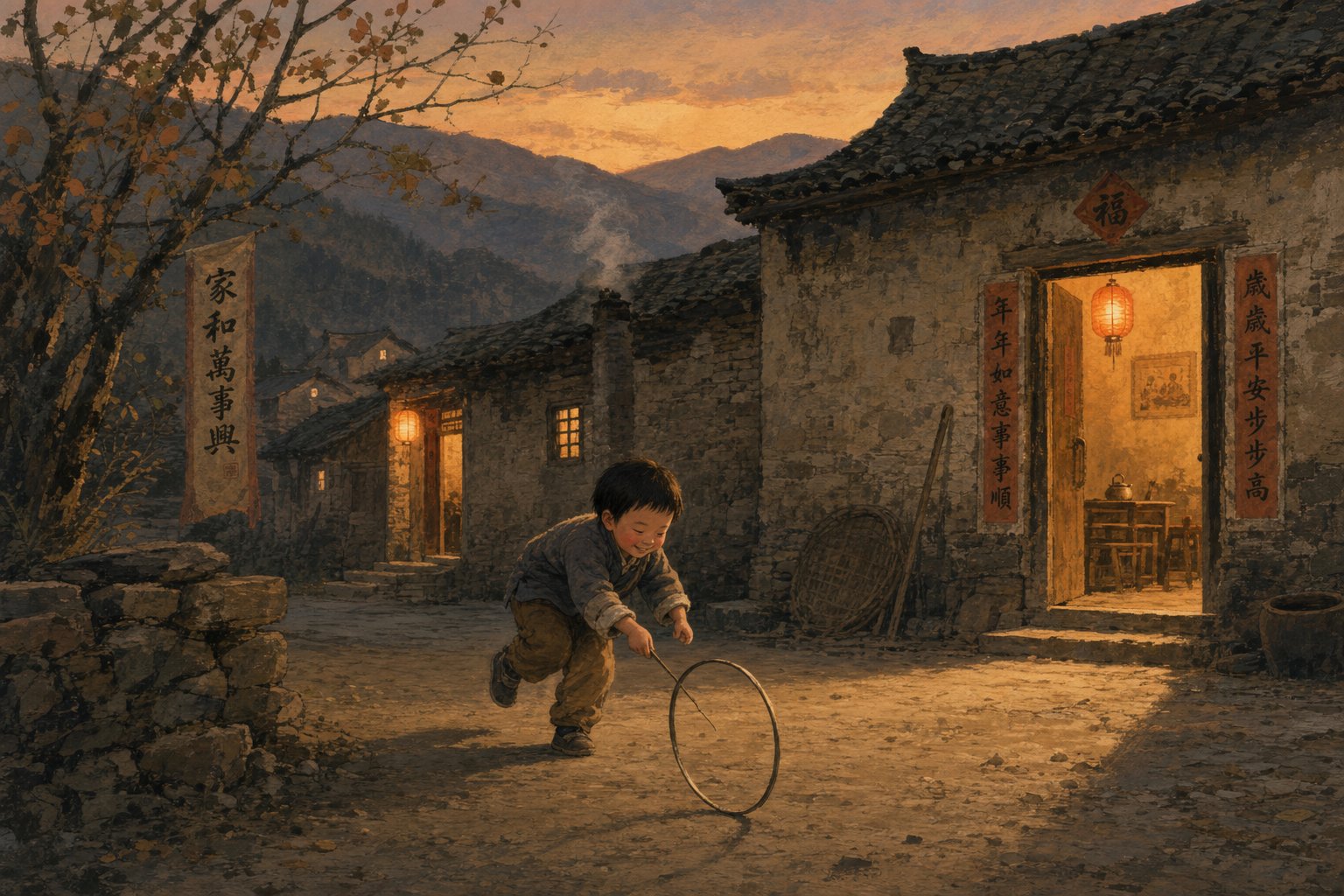
A parent names their child "dog's leftover." Another calls their newborn "stinky." A third settles on "iron egg." To outsiders, these sound cruel, maybe even like funny Chinese nicknames gone too far. But for the families who chose them, these names were armor. They were the most loving thing a parent could do in a world where children died easily and the only defense available was deception.
Why Some Chinese Children Were Given Ugly or Humble Names
The logic was simple and desperate. In traditional Chinese folk belief, evil spirits and demons roamed the world looking for children to steal or harm. They targeted the valuable ones, the children whose names announced them as precious, beautiful, or destined for greatness. A child named "jade" or "phoenix" was essentially waving a flag. A child named "dog egg" was invisible.
This produced a specific category of nickname Chinese families used for centuries. The names fell into three broad patterns:
- Animal-based humble names: 狗蛋 (Gǒudàn, "dog egg"), 狗剩 (Gǒushèng, "dog's leftover"), 猫儿 (Māo'ér, "little cat"). Dog names were especially common because dogs were considered lowly animals, beneath the notice of spirits.
- Names suggesting ugliness or worthlessness: 丑丑 (Chǒuchǒu, "ugly ugly"), 臭臭 (Chòuchòu, "stinky stinky"), 赖子 (Làizi, "scabby one"). These names declared the child undesirable, not worth taking.
- Names invoking toughness and survival: 铁蛋 (Tiědàn, "iron egg"), 石头 (Shítou, "stone"), 铁柱 (Tiězhù, "iron pillar"). Rather than hiding the child, these names armored them, suggesting a constitution too hard for spirits to break.
Imagine the emotional paradox. A chinese toddler running through a village courtyard, answering to "dog's leftover," might simultaneously carry a formal name meaning "magnificent virtue" or "eternal prosperity" on their household registration. The two names existed in parallel, serving completely different audiences. The formal name spoke to human society. The 小名 spoke to the spirit world.
The Spiritual Logic Behind Protective Naming
This was not random superstition. It followed an internally consistent logic rooted in how traditional Chinese cosmology understood the relationship between names and reality. In this worldview, names had power. They were not mere labels but active forces that could attract attention, both good and bad. A name was a kind of beacon, and the wrong beacon could summon the wrong things.
The strategy operated on two levels. First, misdirection: if spirits heard a mother calling for "dog egg," they would assume the child was worthless and move on. Second, reverse psychology: by naming a child something ugly, parents believed they were lowering the child's spiritual profile, making them blend into the background of an indifferent universe. Some families went further, referring to boys as girls or using names that implied the child was unwanted, all to convince watching spirits that this particular child was not worth the trouble.
The practice also reflected a broader cultural anxiety about the fragility of childhood. In pre-modern China, infant and child mortality rates were staggering. Families might lose multiple children before one survived to adulthood. Protective naming gave parents a sense of agency in a situation where they had almost none. It was folk medicine for the soul, a ritual that said: I have done everything I can.
Rural vs Urban Persistence of Superstitious Naming
Does this tradition still exist? The answer depends entirely on where you look. In major cities like Beijing, Shanghai, and Shenzhen, protective naming has largely disappeared. Urban parents today choose 小名 based on cuteness, pop culture references, or personal taste. The idea of calling a child "stinky" to ward off ghosts feels distant, almost quaint.
In rural areas, particularly in inland provinces and among older generations, the practice persists in softened form. A grandmother might still insist on a humble-sounding 小名 "just in case," even if the parents have already chosen something modern and sweet. The belief system has weakened, but the cultural muscle memory remains. You will still encounter children in rural Henan, Shandong, or Shaanxi with names like 铁蛋 or 石头, though increasingly these are chosen by grandparents over the mild protests of younger parents who would prefer something trendier.
The generational divide is telling. For grandparents who grew up in villages where child mortality was a lived reality, protective naming carries emotional weight that no amount of modernization fully erases. For their children and grandchildren, raised in cities with modern healthcare, the old names sound like relics. The tradition is not dead, but it is retreating to the margins, surviving in the gap between generations and between rural and urban China.
What makes this retreat interesting is that it did not happen uniformly. Different regions of China held onto different naming conventions at different speeds, shaped by local dialects, migration patterns, and the uneven pace of modernization across the country.
Regional and Dialect Variations Across China
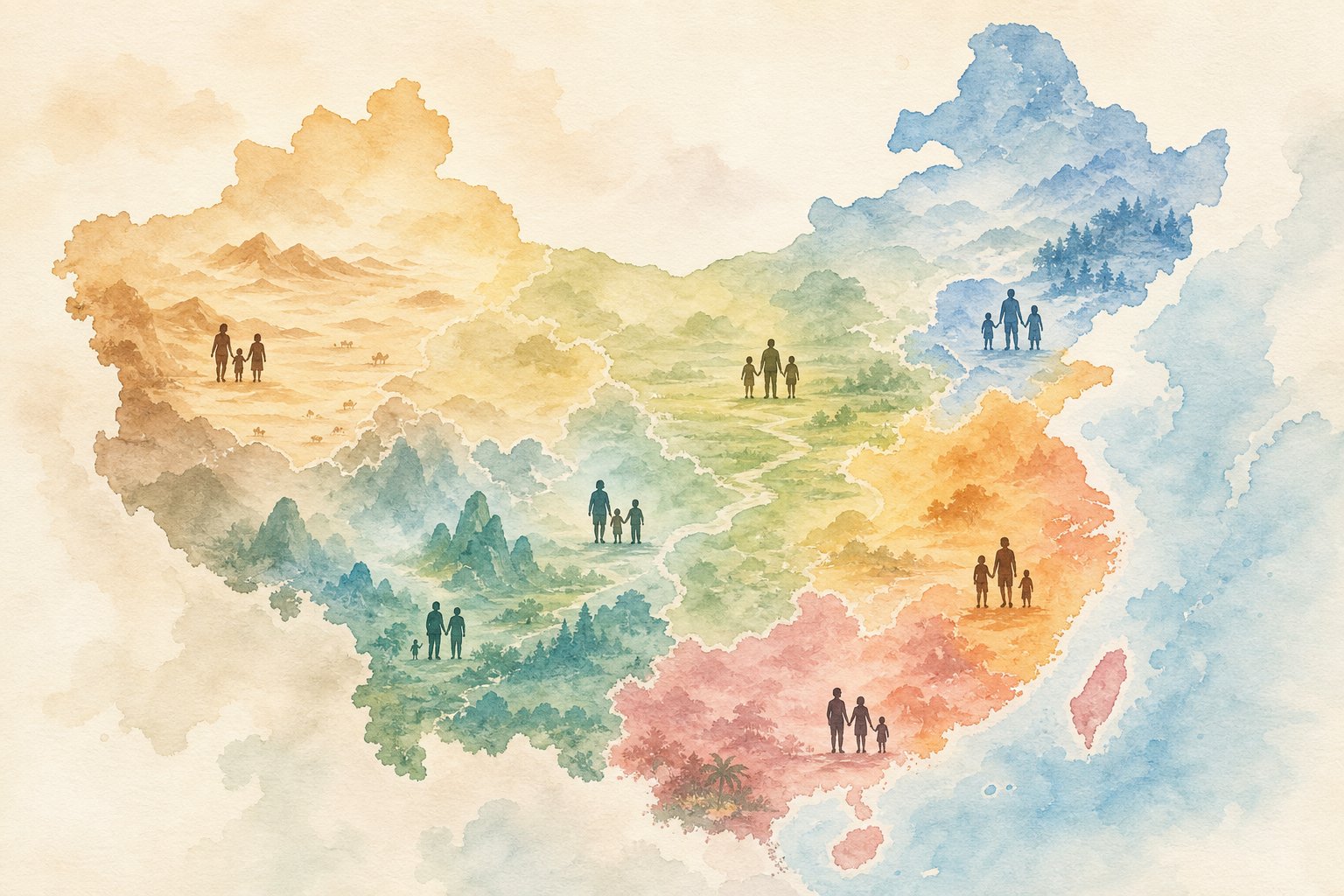
China is not one linguistic landscape. It is dozens, layered on top of each other. Mandarin may be the national standard, but the way families actually speak to their children at home, the sounds they reach for when expressing love, varies enormously depending on whether that home sits in Guangzhou, Xiamen, Shanghai, or Harbin. These dialect differences shape how childhood pet names sound, how they are constructed, and which patterns feel warm versus forced.
When you transliterate chinese nicknames in english, you will often see wildly different spellings for what appears to be the same naming convention. That is because the underlying dialect changes everything about pronunciation, tone, and emotional texture.
Cantonese Nickname Conventions and the 阿 Prefix
In Cantonese-speaking regions, including Guangdong province, Hong Kong, and many overseas Chinese communities, the 阿 (aa3) prefix dominates informal naming. You will encounter it constantly: Ah Ming, Ah Fai, Ah Mui. It attaches to given names, kinship terms, and even occupational titles.
What makes cantonese nicknames distinctive is the versatility of this single particle. As Cantonese heritage researcher Carsey Yee explains, the 阿 before a name or title connotes respect and affection while affirming the kinship relationship. It is best understood as a "softening, relationship-affirming sound particle" rather than a separate word. Someone might address you as Ah Bing (given name) or Ah Kew (maternal uncle), but the 阿 is never considered part of the name itself.
The construction is simple: drop the surname, take one character of the given name, and attach 阿 in front. Yip Sang becomes Ah Sang among friends. Lee Wai Ming becomes Ah Ming at home. This pattern works for both family pet names and peer nicknames, which is one reason the line between 小名 and casual address blurs more in Cantonese culture than in Mandarin-dominant regions.
Cantonese also favors reduplication for very young children. Terms like BB (baby), moy moy (little sister), and dee dee (little brother) reflect how adults model speech for toddlers, creating a layered system where 阿-prefix names coexist with reduplicated baby talk.
Hokkien and Shanghainese Variations
Move down the coast to Fujian province and Taiwan, and the naming conventions shift again. Hokkien (Min Nan) speakers use their own version of the 阿 prefix, but the tonal system and available syllables produce a distinctly different sound. Hokkien pet names often feel shorter and punchier. A child might be called A-hoe, A-beng, or A-mei, with the prefix carrying a clipped, rising tone that differs from the Cantonese version.
Taiwanese Hokkien also incorporates Japanese-influenced diminutives, a legacy of the colonial period. Some families blend Min Nan phonetics with naming patterns borrowed from Japanese baby-talk conventions, creating hybrid forms unique to Taiwan.
Shanghainese, part of the Wu dialect family, brings yet another flavor. The local pronunciation system makes certain Mandarin-standard nicknames sound awkward or flat when spoken in Shanghainese. Families compensate by choosing names that exploit the softer, more melodic qualities of Wu phonetics. The 小 prefix remains common, but pronounced "xiau" with a distinctive local inflection that gives it a gentler, more drawn-out quality than standard Mandarin.
Northern vs Southern Naming Preferences
Broadly speaking, northern China leans toward the 小 prefix and reduplication patterns. Names like 小明, 小虎, or 豆豆 feel natural in the phonetic environment of northern Mandarin, where tones are pronounced with wider pitch range and consonants land more crisply. The 儿 (er) suffix, a hallmark of Beijing dialect, sometimes attaches to pet names as well: 小鱼儿 (little fish) or 花儿 (flower).
Southern China, by contrast, gravitates toward the 阿 prefix across multiple dialect groups. Whether Cantonese, Hakka, Teochew, or Hokkien, the 阿 particle appears with remarkable consistency, though its exact pronunciation and tonal value differ in each language.
| Region / Dialect | Common Prefix | Example Names | Distinctive Features |
|---|---|---|---|
| Northern Mandarin (Beijing, Shandong) | 小 (xiǎo), 儿 (ér) suffix | 小明, 小虎, 豆豆儿 | Wider tonal range; 儿化 (erhua) suffix adds warmth |
| Cantonese (Guangdong, Hong Kong) | 阿 (aa3) | 阿明, 阿花, 阿仔 | 阿 as relationship-affirming particle; reduplication for babies |
| Hokkien / Taiwanese (Fujian, Taiwan) | 阿 (a) | A-beng, A-mei, A-hoe | Clipped tones; some Japanese-influenced forms in Taiwan |
| Shanghainese / Wu (Shanghai, Zhejiang) | 小 (xiau), 阿 (a) | 小囡, 阿宝, 囡囡 | Softer consonants; 囡 (nān, "girl/child") as local endearment |
| Hakka (Guangdong, Jiangxi, Taiwan) | 阿 (a) | 阿妹, 阿牛, 细妹 | 细 (se, "small") as alternative diminutive prefix |
What this table reveals is a fundamental north-south divide in how intimacy is phonetically constructed. Northern dialects shrink the child with 小, making them "little." Southern dialects soften the address with 阿, wrapping the name in relational warmth. Both achieve the same emotional goal through different linguistic means.
Migration and Mandarin standardization are gradually blending these traditions. A Cantonese family that relocates to Beijing might keep 阿 at home but find their children acquiring 小-prefix nicknames at school. A Shanghainese child growing up consuming Mandarin-language media may never learn the local Wu diminutives their grandparents used. The nick in chinese culture is becoming more uniform with each generation, even as older dialect-specific patterns survive in family kitchens and village courtyards.
Yet regardless of which prefix a family uses or which dialect shapes the sounds, the deeper question remains the same: who gets to choose the name, who gets to use it, and what happens when the child outgrows it?
The Social Lifecycle of a Chinese Childhood Nickname
A chinese nickname does not exist in a vacuum. It is born at a specific moment, spoken by specific people, and its social reach shifts as the child grows. Unlike a formal name that remains fixed on documents from birth to death, the 小名 lives and breathes within relationships. Its usage expands and contracts depending on who is in the room, how old the child has become, and what emotional register the moment calls for.
Who Chooses the 小名 and When
Traditionally, grandparents held the authority to choose a child's 小名. In many families, this was not just a privilege but an expectation. The paternal grandmother, in particular, often claimed naming rights as a way of welcoming the child into the family lineage. Sometimes the name was chosen before birth, whispered to the belly during pregnancy. Other times it emerged in the first days of life, inspired by the baby's appearance, temperament, or the circumstances of delivery.
As Yoyo Chinese notes, choosing a 小名 often sparks a "major family debate," with everyone offering their idea of the perfect name until one eventually sticks. This collaborative, sometimes contentious process reflects how much weight the family places on this seemingly casual name. It is not casual at all. It is the family's first collective act of claiming the child as their own.
The timing varies. Some families settle on a 小名 within hours of birth. Others wait days or weeks, observing the baby's personality before committing. A baby who smiles constantly might become 乐乐 (Lele, "cheerful"). One who kicks and squirms might earn 跳跳 (Tiaotiao, "jumpy"). The name crystallizes a first impression into something permanent.
Growing Out of a Childhood Nickname
Here is where the lifecycle gets interesting. A child does not shed their 小名 the way they shed baby teeth. Instead, the name's social circle gradually narrows. In early childhood, nearly everyone uses it: parents, grandparents, aunts, uncles, even close family friends. The child may not even know their formal name until they start school.
School marks the first major transition. Teachers use the formal name. Classmates learn the formal name. The child begins responding to a different sound in public spaces. By adolescence, most peers have stopped using the 小名 entirely, if they ever knew it at all. The pet name retreats back into the family home, spoken only by those who knew the child before the child knew themselves.
But parents and grandparents? They never stop. A 50-year-old executive might still be 毛毛 (Maomao, "fuzzy") to his 80-year-old mother. This persistence is not forgetfulness or refusal to acknowledge growth. It is one of the most powerful chinese terms of affection available: the insistence that no matter how much the world changes you, I still see the small person you were. As the Vice article on Chinese naming and identity illustrates, hearing one's original given name as an adult can feel "as familiar as the name of a childhood playmate or an imaginary friend," a sound that activates a buried layer of selfhood.
There is also a generational etiquette at play. You would never call someone from an older generation by their 小名. That flows only downward. A grandmother calls her grandson 豆豆. The grandson does not call his grandmother by her childhood pet name. This asymmetry reinforces family hierarchy while simultaneously expressing tenderness. Chinese terms of endearment, in this context, are not reciprocal. They are directional, flowing from elder to younger as a marker of care and authority combined.
The Intergenerational Dynamics of Nickname Authority
The question of who gets to choose the 小名 has shifted significantly in recent decades. In traditional multi-generational households, grandparents, particularly on the father's side, held near-absolute naming authority. The 小名 was their domain, just as the formal name might be chosen in consultation with a fortune teller or feng shui master.
Modern families look different. Young parents, especially in cities, increasingly choose the 小名 themselves, sometimes before the grandparents even meet the baby. This shift reflects broader changes in Chinese family structure: smaller households, greater geographic distance between generations, and a cultural move toward nuclear-family autonomy. A Global Times report on contemporary naming trends confirms that post-1990 generation parents are actively reclaiming naming as a form of personal and cultural self-expression, drawing on classical literature, pop culture, and individual taste rather than deferring to elders.
This does not mean grandparents have lost all influence. In many families, a compromise emerges: parents choose the formal name, grandparents choose the 小名, or vice versa. The negotiation itself becomes a bonding ritual, a way of distributing love and ownership across the family. When a grandmother insists on calling the baby 石头 ("stone") while the parents prefer 星星 ("star star"), what you are witnessing is not a conflict about phonetics. It is a conversation about whose vision of the child, whose fears and hopes, gets encoded into daily speech.
The result is that a single child might carry multiple informal names: one from the grandmother, one from the parents, maybe a third that emerges organically from siblings. Each name maps a different relationship, a different emotional frequency. Together, they form a constellation of intimacy that the formal name, standing alone on official documents, could never capture.
This layered system of private and public names raises a natural question about how the two sides relate to each other, and what it means when a family deliberately connects them.
The Relationship Between Formal Names and Pet Names
A Chinese child does not simply have two names. They have two identities operating in parallel, each designed for a different audience and a different emotional register. The formal name, called 大名 (daming, "big name") or 学名 (xueming, "school name"), faces outward. It carries the family's aspirations, generational markers, and public reputation. The 小名 faces inward. It carries warmth, memory, and the private language of belonging. Together, they form a complete system, one that teaches a child from the earliest age that identity is contextual.
How Formal Names and Pet Names Complement Each Other
Think of it this way. The formal name is a letter of intent. As Temple University's Center for Chinese Language Instruction explains, Chinese given names are carefully chosen to reflect desirable qualities, aspirations, or the circumstances surrounding a child's birth, and the process is believed to influence a person's destiny. Parents might consult fortune tellers, weigh the balance of elements from Chinese ontology, or count the number of strokes in each character. The formal name is serious business.
The 小名 operates on entirely different terms. It does not need to be auspicious. It does not need to impress teachers or future employers. It just needs to feel right when spoken softly at bedtime or shouted across a crowded kitchen. Where the formal name says "this is who we hope you will become," the pet name says "this is who you are to us, right now, exactly as you are."
Children learn to navigate both names early. A toddler who only knows their 小名 encounters their formal name for the first time at kindergarten or primary school. That moment, hearing a teacher call a name that sounds unfamiliar yet is somehow yours, marks the beginning of a social education. You learn that the world outside your family addresses you differently, and that different names activate different versions of yourself.
Some modern parents deliberately build a bridge between the two. A child whose formal name contains the character 星 (xing, "star") might receive the 小名 星星 (Xingxing), creating a thematic echo. A girl named 雨桐 (Yutong, "rain paulownia") might be called 小雨 (Xiaoyu, "little rain") at home. This intentional connection means the child does not experience their two names as separate identities but as two expressions of the same self, one dressed up, one barefoot.
The Social Signals of Using Someone's 小名 vs 大名
The choice of which name to use is never neutral. It communicates the exact temperature of a relationship. Research on naming practices in Hong Kong found that participants felt "more directly addressed" when their Chinese given name was used, and that shifting from a casual name to a more intimate one was described as "an ongoing process" that "won't go back." One participant explained: "If I have the right, if you recognize me calling your Chinese name, that means that we have closer bond."
The same principle applies to 小名 usage on the mainland. Calling someone by their 小名 when you are not family signals a claim to intimacy that the other person may or may not accept. It is a social risk. Get it right, and you have deepened a bond. Get it wrong, and you have overstepped.
This dynamic extends beyond family into romantic relationships. Chinese couple nicknames often borrow the structural logic of 小名, using reduplication, the 小 prefix, or food-based endearments to create private names that only partners share. Chinese pet names for lovers like 宝宝 (baobao, "baby"), 小猪 (xiaozhu, "little pig"), or 甜甜 (tiantian, "sweetie") mirror the same patterns parents use for children. The emotional mechanism is identical: a private name creates a private world. Chinese nicknames for lovers function as adult 小名, carving out a space of intimacy that excludes everyone else.
The formal name, by contrast, reasserts distance. A wife who suddenly uses her husband's full formal name is signaling something has shifted, perhaps anger, perhaps formality in front of guests. A parent who switches from 小名 to full name mid-sentence is issuing a warning. The name itself has not changed, but the social temperature around it has dropped several degrees.
This dual system, one name for closeness and one for the public world, has proven remarkably durable across centuries of social change. But the content of these names, what parents actually choose and why, has transformed dramatically in recent decades as new cultural forces reshape what intimacy sounds like.
How Modern China Is Reinventing Childhood Nicknames
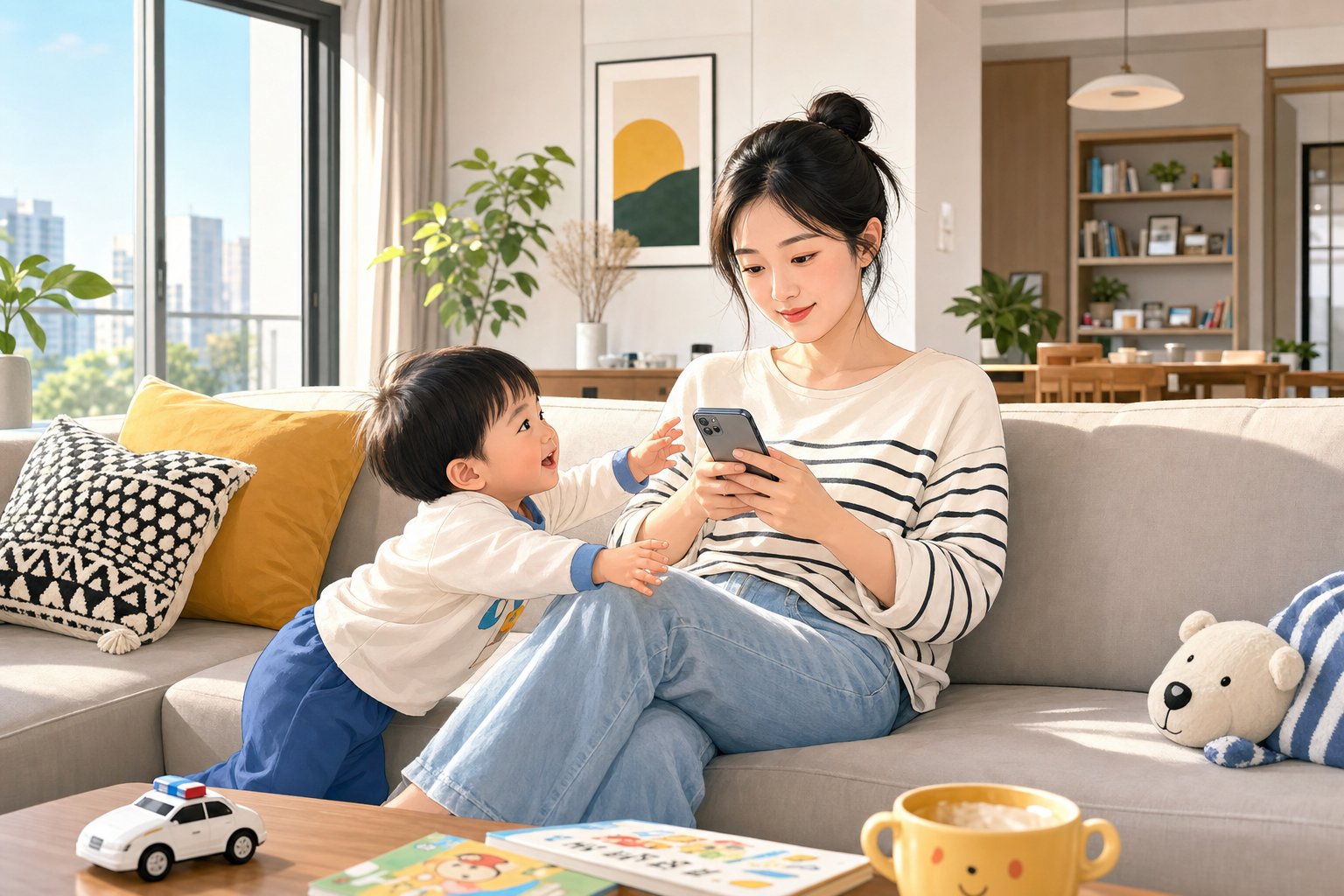
A generation ago, a grandmother in rural Anhui might have named her grandson 铁蛋 to keep the spirits away. Today, a young mother in Hangzhou scrolls through Xiaohongshu looking for inspiration and settles on 奶茶 (Naicha, "milk tea") because it sounds adorable and she craves boba every afternoon. The emotional impulse is the same: love, expressed through a private name. But the cultural inputs feeding that impulse have changed beyond recognition.
From Superstition to Cuteness in Modern Naming
The generational contrast is stark. Traditional 小名 practices were shaped by fear, chosen by grandparents, rooted in folk religion, and designed to protect. Modern practices are shaped by delight, chosen by parents, rooted in pop culture, and designed to express personality. The shift did not happen overnight, but it accelerated dramatically after the 1980s as urbanization, rising education levels, and declining infant mortality removed the anxieties that once drove protective naming.
Post-1990 generation parents approach the 小名 as a creative project rather than a spiritual obligation. The World of Chinese documents how popular Chinese names have shifted dramatically over the decades, mirroring the cultural and social trends of each era. Where parents in the 1960s and 70s chose names reflecting political ideals, and parents in the 80s and 90s favored names suggesting prosperity, today's parents seek freshness and individuality. The same evolution applies to pet names. Cuteness has replaced humility as the dominant aesthetic. Sweetness has replaced toughness as the desired quality.
You can trace this shift through the food names alone. Older food-based 小名 referenced staple grains: 小米 (millet), 豆豆 (bean). Contemporary food names reference trendy snacks and desserts: 布丁 (Buding, "pudding"), 可乐 (Kele, "cola"), 芒果 (Mangguo, "mango"), 提拉米苏 (Tilamisu, "tiramisu"). The names have moved from the kitchen pantry to the cafe menu, reflecting how daily life itself has transformed.
Pop Culture and Internet Influence on Pet Names
What really distinguishes modern 小名 choices is the sheer range of cultural sources parents now draw from. The naming pool has exploded far beyond family tradition and local dialect. Here are the major trend categories shaping how young Chinese parents pick pet names today:
- Anime and cartoon characters: Names like 小丸子 (Chibi Maruko), 龙猫 (Totoro), or 皮卡丘 (Pikachu) borrow directly from Japanese and global animation. Children born during the popularity of specific shows often carry those characters' names as 小名.
- Celebrity baby names: When public figures reveal their children's pet names, trends follow. After actress Zhao Wei called her daughter 小四月 (Little April) and actor Deng Chao named his son 等等 (Dengdeng, "wait wait"), similar patterns spread rapidly among fans.
- English-influenced names: Some parents use English words directly as 小名: Lucky, Coco, Candy, or even brand-adjacent sounds. These often double as the child's future english name and chinese display names on social platforms.
- Internet slang and memes: Names drawn from viral moments, popular emojis, or gaming culture. A child might be called 小怪兽 (little monster) or 团子 (tuanzi, a round dumpling character popular in online stickers).
- Classical literature revival: Counterbalancing the pop culture wave, some educated parents reach back into Tang poetry or Song ci lyrics for elegant-sounding 小名, treating the pet name as a space for literary taste rather than just cuteness.
- Seasonal and nature aesthetics: Names like 小森 (little forest), 云朵 (cloud), or 鹿鹿 (Lulu, "deer deer") reflect a broader cultural interest in natural imagery and minimalist aesthetics popular on lifestyle platforms.
The internet has also changed how 小名 function socially. Traditionally, a pet name was radically private. Only people who entered your home would ever hear it. Social media dissolved that boundary. Parents share their children's 小名 on WeChat Moments, Douyin videos, and parenting forums. A chinese username on a family vlog might be the child's 小名 rather than their formal name, broadcasting what was once whispered only within four walls. The pet name has become, paradoxically, a public performance of private intimacy.
This visibility creates feedback loops. When millions of parents see other families using food-themed or anime-themed 小名, they adopt similar patterns, producing waves of naming trends that mirror what happens with formal names. The result is a strange new phenomenon: children sharing the same 小名 with thousands of strangers, a kind of mass intimacy that would have been unthinkable a generation ago.
Why the Core Tradition Endures Despite Modern Changes
Family policy has also left its mark. During the one-child era, the single child in each family received extraordinary naming attention. With only one chance to choose a 小名, parents invested it with more creativity and emotional weight than previous generations might have spread across five or six children. The relaxation of birth limits has introduced new dynamics: siblings now receive 小名 that rhyme, match thematically, or form pairs. A family might name their children 大宝 and 小宝 (big treasure and little treasure), or 朵朵 and 果果 (blossom and fruit), creating a private naming system that binds the siblings together.
Yet for all these surface transformations, the underlying architecture has not moved. A young couple in Shenzhen choosing 奶茶 for their daughter and a grandmother in Gansu choosing 石头 for her grandson are doing the same thing: creating a name that belongs only to the family, that no teacher or boss or stranger will ever use, that will still make the child turn their head at age forty. The inputs have changed. The mechanism has not.
Chinese pet names for girlfriend or boyfriend, chinese display names on gaming platforms, chinese usernames on social media, all of these borrow the same structural logic that 小名 established centuries ago. Reduplication, food imagery, the 小 prefix, playful animal references. The tradition has not merely survived modernization. It has colonized new social territories, proving that the human need to mark intimacy through private naming is not a relic of superstition but a permanent feature of how Chinese culture builds closeness, one repeated syllable at a time.
Frequently Asked Questions About Childhood Nicknames in China
1. What is a 小名 (xiaoming) in Chinese culture?
A 小名 is an informal pet name given to a child by parents or close family members, separate from their official registered name. It literally means 'small name' and functions as a private term of endearment used within the family circle. Unlike English nicknames that often derive from a person's given name, a 小名 is deliberately chosen, sometimes even before birth, and carries specific emotional weight as a marker of family intimacy and belonging.
2. Why were some Chinese children given ugly or humble nicknames?
In traditional Chinese folk belief, evil spirits targeted children with beautiful or ambitious names. Parents gave children humble names like 狗蛋 (dog egg) or 铁蛋 (iron egg) to make them seem worthless to malevolent forces. This protective naming strategy was a response to high infant mortality rates in pre-modern China. The practice persists in some rural areas today, though urban families have largely shifted toward cute or trendy pet names driven by affection rather than superstition.
3. What is the difference between 小名 and 乳名 in Chinese?
Both terms refer to informal childhood names, and many families use them interchangeably. The key difference is timing and emphasis. 乳名 (milk name) specifically refers to the very first name a baby receives, often during the traditional waiting period before a formal name is chosen. 小名 (small name) emphasizes the intimate, diminutive quality of the name regardless of when it was selected. Every 乳名 qualifies as a 小名, but a 小名 chosen later in childhood is not technically a 乳名.
4. How are Chinese childhood nicknames typically formed?
Chinese pet names follow several common patterns: reduplication (doubling a character like 明明 or 甜甜), the 小 prefix meaning 'little' (小宝, 小虎), the 阿 prefix common in southern China (阿明, 阿花), food-based names (汤圆, 饺子), animal names (小龙, 毛毛), and birth-circumstance names reflecting weight, date, or season (冬冬, 六六). Each pattern creates warmth through repetition, concrete imagery, or diminutive forms that make the name sound inherently affectionate.
5. Do Chinese people stop using their childhood nickname when they grow up?
The social circle that uses a person's 小名 narrows over time but never fully disappears within the family. When children start school, teachers and classmates use the formal name, and by adolescence most peers have stopped using the pet name entirely. However, parents and grandparents typically continue using the 小名 for life. A 50-year-old might still be called 毛毛 by their elderly mother. This persistence signals enduring family intimacy and is considered one of the most powerful expressions of affection in Chinese culture.