Understanding Chinese Naming Traditions for Pig Year Boys
When you search for chinese boy names tied to the zodiac, you'll notice most resources lump boys and girls together, offering generic lists with little explanation. That approach misses something important. In Chinese naming tradition, a boy's name carries distinct expectations around character, ambition, and legacy. Choosing chinese baby boy names for a Pig year son involves a specific set of principles that differ from those applied to girls.
This guide focuses exclusively on chinese names for boys born under the Pig sign, giving you the depth and specificity that mixed-gender lists simply cannot provide.
Why the Year of the Pig Matters for Naming
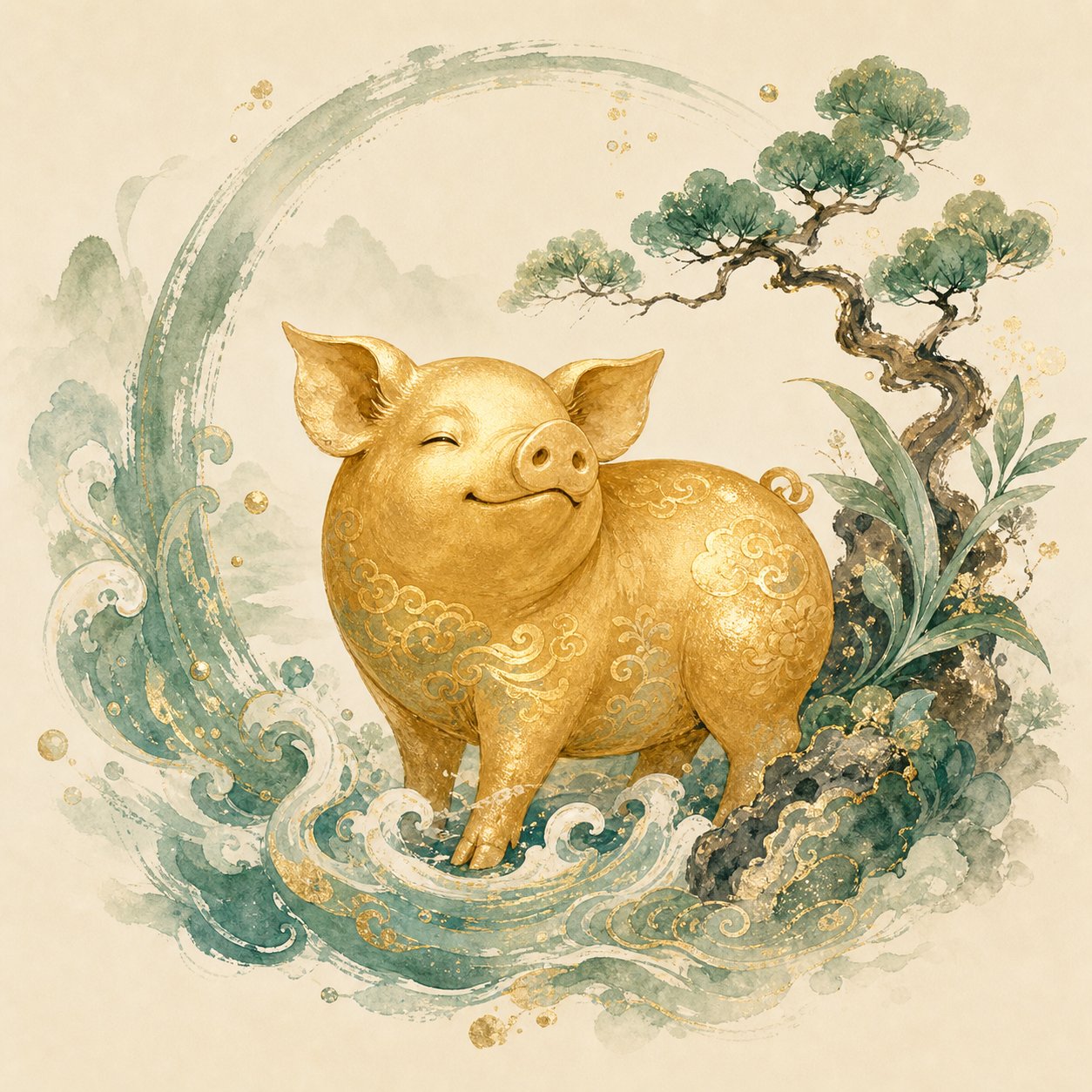
The Pig, or zhu (猪/zhū), holds the 12th and final position in the Chinese zodiac cycle. Its corresponding Earthly Branch is hai (亥/hài), and it is inherently linked to the Water element and yin energy. In Chinese culture, the Pig symbolizes wealth, felicity, honesty, and practicality. Pig-shaped money pots remain a common sight in Chinese households because the sign is believed to attract financial good fortune.
Recent Pig years include 2019 (Earth Pig), 2007 (Fire Pig), 1995 (Wood Pig), and the upcoming 2031 (Metal Pig). Each cycle pairs the Pig with a different element, adding another layer of nuance to name selection. A chinese name boy receives at birth is expected to harmonize with both the animal sign and its elemental pairing for that specific year.
How Zodiac Signs Shape Chinese Name Selection
Imagine picking a name the way you'd choose ingredients for a recipe. Each character in a Chinese name carries its own energy through meaning, radical structure, stroke count, and elemental association. The zodiac sign acts as the recipe itself, telling you which ingredients complement each other and which ones clash.
Chinese parents traditionally believe a well-chosen name aligned with the zodiac can bring fortune and balance to a child's life, acting as a lifelong source of positive energy that shapes personality and destiny.
This belief is rooted in the idea that a name is not merely a label. It is a deliberate act of cosmic alignment. According to traditional zodiac naming principles, people born in the Year of the Pig benefit from surnames and given names containing Water or Wood elements, which enhance the Pig's kind and honest nature. Characters featuring radicals like 氵 (water) and 木 (wood) are considered especially favorable.
For parents exploring common chinese names for boys, understanding this zodiac framework transforms the process from guesswork into intentional design. You are not just picking a name that sounds pleasant. You are selecting characters that work with your son's cosmic blueprint, reinforcing strengths and softening vulnerabilities inherent to the Pig sign.
The personality traits associated with the Pig, and how specific characters can balance them, form the foundation of every naming decision that follows.
Pig Zodiac Personality Traits and How Names Create Balance
Every Pig year boy arrives with a built-in personality blueprint. Chinese naming philosophy treats these traits not as fixed outcomes but as tendencies you can amplify or temper through the right characters. Understanding chinese boy names and meanings starts here, with knowing exactly what your son's zodiac sign brings to the table.
Core Personality Traits of the Pig Zodiac
According to Chinese astrology, Pig signs possess a beautiful personality marked by calm cheerfulness, sharp intellect, and an unusual innocence that persists throughout life. They are socially generous, emotionally warm, and driven by a desire for a balanced, meaningful existence rather than ruthless ambition.
Here are the core traits associated with Pig year boys, along with the Chinese characters that represent each quality:
- Generous - 慷慨 (kāngkǎi): Pigs give freely of their time, resources, and affection, sometimes to their own detriment.
- Compassionate - 善良 (shànliáng): A deep kindness and forgiveness toward others, even those who wrong them.
- Diligent - 勤奋 (qínfèn): When Pig finds meaningful work, they apply single-minded perseverance toward their goal.
- Honest - 诚实 (chéngshí): Sincerity and honor define how Pig interacts with the world. They refuse to resort to dishonest tactics.
- Optimistic - 乐观 (lèguān): A childlike joy and trust in life's goodness that draws people toward them.
- Naive/Trusting - 天真 (tiānzhēn): Their kind-hearted nature can leave them vulnerable to being cheated or manipulated.
- Indulgent - 放纵 (fàngzòng): A tendency toward comfort-seeking, overindulgence, and occasional inaction.
You'll notice the strengths and weaknesses are closely linked. The same generosity that makes Pig beloved can also leave him exposed. The same optimism that fuels his joy can tip into naivety. This duality is precisely what chinese names for boys with meaning are designed to address.
Balancing Traits Through Strategic Name Choices
Chinese complementary naming works on a simple principle: reinforce what serves your son well, and counterbalance what might hold him back. Think of it as tuning an instrument. The Pig's natural melody is warm and generous. A well-chosen name fine-tunes that melody so it stays harmonious rather than tipping out of balance.
In practice, this means two naming strategies exist side by side:
Reinforcing positive traits: If you want to honor the Pig's natural benevolence, characters like 仁 (rén, benevolence), 德 (dé, virtue), or 厚 (hòu, generosity/depth) amplify what's already strong. These are chinese boy names with meaning rooted in moral character, celebrating the Pig's innate goodness.
Counterbalancing vulnerabilities: To guard against naivety or indulgence, parents choose characters that introduce sharpness and resolve. Strong chinese boy names for Pig year boys often include 睿 (ruì, wise/astute), 明 (míng, clarity/discernment), 毅 (yì, perseverance/resolve), or 志 (zhì, ambition/will). These characters act as a counterweight, giving a Pig year son the discernment to protect his generous heart.
Many parents searching for chinese boy names meaning strong gravitate toward characters like 刚 (gāng, firm/strong) or 勇 (yǒng, brave). For Pig year boys specifically, intellectual strength often serves better than physical force. Characters suggesting wisdom, clarity, and strategic thinking complement the Pig's natural warmth without clashing against it. Powerful chinese boy names for this sign tend to combine moral depth with mental acuity, think 睿德 (ruìdé, wise virtue) or 明志 (míngzhì, clear ambition).
The key insight? Chinese boy names that mean strong don't always reference physical power. For a Pig year son, true strength lies in pairing his compassionate nature with the wisdom to use it well.
Knowing which traits to reinforce or balance is only half the equation. The actual mechanics of building a name depend on something more structural: the radicals and elemental associations embedded within each character.
Auspicious Radicals and Characters for Pig Year Boy Names
Radicals are the building blocks of every Chinese character. When you look at chinese boy names with characters chosen for a Pig year son, you're really looking at a system where each stroke component carries elemental weight. Picking the right radical is like choosing the right foundation for a house. Everything built on top of it either stands strong or wobbles.
So how do you know which radicals work for a Pig year boy? The answer lives in Five Elements theory and the symbolic associations tied to the Pig's nature.
How Five Elements Theory Connects to Character Selection
The Pig's Earthly Branch, hai (亥), belongs to the Water element. In the productive cycle of the Five Elements, Metal generates Water, and Water nourishes Wood. This means characters containing Metal or Water radicals directly strengthen the Pig's elemental foundation, while Wood radicals channel that energy into growth and vitality.
Beyond elemental logic, the Pig's symbolic nature as a creature of comfort, abundance, and home life makes certain meaning-based radicals equally powerful. Characters referencing food, shelter, and open fields align with what the Pig naturally thrives in.
Lucky Radicals That Strengthen Pig Year Names
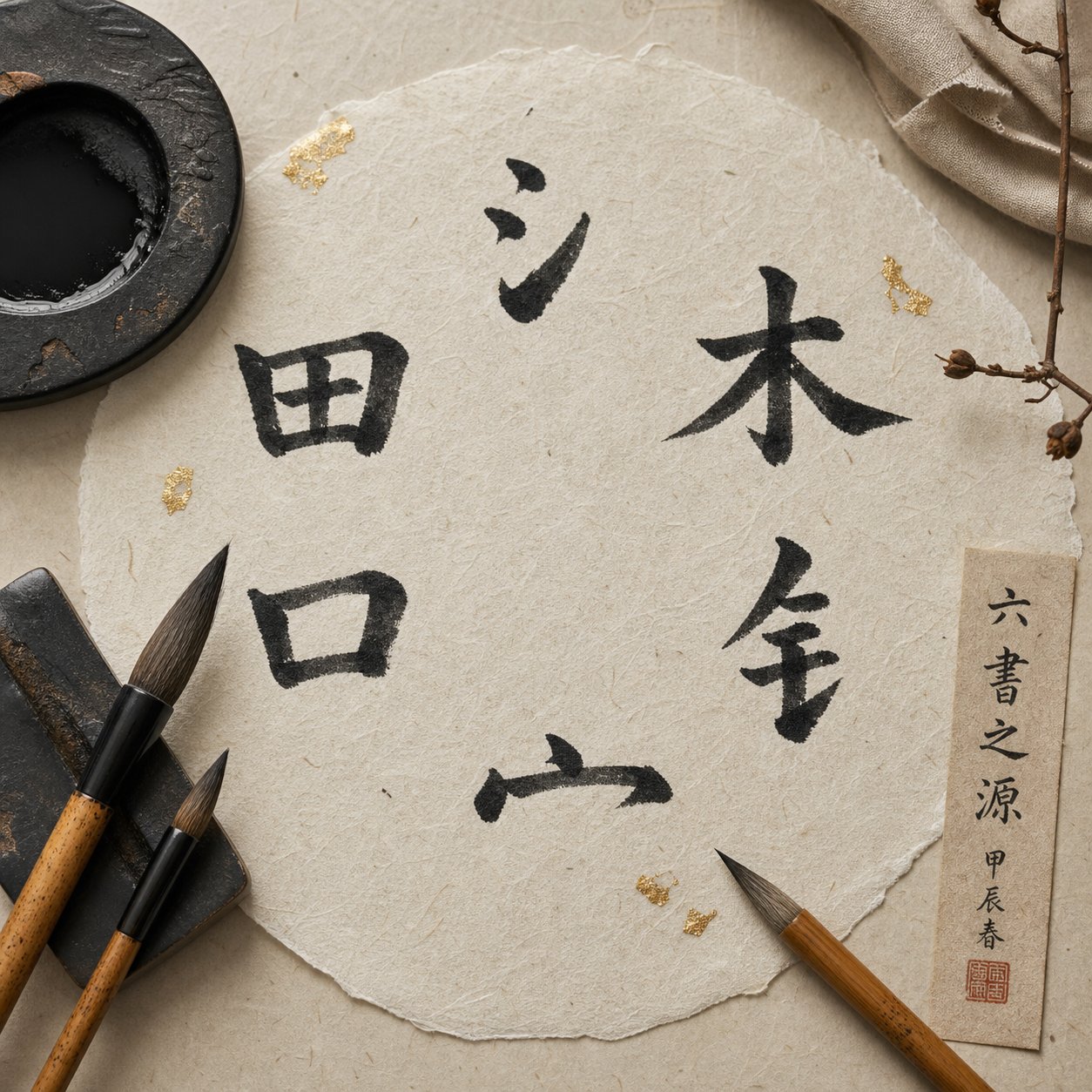
Here's a breakdown of the six most favorable radicals for boy names in chinese naming tradition, specifically for the Pig sign:
| Radical | Meaning | Example Characters (Pinyin & Meaning) | Why It Benefits Pig Year Boys |
|---|---|---|---|
| 木 (mù) | Wood | 林 (lín, forest), 杰 (jié, outstanding), 柏 (bǎi, cypress), 桂 (guì, laurel) | Water nourishes Wood in the productive cycle, symbolizing growth and upward momentum for the Pig |
| 氵 (shuǐ) | Water | 浩 (hào, vast), 泽 (zé, grace/marsh), 清 (qīng, clear), 泉 (quán, spring) | Directly aligned with the Pig's native Water element, reinforcing core energy and flow |
| 金/钅 (jīn) | Metal | 铭 (míng, inscribe/remember), 锋 (fēng, sharp/vanguard), 钟 (zhōng, bell/devotion), 镇 (zhèn, steady/calm) | Metal generates Water in Five Elements theory, providing foundational support to the Pig's elemental nature |
| 口 (kǒu) | Mouth | 国 (guó, nation), 图 (tú, plan/ambition), 固 (gù, solid/firm), 回 (huí, return) | The Pig enjoys abundance; the mouth radical symbolizes having plenty to eat and good fortune in sustenance |
| 田 (tián) | Field | 畴 (chóu, farmland/domain), 甲 (jiǎ, first/armor), 留 (liú, remain/keep), 当 (dāng, worthy/bear) | In the field, the Pig roams freely and eats five cereals leisurely, representing comfort and a life of ease |
| 宀 (mián) | Roof | 宇 (yǔ, universe/eaves), 家 (jiā, home/family), 宏 (hóng, grand), 安 (ān, peace/safety) | Shelter and security; a roof over the Pig's head means protection, stability, and belonging |
You'll notice some characters appear in multiple chinese name for boy with meaning lists across the internet. Characters like 浩 (hào) and 宇 (yǔ) are perennial favorites precisely because they combine strong meaning with favorable radical structure for the Pig sign.
From Radicals to Real Names: Putting It Together
Understanding chinese boys names and meaning at the radical level lets you build names rather than just pick them from a list. Here's how it works in practice:
- 陈浩铭 (Chén Hàomíng) - Combines 氵 (Water) in 浩 with 钅 (Metal) in 铭. Meaning: vast and memorable. Double elemental support for the Pig.
- 林宇杰 (Lín Yǔjié) - Combines 宀 (Roof) in 宇 with 木 (Wood) in both the surname 林 and 杰. Meaning: outstanding under a grand sky. Shelter plus growth.
- 张家泽 (Zhāng Jiāzé) - Combines 宀 (Roof) in 家 with 氵 (Water) in 泽. Meaning: grace of home and family. Security meets elemental harmony.
- 王国锋 (Wáng Guófēng) - Combines 口 (Mouth) in 国 with 钅 (Metal) in 锋. Meaning: a nation's vanguard. Abundance paired with Metal's generative power.
The pattern is straightforward: pair two favorable radicals across the given name characters, and you create layered support for your Pig year son. One character can reinforce his elemental foundation while the other addresses his symbolic needs for comfort, growth, or security.
Of course, knowing what to include is only half the picture. Certain radicals and characters carry hidden conflicts with the Pig sign, and using them unknowingly can undermine even the most thoughtful name.
Characters and Radicals to Avoid When Naming Pig Year Boys
A carefully chosen chinese boy name can be undermined by a single poorly placed radical. Most naming guides focus exclusively on what to include, but traditional naming experts place equal weight on what to leave out. For Pig year boys, certain character components carry symbolic conflicts that range from subtle misfortune to outright zodiac clashes.
If you're selecting a chinese name for boys born under the Pig sign, these are the radicals and characters to steer clear of.
Understanding Zodiac Clashes in Chinese Naming
The most serious conflict for the Pig is the Snake-Pig opposition, known as si-hai xiangchong (巳亥相冲). In the Chinese zodiac, the Pig (亥) and the Snake (巳) sit directly opposite each other on the zodiac wheel. This opposition creates friction in kinship, wealth, career, and health when snake-associated elements appear in a Pig person's name.
A secondary conflict exists between the Pig and the Monkey (申). Their relationship is described as xianghai (相害), meaning mutual harm. Characters referencing the Monkey's Earthly Branch or symbolic associations can bring physical and emotional hurt according to traditional naming theory.
Beyond zodiac clashes, the Pig's historical role as a sacrificial animal in Chinese ceremonies creates another category of avoidance. Characters suggesting display, offering, or slaughter carry dark connotations for Pig year children, making them what some parents research as chinese names with dark meanings boy should avoid.
Radicals and Characters to Avoid for Pig Year Boys
| Radical/Category | Examples | Why It Conflicts with the Pig Sign |
|---|---|---|
| 辶, 廴, 川, 邑, 乙, 弓 (snake-shaped radicals) | 迅 (xùn), 婉 (wǎn), 凯 (kǎi), 迎 (yíng), 强 (qiáng), 纪 (jì), 风 (fēng) | The Earthly Branch hai (亥) of Pig and si (巳) of Snake directly conflict, causing the most serious harm to fortune, relationships, and health |
| 申, 袁, 侯 (Monkey-associated) | 伸 (shēn), 绅 (shēn), 侯 (hóu), 爱 (ài), 媛 (yuàn) | Pig and Monkey harm each other (相害), bringing physical and emotional damage |
| 示, 衤 (sacrifice/ritual radicals) | 祥 (xiáng), 福 (fú), 礼 (lǐ), 祯 (zhēn), 禁 (jìn), 祝 (zhù) | Suggests being killed as a sacrificial offering; hard work yields no personal reward but sacrifice to others |
| 刀, 力, 血, 几, 皮, 石 (blade and killing radicals) | 刚 (gāng), 劲 (jìn), 切 (qiē), 勇 (yǒng with 力), 破 (pò) | Associated with slaughter and butchering, directly adverse to the Pig's wellbeing |
A few of these might surprise you. Characters like 福 (fú, blessing) and 祥 (xiáng, auspicious) seem positive on the surface, yet their 示 radical ties them to ritual sacrifice. Similarly, 强 (qiáng, strong) looks like a powerful choice, but its 弓 radical links it to the Snake conflict. This is exactly why surface-level meaning alone isn't enough when choosing a chinese boy name for the Pig year.
The takeaway is practical: before falling in love with a character's meaning, check its radical structure against these conflict categories. A name that reads beautifully but contains hidden zodiac friction works against your son rather than for him.
With both favorable and unfavorable radicals mapped out, the next step is seeing how these principles come together in complete, real-world names drawn from Chinese literary tradition and cultural heritage.

Traditional and Classical Chinese Boy Names for the Pig Year
Classical Chinese literature offers a deep well of naming inspiration, and for Pig year boys, many ancient chinese boy names already contain the favorable radicals we've outlined. When you draw from texts like the Mencius, the Book of Songs, or Tang Dynasty poetry, you're tapping into characters that have carried weight and respect for centuries.
What makes traditional chinese boy names particularly compelling is their layered meaning. A single two-character given name can reference a philosophical concept, honor a literary tradition, and align with zodiac principles all at once.
Classical Names Rooted in Chinese Literature and History
The following names pair common surnames with given names drawn from classical sources. Each name uses at least one favorable radical for the Pig sign (Water, Wood, Metal, Roof, Mouth, or Field), ensuring zodiac alignment alongside cultural depth.
| Name (Characters) | Pinyin | Individual Character Meanings | Cultural Context |
|---|---|---|---|
| 林浩然 | Lín Hàorán | 林 (forest) + 浩 (vast, grand) + 然 (natural, so) | From Mencius: "I am skilled at nourishing my vast, flowing qi" (浩然之气). Also the name of revered Tang poet Meng Haoran. |
| 陈清源 | Chén Qīngyuán | 陈 (display/surname) + 清 (clear, pure) + 源 (source, origin) | From the classical idiom "正本清源" (zhèng běn qīng yuán), meaning to clarify the root and purify the source. A scholarly ideal of seeking truth. |
| 周宏图 | Zhōu Hóngtú | 周 (complete/surname) + 宏 (grand, vast) + 图 (plan, ambition) | From "宏图大志" (grand plans and great ambitions), a phrase used to describe royal chinese boy names and the aspirations of rulers and statesmen. |
| 张家铭 | Zhāng Jiāmíng | 张 (stretch/surname) + 家 (home, family) + 铭 (inscribe, remember) | 铭 references bronze inscriptions (铭文), one of China's oldest literary forms. Implies a legacy worth recording for generations. |
| 王国栋 | Wáng Guódòng | 王 (king/surname) + 国 (nation) + 栋 (ridgepole, pillar) | From "栋梁之材" (timber for ridgepoles and beams), meaning a pillar of the state. A name expressing hope the son will serve his community. |
| 李柏清 | Lǐ Bǎiqīng | 李 (plum/surname) + 柏 (cypress, steadfast) + 清 (clear, pure) | The cypress tree in classical poetry symbolizes unwavering integrity through harsh seasons. Paired with 清, it evokes incorruptible character. |
| 赵泽安 | Zhào Zé'ān | 赵 (surname) + 泽 (grace, beneficence) + 安 (peace, stability) | Rooted in the Confucian ideal of "泽被苍生" (grace covering all living beings). Combines Water and Roof radicals for double Pig year support. |
| 刘安宇 | Liú Ānyǔ | 刘 (surname) + 安 (peace, settle) + 宇 (universe, eaves) | Echoes the title of the Han Dynasty text "Huainanzi" (淮南子) compiled by Liu An. Implies a mind as expansive as the cosmos, grounded in tranquility. |
| 吴林泽 | Wú Línzé | 吴 (surname) + 林 (forest) + 泽 (marsh, grace) | Nature imagery from classical landscape poetry (山水诗). Wood nourished by Water represents continuous growth and generosity. |
| 孙铭杰 | Sūn Míngjié | 孙 (grandson/surname) + 铭 (inscribe) + 杰 (outstanding, heroic) | Combines Metal radical (铭) with Wood radical (杰). Implies a person whose outstanding deeds deserve to be recorded in history. |
You'll notice these names read naturally as common chinese boy names you might encounter in everyday life, yet each one carries centuries of literary resonance beneath the surface.
Traditional Virtue Names for Pig Year Boys
Beyond literary references, many ancient chinese names for boys center on moral virtues. Characters like 德 (dé, virtue), 仁 (rén, benevolence), and 信 (xìn, trustworthiness) appear across generations of naming records. For Pig year boys, virtue names work especially well because they reinforce the sign's natural honesty and compassion while grounding those traits in Confucian moral structure.
A few virtue-focused combinations worth considering:
- 宏德 (Hóngdé) - Grand virtue. 宏 carries the Roof radical (宀), providing shelter energy alongside moral weight.
- 泽仁 (Zérén) - Gracious benevolence. Double Water energy through 泽 (氵) paired with Confucian core virtue 仁.
- 安信 (Ānxìn) - Peaceful trustworthiness. Roof radical in 安 plus a character embodying the Pig's natural honesty.
How Generational Naming Interacts with Zodiac Choices
If your family follows the generational naming tradition known as zibei (字辈), one character in your son's name is already predetermined by a family poem or sequence. In this system, all male members of the same generation share one character, and the other character becomes the space for zodiac-based personalization.
Imagine your family's generational character is 文 (wén, literature). Your job is then to find a second character that aligns with Pig year principles. Pairing it as 文泽 (Wénzé) or 文柏 (Wénbǎi) brings in Water or Wood energy without breaking the family tradition.
This is where old chinese boy names and modern zodiac awareness meet. The zibei system dates back centuries, yet it leaves room for parents to weave in elemental balance specific to their son's birth year. The generational character anchors identity within the family lineage, while the zodiac-aligned character positions the child favorably within the cosmic cycle.
Classical names carry gravitas, but not every parent wants a name that sounds like it belongs in a history book. Contemporary naming trends across Mainland China, Taiwan, and Hong Kong show how the same zodiac principles adapt to modern tastes and cross-cultural contexts.
Modern and Popular Chinese Boy Names for the Pig Year
Classical names carry cultural weight, but the reality is that most popular chinese boy names today look quite different from what parents chose a generation ago. Modern chinese boy names blend zodiac awareness with contemporary aesthetics, favoring characters that feel fresh on the tongue while still honoring elemental principles. The result? Names that sound current without sacrificing cosmic alignment.
Modern Popular Names for Pig Year Boys in Mainland China
If you look at China's Ministry of Public Security naming data, you'll notice a clear pattern: characters like 沐 (mu, bathe), 泽 (ze, grace), 宇 (yu, universe), and 浩 (hao, vast) dominate recent top-ten lists. These aren't random trends. Characters containing the Water radical (氵) and Roof radical (宀) naturally align with Pig year principles, which explains why they resonate so strongly with parents who care about zodiac harmony, even subconsciously.
Over 93% of babies born in recent years received two-character given names, a shift away from the single-character names popular in the 1980s and 1990s. For Pig year boys, this trend is a gift. Two characters mean two opportunities to layer favorable radicals.
Here are popular chinese names for boys that work beautifully for Pig year babies in Mainland China:
| Name | Pinyin | Meaning | Region/Style |
|---|---|---|---|
| 沐泽 | Mu Zé | Bathed in grace; double Water energy | Mainland - Poetic modern |
| 浩宇 | Hào Yǔ | Vast universe; Water + Roof radicals | Mainland - Top trending |
| 茗泽 | Míng Zé | Tea-leaf grace; Wood + Water harmony | Mainland - Nature-inspired |
| 宇泽 | Yǔ Zé | Universe benevolence; Roof + Water | Mainland - Top trending |
| 沐林 | Mù Lín | Bathed in forest; Water nourishing Wood | Mainland - Nature-inspired |
| 浩铭 | Hào Míng | Vast and memorable; Water + Metal support | Mainland - Strong modern |
What makes these the most popular chinese boy names for zodiac-conscious parents is their dual function: they sound polished in modern Mandarin while structurally supporting the Pig's elemental needs.
Contemporary Naming Trends in Taiwan and Hong Kong
Cross the strait to Taiwan, and naming style shifts noticeably. Taiwanese parents tend to favor softer, more literary characters. Nature imagery runs deep, with characters like 霖 (lín, continuous rain), 桐 (tóng, paulownia tree), and 澤 (zé, in traditional characters) appearing frequently. These choices produce unique chinese boy names that feel poetic without being archaic.
In Hong Kong, Cantonese phonetics play a larger role. Parents consider how a name sounds in Cantonese, not just Mandarin, which sometimes leads to different character preferences. Cool chinese boy names in Hong Kong often incorporate characters like 朗 (lǎng, bright/clear) or 熙 (xī, luminous) that carry strong tonal presence in Cantonese pronunciation.
| Name | Pinyin | Meaning | Region/Style |
|---|---|---|---|
| 宇霖 | Yǔ Lín | Universe rain; Roof + Water abundance | Taiwan - Literary modern |
| 柏澄 | Bǎi Chéng | Cypress clarity; Wood + Water purity | Taiwan - Nature-inspired |
| 梓浩 | Zǐ Hào | Catalpa tree vastness; Wood + Water | Taiwan - Trending |
| 浚熙 | Jùn Xī | Deep and luminous; Water depth + light | Hong Kong - Contemporary |
| 銘朗 | Míng Lǎng | Inscribed brightness; Metal + clarity | Hong Kong - Strong modern |
| 澤安 | Zé Ān | Graceful peace; Water + Roof shelter | Hong Kong/Taiwan - Classic modern |
Parents searching for rare chinese boy names often find them in these regional variations. A name trending in Hong Kong might be virtually unknown in Beijing, giving your son distinction without sacrificing cultural authenticity.
Stroke Count and Lucky Numbers for Pig Year Boys
Beyond radicals and meaning, stroke count (笔画/bǐhuà) adds another layer to the popular chinese names boy selection process. In Chinese numerology, the total stroke count of a name's characters influences fortune. For Pig year boys, counts that resolve to numbers associated with the Water element are considered especially favorable.
The general guideline: total stroke counts of 11, 12, 21, 23, 24, 31, and 32 are regarded as auspicious for Water-element signs. A name like 浩宇 (Hào Yǔ) totals 17 strokes (10 + 7 in simplified), while 沐泽 (Mù Zé) totals 15 (7 + 8 in simplified). Parents who want precision often consult stroke-count charts specific to their surname to find the ideal total.
This doesn't mean you need to obsess over every stroke. Think of it as a tiebreaker. If you're torn between two names that both have strong radical alignment and beautiful meaning, stroke count can tip the decision.
Modern naming across all three regions shows that tradition and trend aren't opposites. They're collaborators. But what happens when you need a name that works not just in Chinese contexts, but across languages and cultures entirely?

Chinese-American Friendly Pig Year Boy Names That Work in Both Cultures
Raising a child between two languages means every naming decision carries double weight. For Chinese American boy names, parents face a question that families in Greater China rarely consider: will this name survive a roll call in an American classroom without being mangled, mocked, or misunderstood?
The good news is that plenty of chinese boy names that sound english exist naturally, without forcing awkward compromises. The trick is finding characters that maintain authentic Pig year zodiac alignment while producing syllables that English speakers can pronounce comfortably on the first try.
Pig Year Names That Bridge Chinese and English
Some Chinese names function almost seamlessly in English-speaking environments because their pinyin pronunciation closely mirrors familiar English sounds or names. For diaspora families seeking chinese american names for boys, these crossover names eliminate the need for a completely separate English name.
- 安 (Ān) - Sounds like "Ann" or the start of "Andrew." Means peace and stability. Contains the Roof radical (宀), making it zodiac-favorable for Pig year boys. Works as a standalone or paired: 安柏 (Ānbǎi, peaceful cypress).
- 凯文 (Kǎiwén) - Phonetically mirrors "Kevin." 文 means literature/culture. A common chinese american boy names choice, though note 凯 contains the 几 radical, so some traditional naming experts prefer alternatives.
- 浩 (Hào) - Sounds close to "Howard" when used in combinations like 浩德 (Hàodé). Means vast, grand. Water radical (氵) gives strong Pig year support.
- 明 (Míng) - Easily pronounced in English, rhymes with familiar sounds. Means bright, clear. Works beautifully in names like 明泽 (Míngzé, bright grace).
- 林 (Lín) - Sounds identical to the English name "Lynn" or "Lin." Means forest. Wood radical provides Pig year growth energy. Popular as both surname and given name character.
- 杰 (Jié) - Close to "Jay" in casual pronunciation. Means outstanding, heroic. Wood radical (木) aligns with Pig year principles.
- 瑞 (Ruì) - Approximates "Ray" to English ears. Means auspicious, lucky. A favorite among popular chinese american boy names for its positive sound in both languages.
- 泽恩 (Zé'ēn) - The second character 恩 sounds like "en" in English. Together they mean "grace and kindness." Water radical in 泽 supports the Pig's elemental nature.
- 宏 (Hóng) - Sounds similar to "Hong" which English speakers handle easily. Means grand, magnificent. Roof radical (宀) provides shelter energy for Pig year boys.
You'll notice these aren't forced transliterations. Each character carries genuine meaning in Chinese while producing sounds that don't trip up English speakers. That's the sweet spot for boy names chinese american families tend to gravitate toward.
Choosing a Name for Multicultural Identity
Many diaspora families opt for a dual-name approach: one fully Chinese name and one English name used in Western contexts. The demand for English names among Chinese families has grown significantly as China's global connections deepen, with services helping parents select culturally appropriate English names based on desired personality traits. For chinese english names boy selections, the same principle applies in reverse. Parents want an English name that echoes the spirit of their son's Chinese name.
Here's how to make the two names complement each other:
- Match by meaning: If the Chinese name is 浩泽 (Hàozé, vast grace), an English name like "Grant" (meaning great, large) carries parallel energy.
- Match by sound: A Chinese name starting with 杰 (Jié) pairs naturally with "Jason" or "Jake" as an English counterpart.
- Match by character trait: If the Chinese name emphasizes wisdom through 睿 (ruì), an English name like "Sage" reinforces the same quality across both identities.
Naming conventions differ between overseas Chinese communities and families in Greater China in one important way. In Mainland China, Taiwan, and Hong Kong, the Chinese name is the legal, primary identity. The English name, if one exists, functions as a social convenience. For chinese american names for boys, the situation often flips. The English name appears on legal documents, school records, and medical forms, while the Chinese name lives within family life, cultural celebrations, and personal identity.
This means your son's Chinese name doesn't need to be "easy" for outsiders. It needs to be meaningful for him. The zodiac alignment, the radical structure, the family resonance, these matter most in the Chinese name. Let the English name handle the practical cross-cultural work, and let the Chinese name carry the deeper cultural weight.
Whether you choose a crossover name that functions in both worlds or maintain two distinct names for two distinct contexts, the underlying zodiac principles remain the same. Favorable radicals, elemental balance, and meaningful characters don't change based on geography. What changes is how you package and present them.
With names selected, the final challenge is evaluating your choice against the full spectrum of traditional criteria, from phonetic flow to surname compatibility to cosmic timing.

A Practical Naming Checklist for Pig Year Boy Names
You've seen the favorable radicals, the characters to avoid, and dozens of complete name suggestions spanning classical to modern styles. But what happens when you find a chinese name for boy that isn't on any list? How do you evaluate it yourself?
This checklist gives you the framework to assess any Pig year boy name independently, whether you've crafted it from scratch, inherited a generational character, or found inspiration from a source outside this article. Think of it as your quality-control filter for chinese boys names before you commit the characters to a birth certificate.
Your Pig Year Naming Checklist
A great Chinese name balances four dimensions simultaneously: sound, meaning, visual beauty of the characters, and cosmic alignment. Neglect any one of these, and the name feels incomplete, no matter how strong the others are.
Run every candidate name through these steps before making your final decision:
- Check radical compatibility. Break each character in the given name into its radical components. Confirm that at least one character contains a favorable radical for the Pig sign (氵, 木, 金/钅, 口, 田, or 宀). Verify that neither character contains a conflicting radical (辶, 弓, 示, 刀, 力, or Monkey-associated components).
- Verify Five Elements balance. Identify the elemental association of each character. The Pig's native element is Water, so the name should support or complement Water rather than clash with it. Metal generates Water, Water nourishes Wood. Avoid excessive Fire, which controls Metal and evaporates Water.
- Calculate stroke count harmony. Count the total strokes of the full name (surname plus given name) using the correct character form (simplified or traditional, depending on your registration region). Cross-reference with auspicious stroke totals for Water-element signs. Use this as a tiebreaker between otherwise equal candidates, not as a dealbreaker.
- Test phonetic flow and homophones. Say the full name aloud in Mandarin (and Cantonese, if relevant). Listen for awkward tonal combinations, especially three consecutive falling tones. Check whether any character shares a pronunciation with a word carrying negative meaning. For example, 死 (sǐ, death) and 四 (sì, four) sound similar enough to create unwanted associations in certain combinations.
- Evaluate surname compatibility. Chinese boy last names interact with given names both phonetically and visually. A surname like 王 (Wáng) already contains the 王 radical, which some naming experts flag for Pig year boys due to its association with display. If your surname carries a potentially conflicting element, compensate with strongly favorable characters in the given name. Also check that the surname-plus-given-name combination doesn't accidentally spell out an existing word or phrase with unintended meaning.
- Consider generational and family factors. If your family follows a zibei (字辈) generational naming system, one character is already fixed. Evaluate the remaining character slot with extra care, ensuring it carries enough zodiac support to compensate for a generational character that may be elementally neutral.
- Assess visual balance of the characters. Write the full name by hand or view it in a standard font. Chinese boy first names should look balanced on paper. A visually heavy character (many strokes) paired with a very simple one can feel lopsided. Aim for characters that share a similar visual density or create pleasing contrast.
- Confirm cross-cultural usability (if applicable). For diaspora families, say the name aloud in English. Does it invite mispronunciation that could embarrass your son? Does the pinyin spelling create unintended English words? A quick check here saves years of correction.
If a name passes all eight steps, you're holding a strong candidate. If it fails on one or two points, weigh how critical those points are to your family's priorities. No name is perfect across every dimension, but the best boy chinese names score well on the majority.
When to Consult a Professional Naming Master
The checklist above handles the fundamentals, but some families want deeper personalization. This is where BaZi (八字/bāzì), or the Eight Characters birth chart, enters the picture.
BaZi uses your son's exact birth year, month, day, and hour to calculate a detailed elemental profile. While the zodiac sign tells you he's a Pig (Water element), BaZi reveals whether his specific chart is Water-heavy, Water-deficient, or balanced. A boy born during a summer month in a Fire hour might need extra Water support in his name, while a winter-born Pig year boy might already have abundant Water and benefit more from Wood or Earth characters.
Consider consulting a professional naming master (取名师/qǔmíng shī) if:
- Your family surname contains a conflicting radical and you need expert guidance on compensation strategies
- You want BaZi-level precision that accounts for birth hour and seasonal elements
- Your generational character creates elemental tension with the Pig sign
- You're choosing chinese last names for boys in adoption contexts where surname selection is also open
A naming master doesn't replace your instincts as a parent. They add a layer of technical precision that's difficult to achieve through self-study alone, particularly around BaZi calculations and the interaction between chinese names boys receive and their specific birth timing.
For most families, though, the principles in this guide provide more than enough foundation. You now understand which radicals strengthen your Pig year son, which ones to avoid, how classical and modern names apply these rules differently, and how to evaluate any name you encounter. The checklist transforms you from a passive consumer of name lists into an informed decision-maker who understands the why behind every character choice.
Your son's name is one of the first gifts you'll give him. Make it one that carries meaning, balance, and intention, a name that honors both his zodiac nature and the life you envision for him.
Frequently Asked Questions About Chinese Boy Names for the Year of the Pig
1. What radicals are lucky for Pig year boy names in Chinese?
Six radicals are considered especially favorable for boys born in the Year of the Pig. The Water radical (氵) aligns directly with the Pig's native element. The Metal radical (金/钅) supports Pig because Metal generates Water in Five Elements theory. The Wood radical (木) benefits from Water's nourishing energy. The Roof radical (宀) symbolizes shelter and security. The Mouth radical (口) represents abundance and sustenance. The Field radical (田) signifies comfort and freedom. Names containing at least one of these radicals are believed to strengthen a Pig year boy's fortune and elemental balance.
2. Which characters should you avoid in a Pig year boy's Chinese name?
Traditional naming experts advise against several radical categories for Pig year boys. Snake-associated radicals like 辶, 弓, and 川 trigger the Snake-Pig zodiac opposition (巳亥相冲), the most serious conflict for this sign. Monkey-related components like 申 and 侯 invoke mutual harm (相害). The sacrifice radical (示/衤) found in characters like 福 and 祥 suggests ritual offering, which carries dark connotations for the Pig. Blade radicals (刀, 力) reference slaughter. Even seemingly positive characters can contain hidden conflicts, so checking radical structure is essential before finalizing any name.
3. Can a Chinese Pig year boy name work in English-speaking countries?
Yes, many zodiac-aligned Chinese names produce syllables that English speakers pronounce comfortably. Characters like 安 (An), 林 (Lin), 杰 (Jie, close to Jay), and 明 (Ming) maintain authentic Chinese meaning and favorable Pig year radicals while sounding natural in Western contexts. Diaspora families can also use a dual-name approach, pairing a fully Chinese zodiac name with a complementary English name matched by meaning, sound, or character trait. The Chinese name carries cultural and cosmic weight while the English name handles cross-cultural practicality.
4. How does the Five Elements theory affect Pig year naming?
The Pig's Earthly Branch (亥) belongs to the Water element. In the Five Elements productive cycle, Metal generates Water and Water nourishes Wood, making both Metal and Wood characters supportive additions to a Pig year name. Fire is generally avoided because it controls Metal and evaporates Water, weakening the Pig's elemental foundation. Each specific Pig year also pairs with a secondary element (2019 is Earth Pig, 2031 is Metal Pig), adding another layer. A BaZi birth chart can reveal whether a particular boy needs more or less Water support based on his exact birth date and hour.
5. What is the difference between traditional and modern Chinese boy names for the Pig year?
Traditional Pig year names draw from classical literature, Confucian virtues, and historical references, using characters like 德 (virtue), 仁 (benevolence), and literary allusions from texts like the Mencius. Modern names favor nature-inspired characters, poetic two-character combinations, and aesthetically pleasing sounds, with trending picks like 沐泽 (bathed in grace) and 浩宇 (vast universe). Both styles can align with Pig year zodiac principles through favorable radicals. Regional differences also matter: Mainland China, Taiwan, and Hong Kong each have distinct naming aesthetics, though the underlying elemental logic remains consistent across all three.