Understanding Chinese Boy Names for the Year of the Rooster
When a boy is born in the Year of the Rooster, his name carries a responsibility most parents in Western cultures never consider. In Chinese tradition, a name is not just a label. It is a deliberate act of shaping destiny, and the zodiac year of birth is one of the most important factors guiding that choice.
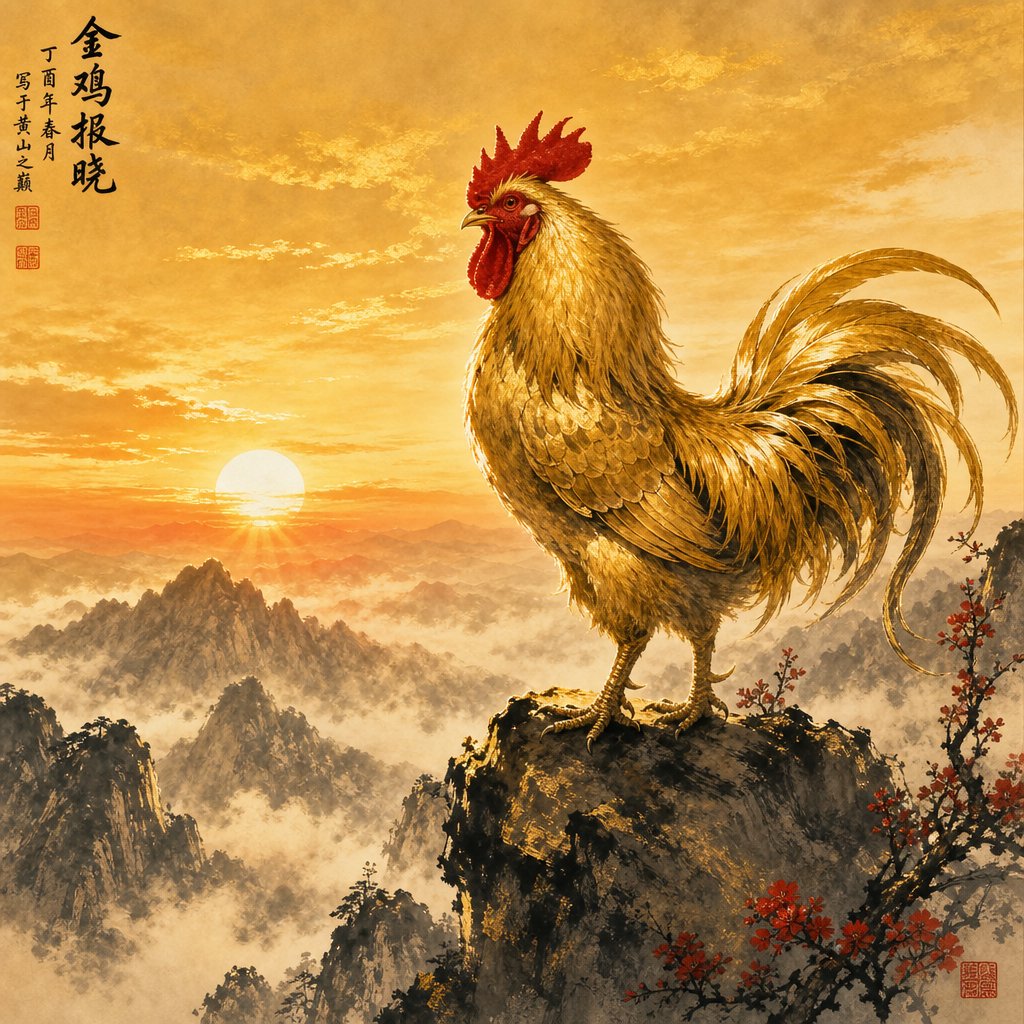
The Rooster occupies the tenth position in the Chinese zodiac cycle, corresponding to the Earthly Branch You (酉). Its native element is Metal (Jin), and its Yin-Yang polarity is Yin. These aren't abstract details. They directly influence which characters, radicals, and elemental combinations will strengthen a boy's name rather than work against it.
Why the Rooster Zodiac Matters in Chinese Naming
Chinese names are carefully selected based on meaning, symbolism, and cosmic alignment. Unlike Western naming conventions where sound often takes priority, choosing chinese boy names involves weighing character meanings, stroke counts, elemental balance, and zodiac compatibility. The Rooster zodiac adds a specific layer to this process because its personality archetype and elemental associations narrow the field of ideal characters considerably.
In Chinese culture, the rooster is regarded as a symbol of diligence, trustworthiness, and auspiciousness. Its daily crow at dawn represents punctuality and reliability. Its comb, homophonic with the word for "official" in Chinese, carries connotations of career advancement and dignity. These cultural associations feed directly into how parents select chinese names for boys born under this sign.
What Makes Rooster-Year Boy Names Unique
People born in the Year of the Rooster typically exhibit confidence, courage, enthusiasm, and sharp intelligence. They are outgoing, independent, and driven to improve themselves. These core traits form the foundation for selecting boy chinese names that resonate with the Rooster's energy rather than clash with it.
Core Rooster personality traits that inform naming: confidence and self-assurance, honesty and directness, industriousness and punctuality, sharp observation and intelligence, courage paired with a desire for recognition.
You'll notice that these traits point toward specific character families. A name built around strength and integrity aligns with the Rooster's nature. A name suggesting passivity or withdrawal works against it. This is the logic that drives every recommendation in this guide.
What you'll find ahead is a dedicated resource for chinese names boy parents can trust. It combines radical theory, Five Elements balancing for each Rooster sub-type (Fire, Wood, Water, Earth, and Metal), characters to avoid based on zodiac clash theory, and fully curated name lists organized by theme. Each piece connects to the next, giving you a complete framework rather than a scattered list of suggestions.
The starting point for all of it is understanding how the Rooster's defining traits translate into actual character choices.
How Rooster Personality Traits Shape Character Selection
Knowing that the Rooster represents confidence, honesty, and hard work is useful. But how do you turn those abstract qualities into an actual name written on a birth certificate? This is where most parents get stuck. The bridge between zodiac theory and practical naming lies in matching each personality trait to specific Chinese characters that embody it.
Think of it this way: every Rooster trait has a family of characters that carry its energy. When you select chinese boy names with characters rooted in these trait families, you're reinforcing the zodiac's natural strengths rather than leaving them unsupported. The result is a name that feels aligned, purposeful, and culturally grounded.
Mapping Rooster Traits to Name Characters
The Rooster's personality profile gives you five clear directions to work with: confidence, honesty, industriousness, punctuality, and sharp observation. Each direction opens up a set of characters that have been used in Chinese naming for centuries, characters whose meanings directly echo what the Rooster zodiac represents.
The table below organizes these connections so you can scan quickly and identify which trait resonates most with the qualities you want your son's name to carry. Each chinese name for boy with meaning listed here has deep roots in traditional naming practice.
| Rooster Trait | Character | Pinyin | Meaning |
|---|---|---|---|
| Confidence | 信 | xin | Trust, self-belief, faithfulness |
| Confidence | 毅 | yi | Resolute, unwavering determination |
| Confidence | 昂 | ang | Lofty, head held high |
| Confidence | 威 | wei | Imposing, authoritative presence |
| Honesty | 诚 | cheng | Sincerity, truthfulness |
| Honesty | 正 | zheng | Upright, correct, just |
| Honesty | 真 | zhen | Genuine, authentic |
| Hard work | 勤 | qin | Diligent, industrious |
| Hard work | 勉 | mian | Strive, encourage effort |
| Hard work | 勋 | xun | Merit, achievement through effort |
| Punctuality | 晨 | chen | Morning, dawn (the rooster's hour) |
| Punctuality | 旭 | xu | Rising sun, first light |
| Observation | 明 | ming | Bright, perceptive, clear-sighted |
| Observation | 智 | zhi | Wisdom, discernment |
| Observation | 鉴 | jian | To examine, to discern clearly |
Confidence and Strength Characters for Rooster Boys
Confidence is the Rooster's signature trait. People born under this sign carry themselves with natural assurance, and the right name amplifies that quality. Among chinese boy names and meanings tied to confidence, a few characters stand out for their depth and versatility.
The character 毅 (yi) is particularly powerful. It conveys not just confidence but the kind of determination that doesn't waver under pressure. Parents who want their son's name to suggest resilience and inner steel often pair it with complementary characters like 毅恒 (Yiheng, resolute and enduring) or 毅明 (Yiming, resolute and perceptive).
Then there's 昂 (ang), which literally evokes the image of holding one's head high. It carries a physical quality, a sense of someone who walks into a room with presence. Combined with other characters, it creates names like 昂志 (Angzhi, lofty ambition) that feel both confident and purposeful.
The character 信 (xin) bridges confidence and honesty. As noted in research on virtue-based Chinese naming, 信 is built from "person" standing next to "speech," meaning your word defines your character. For a Rooster boy, this dual quality makes 信 especially fitting because it reinforces both the sign's self-assurance and its reputation for directness.
Honesty and Integrity Characters
The Rooster is known for blunt honesty, sometimes to a fault. Rather than softening this trait, traditional naming philosophy leans into it. Characters like 诚 (cheng) and 正 (zheng) honor the Rooster's directness while framing it as a virtue rather than a flaw.
诚 (cheng) represents sincerity at its deepest level. The character combines the radical for speech with completeness, suggesting words that are whole and true. In chinese names for boys with meaning rooted in moral character, 诚 appears across generations because its value never goes out of style. Names like 诚毅 (Chengyi, sincere and resolute) or 志诚 (Zhicheng, devoted sincerity) pair beautifully with the Rooster's energy.
正 (zheng) takes a slightly different angle. Where 诚 is about internal truthfulness, 正 is about external correctness, doing what is right and standing on the side of justice. For a Rooster boy whose natural inclination is to call things as he sees them, 正 validates that instinct and elevates it.
These characters aren't just decorative. In Chinese naming tradition, embedding a virtue into a child's name serves as a lifelong reminder of who they should strive to become. The character travels with them through every introduction, every signature, every moment of self-reflection.
With the right trait-to-character mapping in hand, the next question becomes structural: which radicals and character components carry additional zodiac-specific luck for Rooster-year boys? That's where the naming process moves from personality alignment to deeper symbolic compatibility.
Favorable Radicals and Components for Rooster Boy Names
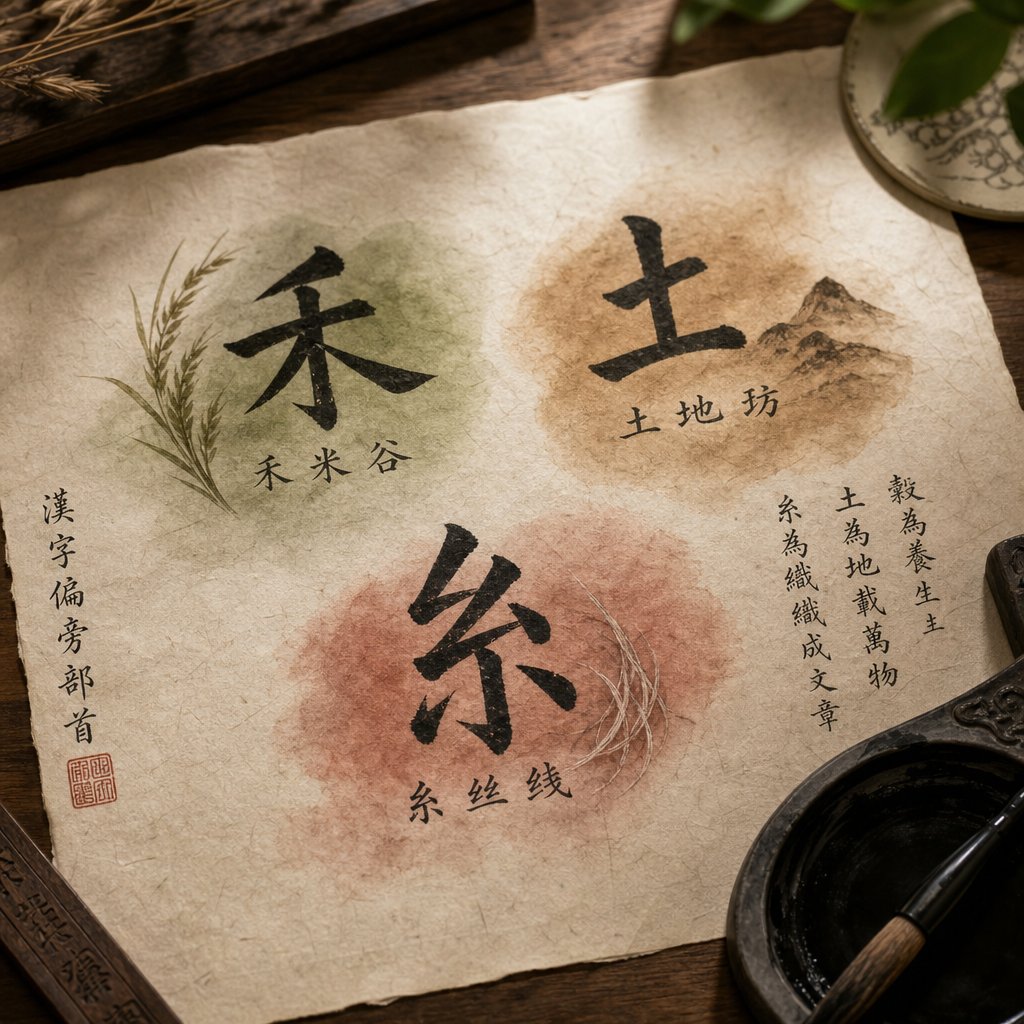
Radicals are the building blocks of Chinese characters, and in zodiac-based naming, they carry symbolic weight that goes far beyond dictionary definitions. Each radical connects to an image from the Rooster's natural world: what it eats, where it perches, how it displays itself. When you choose traditional chinese boy names containing these favorable radicals, you're embedding zodiac-specific fortune directly into the character structure.
The logic is rooted in visual and symbolic association. A rooster thrives when it has food, shelter, stable ground, and the freedom to display its plumage. Characters containing radicals tied to these images are considered auspicious because they mirror the conditions under which the Rooster flourishes. Here's how each category breaks down.
Grain Radicals for Abundance and Prosperity
The rooster eats five cereals. It spends its day foraging, and finding food brings it satisfaction and energy. This imagery translates directly into naming: characters containing grain-related radicals symbolize a life of abundance, nourishment, and fulfillment. According to traditional zodiac naming guides, names with these radicals suggest the child will have an enriched inner world and never lack for sustenance, whether material or spiritual.
Favorable grain radicals and characters include:
- 禾 (he) - grain, cereal crops. Characters: 秀 (xiu, elegant/outstanding), 秦 (qin, a historic state name suggesting grandeur), 程 (cheng, journey/process), 稞 (ke, highland barley)
- 米 (mi) - rice, staple nourishment. Characters: 粮 (liang, provisions), 精 (jing, refined/essential)
- 豆 (dou) - beans, legumes. Characters: 豊 (li, abundant), 登 (deng, to ascend/achieve)
- 谷 (gu) - valley, grain. Characters: 谷 itself works as a name component suggesting openness and harvest
Complete name examples using grain radicals:
- 秀文 (Xiuwen) - elegant and cultured. The character 秀 contains the grain radical 禾, symbolizing natural abundance paired with literary refinement.
- 程远 (Chengyuan) - a long journey ahead. 程 carries the grain radical while suggesting ambition and forward momentum.
- 积善 (Jishan) - accumulating goodness. 积 (to accumulate) uses the grain radical, pairing material abundance with moral virtue.
Mountain and Earth Radicals for Stability
Imagine a rooster standing atop a mountain. In Chinese symbolism, this image represents the rooster transforming into a phoenix, an upgrade in status and power. Characters with mountain and earth radicals ground a name in stability while suggesting upward mobility and promotion. For boy names in chinese naming tradition, this combination of steadiness and ambition is highly prized.
Favorable mountain and earth radicals and characters:
- 山 (shan) - mountain. Characters: 岱 (dai, Mount Tai/greatness), 岗 (gang, ridge/post of duty), 岭 (ling, mountain range), 岩 (yan, rock/cliff)
- 土 (tu) - earth, ground. Characters: 士 (shi, scholar/gentleman), 吉 (ji, auspicious), 坚 (jian, firm/resolute)
- 宀 (mian) - roof, shelter. Characters: 宇 (yu, universe/eaves), 安 (an, peace/safety), 宏 (hong, grand/vast), 定 (ding, stable/settled)
The shelter radical 宀 deserves special attention. A rooster under a roof is protected and at ease. Characters like 宇 and 安 carry this sense of security while also suggesting expansiveness. The name 宇轩 (Yuxuan), meaning grand and distinguished, is one of the most beautiful chinese boy names for Rooster-year boys because 宇 provides shelter symbolism while 轩 adds dignity and presence.
Other strong examples:
- 岱峰 (Daifeng) - greatness of Mount Tai's peak. Double mountain energy for maximum stability and stature.
- 安宏 (Anhong) - peaceful and grand. Combines shelter with expansive ambition.
- 定坤 (Dingkun) - settled and vast like the earth. Deep grounding energy suited to the Rooster's need for a solid foundation.
Clothing Radicals Symbolizing the Rooster's Plumage
The rooster's most striking feature is its plumage. Those vibrant feathers and the proud cockscomb represent beauty, dignity, and the power of presentation. In naming, characters with clothing-related radicals mirror this imagery. They suggest a person who carries themselves with distinction, someone whose presence commands attention.
This category is especially relevant for chinese first names for boys whose parents want names that convey charisma and refinement without sacrificing masculine strength.
Favorable clothing and adornment radicals:
- 彡 (shan) - decorative strokes, pattern. Characters: 彦 (yan, accomplished person), 彤 (tong, red/vibrant), 彬 (bin, refined and elegant), 彭 (peng, vigorous)
- 纟 (si) - silk, thread. Characters: 纬 (wei, latitude/breadth), 维 (wei, to maintain/uphold), 绍 (shao, to carry on/inherit)
- 采 (cai) - colorful, to gather. Characters: 采 itself suggests the beautiful cockscomb and crown, symbolizing heroism and authority
The character 彦 (yan) is a standout. It refers to a person of talent and virtue, someone accomplished enough to be recognized. In chinese boys names and meaning databases, 彦 consistently ranks among the most respected choices because it balances intellectual achievement with personal magnetism. Names like 彦博 (Yanbo), meaning accomplished and learned, or 彦明 (Yanming), meaning accomplished and perceptive, pair the plumage symbolism with substance.
More complete name examples:
- 彬毅 (Binyi) - refined yet resolute. 彬 carries the decorative radical while 毅 adds inner steel.
- 维诚 (Weicheng) - upholding sincerity. The silk radical in 维 suggests fine craftsmanship in character.
- 绍文 (Shaowen) - inheriting culture. 绍 with its silk radical connects to legacy and continuity.
Wood Radicals: Roosting and Shelter
Roosters perch in trees. This natural behavior translates into naming through wood-related radicals, which suggest comfort, rest, and a secure place to call home. Characters like 森 (sen, forest), 荣 (rong, glory/flourishing), 栋 (dong, ridgepole/pillar), and 梁 (liang, beam/bridge) all carry this energy.
However, there's an important nuance here. The Rooster's Earthly Branch 酉 belongs to Metal, and Metal restricts Wood in Five Elements theory. This means wood-radical characters should be chosen carefully, favoring those where the wood imagery supports the Rooster (providing a perch) rather than competing with it.
Safe and auspicious wood-radical choices:
- 荣轩 (Rongxuan) - flourishing with an unusual demeanor. 荣 suggests thriving growth, and the name implies someone who prospers visibly.
- 栋梁 (Dongliang) - ridgepole and beam, meaning a person of great ability and tremendous potential. Both characters use wood radicals in a structural sense, emphasizing support rather than conflict.
- 桦林 (Hualin) - birch forest. Evokes natural shelter and quiet strength.
The key principle across all these radical categories is alignment with the Rooster's natural imagery. Grain feeds it. Mountains elevate it. Clothing adorns it. Trees shelter it. A name built from these radicals doesn't just sound good. It resonates with the zodiac's deeper symbolic logic, creating chinese boy names with meaning that operates on multiple levels simultaneously.
Of course, knowing what to include is only half the equation. Equally important is knowing which radicals and characters to avoid, because zodiac clash theory warns that certain components can actively undermine a Rooster boy's fortune.
Characters and Radicals to Avoid for Rooster Boys
Selecting good chinese boy names for the Year of the Rooster isn't only about choosing the right characters. It's equally about steering clear of the wrong ones. Zodiac conflict theory identifies specific radicals and components that clash with the Rooster's energy, potentially undermining the very fortune a name is meant to build.
These aren't superstitions pulled from thin air. They're rooted in centuries of Earthly Branch interaction theory, where certain zodiac animals exist in direct opposition. When a name contains characters tied to a conflicting animal or weakening element, traditional practitioners consider it a structural flaw in the name's design.
Characters to Avoid Due to Zodiac Clashes
The most critical conflict for Rooster-year boys is the Rabbit-Rooster clash (卯酉相冲). This is one of the six classical Branch Clashes in BaZi theory. As Master Sean Chan's analysis explains, this represents the wood-peak meeting the metal-peak axis, making it the strongest metal-wood register in the entire clash family. The refined precision of Metal cuts against the gentle creative growth of Wood, producing forced endings and volatility.
What does this mean for naming? Characters containing the rabbit radical (卯) or rabbit-associated components (兔, 柳) should be avoided entirely. The clash energy embedded in these characters works against the Rooster's natural strengths.
The second major conflict is the Rooster-Dog harm relationship (酉戌相害). While less severe than a direct clash, this pairing creates friction and hidden obstacles. Characters containing the dog radical (犭) or dog-related components (戌, 犬, 狄) introduce this disharmony into a name's structure.
When exploring chinese boys name ideas, many parents unknowingly select characters that fall into these conflict zones simply because the characters look or sound appealing in isolation. Context matters more than aesthetics here.
Radicals That Weaken Rooster Energy
Beyond animal clashes, certain elemental radicals work against the Rooster's native Metal energy. Heavy water radicals pose a particular problem. In Five Elements theory, Water drains Metal. While a small amount of Water can be beneficial for balance, characters dominated by water energy (氵, 水, 雨) risk exhausting the Rooster's core strength when overused in a name.
Characters suggesting two mouths (吕, 昌) or two suns (昌, 晶) also carry warnings. The Rooster already has one beak. Two mouths symbolize excessive crowing, which in Chinese metaphysics translates to conflict, gossip, and disputes. Similarly, two suns suggest competition for dominance, an energy that creates internal tension rather than harmony.
| Avoided Radical/Component | Conflict Reason | Example Characters to Avoid |
|---|---|---|
| 卯, 兔 (Rabbit) | Rabbit-Rooster clash (卯酉相冲) — strongest metal-wood conflict | 卿, 柳, 逸 (contains rabbit component) |
| 犭, 犬, 戌 (Dog) | Rooster-Dog harm (酉戌相害) — hidden friction and obstacles | 狄, 献, 猛, 犹 |
| 氵, 水 (Heavy water) | Water drains Metal — exhausts Rooster's core element | 淼, 淳, 洋 (when paired with other water characters) |
| Double mouth (口口) | Two beaks — symbolizes excessive conflict and disputes | 吕, 喆, 哥 |
| Double sun (日日) | Two suns — competition for dominance, internal tension | 昌, 晶 (as standalone name characters) |
Common Naming Mistakes for Rooster-Year Boys
Even among common chinese names for boys, some popular choices carry hidden conflicts for Rooster-year children specifically. A character might be perfectly auspicious for a Dragon or Tiger year boy but problematic for a Rooster.
Take 逸 (yi, meaning carefree or outstanding). It's a widely admired character, and you'll find it in many lists of good chinese names for boys. But 逸 contains a rabbit component (兔) within its structure, placing it squarely in the clash zone for Rooster-year naming. This is the kind of detail that separates surface-level naming from zodiac-aware naming.
Similarly, characters that might seem to carry chinese names with dark meanings boy parents want to avoid aren't always the real danger. Sometimes the most innocent-looking characters harbor structural conflicts invisible to anyone not trained in radical analysis. The character 献 (xian, meaning to offer or dedicate) sounds noble, but its dog component makes it unsuitable for a Rooster boy.
The practical takeaway: always check a character's internal components, not just its surface meaning. A name can sound beautiful and carry an admirable definition while still containing radicals that work against your son's zodiac energy. This is why radical-level analysis matters as much as meaning-level selection.
With both favorable and unfavorable radicals mapped out, the naming process gains real precision. But there's another layer that personalizes these choices even further: the specific elemental variation of the Rooster year your son was born in, which determines exactly which elements his name needs most.

Five Elements Theory and Elemental Balancing in Rooster Names
Not every Rooster year is the same. While the Earthly Branch You (酉) always carries Metal energy, the Heavenly Stem paired with it changes every twelve-year cycle, layering a second element on top. This means a boy born in 2017 has a fundamentally different elemental profile than one born in 2005 or 1993, and his name should reflect that difference.
This is where Five Elements theory transforms a generic zodiac approach into something precise. Instead of picking from a single list of strong chinese boy names, you're selecting characters that address your son's specific elemental composition, filling gaps and smoothing conflicts that his birth year creates.
The Rooster's Metal Element and Elemental Balance
The Five Elements (Wu Xing) interact through two cycles: the Generating Cycle, where one element nourishes another (Wood fuels Fire, Fire makes Earth, Earth produces Metal, Metal carries Water, Water feeds Wood), and the Controlling Cycle, where one element restrains another (Fire melts Metal, Metal cuts Wood, Wood parts Earth, Earth absorbs Water, Water smothers Fire).
The Rooster's native element is Metal. Metal represents courage, discipline, determination, and high standards. These qualities already align with the Rooster's personality, which is why powerful chinese boy names often lean into Metal-resonant characters. But too much of any element creates imbalance. A name's job is to harmonize what the birth year provides with what it lacks.
The Heavenly Stem element is determined by the last digit of the birth year: 0 or 1 means Metal, 2 or 3 means Water, 4 or 5 means Wood, 6 or 7 means Fire, and 8 or 9 means Earth. Since Rooster years recur every twelve years, each variation cycles predictably: 2005 and 2065 are Wood Roosters (乙酉), 2017 and 2077 are Fire Roosters (丁酉), and 2029 will be an Earth Rooster (己酉).
Naming Strategies for Each Heavenly Stem Variation
Imagine two boys, both born in Rooster years. One arrives in 2017 (Fire Rooster) and the other in 1993 (Water Rooster). The Fire Rooster carries an internal tension: Fire melts Metal, meaning his Heavenly Stem actively weakens his Branch element. His name needs Earth characters to bridge the gap, since Fire generates Earth and Earth generates Metal, creating a smooth energy flow. The Water Rooster faces a different situation: Metal generates Water naturally, so his elements already cooperate, but excess Water can drain Metal's strength. He benefits from Earth characters that control Water while supporting Metal.
The table below maps each Rooster type to its balancing needs and recommended characters. Use it to identify which chinese boy names meaning strong will serve your son's specific elemental profile best.
| Rooster Type | Years | Elemental Dynamic | Balancing Elements Needed | Recommended Characters |
|---|---|---|---|---|
| Wood Rooster (乙酉) | 2005, 2065 | Metal controls Wood — internal tension | Water (bridges Metal to Wood) | 泽 (ze, grace), 润 (run, nourish), 涵 (han, contain), 霖 (lin, timely rain) |
| Fire Rooster (丁酉) | 2017, 2077 | Fire melts Metal — elemental conflict | Earth (mediates Fire and Metal) | 坤 (kun, earth/vast), 培 (pei, cultivate), 城 (cheng, city/fortress), 垚 (yao, high mountains) |
| Earth Rooster (己酉) | 1969, 2029 | Earth generates Metal — overly strong Metal | Water (drains excess Metal), Wood (controls Earth) | 森 (sen, forest), 泽 (ze, grace), 林 (lin, woods), 清 (qing, clear) |
| Metal Rooster (辛酉) | 1981, 2041 | Double Metal — rigid and intense | Water (softens Metal), Fire (tempers Metal) | 浩 (hao, vast), 炜 (wei, brilliant), 瀚 (han, boundless), 煜 (yu, radiant) |
| Water Rooster (癸酉) | 1993, 2053 | Metal generates Water — draining potential | Earth (controls Water, supports Metal) | 坚 (jian, firm), 磊 (lei, upright), 岳 (yue, great mountain), 培 (pei, cultivate) |
Choosing Characters That Harmonize the Five Elements
The practical application is straightforward. Once you identify your son's Rooster type, look at the balancing elements column and select characters that carry that elemental energy. A Fire Rooster boy named 培坤 (Peikun) receives double Earth energy, which absorbs his excess Fire while simultaneously generating Metal strength. That's a name working on two levels at once.
For parents seeking powerful chinese names for boy children born in Metal Rooster years, the temptation is to double down on Metal characters like 铮 (zheng, clang of metal) or 锋 (feng, sharp edge). But this intensifies an already rigid profile. A name like 浩然 (Haoran, vast and righteous) introduces Water's flexibility while 然 adds Fire's warmth, creating a chinese boy names that mean strong without brittleness.
Similarly, Wood Rooster boys benefit enormously from Water characters because Water serves as a bridge in the Generating Cycle: Metal produces Water, and Water nourishes Wood. A name like 泽林 (Zelin, grace of the forest) literally enacts this cycle, with 泽 (Water) flowing into 林 (Wood), resolving the Metal-Wood tension embedded in the birth year itself.
The key principle: you're not fighting the birth chart. You're completing it. Every strong chinese boy names choice should feel like the missing piece that makes the whole elemental picture click into balance. Think of it as tuning an instrument rather than replacing it.
With elemental theory clarifying which characters suit each Rooster sub-type, the next step is seeing these principles in action through complete, ready-to-use name combinations organized by the qualities parents most want their sons to carry.
Curated List of Auspicious Chinese Boy Names for the Rooster
Theory only gets you so far. At some point, you need actual names on paper, complete combinations you can say aloud, write in characters, and imagine calling across a playground. The list below brings together everything covered so far: favorable radicals, elemental balance, trait alignment, and zodiac compatibility, all distilled into ready-to-use chinese boy name options organized by the qualities parents most want their sons to embody.
Each name here is a full given name (ming), not a single character. You'll see the Chinese characters, pinyin with tones, literal meaning, and a brief explanation of why the name works specifically for a Rooster-year boy. These aren't random pairings. Every combination has been checked against the radical and clash principles outlined earlier.
Strong and Powerful Rooster Boy Names
Strength is the Rooster's birthright. These names channel that energy into characters suggesting leadership, physical vitality, and commanding presence. If you're drawn to cool chinese boy names that carry weight without sounding aggressive, this category delivers.
- 卓峰 (Zhuofeng) — zhuó fēng. Literal meaning: outstanding peak. 卓 stands on one leg structurally, invoking the auspicious "Golden Rooster standing on one leg" (金鸡独立) image that symbolizes health and steadiness. 峰 contains the mountain radical, grounding the name in stability while suggesting someone who reaches the highest point in their field.
- 毅坤 (Yikun) — yì kūn. Literal meaning: resolute earth. 毅 captures the Rooster's unwavering determination, while 坤 carries the earth radical (土), which generates Metal in the Five Elements cycle. This makes it especially powerful for Fire Rooster boys (2017) who need Earth to mediate their elemental conflict.
- 凯宏 (Kaihong) — kǎi hóng. Literal meaning: triumphant and grand. 凯 contains the radical 几, which symbolizes the snake in Chinese name analysis. Since Snake, Rooster, and Ox form the San He (三合) trinity, this character brings powerful alliance energy. 宏 adds the shelter radical (宀), giving the Rooster a protected, expansive domain.
- 彬毅 (Binyi) — bīn yì. Literal meaning: refined yet resolute. 彬 carries the decorative radical (彡) representing the Rooster's plumage, suggesting someone whose strength is matched by elegance. Combined with 毅, it creates a name balancing outer grace with inner steel.
- 廷威 (Tingwei) — tíng wēi. Literal meaning: court authority. 廷 contains the radical 廴 associated with the snake, activating the San He trinity again. 威 conveys imposing presence and natural command. Together they suggest a born leader whose authority others recognize instinctively.
Wisdom and Integrity Names for Rooster Boys
The Rooster's sharp observation and blunt honesty deserve names that honor intellectual depth and moral clarity. These unique chinese boy names pair perceptiveness with principled character.
- 彦诚 (Yancheng) — yàn chéng. Literal meaning: accomplished sincerity. 彦 (accomplished person) carries the plumage radical (彡), while 诚 (sincerity) directly maps to the Rooster's honesty trait. The combination suggests someone whose achievements are built on genuine character rather than pretense.
- 睿哲 (Ruizhe) — ruì zhé. Literal meaning: wise and philosophical. Both characters emphasize intellectual depth. 睿 suggests penetrating insight, and 哲 implies the kind of wisdom that comes from careful observation, a core Rooster strength. This is among the more popular chinese boy names in academic-minded families.
- 宸明 (Chenming) — chén míng. Literal meaning: imperial clarity. 宸 contains the shelter radical (宀) providing protection, and historically refers to the emperor's dwelling. 明 means bright and perceptive. For a Rooster boy, this name suggests someone whose clear-sightedness earns them a position of trust and authority.
- 维正 (Weizheng) — wéi zhèng. Literal meaning: upholding righteousness. 维 carries the silk radical (纟), connecting to the Rooster's plumage symbolism and suggesting fine craftsmanship in character. 正 represents uprightness and justice, honoring the Rooster's instinct to call things as they are.
- 秉诚 (Bingcheng) — bǐng chéng. Literal meaning: holding fast to sincerity. 秉 contains the grain radical (禾), symbolizing abundance and nourishment for the Rooster. Combined with 诚, it creates a name suggesting someone who never compromises their integrity regardless of circumstance.
Prosperity and Abundance Rooster Names
These names lean into the Rooster's fortunate position as a well-fed, sheltered creature. They emphasize material and spiritual richness, drawing heavily on grain and earth radicals that signal a life of plenty.
- 裕丰 (Yufeng) — yù fēng. Literal meaning: abundant harvest. 裕 contains the clothing radical (衤), dressing the Rooster in dignity and suggesting generosity born from plenty. 丰 means bountiful, evoking overflowing grain stores. This is a classic among common chinese boy names that never feels dated.
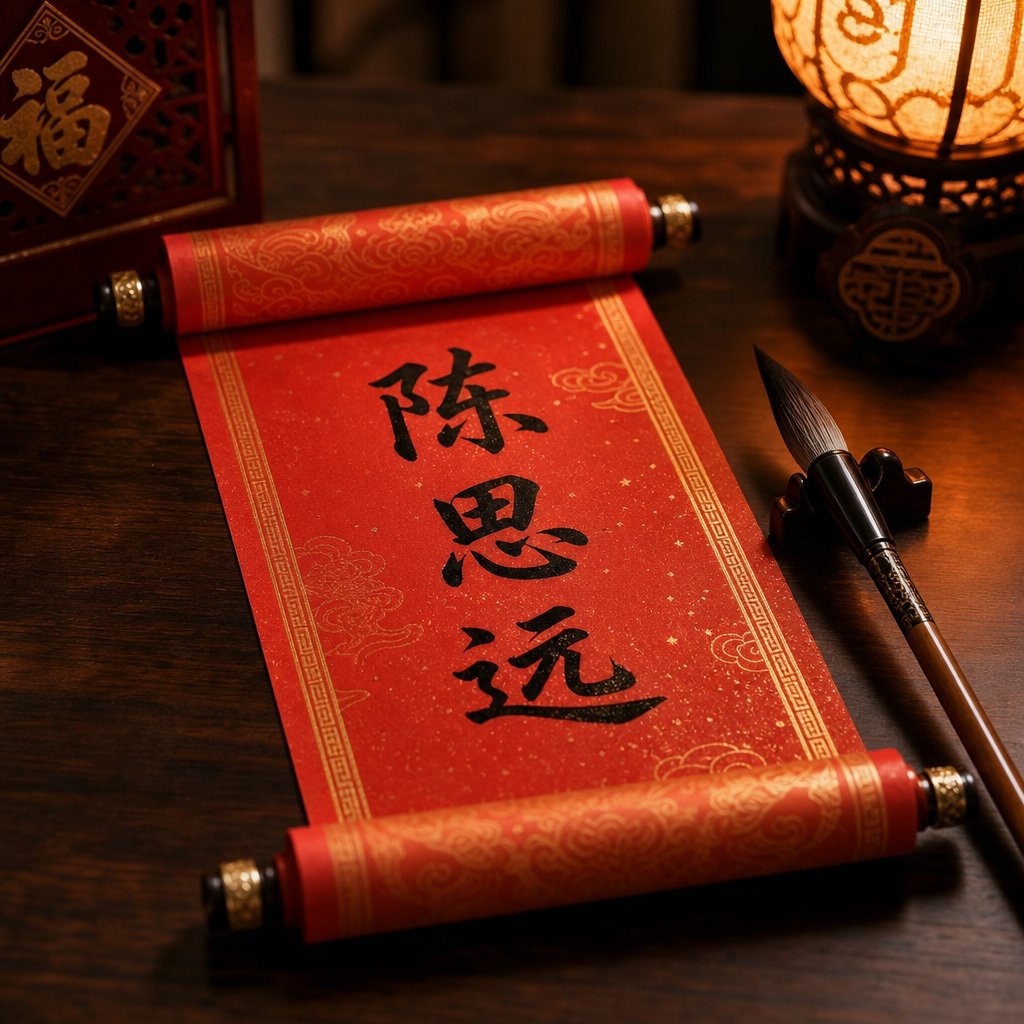
- 程远 (Chengyuan) — chéng yuǎn. Literal meaning: a long journey ahead. 程 carries the grain radical (禾), ensuring the Rooster is well-fed for its travels. 远 suggests vast horizons and enduring ambition. The name implies someone whose prosperity grows over a lifetime rather than peaking early.
- 嘉禾 (Jiahe) — jiā hé. Literal meaning: excellent grain. 嘉 means admirable and joyful, while 禾 is the grain radical itself, directly symbolizing the Rooster's food source. This ancient chinese boy names combination has been used for centuries to wish a child lifelong abundance and contentment.
- 登科 (Dengke) — dēng kē. Literal meaning: ascending to achievement. 登 contains the bean radical (豆), a grain-family component favorable for Roosters. 科 also carries the grain radical (禾). Historically, 登科 referred to passing the imperial examinations, making this name a wish for academic and career success.
- 安培 (Anpei) — ān péi. Literal meaning: peaceful cultivation. 安 provides the shelter radical (宀), giving the Rooster security. 培 carries the earth radical (土), which generates Metal and strengthens the Rooster's core element. Together they suggest steady, protected growth.
Modern Rooster Boy Names With Traditional Roots
Not every parent wants a name that sounds like it belongs in a dynasty-era scroll. These chinese boys names blend zodiac-compliant structure with contemporary aesthetics, names that feel fresh in a modern classroom while still honoring traditional principles. Some might even qualify as cute chinese boy names for their clean, approachable sound.
- 宇辰 (Yuchen) — yǔ chén. Literal meaning: universe and stars. 宇 carries the shelter radical, and 辰 represents the dragon, which forms a Liu He (六合) or Six-Harmony bond with the Rooster. This pairing is both zodiac-auspicious and modern-sounding, making it one of the most popular chinese boy names in recent years.
- 俊熙 (Junxi) — jùn xī. Literal meaning: talented and prosperous. 俊 suggests excellence and good looks, while 熙 means flourishing and harmonious. The name has a warm, contemporary feel while 熙 carries brightness energy that echoes the Rooster's connection to dawn.
- 凯文 (Kaiwen) — kǎi wén. Literal meaning: triumphant culture. 凯 activates the snake-alliance radical (几) for San He energy, while 文 adds literary refinement. As a bonus, it sounds natural in English-speaking contexts (Kevin), making it practical for cross-cultural families.
- 星宇 (Xingyu) — xīng yǔ. Literal meaning: starry universe. 星 contains the sun radical (日), which is highly auspicious for Roosters since the rooster crows at sunrise and commands the world when the sun appears. 宇 adds shelter energy. The name feels spacious and forward-looking.
- 禹哲 (Yuzhe) — yǔ zhé. Literal meaning: wise like Emperor Yu. 禹 references the legendary flood-taming emperor, carrying earth and leadership energy. 哲 means philosophical wisdom. This name bridges ancient chinese boy names heritage with a sound that works perfectly in modern contexts.
Each of these names operates on multiple levels simultaneously: surface meaning, radical compatibility, elemental contribution, and zodiac alliance. That layered approach is what separates a thoughtfully chosen chinese boy name from one picked solely for how it sounds.
Still, even the most zodiac-perfect name exists in a real-world context. Parents raising bilingual children, navigating generational naming traditions, or balancing stroke-count principles face additional considerations that shape the final choice in ways pure zodiac theory doesn't address.
Modern Naming Trends and Cross-Cultural Considerations
A name can be zodiac-perfect on paper and still feel awkward in daily life. Parents today face a reality that traditional naming masters never anticipated: their Rooster-year son might grow up answering roll call in both Mandarin and English, introducing himself at international schools, or filling out forms that demand a Romanized spelling. Balancing auspicious structure with real-world usability is the modern naming challenge.
Balancing Tradition and Modern Aesthetics
Chinese naming trends have shifted dramatically toward double-character given names. Data from China's Ministry of Public Security shows that over 93% of babies born in recent years received two-character given names, with single-character names dropping to just 4.5%. For Rooster-year boys, this trend actually helps. Two characters give you more room to incorporate both a zodiac-favorable radical and an elemental balancing character in the same name.
Generational naming conventions (字辈 zi bei) add another layer. In families that still follow this tradition, one character of the given name is predetermined by a poem or sequence shared across an entire generation of siblings and cousins. As documented in Jinhua, Zhejiang Province, some families derive every villager's name from an 80-character poem, rotating one character every five years. If your family observes zi bei, the zodiac-optimized character becomes the second given-name character, the one you actually get to choose freely.
Chinese-American Naming Considerations for Rooster Boys
For families raising children across cultures, chinese american boy names need to function in two linguistic worlds. The goal is finding chinese boy names that sound english while retaining zodiac significance underneath. This doesn't mean sacrificing meaning for convenience. It means selecting characters whose pinyin transliterations happen to land comfortably on English-speaking ears.
Consider these practical strategies for choosing boy names chinese american families can use confidently:
- Prioritize clean syllables. Names like 凯文 (Kaiwen), 安宏 (Anhong), or 俊熙 (Junxi) use sounds that English speakers can approximate without distortion. Avoid tones that produce awkward Romanizations.
- Look for natural crossover names. Some chinese english names boy options work as standalone English names too. 凯 (Kai) functions perfectly in English. 明 (Ming) is instantly recognizable. 安 (An) reads as a familiar Western name.
- Keep the zodiac layer invisible but intact. Your son's English-speaking friends don't need to know that 凯 contains the snake-alliance radical. The auspicious structure works silently beneath a name that sounds modern and international.
- Test the full Romanized name aloud. Write out the pinyin without tone marks and say it as an English speaker would. If it flows naturally, you've found a strong candidate among chinese american names for boys.
Among popular chinese american boy names, combinations like 宇辰 (Yuchen), 星宇 (Xingyu), and 禹哲 (Yuzhe) strike this balance well. They carry full zodiac compliance while sounding contemporary in any language context. The growing trend of american chinese boy names reflects parents who refuse to choose between cultural authenticity and practical accessibility.
Stroke Count Guidelines for Auspicious Name Combinations
Beyond meaning and sound, traditional naming considers stroke count (笔画 bihua) as a factor in a name's overall fortune. According to stroke-count naming principles, each character is classified as Yin (even strokes) or Yang (odd strokes), and the full name should follow specific Yin-Yang patterns: Yang-Yang-Yin, Yin-Yin-Yang, Yang-Yin-Yin, or Yin-Yang-Yang.
The total stroke count of the complete name (surname plus given name, called the zhong ge) should also land on an auspicious number. Favorable totals include 3, 5, 6, 7, 8, 11, 13, 15, 16, 17, 18, 21, 23, 25, 29, 31, 32, 33, 37, 39, and others in the traditional sequence.
Here's how to apply this for chinese american names boy parents are considering:
- Count the strokes in your surname first. For the family name, add one stroke to determine its Yin/Yang classification.
- Select given-name characters whose stroke counts create a valid Yin-Yang pattern with the surname.
- Verify that the total stroke count of all characters combined hits an auspicious number.
- If your top name choice misses by one or two strokes, look for alternate characters with the same pronunciation but different stroke counts. Many Chinese syllables map to multiple characters.
Stroke count is the final filter, not the starting point. Begin with zodiac radicals and elemental balance, narrow by meaning and sound, then check whether the stroke math confirms your choice. If it doesn't, small character substitutions can often resolve the issue without changing the name's pronunciation or core meaning.
These structural and cultural layers give you a complete external framework. But there's one more dimension that makes each Rooster boy's ideal name truly individual: the specific month, day, and hour of his birth, which create a unique elemental fingerprint no general list can fully address.
Birth Timing and Personalizing Your Rooster Boy's Name
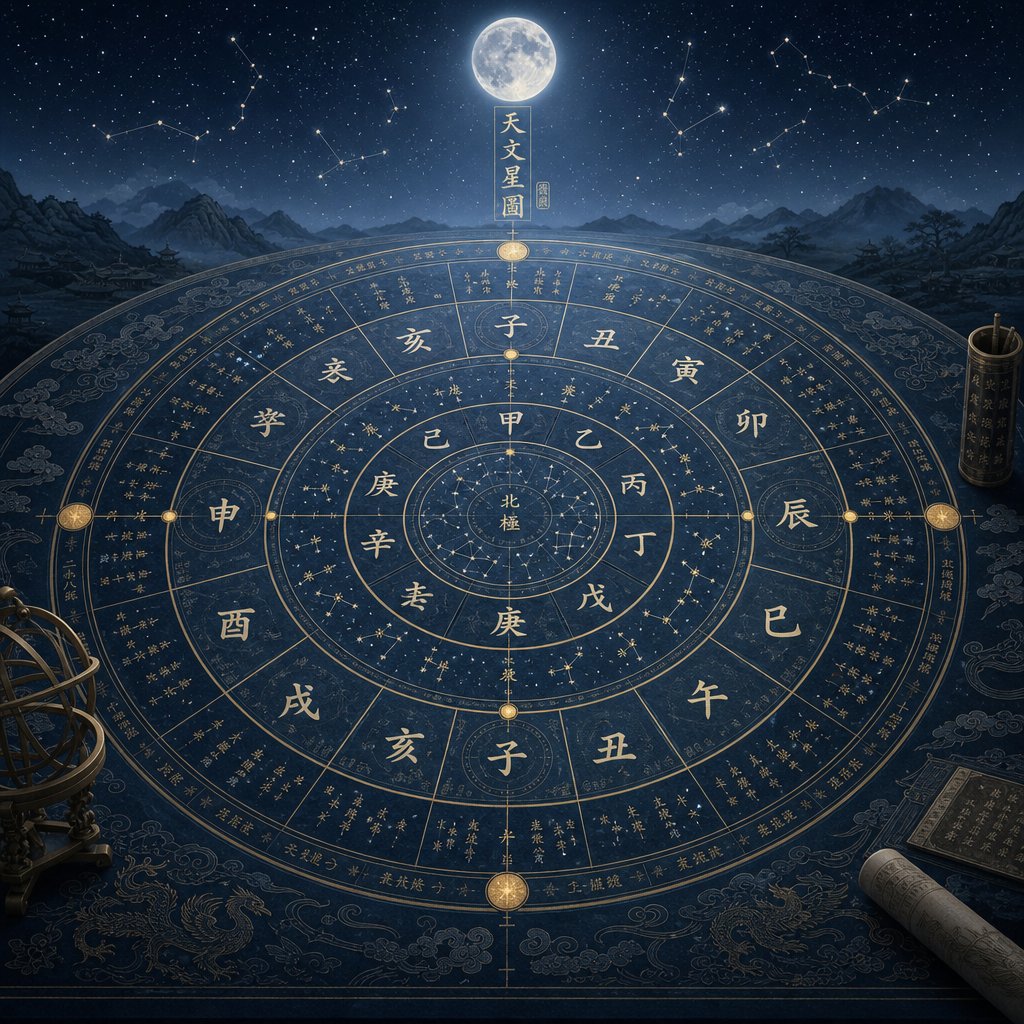
Every Rooster-year boy shares the same Earthly Branch (酉) and the same Heavenly Stem for his birth year. But two boys born in the same Rooster year can have wildly different elemental needs depending on their birth month, day, and hour. This is where BaZi (八字), the Four Pillars of Destiny system, transforms a general zodiac approach into something genuinely personal.
BaZi takes four units of time — year, month, day, and hour — and converts each into a pair of characters from the Heavenly Stem and Earthly Branch system. Four time units multiplied by two characters each gives you eight characters total. These eight characters map the full elemental distribution of your son's birth moment, revealing which elements are strong, which are weak, and which are entirely absent. The ideal chinese name for boy born in the Rooster year addresses that specific profile rather than relying on year-level generalizations alone.
How Birth Month Affects Rooster Name Selection
The Month Pillar is considered the second most influential factor in a BaZi chart, governing career energy and parental influence. Each month carries its own elemental signature, and for Rooster-year boys, this creates meaningful variation in naming needs.
Imagine two boys both born in 2017 (Fire Rooster). One arrives in February during the Tiger month (Wood energy dominant), and the other in October during the Dog month (Earth energy dominant). The February boy already has Wood and Fire competing with his Metal branch, creating a chart that desperately needs Earth to mediate. The October boy has Earth supporting his Metal naturally, so his chart might benefit more from Water characters to prevent rigidity.
The Day Pillar matters even more. It determines the Day Master — the single Heavenly Stem that represents your son's core elemental identity. A Rooster boy whose Day Master is Yang Water (壬) is fundamentally a "Water person" living inside a Metal-year framework. His naming needs differ entirely from a Rooster boy whose Day Master is Yin Fire (丁). This is why professional namers in Chinese tradition always ask for the exact birth date and hour before recommending characters.
Seasonal Elemental Needs Within the Rooster Year
If you don't have access to a full BaZi calculation, seasonal guidance offers a practical shortcut for narrowing down names for chinese boys born in different parts of the Rooster year:
- Spring-born Rooster boys (February-April): Spring is dominated by Wood energy. Since Metal controls Wood, the chart often shows tension between the year's Metal and the season's Wood. These boys typically benefit from Water characters (泽, 润, 涵) that bridge the gap, or Earth characters (培, 坤) that ground the conflict.
- Summer-born Rooster boys (May-July): Summer brings intense Fire energy, which directly melts the Rooster's native Metal. Chinese baby boy names for summer-born Roosters should lean heavily into Earth characters that absorb Fire while generating Metal. Characters like 城, 坚, and 岳 serve double duty here.
- Autumn-born Rooster boys (August-October): Autumn is Metal's home season. A Rooster boy born in autumn may have excessive Metal in his chart, creating rigidity and intensity. Water characters (浩, 瀚, 清) soften this profile, and a touch of Wood (森, 林) adds flexibility without creating major conflict.
- Winter-born Rooster boys (November-January): Winter carries strong Water energy. Since Metal generates Water, a winter-born Rooster risks having his core strength drained into the season's dominant element. Earth characters (磊, 培, 岱) control excess Water while reinforcing Metal. Fire characters (煜, 炜) add warmth to a cold chart.
The year tells you the broad strokes. The month and day reveal the fine details. A name built on all four pillars fits like it was made for one person alone — because it was.
Practical Steps to Finalize Your Rooster Boy's Name
You've absorbed radical theory, elemental balancing, clash avoidance, and seasonal variation. Here's how to bring it all together into a final decision. Use this checklist as your framework for selecting chinese first names for boy children born in the Rooster year:
- Step 1: Identify the Rooster sub-type. Check the birth year's Heavenly Stem. Is your son a Fire Rooster (2017), Wood Rooster (2005), Earth Rooster (2029), Metal Rooster (1981/2041), or Water Rooster (1993/2053)? This determines your primary balancing element.
- Step 2: Note the birth season. Spring, summer, autumn, or winter birth adds a secondary elemental layer. Cross-reference with the seasonal guidance above to refine which elements your son's name needs most.
- Step 3: Calculate BaZi if possible. Use a free BaZi calculator with the exact birth date and hour. Identify the Day Master and check which elements are strong, weak, or missing. This gives you the most precise targeting for character selection.
- Step 4: Select characters from favorable radical families. Choose characters containing grain (禾, 米, 豆), mountain/earth (山, 土), shelter (宀), or clothing (彡, 纟) radicals that align with your elemental needs.
- Step 5: Screen against avoidance rules. Verify that no chosen character contains rabbit (卯, 兔), dog (犭, 戌), double-mouth, or double-sun components.
- Step 6: Test sound and stroke count. Say the full name aloud with the surname. Check that the Yin-Yang stroke pattern is valid and the total stroke count lands on an auspicious number.
- Step 7: Confirm cross-cultural usability. If your family operates in bilingual contexts, verify that the Romanized name sounds natural in English and doesn't create awkward associations.
For parents who want maximum precision, consulting a professional namer who reads BaZi charts remains the gold standard. But even without professional help, following these steps gives you a structured path to choosing chinese boy first names that honor your son's zodiac year, elemental profile, and cultural heritage simultaneously.
A name is not a prediction. It is a response to the raw material of your child's birth chart — the craftsman's answer to what nature provided.
The Rooster's energy is bold, sharp, and purposeful. A name built with that same intentionality doesn't just label your son. It gives him something to grow into, a framework of meaning that travels with him through every stage of life. Trust the process, do the work, and the right chinese name for boys born under this sign will reveal itself clearly.
Frequently Asked Questions About Chinese Boy Names for the Year of the Rooster
1. What radicals are most auspicious for Rooster-year boy names?
The most favorable radicals for Rooster-year boys fall into four categories. Grain radicals (禾, 米, 豆, 谷) symbolize abundance since the rooster eats five cereals. Mountain and earth radicals (山, 土, 宀) represent stability and the auspicious image of a rooster atop a mountain transforming into a phoenix. Clothing radicals (彡, 纟) mirror the rooster's beautiful plumage and suggest dignity. Wood radicals (木, 林) represent roosting and shelter. Characters built from these radicals embed zodiac-specific fortune directly into the name's structure.
2. Which characters should be avoided in names for boys born in the Year of the Rooster?
Several character types conflict with Rooster energy. Characters containing rabbit components (卯, 兔) trigger the Rabbit-Rooster clash (卯酉相冲), the strongest metal-wood conflict in BaZi theory. Dog-related radicals (犭, 犬, 戌) activate the Rooster-Dog harm relationship. Characters with double mouths (吕, 喆) symbolize excessive crowing and disputes, while double-sun characters (昌, 晶) suggest internal competition. Even popular characters like 逸 contain hidden rabbit components that make them unsuitable for Rooster boys specifically.
3. How does the Five Elements theory affect naming for different Rooster years?
Each Rooster year pairs with a different Heavenly Stem element, creating distinct sub-types with unique naming needs. A Fire Rooster (2017) experiences Fire melting his native Metal, so Earth characters mediate the conflict. A Wood Rooster (2005) faces Metal controlling Wood tension, needing Water characters as a bridge. A Metal Rooster (1981) has double Metal intensity requiring Water or Fire to soften rigidity. Identifying your son's specific Rooster type determines which balancing elements his name should carry.
4. Can Chinese Rooster-year boy names work in English-speaking environments?
Yes, many zodiac-compliant names function well cross-culturally. The key is selecting characters whose pinyin transliterations sound natural to English speakers. Names like 凯文 (Kaiwen, similar to Kevin), 宇辰 (Yuchen), and 星宇 (Xingyu) maintain full zodiac compliance while sounding contemporary in any language context. Prioritize clean syllables, test the Romanized spelling aloud, and look for characters like 凯 (Kai) or 安 (An) that double as recognizable Western names.
5. Does birth month matter when choosing a Rooster-year boy's name?
Birth month significantly affects naming because each month carries its own elemental signature. A summer-born Rooster boy faces intense Fire energy melting his Metal, needing heavy Earth characters for protection. An autumn-born Rooster may have excessive Metal creating rigidity, benefiting from Water characters that add flexibility. Winter-born Roosters risk Metal strength draining into the season's Water dominance, requiring Earth characters to control the drain. The BaZi system uses exact birth date and hour for maximum precision in character selection.