Why Certain Chinese Characters Clash With the Rabbit Zodiac
When you pick a Chinese name, you're not just choosing something that sounds nice. In Chinese naming culture, known as 姓名学 (xìngmíng xué), every character carries elemental energy, symbolic weight, and hidden associations tied to the zodiac. For people born under the chinese rabbit zodiac, certain characters are considered outright inauspicious. Not because of superstition alone, but because of a structured system linking radicals, elements, and animal symbolism into a coherent framework.
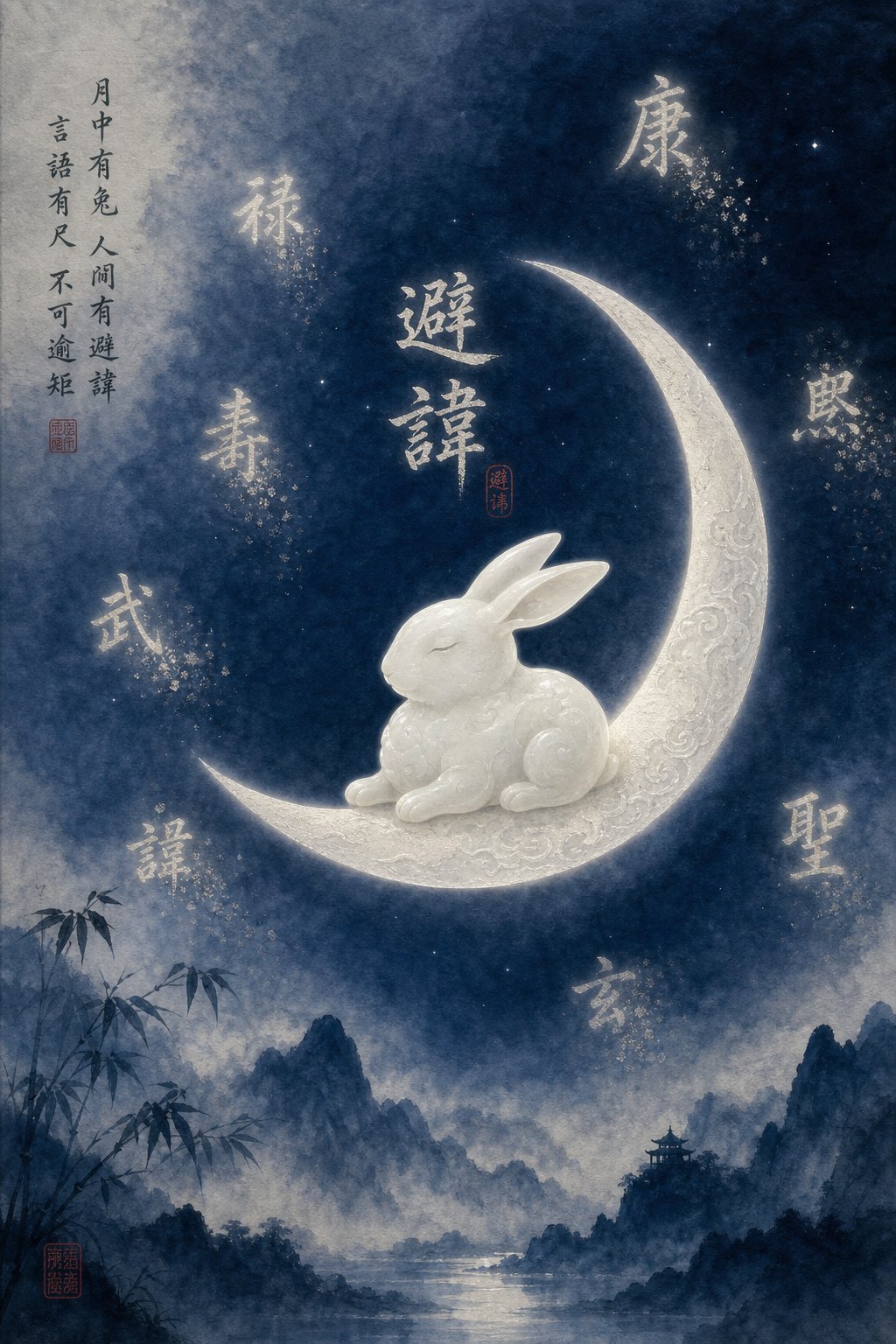
The zodiac rabbit is the fourth animal in the Chinese zodiac cycle. Its earthly branch is 卯 (mǎo), and it carries yin Wood energy, specifically the flexible, adaptive quality of grass and vines rather than the rigid strength of a tree. The rabbit in chinese mythology also holds deep lunar associations through the Jade Rabbit legend. These connections shape which characters harmonize with the Rabbit's nature and which ones create friction.
So what makes a character "toxic" for a Rabbit zodiac individual? It comes down to three factors: elemental clashes within the Five Elements cycle, symbolic threats based on the Rabbit's role as a prey animal, and zodiac branch conflicts with opposing signs. A character containing a Fire radical, for instance, drains the Rabbit's Wood energy. A character built around a knife or bow radical evokes danger toward a vulnerable creature. These aren't arbitrary rules. They follow a logic rooted in centuries of metaphysical reasoning.
Why Character Selection Matters for Rabbit Zodiac
Chinese names operate across four simultaneous dimensions: sound, form, meaning, and elemental balance. The elemental dimension is where zodiac-based character avoidance lives. A name that sounds beautiful and carries poetic meaning can still be considered flawed if its radicals introduce destructive energy into the bearer's chart. For Rabbit individuals, this means characters associated with Fire, Metal, weapons, and natural predators all fall into the avoidance category.
The rabbit characteristics of gentleness, adaptability, and sensitivity make this sign particularly responsive to naming energy. Think of it this way: the chinese symbol of rabbit represents a creature that thrives through flexibility and awareness, not brute force. A name loaded with aggressive or draining energy works against that fundamental nature.
The Cultural Roots of Naming Taboos
These taboos aren't modern inventions. Chinese naming traditions stretch back thousands of years, drawing from Daoist cosmology, Confucian social philosophy, and the Five Elements system. The chinese for rabbit, 兔 (tù), connects to an entire web of associations that naming masters have cataloged over generations.
A name must harmonize with the bearer's zodiac energy. When character radicals conflict with the animal sign's elemental nature, the name creates friction rather than support, working against the person's innate strengths.
This article breaks down exactly which characters to avoid and, more importantly, why each one conflicts with the Rabbit's energy. Understanding the reasoning gives you the ability to evaluate any character on your own, rather than relying on a static list that can never cover every possibility.
The starting point for that understanding is the Rabbit's elemental foundation: its yin Wood nature and the specific relationships that Wood holds within the Five Elements cycle.
The Rabbit's Earthly Branch and Elemental Foundations
Every zodiac animal carries a specific elemental signature, and for the Rabbit, that signature is yin Wood, written as 乙木 (yǐ mù). Imagine the difference between an oak tree and a blade of grass in a storm. The oak might snap, but the grass bends flat and springs back. That flexible, adaptive quality is exactly what yin Wood represents. The Rabbit's earthly branch, 卯 (mǎo), sits at the hinge of spring in the Chinese calendar, a moment when vegetation pushes through the soil and begins its rapid growth.
This elemental identity is what determines which characters create harmony in a name and which ones introduce conflict. In chinese astrology wood rabbit energy is the Rabbit's default state, but the specific heavenly stem paired with the birth year can shift the elemental flavor. A water rabbit born in 1963 or 2023 carries 癸 (guǐ) Water energy layered over that Wood foundation. Someone born in 1987 has the 1987 chinese zodiac element of Fire paired with their Rabbit branch, creating a fire-and-wood dynamic within the birth chart itself. The earth rabbit chinese zodiac year of 1999 layers stabilizing Earth onto the Rabbit's Wood core. Each variation exists, but the underlying Wood nature of 卯 remains constant across all Rabbit years.
The Rabbit's Yin Wood Nature Explained
Yin Wood (乙木) differs from yang Wood (甲木) in a fundamental way. Yang Wood is the towering tree: rigid, ambitious, and visible. Yin Wood is the vine, the wildflower, the moss that grows on any surface. It survives through flexibility rather than strength. In the chinese zodiac water rabbit years, this adaptability is amplified by Water's nourishing quality, since Water feeds Wood in the generating cycle. The wood rabbit chinese zodiac personality reflects this core trait: perceptive, resilient, and quietly persistent.
This nature has direct implications for naming. Characters that support flexibility, growth, and nourishment align with the Rabbit. Characters that cut, burn, or suppress growth work against it. The Five Elements cycle, known as 五行 (wǔ xíng), maps these relationships precisely.
How the Five Elements Cycle Creates Character Conflicts
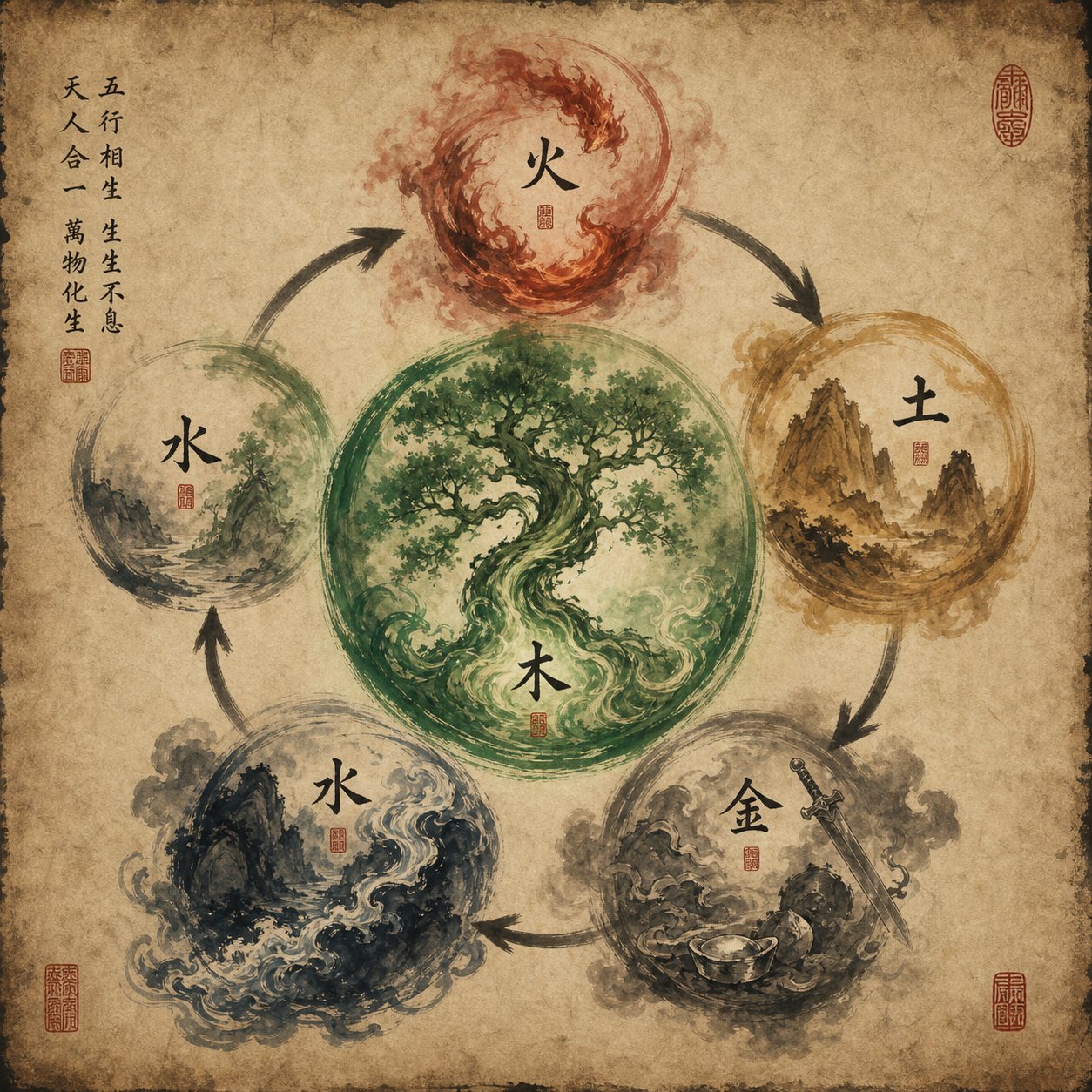
The Five Elements system operates through generating, controlling, and weakening relationships. Wood doesn't exist in isolation. It feeds Fire, is chopped by Metal, and must struggle through Earth. Each of these dynamics translates directly into character avoidance principles for Rabbit zodiac individuals.
| Element | Chinese (Pinyin) | Relationship to Rabbit's Wood | Effect on Rabbit Energy | Naming Implication |
|---|---|---|---|---|
| Water | 水 (shuǐ) | Generating (Mother) | Nourishes and supports Wood | Favorable: strengthens the Rabbit |
| Wood | 木 (mù) | Same element (Sibling) | Reinforces the Rabbit's nature | Favorable: adds solidarity |
| Fire | 火 (huǒ) | Exhausting (Son) | Drains Wood as fuel | Avoid: depletes Rabbit energy |
| Earth | 土 (tǔ) | Weakening (Controlled) | Wood must expend energy to push through Earth | Avoid: creates resistance and fatigue |
| Metal | 金 (jīn) | Controlling (Destroyer) | Metal chops and cuts Wood | Avoid: directly harms the Rabbit |
In the generating sequence, Wood produces Fire. Sounds positive, right? But from Wood's perspective, generating Fire means being consumed as fuel. Characters carrying Fire radicals symbolically drain the Rabbit's vitality, like a candle burning through its wick. The water rabbit chinese zodiac combination partially offsets this because Water can replenish Wood, but the Fire radical still introduces an exhausting dynamic into the name's energy.
The controlling sequence is more direct. Metal controls Wood the way an axe fells a tree. Characters built around Metal radicals represent an active destructive force aimed at the Rabbit's core element. This is the harshest conflict in the cycle.
Earth presents a subtler problem. Wood controls Earth in the standard cycle, meaning Wood must spend energy to penetrate and hold soil. When Earth-associated characters appear in a Rabbit's name, they symbolize constant low-level resistance, an environment that never quite yields easily.
These elemental conflicts aren't abstract philosophy. They translate into specific, identifiable radicals embedded within Chinese characters. A character might look elegant on paper, but if its radical structure contains 火 (Fire), 灬 (Fire variant), 金 (Metal), or 钅 (Metal variant), it carries an energetic signature that clashes with the Rabbit's Wood foundation. Recognizing these radicals is the practical skill that turns elemental theory into actionable naming guidance.
Fire and Metal Radical Characters to Avoid
Identifying problematic characters starts with understanding how radicals work. Chinese characters are built from component parts called radicals (部首/bùshǒu), and these components carry their own elemental signatures regardless of the character's overall meaning. A character might mean something beautiful or aspirational, but if its structural DNA contains Fire or Metal radicals, it introduces clashing energy into a Rabbit zodiac name.
The Fire radical appears in two forms: 火 (huǒ) when positioned on the left side of a character, and 灬 (four dots) when sitting at the bottom. Both carry identical elemental weight. The Metal radical also takes two shapes: 金 (jīn) as a standalone component and 钅 as the compressed left-side variant known as 金字旁 (jīn zì páng). Recognizing these forms is your first line of defense when evaluating any character for Rabbit compatibility.
Fire Radical Characters That Drain Rabbit Energy
Fire exhausts Wood. In the generating cycle, Wood feeds Fire by being consumed as fuel. For Rabbit individuals, characters containing Fire radicals symbolize a constant drain on vitality. This is particularly relevant in fire rabbit astrology, where someone born in a Fire Rabbit year (like 1927 or 1987) already carries Fire energy in their heavenly stem. Adding more Fire through name characters compounds the exhaustion rather than creating balance.
The chinese zodiac fire rabbit, also called the chinese fire rabbit, already navigates an internal tension between their Wood branch and Fire stem. Loading additional Fire into the name tips the scale further toward depletion.
Here are common Fire radical characters traditionally avoided in Rabbit zodiac naming:
| Character | Pinyin | Meaning | Radical | Reason for Avoidance |
|---|---|---|---|---|
| 炎 | yán | Flame, inflammation | 火 (double fire) | Doubled Fire energy intensely drains Wood |
| 烈 | liè | Fierce, intense | 火 (bottom) | Aggressive Fire consumes gentle yin Wood |
| 焰 | yàn | Blaze, flame | 火 (left) | Direct Fire symbolism exhausts Rabbit vitality |
| 煌 | huáng | Brilliant, glorious | 火 (left) | Radiant Fire burns through Wood reserves |
| 熙 | xī | Prosperous, splendid | 灬 (bottom four dots) | Hidden Fire radical still carries draining energy |
| 烧 | shāo | To burn, to cook | 火 (left) | Literal burning action directly opposes Wood |
| 灿 | càn | Brilliant, radiant | 火 (left) | Fire brilliance comes at Wood's expense |
Notice that 熙 (xī) is a popular name character meaning "prosperous." Many parents choose it for its positive meaning without realizing the 灬 radical at the bottom is a Fire variant. In strict naming practice, even these hidden Fire components count against Rabbit compatibility.
Metal Radical Characters That Clash With Wood
Metal's relationship to Wood is more violent than Fire's. Where Fire slowly drains, Metal actively destroys. The axe chops the tree. The blade cuts the vine. For the chinese zodiac metal rabbit (born in years like 1951 or 2011), this tension already exists within the birth chart. Characters carrying the 钅 radical amplify that destructive dynamic.
The Metal radical connects characters to metal objects, sharpness, and hardness. Many of these characters relate to weapons, tools, or industrial materials, all of which symbolically threaten the Rabbit's soft, flexible Wood nature.
| Character | Pinyin | Meaning | Radical | Reason for Avoidance |
|---|---|---|---|---|
| 锋 | fēng | Sharp edge, vanguard | 钅 (left) | Blade imagery directly threatens Wood |
| 铭 | míng | Inscription, engrave | 钅 (left) | Metal carving into surfaces opposes Wood growth |
| 鑫 | xīn | Prosperous (triple gold) | 金 (triple) | Tripled Metal energy overwhelms Wood completely |
| 钢 | gāng | Steel | 钅 (left) | Hardest Metal form, maximum destructive force |
| 锐 | ruì | Sharp, keen | 钅 (left) | Sharpness evokes cutting action against Wood |
| 铁 | tiě | Iron | 钅 (left) | Rigid Metal nature clashes with flexible yin Wood |
| 银 | yín | Silver | 钅 (left) | Precious metal still carries destructive element |
A character like 鑫 (xīn) deserves special attention. Built from three 金 characters stacked together, it's essentially triple Metal energy concentrated into a single character. Despite its auspicious meaning of prosperity, it represents the most intense possible Metal clash for a Rabbit individual. Similarly, 锋 (fēng) combines the Metal radical with a meaning of "sharp edge," doubling the symbolic threat through both structure and semantics.
The key takeaway: meaning alone doesn't determine a character's suitability. A fire rabbit zodiac individual might be drawn to 煌 for its sense of brilliance, or a parent might love 铭 for its connotation of lasting legacy. But in the framework of chinese astrology fire rabbit naming principles, the radical's elemental signature overrides the character's surface meaning. The energy lives in the structure, not just the definition.
Fire and Metal represent the two most direct elemental threats to the Rabbit's Wood nature. But elemental clashes aren't the only source of problematic characters. The Rabbit's identity as a prey animal introduces an entirely different category of avoidance: characters that evoke weapons, hunters, and natural predators.
Weapon and Predator Characters the Rabbit Should Avoid
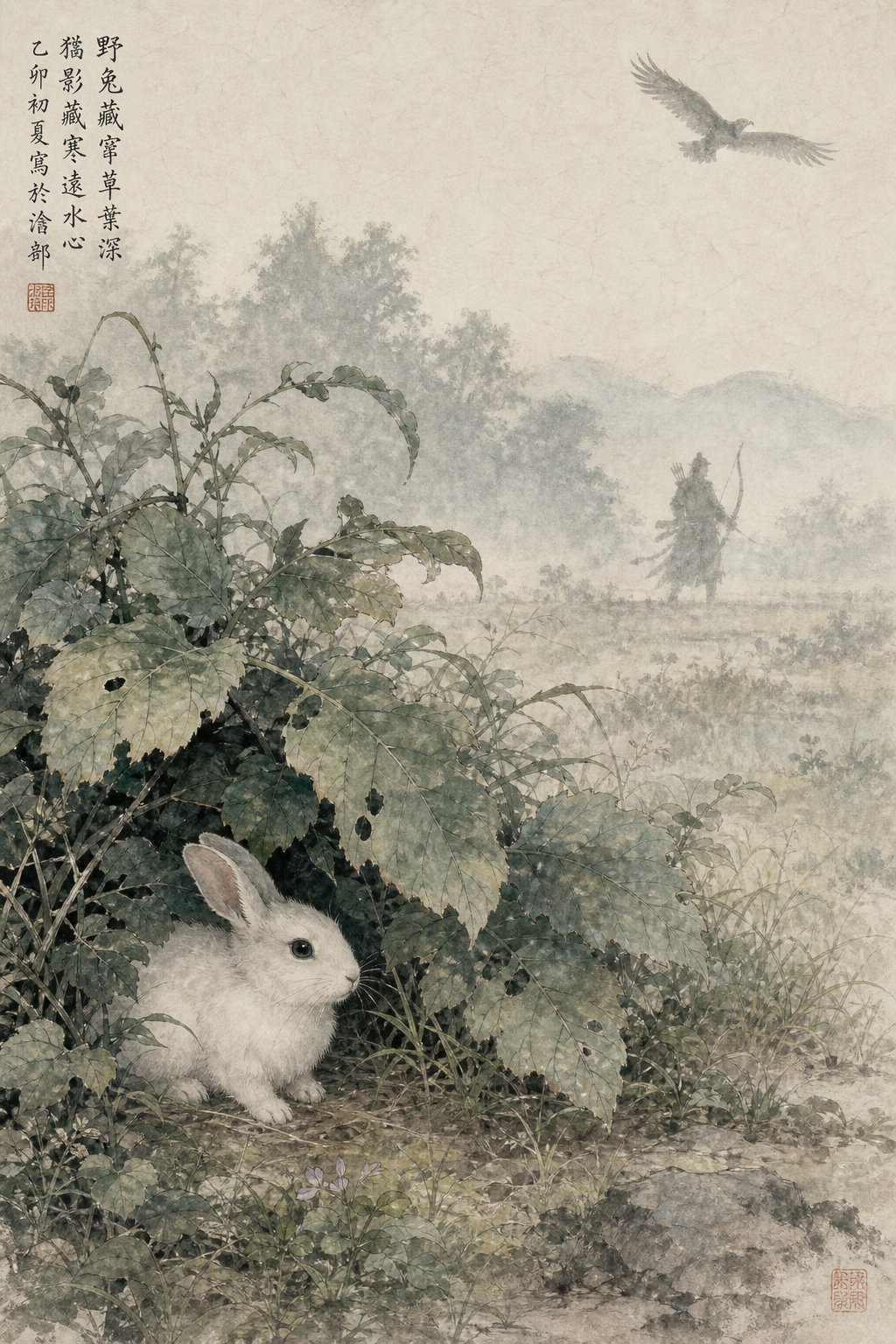
Elemental clashes operate on an abstract, energetic level. But there's a second layer of character avoidance that's far more visceral: symbolic threat. The Rabbit is a prey animal. In nature, it survives through speed, alertness, and the ability to hide. Characters that evoke weapons, hunting, or predators place the Rabbit in a position of danger within its own name. Chinese naming philosophy treats this as deeply inauspicious, essentially writing a threat into the identity of someone whose zodiac nature is gentle and vulnerable.
Think of it this way. You wouldn't name a boat "Iceberg" or a garden "Drought." The same logic applies here. A name should support and protect its bearer, not symbolically endanger them. For the year of the rabbit enemy sign avoidance, this means steering clear of characters built from radicals associated with blades, projectiles, and animals that hunt rabbits in the wild.
Weapon Radicals and the Vulnerable Rabbit
Several radicals in the Chinese writing system directly reference weapons or tools of violence. When these appear in a Rabbit individual's name, they introduce the energy of harm directed at a creature with no natural defenses beyond flight. Two radical categories stand out as particularly problematic:
- 刀 (dāo) - Knife radical: This radical appears as 刂 when positioned on the right side of a character. It connects to cutting, severing, and sharpness. Characters built from this radical evoke direct physical threat to the Rabbit.
- 刚 (gāng) - hard, firm, unyielding
- 剑 (jiàn) - sword
- 割 (gē) - to cut, to sever
- 刺 (cì) - to stab, thorn
- 刘 (liú) - a common surname, but carries the knife radical
- 剧 (jù) - drama, intense (contains cutting action)
- 弓 (gōng) - Bow radical: The bow is historically the primary weapon used to hunt rabbits. This radical carries an especially pointed threat because it references the exact tool used against the Rabbit's real-world counterpart.
- 张 (zhāng) - to stretch, to open (depicts drawing a bow)
- 弹 (dàn/tán) - bullet, to shoot, to spring
- 强 (qiáng) - strong, powerful
- 弦 (xián) - bowstring, string of an instrument
- 弯 (wān) - curved, bent (shape of a drawn bow)
The bow radical deserves extra attention. In Chinese culture, archery and rabbit hunting are historically linked. The image of an archer drawing a bow at a fleeing rabbit is a well-known motif. Placing this radical in a Rabbit person's name symbolically recreates that predator-prey dynamic within their identity. Even 强 (qiáng), a character parents might choose for its meaning of "strength," carries the bow radical and introduces hunter energy into the name.
Similarly, the tiger and rabbit compatibility question in zodiac studies reflects this predator-prey tension. The tiger is a natural threat to the rabbit, and characters containing the 虎 (hǔ) radical or 虍 (tiger stripes) component echo that danger. While not a weapon radical per se, it functions the same way in naming practice.
Predator Characters and Natural Enemy Symbolism
Beyond weapons, characters referencing animals that prey on rabbits carry their own category of negative symbolism. The most significant is the dog radical.
- 犬 (quǎn) - Dog radical: Written as 犭 when appearing on the left side of characters, this radical is considered especially harmful for Rabbit zodiac names. Dogs are natural predators of rabbits, and the rabbit and dog chinese zodiac relationship reflects real ecological tension. In traditional hunting, dogs were specifically trained to chase and catch rabbits.
- 狩 (shòu) - to hunt
- 猎 (liè) - to hunt, hunting
- 狼 (láng) - wolf
- 猛 (měng) - fierce, violent
- 狂 (kuáng) - wild, crazy
- 独 (dú) - alone, solitary (contains dog radical)
- 隹 (zhuī) - Short-tailed bird radical: This radical references birds, and birds of prey like hawks and eagles are among the Rabbit's most dangerous natural enemies. Characters containing this component evoke aerial predators.
- 雄 (xióng) - male, heroic, powerful
- 雀 (què) - sparrow (bird association)
- 集 (jí) - to gather (bird perching on tree)
- 雕 (diāo) - eagle, to carve
The chinese zodiac rabbit and dog dynamic is worth exploring further. While some zodiac compatibility charts list the Dog as a friendly ally to the Rabbit in the San He (三合) triangle, the naming tradition takes a different angle. It focuses on the literal, natural-world relationship between the animals rather than the abstract branch harmony. A dog chases a rabbit. That physical reality overrides the metaphysical alliance when it comes to radical selection in names. This is one area where naming practice and compatibility charts diverge.
Interestingly, the snake and rabbit compatibility in zodiac studies is generally considered favorable, as the Snake and Rabbit share a Liu He (六合) bond. Rabbit and snake compatibility works well in relationship astrology. But even here, naming practitioners note that characters with the 虫 (chóng/insect) radical, which sometimes appears in snake-related characters, don't carry the same threat level as predator radicals. The distinction is about symbolic danger, not zodiac pairing.
The underlying principle connecting all these avoidance categories is a single philosophical idea: a name should create a safe, nurturing environment for its bearer's zodiac energy. Weapons threaten. Predators hunt. Both introduce anxiety and danger into what should be a protective space. Chinese naming tradition holds that the characters in your name form a kind of energetic home. For the Rabbit, that home should feel like a sheltered meadow, not an open field with hunters on the horizon.
These symbolic threats operate alongside the elemental clashes covered earlier. But there's yet another dimension to character avoidance that goes beyond elements and predators: the Rabbit's deep mythological connection to the moon, and the specific zodiac branch conflicts that make certain characters problematic on a cosmological level.
Sun Radicals and Zodiac Branch Clashes for Rabbit Signs
The Rabbit doesn't just carry Wood energy. It carries lunar energy. In Chinese mythology, the Rabbit lives on the moon. The Jade Rabbit (玉兔/yù tù) is the companion of Chang'e (嫦娥), the moon goddess, forever pounding herbs with a mortar and pestle to create the elixir of life. This legend, referenced in texts as early as the Song dynasty compilation 《太平广记》(Taiping Guangji), cements the Rabbit's identity as a creature of moonlight, yin energy, and nighttime stillness. The rabbit symbolism chinese culture preserves is fundamentally lunar.
This mythological identity has a direct consequence for naming: characters containing the 日 (rì/sun) radical work against the Rabbit's essential nature. The sun represents yang Fire energy, the polar opposite of the yin rabbit's cool, lunar Wood. Where the moon nurtures the Rabbit, the sun scorches it.
Sun Radical Characters and the Moon Rabbit Connection
The 日 radical appears in dozens of common name characters. Many of them carry meanings like "dawn," "brightness," or "glory," making them attractive choices for parents who don't realize the elemental conflict at play. But in the rabbit in chinese astrology, these characters introduce a double problem: they carry Fire energy (sun = Fire) and they symbolically oppose the Rabbit's lunar home.
Imagine placing a nocturnal creature under a blazing midday sun. That's the energetic effect these characters create within a name. The yin rabbit thrives in soft light, in the gentle glow of the moon. Characters that flood the name with solar intensity disrupt that natural rhythm.
Characters with the 日 radical to avoid for Rabbit zodiac individuals:
| Character | Pinyin | Meaning | Why It Conflicts |
|---|---|---|---|
| 晨 | chén | Morning, dawn | Solar rising energy opposes lunar Rabbit nature |
| 昊 | hào | Vast sky, heavens | Expansive sun imagery overwhelms yin Wood |
| 晖 | huī | Sunshine, radiance | Direct sunlight symbolism drains Rabbit vitality |
| 旭 | xù | Rising sun | Dawn Fire energy conflicts with nocturnal nature |
| 暄 | xuān | Warm sunshine | Solar warmth represents Fire exhausting Wood |
| 曜 | yào | Luminous, celestial body | Intense radiance clashes with Rabbit's soft yin quality |
| 晟 | shèng | Bright, prosperous | Brightness rooted in sun radical carries Fire drain |
A character like 昊 (hào) is particularly popular in modern Chinese naming because it evokes grandeur and ambition. But for a Rabbit individual, that vast, sun-drenched sky is an exposed, dangerous place. The Rabbit's instinct is to seek shelter, shade, and the protective cover of vegetation. Sun radical characters strip away that symbolic protection.
Clashing Zodiac Branch Characters to Avoid
Beyond elemental and symbolic conflicts, the rabbit in chinese astrology faces a third category of problematic characters: those tied to clashing earthly branches. The earthly branch system (地支/dì zhī) assigns each zodiac animal a specific branch, and these branches interact through clashes (冲/chōng), harms (害/hài), and punishments (刑/xíng). Each interaction identifies a zodiac sign whose energy directly conflicts with the Rabbit's.
The most significant clash for the Rabbit is 卯酉冲 (mǎo yǒu chōng), the direct opposition between the Rabbit's branch 卯 and the Rooster's branch 酉. In the Six Clashes system, this represents Wood versus Metal in head-on confrontation. The Rooster's branch 酉 carries yin Metal (辛金) energy, which directly controls and cuts the Rabbit's yin Wood. Characters containing the 酉 radical essentially embed the Rabbit's primary antagonist into the name itself.
The harm relationship (相害) between the Rabbit and Dragon (卯辰害) adds another layer. This harm disrupts the Dragon-Rooster combination (辰酉合), creating unresolved tension between Wood and Earth. Dragon rabbit compatibility in naming is considered problematic because the Dragon's branch 辰 carries yang Earth energy that resists the Rabbit's Wood, and the harm dynamic introduces friction that naming practitioners prefer to avoid.
Here's how these branch conflicts translate into specific characters:
| Conflict Type | Branch Relationship | Problematic Radical | Characters to Avoid | Reasoning |
|---|---|---|---|---|
| Clash (冲) | 卯 vs 酉 (Rabbit vs Rooster) | 酉 | 醒 (xǐng), 酝 (yùn), 配 (pèi), 酷 (kù), 醉 (zuì) | 酉 radical embeds the Rabbit's direct antagonist; Metal cuts Wood |
| Harm (害) | 卯 vs 辰 (Rabbit vs Dragon) | 辰 | 震 (zhèn), 振 (zhèn), 晨 (chén), 辱 (rǔ) | Dragon branch creates unresolved tension with Rabbit's Wood |
| Punishment (刑) | 子 vs 卯 (Rat vs Rabbit) | 子 | 孜 (zī), 孟 (mèng), 学 (xué) | Overstimulation of Wood through excess Water nourishment |
The 酉 radical is especially common in characters related to alcohol and fermentation, since 酉 originally depicted a wine vessel. Characters like 醒 (xǐng, "to wake up") and 酷 (kù, "cool" or "cruel") might seem unrelated to roosters on the surface, but their radical structure carries the Rooster's Metal branch energy. In strict naming practice, this hidden connection is enough to disqualify them.
The rabbit and dragon compatibility issue in naming deserves a closer look. The character 晨 (chén, "morning") appears in both the sun radical avoidance list and the Dragon branch conflict list because it contains both 日 and 辰. This double conflict makes it one of the most problematic characters for Rabbit zodiac individuals. It simultaneously introduces solar Fire energy and the Dragon's harming branch, a two-layer clash packed into a single, commonly used name character.
Notice how 震 (zhèn, "to shake, thunder") contains the 辰 component. Despite its powerful, dynamic meaning, it carries the Dragon branch that creates harm with the Rabbit. Even 振 (zhèn, "to invigorate"), a character parents often choose for its energetic connotation, contains this same problematic element.
The Rat-Rabbit punishment (子卯刑) is subtler. In the Three Punishments system, this pairing represents the "Punishment of Incivility" (无礼之刑), where Water over-nourishes Wood beyond healthy limits. Characters strongly associated with the 子 branch are considered mildly unfavorable, though this carries less weight than the Rooster clash or Dragon harm in most practitioners' assessments.
These branch-based conflicts reveal something important about how the rabbit in chinese astrology operates within the larger zodiac framework. The Rabbit doesn't exist in isolation. Its energy is defined partly by what opposes it. The Rooster's Metal cuts it. The Dragon's Earth resists it. The sun's Fire drains it. Each conflict points back to the same core principle: the Rabbit's yin Wood nature needs protection, nourishment, and space to grow, not opposition from every direction.
Knowing which radicals and branches to avoid is valuable. But what if you encounter a character that isn't on any predetermined list? The real power comes from understanding how to decompose any character into its component parts and evaluate those parts independently.
Understanding Radical Decomposition for Character Evaluation
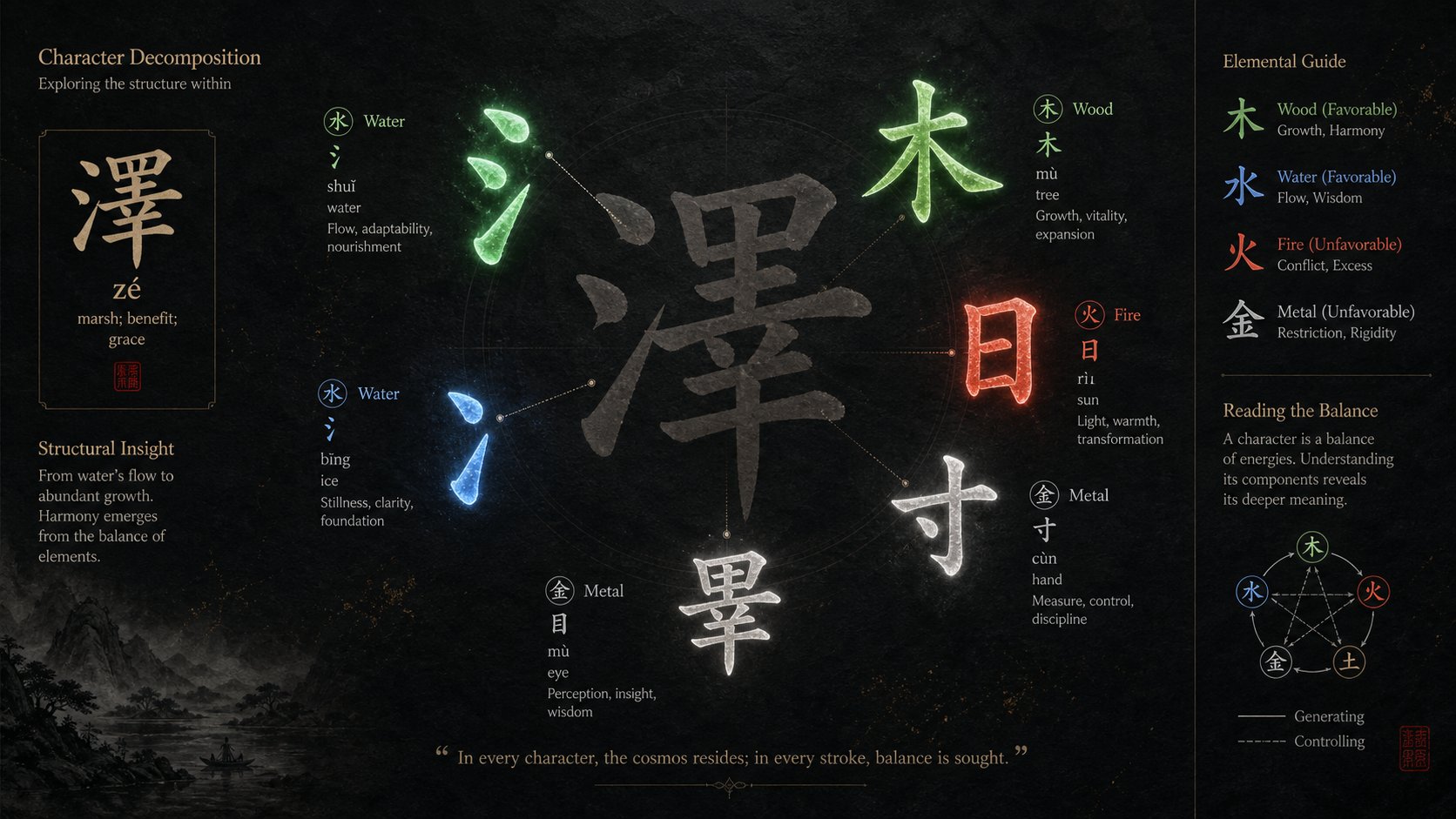
Lists are useful, but they can never cover every character you might encounter. The Chinese writing system contains tens of thousands of characters, and new combinations appear in creative naming all the time. The real skill isn't memorizing which specific characters to avoid. It's learning to read the structural DNA of any character and determine whether it harmonizes with or threatens the Rabbit's energy.
This is where radical decomposition comes in. Chinese characters aren't random arrangements of strokes. Over 80% of them are phono-semantic compounds, meaning they combine a semantic component (which hints at meaning) with a phonetic component (which hints at pronunciation). The semantic component is usually the radical, and it's this piece that carries the elemental and symbolic weight relevant to zodiac naming.
When you understand how to break a character apart and read its components, you gain independence. You can evaluate a character a naming master has never discussed, assess a creative combination a parent invented, or check whether a character you love for its meaning actually works for someone with the chinese zodiac rabbit personality.
How to Decompose Characters Into Radicals
The process follows a consistent logic. You don't need to be a calligraphy expert or a linguistics scholar. You just need to recognize common radicals and understand what they represent elementally. Here's the step-by-step method:
- Identify the character's visible components. Look at the character and ask: can this be split into two or more recognizable parts? Most compound characters divide along a left-right, top-bottom, or enclosing structure. The component on the left or top is usually the semantic radical. For example, 照 clearly splits into a top section (昭) and a bottom section (灬). The character 猛 splits into a left component (犭) and a right component (孟).
- Determine the elemental association of each component. Match each identified radical to its elemental category. Fire radicals include 火 and its variant 灬. Metal radicals include 金 and 钅. Water radicals include 水 and 氵. Wood radicals include 木 and 艹. Earth radicals include 土. Symbolic radicals like 刀/刂 (knife), 弓 (bow), and 犭 (dog) carry predator or weapon associations rather than elemental ones.
- Check against the Rabbit's favorable and unfavorable elements. Cross-reference what you found with the Rabbit's elemental profile. Water (氵, 水) and Wood (木, 艹) radicals are favorable because they nourish or reinforce the Rabbit's yin Wood nature. Fire (火, 灬), Metal (金, 钅), and to a lesser extent Earth (土) radicals are unfavorable because they drain, destroy, or resist Wood.
- Consider symbolic meaning in relation to the Rabbit's nature. Beyond elemental math, ask whether the character's components evoke threat or safety for a prey animal. Does it reference hunting, predators, weapons, or exposure? Or does it suggest shelter, growth, nourishment, and gentleness? The personality of rabbit in Chinese tradition is soft, perceptive, and cautious. Characters should echo those qualities, not contradict them.
Sounds complex? It becomes intuitive with practice. After decomposing a dozen or so characters, you'll start recognizing problematic radicals at a glance, the same way you might spot a misspelled word without consciously checking each letter.
Worked Examples of Character Analysis
Let's walk through three characters to see this method in action. Each one contains a hidden conflict that isn't obvious from the character's surface meaning alone.
Example 1: 照 (zhào) - "to illuminate, to shine"
At first glance, 照 seems like a positive name character. It means radiance, illumination, clarity. But decompose it:
- Top section contains 日 (rì/sun) - carries solar Fire energy and opposes the Rabbit's lunar nature
- Bottom section is 灬 (four dots) - the Fire radical variant, identical in elemental weight to 火
This character contains two Fire components. The sun radical at the top and the Fire radical at the bottom create a double drain on the Rabbit's Wood energy. Despite its appealing meaning, 照 is one of the most elementally hostile characters for a Rabbit individual. It's like placing the Rabbit under a magnifying glass in direct sunlight.
Example 2: 猛 (měng) - "fierce, violent, vigorous"
Decompose this character:
- Left component is 犭 - the dog radical (犬/quǎn in its compressed left-side form)
- Right component is 孟 (mèng) - functioning as the phonetic element
The dog radical immediately flags this character. As component placement research shows, the left-side component in Chinese characters typically carries semantic meaning. Here, 犭 tells you this character belongs to the category of fierce animals, dogs, and predators. For a Rabbit, that's a direct symbolic threat. The meaning "fierce" reinforces the problem, but even if 猛 meant something gentle, the dog radical alone would disqualify it in strict practice.
Example 3: 鋒/锋 (fēng) - "sharp edge, vanguard"
Decompose the traditional form 鋒:
- Left component is 釒 - the Metal radical (金/jīn in its combining form)
- Right component is 峰 minus 山, functioning phonetically
Or in simplified form 锋:
- Left component is 钅 - the simplified Metal radical
- Right component is 丰 (fēng) - the phonetic element
Both forms carry the Metal radical prominently on the left. Metal controls Wood in the destructive cycle, meaning it actively harms the Rabbit's core element. The meaning "sharp edge" doubles the threat by evoking a blade. This character fails on both elemental and symbolic grounds.
What about characters with mixed signals?
Real-world naming decisions aren't always clean. Some characters contain both favorable and unfavorable components. Take 淡 (dàn, "light, mild"). It has 氵 (Water radical, favorable for Rabbit) combined with two 火 components. Water nourishes Wood, but Fire drains it. How do practitioners handle this?
Traditional naming masters generally apply a hierarchy. The primary radical, usually the left-side or top component, carries the most weight. If the primary radical is favorable but secondary components contain conflicts, the character might be acceptable in moderate practice but avoided in strict practice. If the primary radical itself is problematic, no amount of favorable secondary components can redeem it.
The rabbit zodiac traits of caution and sensitivity extend to this evaluation process. When in doubt, practitioners lean toward avoidance. A character with mixed energy introduces uncertainty into the name, and the characteristics of rabbit chinese zodiac individuals suggest they respond more strongly to disharmony than bolder signs might. The year of the rabbit personality is one that benefits from clarity and consistency in its energetic environment, not from characters pulling in opposing directions.
This decomposition skill transforms you from a passive list-checker into an active evaluator. You can now pick up any character, break it into its structural parts, and make an informed judgment about its compatibility with the Rabbit's nature. But knowing how to evaluate characters raises a practical question: how strictly should these rules actually be applied? The answer depends on context, and that context varies widely between formal naming, casual use, and modern cultural attitudes.
Strict Taboos vs. General Auspiciousness in Practice
Knowing which radicals clash with the Rabbit is one thing. Knowing how rigidly to apply that knowledge is another. Not every context demands the same level of strictness, and not every family treats these guidelines with equal weight. The distinction between a formal legal name and a character chosen for a personal seal or social media handle matters enormously in practice.
Formal Names vs. General Character Use
Formal name selection, called 取名 (qǔ míng), operates under the tightest constraints. When parents name a baby born in a Rabbit year, like 2011 or 2023, they're choosing characters that will follow that person through every official document, school registration, and life milestone. The stakes feel permanent. This is where families are most likely to consult a professional naming master (起名师/qǐ míng shī) who cross-references the child's 八字 (bāzì) birth chart with zodiac guidelines, stroke counts, and elemental balance. In strict formal naming, even a hidden Fire radical buried inside a complex character is enough to disqualify it.
If you're wondering what chinese zodiac is 2011, it's the Metal Rabbit year, which means children born then already carry Metal-Wood tension in their charts. A naming master would be especially cautious about adding more Metal radical characters to their names. Similarly, someone researching the 1987 chinese symbol would find the Fire Rabbit, where the chinese astrology year 1987 pairs Fire with the Rabbit's Wood branch, making Fire radical avoidance particularly relevant for that cohort.
Other contexts are more relaxed. Adults choosing a Chinese name as language learners, for instance, aren't bound by the same cultural weight. A learner picking a name for classroom use or travel can treat these guidelines as interesting cultural knowledge rather than binding rules. Business names follow their own logic, often prioritizing phonetic appeal and market positioning over zodiac compatibility. Personal seals (印章/yìn zhāng) and calligraphy art pieces operate in an aesthetic realm where a character's visual beauty might outweigh its elemental profile.
Naming taboos exist on a spectrum: strict avoidance for formal birth names, gentle preference for personal projects, and cultural awareness for everything in between.
Modern Practice and Cultural Sensitivity
Modern Chinese families span the full range of engagement with these traditions. Some parents in cities like Shanghai or Shenzhen dismiss zodiac naming as outdated, choosing characters purely for sound and meaning. Others fly naming masters in from Hong Kong or Taiwan to ensure every stroke count aligns. Most fall somewhere in the middle, checking a few basic guidelines without obsessing over every radical.
The 1975 chinese zodiac produced Wood Rabbit individuals, and parents from that generation who are now naming their own children often bring a pragmatic blend of respect and flexibility to the process. They might avoid the most obvious clashes, like putting 鑫 in a Rabbit child's name, while accepting characters with subtler conflicts if the meaning resonates deeply.
For anyone asking when is the next year of the rabbit, it arrives in 2035 (Wood Rabbit). Parents planning ahead have time to research, but the core principles remain unchanged regardless of the specific Rabbit year. What shifts is the heavenly stem overlay, not the underlying branch-based avoidance system.
The practical takeaway: match your level of adherence to your context. A formal birth name for a 2011 chinese zodiac baby warrants careful attention to these guidelines. A WeChat handle or art project? Enjoy the characters you love, armed with the cultural knowledge of what traditional practice would say. Awareness doesn't require rigid compliance, but it does allow informed choice.
Whether you follow these principles strictly or loosely, having a consolidated reference makes the evaluation process faster. A single summary connecting every avoidance category to its reasoning, paired with favorable alternatives, gives you the complete picture in one place.
Complete Character Avoidance Guide and Favorable Alternatives
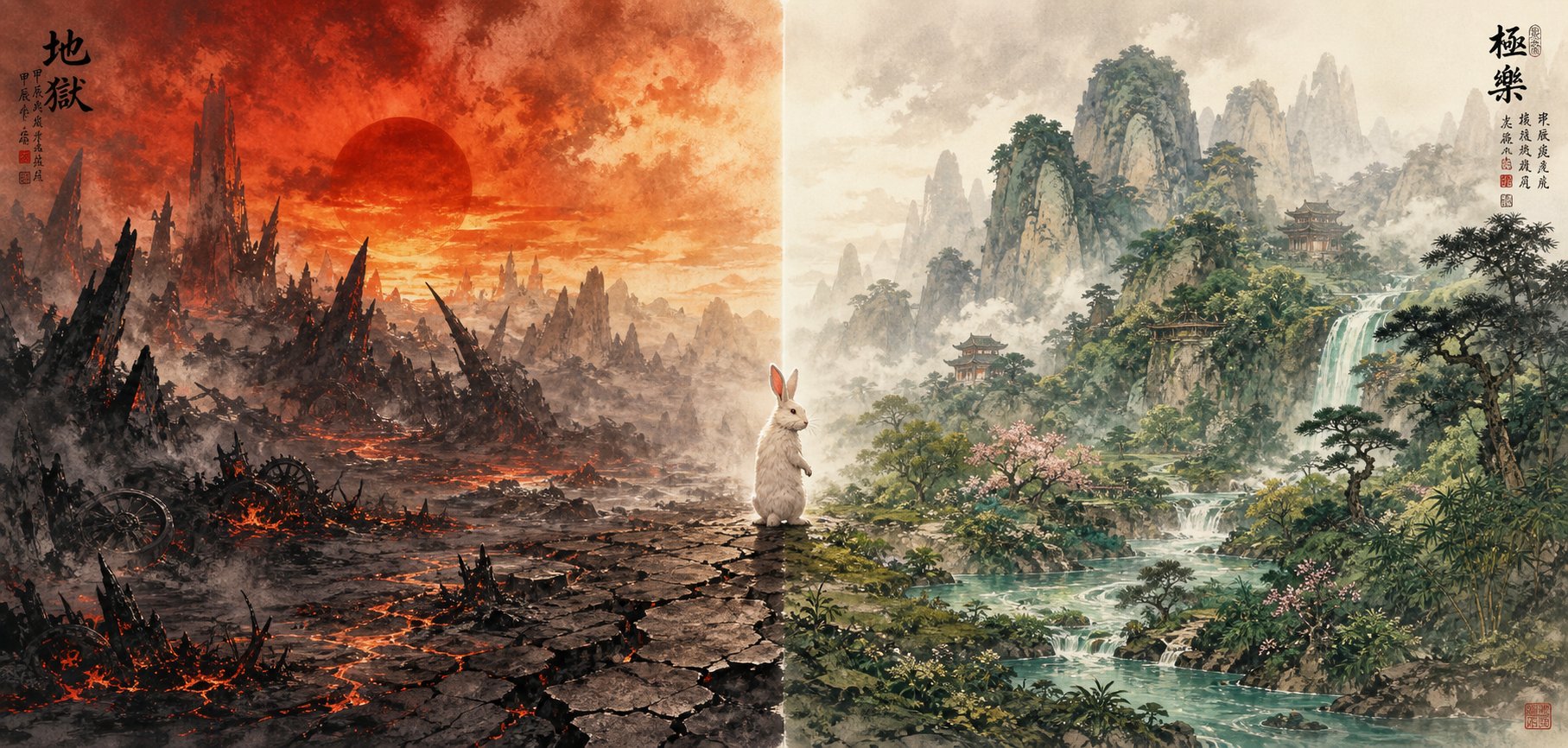
Every avoidance category covered in this article traces back to a single principle: the Rabbit's yin Wood nature needs characters that shelter, nourish, and support rather than characters that burn, cut, or threaten. The reasoning isn't arbitrary. Each category connects to a specific metaphysical or ecological logic within Chinese naming tradition. Having all of that information in one consolidated reference makes practical evaluation faster, whether you're screening a shortlist of baby names or checking a single character someone suggested.
Complete Reference of Characters to Avoid
Here's the full picture, organized by the reason each category conflicts with the rabbit zodiac:
| Category | Radicals to Avoid | Example Characters | Reasoning |
|---|---|---|---|
| Fire Element (Exhausting) | 火, 灬 | 炎, 烈, 焰, 煌, 熙, 灿 | Wood feeds Fire and is consumed as fuel, draining the Rabbit's vitality |
| Metal Element (Destructive) | 金, 钅 | 锋, 铭, 鑫, 钢, 锐, 铁 | Metal chops Wood in the controlling cycle, directly harming the Rabbit's core element |
| Sun Radical (Opposing Lunar Nature) | 日 | 晨, 昊, 晖, 旭, 暄, 曜, 晟 | Solar yang Fire opposes the Rabbit's yin lunar identity and drains Wood energy |
| Weapon Radicals (Symbolic Threat) | 刀/刂, 弓 | 刚, 剑, 割, 刺, 张, 弹, 强 | Weapons evoke direct physical danger to a prey animal, especially the bow used in rabbit hunting |
| Predator Radicals (Natural Enemies) | 犭 (犬), 隹 | 狩, 猎, 猛, 狼, 雄, 雕 | Dogs and birds of prey are the Rabbit's natural predators; their radicals embed threat into the name |
| Rooster Branch Clash (冲) | 酉 | 醒, 酝, 配, 酷, 醉 | 卯酉冲 is the Rabbit's direct zodiac opposition; 酉 carries yin Metal that cuts Wood |
| Dragon Branch Harm (害) | 辰 | 震, 振, 晨, 辱 | 卯辰害 creates unresolved Earth-Wood tension and disrupts the Rabbit's stability |
| Rat Branch Punishment (刑) | 子 | 孜, 孟, 学 | 子卯刑 over-nourishes Wood beyond healthy limits (milder conflict) |
Reading this table, you'll notice that some characters appear in multiple conflict categories. The character 晨 (chén, "morning") contains both the 日 radical and the 辰 component, making it doubly problematic. Characters with layered conflicts carry compounded negative weight in traditional assessment. When evaluating any character, check for overlap across categories rather than treating each list in isolation.
So what does rabbit mean in chinese zodiac when it comes to naming? It means the bearer's name should reflect the Rabbit's core qualities: gentleness, lunar connection, flexibility, and growth. The avoidance system exists to protect those qualities from energetic interference.
Favorable Characters and Next Steps
Avoidance is only half the equation. The rabbit zodiac also has strongly favorable radical categories that actively support its yin Wood nature. If you're building a shortlist of name characters, these are the radicals to seek out:
- Water radicals (氵, 水, 雨): Water nourishes Wood in the generating cycle. Characters like 泽 (zé, "marsh"), 润 (rùn, "moist"), 涵 (hán, "contain"), and 清 (qīng, "clear") feed the Rabbit's vitality without draining it.
- Wood radicals (木, 艹, 竹): Same-element characters reinforce the Rabbit's nature. Characters like 林 (lín, "forest"), 芷 (zhǐ, "angelica"), 萱 (xuān, "daylily"), and 桐 (tóng, "paulownia tree") echo the Rabbit's growth energy.
- Grass and vegetation (艹): Particularly favorable because they represent the Rabbit's natural habitat. Grass provides food and shelter. Characters like 茗 (míng, "tea leaves"), 蕊 (ruǐ, "pistil"), and 荷 (hé, "lotus") create a nurturing symbolic environment.
- Shelter and enclosure radicals (宀, 口, 穴): These represent safe spaces. The Rabbit lives in burrows and seeks cover. Characters like 宁 (níng, "peaceful"), 安 (ān, "safe"), and 容 (róng, "contain") symbolically provide the protection the Rabbit instinctively seeks.
The meaning of the rabbit in chinese zodiac centers on sensitivity, perception, and quiet resilience. Favorable characters should echo those traits rather than contradicting them with aggression or exposure.
What comes after general zodiac guidelines?
Zodiac-based character selection is one layer of a multi-factor naming system. It provides broad direction, but it doesn't account for individual variation. Two people born in the same Rabbit year can have very different birth charts depending on their month, day, and hour of birth. That's where 八字 (bāzì) analysis becomes essential.
A full BaZi-based naming approach starts with the birth chart, identifies the Day Master's strength, checks which elements the chart actually needs, and then selects characters that address those specific needs. A Rabbit individual whose chart already has abundant Water might not benefit from more Water radical characters, even though Water is generally favorable for the sign. The birth chart can modify, and sometimes override, general zodiac guidelines.
Practical next steps if you're applying this knowledge:
- Screen your shortlist against the avoidance table above. Eliminate characters with primary radicals in the conflict categories.
- Use radical decomposition on any character not covered here. The four-step method from the previous section works on any character you encounter.
- Consider consulting a naming professional for formal birth names. A 起名师 can cross-reference zodiac guidelines with the child's specific bāzì chart, stroke count analysis, and surname compatibility.
- Remember that zodiac avoidance is directional, not absolute. Individual birth charts carry more specificity than zodiac-year generalizations. A character flagged as problematic at the zodiac level might be acceptable, or even beneficial, if the birth chart specifically needs that element for balance.
The rabbit zodiac naming system ultimately serves a single purpose: giving the bearer a name that feels like home. A name built from characters that nourish Wood, evoke safety, and honor the Rabbit's lunar gentleness creates an energetic foundation aligned with the person's innate nature. Whether you follow these principles with scholarly precision or simply use them as a cultural compass, the knowledge itself is what matters. You now understand not just which characters to avoid, but the complete reasoning behind each avoidance, and that understanding travels with you into any naming decision you'll ever face.
Frequently Asked Questions About Chinese Characters and the Rabbit Zodiac
1. What radicals should Rabbit zodiac people avoid in their Chinese names?
Rabbit zodiac individuals should avoid characters containing Fire radicals (火, 灬), Metal radicals (金, 钅), sun radicals (日), weapon radicals (刀/刂, 弓), predator radicals (犭, 隹), and the Rooster branch radical (酉). Each of these conflicts with the Rabbit's yin Wood energy through elemental clashes, symbolic threats, or zodiac branch opposition. Fire drains Wood as fuel, Metal chops Wood in the controlling cycle, and weapon or predator radicals evoke physical danger toward a prey animal.
2. Why is the character 熙 (xī) considered bad for Rabbit zodiac names despite its positive meaning?
Although 熙 means 'prosperous' or 'splendid,' it contains the hidden Fire radical 灬 (four dots) at its base. In Chinese naming tradition, a character's radical structure carries elemental weight regardless of its surface meaning. Since Fire exhausts the Rabbit's Wood energy in the Five Elements cycle, even a character with an auspicious definition introduces draining energy when its radical belongs to a conflicting element. Strict naming practice evaluates structural components over semantic appeal.
3. How do I check if a Chinese character is compatible with the Rabbit zodiac?
Use the radical decomposition method: first, split the character into its visible components (left-right or top-bottom). Second, identify each component's elemental association — Fire (火, 灬), Metal (金, 钅), Water (氵), Wood (木, 艹), or Earth (土). Third, check whether those elements support or conflict with the Rabbit's Wood nature. Water and Wood radicals are favorable, while Fire, Metal, and weapon-related radicals are unfavorable. Finally, consider whether the character's symbolic meaning evokes safety or threat for a prey animal.
4. What Chinese characters are favorable for Rabbit zodiac individuals?
Favorable characters for Rabbit zodiac people contain Water radicals (氵, 水, 雨) like 泽, 润, and 涵, which nourish Wood in the generating cycle. Wood and grass radicals (木, 艹, 竹) such as 林, 芷, and 萱 reinforce the Rabbit's nature. Shelter radicals (宀, 口, 穴) like 安, 宁, and 容 symbolically provide the protective cover that Rabbits instinctively seek. These radicals create an energetic environment aligned with the Rabbit's gentle, lunar qualities.
5. Does the Rabbit zodiac year affect which characters to avoid in naming?
The underlying avoidance principles remain the same across all Rabbit years because the earthly branch 卯 and its yin Wood nature are constant. However, the heavenly stem overlay adds nuance. A Fire Rabbit (1987) should be especially cautious with Fire radicals since their chart already carries Fire-Wood tension. A Metal Rabbit (2011) faces extra sensitivity to Metal radicals. A Water Rabbit (2023) has more natural resilience against Fire drain because Water replenishes Wood. Individual birth charts (八字) can further modify these general guidelines.