What Chinese Gamer Tags Are and Why They Hit Different
When you see a Western gamer tag like "ShadowKiller99" or "xX_Sniper_Xx," you're looking at words mashed together for impact. Chinese gamer tags operate on a completely different level. They pack layered meaning into compact character combinations, using tonal wordplay, cultural symbolism, and poetic structure that can tell an entire story in two or three characters.
So what is a Chinese tag, exactly? It's a username built from Chinese linguistic principles — where every character carries its own meaning, sound, and visual weight. Unlike English names that rely on spelling variations or random word pairings, Chinese gamertags draw from a writing system where each character functions across multiple dimensions simultaneously: sound, form, meaning, and cultural resonance. A single character like 龙 (dragon) or 影 (shadow) already holds centuries of literary and mythological weight before it even enters a username field.
What Makes Chinese Gamer Tags Unique
Chinese usernames follow three main construction methods, each with its own strengths:
- Pure Chinese characters with combined meanings — Players pair characters like 夜 (night) + 刃 (blade) to create poetic compound names that read like miniature titles. The meaning emerges from how characters interact, not just what they individually say.
- Pinyin romanization — For servers that don't support Unicode, players convert their Chinese tags into pinyin (the romanized spelling system), creating names like "YeRen" or "LongXiao" that retain cultural identity in Latin characters.
- Hybrid English-Chinese mashups — Tags like "Dark夜" or "Ice霜" blend both languages, creating a bilingual aesthetic popular among players who move between Chinese and international servers.
Each method gives the Chinese gamer a distinct toolkit that Western naming conventions simply don't offer.
Why Players Worldwide Want Chinese-Inspired Tags
The explosion of Chinese-developed games into global markets has created a massive crossover audience hungry for culturally authentic identities. Titles like Genshin Impact, Black Myth Wukong, and Wuthering Waves immerse players in worlds steeped in Chinese mythology and martial arts tradition. Naturally, players want tags that reflect those worlds rather than defaulting to generic English handles.
A two-character Chinese tag can convey an entire concept — like 无痕 (wú hén, "without trace") — that would require a clunky multi-word phrase in English. That density of meaning is exactly what draws players worldwide toward Chinese-inspired naming.
This isn't just aesthetic preference. Understanding what a Chinese tag communicates gives you access to a naming system where brevity and depth coexist — where fewer characters carry more weight. The real question is how Chinese players actually build these names from the ground up.
How Chinese Gamers Actually Build Their Tags
The construction process behind Chinese gamer tags follows a logic that's entirely different from typing random cool-sounding words into a username field. Chinese name characters function like building blocks — each one carries independent meaning, and combining them creates something greater than the sum of its parts. Think of it less like spelling a word and more like composing a tiny poem.
Character Combination for Meaning
So what is Chinese script called, and how does it work for gaming names? The writing system uses logographic characters (called hanzi) where each symbol represents a concept rather than a sound. When players build tags, they pair characters from different semantic categories to create evocative compound names.
Here's how the combination logic works in practice:
- 寒 (hán, "cold") + 刃 (rèn, "blade") — Creates "Cold Blade," a tag that evokes a silent assassin archetype. Popular among FPS and stealth-game players.
- 墨 (mò, "ink") + 狼 (láng, "wolf") — "Ink Wolf" blends scholarly refinement with predatory instinct. Common in RPG contexts where characters have layered backstories.
- 破 (pò, "shatter") + 天 (tiān, "sky/heaven") — "Shatter the Heavens" compresses an entire battle cry into two characters.
You'll notice the pattern: players pick one character for atmosphere or setting, then pair it with an action or creature character. Nature meets weapon. Element meets spirit. The result reads like a martial arts title — which makes sense, given how deeply wuxia culture influences Chinese gaming identity.
Pinyin Romanization for Global Servers
When platforms don't support Chinese letters for names — or when players want international readability — pinyin becomes the bridge. Pinyin is the official romanization system for Mandarin, converting characters into Latin-alphabet syllables. A nickname in Mandarin like 夜影 becomes "YèYǐng" in pinyin, or more commonly "YeYing" without tone marks.
Most gamers drop the tone marks entirely since few platforms render them correctly. The conventions that emerge look like this:
- Capitalize each syllable for readability: "LongXiao" instead of "longxiao"
- Keep it short — two to three syllables max for competitive games
- Add numbers or English words as separators when the pinyin alone is already taken
Nicknames in chinese gaming culture often circulate in both character and pinyin forms simultaneously, letting players maintain a consistent identity across regional and global servers.
Number Homophones and Substitution Patterns
Here's where Chinese tag construction gets truly creative. Because Mandarin is a tonal language with many homophones, numbers can stand in for entire words based on phonetic similarity. This system is deeply embedded in Chinese internet culture — players use number strings as shorthand that only insiders immediately decode.
The core principle: each digit has a Mandarin pronunciation that sounds close to a common word. String several together and you get full phrases compressed into a few keystrokes. Chinese netizens have developed this into an entire parallel communication system used across social media, chat apps, and gaming platforms alike.
| Number Code | Phonetic Chinese | Meaning | Gaming Context |
|---|---|---|---|
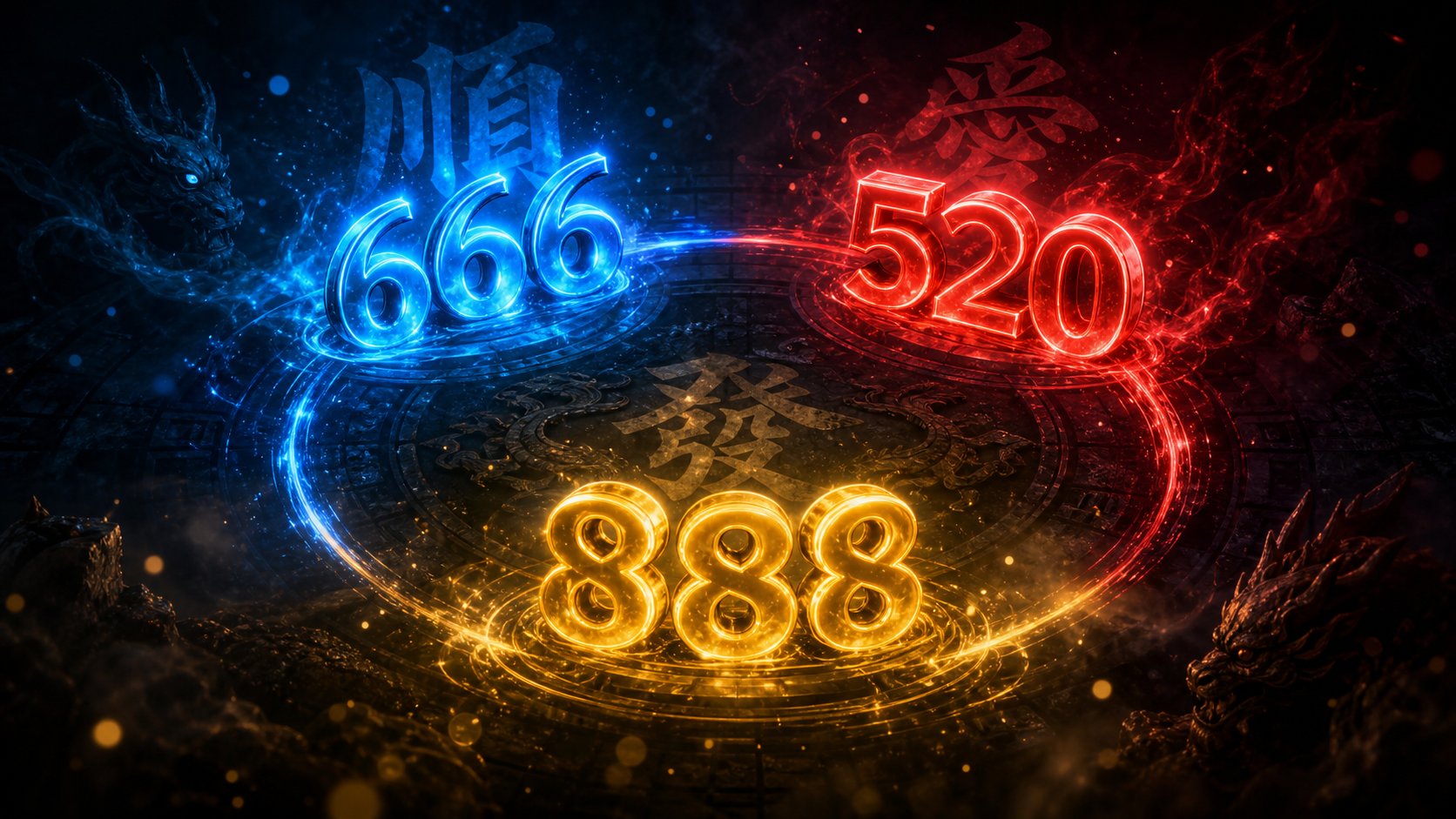
| 666 | liù liù liù (溜溜溜) | Smooth / Awesome | Praise for skilled plays |
| 520 | wǔ èr líng (我爱你) | I love you | Couple tags and romantic duos |
| 888 | bā bā bā (发发发) | Prosperity / Wealth | Lucky/flex energy in tags |
| 233 | èr sān sān (哈哈哈) | Hahaha / LOL | Troll or humor-based names |
| 7456 | qī sì wǔ liù (气死我了) | I'm so angry | Tilted/rage-themed tags |
| 995 | jiǔ jiǔ wǔ (救救我) | Help me! | Ironic support-player names |
| 1314 | yī sān yī sì (一生一世) | Forever and ever | Loyalty-themed clan tags |
| 748 | qī sì bā (去死吧) | Go to hell | Trash-talk / aggressive tags |
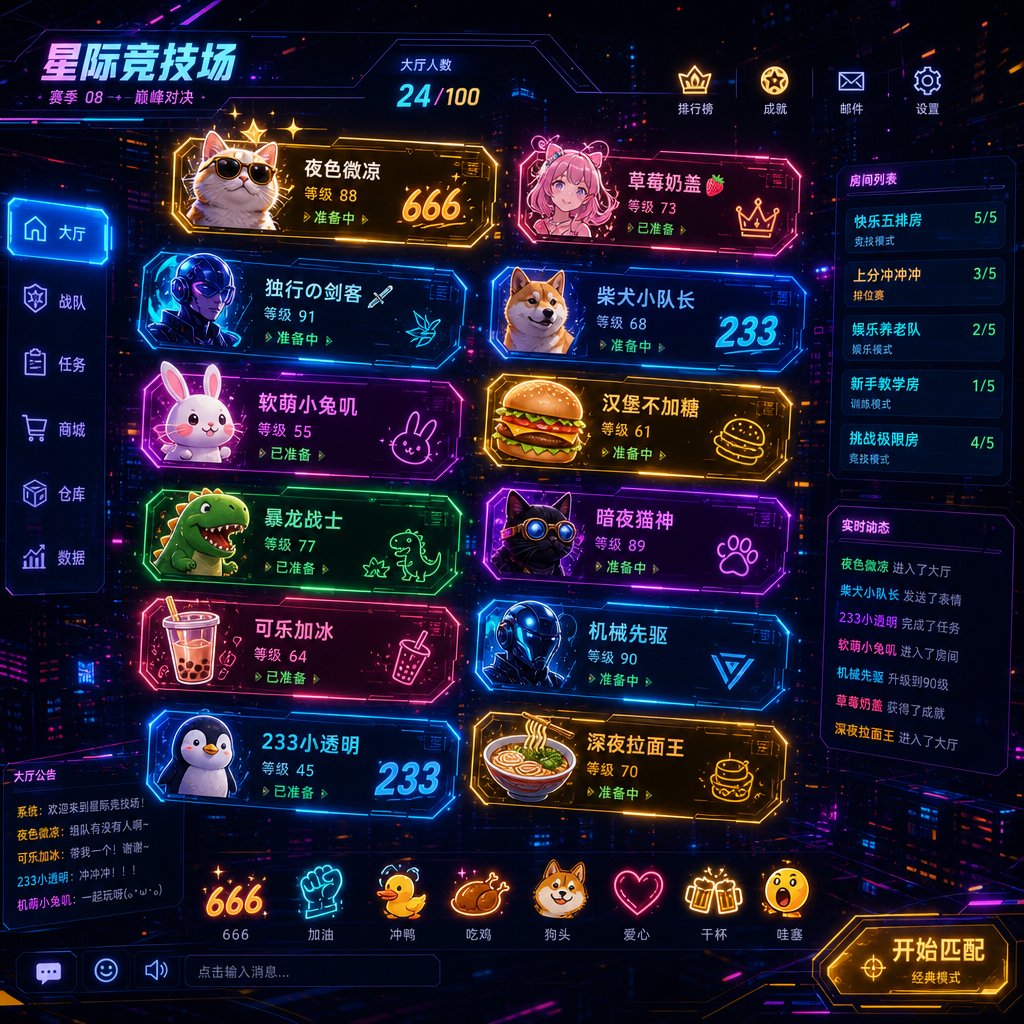
Imagine seeing a tag like "影666" in a match lobby. To Western eyes, it's a character plus some numbers. To anyone who reads the code, it says "Shadow who plays smooth" — a compact flex built from one hanzi character and a three-digit reputation claim. Players mix these number codes with characters, pinyin, or English fragments to build tags that carry hidden layers of meaning within tight character limits.
These three construction methods — character pairing, pinyin conversion, and number substitution — form the foundation. But the real flavor comes from where players draw their inspiration, and that leads straight into the number slang system's deeper role in competitive gaming culture.
Chinese Number Slang That Powers Clever Gamer Tags
Number codes aren't just chat shorthand — they're a full-blown naming system in Chinese gaming culture. Players weave digits into their chinese username to signal skill level, attitude, and personality without writing a single character or letter. Once you understand the phonetic logic, you'll start seeing these patterns everywhere: in match lobbies, leaderboards, and clan rosters across every major title.
Essential Number Codes Every Gamer Should Know
The system runs deeper than the basics covered earlier. Beyond the well-known 666 and 520, competitive players draw from an expanded vocabulary of number-as-language codes. These fall into three functional categories depending on the vibe a player wants their chinese game name to project.
| Category | Number Code | Phonetic Equivalent | English Meaning | Tag Usage |
|---|---|---|---|---|
| Gaming Skill | 6 | liù (溜) | Smooth / Skilled | Suffix to flex mechanical ability |
| Gaming Skill | 1 | yī (一) | First / Top | Prefix claiming dominance |
| Gaming Skill | 9 | jiǔ (久) | Long-lasting / Enduring | Signals veteran status |
| Emotional | 520 | wǒ ài nǐ | I love you | Couple or duo tags |
| Emotional | 530 | wǒ xiǎng nǐ | I miss you | Sentimental solo tags |
| Emotional | 770 | qīn qīn nǐ | Kiss you | Playful/flirty names |
| Trash Talk | 748 | qù sǐ ba | Go die | Aggressive intimidation |
| Trash Talk | 7456 | qì sǐ wǒ le | You're infuriating | Tilt-themed ironic names |
| Trash Talk | 5765 | wǒ qī nǐ le | I'm bullying you | Taunting opponents pre-match |
| Status | 888 | fā fā fā | Prosperity | Wealth/luck flex |
| Status | 1314 | yī shēng yī shì | Forever | Loyalty-themed clan identity |
| Status | 918 | jiā yóu ba | Let's go / Fight on | Motivational team tags |
You'll notice how each category serves a different purpose in the chinese name game. Skill codes go in tags meant to intimidate. Emotional codes show up in duo queues. Trash-talk codes are pure psychological warfare before the match even loads.
Building Tags with Number-Character Hybrids
The real creativity happens when players blend numbers with hanzi characters or English letters to build compact, layered tags. This hybrid approach lets you pack maximum meaning into minimum space — critical when platforms cap usernames at 12 or 16 characters.
Here are real naming patterns pulled from Chinese server conventions:
- 影9 (Yǐng Jiǔ) — "Enduring Shadow." The character provides imagery while the number adds a temporal dimension.
- 1刀 (Yī Dāo) — "One Blade" or "First Cut." A nick in chinese competitive circles that signals one-shot kill confidence.
- 冰520 (Bīng 520) — "Ice Loves You." Blends a nature character with a romantic number code for a couple-tag aesthetic.
- K9战士 — Mixes English letter, number homophone (jiǔ = enduring), and Chinese characters (warrior) into a trilingual tag.
- No1龙 — "Number One Dragon." English abbreviation plus digit plus character — readable across any server.
The pattern is consistent: one element carries the visual identity (a character or word), while the number injects attitude, context, or hidden meaning. Players on Chinese servers treat this like a nickname in chinese internet culture — a compressed identity marker that rewards those who can decode it.
Why Number Slang Works Across Platforms
There's a practical reason number-heavy tags dominate across every platform from mobile to PC. Numbers are universally supported. They bypass every character-encoding headache that plagues Chinese characters on international servers. No rendering issues. No question marks replacing your carefully chosen hanzi. No platform-specific font failures.
But the deeper appeal is exclusivity. A tag like "748战神" looks like random noise to someone outside the culture. To anyone who reads the code, it screams aggression — "go die, war god." That insider-knowledge effect creates a two-tier experience: casual observers see a string of digits, while those in the know see a full statement of intent.
This makes number slang the most portable element of Chinese gaming identity. Whether you're playing on Steam, a mobile MOBA, or a console shooter, digits render perfectly and carry their meaning intact. For players building a consistent nick in chinese gaming spaces that also travels to Western servers, numbers are the universal bridge.
Of course, numbers and characters only tell half the story. The themes players choose — the mythology, literature, and internet culture they reference — shape whether a tag feels like a warrior's title or a meme lord's calling card.
Cultural References Behind Iconic Chinese Gamer Tags
Every naming system draws from somewhere. Western gamers pull from Norse mythology, Tolkien, or comic book heroes. Chinese players tap into a cultural reservoir that stretches back thousands of years — one that most Western players never encounter outside of subtitled dramas or translated novels. Understanding these sources is the difference between a tag that looks cool and one that carries genuine weight.
Wuxia and Martial Arts Naming Traditions
The single biggest influence on cool chinese names jianghu-style is the wuxia genre itself. Wuxia (literally "martial heroes") fiction has shaped Chinese popular culture for over a century, and its naming conventions bleed directly into how players construct gaming identities.
In the jianghu — the fictional "martial arts world" where wandering swordsmen roam — warriors don't just have names. They have titles. These titles combine nature imagery with combat prowess to create poetic identifiers that signal a fighter's style, reputation, or destiny. A well-crafted wuxia name isn't just a label — it's a prophecy, foreshadowing a character's path through the martial world.
Here's how the formula works for gamer tags:
- Nature element + combat concept — 雪风剑 (Xuě Fēng Jiàn, "Snow Wind Sword") or 寒月刀 (Hán Yuè Dāo, "Cold Moon Blade")
- Abstract quality + natural force — 无形风 (Wú Xíng Fēng, "Formless Wind") or 孤云 (Gū Yún, "Lone Cloud")
- Celestial imagery + martial title — 天雷客 (Tiān Léi Kè, "Heavenly Thunder Wanderer")
The key principle: wuxia names reflect identity through metaphor rather than literal description. A player named 落叶 (Luò Yè, "Falling Leaf") isn't telling you they like autumn — they're evoking transience, quiet lethality, and the idea of something beautiful that descends without warning. That density of cultural meaning is what makes these funny chinese nicknames land differently when used ironically, or hit hard when played straight.
Mythology and Classic Literature References
Beyond wuxia fiction, Chinese gamers draw heavily from the four great classical novels and ancient mythology. These aren't obscure references in Chinese culture — they're foundational stories that every player recognizes instantly.
Journey to the West (西游记) remains the most-referenced source, especially after Black Myth Wukong brought it to global attention. Players adapt character names and titles: 齐天 (Qí Tiān, "Equal to Heaven") references Sun Wukong's self-proclaimed title, while 金箍 (Jīn Gū, "Golden Band") nods to his iconic headband. Chinese video game characters frequently draw from this novel's rich cast of demons, immortals, and celestial warriors.
Romance of the Three Kingdoms (三国演义) provides a different flavor. Its officer names — like Zhao Yun's courtesy name 子龙 (Zǐlóng, "Child Dragon") or Guan Yu's title 云长 (Yúnchǎng, "Cloud Length") — model how players build tags that sound historically grounded. The Three Kingdoms naming tradition of pairing a surname with a poetic courtesy name directly influences how gamers create alternate identities.
Fengshen Yanyi (封神演义, Investiture of the Gods) supplies the supernatural end of the spectrum. Tags referencing Nezha, the Jade Emperor, or various celestial generals carry mythological authority that resonates across Chinese gaming communities.
Players rarely copy these names directly. Instead, they adapt fragments — taking a single character from a legendary figure's title and combining it with something personal. A chinese fan name built from 悟 (wù, "enlightenment," from Wukong) plus a player's own chosen element creates something that honors the source while remaining original.
Modern Chinese Internet Culture and Memes
Not every tag aims for poetic grandeur. A huge portion of Chinese gaming names come from internet memes, viral phrases, and community in-jokes that shift constantly. This is where you find the funny names in chinese gaming — tags designed to make teammates laugh or opponents tilt before the match starts.
Chinese internet slang evolves faster than any textbook can track, and gaming tags reflect that velocity. Terms born on Bilibili or Douyin jump into username fields within days of going viral.
- Meme phrases as tags — Players use viral expressions like 破防了 (pò fáng le, "my defenses are broken") or 摸鱼大师 (mō yú dàshī, "master of slacking off") as self-deprecating humor names. These hilarious chinese names work because everyone in the community recognizes the reference.
- Sarcastic skill claims — Tags like 永远的神 (YYDS, "eternal god") used ironically by average-ranked players, or 菜鸡 (cài jī, "noob chicken") worn as a badge of self-aware humor.
- Pop culture mashups — Combining trending celebrity nicknames, anime references, or C-drama character names with gaming terminology. A player might reference a popular idol's chinese fan name and twist it into something competitive.
- Absurdist combinations — Deliberately pairing elegant classical characters with modern slang for comedic contrast, like 仙人摸鱼 (Xiānrén Mō Yú, "Immortal Who Slacks Off") or 剑圣吃瓜 (Jiàn Shèng Chī Guā, "Sword Saint Eating Melon" — a spectator reference).
- Platform-specific references — Bilibili's danmaku (bullet comment) culture generates phrases that become tags, while Douyin trends create naming waves that sweep through mobile gaming communities.
The humor in funny chinese nicknames often relies on contrast — placing something sacred next to something mundane, or using classical language structure to say something absurd. It's a naming tradition that rewards cultural literacy with laughter.
These cultural layers — martial arts tradition, classical literature, and living internet culture — give Chinese gamer tags a depth that pure invention can't replicate. But knowing the inspiration sources is only half the equation. The other half is understanding where you can actually use these tags, since every platform handles Chinese characters differently.
Platform-Specific Rules for Chinese Gamer Tags
A perfectly crafted tag means nothing if the platform mangles it into question marks or blocks it outright. Every gaming platform handles character encoding, display names, and naming restrictions differently — and those technical realities shape which construction methods actually work. Knowing the rules before you commit to a name saves you from discovering your poetic two-character masterpiece renders as "??" on your friend's screen.
Steam and PC Gaming Platforms
Steam is the most permissive major platform for chinese display names. It supports full Unicode in display names, meaning Chinese characters, Japanese kanji, Korean hangul, and special symbols all render correctly regardless of which regional store a player uses. There's no character limit on Steam display names in the traditional sense — you get roughly 32 characters of space, and since Chinese characters are single units, that's generous enough for even elaborate tags.
Here's what makes Steam particularly friendly for Chinese-inspired tags:
- No uniqueness requirement — Multiple players can share the same display name since Steam identifies accounts by SteamID, not username. This means popular tags like 无敌 (Invincible) or 大神 (God-tier) aren't locked behind "name already taken" walls.
- Instant name changes — You can swap your display name as often as you want, letting players rotate between serious competitive tags and joke names between sessions.
- Cross-region rendering — Chinese characters display correctly for all users regardless of their client language settings, since Steam handles font fallback well.
Steam's international version remains the platform of choice for 79.5% of Chinese gamers who play premium titles. That massive user base means Chinese-character tags are common in global lobbies — you won't look out of place using one.
Other PC platforms vary. Epic Games Store supports Unicode display names similarly to Steam. Battle.net allows Chinese characters but enforces stricter content filters. Discord — where many gaming communities organize — fully supports Unicode in display names and server nicknames, making it a natural home for Chinese-character tags.
League of Legends and MOBA Naming Conventions
MOBAs are where naming culture gets region-locked and competitive. A league of legends chinese name on the Chinese super server operates under completely different rules than one on NA or EUW — and the cultural expectations around naming diverge just as sharply.
Chinese LoL servers (operated by Tencent):
- Full Chinese character support with a 16-character limit
- Real-name verification required for account creation
- Naming culture favors short, punchy two-to-four character tags — often wuxia-inspired or meme-driven
- Pro players set naming trends that cascade through ranked queues within hours
Western LoL servers (NA, EUW, etc.):
- Latin characters only — no Chinese character support in summoner names
- 3 to 16 character limit
- Players wanting a league of legends chinese name on Western servers must use pinyin romanization or phonetic approximations
- Tags like "WuJi" or "HanBing" are common workarounds that retain Chinese identity within Latin-character constraints
Valorant follows a similar split. A valorant chinese name on Asian servers can use native characters, but international servers restrict you to Latin characters, numbers, and limited special characters. Riot's universal Riot ID system (introduced across all their titles) caps display names at 16 characters and allows spaces, giving pinyin-based tags slightly more breathing room than the old system.
Honor of Kings — Tencent's mobile MOBA that dwarfs League in player count across China — natively supports Chinese characters and has no need for romanization workarounds. Its naming meta leans heavily toward four-character idiom-style tags (chengyu patterns) and number-character hybrids.
Mobile Platforms and Genshin Impact
Mobile gaming dominates the Chinese market, and most mobile titles built for Chinese audiences support native character input without friction. The challenge appears when those games go global or when Western players want Chinese-inspired names on international servers.
Genshin Impact handles this well. miHoYo's naming system supports Unicode across all servers, meaning you can use Chinese characters on the NA server just as easily as on the CN server. The display name limit is 16 characters, and Chinese characters count as one character each. This makes Genshin one of the most accessible platforms for players experimenting with Chinese-inspired tags regardless of their home region.
PUBG Mobile supports Unicode and allows Chinese characters on most servers, with a 14-character limit. However, some regional versions (like the Indian relaunch BGMI) restrict character sets. The global version remains open to Chinese display names.
For players exploring roblox chinese display name ideas, the situation is more nuanced. Roblox supports Unicode in display names (separate from the account username), so Chinese characters render correctly. The display name limit is 20 characters, and you can change it every seven days. A chinese roblox name using characters like 星辰 (Star) or 幻影 (Phantom) will display properly for all users. However, the underlying username (used for login and mentions) remains restricted to Latin characters and numbers — so your searchable identity stays romanized even if your visible tag uses hanzi.
| Platform | Character Limit | Unicode Support | Chinese Characters Display Correctly | Notes |
|---|---|---|---|---|
| Steam | ~32 characters | Full | Yes, all regions | No uniqueness required; unlimited changes |
| League of Legends (CN) | 16 characters | Full | Yes | Real-name verification required |
| League of Legends (NA/EU) | 16 characters | Latin only | No | Pinyin workaround needed |
| Valorant (Global) | 16 characters | Limited | Asian servers only | Riot ID system; spaces allowed |
| Genshin Impact | 16 characters | Full | Yes, all servers | Most accessible for cross-region Chinese tags |
| Honor of Kings | 16 characters | Full | Yes | CN-focused; chengyu naming meta |
| PUBG Mobile | 14 characters | Full | Yes, most servers | Some regional versions restrict |
| Roblox | 20 characters (display) | Full (display name) | Yes | Username stays Latin; display name supports hanzi |
The practical takeaway: if your platform supports Unicode, you have full creative freedom with Chinese characters. If it doesn't, pinyin romanization and number codes become your primary tools. Either way, the naming strategies covered earlier — character pairing, number homophones, hybrid construction — all adapt to fit within these technical boundaries.
Platform rules tell you what's possible. The next step is actually building something meaningful within those constraints — picking characters that combine naturally and sound right to native speakers rather than just looking cool in isolation.
Build Your Own Chinese Gamer Tag from Scratch
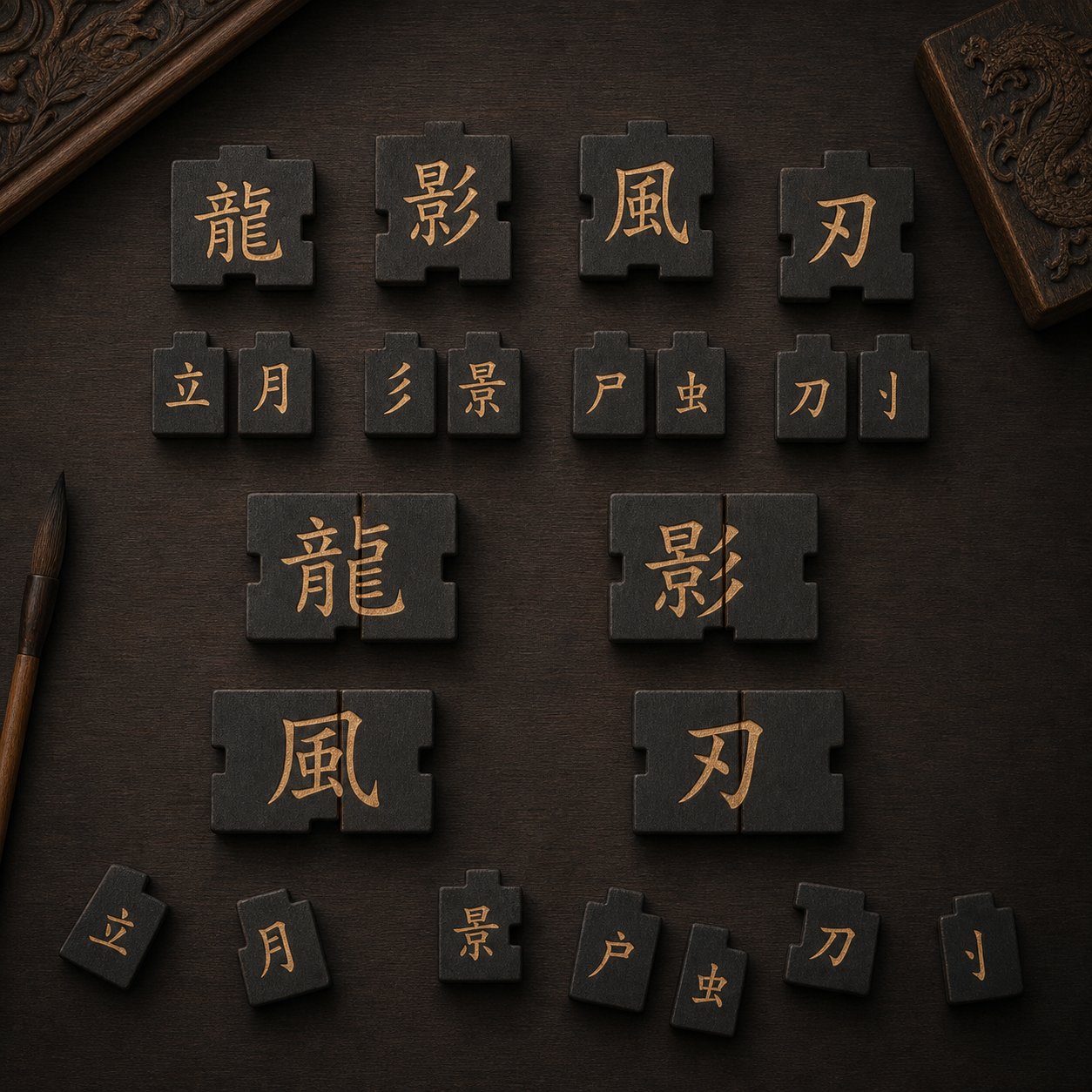
Copying a name from a list gives you someone else's identity. Building one from components gives you something that actually means what you want it to mean. Think of this section as a fantasy chinese name generator you control — a mix-and-match framework where you pick characters by category, combine them using the patterns covered earlier, and end up with a tag that sounds intentional rather than random.
The system is simple: choose one or two characters from different meaning categories, pair them together, and check whether the combination flows naturally. Below are the building blocks organized by theme, with pinyin pronunciation and ready-made combination examples to get you started.
Power and Combat Characters
If you want a tag that hits hard in competitive lobbies, these are your core components. Combat characters project aggression, dominance, or lethal precision — exactly the energy you want opponents reading in a loading screen.
| Chinese Character | Pinyin | Meaning | Example Tag Combinations |
|---|---|---|---|
| 龙 | lóng | Dragon | 龙影 (Dragon Shadow), 暗龙 (Dark Dragon) |
| 刃 | rèn | Blade / Edge | 寒刃 (Cold Blade), 无刃 (Bladeless) |
| 影 | yǐng | Shadow | 影狼 (Shadow Wolf), 月影 (Moon Shadow) |
| 雷 | léi | Thunder | 雷霆 (Thunderbolt), 破雷 (Thunder Breaker) |
| 狼 | láng | Wolf | 孤狼 (Lone Wolf), 狼牙 (Wolf Fang) |
| 战 | zhàn | War / Battle | 战魂 (War Soul), 战神 (War God) |
| 剑 | jiàn | Sword | 剑心 (Sword Heart), 飞剑 (Flying Sword) |
| 虎 | hǔ | Tiger | 虎啸 (Tiger Roar), 白虎 (White Tiger) |
Notice how each example pairs a combat character with either a nature element or an abstract modifier. That's the formula: weapon or creature plus atmosphere or quality. Tags like 剑心 (Sword Heart) work because they follow the same wuxia naming patterns that have sounded natural in Chinese for centuries — action paired with inner state.
Nature and Elemental Characters
Not every tag needs to scream aggression. Nature characters create poetic, atmospheric tags suited to RPGs, exploration games, or players who prefer elegance over brute force. These are the characters that make chinese names for games feel like they belong in a fantasy world rather than a trash-talk lobby.
| Chinese Character | Pinyin | Meaning | Example Tag Combinations |
|---|---|---|---|
| 风 | fēng | Wind | 风无痕 (Wind Without Trace), 追风 (Wind Chaser) |
| 月 | yuè | Moon | 月落 (Moonfall), 冷月 (Cold Moon) |
| 霜 | shuāng | Frost | 霜刃 (Frost Blade), 霜夜 (Frost Night) |
| 山 | shān | Mountain | 山隐 (Mountain Hermit), 破山 (Mountain Breaker) |
| 水 | shuǐ | Water | 水月 (Water Moon), 流水 (Flowing Water) |
| 雪 | xuě | Snow | 雪狐 (Snow Fox), 飞雪 (Flying Snow) |
| 云 | yún | Cloud | 云游 (Cloud Wanderer), 孤云 (Lone Cloud) |
| 星 | xīng | Star | 星辰 (Starlight), 星落 (Starfall) |
Nature characters are the backbone of chinese name ideas that feel timeless. A tag like 孤云 (Lone Cloud) immediately evokes a wandering swordsman archetype — it's the kind of name that works equally well in Genshin Impact, an MMO, or a wuxia-themed battle royale. These characters also combine beautifully with combat elements: 雪剑 (Snow Sword) or 风刃 (Wind Blade) bridge both categories into something sharper.
Abstract and Philosophical Characters
For players who want their tag to carry weight beyond surface imagery, abstract characters add philosophical depth. These are the components that turn a chinese name generator fantasy output into something that feels genuinely meaningful — concepts that resonate whether or not the reader speaks Mandarin.
| Chinese Character | Pinyin | Meaning | Example Tag Combinations |
|---|---|---|---|
| 命 | mìng | Destiny / Fate | 命运 (Destiny), 逆命 (Defying Fate) |
| 空 | kōng | Void / Empty | 空灵 (Ethereal Void), 虚空 (The Void) |
| 永 | yǒng | Eternal | 永夜 (Eternal Night), 永恒 (Eternity) |
| 梦 | mèng | Dream | 梦境 (Dreamscape), 碎梦 (Shattered Dream) |
| 灵 | líng | Spirit / Soul | 灵狐 (Spirit Fox), 幽灵 (Phantom) |
| 玄 | xuán | Mysterious / Profound | 玄武 (Black Tortoise), 玄夜 (Mysterious Night) |
| 无 | wú | Without / Nothingness | 无名 (Nameless), 无双 (Unmatched) |
| 道 | dào | The Way / Path | 天道 (Heaven's Way), 剑道 (Way of the Sword) |
Abstract characters are where traditional Chinese naming philosophy shines through most clearly. Characters like 无 (without) and 空 (void) carry Daoist and Buddhist resonance that adds layers of meaning a Western audience might not consciously parse but will instinctively feel as "deep." Tags like 无双 (Unmatched) or 天道 (Heaven's Way) project quiet confidence rather than loud aggression.
What Sounds Natural vs. What Sounds Awkward
Having the building blocks isn't enough — you need to know which combinations a native speaker would actually use versus which ones sound like a machine translation gone wrong. Here are the key principles:
- Modifier before noun — In natural Chinese, the descriptive element comes first. 寒刃 (Cold Blade) sounds right. 刃寒 (Blade Cold) sounds like broken syntax.
- Two characters is the sweet spot — Most natural-sounding tags use two or three characters total. Four characters work if they follow a chengyu (idiom) rhythm. Five or more starts feeling like a sentence, not a name.
- Avoid doubling the same radical type — Two water-radical characters side by side (like 海洋, "ocean") reads as a dictionary entry, not a name. Mix radicals for visual and semantic variety.
- Verb + noun creates dynamism — Tags like 破天 (Shatter Sky) or 追风 (Chase Wind) feel active and alive. Pure noun + noun combinations like 山水 (Mountain Water) read more like landscape painting titles — fine for RPGs, flat for competitive games.
- Test the pinyin out loud — If the romanized version is unpronounceable for your non-Chinese teammates (too many "zh" or "x" sounds stacked together), consider whether readability matters for your context.
The best chinese names for games follow the same principle that guides traditional Chinese naming: they should sound like poetry and hint at identity. Pick characters that resonate with how you play, combine them using the patterns above, and you'll end up with something that carries real meaning — not just borrowed aesthetics.
Of course, building a tag from Chinese components is one thing. Making it work on an English-language server where your teammates can't read hanzi requires a different set of adaptation strategies.
Chinese-Inspired Tags for English-Language Platforms
You've got the characters, the number codes, and the cultural references. But here's the friction point: most of your teammates play on servers where hanzi renders fine visually yet nobody can pronounce your name in voice chat. Adapting Chinese naming conventions for Latin-character platforms isn't about dumbing things down — it's about translating the logic of Chinese tag construction into a format that retains cultural meaning while staying functional in English-dominant lobbies.
This is also where authenticity matters most. The internet is full of lists offering "Chinese-inspired" names that are really just orientalist cliches — random words like "Ancient Dragon Emperor" that no actual Chinese player would ever use. Cool chinese nicknames draw from real linguistic patterns, not Western fantasies about what Chinese sounds like.
Chinese-Inspired Tags That Work on English Servers
Three adaptation methods keep cultural integrity intact when you're limited to Latin characters:
- Direct pinyin — Use the romanized pronunciation as your tag. "HanYue" (Cold Moon), "GuYun" (Lone Cloud), or "WuHen" (Without Trace) all read cleanly in English while preserving the original Chinese name structure. Capitalize each syllable so teammates can parse where one character ends and the next begins.
- Partial translation — Translate one element and keep the other in pinyin. "FrostRen" (Frost Blade), "LoneYun" (Lone Cloud), or "VoidMing" (Void Fate) create bilingual hybrids that signal cultural awareness without requiring Chinese literacy from your squad.
- Phonetic approximation — Reshape pinyin into something that sounds natural in English while echoing the original. "Shwang" for 霜 (frost), "Ling" for 灵 (spirit), or "Yong" for 永 (eternal) work as standalone tags that carry their Chinese roots subtly.
Chinese nicknames in english work best when they follow the same two-to-three syllable rhythm that native tags use. Keep it compact. A tag like "MoLang" (Ink Wolf) hits harder than "DarkInkWolfWarrior" because it respects the brevity principle that makes Chinese naming effective in the first place.
Tags for Western Players of Chinese Games
If you're deep into Genshin Impact, Wuthering Waves, or Black Myth Wukong, you probably want a tag that reflects the world you're spending hundreds of hours in. The goal isn't to pretend you're Chinese — it's to engage with the game's cultural language on its own terms.
Here's where the line between representation and appropriation becomes relevant. Respectful engagement means understanding what you're referencing rather than grabbing characters that "look cool" without knowing their meaning.
- Do — Pick characters or pinyin from concepts that genuinely resonate with your playstyle or the game's themes. A Wuthering Waves player using "MingYue" (Bright Moon) is engaging with the game's aesthetic vocabulary.
- Do — Learn the pronunciation of your own tag. If you can't say it, you probably don't understand it well enough to wear it.
- Do — Use the construction patterns from earlier sections (modifier + noun, nature + combat) rather than random character strings.
- Don't — Stack every "exotic" character you can find into one name. "DragonPhoenixShadowBlade" isn't a Chinese naming pattern — it's a Western stereotype of one.
- Don't — Use characters with sacred or deeply personal cultural significance as aesthetic decoration without understanding their weight.
- Don't — Default to martial arts cliches. Chinese gaming culture is far broader than kung fu references.
The simplest test: would an actual Chinese player use something structured like your tag? If the answer is yes — even if the specific combination is your own — you're on solid ground.
Couple and Squad Tag Patterns
Chinese gaming culture has a rich tradition of matching tags for duos and teams. These aren't just cute add-ons — they're a recognized naming convention with specific structural rules. If you're looking for chinese couple nicknames that carry more weight than "Player1" and "Player2," this is where Chinese naming logic really shines.
The most common patterns for pairs:
- Complementary opposites — One player takes 日 (sun), the other takes 月 (moon). Or 冰 (ice) paired with 火 (fire). The tags only make full sense together, signaling a bond visible to anyone who reads both names in a lobby.
- Split phrases — Take a four-character idiom or phrase and divide it between two players. 天长 (Heaven's Length) + 地久 (Earth's Endurance) together form the idiom meaning "everlasting." In pinyin: "TianChang" and "DiJiu."
- Shared element + unique modifier — Both players use the same base character with different prefixes. 寒星 (Cold Star) and 落星 (Falling Star) share 星 while maintaining individual identity.
- Number-coded pairs — Using code names for crushes chinese players popularized: one takes 520 (I love you), the other takes 1314 (forever). Together they read as a declaration. These cute chinese nicknames work as chinese nicknames for boyfriend and girlfriend pairings or close duo-queue partners.
For squads and clans, the convention shifts to a shared prefix or suffix that marks team identity while leaving room for individual expression. A five-stack might all use 破 (shatter) as their first character — 破天, 破风, 破影, 破雷, 破空 — creating a unified roster that reads like a martial arts sect. In pinyin on English servers, that becomes PoTian, PoFeng, PoYing, PoLei, PoKong — instantly recognizable as a coordinated unit.
These matching conventions give duo and team players a naming system with built-in meaning rather than just slapping a clan tag bracket in front of a random name. The structure itself communicates relationship and intent.
With the right construction method, cultural grounding, and platform awareness, you can build a tag that works in any context. The final piece is matching your naming approach to the specific genre you play — because a poetic RPG name and a sweaty ranked tag serve very different purposes.
Genre-Specific Chinese Tags for Every Game Style
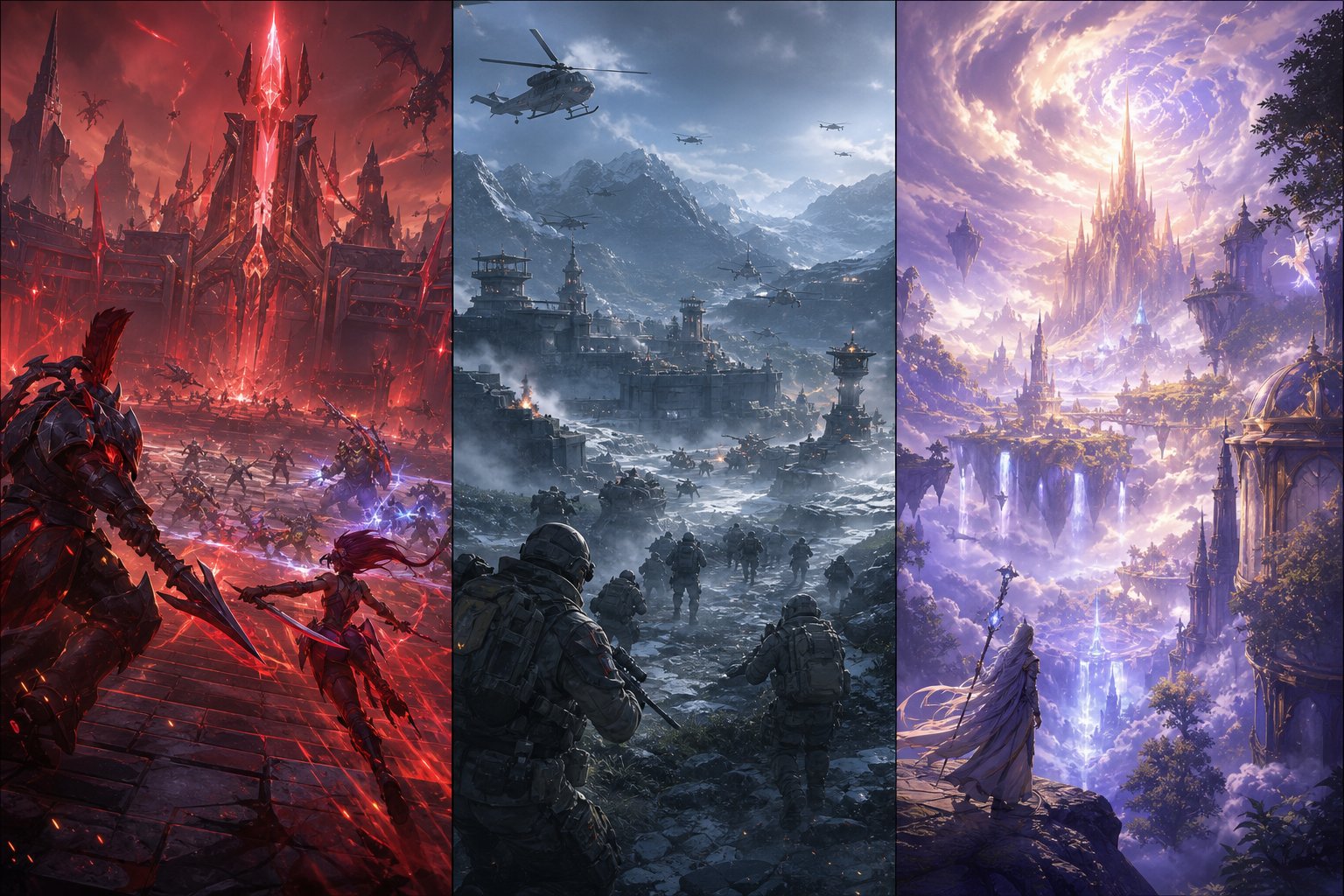
A tag that dominates in a ranked MOBA lobby would feel completely out of place on an MMO character walking through a fantasy village. Genre shapes naming culture as much as language does — the competitive context determines whether your tag should intimidate, amuse, or immerse. Chinese players instinctively adapt their naming approach based on what kind of game they're playing, and understanding those genre conventions helps you pick a style that actually fits.
MOBA and Competitive Tags
In League of Legends and Honor of Kings ranked queues, tags serve one purpose: psychological warfare. You want opponents to feel something — doubt, annoyance, or respect — before minions even spawn. Chinese esports professionals set the tone here, and their naming choices cascade through the entire competitive ecosystem within hours of appearing on stream.
The dominant patterns in MOBA naming culture lean aggressive, ironic, or absurdly confident:
- Skill declaration tags — Names like 无败 (Wú Bài, "Undefeated") or 一刀秒 (Yī Dāo Miǎo, "One-Shot Kill") project mechanical confidence. Pro players like Uzi, TheShy, and Rookie chose short, punchy tags that became brands — and ranked grinders imitate that energy with chinese fantasy names that sound like titles earned through combat.
- Ironic self-deprecation — Equally popular are tags like 我是菜鸡 ("I'm a noob") or 别Ban我英雄 ("Don't ban my hero") that use humor as a disarming tactic. Opponents who underestimate a player named "Hardstuck Silver" often regret it.
- Role-specific identity — Support mains might run 奶妈来了 ("Healer has arrived") while jungle players favor predatory imagery: 暗夜猎手 ("Night Hunter") or 丛林之王 ("King of the Jungle"). The tag telegraphs playstyle before champion select even begins.
- Number-flex hybrids — Tags ending in 666 (skilled) or starting with 1 (first/top) signal ranked confidence. A sweaty clash name like 1号刺客 ("Assassin #1") combines number positioning with role identity for maximum lobby presence.
The key principle: MOBA tags are short, readable at a glance during loading screens, and designed to create a narrative before gameplay starts. Two to four characters is the sweet spot — anything longer gets lost in the chaos of champion select chat.
Battle Royale and FPS Tags
Battle royale and tactical shooter naming culture shares DNA with MOBA tags but pushes further toward raw intimidation. When you're scanning a kill feed or spectating the player who eliminated you, the tag needs to hit instantly. No time for poetic interpretation — just impact.
Chinese players on PUBG, Apex Legends, and Valorant servers favor a specific aesthetic that translates well for anyone chasing warzone names sweaty enough to tilt opponents on sight:
- Single-action tags — 灭 (Miè, "Annihilate"), 斩 (Zhǎn, "Sever"), or 杀神 (Shā Shén, "Kill God"). One or two characters that read like a verb — something happening to you right now.
- Military/tactical vocabulary — 狙神 (Jū Shén, "Sniper God"), 弹幕 (Dàn Mù, "Bullet Storm"), or 铁血 (Tiě Xuè, "Iron Blood"). These pull from military fiction rather than wuxia, matching the modern combat setting.
- Tryhard number codes — Pure number tags like 1666 ("Top Skilled Player") or 748战队 ("Go Die Squad") weaponize the number system for maximum aggression. These work as dank xbox names too — the number codes translate across any platform without character-encoding issues.
- Clan prefix + kill word — Organized squads use formats like [团]灭世 ("[Clan] World Ender") where the bracket prefix identifies the team and the suffix promises violence. Clean, scannable, intimidating in a kill feed.
FPS tags prioritize brevity above all else. When your name flashes in a kill notification, shorter means more memorable. The best battle royale tags function like a brand stamp — three to five characters that burn into an opponent's memory after they get eliminated. Players hunting for dank xbox names or console shooter tags often land on this Chinese-inspired formula because it delivers maximum attitude in minimum space.
MMO and RPG Character Names
The naming game shifts completely in persistent worlds. MMO and RPG characters live for hundreds of hours — they have backstories, guild reputations, and social identities that evolve over months. A two-character aggression tag that works in a 20-minute MOBA match feels hollow on a character you'll inhabit for years.
Chinese MMO naming conventions lean toward the elaborate and poetic, drawing heavily from wuxia and xianxia (immortal cultivation) traditions. This is where mmorpg game alt character names for winter themed names and other seasonal or elemental concepts find their natural home:
- Four-character poetic titles — 风花雪月 (Fēng Huā Xuě Yuè, "Wind, Flowers, Snow, Moon") or 醉卧长安 (Zuì Wò Cháng'ān, "Drunk in Chang'an"). These read like lines from classical poetry and suit characters meant to feel like they belong in the game world. Winter-themed variations like 霜落寒林 ("Frost Falls on Cold Forest") or 雪隐孤山 ("Snow Hides the Lone Mountain") create atmospheric identity perfect for seasonal alt characters.
- Sect/school naming patterns — Players in games with faction systems adopt naming conventions that mirror their in-game school. A Wudang-style character might use 清风道人 ("Daoist of the Clear Wind") while a demon-path character runs 血魔 ("Blood Demon"). The name reinforces roleplay identity.
- Lore-appropriate construction — Chinese fantasy names in MMOs follow the same rules as traditional Chinese naming conventions — they should feel culturally plausible, not like random character soup. A name that could exist in the game's fictional world carries more weight than one that breaks immersion.
- Progressive naming for alts — Players with multiple characters often use thematic series: 春风 (Spring Wind), 夏雨 (Summer Rain), 秋霜 (Autumn Frost), 冬雪 (Winter Snow). Each alt carries a seasonal identity while the shared structure marks them as belonging to the same player.
The contrast with competitive genres is stark. Where MOBA and FPS tags weaponize brevity, RPG names embrace length and complexity. A four-character tag that would get lost in a kill feed becomes a conversation starter in an MMO guild hall — something other players ask about, remember, and associate with your character's story across months of shared gameplay.
| Genre | Ideal Length | Tone | Primary Influence | Example Pattern |
|---|---|---|---|---|
| MOBA / Competitive | 2-4 characters | Aggressive or ironic | Esports pros, trash talk culture | 无败, 一刀秒, 菜鸡666 |
| Battle Royale / FPS | 2-3 characters | Intimidating, blunt | Military fiction, number codes | 灭, 狙神, 748战士 |
| MMO / RPG | 4-6 characters | Poetic, atmospheric | Wuxia, xianxia, classical poetry | 醉卧长安, 霜落寒林 |
Matching your naming style to your genre isn't just about aesthetics — it's about function. A tag optimized for its context communicates the right things to the right audience. Competitive players read short, sharp names as threats. RPG players read elaborate names as invitations to engage with a character's story. Pick the construction method that serves the world you're playing in, and your tag will feel like it belongs there rather than something pasted in from a generator.
Frequently Asked Questions About Chinese Gamer Tags
1. What makes Chinese gamer tags different from English ones?
Chinese gamer tags operate on multiple dimensions simultaneously. Each character carries independent meaning, sound, and visual weight, so a two-character tag like 无痕 (Without Trace) conveys an entire concept that would need a clunky multi-word phrase in English. Players construct tags using character pairing for poetic meaning, pinyin romanization for global servers, or hybrid English-Chinese mashups. This layered approach draws from centuries of literary tradition, wuxia naming conventions, and modern internet slang, giving Chinese tags a density of meaning that random English word combinations cannot match.
2. What do numbers mean in Chinese gamer tags?
Numbers in Chinese gamer tags function as phonetic substitutes for words because Mandarin digits sound similar to common phrases. For example, 666 sounds like 溜溜溜 (smooth/skilled) and praises good gameplay, 520 mimics 我爱你 (I love you) for couple tags, 888 echoes 发发发 (prosperity) for luck-themed names, and 233 represents laughter similar to typing LOL. Competitive players also use aggressive codes like 748 (go die) and 7456 (you're infuriating) for psychological warfare. These number codes bypass character-encoding issues and work on every platform, making them the most portable element of Chinese gaming identity.
3. Can I use Chinese characters in my gamer tag on Western platforms?
It depends on the platform. Steam, Genshin Impact, and Roblox display names all support full Unicode, meaning Chinese characters render correctly for all users regardless of region. However, League of Legends and Valorant on Western servers restrict summoner names to Latin characters only, requiring pinyin workarounds like WuHen or HanYue. The key distinction is between display names (often Unicode-friendly) and account usernames (usually Latin-only). Check your specific platform's character limit and encoding support before committing to a Chinese-character tag.
4. How do I create a Chinese gamer tag that sounds natural to native speakers?
Follow four core principles: place the modifier before the noun (寒刃 Cold Blade works, 刃寒 Blade Cold does not), keep it to two or three characters for competitive games, mix different radical types for visual variety, and use verb-plus-noun structures like 破天 (Shatter Sky) for dynamic energy. Avoid stacking every powerful-sounding character into one name, which is a common Western mistake. Test the pinyin pronunciation aloud to ensure teammates can say it. The best tags follow wuxia naming patterns where atmosphere meets action, such as pairing a nature element with a combat concept.
5. What cultural references do Chinese gamers use for their tags?
Chinese gamer tags draw from three main cultural wells. Wuxia martial arts fiction provides poetic warrior titles combining nature imagery with combat prowess, like 雪风剑 (Snow Wind Sword). Classical literature such as Journey to the West, Romance of the Three Kingdoms, and Fengshen Yanyi supplies legendary figure references and naming structures. Modern Chinese internet culture contributes viral memes, self-deprecating humor tags like 摸鱼大师 (Master of Slacking Off), and absurdist combinations that pair classical language with contemporary slang for comedic contrast.