How Chinese Name Order Actually Works
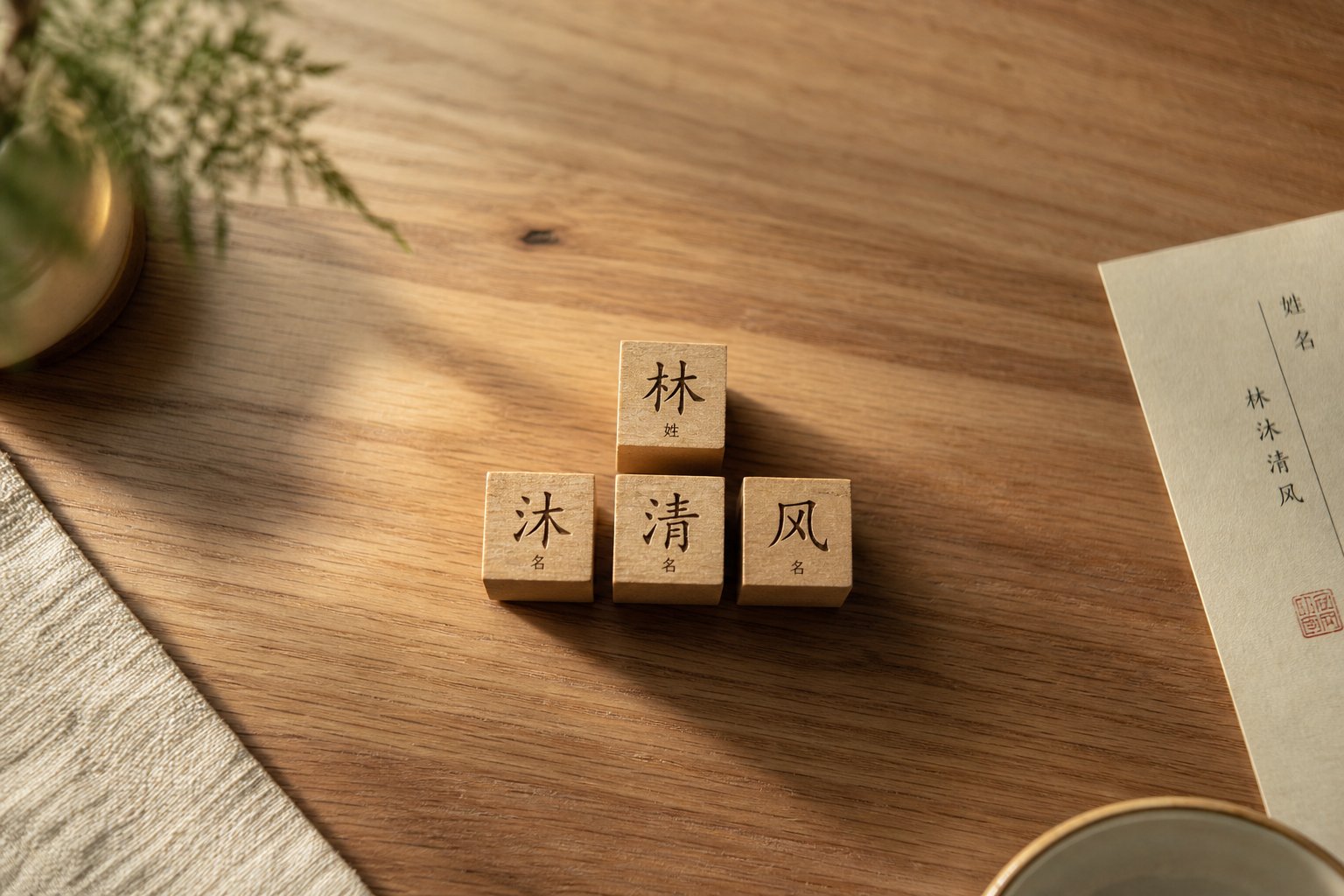
Here is the rule: in Chinese names, the surname (family name) comes first, followed by the given name. That is the opposite of Western naming conventions, where the given name leads and the family name trails behind. So when you see "Li Wei," Li is the surname and Wei is the given name, not the other way around.
This single reversal trips up English speakers constantly. You meet someone named Zhang Xiaoming, assume "Zhang" is a first name, and address them incorrectly for months. Understanding the order of Chinese names is the first step toward avoiding that mistake entirely.
How Chinese Name Order Differs From Western Names
The simplest chinese name definition to remember is this: family identity comes before individual identity. The surname anchors the name, and the given name follows. In Western cultures, you lead with who you are as an individual (your first name) and close with your family lineage (your last name). Chinese names flip that structure completely.
Here is what that looks like side by side:
| Name Order | Full Name | Surname | Given Name |
|---|---|---|---|
| Chinese order | Li Wei | Li | Wei |
| Western order | Wei Li | Li | Wei |
| Chinese order | Wang Xiaoming | Wang | Xiaoming |
| Western order | Xiaoming Wang | Wang | Xiaoming |
Notice that the same person can appear under two different arrangements depending on context. China's president is called Xi Jinping in Chinese order, where Xi is the surname. You would never call him "Mr. Jinping" any more than you would call the U.S. president by their first name in a formal setting. Yet that exact mistake happens with Chinese names all the time because English speakers default to treating the first written name as the given name.
Why Understanding Name Order Matters
Imagine you are emailing a new colleague named Chen Mei. You write "Hi Chen" thinking you are being friendly and casual. In reality, you just addressed her by her family name, the equivalent of someone calling you "Mr. Smith" when you expected "Hi John." The tone lands differently than you intended.
Getting the first name last name chinese convention right matters for several practical reasons:
- Professional credibility: correctly addressing colleagues and clients signals competence and attention to detail.
- Cultural respect: using someone's name properly shows you value their identity rather than forcing it into a Western template.
- Avoiding confusion: in academic citations, legal documents, and international business, mixing up surname and given name creates real administrative problems.
This is not about memorizing obscure cultural trivia. If you work in any international context, read academic papers, or simply have Chinese colleagues, you will encounter these names regularly. The chinese name definition you need to internalize is straightforward: surname first, given name second.
The rest of this guide breaks down exactly how to identify which part is which, what to do when names appear in Western order, and how regional differences add layers of complexity to an otherwise simple rule.
The Structure Behind Every Chinese Name
Every Chinese name follows a predictable blueprint. Once you understand the building blocks, you will recognize the chinese name structure at a glance, whether you are reading a research paper, scanning a business card, or meeting someone new. The system is elegant in its simplicity: a surname anchors the name, and a given name completes it. But the details within that framework reveal a lot about Chinese culture, family, and identity.
The Surname Comes First
Chinese surnames, called 姓 (xing), always occupy the leading position. Think of them as the foundation of the name. Most chinese last names consist of a single character and a single syllable. Wang, Li, Zhang, Liu, Chen. Short, punchy, and instantly recognizable to anyone familiar with Chinese naming conventions.
What makes this system remarkable is how concentrated it is. Throughout China's long history, over 20,000 surnames have been recorded, yet only about 6,000 remain in active use today. And the distribution is strikingly uneven. Roughly 86% of China's population shares just 100 surnames. The top five alone, Wang, Li, Zhang, Liu, and Chen, account for over 300 million people. That means if you learn to recognize these five names, you can correctly identify the chinese surname in a huge percentage of the names you encounter.
Here is what the most common chinese last name options look like by the numbers:
| Surname | Character | Approximate Bearers |
|---|---|---|
| Wang | 王 | Over 101 million |
| Li | 李 | Over 101 million |
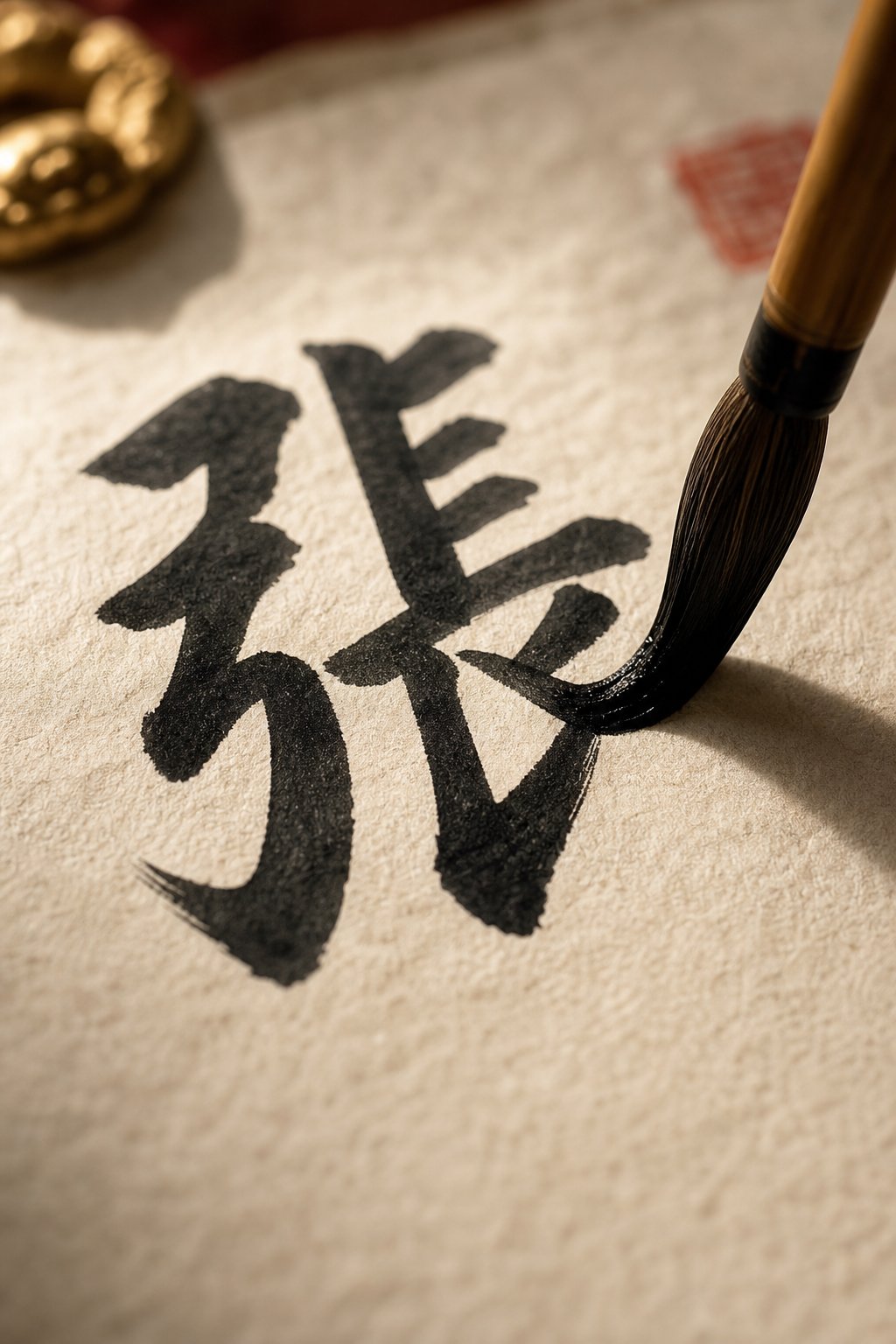
| Zhang | 张 | Over 95 million |
| Liu | 刘 | Tens of millions |
| Chen | 陈 | Tens of millions |
While multi-character surnames do exist, such as Ouyang, Zhuge, and Shangguan, they are quite rare. There are only about 81 compound surnames among the roughly 400 different family names still in common use. So when you see a Chinese name, the odds strongly favor the first syllable being the entire surname.
Given Names Follow the Surname
After the surname comes the given name, called 名 (ming). This is the personal, individual part of the name, and it is where Chinese naming gets creative. Unlike the limited pool of surnames, chinese first names are virtually unlimited. Parents choose characters with careful attention to meaning, sound, tonal balance, and sometimes even the number of brushstrokes.
A common chinese name might carry aspirations for the child: Kang (healthy), Yong (brave), Mei (beautiful), or Ling (wise). Some parents select characters whose meaning complements the surname. For example, a family named Liu (meaning "willow tree") might choose the given name Qing (green), creating Liu Qing, or "green willow." The names and characters work together as a deliberate composition, not a random pairing.
Generational naming patterns add another layer. In some families, siblings and cousins share one character in their given names, known as a generation name. Two siblings might be called Wang Qingzhao and Wang Qingxi, where "Qing" is the shared generational marker. These generation names are sometimes planned decades in advance, written into family records or poems expressing hopes for future descendants.
Structurally, Chinese names follow a few predictable patterns:
- One-character surname + one-character given name = 2 characters total (e.g., Li Wei)
- One-character surname + two-character given name = 3 characters total (e.g., Wang Xiaoming)
- Two-character surname + one-character given name = 3 characters total (e.g., Ouyang Xiu)
- Two-character surname + two-character given name = 4 characters total (rare)
The three-character name is by far the most popular chinese names pattern you will encounter. When you see three syllables, the first is almost always the surname and the remaining two form the given name. A two-character name means both the surname and given name are single characters, which can make identification slightly trickier since either part could theoretically be a surname.
This structural consistency is what makes the system learnable. The surname is short and drawn from a limited set. The given name is longer, more varied, and carries personal meaning. Together, they create a compact identity marker where family comes first and individuality follows, a pattern that holds whether the name appears in Chinese characters or romanized English text.
The real challenge begins when these names cross into English-language contexts, where romanization systems, regional dialects, and personal preferences can make the same name look dramatically different depending on where and how it is written.
How to Tell Which Part Is the Surname
You are staring at a romanized Chinese name on a conference badge, an email signature, or a journal article. The structure looks unfamiliar. Which part is the chinese last name, and which is the given name? This is the practical puzzle most English speakers face, and it has a reliable set of solutions.
Clues That Reveal the Surname
Think of this as a quick diagnostic checklist. When you encounter chinese first and last names in romanized form, run through these steps:
- Check if the first syllable matches a common Chinese surname. The top five surnames, Wang, Li, Zhang, Liu, and Chen, cover over 300 million people. If the first part of the name is one of these, you are almost certainly looking at the surname. Expand your mental list to include a few more high-frequency options like Zhao, Huang, Zhou, Wu, and Yang, and you will catch the majority of names you encounter.
- Look at capitalization patterns. Many Chinese people fully capitalize their surname on business cards and professional documents to prevent confusion. If you see "ZHANG Xiaoming" or "Zhang XIAOMING," the capitalized portion is the family name. This convention exists specifically because the ambiguity between first name and last name in chinese contexts is so common.
- Count the parts. A three-syllable name like Wang Xiaoming almost always breaks down as one-syllable surname plus two-syllable given name. A two-syllable name like Li Wei is trickier, but the first syllable is still the surname in traditional chinese names first last order.
- Look for a comma. In formal and academic contexts, a comma separating the two parts signals surname-first formatting: "Zhang, Wei" means Zhang is the family name. No comma usually means the name is written as a single unit in its original order.
These four signals will resolve the majority of cases. When multiple clues align, such as a recognizable surname in the first position with capitalization to match, you can be confident in your identification.
When Names Are Written in Western Order
Here is where things get genuinely tricky. Many Chinese people reverse their name order in English-speaking environments, placing the given name first and the chinese last name first convention aside. This creates real ambiguity because the same person might appear as "Zhang Wei" in one context and "Wei Zhang" in another.
Consider some well-known figures. The filmmaker Zhang Yimou uses traditional chinese name order, surname first. But the basketball player Yao Ming is known globally by his chinese name first name order, yet Western media often treated "Yao" as his last name correctly because his fame originated in a Chinese context. Meanwhile, the actress Gong Li appears in Western media with her surname first, while the tech executive Kai-Fu Lee presents his name in Western order with his given name leading.
So how do you tell which arrangement someone is using? Look for contextual signals:
- Academic papers typically use "Surname, Given Name" format in citations and author lists, making identification straightforward.
- Business cards from Chinese professionals often show both orders, with the Chinese-language side in traditional order and the English side reversed, or they capitalize the surname for clarity.
- Social media profiles vary widely based on individual preference. Some people use their first name chinese style (surname leading), others adopt Western order, and many add an English given name entirely.
- News and media covering Chinese public figures generally preserve the original order for mainland Chinese names (Xi Jinping, not Jinping Xi) but may use Western order for diaspora figures.
The underlying challenge is that there is no universal standard. A last name chinese speakers place at the front of their name might end up at the back in an English-language context, depending entirely on the individual's preference or the platform's formatting conventions.
When you cannot determine the order from context alone, the safest move is to use the person's full name. Saying "Hello, Zhang Wei" sidesteps the risk of accidentally calling someone by their surname as though it were their given name. And if you are still unsure, asking is always better than guessing. A simple "How would you like me to address you?" shows respect rather than ignorance.
Of course, the challenge multiplies when different romanization systems enter the picture. The same surname can look completely different depending on whether it was transliterated from Mandarin, Cantonese, or an older system like Wade-Giles.
How Romanization Changes the Way Names Look
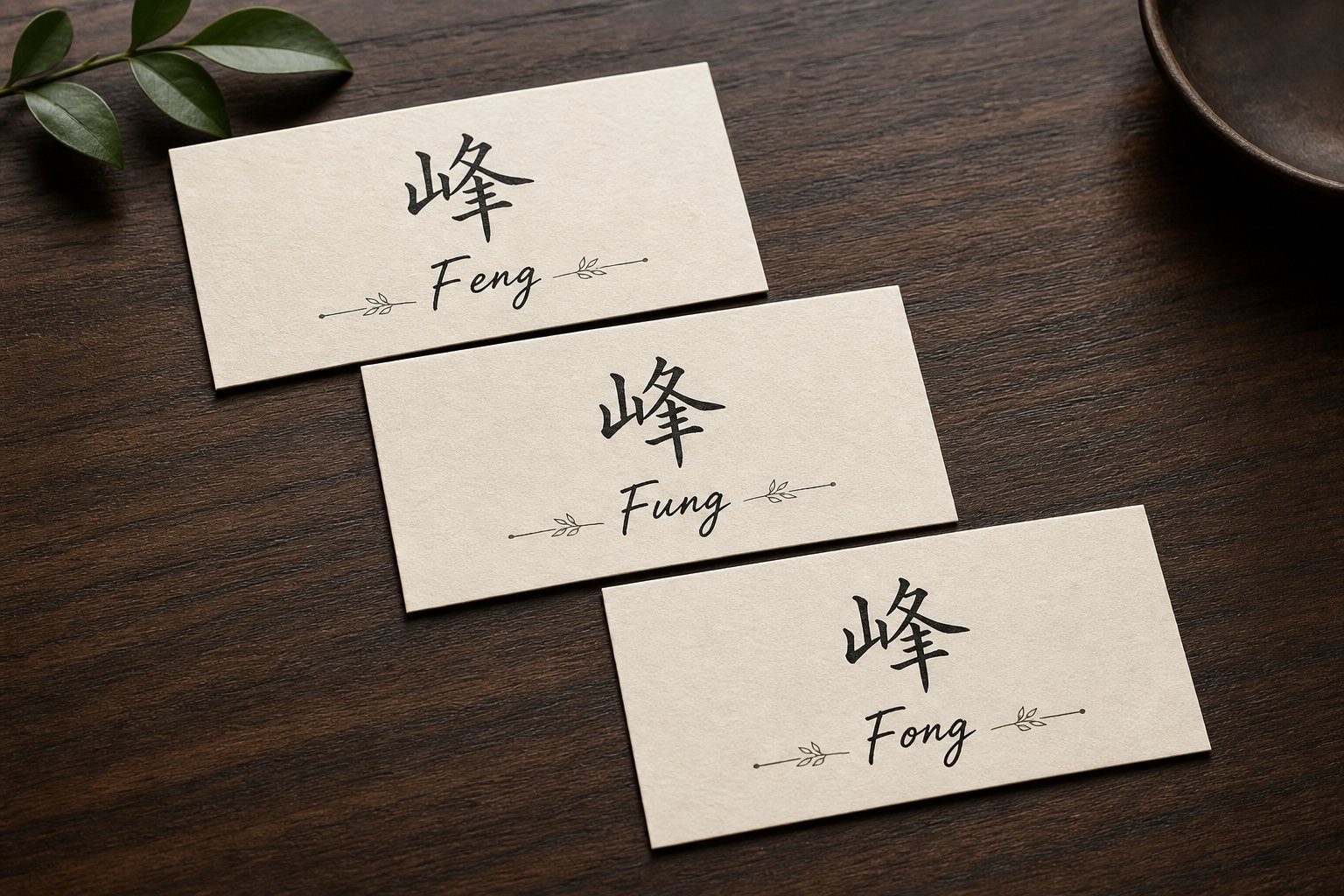
A single Chinese surname can appear as "Chen," "Ch'en," or "Chan" depending on who wrote it down and which system they used. When chinese names written in english look unfamiliar, the romanization system is often the reason. The same name chinese characters produce can end up looking like three completely different names once transliterated into the Roman alphabet. Understanding these systems helps you recognize surnames even when the spelling shifts dramatically.
Pinyin and Name Presentation
Pinyin (Hanyu Pinyin) is the standard romanization system used in Mainland China, and it is what you will encounter most frequently in international contexts. The conventions for writing names in Pinyin are straightforward but often misapplied.
According to standard Pinyin spelling rules, proper nouns are capitalized, and a person's name follows a specific format: the surname is capitalized, the given name is capitalized, and two-syllable given names are written as one word with no space, no hyphen, and no intercaps. So the correct Pinyin rendering is "Wang Xiaoming," not "Wang Xiao Ming" or "Wang Xiao-Ming."
In practice, you will still see variations. Some people hyphenate their given name (Li-Wei instead of Liwei), especially in older publications or when they want to make syllable boundaries clearer for English readers. But official Pinyin guidelines do not use hyphens for personal names. The Library of Congress notes that joined syllables in given names are a hallmark of Pinyin, distinguishing it from older systems where hyphens were standard.
When you see a name like "Mao Zedong" with the given name fused into one unit, that is correct modern Pinyin. The surname stands alone, the given name stands alone, and a space separates them. This consistency makes converting chinese names into english relatively predictable, at least for Mainland Chinese names.
Cantonese and Other Romanization Systems
Step outside Mainland China, and the spelling landscape shifts considerably. Hong Kong residents speak Cantonese, and their names reflect Cantonese pronunciation rather than Mandarin. This means a chinese name in chinese language that looks identical in characters can produce very different romanized spellings depending on the dialect.
Some of the most common cantonese names in Hong Kong include Chan, Leung, Cheung, Lau, and Wong. If those do not immediately register as Chinese surnames, compare them to their Mandarin Pinyin equivalents and the connection becomes clear. The same characters, the same families, just filtered through a different pronunciation system.
| Chinese Character | Pinyin (Mandarin) | Wade-Giles | Cantonese Romanization |
|---|---|---|---|
| 陈 | Chen | Ch'en | Chan |
| 王 | Wang | Wang | Wong |
| 张 | Zhang | Chang | Cheung |
| 刘 | Liu | Liu | Lau |
| 梁 | Liang | Liang | Leung |
Then there is Wade-Giles, an older romanization system you will still encounter in Taiwanese names, historical texts, and library catalogs. Its most recognizable feature is the use of apostrophes to indicate aspiration: "Ch'en" instead of "Chen," "T'ang" instead of "Tang." Wade-Giles also hyphenates given names, so "Mao Zedong" in Pinyin becomes "Mao Tse-tung" in Wade-Giles. If you spot names with a hyphen and apostrophes scattered through the syllables, you are likely looking at Wade-Giles romanization.
Taiwanese names add another layer. Taiwan never officially adopted Pinyin for personal names, so many Taiwanese people use Wade-Giles, local romanization systems, or idiosyncratic spellings that do not follow any single standard. The same surname might appear as "Hsieh" (Wade-Giles) rather than "Xie" (Pinyin), making how to say chinese names correctly a matter of knowing which system was used.
Why does this matter for identifying name order? Because recognizing a surname across romanization systems is the key to chinese name translation in your head. If you know that Chan, Chen, and Ch'en are all the same surname, you will not be thrown off when you encounter any of these variants in the first position of a name. The underlying structure, surname first followed by given name, remains constant regardless of which romanization system dresses it up. The spelling changes, but the order does not.
Regional differences, however, go beyond just spelling. Across Chinese-speaking communities, the way names are presented, combined with English names, and adapted to local customs varies in ways that romanization alone cannot explain.
Regional Differences Across Chinese-Speaking Communities
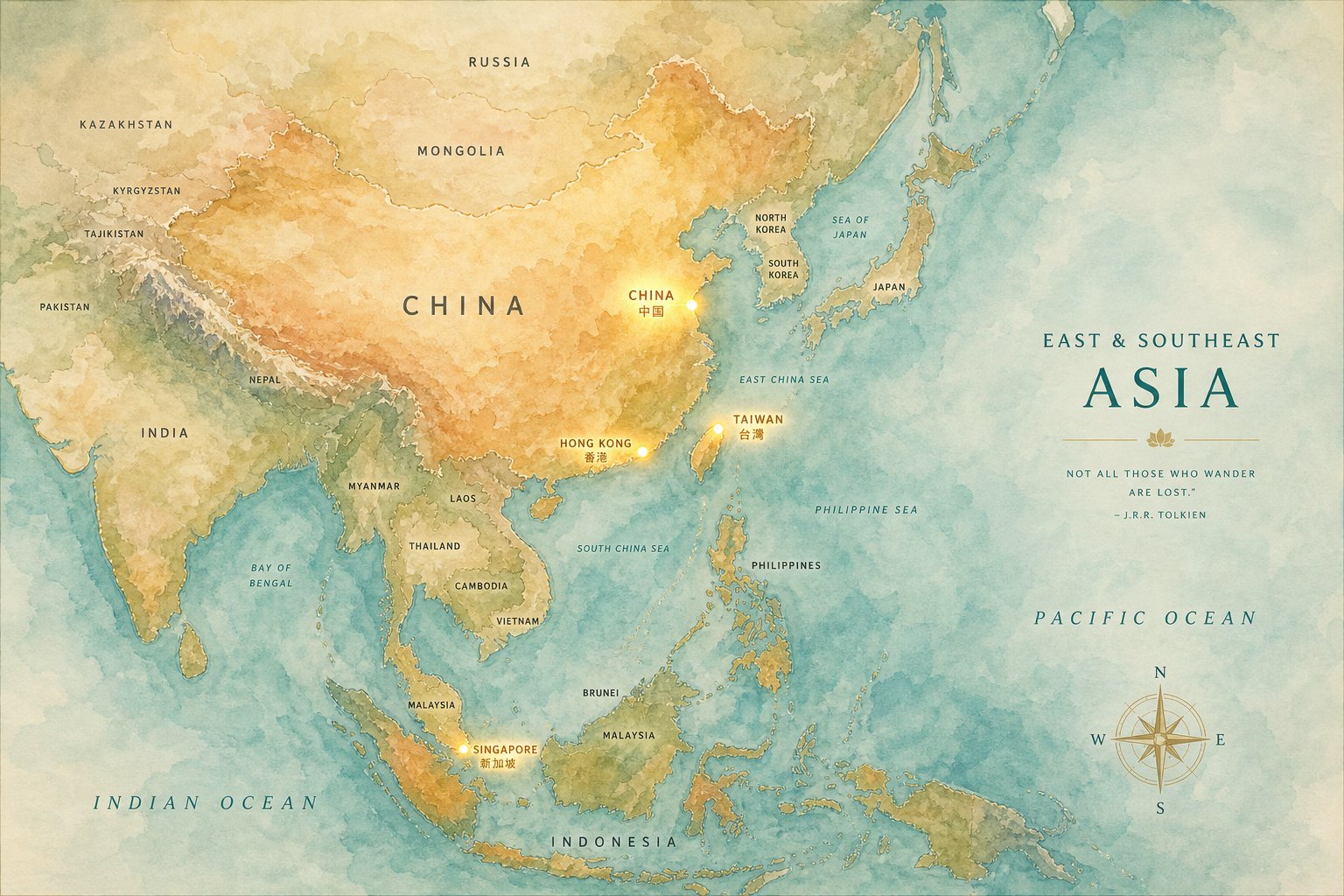
Spelling is only part of the puzzle. Even when you can identify a surname across romanization systems, the way names are arranged and presented varies significantly depending on where a person is from. Chinese naming conventions are not monolithic. Mainland China, Taiwan, Hong Kong, Singapore, and diaspora communities each handle name order differently, and those differences can catch you off guard if you expect one universal pattern.
Mainland China and Taiwan
Both Mainland China and Taiwan preserve the traditional surname-first order when writing names in china. A person named 张伟 is Zhang Wei in both places, surname leading, given name following. The cultural logic is identical. The divergence shows up in how those names get romanized.
Mainland Chinese names use Hanyu Pinyin almost exclusively. Given names are written as a single fused unit: "Zhang Xiaoming," not "Zhang Xiao-Ming." Taiwan, on the other hand, never standardized Pinyin for personal names. Taiwanese people commonly use Wade-Giles, local romanization, or personalized spellings. You will see hyphens in Taiwanese given names far more often: "Tsai Ing-wen" rather than "Cai Yingwen." The surname "Hsieh" in Taiwan is the same as "Xie" in Mainland Pinyin. Same china last names, different visual presentation.
This means two people with identical Chinese characters in their names can look completely unrelated on paper once their names are romanized through different regional systems. The order stays the same, but the appearance shifts enough to confuse anyone unfamiliar with these chinese naming customs.
Hong Kong and Singapore
Hong Kong introduces a naming pattern you will not find in Mainland China or Taiwan: the hybrid English-Chinese name. Most Hong Kongers adopt an English given name that they use in everyday life, professional settings, and international contexts. This English name gets placed before the Cantonese surname, creating a format that looks Western but is not entirely so.
Think of Jackie Chan. "Jackie" is an adopted English name, and "Chan" is the Cantonese romanization of the surname 陈. His full Chinese name in traditional order is Chan Kong-sang, surname first. But internationally, the hybrid format dominates: English given name + Cantonese surname. You will see this pattern everywhere in Hong Kong, from business cards to email signatures. Someone named CHIU Sin Wing might introduce herself as "Cathy Chiu" or even "Cathy Chiu Sin Wing," layering the English name on top of the original structure.
Singapore's Chinese community follows similar patterns. English names are common, and the presentation often mirrors Hong Kong's hybrid approach. An asian name in Singapore might appear as "David Tan" (English name + Hokkien/Cantonese surname) in casual contexts and "Tan Wei Ming" (surname-first) on official documents.
Overseas Chinese Communities
Diaspora communities adapt even further. Chinese families who have lived in the United States, Canada, Australia, or Europe for generations often fully adopt Western name order. The surname moves to the back, an English given name takes the front, and the original Chinese given name may disappear entirely or survive as a middle name.
The result is a spectrum. A first-generation immigrant might use "Zhang Wei" professionally but "Wei Zhang" on social media. A second-generation Chinese American might go by "Kevin Zhang" exclusively, with the traditional order preserved only on family documents or when speaking Chinese at home. Context determines everything, and there is no single rule that covers all asian names in diaspora settings.
Here is how typical name presentation breaks down by region:
| Region | Typical Format | Example |
|---|---|---|
| Mainland China | [Surname] [Given name] (Pinyin, no hyphen) | Zhang Xiaoming |
| Taiwan | [Surname] [Given-name] (Wade-Giles or local, often hyphenated) | Tsai Ing-wen |
| Hong Kong | [English name] [Cantonese Surname] or [Surname] [Given name] | Cathy Chiu / Chiu Sin Wing |
| Singapore | [English name] [Surname] or [Surname] [Given name] | David Tan / Tan Wei Ming |
| Overseas diaspora | [English/Given name] [Surname] (Western order) | Kevin Zhang / Wei Zhang |
The pattern is clear: the further a community operates within English-speaking environments, the more likely names shift toward Western order. But the traditional surname-first structure never fully disappears. It resurfaces on official documents, in Chinese-language communication, and whenever cultural context calls for it. Recognizing which format someone is using depends less on memorizing rules and more on reading the situational clues, something that becomes especially important when you encounter these names on passports, academic papers, and professional platforms.
Chinese Name Order on Documents and Profiles
Knowing the theory behind name order is one thing. Recognizing it in the wild, on a passport page, in a journal citation, or across someone's LinkedIn banner, is where the practical skill gets tested. Different documents and platforms follow different conventions, and the same person's name in chinese can look like two different identities depending on where you encounter it.
Passports and Official Documents
Chinese passports handle name order in a way that is both helpful and confusing. The biographical data page separates the surname and given name into distinct fields. You will see the surname (family name) printed in one line and the given name below it, both in capital letters with Pinyin romanization. So a passport might display:
- Surname: ZHANG
- Given Name: XIAOMING
That separation makes identification straightforward, at least on the data page itself. The UK Home Office's guidance on Chinese names confirms that Chinese citizens are referred to by their surname first, and notes that forenames are often transposed in Western contexts. Their example illustrates the pattern clearly: a Chinese passport showing "LI Xiaoling Victoria" means LI is the surname and Xiaoling Victoria are the forenames.
The machine-readable zone (MRZ) at the bottom of the passport follows International Civil Aviation Organization standards, which place the surname before the given name separated by chevrons. This means the MRZ actually preserves the traditional order, even though many English speakers assume it is Western-formatted.
Immigration and visa forms are where things get messy. Many Western countries require applicants to fill in "First Name" and "Last Name" fields, forcing Chinese applicants to split their name into a framework that does not naturally fit. Some people place their surname in the "Last Name" field (matching Western logic), while others place it in the "First Name" field (matching Chinese order). This inconsistency means the same person might appear as "Xiaoming Zhang" in one immigration database and "Zhang Xiaoming" in another.
If you work with international documents, the safest approach is to check the surname field specifically rather than assuming position tells you anything. The first name and last name for chinese individuals on a form may not follow the pattern you expect based on field labels alone.
Academic Citations and Professional Contexts
Academic publishing has its own conventions for handling Chinese names, and they vary by style guide. If you read research papers regularly, you will notice that the format depends on which citation system the journal uses.
The University of Toronto's citation guide for Chinese sources compiles resources from Yale, UC Berkeley, and Hong Kong Baptist University covering how to cite Chinese names in Chicago, MLA, and APA styles. A few consistent patterns emerge across these guides:
- Chicago style typically preserves the original name order for Chinese names (surname first, no comma in running text) and may include Chinese characters following the romanization.
- APA style inverts names in reference lists using the standard "Surname, Given Name Initial" format, which can obscure whether the original was already surname-first.
- MLA style follows similar inversion rules in Works Cited entries, with the surname leading and a comma separating it from the given name.
The key detail to watch for: when you see a comma between name parts in a citation ("Zhang, Wei"), the part before the comma is always the surname regardless of the person's cultural background. That comma is your clearest signal in academic contexts. In running text, however, many scholars preserve the chinese first name after the surname with no comma, following the original order.
Professional platforms introduce more variability. Here is what you can expect across common contexts:
- Academic papers: typically use "Surname, Given Name" with a comma in reference lists; running text may preserve original order.
- Business cards: often show both orders, with the Chinese-language side in traditional surname-first format and the English side potentially reversed. Professional guidance on email signatures recommends including both the Western version and the Chinese version of a name to prevent confusion.
- Email signatures: vary entirely by individual preference. Some professionals write their english name chinese name side by side (e.g., "John Smith / 秦倪"), while others use only one version.
- LinkedIn profiles: default to Western order since the platform uses "First Name" and "Last Name" fields, but many Chinese professionals add their name in chinese language in parentheses or in the headline for clarity.
The inconsistency across platforms means you cannot rely on any single source to tell you the correct order. A person's LinkedIn might show "Wei Zhang" while their published papers list "Zhang Wei" and their passport reads "ZHANG XIAOMING." All three are the same person, just filtered through different formatting conventions.
When you encounter chinese names in chinese characters alongside the romanized version, the character version always follows traditional order. That is your most reliable anchor. If both versions are present, use the Chinese-character version to confirm which part is the surname and which is the given name, then apply that knowledge to the romanized version regardless of how it is arranged.
The practical takeaway is simple: context determines format, and no single platform gets to define how a name "should" appear. The person themselves is the final authority. Which brings up a related question: what happens when you guess wrong, and how do you recover gracefully from the most common mistakes people make with Chinese names?
Mistakes to Avoid With Chinese Name Order
Guessing wrong about someone's name is not just awkward. It can undermine a professional relationship before it even starts. The good news is that most errors English speakers make with chinese first name last name order fall into a handful of predictable categories, and once you know what they are, you can sidestep them entirely.
Assuming the First Written Name Is Always the Given Name
This is the single most common mistake, and it stems from a deeply ingrained Western habit. In English, the first name you see is the given name. John Smith. Sarah Johnson. Your brain processes that pattern automatically. So when you encounter "Zhang Wei," your instinct says "Zhang" must be the given name and "Wei" must be the surname.
The result? You call the person "Zhang" thinking you are being friendly and informal, when you have actually used their family name, the equivalent of someone calling you "Smith" at a dinner party. Or worse, you address an email to "Dear Wei" when Wei is actually the given name and you have accidentally gotten it right, but only by luck.
This default assumption fails because the chinese name first name last name structure is the mirror image of English. The surname always leads. If you remember nothing else from this article, remember that: when a name is presented in traditional Chinese order, the first element is the family name, not the personal name.
Other Common Misunderstandings
The surname-swap is the headline error, but several subtler mistakes trip people up just as often:
- Splitting a two-character given name into two separate names. When you see "Wang Xiaoming," "Xiaoming" is one given name made of two characters. It is not a first name plus a middle name. Treating "Xiao" and "Ming" as separate names fragments the person's identity and creates confusion in databases and records.
- Confusing generation names for middle names. Do chinese people have middle names? Not in the Western sense. What looks like a middle name for chinese individuals is often a generation name, a shared character linking siblings and cousins within the same family generation. It is part of the given name, not a separate middle name that can be dropped or initialed.
- Assuming all short names follow the same pattern. A two-syllable name like "Li Wei" has the surname first. But "Jackie Chan" has an English given name first. And names with a hyphen like "Kai-shek" signal a two-character given name in Wade-Giles romanization, not a double surname. Each format requires reading the contextual clues rather than applying a single rule blindly.
- Misidentifying compound surnames. Surnames like Ouyang, Sima, and Zhuge are two syllables, which means a name like "Ouyang Xiu" has a two-character surname and a one-character given name. If you assume only the first syllable is the surname, you will split the family name incorrectly.
When in doubt, the safest approach is to use the full name until the person indicates their preference.
Understanding chinese honorifics also helps you avoid missteps. In Chinese, titles follow the surname: "Wang xiansheng" means Mr. Wang, with mr in chinese (xiansheng) placed after the family name rather than before it. If you know the surname, pairing it with the appropriate title is always a safe and respectful option.
But what if you genuinely cannot tell which part of someone's name is which? Asking is not rude. It is the opposite. A simple question like "How would you prefer me to address you?" or "Could you help me with the correct pronunciation of your name?" signals cultural awareness rather than ignorance. Most people appreciate the effort. Frame it as respectful curiosity: you are asking because you want to get it right, not because you find their name confusing or difficult.
The key shift is moving from assumption to inquiry. Instead of defaulting to Western patterns and hoping for the best, pause, check for the contextual clues covered earlier in this guide, and when those clues are not available, simply ask. That small act of attention reflects something deeper than etiquette. It reflects an understanding that names carry cultural weight, historical meaning, and family identity, a topic worth exploring in its own right.
Why the Surname Always Comes First in Chinese Culture
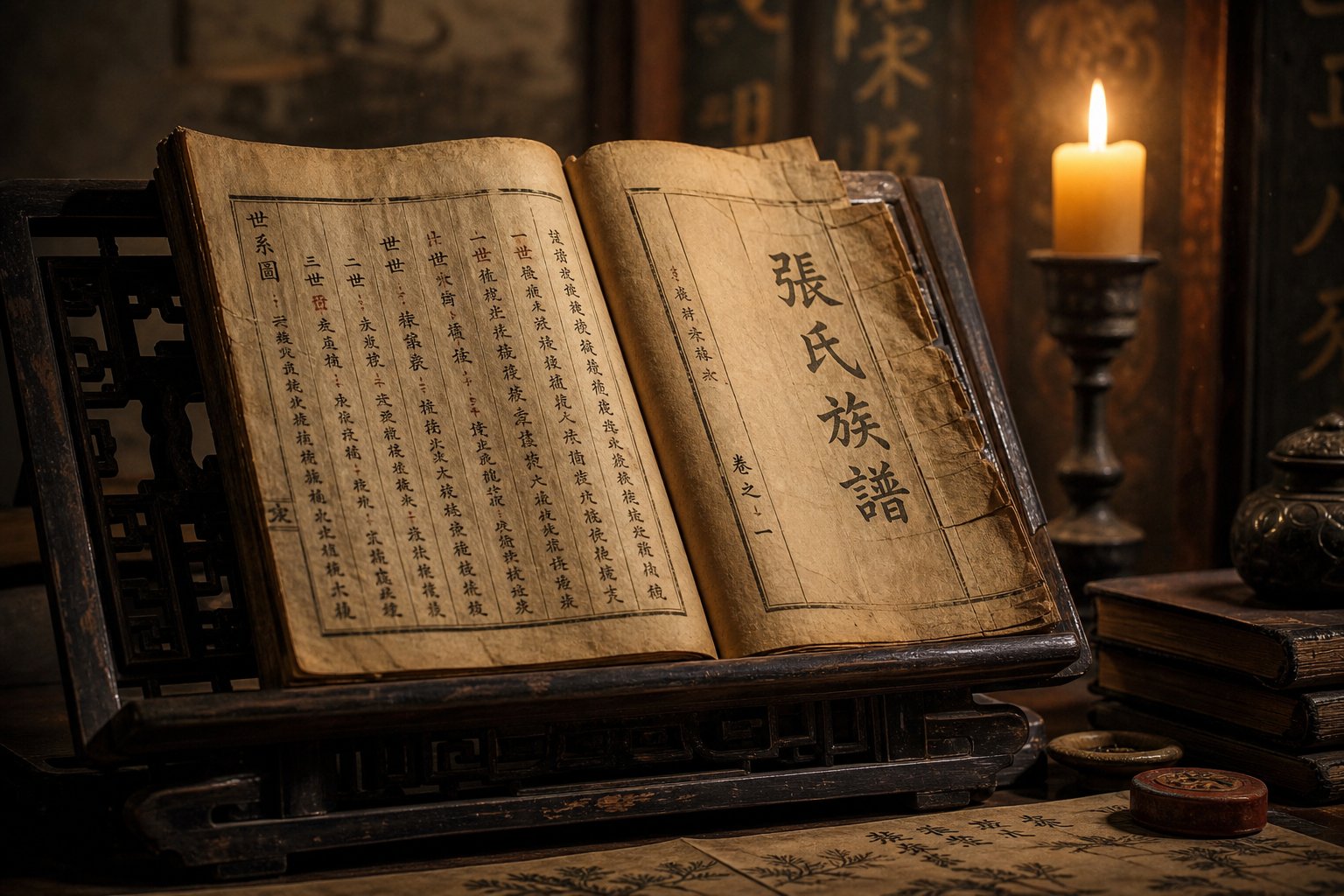
Names carry weight, but the order in which they are arranged carries meaning. The fact that every chinese family name leads the way is not an arbitrary formatting choice. It reflects a philosophical worldview thousands of years in the making, one where collective identity anchors individual existence. Understanding the chinese name origin of this structure reveals why the convention has persisted across dynasties, revolutions, and the rise of modern China.
The Cultural Logic of Surname First
Why does family come before self? The answer is rooted in Confucian philosophy, which shaped Chinese social organization for over two millennia. Confucianism places family at the center of moral life. Your obligations to parents, ancestors, and lineage precede your individual desires. The name structure mirrors this hierarchy directly: the surname announces your family before the given name announces you.
This is not just abstract philosophy. Traditional Chinese naming practices date back thousands of years and have been shaped by Confucianism's emphasis on family and ancestral heritage. The family name represents not just an individual but an entire lineage. Carrying the surname forward is both a source of pride and a felt responsibility.
The historical depth here is staggering. Chinese surnames have been in continuous use for over 4,000 years. As early as the third millennium BC, the legendary Yellow Emperor is said to have ordered people to adopt hereditary family names. By the Song Dynasty (960-1279 AD), the classic text Baijiaxing, or Hundred Family Surnames, cataloged 504 surnames in a poem that became a standard teaching text for young scholars. The work was so culturally embedded that it gave rise to the expression laobaixing, meaning "one hundred old surnames," which remains the colloquial Chinese term for ordinary people.
Out of roughly 12,000 family names recorded throughout history, about 25 percent are still in use today. Each chinese family name has its own origin story, and historians can trace lineages all the way back to the first bearer of each surname. The chinese surnames meaning embedded in these characters often connects to ancient geography, occupations, or ancestral achievements. Exploring chinese last name meanings is essentially exploring Chinese history itself, clan by clan.
This is why the surname occupies the position of honor at the front of the name. It is the older element, the shared element, the element that connects you to thousands of years of recorded family history. The given name, however meaningful, is new. It belongs to one generation. The surname belongs to all of them.
Generational Names and Courtesy Names
The surname-first structure is just the outermost layer of a naming system that was once far more elaborate. Historically, a Chinese person's identity was expressed through multiple name layers, each serving a different social function.
Generational names (字辈, zibei) are one of the most distinctive features of chinese family names and meanings. In many clans, a poem or meaningful phrase was composed generations in advance, with each character assigned to a successive generation. Everyone born into that generation would share that character in their given name, creating an instant marker of kinship and birth order within the family tree.
The Temple University Center for Chinese Language Instruction illustrates this with a clear example: siblings named Jia Zhenni and Jia Zhenhai share the generational element "Zhen" with their cousins Jia Zhenhua, Jia Zhendong, Jia Zhenguo, and Jia Zhenxing. When spoken aloud, the shared syllable is immediately audible, though each person's "Zhen" may use a different character with a different meaning. Not all families maintain this tradition today, but it remains common in larger clans with well-documented lineages.
The chinese courtesy name (字, zi) adds yet another dimension. In ancient China, a person received their courtesy name during the Coming of Age Ceremony, typically at age 20 for men and 15 for women. This courtesy name described one's virtue and was usually connected to the given name in meaning or theme. After receiving it, a person would be addressed by their courtesy name in most social interactions. Only elders and superiors could use the given name directly, and using one's own given name was a gesture of modesty.
Imagine the full system in its traditional form:
- Surname (姓): the family lineage marker, shared by all clan members
- Generation name (字辈): the character linking siblings and cousins of the same generation
- Personal name (名): the individual character chosen specifically for one person
- Courtesy name (字): the adult social name received at the coming-of-age ceremony
Since the early 20th century, the courtesy name has largely disappeared from everyday use. Generation names are fading in urban areas, though many prominent families still maintain them. What remains constant is the foundational principle: the surname leads, anchoring every other element that follows. The layers have simplified, but the hierarchy has not.
This cultural logic explains why the convention feels non-negotiable to Chinese speakers. Reversing the order is not just a formatting preference. It is a reordering of values, placing the individual before the collective, the new before the ancient. For many Chinese people, adapting to Western name order in English contexts is a practical concession, not a reflection of how they understand their own identity.
That depth of meaning is precisely why getting the order right matters beyond mere etiquette. It is a small act of recognition that someone's name carries history, philosophy, and family pride in every syllable. And for those who want a quick, practical way to apply everything covered so far, the final section distills it all into a reference you can return to whenever you need it.
A Practical Guide to Getting Chinese Names Right
You have the background. You understand how chinese name conventions work, why the surname leads, and how regional and romanization differences create confusion. What you need now is a quick-reference tool you can pull up the next time you encounter an unfamiliar name and need to figure out how it is structured.
Quick Reference for Identifying Chinese Name Order
Bookmark this table. It covers the most common scenarios you will face and tells you exactly what each format signals about how chinese names are structured.
| Situation | What You See | What It Means |
|---|---|---|
| Two-part name in a Chinese publication | Zhang Wei | First part (Zhang) is the surname, second part (Wei) is the given name. Traditional order preserved. |
| Three-part name with no hyphen | Wang Xiaoming | First syllable (Wang) is the surname. The two-syllable unit (Xiaoming) is a single given name, not a first + middle name. |
| Three-part name with hyphen | Tsai Ing-wen | First part (Tsai) is the surname. The hyphenated portion (Ing-wen) is the given name, likely romanized via Wade-Giles or Taiwanese convention. |
| Name with English first name added | Jackie Chan | English given name (Jackie) placed before the Cantonese surname (Chan). Hybrid Hong Kong format. |
| Name in academic citation with comma | Zhang, Wei | The part before the comma (Zhang) is always the surname, regardless of cultural background. |
| Name with fully capitalized element | ZHANG Xiaoming | The capitalized portion (ZHANG) is the surname. This convention exists specifically to prevent confusion. |
| Two one-syllable names with no context | Li Wei | Ambiguous without context, but the first syllable is the surname in traditional order. Check if it matches common chinese names like Li, Wang, or Chen. |
This covers the vast majority of situations. When you encounter typical chinese names in professional or academic settings, one of these patterns will apply.
Practical Tips for Professional Interactions
Knowing how do chinese names work is useful. Applying that knowledge gracefully in real interactions is what actually builds relationships. Here are the steps that matter most:
- Learn to recognize the most common Chinese surnames. Wang, Li, Zhang, Liu, Chen, Zhao, Huang, Zhou, Wu, and Yang cover a massive percentage of the population. If the first syllable of a name matches one of these, you are almost certainly looking at the surname.
- Check context clues from the document or platform. Academic papers use commas. Passports separate surname and given name fields. Business cards often capitalize the surname or show both Chinese and Western formats. Let the source tell you the order before you guess.
- Use the full name when unsure. Saying "Hello, Zhang Wei" is always safe. It avoids the risk of accidentally using the surname as a casual address or the given name as a formal one. Wait for the person to indicate how they prefer to be called.
- Ask respectfully about preferred address. A simple "How would you like me to address you?" is never offensive. It signals that you care enough to get it right. Most people will tell you immediately whether they go by their given name, their full name, or an English name they have adopted.
- Do not assume Western order in international contexts. Chinese public figures, researchers, and professionals frequently maintain surname-first order even in English. Xi Jinping is President Xi, not President Jinping. Apply the same logic to colleagues and contacts unless they explicitly tell you otherwise.
The underlying principle is straightforward: treat each name as carrying its own logic rather than forcing it into a Western template. How are chinese names structured? Surname first, given name second, with regional and personal variations layered on top. That single rule, applied with attention and respect, resolves most confusion before it starts.
Getting someone's name right is one of the smallest gestures you can make, and one of the most meaningful. It says you see them clearly, that you respect where they come from, and that you took the time to understand rather than assume. In professional and personal relationships alike, that kind of cultural competence is not a bonus. It is a foundation.
Frequently Asked Questions About Chinese Name Order
1. Is the first name or last name first in Chinese?
In Chinese, the last name (surname/family name) always comes first, followed by the given name. So in the name Zhang Wei, Zhang is the surname and Wei is the given name. This is the opposite of Western naming conventions where the given name leads. Many Chinese people reverse this order in English-speaking contexts, so always check for contextual clues like capitalization, commas, or whether the first syllable matches a common Chinese surname.
2. How can you tell which part of a Chinese name is the surname?
There are four reliable clues: First, check if the first syllable matches a common Chinese surname like Wang, Li, Zhang, Liu, or Chen, which cover hundreds of millions of people. Second, look for capitalization patterns since many Chinese professionals fully capitalize their surname on documents. Third, count the parts, as a three-syllable name almost always has a one-syllable surname followed by a two-syllable given name. Fourth, look for a comma in formal contexts, which always separates the surname from the given name.
3. Do Chinese people have middle names?
Chinese people do not have middle names in the Western sense. What may appear to be a middle name is typically part of a two-character given name or a generational name shared among siblings and cousins of the same family generation. For example, in Wang Xiaoming, Xiaoming is a single given name composed of two characters, not a first name plus a middle name. Splitting it into separate parts misrepresents the name's structure.
4. Why do some Chinese names have an English first name like Jackie Chan?
This hybrid naming pattern is especially common in Hong Kong and Singapore, where many people adopt an English given name for everyday and professional use. The English name is placed before the Chinese surname, creating a format like Jackie Chan or David Tan. The person still has a full Chinese name in traditional surname-first order, but the English-Chinese hybrid format is used in international contexts for convenience and familiarity.
5. How should you address a Chinese person if you are unsure about their name order?
The safest approach is to use the person's full name until they indicate their preference. Saying 'Hello, Zhang Wei' avoids the risk of accidentally using the surname as a casual first-name address. If you need to be more formal, pair the surname with a title like Mr. or Ms. You can also ask directly with a simple question like 'How would you prefer me to address you?' which signals cultural respect rather than ignorance.