The Cultural Power Behind Chinese Dragon Names
Why Dragons Hold Special Meaning in Chinese Names
Imagine choosing a name for your child from over 220 million possible combinations. In Chinese culture, every character in a name carries its own meaning, and parents treat naming as an act of aspiration. Among all the symbols they can draw from, the dragon stands above the rest.
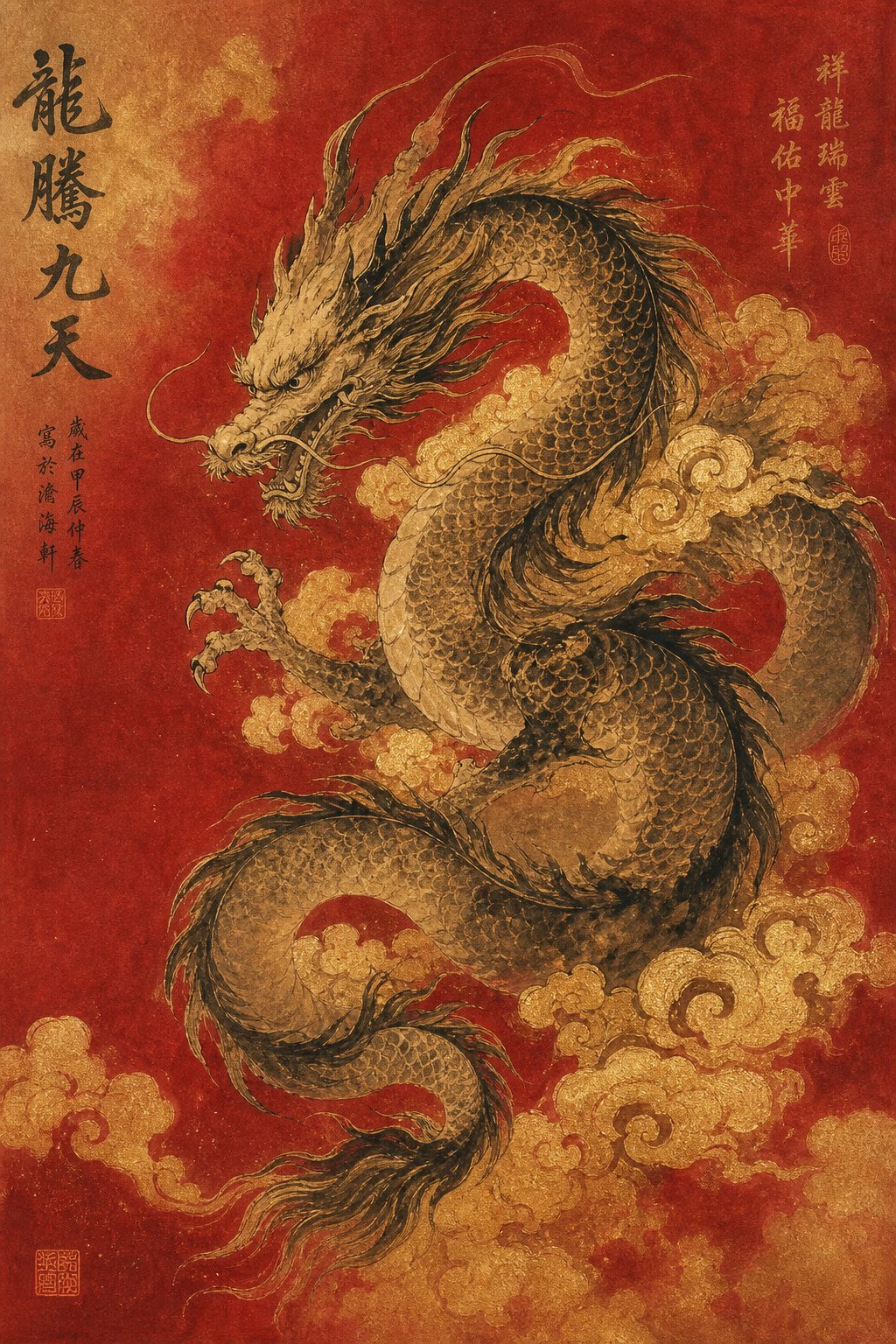
Chinese dragon names aren't about fire-breathing beasts from Western fantasy. The Chinese dragon represents power, wisdom, prosperity, and divine authority. Emperors were believed to be reincarnations of dragons, wore dragon-embroidered robes, and reserved certain dragon imagery exclusively for the throne. The dragon symbol in China dates back to at least 3000 BCE, rooted in ancient totem-worship practices where communities combined features of tigers, snakes, eagles, and carp into one supreme creature.
In Chinese naming tradition, giving a child a name that means dragon is the equivalent of wishing them the highest possible destiny — leadership, fortune, and the strength to overcome any obstacle.
This is why dragon meaning names remain among the most aspirational choices for Chinese families, especially for children born in Dragon zodiac years. Parents aren't just picking a cool-sounding word. They're encoding a wish for greatness into their child's identity.
Here's the key distinction many readers miss: authentic Chinese names meaning dragon are real given names used by millions of people, not fantasy creature labels you'd pull from a dragon name generator. Jackie Chan's Chinese name, for example, is 成龙 (Cheng Long), literally meaning "become a dragon." These are names with cultural weight, not outputs from a dragon names generator built for fictional characters.
What This Guide Covers
This guide goes beyond the obvious 龙 character. You'll find the essential dragon-related characters with full pinyin and tone marks, curated lists of male and female names that mean dragon, explanations of how compound names are built, and practical tips for selecting a name that sounds natural to native speakers. Whether you're exploring dragon names and meanings for a newborn, researching your heritage, or searching for a name that means dragon with genuine cultural roots, each section breaks down the characters, pronunciation, and layered symbolism behind these names.
The real richness of Chinese dragon names lives in how characters combine to create meaning. That starts with understanding which characters carry the dragon's spirit in the first place.
Essential Dragon Characters and Their Meanings
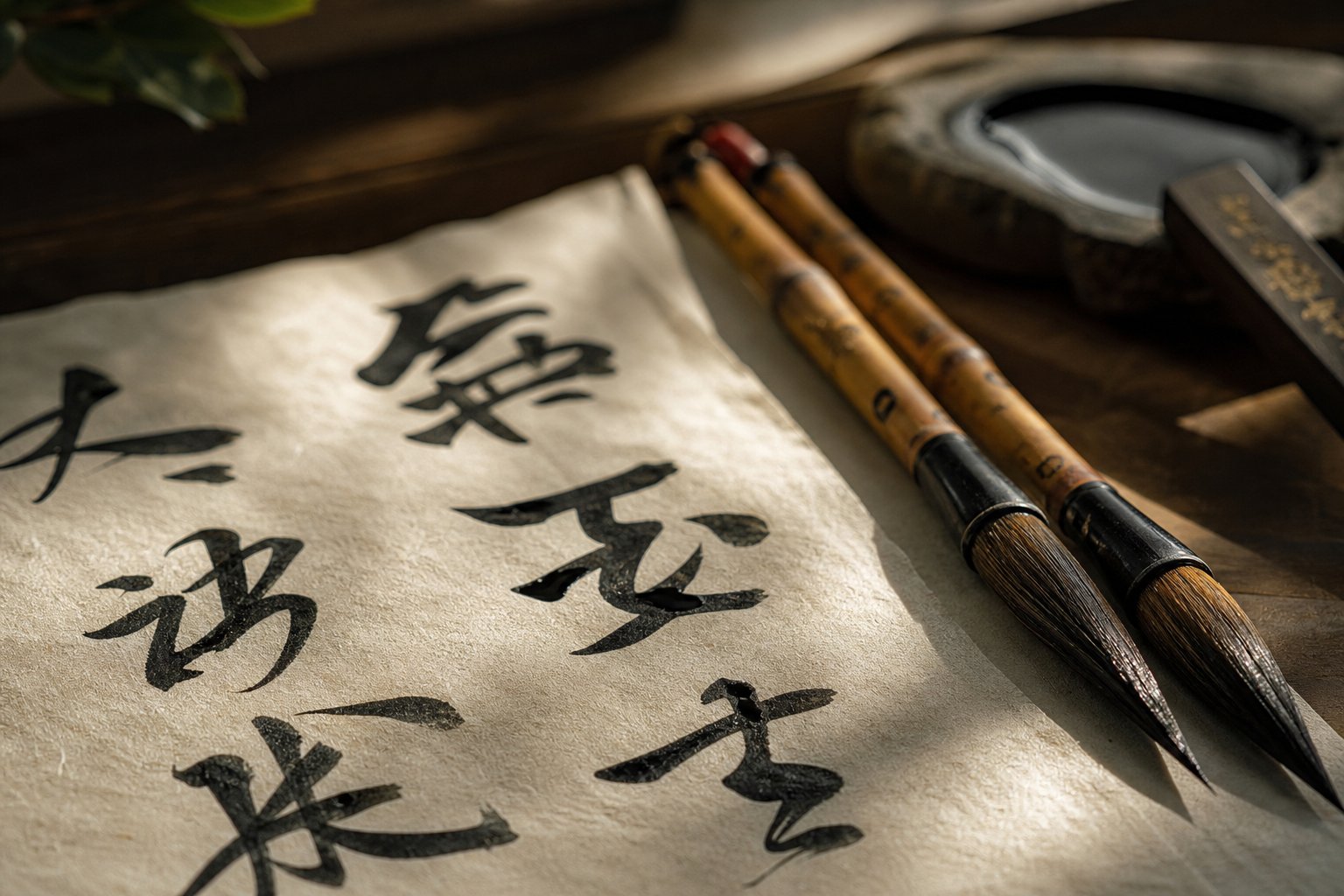
Most people know one Chinese word for dragon: 龙 (lóng). But the dragon in Chinese naming goes far deeper than a single character. Several characters carry dragon energy, each with a different shade of meaning and a different level of subtlety when placed inside a name. Understanding these options is what separates a generic pick from a truly resonant dragon name in Chinese.
Core Dragon Characters Used in Chinese Names
Think of these characters as a spectrum. On one end, you have the direct, unmistakable dragon in chinese letters. On the other, you have characters that whisper dragon associations through mythology, zodiac connections, or phonetic echoes. Here are the five essential characters you'll encounter:
| Character | Pinyin | Literal Meaning | Connotation in Names | Regional Usage |
|---|---|---|---|---|
| 龙 / 龍 | long2 | Dragon | Direct power, imperial ambition, greatness | Mainland China (龙) / Taiwan, Hong Kong (龍) |
| 辰 | chen2 | The Dragon Earthly Branch (zodiac) | Celestial timing, cosmic destiny, subtlety | All regions |
| 珑 | long2 | Jade-like, exquisite | Refined elegance, precious beauty with a dragon echo | All regions (common in female names) |
| 龑 | yan3 | Dragon soaring into the sky | Rare grandeur, lofty ambition, literary flair | All regions (uncommon, literary usage) |
| 麟 | lin2 | Qilin (mythical creature) | Benevolence, auspiciousness, mythical nobility | All regions |
The chinese dragon word 龙 is the most direct choice, but 辰 (chen2) offers a subtler path. Because 辰 represents the Dragon branch in the Chinese zodiac's twelve Earthly Branches, it carries dragon symbolism without spelling it out. Parents who want a dragon connection with understated elegance often choose 辰. Meanwhile, 珑 (long2) shares the same pronunciation as dragon but means "exquisite jade," making it a popular pick for female names where the dragon in chinese word resonates phonetically without the boldness of 龙 itself.
龑 (yan3) is a rare character depicting a dragon ascending above the clouds. It appeared historically in imperial contexts and carries a literary, almost poetic weight. 麟 (lin2) connects to the qilin, a dragon-adjacent mythical creature symbolizing benevolence and good fortune, giving names a mythological depth without directly invoking the dragon.
Traditional Versus Simplified Dragon Characters
If you've seen the chinese letter for dragon written two different ways, here's why. The traditional form 龍 uses 16 strokes, while the simplified form 龙 uses just 5. Mainland China and Singapore use simplified characters as standard, while Taiwan, Hong Kong, and Macau continue using traditional characters. When you see a dragon name in chinese written as 龍飛 versus 龙飞, the meaning is identical. The difference is purely regional script convention.
For naming purposes, the character you use depends on where the name will be registered. A birth certificate in Beijing uses 龙. A birth certificate in Taipei uses 龍. Both are correct, and both carry the same cultural weight.
How to Read Pinyin Tone Marks
Every character in this guide includes pinyin with tone numbers. Here's a quick key so you can pronounce them correctly:
- Tone 1 (e.g., fēi / fei1) — high, flat pitch
- Tone 2 (e.g., long2 / lóng) — rising pitch, like asking a question
- Tone 3 (e.g., yan3 / yǎn) — dipping then rising, a low scoop
- Tone 4 (e.g., rui4 / ruì) — sharp falling pitch, like a command
Getting the tone right matters. The chinese letters dragon 龙 is long2 (rising tone). Say it with a falling tone and you've said something entirely different. When exploring names, always confirm the tone alongside the character to avoid unintended meanings.
With these building blocks in place, the real creative work begins: combining dragon characters with other elements to form complete names that carry layered aspirations.
Male Chinese Names That Mean Dragon
Chinese compound names work like small poems. Each character contributes its own meaning, and together they form a layered aspiration. When a dragon character pairs with a character for flight, you get ambition. Pair it with a character for jade, and you get noble refinement. This is why male dragon names in Chinese carry so much more depth than a single-word translation can capture.
Most boy dragon names use a two-character given name structure: one character carries the dragon element, and the second shapes the specific wish parents hold for their son. The order matters too. Placing 龙 first makes the dragon the subject (the dragon does something), while placing it second makes the dragon a quality of the person (the person embodies the dragon).
Popular Male Dragon Names With Character Breakdowns
These are among the most widely used male names meaning dragon in mainland China. You'll notice each one pairs 龙 (long2) with a different action or quality character, producing a distinct aspirational meaning:
| Characters | Pinyin | Character-by-Character Meaning | Overall Significance |
|---|---|---|---|
| 龙飞 | Long2 fei1 | 龙 (dragon) + 飞 (fly) | A dragon soars — boundless ambition and upward momentum |
| 龙翔 | Long2 xiang2 | 龙 (dragon) + 翔 (glide/soar) | A dragon glides through the sky — grace combined with power |
| 龙华 | Long2 hua2 | 龙 (dragon) + 华 (splendor/China) | Dragon's magnificence — glory and cultural pride |
| 龙瑞 | Long2 rui4 | 龙 (dragon) + 瑞 (auspicious) | Dragon's good fortune — a life blessed with luck |
| 伟龙 | Wei3 long2 | 伟 (great) + 龙 (dragon) | A great dragon — strength, power, and good fortune |
Notice how 龙飞 and 龙翔 both involve flight, yet they feel different. 飞 (fei1) is direct and energetic, like a rocket launch. 翔 (xiang2) implies sustained, elegant soaring. Parents choosing between them are choosing between explosive ambition and steady, graceful ascent.
Strong and Ambitious Male Dragon Names
If you're looking for names for a male dragon that emphasize raw power and determination, these combinations lean into strength-oriented characters:
| Characters | Pinyin | Character-by-Character Meaning | Overall Significance |
|---|---|---|---|
| 龙威 | Long2 wei1 | 龙 (dragon) + 威 (mighty/imposing) | The dragon's commanding authority — natural leadership |
| 龙刚 | Long2 gang1 | 龙 (dragon) + 刚 (strong/firm) | A dragon's unyielding strength — resilience and toughness |
| 成龙 | Cheng2 long2 | 成 (become/succeed) + 龙 (dragon) | Become a dragon — achieve greatness through effort |
| 龙杰 | Long2 jie2 | 龙 (dragon) + 杰 (outstanding) | An outstanding dragon — exceptional talent and heroism |
| 龙阳 | Long2 yang2 | 龙 (dragon) + 阳 (sun/masculine energy) | Dragon in sunlight — vitality, warmth, and positive force |
成龙 (Cheng2 long2) is perhaps the most famous example. It's the Chinese stage name of Jackie Chan, literally meaning "become a dragon" — a name that encodes the journey from ordinary person to legendary figure. Among mythical dragon names male, this one carries real-world proof of its aspirational power.
Subtle Male Names With Dragon Connections
Not every dragon name needs to announce itself. These names for dragons male use indirect dragon characters like 辰 (chen2, the Dragon zodiac branch) or pair dragon elements with scholarly and refined characters:
| Characters | Pinyin | Character-by-Character Meaning | Overall Significance |
|---|---|---|---|
| 宇辰 | Yu3 chen2 | 宇 (universe) + 辰 (Dragon branch/celestial) | Cosmic dragon — vast potential and heavenly timing |
| 奕辰 | Yi4 chen2 | 奕 (grand/radiant) + 辰 (Dragon branch) | A radiant celestial presence — brilliance and destiny |
| 龙泉 | Long2 quan2 | 龙 (dragon) + 泉 (spring/source) | Dragon spring — purity, depth, and hidden power |
| 龙博 | Long2 bo2 | 龙 (dragon) + 博 (broad/learned) | A learned dragon — wisdom paired with strength |
| 沐辰 | Mu4 chen2 | 沐 (bathe in grace) + 辰 (Dragon branch) | Bathed in dragon fortune — blessed and nurtured by destiny |
Names like 宇辰 and 奕辰 are among the most fashionable boy dragon names in China right now. They carry dragon symbolism through the zodiac character 辰 without the directness of 龙, giving them a modern, understated feel that appeals to younger parents. The dragon connection is there for those who recognize it, but the name doesn't feel heavy-handed.
Male names that mean dragon span a wide range, from the bold declaration of 龙威 to the quiet sophistication of 沐辰. The character you choose sets the volume, and the pairing character sets the direction. This same principle applies to female names, though the character choices and cultural expectations shift in interesting ways.
Female Chinese Names That Mean Dragon
Female dragon names in Chinese take a different creative path than their male counterparts. Rather than leading with the bold 龙 character, many dragon girl names weave dragon energy through phonetic echoes, mythological references, or characters that share the dragon's pronunciation while carrying softer visual imagery. The result is a name that feels elegant and poetic on the surface, with dragon power running beneath.
The character 珑 (long2) is the key to understanding this approach. It means "exquisite jade" or "jade-like brilliance," yet it sounds identical to 龙 (dragon). Parents choosing 珑 for a daughter's name are embedding dragon resonance into a character associated with refined beauty. It's a deliberate cultural choice: the strength of the dragon expressed through the preciousness of jade.
Elegant Female Dragon Names With Meanings
These names that mean dragon female use direct or near-direct dragon characters paired with elements of grace, beauty, and wisdom. Each one carries unmistakable dragon energy while remaining distinctly feminine:
| Characters | Pinyin | Meaning Breakdown | Cultural Notes |
|---|---|---|---|
| 玲珑 | Ling2 long2 | 玲 (tinkling jade) + 珑 (exquisite jade/dragon echo) | Describes something delicately beautiful and intricate; a classic literary expression |
| 珑瑶 | Long2 yao2 | 珑 (jade-like/dragon echo) + 瑶 (precious jade) | Double jade imagery with dragon phonetics; conveys rare, luminous beauty |
| 龙梅 | Long2 mei2 | 龙 (dragon) + 梅 (plum blossom) | Dragon paired with winter resilience; strength through adversity |
| 龙珍 | Long2 zhen1 | 龙 (dragon) + 珍 (precious/treasure) | A dragon's treasure; a daughter valued as the family's greatest gift |
| 辰萱 | Chen2 xuan1 | 辰 (Dragon zodiac branch) + 萱 (daylily/mother's flower) | Dragon destiny paired with the traditional flower of maternal love |
Among these female dragon names and meanings, 玲珑 (Ling2 long2) stands out as particularly beloved. The phrase "玲珑" appears in classical Chinese poetry to describe something exquisitely crafted and multifaceted. As a name, it suggests a woman of intricate beauty and sharp intelligence, with the dragon's sound woven into every syllable.
Poetic and Subtle Female Dragon Names
Some of the coolest female dragon names avoid obvious dragon characters entirely, instead drawing from mythology and celestial imagery connected to dragon lore. These names reference the dragon indirectly, through legend, zodiac symbolism, or the natural elements dragons command:
| Characters | Pinyin | Meaning Breakdown | Cultural Notes |
|---|---|---|---|
| 龙女 | Long2 nu3 | 龙 (dragon) + 女 (maiden/daughter) | The Dragon Maiden from Buddhist legend; a figure of mystical power and nobility |
| 云珑 | Yun2 long2 | 云 (cloud) + 珑 (jade-like/dragon echo) | A dragon among clouds; ethereal grace with hidden strength |
| 辰星 | Chen2 xing1 | 辰 (Dragon branch) + 星 (star) | Dragon star; celestial destiny and brilliance |
| 梦龙 | Meng4 long2 | 梦 (dream) + 龙 (dragon) | Dream of the dragon; visionary ambition wrapped in imagination |
| 珑灵 | Long2 ling2 | 珑 (jade-like/dragon echo) + 灵 (spirit/clever) | A spirited jade; quick-witted elegance with dragon resonance |
龙女 (Long2 nu3) deserves special attention. In Chinese mythology, the Dragon Maiden is a daughter of the Dragon King who possesses supernatural wisdom and compassion. The dragon lady archetype in Chinese culture isn't the negative Western stereotype. It represents powerful femininity: a woman who commands respect through intelligence, grace, and inner authority. Dragon lady names like 龙女 carry this legacy of feminine strength rooted in mythological tradition.
Dragon-Phoenix Paired Names for Girls
In Chinese symbolism, the dragon and phoenix (龙凤, long2 feng4) form the ultimate pairing. The dragon represents yang energy and the phoenix represents yin energy. Together they symbolize perfect harmony and the union of power with beauty. Cool female dragon names often draw from this pairing, incorporating phoenix or celestial elements alongside dragon characters:
| Characters | Pinyin | Meaning Breakdown | Cultural Notes |
|---|---|---|---|
| 凤珑 | Feng4 long2 | 凤 (phoenix) + 珑 (jade-like/dragon echo) | Phoenix and dragon united; complete harmony of beauty and power |
| 龙凤 | Long2 feng4 | 龙 (dragon) + 凤 (phoenix) | The classic dragon-phoenix pairing; used for twins or to express total balance |
| 凤辰 | Feng4 chen2 | 凤 (phoenix) + 辰 (Dragon branch) | Phoenix born in the Dragon's hour; destined greatness with grace |
| 瑞珑 | Rui4 long2 | 瑞 (auspicious) + 珑 (jade-like/dragon echo) | Auspicious dragon jade; blessed fortune and refined beauty |
| 珑霞 | Long2 xia2 | 珑 (jade-like/dragon echo) + 霞 (rosy clouds) | Dragon jade at sunrise; radiant beauty illuminated by celestial light |
The dragon-phoenix combination is so culturally significant that the phrase 龙凤呈祥 (long2 feng4 cheng2 xiang2, "dragon and phoenix bring prosperity") appears at weddings, festivals, and celebrations across Chinese communities. A girl named 凤珑 carries both halves of this cosmic balance within her name.
Female names meaning dragon span from the mythological weight of 龙女 to the subtle jade-echo of 珑霞. The common thread is intentionality: each name encodes dragon power through a lens of elegance rather than force. This raises a natural question about how these character pairings actually work as a system, and what rules govern which characters combine well together.
Building Compound Names With Dragon Characters
A single dragon character is just raw material. The real art of a chinese name meaning dragon lies in what you place beside it. The same 龙 (long2) produces a warrior's name when paired with 刚 (gang1, firm) and a scholar's name when paired with 博 (bo2, learned). Understanding these pairing mechanics is what separates a name that merely references a dragon from one that tells a complete story about who the bearer is meant to become.
So what are good dragon names, and how do you build them? It comes down to choosing a pairing character from the right aspirational category.
How Dragon Characters Pair With Other Elements
Chinese compound names follow a simple structural logic. In a two-character given name, one character carries the core symbol (in this case, a dragon element), and the second character directs that symbol toward a specific meaning. Think of it like a sentence: the dragon character is the subject, and the pairing character is the verb or adjective that defines what kind of dragon this person embodies.
The pairing character does three things simultaneously. It shapes the name's meaning, adjusts its tonal harmony (since Mandarin names sound best when tones vary across characters), and influences the visual balance when the name is written in calligraphy. A dense, stroke-heavy dragon character like 龍 (traditional, 16 strokes) pairs better visually with a simpler second character, while the streamlined 龙 (simplified, 5 strokes) can handle a more complex partner without looking lopsided.
Here's where dragon themed names get interesting. The same dragon character shifts meaning entirely depending on its companion:
- 龙 + 飞 (fly) = ambition, upward momentum
- 龙 + 泉 (spring) = depth, hidden wisdom
- 龙 + 瑞 (auspicious) = blessed fortune
- 龙 + 梅 (plum blossom) = resilience through hardship
One character. Four completely different life wishes. This is why chinese names that mean dragon offer so much creative range within a single tradition.
Name Combinations for Different Aspirations
Parents typically choose pairing characters from four broad categories, each encoding a different hope for their child's future. Below are dragon name ideas organized by aspiration, showing how each category produces a distinct personality for the name:
- Dragon + Strength/Power Characters
- 龙威 (Long2 wei1) — dragon + mighty: commanding authority
- 龙刚 (Long2 gang1) — dragon + firm: unyielding resilience
- 龙虎 (Long2 hu3) — dragon + tiger: fierce, unstoppable energy
- 辰锋 (Chen2 feng1) — dragon branch + blade: sharp destiny
- Dragon + Wisdom/Scholarly Characters
- 龙博 (Long2 bo2) — dragon + learned: vast knowledge with strength
- 龙文 (Long2 wen2) — dragon + literature: cultured refinement
- 辰哲 (Chen2 zhe2) — dragon branch + philosophy: deep thinker with celestial timing
- 珑慧 (Long2 hui4) — jade-dragon + wisdom: brilliant elegance
- Dragon + Beauty/Nature Characters
- 龙梅 (Long2 mei2) — dragon + plum blossom: beauty that endures winter
- 云龙 (Yun2 long2) — cloud + dragon: ethereal, majestic presence
- 珑霞 (Long2 xia2) — jade-dragon + rosy clouds: radiant grace
- 辰萱 (Chen2 xuan1) — dragon branch + daylily: gentle destiny
- Dragon + Prosperity/Fortune Characters
- 龙瑞 (Long2 rui4) — dragon + auspicious: blessed life path
- 龙泽 (Long2 ze2) — dragon + benevolence: generosity flowing from power
- 龙福 (Long2 fu2) — dragon + fortune: direct invocation of luck
- 辰祥 (Chen2 xiang2) — dragon branch + propitious: harmonious destiny
Notice how the subtler dragon character 辰 (chen2) appears across all four categories. Its versatility makes it one of the most popular building blocks for a name meaning dragon that doesn't feel heavy or old-fashioned. Meanwhile, 珑 (long2) gravitates naturally toward beauty and wisdom pairings, reflecting its jade-related meaning.
Among surnames that mean dragon, the surname 龙 (Long2) itself exists and is carried by millions of people in China. Families with this surname already have dragon energy built into their identity, so they often choose given name characters from the wisdom or nature categories to avoid doubling down too aggressively on power imagery. A person named 龙文博 (Long2 Wen2bo2) carries "dragon" in their surname and "cultured and learned" in their given name, creating a balanced identity rather than an overwhelming one.
There's also a generational dimension to these pairings. In traditional Chinese families, siblings and cousins of the same generation often share one character in their given names, with only the second character varying between individuals. If a family decides that all children in one generation will carry 龙 as their shared character, each child's unique second character becomes the differentiator. One brother might be 龙飞 (dragon soars) while another is 龙泽 (dragon's benevolence). The shared character ties them together as family; the unique character gives each person their own identity.
These generational naming poems, called 字辈 (zi4 bei4), sometimes span dozens of generations, with each generation assigned a specific character in advance. When dragon characters appear in these poems, every child born into that generation carries a dragon connection, whether they pair it with strength, wisdom, beauty, or fortune. It's a system that balances collective identity with individual aspiration.
Even mean dragon names — combinations that sound fierce or intimidating, like 龙虎 (dragon-tiger) or 龙刚 (dragon-firm) — follow these same structural rules. The intensity comes from the pairing, not from breaking convention. Chinese naming remains a disciplined art even at its boldest.
Character pairing is the creative engine, but it doesn't operate in a vacuum. Cultural timing plays an equally powerful role, particularly when a child arrives during a Dragon zodiac year and parents feel the pull of tradition even more strongly.
The Dragon Zodiac and Naming Traditions Through History
Dragon Zodiac Year and Baby Naming Traditions
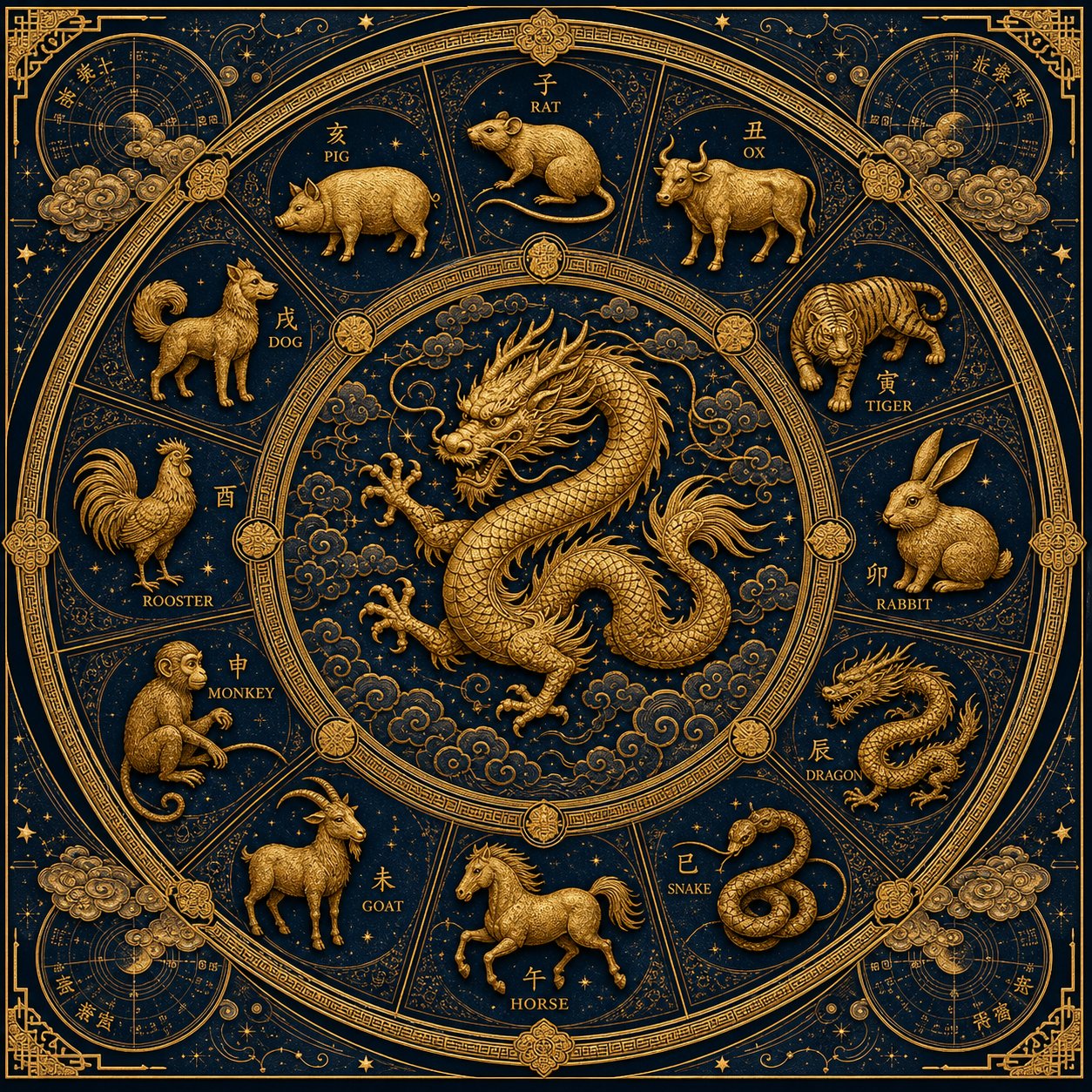
Every twelve years, the Dragon zodiac cycle returns, and something measurable happens: more babies are born. Chinese families have long considered Dragon years the most auspicious time to have children. The belief runs deep. A child born under the Dragon sign is thought to inherit the creature's qualities — intelligence, ambition, success, and natural authority. This makes the Dragon year a kind of cultural accelerant for naming trends, pushing parents toward characters that amplify what the zodiac already promises.
In China, Dragon years have historically produced significant spikes in birth rates. Some people believe babies born in Dragon years can be smart, successful, and rich, creating a demographic pattern that demographers have tracked for decades.
An NPR report on the 2024 Dragon year highlighted this tradition through the story of expectant mother Millie Gao, who expressed confidence that things would "work out for her dragon baby." The cultural expectation is clear: a Dragon year birth is a luck dragon name in itself, and parents often double down by choosing given names with explicit dragon characters like 龙 or zodiac-linked 辰.
This pattern creates naming waves. During Dragon years, registries see surges in names like 龙瑞 (dragon's auspiciousness), 辰宇 (dragon-star universe), and 龙飞 (dragon soars). The concentration of dragon-themed names within a single birth cohort is so high that some modern parents deliberately choose subtler dragon references — using 辰 or 珑 instead of 龙 — to help their child stand out among classmates who share the same zodiac-inspired naming impulse.
Famous Figures With Dragon Names in Chinese History
The weight of a chinese dragon name becomes tangible when you look at who has carried one. The most famous example in living memory is Jackie Chan, whose Chinese name 成龙 (Cheng2 long2, "become a dragon") was given to him by his opera school master as a stage name encoding the aspiration to achieve greatness. It worked as both prophecy and brand.
Historically, names of chinese dragons and dragon-titled figures stretch back millennia. China's first emperor, Qin Shi Huang, was referred to in the Records of the Grand Historian as the "ancestral dragon" (祖龙, zu3 long2) — a title that linked imperial authority directly to dragon mythology. In Chinese folklore, dragon king names like 龙王 (Long2 wang2) and the four Dragon Kings of the seas (东海龙王, 南海龙王, 西海龙王, 北海龙王) gave the dragon a governing identity, ruling over water and weather. These mythological titles influenced real naming practices: families who wanted their sons to carry authority and command over their domain drew from this same well of imagery.
What is a chinese dragon called in its most elevated form? The 应龙 (Ying1long2), or "Responding Dragon," appears in the ancient Classic of Mountains and Seas as a winged dragon who could summon rain and defeat gods. The name of the chinese dragon in its various mythological forms — Yinglong, Shenlong (divine dragon), Tianlong (celestial dragon) — provided templates that parents adapted into personal names for centuries.
From Imperial Names to Modern Dragon Names
For most of Chinese history, dragon imagery in names operated under strict social rules. During imperial dynasties, certain dragon characters and combinations were reserved for royalty. The five-clawed dragon belonged exclusively to the emperor, and using overtly imperial dragon references in a commoner's name could be interpreted as a political threat. Families navigated this by choosing indirect dragon references — what are chinese dragons called in their subtler forms became a practical question of survival, not just aesthetics.
After the fall of the Qing dynasty in 1911, these restrictions dissolved. The dragon transformed from an imperial symbol into a national one. Wen Yiduo, the influential poet and scholar, argued in 1942 that "the dragon has come to symbolise every citizen of the Chinese nation," democratizing what had been an exclusively royal emblem. By the 1980s, the hit song "Heirs of the Dragon" (龙的传人) cemented the dragon as a shared identity marker for all Chinese people, further normalizing dragon characters in everyday names.
Today, parents face no legal barriers to using dragon characters. The creative freedom is total. A farmer's son and a CEO's daughter can both carry 龙 in their names without social consequence. The shift from imperial restriction to modern openness means that choosing a chinese dragon name is now purely a matter of personal aspiration and aesthetic preference — which brings its own challenges when millions of parents reach for the same characters at the same time.
Practical Tips for Choosing a Chinese Dragon Name
Creative freedom is one thing. Choosing a dragon name that actually works — one that sounds natural, passes legal registration, and ages well — is another challenge entirely. Millions of parents reaching for the same aspirational characters means that a name like 龙瑞 might share a classroom with five other kids named 龙瑞. The practical side of naming demands as much attention as the poetic side.
Naming Rules and Character Restrictions in China
China's national ID system imposes real constraints on which characters you can use. All citizens must register names in Han Chinese characters, and the character must exist within the system's approved database. Rare or archaic dragon characters like 龑 (yan3, dragon soaring) may not be available for registration in some jurisdictions because they fall outside the standard character set encoded in government systems. Before falling in love with an unusual character, verify it's registrable at your local public security bureau.
Other restrictions to keep in mind: names cannot exceed two characters for the given name in most cases, cannot include numbers or foreign letters, and cannot use characters that are considered offensive. The simplified character 龙 is standard for mainland registration, while 龍 is used in Taiwan and Hong Kong. None of these rules prevent you from using common dragon characters — 龙, 辰, and 珑 all pass without issue — but they do limit more creative or archaic choices.
Tonal Harmony and Stroke Count in Name Selection
A name might look beautiful on paper and carry perfect meaning, yet sound awkward when spoken aloud. Tonal harmony matters in Mandarin because the language's four tones create a natural musicality. Names where all characters share the same tone (e.g., three rising-tone characters in a row) tend to sound flat or monotonous. The best dragon names vary their tones across the surname and given name.
For example, if your surname is 王 (Wang2, tone 2), pairing it with 龙飞 (Long2 fei1, tones 2-1) creates a 2-2-1 pattern. That repeated tone 2 can feel slightly heavy. Switching to 龙瑞 (Long2 rui4, tones 2-4) gives you a 2-2-4 pattern with a strong falling tone at the end, which sounds more decisive. Small adjustments like these make a noticeable difference in how a name lands on the ear.
Stroke count adds another traditional layer. According to Chinese naming tradition, characters are classified as Yin (even strokes) or Yang (odd strokes), and the total stroke count of a full name should hit specific auspicious numbers. The name's characters should also follow balanced Yin-Yang patterns such as Yang-Yang-Yin or Yin-Yang-Yang. The simplified 龙 has 5 strokes (Yang), while 辰 has 7 strokes (Yang) and 珑 has 9 strokes (Yang). Knowing these values helps you select a complementary second character that brings the overall name into balance.
Some parents still consult fortunetellers who factor in the child's birth date, the five elements (metal, wood, water, fire, earth), and stroke-count numerology to recommend specific character pairings. While a male chinese name generator or chinese name generator female tool online can suggest combinations quickly, these algorithmic approaches rarely account for the full depth of tonal and numerological harmony that traditional practice demands.
Advice for Diaspora Families Choosing Dragon Names
For families living outside China, choosing a Chinese dragon name involves an extra set of considerations. The name needs to work in two worlds: it should feel authentic to native Mandarin or Cantonese speakers, and it should coexist comfortably alongside a Western given name if the child carries both.
Here's a step-by-step checklist for selecting a dragon name that holds up across contexts:
- Confirm the character's pronunciation in your family's dialect. 龙 is "long" in Mandarin but "lung" in Cantonese. Make sure the name sounds right in the dialect your family actually speaks at home.
- Check tonal flow with your surname. Say the full name aloud — surname plus given name — at least ten times. If it feels like a tongue-twister or the tones blur together, try a different pairing character.
- Verify stroke count balance. If your family observes traditional numerology, calculate the total strokes and check the Yin-Yang pattern before committing.
- Test it with native speakers. Share the name with at least two or three native speakers who aren't family. Ask if it sounds natural, if it carries any unintended slang meanings, and whether it reads as male, female, or gender-neutral.
- Consider how it romanizes. A name like 龙飞 romanizes to "Longfei," which is straightforward. But some combinations produce romanizations that look confusing in English contexts. Check how the pinyin will appear on official documents.
- Avoid outdated or overly common combinations. A female chinese names generator might suggest popular options, but names like 龙飞 or 龙华 are so widely used that they've lost some distinctiveness. Subtler choices like 辰萱 or 珑灵 offer freshness while keeping the dragon connection.
- Decide between traditional and simplified characters. If your family maintains ties to Taiwan or Hong Kong, use traditional 龍. For mainland connections, use simplified 龙. For purely personal or heritage use with no registration requirement, choose whichever form resonates more.
Modern parents — whether in Shanghai or San Francisco — increasingly balance tradition with individuality. The old approach of pulling directly from generational naming poems or defaulting to the most obvious dragon character has given way to more personalized choices. Parents browse classical poetry, cross-reference stroke counts, and yes, sometimes use a chinese names generator as a starting point before refining with human judgment. The tools have changed, but the underlying goal remains the same: encode a wish for greatness into a name that will serve a child for life.
With the practical framework in place, one final dimension remains: how dragon names shift across Chinese dialects and mythological traditions, producing variants that sound entirely different yet carry the same ancient power.
Dragon Name Variants Across Dialects and Mythology
Dragon Across Chinese Dialects
The word for dragon in mandarin is long2, but Chinese is not a single language. Families speaking different dialects pronounce the same character 龙 in ways that sound nothing alike. If you're choosing a name for a child who will grow up hearing Cantonese at home, the mandarin for dragon won't reflect how the name actually sounds in daily life.
Here's how 龙 sounds across major dialect groups:
- Mandarin: long2 (rising tone)
- Cantonese: lung4 (falling tone)
- Hokkien (Min Nan): liong5 / leng5
- Hakka: liung2
- Shanghainese (Wu): lon (voiced initial)
As linguist Victor Mair noted, the word traces back to Proto-Sino-Tibetan *m-bru(ng/k), meaning "dragon; thunder" — a root shared with Tibetan 'brug and even borrowed into Old Turkic as luu. This deep etymological history means that asian dragon names built on 龙 carry resonance far beyond China's borders, connecting to naming traditions across East and Southeast Asia where cognate forms like Vietnamese rong and Thai ma-roong still appear.
Water and Celestial Dragon Name Variants
Chinese mythology organizes dragons by domain. Water dragons and celestial dragons represent different forces, and names built from these categories carry distinct energies. Among water dragon names, the most significant draw from the mythology of the four Dragon Kings (龙王, Long2 wang2), divine rulers of the oceans who control rainfall and weather.
Here are key variants and what they mean for naming:
- Water dragon names: 水龙 (Shui3 long2, water dragon), 海龙 (Hai3 long2, sea dragon), 龙泽 (Long2 ze2, dragon's waters/benevolence), 蛟龙 (Jiao1 long2, flood dragon). The chinese for water dragon — 水龙 — is direct, but 蛟龙 carries deeper mythological weight as the dragon that commands rivers and floods.
- Gold dragon names: 金龙 (Jin1 long2, gold dragon), 龙金 (Long2 jin1, dragon's gold), 黄龙 (Huang2 long2, Yellow Dragon). The Yellow Dragon symbolizes the emperor and the center of the cosmos, making 黄龙 one of the most culturally loaded gold dragon names available.
- Celestial dragon names: 天龙 (Tian1 long2, heavenly dragon), 神龙 (Shen2 long2, divine dragon), 云龙 (Yun2 long2, cloud dragon). These oriental dragon names reference the Tianlong, guardian of celestial palaces, and the Shenlong, spirit dragon who governs wind and rain.
Each category produces names with a different feel. Water-linked names suggest adaptability and depth. Gold and celestial names suggest authority and spiritual elevation. Parents choosing among asian dragons names often select the domain that matches their aspiration: a child meant for steady, flowing success might carry a water variant, while one destined for leadership might carry a celestial one.
Quick-Reference Dragon Name Table
This final table organizes the most versatile names from across this guide by gender association, giving you a single reference point for comparison:
| Gender Association | Name | Characters | Pinyin | Core Meaning |
|---|---|---|---|---|
| Gender-neutral | Chenyu | 辰宇 | Chen2 yu3 | Dragon-star universe; cosmic potential |
| Gender-neutral | Yunlong | 云龙 | Yun2 long2 | Cloud dragon; majestic and ethereal |
| Gender-neutral | Longze | 龙泽 | Long2 ze2 | Dragon's benevolence; generosity from strength |
| Masculine-leaning | Longfei | 龙飞 | Long2 fei1 | Dragon soars; boundless ambition |
| Masculine-leaning | Longwei | 龙威 | Long2 wei1 | Dragon's authority; commanding presence |
| Masculine-leaning | Yichen | 奕辰 | Yi4 chen2 | Radiant dragon destiny; brilliance |
| Feminine-leaning | Linglong | 玲珑 | Ling2 long2 | Exquisite jade; intricate beauty with dragon echo |
| Feminine-leaning | Longling | 珑灵 | Long2 ling2 | Spirited jade-dragon; quick-witted elegance |
| Feminine-leaning | Chenxuan | 辰萱 | Chen2 xuan1 | Dragon destiny with maternal warmth |
This table is a starting point, not a final answer. The best Chinese dragon name is one that sounds right when spoken aloud by the people who will use it most. Test combinations with native speakers in your family's dialect. Read the characters in context. Say the full name — surname included — until it feels like it belongs to a real person, not just a concept on paper.
Dragon names have carried aspiration across thousands of years of Chinese history, from imperial courts to modern birth registries. The characters are waiting. The combinations are nearly infinite. What remains is the most personal step: choosing the one that fits.
Frequently Asked Questions About Chinese Names Meaning Dragon
1. What is the most common Chinese character for dragon used in names?
The most common character is 龙 (long2), the simplified form used in mainland China. Its traditional counterpart 龍 is used in Taiwan and Hong Kong. Both carry identical meaning — power, imperial authority, and greatness. However, subtler alternatives like 辰 (chen2, the Dragon zodiac branch) and 珑 (long2, exquisite jade) are increasingly popular among modern parents who want dragon symbolism without the directness of 龙.
2. Can girls have Chinese names that mean dragon?
Absolutely. Female dragon names in Chinese often use the character 珑 (long2), which means exquisite jade but shares the exact pronunciation of dragon. Names like 玲珑 (Ling2 long2, intricate beauty), 珑灵 (Long2 ling2, spirited elegance), and 辰萱 (Chen2 xuan1, dragon destiny with maternal warmth) embed dragon energy through phonetic echoes and zodiac references while maintaining a distinctly feminine quality. The Dragon Maiden (龙女) from Buddhist legend also provides a powerful cultural model for female dragon names.
3. Are Chinese dragon names only given to babies born in Dragon zodiac years?
No, dragon names are used regardless of birth year. However, Dragon zodiac years (occurring every 12 years, most recently 2024) see a significant surge in dragon-themed naming because parents believe Dragon year babies inherit qualities like intelligence and natural authority. During non-Dragon years, parents still choose dragon names to encode aspirations of power, wisdom, and prosperity into their child's identity. The cultural symbolism of the dragon transcends zodiac timing.
4. How do you pronounce the Chinese word for dragon correctly?
In Mandarin, dragon (龙) is pronounced 'long' with a rising tone (tone 2), similar to the intonation of asking a question in English. In Cantonese, it sounds like 'lung' with a falling tone. In Hokkien, it becomes 'liong' or 'leng.' The tone is critical because saying 'long' with the wrong tone in Mandarin produces an entirely different word. Always confirm both the character and its tone mark when learning a dragon name's pronunciation.
5. What makes a good compound Chinese dragon name?
A strong compound dragon name balances three elements: meaning, tonal harmony, and visual proportion. The dragon character (龙, 辰, or 珑) provides the core symbolism, while the pairing character directs it toward a specific aspiration — strength, wisdom, beauty, or prosperity. The tones of both characters should vary to create a musical flow when spoken aloud. Visually, the stroke counts should complement each other so the name looks balanced when written. Testing the full name (surname plus given name) with native speakers is the best final check.