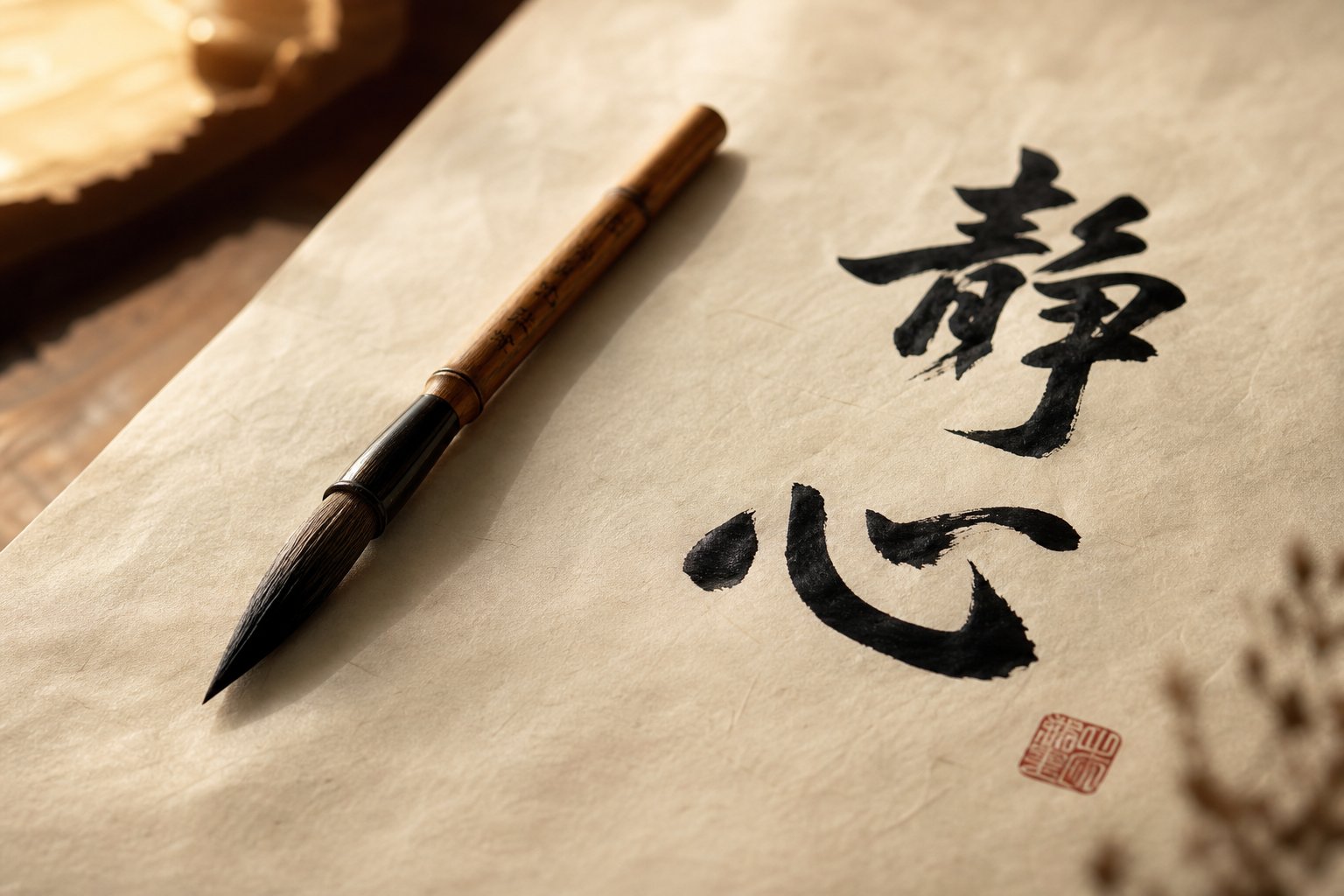
The Moon in Chinese Culture and Naming Traditions
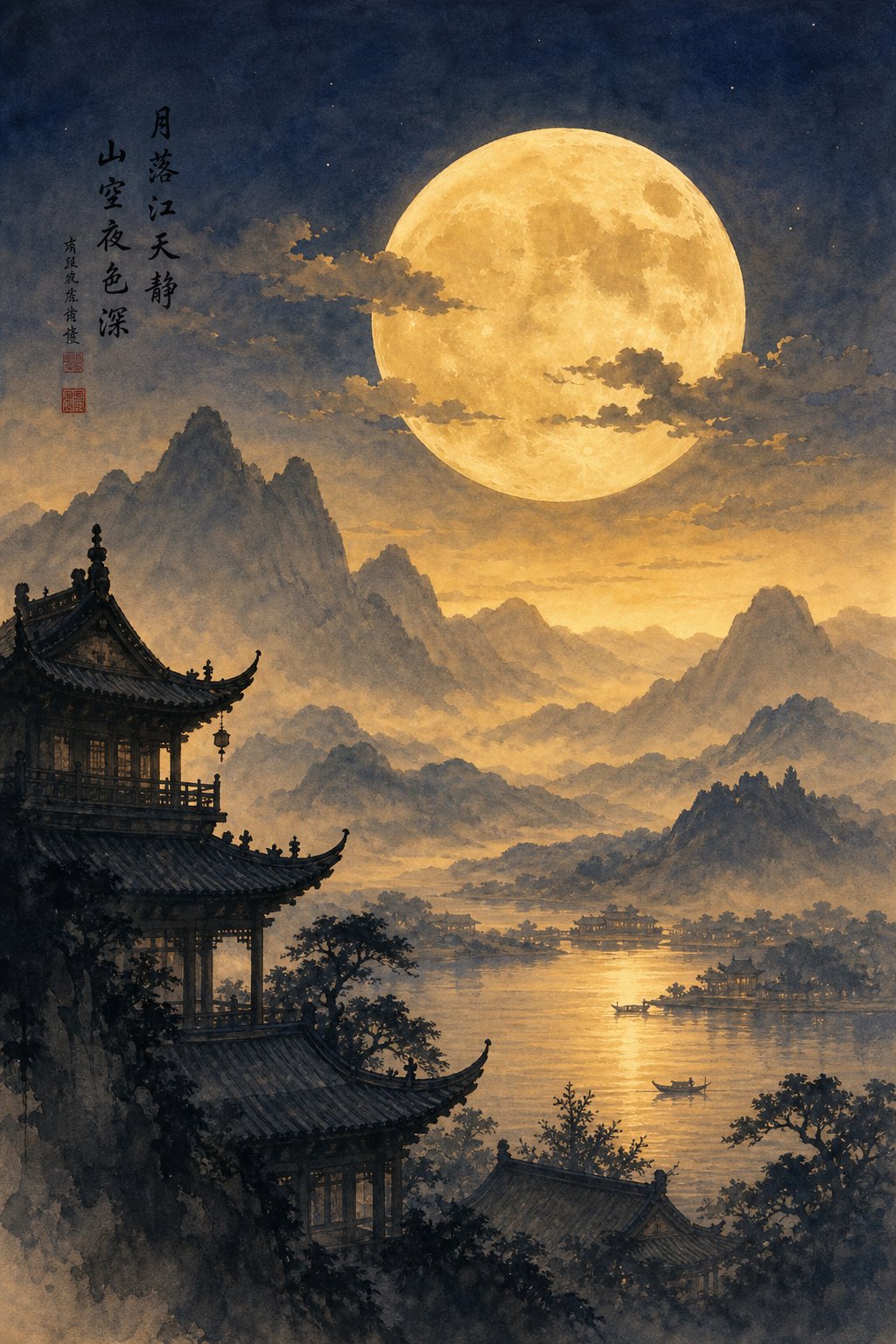
When you look up at a full moon, what comes to mind? In Chinese culture, that glowing disc carries over three thousand years of meaning. It represents family togetherness, feminine beauty, wisdom, and the eternal cycle of life. This deep symbolism is exactly why so many parents search for Chinese names meaning moon when choosing a name for their child.
The moon isn't just a celestial body in Chinese tradition. It's a storyteller, a mirror of human emotion, and a bridge between the earthly and the divine. Understanding this cultural weight is the first step toward choosing a Chinese name meaning moon that truly resonates.
Why the Moon Holds Special Meaning in Chinese Culture
The roots of lunar reverence in China stretch back to the Shang Dynasty, over 3,000 years ago. Early celebrations centered on worshiping the moon as a harbinger of good harvest. Over centuries, that agricultural gratitude evolved into something far more personal: the moon became a symbol of reunion, togetherness, and the good health of loved ones.
At the heart of this tradition sits the legend of Chang'e (嫦娥), the moon goddess. After drinking an immortality elixir to protect it from being stolen, Chang'e ascended to the moon, choosing it as her home so she could still watch over her husband, Hou Yi. Her faithful companion, the Jade Rabbit, joined her there. Every Mid-Autumn Festival, families gather under the full moon, share mooncakes, and honor this story of love and sacrifice.
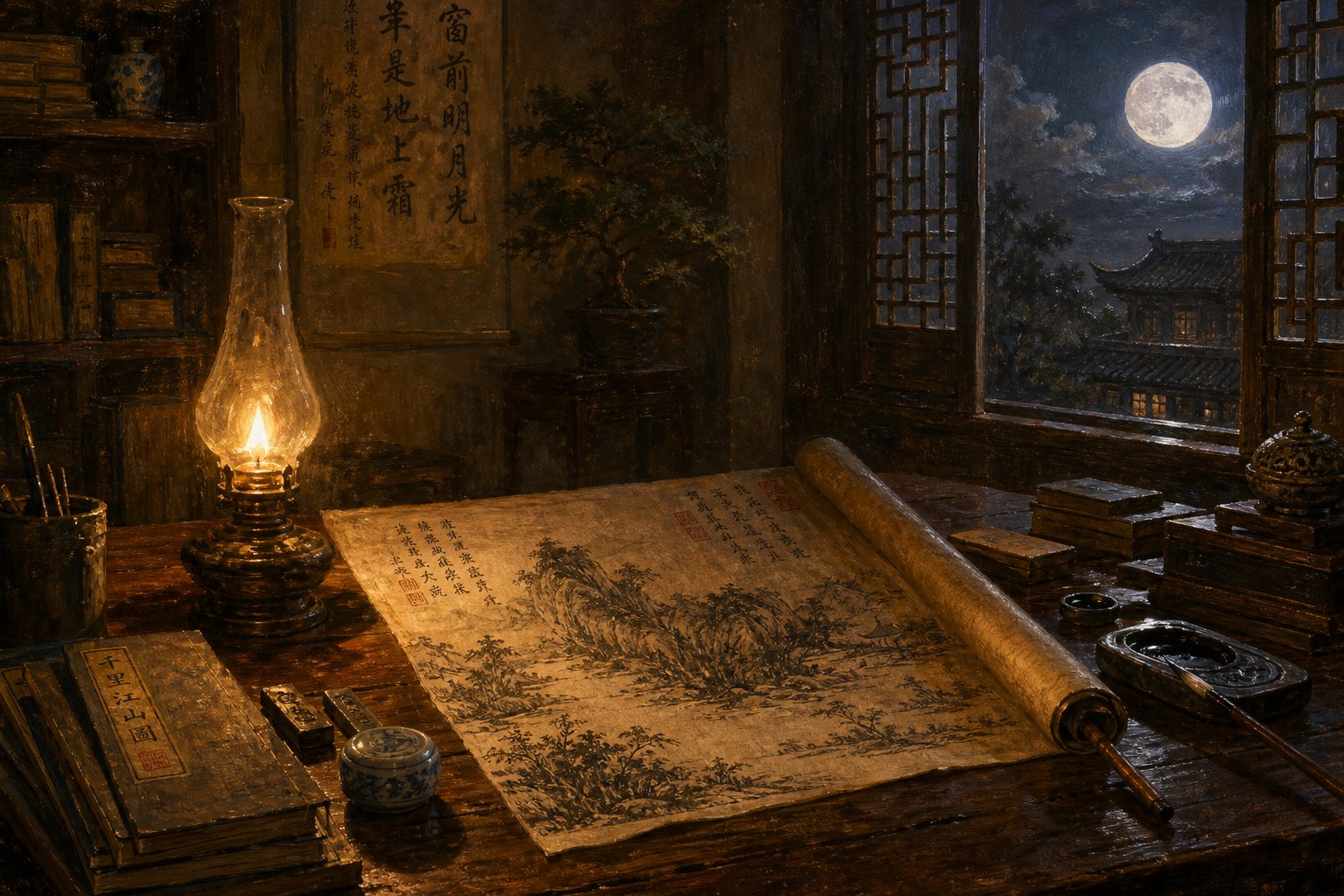
床前明月光,疑是地上霜。举头望明月,低头思故乡。 — Li Bai (Before my bed, the bright moonlight seems like frost on the ground. I raise my head to gaze at the moon, then lower it, thinking of home.)
Li Bai's famous verse captures what cognitive linguistics research identifies as a uniquely Chinese metaphorical use of the moon: homesickness and longing for family. While both Chinese and Western poetry associate the moon with love and solitude, Chinese poetry distinctly uses it to symbolize eternity, philosophical reflection, and the ache of separation from home. These layered meanings flow directly into how parents choose Chinese names that mean moon.
How Lunar Symbolism Shapes Chinese Naming Traditions
In Chinese naming culture, every character carries weight. A name isn't just a label. It's a wish, a blessing, and sometimes a philosophical statement about the child's future. The moon offers parents a rich palette of associations to draw from:
- Beauty and grace — the moon's soft, luminous quality
- Reunion and family bonds — the full moon as a symbol of wholeness and completeness
- Wisdom and clarity — moonlight illuminating darkness
- Femininity and motherhood — a cross-cultural association reinforced by the Chang'e legend
- Resilience and cycles — the moon's phases representing renewal
These aren't abstract ideas. They actively guide which characters parents select and how they combine them. A name like 明月 (bright moon) carries different cultural energy than 玥 (a mythical luminous pearl associated with the moon), even though both connect to lunar imagery.
Most online resources listing Chinese names that mean moon give you a name and a one-line translation. That's not enough. Without understanding the original Chinese characters (hanzi), proper pinyin with tone marks, stroke count implications, and the cultural connotations each character carries, you risk choosing a name that sounds beautiful in English but misses the mark in Chinese. This guide provides all of those layers, starting with the essential moon characters every parent should know.
Essential Moon Characters in Chinese and How Names Are Built
Choosing a name meaning moon in Chinese isn't as simple as picking a word from a dictionary. Each Chinese character is a self-contained unit with its own pronunciation, tone, visual structure, and cultural history. The character you select determines not just what the name means, but how it sounds, how it looks when written, and what philosophical energy it carries. So what Chinese name means moon? The answer depends on which facet of the moon you want to capture.
Key Moon Characters in Chinese with Pinyin and Tones
Six characters form the core vocabulary for names that mean moon in Chinese. Each one highlights a different quality of the moon, from its literal presence in the sky to its metaphorical brightness and mythological connections.
| Character | Pinyin (with tone) | Literal Meaning | Usage Notes |
|---|---|---|---|
| 月 | yuè (4th tone) | Moon, month | The most direct moon character. Common in both girl and boy names. Also functions as a radical in other characters. |
| 玥 | yuè (4th tone) | Mythical luminous pearl | A refined, literary choice strongly associated with the moon. Almost exclusively used in female names. Carries an elegant, precious connotation. |
| 嫦 | cháng (2nd tone) | From Chang'e, the moon goddess | Directly references the lunar deity. Used in female names to invoke grace, beauty, and immortality. |
| 皓 | hào (4th tone) | Bright, luminous, white | Evokes the brilliance of moonlight. Popular in male names for its association with clarity and strength. |
| 朗 | lǎng (3rd tone) | Clear, bright like moonlight | Suggests openness and cheerfulness. Works well in male names and conveys an outgoing, radiant personality. |
| 明 | míng (2nd tone) | Bright, brilliant | Composed of the sun radical (日) and moon radical (月) side by side. Represents the combined light of both celestial bodies. Versatile for any gender. |
Notice that 月 and 玥 share the same pronunciation (yuè) but carry very different weight. The first is straightforward and universally understood. The second is rarer, more literary, and signals a parent's familiarity with classical Chinese culture. A Chinese name means moon in different ways depending on which of these characters anchors it.
How Chinese Names Are Constructed with Moon Characters
Imagine building a name like assembling a small poem. Chinese names follow a specific architecture: the surname (family name) comes first, followed by a given name of one or two characters. Most modern Chinese given names use two characters, which gives parents room to layer meaning.
Here's how the structure works in practice:
- Single-character given name: Surname + one moon character. Example: 李月 (Lǐ Yuè). Simple, direct, and elegant. Less common today because single-character names offer fewer unique combinations.
- Two-character given name: Surname + moon character + complementary character (or the reverse). Example: 王皓天 (Wáng Hàotiān), where 皓 provides the moonlight meaning and 天 (sky) expands the imagery.
The order of characters within the given name matters. Placing the moon character first gives it primary emphasis, while placing it second lets another quality lead. For instance, 月琴 (Yuèqín, moon + musical instrument) foregrounds the lunar image, while 婵月 (Chányuè, graceful + moon) leads with elegance and uses the moon as a supporting note.
Two additional factors influence which moon character a family selects:
Stroke count: Each Chinese character has a fixed number of brush strokes. In traditional naming practice, the total stroke count of a name is believed to affect fortune. For example, 月 has 4 strokes, 玥 has 8, and 皓 has 12. Some families consult stroke-count charts to ensure the combined strokes of surname and given name fall on an auspicious number.
Five-element theory (wuxing): Traditional Chinese philosophy holds that everything is composed of five elements: Wood, Fire, Earth, Metal, and Water. Parents often consult a Bazi calculator based on the child's birth date to identify which element is missing from their destiny. The moon is associated with the Metal and Water elements, so characters like 月 and 明 may be recommended for children who need Water or Metal balance. This isn't superstition for many families. It's a structured system for ensuring harmony between a child's name and their life path.
As the reference materials from Temple University's Center for Chinese Language Instruction explain, Chinese names are composed of characters where each one carries cultural, historical, and sometimes spiritual significance. The choice of characters can invoke connections to Chinese heritage that go far beyond surface-level translation.
With these building blocks in hand, the real creative work begins: combining moon characters into complete names that suit a daughter or son, balancing sound, meaning, and cultural resonance in a way that feels both personal and timeless.
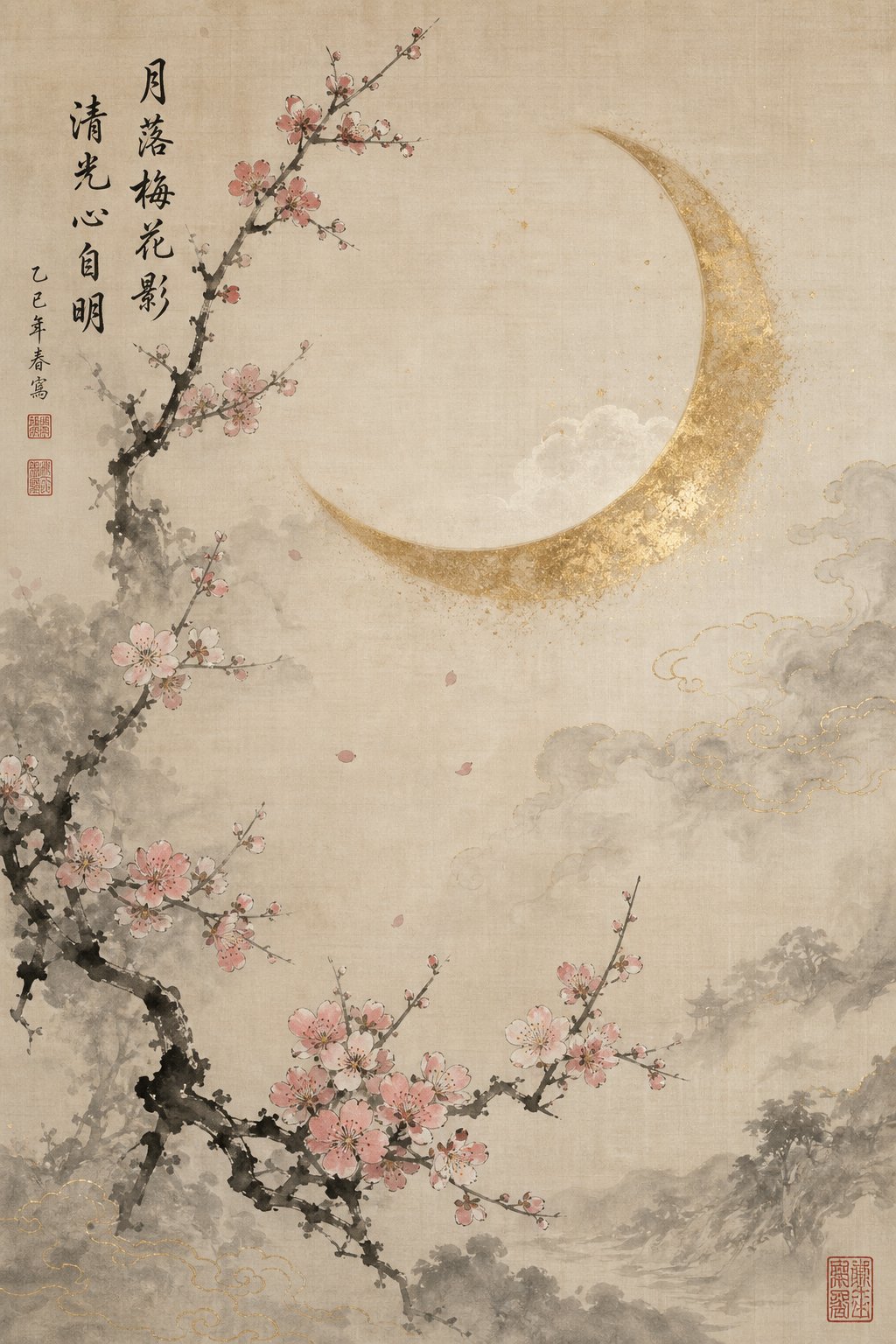
Chinese Girl Names Meaning Moon with Characters and Meanings
Girls' names in Chinese culture lean toward softness, grace, and beauty, and the moon embodies all three. When parents look for a chinese girl name that means moon, they're drawing on centuries of poetry, mythology, and feminine ideals wrapped into a few carefully chosen characters. The names below range from modern favorites to classical gems, each carrying a distinct emotional texture.
Popular Chinese Girl Names with Moon Meanings
These are the chinese girl names meaning moon you'll encounter most often in contemporary China. They balance accessibility with cultural depth, making them practical choices for families who want a name that's both meaningful and easy to use in daily life.
| Character | Pinyin (with tone) | Meaning | Cultural Notes |
|---|---|---|---|
| 玥 | yuè (4th tone) | Mythical luminous pearl bestowed by the heavens | One of the most popular female chinese names meaning moon today. Chinese teachers at LTL School ranked it among their top picks for girls, describing it as representing "moon-like brightness and beauty." |
| 月盈 | Yuè Yíng (4th, 2nd tone) | Full moon; the moon at its most complete | 盈 means fullness and abundance. The name suggests a resolute character and decisiveness. A favorite among parents who value both poetic imagery and inner strength. |
| 星月 | Xīng Yuè (1st, 4th tone) | Stars and moon | Pairs celestial imagery for a name that feels expansive and luminous. 星 symbolizes brilliance and wisdom, while 月 anchors it in lunar beauty. |
| 玥彤 | Yuè Tóng (4th, 2nd tone) | Luminous pearl with a rosy glow | 彤 means red or vermillion, evoking warmth and vitality. This combination suggests a girl who is both precious and vibrant, like moonlight tinged with dawn. |
| 心月 | Xīn Yuè (1st, 4th tone) | Heart moon; the moon within one's heart | A tender, introspective name. It implies someone who carries inner light and emotional depth. Modern and easy to pronounce across dialects. |
| 安月 | Ān Yuè (1st, 4th tone) | Peaceful moon | 安 conveys tranquility and safety. Together, the name paints a picture of calm moonlight, perfect for parents who wish serenity upon their daughter. |
You'll notice these popular choices tend to pair 月 or 玥 with characters that add warmth, brightness, or emotional resonance. That's intentional. In modern Chinese naming trends, parents favor names that feel both elegant and approachable, avoiding overly complex or archaic characters that might cause confusion in everyday settings.
Literary and Classical Moon Names for Girls
If you're searching for chinese names for girls that mean moon with deeper literary roots, these options draw from classical poetry, mythology, and traditional aesthetics. They carry a more refined, sometimes old-fashioned elegance that signals cultural sophistication.
| Character | Pinyin (with tone) | Meaning | Cultural Notes |
|---|---|---|---|
| 婵月 | Chán Yuè (2nd, 4th tone) | Graceful moon; elegant lunar beauty | 婵 evokes the grace of Chang'e herself. The character appears in classical poetry to describe feminine elegance. Su Shi's famous Mid-Autumn poem uses 婵娟 to refer to the moon's beauty. |
| 月琴 | Yuè Qín (4th, 2nd tone) | Moon lute; a traditional stringed instrument | The yuèqín is an actual Chinese instrument with a round, moon-shaped body. This name connects lunar imagery to music and artistic refinement. |
| 秋月 | Qiū Yuè (1st, 4th tone) | Autumn moon | The autumn moon is the most celebrated in Chinese culture, tied to the Mid-Autumn Festival. This name carries nostalgia, family reunion, and the beauty of harvest season. |
| 月华 | Yuè Huá (4th, 2nd tone) | Moon blossom; moonlight radiance | 华 means splendor or the essence of something. Often translated as "moon blossom," this name suggests the luminous halo around a full moon. Deeply poetic and traditional. |
| 月岚 | Yuè Lán (4th, 2nd tone) | Moon and mountain mist | 岚 refers to the mist that clings to mountain peaks. Paired with moon, it creates an ethereal, landscape-painting quality. A rare and unique choice. |
| 祈月 | Qí Yuè (2nd, 4th tone) | Pray to the moon; moon prayer | Connects to the ancient ritual of moon worship. 祈 means to pray or wish. This name carries spiritual depth and a sense of reverence for tradition. |
A chinese name for girl meaning moon from this literary category often references specific poems or cultural moments. Take 婵月: Su Shi wrote "但愿人长久,千里共婵娟" (May we live long and share the moon's beauty across a thousand miles). Parents who choose this name are embedding that entire emotional landscape into their daughter's identity.
Whether you lean toward the modern popularity of 玥 or the classical weight of 婵月, chinese female names meaning moon offer remarkable range. The key difference? Modern names prioritize simplicity and pleasant sound. Literary names prioritize cultural resonance and poetic allusion. Both are valid, and both carry genuine lunar meaning rooted in tradition.
The same moon characters that create these feminine names also lend themselves to masculine interpretations, but the approach shifts dramatically. Where girls' names emphasize softness and grace, boys' names built from lunar imagery tend to foreground brightness, clarity, and expansive strength.
Chinese Boy Names Meaning Moon for Strength and Brightness
Male chinese names meaning moon take a different angle than their feminine counterparts. Instead of softness and grace, they lean into the moon's radiance, its ability to illuminate vast darkness, and the clarity it brings to the night sky. Think of it this way: where a girl's moon name might evoke the moon reflected in still water, a boy's moon name captures the moon commanding the heavens.
Characters like 皓 (hào), 朗 (lǎng), and 明 (míng) dominate this space. They share a common thread: brightness as a form of strength. A chinese name meaning moon male doesn't shy away from lunar imagery. It reframes it as power, vision, and intellectual clarity.
Strong Chinese Boy Names Inspired by the Moon
These chinese male names that mean moon draw from classical associations between moonlight and masculine virtues like wisdom, openness, and moral clarity. Each name pairs a moon-related character with a complementary element that reinforces strength or ambition.
| Character | Pinyin (with tone) | Meaning | Cultural Notes |
|---|---|---|---|
| 皓月 | Hào Yuè (4th, 4th tone) | Bright moon; radiant and luminous moon | A classical phrase appearing frequently in Tang dynasty poetry. Carries literary prestige and suggests someone whose presence illuminates those around him. |
| 明朗 | Míng Lǎng (2nd, 3rd tone) | Bright and clear; luminous clarity | Combines two light-related characters. 明 (sun + moon) paired with 朗 (clear like moonlight) creates a name suggesting an open, cheerful, and intellectually sharp personality. |
| 皓天 | Hào Tiān (4th, 1st tone) | Luminous sky; bright as the heavens | 皓 provides the moonlight quality while 天 (sky/heaven) expands the scope. Suggests vast potential and a commanding, bright spirit. |
| 朗月 | Lǎng Yuè (3rd, 4th tone) | Clear moon; a moon shining without obstruction | 朗 specifically describes the clarity of moonlight on a cloudless night. This name evokes transparency, honesty, and an outgoing nature. |
| 月恒 | Yuè Héng (4th, 2nd tone) | Eternal moon; the moon that endures | 恒 means permanence and perseverance. Together, the name suggests steadfast character and enduring brilliance, like the moon that returns every night without fail. |
| 皓宇 | Hào Yǔ (4th, 3rd tone) | Luminous universe; bright across all space | 宇 means universe or space. A popular modern choice that pairs moonlit brightness with cosmic ambition. Suggests someone destined for broad influence. |
Notice how 皓 appears repeatedly. BabyCenter's guide to Chinese boy names notes that characters conveying brightness and radiance rank among the most sought-after for sons. 皓 specifically evokes the white brilliance of moonlight rather than sunlight, giving it a distinctly lunar quality while maintaining masculine energy.
Modern Male Moon Names Gaining Popularity
Chinese parents today are increasingly drawn to chinese names for boys meaning moon that feel fresh without abandoning tradition. The shift reflects a broader cultural movement: modern families want names that sound contemporary, work well in international contexts, and still carry meaningful depth.
| Character | Pinyin (with tone) | Meaning | Cultural Notes |
|---|---|---|---|
| 明月 | Míng Yuè (2nd, 4th tone) | Bright moon | Once considered primarily poetic, 明月 is gaining traction as a given name for boys. Its connection to Su Shi's iconic verse gives it instant cultural recognition. Simple, elegant, and unmistakably lunar. |
| 月辰 | Yuè Chén (4th, 2nd tone) | Moon and stars; celestial timing | 辰 refers to celestial bodies and auspicious timing. This combination feels modern and aspirational, suggesting someone aligned with cosmic rhythm and good fortune. |
| 朗轩 | Lǎng Xuān (3rd, 1st tone) | Clear and elevated; bright spirit with high bearing | 轩 means lofty or dignified. Paired with the moonlight clarity of 朗, it creates a name that sounds refined and contemporary. Popular among urban families. |
| 皓然 | Hào Rán (4th, 2nd tone) | Naturally luminous; bright by nature | 然 means "naturally so" or "as it is." The name implies effortless brilliance, someone who shines without trying. A favorite among parents who value understated confidence. |
| 月白 | Yuè Bái (4th, 2nd tone) | Moon white; the pale glow of moonlight | 月白 is also the name of a traditional Chinese color: the soft blue-white of moonlit fabric. This name bridges visual art and lunar imagery in a uniquely Chinese way. |
What makes a chinese male name meaning moon work? It comes down to character pairing. The moon character provides the poetic foundation, but the second character determines whether the name reads as gentle or powerful. Characters like 天 (sky), 宇 (universe), 恒 (eternal), and 轩 (lofty) push the name toward strength and ambition. Characters like 然 (natural) and 辰 (celestial) add a philosophical, contemplative quality.
Male chinese names meaning moon also benefit from tonal contrast. A name like 皓然 (Hào Rán) moves from a sharp falling tone to a rising tone, creating a sound that feels dynamic and forward-moving. Parents attuned to how a name sounds when called across a playground or announced in a boardroom often favor these tonal pairings for their rhythmic energy.
The growing popularity of these names reflects something cultural: the old assumption that lunar imagery belongs exclusively to girls is fading. Chinese names that mean moon male are no longer unusual. They're a deliberate choice by parents who recognize that brightness, clarity, and quiet strength are qualities worth naming a son after.
Of course, not every family fits neatly into gendered categories. Some parents want a moon name that works regardless of gender, and others need to consider how their surname interacts with these lunar characters. That's where understanding surname compatibility and unisex options becomes essential.
Chinese Last Names and Unisex Names Connected to the Moon
A Chinese name doesn't start with the given name. It starts with the surname. And here's what most parents overlook: if your family surname already carries lunar energy, doubling down with a moon-themed given name can create redundancy or, worse, an awkward tonal clash. On the other hand, a surname with moon connections can amplify a subtle lunar given name into something resonant and complete.
Understanding which chinese last names meaning moon exist, and how they interact with given names, gives you a strategic advantage in building a harmonious full name.
Chinese Surnames with Moon Connections
Chinese surnames with direct or indirect lunar associations are rarer than you might expect. The moon's symbolism lives primarily in given names, but a handful of surnames carry moonlight in their etymology or character composition.
- 明 (Míng) — Composed of the sun radical (日) and moon radical (月), this surname literally means "bright." It's the most prominent chinese last name meaning moon, famously associated with the Ming Dynasty (1368-1644). Families with this surname already carry lunar energy, so pairing it with a subtle moon given name like 朗 (Lǎng, clear) works better than an overt choice like 月 (Yuè), which would feel heavy-handed. 明朗 (Míng Lǎng) reads as naturally luminous rather than repetitive.
- 朗 (Lǎng) — While uncommon as a surname, 朗 does exist in Chinese family name records. It means "clear and bright like moonlight." Families with this surname should avoid given names that also emphasize brightness, as the combination can sound monotone in meaning.
- 肖 (Xiāo) / 萧 (Xiāo) — Though not directly lunar, this surname shares its sound with 宵 (xiāo, night), creating a phonetic echo of nighttime and moonlit skies. The association is subtle but culturally recognized. A given name like 月 or 玥 paired with 肖 creates an evocative full name: 肖玥 (Xiāo Yuè) sounds like "night moon" to a Chinese ear.
- 望 (Wàng) — A rare surname meaning "to gaze" or "to look toward." In classical Chinese, 望月 (wàngyuè) means "gazing at the moon," a phrase deeply embedded in poetry. Someone named 望月 carries an entire poetic tradition in two characters.
- 秋 (Qiū) — Meaning "autumn," this surname connects to the moon through the Mid-Autumn Festival. The autumn moon is the most culturally significant moon in Chinese tradition, so 秋 as a surname naturally harmonizes with lunar given names.
The key principle here? Surname-given name harmony in Chinese isn't just about sound. It's about meaning balance. A chinese last name that means moon or carries lunar associations works best when the given name complements rather than repeats that energy. Think of it like seasoning: if the surname already provides moonlight, the given name can add texture, emotion, or direction rather than more light.
Unisex Chinese Moon Names That Work for Everyone
Not every family wants a gendered name. Some parents prefer a chinese name that means moon without locking their child into masculine or feminine expectations. Chinese actually accommodates this well. Several moon-related characters sit comfortably in the middle ground, carrying neither strongly feminine nor strongly masculine connotations.
| Character | Pinyin (with tone) | Meaning | Why It Works as Unisex |
|---|---|---|---|
| 明月 | Míng Yuè (2nd, 4th tone) | Bright moon | A classical phrase used across all contexts. Neither soft nor hard in tone. Equally at home in poetry, philosophy, and everyday life. |
| 月辰 | Yuè Chén (4th, 2nd tone) | Moon and stars; celestial timing | 辰 is inherently neutral, referring to cosmic bodies and time. The combination feels aspirational without leaning toward either gender. |
| 月安 | Yuè Ān (4th, 1st tone) | Peaceful moon; moonlit tranquility | 安 (peace, safety) is one of the most common unisex characters in Chinese naming. Paired with 月, it creates a calm, balanced name suitable for anyone. |
| 皓明 | Hào Míng (4th, 2nd tone) | Luminous brightness; doubly radiant | While 皓 leans slightly masculine, combining it with the balanced 明 creates a name that reads as simply "brilliant" without strong gender coding. |
| 月知 | Yuè Zhī (4th, 1st tone) | Moon wisdom; knowledge of the moon | 知 means wisdom or understanding. This pairing emphasizes intellect and awareness, qualities that transcend gender entirely. |
The trick with unisex moon names is avoiding characters that carry strong gendered associations. Characters like 玥 (mythical pearl) and 婵 (graceful) read as distinctly feminine. Characters like 轩 (lofty) and 宇 (universe) lean masculine. But 月 itself, along with 明, 安, 辰, and 知, occupy neutral territory that gives families flexibility.
For parents navigating chinese last names that mean moon alongside a unisex given name, the combination 明 + 月安 (Míng Yuè'ān) might feel like too much lunar weight. A lighter touch works better: 明知 (Míng Zhī, bright wisdom) keeps the moon present through the surname's radical without overloading the name with celestial imagery.
Surnames and gender considerations form the structural foundation of a name. But the real artistry happens in the next layer: how individual moon characters combine with complementary characters to create compound names that are greater than the sum of their parts.
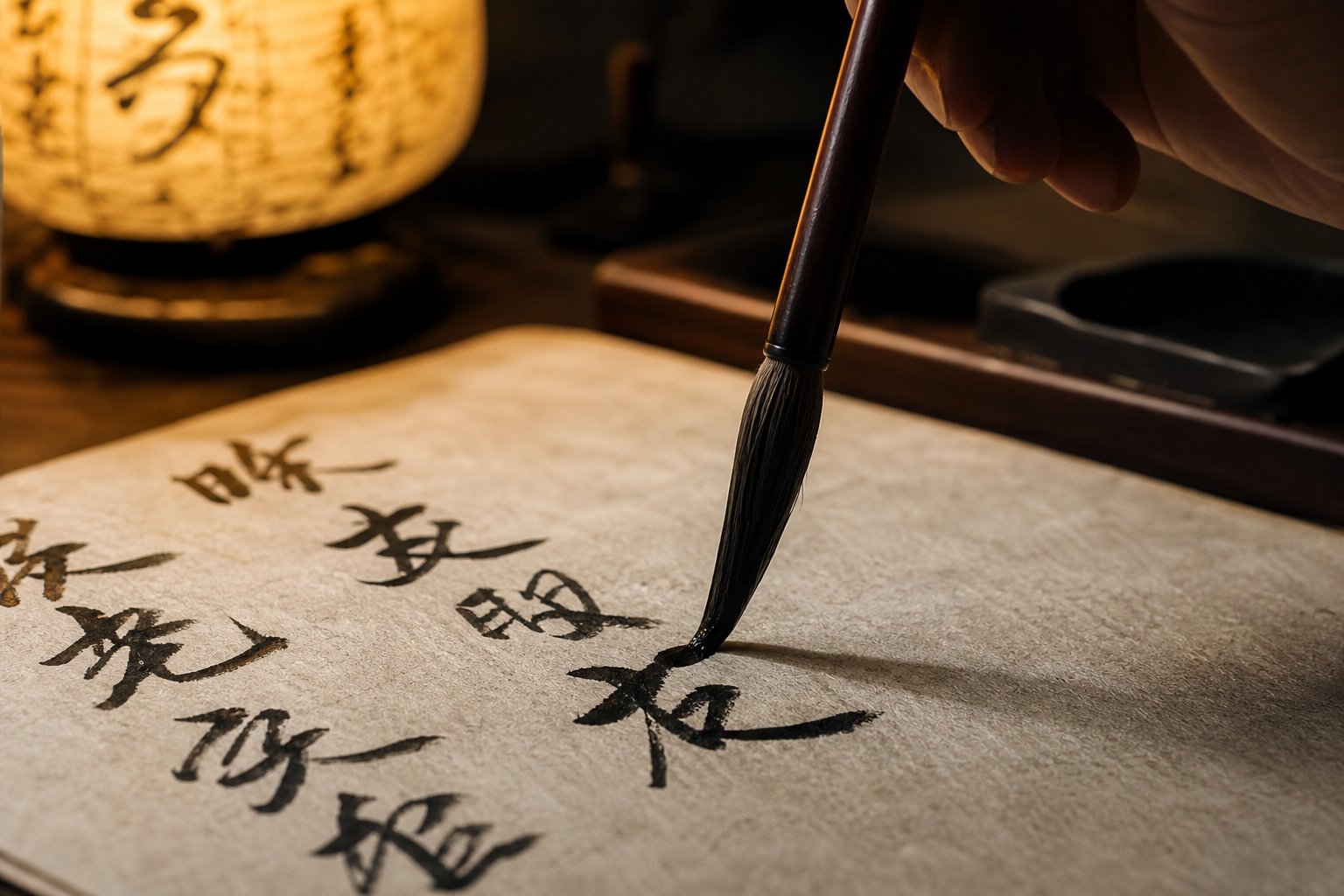
How Moon Characters Combine to Form Beautiful Compound Names
A single moon character gives you a foundation. But a compound name? That's where the poetry lives. The difference between a good chinese name meaning beautiful moon and a forgettable one often comes down to how the second character interacts with the first. Sound, meaning, visual weight, and even mythology all play a role in that pairing.
The Art of Pairing Moon Characters in Compound Names
Building a compound moon name isn't random. It follows a logic that balances multiple dimensions at once. As MingShu's naming framework explains, a Chinese name must satisfy sound, form, meaning, and elemental balance simultaneously. Here's how to approach that process step by step:
- Choose your anchor moon character. Decide which lunar quality matters most. 月 (yuè) gives you the moon directly. 皓 (hào) gives you moonlit brightness. 玥 (yuè) gives you mythical preciousness. This character sets the emotional tone for the entire name.
- Identify the complementary meaning you want. What quality should the second character add? Strength? Gentleness? Nature imagery? Intellectual depth? The second character shouldn't repeat the first. It should expand it. For example, 月 + 琴 (qín, musical instrument) creates 月琴 (Yuèqín), connecting the moon to artistic refinement rather than just restating brightness.
- Check tonal harmony. Mandarin has four tones, and placing two characters with the same tone back-to-back can sound flat or awkward. A name like 皓月 (Hào Yuè) works because both are 4th tone but belong to different syllables with distinct consonant openings. However, pairing 月 (4th tone) with 桂 (guì, 4th tone) in 月桂 (Yuèguì) still flows naturally because the initial consonants (y- and g-) create enough contrast. The test: say the full name including the surname out loud. Does it roll off the tongue?
- Evaluate stroke count balance. 月 has just 4 strokes. Pairing it with a visually heavy character like 馨 (xīn, fragrance, 20 strokes) creates an imbalanced look when written. A better visual match might be 华 (huá, splendor, 6 strokes) or 桂 (guì, osmanthus, 10 strokes), which sit closer to 月 in visual density without looking lopsided in calligraphy.
- Verify there are no negative homophones. The combined sound of both characters shouldn't accidentally echo an unflattering word or phrase. Native speakers catch these instantly, so always run your final choice past someone fluent in the relevant dialect.
Consider how 皓 pairs differently depending on its companion. 皓天 (Hàotiān) means "luminous sky" and reads as ambitious and expansive. 皓宇 (Hàoyǔ) means "bright universe" and carries cosmic scope. 皓然 (Hàorán) means "naturally radiant" and feels understated. Same anchor character, three completely different personalities. That's the power of deliberate pairing in chinese names that means moon.
Moon Flower and Nature Combinations in Chinese Names
Some of the most evocative compound moon names draw from the natural world, and one connection stands above the rest: the osmanthus tree (桂, guì). In Chinese mythology, a giant osmanthus tree grows on the moon, tended by the woodcutter Wu Gang in an eternal, never-ending task. This legend makes 桂 one of the most culturally loaded characters you can pair with moon imagery.
Chinese names that mean moon flower often incorporate this mythological link:
| Character | Pinyin (with tone) | Meaning | Nature Connection |
|---|---|---|---|
| 月桂 | Yuè Guì (4th, 4th tone) | Moon osmanthus; laurel of the moon | Directly references the lunar osmanthus tree. Also means "laurel" (as in laurel wreath), adding a layer of victory and honor. |
| 桂月 | Guì Yuè (4th, 4th tone) | Osmanthus moon; the fragrant moon | Reverses the order to foreground the flower. 桂月 is also a classical name for the eighth lunar month when osmanthus blooms. |
| 月华 | Yuè Huá (4th, 2nd tone) | Moon blossom; moonlight radiance | 华 can mean both "splendor" and "flower/blossom." The name captures the luminous halo around a full moon, like petals of light. |
| 月荷 | Yuè Hé (4th, 2nd tone) | Moon lotus | The lotus blooms in summer moonlight. This pairing evokes purity (lotus symbolism) illuminated by gentle lunar glow. |
| 皓兰 | Hào Lán (4th, 2nd tone) | Moonlit orchid; luminous orchid | 兰 (orchid) represents refinement and integrity in Chinese culture. Paired with moonlight brightness, it creates a name suggesting quiet, noble beauty. |
The moon-flower pairing works so well because both elements carry layered symbolism in Chinese culture. Flowers represent transient beauty and moral character. The moon represents permanence and cyclical renewal. Together, they create a tension that gives a name emotional depth: something beautiful that endures.
A chinese name meaning beautiful moon like 月华 doesn't just describe appearance. It captures the idea of beauty as radiance, something that emanates outward rather than sitting passively on the surface. That distinction matters to Chinese-speaking families who understand the philosophical weight behind each character combination.
Mastering these pairings gives you the tools to build a name. But for families living between cultures, there's another practical layer to consider: how these compound names sound and function outside of China, across different Chinese dialects, and in English-speaking environments.
Cross-Cultural Moon Names for the Chinese Diaspora and Beyond
Living between two languages changes how a name functions. A name that sounds elegant in Mandarin might trip up an English-speaking teacher on the first day of school. A name that flows beautifully in Cantonese might carry an unintended homophone in another dialect. For families in the diaspora, and for non-Chinese parents drawn to lunar symbolism, choosing a moon name means navigating both cultural authenticity and everyday practicality.
Moon Names That Bridge Chinese and English Pronunciation
The best cross-cultural moon names share a few traits: they contain sounds that exist in English, they avoid tones that dramatically change meaning when flattened, and they remain recognizable to Chinese speakers. When you're looking for girl names that mean moon in chinese that also work abroad, or male names that mean moon in chinese that won't get mangled at a doctor's office, pronunciation accessibility matters.
Here are names that cross the language bridge well:
- 明 (Míng) — Sounds close to the English word "ming." Easy for English speakers to approximate. Works for any gender and carries the combined sun-moon brightness meaning.
- 月安 (Yuè Ān) — "Yue" is increasingly familiar to English speakers, and "An" is intuitive. The combination (peaceful moon) sounds gentle in both languages.
- 皓 (Hào) — Approximates "how" in English. A strong, single-syllable option for male chinese names that mean moon without requiring complex tonal explanation.
- 朗 (Lǎng) — Close to "long" in English pronunciation. Carries moonlit clarity and works well as a standalone name or paired element.
- 玥 (Yuè) — Shares pronunciation with 月 but carries the mythical pearl meaning. Among the most popular female chinese names meaning moon, it's become familiar enough in international Chinese communities that many non-Chinese speakers recognize it.
A practical tip: if you plan to use the Chinese name as a middle name alongside an English first name, tonal precision matters less in daily use. But if the Chinese name will be the primary name, choose characters whose romanized spelling doesn't invite mispronunciation. Names starting with "X" (like 星, Xīng) or "Q" (like 琴, Qín) consistently confuse English speakers unfamiliar with pinyin conventions.
Mandarin vs Cantonese Pronunciation Guide for Moon Names
Chinese families abroad don't all speak Mandarin. Cantonese-speaking communities in Hong Kong, Guangdong, and much of the older diaspora in Southeast Asia, the UK, and North America use Jyutping or Yale romanization rather than pinyin. The same character can sound dramatically different depending on the dialect, which affects how a name feels and flows.
| Character | Meaning | Mandarin Pinyin | Cantonese (Jyutping) | Approximate Cantonese Sound |
|---|---|---|---|---|
| 月 | Moon | yuè | jyut6 | "yoot" |
| 玥 | Mythical pearl | yuè | jyut6 | "yoot" |
| 明 | Bright (sun + moon) | míng | ming4 | "ming" |
| 皓 | Luminous, bright | hào | hou6 | "ho" |
| 朗 | Clear moonlight | lǎng | long5 | "long" |
| 嫦 | Moon goddess | cháng | soeng4 | "seung" |
| 婵 | Graceful | chán | sim4 | "sim" |
Notice how 婵 shifts from "chán" in Mandarin to something closer to "sim" in Cantonese. A name like 婵月 sounds poetic in Mandarin (Chán Yuè) but becomes "Sim Yoot" in Cantonese, which carries a completely different sonic personality. Neither is wrong, but families should consider which dialect the name will primarily be spoken in.
For Cantonese-speaking families, 皓 (hou6) and 明 (ming4) tend to be the smoothest moon-related characters because their Cantonese pronunciations are short, clear, and easy to pair with other characters without tonal clashing.
Guidance for non-Chinese families: If you're not Chinese but feel drawn to these names, a few considerations help you approach the choice respectfully. First, learn the correct pronunciation, including the tone. A name spoken without its tone loses meaning. Second, understand the character's full cultural context rather than relying on a one-word English translation. Third, as ChinaJob's naming guide emphasizes, always verify your chosen characters with a native speaker to catch negative connotations or unfortunate homophones that translation tools miss. A character that looks beautiful in isolation might sound like an insult when combined with certain surnames or spoken in a specific regional dialect.
Cross-cultural naming is ultimately about intentionality. Whether you're a diaspora family preserving heritage or an admirer of Chinese lunar symbolism, the names carry their full weight only when chosen with genuine understanding of what lives inside each character. That understanding deepens further when you know the cultural rules and ancient traditions that govern how moon characters have been used across Chinese history.
Cultural Rules and Ancient Traditions Behind Moon Naming
Knowing which characters mean moon is only half the equation. The other half? Understanding the invisible rules that determine whether a moon name is considered auspicious, appropriate, or culturally tone-deaf. Chinese naming operates within a framework of taboos, elemental balancing, and generational customs that most English-language resources never mention. Break these rules, and a beautiful-sounding name can carry unintended baggage.
Naming Taboos and Five-Element Considerations
Chinese naming taboos run deep. Some date back thousands of years. Others reflect modern sensibilities. When choosing chinese names meaning moon girl or boy options, these are the cultural guardrails you need to know:
The emperor and ancestor taboo (bihui, 避讳): Historically, using a character from a ruler's or ancestor's name was forbidden. While this strict rule has relaxed in modern China, many families still avoid naming children after living grandparents or great-grandparents. If your grandfather's name contains 月 or 明, some traditional families would steer away from those characters in a grandchild's name out of respect.
Homophone dangers: Mandarin is full of characters that share identical pronunciations but carry wildly different meanings. 月 (yuè, moon) sounds the same as 越 (yuè, to surpass) and 岳 (yuè, mountain peak), which is fine. But when combined with certain surnames, the full name might accidentally echo an unflattering phrase. For instance, pairing 月 with the surname 杨 (Yáng) creates 杨月 (Yáng Yuè), which sounds close to 阳月 (yáng yuè, a term for certain lunar months) and carries no negative weight. But other surname-moon combinations aren't so lucky. Always speak the full name aloud in context.
The five-element system (wuxing, 五行): This is where fortune tellers enter the picture. As noted in My China Roots' guide to Chinese given names, more traditional families consult a fortune teller to select the luckiest name based on the child's birth date and time, balancing the Chinese Five Elements: metal, earth, water, fire, and wood. The moon character 月 is associated with the Water element. Characters like 皓 and 明 carry Metal associations due to their brightness and white-light quality. If a child's birth chart already has excess Water, a fortune teller might advise against 月 and suggest 皓 (Metal) instead, or recommend pairing 月 with a Fire or Earth character to restore balance.
A Chinese name must harmonize three forces: the meaning the parents intend, the sound when spoken with the surname, and the elemental balance of the child's birth chart. Ignoring any one of these creates a name that feels incomplete to a Chinese ear.
Generational naming (zibei, 字辈): In many Chinese families, one character in the given name is shared across all siblings or cousins of the same generation. This generational character is predetermined, sometimes centuries in advance, by a family poem or ancestral decree. If your family's generational character for this generation is 明, you already have a moon connection built in. The second character then becomes your space for personalization. This tradition is fading in urban China but remains strong in rural areas and among overseas families maintaining clan records.
What about chinese names meaning moon boy choices specifically? Male names face an additional cultural filter: perceived masculinity. While attitudes are shifting, some older family members may resist names like 月 (moon) for boys, viewing it as too soft. Characters like 皓 and 朗 sidestep this concern entirely because they emphasize brightness and clarity rather than the moon itself. They carry lunar meaning without triggering traditional gender expectations.
Ancient Moon Names from Chinese Literature and Mythology
Ancient chinese names meaning moon reveal how differently earlier dynasties approached lunar naming compared to today. Historical names weren't chosen for pleasant sound alone. They encoded philosophical beliefs, political allegiances, and mythological devotion.
The Chang'e influence across dynasties: The moon goddess Chang'e (嫦娥) has inspired naming for over two millennia. During the Tang Dynasty (618-907 CE), when lunar poetry reached its peak, names referencing Chang'e became fashionable among literati families. The character 嫦 appeared in women's names as a direct invocation of the goddess's beauty and immortality. The Jade Rabbit (玉兔, Yùtù), Chang'e's companion on the moon, inspired names incorporating 玉 (yù, jade) paired with lunar characters. A name like 玉月 (Yùyuè, jade moon) carried double mythological weight: the purity of jade and the luminosity of the moon.
Tang and Song dynasty naming patterns: Classical poets didn't just write about the moon. They named their children after it. During the Song Dynasty, the character 朗 gained popularity for boys after Su Shi's famous Mid-Autumn poem elevated moonlit clarity to a philosophical ideal. Names from this era tended toward compound literary references: 月白风清 (moonlight white, wind clear) might inspire a name like 月清 (Yuèqīng) or 风朗 (Fēnglǎng). These names assumed the reader would recognize the poetic source, a cultural shorthand that modern names rarely attempt.
How ancient patterns differ from modern ones: Historical moon names were often longer, more allusive, and assumed a shared literary education. A Tang-era scholar might name his daughter 婵娟 (Chánjuān, graceful beauty of the moon) expecting everyone to recognize Su Shi's verse. Today's parents favor shorter, more accessible names. The shift from 婵娟 to simply 玥 reflects a broader cultural movement toward simplicity without sacrificing meaning. Ancient names told stories. Modern names distill those stories into a single, potent character.
The Wu Gang legend also shaped naming traditions. Wu Gang, condemned to eternally chop a self-healing osmanthus tree on the moon, inspired names incorporating 桂 (guì, osmanthus) as a symbol of perseverance and unfinished ambition. Boys named 桂月 or 月桂 in classical times carried the implication of someone who never gives up, even against impossible odds. That mythological layer still resonates with families who know the story.
These ancient traditions aren't museum pieces. They're living influences that shape how Chinese-speaking families evaluate a name's depth and appropriateness. A parent who chooses 皓月 for their son isn't just picking two pretty characters. They're connecting their child to a thousand years of poets who gazed upward and found meaning in that same bright moon. Understanding these cultural rules transforms name selection from a surface-level exercise into something genuinely rooted in tradition.
With the cultural framework clear, the practical question remains: how do you pull all of this together into a final decision? The characters, the gender considerations, the tonal harmony, the elemental balance, the cultural rules. A structured decision framework makes that process manageable rather than overwhelming.
Your Complete Guide to Choosing a Chinese Moon Name
You've explored the characters, the cultural rules, the gendered patterns, and the cross-cultural considerations. That's a lot of information to hold at once. So how do you actually make a decision? This final section distills everything into a practical framework you can use right now, whether you're choosing a chinese girl name meaning moon, a chinese boy name meaning moon, or something that works for everyone.
Quick Reference Guide for Choosing Your Moon Name
Start with three questions. Your answers narrow the field immediately:
- What gender energy do you want? Feminine names lean toward 玥, 婵, and 月 paired with soft characters. Masculine names favor 皓, 朗, and 明 paired with strong characters. Unisex options use 明月, 月安, or 月辰.
- How important is cross-cultural pronunciation? If the name will be used daily in English-speaking environments, prioritize characters like 明 (Míng), 朗 (Lǎng), and 皓 (Hào) that approximate familiar English sounds. If the name is primarily for Chinese contexts, literary choices like 婵月 or 月华 carry more weight.
- How much cultural depth do you want? A name like 玥 is elegant and modern. A name like 婵月 references specific classical poetry. A name like 月桂 invokes mythology. Each level carries different expectations about the family's cultural knowledge.
Here's a quick-reference table summarizing the top recommended names across all categories covered in this guide. Use it to compare options side by side and find what name means moon in chinese for your specific situation:
| Category | Name | Pinyin | Key Meaning | Best For |
|---|---|---|---|---|
| Girls (Modern) | 玥 | yuè | Mythical luminous pearl | Families wanting elegance with simplicity |
| Girls (Modern) | 星月 | Xīng Yuè | Stars and moon | Parents who love celestial imagery |
| Girls (Classical) | 婵月 | Chán Yuè | Graceful moon | Literary families with poetry connections |
| Girls (Classical) | 秋月 | Qiū Yuè | Autumn moon | Mid-Autumn Festival significance |
| Boys (Strong) | 皓月 | Hào Yuè | Bright, radiant moon | Classical prestige with masculine energy |
| Boys (Strong) | 皓天 | Hào Tiān | Luminous sky | Ambitious, expansive personality |
| Boys (Modern) | 朗轩 | Lǎng Xuān | Clear and elevated | Urban families wanting contemporary feel |
| Boys (Modern) | 皓然 | Hào Rán | Naturally luminous | Understated confidence |
| Unisex | 明月 | Míng Yuè | Bright moon | Maximum cultural recognition |
| Unisex | 月安 | Yuè Ān | Peaceful moon | Cross-cultural ease and calm energy |
Final Tips for Selecting the Perfect Chinese Moon Name
Before you commit, run through this checklist. It catches the mistakes that most parents only discover after the name is already official:
- Verify with native speakers. Show your chosen characters to at least two or three fluent Chinese speakers from different regions. Ask them to say the full name (surname included) aloud and tell you their honest first impression. As Yoyo Chinese's naming guide emphasizes, running a name past several people catches homophones, slang associations, and awkward sounds that no dictionary will flag.
- Say the full name with your surname. A given name that sounds beautiful in isolation might clash tonally or semantically with your family name. Speak it quickly, slowly, and in a crowd-calling voice. Does it flow?
- Check character simplicity. If the name will be handwritten regularly, avoid characters with excessive stroke counts. A child who dreads writing their own name on homework has a practical problem no amount of cultural meaning can fix.
- Consider registration requirements. Different countries handle Chinese name registration differently. In China, names must use characters from the standardized GB2312 character set for official documents. In the US, UK, and Canada, Chinese names are typically registered in pinyin (romanized form) on birth certificates, with characters used informally or on Chinese-language documents. If you want both forms to be official, check your local civil registry's policies early.
- Don't skip the five-element check if your family observes it. Even if you're not deeply traditional, knowing whether your child's birth chart favors Water (月) or Metal (皓) can help you choose between two names you love equally. It's a tiebreaker rooted in cultural logic rather than random preference.
Choosing chinese names for girls meaning moon or chinese boy names that mean moon is ultimately an act of hope. You're encoding a wish into characters that your child will carry for life. The moon has held meaning in Chinese culture for over three thousand years because it represents something universal: light that persists through darkness, beauty that renews itself, and the quiet certainty that no matter how far apart people are, they share the same sky. A name built from that symbolism gives a child roots in one of the world's oldest literary traditions and a meaning that never goes out of style.
Frequently Asked Questions About Chinese Names Meaning Moon
1. What is the most popular Chinese girl name meaning moon?
The character 玥 (yue, 4th tone) is currently one of the most popular Chinese girl names with moon meaning. It refers to a mythical luminous pearl bestowed by the heavens and carries connotations of elegance, preciousness, and moon-like brightness. Unlike the more common 月 (moon), 玥 signals literary refinement and is used almost exclusively for girls. Other popular modern choices include 星月 (Xing Yue, stars and moon) and 月盈 (Yue Ying, full moon), which pair lunar imagery with additional qualities like brilliance or abundance.
2. What Chinese boy names mean moon without sounding feminine?
Chinese boy names connected to the moon typically use characters that emphasize brightness and clarity rather than the moon itself. The character 皓 (hao) means luminous like moonlight and is among the most popular masculine choices. Strong options include 皓月 (Hao Yue, radiant moon), 皓天 (Hao Tian, luminous sky), 明朗 (Ming Lang, bright and clear), and 朗轩 (Lang Xuan, clear and elevated). These names carry lunar energy through their association with moonlit brightness while projecting strength, ambition, and intellectual clarity that align with masculine naming conventions.
3. How do you choose a Chinese moon name that works in English?
Focus on characters whose pinyin romanization approximates familiar English sounds. 明 (Ming) sounds like the English word, 皓 (Hao) approximates 'how,' and 朗 (Lang) is close to 'long.' Avoid characters starting with pinyin X or Q, as these consistently confuse English speakers unfamiliar with romanization conventions. Also consider whether the name will serve as a primary name or middle name, since tonal precision matters less for middle names used occasionally. Always say the full name aloud, including the surname, to check that it flows naturally in both languages.
4. Does the five-element theory affect which moon character I should choose?
Yes, for families who observe traditional naming practices. The character 月 is associated with the Water element, while 皓 and 明 carry Metal associations due to their brightness and white-light quality. A Bazi calculator based on the child's birth date and time identifies which elements are missing from their destiny chart. If a child already has excess Water, a fortune teller might recommend 皓 (Metal) over 月 (Water), or suggest pairing 月 with a Fire or Earth character to restore elemental balance. Even non-traditional families sometimes use this system as a tiebreaker between two equally appealing names.
5. Are there Chinese surnames that already carry moon meaning?
The most prominent is 明 (Ming), composed of the sun radical and moon radical together, meaning bright. It was famously the name of the Ming Dynasty. Other surnames with lunar connections include 朗 (Lang, clear like moonlight), 望 (Wang, to gaze, as in gazing at the moon), and 秋 (Qiu, autumn, linked to the Mid-Autumn Festival moon). If your surname already carries lunar energy, pairing it with a subtle moon given name works better than doubling down with an overt choice like 月, which can feel repetitive. For example, 明朗 (Ming Lang) reads as naturally luminous rather than redundant.