What Makes Chinese Baby Nicknames Special
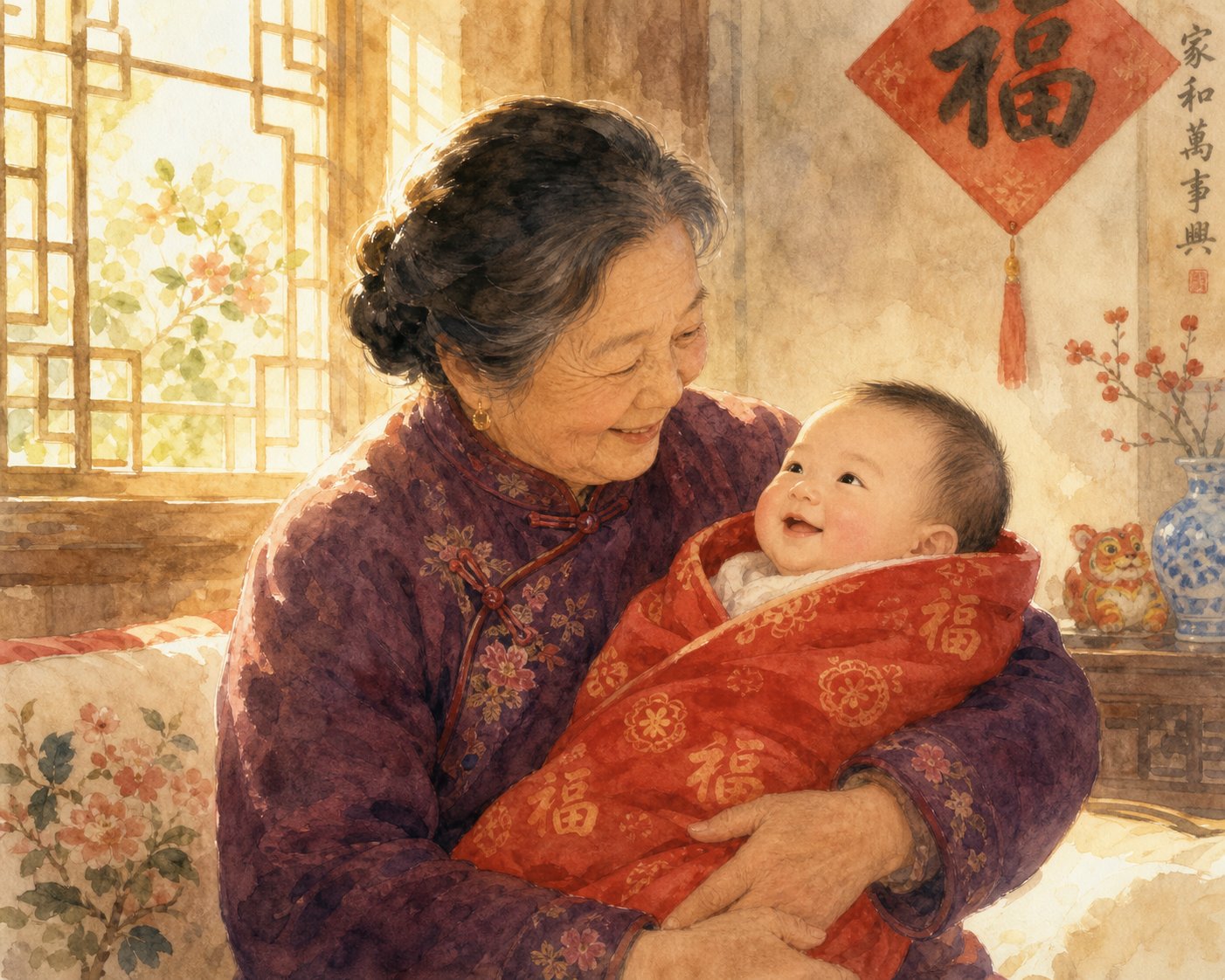
Imagine a name that only your family knows. Not the one on the birth certificate, not the one teachers call out in class. A softer name, whispered at bedtime, shouted across the kitchen, carried from infancy into adulthood within the walls of home. In Chinese families, that name is the 小名 (xiǎomíng) — literally "little name" — and it is one of the oldest, most emotionally charged naming traditions in the world.
This guide is built for parents. Whether you are Chinese, raising a child in a mixed-heritage household, or simply drawn to the beauty of Chinese nicknames for babies, you will find practical inspiration here rather than a linguistics lesson. The goal is to help you choose a name your child will carry with warmth for life.
What Are Chinese Baby Nicknames
A 小名 is an informal, affectionate name given to a baby by parents or grandparents, usually within days of birth. It exists entirely separate from the child's formal registered name (大名 dàmíng). Unlike English nicknames that often shorten a legal name — William becoming "Will" — a Chinese baby nickname can be a completely different word with its own meaning and emotional weight.
Common examples include 豆豆 (dòudòu, "little bean"), 星星 (xīngxīng, "star"), or 小宝 (xiǎobǎo, "little treasure"). These are not random. Each one reflects something the family feels about the child — hope, tenderness, humor, or protection.
Why Every Chinese Baby Gets a 小名
The formal name belongs to the outside world. The 小名 belongs to the family. This distinction matters deeply in Chinese culture, where the boundary between public identity and private intimacy is drawn with intention.
A 小名 functions as an emotional bond between parent and child, used exclusively within the family circle. It is the first name a baby hears, often before the official name is even decided, and it signals belonging in a way no document ever could.
Calling someone by their 小名 is a sign of closeness. You would never use it with a stranger or a colleague. Even among adults, parents still reach for the little name — a quiet reminder that no matter how old their child grows, the love that named them remains unchanged. These terms of endearment in Chinese carry a weight that formal names simply cannot hold.
The tradition also serves a practical purpose in large families. When cousins share similar formal names, distinct pet names keep identities clear and personal. For many Chinese families, choosing the 小名 is a lively group event — grandparents suggest, parents debate, and eventually one name sticks because it just sounds right.
Yet despite its deep roots, the 小名 tradition is quietly fading in some families. Understanding the different types of Chinese nicknames — and the specific cultural logic behind each one — is the first step toward keeping yours alive.
Understanding the Three Types of Chinese Nicknames
Not all nicknames in Chinese serve the same purpose. English speakers tend to lump every informal name under one umbrella, but Mandarin draws clear lines between three distinct categories — each with its own timing, audience, and emotional register. If you are choosing a nickname for your baby, knowing which type you are actually creating helps you use it with confidence.
小名 Xiaoming vs 乳名 Ruming Explained
The term most people encounter first is 小名 (xiǎomíng), which translates literally to "little name." It is the broadest category — an informal family name that parents, grandparents, and close relatives use throughout a child's life. Think of it as the general nickname in Mandarin culture: warm, familiar, and persistent.
Nested inside that broader category is 乳名 (rǔmíng), the "milk name." This one is more specific. A rǔmíng is given by parents at or shortly after birth, often before the family has settled on a formal registered name. Tradition holds that parents may wait up to 100 days to provide an official name, so the milk name acts as a placeholder during those earliest weeks. It belongs to infancy — the name whispered during night feedings, the first sound a baby learns to recognize as "me."
In practice, many families use 小名 and 乳名 interchangeably. The distinction is subtle but real: every 乳名 is a 小名, but not every 小名 is a 乳名. A milk name is rooted in the newborn period. A 小名 can emerge later in childhood, evolve from a milk name, or replace one entirely as the child's personality develops.
When 绰号 Chuohao Applies to Children
The third type — 绰号 (chuòhào) — works differently. This is what English speakers would recognize as a conventional nickname or moniker: a name earned rather than given. It typically appears later, based on a child's physical traits, habits, or funny moments. A chubby toddler might become 小胖 (xiǎo pàng, "little fatty"). A loud child could end up as something playful and teasing.
In village life and school settings, chuòhào can range from affectionate to mocking — names referencing distinctive characteristics like "Big Head" or "Great Shout" have deep roots in Chinese rural culture. Some funny Chinese nicknames start as a single moment of humor and simply stick. Unlike the 小名, a 绰号 is not chosen with care by parents. It emerges organically from social interaction, and the person being named rarely gets a vote.
For parents selecting a baby name, you are choosing a 小名 or 乳名 — never a 绰号. The 绰号 will find your child on its own, given by classmates, cousins, or friends as personality reveals itself over time.
| Chinese Term | Pinyin | Literal Meaning | When Given | Who Uses It | Age Range |
|---|---|---|---|---|---|
| 小名 | xiǎomíng | Little name | At birth or early childhood | Parents, grandparents, close family | Birth through adulthood (within family) |
| 乳名 | rǔmíng | Milk name | At or shortly after birth | Immediate family | Infancy, sometimes persists into childhood |
| 绰号 | chuòhào | Nickname / moniker | Later, based on traits or events | Friends, classmates, extended social circle | Childhood onward |
The key takeaway: when you are deliberately crafting a name for your newborn, you are participating in the 乳名 tradition. As that name grows with your child and the family keeps using it through the years, it becomes their 小名. The 绰号 is a different creature altogether — spontaneous, social, and often humorous rather than tender.
This layered system reflects something deeper about how Chinese culture treats identity. A person is not one fixed name but a collection of names that shift depending on context, relationship, and stage of life. The milk name belongs to the most intimate layer — and that is precisely what gives it power worth preserving.
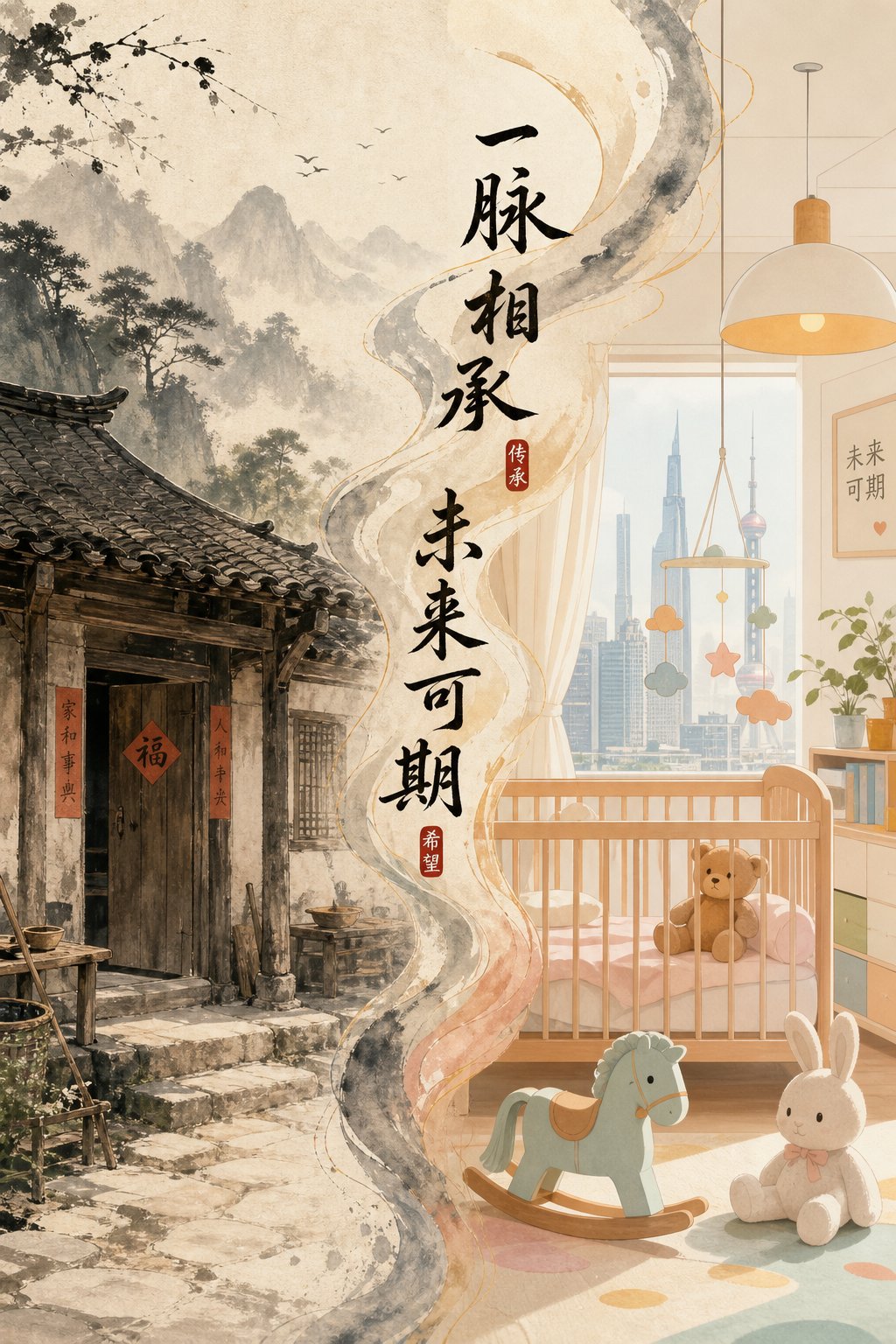
The Milk Name Tradition and Its Ancient Roots
That intimate layer — the 乳名 (rǔmíng) — carries more history than most parents realize. What feels today like a sweet family ritual actually began as a survival strategy, rooted in fear, superstition, and a desperate hope that fragile newborns would live past their first year.
The Ancient Origins of Milk Names
In ancient China, infant mortality was devastatingly common. Families believed that evil spirits targeted beautiful, promising children — so the logical defense was to make a baby sound worthless. If a spirit heard a child called 狗蛋 (gǒudàn, "dog egg") or 狗剩 (gǒushèng, "dog leftovers"), it would pass over the child, assuming nothing valuable lived there.
This was not casual humor. It was a superstitious custom practiced across social classes for centuries. Parents deliberately chose ugly, humble, or rough-sounding milk names to disguise their children from malevolent forces. The logic was simple: the less desirable the name, the safer the child. Rural families especially believed that "plain names are easier to raise" — a phrase still repeated by grandparents today.
Common protective milk names included references to animals considered lowly, materials associated with toughness, or words that signaled the child was unwanted (and therefore not worth stealing by spirits):
- 狗蛋 (gǒudàn) — "dog egg" — meant to sound worthless to spirits
- 狗剩 (gǒushèng) — "dog leftovers" — implying the child was discarded scraps
- 铁柱 (tiězhù) — "iron pillar" — invoking hardness and durability to survive illness
- 铁蛋 (tiědàn) — "iron egg" — tough enough to endure harsh conditions
- 二狗 (èrgǒu) — "second dog" — animal naming to deflect spiritual attention
- 石头 (shítou) — "stone" — solid, unremarkable, impossible to break
These were not insults. They were chinese words of endearment disguised as rejection — a parent's love expressed through deliberate ugliness.
How Milk Names Have Evolved in Modern China
The superstition faded, but the tradition survived by transforming its purpose. Modern parents no longer fear evil spirits. Instead, they choose milk names that express affection, hope, or simple delight in their chinese toddler's existence. The shift moved from protection-based naming to emotion-based naming — from warding off harm to celebrating joy.
Where grandparents once reached for 铁柱 (iron pillar), today's parents choose 糖糖 (tángtáng, "sugar sugar"). Where 狗蛋 once signaled safety through ugliness, 萌萌 (méngméng, "adorable") now signals safety through love. The underlying impulse is identical — protect this child, keep them close — but the expression has completely reversed.
Here is how traditional protective names map to their modern equivalents:
- 狗蛋 (dog egg) → 蛋蛋 (dàndàn, "little egg") — keeps the egg sound, drops the harshness
- 铁柱 (iron pillar) → 壮壮 (zhuàngzhuàng, "strong strong") — retains the strength wish, softens delivery
- 石头 (stone) → 果果 (guǒguǒ, "fruit fruit") — nature-based, but sweet instead of hard
- 狗剩 (dog leftovers) → 豆豆 (dòudòu, "little bean") — small and humble, but cute rather than crude
- 铁牛 (iron ox) → 牛牛 (niúniú, "little ox") — same animal, affectionate reduplication
- 二狗 (second dog) → 小鱼 (xiǎoyú, "little fish") — animal-inspired, gentle instead of rough
Notice the pattern. Modern chinese nicknames for children overwhelmingly use reduplication — doubling a character to create a soft, rhythmic sound that babies respond to naturally. The 叠字 (diézì) pattern turns almost any word into something tender. Even a word like 牛 (ox), which once carried blunt rural energy, becomes gentle when doubled.
The cultural shift tells a larger story about how Chinese families relate to vulnerability. Ancient parents masked their love in ugliness because the world felt dangerous. Modern parents wear their love openly because they can. But both generations are doing the same thing — naming their child with the fiercest protection they know how to give.
Choosing a milk name today means inheriting that protective instinct while speaking in a modern voice. The question becomes not just what sounds beautiful, but what factors — zodiac year, birth season, elemental balance — should guide your choice toward something both meaningful and personal.
How to Choose a Nickname Based on Zodiac and Five Elements
A beautiful sound is not enough. Traditional Chinese families treat nickname selection as a deliberate act — one shaped by when a child arrives in the world. The zodiac animal year, the Five Elements balance, the season of birth, and even birth order all feed into the decision. These are not rigid rules, but they offer a framework that turns a simple pet name in Chinese into something aligned with your child's cosmic timing.
Choosing Nicknames by Zodiac Animal Year
Every child born during Lunar New Year inherits a zodiac animal, and that animal carries personality associations families have honored for centuries. A baby born in the Year of the Tiger might receive a nickname evoking courage or vitality — something like 小虎 (xiǎohǔ, "little tiger") or 壮壮 (zhuàngzhuàng, "strong strong"). A Rabbit year baby, by contrast, invites softer sounds: 乖乖 (guāiguāi, "gentle one") or 小兔 (xiǎotù, "little rabbit").
The idea is not to literally name the child after the animal every time. Instead, families draw on the qualities each zodiac animal represents — ambition for the Dragon, diligence for the Ox, cleverness for the Monkey — and let those qualities flavor the nickname's meaning.
| Zodiac Animal | Element Association | Recommended Nickname Themes | Example Nicknames |
|---|---|---|---|
| Rat (鼠) | Water | Cleverness, resourcefulness | 聪聪 (cōngcōng, "clever"), 灵灵 (línglíng, "nimble") |
| Ox (牛) | Earth | Strength, diligence | 牛牛 (niúniú, "little ox"), 壮壮 (zhuàngzhuàng, "sturdy") |
| Tiger (虎) | Wood | Courage, vitality | 小虎 (xiǎohǔ, "little tiger"), 威威 (wēiwēi, "mighty") |
| Rabbit (兔) | Wood | Gentleness, grace | 乖乖 (guāiguāi, "gentle"), 小兔 (xiǎotù, "little rabbit") |
| Dragon (龙) | Earth | Ambition, power, fortune | 龙龙 (lónglóng, "dragon"), 小龙 (xiǎolóng, "little dragon") |
| Snake (蛇) | Fire | Wisdom, elegance | 慧慧 (huìhuì, "wise"), 灵灵 (línglíng, "spirited") |
| Horse (马) | Fire | Energy, freedom | 奔奔 (bēnbēn, "galloping"), 小马 (xiǎomǎ, "little horse") |
| Goat (羊) | Earth | Warmth, creativity | 美美 (měiměi, "beautiful"), 柔柔 (róuróu, "soft") |
| Monkey (猴) | Metal | Cleverness, playfulness | 皮皮 (pípí, "mischievous"), 乐乐 (lèlè, "joyful") |
| Rooster (鸡) | Metal | Confidence, punctuality | 明明 (míngmíng, "bright"), 晨晨 (chénchén, "morning") |
| Dog (狗) | Earth | Loyalty, honesty | 诚诚 (chéngchéng, "sincere"), 旺旺 (wàngwàng, "prosperous") |
| Pig (猪) | Water | Abundance, contentment | 福福 (fúfú, "fortunate"), 圆圆 (yuányuán, "round") |
The Five Elements System in Baby Naming
Beyond the zodiac animal, Chinese families traditionally consult the Five Elements system (五行 wǔxíng) — Wood, Fire, Earth, Metal, and Water. These are not chemical elements but phases of energy, each carrying distinct personality traits and life qualities. A child's BaZi (八字) birth chart, calculated from their exact birth date and time, reveals which elements are strong, weak, or missing entirely.
The naming logic works like this: if a baby's chart lacks Water energy, the family selects a nickname containing Water-associated characters or sounds — something like 涵涵 (hánhán, from 涵 meaning "contain," a Water-radical character) or 小雨 (xiǎoyǔ, "little rain"). If Wood is deficient, nature-growth names like 林林 (línlín, "forest") or 小芽 (xiǎoyá, "little sprout") help restore balance.
Each element connects to specific radicals in Chinese characters, making it possible to embed elemental energy directly into a name:
- Wood (木) — characters with 木 or 艹 radicals: 林 (forest), 芳 (fragrant), 桐 (paulownia)
- Fire (火) — characters with 火 or 灬 radicals: 炎 (flame), 煜 (radiant), 照 (illuminate)
- Earth (土) — characters with 土 or 山 radicals: 坤 (earth), 岳 (peak), 城 (city)
- Metal (金) — characters with 金 or 钅 radicals: 鑫 (prosperity), 铭 (inscription), 锐 (sharp)
- Water (水) — characters with 氵 or 雨 radicals: 涵 (contain), 泽 (marsh), 润 (moist)
For chinese pet names specifically, families often simplify this system. Rather than commissioning a full BaZi analysis, parents pick a nickname that echoes the missing element through sound or imagery. A winter baby lacking Fire might become 暖暖 (nuǎnnuǎn, "warm warm"). A summer baby with excess Fire might get 清清 (qīngqīng, "cool and clear") to balance the heat.
Birth Season and Birth Order Influences
Season shapes nickname choices in intuitive ways. A spring baby might be called 春春 (chūnchūn, "spring") or 小芽 (xiǎoyá, "little sprout") — names that mirror the growth energy surrounding their arrival. Summer babies attract bright, warm chinese endearments like 阳阳 (yángyáng, "sunny") or 夏夏 (xiàxià, "summer"). Autumn children receive harvest-themed names — 果果 (guǒguǒ, "fruit") or 丰丰 (fēngfēng, "abundant"). Winter babies get names suggesting warmth and shelter: 暖暖 (nuǎnnuǎn, "warm") or 雪雪 (xuěxuě, "snow").
Birth order adds another layer. The firstborn might receive a name signaling hope and beginning — 大宝 (dàbǎo, "big treasure") or 初初 (chūchū, "first"). A second child often gets 小宝 (xiǎobǎo, "little treasure") or 二二 (èrèr, "second"). In larger families, sequential naming creates a set — siblings whose nicknames rhyme or share a character, binding them together even in their informal identities.
None of these factors operate in isolation. A family might combine zodiac energy with seasonal imagery and elemental balance to land on a single nickname that satisfies all three. A Tiger-year baby born in spring with a Wood-deficient chart could become 小林 (xiǎolín, "little forest") — the Tiger's vitality, spring's growth energy, and Wood supplementation all woven into two simple syllables.
With these traditional frameworks in hand, the next question becomes practical: what do the most popular nicknames actually sound like across different categories, and which ones are Chinese parents choosing right now?
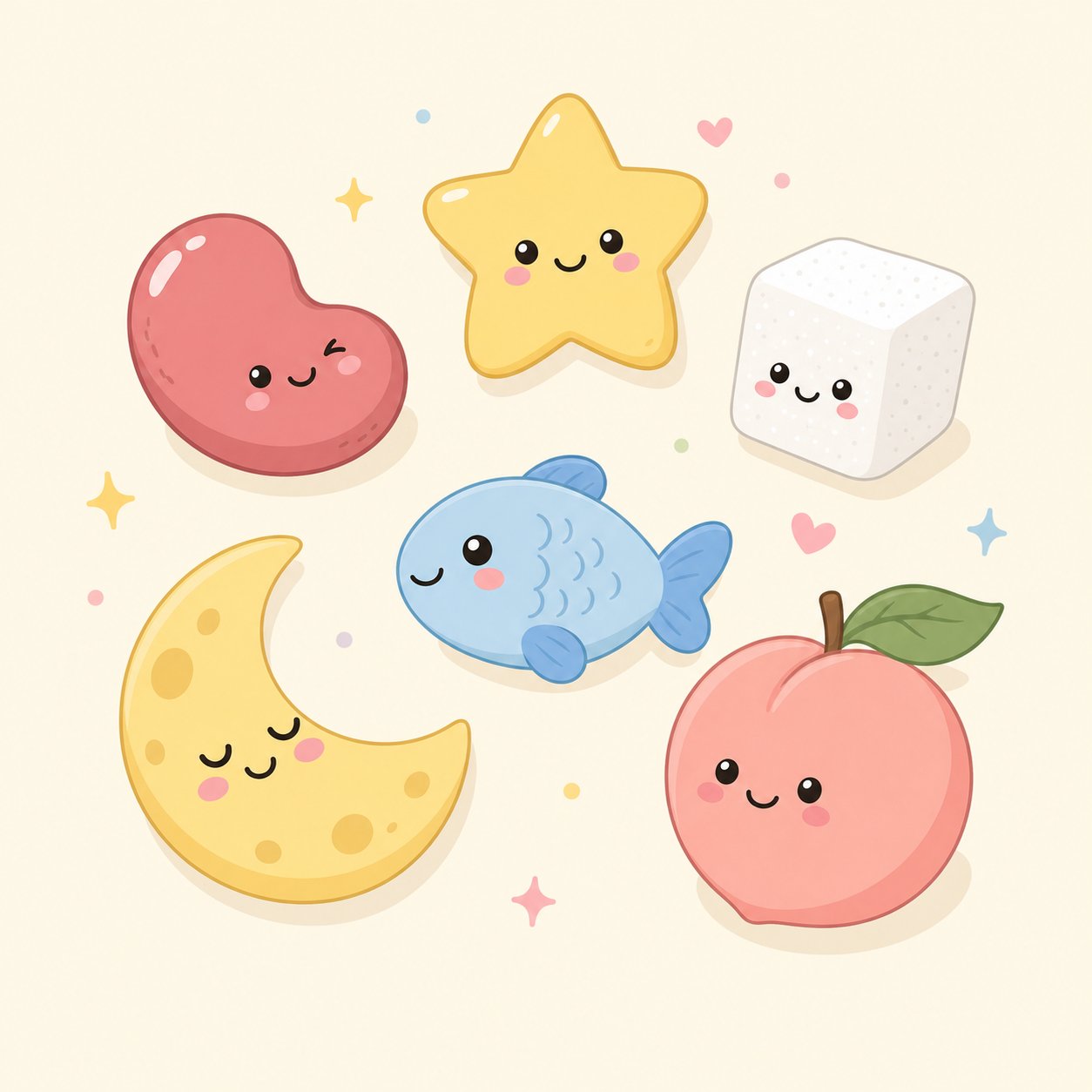
Popular Chinese Baby Nickname Categories with Meanings
Frameworks are useful, but at some point you need actual names to say out loud and test against your baby's face. Below is a curated collection of cute chinese nicknames organized by theme — each with characters, pinyin, literal translation, and the emotional connotation behind it. Before diving in, a quick note on the two structural patterns you will see repeated everywhere.
The first is reduplication (叠字 diézì) — doubling a single character to create a soft, rhythmic sound. As Mango Languages explains, the AA reduplication pattern in Mandarin often conveys something small, endearing, or pleasantly diminished. When applied to nicknames, doubling transforms almost any word into something baby-friendly: 星 (star) becomes 星星 (xīngxīng), and suddenly it sounds like a lullaby.
The second pattern is the 小 (xiǎo) prefix — literally "little" or "small." The xiao nickname meaning goes beyond physical size. Placing 小 before a word signals affection, youth, and intimacy. It is the verbal equivalent of cupping something precious in your hands. Together, these two patterns account for the vast majority of every chinese nickname you will encounter in family settings.
Food-Inspired Baby Nicknames
Food names are wildly popular in modern China. They feel warm, playful, and universally understood — no cultural explanation needed when grandma calls the baby "little dumpling." Food nicknames tend to emphasize roundness, sweetness, or smallness, all qualities Chinese culture associates with healthy, lovable babies.
- 糖糖 (tángtáng) — "sugar sugar" — connotes sweetness and the joy a child brings to the family
- 果果 (guǒguǒ) — "fruit fruit" — suggests something natural, ripe, and full of life
- 豆豆 (dòudòu) — "bean bean" — small, round, and full of potential to grow
- 饺子 (jiǎozi) — "dumpling" — cozy, homey, wrapped in family warmth
- 汤圆 (tāngyuán) — "sweet rice ball" — associated with reunion and family togetherness
- 小米 (xiǎomǐ) — "little rice" — humble, essential, nourishing
- 芒果 (mángguǒ) — "mango" — tropical, bright, modern-sounding
- 奶糖 (nǎitáng) — "milk candy" — soft, milky sweetness tied to infancy
- 小饼 (xiǎobǐng) — "little biscuit" — round and comforting
You will notice that many food nicknames use the reduplication pattern. 糖糖 rather than just 糖. The doubled sound is easier for babies to recognize and respond to — it mirrors the repetitive babbling sounds infants naturally produce.
Nature and Animal Nicknames
Drawing from the natural world gives a chinese nickname depth and imagery. Nature names often carry implicit wishes — a star suggests brightness, a fish suggests freedom, a tree suggests steady growth. Animal-inspired names, once used in their rougher forms to ward off spirits, now lean toward creatures considered cute or auspicious.
- 星星 (xīngxīng) — "star star" — brightness, guidance, standing out
- 月月 (yuèyuè) — "moon moon" — gentle beauty, calm presence
- 小鱼 (xiǎoyú) — "little fish" — freedom, liveliness, swimming through life with ease
- 小虎 (xiǎohǔ) — "little tiger" — courage and energy, popular for boys
- 雷雷 (léiléi) — "thunder thunder" — strength and vivacity, a bold choice
- 朵朵 (duǒduǒ) — "blossom blossom" — a flower opening, beauty unfolding
- 小熊 (xiǎoxióng) — "little bear" — cuddly, protective, strong
- 云云 (yúnyún) — "cloud cloud" — light, free, drifting peacefully
- 小鹿 (xiǎolù) — "little deer" — graceful, gentle, bright-eyed
- 石头 (shítou) — "stone" — solid, dependable, a nod to the older tradition of sturdy names
Nature nicknames work especially well when paired with birth season. A baby born during a thunderstorm might naturally become 雷雷. A child born under a full moon might be 月月 without anyone needing to explain why.
Modern and Trendy Chinese Baby Nicknames
Contemporary parents are expanding the nickname vocabulary in new directions. Some draw on English-influenced sounds that feel international while remaining pronounceable in Mandarin. Others lean into personality-based names or abstract qualities — reflecting a generation that names children for who they hope them to become rather than what they look like at birth.
- 乐乐 (lèlè) — "joy joy" — chosen when a baby smiles often, expressing parents' good wishes for a happy life
- 萌萌 (méngméng) — "adorable adorable" — internet-era cuteness, hugely popular since the 2010s
- 诺诺 (nuònuò) — "promise promise" — sounds soft, carries weight of commitment
- 安安 (ānān) — "peace peace" — calm, settled, a wish for a tranquil life
- 小七 (xiǎoqī) — "little seven" — trendy number-based name, popularized by celebrities
- 嗯哼 (ènghēng) — a sound-based name mimicking baby babble, made famous by Chinese reality TV
- Lucky (lākì) — English word used directly, common among internationally-minded families
- 可乐 (kělè) — "cola" — modern, fun, sounds like 可爱 (cute) + 快乐 (happy)
- 动动 (dòngdòng) — "move move" — for babies who squirm and kick constantly, named after their characteristics
- 跳跳 (tiàotiào) — "jump jump" — energetic, lively, for the baby who never stays still
The trend toward personality-based naming reflects a broader cultural shift. Older generations named babies before knowing them. Today's parents often wait days or weeks, watching the baby's temperament emerge before settling on a nickname that fits. A quiet baby becomes 安安. A wiggly baby becomes 动动. The name describes what the family already sees.
One more pattern worth noting: number-based and sound-based names are rising fast. Names like 小七 or 嗯哼 would have puzzled grandparents a generation ago, but they feel natural to young parents raised on social media and celebrity culture. The tradition is not breaking — it is stretching, absorbing new influences while keeping the core structure of reduplication and the 小 prefix intact.
Whatever category speaks to you, one critical step remains before committing: checking your chosen name against cultural taboos and regional pronunciation traps that could turn a lovely nickname into an embarrassing one.
Cultural Taboos and Regional Naming Rules
A nickname in Chinese can sound perfect in your head and still land badly in practice. Pronunciation traps, cultural prohibitions, and regional dialect differences all create invisible boundaries around what works and what does not. Before you commit to a name, run it through these filters — because a well-meaning choice can carry unintended weight that family members will notice immediately.
Taboos and Unlucky Sounds to Avoid
Chinese naming taboos are not arbitrary superstitions. They reflect deeply held beliefs about respect, fortune, and social harmony that families have observed for centuries. The most important taboo is straightforward: never use characters from the names of parents, grandparents, or other living elders. In history, even the emperor's name characters were forbidden for public use — and while that law no longer applies, the underlying principle of hierarchical respect persists in most families today.
Here are the key prohibitions every parent should know:
- Elders' name characters — Using any character from a grandparent's or parent's name is considered deeply disrespectful. It implies the child is on equal footing with the elder, which violates generational hierarchy. Even homophones of elders' names can cause discomfort.
- Homophones of unlucky words — The number 四 (si, "four") sounds nearly identical to 死 (si, "death"). Any character sharing this sound risks negative associations. Similarly, avoid characters that sound like 苦 (ku, "bitter"), 败 (bai, "failure"), or 散 (san, "to scatter/separate").
- Overly grandiose names — Calling a baby 天王 (tianwang, "heavenly king") or 帝 (di, "emperor") is considered inviting bad luck. Traditional belief holds that a name too large for a small child creates an imbalance the child cannot sustain, attracting misfortune rather than greatness.
- Characters from famous historical or fictional figures — As ChinaFetching notes, names of well-known figures from history, legends, and novels are generally discouraged. The association is too heavy for a child to carry, and it can invite unfavorable comparisons.
- Vulgar, overly rare, or negatively connotated characters — Characters that are difficult to write, impossible to type on standard keyboards, or carry derogatory meanings in any common dialect should be avoided entirely.
One subtle trap catches even native speakers: a nick in Chinese might sound fine in Mandarin but produce an embarrassing homophone in a family member's home dialect. Always test your chosen name across the languages spoken in your household.
Regional Differences Across Cantonese and Other Dialects
China's linguistic diversity means a single character can sound completely different depending on where your family is from. Cantonese nicknames follow the same structural patterns — reduplication, the 小 prefix — but tonal differences change which names feel natural. A name that flows musically in Mandarin's four tones might land flat or awkward in Cantonese's six (or nine, depending on classification).
Regional considerations worth noting:
- Cantonese families often favor names ending in softer sounds. The Cantonese pronunciation of 仔 (zai, meaning "little one") is a common suffix — 肥仔 (fei zai, "chubby boy") or 靓仔 (leng zai, "handsome boy") are everyday Cantonese nicknames that would sound odd in Mandarin contexts.
- Hokkien (Minnan) speakers use 阿 (a) as a prefix more frequently than 小. A child might be 阿宝 (a-bo) rather than 小宝. The tonal system also shifts which homophones become problematic — sounds safe in Mandarin may carry vulgar meanings in Hokkien.
- Shanghainese (Wu dialect) families tend toward softer, more melodic nicknames. The dialect's voiced consonants and unique vowel sounds mean parents often choose names that leverage Shanghainese phonetic strengths rather than translating directly from Mandarin.
The practical takeaway: if your family spans multiple dialect groups — which is increasingly common in diaspora households — say the nickname out loud in every language your child will hear it in. Ask grandparents. Ask aunties. A name that passes the multi-dialect test is one that will serve your child without awkward moments at family gatherings.
These rules might feel restrictive, but they actually narrow the field in helpful ways. And for families navigating this tradition from outside China — mixed-heritage households, diaspora parents reconnecting with roots — the question shifts from what to avoid to how to approach the entire tradition with both respect and confidence.
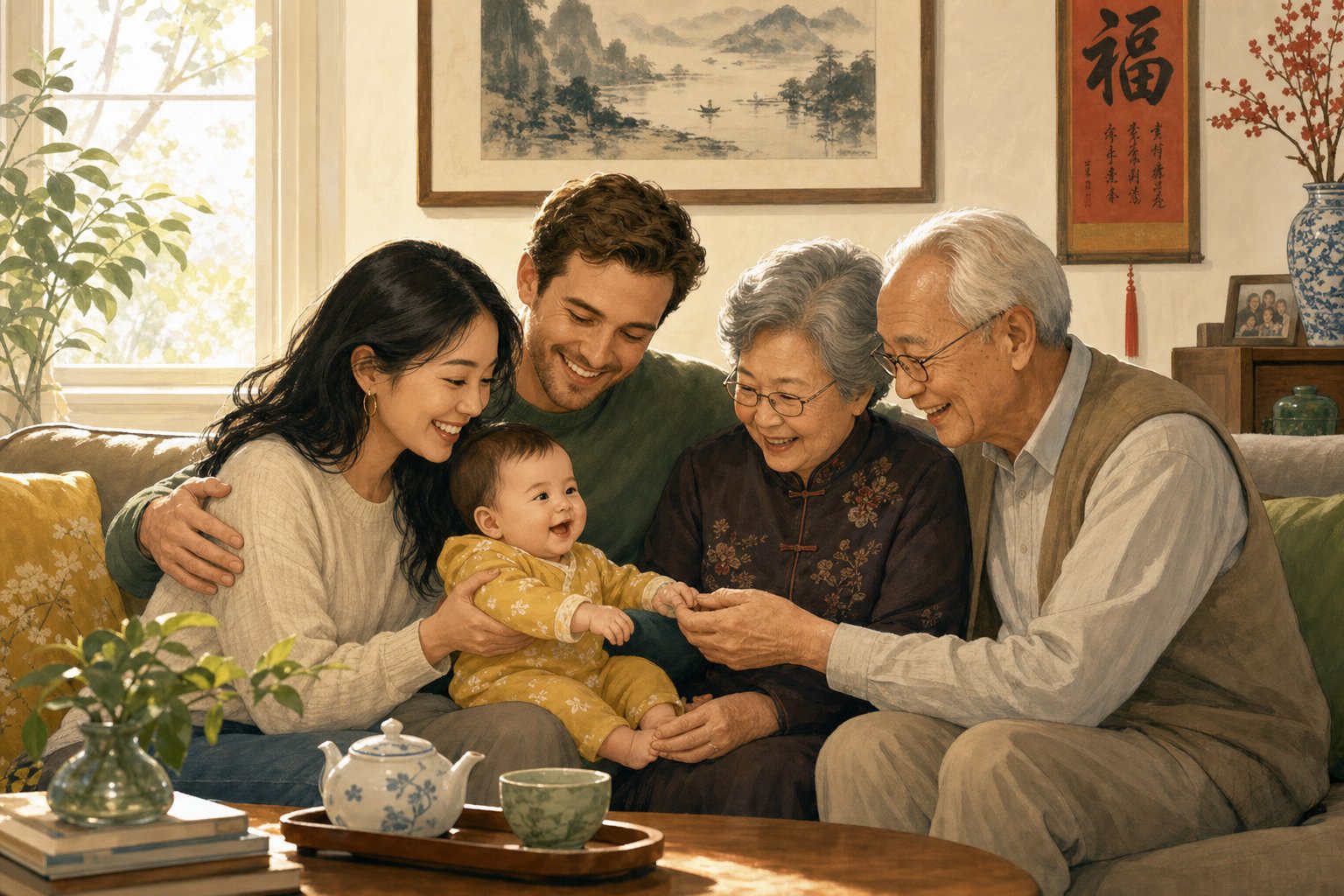
Chinese Baby Nicknames for Mixed and Diaspora Families
Respect and confidence — that combination looks different when you are approaching the tradition from outside it. Maybe you are a non-Chinese parent married into a Chinese family. Maybe you grew up in the diaspora and your Mandarin is rusty at best. Maybe you simply love the tradition and want your child to carry a nick name in Chinese alongside their English one. All of these are valid starting points, and none of them require fluency to get right.
Giving Your Baby a Chinese Nickname in a Mixed Family
The biggest barrier for non-Chinese-speaking parents is not cultural permission — it is pronunciation anxiety. You want to say the name correctly. You want it to feel natural in your mouth, not like a performance. The good news: most popular chinese nicknames in english transliteration are only two syllables, often with repeated sounds (豆豆, 乐乐, 安安), which makes them far easier to learn than full formal names.
Here is a step-by-step approach for parents entering this tradition from the outside:
- Start with meaning, not sound. Decide what quality or wish you want the nickname to carry — sweetness, strength, calm, joy. This gives you a category to work within rather than scrolling through hundreds of random options.
- Involve Chinese-speaking family members early. Grandparents, aunts, uncles — anyone who grew up with the tradition. Choosing a 小名 is often a lively family debate, and inviting that conversation honors the tradition while giving you native-speaker guidance on what sounds natural.
- Test pronunciation across your household languages. Say the name in English conversation. Say it in Mandarin or Cantonese. If it flows in both without awkward pauses or confused looks, it will survive daily use. Names like 安安 (ānān) or 乐乐 (lèlè) cross linguistic boundaries easily because their sounds exist in English phonology.
- Learn the tones — even imperfectly. Pinyin uses diacritics or numbers to mark tones, and getting them roughly right matters more than perfection. A nickname said with love and approximate tones still lands better than one avoided out of fear.
- Choose characters whose pinyin avoids difficult Mandarin sounds. Sounds like "q," "x," and "zh" trip up English speakers most often. If pronunciation confidence matters to you, lean toward names using "m," "n," "l," "d," or "t" initials — 萌萌 (méngméng), 乐乐 (lèlè), 豆豆 (dòudòu) — which map closely to English consonants.
- Write down the naming story. Document why you chose this nickname chinese tradition for your child — the meaning, who suggested it, what it represents. This story becomes part of the family narrative, told at birthdays and eventually by the child to their own children.
One common concern: "Is it appropriate for me to give my child a Chinese nickname if I am not Chinese?" In mixed families where one parent or grandparent is Chinese, the answer is unambiguous — you are continuing a family tradition. For families without direct Chinese heritage, the key is intentionality. A name chosen with understanding of its meaning, correct pronunciation, and genuine cultural appreciation is a gift, not an appropriation.
How Diaspora Families Keep the Tradition Alive
For overseas Chinese families, the challenge is different. The tradition is yours — but the environment works against it. Children grow up hearing English (or French, or Spanish) all day. The nickname chinese grandparents use at home competes with school names, friend names, and the gravitational pull of the dominant language.
Research on overseas Chinese communities consistently identifies naming as one of the strongest predictors of cultural retention across generations. Children who receive Chinese names are more likely to maintain interest in Chinese language and culture as adults, identify with their heritage in multicultural settings, and pass cultural practices to their own children. The name acts as an anchor — even when everything else about the Chinese cultural experience drifts, the name remains a fixed point of identity.
Practical strategies diaspora families use to keep the 小名 alive:
- Use it consistently at home. If grandparents, parents, and siblings all default to the nickname in family settings, it stays embedded in the child's identity rather than fading into a curiosity.
- Pair it with routine. Bedtime, mealtimes, greetings at the door — attaching the nickname to daily rituals gives it emotional weight that resists erosion.
- Make it pronounceable for the child's broader world. A nickname that friends and teachers can at least attempt means the child does not have to code-switch away from it entirely outside the home.
- Connect it to a story. Children who know why their name was chosen — "Grandma picked 星星 because you were born on a clear night full of stars" — hold onto it more tightly than children who only know the sound.
The diaspora reality is that language fades within a generation, customs dilute, and food adapts. But a well-chosen nickname persists because it requires no fluency to use, no special occasion to invoke, and no explanation to feel. It simply is — a two-syllable thread connecting your child to something larger than the household they grow up in.
What remains, then, is understanding how long that thread is meant to last. Every nickname has a lifecycle — a beginning, a middle, and sometimes an ending that catches families off guard.
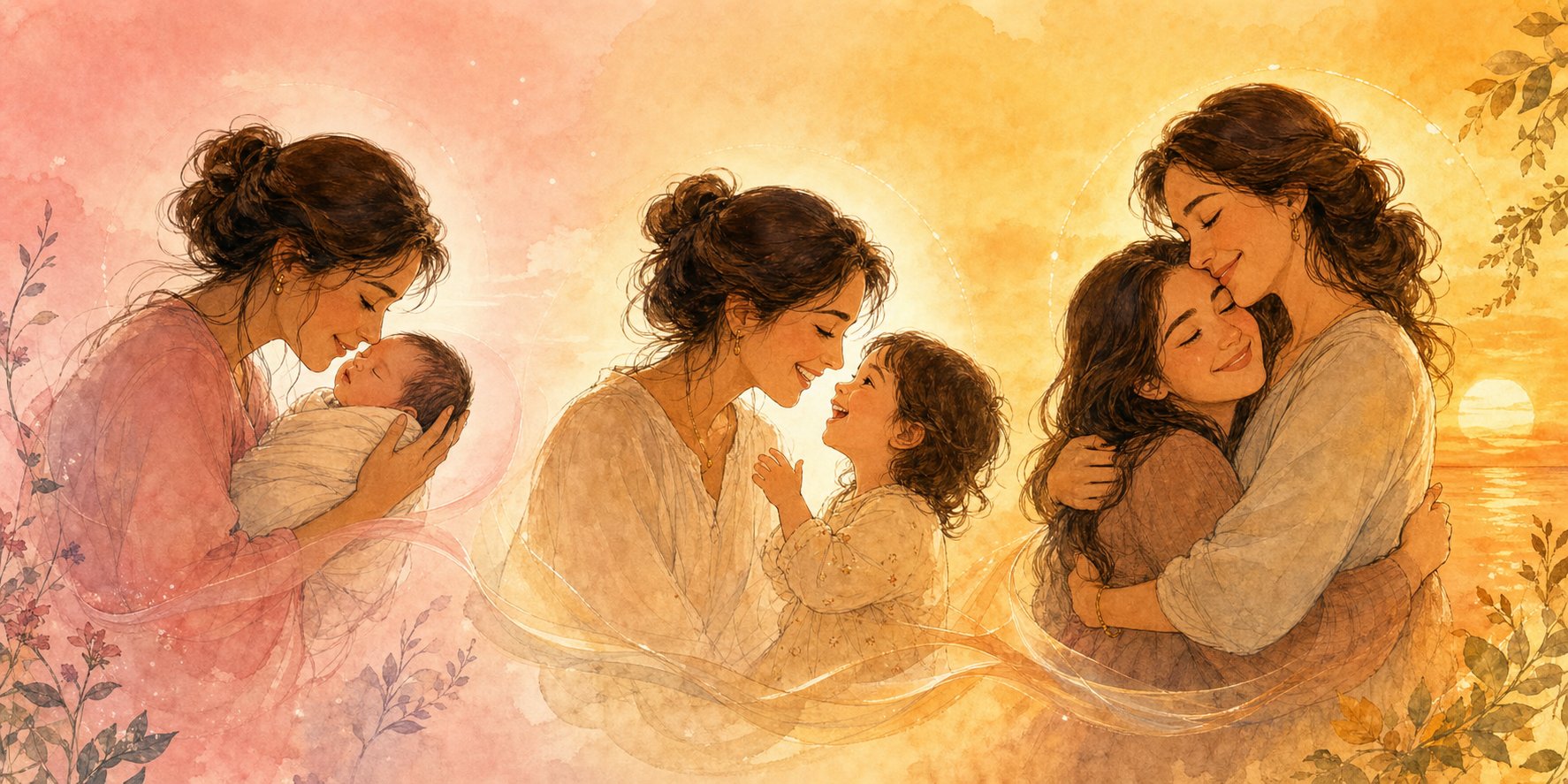
The Lifecycle of a Chinese Baby Nickname
Every nickname has a beginning, a middle, and sometimes an ending that catches families off guard. One day your toddler responds to 豆豆 without hesitation. A few years later, that same child asks you to please stop using it in front of friends. Understanding this arc — when the name arrives, who carries it, and how it eventually shifts — helps you hold onto it with intention rather than losing it to quiet erosion.
When and How a 小名 Is Given
Most chinese nicknames for babies arrive before the formal name does. In traditional practice, families may wait weeks or even up to 100 days before registering an official name — consulting elders, checking astrological charts, debating character choices. The 小名 fills that gap. It is often the very first name a baby hears, spoken in the delivery room or whispered during the first night home.
Sometimes the name is decided months before birth. A pregnant mother starts calling the bump 小宝 (little treasure) or 糖糖 (sugar), and by the time the baby arrives, the nickname has already bonded to the child in the family's collective imagination. Other times, it emerges in the first days — parents notice something about the baby's face, temperament, or birth circumstances and a name crystallizes. As one Chinese speaker describes it, choosing a 小名 often becomes a major family debate, with everyone offering suggestions until one name simply sticks.
The audience for a 小名 is deliberately small. Parents use it constantly. Grandparents adopt it immediately. Close aunts and uncles earn access. Sometimes a family friend who is present during infancy gets pulled into the circle. But the boundary is real — colleagues, teachers, and casual acquaintances never hear it. This is what separates chinese terms of endearment from ordinary names. The 小名 is not public information. It belongs to the people who loved the child first.
This stands in sharp contrast to Western nicknames, which are typically shortened versions of a legal name — Alexander becomes Alex, Elizabeth becomes Liz. Those nicknames exist on a spectrum of formality but share DNA with the original. A Chinese 小名 shares nothing with the formal name. It is an entirely separate identity, built from different characters, carrying different meanings, serving a different emotional purpose. In historical China, this separation was even more pronounced — the formal name belonged to the public world of education, career, and civic life, while what is a courtesy name in china (字 zi) added yet another layer of identity reserved for peers and social equals.
Do Children Outgrow Their Baby Nickname
Here is where families diverge. Some children carry their 小名 into adulthood without friction. A 40-year-old professional might still be 娜娜 to her parents, 乐乐 to her grandmother, 小虎 to an uncle who has called him that for three decades. Within the family circle, the name never expires. It simply narrows its context — used at home, during phone calls, at holiday dinners, but nowhere else.
Other children hit a moment — usually around school age — where the nickname starts to feel babyish. They hear classmates using formal names. They develop a sense of public identity that clashes with the soft, reduplicated sounds of infancy. A child who once loved being 糖糖 suddenly insists on their full name. This is not rejection of the family. It is the natural emergence of a separate self that faces outward.
A 小名 represents the private, intimate family world versus the public-facing formal name. When a child begins preferring their formal name in certain settings, they are not abandoning the nickname — they are learning to inhabit both worlds, just as generations before them did.
The families who keep the tradition alive longest tend to share a few habits. They never force the name in public settings where the child feels exposed. They use it in moments of warmth — greetings, comfort, celebration — so it stays associated with safety rather than embarrassment. And they treat the name as a living thing, sometimes letting it evolve. 小豆 (little bean) at age two might become just 豆 by age twelve — shorter, cooler, but still carrying the original affection in compressed form.
Chinese terms of affection work this way across the culture. They are not static labels but living expressions that adapt to the relationship's current shape. The 小名 your baby receives today will not sound the same at five, at fifteen, at fifty — but if you use it with consistency and tenderness, it never fully disappears. It becomes the sound of home itself, retrievable in an instant no matter how far your child travels from it.
That is the real answer to why these names fade: not because children reject them, but because families stop saying them. The tradition does not require a ceremony to maintain. It only requires a voice, a moment, and the willingness to keep calling your child by the first name love gave them.
Frequently Asked Questions About Chinese Baby Nicknames
1. What is the difference between a Chinese baby nickname and a formal Chinese name?
A Chinese baby nickname (小名 xiaoming) is an entirely separate name from the formal registered name (大名 daming). Unlike English nicknames that shorten a legal name, a 小名 uses different characters with its own meaning and emotional purpose. It is used exclusively within the family circle by parents, grandparents, and close relatives, while the formal name belongs to the public world of school, work, and official documents. Many families decide the nickname before or shortly after birth, sometimes weeks before the formal name is finalized.
2. How do Chinese parents choose a baby nickname based on the zodiac year?
Chinese parents often align a baby's nickname with the qualities of their zodiac animal year. For example, a Tiger year baby might receive a nickname suggesting courage like 小虎 (little tiger), while a Rabbit year baby gets softer names like 乖乖 (gentle one). The approach draws on personality traits each zodiac animal represents rather than always naming the child directly after the animal. Parents may also factor in the associated element — Wood, Fire, Earth, Metal, or Water — to create a name that feels cosmically balanced with the child's birth timing.
3. Can non-Chinese parents give their baby a Chinese nickname?
Yes, non-Chinese parents can give their baby a Chinese nickname, especially in mixed-heritage families where one parent or grandparent is Chinese. The key is approaching the tradition with intentionality: understanding the name's meaning, learning approximate pronunciation including tones, and ideally involving Chinese-speaking family members in the selection process. Choosing names with simpler Mandarin sounds that map to English consonants — like 豆豆 (doudou) or 乐乐 (lele) — helps parents use the name confidently in daily life without pronunciation anxiety.
4. What Chinese baby nickname taboos should parents avoid?
The most important taboo is never using characters from a living elder's name, as this violates generational hierarchy. Parents should also avoid homophones of unlucky words — 四 (four) sounds like 死 (death), for instance. Overly grandiose names like 天王 (heavenly king) are believed to invite bad luck by creating an imbalance a small child cannot sustain. Additionally, names should be tested across all dialects spoken in the family, since a name safe in Mandarin might produce embarrassing homophones in Cantonese or Hokkien.
5. Do Chinese children outgrow their baby nicknames?
It varies by family. Many Chinese adults still respond to their 小名 within the family circle — a 40-year-old might remain 乐乐 to their grandmother. However, some children around school age begin preferring their formal name in public settings as they develop a separate social identity. Families that keep the tradition alive longest tend to use the nickname in private moments of warmth rather than forcing it in public, allowing the name to evolve naturally — sometimes shortening or adapting it as the child grows older.