What Chinese Nicknames for Kids Really Mean
Imagine your child has two names: one for the world and one whispered only by the people who love them most. That's exactly how Chinese nicknames for children work. Every family has one, and the tradition runs deeper than most parents outside the culture realize.
What Are 小名 and Why Do Chinese Families Use Them
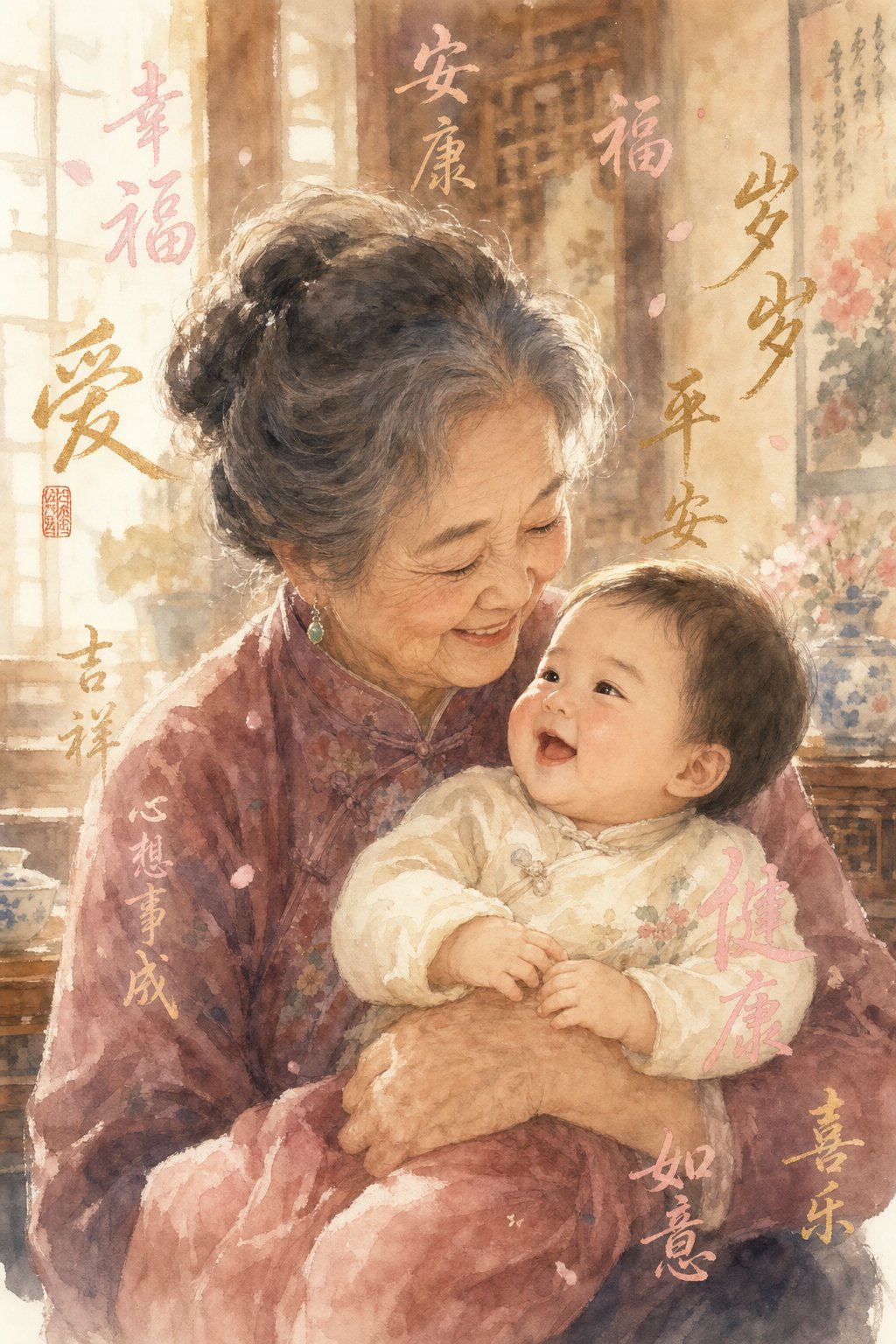
In Mandarin, a child's pet name is called a 小名 (xiǎo ming, pronounced roughly like "shyow meeng"). The literal translation is "small name," but you'll also hear it referred to as a "milk name" (乳名, ru ming) because it's the name a baby hears while still nursing. These are intimate, affectionate names created by parents or grandparents, used exclusively within the family circle.
Unlike English nicknames that often shorten a formal name (William becomes Will), Chinese nicknames operate on a completely different logic. They can be unrelated to the child's legal name entirely. A child formally named 张伟明 (Zhang Weiming) might be called 豆豆 (Doudou, "little bean") at home, and no one would find that odd. The 小名 exists in its own emotional space, separate from identity documents and school rosters.
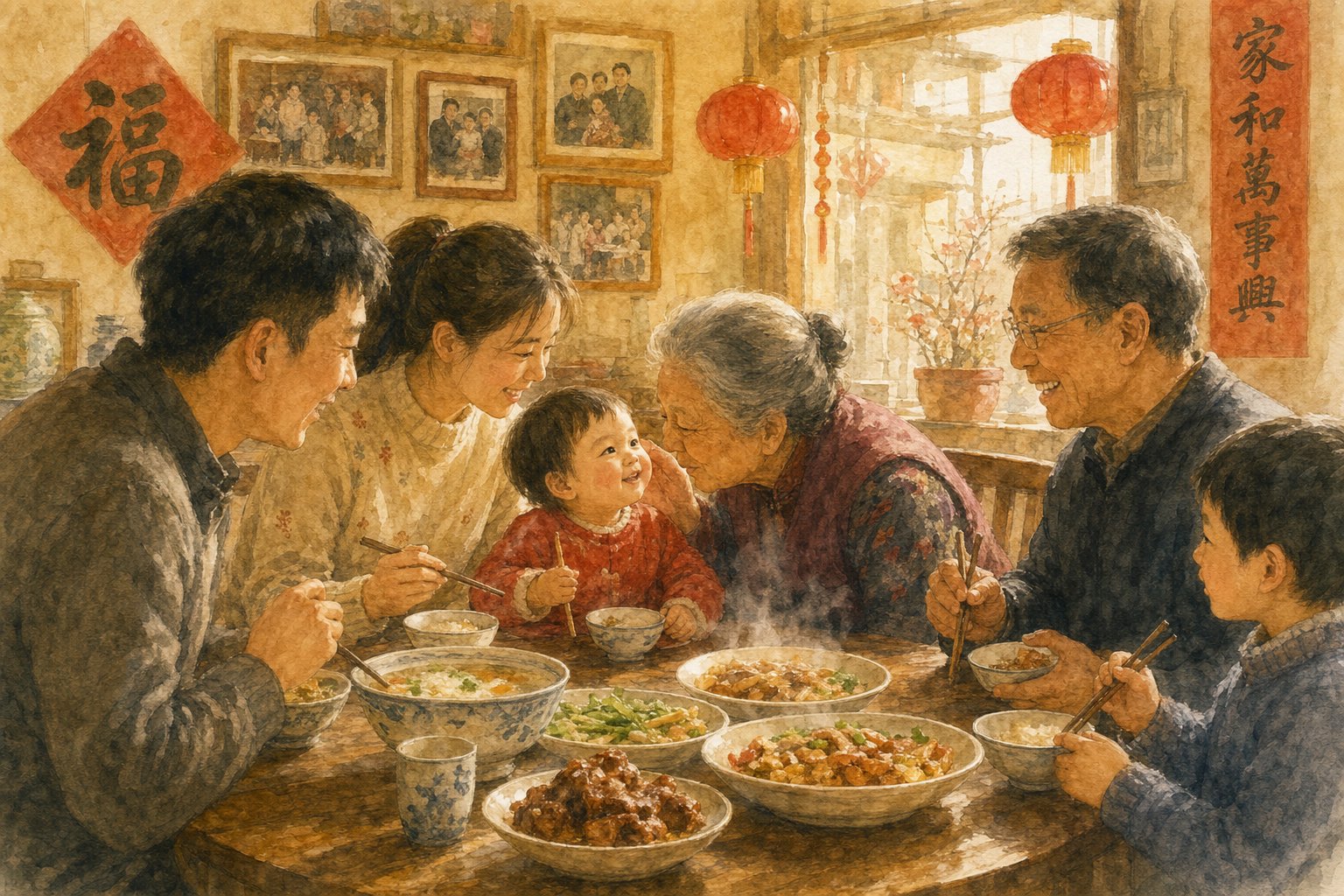
These terms of endearment in Chinese culture serve a specific purpose: they signal closeness. When grandparents, parents, or older siblings use a child's milk name, they're communicating belonging and warmth. You'll hear them at the dinner table, during bedtime routines, and shouted across playgrounds by grandmothers, but never in a classroom or on a report card.
In traditional Chinese folk belief, milk names were thought to protect children by keeping their true formal name hidden from evil spirits. A humble or playful nickname would make the child appear unworthy of a spirit's attention. While few modern families take this literally, the practice persists as a deeply affectionate habit passed down through generations.
How Milk Names Differ from Formal Chinese Names (大名)
A child's formal name, or 大名 (da ming, "big name"), is the one registered at birth, used in school, and carried into adulthood. Choosing a 大名 is a serious affair. Families may consult elders, consider generational naming poems, or even seek advice based on the child's birth chart. The formal name carries aspirations, family legacy, and cultural weight.
The 小名, by contrast, is playful and personal. It doesn't need to sound dignified or carry deep philosophical meaning. In fact, historically some families chose deliberately humble or even crude-sounding milk names like 狗剩 (gou sheng, "dog's leftovers") or 臭蛋 (chou dan, "stinky egg") to trick malevolent spirits into ignoring the child. The rougher the name, the safer the baby, or so the belief went.
Today, most Chinese nicknames lean toward the cute and endearing rather than the deliberately ugly. They function as one of the most recognizable chinese terms of affection within family life. Parents pick sounds that feel soft in the mouth, meanings that spark joy, or words that capture something about the baby's personality or appearance. The result is a name that belongs only to the inner circle, a private language of love between parent and child.
Understanding this distinction matters if you're considering a Chinese nickname for your own child. The 小名 isn't a lesser version of the real name. It's a parallel gift, one rooted in emotion rather than formality, and it can last a lifetime within the family even as the child grows into their 大名 in the outside world.
Five Nickname Patterns Every Parent Should Know
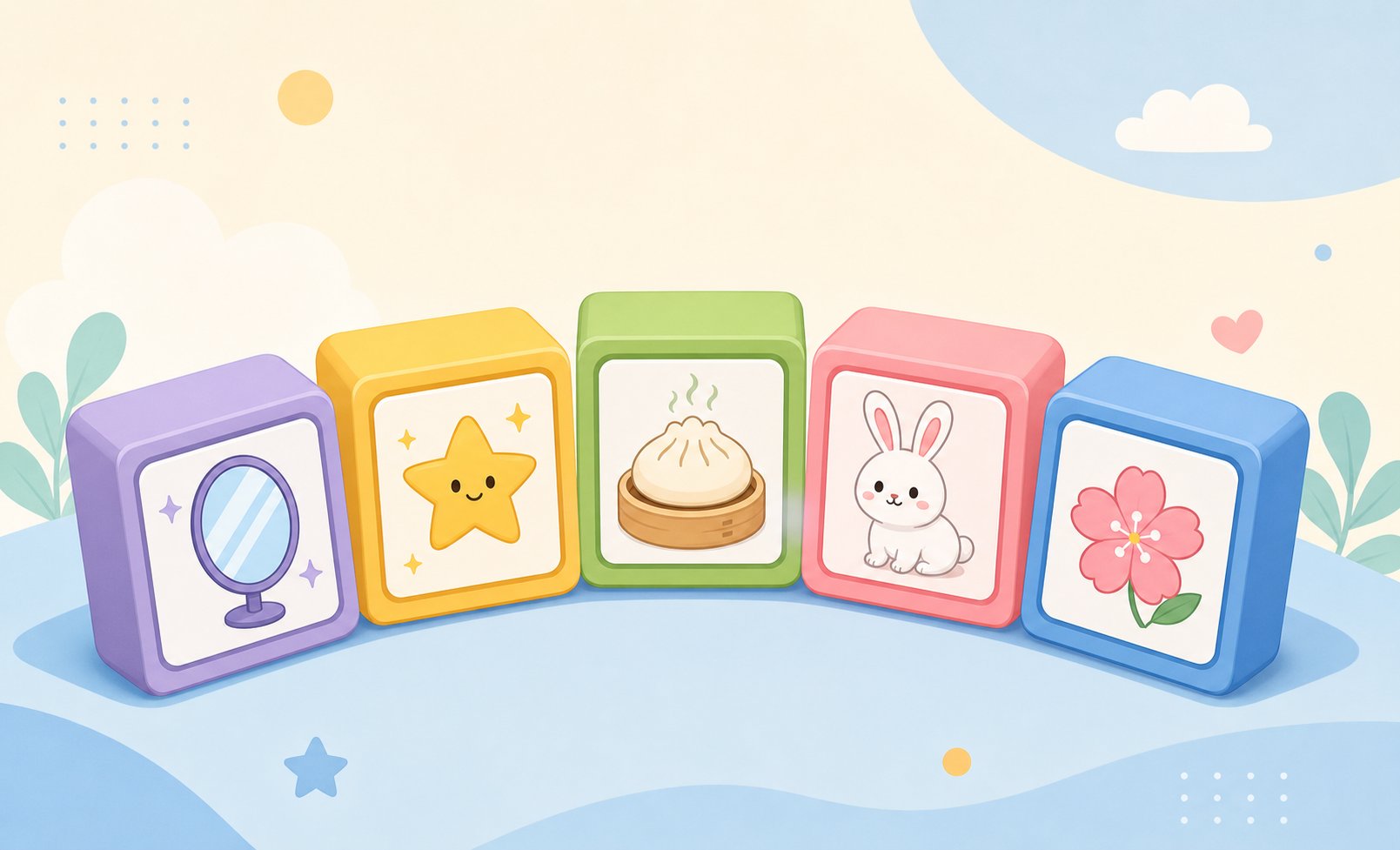
Chinese milk names might seem random at first glance, but they actually follow a handful of recognizable formulas. Once you understand these patterns, you can mix and match to create cute chinese nicknames that sound natural to native speakers. Think of these as building blocks rather than a fixed list.
Reduplication Pattern — Doubling a Character for Sweetness
The most common pattern in nickname mandarin speakers use is reduplication: take one meaningful character and repeat it. 宝宝 (baobao, "BAO-bao"), meaning "treasure treasure," is perhaps the most universal pet name for babies in China. 乐乐 (lele, "LUH-luh") means "joy joy." 甜甜 (tiantian, "tyen-tyen") means "sweet sweet."
Why does doubling a character sound so affectionate? In Mandarin, the second syllable in a reduplicated name naturally softens to a neutral tone. That tonal drop creates a gentle, lilting rhythm that feels inherently tender. It's the same reason English speakers instinctively soften their voice when saying "baby" or "sweetie." The repetition signals warmth, and the tonal shift makes the name feel like a verbal caress.
小 (Xiao) Plus a Character — The Little Something Formula
The xiao nickname meaning is straightforward: 小 (xiao, "shyow") means "little" or "young," and you attach it to almost any noun or adjective to create an instant pet name. 小鱼 (xiao yu, "shyow yoo") is "little fish." 小星 (xiao xing, "shyow shing") is "little star." The versatility here is enormous. You can pair 小 with animals, nature words, personality traits, or even a character from the child's formal name.
This pattern works so well because it frames the child as something small and precious. It's affectionate without being overly saccharine, and it scales beautifully. A child called 小鱼 at two still sounds natural at seven.
Food, Animal, and Nature-Based Nickname Patterns
Beyond these two structural formulas, pet names in chinese often draw from three thematic categories: food, animals, and nature. Food names evoke roundness, sweetness, and comfort. Animal names borrow traits parents see in their child. Nature names connect the child to something beautiful or enduring.
| Pattern Type | How It Works | Example Nickname | Pinyin and Pronunciation | Feeling/Tone |
|---|---|---|---|---|
| Reduplication | Repeat one character twice | 宝宝 | baobao (BAO-bao) | Universally tender, treasured |
| Reduplication | Repeat one character twice | 乐乐 | lele (LUH-luh) | Cheerful, bright personality |
| Reduplication | Repeat one character twice | 朵朵 | duoduo (DWOH-dwoh) | Delicate, blossoming like a flower |
| 小 + Character | Add 小 before a noun or trait | 小鱼 | xiao yu (shyow yoo) | Playful, free-spirited |
| 小 + Character | Add 小 before a noun or trait | 小星 | xiao xing (shyow shing) | Bright, special, guiding light |
| 小 + Character | Add 小 before a noun or trait | 小熊 | xiao xiong (shyow shyoong) | Cuddly, sturdy, lovable |
| Food-Based | Name after a sweet or round food | 汤圆 | tangyuan (tahng-ywen) | Round, sweet, family togetherness |
| Food-Based | Name after a sweet or round food | 糖糖 | tangtang (tahng-tahng) | Sweet, irresistible, sugary |
| Animal-Based | Use an animal the child resembles | 小兔 | xiao tu (shyow too) | Gentle, soft, quick |
| Animal-Based | Use an animal the child resembles | 小熊 | xiao xiong (shyow shyoong) | Warm, huggable, strong |
| Nature-Based | Draw from weather, plants, sky | 小雨 | xiao yu (shyow yoo) | Gentle, refreshing, calm |
| Nature-Based | Draw from weather, plants, sky | 朵朵 | duoduo (DWOH-dwoh) | Blooming, beautiful, natural |
Notice how many of these overlap. 朵朵 uses reduplication and draws from nature (朵 means a blossom or petal). 小熊 uses the 小 formula and borrows from the animal world. That layering is part of what makes these names feel rich rather than formulaic.
The food category deserves special attention. 汤圆 (tangyuan) refers to glutinous rice balls eaten during the Lantern Festival, a food associated with family reunion and wholeness. Calling a baby 汤圆 isn't just about cuteness. It's wrapping the child in the symbolism of family unity. Similarly, 糖糖 (tangtang, "sugar sugar") uses reduplication plus a food reference to create something doubly sweet.
These patterns give you a framework, not a limitation. The beauty of Chinese nicknaming is that you can combine formulas, pull from personal meaning, or invent something entirely new. What matters is how the name feels when spoken aloud by the people who love the child most.
Age-Appropriate Nicknames from Newborn to School Age
A nickname that melts hearts when whispered to a sleeping newborn might feel awkward shouted across a schoolyard six years later. The best nicknames in chinese culture aren't one-size-fits-all. They resonate differently depending on where a child is developmentally, what sounds they can recognize, and how their personality has started to emerge. Matching the nickname to the stage makes it feel natural rather than forced.
Newborns and Babies — Soft Sounds and Protective Meanings
For the first year of life, a baby responds to rhythm and repetition long before they understand meaning. That's why the most popular cute chinese names for newborns rely on simple reduplicated syllables. These names are easy for older siblings to pronounce, comfortable for grandparents across dialect lines, and soothing in their repetitive cadence.
Meaning matters here too, but in a specific way. Parents of newborns tend to gravitate toward names that carry protective or peaceful connotations. The instinct is ancient: wrap the baby in a name that wishes them safety, calm, and good health. You'll notice these names avoid complexity. They're meant to be murmured during late-night feedings and repeated dozens of times a day without wearing thin.
- 贝贝 (beibei, "BAY-bay") — Means "precious shell" or "treasure." One of the most universally used baby nicknames across China. The soft "b" sound is among the first consonants infants respond to.
- 安安 (an'an, "ahn-ahn") — Means "peace peace" or "safe safe." A wish for the child's wellbeing wrapped into two gentle syllables. Especially popular for babies born after a difficult pregnancy.
- 宁宁 (ningning, "neeng-neeng") — Means "tranquil" or "serene." Often chosen for calm, easy-going babies or as an aspiration for peaceful temperament.
- 圆圆 (yuanyuan, "ywen-ywen") — Means "round round." Roundness in Chinese culture symbolizes completeness and family unity. Also a nod to the plump cheeks every newborn parent adores.
These names share a common trait: they're phonetically simple, emotionally warm, and carry chinese words of endearment that even non-Mandarin-speaking family members can learn quickly. If grandma only remembers one Chinese word, 贝贝 is easy enough to stick.
Toddlers and Preschoolers — Playful and Personality-Based Names
Something shifts around age one or two. The baby who was a peaceful bundle starts revealing a personality. They're climbing furniture, refusing naps, giggling at their own reflection, or hoarding snacks like a tiny dragon. This is when many families either add a second nickname or let the original one evolve into something that captures who the chinese toddler is becoming.
Toddler-stage nicknames tend to be observational. Parents name what they see: the chubby legs, the mischievous grin, the obsession with a particular animal. These names are playful and often funny, reflecting the humor and chaos of raising a small child.
- 小胖 (xiao pang, "shyow pahng") — Means "little chubby one." Far from insulting in Chinese culture, this name celebrates a healthy, well-fed toddler. It's spoken with pure affection.
- 皮皮 (pipi, "pee-pee") — Means "naughty naughty" or "mischievous." Perfect for the toddler who can't sit still, who finds every off-limits cabinet, and who grins while doing it.
- 豆豆 (doudou, "doh-doh") — Means "little bean." Works for small, energetic toddlers. The name has a bouncy quality that matches a child constantly in motion.
- 糖果 (tangguo, "tahng-gwoh") — Means "candy." For the sweet-natured child who charms everyone they meet. Also works for kids with an obvious sweet tooth.
You'll notice these names are more specific than the newborn options. They say something about the child rather than just wishing something for them. That specificity is what makes them stick. When a name captures a truth about who the child is at two or three, it becomes part of the family's shared language and memory.
School-Age Children — Names That Grow With Them
Around age six or seven, children enter school and begin using their formal name (大名) in public settings. The milk name doesn't disappear, but its role narrows. It becomes the name used at home, by close relatives, and in moments of tenderness. Some children start to feel their baby nickname is too childish. Others carry it proudly into adolescence.
For school-age kids, families often make one of three adjustments: they keep the original nickname unchanged within the home, they shorten or adapt it into something slightly more mature, or they create a new nickname based on the child's formal name. This last option bridges the gap between the intimate 小名 and the public 大名.
- 小明 (xiao ming, "shyow meeng") — If the child's formal name contains 明, adding 小 creates a bridge nickname that feels both familiar and age-appropriate.
- 阿宝 (a bao, "ah bow") — The prefix 阿 (a) is a softer, slightly more grown-up alternative to 小. It's common in southern Chinese dialects and feels less babyish while remaining affectionate.
- 大宝 (dabao, "dah-bow") — Means "big treasure." A natural evolution from 宝宝 (baobao) that acknowledges the child is growing up while preserving the core meaning of being treasured.
- 乐子 (lezi, "luh-dzuh") — A casual, slightly playful evolution of 乐乐 (lele). The suffix 子 adds a colloquial, easygoing tone that suits an older child.
The key insight here is that nicknames don't have to be permanent or rigid. Chinese families treat them as living language. A name that fit perfectly at six months might gently shift by age eight, and that evolution is itself an act of love. It says: I see you growing, and my affection grows with you.
What stays constant across every stage is the emotional core. Whether you're choosing a name for a newborn or watching your school-age child outgrow their baby name, the nickname remains a private thread connecting parent and child. The specific sounds and meanings change, but the warmth behind them doesn't.
The Hidden Meanings Behind Popular Chinese Nicknames
Knowing the patterns and picking an age-appropriate name gets you halfway there. The other half is understanding what these names actually communicate, because literal translation will mislead you every time. A name that sounds odd or even rude in English might be one of the most beloved chinese pet names in Mandarin. The gap between what a nickname literally says and what it emotionally means is where the real cultural richness lives.
Why 小猪 (Little Pig) Is Adorable, Not Insulting
Picture calling your child "little pig" in English. It sounds unkind, maybe even cruel. In Chinese families, 小猪 (xiǎo zhū / 小豬 in traditional characters, pronounced "shyow joo") is one of the most common and affectionate chinese endearments for children. There's no insult here. None.
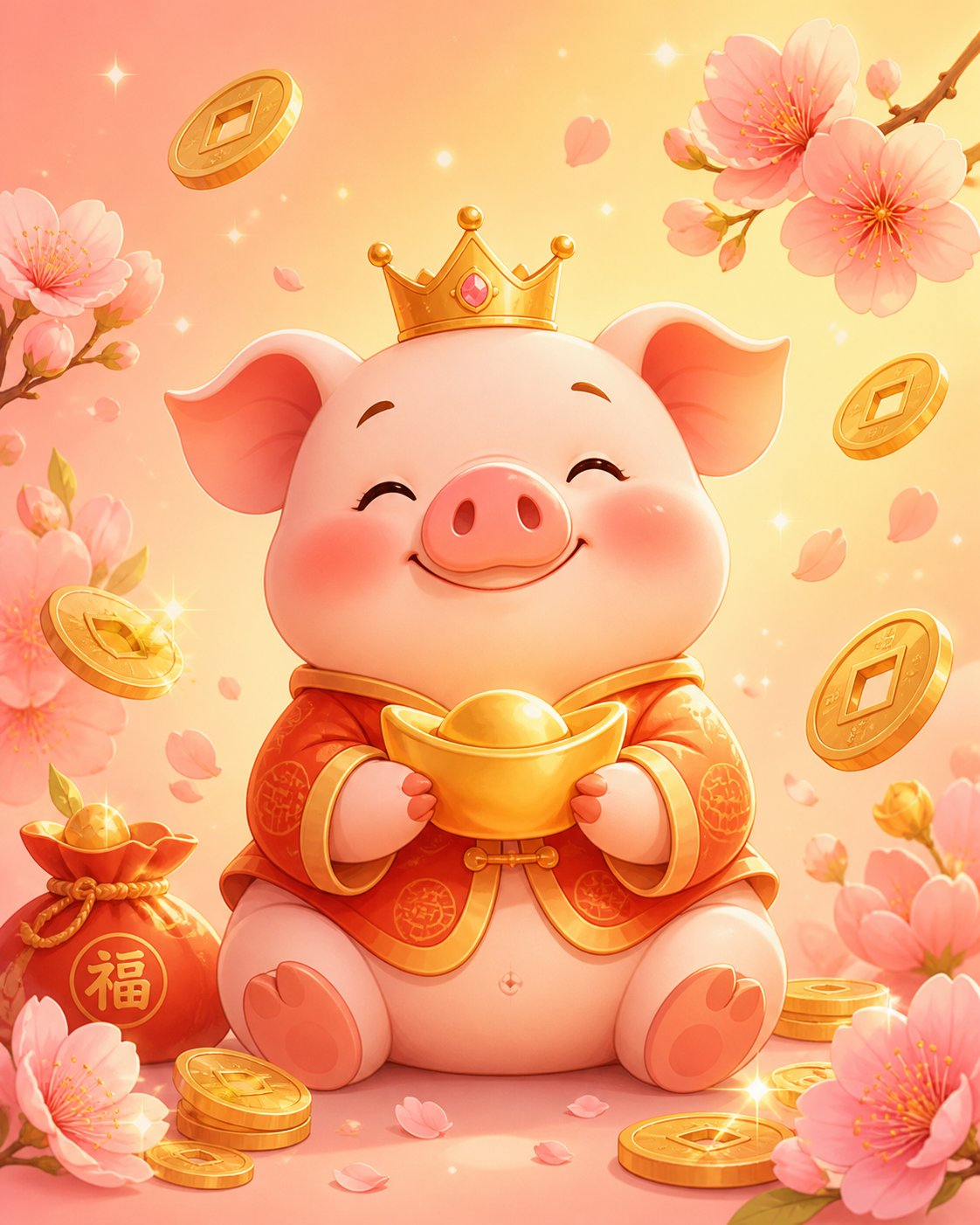
The difference comes down to cultural connotation. In Chinese culture, a pig represents abundance, contentment, and being well-nourished. A chubby baby called 小猪 is a baby who is thriving, well-fed, and clearly loved. The name says: this child wants for nothing. It carries the same warmth an English speaker might feel hearing "my little butterball" or "chunky monkey." The association is comfort and prosperity, not laziness or filth.
Similarly, 小猫 (xiǎo māo / 小貓, "shyow maow," little cat) suggests someone soft and cuddly, while 小猴 (xiǎo hóu / 小猴, "shyow hoh," little monkey) describes an energetic, clever child. These animal-based chinese terms of endearment borrow the positive cultural associations of each creature, not the negative ones a Western ear might assume.
Aspirational Nicknames — Dragons, Tigers, and Phoenixes
Some nicknames aim higher. They don't describe what the child is but what the family hopes they'll become. 小龙 (xiǎo lóng / 小龍, "shyow loong," little dragon) is a prime example. In Chinese culture, the dragon symbolizes strength, courage, and auspicious beginnings. It's the most revered creature in the Chinese zodiac, associated with imperial power and good fortune. Calling a child 小龙 wraps them in those aspirations from day one.
The same logic applies to 小虎 (xiǎo hǔ / 小虎, "shyow hoo," little tiger), which conveys bravery and vitality. For girls, 小凤 (xiǎo fèng / 小鳳, "shyow fung," little phoenix) carries wishes of grace, beauty, and resilience. The Chinese idiom 望子成龙 (wàng zǐ chéng lóng) literally means "hoping one's child becomes a dragon," expressing every parent's desire for their child to achieve greatness. These aspirational cute chinese words aren't pressure. They're blessings spoken in shorthand.
Lucky and Auspicious Nickname Meanings
Beyond animals, many families choose nicknames rooted in luck and fortune. 福宝 (fúbǎo / 福寶, "foo-bow") combines 福 (fortune, blessing) with 宝 (treasure), creating a name that literally means "fortune treasure." The character 福 (fú) is one of the most culturally significant symbols in Chinese life, representing blessings, prosperity, and well-being. Giving a child this character in their nickname is like wrapping them in a wish for lifelong good luck.
Other auspicious options include 瑞瑞 (ruìruì / 瑞瑞, "rway-rway," meaning "lucky lucky" or "auspicious"), 吉祥 (jíxiáng / 吉祥, "jee-shyahng," meaning "good fortune"), and 如意 (rúyì / 如意, "roo-ee," meaning "as one wishes"). These names don't describe the child's appearance or personality. They're verbal talismans, tiny prayers spoken every time a parent calls their child's name.
In Chinese nicknaming culture, the emotional warmth of the name matters more than its literal meaning. A name is chosen for how it feels in the mouth, what it wishes for the child, and what love it communicates when spoken aloud — not for how it translates on paper.
This is the principle that trips up most non-Chinese-speaking parents. If you're evaluating a nickname by its English translation alone, you're reading the ingredients list instead of tasting the dish. The real question isn't "what does this word mean in a dictionary?" It's "what does this name feel like when a grandmother whispers it to a sleepy child?" That emotional resonance is what separates a good nickname from a perfect one.
Traditional vs Modern Trending Nicknames
That emotional resonance parents seek hasn't changed over generations, but the sources of inspiration certainly have. A grandmother in the 1960s might have named her grandchild 蛋蛋 (dandan) without a second thought. A new parent scrolling Xiaohongshu (China's Instagram equivalent) in 2025 might land on something pulled from a viral animated character or a celebrity baby announcement. Both choices carry love. They just draw from different wells.
Trending Nicknames from Chinese Social Media and Pop Culture
Chinese parenting communities online have transformed how families discover and share nicknames. Platforms like Douyin (TikTok's Chinese counterpart), Weibo, and Xiaohongshu feature endless threads where parents showcase their children's creative milk names. The result is a new wave of cool chinese nicknames that feel fresh, playful, and distinctly modern.
Several trends stand out. Food-inspired names have exploded beyond traditional sweets into trendy snacks and drinks: 奶茶 (naicha, "nigh-chah," milk tea), 布丁 (buding, "boo-deeng," pudding), and 芒果 (mangguo, "mahng-gwoh," mango) all appear regularly on parenting forums. These names reflect a generation of parents who find humor and warmth in everyday pleasures rather than grand symbolism.
Pop culture also plays a role. After the giant panda cub 福宝 (Fubao) gained massive online fame, the name surged in popularity for human babies too. Animated characters from shows like 大耳朵图图 (Big Ear Tutu) inspired parents to use 图图 (tutu) as a nickname. Celebrity baby names leak into public consciousness as well. When high-profile parents reveal their child's milk name in interviews or social media posts, copycat usage spikes within weeks.
What makes these modern choices different isn't just their origin. It's their attitude. Contemporary parents often pick funny chinese nicknames that prioritize personality and humor over traditional auspiciousness. A name like 饺子 (jiaozi, "jyow-dzuh," dumpling) doesn't wish the child wealth or strength. It says: you bring me the same comfort and joy as my favorite food. That casual intimacy is the modern vibe.
Classic Nicknames That Never Go Out of Style
Traditional nicknames haven't disappeared. They've simply settled into a different lane. These are the names grandparents still suggest, the ones that appear in family genealogies going back decades, and the ones that carry a sense of cultural continuity. Among asian nicknames rooted in Chinese tradition, certain options have remained popular across generations precisely because their sounds and meanings feel timeless.
丫丫 (yaya, "yah-yah") has been used for girls for centuries. It derives from 丫头 (yatou), an old-fashioned term for a young girl, and its soft reduplication makes it eternally endearing. 妞妞 (niuniu, "nyoh-nyoh") carries a similar feminine warmth, meaning roughly "little girl" in northern Chinese dialect. 蛋蛋 (dandan, "dahn-dahn") remains one of the most common boy nicknames across China, its meaning ("egg egg") evoking something small, smooth, and precious. In cantonese nicknames, you'll find parallel classics like 仔仔 (jai jai, "little boy") that have persisted for generations in southern families.
These traditional names emphasize family roots. Choosing 丫丫 or 蛋蛋 connects a child to the same naming tradition their parents and grandparents grew up with. There's comfort in that continuity, a sense that the child belongs to something larger than the current moment.
| Nickname | Characters | Origin/Inspiration | Vibe |
|---|---|---|---|
| 丫丫 (yaya) | 丫丫 | Traditional term for young girl (丫头) | Classic, feminine, timeless |
| 妞妞 (niuniu) | 妞妞 | Northern dialect for "little girl" | Warm, old-fashioned charm |
| 蛋蛋 (dandan) | 蛋蛋 | Generations-old boy nickname | Playful, earthy, familiar |
| 铁蛋 (tiedan) | 铁蛋 | Rural tradition meaning "iron egg" | Tough, protective, humble |
| 奶茶 (naicha) | 奶茶 | Milk tea drink culture | Trendy, sweet, modern |
| 布丁 (buding) | 布丁 | Western dessert, social media trend | Cute, soft, playful |
| 图图 (tutu) | 图图 | Popular animated character | Fun, pop culture, lighthearted |
| 七七 (qiqi) | 七七 | Lucky number or birth date reference | Modern, minimalist, personal |
The choice between traditional and modern isn't binary. Many families blend both approaches, perhaps using a classic reduplication structure but filling it with a contemporary reference. A child named 茶茶 (chacha, "chah-chah") gets the timeless reduplication pattern with a modern nod to tea culture. That hybrid approach reflects how asian nicknames evolve naturally: the underlying grammar stays the same while the vocabulary refreshes with each generation.
What should guide your decision? Consider who will use the name most. If grandparents are the primary caregivers and the name needs to feel natural in their mouths, a traditional option may land better. If the parents want something that reflects their own personality and humor, a modern pick carries that energy. Either way, the name works as long as it's spoken with warmth, and that's the one constant no trend can change.
A Guide for Non-Chinese-Speaking and Bicultural Families
Knowing which nicknames exist is one thing. Actually choosing one for your own child, especially when Mandarin isn't your first language, is a different challenge entirely. Whether you're an adoptive parent wanting to honor your child's heritage, part of a cross-cultural couple navigating two naming traditions, or simply drawn to the beauty of a nick name in chinese culture, this section walks you through the process from intention to daily use.
Step-by-Step Guide for Non-Chinese-Speaking Parents
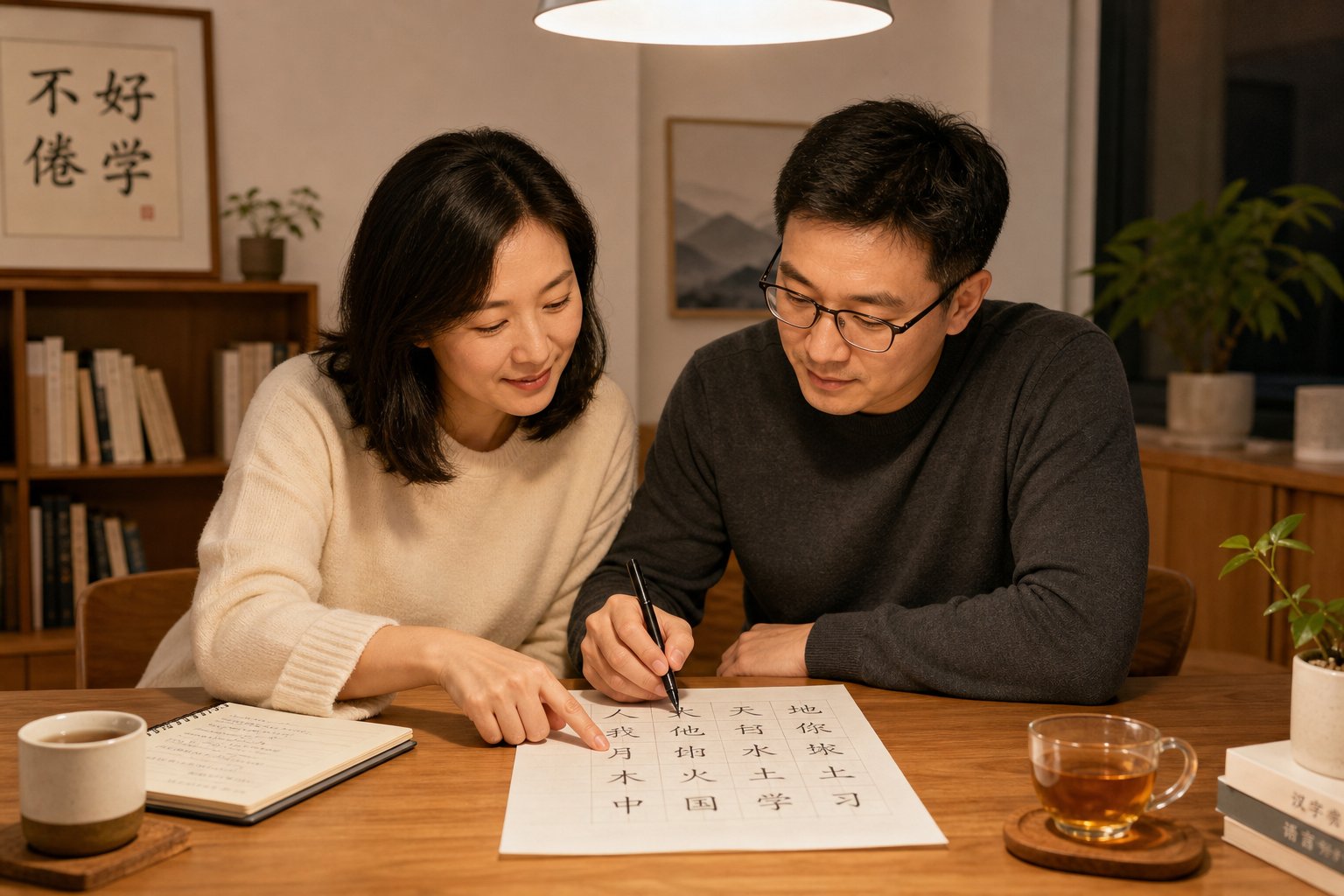
You don't need fluency in Mandarin to give your child a meaningful Chinese nickname. You need intention, a bit of research, and ideally one native speaker willing to sanity-check your choice. Here's the process broken into manageable steps:
- Decide on the feeling or meaning you want to convey. Start with emotion, not language. Do you want the name to feel protective? Playful? Lucky? Write down two or three qualities that matter to you. This anchors every decision that follows.
- Choose a pattern. Refer back to the five patterns covered earlier: reduplication, 小 + character, food-based, animal-based, or nature-based. Reduplication is the safest starting point for non-speakers because the repeated syllable is easier to remember and pronounce consistently.
- Check pronunciation comfort for your whole family. Say the name out loud twenty times. Can your partner say it? Your other children? The grandparents? A nickname only works if the people using it daily can say it without hesitation. If a sound feels unnatural in your mouth after a week of practice, pick a different option.
- Verify cultural appropriateness with a native speaker. This step is non-negotiable. Characters can carry connotations invisible to non-speakers. A name that looks lovely in a dictionary might sound like slang, carry regional baggage, or accidentally echo an unfortunate homophone. Ask a native Mandarin speaker, ideally someone from the generation of your child's grandparents, to confirm the name lands well.
- Practice with phonetic approximations. You don't need perfect tones to use a nickname lovingly at home. Use the English approximations provided throughout this article as your starting point, then refine by listening to native pronunciation on apps or videos. Your child will hear the warmth in your voice regardless of tonal precision.
Traditionally, the person who gives a child their nickname in chinese families is a grandparent, often the paternal grandmother. This isn't a strict rule, but it reflects the cultural weight of the gesture. If your family includes Chinese-speaking elders, inviting them to suggest or choose the milk name is a meaningful way to honor that tradition. For families without that connection, choosing the name yourselves with careful research is equally respectful. The act of caring enough to do it thoughtfully is what matters.
Choosing a Nickname That Pairs with an English Name
Bilingual families face a specific puzzle: the Chinese nickname needs to coexist with an English first name without creating awkward sound clashes. Imagine calling your daughter "Charlotte" formally and "朵朵" (duoduo) at home. Those two names live in different sonic worlds, and that's perfectly fine. They don't need to rhyme or share syllables. They need to feel natural in their respective contexts.
That said, some parents prefer a degree of sound harmony between the two names. A few strategies work well:
- Shared initial sounds. If your child's English name is Lily, 乐乐 (lele) echoes the "L" opening without being a direct translation. For a child named Mia, 咪咪 (mimi, "mee-mee") creates a gentle phonetic bridge.
- Complementary rhythm. Short English names (Max, Kai, Zoe) pair well with two-syllable chinese nicknames in english conversation because neither name dominates. Longer English names (Alexander, Isabella) work better with snappy nicknames like 小宝 (xiao bao) that provide contrast.
- Meaning echoes over sound matches. If your son's English name means "strong" (Ethan, Andrew), a nickname like 小虎 (xiao hu, little tiger) carries a parallel meaning without forcing a phonetic connection. This approach feels more organic than trying to transliterate.
Avoid forcing a nick in chinese that's simply a phonetic copy of the English name. 杰克 (jieke) for "Jack" isn't a nickname. It's a transliteration, and it misses the entire emotional point of a milk name. The 小名 should feel like its own gift, separate from the formal identity.
Pronunciation Tips Without Formal Pinyin Training
The biggest barrier most non-Chinese-speaking parents face isn't choosing the name. It's saying it confidently. Mandarin has four tones plus a neutral tone, and yes, tones change meaning. But here's the reassuring truth: within your own home, with your own child, perfect tonal accuracy is less important than consistent, loving use.
A few practical tips to get comfortable:
- Listen before you speak. Search your chosen nickname on YouTube, Forvo, or any Mandarin dictionary app with audio. Listen to it ten times before attempting it yourself. Your ear needs to absorb the melody first.
- Focus on the vowel sounds. English speakers tend to stress consonants. Mandarin flows through its vowels. When saying 宝宝 (baobao), let the "ao" sound (like "ow" in "how") carry the weight rather than punching the "b."
- Use the neutral tone shortcut. In reduplicated nicknames, the second syllable naturally drops to a neutral tone in casual speech. This means you only need to nail the tone on the first syllable. 贝贝 becomes "BAY-buh" rather than two equally stressed syllables.
- Record yourself and compare. Most phone dictionaries let you play native audio. Record your own version, play them back to back, and adjust. You'll improve faster than you expect.
The goal isn't to sound like a native Mandarin speaker. The goal is to say your child's nickname with enough consistency that it becomes a natural, comfortable part of your family's daily vocabulary. Children are remarkably adaptive. If they hear you say 小鱼 (xiao yu) with love every morning, that name will feel like home to them regardless of whether your second tone is textbook-perfect.
What you want to avoid, though, are tonal errors that accidentally create a different word entirely. That's where the next section becomes essential, because some pronunciation mistakes don't just sound off. They land somewhere between embarrassing and culturally inappropriate.
Naming Taboos and Nicknames to Avoid
Tonal slip-ups are just one piece of a larger puzzle. Chinese naming culture carries real rules, some ancient and some practical, that families take seriously. Breaking these rules won't land you in legal trouble, but it can cause genuine discomfort, confusion, or unintended offense. If you're choosing a Chinese nickname for your child, knowing what to avoid is just as important as knowing what sounds beautiful.
Naming Taboos in Chinese Culture You Must Know
The most important rule in Chinese naming is 避讳 (bihuì, "bee-hway"), the practice of name avoidance. In traditional and many modern families, you must never give a child a name that uses the same character as a living elder's name. This applies to grandparents, great-grandparents, and sometimes even uncles and aunts. Using an ancestor's character isn't seen as a tribute the way it might be in Western culture. It's perceived as an act of disrespect toward the elder, a flattening of the family hierarchy that Confucian values hold sacred.
This extends beyond exact matches. Some traditional families avoid even using a different character that shares the same pronunciation as an elder's name. If grandmother's name contains 梅 (méi, plum blossom), naming the baby 美美 (měiměi, beautiful) might raise eyebrows because the sounds are close enough to feel uncomfortable. When in doubt, run your chosen nickname past the oldest family members first.
Beyond family-specific taboos, certain characters are universally avoided in Chinese names:
- 死 (sǐ, death) — No character that sounds like sǐ belongs anywhere near a child's name. This includes characters with identical or very similar pronunciation in any tone combination.
- 病 (bìng, illness) and 苦 (kǔ, suffering) — Characters with meanings tied to hardship, pain, or sickness are considered deeply inauspicious for a name meant to bless a child.
- 坏 (huài, bad/broken) — Even in a playful context, characters with overtly negative dictionary meanings are off-limits for nicknames in most families.
There's also the matter of famous names. Using the exact name of a major political or historical figure, such as 泽东 (Zédōng) or 恩来 (Ēnlái), is considered presumptuous. A single shared character from a famous name is generally fine, but the full combination crosses a cultural line.
Nicknames That Sound Cute in English but Carry Negative Connotations
Here's where things get tricky for non-Chinese-speaking parents. Some characters look perfectly innocent in a dictionary but carry vulgar or negative connotations in colloquial speech. What might seem like funny chinese names to an outsider can land very differently with a native speaker.
- 日日 (rìrì) — 日 means "sun" or "day," so "sun sun" seems lovely. However, in many regions of China, 日 functions as a vulgar verb equivalent to a strong English profanity. A child called 日日 would draw uncomfortable reactions.
- 草草 (cǎocǎo) — 草 means "grass," and reduplication should make it cute. But 草 has taken on vulgar slang meaning in modern internet Chinese, similar to 日. Avoid it.
- 思旺 (sīwàng) — Individually, 思 (to think, to miss) and 旺 (prosperous) are positive characters. Combined, their pronunciation sounds dangerously close to 死亡 (sǐwáng, death). This is exactly the kind of trap that catches parents who choose characters for meaning without checking how they sound together.
- 小四 (xiǎo sì, little four) — The number four is homophonous with 死 (death) in Mandarin. While 小四 isn't overtly offensive, the association with death makes most families uncomfortable. In northern China, 二 (èr, two) also carries a connotation of stupidity, making 小二 an awkward choice as well.
- 小鸡 (xiǎo jī, little chicken) — Seems harmless, even adorable. But 鸡 is slang for prostitute in many Chinese dialects. A toddler called 小鸡 might get laughs for the wrong reasons from native speakers.
The pattern here is clear: characters that are perfectly respectable in formal written Chinese can carry entirely different weight in spoken slang. What looks like funny names in chinese on paper might be genuinely embarrassing in practice. This is precisely why the "consult a native speaker" step isn't optional. It's essential.
Homophones and Tonal Pitfalls to Watch For
Mandarin has four tones, and changing the tone of a syllable changes its meaning entirely. For native speakers, this is intuitive. For parents learning to pronounce their child's nickname, it's a minefield. Some tonal errors are harmless and context makes the meaning obvious. Others land in genuinely awkward territory.
Consider a parent trying to call their child 宝宝 (bǎobao, treasure) but consistently saying it with a second tone: báobao. That doesn't map to a common word, so listeners would likely understand the intent. Low risk. But imagine mispronouncing 小熊 (xiǎo xióng, little bear). If you flatten xióng into the wrong tone, you're in the neighborhood of 小凶 (xiǎo xiōng, little fierce/violent). Context usually saves you, but tone errors that produce real alternative words in the same context are the ones that cause genuine confusion.
The riskiest situations involve names where a tonal slip creates a word that could plausibly apply to a child:
- 乖乖 (guāiguāi, well-behaved) vs. 怪怪 (guàiguài, weird/strange) — One tone difference separates "good child" from "strange child." Both could describe a kid, so context won't rescue you.
- 小兔 (xiǎo tù, little rabbit) vs. 小肚 (xiǎo dù, little belly) — A subtle tonal shift turns an adorable animal name into a comment about stomach size. Harmless, but not what you intended.
- 美美 (měiměi, beautiful) vs. 妹妹 (mèimei, younger sister) — If you're calling a child 美美 but it sounds like 妹妹, people will just think you're saying "little sister" rather than using a nickname. Confusing rather than offensive, but still worth getting right.
The internet is full of lists presenting funny asian nicknames that result from tonal mix-ups, and while many of those examples are exaggerated for humor, the underlying point is real. A name exists in spoken form far more than written form, especially a milk name that's used dozens of times daily. How it sounds matters more than how it looks on paper.
Does this mean you need perfect Mandarin pronunciation to use a Chinese nickname? No. Most tonal errors in the context of a loving home are harmless and self-correcting. Children hear the intent. But you should at minimum confirm that your pronunciation of the chosen name doesn't accidentally produce a funny names chinese speakers would recognize as a different, less flattering word. Record yourself saying the name, send it to a native speaker, and ask: "Does this sound like what I think it means?" That single step eliminates nearly every pitfall on this list.
The broader principle is simple: Chinese naming culture rewards caution and consultation. The taboos exist not to restrict creativity but to protect children from carrying names that invite ridicule or bad luck. A few minutes of checking saves years of awkwardness. And if you're ever unsure whether a nickname crosses a line, the safest move is always the same one Chinese families have relied on for generations: ask an elder.
How Chinese Nicknames Evolve as Children Grow
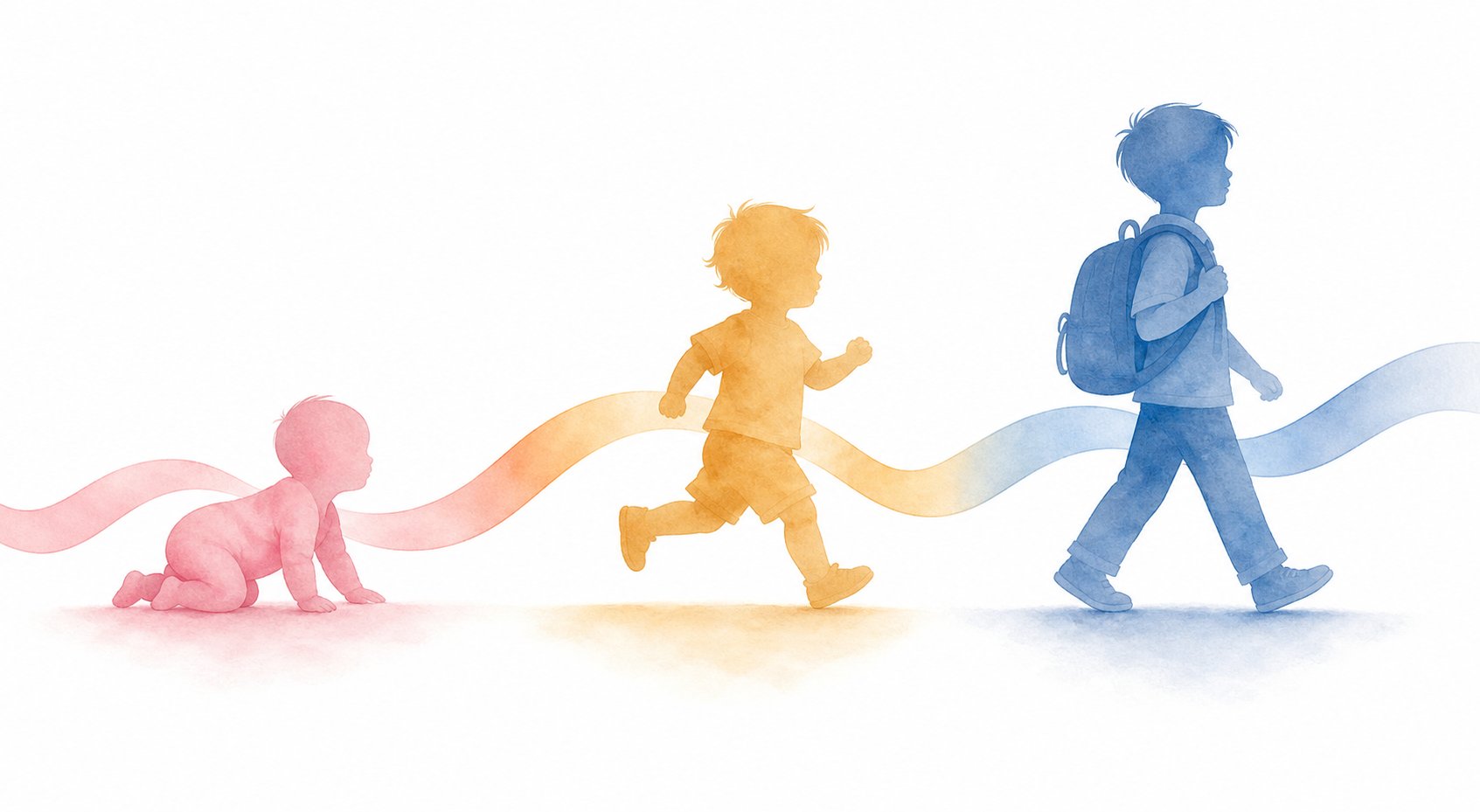
Every chinese nickname carries a timestamp. Not a literal one, but an emotional one. The name a grandmother whispered over a crib at three days old holds the weight of that exact moment: the relief of a safe delivery, the wonder of new life, the fierce protectiveness of early parenthood. What happens to that name as the baby becomes a toddler, then a student, then a teenager with opinions about what they want to be called?
When and How Children Outgrow Their Milk Name
Most Chinese children begin using their formal name (大名) once they enter school, typically around age six or seven. The classroom is a public space, and the milk name belongs to private life. Teachers use the formal name. Classmates use the formal name. The child starts building an identity around their 大名 in a way that feels grown-up and separate from home.
This doesn't mean the 小名 vanishes overnight. For many families, the transition is gradual and natural. The nickname chinese grandparents have used since birth continues at family dinners, during phone calls, and in moments of comfort or affection. Some children carry their milk name well into adulthood within the family circle. A forty-year-old executive might still be 贝贝 (beibei) to her mother. There's no expiration date on love, and there's no expiration date on the name that carries it.
Other children actively resist their baby name around age nine or ten. They find it embarrassing, especially if friends overhear it. This is normal and healthy. It signals growing independence and self-awareness. Wise families don't force the issue. They let the child set the boundary while keeping the name alive in smaller, more private moments.
From 小名 to 大名 — The Natural Transition
Some families create a bridge between the childhood nickname and the adult identity. This might look like:
- Shortening the nickname. 宝宝 (baobao) becomes simply 宝 (bao) when spoken by parents to an older child. The single syllable feels less babyish while preserving the core meaning of "treasure."
- Shifting the prefix. 小明 (xiao ming) might evolve into 阿明 (a ming), swapping the "little" prefix for the more mature-sounding 阿, common in southern dialects and Cantonese-speaking families.
- Adopting a formal-name derivative. If the child's 大名 is 张思远 (Zhang Siyuan), family members might start calling them 远远 (yuanyuan), pulling a character from the formal name into a reduplicated nickname that feels both personal and age-appropriate.
Do chinese people have middle names in the way English speakers do? Not exactly. Chinese names typically consist of a family name plus one or two given-name characters, with no separate middle name slot. But the 小名 functions as something parallel: a secondary name that lives alongside the formal one, used in different contexts by different people. The milk name is, in a sense, the emotional middle ground between public identity and private belonging.
Keeping the Nickname Alive in Family Memory
Even when a nickname chinese families chose at birth fades from daily use, it rarely disappears entirely. It lives on in family stories, photo albums, and the way older relatives slip back into it during emotional moments. A parent comforting a sick teenager might instinctively reach for the baby name. A grandparent telling stories about "when 豆豆 was small" keeps the name circulating in family mythology long after the child has outgrown it.
This persistence matters. The milk name becomes a thread connecting the adult to their earliest self, a reminder that before they were a student, a professional, or a parent themselves, they were simply someone's 小宝 (xiao bao), someone's little treasure, held and named with nothing but hope.
A milk name is a family's first gift of love to a child. It carries emotional weight regardless of whether it remains in daily use, because it marks the moment a family said: you are ours, you are cherished, and here is the sound of that love.
If you're choosing a nickname chinese culture would recognize as authentic, don't overthink permanence. The name doesn't need to work at every life stage. It needs to work right now, in this season of your child's life, spoken by the people who love them in this moment. A name chosen with heart will always hold its meaning, even after the child outgrows the sound of it. That's the beauty of the tradition: the nickname isn't a label. It's a memory in the making, a small word holding a very large love.
Frequently Asked Questions About Chinese Nicknames for Kids
1. What is a Chinese milk name (小名) and who gives it?
A Chinese milk name, or 小名 (xiao ming), is an intimate pet name given to a child by close family members, typically grandparents or parents. Unlike formal names used in school and public life, milk names are used exclusively at home and in private settings. Traditionally, the paternal grandmother often chooses the nickname, though modern families may decide together. The name is meant to express affection and closeness, and it can be completely unrelated to the child's legal name.
2. How do you choose a Chinese nickname for a non-Chinese-speaking family?
Start by deciding the emotion or meaning you want the name to convey, such as protection, playfulness, or luck. Then select a naming pattern like reduplication (doubling a character) or the 小 plus character formula, which are easiest for non-speakers to pronounce. Practice saying the name aloud to ensure your whole family is comfortable with it, and always verify your choice with a native Mandarin speaker to avoid unintended meanings or cultural missteps. Sound harmony with an English first name is a bonus but not required.
3. What are the most common Chinese nickname patterns for children?
Five main patterns dominate Chinese children's nicknames. Reduplication repeats a single character twice, like 宝宝 (baobao, treasure). The 小 plus character formula adds 'little' before a noun, like 小鱼 (xiao yu, little fish). Food-based names use sweet or comforting foods like 汤圆 (tangyuan, rice ball). Animal-based names borrow traits from creatures, such as 小兔 (xiao tu, little rabbit). Nature-based names draw from weather or plants, like 小雨 (xiao yu, little rain). Many nicknames combine multiple patterns for richer meaning.
4. Are there Chinese nicknames that should be avoided?
Yes, several naming taboos exist in Chinese culture. Never use the same character as a living elder's name, as this is considered disrespectful. Avoid characters that sound like 死 (si, death) or carry negative meanings like illness or suffering. Be cautious with animal names that have vulgar slang meanings in certain dialects, such as 小鸡 (xiao ji, little chicken). Numbers like four, which sounds like death, should also be avoided. Always consult a native speaker to catch homophones or regional connotations you might miss.
5. Do Chinese children stop using their nickname when they grow up?
Most children transition to their formal name (大名) in school settings around age six or seven, but the milk name typically continues within the immediate family. Some families use it for life, with parents still calling adult children by their baby nickname in private moments. Other children outgrow the name around age nine or ten, and families may adapt it into a more mature-sounding version, such as shortening 宝宝 (baobao) to 宝 (bao) or switching the prefix from 小 to the more grown-up 阿.