How to Say Mom in Chinese and Why It Matters
English gives you a handful of options: mom, mum, mother, mama. Chinese? It offers dozens. The word for mom in Chinese language shifts depending on your age, your dialect, your audience, and even your emotional state in the moment. A toddler, a teenager, and a grown adult at a formal banquet will each reach for a completely different term, and every Chinese mother recognizes exactly what each choice signals.
Why Chinese Has So Many Words for Mother
This richness is not accidental. The Chinese kinship system is among the most detailed in the world, shaped by centuries of Confucian values around filial piety, hierarchy, and respect. Where English collapses relationships into broad categories, Chinese insists on precision. Saying mother in Chinese is never just about identifying a person. It is about expressing your relationship to her, your respect for the listener, and the social context you are operating in.
Chinese distinguishes between "my mother" (家母, jiamu) and "your mother" (令堂, lingtang) in ways English simply does not. One is a humble form that lowers yourself; the other is an honorific that elevates the listener. This single distinction reveals how deeply Confucian respect registers are woven into everyday speech.
What You Will Learn About Chinese Mom Nicknames
This guide goes far beyond the standard textbook entry for mom in Chinese. You will learn the essential Mandarin terms with pronunciation guidance, explore how dialects like Cantonese and Hokkien offer their own affectionate variations, and discover the full formality spectrum from playful slang to deeply respectful literary forms. You will also find modern internet nicknames, age-based shifts in how people address their mothers, and clear situational advice on which term fits which moment. Think of this as your complete map to the chinese for mom, covering every register your textbook skipped.
Whether you are a language learner trying to sound natural, someone exploring the chinese of mother through cultural curiosity, or a heritage speaker reconnecting with family vocabulary, the layers ahead will surprise you.
Essential Mandarin Words for Mom With Pronunciation
Every language learner starts with the basics, and when it comes to mom in Mandarin, you have more options than you might expect. Five core terms cover the range from baby talk to literary elegance, and each one carries a distinct emotional weight. Knowing which to use, and how to pronounce it correctly, is the difference between sounding like a textbook and sounding like family.
| Character | Pinyin | Literal Meaning | English Equivalent |
|---|---|---|---|
| 妈妈 | māma | mama (reduplicated) | Mom / Mommy |
| 妈 | mā | mother (casual) | Mom |
| 母亲 | mǔqīn | female parent | Mother (formal) |
| 娘 | niáng | young woman / mother | Mother (literary/regional) |
| 娘亲 | niángqīn | dear mother | Mother (classical/archaic) |
妈妈 and 妈 — The Everyday Nicknames
If you learn only one way to say mom in Mandarin Chinese, make it 妈妈 (māma). This is by far the most common spoken form across all ages and regions in mainland China. The compound character 妈 combines the woman radical 女 with the phonetic component 马 (horse), which provides the sound but has nothing to do with the meaning. The traditional form is 媽媽.
When children are young, they naturally gravitate toward the reduplicated 妈妈 because the repeated syllable is easier for developing mouths. As they grow into teenagers and adults, many shorten it to the single-character 妈 (mā), much like the English shift from "mommy" to "mom." You will hear both in daily life:
- 妈妈,我回来了!(Māma, wǒ huílái le!) — Mom, I'm home!
- 妈,今天晚饭吃什么?(Mā, jīntiān wǎnfàn chī shénme?) — Mom, what's for dinner tonight?
The single-character 妈 feels slightly more grown-up and casual, like texting "mom" instead of writing "mommy." Some young adults also use it to signal a comfortable, close relationship without sounding childish. Both forms are warm and direct, the kind of mandarin for mother that you will hear in kitchens and living rooms across China every single day.
母亲 and 娘 — Traditional and Literary Terms
母亲 (mǔqīn) is the formal equivalent of "mother" in English. You would not typically call out 母亲 to get your mom's attention at the dinner table. Instead, this term appears in writing, formal speeches, and official contexts like 母亲节 (Mother's Day). Imagine introducing your mother at a company event or writing a heartfelt letter: that is where 母亲 belongs.
娘 (niáng) carries a different flavor entirely. Originally meaning "young woman," it shifted to mean "mother" in certain dialects and classical literature. Today, you will still hear 娘 in rural areas of Henan, Hebei, and Shandong provinces, and it appears frequently in historical dramas set in ancient China. The compound 娘亲 (niángqīn) adds an extra layer of tenderness and formality, though it sounds distinctly archaic to modern urban ears.
- 母亲对我的影响很大。(Mǔqīn duì wǒ de yǐngxiǎng hěn dà.) — My mother has had a great influence on me.
- 娘,孩儿回来了。(Niáng, hái'ér huílái le.) — Mother, your child has returned. (classical/regional)
Think of 母亲 as the term you would use in an essay or a toast, and 娘 as the word that evokes a different era or a specific regional identity. Both are valid ways to say mum in Mandarin, but their contexts could not be more different.
Pronunciation Tips to Avoid Embarrassing Mistakes
Here is where tones become critical. The mā Chinese learners need is the first tone: a high, flat pitch held steady, like the sound you make when a doctor asks you to say "aah." Keep your voice at the top of your natural range without letting it dip or rise. Your lips are relaxed, mouth slightly open, tongue resting low.
The danger? Mandarin's third tone, mǎ, means "horse." The difference between calling your mother and calling her a horse is a single pitch shift. The first tone (mā) stays high and level. The third tone (mǎ) dips low, almost creaky, before rising slightly at the end. If you let your voice drop mid-syllable when saying 妈妈, you risk a very awkward misunderstanding.
A practical trick: when you say māma, think of it as a tone pair. Both syllables are first tone, so maintain that steady high pitch on the first 妈, then keep it level on the second. Do not let the second syllable trail off into a lower pitch out of habit from English intonation patterns. Native speakers sometimes soften the second syllable into a neutral tone in casual speech, but as a learner, aiming for two clear first tones will keep you safe.
For 母亲 (mǔqīn), you are dealing with a third tone followed by a first tone. Start the mǔ low in your pitch range, let it sit there briefly, then jump up to the high flat qīn. The transition from low to high is what gives this word its distinctive rhythm. Practice saying it slowly, exaggerating the contrast, then gradually speed up until it feels natural.
Getting these tones right is not just academic. It is the foundation that makes every other nickname for mom in Mandarin sound authentic rather than foreign. And once you have the pronunciation locked in, the real fun begins: choosing the right term for the right moment, which depends entirely on how formal or casual you want to be.

The Formality Spectrum From Playful to Respectful
Knowing the different ways to say mother is one thing. Knowing when to use each one is where fluency actually lives. Chinese speakers do not pick a single term and stick with it for life. They instinctively slide up and down a formality scale depending on who they are talking to, how they feel, and what social role they are performing in that moment. This code-switching happens so naturally that most native speakers never consciously think about it, but for learners, mapping the full spectrum is a game-changer.
Here is the complete scale, ranked from most casual to most formal. Each level carries a distinct emotional signal that Chinese listeners pick up instantly:
- 老妈 (lǎomā) — Casual, teasing, slightly irreverent. Think of it as "my old lady" without the disrespect. Teenagers and young adults use this with friends or directly to their mothers in a playful mood. It signals closeness and comfort.
- 妈 (mā) — Everyday, neutral, efficient. The default for most adults when speaking directly to their mother. No extra warmth, no distance. Just "mom."
- 妈妈 (māma) — Warm, standard, slightly softer. The reduplicated form adds a layer of affection. Common across all ages but especially natural for children and for adults in tender moments.
- 妈咪 (māmī) — Cutesy, Western-influenced, modern. A transliteration of "mommy" that entered Mandarin through Hong Kong pop culture. Popular among young urban families and on social media. Some adults use it playfully; others find it overly childish.
- 母亲 (mǔqīn) — Formal, written, respectful. You would not shout this across the kitchen. It belongs in essays, speeches, official documents, and serious conversations about motherhood in the abstract.
- 家母 (jiāmǔ) — Humble register for "my mother" when speaking to others. By using 家 (family/home), you deliberately lower your own family to show modesty. Reserved for formal social situations, business introductions, or polite conversation with elders.
- 令堂 (lìngtáng) — Honorific for "your mother" when addressing someone else. The character 令 elevates the other person's family. This is the highest formality level, used in classical-style politeness or very formal written correspondence.
Casual and Affectionate Nicknames for Mom
The bottom three levels of the scale, 老妈, 妈, and 妈妈, are where daily life happens. You will hear 老妈 tossed around in college dorms and group chats: "我老妈又催我了" (My old lady is nagging me again). It is affectionate precisely because it is irreverent. The speaker feels secure enough in the relationship to joke about it.
妈咪 (māmī) occupies a unique space. It entered mainstream Mandarin through Cantonese-speaking Hong Kong, where 媽咪 (maa4 mi4) was already common, and spread further through Western media influence. Today, you will find it in parenting blogs, children's picture books, and the mouths of toddlers in Shanghai and Beijing alike. For adults, using 妈咪 can feel deliberately cute or ironic, depending on tone and context.
Formal and Respectful Terms for Mother
母亲 (mǔqīn) marks the boundary where the chinese word for mother stops being a nickname and becomes a title. It carries weight. When a speaker shifts from 妈 to 母亲, they are signaling seriousness, reverence, or emotional distance. A eulogy uses 母亲. A casual phone call does not.
This is another way to say mother that learners often encounter in textbooks but rarely hear in kitchens. Understanding that gap between written formality and spoken warmth is essential for sounding natural in the chinese term for mother you choose.
The Humble and Honorific System Explained
家母 and 令堂 belong to a layer of Chinese that confuses many learners because English has no equivalent system. These terms exist purely for social navigation. You would never call your own mother 家母 to her face. Instead, you use it when mentioning her to someone else, especially someone of higher status or someone you do not know well. Imagine telling a colleague: "家母身体不太好" (My mother has not been feeling well). The humble 家母 shows you are not boasting about your family or placing yourself above the listener.
令堂 works in reverse. When asking about someone else's mother, 令堂 elevates their family. "令堂近来可好?" (How has your mother been?) signals deep respect. In modern daily conversation, these terms have become less common, but they still appear in formal letters, business settings, and among older generations who value classical etiquette.
Why does this system exist at all? Confucian philosophy placed enormous emphasis on social harmony through proper speech. Humbling yourself while elevating others was not mere politeness but a moral practice. The mother in chinese language carries this philosophical weight in ways that a simple translation to "mom" or "mother" can never capture. Chinese speakers absorb these registers from childhood, switching between 老妈 with friends and 家母 with a boss without a second thought, the same way English speakers shift between "my mom" and "my mother" but with far more gradations available.
This formality spectrum is not static, either. The same person might climb the entire scale in a single day: joking about 老妈 in a group chat at lunch, calling out 妈 when they get home, writing 母亲 in a formal email, and using 家母 at a dinner with their partner's parents. Each shift is a small act of social calibration, and mastering it is what separates textbook Chinese from the living language.
Regional Dialect Nicknames Across China
That formality scale works beautifully in standard Mandarin. But step outside Beijing or Shanghai, and the chinese word for mum changes entirely. China's dialect groups are so distinct that a Cantonese speaker and a Hokkien speaker would not recognize each other's word for mom at all. Each regional variety carries its own affectionate layers, its own casual-to-formal spectrum, and its own cultural flavor that Mandarin alone cannot capture.
If your family speaks a southern Chinese dialect, or if you are traveling beyond Mandarin-speaking areas, these are the terms you actually need.
Cantonese Nicknames for Mom
Cantonese, spoken across Guangdong province, Hong Kong, and Macau, has its own rich set of terms for mom. The most common everyday form is 阿媽 (aa3 maa1), which functions like the Mandarin 妈妈 as a warm, all-purpose way to address your mother directly. You will hear it in homes, on the street, and in Cantonese TV dramas constantly.
For a more affectionate, slightly Western-influenced tone, Cantonese speakers use 媽咪 (maa1 mi4). This is especially popular among younger families in Hong Kong and carries a softer, more playful energy, similar to "mommy" in English. It crossed into Mandarin as 妈咪 precisely because of Hong Kong's cultural influence on the mainland.
Then there is 老母 (lou5 mou2), the very casual, sometimes blunt form. Among close friends, someone might say "我老母" (my old lady) in a tone that is familiar and unguarded. Be careful with this one, though. In certain contexts, 老母 can sound crude or even appear in vulgar expressions, so it is best reserved for people you know well.
The formal written term mirrors Mandarin: 母親 (mou5 can1). And if you want to wish someone a happy Mother's Day in Cantonese, the phrase is 母親節快樂 (mou5 can1 zit3 faai3 lok6). Knowing how 母親節快樂 is pronounced in Cantonese is a thoughtful touch when greeting Cantonese-speaking friends or family on that day.
Hokkien and Taiwanese Terms for Mother
Hokkien, also called Min Nan, is spoken across Fujian province, Southeast Asia, and Taiwan. The go-to term for mom in Hokkien is 阿母 (a-bo), a warm and familiar address that children and adults alike use daily. It feels grounded and intimate, the kind of word that belongs in a family kitchen.
In Taiwanese usage, you will also encounter 俺娘 (an-nia), which carries a more traditional, homey quality. The formal term is 母親 (bo-chhin), reserved for writing and official speech, just as in Mandarin. Taiwanese Mandarin speakers often blend systems, using 媽媽 (mama) in Mandarin-mode conversation but switching to 阿母 when speaking Taiwanese with grandparents or in more emotional moments.
This code-switching between Mandarin and Hokkien within a single family is extremely common in Taiwan. A person might call out 媽 in one sentence and 阿母 in the next, depending on which language feels right for the emotion they are expressing.
Shanghainese and Hakka Variations
Shanghainese, the Wu dialect spoken in Shanghai and surrounding Jiangsu and Zhejiang areas, uses 姆媽 (m-ma) as its primary term for mom. The nasal opening gives it a distinctive sound that Mandarin speakers often find charming. It is warm, familiar, and unmistakably local.
Hakka, spoken by communities scattered across Guangdong, Fujian, Jiangxi, and diaspora populations worldwide, uses 阿姆 (a-me). This term doubles as a general respectful address for older women in some Hakka communities, but within the family it means mom specifically. The formal Hakka equivalent is 阿娘 (a-ngiong), which echoes the classical Mandarin 娘 but with Hakka phonology.
What connects all these dialects is a shared pattern: each one maintains a casual daily form, a formal written form, and at least one affectionate variation. The sounds differ dramatically, but the social logic is consistent across every Chinese dialect group.
| Dialect | Casual | Formal | Affectionate |
|---|---|---|---|
| Mandarin | 妈 (ma) | 母亲 (muqin) | 妈妈 (mama) |
| Cantonese | 阿媽 (aa3 maa1) | 母親 (mou5 can1) | 媽咪 (maa1 mi4) |
| Hokkien/Taiwanese | 阿母 (a-bo) | 母親 (bo-chhin) | 俺娘 (an-nia) |
| Shanghainese | 姆媽 (m-ma) | 母亲 (mu-chin) | 姆媽 (m-ma, softened tone) |
| Hakka | 阿姆 (a-me) | 阿娘 (a-ngiong) | 姆 (me, shortened) |
Whether you call her 阿媽, 阿母, or 姆媽, the underlying impulse is the same: finding the sound that feels like home. For heritage speakers reconnecting with family roots, learning your dialect's specific term for chinese mum can unlock a layer of intimacy that standard Mandarin simply cannot reach. And for language learners curious about mom in Cantonese or other varieties, these terms reveal just how vast the linguistic landscape of China really is.
Dialects shape the sound of motherhood. But age shapes its meaning. The term a three-year-old uses and the term a thirty-year-old chooses carry entirely different emotional weight, even when the language stays the same.
How Chinese Nicknames for Mom Change With Age
A three-year-old and a thirty-year-old might love their mother equally, but they will almost never use the same word for her. In Chinese, the nickname you choose for mom is not fixed. It evolves as you grow, reflecting shifts in independence, emotional distance, social awareness, and eventually, a return to tenderness. This lifecycle of language is something textbooks rarely address, yet it is one of the most revealing patterns in how Chinese speakers relate to family.
How do you say mama in Chinese at age two versus age twenty? The answer is not just a vocabulary question. It is a window into how relationships mature.
What Toddlers and Children Call Mom
For toddlers, the repeated syllable structure of mama chinese makes 妈妈 (māma) a natural first word. The bilabial "m" sound is one of the easiest consonants for developing mouths to produce, and the reduplication gives tiny tongues a rhythm to latch onto. This is universal across languages, which is why "mama" appears in so many cultures. But in Chinese families, the specific tonal delivery, that steady first-tone pitch on both syllables, is something children absorb from hearing it thousands of times before they ever produce it themselves.
In urban families influenced by Western media and Hong Kong pop culture, you will also hear toddlers say 妈咪 (māmī). This transliteration of "mommy" entered mainland Chinese through Cantonese-speaking regions and has become increasingly popular among younger parents in cities like Shanghai, Shenzhen, and Beijing. Some families actively teach their children 妈咪 because it feels modern and international. Others stick with the traditional 妈妈, viewing it as more authentically Chinese.
- 妈妈 (māma) — The default for toddlers and young children. Warm, simple, universal across regions.
- 妈咪 (māmī) — The Western-influenced alternative, popular in urban families. Carries a softer, more playful tone.
By school age, 妈妈 remains the standard. Children between five and twelve rarely deviate from it. The term feels safe, appropriate, and matches what they hear classmates using. There is no social pressure yet to sound more grown-up, so 妈妈 holds steady through elementary school without question.
How Teenagers and Young Adults Shift Their Language
Then adolescence arrives, and with it, a subtle linguistic rebellion. Teenagers begin shortening 妈妈 to the single-syllable 妈 (mā). The shift mirrors the English transition from "mommy" to "mom," but in Chinese it carries an additional layer: dropping the reduplication signals that you no longer need the comfort of a child's word. You are asserting independence through economy of speech.
Some teenagers go further, adopting 老妈 (lǎomā) when talking about their mother with friends. As covered in the formality spectrum, 老妈 is teasing and irreverent, a way of saying "my old lady" that is affectionate precisely because it is casual. A teenager texting a friend "我老妈不让我出去" (My old lady won't let me go out) is performing a small act of identity: I am not a child anymore, and I can joke about my parent.
- 妈 (mā) — The teenager's default when speaking directly to mom. Efficient, grown-up, no frills.
- 老妈 (lǎomā) — Used when talking about mom to peers. Signals closeness through irreverence.
Young adults in their twenties continue using 妈 in person and in texts. But a new split emerges: when writing formally, whether in a college essay, a job application personal statement, or a social media post meant to sound reflective, they reach for 母亲 (mǔqīn). This is the first time many speakers consciously code-switch between spoken and written registers for the same person. How to say mama in Chinese becomes a question with two answers depending on the medium.
When speaking about their mother to colleagues or acquaintances, young adults face another choice. In casual conversation, 我妈 (wǒ mā, "my mom") is perfectly natural. In more formal or polite settings, especially when meeting a partner's parents or speaking with a boss, 家母 (jiāmǔ) signals respect and social awareness. Many young people today find 家母 overly stiff for daily use, but recognizing when it is appropriate remains an important social skill.
Adult Children and the Return to Warmth
Something interesting happens as adults move into their thirties, forties, and beyond. Many speakers who spent their teenage years using the clipped 妈 gradually drift back toward the warmer 妈妈. The reasons are emotional rather than linguistic. As parents age, as adult children become parents themselves, the tenderness of that reduplicated form feels right again. It is no longer childish. It is intimate.
Imagine a forty-year-old sitting beside an aging mother in a hospital room. They are far more likely to say "妈妈,你感觉怎么样?" (Mama, how are you feeling?) than the efficient "妈." The extra syllable carries care, patience, and a willingness to be vulnerable that the teenage self would have resisted.
- 妈妈 (māma) — Returns in emotional or caregiving contexts. No longer childish; now it signals tenderness.
- 我妈 (wǒ mā) — Casual reference when talking about mom to friends or peers.
- 家母 (jiāmǔ) — Humble register for formal social situations.
- 母亲 (mǔqīn) — Reserved for writing, speeches, and reflective moments.
This lifecycle is not rigid. Personality, family culture, and regional norms all create variation. But the general arc, from ma ma in chinese baby talk, through teenage brevity, to adult warmth, is remarkably consistent across generations. What changes between generations is the introduction of new terms like 妈咪, which older speakers may find foreign but younger families embrace as natural.
These generational differences sometimes create small moments of cultural negotiation within families. A grandmother who grew up calling her own mother 娘 might feel a flicker of strangeness hearing her granddaughter say 妈咪. A father raised on 妈妈 might gently correct a child who picks up "mommy" from an English-language cartoon. Each family quietly decides which terms feel like theirs, and those choices become part of the family's identity.
The lifecycle of these nicknames reveals something deeper: in Chinese, the word you use for mom is never just a label. It is a relationship barometer, shifting with every stage of life. And as language continues to evolve under the influence of social media, pop culture, and global connectivity, entirely new terms are entering the picture, ones that no previous generation ever used.

Modern Slang and Social Media Names for Mom
Social media did not just change how chinese moms communicate with their children. It created an entirely new vocabulary for talking about them. Scroll through Douyin (China's TikTok), Xiaohongshu, or WeChat Moments, and you will encounter nicknames for mom that no textbook has ever printed. These terms live in comment sections, viral videos, and group chats, and they reveal how younger generations are reshaping the language of family with humor, irony, and affection.
Social Media and Internet Slang for Mom
Online Chinese moves fast, and the nicknames people use for their mothers online carry tones that range from loving to hilariously dramatic. Here are the terms you will encounter most often across Chinese social platforms:
- 老妈子 (lǎomāzi) — Humorous, slightly irreverent. Literally "old mama," this term playfully casts mom as the household manager who fusses over every detail. It is affectionate but teasing, like saying "my mom is being such a mom right now." Common in casual posts and group chats, rarely used to a mother's face.
- 亲妈 (qīnmā) — Emphatic, authentic. Literally "biological mom," this term exploded online as a way to stress that something really happened. "亲妈做的饭" (food my actual mom made) distinguishes homemade from restaurant food. It also appears in phrases like "亲妈才会这样说" (only your real mom would say something like that), emphasizing brutal honesty delivered with love.
- 辣妈 (làmā) — Admiring, trendy. The chinese hot mom label that dominates lifestyle content. 辣 means "spicy" or "hot," and 辣妈 describes a mother who stays stylish, fit, and confident after having children. Xiaohongshu is full of 辣妈 transformation posts and fashion content. The term has fully crossed from online slang into spoken language and even marketing.
- 虎妈 (hǔmā) — Teasing, culturally loaded. The "tiger mom" concept gained global attention through Amy Chua's 2011 book, but in Chinese internet culture, 虎妈 is used both seriously and ironically. Some posters wear it as a badge of pride; others use it to gently mock their own mother's strict parenting style. It is one of the few chinese mom terms that travels equally well in English and Chinese.
- 老佛爷 (lǎofóyé) — Dramatic, humorous. Literally "the Old Buddha" or "Empress Dowager," this nickname references Empress Dowager Cixi, the formidable ruler of late Qing dynasty China. When someone calls their mom 老佛爷, they are saying she rules the household with absolute authority and her word is final. It is always used with a wink, never with genuine resentment.
- 女王大人 (nǚwáng dàrén) — Playful, respectful. Meaning "Her Majesty the Queen," this Gen Z term shows up in WeChat family group chats and Mother's Day posts. It elevates mom to royalty status with obvious humor and warmth.
Which of these terms stay online only? 老佛爷 and 女王大人 remain mostly digital, used in texts and social posts but rarely spoken aloud in conversation. 辣妈 and 虎妈, on the other hand, have fully entered spoken Chinese. You will hear people say them in coffee shops and at school gates without anyone blinking. 亲妈 sits in between: common in speech among younger people but still carrying that internet-born emphasis.
Pop Culture Terms From Tiger Mom to Hot Mom
The rise of 辣妈 as a cultural category deserves a closer look. Chinese social media platforms are filled with content celebrating mothers who refuse to disappear into domesticity. A chinese mama who posts workout routines, fashion hauls, or career milestones alongside parenting content earns the 辣妈 label as a compliment. It represents a generational shift: where older terms for mother emphasized sacrifice and selflessness, 辣妈 celebrates a mother's individual identity.
虎妈 carries more complexity. Within China, the stereotype of the strict chinese mom who pushes academic excellence is both recognized and debated. Younger generations use 虎妈 with a mix of exasperation and grudging respect. A Douyin comment might read: "感谢我的虎妈,没有她我考不上大学" (Thanks to my tiger mom, I wouldn't have gotten into college without her). The term acknowledges intensity while crediting results.
老佛爷 taps into a specifically Chinese cultural reference that outsiders might miss. Empress Dowager Cixi controlled China for decades from behind the scenes, and calling your mom 老佛爷 implies she is the true power in the household regardless of appearances. It is the kind of nickname that only works because everyone shares the cultural shorthand.
Diaspora Families and Bilingual Nicknames
For chinese moms raising children outside China, language becomes a negotiation. Diaspora families in North America, Australia, the UK, and Southeast Asia often develop hybrid systems that blend English and Chinese in patterns unique to each household.
A common pattern: children use "mommy" or "mom" in English for everyday interactions, especially outside the home, but switch to 妈 or 妈妈 for emotional conversations, serious requests, or when speaking in front of grandparents. The Chinese term carries a different weight. It signals intimacy, cultural belonging, and respect for family language in a way that the English equivalent cannot replicate.
Some diaspora children grow up calling their mother chinese mommy as a blended form, mixing English syntax with Chinese phonetics. Others develop entirely personal nicknames that would confuse both monolingual English and monolingual Chinese speakers. A second-generation kid might text "mama" in pinyin, use "mom" at school, and say 妈咪 when being playful at home, all within the same day.
What is consistent across diaspora families is that the Chinese term, whatever form it takes, often becomes the language of vulnerability. When a grown child calls their mother at midnight with bad news, they tend to reach for 妈 rather than "mom." The first language of comfort reasserts itself in moments that matter most.
These modern terms, whether born on social media or shaped by diaspora life, share something with every nickname covered so far: they are not just labels. They are emotional choices. And choosing the right one for the right moment requires understanding not just vocabulary, but etiquette, context, and the subtle ways a wrong word can land badly.
When to Use Each Nickname and What to Avoid
Knowing dozens of terms for mom means nothing if you pick the wrong one at the wrong moment. A word that sounds warm in a text to your mother can sound bizarre in a formal letter. A nickname that gets laughs in a group chat can cause genuine offense at a dinner table. The emotional charge of each term is inseparable from its context, and Chinese speakers navigate these choices instinctively. For learners figuring out how to say mom in Chinese, the real skill is not memorizing vocabulary but reading the room.
Here is a practical breakdown of which term fits which situation, and why.
Choosing the Right Nickname by Situation
Imagine five common scenarios where you need to refer to or address your mother. Each one calls for a different register, a different word, and a different emotional signal. The table below maps the most natural choice for each context:
| Situation | Recommended Term | Why |
|---|---|---|
| Texting mom directly | 妈 (ma) or 妈妈 (mama) | Casual and warm. Matches the informal tone of messaging. Adding 妈妈 feels slightly softer for emotional topics. |
| Introducing mom to a colleague | 我妈妈 (wo mama) or 我母亲 (wo muqin) | 我妈妈 is natural in relaxed workplaces. 我母亲 adds formality for senior colleagues or professional events. |
| Writing a formal letter or essay | 母亲 (muqin) or 家母 (jiamu) | 母亲 is standard written Chinese. 家母 is the humble register when referring to your own mother before an audience you wish to honor. |
| Posting on WeChat Moments | 老妈 (laoma) or 妈妈 (mama) | Social media is casual. 老妈 adds playful personality; 妈妈 keeps things warm and universally appropriate. |
| Speaking at a family gathering | 妈 (ma) or 妈妈 (mama) | Direct address in family settings stays warm and simple. No need for formality among relatives who share the same intimacy. |
Notice the pattern: the more public and formal the audience, the higher you climb on the formality scale. The more private and intimate the moment, the simpler the term. A quick text to mom does not need the weight of 母亲. A speech at a company event does not need the casualness of 老妈.
Here is how each scenario sounds in natural conversation:
- Texting mom: 妈,今天下班晚,不用等我吃饭。(Ma, jintan xiaban wan, buyong deng wo chifan.) — Mom, I'm getting off work late today, don't wait for me to eat.
- Introducing mom to a colleague: 这是我母亲。(Zhe shi wo muqin.) — This is my mother.
- Formal letter: 家母近来身体欠佳。(Jiamu jinlai shenti qianjia.) — My mother has not been in good health recently.
- WeChat post: 老妈做的红烧肉,永远的神。(Laoma zuo de hongshaorou, yongyuan de shen.) — My mom's braised pork, forever unmatched.
- Family gathering: 妈妈,你坐这儿。(Mama, ni zuo zher.) — Mom, sit here.
If you are still unsure how to say mom in Mandarin Chinese for a specific situation, default to 妈妈. It is never wrong. It works across ages, regions, and formality levels without sounding too casual or too stiff. Think of it as the safe middle ground while you develop your instincts for the other registers.
Terms to Avoid and Common Etiquette Mistakes
Getting the right term matters. But avoiding the wrong one matters even more. A few common mistakes can turn an innocent reference to someone's mother into a serious social misstep.
你妈 (ni ma) — Handle with extreme caution. On the surface, 你妈 simply means "your mom." But in practice, this two-character phrase is the opening of China's most common insult: 你妈的 (ni ma de). Using 你妈 casually when asking about someone else's mother can sound jarring or even aggressive, depending on tone and context. The safe alternative when asking about someone's mother is 你妈妈 (ni mama), which softens the phrase, or the more polite 您母亲 (nin muqin). In formal settings, 令堂 (lingtang) removes all ambiguity. The key point: never toss out 你妈 in isolation to someone you do not know well. The cultural association with profanity is too strong.
娘 (niang) — Context is everything. As discussed earlier, 娘 historically means "mother" and still does in certain dialects and period dramas. But in modern urban Mandarin, 娘 has developed a secondary meaning: effeminate or sissy. Calling a man 娘 or 娘娘腔 (niangniangqiang) implies he is unmasculine. This semantic drift means that using 娘 to mean "mother" in a modern city context can confuse listeners or provoke unintended laughter. Reserve it for dialect use, literary contexts, or historical discussions where the meaning is clear.
老母 (laomu) — Dialect-dependent risk. In Cantonese, 老母 is a casual term for mom. In Mandarin contexts, however, it can sound crude or appear in vulgar phrases. If you are speaking Mandarin to a mixed audience, stick with 老妈 instead. The single character difference avoids any uncomfortable associations.
Mixing up 家母 and 令堂. These humble and honorific terms are not interchangeable. 家母 refers only to your own mother. 令堂 refers only to someone else's mother. Swapping them reverses the respect system entirely: using 令堂 for your own mother sounds like you are elevating yourself, while using 家母 for someone else's mother sounds like you are insulting their family. When in doubt about how do you say mother in Chinese politely, remember: 家 (home/family) humbles your side, 令 (your esteemed) elevates theirs.
Writing a Mother's Day Message in Chinese
Mothers day in chinese culture is celebrated on the second Sunday of May, just as in much of the Western world. The holiday, known as 母亲节 (Muqinjie), has become a major occasion for expressing gratitude through written messages, WeChat posts, and handwritten cards. Knowing how to say mother in Chinese is only half the equation. Knowing how to write to her with the right tone completes it.
For a WeChat or text message, keep it short and sincere. A natural message might read:
妈妈,母亲节快乐!谢谢您一直爱我、支持我。您永远是我心中最重要的人。
(Mama, Muqinjie kuaile! Xiexie nin yizhi ai wo, zhichi wo. Nin yongyuan shi wo xinzhong zui zhongyao de ren.)
Translation: Mom, Happy Mother's Day! Thank you for always loving and supporting me. You will always be the most important person in my heart.
Notice the use of 您 (nin) rather than 你 (ni). On special occasions, switching to the respectful second-person pronoun signals elevated care, even if you normally use 你 in daily texts. This small shift carries real emotional weight in Chinese and shows you have put thought into your words.
For a handwritten card or more formal written note, you can draw on slightly literary phrasing:
亲爱的母亲,感谢您的养育之恩。祝您身体健康,万事如意。
(Qin'ai de muqin, ganxie nin de yangyu zhi en. Zhu nin shenti jiankang, wanshi ruyi.)
Translation: Dear Mother, thank you for the grace of raising me. Wishing you good health and everything going well.
The phrase 养育之恩 (yangyu zhi en), meaning "the grace of raising and nurturing," carries classical weight that elevates a card above casual messaging. Pairing it with a health wish, 身体健康, is standard practice because wishing a parent good health is considered one of the most sincere blessings in Chinese culture.
A few practical tips for mothers day in chinese writing:
- Use 母亲 or 妈妈 as your opening address, not 老妈. A holiday card is not the place for teasing nicknames.
- Stick with 您 throughout. Even if your daily relationship is casual, the occasion calls for respect.
- Focus on her sacrifice and love rather than your own achievements. Chinese family culture values gratitude directed outward, not self-congratulation.
- If you are a learner and your tones are still developing, a written message lets you express yourself without pronunciation pressure. Your effort to write in Chinese will mean more than a perfect English card.
Whether you are texting a quick 妈,节日快乐 or crafting a longer tribute, the principle stays the same: match your language to the moment. The right term at the right time tells your mother not just that you love her, but that you understand the weight your words carry. And for anyone still wondering how do you say mom in Chinese in a way that truly resonates, the answer is always the same: it depends on who is listening, what you are feeling, and how much of that feeling you want your words to hold.
These situational choices are easier to remember when you understand why each term exists in the first place. The characters themselves, their shapes, their origins, and the cultural symbolism embedded in their strokes, offer memory hooks that make the whole system click into place.
Character Origins and the Meaning Behind Each Symbol
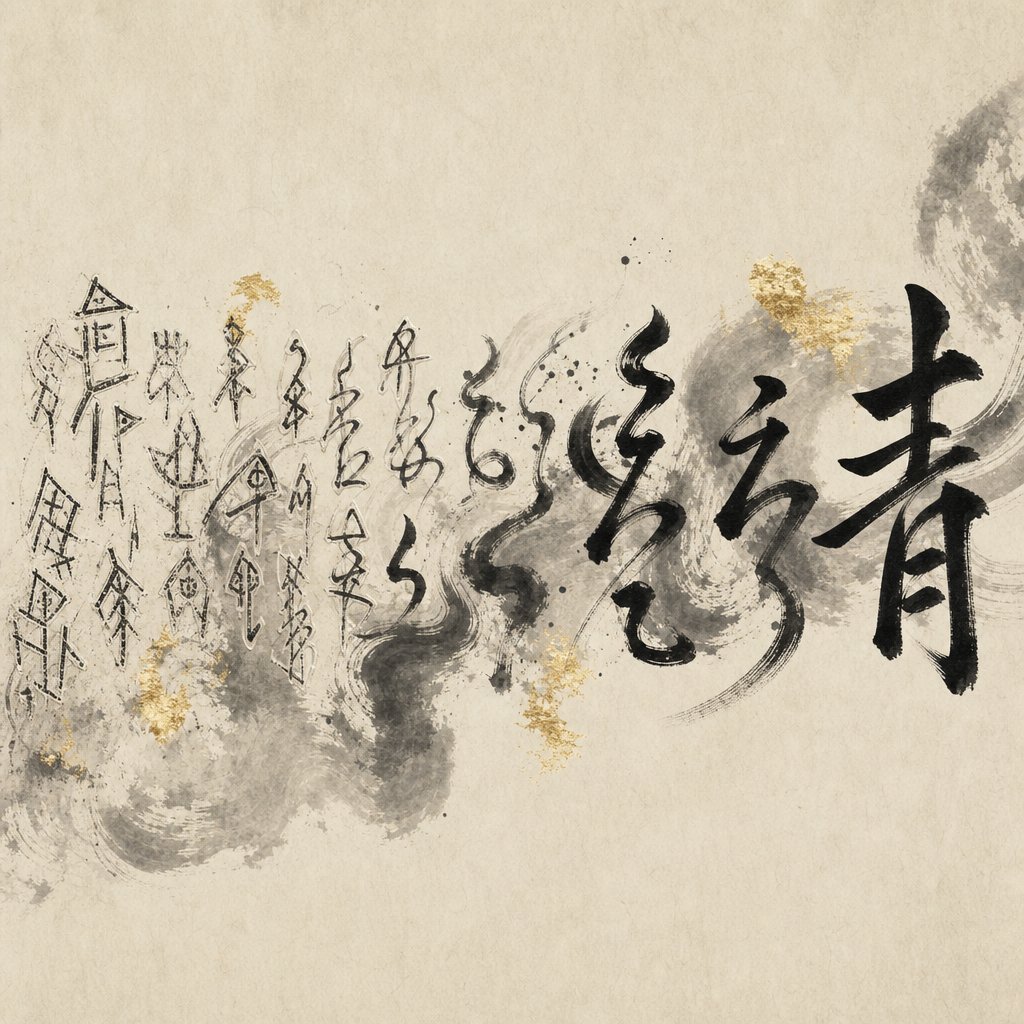
Every Chinese character tells a story. When you understand the visual logic behind the mom chinese character, you stop memorizing strokes and start seeing meaning. The characters for mother in Chinese are not arbitrary squiggles. They are compressed images, some dating back over three thousand years, that encode cultural attitudes toward motherhood directly into their structure. This is where vocabulary becomes unforgettable.
Understanding character etymology transforms rote memorization into visual storytelling. When you see why a character looks the way it does, you never forget it. The chinese writing for mom is not just a skill to practice but a window into how ancient people understood the world.
The Pictographic Origins of 母
The chinese symbol for mother at its most fundamental is 母 (mu). Look at it closely. The character depicts a kneeling woman with two dots inside the frame. Those dots represent breasts, specifically the nipples a mother uses to nurse her child. This is not interpretation or metaphor. It is pictographic origin, traceable through oracle bone inscriptions from roughly 1250 to 1000 BC, through bronze script, seal script, and clerical script, all the way to the modern regular script you see today.
The ancient Shuowen Jiezi dictionary, China's first comprehensive character dictionary compiled around 100 AD, describes 母 with the note: "象乳子也," meaning "depicts nursing a child." Over three millennia of evolution, the character simplified and stylized, but the core image persisted. The two dots remain in the modern form, a quiet echo of that original nursing woman.
What makes this chinese symbol for motherhood so powerful as a memory hook is its directness. There is no abstraction here. The earliest Chinese scribes looked at what defined a mother, the physical act of feeding her child, and drew exactly that. When you write 母, you are tracing a line back to the Bronze Age.
This root character appears across dozens of compounds, always carrying that maternal meaning forward:
- 母语 (muyu) — Mother tongue. The language that nursed your mind.
- 母校 (muxiao) — Alma mater. The school that raised you intellectually.
- 母亲节 (Muqinjie) — Mother's Day. The holiday honoring mothers.
- 父母 (fumu) — Parents. Father and mother together.
- 祖母 (zumu) — Paternal grandmother. Father's mother.
In every case, 母 contributes the concept of origin, nurturing, and source. A 母语 is not just any language you speak. It is the one that fed you. A 母校 is not just any school. It is the one that shaped you. The chinese symbol mother carries this weight of origin wherever it goes.
How 妈 Gets Its Sound From Horse
If 母 is the ancient pictograph, 妈 (ma) is the modern workhorse, the character you will write and read most often in daily life. Its construction follows a completely different logic. Rather than drawing a picture of motherhood, 妈 uses a compound structure that combines meaning and sound into a single package.
The left side is 女 (nu), the woman radical. This is the meaning component. It tells you the character relates to a female person. The right side is 马 (ma), which means horse. But here is the key: 马 contributes absolutely nothing to the meaning. It is there purely as a phonetic indicator, telling you the character is pronounced "ma." The horse has no connection to motherhood whatsoever. It is a sound loan, one of the most common character-building strategies in Chinese.
This is how to write ma mother chinese in a way that makes sense: woman plus the sound "ma" equals mom. Once you see this formula, the character becomes impossible to confuse. The traditional form, 媽, works identically, just with the traditional version of the horse component.
Sounds complex? It is actually elegant. Chinese has thousands of characters built this way: one component for category (meaning radical) and one for pronunciation (phonetic component). For 妈, the system works perfectly because the phonetic match is exact. 马 is pronounced ma (third tone), and 妈 is pronounced ma (first tone). The tones differ, but the base syllable is identical. Your brain links them instantly.
This structure also explains why the mom in chinese symbols looks nothing like the ancient 母. They evolved from entirely different design philosophies. 母 is a picture. 妈 is a formula. Both mean mother, but they encode that meaning through different mechanisms, and understanding the difference helps you read new characters by recognizing their components rather than memorizing each one in isolation.
Cultural Symbolism of Motherhood in Chinese Characters
The third major character in this family is 娘 (niang), and its story reveals how meaning drifts over centuries. The left side is again 女 (woman), the meaning radical. The right side is 良 (liang), meaning "good" or "virtuous," serving as the phonetic component. Originally, 娘 did not mean mother at all. It meant "young woman" or "maiden." The shift to "mother" happened gradually through regional dialect usage and literary convention, particularly in northern Chinese dialects where 娘 became the standard word for mom centuries before 妈 took over.
Today, 娘 lives a double life. In historical dramas and classical texts, it means mother. In modern urban slang, it can mean effeminate. This semantic split makes it a fascinating case study in how characters carry multiple cultural layers simultaneously. The mother symbol in chinese is never just one thing. It is a living artifact that accumulates meaning with each generation.
Taken together, these three characters, 母, 妈, and 娘, represent three different approaches to encoding motherhood in written form. 母 draws a picture of nursing. 妈 combines a category marker with a sound cue. 娘 pairs womanhood with virtue and lets cultural usage do the rest. Each one gives you a different memory hook, a different way to anchor the character in your mind so it sticks.
For learners building their vocabulary of chinese nicknames for mom, this etymological layer transforms a list of words into a connected system. You are not memorizing random symbols. You are reading compressed cultural history, three thousand years of how Chinese civilization thought about mothers, encoded in a few elegant strokes.
Frequently Asked Questions About Chinese Nicknames for Mom
1. What is the most common way to say mom in Chinese?
The most common spoken term is 妈妈 (mama, first tone on both syllables). It is used across all ages and regions in mainland China. Adults often shorten it to the single-character 妈 (ma) in casual speech, similar to how English speakers shift from 'mommy' to 'mom.' Both forms are warm, direct, and appropriate for everyday use in nearly any informal context.
2. What is the difference between 妈妈, 母亲, and 娘 in Chinese?
These three terms occupy different points on the formality spectrum. 妈妈 (mama) is the everyday spoken form used to address your mother directly. 母亲 (muqin) is the formal written equivalent, appropriate for essays, speeches, and official contexts like Mother's Day cards. 娘 (niang) is a literary and regional term still used in rural northern dialects and historical dramas, though in modern urban Mandarin it has developed an unrelated secondary meaning of 'effeminate,' so context matters.
3. How do you say mom in Cantonese?
In Cantonese, the most common everyday term is 阿媽 (aa3 maa1), which functions like Mandarin's 妈妈. For a softer, more affectionate tone, Cantonese speakers use 媽咪 (maa1 mi4), similar to 'mommy.' The very casual form is 老母 (lou5 mou2), though this should be used carefully as it can sound crude in certain contexts. The formal written term is 母親 (mou5 can1), matching Mandarin's 母亲 in register.
4. What does 老妈 mean and is it disrespectful?
老妈 (laoma) translates roughly to 'my old lady' but is not disrespectful in Chinese. It is a casual, teasing nickname that signals closeness and comfort between a child and their mother. Teenagers and young adults commonly use it when talking about their mom to friends, such as in texts or group chats. It would be inappropriate in formal settings or when addressing someone else's mother, but within the family or among peers, it expresses affection through playful irreverence.
5. What are 家母 and 令堂 and when should you use them?
家母 (jiamu) and 令堂 (lingtang) belong to the Chinese humble-honorific system rooted in Confucian etiquette. 家母 is the humble form meaning 'my mother,' used when mentioning your own mother to others in formal or polite settings. 令堂 is the honorific form meaning 'your mother,' used when respectfully asking about someone else's mother. These terms are never interchangeable: swapping them reverses the respect system and can cause offense. They appear most often in business settings, formal letters, and conversations with elders.