What Chinese Surname Totems Reveal About Ancient Clan Identity
Imagine discovering that your family name carries a hidden symbol, one that connects you to a specific animal, plant, or force of nature worshipped by your ancestors thousands of years ago. That is exactly what Chinese surname totems represent. They are visual emblems tied to the earliest clans in Chinese civilization, long before written language existed to record history.
What Are Chinese Surname Totems
Chinese surname totems are symbolic images rooted in ancient clan worship of animals, plants, and natural elements that served as sacred identifiers for kinship groups and eventually evolved into the hereditary surname system still used by over a billion people today.
In practical terms, these totems functioned as the original family crests of Chinese civilization. Primitive clans believed that certain creatures or natural forces, such as dragons, bears, horses, or even rivers and mountains, could protect them and grant supernatural strength. Each clan adopted one of these beings as its sacred guardian, and that totemic symbol became the emblem uniting families and blood relations. Over millennia, these symbols crystallized into the Chinese surnames and chinese family names we recognize today.
You'll notice that Chinese names follow a distinct structure: the surname comes first, before the given name. This ordering reflects how deeply clan identity is embedded in the culture. Your chinese last name is not just a label. It is a marker of lineage, social belonging, and ancestral origin stretching back over 5,000 years.
Why Surname Totems Matter for Cultural Identity
Chinese surnames are believed to have originated from primitive religious worship, totem worship, and ancestor worship. With over 5,000 surnames still in use today, each one carries a unique origin story. Some trace directly to totemic animals like the horse (Ma), bear (Xiong), or dragon (Long). Others evolved through more complex paths involving geography, professions, or royal decrees. But the totemic layer is the oldest, the deepest root of the entire system.
This matters because understanding your chinese surname means understanding a piece of cultural DNA that predates dynasties, empires, and even writing itself. For the global Chinese diaspora, these totems offer a tangible connection to ancestral identity that transcends modern borders.
One important distinction deserves attention early on. The totem images you may have seen circulating on social media, those intricate designs pairing each surname with a specific animal or symbol, are modern scholarly reconstructions, not ancient artifacts pulled from archaeological sites. They are grounded in legitimate historical research, but they represent artistic interpretations of what clan totems may have looked like. The difference between these modern designs and the actual historical practice of totemism is a critical piece of context that most sources overlook.
The real story is richer and more complex than any single image can capture. It begins in the Neolithic period, when tribal societies across ancient China first chose their sacred protectors and set in motion a naming tradition that would outlast every dynasty to come.
Historical Origins of Totemism in the Chinese Surname System
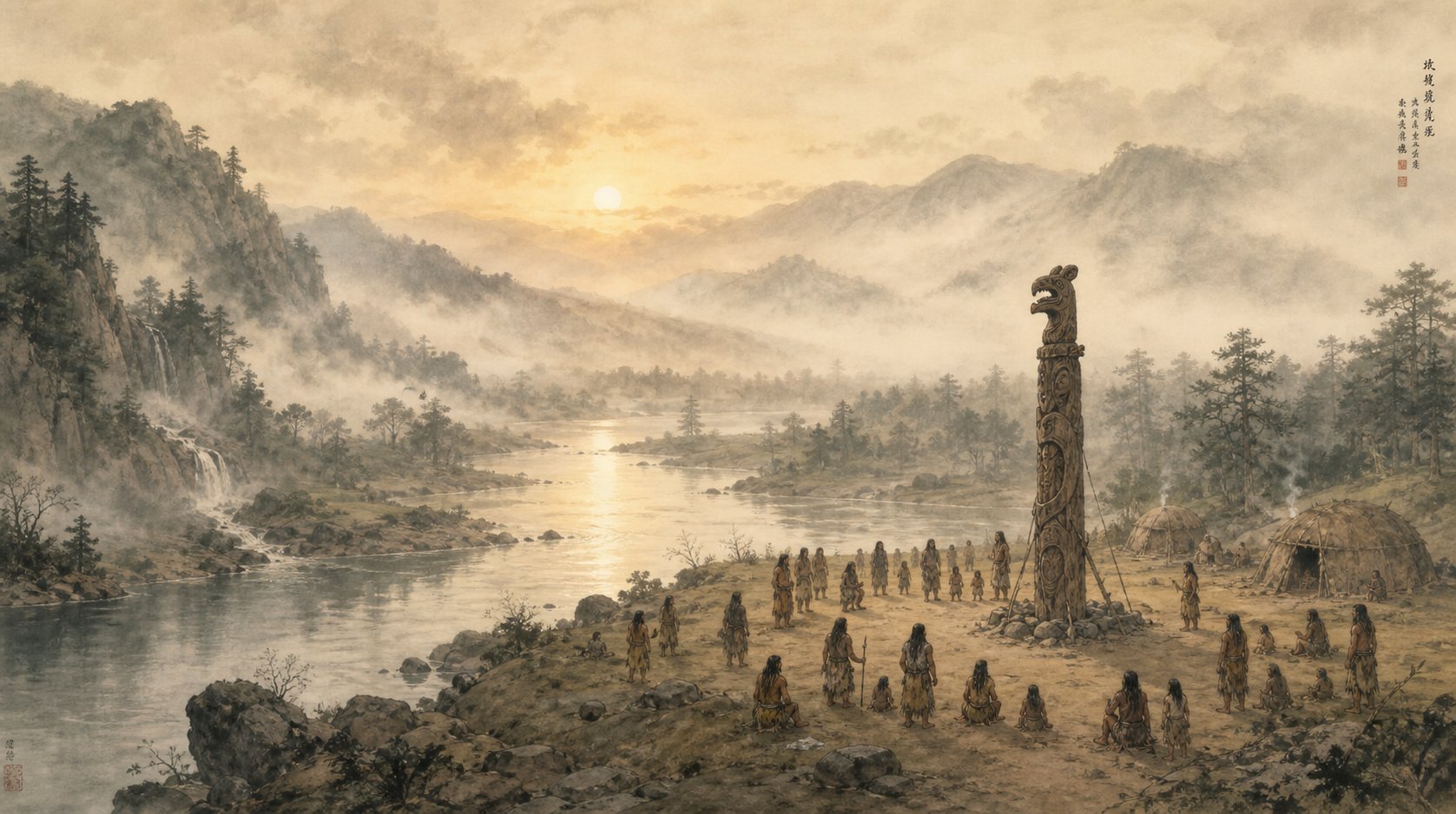
The naming tradition that produced modern Chinese surnames did not appear overnight. It unfolded across thousands of years, shaped by tribal survival, spiritual belief, and social reorganization. Tracing where surnames originate from means stepping back into the Neolithic period, roughly 6,000 to 8,000 years ago, when scattered clans across the Yellow River and Yangtze River basins first adopted sacred animals and natural forces as their collective identities.
From Neolithic Clans to Dynastic Surnames
Before writing systems existed, tribal groups needed a way to distinguish themselves from neighboring clans. They turned to the natural world. A clan might identify with the bear for its strength, the dragon for its command of water, or a specific river that sustained their settlement. These totemic affiliations served a deeply practical purpose: they marked kinship boundaries, regulated marriage between groups, and established spiritual authority within the tribe.
As these clans grew and interacted during the Xia dynasty (c. 2070-1600 BCE) and Shang dynasty (c. 1600-1046 BCE), totemic identifiers became more formalized. Oracle bone inscriptions from the Shang period reveal early pictographic characters that scholars believe captured totemic imagery. By the Zhou dynasty (1046-256 BCE), the system had matured into hereditary designations passed from generation to generation. The chinese roots of the modern surname system were firmly planted during this era, when the Zhou court unified earlier naming conventions into a structured hierarchy.
The Xing and Shi Distinction in Totemic Context
Here is where the story gets especially revealing. Ancient chinese names operated on a dual system that most people today have never heard of: xing (姓) and shi (氏). These two terms, often translated simply as "surname" (surname 中文: 姓氏), originally carried very different meanings.
Xing was the older layer, the original clan name rooted directly in totemic worship. Look closely at the character 姓 itself and you'll notice it contains the radical 女 (female) on its left side. This is not accidental. The origin of xing dated back to the matrilineal society, where lineage was traced through mothers. Marriage was forbidden between offspring of the same matrilineal clan, so xing served to differentiate one clan from another for intermarriage purposes. Animal names like ma (horse), xiong (bear), and long (dragon) were adopted as xing, directly reflecting the totem worship of primitive society.
Shi emerged later, as populations expanded and single clans subdivided into branches living in separate territories. These branch names drew from a wider range of sources: place names, noble titles, occupations, or geographic features. A potter's branch might take the shi of Tao, while a branch living near the eastern city wall might become Dongguo.
The critical point is this: totemic origins belong specifically to the xing layer, the matrilineal foundation of the entire system. During the Zhou dynasty, xing and shi gradually merged into a single hereditary surname. But the totemic DNA of the original xing clans never disappeared. It simply became embedded within the unified surname, invisible to casual observers yet recoverable through linguistic and anthropological analysis.
This merging process explains why certain modern surnames still carry direct traces of their totemic ancestors in their character structures, a connection that becomes visible once you know how to read the ancient pictographic logic preserved in the writing system.
How Ancient Clan Worship Transformed Into Hereditary Surnames
So how exactly did a tribe's spiritual bond with a bear or a river turn into a family name passed down for thousands of years? The mechanism was surprisingly direct. Clans did not simply admire these creatures from a distance. They believed totems possessed supernatural force that could protect them and endow them with power and skills. That belief made the totem inseparable from the group's identity, and identity, once inherited, becomes a name.
How Animal and Plant Worship Became Family Names
Picture a tribal society where survival depends on collective strength. A clan living along a river basin might worship the dragon for its mastery over water and rain. Another group in forested highlands might revere the bear for its raw power. Still others adopted the phoenix, tiger, horse, or wolf. Plants carried meaning too: willow clans valued resilience, while plum-associated groups prized endurance through harsh winters. Celestial bodies like the sun and moon served as totems for clans who tracked seasons for agriculture.
Each clan had its own totem, and that totem became the word used to identify the group. When neighboring tribes asked "who are you?" the answer was the totem itself. Over generations, as these groups settled into fixed territories and developed hereditary leadership, the totemic identifier solidified into a permanent clan name. The meaning of chinese last names like Long (dragon), Ma (horse), Xiong (bear), Yang (goat), and Niu (ox) preserves this process in plain sight. These are not metaphors. They are fossils of the original totemic bond.
Consider the surname Zhu (朱). Its totemic origin traces to the spider, because mythological figures Fuxi and Goumang were said to have invented the Bagua trigrams and fishing nets through inspiration from spider webs. The Zhu clan adopted the spider as its sacred emblem, and that affiliation eventually crystallized into the hereditary name.
Totemic Traces Preserved in Surname Characters
Chinese surnames and meanings are not always this transparent, though. Many totemic connections hide within the structure of the characters themselves. Oracle bone script, the earliest known Chinese writing from the Shang dynasty, used pictographic forms that often depicted animals, plants, and ritual objects. Scholars studying these inscriptions can identify visual echoes of totemic imagery embedded in the earliest versions of surname characters.
For example, characters that today appear abstract once contained recognizable animal silhouettes or plant forms in their oracle bone versions. The pictographic logic worked like this: a scribe drawing the clan's name would naturally incorporate visual elements of the clan's sacred creature. As writing evolved through bronze inscriptions and seal script into modern forms, those images became increasingly stylized and abstract, but the structural DNA remained.
This is why understanding chinese last names and meanings requires looking beyond modern character forms. The real story lives in the archaeological layers of the writing system, where pictographic ancestors of today's surnames still carry the outlines of dragons, birds, and sacred trees. Researchers cross-reference oracle bone characters with anthropological evidence of clan territories and worship practices to reconstruct which totems belonged to which surname lineages.
These reconstructions raise an obvious question: who actually created the totem images that circulate so widely online today, and how reliable are they as historical evidence?
The Scholar Behind the Viral Surname Totem Images
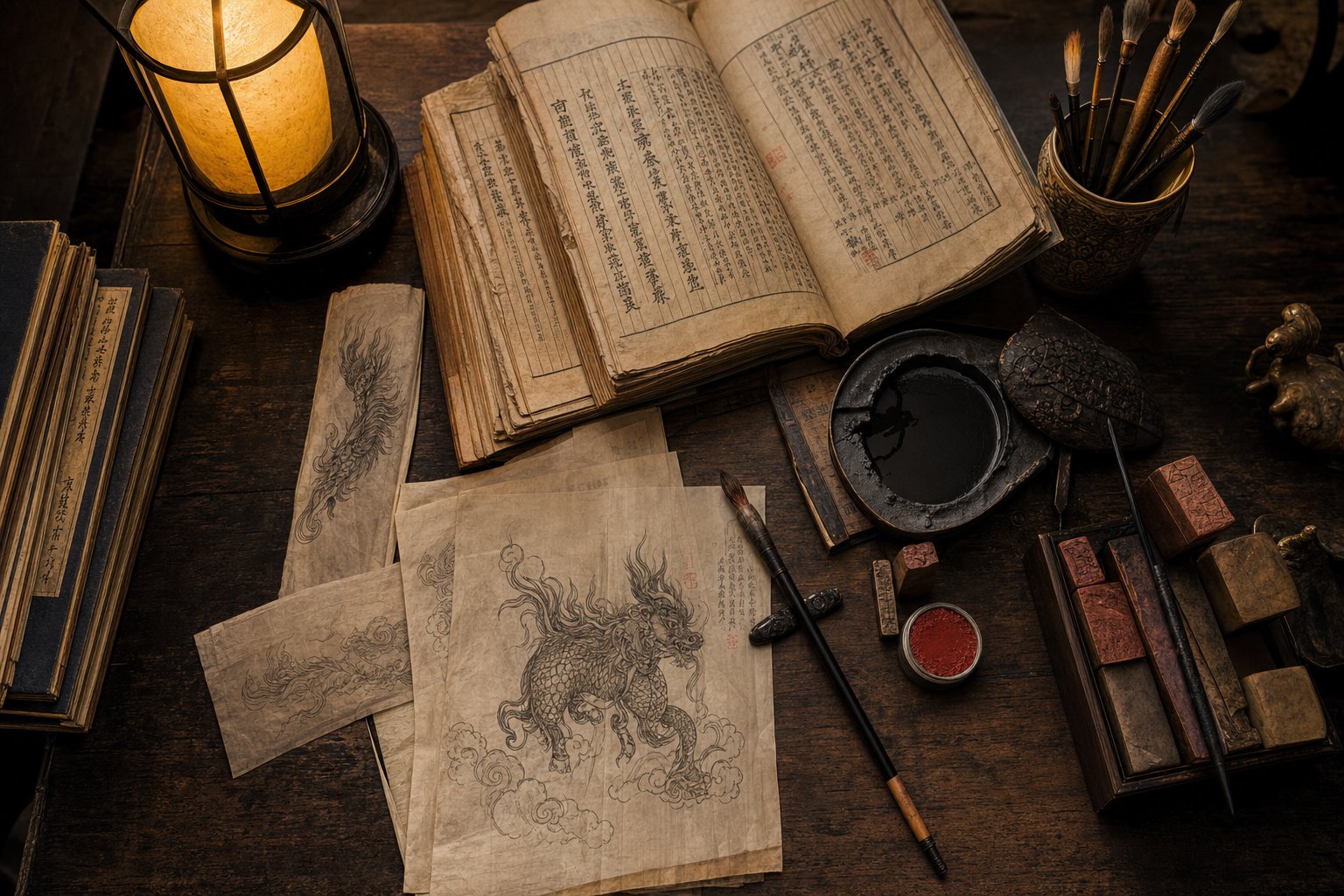
Those beautifully intricate totem designs you have seen shared across social media, each one pairing a surname in chinese with a specific animal or mythological creature, did not emerge from an ancient tomb or a newly discovered artifact. They came from the studio of one man: Wang Dayou (王大有), a contemporary Chinese scholar, calligrapher, and cultural researcher whose artistic reconstructions have taken on a life of their own online.
Wang Dayou and the Modern Surname Totem Designs
Wang Dayou spent decades studying the connections between ancient Chinese clan worship and the modern surname system. His research methodology drew from multiple disciplines: classical historical texts, oracle bone and bronze inscription analysis, comparative mythology, and anthropological fieldwork on surviving folk traditions. By cross-referencing these sources, he developed visual interpretations of what each clan's totemic emblem might have looked like during the tribal period.
His designs are striking. Each one integrates a stylized animal, plant, or celestial element with calligraphic forms of the surname character, creating something that looks like a chinese family crest from deep antiquity. The compositions draw on natural elements such as sun, bird, beast, water, wood, and tree to enrich the symbolic meaning, reflecting the ancestral worship of nature that scholars broadly agree existed in early Chinese society. Wang's work captures the spirit of that worship in a visually compelling format that resonates with modern audiences seeking a tangible connection to their heritage.
The appeal is obvious. For the first time, people could look up their own surname and see a detailed visual symbol representing their ancestral clan identity. The designs spread rapidly through Chinese social media platforms, then migrated to international sites where they were shared millions of times. Many posts presented them without attribution or context, simply labeling them as "ancient Chinese surname totems."
Separating Historical Research From Viral Misconceptions
Here is the critical distinction most sources fail to make: Wang Dayou's totem designs are scholarly interpretations, not archaeological discoveries. No museum houses a complete set of original clan totem images from the Neolithic or Shang periods. The actual historical evidence consists of fragmentary oracle bone characters, scattered references in classical texts, and anthropological patterns reconstructed from folk practices. Wang synthesized these fragments into cohesive visual designs, filling gaps with informed artistic judgment.
Does that make them worthless? Not at all. His work is grounded in legitimate research and reflects genuine academic understanding of how totemic worship functioned among common chinese surnames. The designs align with what scholars know about clan affiliations, animal worship patterns, and the pictographic origins of early Chinese writing. Research confirms that surname totems integrate natural elements including animals, plants, and astrology, drawing inspiration from nature in ways consistent with Wang's visual approach.
The problem is not the designs themselves. It is the missing context. When people encounter these images without understanding their origin, they assume they are looking at recovered ancient artifacts rather than one modern scholar's reconstruction. That misunderstanding flattens a complex, multi-layered history into a simple image search result.
Think of it this way: if a historian reconstructed what a Viking longship's figurehead looked like based on surviving fragments, sagas, and archaeological patterns, the result would be valuable and informed, but it would still be a reconstruction. Wang Dayou's surname totems occupy the same intellectual space. They represent the best available interpretation of fragmentary evidence, filtered through one researcher's artistic vision.
With that context firmly in place, the designs become more interesting, not less. They invite a deeper question: what do the specific totemic elements attributed to each major surname actually mean, and what historical clan narratives do they encode?
Major Surname Totems From Wang to Chen Decoded
The five most common chinese last names, Wang, Li, Zhang, Liu, and Chen, collectively belong to over 400 million people. Each carries a distinct totemic attribution rooted in clan mythology, animal worship, or elemental reverence. When you look at the totem designs associated with these surnames, you are seeing a visual narrative of how ancient clans understood their place in the natural and spiritual world.
Below, you'll find detailed breakdowns of what each totem encodes and the clan history behind it.
Wang, Li, and Zhang Totem Symbolism Explained
Wang (王)
The wang last name is the single most common surname in China, shared by over 101.8 million people. Its totem design centers on a celestial fire bird, often interpreted as a phoenix-like creature perched atop a ritual altar. The three horizontal strokes of the character 王 represent heaven, humanity, and earth, with the vertical stroke symbolizing the king who connects all three realms. In totemic terms, the Wang clan traced its lineage to rulers who claimed divine authority, positioning themselves as intermediaries between the celestial and terrestrial worlds. The bird element in the totem reflects the ancient Dongyi (Eastern Yi) tribal confederation's worship of solar birds, since many Wang lineages trace back to Shaohao, a legendary ruler associated with bird clans.
Li (李)
Ranking second among the most common chinese surnames with approximately 101.3 million bearers, the Li surname carries a totem rooted in tree worship. The character itself combines "tree" (木) with "child" (子), and its totemic design typically features a sacred plum tree with a tiger or winged creature beneath it. The historical narrative connects the Li clan to Gao Yao, a legendary judge in the court of Emperor Shun, whose descendants served as officials (理官, li guan) administering justice. The plum tree became the clan's sacred emblem because the word for "plum" (李) shares the same sound and character as the surname. The Li family founded the Tang Dynasty, one of China's greatest imperial periods, further cementing the surname's prestige.
Zhang (張/张)
With over 95.7 million people, Zhang ranks third. Its totem design is among the most visually distinctive: a figure drawing a bow with an arrow aimed at the sky, often depicted alongside a celestial bird or star. The character 張/张 contains the radical for "bow" (弓), and legend holds that the Zhang ancestors were master archers. Specifically, the clan traces its origin to Huangdi's (the Yellow Emperor's) grandson Hui, who invented the bow and arrow. His skill earned him the title Zhang (meaning "to draw a bow" or "to stretch"), and his descendants adopted it as their hereditary name. The totem captures this founding moment: the act of stretching the bowstring toward the heavens, symbolizing precision, power, and celestial ambition.
Liu and Chen Clan Totems and Their Meanings
Liu (刘/劉)
The liu last name ranks fourth nationally, carried by roughly 72 million people. Its totem design features a warrior figure wielding an axe alongside a stylized bird or dragon motif. The traditional character 劉 contains the element for "metal" or "knife" (刂), pointing to the clan's association with weaponry and martial prowess. The Liu clan's totemic narrative traces back to the legendary Emperor Yao's descendants, who were granted territory and adopted the name Liu from the region where they settled. The axe in the totem represents both the tool of civilization (clearing land) and the weapon of authority. Liu Bang, founder of the Han Dynasty, belonged to this lineage, and the dragon element in some totem interpretations reflects the imperial dragon symbolism that the Han Dynasty popularized across Chinese culture.
Chen (陈/陳)
The chen surname ranks fifth, with approximately 63 million bearers. Understanding the chen last name origin requires tracing back to the ancient state of Chen, established during the early Zhou Dynasty. The state's ruling family descended from Emperor Shun, one of the mythological sage-kings. The totem design for Chen typically depicts a ritual procession or a stylized arrangement of the sun and moon above an earthen mound, representing the ancient practice of displaying battle formations and making offerings to heaven. The character 陈 carries the meaning "to display" or "to arrange," and the totemic imagery reflects the ceremonial and administrative role the Chen clan played as rulers of their vassal state. The left radical 阝 (derived from "mound" or "city wall") reinforces the connection to territorial governance.
Comparative Overview of the Five Major Surname Totems
| Surname | Attributed Totem Element | Symbolic Meaning | Historical Clan Origin |
|---|---|---|---|
| Wang (王) | Celestial fire bird on ritual altar | Divine authority connecting heaven, humanity, and earth | Dongyi bird-worshipping tribes; descendants of Shaohao and later royal lineages |
| Li (李) | Sacred plum tree with guardian creature | Justice, endurance, and natural renewal | Descendants of Gao Yao (legendary judge); founders of the Tang Dynasty |
| Zhang (張) | Archer drawing bow toward the sky | Precision, martial skill, and celestial ambition | Grandson of the Yellow Emperor who invented the bow and arrow |
| Liu (劉) | Warrior with axe and dragon/bird motif | Martial authority, civilization-building, and imperial power | Descendants of Emperor Yao; founders of the Han Dynasty |
| Chen (陳) | Sun and moon above earthen mound with ritual display | Ceremonial order, governance, and cosmic harmony | Royal house of the State of Chen; descendants of Emperor Shun |
You'll notice a pattern across these common chinese last names: each totem encodes not just an animal or object, but an entire origin narrative. The bird, the tree, the bow, the axe, the ritual mound. These are not random decorations. They are compressed stories about how a clan understood its founding purpose and its relationship to the cosmos.
These five surnames dominate mainland China's population statistics, but the totemic tradition extends far beyond them. Surnames like Lin, Huang, and their regional variants carry equally rich symbolic histories, and their stories reveal something additional: how a single totemic root can branch into multiple romanizations as Chinese communities spread across different dialect regions and overseas territories.
Regional Surname Variants and Their Shared Totemic Roots
A single totemic origin can hide behind a dozen different spellings. If your family name is Wong, Ng, Uy, Ooi, or Vong, you might assume these are entirely separate surnames. They are not. They all trace back to the same character, 黄, and the same ancient clan totem. Regional dialects, migration patterns, and colonial-era romanization systems fractured one name into many spellings, but the totemic root remained intact underneath.
Lin, Huang, and Other Prominent Surname Totems
Huang (黄)
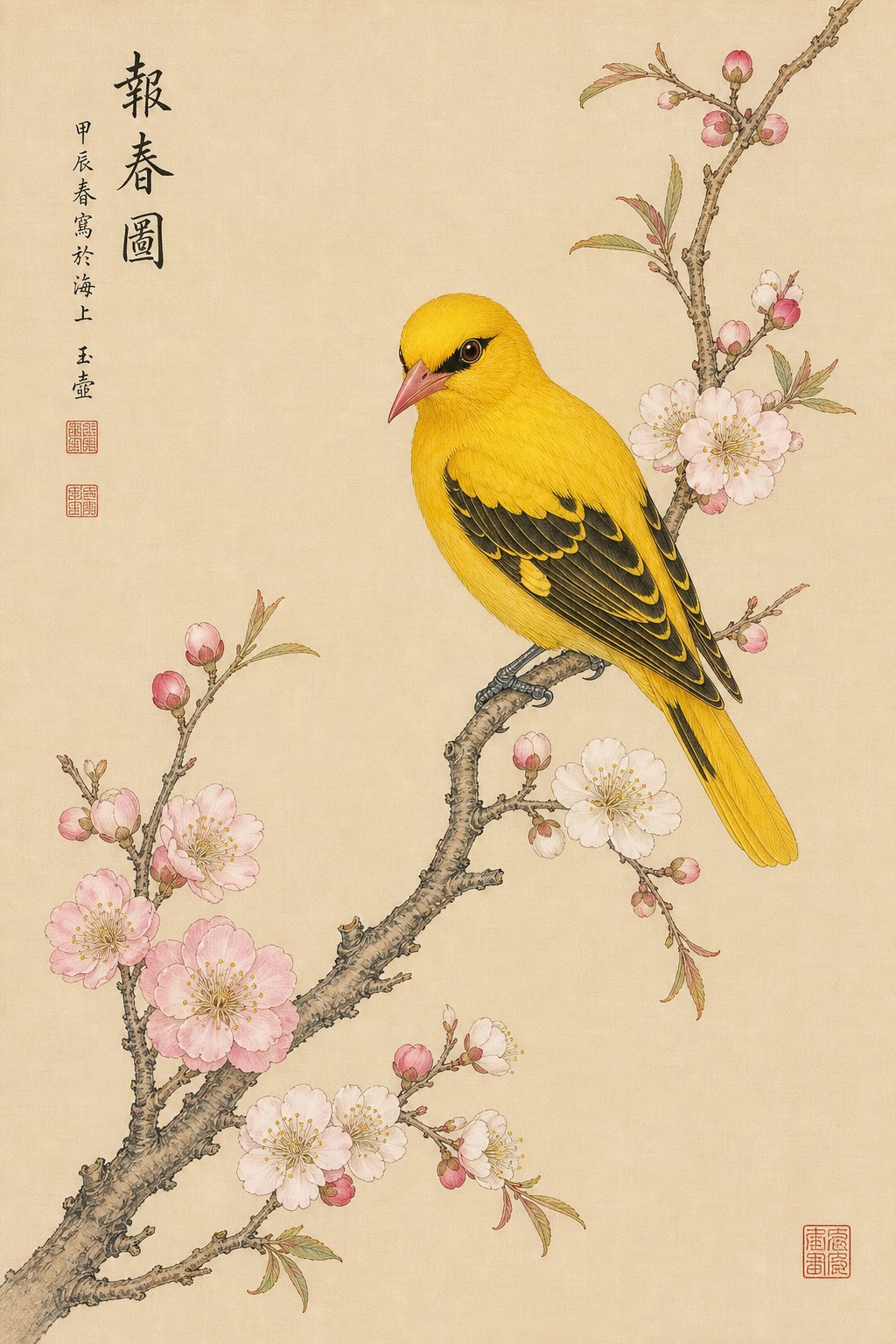
The huang surname ranks as the 7th most common in China, and its totemic story is vivid. Historical accounts trace the Huang clan to the Dong Yi tribal alliance, specifically a sub-group called the Huang Yi (黄夷), who bore the motif of the yellow oriole or huangying (黄莺) as their tribal totem. The golden bird represented solar energy, warmth, and seasonal renewal. The surname character itself originally referred to arc-shaped jade pendants (璜) worn as ritual ornaments, linking the clan to both avian worship and precious stone symbolism. Descendants of this clan eventually established the ancient Huang Kingdom during the Zhou dynasty, cementing the name as hereditary.
Lin (林)
The lin surname means "forest" or "grove," and its totem design reflects exactly that: twin trees standing together, often depicted with a deer or phoenix sheltering beneath the canopy. The Lin clan traces its ancestry to Bi Gan, a loyal minister of the Shang dynasty who was executed for his integrity. His pregnant wife fled into the wilderness and gave birth among the trees of a forest. When the Zhou dynasty later honored Bi Gan's memory, his descendants were granted the surname Lin, literally "woods," commemorating the place of refuge. The totemic imagery of paired trees captures both the protective power of nature and the theme of righteous survival.
Xu/Hsu (许/許)
The Xu surname's totem features a figure making a verbal declaration beneath a celestial symbol. The character 许 carries the meaning "to permit" or "to promise," and the clan traces its origin to the ancient State of Xu, granted to descendants of the sage-king Yao. The totemic design emphasizes speech and covenant, reflecting the clan's role as oath-keepers and administrators.
Regional Variants and Shared Totemic Roots
Here is where things get interesting for diaspora communities. When you search for the wong last name origin, you are actually searching for the same Huang clan totem described above. The spelling difference is purely a product of dialect pronunciation. Cantonese speakers say "Wong," Hokkien speakers say "Ng" or "Ong," and Mandarin speakers say "Huang." The underlying character, clan history, and totemic symbol are identical.
This pattern repeats across many cantonese last names and taiwanese surnames. Consider how one totem connects across romanizations:
- 黄 (Yellow Oriole totem): Huang (Mandarin), Wong (Cantonese), Ng (Hokkien/Teochew), Ong (Hokkien), Ooi (Hakka), Uy (Filipino-Hokkien), Huynh/Hoang (Vietnamese)
- 林 (Forest totem): Lin (Mandarin/Taiwanese), Lam (Cantonese), Lim (Hokkien/Teochew), Hayashi (Japanese-derived)
- 张 (Archer totem): Zhang (Mandarin), Cheung/Cheong (Cantonese), Teo/Tio (Hokkien), Chang (Taiwanese/Wade-Giles), Truong (Vietnamese)
- 许 (Covenant totem): Xu (Mandarin), Hui/Hoi (Cantonese), Koh/Ko (Hokkien), Hsu (Taiwanese/Wade-Giles)
The ng last name origin puzzles many people because "Ng" looks nothing like "Huang" or "Wong." Yet all three are the same surname, 黄, filtered through different Chinese dialect groups. In Hokkien and Teochew, the initial "h" sound dropped away over centuries of phonetic evolution, leaving just the nasal "ng" sound. The totem, the yellow oriole perched in golden light, belongs equally to every spelling variant.
This is especially relevant for taiwanese last names, where the Wade-Giles romanization system (used before Taiwan adopted other standards) produced spellings like Chang, Hsu, and Huang that differ from mainland pinyin. Cantonese surnames similarly follow their own phonetic logic: Cheung instead of Zhang, Lam instead of Lin, Chan instead of Chen. But beneath every variant, the same totemic clan narrative persists unchanged.
What makes this remarkable is the sheer geographic and temporal scale. A clan totem adopted in the Yellow River basin over 4,000 years ago still unites people named Wong in Hong Kong, Ng in Singapore, Uy in the Philippines, and Huang in Beijing. The spelling is a surface-level artifact of dialect and migration. The totemic identity runs deeper than any romanization system can reach.
That depth raises a broader question: is this kind of totemic continuity unique to China, or do other civilizations show similar patterns? Comparing Chinese surname totemism to clan systems elsewhere in the world reveals just how exceptional this tradition really is.
Chinese Surname Totems Compared to Global Clan Systems
Totemism is not exclusively Chinese. Cultures across every inhabited continent developed systems linking kinship groups to sacred animals, plants, and natural objects. What separates the Chinese tradition from all others is not the practice itself but what it became: a universal, hereditary naming system that still functions today.
Chinese Totemism in Global Anthropological Context
Among Native American peoples, clan totems operated on strikingly similar principles. The Ojibwa organized their society into clans named after animals: Wolf, Bear, Beaver, Turtle, Crane, and others. As Wundt noted in his research on folk psychology, the totem animal was "usually regarded as the ancestral animal of the group" and served simultaneously as a group name and a marker of ancestry. Members of the same totem clan could not intermarry, exactly mirroring the exogamy rules of early Chinese xing clans.
Aboriginal Australian systems took totemism further into spiritual territory. The Wiradjuri and other groups maintained sex totems, individual totems, and clan totems simultaneously, with sacred sites called "totem centers" where ancestral spirits were believed to dwell. Celtic clan crests in Scotland and Ireland served a parallel function as heraldic identifiers, linking families to specific animals and symbols passed through patrilineal descent.
These systems share core features with Chinese surname totemism: sacred animals as clan ancestors, prohibitions on harming the totem creature, and group identity built around a shared emblem. Among asian family names and naming traditions, similar totemic echoes appear in Korean, Japanese, and Vietnamese surname origins, reflecting shared cultural roots across surnames in asia.
What Makes Chinese Surname Totems Unique Worldwide
Here is the critical difference. Native American clan totems remain ceremonial identifiers within indigenous communities. Aboriginal Australian totems function within spiritual practice. Celtic crests survive as decorative heritage symbols. None of these systems evolved into a mandatory, universal naming convention used by an entire civilization in daily life.
Chinese surname totemism is the only system in human history where totemic clan identifiers transformed into a universal, still-functioning hereditary surname system spanning over 4,000 years and encompassing more than a billion people today.
When you encounter asian last names like Ma, Long, or Xiong, you are looking at living fossils of Neolithic totemism embedded in modern bureaucracy, passports, and birth certificates. No other totemic tradition achieved this. The Ojibwa Wolf clan did not become a legal surname for millions. The Scottish stag crest did not replace given-name patronymics across an entire continent. Only in China did the totemic impulse fully crystallize into the administrative backbone of a civilization's identity system.
This uniqueness also explains why the topic carries practical weight beyond academic curiosity. For anyone researching asian names and surnames, understanding the totemic layer unlocks genealogical depth that no other naming tradition offers at comparable scale. It transforms a surname from a simple label into a research tool, one that can guide you back through millennia of clan history to the original animal, tree, or celestial body your ancestors held sacred.
Exploring Your Surname Totem for Genealogy and Heritage
Knowing that your chinese last name carries a totemic origin story is one thing. Using that knowledge to trace your ancestry, connect with living relatives, and recover lost family history is something else entirely. For millions of people in the Chinese diaspora, surname totems have become a practical starting point for genealogical research, not just a cultural curiosity.
Surname Totems in Modern Genealogy and Heritage Research
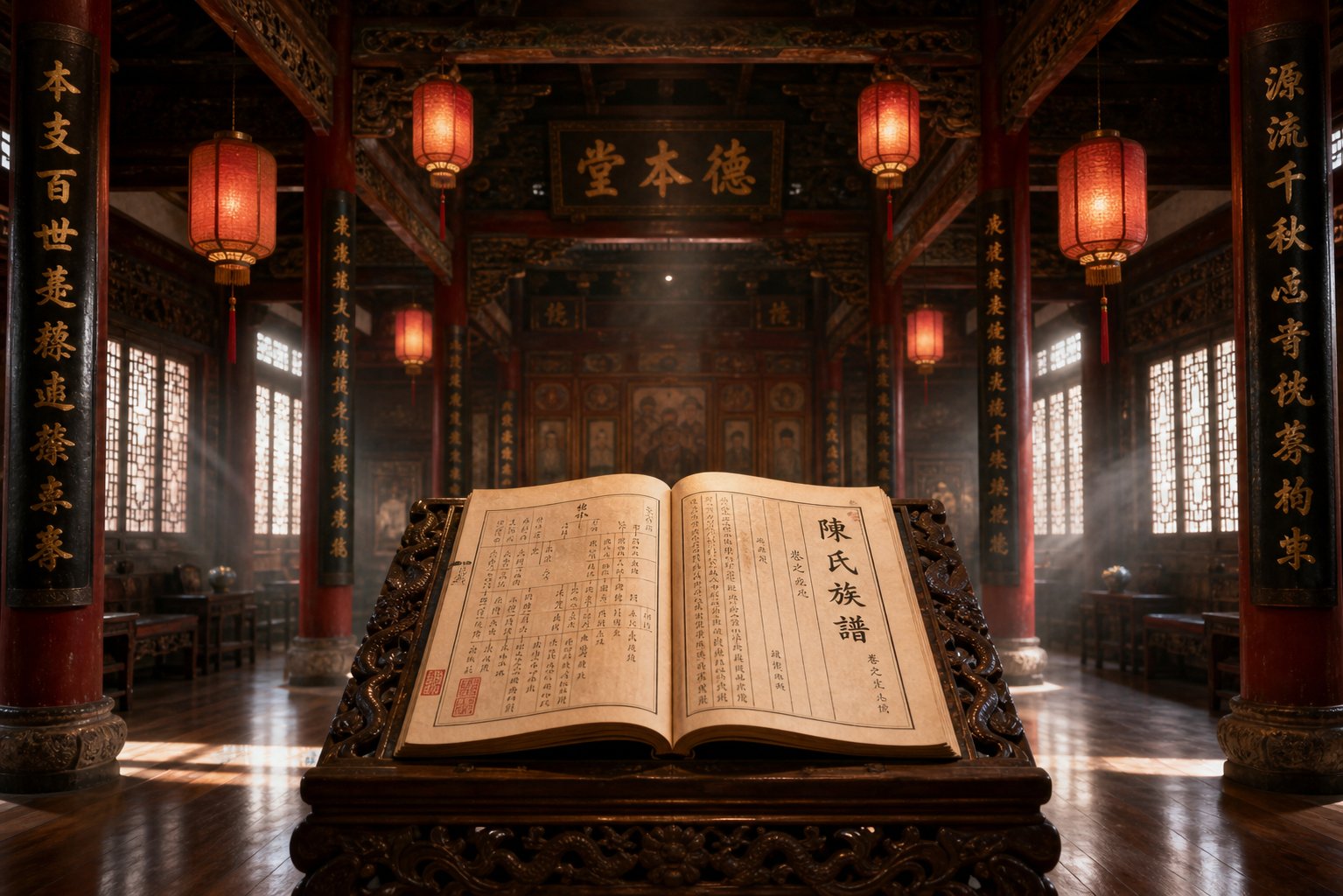
Across southern China, Taiwan, and Southeast Asia, ancestral halls (祠堂, citang) still function as gathering places for clan members who share a surname. These halls display genealogy books called jiapu (家谱), which record lineage from father to son stretching back centuries or even millennia. Many jiapu open with a section on clan origins, and this is where totemic narratives appear: the founding ancestor, the sacred animal or element associated with the clan, and the migration story that brought the family to its current territory.
Cultural festivals reinforce these connections. Surname-based gatherings in Fujian, Guangdong, and overseas Chinese communities in Malaysia, Singapore, and the Philippines regularly feature totemic imagery on banners, temple decorations, and ceremonial objects. For diaspora families who lost direct contact with their ancestral villages, understanding chinese surname meanings and their totemic roots provides a thread to follow back toward specific geographic origins and clan affiliations.
The growing interest is not purely sentimental. Genealogical research using totemic clan data can help identify which branch of a large surname group your family belongs to. Since common chinese full names often share the same surname character across millions of unrelated people, the totemic clan narrative helps narrow the search. A Chen family descended from the State of Chen in Henan has a different migration history than a Chen family from Fujian, even though both share the same character and totem.
Understanding how do chinese names work also matters here. The surname comes first, followed by a one- or two-character given name. In many families, the first character of the given name follows a generational poem (字辈, zibei) that cycles through predetermined characters across generations. Matching your family's generational characters against a jiapu's recorded poem can confirm which clan branch you belong to, connecting you directly to the totemic origin story preserved in that lineage's records.
How to Explore Your Own Surname Totem Origins
If you want to investigate the chinese name meaning embedded in your own family's totemic heritage, here is a practical path forward. These steps work whether you are based in China or anywhere in the diaspora.
- Confirm your surname in Chinese characters. Romanized spellings can be ambiguous. The same spelling might represent different characters. Ask older relatives, check family documents, or look at ancestral tombstone inscriptions to identify the exact character. Resources like FamilySearch offer guidance on matching romanized names to their Chinese equivalents.
- Identify your ancestral hometown. Chinese genealogy is place-based. Knowing your family's province, county, and ideally village narrows your search dramatically. This information often survives in immigration documents, family letters, or oral history from grandparents.
- Search for your family's jiapu. Digitized genealogy books are increasingly available online. FamilySearch hosts a searchable jiapu database where you can input your surname and ancestral location to find matching records. Many jiapu contain origin narratives that reference the clan's totemic history.
- Research your surname's totemic attribution. Academic sources on chinese family names and meanings, including Wang Dayou's published works and university databases like those at Baidu Baike or ctext.org, document the totemic elements associated with major surnames. Cross-reference these with your jiapu's origin section.
- Connect with clan associations. Surname-based organizations exist in most countries with significant Chinese populations. These groups maintain genealogical archives, organize ancestral hall visits, and can help you interpret totemic imagery specific to your branch.
- Visit your ancestral hall if possible. Many halls in China welcome overseas descendants and maintain records that predate available digital archives. The totemic symbols displayed in these halls often reflect local clan traditions not captured in generalized online sources.
Each step builds on the last. The totem is not the endpoint of your research. It is the compass that orients you toward a specific clan origin, a specific migration route, and a specific set of records that can carry your family tree back through dynasties. What begins as a symbolic image of a bird, tree, or archer can lead you to names, dates, and places that reconnect you with ancestors who lived thousands of years before your family ever left China.
Frequently Asked Questions About Chinese Surname Totems
1. Are the Chinese surname totem images found online actually ancient artifacts?
No. The widely shared surname totem designs were created by modern scholar Wang Dayou, who synthesized oracle bone inscriptions, classical texts, and anthropological evidence into artistic reconstructions. While grounded in legitimate research, they represent one scholar's informed interpretation of what clan totems may have looked like, not recovered archaeological objects from ancient tombs or excavation sites.
2. How did ancient Chinese totems become hereditary surnames?
Neolithic clans adopted sacred animals, plants, or natural forces as spiritual protectors and collective identifiers. When neighboring groups asked a clan's identity, the answer was the totem itself. Over generations, as tribes settled into fixed territories with hereditary leadership, these totemic identifiers solidified into permanent clan names passed from parent to child. The Zhou dynasty later unified the older xing and shi naming layers into the single hereditary surname system still used today.
3. Why do surnames like Wong, Ng, and Huang share the same totem?
Wong, Ng, Huang, Ong, and Uy all represent the same Chinese character 黄 and the same yellow oriole clan totem. The spelling differences result from regional dialect pronunciations: Cantonese speakers say Wong, Hokkien and Teochew speakers say Ng or Ong, and Mandarin speakers say Huang. Migration and colonial-era romanization systems created multiple spellings, but the underlying totemic origin and clan history remain identical across all variants.
4. What makes Chinese surname totemism different from other clan totem systems worldwide?
While Native American, Aboriginal Australian, and Celtic cultures all developed totemic clan systems, none evolved into a mandatory universal naming convention. Chinese surname totemism is the only system where totemic clan identifiers transformed into a hereditary surname structure spanning over 4,000 years and used daily by more than a billion people in legal documents, passports, and official records. Other systems remain ceremonial, spiritual, or decorative rather than administrative.
5. How can I find the totem associated with my Chinese surname?
Start by confirming your surname's exact Chinese character, since romanized spellings can be ambiguous. Then research your surname's totemic attribution through academic sources, Wang Dayou's published works, or university databases. For deeper genealogical connections, search for your family's jiapu (genealogy book) through platforms like FamilySearch, identify your ancestral hometown, and connect with surname-based clan associations that maintain archives and can help interpret totemic imagery specific to your lineage branch.