What Chinese Warrior Names Really Mean
When you hear the word "warrior," you might picture a fierce fighter charging into battle. In Chinese culture, the concept runs much deeper. Chinese names meaning warrior carry layers of philosophy, moral duty, and even spiritual aspiration packed into just one or two characters. Each character is chosen with intention, reflecting not just strength but the kind of person a family hopes their child will become.
Why Chinese Warrior Names Carry Deep Meaning
Unlike many Western naming traditions where names are often chosen for sound or family tradition alone, Chinese names function as compressed philosophies. As Temple University's Center for Chinese Language Instruction explains, a Chinese name tells the story of parents' ideals and hopes, aspirations that the bearer often embraces throughout life. Every character carries cultural, historical, and sometimes spiritual significance.
So what chinese name means warrior? The answer is not a single word. It is an entire spectrum of characters expressing courage, protection, righteousness, and discipline. A "warrior name" in Chinese culture is any name built from characters that convey martial virtue, moral bravery, or the strength to defend others. It is less about aggression and more about purpose.
Understanding the Chinese Naming Philosophy
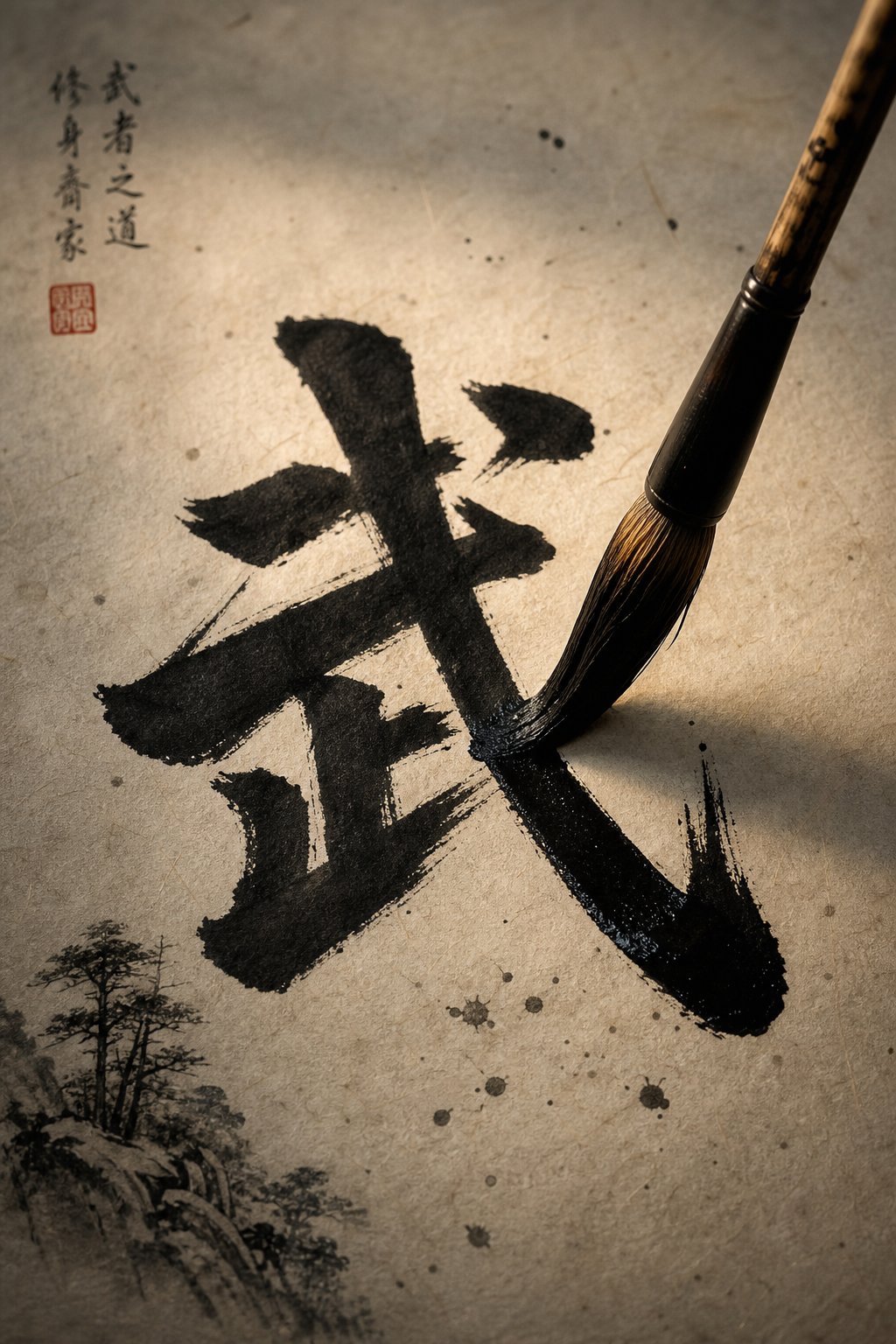
The most revealing example of this philosophy lives inside the character for "martial" itself:
The character 武 (wu, martial) is composed of two parts: 止 (zhi, to stop) and 戈 (ge, a weapon). Its deeper meaning is "one who stops weapons" — reframing the warrior not as an aggressor, but as a peacekeeper.
This single etymology reshapes how you read every Chinese warrior name and meaning built from this character. The warrior ideal here is someone strong enough to end conflict, not start it.
Tones add another critical layer. The same pinyin syllable pronounced with a different tone becomes an entirely different character with a different meaning. Mispronouncing a tone in a name can shift its meaning from something noble to something unfortunate. This is why understanding chinese warrior names and meanings requires attention to both the written character and its spoken form.
In the sections ahead, you will find detailed breakdowns of male and female warrior names, the stories behind famous historical warriors' names, and practical guidance for choosing a warrior-inspired name today. Each entry goes character by character, so you can see exactly where the power in these names comes from.
The Philosophy Behind Chinese Warrior Naming
Three major philosophical traditions shaped what a chinese name meaning warrior actually communicates. Confucianism, Taoism, and Buddhism each contributed a distinct layer to the warrior archetype, and those layers still live inside the characters parents choose today. Understanding these roots helps you see why Chinese warrior names emphasize moral courage over raw aggression.
Confucian Virtues in Warrior Names
Confucianism treats strength as inseparable from righteousness. The character 义 (yi, righteous) appears in countless warrior names because it represents the Confucian ideal that true power must serve justice. A warrior without 义 is merely a brute. This is why names containing 义 signal someone who fights for what is right rather than for personal gain.
The character 勇 (yong, brave) carries similar weight. In the Confucian framework, bravery is not recklessness. It is the courage to act on moral conviction even when the cost is high. Confucius himself distinguished between the bravery of a righteous person and the recklessness of someone without principles. Names built from 勇 reflect that distinction.
Imagine naming a child 义勇 (Yiyong). You are not simply saying "brave and righteous." You are encoding an entire ethical system into two syllables, a reminder that courage must always serve a higher purpose.
Taoist and Buddhist Influences on Martial Naming
Taoism introduced a paradox into warrior naming: the idea that yielding can be the greatest strength. The Tao Te Ching and the Zhuangzi, both foundational Taoist texts, contain principles directly applicable to martial arts and warrior identity. Water overcomes rock not through force but through persistence and adaptability. This philosophy shows up in names that pair martial characters with elements suggesting flexibility, flow, or natural harmony.
Buddhism contributed the concept of the spiritual warrior, someone who battles ignorance and inner weakness rather than external enemies. The Shaolin tradition, where monks trained in martial arts as a form of moving meditation, blurred the line between fighter and philosopher entirely. Characters like 慧 (hui, wisdom) and 明 (ming, clarity) appear in warrior-adjacent names because of this Buddhist influence, suggesting that the sharpest weapon is a disciplined mind.
Together, these three traditions created a warrior ideal unique to Chinese culture. What name means warrior in chinese depends on which philosophical thread you follow: Confucian names emphasize duty and righteousness, Taoist names balance strength with yielding, and Buddhist-influenced names highlight inner mastery.
How Philosophy Separates Chinese Warrior Names from Western Ones
Western warrior names often derive from battlefield roles or physical traits. Names like "Gunnar" (war warrior) or "Harold" (army ruler) describe what a warrior does. Chinese warrior names describe what a warrior is. The character 武 (wu, martial) does not mean "one who fights." As we saw earlier, it means "one who stops weapons." That philosophical gap changes everything about how these names function.
Here is how the three core warrior characters compare in philosophical weight:
- 武 (wu, martial) — Carries the Confucian-Taoist ideal of ending conflict. Used in names that emphasize protective strength.
- 勇 (yong, brave) — Rooted in Confucian moral courage. Suggests someone who acts decisively on principle.
- 义 (yi, righteous) — The ethical backbone. Names with this character signal that strength serves justice.
One critical detail for anyone researching a chinese name that means warrior: tones change everything. Mandarin has four tones plus a neutral tone, and the same pinyin syllable pronounced with a different pitch becomes a completely different word. For example, "wu" in the first tone (wu) means "house" or "nothing" depending on context, while "wu" in the third tone (wu) means "martial." Say "yi" with a falling tone and you get 义 (righteous). Say it with a rising tone and you get 疑 (doubt). A single tonal slip can turn a heroic name into something unintended.
This is why tones are not optional decoration. They are as fundamental to meaning as the characters themselves. When you encounter pinyin in warrior name lists, pay close attention to the tone marks above the vowels. They tell you which character, and which meaning, is actually being referenced.
With these philosophical foundations in place, the specific characters used in male and female warrior names start to make much more sense. Each name becomes a small philosophical statement, not just a label.
Chinese Male Names Meaning Warrior
The philosophical ideals of righteousness, courage, and protective strength translate directly into the characters parents select for their sons. If you are searching for a chinese boy name meaning warrior, the options are far richer than a single translation. Each name combines specific radicals and characters that tell a story about what kind of warrior the bearer is meant to become.
Names Built from the Radical 武 (Martial)
The character 武 (wu, martial) is the most direct warrior marker in Chinese naming. When it appears in a given name, it immediately signals martial virtue. But 武 rarely stands alone in modern naming. It pairs with other characters to create layered meaning.
Consider 志武 (Zhiwu). The first character 志 (zhi) means ambition, will, or aspiration. Combined with 武, the name reads as "one whose ambition is martial virtue" or "aspiring warrior." This is not a name about fighting. It is a name about purposeful strength directed by clear intention.
Another common pairing is 武德 (Wude), where 德 (de) means virtue or moral character. This name literally encodes the philosophy we discussed earlier: martial power governed by ethics. You will also encounter 武杰 (Wujie), pairing martial with 杰 (jie, outstanding or heroic), creating a name that means "outstanding warrior."
Strength and Power Characters for Boys
Beyond 武, several other characters carry warrior energy through different angles. The radical 力 (li, power/strength) appears in characters like 勇 (yong, brave) and 劲 (jin, strong force). Names built from these characters emphasize physical and moral strength without directly referencing weapons or military service.
The character 军 (jun, army/military) is another popular element in chinese male names meaning warrior. It appears in names like 勇军 (Yongjun, brave army) and 建军 (Jianjun, building the army). While 军 carries obvious military associations, in naming context it often suggests discipline, collective strength, and service rather than combat itself.
Characters like 兵 (bing, soldier) and 锋 (feng, blade's edge/vanguard) round out the strength category. 伟兵 (Weibing) combines 伟 (wei, great/mighty) with 兵, creating "great soldier." Meanwhile 锋 suggests sharpness and being at the forefront, making names like 先锋 (Xianfeng, vanguard) or 剑锋 (Jianfeng, sword's edge) popular choices for boys.
Courage and Bravery Names for Male Children
Courage-focused names draw from a slightly different character set. These chinese boy names meaning warrior emphasize the inner quality of bravery rather than external martial identity:
| Chinese Character | Pinyin | Literal Meaning | Cultural Connotation |
|---|---|---|---|
| 志武 | Zhiwu | Ambitious warrior | Purposeful strength guided by clear aspiration |
| 勇军 | Yongjun | Brave army | Courage in service to a collective cause |
| 伟兵 | Weibing | Great soldier | Nobility and greatness in duty |
| 武杰 | Wujie | Outstanding martial one | Exceptional warrior talent and character |
| 剑锋 | Jianfeng | Sword's edge | Sharpness, precision, and decisive action |
| 勇刚 | Yonggang | Brave and firm | Unyielding courage paired with inner steel |
| 铁军 | Tiejun | Iron army | Unbreakable resolve and discipline |
| 威武 | Weiwu | Mighty and martial | Commanding presence that deters conflict |
| 豪杰 | Haojie | Bold hero | Greatness of spirit and heroic character |
| 胜勇 | Shengyong | Victorious and brave | Courage that leads to triumph |
You will notice that many of these names pair two strong characters together. This brings up an important structural point about Chinese naming.
Chinese given names can be either one or two characters long. A single-character given name like 武 (Wu) is direct and powerful but leaves less room for nuance. A double-character given name like 志武 (Zhiwu) allows parents to layer meanings, balancing martial strength with a qualifying virtue. In the warrior naming context, double-character names are more common because they let families specify what kind of warrior they envision: a brave one (勇), a righteous one (义), a disciplined one (军), or a protective one (卫).
The full name structure works like this: surname comes first, followed by the given name. So a boy with the surname 李 (Li) and the given name 志武 (Zhiwu) would be 李志武 (Li Zhiwu). The surname is inherited. The given name is where parents embed their warrior aspirations. When you encounter a male chinese name meaning warrior in a list, you are typically seeing only the given name portion, the part that carries the chosen meaning.
Some families also follow generational naming rules, where one character in the given name is shared among all siblings or cousins of the same generation. In these cases, the "warrior" character might be the generational marker (meaning all brothers share it) or the individual character that distinguishes one child from another. Either way, the warrior meaning remains intentional.
These male warrior names share a common thread: they describe not just strength, but strength in service of something larger. That same principle applies when the tradition extends to female names, where warrior spirit takes on additional dimensions through characters that blend martial virtue with other qualities.
Chinese Girl Names That Mean Warrior
China's warrior tradition is not exclusively male. Centuries before Western cultures began celebrating women in combat roles, Chinese history already recorded female generals, rebel leaders, and martial heroines whose names reflected their fighting spirit. Yet when people search for chinese girl names meaning warrior, they often find far less information than what is available for boys. That gap does not reflect reality. The tradition of female warrior naming is deep, layered, and still very much alive.
Historical Women Warriors and Their Name Meanings
Consider the women whose names became legendary. Fu Hao (妇好), a Shang dynasty queen and military commander from over 3,000 years ago, led armies of 13,000 soldiers into battle. Her name combines 妇 (fu, woman/wife) with 好 (hao, good/fine), yet she was one of the most powerful military figures of her era. The contrast between her gentle-sounding name and her battlefield ferocity illustrates something important: female warrior names in Chinese culture do not always announce themselves with overtly martial characters.
Qin Liangyu (秦良玉) commanded troops during the late Ming dynasty and remains the only woman in Chinese history to have her biography included in the official dynastic histories' section on generals. Her given name 良玉 (Liangyu) means "fine jade," pairing 良 (liang, good/fine) with 玉 (yu, jade). Jade in Chinese culture symbolizes both beauty and unyielding hardness. It is a stone that cannot be easily broken. Her name quietly encodes warrior resilience inside what appears to be a purely elegant image.
Hua Mulan (花木兰), perhaps the most internationally recognized female warrior, carries a name meaning "magnolia flower." Nothing in her name screams combat. Yet her story, taking her father's place in the army and serving with distinction for twelve years, redefined what a warrior name could represent. Her legacy proves that chinese names that mean warrior girl do not require overtly aggressive characters. The warrior meaning can live in the story the name carries forward.
Feminine Characters That Convey Warrior Spirit
Female warrior names in Chinese often work through a blending technique. Rather than stacking purely martial characters the way male names do, they pair one strength-related character with an element drawn from nature, beauty, or grace. The result is a name that honors both warrior spirit and femininity without sacrificing either.
Here is how this blending works in practice:
- Martial + Flower: 英兰 (Yinglan) pairs 英 (ying, heroic/outstanding) with 兰 (lan, orchid). The orchid in Chinese culture represents integrity and quiet strength.
- Victory + Jade: 胜玉 (Shengyu) combines 胜 (sheng, victory) with 玉 (yu, jade), creating "victorious jade" — triumph wrapped in elegance.
- Wisdom + Sword: 慧剑 (Huijian) merges 慧 (hui, wisdom/intelligence) with 剑 (jian, sword), evoking the Buddhist concept of the "wisdom sword" that cuts through ignorance.
- Brave + Phoenix: 勇凤 (Yongfeng) joins 勇 (yong, brave) with 凤 (feng, phoenix), the mythical bird representing feminine power and renewal.
This blending is not about softening the warrior meaning. It is about expanding it. A name like 英兰 says that heroism and grace are not opposites. They coexist. For parents seeking female chinese names meaning warrior, this approach offers names that feel complete rather than one-dimensional.
Modern Girl Names Inspired by Warrior Virtues
The table below collects chinese girl names that mean warrior across different stylistic approaches, from overtly martial to subtly fierce:
| Chinese Character | Pinyin | Meaning | Historical/Literary Reference |
|---|---|---|---|
| 英兰 | Yinglan | Heroic orchid | Echoes the orchid symbolism in classical poetry representing integrity under pressure |
| 慧剑 | Huijian | Wise sword | Buddhist concept of prajna (wisdom) as a blade that severs delusion |
| 胜玉 | Shengyu | Victorious jade | Jade as unbreakable virtue; echoes Qin Liangyu's legacy |
| 武娟 | Wujuan | Martial grace | Direct martial character paired with feminine elegance |
| 凤英 | Fengying | Phoenix hero | Phoenix as symbol of feminine power in Chinese mythology |
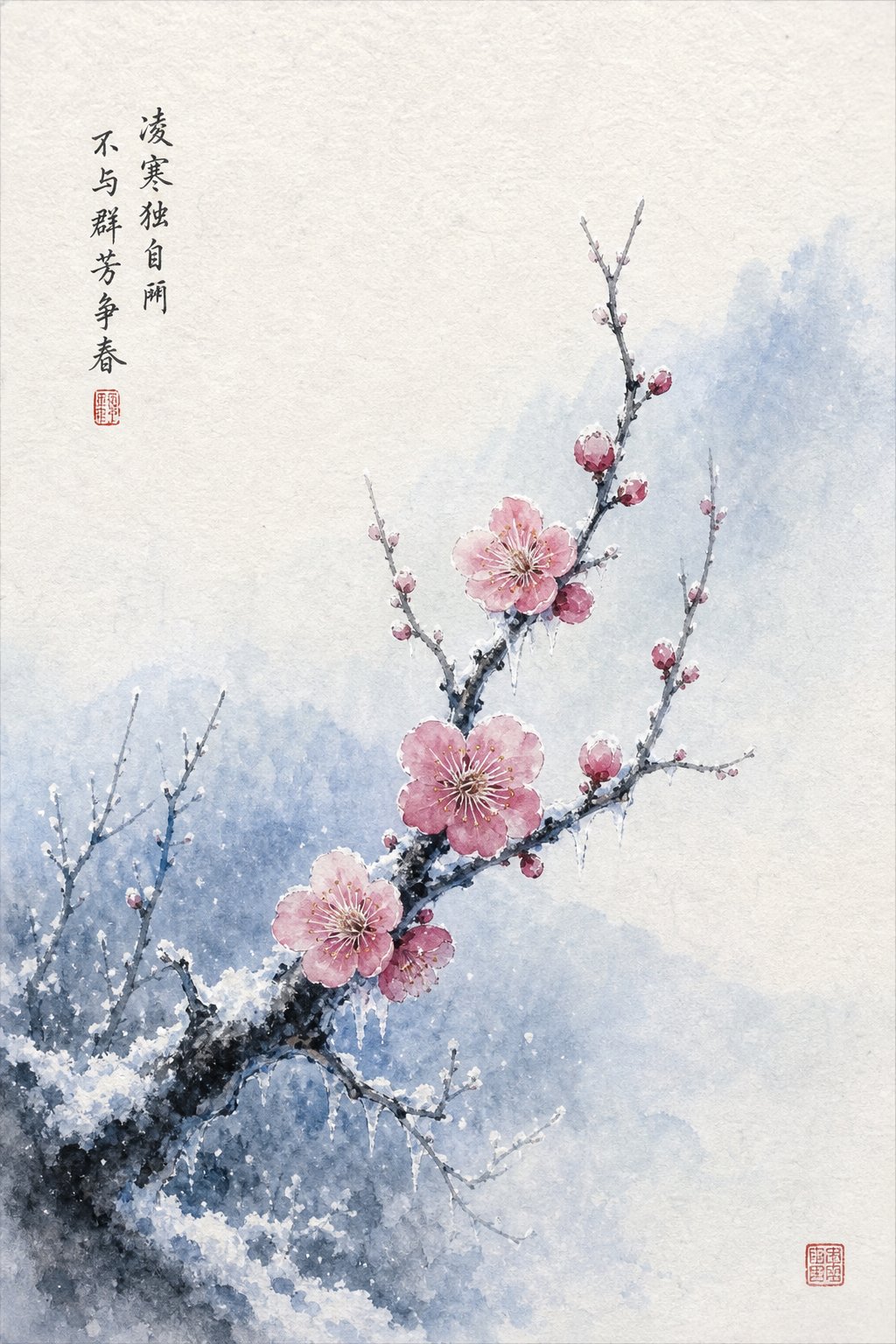
| 铁梅 | Tiemei | Iron plum blossom | Plum blossom blooms in winter, symbolizing resilience; popularized in revolutionary opera |
| 卫红 | Weihong | Defending red/glory | 卫 (defend/protect) gives direct warrior meaning with feminine usage |
| 剑兰 | Jianlan | Sword orchid | Also the Chinese name for gladiolus (literally "sword flower") |
| 勇梅 | Yongmei | Brave plum blossom | Courage paired with the flower that endures harshest conditions |
| 英华 | Yinghua | Heroic brilliance | 华 suggests both splendor and China itself, layering cultural pride into heroism |
You will notice patterns in this table. The characters 英 (heroic), 胜 (victorious), 武 (martial), 勇 (brave), and 卫 (defend) provide the warrior foundation. Then characters like 兰 (orchid), 玉 (jade), 梅 (plum blossom), 凤 (phoenix), and 华 (brilliance) add dimension without diluting the martial meaning.
Some names lean harder into the warrior side. 武娟 (Wujuan) places the martial character first, making the warrior identity unmistakable. Others, like 英华 (Yinghua), carry their strength more subtly. Both approaches are legitimate, and the choice often reflects family preference and regional naming trends.
A few characters deserve special attention for anyone researching chinese female names meaning warrior. The character 英 (ying) is particularly versatile. It means heroic, outstanding, or brave, yet it does not carry the heavily militaristic weight of 武 or 兵. This makes it one of the most popular choices for girls' names where parents want warrior spirit without an overtly combative tone. Similarly, 卫 (wei, defend/protect) frames the warrior as guardian rather than aggressor, which aligns with how many families envision strength for their daughters.
The character 剑 (jian, sword) appears in female names more often than you might expect. In literary Chinese culture, the sword represents refinement and precision rather than brute force. A swordswoman in classical literature is typically depicted as graceful and highly skilled, someone whose power comes from discipline rather than size. Names like 慧剑 (Huijian) and 剑兰 (Jianlan) tap into this tradition directly.
What makes these names powerful is their refusal to treat femininity and warrior spirit as contradictions. The plum blossom blooms when everything else has frozen. The phoenix rises from destruction. Jade endures what softer stones cannot. These are not decorative additions to warrior names. They are warrior metaphors in their own right, drawn from a cultural vocabulary where resilience, endurance, and renewal are recognized as forms of strength.
The historical warriors behind these naming traditions were real people whose actual names now appear in dynastic records and military histories. Their stories, and the etymological weight their names carry, reveal how deeply warrior identity is woven into Chinese culture across gender lines.
Famous Chinese Warriors and What Their Names Mean
Real warriors from Chinese history carried names that were not random labels. They were prophecies, aspirations, and philosophical statements compressed into one or two characters. Breaking down the chinese warrior names meanings of figures like Guan Yu, Yue Fei, Sun Tzu, and Hua Mulan reveals how naming conventions worked across centuries and how a single name could carry multiple layers of identity.
Before diving into individual names, you need to understand a naming system unique to classical China. Historical figures often had three distinct types of names, each serving a different purpose:
- Given name (名 ming): The birth name chosen by parents, used in formal or official contexts.
- Courtesy name (字 zi): A name taken at adulthood (typically age 20 for men), used by peers and associates as a sign of respect. Using someone's given name directly was considered impolite among equals.
- Posthumous name (谥号 shihao): A title bestowed after death by the court or later generations, summarizing the person's legacy in one or two characters.
Each layer adds meaning. A chinese name meaning famous warrior often refers to the given name, but the courtesy and posthumous names reveal even more about how that warrior was perceived during and after their lifetime.
Guan Yu and the Meaning Behind His Name
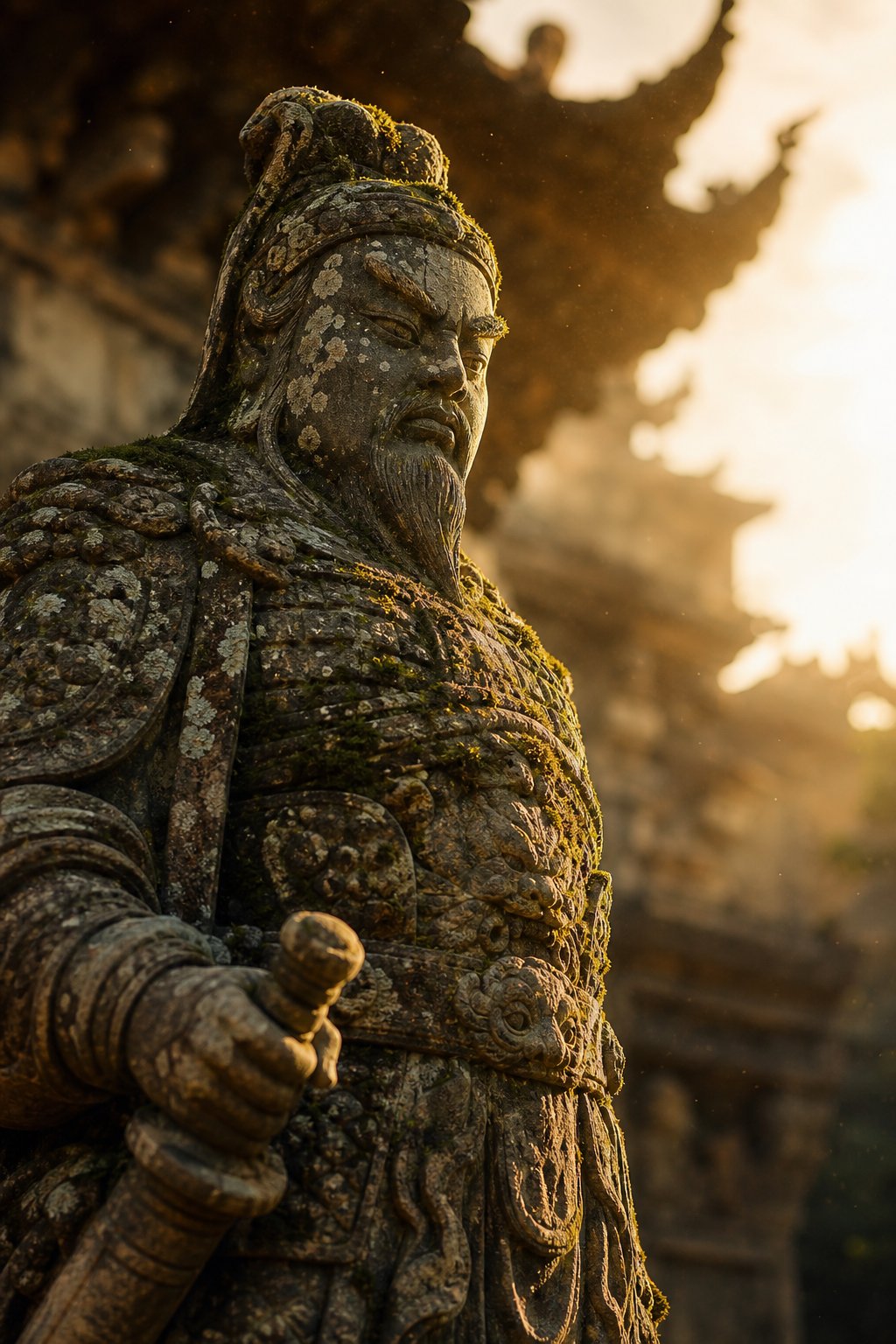
Guan Yu (关羽) is arguably the most revered warrior in Chinese culture, worshipped as a god of war, loyalty, and righteousness in temples across East Asia. His name breaks down into two characters with striking imagery.
The surname 关 (Guan) means "pass" or "barrier," referring to a mountain pass or fortified gate. His given name 羽 (Yu) means "feather" or "plume." Together, the full name evokes something like "feathered barrier" — a defender who moves with speed and grace. The feather imagery suggests flight, lightness, and the plumes of a warrior's helmet or an arrow in motion.
His courtesy name tells a different story. 云长 (Yunchang) means "long as clouds" or "vast as clouds," suggesting boundless aspiration and a spirit that stretches across the sky. This name was not given at birth. It was chosen to reflect the man Guan Yu had become: someone whose reputation and virtue extended beyond any single battlefield.
In Romance of the Three Kingdoms, Guan Yu is described as having "a face like a heavy jujube, lips of cinnabar red, phoenix eyes, and silkworm-brow eyebrows" — his physical description matching the grandeur encoded in his courtesy name Yunchang, a presence as vast and unmistakable as clouds stretching across the horizon.
His posthumous name adds yet another layer. Centuries after his death, Guan Yu received the posthumous title 壮缪 (Zhuangmiu) during the Three Kingdoms period, but later dynasties elevated him further. By the Ming and Qing dynasties, he was honored as 关帝 (Guandi, Emperor Guan), a title reflecting his elevation from mortal warrior to divine protector. The evolution of his names mirrors his transformation in Chinese culture from a historical general to a symbol of absolute loyalty.
What Yue Fei and Sun Tzu's Names Reveal
Yue Fei (岳飞) is the Song dynasty general whose name has become synonymous with patriotic devotion. His name carries a vivid origin story. The character 岳 (Yue) means "great mountain" or "sacred peak," referring to the five sacred mountains of China. The character 飞 (Fei) means "to fly." A mountain that flies. Immovable strength given the power of motion.
According to historical records, his parents chose this name because a large bird resembling a swan was seen flying and crying above the house at the time of his birth. They named him Fei (to fly) and gave him the courtesy name 鹏举 (Pengju), meaning "soaring roc" — referencing the mythical Peng bird from Zhuangzi's philosophy, a creature so vast it darkens the sky when it takes flight.
The parallel between given name and courtesy name is deliberate. 飞 (fly) becomes 鹏举 (the great roc soars). The courtesy name expands and elevates the birth name's meaning, transforming a simple image of flight into a cosmic metaphor for limitless ambition. After his wrongful execution and later rehabilitation, Yue Fei received the posthumous name 武穆 (Wumu), where 武 means martial and 穆 means solemn or reverent. He was later further honored as 忠武 (Zhongwu) — "loyal and martial" — the highest praise a warrior could receive in the Chinese posthumous naming system.
Yue Fei's famous ci poem "The River All Red" opens with the line "Hair standing on end in anger" — a fury so righteous it became a patriotic anthem recited for nearly nine centuries, embodying the warrior spirit his name Pengju (soaring roc) promised from birth.
Sun Tzu (孙子) presents a fascinating contrast. His name is not actually a personal name at all. 孙 (Sun) is his surname, meaning "grandchild" or "descendant." 子 (Zi) is an honorific meaning "master" or "philosopher," the same suffix used for Confucius (孔子 Kongzi) and Laozi (老子). His actual given name was 武 (Wu) — martial — making his full name Sun Wu (孙武). The title "Sun Tzu" simply means "Master Sun."
Think about that. The man who wrote the most influential military treatise in human history carried the given name 武 (Wu, martial) — the same character that means "one who stops weapons." His courtesy name was 长卿 (Changqing), meaning "enduring minister" or "long-serving official," suggesting his family envisioned a life of sustained service rather than fleeting battlefield glory. The name that history remembers him by, Sun Tzu, tells you his status (a revered master) rather than his warrior identity. Yet his actual given name, Wu, places him squarely in the warrior naming tradition.
Hua Mulan's Name and Its Warrior Legacy
Hua Mulan (花木兰) carries what might be the most poetic chinese name meaning daughter of great warrior — though her name itself contains no martial characters whatsoever. 花 (Hua) means "flower." 木兰 (Mulan) means "magnolia" (literally "wood orchid"). Her full name translates to "magnolia flower." Nothing about swords, armies, or battle.
Yet this name became one of the most powerful warrior names in Chinese history precisely because of the contrast between its gentle meaning and the extraordinary story it represents. Mulan's name demonstrates a principle central to Chinese warrior naming: the warrior is defined by actions and character, not by aggressive labeling. A flower that rides to war and returns victorious after twelve years of service redefines what strength looks like.
The magnolia itself carries symbolic weight. It blooms early in spring, often before its leaves appear, standing bare and exposed yet beautiful. In Chinese literary tradition, the magnolia represents dignity, purity, and quiet determination. These are not passive qualities. They describe someone who acts from inner conviction without needing external validation.
It is worth noting that "Hua Mulan" as a full name may be partly literary construction. The original Ballad of Mulan (木兰辞) from the Northern Wei dynasty refers to her simply as 木兰 (Mulan). The surname 花 (Hua, flower) was added in later retellings. Whether historical or literary, the name's legacy is real: it proved that chinese warrior names meanings do not require overtly martial characters to carry warrior power. Sometimes the most enduring warrior name is one that lets the story speak louder than the syllables.
These four names span different dynasties, different naming conventions, and different relationships between name and identity. Guan Yu's name hints at his nature through imagery. Yue Fei's name was a prophecy fulfilled. Sun Tzu's real name hid behind an honorific title. Mulan's name contradicted her actions in a way that made both more powerful. What connects them is the Chinese understanding that a name is not a fixed label but a living relationship between characters, meaning, and the life that unfolds beneath them.
The characters within these names — 羽, 飞, 武, 木兰 — are themselves built from smaller components called radicals. Understanding how those radicals combine to form warrior-related characters opens up an entirely different way of reading and constructing names with martial meaning.
Character Radicals That Build Warrior Names
Every Chinese character is assembled from smaller visual components called radicals. Think of them as the DNA of the writing system. A radical signals the character's semantic category, its general meaning territory, before you even know the full word. When you spot certain radicals inside a name, you can immediately tell whether that name belongs to the warrior tradition. This is the key to reading chinese names that mean warrior at a structural level rather than relying on memorized translations.
Key Radicals That Signal Warrior Meaning
Chinese radicals function as meaning indicators embedded within characters. They are mostly autonomous characters with their own definitions, and when combined with other elements, they build new meanings. Six radicals appear repeatedly in warrior-related names, each pointing to a different facet of martial identity:
| Radical | Pinyin | Core Meaning | Example Names |
|---|---|---|---|
| 力 | li | Power, strength, force | 勇刚 (Yonggang), 力行 (Lixing), 伟力 (Weili) |
| 刀 | dao | Blade, knife, cutting | 剑锋 (Jianfeng), 慧剑 (Huijian), 剑兰 (Jianlan) |
| 弓 | gong | Bow, archery, tension | 弘强 (Hongqiang), 张弛 (Zhangchi), 强弓 (Qianggong) |
| 戈 | ge | Halberd, weapon, conflict | 武威 (Wuwei), 战勇 (Zhanyong), 成武 (Chengwu) |
| 金 | jin | Metal, gold, sharpness | 铁军 (Tiejun), 铁梅 (Tiemei), 锋利 (Fengli) |
| 马 | ma | Horse, speed, cavalry | 骏飞 (Junfei), 驰骋 (Chicheng), 骁勇 (Xiaoyong) |
Notice how each radical opens a different door into warrior meaning. 力 points to raw strength. 刀 suggests precision and sharpness. 弓 evokes tension and release. 戈 connects directly to weaponry and the martial character 武 itself. 金 (the metal radical) appears in characters for iron, steel, and bladed weapons. And 马 brings in the cavalry tradition, speed, and battlefield mobility.
For anyone searching for a chinese boy names that mean warrior or a chinese girl name meaning warrior, recognizing these radicals inside unfamiliar characters instantly tells you whether a name carries martial weight.
How Radicals Combine to Form Warrior Names
Radicals do not just sit inside characters as passive labels. They interact with other components to create layered meaning. The character 勇 (yong, brave) is a perfect example. It combines 甬 (yong, a path or passage) on top with 力 (li, strength) on the bottom. The visual logic: strength to forge a path forward. Bravery, in this construction, is not about standing still and absorbing blows. It is about having the force to keep moving through resistance.
Here are more examples of how radical combinations create warrior meaning:
- 武 (wu, martial): Combines 止 (zhi, stop) with 戈 (ge, halberd). Strength that halts weapons. The peacekeeper warrior.
- 战 (zhan, battle): Combines 占 (zhan, to occupy) with 戈 (ge, halberd). To take a position with a weapon. Direct combat meaning.
- 锋 (feng, blade's edge): Combines 金 (jin, metal) with 丰 (feng, abundant). An abundance of sharpness. The vanguard, the cutting edge.
- 骁 (xiao, valiant): Combines 马 (ma, horse) with 尧 (yao, lofty). A horse that rises above. Suggests a mounted warrior of exceptional skill.
- 剑 (jian, sword): Contains 刀 (dao, blade) as its radical. The blade component tells you immediately this character belongs to the world of edged weapons.
Each combination follows its own internal logic. When you encounter an unfamiliar character in a warrior name, look for these radicals first. They are your entry point into the meaning.
Reading Warrior Names Through Their Components
Imagine you see the name 骏锋 (Junfeng) and do not recognize it. Break it down. 骏 contains the 马 (horse) radical, so it relates to horses. It means "fine steed" or "excellent horse." 锋 contains the 金 (metal) radical, pointing to blades and sharpness. It means "blade's edge" or "vanguard." Together: a swift, sharp warrior who leads the charge. You decoded the name without memorizing it as a unit.
This radical-reading skill works across gender. A name like 铁梅 (Tiemei) breaks into 铁 (tie, iron, containing the 金 radical) and 梅 (mei, plum blossom). Iron resilience paired with the flower that blooms in winter. The metal radical tells you this is a strength name. The plum blossom tells you it is also a name about endurance through hardship.
Not every radical maps perfectly to meaning. As language resources note, radicals sometimes indicate pronunciation rather than semantics, and exceptions exist. But in the warrior naming tradition specifically, the six radicals listed above are remarkably consistent markers. When 力, 刀, 弓, 戈, 金, or 马 appears inside a character used in a name, you can be confident that martial meaning is present.
This component-level understanding transforms how you approach warrior names. Instead of needing a dictionary entry for every character, you develop pattern recognition. You start seeing the architecture beneath the surface, the same architecture that Chinese naming traditions have relied on for thousands of years as dynasties rose, fell, and reshaped what it meant to carry a warrior's name.
How Warrior Names Evolved Across Chinese Dynasties
The radicals and characters used in warrior names did not appear in a vacuum. They gained and lost popularity as China's political landscape shifted across thousands of years. Each dynasty brought new military realities, philosophical priorities, and social structures that reshaped what parents meant when they gave a child a martial name. Tracing that evolution reveals why certain warrior characters dominate in one era and fade in another.
Zhou and Han Dynasty Warrior Naming Patterns
During the Zhou dynasty (1046–256 BCE), naming was inseparable from ritual. The aristocratic class chose names that reflected Confucian virtues and cosmic order. Warrior names in this period leaned heavily on characters expressing moral duty rather than battlefield prowess. Characters like 义 (yi, righteous) and 德 (de, virtue) appeared in the names of military nobles because the Zhou ideal demanded that a warrior justify his strength through ethical conduct. Fighting without virtue was considered barbarism, not heroism.
The Han dynasty (206 BCE–220 CE) changed the equation. Massive military expansion into Central Asia, Korea, and Vietnam created a culture that openly celebrated martial achievement. Names built from 武 (wu, martial), 军 (jun, army), and 勇 (yong, brave) became more common across social classes, not just among aristocrats. The Han also formalized the posthumous naming system, where fallen warriors received titles like 武 or 壮 (zhuang, vigorous) to honor their service. This created a feedback loop: parents named sons after the posthumous virtues they hoped those sons would one day earn.
Tang Dynasty Warrior-Poet Names
The Tang dynasty (618–907 CE) fused martial valor with literary brilliance in ways no previous era had achieved. Tang China's cosmopolitan culture produced warrior-poets who were equally comfortable with a sword and a brush. This created a naming trend where martial characters paired with literary or artistic ones. A Tang-era warrior name might combine 剑 (jian, sword) with 文 (wen, literature) or 武 (wu, martial) with 诗 (shi, poetry).
The Tang also elevated the concept of the righteous protector to near-sacred status. The legendary 13 Shaolin warrior monks who aided prince Li Shimin in battle around 621 CE became cultural icons, blending Buddhist spiritual discipline with martial skill. Their legacy reinforced the idea that a holy warrior — someone whose fighting served a transcendent moral purpose — represented the highest form of martial identity. Names reflecting this ideal combined characters for loyalty (忠 zhong), protection (卫 wei), and spiritual clarity (明 ming).
Key naming trends shifted with each era:
- Zhou dynasty (1046–256 BCE): Ritual-bound names emphasizing virtue (德), righteousness (义), and cosmic harmony. Warriors named for moral qualities, not combat skills.
- Han dynasty (206 BCE–220 CE): Military expansion popularized overtly martial names using 武, 军, 勇, and 兵. Posthumous warrior titles influenced living naming choices.
- Tang dynasty (618–907 CE): Warrior-poet fusion. Martial characters paired with literary and spiritual elements. The righteous protector ideal reached its peak.
- Song dynasty (960–1279 CE): The scholar-warrior emerged. Names blended martial strength with intellectual refinement — characters like 文武 (Wenwu, civil and martial) reflected the ideal of mastering both domains.
- Ming dynasty (1368–1644 CE): Patriotic warrior names surged during periods of foreign threat. Characters expressing loyalty (忠) and national defense (卫国) became popular as the dynasty faced Mongol and later Manchu pressure.
The Song and Ming dynasties deepened the scholar-warrior ideal that the Tang had introduced. Song-era culture elevated civil officials above military commanders, yet figures like Yue Fei proved that martial heroism still commanded enormous respect. His legacy inspired generations of parents to choose names encoding both loyalty and martial skill. The Ming dynasty's constant border conflicts then pushed naming conventions back toward overtly protective and patriotic characters.
How Surname Traditions Connect to Warrior Heritage
Given names are only half the story. Some chinese last names meaning warrior carry martial associations baked into the surname character itself, passed down through hundreds of generations.
The surname 张 (Zhang) is one of the clearest examples. As research on Chinese surnames notes, Zhang is considered a "martial surname" — roughly one third of historically famous Zhangs were military figures. The character 张 contains the radical 弓 (gong, bow), and legend traces the name's origin to a son of the Yellow Emperor who invented the longbow. Every person surnamed Zhang carries that archery heritage in their family name whether they know it or not.
Other surnames with warrior connections include:
- 司马 (Sima): A double surname meaning "master of horses," originally a military title for the officer commanding cavalry forces.
- 尉 (Wei): Derived from a military rank equivalent to "commandant" or garrison commander.
- 李 (Li): China's most common surname gained its dominance partly because Tang dynasty emperor Li Shimin granted his surname to accomplished military ministers as a reward for service, massively expanding the Li clan.
- 武 (Wu): Used as both a given name and a surname, directly meaning "martial." Anyone with this chinese last name meaning warrior carries the peacekeeper etymology in their family identity.
The concept of a chinese last name meaning holy warrior evolved through these dynastic shifts. In the Zhou period, a "holy warrior" meant someone whose martial conduct aligned with ritual propriety. By the Tang, it meant a righteous protector whose fighting served Buddhist or Confucian moral law. By the Song and Ming, it meant a patriot-scholar whose loyalty to the nation elevated combat into sacred duty. The characters stayed the same. The philosophy behind them kept deepening.
What remained constant across every dynasty was the belief that a warrior's name should aspire upward. Whether the era favored ritual virtue, military glory, poetic fusion, or scholarly patriotism, the naming tradition always pointed toward an ideal rather than a description. Parents did not name children for what they were. They named them for what they could become — and the dynasty they lived in shaped what that ideal looked like.
Choosing a Chinese Warrior Name for Modern Use
Knowing the history, philosophy, and radicals behind warrior names is one thing. Actually selecting a name for real-world use is another challenge entirely. Whether you are a parent naming a baby, a novelist building a character, or a martial arts practitioner seeking a Chinese name, the considerations shift depending on your purpose. The wrong choice can sound awkward, carry unintended meaning, or cross cultural boundaries you did not know existed.
Choosing a Warrior Name for a Baby
Parents searching for chinese names for girls meaning warrior or strong martial names for boys face a practical reality: a name chosen today will be spoken thousands of times across a lifetime. It needs to work in everyday contexts, not just on paper. Modern Chinese naming balances meaning with livability.
According to naming convention research, Chinese parents typically weigh meaning, pronunciation, and visual form simultaneously. For warrior-themed names specifically, here is a checklist of considerations:
- Tonal harmony: The surname and given name characters should flow through different tones when spoken aloud. Three consecutive third-tone characters, for example, create an awkward stumbling rhythm. A name like Li Zhiwu (李志武) moves through third, fourth, and third tones, creating natural variation.
- Character stroke count: Traditional families consider the total stroke count of the full name for numerological balance. Extremely complex characters (15+ strokes) paired with a simple surname can look visually lopsided. A child will also need to write their name thousands of times throughout school.
- Generational naming rules: Some families designate one character in the given name as a generational marker shared by all siblings and cousins. If your family follows this tradition, the warrior character might need to occupy the non-generational slot.
- Avoiding characters with dual meanings: Some warrior characters carry secondary meanings that create problems. 兵 (bing, soldier) can also mean "weapon" or colloquially suggest low rank. 杀 (sha, kill) is too aggressive for modern naming despite its martial connection. 战 (zhan, battle) sounds strong but may feel overly combative for everyday life.
- Homophone awareness: As naming structure guides emphasize, a name must avoid phonetic collisions with common words carrying negative connotations. A beautiful-looking name that sounds like "bad luck" or "illness" when spoken aloud would never be used by a knowledgeable namer.
If you are looking for a chinese girl name that means warrior for a baby, characters like 英 (ying, heroic), 卫 (wei, defend), and 胜 (sheng, victorious) tend to age well. They carry warrior spirit without sounding overly militaristic in a school classroom or office setting. For a chinese name meaning little warrior for a girl, softer pairings like 小英 (Xiaoying, little hero) or 小勇 (Xiaoyong, little brave one) use the diminutive 小 (xiao, little/young) to create an endearing yet strong name suitable for childhood that still carries weight in adulthood.
Name structure matters too. The surname always comes first. A warrior-themed given name follows it, either as one or two characters. The current trend in China favors two-character given names, which give you more room to balance martial meaning with a complementary quality. Census data from 2020 confirms this shift: the most popular baby names are overwhelmingly two characters, moving away from the single-character given names that dominated the 1980s and 1990s.
Warrior Names for Fiction and Creative Projects
Fiction writers and game designers have more freedom than parents. A character in a novel or video game can carry a name that would be too dramatic for real life. Names like 战天 (Zhantian, battle the heavens) or 血刃 (Xueren, blood blade) work in fantasy settings but would raise eyebrows on a birth certificate.
For creative projects, consider these guidelines:
- Match the era. A Tang dynasty warrior-poet should not carry a name that uses simplified characters or modern naming patterns. Research the dynasty's naming conventions for authenticity.
- Use the full name structure. Give your character a surname, a given name, and possibly a courtesy name. This three-layer system adds depth and signals to Chinese-speaking readers that you have done your homework.
- Female warriors need not follow male patterns. When developing female chinese names that mean warrior for fictional characters, the blending technique (martial + nature/beauty element) creates more nuanced characters than simply giving a woman a stereotypically male name. A character named 剑兰 (Jianlan, sword orchid) tells a richer story than one named 大武 (Dawu, great martial).
- Avoid real historical names. Using Guan Yu or Yue Fei's actual names for fictional characters can feel disrespectful to Chinese audiences who revere these figures. Create original combinations using the same radicals and principles instead.
Martial arts practitioners seeking a Chinese training name occupy a middle ground. The name should feel authentic and carry genuine martial meaning, but it also needs to be pronounceable and memorable. Characters like 武 (wu), 龙 (long, dragon), and 虎 (hu, tiger) are popular in martial arts contexts because they are recognizable even to non-Chinese speakers. Pairing them with a virtue character creates something more personal: 武德 (Wude, martial virtue) or 龙勇 (Longyong, dragon courage).
Cultural Sensitivity and Names to Approach Carefully
Some warrior names that appear in historical or literary contexts are not appropriate for modern use. Understanding the boundary matters, especially for non-Chinese individuals adopting Chinese names.
Names to approach with caution:
- Imperial or divine titles: Names incorporating 帝 (di, emperor) or 圣 (sheng, holy/sage) can sound presumptuous. These characters were historically reserved for rulers and religious figures.
- Overtly violent characters: 杀 (sha, kill), 血 (xue, blood), and 死 (si, death) carry warrior associations but are considered inauspicious and inappropriate for personal names in Chinese culture.
- Characters with political weight: Some names gained strong political associations during the Cultural Revolution era. Names like 卫红 (Weihong, defend the red) or 卫东 (Weidong, defend the East) carry historical baggage that may not be immediately obvious to outsiders.
- Cantonese versus Mandarin considerations: If you are researching a chinese name meaning daughter of great warrior in Cantonese, remember that the same characters are pronounced differently in Cantonese and Mandarin. A name that flows beautifully in Mandarin tones might clash in Cantonese pronunciation, and vice versa. Regional dialect matters for families who will use the name daily in a specific linguistic context.
The difference between historical and modern naming is significant. A name like 铁木真 (Tiemuzhen, Genghis Khan's birth name meaning "of iron") works as a historical reference but would be culturally loaded as a modern baby name. Similarly, female chinese names that mean warrior drawn from revolutionary opera characters (like 铁梅, Tiemei) carry era-specific associations that some families embrace and others avoid. Context determines appropriateness.
For anyone serious about choosing a warrior name with lasting value, the most reliable path is consultation. Native Chinese speakers can catch tonal clashes, unfortunate homophones, and cultural connotations that no dictionary will flag. If you are naming a baby, a professional naming consultant can check the name against Five Elements balance, stroke count traditions, and regional pronunciation. If you are writing fiction, a cultural sensitivity reader familiar with Chinese naming conventions can prevent errors that would break immersion for Chinese-speaking audiences.
The characters explored throughout this article — 武, 勇, 义, 英, 卫, 剑, and dozens more — are building blocks, not finished products. A warrior name gains its true power not from the characters alone but from the intention behind their selection, the life that carries them forward, and the cultural understanding that holds them together. Choose with care, and the name becomes more than a label. It becomes a quiet declaration of the strength you hope to see in the world.
Frequently Asked Questions About Chinese Warrior Names
1. What Chinese name means warrior?
There is no single Chinese name that means warrior. Instead, multiple characters convey warrior meaning through different angles. The most direct is 武 (wu, martial), which etymologically means 'one who stops weapons.' Other common warrior characters include 勇 (yong, brave), 义 (yi, righteous), 军 (jun, army), and 卫 (wei, defend). Chinese warrior names typically combine two characters to create layered meaning, such as 志武 (Zhiwu, ambitious warrior) or 英勇 (Yingyong, heroic and brave). The specific character chosen depends on whether the intended meaning emphasizes courage, protection, righteousness, or military strength.
2. What are good Chinese girl names that mean warrior?
Chinese girl names meaning warrior often blend martial characters with elements from nature or beauty, creating names that honor both strength and femininity. Popular choices include 英兰 (Yinglan, heroic orchid), 胜玉 (Shengyu, victorious jade), 慧剑 (Huijian, wise sword), 铁梅 (Tiemei, iron plum blossom), and 凤英 (Fengying, phoenix hero). Characters like 英 (heroic), 卫 (defend), and 胜 (victorious) provide the warrior foundation, while 兰 (orchid), 玉 (jade), and 梅 (plum blossom) add cultural depth. These natural elements are themselves warrior metaphors in Chinese culture, representing resilience, endurance, and unyielding strength.
3. What does the Chinese character 武 (wu) actually mean?
The character 武 (wu) is commonly translated as 'martial' or 'military,' but its etymology reveals a deeper meaning. It combines two components: 止 (zhi, to stop) and 戈 (ge, a halberd or weapon). The original meaning is 'one who stops weapons,' reframing the warrior as a peacekeeper rather than an aggressor. This etymology reflects the Confucian and Taoist philosophical ideal that true martial strength exists to end conflict, not to start it. The character appears in countless warrior names like 武德 (Wude, martial virtue) and 武杰 (Wujie, outstanding warrior), and it is also used as both a surname and a given name.
4. Do Chinese last names carry warrior meanings?
Yes, several Chinese surnames carry inherent warrior associations traced back to military origins. The surname 张 (Zhang) contains the bow radical 弓 and legend connects it to the invention of the longbow. 司马 (Sima) is a double surname meaning 'master of horses,' originally a cavalry commander title. 尉 (Wei) derives from a military rank equivalent to commandant. The surname 武 (Wu) directly means 'martial.' Even 李 (Li), China's most common surname, expanded partly because Tang dynasty emperor Li Shimin granted his surname to accomplished military ministers as a reward for service.
5. How do I choose a culturally appropriate Chinese warrior name?
Choosing a Chinese warrior name requires attention to tonal harmony, character stroke count, homophone awareness, and cultural connotations. Avoid overtly violent characters like 杀 (kill) or 血 (blood), which are considered inauspicious for personal names. Steer clear of imperial titles like 帝 (emperor) or 圣 (sage), which can sound presumptuous. Consider whether the name will be used in Mandarin or Cantonese, as pronunciation differs significantly. For baby names, characters like 英 (heroic), 卫 (defend), and 勇 (brave) age well in everyday contexts. Consulting a native Chinese speaker or professional naming consultant is strongly recommended to catch tonal clashes and unfortunate homophones that dictionaries will not flag.