Why Chinese Parents Choose Water Element Names
Imagine giving your child a name that does more than sound beautiful. In Chinese culture, a name carries intention, philosophy, and even cosmic balance. When parents seek chinese water names for babies, they are tapping into a tradition thousands of years old, one where every character is chosen to shape a child's destiny.
Naming a baby in China has never been a casual decision. As feng shui master Shi Jiuzheng explains, the characters in a name should be "well-shaped and coordinated, and their meanings should be auspicious and suitable for the baby." This careful approach stems from a belief that names actively influence a person's fortune and path in life. Water themed names, in particular, hold a special place because of what the water element represents in Chinese philosophy.
Why Water Element Names Matter in Chinese Culture
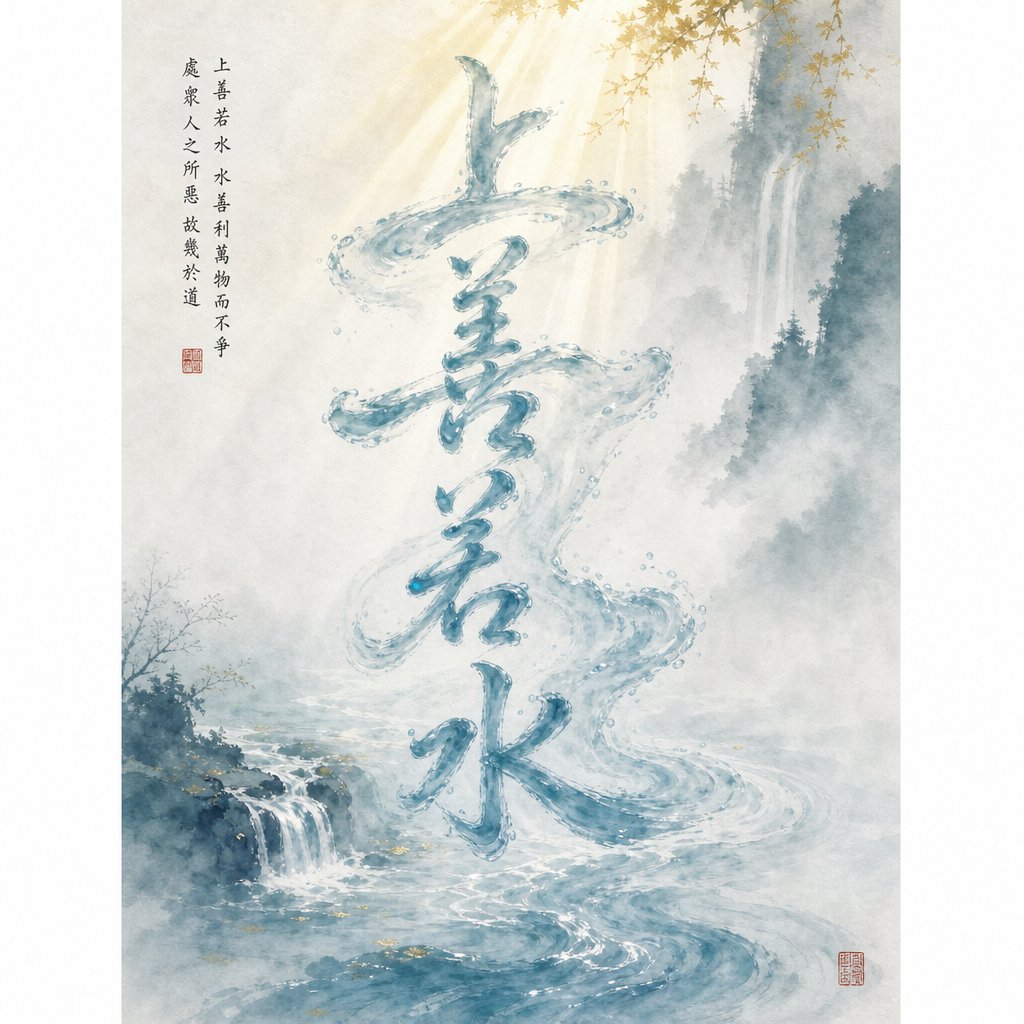
In Chinese Taoist thought, water (水, shuǐ) represents intelligence, wisdom, flexibility, softness, and pliancy. It is the element of depth and persistence. Think of how water carves through rock over centuries or how a river always finds its way around obstacles. Parents who choose names meaning water are expressing a hope that their child will embody these qualities: the wisdom to understand, the flexibility to adapt, and the quiet strength to persist.
The "soul" associated with water in Wu Xing philosophy is zhi (志), meaning "will" or "determination." Water's motion is described as downward and inward, and its energy is one of stillness and conservation. These are not passive traits. They reflect a deep, contemplative power, the kind that observes before acting and endures where others break.
In Chinese philosophy, water symbolizes the union of wisdom and persistence. It is both the gentlest and most powerful of the five elements, capable of yielding to any shape while wearing down the hardest stone.
This duality makes water related names especially appealing. A child named after water carries the promise of both gentleness and resilience, qualities any parent would wish for.
The Wu Xing Framework and Baby Naming
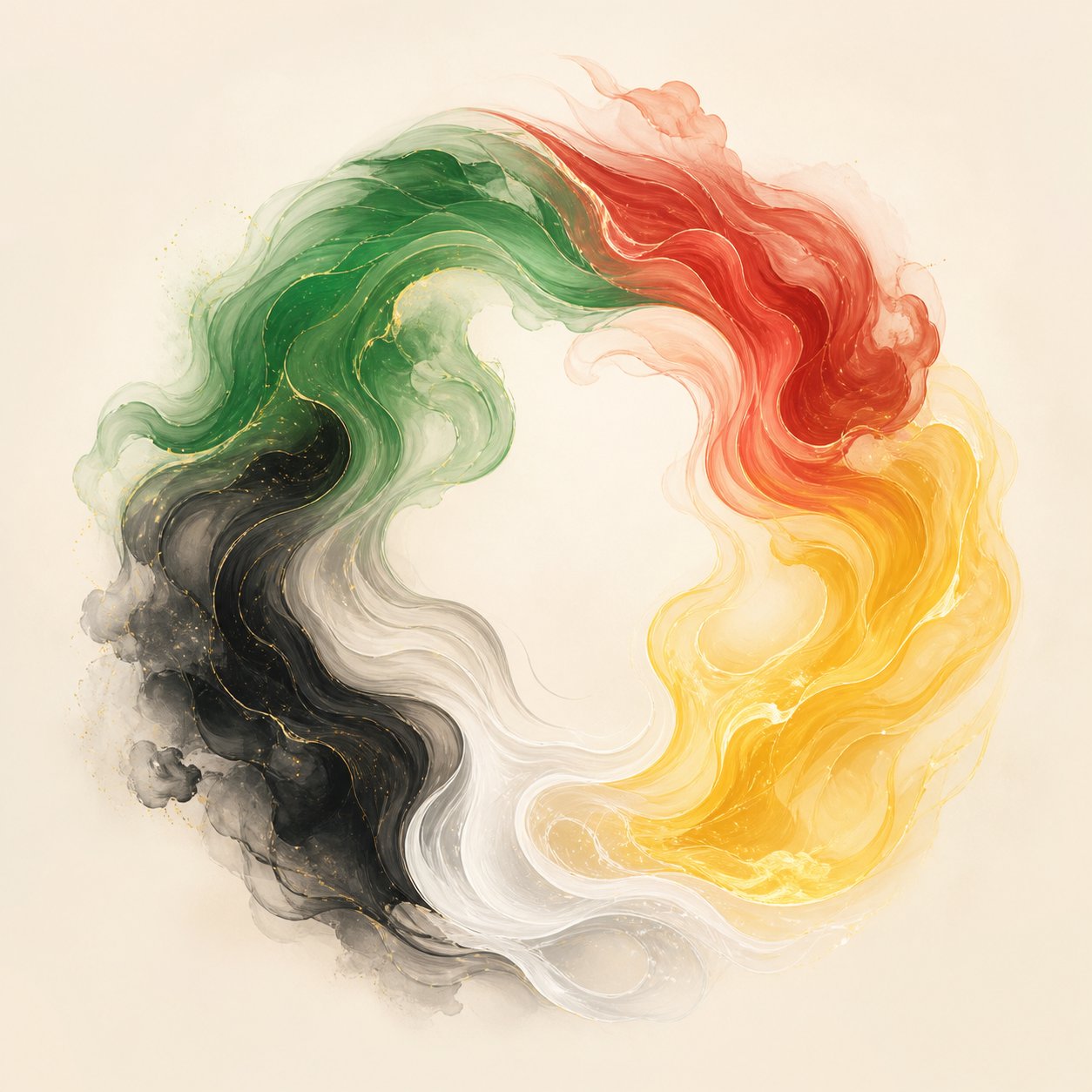
The Wu Xing (五行), or Five Elements, is a framework comprising Metal, Wood, Water, Fire, and Earth. These are not static categories but dynamic forces that interact through generative and controlling cycles. Water generates Wood by nurturing growth. Metal generates Water through condensation. Earth controls Water by absorbing and directing its flow. Every person's life, according to this system, reflects a unique balance of these five energies.
Here is where naming becomes deeply personal. The BaZi system, also called the Four Pillars of Destiny, analyzes a child's exact birth date and time to determine which elements are strong and which are lacking. The Four Pillars, year, month, day, and hour, each reveal different aspects of a person's life path. When a BaZi reading shows that a child's chart is deficient in water energy, parents compensate by selecting chinese names meaning water to restore balance.
This is not guesswork or superstition treated lightly. Families across China, including mixed-heritage couples, consult naming specialists who cross-reference BaZi charts with character meanings, stroke counts, and tonal patterns. The goal is always harmony. A balanced structure of the five elements is believed to support good fortune, health, and success throughout life.
You'll notice that this approach transforms naming from a matter of personal taste into a deliberate, almost architectural act. Parents are not simply browsing lists of water related names. They are diagnosing an elemental gap and filling it with precision, choosing characters that carry the right energy, sound, and meaning to complete their child's cosmic blueprint.
Understanding this foundation changes how you approach the search for a water-element name. It is not about finding something that sounds nice. It is about finding the character, or combination of characters, that brings your child's elemental chart into balance while carrying the deep symbolism of water: wisdom, adaptability, and quiet, unstoppable strength.

Understanding the Water Radical in Chinese Characters
Knowing why water energy matters is one thing. Recognizing which characters actually carry that energy is another. Chinese characters are built from smaller components called radicals, and the water radical is your most reliable visual clue when searching for a water name. Once you can spot it, hundreds of naming possibilities open up.
Recognizing the Water Radical 氵
Look at the left side of characters like 海 (sea), 河 (river), or 湖 (lake). You'll notice three small strokes that resemble droplets flowing downward. This is the water radical 氵, known in Chinese as 三点水 (sān diǎn shuǐ), which literally translates to "three drops of water." It is the second most common radical in the Chinese writing system, and the Kangxi Dictionary lists 1,595 characters under it. That means nearly a quarter of the entire dictionary connects back to water in some way.
When you encounter a character with 氵 on its left side, you can generally assume its meaning relates to water, liquid, or flowing. Characters like 清 (qīng, clear), 浪 (làng, wave), and 液 (yè, liquid) all follow this pattern. For parents browsing names for water associations, this radical acts as a quick visual filter. If you see those three drops, you are looking at a water name candidate.
The original character 水 (shuǐ) also functions as a radical, though it typically appears at the bottom of a character rather than the left side. The character 泉 (quán, spring) is a good example, where 水 sits beneath the upper component. So the name of water itself, 水, can show up in different positions depending on the character's structure.
Three Types of Water Element Characters
Not every water name works the same way. Characters suitable for water-element naming fall into three distinct categories, and understanding these helps you make informed choices rather than guessing.
The first category includes characters that contain the three-drops-of-water radical (氵). These are the most visually obvious water characters and the largest group. When someone sees the name of water reflected in a character's structure, they immediately sense its elemental connection.
The second category is simpler: characters that literally mean water. The character 水 (shuǐ) itself, along with compound words built directly from it, fall here. These are less common in given names because they can feel too literal, but they remain valid choices in certain combinations.
The third category is subtler. Some characters carry water energy according to Wu Xing theory even though they lack the visible water radical. These are characters associated with water through meaning, sound, or traditional elemental classification. Rain-related characters like 雨 (yǔ, rain) and 雪 (xuě, snow) belong here, as do characters connected to moisture and cold.
| Category | Character | Pinyin | Meaning |
|---|---|---|---|
| Water Radical (氵) | 海 | hǎi | Sea, ocean |
| Water Radical (氵) | 洋 | yáng | Ocean, vast |
| Water Radical (氵) | 湖 | hú | Lake |
| Water Radical (氵) | 河 | hé | River |
| Water Radical (氵) | 清 | qīng | Clear, pure |
| Water Radical (氵) | 浩 | hào | Vast, grand |
| Literal Water (水) | 水 | shuǐ | Water |
| Literal Water (水) | 泉 | quán | Spring (water source) |
| Wu Xing Association | 雨 | yǔ | Rain |
| Wu Xing Association | 雪 | xuě | Snow |
| Wu Xing Association | 霖 | lín | Continuous rain |
| Wu Xing Association | 露 | lù | Dew |
Each category carries legitimate water energy for naming purposes. A name meaning water does not need to display the radical visibly to fulfill its elemental role. Characters like 雨 and 霖 are classified as water in BaZi analysis and serve the same balancing function as radical-bearing characters like 海 or 洋. The difference is aesthetic and tonal rather than elemental.
This three-part framework gives you a much wider palette to work with. Instead of limiting your search to characters with three visible dots on the left, you can draw from rain, dew, snow, and other water-associated imagery. The result is a water name that feels fresh and personal rather than predictable, one that carries the right elemental weight while sounding exactly the way you want it to.
Chinese Water Names for Baby Girls
With the three categories of water characters in mind, you can start exploring specific names that bring those elements to life. Water names for girls tend to lean toward imagery that evokes grace, clarity, and emotional depth. The ocean suggests vastness and ambition. Rain and dew suggest nourishment and delicacy. Rivers and streams suggest movement and vitality. Each association shapes the personality a name projects.
What makes girl names that mean water so appealing is their range. You can choose something bold like the open sea or something intimate like morning dew, and both carry legitimate water energy for elemental balance. Below, you'll find curated options organized by their water association, with notes on which names are trending in modern China and which carry a more classical, literary feel.
Ocean and Sea Names for Girls
Ocean-inspired names carry connotations of breadth, ambition, and boundless possibility. These are names with sea meanings that suggest a girl destined for big things, someone whose vision and heart are as expansive as the open water. In contemporary China, sea-related characters remain popular because they pair well with softer second characters, creating a balanced name that feels both powerful and feminine.
| Chinese Character | Pinyin | Meaning | Cultural Significance |
|---|---|---|---|
| 海燕 | Hǎiyàn | Sea swallow (petrel) | Symbolizes courage and freedom over vast waters; a classic literary name from Gorky's prose poem popular in Chinese education |
| 洋 | Yáng | Ocean, vast | Suggests an open, international outlook; commonly used in modern names for its bright, optimistic tone |
| 海琳 | Hǎilín | Sea jade | Combines oceanic breadth with the preciousness of jade; conveys a girl who is both grand and refined |
| 汐玥 | Xīyuè | Evening tide and sacred jade | One of the top trending girl names in China for 2025-2026; gentle yet lively, evoking the rhythm of tidal waters |
| 澜 | Lán | Great waves | Represents a broad-minded, extraordinary spirit; a single-character name that feels elegant and powerful |
You'll notice that 汐 (xī, evening tide) has surged in popularity recently. It appears in multiple trending combinations like 锦汐 (Jǐnxī) and 汐玥 (Xīyuè) because its soft pronunciation pairs beautifully with other characters while still carrying clear water energy. Traditional choices like 海燕 feel more literary and nostalgic, while 澜 strikes a balance between classical weight and modern simplicity.
Rain and Dew Names for Girls
Rain and dew characters belong to the Wu Xing association category, carrying water energy through meaning rather than the visible radical. These water girl names evoke nourishment, freshness, and quiet beauty. They suggest a personality that brings life to everything it touches, gentle yet essential.
| Chinese Character | Pinyin | Meaning | Cultural Significance |
|---|---|---|---|
| 雨萱 | Yǔxuān | Rain and daylily | Combines natural freshness with the daylily, a flower symbolizing a mother's love; poetic and nurturing |
| 露 | Lù | Dew | Represents purity and the fleeting beauty of morning; a classical single-character choice with literary depth |
| 雨桐 | Yǔtóng | Rain and parasol tree | A top-ranked name in regional reports across China; the parasol tree symbolizes nobility and shelter |
| 雨薇 | Yǔwēi | Rain and tiny rose | Fresh and delicate; evokes soft natural beauty with a modern, feminine sound |
| 霏 | Fēi | Floating mist, light rain | Drawn from classical poetry; suggests an ethereal, dreamlike quality that feels both ancient and fresh |
Rain-based names dominate current naming trends in China. Characters like 雨 (yǔ) appear in numerous popular combinations because they sound melodic and pair naturally with both nature and virtue characters. The character 霏 (fēi) appeals to parents seeking something rarer, a single-character aquatic name that carries poetic weight without being overused.
River and Stream Names for Girls
Rivers and streams suggest continuous movement, clarity, and a life that flows gracefully through obstacles. Among water related names female options, river characters tend to feel lively and spirited. They suit parents who envision their daughter as someone dynamic, someone who carves her own path with natural ease.
| Chinese Character | Pinyin | Meaning | Cultural Significance |
|---|---|---|---|
| 溪 | Xī | Mountain stream | Evokes clarity, purity, and natural charm; popular in combinations like 若溪 (Ruòxī, "like a clear stream") |
| 淑 | Shū | Gentle, virtuous (water-related) | A classical character containing the water radical; traditionally describes an ideal woman of grace and moral depth |
| 若溪 | Ruòxī | Like a clear mountain stream | Trending in 2025-2026 for its soft, vivid imagery; suggests natural charm and warmth |
| 沐瑶 | Mùyáo | Bathed in fine jade | Combines the water radical character 沐 (bathed, blessed) with precious jade; warm, pure, and noble |
| 澄 | Chéng | Clear, calm water | Represents a pure heart and peaceful temperament; a refined single-character option with quiet strength |
The character 溪 (xī) has become especially popular because it sounds fresh and youthful. Names like 若溪 and 洛溪 appear frequently in recent naming data. Meanwhile, 淑 (shū) carries a more traditional resonance, one that parents with classical tastes still favor for its deep association with feminine virtue and grace. The character 沐 (mù) bridges both worlds: it contains the water radical, sounds modern, and implies being blessed or nourished, making it one of the most versatile girl names meaning water available.
Whether you lean toward the grandeur of the ocean, the softness of rain, or the clarity of a mountain stream, each category offers aquatic names female readers can match to the personality they hope their daughter will grow into. The key is pairing the right water imagery with a second character that completes the meaning, a process that becomes much clearer when you understand how two-character names are built.
Chinese Water Names for Baby Boys
Girl names in the water element tend toward grace and clarity. For boys, the same water energy takes on a different character. Water names for boys often channel the raw power of ocean waves, the steady ambition of a great river, or the life-giving generosity of rain and springs. The underlying philosophy is identical, restoring elemental balance through naming, but the imagery shifts toward strength, momentum, and expansive vision.
What's interesting about male names meaning water is how they split into two emotional registers. Some project force and ambition: crashing waves, vast oceans, mighty rivers. Others project calm wisdom: deep springs, nourishing rain, quiet pools. Both are legitimate expressions of water energy, and the choice depends on what qualities parents hope to cultivate in their son.
Ocean and Wave Names for Boys
Ocean and wave characters are among the most popular boy names that mean water in Chinese culture. They carry connotations of boundless ambition, fearless spirit, and the ability to create impact. These are names that mean ocean in the most visceral sense, evoking the power and depth of open water. Parents who choose these characters are expressing a wish for their son to think big, act boldly, and leave a lasting impression.
| Chinese Character | Pinyin | Meaning | Cultural Significance |
|---|---|---|---|
| 海 | Hǎi | Sea, ocean | Symbolizes greatness and depth; one of the most enduring water boy names, suggesting a mind as vast as the sea |
| 涛 | Tāo | Large waves | Represents the ability to create substantial impact; symbolizes someone who faces challenges fearlessly and generates waves of success |
| 浩 | Hào | Vast, grand | Carries a sense of righteousness and elegant presence; among the top water-element boy names for its bold, open sound |
| 波 | Bō | Waves | Symbolizes someone fearlessly facing challenges and creating waves of success; energetic and ambitious |
| 洋 | Yáng | Ocean, vast | Suggests a mind with knowledge as wide and deep as the sea; also carries a modern, international connotation |
Among these, 浩 (hào) stands out as especially versatile. It appears in hugely popular combinations like 浩宇 (Hàoyǔ, "vast universe") and 浩然 (Hàorán, "vast magnanimity"), both of which rank among the most chosen boy names in China. The character 涛 (tāo) leans more toward raw power, while 海 (hǎi) carries a timeless, classical weight that never goes out of style.
River and Source Names for Boys
Rivers represent direction, persistence, and the steady accumulation of strength over time. A river always moves forward. It carves canyons, nourishes civilizations, and connects distant places. Names that mean river carry these associations naturally, making them ideal for parents who value determination and long-term vision over explosive force.
| Chinese Character | Pinyin | Meaning | Cultural Significance |
|---|---|---|---|
| 江 | Jiāng | Great river | Traditionally refers to the Yangtze; implies towering ambition and grace, a name means river in its grandest form |
| 河 | Hé | River | Often associated with the Yellow River; represents harmony and the life-giving flow that sustains communities |
| 源 | Yuán | Source, origin | Symbolizes creativity, intelligence, and the beginning of something significant; represents the source of life itself |
| 川 | Chuān | Rivers, plains, water channels | Represents grace and towering ambition; a concise, strong single-character name with clean visual balance |
| 渊 | Yuān | Deep water, abyss | Refers to profound knowledge and wisdom; suggests someone with bottomless depth of understanding |
River names tend to project calm authority rather than explosive energy. A boy named 江 or 川 carries the sense of someone who moves with purpose and inevitability. The character 源 (yuán) is particularly meaningful because it points to origins and creativity, the deep well from which all things flow. As BabyCenter notes, 源 as a water name symbolizes "the source of life" and represents creativity and intelligence.
Rain and Spring Names for Boys
Rain and spring characters occupy the gentler end of the water spectrum, but gentle does not mean weak. These names convey nourishment, generosity, and the quiet power of sustaining life. They suit parents who envision their son as someone who enriches the people around him, a person whose influence is felt through kindness and steady support rather than dramatic force.
| Chinese Character | Pinyin | Meaning | Cultural Significance |
|---|---|---|---|
| 泽 | Zé | Marsh, grace, moisture | Refers to nurturing places where water congregates and life thrives; one of the most popular water boy names in modern China, appearing in combinations like 明泽 and 奕泽 |
| 润 | Rùn | Moist, smooth, to enrich | Suggests someone who nourishes others quietly; carries connotations of refinement and gentle influence |
| 泉 | Quán | Spring (water source) | Represents purity and an inexhaustible source of vitality; a classical name with enduring appeal |
| 霖 | Lín | Continuous, timely rain | Symbolizes good fortune and blessing; suggests someone who brings sustained benefit to those around him |
| 沐 | Mù | To bathe, to be blessed | Implies being bathed in grace or favor; extremely popular in combinations like 沐宸 (Mùchén), currently one of the top-ranked boy names in China |
The character 泽 (zé) deserves special attention. It appears in an extraordinary number of trending name combinations, including 明泽 (Míngzé), 奕泽 (Yìzé), and 宇泽 (Yúzé). Its popularity stems from its dual meaning: it refers both to a physical wetland where life flourishes and to the abstract concept of grace or benevolence extended to others. Similarly, 沐 (mù) has become a defining character of modern Chinese naming, appearing in the top-ranked name 沐宸 (Mùchén), which means "bathed in celestial abode."
Choosing between these categories comes down to the emotional tone you want the name to carry. Ocean and wave names project outward force. River names project forward momentum. Rain and spring names project inward depth and generosity. All carry legitimate water energy for BaZi purposes, so the decision is ultimately about which face of water best matches your hopes for your son.
Of course, most Chinese given names use two characters rather than one, and the way you pair a water character with a second element dramatically changes the name's overall feel. Understanding how to build these combinations opens up far more creative possibilities than choosing from a fixed list.
Building Two-Character Water Element Names
A single water character carries meaning on its own, but most Chinese given names use two characters working together as a unified whole. This is where naming becomes genuinely creative. Instead of picking from a list, you are composing, combining a water-element character with a second character that adds depth, direction, and sound.
Single vs Two-Character Water Names
A standard Chinese name is two or three characters total: one surname plus one or two given-name characters. Single-character given names like 海 (Hǎi) or 泽 (Zé) are concise and bold, but they are less common today because they offer fewer opportunities for uniqueness. With 87% of China's population sharing one of the top 100 surnames, a two-character given name provides the distinctiveness families want.
Two-character names also satisfy more of the four naming dimensions simultaneously. You can balance elemental energy with one character while addressing meaning, tonal flow, or visual beauty with the other. Think of it as a conversation between two characters: the water character anchors the elemental purpose, and the companion character shapes the personality of the name. Together, they create names with water meanings that are richer than either character alone.
How to Pair Water Characters for Meaning and Sound
Pairing is not random. Experienced namers follow recognizable strategies that produce harmonious results. Each pattern creates a different emotional texture, giving you a framework to build water based names that feel intentional rather than assembled.
Here are the most common pairing patterns with examples:
- Water + Nature: Combines water energy with natural imagery for a name that feels organic and vivid. Examples: 海林 (Hǎilín, "sea forest"), 泽森 (Zésēn, "marsh of tall trees"), 溪桐 (Xītóng, "stream and parasol tree"). These names related with water evoke landscapes, grounding the child's identity in the natural world.
- Water + Virtue: Pairs a water character with a moral quality, expressing both elemental balance and parental aspiration. Examples: 润德 (Rùndé, "nourishing virtue"), 浩信 (Hàoxìn, "vast integrity"), 泽仁 (Zérén, "grace and benevolence"). These combinations project character and principle.
- Water + Beauty/Elegance: Matches water with characters suggesting refinement, creating names that sound poetic and feel graceful. Examples: 清雅 (Qīngyǎ, "clear elegance"), 澜琪 (Lánqí, "waves of fine jade"), 沐瑶 (Mùyáo, "bathed in precious jade"). Ideal for parents seeking names related to water that carry a literary, polished quality.
- Water + Ambition: Combines water with characters implying greatness or cosmic scope. Examples: 浩宇 (Hàoyǔ, "vast universe"), 海鹏 (Hǎipéng, "sea roc"), 涛远 (Tāoyuǎn, "waves reaching far"). These project outward strength and large-scale vision.
- Water + Light/Brightness: Pairs water's depth with luminous characters for contrast and balance. Examples: 泽明 (Zémíng, "radiant grace"), 清辉 (Qīnghuī, "clear radiance"), 润晨 (Rùnchén, "nourishing dawn"). The interplay of water and light creates names with water meaning that feel both deep and warm.
Beyond meaning, tonal flow matters. Mandarin has four tones, and a well-crafted name moves through different tones to create a natural rhythm. Pairing two characters with the same tone, say both third tone, produces an awkward, flat sound when spoken aloud. The ideal is contrast: a rising tone followed by a falling tone, or a level tone followed by a rising one. As naming experts note, the test is simple: does the name sound right when you introduce yourself across a crowded room?
Visual balance plays a role too. A character with many strokes (like 澜, 21 strokes) paired with another complex character can look dense and heavy when written. Pairing it with a simpler character (like 清, 11 strokes) creates breathing room on the page. Since Chinese names appear on documents, seals, and calligraphy throughout a person's life, how the characters look together is a practical consideration, not just an aesthetic one.
This generative approach puts you in the role of composer rather than consumer. You are not limited to names someone else assembled. By choosing your water character, selecting a pairing strategy, checking tonal contrast, and verifying visual balance, you can craft names related with water that are genuinely unique to your child while still honoring the elemental purpose behind the choice.
Water Names for Cross-Cultural and Modern Families
Pairing strategies and tonal flow work beautifully when both parents read Chinese. But what happens when one parent does not? Or when the child will grow up in Sydney, Toronto, or San Francisco, introducing themselves dozens of times a day to people who have never encountered Mandarin tones? The naming challenge shifts. You still want water energy and cultural depth, but you also need a name that travels well across languages and feels natural in everyday conversation.
This is the reality for millions of families: parents of Chinese heritage raising children abroad, mixed-heritage couples blending two naming traditions, and non-Chinese parents drawn to the philosophy behind aquatic names in the Wu Xing system. Each group faces slightly different considerations, but they share a common goal: finding names associated with water that honor Chinese tradition without creating a daily pronunciation struggle.
Gender-Neutral Water Element Names
Some water characters carry no strong gender association in Chinese, making them flexible choices for any child. Gender-neutral naming has deep roots in Chinese culture. Many classical water characters were used across genders for centuries before modern trends pushed certain characters toward one side or the other. If you prefer not to signal gender through a name, or if you are choosing before knowing the baby's sex, these aquatic themed names offer genuine versatility.
- 清 (Qīng) - Clear, pure. Evokes transparent water and moral clarity. Works beautifully as a single-character name or paired with almost any companion character. Its sound is soft yet distinct.
- 泉 (Quán) - Spring, water source. Suggests an inexhaustible wellspring of vitality and creativity. Classical and timeless, used for both boys and girls throughout Chinese literary history.
- 霖 (Lín) - Continuous, timely rain. Carries connotations of blessing and sustained nourishment. The sound is gentle and easy for English speakers to approximate.
- 沐 (Mù) - To bathe, to be blessed. Implies being showered in grace. Currently one of the most popular characters in China for all genders, appearing in top-ranked combinations for both boys and girls.
- 澄 (Chéng) - Clear, calm water. Represents a settled, peaceful spirit with inner clarity. A refined choice that feels neither overtly masculine nor feminine.
- 淳 (Chún) - Pure, honest, simple. Carries the water radical while suggesting sincerity and depth of character. A classical choice with understated elegance.
- 林 (Lín) - Forest. While not a water-radical character, forests in Chinese cosmology are nourished by water (Water generates Wood in the Wu Xing cycle), and the character evokes landscapes where water and trees coexist. Its simple pronunciation makes it one of the most accessible Chinese names internationally.
These names share a quality that matters for modern families: none of them feel dated or locked into a specific era. A child named 清 or 泉 could be born in the Tang Dynasty or in 2026, and the name would feel equally at home.
Choosing Water Names for Cross-Cultural Families
For families navigating two languages daily, pronunciation is not a minor detail. It determines whether a child feels proud introducing themselves or quietly dreads it. Arizona State University's Chinese pronunciation guide notes that Chinese is a tonal language, and many sounds in pinyin do not map directly onto English. Some initials, like "q" and "x," require tongue positions that English speakers rarely use. Others, like "l" and "m," are nearly identical across both languages.
The practical takeaway? When choosing a name for a child growing up in an English-speaking environment, favor characters whose pinyin uses familiar consonants and vowel sounds. Here is what works well:
- Names starting with L, M, or H translate smoothly. 霖 (Lín), 沐 (Mù), and 海 (Hǎi) all begin with sounds English speakers produce naturally.
- Names with open vowels like "a," "i," or "u" are easier to approximate. 泉 (Quán) sounds close to "chwen" in English, which is manageable. 清 (Qīng) sounds close to "ching," already familiar from English words.
- Avoid initials like "zh," "x," and "q" if daily mispronunciation would bother you. A name like 哲 (Zhé) will be consistently mispronounced by non-Chinese speakers, while 润 (Rùn) is more intuitive.
- Shorter names travel better. Single-character names or two-character names with simple syllables reduce the friction of cross-cultural introductions.
As naming heritage researchers emphasize, making a name pronounceable does not mean simplifying it. A name like 明泽 (Míngzé) is accessible because both syllables use familiar sounds, yet it carries deep meaning: "radiant grace." The goal is choosing characters whose pinyin happens to align with English phonetics, not stripping away cultural substance.
For mixed-heritage families specifically, the naming process itself becomes a bridge. One parent contributes the elemental framework and character meanings. The other tests how the name sounds in English, whether it flows with the surname, and how it will land at school or work. When both parents participate in this way, the resulting name belongs to the whole family rather than feeling like a concession from one side to the other.
Consider pairing the Chinese water name with an English name that echoes its meaning. A child named 清 (Qīng, clear/pure) might also go by Claire. A child named 海 (Hǎi, sea) might pair it with Marina or Morgan. This dual-name approach lets the child move fluidly between cultural contexts without abandoning either identity.
Whatever path you choose, the water element's core qualities, wisdom, adaptability, and depth, remain intact regardless of which language the name is spoken in. The meaning travels even when the tones do not. And for a child growing up between cultures, carrying a name that means something profound in both worlds is itself a form of balance, one that echoes the very philosophy behind choosing a water name in the first place.
Naming Taboos and Cultural Considerations
Finding a water character you love is only half the work. A name that sounds beautiful in isolation can still fail if it clashes with the surname, duplicates an elder's character, or tips the elemental chart into excess. Chinese naming tradition carries specific taboos around water names and meanings that are worth understanding before you commit.
Avoiding Elemental Imbalance in Water Names
More water is not always better. If a child's BaZi chart already contains strong water energy, stacking additional water characters into the name creates elemental excess rather than harmony. Too much water in Wu Xing theory can manifest as indecisiveness, emotional instability, or a tendency to drift without direction. The generating and controlling cycles exist precisely to prevent any single element from overwhelming the system. Earth controls Water by absorbing and directing it. So a child with abundant water might actually benefit from an Earth-element character rather than another water one.
Balance is more important than simply adding water energy. A name should compensate for what is missing, not amplify what already overflows.
This is why BaZi analysis comes first. Without knowing the child's elemental distribution, even the most poetic water name could work against them. Names dealing with water are powerful tools, but like any tool, they serve best when applied to the right problem.
Some parents also worry about last names that mean water or carry water associations. Surnames like 江 (Jiāng, river), 池 (Chí, pond), or 汤 (Tāng, hot water) already contribute water energy to the full name. Pairing these surnames meaning water with a water-element given name doubles the elemental load. In such cases, a naming specialist might recommend a Metal or Earth companion character to counterbalance the surname's inherent water weight, since Metal generates Water in the productive cycle and could intensify the issue further.
Tonal Harmony with Chinese Surnames
Mandarin's four tones make sound pairing a structural concern, not just an aesthetic preference. A full name where all characters share the same tone sounds flat and monotonous when spoken aloud. Imagine introducing yourself with three consecutive third-tone characters: the result is a tonal collision that feels awkward to native speakers.
The principle is contrast. If your surname is third tone (like 李 Lǐ), pair it with given-name characters in first or fourth tone to create rhythmic movement. A name like 李浩然 (Lǐ Hàorán) moves through third, fourth, and second tones, producing a natural melodic arc. As naming structure experts explain, the test is whether the name carries clearly across a crowded room.
Stroke count matters visually. A surname with few strokes (丁, 2 strokes) paired with a dense water character (澜, 21 strokes) creates a lopsided appearance on paper. Aim for proportional weight: light surnames pair well with moderately complex characters, while heavier surnames can handle simpler companions.
Beyond tones and strokes, watch for homophones. The character 淹 (yān) means "to flood" or "to drown," making it unsuitable despite carrying the water radical. Similarly, 泣 (qì, to weep) and 沉 (chén, to sink) carry negative associations that disqualify them from naming use. Always speak the full name aloud and listen for unintended puns or unfortunate sound-alikes in both Mandarin and your local dialect.
Finally, respect generational naming conventions. In traditional families, one character of the given name is shared across all children of the same generation, a practice called 字辈 (zìbèi). If your family follows this system, the generational character is fixed, and only the remaining character is open for water-element selection. Equally important: never use a character that appears in a living elder's name. This taboo, called 避讳 (bìhuì), remains widely observed and signals respect for family hierarchy.
These constraints might feel limiting, but they actually sharpen your choices. By eliminating tonal clashes, visual imbalances, negative homophones, and elemental excess, you narrow the field to names that genuinely work on every level. What remains is not a compromise but a refined selection, one that honors tradition while carrying exactly the water energy your child needs.
How to Choose the Perfect Water Name for Your Baby
You understand the philosophy. You know the characters. You can spot the water radical, avoid tonal clashes, and recognize elemental excess. The question now is practical: how do you move from knowledge to a final decision? Choosing a name is not a linear process, but it does follow a logical sequence. Each step narrows the field until you arrive at a name that satisfies sound, meaning, elemental balance, and family harmony all at once.
Step-by-Step Name Selection Process
Think of this as a funnel. You start with thousands of possible characters and progressively filter them through criteria that matter. Here is the sequence most naming specialists follow:
- Confirm elemental need through BaZi analysis. Before selecting any water character, determine whether your child's chart actually requires water energy. Have a qualified practitioner analyze the Four Pillars based on your baby's exact birth date and time. As naming practitioner Master Sean Chan explains, blindly adding an element that is missing from the chart does not automatically improve it. The chart's structure, flow, and interaction must be assessed holistically. If water is genuinely beneficial, proceed. If not, a different element may serve your child better.
- Select your water association type. Decide which face of water resonates with your hopes. Ocean and sea characters project ambition and vastness. River characters suggest steady direction and persistence. Names that mean rain convey nourishment and blessing. Dew evokes delicacy and purity. Spring characters represent inexhaustible vitality. Each association shapes the personality the name projects, so choose the imagery that aligns with what you envision for your child.
- Choose between single and two-character structure. A single-character given name like 泽 (Zé) is bold and concise but offers less room for nuance. A two-character name like 泽明 (Zémíng) lets you layer elemental energy with additional meaning. Most modern families opt for two characters because they provide greater uniqueness and allow you to balance multiple naming dimensions simultaneously.
- Test surname compatibility. Speak the full name aloud, surname first. Listen for tonal contrast. Check that the stroke counts create visual proportion when written. If your surname already carries water energy (like 江 or 池), consider whether adding more water creates excess or whether a balancing companion character is needed.
- Verify the name has no negative homophones. Say the full name in Mandarin, then in any regional dialect your family speaks. Listen for unintended puns, sound-alikes with negative words, or awkward phonetic collisions. A name that sounds elegant in isolation can become unfortunate when paired with certain surnames.
- Check generational and family conventions. Confirm the name does not duplicate a character used by a living elder. If your family follows the 字辈 (zìbèi) generational naming system, ensure your water character fits within that framework.
- Seek validation from family elders or a naming specialist. A fresh perspective catches issues you might miss. Elders can flag cultural associations or dialect-specific problems. A professional namer can verify the five structures (五格) and three talents (三才) alignment, ensuring the stroke count and elemental structure support your child's chart.
This process is not about finding the single "correct" answer. Several names will likely survive all seven filters. At that point, the final choice becomes personal: which name feels right when you say it aloud, imagine writing it on a birthday card, or picture your child introducing themselves decades from now?
What Water Names Say About Your Hopes for Your Child
Every name is a quiet declaration of what parents wish for their child's life. When you choose names that mean water, you are expressing a specific set of hopes, ones rooted in thousands of years of Chinese philosophical thought.
Water is wisdom. It finds the lowest point, gathers information, and understands the terrain before it moves. A child carrying a water name is wished the gift of deep understanding, the kind that comes from observation and patience rather than force.
Water is adaptability. It takes the shape of any container without losing its essential nature. Parents who choose names with meaning water are hoping their child can navigate change gracefully, fitting into new environments while remaining true to themselves.
Water is persistence. It wears through stone not through violence but through consistency. Names linked to water carry the aspiration that a child will achieve great things through steady, sustained effort rather than fleeting bursts of energy.
Water is depth. A still surface can conceal profound currents beneath. Names that mean water or ocean suggest a person of substance, someone whose value reveals itself over time rather than all at once.
These qualities, wisdom, adaptability, persistence, and depth, form a constellation of virtues that serve a person well regardless of era, profession, or circumstance. Whether your child becomes a scientist, an artist, a leader, or a caregiver, the water element supports them all. And whether you chose names that mean rain for their gentle nourishment or ocean characters for their boundless scope, the underlying wish is the same: a life that flows with meaning, navigates obstacles with grace, and runs deep enough to sustain whatever grows along its banks.
Trust the process. Trust your instincts. And trust that a name chosen with this much care and intention will carry your child well.
Frequently Asked Questions About Chinese Water Names for Babies
1. How do I know if my baby needs a water element name?
A BaZi (Four Pillars of Destiny) analysis determines which elements are strong or lacking in your child's birth chart. A qualified practitioner examines the exact birth date and time to map elemental distribution. If the chart shows a deficiency in water energy, a water-element name helps restore balance. However, blindly adding water without professional analysis can create elemental excess, so always confirm the need before choosing a water character.
2. What is the water radical in Chinese characters and how do I recognize it?
The water radical is written as 氵 and appears on the left side of characters. Known as san dian shui (three drops of water), it looks like three small strokes flowing downward. Characters like 海 (sea), 河 (river), and 湖 (lake) all display this radical. The Kangxi Dictionary lists 1,595 characters under this radical, making it the second most common in the Chinese writing system and giving parents a vast selection of water-element naming options.
3. Can non-Chinese parents use Chinese water element names for their babies?
Yes, many non-Chinese parents are drawn to the philosophical depth behind Wu Xing naming. For cross-cultural families, choosing characters with pinyin that uses familiar English consonants like L, M, or H helps with daily pronunciation. Names such as Lin, Mu, or Hai translate smoothly across languages. Pairing the Chinese water name with an English name that echoes its meaning, like Claire for Qing (clear/pure), lets the child move comfortably between cultural contexts.
4. What are the most popular Chinese water names for boys and girls in 2025?
For girls, trending water names include 汐玥 (Xiyue, evening tide and sacred jade), 若溪 (Ruoxi, like a clear stream), and 沐瑶 (Muyao, bathed in fine jade). For boys, top choices include 沐宸 (Muchen, bathed in celestial abode), 浩宇 (Haoyu, vast universe), and combinations using 泽 (Ze, grace) such as 明泽 (Mingze) and 奕泽 (Yize). The character 沐 is especially dominant across both genders in current Chinese naming trends.
5. Are there naming taboos to avoid when choosing a Chinese water name?
Several taboos apply. Never use a character that appears in a living elder's name, a practice called bihu. Avoid characters with negative homophones like 淹 (to drown) or 泣 (to weep). Watch for elemental excess if your surname already carries water energy, such as 江 (river) or 池 (pond). Also avoid pairing all same-tone characters, which creates flat, awkward pronunciation. Always speak the full name aloud in Mandarin and any family dialect to catch unintended puns.