What Are Two Character Chinese Nicknames
When someone calls you by a pet name that only your family uses, it carries a warmth that your legal name never quite captures. In Chinese culture, that warmth lives inside the 小名 (xiǎo ming) or 乳名 (rǔ ming) - intimate nicknames built from exactly two characters, created by parents or close family members as expressions of love.
Two character Chinese nicknames are not random shortenings of a person's full name. They follow specific linguistic patterns - reduplication, prefixes, or suffixes - that compress affection into just two syllables. Think of names like 娜娜 (Nana), 小虎 (Xiǎo Hǔ, "little tiger"), or 乐乐 (Lele, "cheerful"). Each one is formed through a deliberate structure that makes it sound natural, endearing, and unmistakably personal.
Two character Chinese nicknames (小名) are affectionate, informal names consisting of exactly two Chinese characters, formed through specific linguistic patterns like reduplication or prefix addition, and used exclusively within close personal relationships such as family, romantic partners, or intimate friendships.
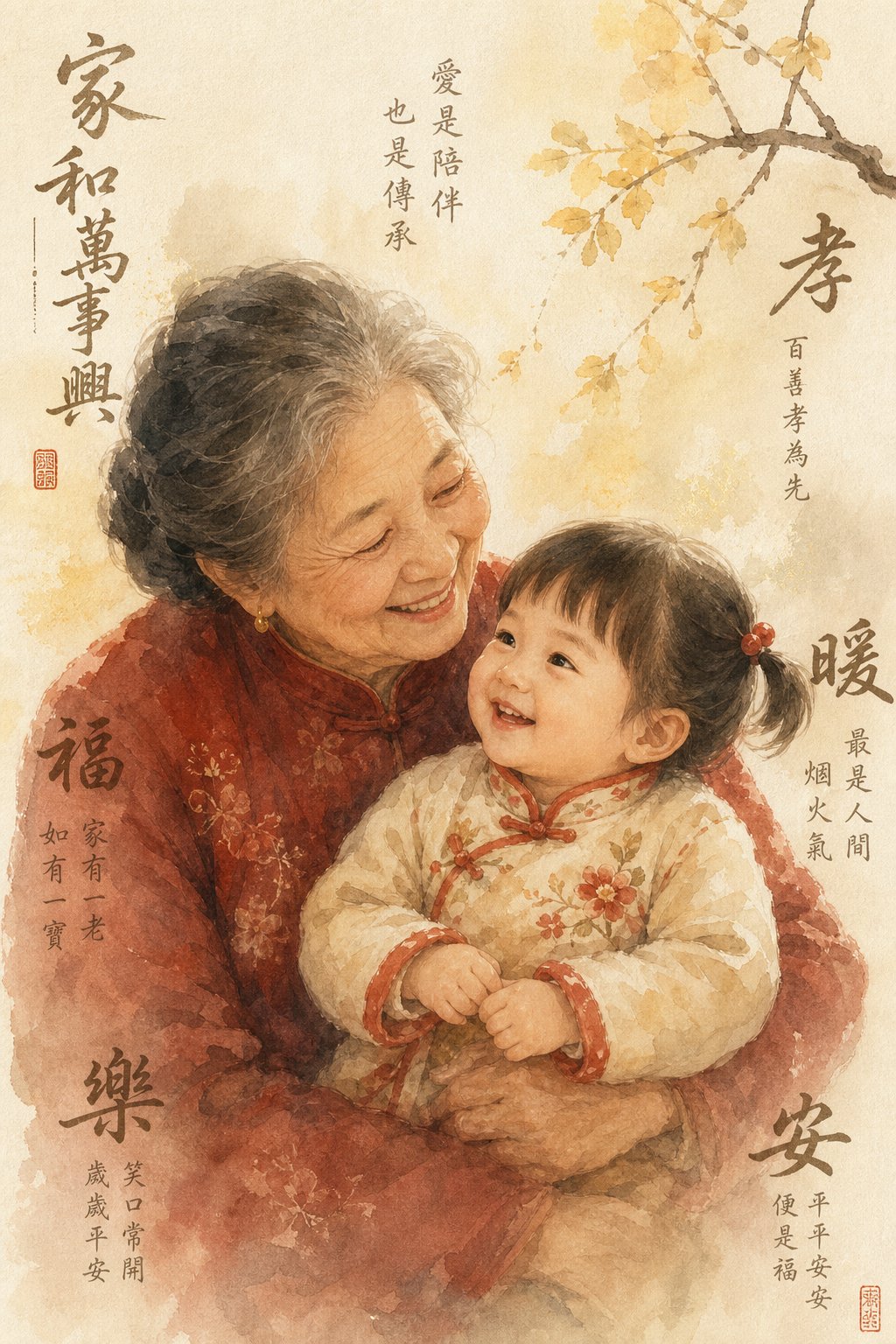
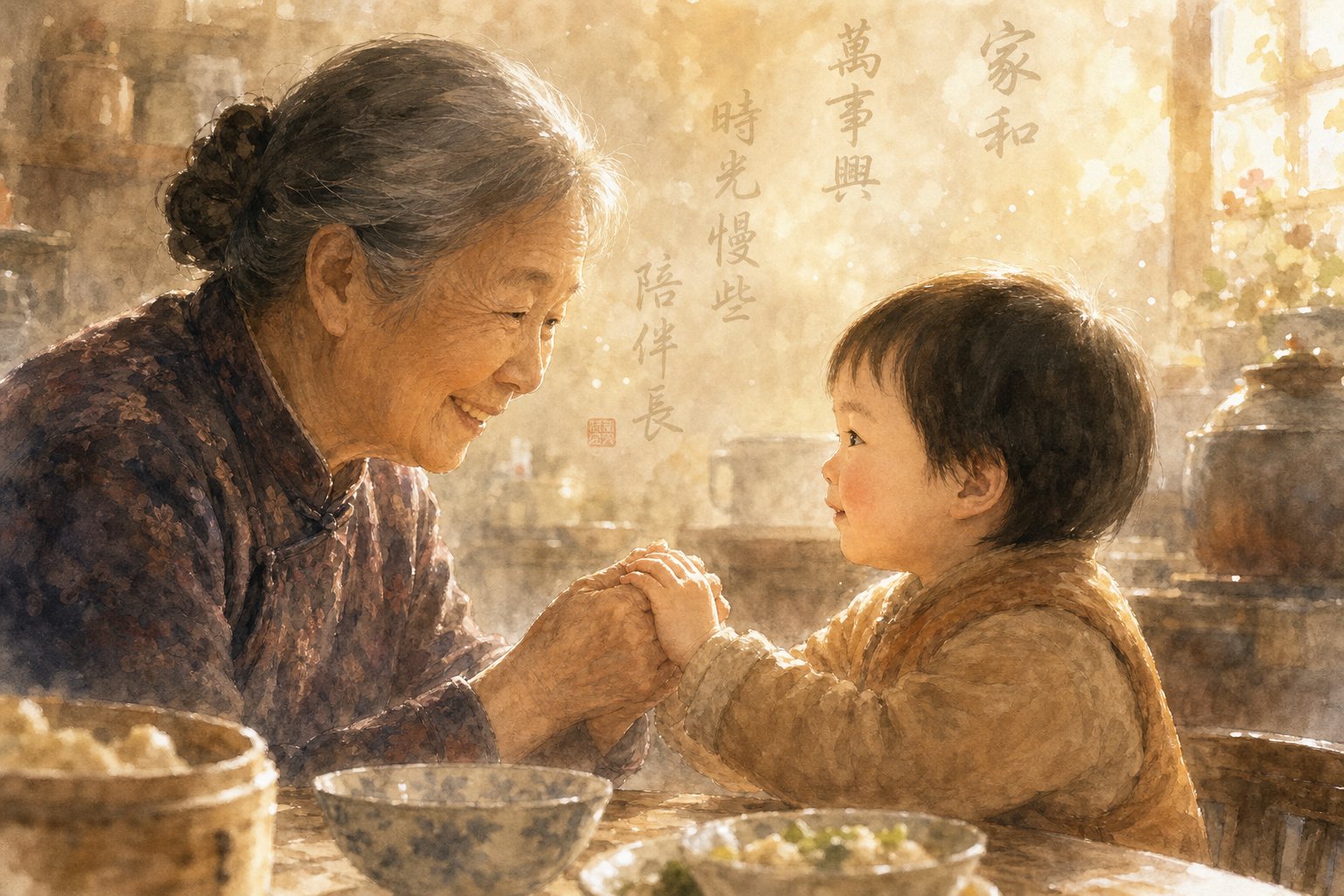
These chinese cute nicknames are deeply embedded in daily life. A grandmother calling her grandchild 明明 (Mingming) at the dinner table, a mother scolding her toddler with 宝宝 (Baobao) - these moments rely on the two-character format because it rolls off the tongue quickly and carries emotional weight that longer forms simply cannot.
What Makes a Nickname Two Characters
So how do chinese nicknames work at the structural level? The two-character constraint is not arbitrary. Mandarin Chinese is a tonal, monosyllabic-root language, and two syllables hit a rhythmic sweet spot. One character feels incomplete. Three or more characters start sounding like a formal name or a phrase. Two characters create a compact, melodic unit that signals closeness the moment it leaves someone's lips.
The formation methods are what give these nicknames their shape. You might take the last character of a given name and repeat it (娜 becomes 娜娜). You might attach the prefix 小 (xiǎo, "little") to a character (小明). Or you might use the prefix 阿 (ā) common in southern dialects (阿华). Each pattern produces a two-character result, but the emotional flavor differs depending on which pattern you choose.
Nicknames vs Given Names in Chinese
Here is where confusion often creeps in. A Chinese given name can also be two characters - for example, 明华 (Ming Hua). But a two-character given name and a two-character nickname are entirely different things. The given name appears on official documents, carries family aspirations, and follows naming conventions tied to generational poems or auspicious meanings. Nicknames in chinese, by contrast, exist only in spoken intimacy. They are never used on paperwork, rarely shared with strangers, and sometimes feel too embarrassing to reveal outside the family circle.
You would never introduce yourself at a business meeting using your 小名. As one native speaker puts it, it would be like introducing yourself as "Bubba" in a boardroom. Chinese nicknames in english translation often sound playful or even silly - "stinky egg," "little rock," "thunder thunder" - because they were never designed for public consumption. They belong to the kitchen table, the bedtime story, the phone call home.
This article focuses specifically on the two-character format: why it dominates, what patterns produce it, and why some combinations sound perfectly right while others land painfully wrong.
The Historical Roots of Two Character Nicknames in China
That kitchen-table intimacy didn't appear overnight. The practice of giving infants a two-character nickname stretches back over two thousand years, rooted in beliefs far more serious than simple affection. Understanding where these names came from explains why certain patterns persist today and why others have quietly faded.
Ancient Origins of Chinese Baby Nicknames
Imagine you are a parent in Han Dynasty China, roughly 200 BCE. Infant mortality is devastatingly high. You believe evil spirits target children who seem too precious or too valued. Your solution? Give the baby a humble, even ugly nickname - something so lowly that malevolent forces would pass right over the child without interest.
This is the origin of 乳名 (rǔ ming), literally "milk name," the earliest form of chinese nicknames for children. Parents deliberately chose characters associated with animals, dirt, or common objects. A boy might be called 狗儿 (Gǒu er, "little dog") or 石头 (Shítou, "stone"). A girl might receive 丫丫 (Yāyā, "little sprout"). The logic was protective: ancient Chinese parents believed humble names would not entertain evil spirits, thereby assuring the child a longer life.
These protective nicknames were almost always two characters. The format was practical - short enough for a mother to call out quickly, distinctive enough to function as a real identifier within the household. Historical records from the Han and Tang dynasties document emperors and scholars who carried their childhood 乳名 well into adulthood, even after receiving formal names through official ceremonies.
How Two Character Nicknames Evolved Over Centuries
By the Song Dynasty (960-1279 CE), the superstitious edge had begun to soften. Common chinese nicknames still leaned toward humble imagery, but parents increasingly chose characters that balanced protection with warmth. The name 大宝 (Dà Bǎo) - da bao meaning in chinese nickname translates to "big treasure" - emerged as a popular choice that straddled both worlds: affectionate enough to express love, yet common enough to avoid attracting jealous spirits.
Through the Ming and Qing dynasties, the practice became less about warding off evil and more about marking the boundary between public and private life. A child's formal name (大名, dà ming) belonged to the outside world - school, government, society. The two-character nickname belonged to home. This division solidified the emotional weight these names carry even today.
Generational patterns tell the rest of the story. Older generations - those born before the 1980s - tend to favor traditional formations. Chinese nicknames for boys in this era often used 小 plus a strong character (小军, Xiǎo Jūn, "little soldier") or animal reduplication (虎虎, Hǔhǔ). Chinese nicknames for girls leaned toward nature and beauty (兰兰, Lánlán, from orchid; 花花, Huāhuā, from flower). These choices reflected the cultural expectations documented across imperial naming traditions.
Younger generations have rewritten the rules. Chinese girl nicknames today might draw from anime characters, K-pop references, or internet slang. A child born in 2020 is just as likely to be nicknamed 糖糖 (Tángtáng, "candy candy") or 萌萌 (Méngméng, "adorable adorable") as anything from classical literature. Pop culture and social media have expanded the pool of acceptable characters while preserving the two-character structure itself.
What hasn't changed is the format. Whether a nickname was chosen in 200 BCE to fool a demon or in 2025 because a parent loved a C-drama character, it still lands in two syllables. The container stayed the same - only the contents evolved. And that consistency raises a natural question: what exactly are the structural patterns that produce these names, and why do some formations work while others fall flat?
Five Core Patterns for Forming Two Character Nicknames
Every chinese nickname that sounds natural follows one of five structural blueprints. These are not loose guidelines - they are the actual formation rules that native speakers internalize from childhood. Get the pattern right and a nickname feels warm, effortless, inevitable. Break the pattern and something sounds immediately off, even if you cannot articulate why.
Here is the complete taxonomy, with characters, pinyin, and context for each formation type:
| Pattern | Structure | Example | Pinyin | Meaning | Typical Usage |
|---|---|---|---|---|---|
| Reduplication (叠字) | Character + same character | 明明 | Mingming | From 明 (bright) | Family, romantic partners |
| Xiǎo-prefix (小X) | 小 + character | 小明 | Xiǎo Ming | Little Ming | Friends, colleagues |
| Ā-prefix (阿X) | 阿 + character | 阿华 | Ā Hua | Familiar Hua | Southern dialects, peers |
| Ér-suffix (X儿) | Character + 儿 | 花儿 | Huār | Little flower | Northern regions, parents to children |
| Abbreviated compound | One character from two-character name | 小凯 (from 俊凯) | Xiǎo Kǎi | Little Kai | Friends selecting the more distinctive character |
Reduplication Pattern and How It Works
Reduplication is the most intimate pattern and the one that produces the most recognizable cute chinese nicknames. You take a single character from someone's given name and double it: 芳 becomes 芳芳 (Fangfang), 乐 becomes 乐乐 (Lele), 甜 becomes 甜甜 (Tiantian, "sweet sweet").
Why does this work? Mandarin is syllable-timed, meaning each character receives roughly equal stress. When you repeat a syllable, you create a rhythmic, almost musical quality that sounds inherently affectionate - like a gentle verbal embrace. The doubled form evokes childhood simplicity, which is exactly why parents and grandparents gravitate toward it.
Not every character cooperates, though. Characters with harsh consonant clusters or fourth-tone pairings can sound abrupt when doubled. 铁铁 (Tiětie, from "iron") feels clunky. 死死 (Sǐsǐ) is obviously unusable due to meaning. The best candidates are characters with open vowels, softer consonants, and first or second tones - think 萌萌 (Mengmeng), 甜甜 (Tiantian), or 安安 (An'an). Many cute chinese nicknames for girl with meaning follow exactly this logic: 婷婷 (Tingtingm "graceful"), 莹莹 (Yingying, "sparkling"), 欢欢 (Huanhuan, "joyful").
Prefix and Suffix Nickname Formations
The 小 (xiǎo) prefix works differently from reduplication. Instead of doubling a character, you attach "little" to the front: 小明 (Xiǎo Ming), 小红 (Xiǎo Hong), 小虎 (Xiǎo Hǔ). This pattern signals friendly familiarity without the deep intimacy of reduplication. It is the default cute nickname in chinese workplaces and friend groups across northern China.
The 阿 (ā) prefix serves a similar function but carries regional and tonal differences. Dominant in Cantonese, Hokkien, and Taiwanese Mandarin, 阿 attaches to a single character from the given name: 阿华 (Ā Hua), 阿强 (Ā Qiang), 阿美 (Ā Mei). Where 小 emphasizes youth, 阿 emphasizes long-standing familiarity - the difference between "my young friend" and "my old friend."
The 儿 (ér) suffix, common in Beijing and northern dialects, adds a softening "r" sound to a character: 花儿 (Huār), 宝儿 (Bǎor), 星儿 (Xīngr). This suffix creates cute nicknames in chinese that feel tender and slightly playful, often used by parents addressing young children.
Which Characters Work for Each Pattern
Here is where formation gets tricky. Not every character fits every pattern, and forcing a mismatch is exactly what makes some nicknames sound painfully wrong.
- Reduplication favors characters with one or two syllables that end in open vowels or nasal consonants (n, ng). Characters like 安, 甜, 乐, 萌 double beautifully. Characters with abrupt endings or heavy fourth tones (刻, 厉, 怒) resist doubling.
- 小-prefix works with almost any character but sounds most natural paired with single-syllable given names or the most semantically rich character from a compound name.
- 阿-prefix pairs best with characters that begin with consonants rather than vowels. 阿明 flows; 阿安 creates an awkward vowel collision.
- 儿-suffix attaches most naturally to characters ending in vowels or the "n" sound. It struggles with characters ending in "ng" because the tongue position conflicts with the retroflex "r."
When parents search for cute chinese nicknames for girl options, they are often instinctively filtering for characters that pass these phonetic tests. A name like 悦悦 (Yueyue, "joyful") works because the open "ue" vowel doubles smoothly. A name like 菊菊 (Juju, "chrysanthemum") technically follows the pattern but sounds awkward because the "u" vowel after "j" creates a pinched quality when repeated.
The abbreviated compound pattern rounds out the system. When someone has a two-character given name like 俊凯 (Junkai), friends select the more distinctive or pleasant-sounding character and apply one of the other four patterns to it: 小凯, 凯凯, or 阿凯. The choice reveals both regional background and relationship depth.
These five patterns account for virtually every naturally-formed two-character nickname in Mandarin. But knowing the structures is only half the story. Two nicknames can follow identical patterns yet sound completely different - one melodic, the other flat. The difference comes down to something most guides never address: the tonal mechanics happening beneath the surface.
Why Certain Two Character Combinations Sound Perfect
Say 甜甜 (Tiantian) out loud. It feels light, bouncy, sweet. Now try 怒怒 (Nunu). Same reduplication pattern, same structural logic - but something lands wrong. The difference is not meaning alone. It is the raw sound mechanics: tone pairing, vowel quality, and consonant texture working together beneath the surface to make one combination feel like a warm hug and the other like a stubbed toe.
Tone Pairing Preferences in Chinese Nicknames
Mandarin's four tones are not just pronunciation markers - they carry emotional weight. Research published in Psychonomic Bulletin & Review found that tones with rising pitch patterns (Tone 2) are consistently rated as more positive in emotional valence, while falling tones (Tone 4) skew toward negative or aggressive associations. High-flat tones (Tone 1) also lean positive, whereas the low-dipping Tone 3 tends to feel heavier and more subdued.
What does this mean for nicknames? The best chinese nicknames tend to favor tone combinations that create a sense of melodic lift or gentle rhythm. A first-tone or second-tone pairing produces brightness. A third-tone followed by a second-tone creates a satisfying dip-then-rise contour - the voice drops low and bounces back up, mimicking the prosodic shape of pleasant surprise.
Consider how tone sandhi plays into this. When two third tones appear together, the first automatically shifts to a rising second tone in natural speech. So 宝宝 (Bǎobǎo) actually sounds like Baobao with a 2+3 contour - a rising-then-dipping melody that native speakers find inherently endearing. The language itself nudges certain combinations toward more pleasing sound shapes.
Why Some Two Character Combinations Sound Better
Beyond tone, vowel quality shapes how cute or cool a nickname feels. The same research demonstrated that the vowel /i/ (as in 甜, 明, 琪) is associated with positive emotional valence, while /u/ (as in 怒, 苦, 哭) skews negative. This is not arbitrary - the facial muscles used to produce /i/ mimic a smile, while /u/ requires a rounded, closed mouth position associated with displeasure.
Consonants matter too. Nasal sounds like /m/ and /n/ produce lower-frequency, continuous voicing linked with softness and warmth. Plosive consonants like /t/ and /k/ carry higher spectral energy and feel more energetic or abrupt. This explains why 萌萌 (Mengmeng, starting with soft /m/) sounds adorable while 刻刻 (Keke, starting with sharp /k/) feels harsh even though both follow identical patterns.
Here is how these phonetic factors sort out in practice:
- Pleasing: 甜甜 (Tiantian, T2+T2) - open /ian/ vowel, rising tones, nasal ending. Feels bright and sweet.
- Pleasing: 萌萌 (Mengmeng, T2+T2) - soft /m/ onset, rising tones, nasal coda. Sounds gentle and cute.
- Pleasing: 安安 (An'an, T1+T1) - open /a/ vowel, high-flat tones, nasal ending. Calm and warm.
- Awkward: 铁铁 (Tietie, T3+T3) - plosive /t/ onset, two dipping tones create heaviness even after sandhi.
- Awkward: 哭哭 (Kuku, T1+T1) - closed /u/ vowel, sharp /k/ onset. Sounds tense despite stable tones.
- Awkward: 怒怒 (Nunu, T4+T4) - double falling tones feel aggressive, /u/ vowel adds negativity.
This is also why some funny chinese nicknames work as humor rather than affection. A name like 臭臭 (Chouchou, "stinky stinky") uses a falling-then-rising tone pair and a closed vowel - it sounds deliberately rough, which is the joke. Parents who use it are playing against the phonetic expectations of warmth. The humor comes from the mismatch between the affectionate context and the harsh sound profile. Many chinese nicknames funny enough to make family members laugh rely on exactly this kind of tonal subversion.
Cool chinese nicknames, on the other hand, often lean into fourth-tone sharpness on purpose. A nickname like 烈烈 (Lielie, T4+T4, "fierce fierce") sounds bold rather than cute - the double falling tone creates authority instead of softness. The phonetics signal confidence rather than vulnerability.
The takeaway is straightforward: tone, vowel, and consonant are not decorative features layered on top of meaning. They are the meaning, at least emotionally. A name-pronunciation study confirmed that easy-to-pronounce Chinese names are rated higher in liking and preference, independent of their semantic content. The sound itself generates warmth or resistance before the brain even processes what the characters mean.
This phonetic dimension explains why two people can follow the same formation pattern and end up with wildly different results. But sound is only one variable. Geography adds another layer entirely - the same person might receive a completely different nickname depending on whether their family speaks Cantonese or Mandarin, and the tonal rules shift accordingly.
Regional Differences in Two Character Nickname Traditions
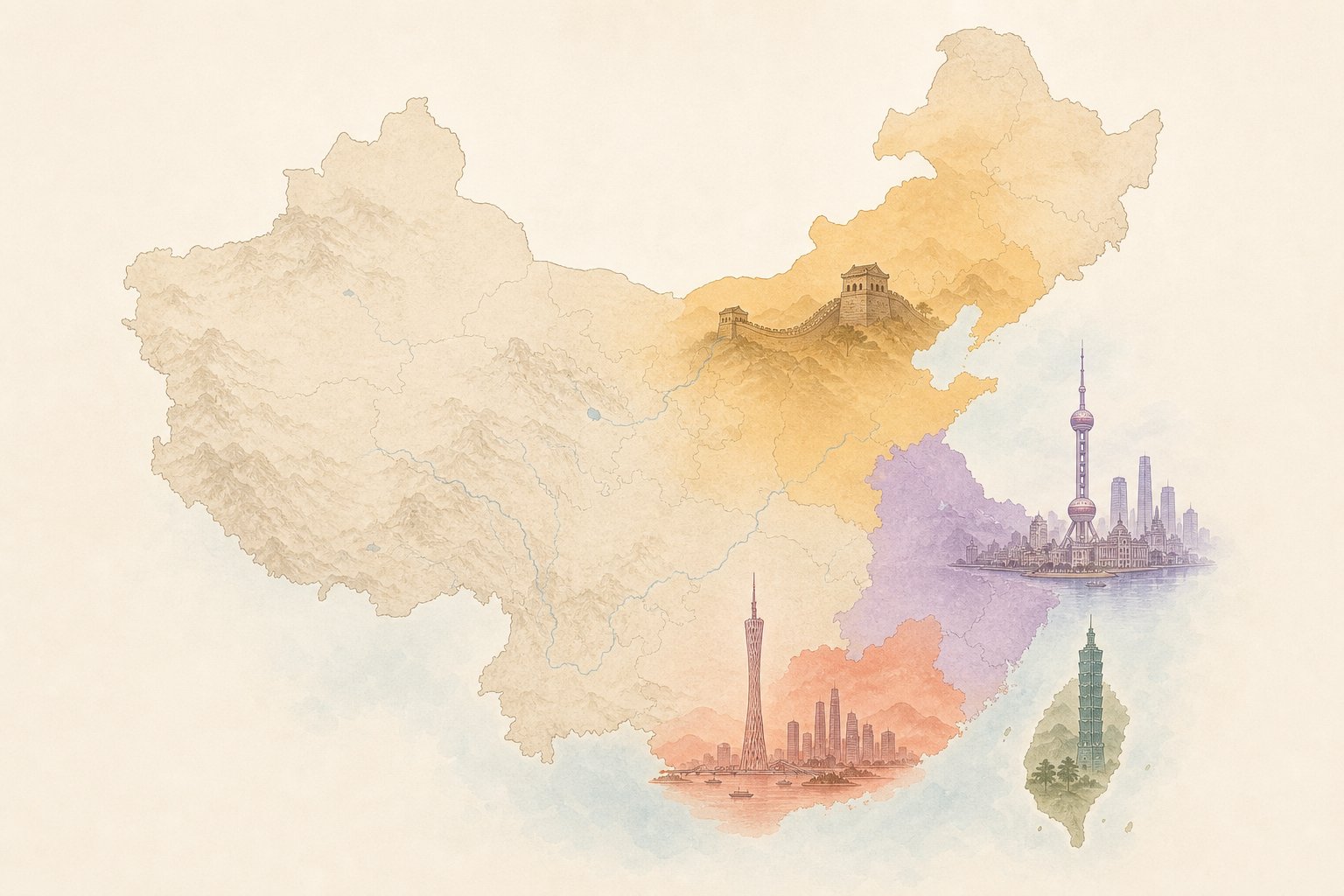
A child named 明华 (Ming Hua) grows up in Guangzhou and everyone calls him 阿明 (A Ming). His cousin with the same name grows up in Beijing and hears 小明 (Xiao Ming) all day. Same family, same given name, completely different nicknames chinese speakers would use - shaped entirely by which dialect dominates the household.
Geography rewrites the rules. The five formation patterns described above do not carry equal weight across China. Each dialect region has a dominant pattern that feels default, natural, and emotionally correct to local speakers. Use the wrong regional pattern and you will sound like an outsider trying too hard, even if the nickname is structurally valid.
Cantonese vs Mandarin Nickname Preferences
The split is stark. In Cantonese-speaking regions - Hong Kong, Guangdong, and much of the Pearl River Delta - the 阿 (a) prefix dominates almost completely. 阿明, 阿强 (A Keung), 阿仔 (A Zai, meaning "the kid") - these are the default affectionate nicknames in chinese Cantonese households. The 阿 prefix carries a warmth and directness that Cantonese speakers associate with genuine closeness. You will hear it between coworkers, between spouses, between grandparents and grandchildren. It crosses formality levels in ways that Mandarin's 小 prefix cannot.
Mandarin-dominant regions - Beijing, the northeast, and most of northern China - lean heavily on the 小 prefix instead. 小明, 小红 (Xiao Hong), 小虎 (Xiao Hu). The 小 prefix implies youth and approachability. It works between friends, in offices, and from older relatives to younger ones. Northern Mandarin speakers also favor the 儿 suffix (花儿, 宝儿), which barely exists in southern speech because the retroflex "r" sound is a distinctly northern phonetic feature.
Imagine introducing yourself with 阿 plus your name at a Beijing dinner party. It would sound oddly southern, maybe even affected. Flip the scenario - use 小 plus a name in a Hong Kong family gathering - and you will get polite smiles masking mild confusion. The nickname chinese speakers choose is a regional identity marker as much as a term of affection.
Southern Min and Taiwanese Nickname Patterns
Taiwanese Mandarin and Southern Min (Hokkien) dialects blend both systems but add their own flavor. The 阿 prefix remains strong in Taiwanese speech, inherited from Hokkien roots: 阿美 (A Mei), 阿國 (A Guo). But Taiwanese speakers also use a distinctive pattern where the prefix 小 gets applied with a softer, more drawn-out pronunciation that differs from standard Mandarin delivery.
Shanghainese (Wu dialect) takes yet another path. Reduplication dominates in Shanghai's nickname culture, but with a twist - Shanghainese tonal patterns give reduplicated names a sing-song quality absent in Mandarin. A name like 囡囡 (Niuniu in Shanghainese, meaning "little girl") carries a melodic lilt specific to Wu dialect phonology. The 阿 prefix also appears in Shanghainese but is pronounced with a distinct low tone that sounds nothing like its Cantonese counterpart.
| Dialect Region | Dominant Pattern | Example | Pronunciation | Formality Level | Notes |
|---|---|---|---|---|---|
| Cantonese (Guangdong, HK) | 阿-prefix | 阿明, 阿仔 | A Ming, A Zai | All levels - family to workplace | Most versatile; crosses age and status boundaries |
| Mandarin (Northern China) | 小-prefix / 儿-suffix | 小明, 花儿 | Xiao Ming, Huar | Casual to moderately familiar | 儿 suffix exclusive to northern regions |
| Taiwanese / Southern Min | 阿-prefix (Hokkien-influenced) | 阿美, 阿國 | A Mei, A Guo | Family and close friends | Blends Hokkien warmth with Mandarin structure |
| Shanghainese (Wu) | Reduplication | 囡囡, 宝宝 | Niuniu, Baobao | Intimate family use | Wu tonal system gives unique melodic quality |
What makes this regional variation fascinating is that it operates below conscious awareness for most speakers. A Cantonese speaker does not think "I am choosing the 阿 pattern" - it simply feels like the only natural option. The nickname chinese families settle on reveals their geographic roots as clearly as an accent does. Someone who grew up hearing 阿 will instinctively use it with their own children, even if they have lived in Beijing for decades.
These regional defaults also affect how chinese affectionate nicknames land emotionally. The 阿 prefix in Cantonese carries a blunt, no-nonsense warmth - affection expressed through directness rather than diminution. The 小 prefix in Mandarin softens through smallness, implying protection and care. The Shanghainese reduplication wraps affection in melody. Each region has calibrated its preferred pattern to match local communication styles and emotional expression norms.
Regional origin shapes which pattern feels right, but it does not determine how deeply a nickname penetrates. That depends on something else entirely - the specific relationship between the speaker and the person being named, and the unspoken rules governing who gets to call you what.

What Each Nickname Pattern Reveals About Your Relationship
You can tell exactly how close two people are by listening to which nickname pattern one uses for the other. A grandmother calling her grandson 明明 (Mingming) signals something fundamentally different from a coworker calling him 小明 (Xiao Ming). The structure itself carries emotional information - before you even process the meaning of the characters, the pattern has already announced the relationship.
This is not subtle. Native speakers pick up on these signals instantly. Use the wrong pattern for your relationship level and you will either sound presumptuous or oddly distant. Each formation occupies a specific rung on the intimacy ladder.
Intimacy Levels of Different Nickname Patterns
Here is how the five patterns rank, from the most emotionally intimate to the most casual:
- Reduplication (叠字) - Most intimate. 甜甜 (Tiantian), 宝宝 (Baobao), 明明 (Mingming). This pattern belongs to the innermost circle: parents to young children, grandparents to grandchildren, and romantic partners in private moments. The doubled syllable mimics baby talk - it carries a childlike vulnerability that only the closest relationships can sustain without awkwardness. When a partner uses reduplication, it signals deep emotional safety.
- 儿-suffix (X儿) - Intimate, with tenderness. 花儿 (Huar), 宝儿 (Baor). Common from parents to children in northern households, this pattern softens a name with a gentle trailing sound. It implies protectiveness - the speaker is wrapping the name in something delicate.
- 阿-prefix (阿X) - Warm familiarity. 阿华 (A Hua), 阿强 (A Qiang). In Cantonese-speaking families, this crosses all intimacy levels. In Mandarin contexts, it signals long-standing peer relationships - the kind of bond built over years of shared experience. It says "I have known you long enough to drop all formality."
- 小-prefix (小X) - Friendly and approachable. 小明 (Xiao Ming), 小红 (Xiao Hong). This is the safest, most versatile pattern. Colleagues use it. New friends use it. It implies warmth without overstepping. You can call someone 小李 on your second meeting without raising eyebrows.
- Abbreviated compound - Most casual. Taking one character from a full name (凯 from 俊凯) and using it standalone or with a prefix. This is common among classmates and acquaintances - friendly, but carrying no particular emotional weight.
Two Character Nicknames for Partners and Family
Romantic relationships in Chinese operate on their own nickname logic. Chinese couple nicknames tend to cluster at the top of the intimacy scale, relying heavily on reduplication and affectionate character choices. A boyfriend might call his girlfriend 甜甜 (Tiantian, "sweetie") or 乖乖 (Guaiguai, "good girl"). Chinese nicknames for girlfriend choices often use characters associated with sweetness, beauty, or preciousness - 宝宝, 亲亲 (Qinqin, "kissy"), or 心肝 (Xingan, "heart and liver"), which expresses deep affection similar to "my heart" in English.
Chinese nicknames for boyfriend follow similar patterns but sometimes lean toward playful teasing. 熊熊 (Xiongxiong, "bear bear") implies cuddly strength. 笨笨 (Benben, "silly silly") uses affectionate mockery - the kind of chinese love nicknames that only work when both people understand the teasing comes from a place of total security. Chinese lover nicknames like these would sound bizarre between strangers, which is precisely the point. The nickname marks territory: only I get to call you this.
Parents addressing children almost universally default to reduplication or the 儿 suffix. A mother calling her son 虎子 (Huzi) or 崽崽 (Zaizai, "baby baby") is using the most affectionate chinese nicknames available in the language. These names often stick for life - a 40-year-old man might still hear his mother use his childhood 小名 during phone calls home, even though no one else in his life would dare.
Friends occupy the middle ground. Chinese nicknames for boyfriend or girlfriend carry romantic charge, but friend nicknames deliberately avoid it. The 小 prefix dominates friend groups because it maintains warmth without implying anything deeper. Calling a male friend 小凯 is safe. Calling him 凯凯 might raise questions about your intentions - reduplication between non-family members of similar age often reads as flirtatious.
This is the unwritten rule that governs all chinese nicknames for lovers versus friends: the more syllabically repetitive and phonetically soft the pattern, the more intimate the relationship it implies. A reduplicated name between two people who just met would feel jarring - like saying "I love you" on a first date. The pattern has to match the depth of the bond, or it rings false.
These intimacy signals operate within private spaces - family dinners, couple conversations, friend group chats. But two-character nicknames also live a very public life in pop culture, where fans create nicknames for celebrities they have never met, bending these intimacy rules in fascinating ways.
Two Character Nicknames in Pop Culture and Online Spaces
Fans have never met their idols. They share no family bond, no workplace, no neighborhood. Yet Chinese internet users routinely assign two-character nicknames to celebrities with the same structural precision a grandmother uses for her grandchild. The intimacy rules bend in public fandom spaces - and the results reveal how deeply these naming patterns are wired into Chinese linguistic instinct.
Celebrity Fan Nicknames in Chinese Pop Culture
Chinese celebrity nicknames follow the same formation logic as personal ones, but the motivation shifts from private affection to collective identity. When fans coin a two-character name for an idol, they are claiming a relationship - signaling that this person belongs to their community. Research on Chinese fandom culture shows that these linguistic acts build group bonds and mark insider status. If you know the nickname, you are part of the circle.
The patterns are familiar but applied creatively. Reduplication works for idols perceived as cute or approachable - a singer might become 坤坤 (Kunkun) from a single character in their name. The 小 prefix signals affectionate familiarity: 小凯 (Xiao Kai) for a young actor. Abbreviated compounds pull the most distinctive character from a full name and let it stand alone or pair with a prefix.
International celebrities get the same treatment. NBA Chinese nicknames demonstrate this perfectly - Chinese fans compress foreign names into two-character forms that feel native. The LeBron Chinese nickname 老詹 (Lao Zhan) uses the "old" prefix plus a phonetic approximation, signaling veteran respect. The Steph Curry Chinese nickname 萌神 (Meng Shen, "cute god") abandons phonetic translation entirely, instead capturing his baby-faced appearance in two characters that follow natural nickname rhythm. Fans debating the Anthony Edwards Chinese nickname or other rising stars apply the same creative logic - finding two characters that capture personality, playing style, or physical traits rather than simply transliterating sounds.
This is what makes Chinese nicknames for celebrities linguistically interesting. They are not translations. They are character-level portraits compressed into two syllables, following the same tonal and phonetic preferences that govern family nicknames. A good fan nickname sounds inevitable - as if the celebrity was always meant to be called that.
Two Character Nicknames in Gaming and Online Communities
Gaming communities push these patterns even further from their family origins. In Chinese online games, players create two-character handles that function as identity markers within guild systems and chat interfaces. The constraint is partly practical - shorter names display better in UI elements - but the cultural preference for two-character rhythm makes it feel natural rather than limiting.
Love and Deepspace nicknames Chinese players assign to in-game characters follow the same affectionate logic as real-life pet names. Players call their favorite characters by reduplicated forms or 小-prefix names, treating fictional relationships with the same linguistic intimacy patterns used for actual partners. When a player calls a character 深深 (Shenshen) or 小沈 (Xiao Shen), they are activating the same emotional register a girlfriend would use - the game deliberately encourages this blurring.
The Chinese StarCraft community offers another angle. Players developed an entire vocabulary of two-character nicknames for game units based on appearance or function rather than official English names. A Zergling becomes 小狗 (Xiao Gou, "little dog"). A Mutalisk becomes 飞龙 (Fei Long, "flying dragon"). These follow the same concise, two-character structure - proof that the pattern extends beyond people into anything Chinese speakers want to name with familiarity and speed.
C-drama fandoms merge both worlds. Viewers create two-character ship names by pulling one character from each character's name - a compressed compound that names the relationship itself. These formations spread across Weibo and Douyin comment sections, functioning as in-group markers. Knowing the ship nickname means you watch the show. Using it signals you belong.
What internet culture has ultimately done is democratize nickname creation. The patterns remain ancient - reduplication, prefixes, abbreviation - but the authority to name has shifted from family elders to millions of fans, gamers, and forum users generating new two-character forms daily. The container is traditional. The scale is entirely modern. And for anyone navigating these spaces as an outsider, the practical question becomes: how do you participate without stumbling over the unwritten rules?
A Practical Guide to Using Two Character Nicknames
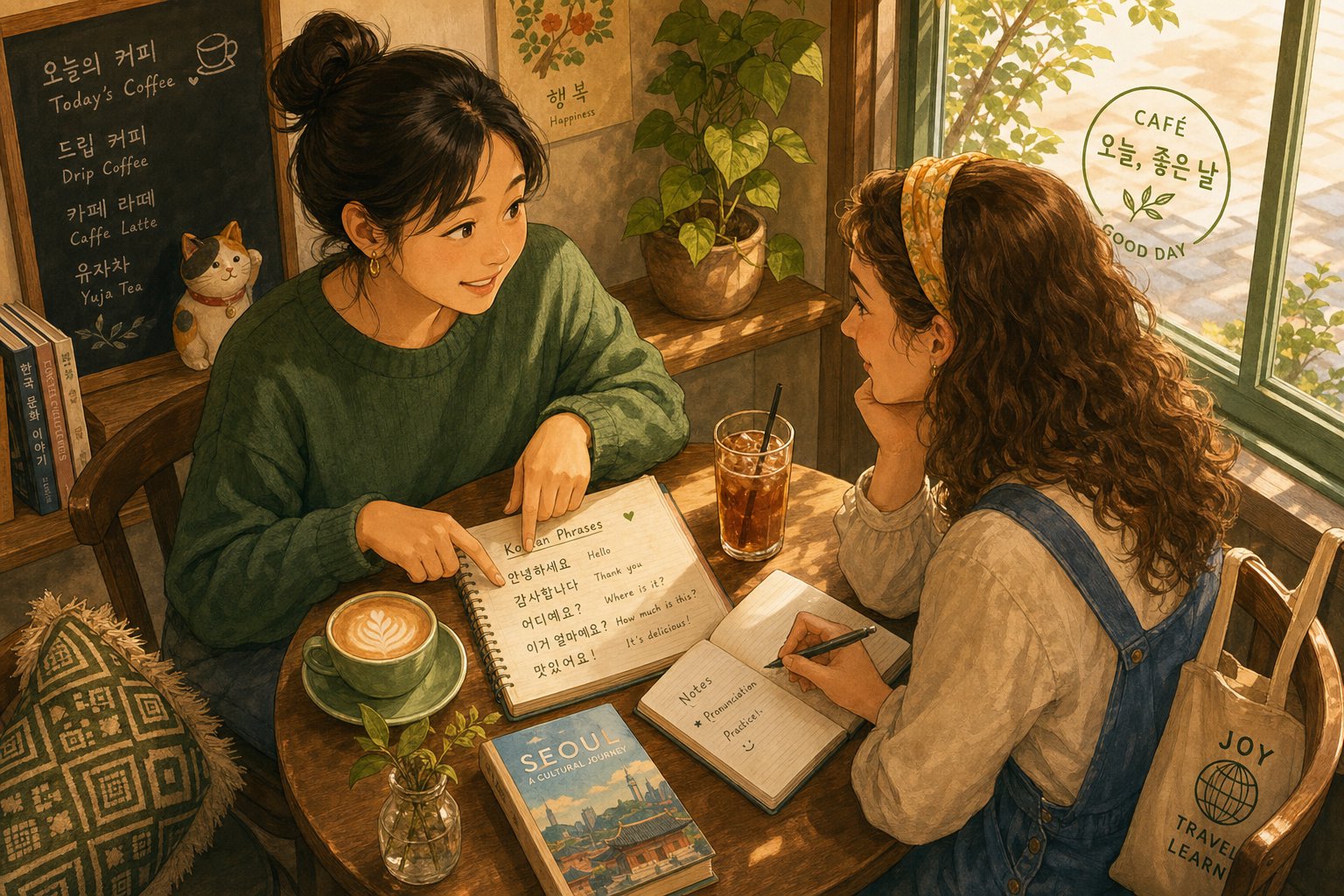
Knowing the patterns, the tonal mechanics, and the intimacy levels is one thing. Actually using a two-character nickname in a real conversation - at your Chinese partner's family dinner, in a new office in Shanghai, or in a WeChat group with friends - is where things get delicate. The wrong move does not just sound awkward. It can signal disrespect, presumption, or a misreading of your place in someone's life.
Here is what non-Chinese speakers need to know before they start using - or receiving - these names.
When and How to Use Someone's Chinese Nickname
The core rule is simple: wait to be invited. A nickname in chinese culture is not something you claim access to. It is something that gets offered, either explicitly ("you can call me 小明") or implicitly through observation (everyone in the group uses it, so you can too). Jumping to someone's reduplication nickname - the most intimate form - without that invitation is like hugging a stranger.
Imagine you are meeting your Chinese girlfriend's parents for the first time. They call her 甜甜 (Tiantian). You have been calling her that for months. Should you use it in front of them? Probably not on the first visit. In front of family elders, using her full name or the 小-prefix version shows respect for the family hierarchy. Once her parents start using your name casually - or better, give you a nickname themselves - the dynamic shifts.
In a Chinese workplace, the 小-prefix is your safest entry point. If colleagues introduce someone as 小李 (Xiao Li), you can use that immediately. But if you hear a coworker's mother call them 乐乐 (Lele) on a phone call, that name is not yours to borrow. The pattern reveals the relationship tier, and you need to be on that tier to use it.
Here are the practical dos and don'ts:
- Do listen to how others in the group address someone before choosing your form of address.
- Do ask directly: "我可以叫你什么?" (What can I call you?) - this is normal and appreciated.
- Do accept the nickname someone offers you, even if it sounds silly in English. It means they are pulling you closer.
- Don't use reduplication nicknames for someone unless you are genuinely close - it reads as either flirtatious or condescending.
- Don't assume a nickname you hear in private is acceptable in public. Many people keep their 小名 strictly within family.
- Don't shorten someone's name yourself without checking. Picking the wrong character from a two-character given name can accidentally create an unflattering or meaningless nickname.
- Do mirror the formality level of the people around you. If everyone uses full names, you use full names.
One common mistake foreigners make: using cute chinese nicknames in english translation as if they are interchangeable with the Chinese form. Calling someone "Little Tiger" in English does not carry the same weight as 小虎 in Mandarin. The emotional resonance lives in the Chinese sounds, not the translated meaning. If you are going to use the nickname, use it in Chinese.
Creating Your Own Two Character Chinese Nickname
Many non-native speakers want their own two-character name - especially those in relationships with Chinese partners. If you are searching for chinese nicknames for boyfriend with meaning or cute chinese nicknames for boyfriend with meaning to use with your partner, the same formation rules apply. A name like 大熊 (Da Xiong, "big bear") or 乖乖 (Guaiguai, "good one") works because it follows established patterns and uses phonetically pleasing characters. Cute nicknames for boyfriend in chinese land best when they match the actual dynamic - playful teasing for lighthearted couples, softer reduplication for more tender relationships.
For creating your own nickname, you have a few paths. A chinese nickname generator can serve as a starting point, offering combinations based on your English name's phonetics or personality traits. But treat generator results as raw material, not finished products. Run any suggestion through the checks covered in this article: Does the tone pairing sound pleasant? Does the character work with the chosen pattern? Would a native speaker find it natural?
The better approach is collaborative. Ask a Chinese-speaking friend or partner to help you build a nickname that follows proper formation rules. As one writer who chose a Chinese name for life in Taiwan discovered, bouncing ideas off native speakers catches problems you would never spot alone - like near-homophone collisions with embarrassing words. What sounds fine to a foreign ear might land as unintentionally hilarious or even offensive to someone who grew up with the language's full tonal and semantic landscape.
When building your nickname, prioritize these factors in order: natural sound first, meaning second, connection to your real name third. A nickname that sounds melodically right but has a loose connection to your given name will always beat one that perfectly transliterates your English name but sounds clunky in Chinese. Chinese nicknames for friends work the same way - the best ones feel inevitable, as if the sound chose you rather than the other way around.
The two-character format has survived two thousand years because it works at every level - phonetic, emotional, social. Whether you are receiving a nickname from a Chinese grandmother or crafting one for a WeChat profile, the same principles hold. Follow the patterns. Respect the intimacy tiers. Listen to how it sounds out loud. If it rolls off the tongue and makes someone smile, you have found the right one.
Frequently Asked Questions About Two Character Chinese Nicknames
1. What is the difference between a two character Chinese nickname and a two character given name?
A two character given name appears on official documents and carries family aspirations, while a two character nickname (小名 or 乳名) exists only in spoken intimacy. Nicknames follow specific patterns like reduplication or prefix addition and are used exclusively within close relationships. You would never use your 小名 in a formal setting - it belongs to private family life, romantic relationships, or close friendships.
2. How do you form a two character Chinese nickname?
There are five core formation patterns. Reduplication doubles a character (明 becomes 明明). The 小-prefix adds 'little' before a character (小明). The 阿-prefix attaches a familiarity marker (阿华). The 儿-suffix adds a softening sound (花儿). Abbreviated compounds take one character from a longer name and apply a pattern to it. Each method produces a natural-sounding two-syllable result with different emotional weight.
3. Why do some two character Chinese nicknames sound better than others?
Tone pairing, vowel quality, and consonant texture all affect how a nickname sounds. Rising tones (Tone 2) and high-flat tones (Tone 1) are perceived as more positive. Open vowels like /a/ and /i/ sound warmer, while closed vowels like /u/ can feel tense. Soft consonants like /m/ and /n/ create gentleness, whereas plosives like /k/ and /t/ sound sharper. The best nicknames combine pleasing tones with open vowels and soft onsets.
4. Can non-Chinese speakers use or receive a two character Chinese nickname?
Yes, but etiquette matters. Wait to be invited before using someone's nickname - especially reduplication forms, which signal deep intimacy. In workplaces, the 小-prefix is safest. For creating your own nickname, collaborate with a native speaker rather than relying solely on generators. Prioritize natural sound over literal meaning, and always check for unintended homophones that might sound embarrassing to native ears.
5. Do two character nickname patterns differ between Cantonese and Mandarin speakers?
Significantly. Cantonese-speaking regions strongly favor the 阿-prefix (阿明, 阿仔), which crosses all formality levels from family to workplace. Mandarin-dominant northern regions prefer the 小-prefix (小明) and 儿-suffix (花儿). Shanghainese speakers lean toward reduplication with a distinctive melodic quality. Using the wrong regional pattern can mark you as an outsider even if the nickname is structurally correct.