What Makes Chinese Last Names Unique Among World Naming Systems
You type "chinese last name generator" into a search bar, click a button, and get... Wang. Li. Zhang. Again. Every tool seems to pull from the same short list, and there's a reason for that. Unlike Western naming systems where thousands of surnames exist, Chinese family names draw from a remarkably small pool shared by over a billion people. A chinese name generator isn't broken when it keeps repeating results — it's reflecting a real cultural pattern most people never learn about.
What a Chinese Last Name Generator Actually Does
At its core, a surname generator for Chinese names picks from a database of authentic chinese surnames and pairs them with given names. Simple enough. But here's where things get interesting: there are only about 400 different family names actively used in China, and the top 100 cover roughly 85 percent of the population. Compare that to English-speaking countries, where tens of thousands of last names circulate freely. The math alone explains why your results feel repetitive.
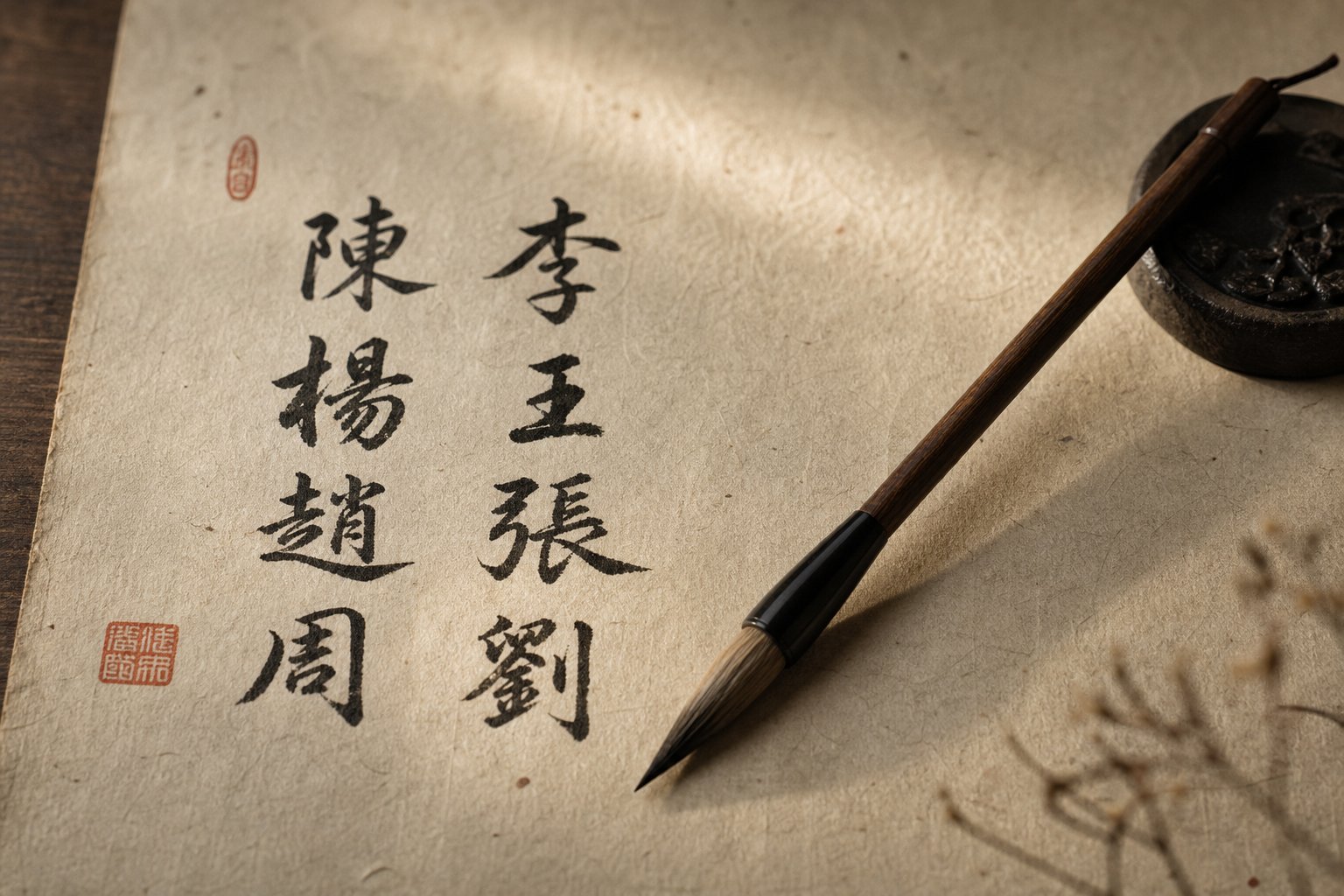
Chinese surnames work in reverse order from Western names — the family name comes first, signaling lineage before individuality. And with 87% of 1.4 billion people sharing approximately 100 last names, a random generator will statistically land on Wang, Li, or Zhang about one in five times.
Who Benefits From Understanding Chinese Surnames
Knowing the cultural weight behind chinese names transforms a random click into an informed decision. Fiction writers crafting characters for historical or contemporary Chinese settings need surnames that match a specific era, region, or social class. Gamers building characters for wuxia or xianxia worlds want names that feel authentic without defaulting to the obvious choices. Language learners adopting a Chinese name benefit from understanding which surnames pair naturally with given names — and which combinations might sound awkward to native speakers.
Parents seeking culturally appropriate chinese family names for their children, researchers tracing genealogical records, and anyone curious about why three surnames account for 270 million people — all of them gain something when they move past random generation and into the deeper story these names carry.
That story starts with a text written over a thousand years ago, one that organized Chinese surnames into a poem children memorized for centuries.
The Hundred Family Surnames Tradition and Its Legacy
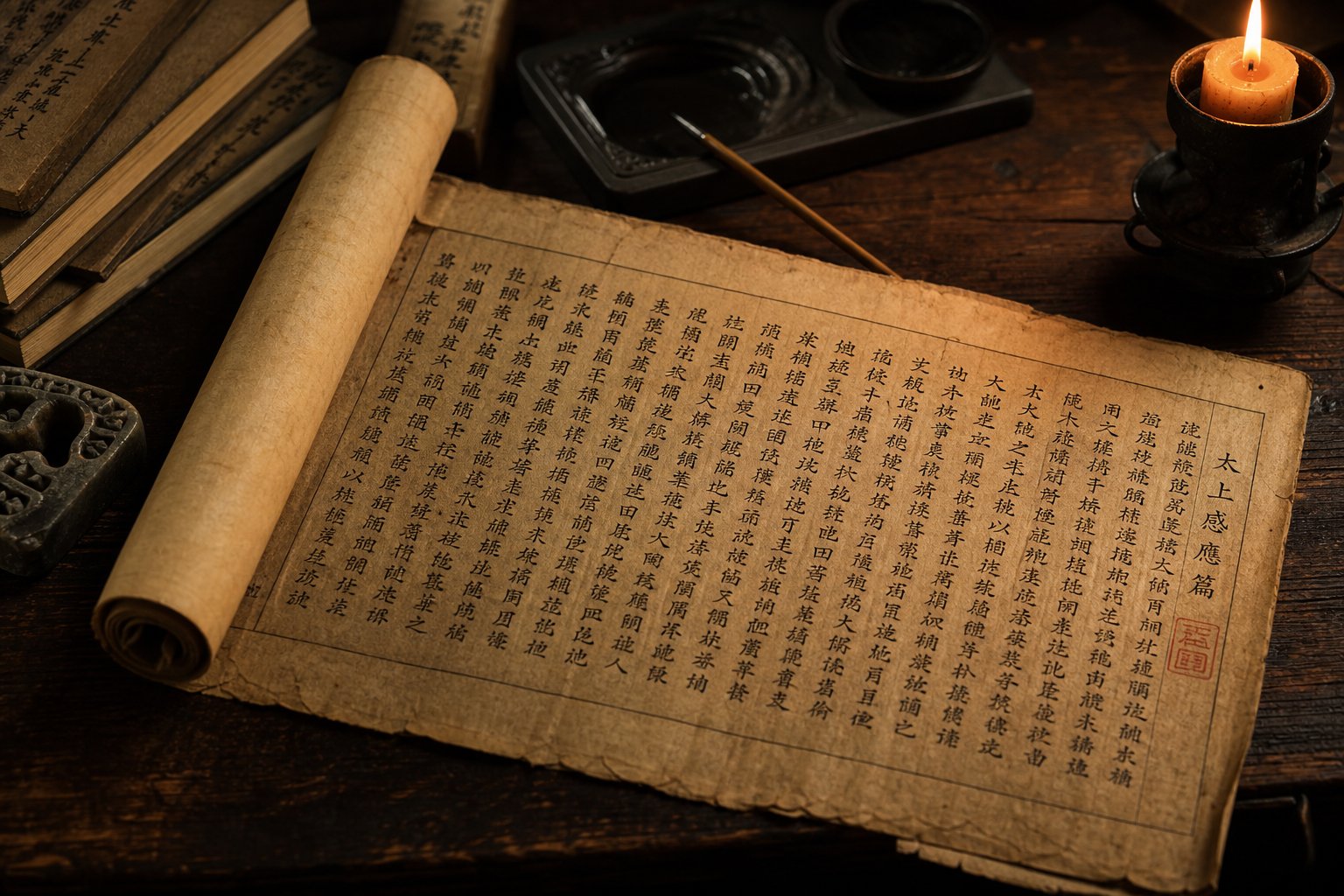
Every chinese last name generator draws from a list that was first codified over a thousand years ago. The Bǎijiāxìng (百家姓), or "Hundred Family Surnames," is the foundational text behind virtually every surname database used in modern naming tools. Understanding its origins reveals why certain names dominate — and why that dominance isn't random at all.
Origins of the Hundred Family Surnames Text
An anonymous author composed the Bǎijiāxìng during the Song Dynasty (AD 960–1279), arranging approximately 503 chinese surnames into quadrisyllabic rhyming couplets. The text wasn't a census or a ranking — it was a literacy tool. Young scholars in Imperial China memorized these couplets the way English-speaking children learn the alphabet song. Each line packed four surnames into a rhythmic phrase designed for easy recall.
Zhao, Qian, Sun, Li — Zhou, Wu, Zheng, Wang. These opening eight surnames of the Bǎijiāxìng have been recited by Chinese schoolchildren for over a millennium, making them the most recognized sequence in Chinese naming culture.
Why does Zhao (赵) come first? Not because it was the most common. The Song Dynasty's imperial family carried the surname Zhao, so it earned the opening position as a political courtesy. This detail matters: the order reflects power structures of a specific moment on the chinese dynasty timeline, not statistical frequency. When you look at any list of chinese dynasties, you'll notice that ruling families often shaped which surnames gained prominence in their era. The chinese dynasties list reads like a roster of surname influence — each dynasty elevating certain clans while absorbing others.
Cultural Significance of Surname Poems and Clan Registries
The Bǎijiāxìng did more than teach reading. It formalized a cultural understanding that chinese surnames and meanings are inseparable from identity. The text gave rise to the expression lǎobǎixìng (老百姓) — literally "the old hundred surnames" — which remains the everyday Chinese term for ordinary folk. Your chinese surname doesn't just identify your family. It connects you to an ancestral village, a clan registry, and genealogical records that may stretch back centuries.
Chinese families historically maintained jiāpǔ (家谱) — compiled genealogies documenting lineage, migration patterns, and clan achievements. These records, some dating back to before the Song Dynasty, link each surname to specific geographic origins and historical events. The surname Zhong (钟), for example, traces directly to a family ancestor who fled to the Zhongli Mountains during the late Qin Dynasty, adopting the mountain's name as a new identity. That single decision over two thousand years ago now connects more than six million living people.
This is why a chinese surname carries weight far beyond simple identification. It signals regional origin, historical clan affiliation, and social lineage — layers of meaning that a basic generator never surfaces. The real question becomes: which of these surnames actually dominate modern China, and by how much?
Most Common Chinese Surnames With Characters and Meanings
The concentration is staggering. Out of roughly 20,000 surnames that have existed in Chinese history, just 20 account for more than half the population. When you use a chinese last name generator and keep seeing the same results, you're witnessing real demographics at work — not a lazy algorithm.
Top 20 Chinese Surnames by Population
The following table draws from China's Seventh National Population Census (2021) and represents the most common chinese last names in use today. These are the surnames any quality generator should prioritize, and understanding their chinese name meaning gives you context no random tool provides.
| Rank | Character | Pinyin | Meaning | Approx. % of Population |
|---|---|---|---|---|
| 1 | 李 | Lǐ | Plum tree | 7.94% |
| 2 | 王 | Wáng | King | 7.65% |
| 3 | 张 | Zhāng | To stretch; archer | 7.07% |
| 4 | 刘 | Liú | Axe (archaic); clan name | 5.38% |
| 5 | 陈 | Chén | Ancient state; to exhibit | 4.53% |
| 6 | 杨 | Yáng | Poplar tree | 3.08% |
| 7 | 黄 | Huáng | Yellow | 2.60% |
| 8 | 赵 | Zhào | State of Zhao | 2.21% |
| 9 | 周 | Zhōu | Cycle; Zhou dynasty | 2.12% |
| 10 | 吴 | Wú | State of Wu | 2.05% |
| 11 | 徐 | Xú | Gentle; slow | 1.66% |
| 12 | 孙 | Sūn | Grandson | 1.54% |
| 13 | 朱 | Zhū | Vermillion | 1.26% |
| 14 | 马 | Mǎ | Horse | 1.52% |
| 15 | 胡 | Hú | Beard; northern peoples | 1.23% |
| 16 | 郭 | Guō | Outer city wall | 1.18% |
| 17 | 林 | Lín | Forest | 1.11% |
| 18 | 何 | Hé | What; to carry | 1.17% |
| 19 | 高 | Gāo | Tall; high | 0.99% |
| 20 | 梁 | Liáng | Bridge; roof beam | 0.95% |
Meanings and Etymology Behind Each Surname
You'll notice that the meaning of chinese last names often traces back to nature, geography, or ancient political power. Lǐ (李) connects to the plum tree — and rose to dominance during the Tang Dynasty (618-906 AD) when emperors bearing the surname Li bestowed it on loyal subjects. Wáng (王) literally means "king," reflecting its origin among royal descendants. Zhāng (张) combines the characters for "bow" and "long," traditionally linked to the legendary inventor of the bow and arrow.
Some names in chinese and meanings point to ancient states: Zhào (赵), Wú (吴), and Chén (陈) all derive from kingdoms that existed thousands of years ago. Others reflect the natural world — Lín (林) means forest, Yáng (杨) means poplar, and Mǎ (马) means horse. Each name in chinese meaning carries a story that connects living people to specific moments in history.
When you explore chinese names and meanings at this level, patterns emerge. The top five surnames alone — Li, Wang, Zhang, Liu, and Chen — cover roughly 32 percent of China's Han population. The top 100 surnames account for about 85 percent of the country's citizens. That leaves thousands of rare surnames shared among just 15 percent of people.
This extreme concentration isn't accidental. It's the result of specific historical forces — imperial consolidation, patrilineal inheritance, and cultural assimilation — that compressed China's surname diversity over millennia.
Why So Few Surnames Cover a Billion People
Imagine a country of 1.4 billion people where only about 6,000 surnames are actively used — and just 100 of those cover nearly 86 percent of the population. That's China. Compare that to the United States, which has less than a quarter of China's population yet reported 6.3 million surnames in its 2010 census. The majority of those American surnames appeared only once. So what compressed China's naming landscape so dramatically?
Historical Forces That Concentrated Chinese Surnames
This concentration didn't happen overnight. It's the product of thousands of years of political, cultural, and demographic pressure working in the same direction. Throughout its long history, China has recorded more than 20,000 surnames — yet roughly two-thirds have gone extinct. Several forces drove that collapse:
- Imperial consolidation and political unification. Successive dynasties unified vast territories under centralized rule, standardizing language, culture, and naming practices. Emperors sometimes granted their own royal surname to loyal subjects, expanding certain names while others faded. The Tang Dynasty's Li and the Song Dynasty's Zhao both swelled in population through imperial patronage.
- Han Chinese cultural dominance. As the Han ethnic group expanded — today comprising over 91 percent of China's population — its naming conventions spread with it. Ethnic minorities and nomadic groups on the empire's borders frequently adopted Han surnames, sometimes voluntarily for social mobility, sometimes under pressure during intense Sinicization campaigns.
- Surname adoption by ethnic minorities. Many minority groups originally had no surname tradition or used naming systems incompatible with Chinese bureaucratic records. Over centuries, these communities adopted common Han surnames to navigate imperial administration, further concentrating the pool of asia surnames in active use.
- Migration and warfare. China's history of mass displacement — floods, famines, invasions — scattered populations and severed ties to ancestral names. People sometimes simplified complex characters, adopted similar-sounding common names, or abandoned surnames believed to bring misfortune.
- Character simplification. Unlike English, where you can add a letter to create a new surname variant, Chinese characters are fixed units. You can't casually invent a new one. This structural constraint in the writing system itself limits how new surnames can emerge.
Among all asian last names and naming traditions, this level of concentration is unusual. Japan uses roughly 100,000 surnames for 125 million people. Korea has a similarly small surname pool — about 280 surnames — but China's sheer population size makes the effect far more dramatic. When a chinese last name generator pulls from the same short list, it's reflecting a real demographic reality shaped by millennia of these converging pressures.
How Patrilineal Inheritance Shaped the Surname Landscape
The single most powerful mechanism behind surname concentration is patrilineal inheritance — children take their father's surname, and women historically adopted their husband's family name upon marriage. This system, maintained for over 4,000 years, creates what population geneticists call the Galton-Watson process: surnames naturally die out over generations as families without male heirs lose their name entirely.
Here's how it works in practice. If a surname was concentrated in a particular village and that family didn't produce enough male descendants, the name could disappear within a few generations. Meanwhile, large, prosperous clans with more resources had more children, spreading their surname across wider territory. Over thousands of years, this created a winner-take-all dynamic where popular last names grew exponentially while rare ones vanished.
A 1992 study by Stanford University and the Chinese Academy of Sciences put it plainly: Chinese surnames appeared at least 3,000 years earlier than in Europe or Japan, giving random drift far more time to eliminate rare names. The longer a patrilineal system runs, the fewer surnames survive. China's extraordinary history — the oldest continuous surname tradition on earth — means it has simply had more time to lose names than younger cultures.
This also explains a geographic pattern researchers have documented. Southern and western China, where mountainous terrain isolated communities, preserved more rare asian surnames through geographic protection. Northern and northeastern regions, shaped by massive migration waves, show far less surname diversity — populations there share an even more concentrated set of common names.
The concentration isn't just a historical curiosity. It has real consequences for how asian names and surnames function in daily life, and it explains why the same handful of results dominate every generator tool. But here's what most people miss: even when two people share the exact same written surname, they might pronounce it completely differently depending on their regional dialect — a layer of complexity that reveals just how much variety hides beneath the surface.
Regional Pronunciation Differences Across Chinese Dialects
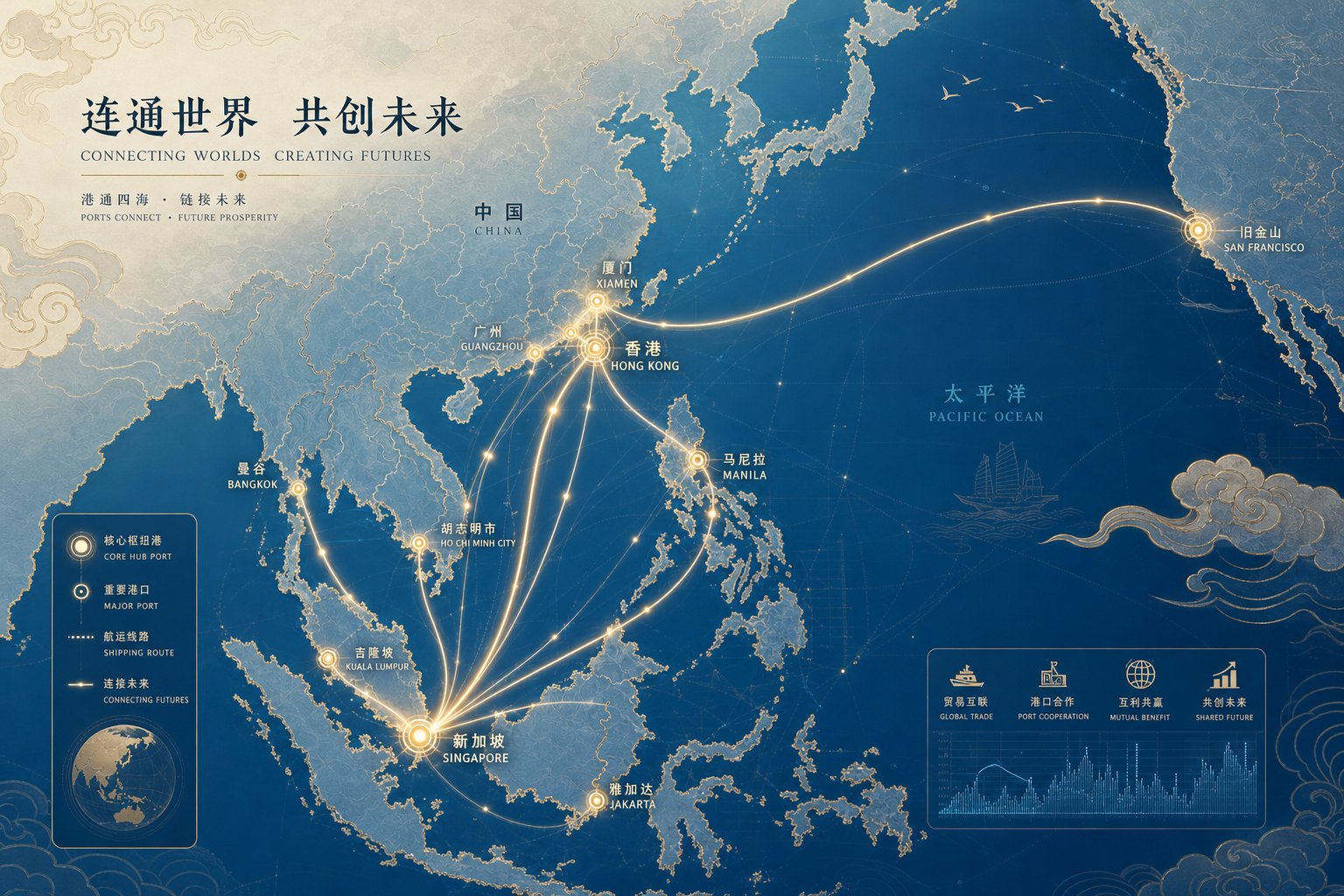
A single chinese hanzi can sound completely different depending on who reads it. The character 黄 is "Huang" in Mandarin, "Wong" in Cantonese, "Ng" in Teochew, and "Ong" in Hokkien. Same character, same surname中文, wildly different romanizations. This is why a chinese last name generator that only outputs Mandarin pinyin misses a huge piece of the picture — and why you might not recognize your own family name when you see it spelled differently.
Mandarin vs Cantonese Surname Romanization
The Chinese language splits into seven to ten major dialect groups, each with its own phonological system. Mandarin (Putonghua) is the official standard in mainland China and Taiwan, but Cantonese dominates Hong Kong, Macau, and much of the early Chinese diaspora in North America and Australia. When you try to convert pinyin to chinese characters or reverse-engineer a romanized surname, you're dealing with this fundamental split.
Consider the surname 陈. In Mandarin, it's "Chen." In Cantonese, it's "Chan." Both are correct — they just reflect different phonological traditions applied to the same written character. According to My China Roots, the surname 陈 alone has been romanized as Chen, Chan, Chin, Chinn, Ching, Tan, Tang, Tchen, Tin, Tjin, and Jin across different dialect communities and immigration records.
Hokkien and Other Dialect Variations
Hokkien (Southern Min) adds another layer entirely. Spoken across Fujian province, Taiwan, and much of Southeast Asia, Hokkien produces taiwanese last names and taiwanese surnames that look nothing like their Mandarin equivalents. The taiwanese mandarin system uses standard pinyin, but many Taiwanese families — especially older generations — romanize their surnames using systems rooted in Hokkien or Hakka pronunciation.
The romanization meaning shifts depending on context. "Tan" in Singapore usually points to 陈 (Chen in Mandarin) via Hokkien pronunciation. "Ong" typically represents 王 (Wang in Mandarin). Without knowing the dialect behind the spelling, you can't reliably trace a romanized surname back to its original character.
Here's how ten common surnames look across major dialect systems:
| Character | Mandarin Pinyin | Cantonese | Hokkien | Common Diaspora Spellings |
|---|---|---|---|---|
| 王 | Wang | Wong | Ong / Heng | Wong, Ong, Vong |
| 李 | Li | Lei | Lee | Lee, Ly, Lei |
| 陈 | Chen | Chan | Tan | Chan, Tan, Chin, Tran |
| 黄 | Huang | Wong | Ng / Ooi | Wong, Ng, Ong, Oei |
| 林 | Lin | Lam | Lim | Lam, Lim, Lum |
| 吴 | Wu | Ng | Goh | Ng, Goh, Go, Ngo |
| 张 | Zhang | Cheung | Teo / Tiong | Cheung, Chang, Chong |
| 刘 | Liu | Lau | Lau | Lau, Low, Lew |
| 杨 | Yang | Yeung | Yeo / Iu | Yeung, Yeo, Young |
| 周 | Zhou | Chow / Jau | Chew / Jiu | Chow, Chew, Chou, Jou |
How Diaspora Communities Preserve Regional Pronunciations
Here's what makes this especially fascinating for genealogy and creative writing: overseas Chinese communities often preserve dialect pronunciations that have faded in mainland China itself. A family surnamed "Tan" in Malaysia almost certainly traces back to Hokkien-speaking ancestors from Fujian — even if the current generation speaks Mandarin at home. The romanized spelling becomes a historical record frozen in time, capturing the dialect their ancestor spoke when they first arrived at an immigration checkpoint.
Without standardized romanization systems, immigration officials in the 19th and early 20th centuries simply guessed at spellings based on whatever sounds they heard. That's why a single family might carry different surname spellings across branches — one sibling registered as "Chan," another as "Chin" — depending on which port they entered and which official processed their paperwork.
For writers and researchers, this means a character's surname spelling can instantly signal their family's migration history, dialect background, and generational roots. A "Wong" in San Francisco tells a different story than a "Huang" in Beijing or an "Oei" in Jakarta — even though all three share the exact same chinese hanzi: 黄. That kind of specificity is something no basic generator captures, but it's exactly the detail that makes fictional characters and cultural research feel authentic.
Dialect variation explains the surface diversity hiding beneath China's concentrated surname pool. But there's another dimension of variety that generators overlook entirely: rare and compound surnames that exist outside the common top-20 list — names that carry noble origins, literary associations, and storytelling potential far beyond the usual picks.
Rare and Unusual Chinese Surnames for Creative Writers
If you're building a character for a novel, game, or chinese anime name project and you want something more distinctive than Wang or Li, you need to look beyond the top-20 list. China's surname system holds hundreds of rare gems — names that immediately signal nobility, mystery, or regional specificity. For fiction writers working in the jianghu or crafting xianxia worlds, these uncommon surnames carry built-in storytelling weight that common names simply can't match.
Compound Surnames and Their Noble Origins
Compound surnames (复姓 fuxing) use two characters instead of one, and they stand out instantly in any Chinese text. China currently has fewer than 100 compound surnames still in active use — down from over 1,000 in ancient times. Their rarity alone makes them powerful character last names for writers who want a protagonist or antagonist to feel immediately distinctive.
These surnames originated from ancient official titles, hereditary regions, professions, and ethnic minority adaptations. Here are the most notable ones for creative use:
- Ōuyáng (欧阳) — China's most-used compound surname, with over 1.1 million bearers. Derived from a geographic region. Associated with the Song Dynasty poet and politician Ouyang Xiu. Signals literary refinement and cultural prestige.
- Sīmǎ (司马) — Literally "controller of horses," originally a military title. The Han Dynasty historian Sima Qian, author of China's first comprehensive history, made this name legendary. Ideal for strategist or scholar characters.
- Zhūgě (诸葛) — Forever linked to Zhuge Liang, the brilliant strategist of the Three Kingdoms period. Using this surname for a character immediately evokes intelligence and cunning — readers familiar with Chinese history will feel that association instantly.
- Shàngguān (上官) — Means "superior official." Used by approximately 88,000 people today. Carries aristocratic weight and works well for characters in positions of authority.
- Línghú (令狐) — Derived from an ancient fiefdom. Famous in wuxia fiction through Jin Yong's character Linghu Chong, the free-spirited swordsman. Signals independence and unconventional behavior.
- Sīkōng (司空) — Originally the title for an official overseeing construction and engineering. Gu Long used it for his character Sikong Zhaixing, a legendary thief. Suggests cleverness and resourcefulness.
- Huángfǔ (皇甫) — Contains the character for "emperor" (皇). Signals imperial connections and high-born status without being a royal surname itself.
Compound surnames are romanticized in modern Chinese culture for their antique, poetic quality. They appear frequently in wuxia novels — Jin Yong alone created iconic characters named Ouyang Feng, Dongfang Bubai, and Linghu Chong, all bearing compound surnames that signal their larger-than-life roles. When considering wuxia vs xianxia settings, compound surnames work equally well in both: they ground a character in historical nobility for wuxia, or suggest ancient cultivator lineages in xianxia worlds.
Rare Single-Character Surnames for Distinctive Characters
Beyond compound surnames, China holds thousands of rare single-character surnames that most generators never surface. These names carry unusual meanings, regional specificity, and historical depth that can enrich any creative project:
- Qí (亓) — One of the oldest surviving surnames, found on oracle bone inscriptions. No definitive meaning beyond its identity as an ancient clan name. Located primarily in Shandong and Anhui. Perfect for characters with mysterious or unknowable origins.
- Qióng (琼) — Means "jade" or "precious stone." Associated with noble families and poets from southern coastal regions like Hainan. Signals elegance and rarity.
- Nǚ (女) — Means "woman." Fewer than 100 people carry this surname in all of China, possibly originating from matriarchal times. A bold, attention-grabbing choice for a character tied to ancient feminine power or chinese mythological creatures associated with creation goddesses.
- Yì (轶) — Means "hidden" or "unknown." Historically adopted by scholars or refugees seeking anonymity. Ideal for characters with concealed identities — a natural fit for any jianghu legend who operates in the shadows.
- Zhuan (颛) — Means "pure and virtuous." Traces back to mythical emperors and scholars. Found almost exclusively in Shandong Province family records. Conveys Confucian moral authority.
For game creators designing a chinese anime name or writers building xianxia cultivation worlds, these rare surnames offer immediate differentiation. A character surnamed Qí feels ancient and enigmatic. One surnamed Qióng carries an air of preciousness. The surname itself becomes a storytelling shortcut.
But rarity alone isn't enough — you also need to consider cultural taboos. Some surnames carry negative historical associations that Chinese readers will recognize immediately. Naming a heroic character after a notorious historical villain creates unintentional irony. The surname Qín (秦), for example, connects to the brutal first emperor Qin Shi Huang — useful for an antagonist, potentially jarring for a gentle protagonist. Similarly, certain character last names sound identical to unflattering words in specific dialects, creating accidental puns that undermine serious characters.
The safest approach for writers: match the surname's historical and tonal associations to your character's role. Noble compound surnames suit leaders and scholars. Nature-derived rare surnames work for wanderers and cultivators. Surnames with meanings tied to darkness or concealment fit morally ambiguous figures navigating the jianghu underworld. A well-chosen rare surname does half your characterization work before the reader even learns the given name.
Selecting the right surname is only the first step, though. Pairing it with an appropriate given name — one that balances tonal patterns, stroke counts, and cultural meaning — turns a good name into a great one.
How to Pick the Right Chinese Surname for Any Purpose
Knowing which surnames exist is one thing. Choosing the right one for your specific situation is another challenge entirely. Whether you're asking "what is my chinese name?" as a language learner, building a fictional world, or creating a memorable gaming persona, the selection process changes based on your goals. Here's practical, step-by-step guidance for each scenario.
Choosing a Surname for Fiction and Worldbuilding
Fiction writers need surnames that do narrative work — signaling era, social class, and regional origin without exposition dumps. A character set in Tang Dynasty Chang'an carries different surname expectations than one in modern Shanghai.
- Identify your story's time period. Match the surname to dynasties where it held prominence. Li (李) dominated the Tang era. Zhao (赵) signals Song Dynasty connections. Zhu (朱) points to the Ming.
- Consider social class. Common surnames like Wang and Zhang suggest ordinary backgrounds. Compound surnames like Ouyang or Sima immediately signal aristocratic or scholarly lineage.
- Check regional logic. If your character hails from southern China, surnames like Lin (林), Huang (黄), and Chen (陈) are statistically more likely. Northern settings favor Wang (王), Li (李), and Zhang (张).
- Pair with a tonally balanced given name. Avoid stacking identical tones across all three syllables. A surname in the second tone (rising) pairs well with a given name combining fourth and first tones — creating a natural melodic contour that sounds pleasing to native ears.
- Balance stroke counts visually. A simple surname like Li (李, 7 strokes) pairs well with moderately complex given-name characters (8-12 strokes each). This creates visual harmony when the name appears in written Chinese — something readers notice subconsciously.
One critical point: Chinese surnames are entirely gender-neutral. The surname Wang tells you nothing about whether the bearer is male or female. Gender associations come exclusively from the given name. Characters like 婷 (ting, graceful) or 芳 (fang, fragrant) signal femininity, while 伟 (wei, great) or 刚 (gang, strong) lean masculine. The surname itself remains a blank canvas.
Selecting a Chinese Surname as a Language Learner
When you're figuring out how to say my name is chinese — or more precisely, how to introduce yourself with a Chinese name — the surname choice matters more than most learners realize. A poorly chosen surname paired with a given name can sound awkward, comical, or culturally tone-deaf to native speakers.
- Start with phonetic similarity to your actual surname. If your last name is "Lin," you're in luck — 林 (Lin) is a common Chinese surname that matches perfectly. "Carter" might become 卡 (Ka) as a surname approximation, though this sounds unusual. Sometimes a loose phonetic match works better than forcing an exact one.
- Choose from established surnames only. Inventing a new character combination as your surname will confuse every native speaker you meet. Stick to real surnames from the existing pool — even if the phonetic match isn't perfect.
- Ask native speakers for feedback. What sounds elegant to a foreigner might carry unintended connotations. The surname 贾 (Jia) means "merchant" but sounds identical to 假 (fake). Multiple native speakers should validate your choice before you commit.
- Consider your environment. If you're studying in Taiwan, Cantonese-region surnames romanized differently might cause confusion. Match your surname choice to the dialect community you'll interact with most.
The question "what is my name in chinese" doesn't have a single correct answer — it depends on whether you prioritize sound, meaning, or cultural fit. As Hacking Chinese explains, you can choose a name that sounds like your English name, one with a related meaning, or one that reflects your personality — but achieving all three simultaneously is extremely difficult. Most successful Chinese names for foreigners nail two out of three.
Translating my name in mandarin through a simple english to chinese name converter often produces awkward multi-character transliterations that don't function as real names. The result might be phonetically close but culturally meaningless — like being called "Gram Advantage Thus Earlobe Man," as one language educator memorably described the literal meaning of a transliterated Western name. A proper chinese name converter should help you find an authentic-sounding name, not just a phonetic approximation.
Gaming and Online Character Names
Gamers face a different calculus. You want a name that feels authentic enough to respect the setting but memorable enough to stand out in a player roster. Authenticity and distinctiveness pull in opposite directions — common surnames feel generic, while obscure ones might seem pretentious.
- Match the game's genre. Wuxia and xianxia games reward compound surnames (Sima, Ouyang, Zhuge) that signal martial arts nobility. Modern-setting games work better with common surnames that ground the character in reality.
- Prioritize pronounceability. If you're playing with an international group, surnames with simple romanizations — Lin, Chen, Zhao — prevent constant mispronunciation. Save the complex ones for single-player experiences.
- Use surname meaning as character shorthand. A warrior named Gao (高, tall/high) or a scholar named Wen (文, literature) carries subtle thematic resonance without being heavy-handed.
- Avoid infamous historical associations. Naming your heroic character after a notorious villain creates unintentional comedy for anyone who knows the reference.
Across all these use cases, one principle holds: my chinese name should feel intentional, not random. Whether you're a writer, learner, or gamer, the difference between a forgettable name and a resonant one comes down to understanding the cultural mechanics behind the choice. Tonal balance, stroke harmony, historical weight, and regional logic all contribute — and none of them show up in a basic randomizer's output.
That gap between informed selection and random generation raises a deeper question: what actually happens inside these tools, and how can you tell a quality generator from one that just rolls dice on a surname list?
How Chinese Last Name Generators Work Behind the Scenes
Most tools marketed as a chinese name gen operate on a deceptively simple principle: pick a random surname from a stored list, pair it with a random given name, and display the result. That's it. No tonal analysis, no historical filtering, no regional logic. The entire process takes milliseconds because there's almost nothing happening under the hood. Understanding this gap between basic randomizers and quality generators helps you evaluate which tools actually deserve your time.
What Separates Quality Generators From Random Pickers
A basic surnames generator works like a slot machine. It stores a flat list of 100 to 500 surnames, assigns each one equal probability, and spits out a result when you click. The output might be technically valid — yes, that surname exists — but it carries no contextual intelligence. It doesn't know whether you need a chinese name generator male option for a Tang Dynasty warrior or a chinese name generator female result for a modern Shanghainese businesswoman. Every click is equally uninformed.
Quality generators add layers of logic between the database and the output. AI-powered name generators trained on linguistic datasets can analyze phonetic patterns, ensuring that the surname and given name don't clash tonally. They consider character meaning — pairing a surname that means "forest" with a given name meaning "mountain stream" creates poetic coherence rather than random noise. Some filter by historical period, dialect region, or gender-appropriate given name conventions.
The difference matters most for specific use cases. A writer researching names for a Southern Song Dynasty character needs surnames concentrated in that era and region. A language learner searching for a male chinese name generator wants results that pair masculine given-name characters with phonetically harmonious surnames. A basic randomizer treats all these scenarios identically — and that's its fundamental flaw.
Features to Look For in a Chinese Name Generator
When evaluating any china names generator or asian name generator that claims to produce Chinese names, these features separate useful tools from glorified dice rolls:
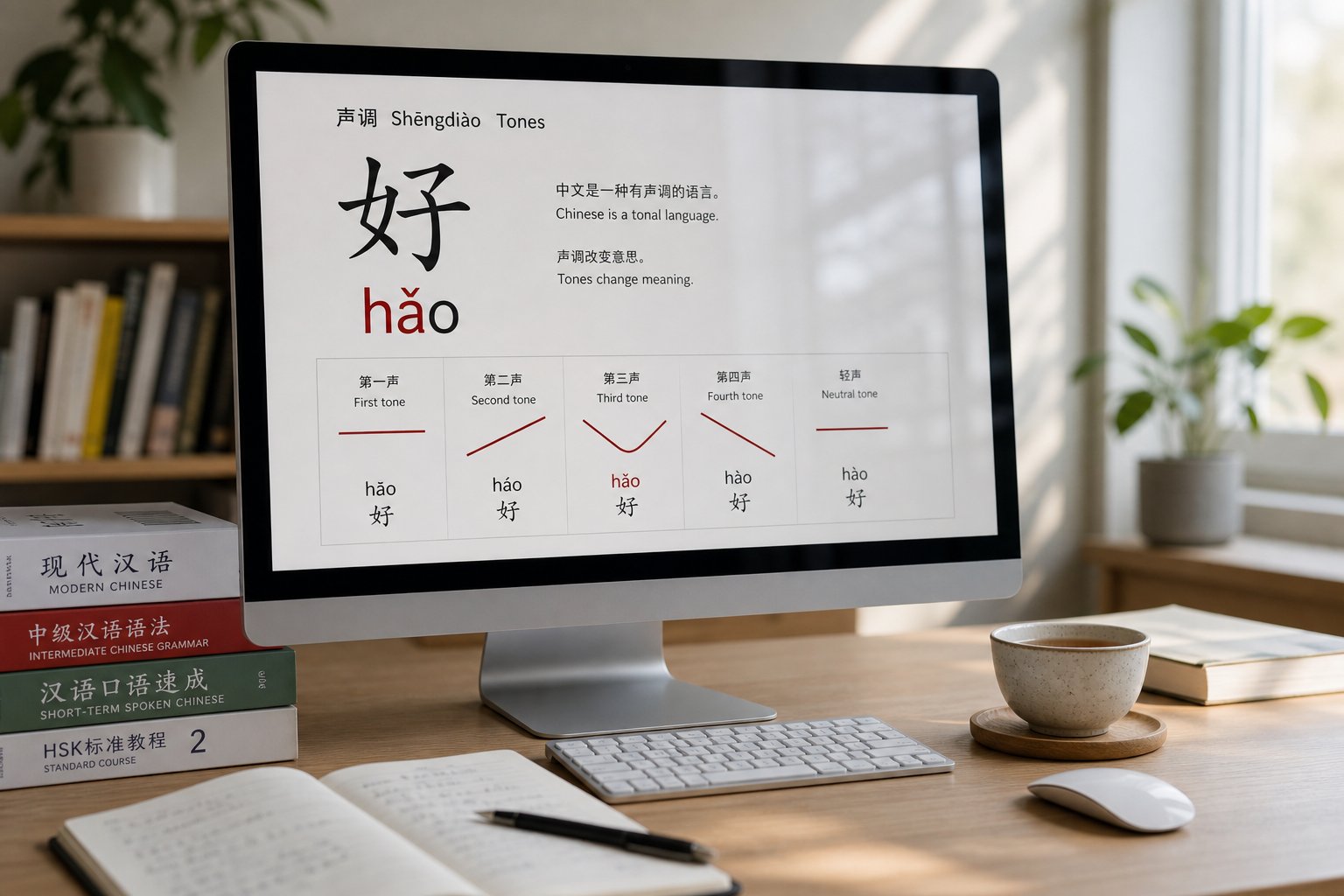
- Pinyin with tone marks. If the tool only shows characters without pronunciation guidance — or worse, shows pinyin without tones — it's cutting corners. Tones change meaning entirely, and you need them to evaluate whether a name sounds natural.
- Character meanings displayed. Each character in a Chinese name carries semantic weight. A generator that shows you 林雨桐 without explaining it means "forest, rain, paulownia tree" robs you of the information needed to make an informed choice.
- Dialect variation options. The best family name generator tools let you toggle between Mandarin, Cantonese, and Hokkien romanizations — acknowledging that "Chen" and "Chan" and "Tan" all represent the same surname in different contexts.
- Historical period filtering. Can you specify a dynasty or era? A tool that lets you narrow results to surnames prominent during the Three Kingdoms period or the Qing Dynasty produces far more useful output for writers and researchers.
- Gender-appropriate given name pairing. While surnames themselves are gender-neutral, given names carry strong gender associations. A chinese name generator female option should pair surnames with characters that native speakers recognize as feminine — and vice versa for masculine names.
- Frequency weighting. Does the tool reflect real population statistics, or does it treat the surname ranked #1 (Li, 7.94% of the population) the same as one ranked #500? Realistic weighting produces more authentic results for most use cases.
Even the best automated tool has limits. No algorithm fully replaces the cultural intuition a native speaker brings — the instinct that a certain name combination sounds "off," or that a particular surname-given name pairing accidentally creates an embarrassing pun in a specific dialect. AI-powered generators trained on large datasets get closer to this intuition, using pattern recognition and phonetic analysis to flag awkward combinations, but they still miss context-dependent nuances.
To validate any generated surname, cross-reference it against authentic sources. China's National Bureau of Statistics publishes census surname data. The Baijia Xing text provides historical context. Genealogical databases like those maintained by regional clan associations confirm whether a surname was actually used in a specific time and place. A validated surname list developed by researchers at the University of Calgary demonstrated that surname-based identification achieved 77.7% sensitivity and 99.7% specificity — showing that authentic surname data, when properly compiled, is remarkably reliable for identifying Chinese heritage.
The bottom line: treat any generator as a starting point, not a final answer. The tool narrows your options. Your cultural understanding — built through everything covered in this article — turns that narrowed list into a genuinely informed choice.
Making an Informed Choice Beyond Random Generation
A generator gives you a starting point. Everything you've learned here — the historical weight, the dialect layers, the tonal mechanics, the demographic realities — turns that starting point into a destination worth arriving at. Whether you're a writer selecting a name in chinese language for a fictional character, a learner choosing your own identity, or a researcher tracing genealogical roots, the same principle applies.
An informed choice beats a random generation every time. The difference between a forgettable name and a resonant one isn't luck — it's cultural understanding applied at the moment of selection.
Quick Reference for Writers and Worldbuilders
When you need a surname that does narrative work, run through these considerations before committing. What does the chinese name mean in context? Does it fit the era, the region, the social class? A name that checks all three boxes will feel invisible in the best way — readers accept it without question because it belongs.
For common chinese names, the top five (Li, Wang, Zhang, Liu, Chen) signal ordinary backgrounds. Compound surnames signal aristocracy or scholarly lineage. Rare single-character surnames create mystery. Match the surname's cultural weight to your character's role, and you've done half the work before choosing a given name.
Next Steps for Language Learners Choosing a Name
If you're still wondering how to name translate in chinese — or more specifically, how to find a name that honors both your identity and Chinese naming conventions — start with phonetic similarity, then refine for meaning. Ask native speakers to validate your choice. A good chinese name translation isn't a word-for-word conversion. It's a cultural adaptation that sounds natural to the people who'll actually use it.
The chinese name definition you settle on should feel intentional. It should carry a story you're comfortable telling when someone inevitably asks what it means — because in Chinese culture, they always will.
Use this checklist every time you evaluate a surname from any source:
- Tonal balance: Does the surname's tone complement the given name, or do they clash?
- Historical appropriateness: Does the surname fit the time period and setting you need?
- Regional dialect awareness: Do you know how this surname sounds in Cantonese, Hokkien, or other relevant dialects?
- Cultural sensitivity: Does the surname carry negative historical associations or accidental homophones in any major dialect?
- Frequency logic: Is the surname's commonness or rarity appropriate for your use case?
- Visual harmony: Do the stroke counts between surname and given name create balanced written characters?
- Meaning coherence: Does the surname's etymology complement or contradict the given name's meaning?
Chinese name interpretation goes deeper than any single tool can reach. But armed with the right questions, you can turn any generator's output — or your own research — into a name that carries real weight. The surnames haven't changed much in a thousand years. What changes is how much you understand about the one you choose.
Frequently Asked Questions About Chinese Last Name Generators
1. Why do Chinese last name generators keep giving me the same results?
Chinese last name generators repeat results because they reflect real demographics. China has only about 400 actively used surnames, and the top 100 cover roughly 85% of the 1.4 billion population. The three most common surnames alone — Li, Wang, and Zhang — account for over 22% of all Chinese people. Generators aren't broken; they're statistically accurate. To find more distinctive options, look for tools that include rare single-character surnames or compound surnames (fuxing) like Sima, Ouyang, or Zhuge.
2. What are the most common Chinese last names and their meanings?
The five most common Chinese surnames are Li (李, plum tree, 7.94%), Wang (王, king, 7.65%), Zhang (张, archer/to stretch, 7.07%), Liu (刘, axe/clan name, 5.38%), and Chen (陈, ancient state, 4.53%). Many trace back to nature, geography, or ancient political power. For example, Lin means forest, Yang means poplar tree, and Ma means horse. Others like Zhao, Wu, and Chen derive from ancient kingdoms that existed thousands of years ago.
3. How do I choose a Chinese surname as a foreigner or language learner?
Start by finding a real Chinese surname that sounds phonetically similar to your actual last name. Never invent a new character combination — stick to established surnames from the existing pool. After narrowing options, ask multiple native speakers for feedback, since some surnames carry unintended connotations or sound like unflattering homophones in certain dialects. Prioritize surnames that pair well tonally with your chosen given name, and match your choice to the dialect community you'll interact with most, whether Mandarin, Cantonese, or Hokkien speakers.
4. What is the difference between Mandarin and Cantonese surname romanization?
The same Chinese character produces completely different romanized spellings depending on the dialect. For example, the character 陈 is Chen in Mandarin but Chan in Cantonese and Tan in Hokkien. The character 黄 becomes Huang (Mandarin), Wong (Cantonese), or Ng/Ong (Hokkien). Overseas Chinese communities often preserve the dialect pronunciation their ancestors used at immigration checkpoints, which is why you see varied spellings like Wong, Ong, and Vong all representing the same surname character 王.
5. What are compound Chinese surnames and why are they rare?
Compound surnames (复姓 fuxing) use two characters instead of one, such as Sima (司马), Ouyang (欧阳), and Zhuge (诸葛). Fewer than 100 remain in active use today, down from over 1,000 in ancient times. They originated from official titles, hereditary regions, and ethnic minority adaptations. Their rarity makes them stand out immediately in Chinese text, which is why fiction writers and game creators often use them to signal nobility, scholarly lineage, or larger-than-life character roles in wuxia and xianxia settings.