What Makes a Chinese Nickname Truly Aesthetic
Imagine two nicknames for the same person. One is a simple doubling of a syllable, like Mingming. The other is Muyu, meaning "bathed in rain" with characters that look balanced on paper, flow through two rising tones, and quietly reference a Tang dynasty poem about renewal. Both are nicknames. Only one feels like a small piece of art. That difference is what separates aesthetic Chinese nicknames from purely functional ones.
In English, a nickname is mostly about sound. Does it roll off the tongue? In Chinese, a nickname operates across multiple dimensions simultaneously. A name that sounds lovely but looks clumsy when written, or one that looks elegant but carries an awkward homophone, falls short. The truly beautiful ones satisfy several criteria at once, creating a layered experience for anyone who hears, reads, or writes them.
What Makes a Chinese Nickname Aesthetic
The distinction comes down to intentionality. Common nicknames like Xiao Li or Lao Wang serve a social function. They identify someone quickly within a group. Aesthetic nicknames do something more. They evoke an image, a mood, or a story in just two or three characters. They are chosen not for convenience but for resonance. This is why the same principles used for choosing chinese names for dogs or crafting cantonese nicknames with poetic flair apply here. The goal is always beauty across multiple registers.
Unlike funny chinese names that prioritize humor or wordplay, aesthetic nicknames prioritize emotional depth. A funny chinese name might exploit a homophone for comedic effect. An aesthetic one exploits the same linguistic richness for elegance. Both require deep knowledge of the language, but they aim at different targets.
The Five Criteria of Aesthetic Beauty in Chinese Names
What exactly makes a nickname feel elevated? Five elements work together:
- Visual beauty (形美) - Stroke complexity and balance matter. Characters occupy square spaces, and their internal composition creates a visual impression. A name pairing a dense character with a sparse one can feel lopsided, while a balanced pair looks harmonious in calligraphy, on a screen, or stamped on a seal.
- Tonal flow (音美) - Mandarin's four tones create natural melody. The best nicknames move through contrasting tones, avoiding consecutive third tones or harsh fourth-tone clusters. When spoken aloud, they feel musical rather than flat.
- Meaning depth (义美) - Each character carries dictionary definitions, cultural associations, and emotional weight. Aesthetic nicknames layer a literal meaning beneath a poetic one. The character xue (雪) does not just mean "snow." It suggests purity, silence, and the quiet beauty of winter.
- Literary roots (典美) - The finest names echo classical texts. A nickname drawn from the Book of Songs or a Song dynasty ci poem carries centuries of cultural resonance that a randomly assembled pair of pretty characters cannot match.
- Nature imagery (象美) - Flowers, water, moonlight, mist. Nature references dominate aesthetic naming because they connect the bearer to something timeless and universally understood within Chinese culture.
Chinese characters carry visual weight that alphabetic languages simply lack. Each character is a small composition of strokes within a square, meaning a name is not just heard but seen as a piece of visual art every time it is written.
When these five criteria align, a nickname transcends its social function. It becomes something closer to a poem compressed into two or three characters. You will notice that funny names in chinese often deliberately violate one or more of these criteria for comedic contrast, proving how deeply these aesthetic expectations are embedded in the culture.
The sections ahead organize the most beautiful examples by theme, from nature imagery and celestial references to poetry-sourced names and romantic pairings, giving you a curated resource for finding or crafting the perfect poetic Chinese nickname.
Nature-Inspired Aesthetic Chinese Nicknames
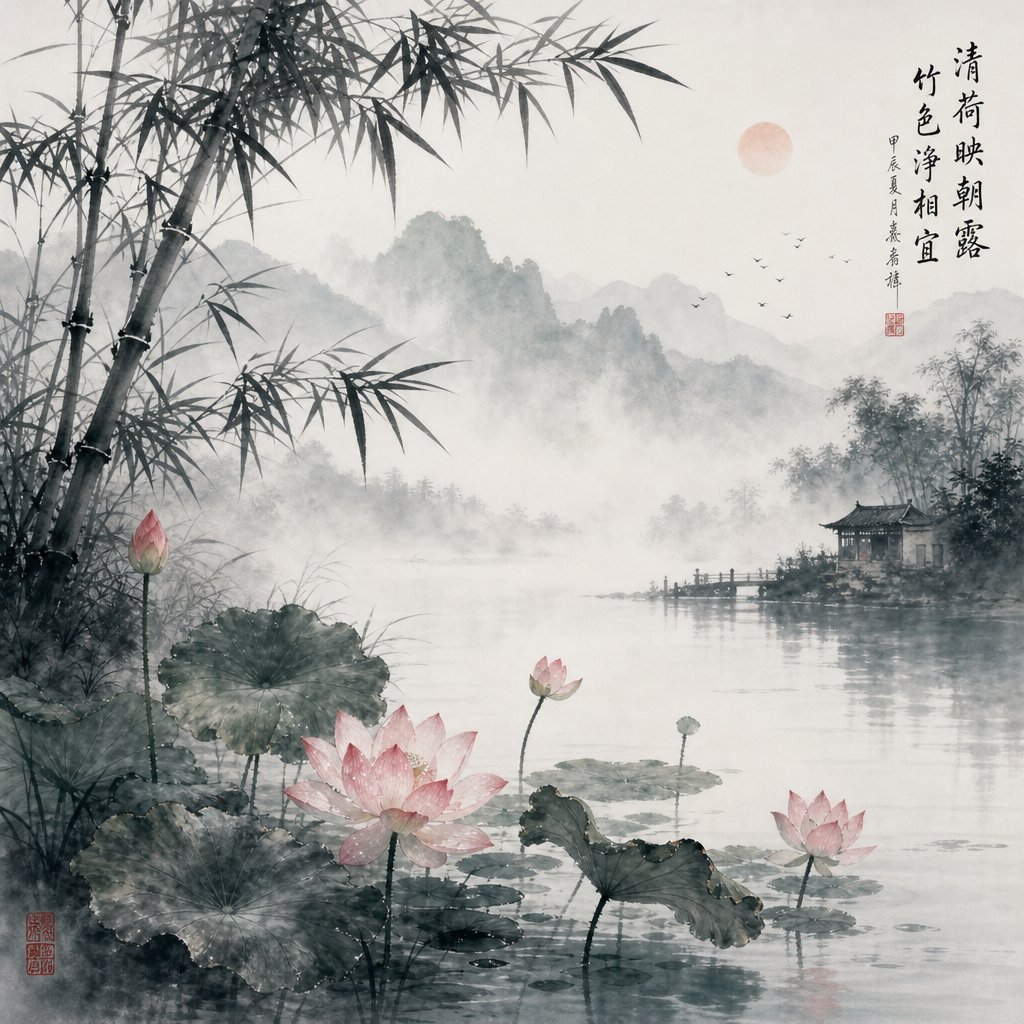
Of all the themes that feed into aesthetic Chinese nicknames, nature stands above the rest. Flowers, water, mist, trees, seasons. These images appear so frequently in poetic names that they form their own visual language, one that Chinese speakers recognize instantly. Whether someone is searching for terms of endearment in chinese or browsing roblox chinese display name ideas, nature-rooted nicknames consistently top the list because they carry beauty without requiring explanation.
Why does this work so well? Each nature character brings a built-in emotional payload. You do not need to explain why moonlight feels romantic or why bamboo suggests strength. The imagery does the heavy lifting, making these nicknames feel complete even at just two characters.
Flower and Plant Aesthetic Nicknames
Plants hold deep symbolic meaning in Chinese culture. As the Chinese Name Translator notes, when Chinese families choose plant-based names, they are selecting aspirations and life philosophies encoded into single characters. The lotus (莲) represents purity rising from mud. Orchid (兰) signals quiet refinement. Plum blossom (梅) speaks to courage in adversity. These are not decorative choices. They are statements about character.
This is why plant nicknames feel elevated rather than merely pretty. A nickname like Ruolan (若兰) does not just sound pleasant. It says "graceful as an orchid," connecting the bearer to centuries of scholarly virtue. Even funny chinese nicknames that play on plant imagery still rely on this cultural depth for their humor to land.
Water and Weather Inspired Names
Water imagery draws from Daoist philosophy, where water represents the ideal way of moving through life: soft, adaptable, yet powerful enough to shape stone. Characters like 溪 (stream), 雨 (rain), 露 (dew), and 烟 (mist) create nicknames that feel fluid and transient, capturing a moment rather than a fixed identity.
Weather names work similarly. Frost, wind, and clouds suggest moods and atmospheres rather than concrete objects. This abstraction is what makes them so versatile. A nickname like Yanbo (烟波, misty waves) works equally well as a lover in chinese language context, a creative pen name, or a gaming handle. The meaning shifts with the setting while the beauty remains constant.
Here are ten nature-themed aesthetic nicknames spanning flowers, water, and weather:
| Characters | Pinyin | Literal Meaning | Poetic Interpretation |
|---|---|---|---|
| 若兰 | Ruòlán | like + orchid | Graceful as an orchid in a hidden valley |
| 梅影 | Méiyǐng | plum blossom + shadow | The fleeting shadow of winter blossoms |
| 竹心 | Zhúxīn | bamboo + heart | A heart of integrity, hollow and humble |
| 莲清 | Liánqīng | lotus + clear | Pure as a lotus rising from still water |
| 雨薇 | Yǔwēi | rain + fern | Gentle rain falling on delicate ferns |
| 溪云 | Xīyún | stream + cloud | Clouds drifting above a mountain brook |
| 烟波 | Yānbō | mist + waves | Mist dissolving over distant water |
| 露晨 | Lùchén | dew + morning | The freshness of dawn before the world wakes |
| 风荷 | Fēnghé | wind + lotus | A breeze stirring lotus leaves on a summer pond |
| 霜月 | Shuāngyuè | frost + moon | Cold moonlight on a winter night |
Notice how each pairing combines a natural element with either a sensory detail or a second nature image. This layering is what separates aesthetic nicknames from simple vocabulary words. The character 雨 alone just means rain. Paired with 薇 (fern), it becomes a scene, a feeling, something loved in chinese poetic tradition for its quiet intimacy.
Why Nature Dominates Chinese Aesthetic Naming
The roots run deep. As the Metropolitan Museum of Art explains, in no other cultural tradition has nature played a more important role in the arts than in China. Since the earliest dynastic period, the natural world has been understood not as scenery but as a living system of symbols. Mountains embody vital energy (qi). Water represents the Daoist ideal of yielding strength. Plants encode moral virtues.
This philosophical framework means that choosing a nature nickname is never purely decorative. When someone adopts the name Xiyun (溪云), they are positioning themselves within a tradition where streams suggest clarity of thought and clouds suggest freedom from worldly attachment. The name carries philosophical weight that abstract or modern coinages simply cannot replicate.
Classical Chinese painting reinforced this connection for over a thousand years. Landscape painting, known as 山水画 (shanshui hua, literally "mountain-water painting"), became the highest art form precisely because nature was seen as the truest expression of cosmic harmony. Nicknames drawn from this visual tradition feel elevated because they echo an entire artistic heritage.
This is also why nature nicknames translate so well across platforms. Someone looking for roblox chinese display name ideas or a poetic social media handle finds that names like Yanbo or Shuangyue read beautifully in any context. The imagery is universal enough to resonate without cultural footnotes, yet specific enough to feel genuinely Chinese.
Beyond the natural world, though, Chinese culture looks upward. The moon, stars, and turning seasons offer another rich vein of aesthetic naming, one tied to the ancient tradition of the courtesy name and the celestial poetry of the Tang dynasty.
Celestial and Seasonal Aesthetic Chinese Nicknames
The sky has always been a mirror for human emotion in Chinese culture. Where Western astrology assigns personality traits to birth dates, Chinese poetic tradition treats the moon, stars, and shifting seasons as a vocabulary for expressing inner beauty. Celestial and temporal imagery creates some of the most evocative aesthetic Chinese nicknames because these references carry both visual grandeur and emotional intimacy. A moon is something everyone sees, yet it feels deeply personal when you watch it alone.
Moon and Star Aesthetic Nicknames
The moon dominates Chinese poetic naming more than any other celestial body. It appears in lullabies, love poems, and philosophical texts alike. Characters like 月 (yue, moon), 星 (xing, star), 辰 (chen, celestial bodies), and 曦 (xi, dawn light) form the backbone of celestial nicknames. Their power lies in duality. The moon suggests both romance and solitude. Stars suggest both distance and guidance. This emotional range makes them endlessly adaptable.
Consider the name Wangshu (望舒). As Chinese Name Translator explains, Wangshu is the name of the moon goddess's chariot driver in ancient mythology, associated with autumn when the moon is clearest and most luminous. Parents choose it hoping their daughter will carry that same cool, radiant presence. The name works beautifully as a nickname too, whether for a girlfriend in chinese social circles or as a literary pen name.
Star-based nicknames tend to feel more modern and gender-neutral. Xingchen (星辰, stars) and Xingyue (星月, star and moon) pair celestial imagery with a sense of vastness. These names suit digital identities as much as personal ones, offering the kind of poetic weight that makes chinese cat names or creative handles feel intentional rather than random.
Seasonal and Temporal Beauty in Names
Seasonal nicknames tap into something specific. Each season in Chinese culture carries philosophical meaning far beyond weather. Spring signals beginnings. Summer represents fullness. Autumn embodies harvest and quiet wisdom. Winter reveals true character. When you name someone after a season, you are encoding an entire worldview into two characters.
The name Banxia (半夏, midsummer) references the exact midpoint of the year when everything is at its most lush. Suihan (岁寒) draws directly from Confucius: "Only when the year turns cold do we see that pine and cypress are the last to fade." These are not just pretty sounds. They are compressed philosophies.
Time-of-day imagery adds another layer. Dawn (晓, xiao), dusk (暮, mu), and twilight (夕, xi) create nicknames that feel transient and atmospheric. A name like Muyao (暮瑶, twilight jade) captures a specific quality of light, that golden moment before darkness when everything looks precious. This kind of temporal specificity is what elevates a nickname from pleasant to genuinely artistic.
| Characters | Pinyin | Literal Meaning | Poetic Interpretation |
|---|---|---|---|
| 望舒 | Wàngshū | gaze + ease | The moon goddess's chariot driver, cool radiance |
| 星月 | Xīngyuè | star + moon | The night sky in its full quiet splendor |
| 晓春 | Xiǎochūn | dawn + spring | First light of a spring morning, fresh beginnings |
| 暮瑶 | Mùyáo | twilight + jade | Precious beauty in the fading golden hour |
| 秋月 | Qiūyuè | autumn + moon | The clearest, most luminous moon of the year |
| 霜华 | Shuānghuá | frost + splendor | Morning frost catching light like scattered crystals |
| 岁寒 | Suìhán | year + cold | Steadfast character revealed by hardship |
| 月曦 | Yuèxī | moon + dawn light | That liminal moment when moonlight meets sunrise |
You will notice these names often pair a time marker with either a natural element or an abstract quality. Autumn plus moon. Frost plus splendor. This structure mirrors classical poetry's technique of grounding emotion in a specific moment, making the nickname feel like a scene rather than a label.
The Legacy of the Chinese Courtesy Name
Modern celestial nicknames echo a tradition that stretches back thousands of years: the Chinese courtesy name, or 字 (zi). As Skritter details, at around age twenty a person received a zi, a name used by peers and juniors to show respect. The courtesy name was often cleverly connected to the birth name through synonyms, antonyms, or thematic expansion.
The most famous example is Zhuge Liang (诸葛亮), whose courtesy name was Kongming (孔明). Both 亮 and 明 mean "bright," creating a celestial resonance, as if the person's identity radiated light from two directions. This was not accidental. Historical figures deliberately chose courtesy names that reflected celestial or temporal beauty because such imagery signaled cultivation and philosophical depth.
The tradition also included the 号 (hao), a self-chosen alias that functioned much like a modern aesthetic nickname. The poet Tao Yuanming called himself Wuliu Xiansheng (五柳先生, Mr. Five Willows), grounding his identity in nature. Others chose celestial references to signal their aspirations. Understanding gege meaning chinese (哥哥, elder brother) helps illustrate how relational titles worked alongside these poetic names in daily address, but the courtesy name occupied a different register entirely, one of artistic self-expression.
Today's aesthetic nicknames carry this same impulse. When someone chooses Qiuyue or Shuanghua as a personal identifier, they are participating in the same tradition that gave Zhuge Liang his luminous second name. The format has simplified, the social rules have relaxed, but the core desire remains: to compress beauty, philosophy, and identity into a handful of characters that feel both personal and timeless.
Celestial imagery gives nicknames their grandeur. Seasonal references give them emotional specificity. But there is another source that combines both qualities while adding narrative depth: classical Chinese poetry, where a single couplet can contain an entire world of feeling waiting to be distilled into a name.
Aesthetic Nicknames from Classical Chinese Poetry
A single couplet from a Tang dynasty poem can hold more emotional weight than an entire paragraph of modern prose. This compression is exactly what makes classical Chinese poetry such a rich source for aesthetic nicknames. When you pull two or three characters from a famous verse, you are not just borrowing pretty sounds. You are carrying forward centuries of interpretation, emotion, and cultural memory. The nickname becomes a doorway into an entire poem, and the poem becomes the nickname's hidden depth.
This is why poetry-sourced names feel fundamentally different from assembled ones. A nickname built by combining attractive characters might satisfy the visual and tonal criteria discussed earlier. But a nickname drawn from Li Bai or Li Qingzhao carries something extra: narrative context. Anyone who recognizes the source instantly understands the emotional register the bearer is claiming.
Tang Dynasty Poetry as Nickname Inspiration
The Tang dynasty (618-907) produced China's most celebrated poets, and their verses remain embedded in everyday language. Li Bai, Du Fu, and Wang Wei wrote lines so vivid that individual phrases have detached from their poems and entered common use as chinese pet names, personal aliases, and terms of affection.
Consider Li Bai's famous "Chang Gan Xing," which The World of Chinese highlights as a classic depiction of innocent young love. The line "郎骑竹马来,绕床弄青梅" (You came by on bamboo horse, playing with green plums) gave Chinese culture the idiom 青梅竹马 (qingmei zhuma), meaning childhood sweethearts. From this, the nickname Qingmei (青梅, green plum) emerges as a poetic way to reference first love. It is not just a fruit. It is an entire story compressed into two characters.
郎骑竹马来,绕床弄青梅 - From this single line by Li Bai, the nickname Qingmei (青梅) carries the full weight of childhood love and innocence.
Du Fu's poetry offers a different emotional palette. His line "露从今夜白,月是故乡明" (The dew from tonight is white; the moon is brightest over my hometown) yields the nickname Luyue (露月, dew moon), evoking homesickness and tender longing. For someone searching for the right chinese for my love expression, a Du Fu-sourced nickname communicates devotion through shared cultural memory rather than direct declaration.
Wang Wei, the poet-painter, specialized in nature imagery so precise it reads like a brushstroke. His line "明月松间照,清泉石上流" (Bright moon shines through pines; clear spring flows over stones) gives us Songzhao (松照, pine-light) and Qingquan (清泉, clear spring), both of which function as elegant personal identifiers.
Song Dynasty Ci Poetry and Romantic Names
If Tang poetry provides grandeur, Song dynasty ci (词) poetry provides intimacy. Ci poems were written to musical tunes, giving them a lyrical quality that translates naturally into nicknames. The form specialized in romantic longing, seasonal melancholy, and private emotion, making it the perfect source for names that feel personal rather than monumental.
Li Qingzhao (1084-1155), regarded as one of the greatest literary figures in Chinese history, is particularly important here. She gave herself the pen name Yi'an (易安), literally "easy and peaceful," during a contented period of her marriage. This act of self-naming mirrors exactly how modern people choose aesthetic nicknames: selecting characters that capture a desired emotional state.
Her poem "Ru Meng Ling" contains the line "知否,知否?应是绿肥红瘦" (Can't you see? The green leaves are fresh but the red flowers are fading). From this, the nickname Hongxiao (红瘦, fading red) emerges as a melancholy, beautiful name suggesting transient beauty. It works as a poetic alias, a creative handle, or even among cat names chinese pet owners choose for elegant felines with delicate coloring.
知否,知否?应是绿肥红瘦 - Li Qingzhao's famous line yields the nickname Hongxiao (红瘦), capturing the bittersweet beauty of something lovely in its final moment.
Qin Guan's "Que Qiao Xian" offers another powerful example. His line "两情若是长久时,又岂在朝朝暮暮" (If love lasts long, why need they stay together night and day?) gives us Zhaomou (朝暮, dawn and dusk), a nickname that speaks to enduring love across distance. Unlike chinese funny names that play on surface-level wordplay, this kind of poetry-sourced name rewards deeper knowledge.
How to Find Aesthetic Names in Classical Verses
You do not need to be a scholar to mine classical poetry for nicknames. The technique is straightforward: look for two-character or three-character phrases within famous lines that can stand alone as images. The best candidates share a few qualities:
- Qingmei (青梅) - from Li Bai's "Chang Gan Xing." Literal: green plum. Poetic meaning: childhood sweetheart, innocent first love.
- Luyue (露月) - from Du Fu's "Remembering My Brothers on a Moonlit Night." Literal: dew moon. Poetic meaning: tender longing for someone far away.
- Yi'an (易安) - Li Qingzhao's self-chosen pen name. Literal: easy peace. Poetic meaning: contentment and quiet joy in domestic life.
- Zhaomou (朝暮) - from Qin Guan's "Que Qiao Xian." Literal: dawn and dusk. Poetic meaning: love that transcends daily separation.
- Hongxiao (红瘦) - from Li Qingzhao's "Ru Meng Ling." Literal: thin red. Poetic meaning: fragile beauty fading with time, bittersweet impermanence.
- Canghǎi (沧海) - from Yuan Zhen's "Memory of My Wife." Literal: vast sea. Poetic meaning: a love so deep that nothing else compares.
Yuan Zhen's elegy line "曾经沧海难为水" (No water is wide enough if you crossed the sea) is, as The World of Chinese notes, among the best-known mourning poems in the language. The nickname Canghai (沧海) carries that entire weight of devotion. It says chinese for my love without ever using the word love directly, which is precisely the aesthetic approach: expressing deep feeling through indirection and imagery.
The pattern is clear. Classical poetry works as a nickname source because it has already done the hard work of compression. Poets spent lifetimes finding the exact two characters that capture a feeling. When you borrow those characters, you inherit their precision. Unlike a chinese courtesy name, which historically required formal bestowal, these poetry-sourced nicknames are available to anyone willing to read and choose with care.
Poetry gives aesthetic nicknames their narrative backbone. But names drawn from verses tend to carry a solitary or reflective quality. When the goal shifts to connection, to naming the space between two people rather than one person's inner world, a different approach emerges: romantic nicknames designed to be shared, paired, and exchanged.
Aesthetic Chinese Nicknames for Lovers and Couples
Romance in Chinese has two registers. There is the direct approach: 宝贝 (baobei, baby), 老公 (laogong, hubby), 亲爱的 (qin'ai de, dear). These are warm, functional, and universally understood. Then there is the aesthetic approach, where affection hides inside imagery, where a nickname says "I love you" without ever using the word love. The difference is not about sincerity. It is about style. Both registers are genuine, but aesthetic chinese nicknames for romance operate like poetry rather than conversation.
Understanding this distinction matters whether you are choosing chinese nicknames for a partner, building chinese usernames that signal romantic devotion, or simply looking for something more evocative than the standard terms.
Aesthetic Terms of Endearment for Partners
Common terms of endearment in Mandarin are effective but plain. They tell your partner they are loved. Aesthetic alternatives show them through imagery. The table below illustrates how the same sentiment shifts register when expressed through poetic characters rather than direct labels:
| Common Nickname | Meaning | Aesthetic Alternative | Meaning | Why It's Elevated |
|---|---|---|---|---|
| 宝贝 (baobei) | baby, treasure | 琉璃 (liuli) | colored glaze | Suggests something rare, luminous, and crafted with care |
| 甜心 (tianxin) | sweetheart | 清欢 (qinghuan) | quiet joy | References Su Shi's poetry about finding happiness in simplicity |
| 亲爱的 (qin'ai de) | dear, darling | 念卿 (nianqing) | thinking of you | Uses the classical "卿" (qing), an intimate form of address from ancient court language |
| 老婆 (laopo) | wifey | 如玉 (ruyu) | like jade | Compares the partner to jade, the most prized material in Chinese culture |
| 心肝 (xingan) | heart and liver | 月白 (yuebai) | moon white | Evokes the pale glow of moonlight, suggesting quiet, constant devotion |
Notice the pattern. Common terms name the relationship directly: you are my baby, my dear, my heart. Aesthetic alternatives name a quality or image that the partner embodies. Calling someone 琉璃 does not say "you are precious to me." It says "you are luminous, rare, and beautiful to look at." The affection is identical. The delivery is art.
This is also why a nickname mandarin speakers consider truly romantic often avoids obvious love vocabulary entirely. The character 卿 (qing) in 念卿 carries centuries of intimate weight. It was how emperors addressed beloved consorts and how scholars addressed close friends. Understanding nainai meaning (奶奶, grandmother or paternal grandmother) helps illustrate how Chinese relational titles shift meaning by context. Similarly, 卿 shifts from formal court address to deeply personal endearment depending on who speaks it and to whom.
Matching Couple Nicknames with Poetic Symmetry
One of the most distinctive features of Chinese romantic naming is the paired nickname. Two people choose complementary names that only make full sense together, creating a private symbolic language. The best pairs use nature imagery, celestial references, or literary allusions that mirror or complete each other.
- 云深 (Yunshen, deep clouds) + 水遥 (Shuiyao, distant water) - Sky and earth imagery. One looks up, the other stretches outward. Together they suggest vastness shared between two people.
- 朝露 (Zhaolu, morning dew) + 暮霜 (Mushuang, evening frost) - Dawn and dusk. One is tender and new, the other is cool and enduring. Together they span an entire day, implying "from morning to night, I think of you."
- 南风 (Nanfeng, south wind) + 北星 (Beixing, north star) - Directional opposites. The wind moves freely while the star stays fixed, suggesting one partner who wanders and one who waits, always oriented toward each other.
- 青梅 (Qingmei, green plum) + 竹马 (Zhuma, bamboo horse) - Drawn directly from Li Bai's poem about childhood sweethearts. This pair signals a love that began in innocence and grew into devotion.
- 浮生 (Fusheng, fleeting life) + 若梦 (Ruomeng, like a dream) - Together they form the phrase "life is like a dream," a Buddhist-Daoist concept. This pair suits couples who share a philosophical outlook.
These paired names work beautifully as chinese usernames on social platforms where couples want their connection visible without being explicit. The symmetry is the signal. Anyone who sees 南风 and 北星 side by side recognizes the pairing without needing explanation.
Code Names for Crushes with Hidden Meaning
Not all romantic nicknames are exchanged openly. Chinese culture has a long tradition of using poetic code names for someone you admire from a distance. These names function as private identifiers, stored in phone contacts or whispered to close friends, carrying meaning only the speaker fully understands.
The technique relies on encoding a specific quality of the person into abstract imagery. Someone with a bright laugh might become 晴岚 (Qinglan, clear mountain mist). A person who always wears blue might be saved as 青黛 (Qingdai, indigo), a character combination that also references classical beauty descriptions. Someone quiet and thoughtful could become 静水 (Jingshui, still water), echoing the proverb about deep waters running silent.
This practice is not unlike choosing a chinese name cat owners give a pet based on personality rather than appearance. The name captures essence rather than surface. For crushes, the hidden meaning adds a layer of emotional privacy. The name is a small poem only you can read, and that secrecy is part of its romance.
What makes these code names aesthetic rather than merely secretive is their adherence to the same principles covered earlier: tonal balance, visual harmony, and layered meaning. A code name like 晴岚 satisfies all five criteria of aesthetic beauty. It sounds musical (second tone followed by second tone creates a gentle rising pattern), looks balanced on screen, carries literal meaning (clear mist), suggests poetic depth (mountain landscapes at dawn), and echoes classical painting imagery.
Romantic nicknames, whether shared openly between partners or kept as private code, represent the most emotionally charged use of aesthetic naming. But beauty in Chinese nicknames is not limited to romance or even to gendered expression. The same principles of imagery, balance, and compression apply equally to gender-neutral names crafted for digital spaces, where identity is fluid and a name must work across platforms, languages, and audiences.

Gender-Neutral Aesthetic Nicknames for Online Personas
Romance and gendered expression are only one corner of aesthetic naming. Across gaming lobbies, social media bios, and creative platforms, a different need has emerged: names that feel beautiful without signaling gender at all. Abstract imagery, mist, silence, distance, light, these concepts carry poetic weight while remaining entirely open. They let the name speak for itself rather than speaking for the person behind it.
This is where aesthetic Chinese nicknames intersect with digital identity. A well-chosen handle can function like a tiny piece of art on every profile, comment, and leaderboard. The same principles that guide chinese words of endearment, tonal balance, visual harmony, layered meaning, apply here. The difference is audience. These names are not whispered to a partner. They are displayed to strangers, which changes what works and what does not.
Gender-Neutral Aesthetic Names for Digital Identity
Gender-neutral naming in Chinese relies on a simple principle: choose characters tied to phenomena rather than people. Flowers lean feminine in cultural association. Swords lean masculine. But mist? Silence? The space between mountains? These belong to no one and everyone. The result is names that feel poetic without triggering assumptions.
Here are ten gender-neutral aesthetic nicknames built from abstract and natural imagery:
- 无声 (Wusheng) - without sound. Suggests depth, mystery, and the power of what remains unspoken.
- 远山 (Yuanshan) - distant mountains. Evokes perspective, calm, and the beauty of things seen from afar.
- 清宁 (Qingning) - clear tranquility. A name that feels like still water on a windless day.
- 浮光 (Fuguang) - floating light. Captures the shimmer on water or the way sunlight moves through leaves.
- 寂雪 (Jixue) - silent snow. Combines solitude with purity, perfect for someone who values quiet presence.
- 云深 (Yunshen) - deep clouds. Suggests hidden depth and the unknowable spaces within mountain mist.
- 微尘 (Weichen) - fine dust. A Buddhist reference to the infinitely small, humble yet profound.
- 长安 (Chang'an) - eternal peace. Also the ancient name of Xi'an, carrying historical grandeur without gender.
- 空山 (Kongshan) - empty mountain. Drawn from Wang Wei's poetry, suggesting solitude as a chosen state.
- 初见 (Chujian) - first meeting. Evokes the freshness of new encounters, sweet in chinese poetic tradition for its sense of wonder.
Notice how none of these names reference the body, relationships, or social roles. They reference experiences and landscapes. This abstraction is what makes them work across contexts. Whether someone is choosing cat names in chinese for a gaming avatar or building a brand identity on a creative platform, these names carry beauty without baggage.
Platform-Specific Considerations for Display Names
A name that looks stunning in calligraphy might not work on a screen. Digital platforms impose constraints that traditional naming never had to consider. Character width, font rendering, and international readability all matter when your name appears in a chat window or a username field.
A few practical considerations shape which aesthetic nicknames translate well to digital use:
Stroke density affects legibility at small sizes. Characters like 霾 (mai, haze) with 22 strokes become an unreadable blob at 12px font. Simpler characters like 风 (feng, wind) or 光 (guang, light) remain crisp even as tiny display names. For gaming handles and Roblox profiles where names appear small, pairing one complex character with one simple one, like 霜光 (Shuangguang, frost light), maintains visual interest without sacrificing readability.
Platform character limits also matter. Many games restrict display names to a handful of characters. Two-character names like 浮光 or 远山fit everywhere. Three-character names like 长安雪 (Chang'an xue, snow over Chang'an) work on most social platforms but may get truncated in games. This is worth considering when browsing chinese names for cats in games or choosing handles for creative portfolios.
Unicode support varies too. Most major platforms render standard CJK characters without issue, but rare or archaic characters sometimes display as empty boxes. Stick to characters within the common-use set (通用规范汉字表) to avoid rendering failures across devices.
Mandarin vs Cantonese Aesthetic Nickname Differences
Not every beautiful nickname works equally well in both major Chinese languages. Mandarin has four tones. Cantonese has six primary tones plus three entering tones, creating a fundamentally different sound palette. A name that flows musically in Mandarin might land flat or awkward in Cantonese, and vice versa.
The differences go beyond tone count. Cantonese retains final consonants (-p, -t, -k) that Mandarin lost centuries ago. This means some characters gain a crisp, percussive ending in Cantonese that they lack in Mandarin. The character 月 (moon) is "yue" in Mandarin, a smooth open syllable, but "jyut" in Cantonese, ending with a sharp stop. Both are beautiful, but they create different rhythmic effects in a nickname.
Vocabulary differences also come into play. Cantonese preserves older Chinese vocabulary that Mandarin has replaced. The word for "beautiful" in everyday Cantonese is often 靚 (leng3), while Mandarin uses 美 (mei) or 漂亮 (piaoliang). Chinese endearments and aesthetic terms sometimes diverge entirely between the two languages.
| Nickname | Mandarin Sound | Cantonese Sound | Which Works Better | Why |
|---|---|---|---|---|
| 清宁 (clear tranquility) | Qingning | Cing1 ning4 | Both | Smooth open syllables in both languages |
| 浮光 (floating light) | Fuguang | Fau4 gwong1 | Cantonese | The "gwong" sound feels rounder and more resonant |
| 寂雪 (silent snow) | Jixue | Zik6 syut3 | Cantonese | Entering tones give it a crisp, crystalline quality |
| 远山 (distant mountains) | Yuanshan | Jyun5 saan1 | Mandarin | The rising-then-flat tone pattern flows more naturally |
| 初见 (first meeting) | Chujian | Co1 gin3 | Both | Short and clean in both, easy to say and remember |
| 无声 (without sound) | Wusheng | Mou4 sing1/seng1 | Mandarin | The "wu" opening feels more atmospheric than "mou" |
| 霜月 (frost moon) | Shuangyue | Soeng1 jyut6 | Cantonese | The final "-t" on jyut adds a satisfying sharpness |
If you are choosing a name primarily for written use, social media bios, display names, creative signatures, the dialect distinction matters less because readers will pronounce it in their own variety. But if the name will be spoken aloud regularly, as chinese words of endearment between friends or as a handle called out in voice chat, testing it in your target dialect is worth the effort.
For speakers navigating both languages, names built from characters with similar phonetic profiles across Mandarin and Cantonese, like 清宁 or 初见, offer the safest path. They sound graceful regardless of which tonal system interprets them.
Gender-neutral aesthetic names solve the problem of identity without limitation. They let a person be beautiful on screen without being categorized. But choosing from a list, however curated, is only one approach. The deeper skill is learning to build your own nickname from scratch, combining characters according to principles of balance, harmony, and meaning that guarantee a result as polished as any classical example.
How to Craft Your Own Aesthetic Chinese Nickname
Picking a name from a list works. But building one from scratch gives you something no list can: a nickname that fits your exact emotional intention, sounds right in your mouth, and looks balanced on screen or paper. The process is not guesswork. It follows principles rooted in centuries of Chinese naming tradition, and once you understand the mechanics, you can generate dozens of beautiful options tailored to any purpose, whether you are crafting chinese nicknames for girlfriend use, choosing a creative alias, or finding cute mandarin handles for digital spaces.
Think of it like composing a two-note chord. Each character is a note. Your job is to find two notes that resonate together rather than clash.
Character Pairing Principles for Beautiful Names
The strongest aesthetic nicknames pair characters from different conceptual categories. A nature character beside an emotion character. A celestial image beside a temporal marker. An abstract quality beside a concrete object. This contrast creates depth because the reader's mind moves between two registers, generating meaning in the gap.
Here are the most reliable pairing categories with examples:
| Pairing Type | Character A (Category) | Character B (Category) | Result | Meaning |
|---|---|---|---|---|
| Nature + Emotion | 雪 xue (snow) | 念 nian (longing) | 雪念 | Longing as quiet as snowfall |
| Nature + Emotion | 风 feng (wind) | 眠 mian (sleep) | 风眠 | Sleeping in the wind, carefree peace |
| Celestial + Temporal | 月 yue (moon) | 初 chu (beginning) | 月初 | The first sliver of a new moon |
| Celestial + Temporal | 星 xing (star) | 暮 mu (dusk) | 星暮 | Stars appearing at twilight |
| Abstract + Concrete | 静 jing (stillness) | 竹 zhu (bamboo) | 静竹 | The calm presence of bamboo groves |
| Abstract + Concrete | 清 qing (clarity) | 石 shi (stone) | 清石 | A smooth stone in clear water |
| Color + Nature | 青 qing (blue-green) | 岚 lan (mountain mist) | 青岚 | Blue haze over distant peaks |
| Sound + Landscape | 默 mo (silence) | 溪 xi (stream) | 默溪 | A stream so quiet you must listen closely |
The pattern is consistent: one character anchors the name in something tangible or observable, while the other adds emotional or temporal dimension. This is the same structure behind the most beloved chinese terms of endearment and chinese pet names for girlfriend use. A name like 雪念 works as a romantic nickname because it encodes feeling (longing) inside imagery (snow) rather than stating affection directly.
For masculine-leaning aesthetics, characters suggesting vastness, strength, or solitude work well: 岳 (mountain peak), 渊 (abyss), 铮 (clang of metal). For feminine-leaning names, characters evoking delicacy, light, or fragrance dominate: 瑶 (jade), 萤 (firefly), 馥 (fragrance). Gender-neutral options draw from weather, time, and abstract states, as covered in the previous section. The same pairing logic applies regardless of gendered intent.
Tonal Harmony and Stroke Balance
Sounds complex? It is simpler than it seems. Mandarin's four tones create natural rhythm, and certain combinations feel smoother than others. The goal is contrast without harshness.
Follow this step-by-step process to build a tonally balanced nickname:
- Choose your theme. Decide what feeling or image you want the name to carry. Romance? Solitude? Quiet strength? This narrows your character pool immediately.
- Select two characters from different categories using the pairing table above. Write them side by side.
- Check the tone pattern. The smoothest combinations alternate between tones. A first tone followed by a fourth tone (high-flat then sharp-falling) creates pleasing contrast. Two consecutive third tones trigger tone sandhi, where the first third tone shifts to a second tone in speech. This is not necessarily bad, but you should be aware it will happen.
- Avoid consecutive fourth tones. Two falling tones in a row (like 暮夜, mu ye) can sound abrupt and heavy, almost aggressive. If both characters you love happen to be fourth tone, consider swapping one for a synonym in a different tone.
- Count strokes for visual balance. Pair a complex character (12+ strokes) with a simpler one (4-8 strokes). Two dense characters like 霜蘅 look crowded. Two sparse ones like 大山 look plain. Aim for contrast: 霜月 (17 strokes + 4 strokes) creates visual rhythm.
- Say it aloud three times quickly. If it trips your tongue or sounds like an existing word you did not intend, reconsider. This is also how you test whether the name works as mandarin for friend circles where it will be spoken regularly in conversation.
- Write it by hand or view it in multiple fonts. A name that looks elegant in Song typeface but awkward in handwriting may not serve you well across contexts.
Tonal harmony is not about rigid rules. It is about listening. The best chinese nicknames for girlfriend use, creative aliases, and personal identifiers all share one quality: they feel effortless when spoken. If you have to force the sounds, the combination is not right.
Avoiding Unintended Meanings in Character Combinations
This is where many self-made nicknames fail. Two individually beautiful characters can combine into something embarrassing, confusing, or simply flat. Chinese is dense with homophones, and characters carry associations beyond their dictionary definitions.
As MyChineseNames.com advises, the safest approach is to start with a clear intent, then pick common, positive characters that pair naturally. Read the full two-character combination as a unit, not just each character's individual gloss.
Common pitfalls to check for:
- Homophone collisions. Your beautiful name might sound identical to a common word with an unfortunate meaning. 诗婷 (Shiting, poetic grace) looks lovely on paper but sounds uncomfortably close to an English word that native English speakers will notice. If your name will cross language boundaries, test it in both.
- Slang evolution. Characters that were purely poetic a decade ago may have acquired internet slang meanings. 翻车 (fanche) once just meant "overturned cart" but now means a public embarrassment online. Stay current with how characters are used in digital spaces.
- Overly literal combinations. Pairing 大 (big) with 海 (sea) gives you 大海, which is just... the ocean. It is a noun, not a name. Aesthetic nicknames need at least one character that shifts the reading from literal description to poetic suggestion.
- Regional pronunciation traps. A name that sounds fine in standard Mandarin might hit an unfortunate homophone in a regional dialect. If you know your audience speaks a specific dialect, check the pronunciation there too. This is especially relevant for mandarin for friend groups that include speakers from different regions.
The verification process is straightforward: search your proposed combination on a Chinese search engine. If the results show it is already a common word, brand name, or meme, reconsider. If it appears primarily in poetry, literature, or other names, you are on solid ground.
One final principle ties everything together. The best self-crafted nicknames feel discovered rather than invented. They sound like something a poet might have written centuries ago, even if no one actually did. That quality of inevitability, where the two characters seem like they were always meant to sit together, is the hallmark of a truly successful aesthetic nickname. It comes from respecting all three dimensions simultaneously: sound, sight, and meaning working in concert rather than competing for attention.

Using Aesthetic Chinese Nicknames Across Platforms and Contexts
A nickname like 浮光 (Fuguang, floating light) can appear in a WeChat bio, a Genshin Impact username, a novel character's identity, or a whispered term of affection between partners. The characters stay the same. What shifts is the register, the unspoken rules about formality, playfulness, and intimacy that each context demands. Knowing how to adapt a single beautiful name across settings is what separates someone who collects pretty characters from someone who actually uses them well.
Adapting Aesthetic Nicknames Across Contexts
The same two characters carry different weight depending on where they land. Consider how context reshapes meaning:
- Social media bios and display names - Here, aesthetic nicknames in chinese function as personal branding. They signal taste, mood, and cultural literacy to strangers. Choose names with universal imagery (light, water, seasons) that do not require explanation. Avoid overly intimate names that feel odd when displayed publicly.
- Gaming profiles - Brevity matters. Two-character names fit tight UI spaces. Slightly edgier imagery works here: 寂刃 (Jiren, silent blade) or 墨渊 (Moyuan, ink abyss) carry aesthetic weight while fitting the tone of competitive or fantasy environments.
- Creative writing and character naming - Fiction allows the most freedom. You can use archaic characters, four-character constructions, or names that reference obscure poems without worrying about everyday usability. A character named 霜华落雁 (Shuanghua Luoyan, frost splendor, falling geese) would be impractical as a personal handle but perfect for a wuxia novel.
- Language learners choosing a Chinese name - As research on multilingual identity shows, learners who choose their own names with deliberation feel stronger ownership and connection to the language. Pick something pronounceable for your level but meaningful enough to grow into. A name you chose yourself becomes a bridge to the culture rather than a classroom label.
- Chinese pet names for lovers - Intimate contexts allow the most poetic and obscure references. Your partner will learn the meaning. Strangers do not need to. This is where names drawn from shared memories or private jokes merge with aesthetic principles to create something entirely personal.
A chinese boyfriend might save his partner's contact as 晚星 (Wanxing, evening star) because she always texts last thing at night. That same name could work as a public display name, but its emotional resonance is private. Context does not change the name. It changes the depth at which the name is read.
Match your nickname's formality to the platform's culture. A name that feels poetic on Douban might feel pretentious in a casual gaming lobby. Read the room before committing your characters.
Transliterating Beautiful Chinese Names for International Use
When your audience includes non-Chinese speakers, the characters alone are not enough. You need a romanized form that preserves some of the name's beauty rather than flattening it into generic pinyin. The challenge is real: as Rhapsody in Lingo explains, Chinese syllables carry higher information density than English ones, meaning transliteration always involves some loss.
A few strategies help minimize that loss:
- Use pinyin without tone marks for clean readability. "Fuguang" reads more smoothly to English speakers than "Fuguāng." Save tone marks for contexts where pronunciation guidance matters.
- Consider spacing. "Mu Yao" (two words) feels more name-like to Western readers than "Muyao" (one block). This mirrors how English speakers process first and last names as separate units.
- Offer a meaning gloss in parentheses. On international platforms, writing "Qingning (clear tranquility)" gives non-Chinese audiences a way to appreciate the name's beauty without reading characters.
- Avoid over-anglicizing. Replacing pinyin with approximate English phonetics ("Ching-ning" instead of "Qingning") distorts the name and loses its Chinese identity. Trust readers to handle standard pinyin.
- Test the romanized form for unintended English readings. Some pinyin combinations look unfortunate in English. The name 诗婷 (Shiting) is a well-known example. Always read your romanization through English eyes before committing.
For platforms that support Unicode, displaying both characters and pinyin together, like "清宁 Qingning," gives the best of both worlds. The characters carry visual beauty for Chinese readers. The pinyin offers accessibility for everyone else. This dual approach works especially well for a chinese boyfriend introducing his partner's nickname to international friends, or for language learners sharing their chosen name across multilingual social circles.
Choosing the Right Aesthetic Register for Your Purpose
Register is the invisible variable that determines whether a nickname lands gracefully or awkwardly. Chinese terms of affection that feel natural between partners, like 念卿 (Nianqing, thinking of you), would sound bizarre as a gaming handle. A name perfect for a Weibo bio might feel too distant as a term of endearment. The characters are not wrong. The context is.
Think of register as a spectrum from public to private, formal to intimate:
- Public-formal: Names suited for professional creative identities, pen names, or brand handles. These tend toward classical references and restrained imagery. Example: 清石 (Qingshi, clear stone).
- Public-casual: Social media names, gaming handles, forum aliases. These can be playful or atmospheric without being too personal. Example: 浮光 (Fuguang, floating light).
- Private-affectionate: Nicknames between close friends, family, or partners. These allow vulnerability, humor, and obscure references. Example: 小鹿 (Xiaolu, little deer), which might reference an inside joke about someone's startled expression.
- Private-poetic: The most intimate register. Names exchanged between lovers that carry shared meaning no one else would understand. This is where mei you (没有, meaning "don't have" or "without") might become a private nickname referencing a specific moment: the time one partner said "mei you" and the other found it endearing.
The beauty of aesthetic nicknames in chinese is their flexibility. A single well-crafted name can move between registers if its imagery is universal enough. 远山 (Yuanshan, distant mountains) works as a public display name, a creative alias, and a quiet term of affection depending entirely on who speaks it and to whom. The characters do not change. The relationship does.
Frequently Asked Questions About Aesthetic Chinese Nicknames
1. What makes a Chinese nickname aesthetic rather than just common?
An aesthetic Chinese nickname satisfies five criteria simultaneously: visual beauty in stroke balance, tonal harmony when spoken aloud, layered meaning combining literal and poetic interpretations, literary roots in classical texts, and nature or celestial imagery. Common nicknames like Xiao Li serve a social function of quick identification, while aesthetic ones like Muyu (bathed in rain) evoke an image, mood, or story in just two or three characters. The key difference is intentionality — aesthetic nicknames are chosen for resonance across multiple dimensions rather than convenience.
2. How do I create my own aesthetic Chinese nickname?
Start by choosing a theme (romance, solitude, quiet strength), then select two characters from different conceptual categories — such as nature paired with emotion, or celestial paired with temporal. Check the tone pattern to ensure contrast rather than consecutive harsh tones, count strokes for visual balance between complex and simple characters, and say the name aloud to test its flow. Finally, search the combination on a Chinese search engine to verify it does not carry unintended slang meanings or unfortunate homophones in any dialect you might use.
3. What are good gender-neutral aesthetic Chinese nicknames for online use?
Gender-neutral aesthetic nicknames rely on abstract phenomena and landscapes rather than gendered imagery. Strong options include 无声 (Wusheng, without sound), 远山 (Yuanshan, distant mountains), 浮光 (Fuguang, floating light), 清宁 (Qingning, clear tranquility), and 初见 (Chujian, first meeting). These work across gaming profiles, social media bios, and creative platforms because they reference experiences and natural scenes rather than bodies, relationships, or social roles, letting the name carry beauty without signaling gender.
4. Can I use classical Chinese poetry to find aesthetic nicknames?
Classical poetry is one of the richest sources for aesthetic nicknames. The technique involves identifying two or three-character phrases within famous lines that stand alone as vivid images. For example, Li Bai's verse yields Qingmei (green plum, meaning childhood sweetheart), while Li Qingzhao's poetry gives us Hongxiao (fading red, suggesting transient beauty). Poetry-sourced names carry narrative context and centuries of cultural memory that randomly assembled characters cannot replicate, making them feel deeper and more resonant.
5. Do aesthetic Chinese nicknames work differently in Mandarin versus Cantonese?
Yes, because Cantonese has six primary tones plus entering tones with final consonants (-p, -t, -k) that Mandarin lacks. A name like 寂雪 (silent snow) gains a crisp, crystalline quality in Cantonese due to its entering tones, while 远山 (distant mountains) flows more naturally in Mandarin's rising-then-flat pattern. For names used primarily in writing, the dialect difference matters less. For spoken nicknames, test the pronunciation in your target dialect. Names like 清宁 and 初见 work gracefully in both languages.