Why Certain Chinese Characters Clash With the Pig Zodiac
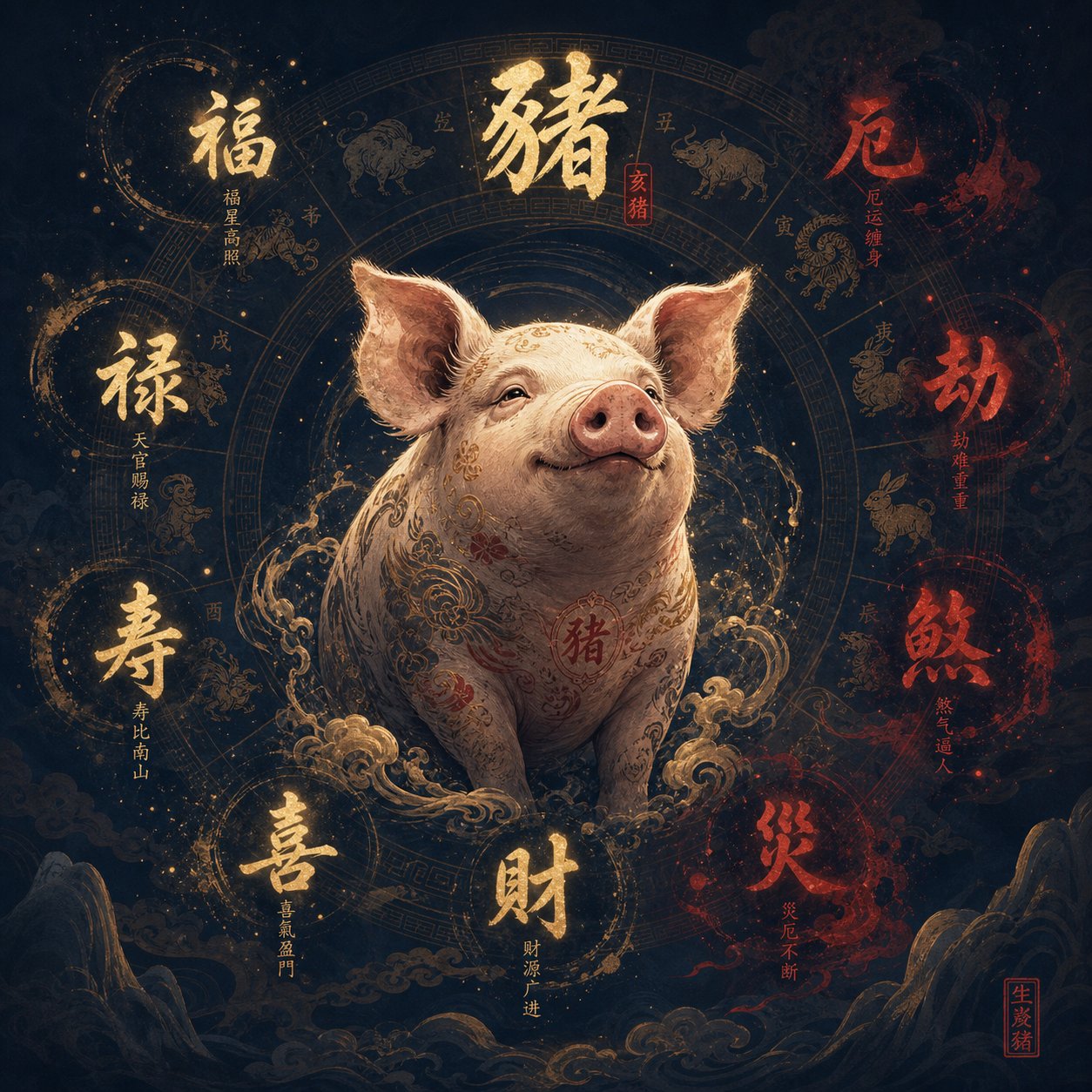
Imagine choosing a beautiful Chinese name for your child, only to learn that one of its characters carries centuries of symbolic conflict with their birth year. In Chinese metaphysical tradition, names are far more than labels. They carry energy, and certain characters are believed to invite misfortune when paired with specific zodiac signs. For those born under the Pig, or boar zodiac, this means a distinct set of characters that traditional naming practice considers off-limits.
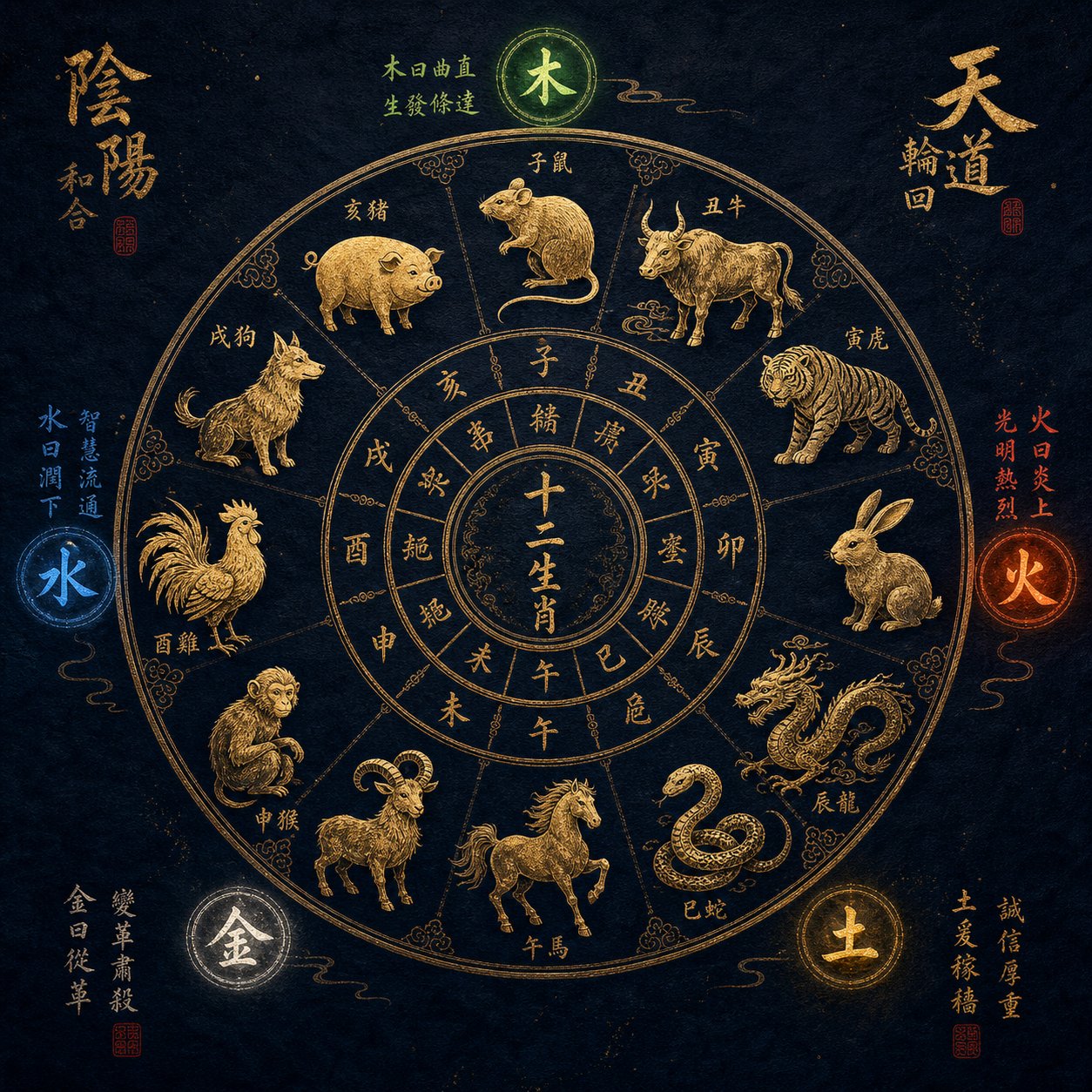
These taboos are not random superstitions. They stem from a structured system called zodiac conflict theory, known in Chinese as chong hai xing po (冲害刑破). This framework maps relationships between the twelve animals of the Chinese zodiac based on their positions within the Earthly Branches cycle. The Pig occupies the 12th and final position, represented by the branch Hai (亥). Its placement determines which animals, and by extension which characters, create energetic friction.
The core principle of Pig zodiac naming taboos is positional: as the 12th Earthly Branch (亥), the Pig holds specific oppositional relationships with other branches, and characters containing radicals or components linked to those conflicting branches are considered inauspicious in names.
This guide bridges traditional Chinese naming theory with practical, character-level guidance written for English readers. You will find specific radicals, components, and characters to watch for, along with the reasoning behind each avoidance rule.
Why Chinese Characters Matter in Pig Zodiac Naming
Chinese characters are built from smaller components called radicals. Each radical carries its own meaning and symbolic weight. When a radical associated with a conflicting zodiac animal appears in a name, traditional practitioners believe it activates that conflict within the person's life path. For Pig year births, this includes characters linked to the Snake and Monkey, among others.
Chinese zodiac compatibility does not only apply to relationships between people. It extends into the very strokes that form a person's name. A character might look elegant and carry a lovely meaning on the surface, yet contain a hidden radical that clashes with the Pig's energy according to this system.
Who Should Care About These Naming Conventions
You might be wondering whether this applies to you. Consider these scenarios:
- Traditional families naming a baby born in a Pig year (such as 1983 chinese zodiac year or lunar new year 2019 babies)
- Language learners choosing a Chinese name and wanting cultural sensitivity
- Business owners selecting characters for a brand that serves Chinese-speaking markets
- Anyone curious about why their existing Chinese name might carry certain connotations
Whether you follow these conventions strictly or simply want to understand the tradition, knowing which characters carry conflict helps you make informed choices. The system behind these taboos is logical and learnable, rooted in how the twelve Earthly Branches interact with one another through specific types of opposition.
The Zodiac Clash System Behind Pig Naming Taboos
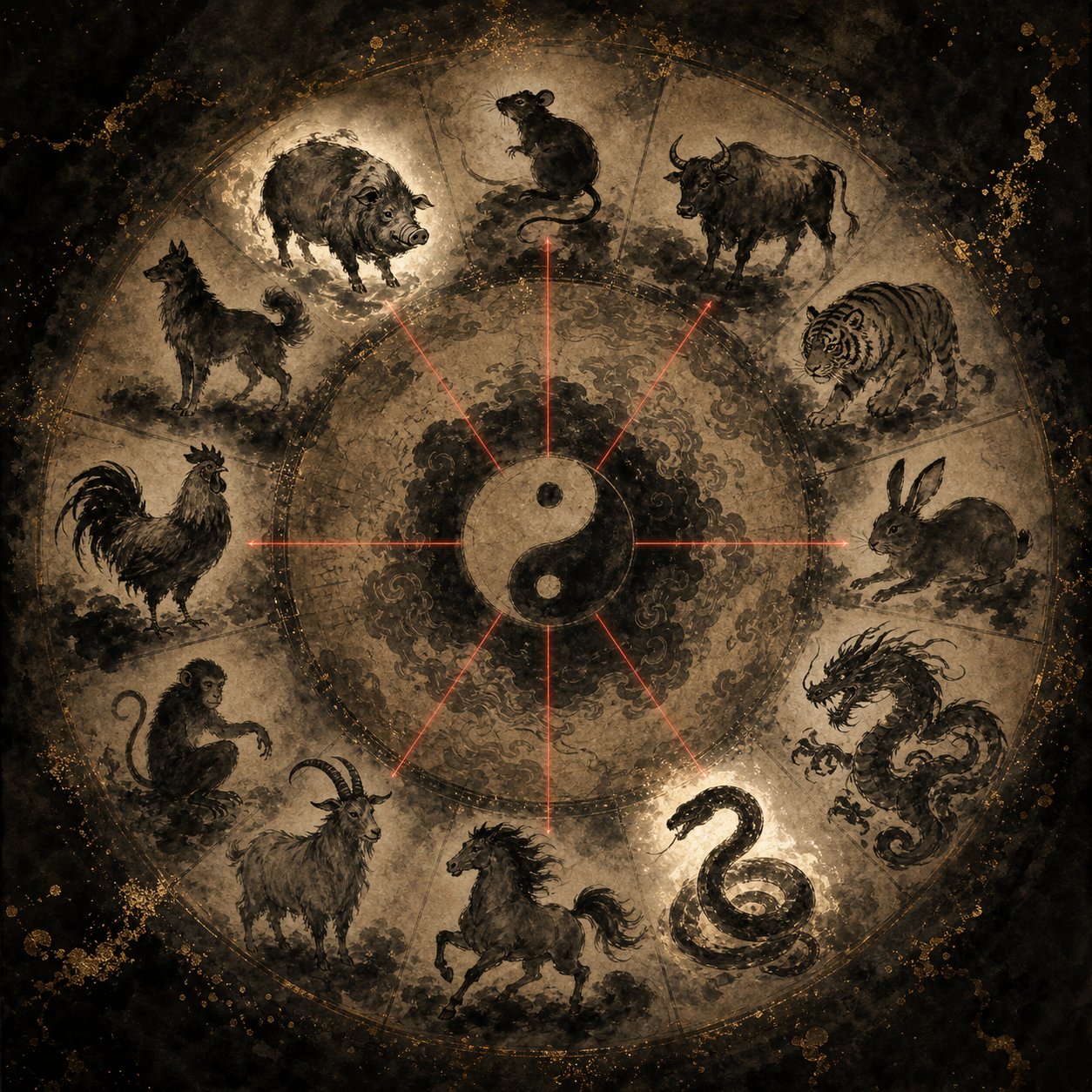
The twelve Earthly Branches form a circular wheel, much like a clock face. Each branch occupies a fixed position, and the relationships between positions determine which animals support or oppose one another. Picture the Pig (亥) sitting at roughly the 10 o'clock position on this wheel, with the Snake (巳) directly across at 4 o'clock. That direct opposition is the foundation of the entire conflict system, and it explains why certain chinese zodiac enemy signs matter so much in naming.
Four distinct types of conflict govern how branches interact negatively. Each type operates differently, producing a unique kind of friction. Understanding these categories helps you see why specific characters are flagged as problematic rather than just accepting a list of rules at face value.
The Four Types of Zodiac Conflict Explained
Chinese horoscope compatibility relies on four conflict categories, each with its own mechanism and severity. Here is how they break down for the Pig:
| Conflict Type | Chinese Term | English Meaning | Pig's Conflicting Animal(s) |
|---|---|---|---|
| Chong (冲) | 六冲 (Liu Chong) | Direct Opposition / Clash | Snake (巳) |
| Hai (害) | 六害 (Liu Hai) | Harm / Hidden Injury | Monkey (申) |
| Xing (刑) | 三刑 (San Xing) | Punishment / Intensified Friction | Pig (亥) — Self-Punishment |
| Po (破) | 六破 (Liu Po) | Destruction / Quiet Erosion | Tiger (寅) |
The clash (冲) is the most direct and forceful. The Snake-Pig clash sits on the fire-water axis, where the Snake's fire energy collides head-on with the Pig's water energy. In naming, this means any character carrying snake-associated radicals introduces that oppositional force into the name itself.
The harm (害) is subtler but arguably more insidious. The Monkey-Pig harm relationship disrupts what would otherwise be a beneficial combination. The Six Harms system shows that Monkey (申) interferes with the Snake-Monkey combination, creating unresolved friction between Metal and Water. This slow-acting tension is why practitioners take monkey-related characters seriously in Pig zodiac names.
How the Pig Clashes With Snake and Monkey
When you look at chinese zodiac enemies and friends, the Snake stands out as the Pig's primary adversary. The year of the snake enemy sign relationship with the Pig is a textbook example of elemental opposition: fire versus water, early summer versus early winter, outward expansion versus inward conservation. Characters that evoke the Snake's form or branch activate this clash energy within a name.
The Monkey relationship works differently. Rather than a head-on collision, the Monkey quietly undermines the Pig's potential alliances. Think of it as a friend who disrupts your other friendships. The harm implies hidden, slow-building misfortune rather than an obvious disaster, which makes it easy to overlook but no less significant over a lifetime.
The classical verse on zodiac harms states: "Pig meets Monkey like a blade's edge" (亥猪见申猴似尖刀) — a warning that the harm relationship cuts quietly but deeply, eroding fortune through unseen friction rather than dramatic confrontation.
Self-punishment (亥亥自刑) also deserves mention. When the same branch doubles back on itself, internal excess builds without an outlet. For naming purposes, this means characters that too strongly reinforce water or pig-related imagery can tip into overload rather than strength.
These four conflict types form the theoretical backbone of every character avoidance rule you will encounter. Each problematic radical or component traces back to one of these relationships, connecting a specific visual element within a character to the animal it represents on the Earthly Branches wheel. The Snake and Monkey carry the heaviest weight, which is why their associated radicals dominate the avoidance lists that follow.
Snake-Related Characters and Radicals Pig Signs Must Avoid
The Snake sits directly opposite the Pig on the Earthly Branches wheel, making it the single most conflicting animal for Pig zodiac names. Every character that carries a snake-associated radical or component channels that oppositional energy into the name. But here is the practical challenge: snake-related elements hide inside dozens of common characters, and spotting them requires knowing exactly which radicals to look for.
The year of the snake for pigs represents maximum tension in the zodiac cycle. That same tension applies at the character level. Below, you will find the key radicals grouped by their connection to the Snake, along with specific characters that contain them.
Snake Branch and Shape Radicals to Watch For
Five radicals carry strong snake associations in Chinese naming tradition. Some reference the Snake's Earthly Branch directly, while others mimic the snake's physical form or movement pattern.
1. 巳 (si) — The Snake Branch Itself
This is the most direct conflict. Any character containing the 巳 component literally embeds the Snake branch into the name, creating a piggy snake collision at the structural level.
- 巳 (si) — the sixth Earthly Branch
- 祀 (si) — to worship, offer sacrifice
- 巷 (xiang) — alley, lane
- 港 (gang) — harbor, port
2. 弓 (gong) — Bow Radical
The bow radical visually resembles a coiled snake. Its curved shape echoes the serpent's resting posture, making it symbolically problematic.
- 弘 (hong) — grand, vast
- 强 (qiang) — strong
- 张 (zhang) — to stretch, a common surname
- 弦 (xian) — string, bowstring
- 弯 (wan) — curved, bent
3. 廴 (yin) — Long Stride Radical
This radical suggests elongated, gliding movement, mimicking how a snake travels across ground.
- 廷 (ting) — court, palace hall
- 建 (jian) — to build, establish
4. 辶 (chuo) — Walking Radical
The walking radical's sweeping stroke at the bottom of characters resembles a snake's slithering path. It appears in many everyday characters, which makes it one of the trickier elements to avoid entirely.
- 连 (lian) — to connect
- 达 (da) — to reach, achieve
- 远 (yuan) — far, distant
- 迪 (di) — to enlighten
- 逸 (yi) — leisurely, escape
5. 一 (yi) — Horizontal Stroke
A single horizontal stroke can suggest a snake lying flat. However, this is the most context-dependent radical on the list. Practitioners generally flag it only when it appears prominently as a standalone element or dominant visual feature, not when it functions as a minor internal stroke within a complex character.
Common Characters Containing Hidden Snake Elements
Some characters disguise their snake piggy conflict beneath layers of complexity. You might not immediately recognize the problematic radical because it sits embedded within a larger structure. Characters like 建 (jian, to build) contain the 廴 radical but are so commonly used that many people overlook the snake association entirely. Similarly, 强 (qiang, strong) carries the bow radical yet reads as purely positive in everyday language.
This brings up an important point: not all characters containing snake-like elements are equally problematic. Context matters significantly. A character where the snake radical is the dominant structural component, like 巳 appearing clearly within 祀, carries stronger conflict energy than one where a snake-shaped radical plays a minor visual role. The overall balance of the full name, including the other characters chosen alongside it, can offset or amplify the effect.
Practitioners who study the enemies of snake and Pig relationships weigh three factors when assessing severity:
- How prominent is the snake radical within the character's visual structure?
- Does the character's meaning reinforce the conflict (e.g., words related to cunning or fire)?
- Do other characters in the full name contain supportive elements that counterbalance the clash?
One more practical consideration: Simplified and Traditional Chinese handle some of these radicals differently. The walking radical 辶 appears in both systems, but certain characters that clearly show snake-associated components in Traditional form may obscure them after simplification. For example, a Traditional character with a visible 巳 component might lose that clarity in its Simplified version. If your family uses Traditional characters, particularly common in Taiwan and Hong Kong, you will encounter more visibly problematic forms. Simplified character users still carry the etymological connection, but the visual cue is sometimes less obvious.
The Snake represents the most forceful clash for Pig zodiac names, yet it is not the only animal whose radicals demand attention. The Monkey operates through a different mechanism entirely, one that is quieter but no less damaging over time.
Monkey-Related Characters That Harm Pig Zodiac Names
The Snake hits the Pig like a head-on collision. The Monkey works differently. As the chinese zodiac sign of the monkey occupies the branch Shen (申), its relationship with the Pig (亥) falls under the Six Harm (六害) category, a type of conflict that operates beneath the surface. Imagine a slow leak in a pipe rather than a burst. You might not notice the damage immediately, but over years, the erosion compounds. That is exactly how practitioners view monkey-related characters in Pig zodiac names.
This subtlety makes the Monkey-Pig harm relationship particularly dangerous from a naming perspective. A direct clash is obvious and can be consciously managed. A harm relationship, by contrast, implies hidden interference, missed opportunities, and quiet friction that accumulates without a clear source. Characters carrying monkey-associated radicals are believed to embed this slow-acting misfortune directly into a person's identity.
Monkey Branch Characters and Their Hidden Presence
The Monkey's Earthly Branch 申 (shen) appears as a component inside several common characters. Some connections are immediately visible, while others require knowledge of phonetic links and historical associations that are not obvious to non-specialists.
1. 申 (shen) — The Monkey Branch Directly
Any character built around the 申 component carries the Monkey branch into the name. This is the most straightforward category to identify.
- 申 (shen) — to state, to extend; the ninth Earthly Branch
- 伸 (shen) — to stretch, extend
- 神 (shen) — spirit, god
- 绅 (shen) — gentry, gentleman
- 呻 (shen) — to groan, moan
Characters like 神 (spirit) and 绅 (gentleman) carry positive surface meanings, which is precisely why they slip past casual screening. The auspicious meaning masks the structural conflict hiding inside.
2. 袁 (yuan) — Monkey Association Through Form
The component 袁 connects to the Monkey through the character 猿 (yuan, ape). Because 猿 and 袁 share the same phonetic base, traditional naming theory treats 袁 as carrying monkey energy.
- 袁 (yuan) — a common surname
- 远 (yuan) — far, distant (also flagged for its walking radical)
- 园 (yuan) — garden, park
- 援 (yuan) — to assist, rescue
- 缘 (yuan) — fate, predestined relationship
Notice how 缘 (fate, destiny) is a popular choice for names because of its romantic connotation. Yet for Pig zodiac births, it carries a double concern: the monkey-linked 袁 component working against the name bearer's fortune quietly over time.
3. 侯 (hou) — Phonetic Link to Monkey (猴)
The character 侯 (marquis, nobleman) shares its pronunciation with 猴 (monkey). In Chinese naming metaphysics, phonetic resonance matters. When a character sounds like a conflicting animal, it is treated as carrying that animal's energy regardless of its written meaning.
- 侯 (hou) — marquis, nobleman
- 候 (hou) — to wait, season
- 喉 (hou) — throat
Why the Six Harm Relationship Matters More Than You Think
You might wonder why practitioners take the Monkey-Pig harm so seriously when the Snake-Pig clash seems more dramatic. The answer lies in how each conflict manifests. The clash (冲) between Snake and Pig is forceful and often produces visible challenges early in life. People notice it, name it, and can work around it. The harm (害) between Monkey and Pig is different. It disrupts from within, creating patterns of near-misses, strained relationships, and opportunities that dissolve at the last moment.
In the broader system of monkey and horse compatibility or monkey and rooster compatibility, the Monkey plays well with certain signs. But with the Pig, the Monkey specifically interferes with the Pig's natural alliance with the Tiger (寅亥合). This triangular disruption means monkey-related characters do not just introduce negative energy on their own. They actively undermine the Pig's most supportive relationship, weakening the name bearer's access to beneficial connections.
Some characters carry monkey associations that only a trained eye would catch. The phonetic component system in Chinese means that characters sharing a sound family often share symbolic weight, even when their written forms look unrelated. This is where professional consultation becomes genuinely valuable for important naming decisions. A naming specialist (命名师) recognizes these hidden phonetic and structural links that general character dictionaries do not flag.
Other Conflicting Animal Characters Worth Noting
While the Snake and Monkey dominate the avoidance lists, two other relationships deserve brief mention:
- Pig self-punishment (亥亥自刑): Characters that double down on water imagery or pig-related components (such as 豕, the pig radical) can create energetic excess rather than strength.
- Tiger destruction (寅破亥): Characters containing 寅 or strong tiger-associated elements like 虎 or the 虍 radical introduce a quieter erosion. This is less severe than the Snake clash or Monkey harm but still noted by thorough practitioners.
The monkey-related characters are easy to overlook precisely because the harm relationship lacks the dramatic reputation of a direct clash. Yet in naming practice, what you cannot see often matters most. A name is carried for a lifetime, and slow-acting friction compounds across decades in ways that sudden conflict does not.
Beyond animal conflicts, another category of problematic characters draws from an entirely different source of symbolism: the cultural role of the pig as a sacrificial animal, and the characters associated with meat, offerings, and ritual preparation.
Meat and Sacrifice Characters That Signal Misfortune
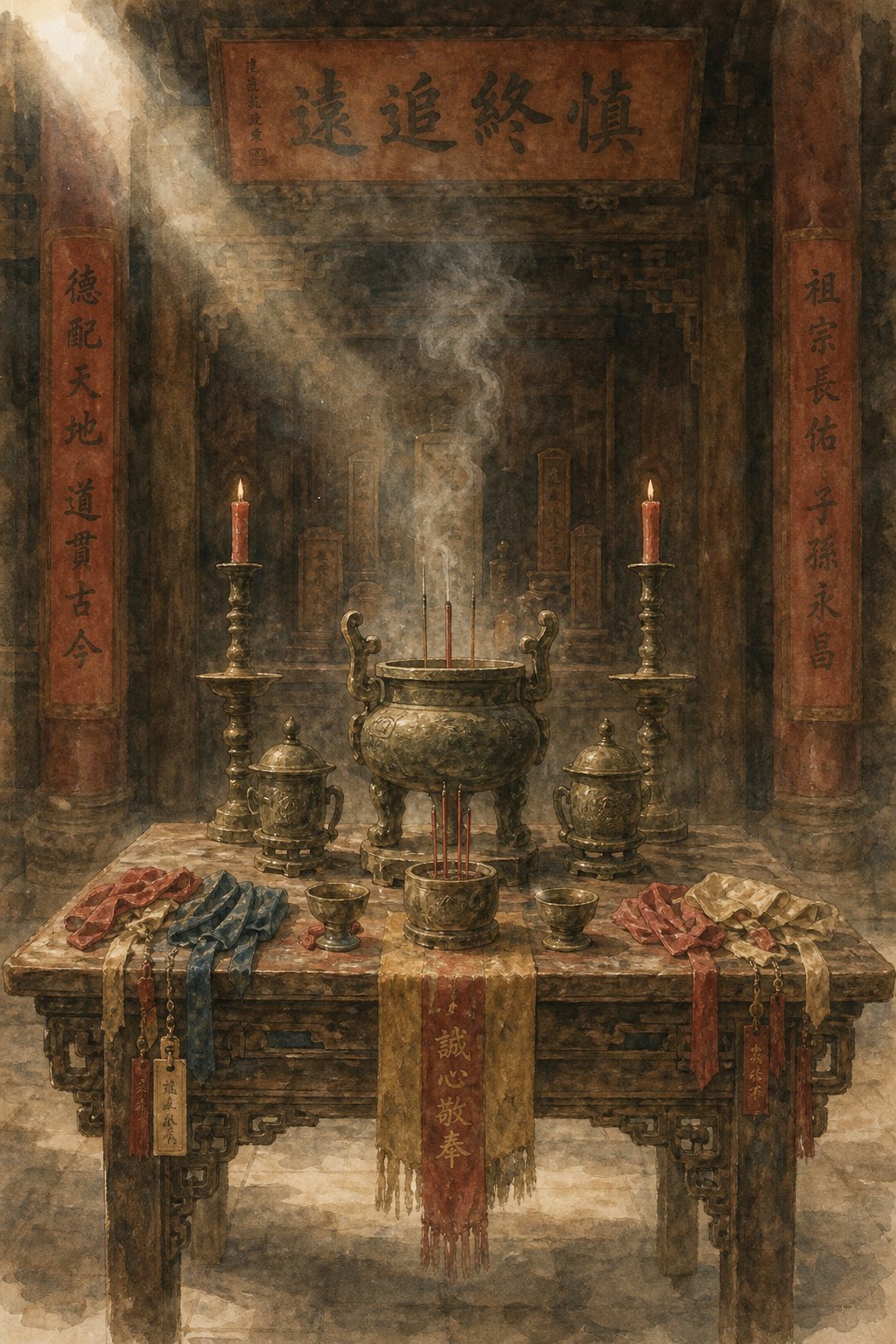
Animal conflicts are not the only source of problematic characters for Pig zodiac names. A second, deeply cultural layer of avoidance draws from the Pig's historical role in Chinese society: as a sacrificial offering. For thousands of years, pigs were raised, fattened, and ceremonially slaughtered for ancestral rites and temple offerings. Characters connected to meat, butchery, and ritual sacrifice carry that association directly into a name, symbolically placing the Pig-year person in the role of the offering rather than the one who prospers.
This category of chinese characters to avoid for pig zodiac operates on a different logic than the zodiac clash system. Rather than opposing branches on the Earthly Branches wheel, these taboos reflect the cultural memory of the pig as livestock destined for the altar. The reasoning is straightforward: if a character evokes the fate of a sacrificial pig, it invites that fate into the name bearer's life.
The Heart Radical and Its Connection to Meat
Here is something that surprises many learners. The heart radical in Chinese has two forms, and one of them historically represents animal flesh rather than human emotion. When you see 忄(the vertical heart radical) or 心 (the full heart character) as a component, it can reference the physical organ, the literal heart meat of an animal. In zodiac naming tradition, the Pig is considered herbivorous by symbolic nature. Characters containing meat-associated radicals contradict this nature and are believed to create disharmony.
The 月 radical presents an even trickier situation. When 月 appears on the left side of a character, it often functions not as "moon" but as a compressed form of 肉 (rou, meat). This dual identity means many characters that look moon-related are actually flesh-related from an etymological standpoint. Characters like 肝 (gan, liver), 肺 (fei, lung), and 腸 (chang, intestine) all use 月 as the meat radical, not the moon radical.
You will notice this distinction matters enormously for chinese zodiac signs compatibility in naming. A character containing the true moon radical (appearing at the top or bottom of a character, or as a standalone reference to the celestial body) does not carry the same concern. The issue arises specifically when 月 functions as the meat radical on the left side of body-part and flesh-related characters.
Sacrifice and Offering Characters to Recognize
In traditional Chinese culture, the most prized pigs were selected for sacrifice precisely because they were well-fed, healthy, and attractive. This creates a painful irony in naming: characters suggesting prosperity, beauty, or ceremonial importance can actually signal the pig being prepared for slaughter. The logic runs counter to what you might expect. Characters related to altars, ritual implements, and offerings do not suggest honor for the Pig-year person. They suggest a destination no one wants.
The following table organizes the most significant problematic characters by category, showing the radical, specific characters, and the reasoning behind each avoidance:
| Category | Radical | Example Characters | Pinyin | Why It Is Problematic |
|---|---|---|---|---|
| Meat-related | 忄 (vertical heart) | 恬, 惜, 慧, 情, 忆 | tian, xi, hui, qing, yi | References animal heart/organ meat, contradicts the Pig's symbolic herbivorous nature |
| Meat-related | 心 (full heart) | 思, 念, 慈, 志, 意 | si, nian, ci, zhi, yi | Full heart character as base component carries the same organ-meat association |
| Meat-related | 月 as 肉 (meat radical) | 育, 肯, 胜, 朋, 腾 | yu, ken, sheng, peng, teng | Moon radical functioning as flesh radical implies butchered meat |
| Sacrifice-related | 刂 (knife radical) | 刘, 利, 刚, 则, 判 | liu, li, gang, ze, pan | Blade imagery suggests slaughter and butchery of the pig |
| Sacrifice-related | 大 (big/spread) | 太, 天, 奇, 奔 | tai, tian, qi, ben | Suggests a pig with legs spread for roasting or display on an altar |
| Altar-related | 示/礻 (ritual radical) | 祝, 祥, 祈, 福, 礼 | zhu, xiang, qi, fu, li | Directly references altar ceremonies where pigs served as primary offerings |
| Altar-related | 王 (jade/king radical) | 珍, 珠, 琪, 瑞, 璋 | zhen, zhu, qi, rui, zhang | Jade ornaments were placed on sacrificial animals as ceremonial decoration |
Several entries in this table deserve closer attention. Characters like 福 (fu, blessing) and 祥 (xiang, auspicious) are among the most popular choices in Chinese naming because their surface meanings are overwhelmingly positive. Yet both contain the ritual radical 礻, which directly references the altar where sacrificial offerings were made. For a chinese astrology match between name and birth year, this creates a conflict between what the character means and what it symbolically implies for a Pig-year person.
The knife radical 刂 is another category that catches people off guard. Characters like 利 (li, benefit/sharp) and 刚 (gang, firm/strong) carry meanings that seem ideal for a name. The blade imagery, however, evokes the butcher's tool. In the context of chinese star signs compatibility between a name and its bearer's zodiac, the knife radical places the Pig in proximity to its most feared outcome.
Similarly, the 大 radical deserves explanation. A pig displayed with legs spread apart is a pig prepared for roasting or mounted on a sacrificial spit. Characters built around 大 as a dominant structural element can carry this visual association, though practitioners generally apply this rule with more flexibility than the meat or altar radicals. Context and the character's overall meaning weigh heavily here.
One practical note for families navigating chinese zodiac sign matches in naming: the heart radical characters (忄and 心) appear in so many common names that strict avoidance can feel limiting. Characters like 慧 (hui, wisdom) and 志 (zhi, ambition) are deeply popular across all zodiac signs. Some practitioners distinguish between characters where the heart radical clearly references emotion versus those where it carries stronger organ-meat connotations. This is an area where the severity spectrum matters. A single heart-radical character in an otherwise well-balanced name is treated differently than a name where multiple characters reinforce the sacrificial theme.
The sacrifice category reveals something important about how these naming taboos function. They are not purely about zodiac branch conflicts. They layer cultural history on top of metaphysical theory, drawing from the lived experience of the pig in Chinese agricultural society. A decorated, well-fed pig heading to the temple was not being honored. It was being consumed. Characters that echo any part of that journey, from the fattening to the adornment to the altar itself, carry that narrative weight into a name.
That mention of adornment opens another significant category. If sacrifice-related characters suggest the destination, then decoration and clothing characters suggest the preparation, the dressing up of the pig before it meets its ceremonial end.
Ceremonial Decoration Characters and Other Hidden Dangers
A pig being dressed up is not a pig being celebrated. In traditional Chinese culture, when a pig was adorned with colorful ribbons, draped in fine cloth, or decorated with ornamental items, it meant one thing: the animal was being prepared for the sacrificial altar. The more beautiful the presentation, the closer the pig was to its end. This cultural memory runs deep, and it shapes an entire category of characters that practitioners flag for Pig zodiac names.
Characters containing clothing, decoration, and adornment radicals carry this symbolic weight. They suggest the act of dressing up the offering, making it presentable for the gods. For someone born under the Pig sign, these characters imply giving away the best of yourself while receiving the least in return. In the broader framework of chinese zodiac relationships between names and birth years, decoration radicals rank among the most commonly overlooked dangers.
Decoration and Clothing Radicals That Suggest Sacrifice
Four radicals dominate this category. Each connects to the imagery of a pig being prepared for ceremonial presentation.
1. 彡 (shan) — Decoration / Colorful Stripes
This radical represents patterns, color, and ornamental markings. It appears in characters related to beauty, appearance, and artistic expression. For Pig zodiac names, it evokes the colorful garments draped over a sacrificial animal.
- 彩 (cai) — color, splendor
- 彬 (bin) — refined, elegant
- 彤 (tong) — red, vermilion
- 彦 (yan) — accomplished person
- 影 (ying) — shadow, reflection
- 形 (xing) — form, shape
Characters like 彦 (yan) are extremely popular in names because they suggest talent and distinction. Yet for a Pig-year person, that very distinction mirrors the fate of the finest pig selected from the herd: chosen precisely because it stands out.
2. 巾 (jin) — Cloth / Towel Radical
The cloth radical references fabric, textiles, and woven materials. It connects to the wrapping and draping of sacrificial animals.
- 帆 (fan) — sail
- 布 (bu) — cloth, fabric
- 帝 (di) — emperor
- 帅 (shuai) — handsome, commander
- 常 (chang) — constant, ordinary
- 帷 (wei) — curtain, screen
3. 衣/衤 (yi) — Clothing Radical
This radical appears in two forms: 衣 as a standalone component and 衤 as a left-side radical. Both reference garments and dressing. In the context of chinese and zodiac compatibility for naming, this is one of the most significant radicals to watch because it appears in many aesthetically appealing characters.
- 裕 (yu) — abundant, prosperous
- 初 (chu) — beginning, first
- 裴 (pei) — a surname, luxuriant
- 袖 (xiu) — sleeve
- 装 (zhuang) — to dress, install
- 褚 (chu) — a surname, to store
4. 糸/糹 (mi) — Silk / Thread Radical
Silk and thread connect to woven garments and decorative textiles. This radical appears in characters related to binding, weaving, and fine fabric, all of which suggest the preparation of ceremonial dress.
- 紫 (zi) — purple
- 纯 (chun) — pure
- 绮 (qi) — beautiful, fine silk
- 绿 (lv) — green
- 缘 (yuan) — fate (also flagged for monkey association)
- 纪 (ji) — record, discipline
Notice how 缘 (yuan) appears problematic for two separate reasons: its monkey-linked 袁 component and its silk radical. When a character triggers multiple avoidance categories simultaneously, practitioners consider it especially inauspicious for Pig zodiac names.
Additional Problematic Radicals and Edge Cases
Beyond decoration and clothing, several other radical categories create concerns for Pig-year naming. These draw from different aspects of the pig's vulnerability: physical restraint, confinement, and bodily positioning.
Characters suggesting legs spread or bound:
- Radicals and characters implying open or separated legs evoke the image of a pig mounted on a spit or displayed for roasting. The 大 radical (covered in the previous section) is the primary offender here, but characters with prominent downward-spreading strokes that suggest splayed limbs also fall into this category.
- Characters associated with being unhealthy or unable to stand firmly suggest a sick pig, implying career obstacles and instability. According to traditional naming guides, "legs spread apart represents poor health, a sick pig, unable to stand upright, indicating work will not go smoothly."
Characters suggesting confinement or cages:
- While the 囗 (enclosure) radical might seem problematic since it suggests a pen or cage, it is actually considered favorable for Pig zodiac names. The enclosure represents a home or shelter for the pig, providing safety rather than imprisonment. This is a common misconception worth clarifying.
- The problematic confinement characters are those suggesting being trapped without food or comfort, not those suggesting a protected dwelling.
Characters related to royalty and grandeur:
- 王 (wang) — king
- 君 (jun) — ruler, gentleman
- 帝 (di) — emperor
- 大 (da) — big, great
- 长 (chang/zhang) — long, elder
These characters are avoided because in chinese love zodiac naming tradition, a bigger, more impressive pig was always the first chosen for sacrifice. Grandeur does not protect the Pig-year person. It marks them. The larger and more prominent the pig, the more likely it ends up on the offering table. Characters suggesting leadership, size, or royal status carry this ironic danger.
Simplified vs. Traditional: Where Radicals Hide and Reveal
The choice between Simplified and Traditional Chinese characters matters more than many families realize when evaluating chinese zodiac matches in naming. Several decoration and clothing radicals shift visibility between the two systems.
In Traditional Chinese (used in Taiwan, Hong Kong, and many overseas communities), the clothing radical 衤 and silk radical 糹 appear in their full, recognizable forms. Characters like 緣 (yuan, fate) clearly display the silk radical on the left side. The connection to fabric and adornment is visually obvious.
In Simplified Chinese (used in mainland China and Singapore), these same radicals are often compressed or altered. The silk radical becomes 纟, a streamlined three-stroke form that looks less like thread or fabric to the untrained eye. Characters like 缘 still carry the radical, but its visual connection to cloth and decoration is less immediately apparent.
This does not mean Simplified characters are "safer." The etymological connection remains regardless of how the character looks on paper. A naming practitioner evaluates based on the character's structural components and historical radical classification, not just its modern visual appearance. However, for families doing their own preliminary screening, Traditional characters make problematic radicals easier to spot at a glance.
Families choosing between character systems for a child's name should consider where the name will be used most. A name registered in Taiwan will appear in Traditional form on all documents, making any clothing or decoration radical permanently visible. A name registered in mainland China will appear in Simplified form, where the same radical exists but in compressed notation.
The decoration and clothing category completes the major avoidance groups rooted in the pig's sacrificial history. But naming is never purely about what to avoid. Knowing which characters actively support and strengthen a Pig zodiac name transforms the process from anxious elimination into confident, purposeful selection.
Auspicious Characters to Favor in Pig Zodiac Names
Knowing what to avoid is only half the equation. The other half, the part that turns naming from a minefield into a creative act, is knowing which characters actively support a Pig zodiac name. Favorable characters align with the Pig's natural environment, diet, and elemental identity. They channel abundance, shelter, and harmony rather than conflict or sacrifice. When you understand what the Pig thrives on symbolically, selecting strong characters becomes intuitive rather than stressful.
The logic here mirrors the avoidance system but runs in the opposite direction. Where problematic characters reference predators, blades, and altars, auspicious characters reference grain fields, sheltering trees, flowing water, and stable earth. They place the Pig in its ideal symbolic habitat: well-fed, protected, and energetically supported.
Grain and Plant Radicals That Bring Abundance
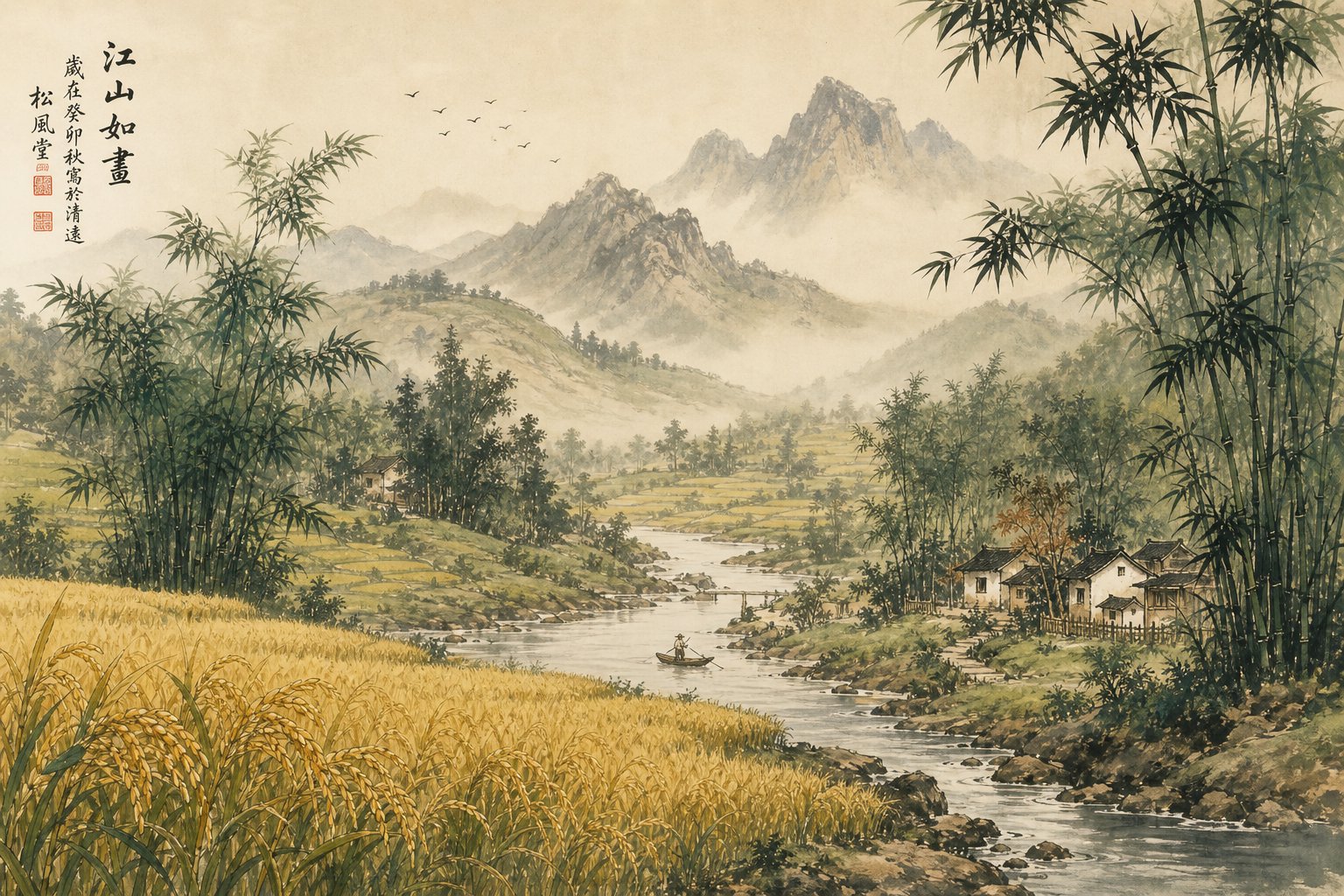
The Pig's favorite symbolic environment is one of plentiful food. In traditional naming guides, characters containing grain and plant radicals are considered deeply auspicious because they suggest a life of nourishment and satisfaction. A pig surrounded by grain is a pig that will never go hungry. Translated into naming, these radicals promise material comfort and emotional fulfillment.
Four radicals dominate this category:
- 禾 (he) — Grain/Rice Plant: Characters like 秀 (xiu, elegant), 秦 (qin, a dynasty/surname), 程 (cheng, journey/process), 稷 (ji, millet/grain god), and 穗 (sui, ear of grain) all carry this radical. They suggest harvest, productivity, and a life that yields results.
- 米 (mi) — Rice: Characters like 精 (jing, refined/essence), 粲 (can, bright/radiant), and 籽 (zi, seed) reference the staple food of Chinese culture. Rice imagery in a name implies the person will always have enough.
- 豆 (dou) — Bean: Characters like 豊 (li, abundant ritual vessel) and 豐 (feng, abundant/lush) connect to legumes and fullness. According to Hong Kong naming master Situ Fazheng, characters with the bean radical give Pig-year people "a sense of richness and satisfaction, never needing to worry throughout life."
- 艹 (cao) — Grass/Plant: Characters like 英 (ying, hero/flower), 芳 (fang, fragrant), 莉 (li, jasmine), 萱 (xuan, daylily), 蕙 (hui, orchid), and 菁 (jing, essence/leek flower) all carry the grass radical. They reference the Pig's herbivorous symbolic nature and suggest growth, vitality, and natural beauty.
These four radicals appear across hundreds of usable characters, giving families enormous creative range. A name like 秀萱 (Xiu Xuan) combines grain elegance with plant vitality, doubling down on the Pig's most supportive imagery without any conflicting elements.
Shelter, Earth, and Water Characters for Harmony
Beyond food, the Pig thrives with shelter and elemental support. Three additional radical categories provide this foundation:
Wood radicals (木, 林) — Shelter and Rest
A pig resting beneath trees is a pig at peace. Wood-element characters suggest protection, shade, and a place to belong. Characters like 森 (sen, forest), 林 (lin, grove), 柏 (bai, cypress), 桂 (gui, osmanthus), 榆 (yu, elm), and 楓 (feng, maple) all carry this energy. There is also a zodiac compatibility reason: Wood connects to the East, which corresponds to the Rabbit (卯). Since the Pig, Rabbit, and Sheep form a harmonious Three Harmony group (亥卯未三合), wood-related characters activate this supportive alliance. This is why pigs and tigers also share a favorable bond, as the Tiger (寅) combines with the Pig through the Six Harmony (六合) relationship, and both thrive in wooded environments.
Shelter radicals (宀, 冖, 门) — Home and Security
Characters with roof-like radicals give the Pig a sense of home. Unlike the confinement concern mentioned earlier, these radicals represent chosen shelter rather than forced captivity. Characters like 家 (jia, home/family), 安 (an, peace), 宏 (hong, grand), 宸 (chen, imperial residence), 宥 (you, forgiveness), and 寧 (ning, tranquility) all suggest a protected, comfortable life. The character 家 itself literally contains the pig radical (豕) beneath a roof (宀), representing the original meaning of "household" in Chinese: a home with a pig inside it.
Water radicals (氵, 水, 冫) — Elemental Harmony
The Pig's Earthly Branch 亥 belongs to the Water element. Characters carrying water radicals resonate with the Pig's core elemental identity, creating natural harmony rather than friction. Characters like 清 (qing, clear), 澤 (ze, marsh/grace), 涵 (han, contain/cultivate), 泓 (hong, deep pool), 淳 (chun, pure/honest), and 瀚 (han, vast) all support the Pig's Water nature.
The following table presents the complete picture of favorable radical categories with specific character recommendations:
| Radical Category | Radicals | Example Characters (Pinyin) | Why Auspicious for Pig |
|---|---|---|---|
| Grain & Harvest | 禾, 米 | 秀 (xiu), 程 (cheng), 稷 (ji), 精 (jing), 粲 (can) | Suggests abundant food and a life of material satisfaction |
| Beans & Legumes | 豆 | 豊 (li), 豐 (feng), 豇 (jiang) | Represents fullness and contentment for the Pig's nature |
| Grass & Plants | 艹 | 英 (ying), 芳 (fang), 萱 (xuan), 蕙 (hui), 莉 (li) | Aligns with herbivorous symbolic nature; suggests growth |
| Wood & Trees | 木, 林 | 森 (sen), 柏 (bai), 桂 (gui), 楓 (feng), 榆 (yu) | Provides shelter; activates Pig-Rabbit-Sheep Three Harmony |
| Shelter & Home | 宀, 冖, 门 | 安 (an), 宏 (hong), 宸 (chen), 寧 (ning), 家 (jia) | Gives the Pig a sense of belonging and domestic security |
| Water | 氵, 水, 冫 | 清 (qing), 涵 (han), 澤 (ze), 淳 (chun), 泓 (hong) | Harmonizes with the Pig's native Water element |
| Earth & Fields | 土, 田 | 培 (pei), 堅 (jian), 田 (tian), 畫 (hua) | Represents stability; fields suggest food sources |
| Metal & Gold | 金, 釒 | 鑫 (xin), 銘 (ming), 鋒 (feng), 錦 (jin), 鈺 (yu) | Metal generates Water in the Five Elements productive cycle |
The Five Elements Connection: Why Metal Supports the Pig
You might notice Metal (金) on the favorable list and wonder why a hard, sharp element supports an animal associated with softness and water. The answer lies in the Five Elements productive cycle (五行相生). In this system, Metal generates Water. Think of it as condensation forming on a cold metal surface, or mineral-rich springs flowing from rocky mountains. Metal is the Pig's elemental parent, feeding and strengthening its Water nature.
This is why characters with the gold/metal radical (金/釒) are considered supportive for Pig zodiac names. Characters like 鑫 (xin, prosperous), 銘 (ming, inscription/motto), 鋒 (feng, sharp point/vanguard), and 錦 (jin, brocade/splendid) carry Metal energy that nourishes the Pig's Water foundation. According to Five Elements analysis of the Pig sign, the Water Pig born in years like 1983 is especially receptive to Metal support, as the element reinforces their natural cleverness and decisiveness.
The productive cycle also explains why Wood characters work well. Water generates Wood (water nourishes plants), so the Pig's energy flows naturally into wood-element characters without creating resistance. The relationship is one of easy output rather than forced containment.
For families exploring chinese zodiac partner compatibility in naming, the Three Harmony group (亥卯未) offers another layer of favorable characters. The Rabbit (卯) connects to Wood and the East, while the Sheep (未) connects to Earth. Characters containing 卯-related components like 柳 (liu, willow) or 未-related components like 羚 (ling, antelope) activate these supportive alliances. Even the year of the sheep years share a natural affinity with Pig years through this triangular bond, making sheep-associated characters like 羊-radical words potentially favorable.
Similarly, the Three Meeting group (亥子丑三会) links the Pig with the Rat (子) and Ox (丑). Characters containing 子 (zi, child) or water-related components associated with the Rat's branch, along with 牛/丑 (ox/earth) components, tap into this secondary support network. Characters like 孟 (meng, eldest), 存 (cun, to exist), and 牧 (mu, to herd) benefit from this connection.
Tiger zodiac compatibility also plays a role here. The Pig and Tiger share a Six Harmony bond (寅亥合), one of the strongest positive relationships in the zodiac system. While tiger-radical characters (虎, 虍) can trigger the minor "destruction" concern mentioned earlier, the overall Pig-Tiger relationship is favorable. This is one of those areas where professional judgment matters: the harmony between pigs and tigers generally outweighs the minor po (破) friction, especially when the tiger element appears in a supporting rather than dominant position within the name.
Favorable characters give you a vast creative palette. The comprehensive naming database for Pig zodiac identifies 785 commonly recommended characters across all stroke counts, with over 10,000 total usable characters when including less common options. That is an enormous range of possibility, far more than enough to craft a name that is both meaningful and zodiac-aligned.
The real art of naming, though, is not just picking favorable characters from a list. It is balancing zodiac considerations against stroke count, tonal flow, family traditions, and personal meaning. That balancing act is exactly what professional name consultants navigate every day, weighing multiple systems simultaneously to find the name that fits on every level.
How Name Consultants Balance Zodiac Rules in Practice
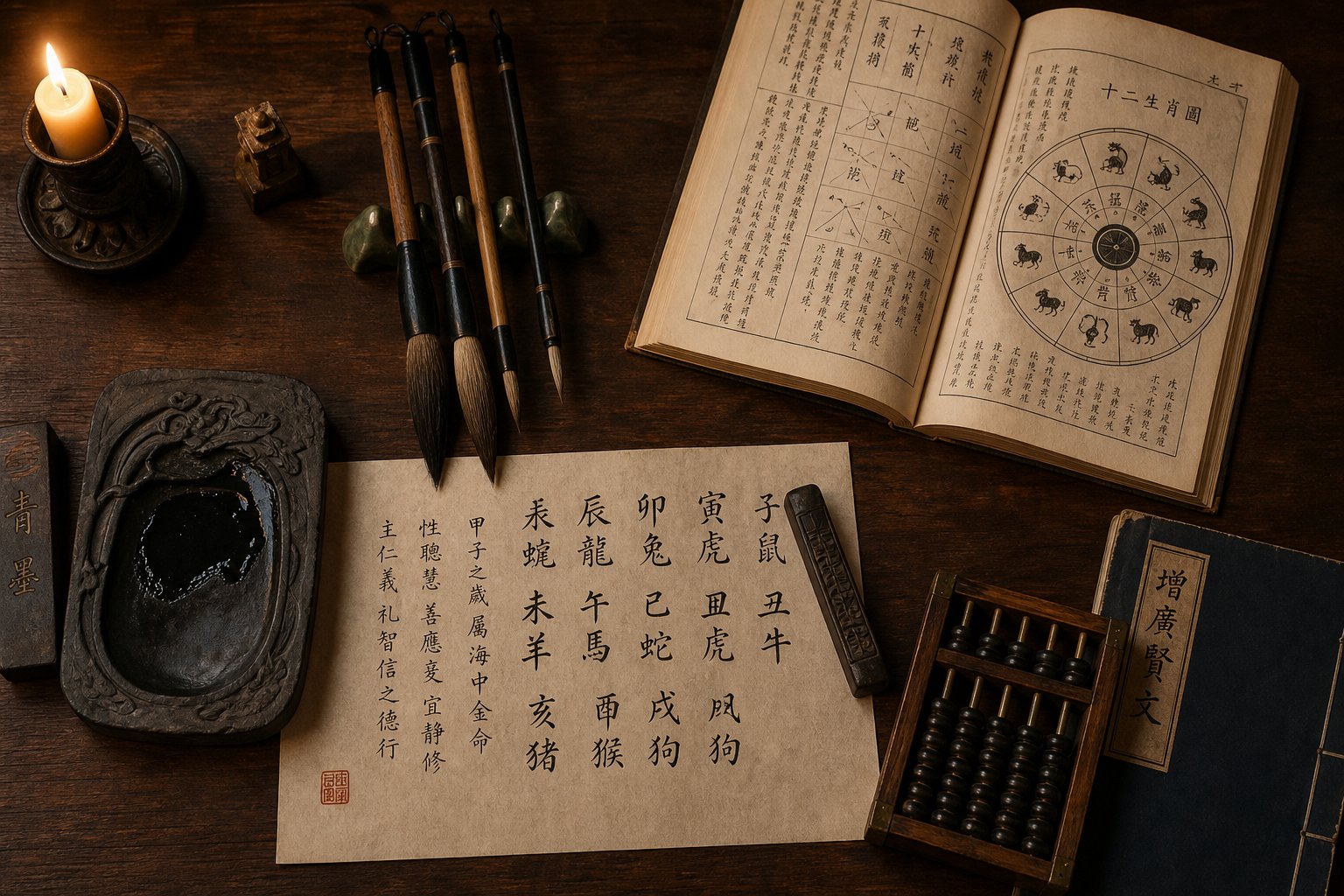
Knowing which characters to avoid and which to favor is valuable. But here is what most English-language guides leave out: professional Chinese name consultants never evaluate zodiac character rules in isolation. A naming specialist (命名师) weighs zodiac compatibility alongside half a dozen other systems simultaneously, and the final name emerges from the intersection of all these factors rather than strict obedience to any single one.
Imagine you have found the perfect character. It carries a grain radical, harmonizes with the Pig's Water element, and means something beautiful. But its stroke count creates an unfavorable pattern in the fortune map, or its tone clashes awkwardly with the surname. Does the zodiac advantage override those concerns? This is the daily calculus of professional naming, and the answer is rarely straightforward.
What Professional Name Consultants Actually Consider
A trained naming consultant evaluates a potential name through multiple lenses before approving it. The process resembles a chinese compatibility chart where every factor must align rather than a simple pass-fail test on any single criterion. Here is the typical hierarchy of factors, ordered from most to least weighted in traditional practice:
- Five Elements Balance (五行平衡): The birth chart (八字) reveals which elements are strong, weak, or missing. The name should compensate for imbalances. A Pig-year person lacking Fire might actually benefit from certain characters that zodiac rules alone would flag, if the Five Elements analysis demands it.
- Fortune Map / Stroke Count (三才五格 / 笔画): Each character's stroke count feeds into a mathematical system that produces five grid values. These values are classified as auspicious or inauspicious based on established tables. A character with perfect zodiac alignment but a stroke count that produces an unfavorable fortune map score will often be rejected.
- Chinese Zodiac Character Rules (生肖用字): The avoidance and preference system covered throughout this article. This is where the chinese astrology compatibility chart between birth year and character radicals comes into play.
- Overall Meaning and Aspiration (字义): The combined meaning of all characters in the name should express a coherent, positive aspiration. Two individually auspicious characters that create an awkward or contradictory meaning together will be reconsidered.
- Tonal Balance and Phonetic Flow (音韵): The name should sound pleasant when spoken aloud. Consultants check that tones vary across syllables (avoiding three consecutive falling tones, for example) and that the name does not create unintended homophones with negative words.
- Generational Characters (辈分字): Some families maintain a generational poem (字辈) that dictates one character for all children born in the same generation. When this tradition applies, the fixed character limits options for the remaining character(s), and zodiac rules must work within that constraint.
- Surname Compatibility: Certain characters pair poorly with specific surnames due to phonetic collisions or unintended meanings. The surname is fixed, so the given name must adapt.
Notice where zodiac character rules sit: third in the hierarchy, not first. This placement reflects how experienced practitioners actually work. The Five Elements and stroke count systems carry more mathematical precision, while zodiac rules operate on symbolic association. A consultant who finds a character that scores perfectly on elements one, two, four, and five but carries a minor zodiac concern will often keep it, noting the concern but not treating it as disqualifying.
Balancing Zodiac Rules With Other Naming Factors
Regional and generational differences shape how strictly these conventions are applied. In Taiwan, where traditional naming culture remains strong and research confirms that fortune-telling elements like zodiac and stroke count measurably influence naming patterns across generations, families frequently consult professional namers for newborns. Hong Kong maintains similar traditions, particularly among Cantonese-speaking families who may also layer feng shui considerations into the process.
Mainland China presents a more varied picture. Urban families in cities like Shanghai or Beijing often prioritize meaning and modern aesthetics over traditional metaphysical systems. Yet in more traditional communities, particularly in southern provinces with strong ancestral hall cultures, the full chinese zodiac compatibility table of naming rules remains actively practiced. The difference is not belief versus disbelief but rather degree of emphasis.
Formal naming ceremonies (命名仪式) represent the context where these rules receive their strictest application. When a family commissions a professional naming, pays for a full birth chart analysis, and selects a name through ritual consultation, every factor on the hierarchy receives careful attention. Casual naming, where parents simply choose characters they like, naturally applies fewer constraints.
Here is the practical reality that balances all of this: a single problematic radical does not automatically doom a name. Professional consultants think in terms of cumulative weight rather than binary pass-fail. A name containing one character with a minor snake-associated radical (like the walking radical 辶) but otherwise strong Five Elements support, favorable stroke count, and beautiful meaning is not considered a bad name. It is considered a name with one minor tension point that the surrounding strengths compensate for.
The situations where zodiac character rules become genuinely decisive are:
- When a character contains the direct branch of a conflicting animal (巳 for Snake, 申 for Monkey) as a prominent component
- When multiple characters in the same name trigger the same conflict category, creating a pattern rather than an isolated instance
- When the birth chart already shows weakness in the area that the conflicting character would stress
- When two equally strong candidate names exist and zodiac alignment becomes the tiebreaker
For readers applying this knowledge to their own decisions, the approach should match your intent. If you want strict traditional adherence, perhaps for a formal naming in a family that values these customs, work through the full hierarchy with a qualified consultant. The chinese horoscope love compatibility chart between name characters and birth year is just one layer they will evaluate.
If you simply want to avoid the most glaring conflicts while prioritizing meaning and sound, focus on the highest-severity items: direct branch characters (巳, 申), obvious sacrifice radicals (刂, 示/礻), and characters that trigger multiple avoidance categories simultaneously. Skip the edge cases and context-dependent rules. A name that avoids the major clashes while carrying genuine personal meaning will serve its bearer well by any standard.
And if you are a language learner choosing a Chinese name or a business owner selecting characters for a brand, treat these rules as cultural literacy rather than binding law. Knowing that 福 (blessing) carries a ritual radical that concerns Pig-year traditionalists does not mean you cannot use it. It means you understand the cultural layer that exists beneath the surface, and you can make an informed choice about whether it matters in your specific context.
The chinese horoscopes compatibility chart between zodiac signs and name characters is ultimately a tool for intentional decision-making, not a cage. The best names emerge when knowledge serves creativity rather than restricting it. Whether you follow every rule or simply avoid the most significant pitfalls, understanding the system puts you in control of the choice rather than leaving it to chance.
Frequently Asked Questions About Pig Zodiac Naming Taboos
1. What Chinese zodiac signs conflict most with the Pig in naming?
The Snake (巳) and Monkey (申) create the strongest conflicts for Pig zodiac names. The Snake opposes the Pig through direct clash (冲), representing a head-on collision of fire and water energies. The Monkey harms the Pig through the Six Harm (六害) relationship, causing slow-acting, hidden misfortune that erodes fortune over time. Characters containing radicals linked to either animal should be carefully evaluated before inclusion in a Pig-year person's name.
2. Why are heart radical characters considered bad for Pig zodiac names?
The heart radical (忄 or 心) references animal organ meat in its etymological origins, not just human emotion. Since the Pig holds a symbolic herbivorous nature in zodiac naming tradition, meat-associated radicals create disharmony. Characters like 慧 (wisdom) and 志 (ambition) contain this radical. However, severity depends on context. A single heart-radical character in an otherwise balanced name is treated less seriously than multiple meat-related characters reinforcing a sacrificial theme.
3. Which radicals are auspicious for people born in the Year of the Pig?
Grain radicals (禾, 米, 豆) suggest abundance and nourishment. Plant radicals (艹) align with the Pig's herbivorous symbolic nature. Wood radicals (木, 林) provide shelter and activate the Pig-Rabbit-Sheep Three Harmony group. Water radicals (氵, 水) harmonize with the Pig's native Water element. Metal radicals (金, 釒) support the Pig because Metal generates Water in the Five Elements productive cycle. Shelter radicals (宀, 冖) represent a safe home environment.
4. Do zodiac naming rules apply equally to Simplified and Traditional Chinese characters?
The etymological connection and symbolic weight remain identical in both systems. However, Traditional Chinese characters make problematic radicals more visually obvious. For example, the silk radical appears as 糹 in Traditional form but is compressed to 纟 in Simplified form. Professional naming consultants evaluate based on structural components and historical radical classification regardless of which system is used, but families doing their own screening will find Traditional characters easier to assess at a glance.
5. How important are zodiac character rules compared to other Chinese naming factors?
Professional name consultants rank zodiac character rules third in their evaluation hierarchy, behind Five Elements balance and stroke count fortune mapping. A single problematic radical does not automatically ruin a name. Consultants assess cumulative weight rather than applying binary pass-fail judgments. Zodiac rules become decisive when a character contains a direct conflicting branch as a prominent component, when multiple characters trigger the same conflict, or when two equally strong candidate names need a tiebreaker.