What Are Chinese Milk Names and Why Do Families Use Them
Imagine calling your newborn by a name so tender and playful that it instantly wraps them in warmth every time it's spoken aloud. That's exactly what a milk name does in Chinese families. If you've ever wondered what is a Chinese name beyond the formal characters on a birth certificate, you're about to discover a tradition that has shaped family bonds for centuries.
What Is a Chinese Milk Name
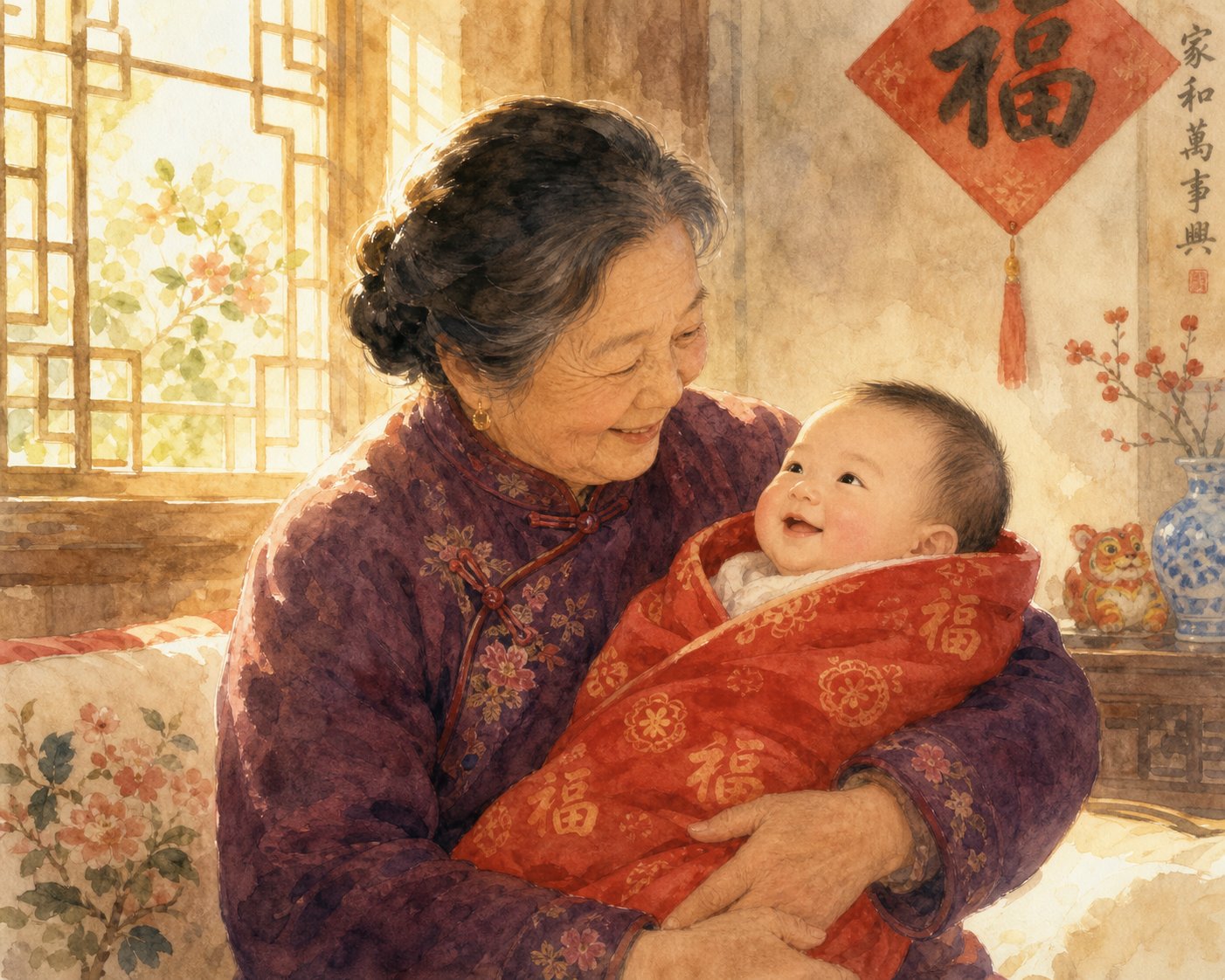
A Chinese milk name (小名 xiǎo ming or 乳名 rǔ ming) is an informal pet name given to a baby shortly after birth, used exclusively by close family members as a term of endearment. It is entirely separate from the child's formal registered name and is not used on official documents.
Think of it as the name whispered during late-night feedings, called across the kitchen at dinner, or sung softly at bedtime. Unlike a given name in Chinese culture, which carries the weight of family legacy and appears on school records, a milk name belongs to the intimate world of home. It's casual, affectionate, and often delightfully quirky.
These names typically follow simple patterns. You'll notice many use reduplication (repeating a character twice, like 豆豆), the diminutive prefix 小 (meaning "little"), or playful references to food, animals, and nature. The structure is intentionally easy to say, because the name needs to roll off the tongue when grandparents, parents, and siblings call the baby dozens of times a day.
Why Milk Names Matter in Chinese Culture
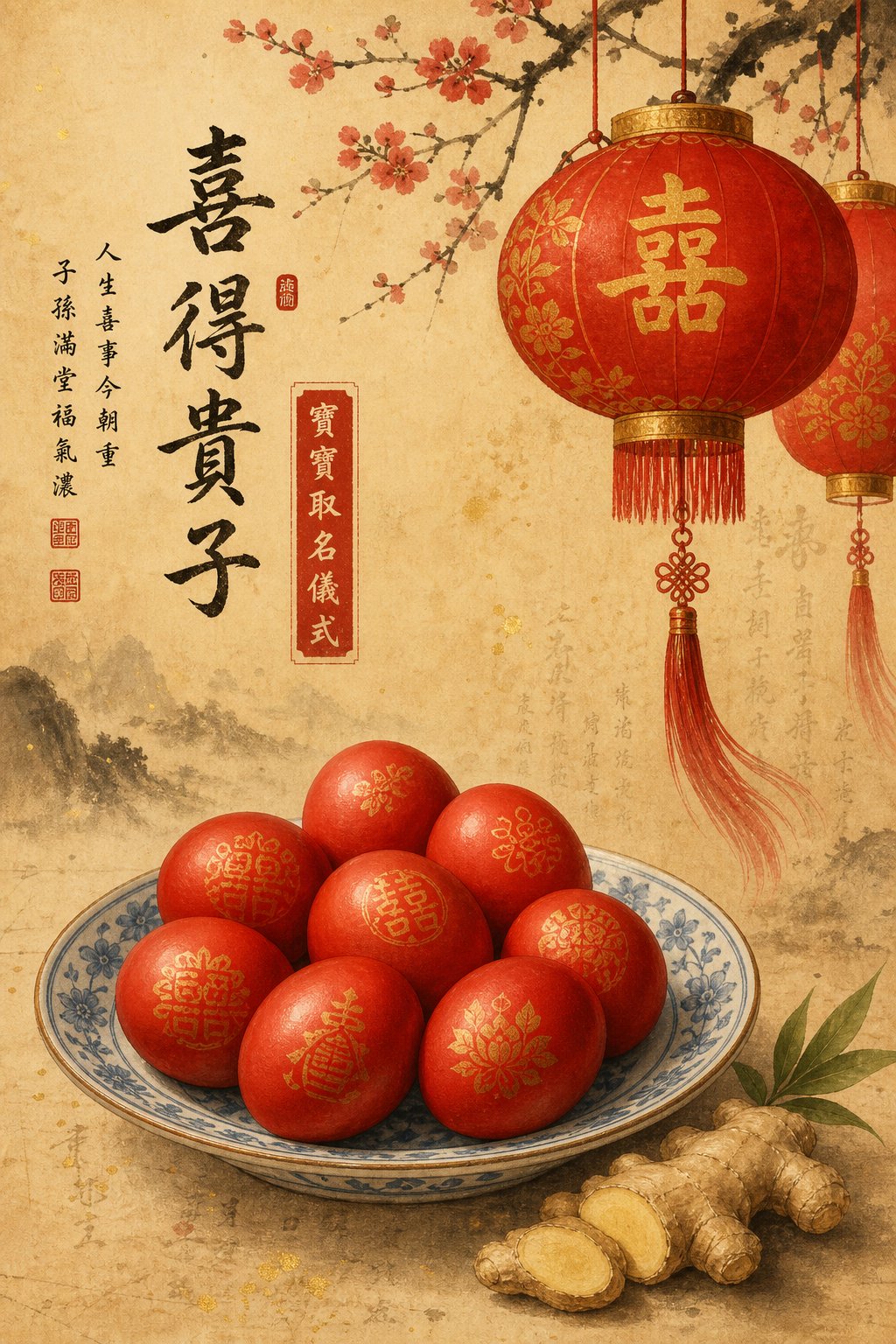
So why not just use the baby's formal name from day one? In Chinese naming customs, the formal given name in Chinese tradition often isn't chosen until weeks after birth, sometimes at a special ceremony when the baby reaches one month old. The Red Egg and Ginger party historically marked this milestone, underscoring the uncertainty surrounding a child's early existence and celebrating survival past those fragile first weeks.
During that waiting period, and often long after, the milk name fills the gap. It gives the family a way to bond with the baby immediately, without the pressure of selecting a name that will follow the child through school, career, and public life. Chinese names carry deep meaning, and choosing a formal one requires careful thought about character selection, tonal balance, and sometimes even consultation with fortune tellers. The milk name sidesteps all of that. It's chosen from the heart, not the dictionary.
For many families, the milk name endures well beyond infancy. Parents and grandparents may continue using it through childhood, into the school years, and sometimes even into adulthood as a private family term. It becomes a thread connecting the grown child back to their earliest days, a sound that instantly evokes belonging.
Throughout this article, you'll find popular categories of these names, curated lists for boys and girls, and practical guidance on choosing one that your family will actually use every day. Whether you're rooted in Chinese tradition or exploring it for the first time, there's a milk name waiting to become part of your baby's story.
The History and Superstition Behind Chinese Baby Milk Names
Every naming tradition carries a story, and the chinese name origin behind milk names is rooted in something deeply human: a parent's fear of losing their child. Centuries ago, infant mortality rates in China were devastatingly high. Families watched helplessly as illness, famine, and disease claimed newborns before they could grow. Out of that grief, a protective superstition emerged that would shape chinese naming customs for generations.
The Protective Superstition Behind Humble Names
The logic was simple, if unsettling to modern ears. Families believed that evil spirits targeted precious, valued children. If a baby carried a grand or beautiful name, it would attract the attention of malevolent forces. The solution? Give the child a name so humble, so unappealing, that no spirit would bother with it.
In traditional Chinese belief, old chinese names like 狗蛋 (gǒu dan, meaning "dog egg") or 狗剩 (gǒu sheng, meaning "dog leftovers") were deliberately chosen to trick evil spirits into thinking the child was worthless and not worth taking.
This wasn't cruelty. It was love disguised as indifference. Parents reasoned that a child called "little rock" or "iron egg" would seem too lowly for spirits to notice. Names referencing animals like dogs, pigs, or oxen served the same purpose. The uglier or more common the name, the safer the child. As China Daily notes, families believed such names would not entertain evil spirits, thereby assuring the child a long life.
This tradition persisted for centuries across rural China, and its echoes remain. Even today, older generations in some villages still prefer humble milk names, viewing trendy or beautiful options with quiet suspicion. The chinese name origins of this practice remind us that naming was never just about identity. It was about survival.
Naming Ceremonies and the Egg-and-Ginger Party
When did a family announce the milk name? Traditionally, not until the baby survived its first month. That waiting period wasn't arbitrary. With so many infants dying in those early weeks, families held back on celebration until they felt reassured the child would live. The Red Egg and Ginger party marked this milestone, a gathering where friends and family celebrated the baby's survival and heard the chosen name for the first time.
At these ceremonies, hard-boiled eggs dyed red were distributed to guests as symbols of luck and new life. Ginger, representing warmth and health, accompanied the eggs. The maternal grandmother traditionally brought clothing, sweet cakes decorated with good-luck symbols, and stamped eggs for the baby. Red dominated the celebration because it symbolized joy and fortune, while white was strictly avoided as the color of mourning.
The milk name announced at this party might be the humble, protective type or, in some families, a placeholder until the formal name was chosen by grandparents or even a fortune teller. Either way, the ceremony transformed a private family nickname into something witnessed and celebrated by the community. It gave the name weight without giving it formality.
These chinese naming customs reveal a broader philosophy: names carry power, and that power must be handled carefully. Whether shielding a baby from spirits or waiting a full month before daring to celebrate, every step reflected a culture that understood how fragile new life could be. That awareness shaped not just what families called their children, but when and how they chose to do it.
How Milk Names Differ from Formal Chinese Given Names
Understanding the chinese name structure helps clarify why milk names exist alongside formal ones rather than replacing them. A child doesn't simply have "a name" in Chinese culture. They move through a layered system where different names serve different relationships, settings, and stages of life. Knowing where the milk name fits within this system makes it easier to appreciate its role and decide how your family will use it.
Milk Names vs Formal Given Names
The formal given name, called 大名 (da ming, literally "big name"), is the one registered on official documents. It appears on the birth certificate, school enrollment forms, and eventually a passport or national ID card. In the chinese name order, the family name (surname) comes first, followed by the given name. So if a child's surname is Wang and their given name is Mingyu, they are Wang Mingyu in formal contexts.
The milk name operates in an entirely different sphere. It never appears on paperwork. It has no legal standing. You won't hear a teacher call it out during attendance, and it won't show up on a diploma. Its domain is the home, the family group chat, the grandparents' kitchen. That separation is intentional. The formal name carries public identity and family legacy. The milk name carries intimacy.
When you look at chinese first and last names together, the formal given name is typically one or two characters chosen with great deliberation. Parents consider meaning, tonal harmony, stroke count, and sometimes astrological compatibility. A milk name, by contrast, is chosen quickly and affectionately. It might reference the baby's appearance at birth, a favorite food, or simply a sound that feels warm when repeated.
Here's a side-by-side comparison to make the differences concrete:
| Dimension | Milk Name (小名/乳名) | Formal Given Name (大名) |
|---|---|---|
| Purpose | Term of endearment, family bonding | Official identity, public and legal use |
| Who uses it | Parents, grandparents, close family | Teachers, colleagues, officials, acquaintances |
| Formality level | Casual, intimate | Formal, respectful |
| When it is given | At birth or within the first few days | Often at the one-month ceremony or within 30 days of birth (as required by modern naming laws) |
| Typical structure | Reduplication (甜甜), 小 + character, or 阿 + character | One or two carefully chosen characters following the surname |
| Lifespan of use | Infancy through childhood; sometimes lifelong within family | Lifelong in all public and professional settings |
You'll notice the first name and last name in chinese formal naming follow strict conventions. The surname is inherited from the father (though legally either parent's surname is permitted), and the given name is selected to complement it in sound and meaning. Milk names skip all of that structure. They don't need to harmonize with the surname because they're never spoken alongside it.
When and How Each Name Is Used
Imagine a child named Li Junhao (李俊豪) on paper but called 小宝 (Xiao Bao, "little treasure") at home. At school, teachers and classmates use Junhao. At family dinners, grandma calls him Xiao Bao. Both names belong to the same child, but they activate different social worlds.
This dual-name system also connects to generational names, a tradition where male family members of the same generation share one character in their formal given name. These generation characters were often predetermined by a family poem composed decades or even centuries earlier. The Mao family's generational poem, for instance, was selected in 1737 and prescribed specific characters for each successive generation. Milk names exist completely outside this system. They carry no generational obligation and no ancestral weight.
So when does the milk name fade? There's no fixed rule. In many families, it naturally recedes once the child enters school and the formal name takes over in daily life. But "recedes" doesn't mean "disappears." Parents often continue using the milk name at home through the teenage years and beyond. Some adults in their thirties still hear their milk name when they visit their parents during holidays. It becomes a private signal: you are still our child, no matter how old you get.
For families choosing chinese milk names for babies today, this distinction matters practically. You're not picking a name that replaces the formal one. You're picking a name that lives beside it, serving a completely different emotional function. The formal name faces outward. The milk name faces inward, toward the people who loved the child first.
With this framework in place, the real fun begins: exploring the specific categories and patterns that make milk names so distinctive and choosing one that fits your baby perfectly.
Popular Categories of Chinese Milk Names with Examples
Chinese milk names aren't random. They follow recognizable patterns that have been passed down through families for generations. Once you see the categories, you'll notice how each one draws on a different source of inspiration, whether that's the pantry, the natural world, or simply the satisfying sound of a repeated syllable. Below are the most common chinese first names used as milk names, organized by type so you can browse and find what resonates.
Food-Based and Animal-Based Milk Names
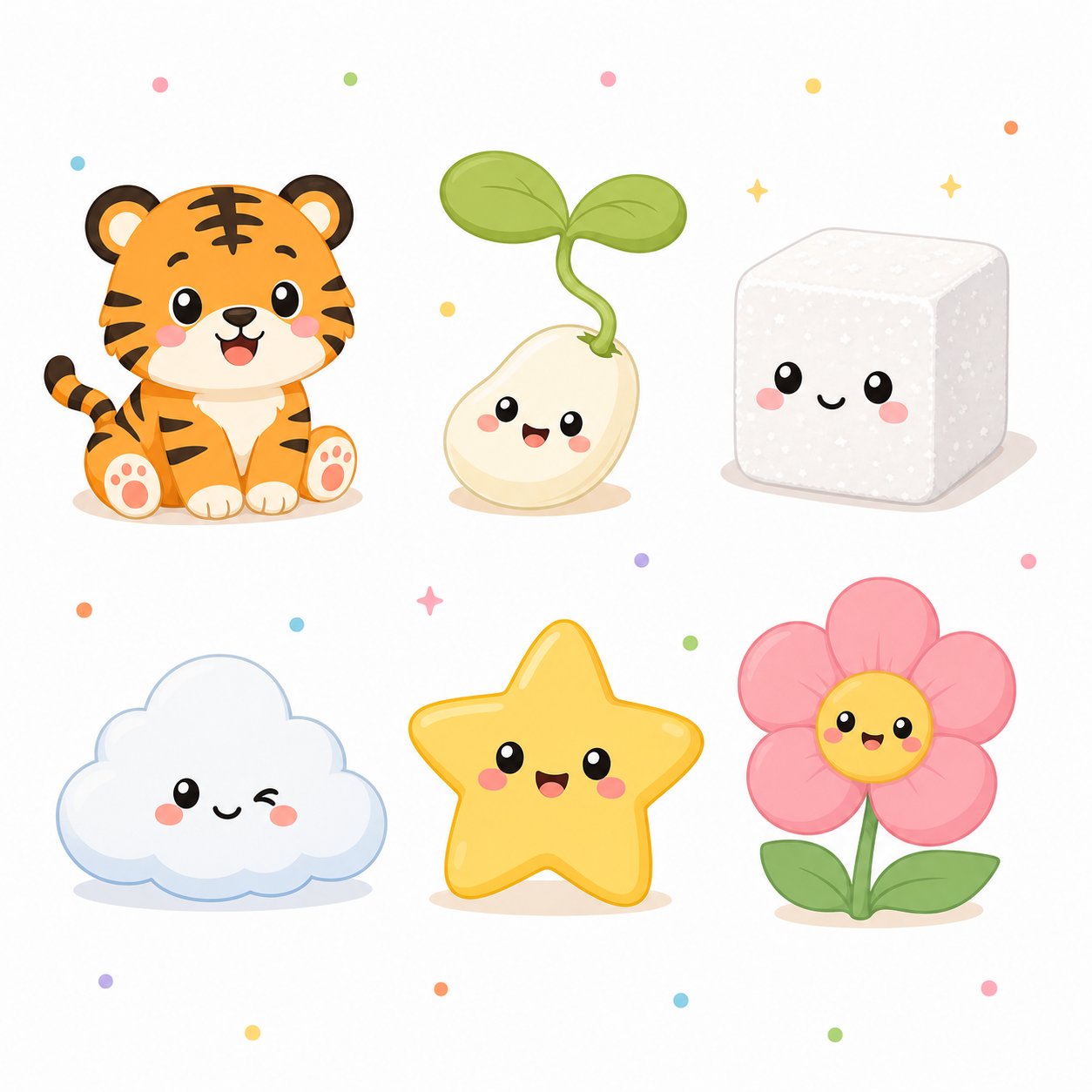
Food names are everywhere in Chinese families. They're playful, warm, and carry a sense of abundance. When you call a baby "little dumpling" or "sugar sugar," there's an instant sweetness to it. These are among the most typical chinese first names used informally at home.
Food-Based Milk Names:
- 蛋蛋 (Dan dan) - "egg egg" - one of the most classic choices, evoking roundness and simplicity
- 糖糖 (Tang tang) - "sugar sugar" - sweet in both sound and meaning
- 豆豆 (Dou dou) - "bean bean" - small, round, and full of life
- 果果 (Guo guo) - "fruit fruit" - fresh and wholesome
- 汤圆 (Tang yuan) - "glutinous rice ball" - a festive treat symbolizing family togetherness
Animal-based names tap into qualities parents hope their child will embody. A tiger suggests courage. A dragon signals ambition. Even a little fish carries the idea of freedom and fluidity. These names often pair with the prefix 小 (xiao, "little") to keep them endearing rather than imposing.
Animal-Based Milk Names:
- 小虎 (Xiao hu) - "little tiger" - strength and bravery
- 小龙 (Xiao long) - "little dragon" - power and good fortune
- 小鱼 (Xiao yu) - "little fish" - freedom and liveliness
- 小熊 (Xiao xiong) - "little bear" - cuddly and strong
- 小兔 (Xiao tu) - "little rabbit" - gentle and quick
Reduplication Names and the 小 Prefix Pattern
If you've noticed many of the examples above repeat a single character twice, that's not a coincidence. This pattern is called 叠字 (die zi), or reduplication, and it's one of the most widespread formats for chinese given names used as milk names. Repeating a character creates a rhythmic, sing-song quality that feels natural when calling a child. It softens any character into something affectionate, as Yoyo Chinese explains, families often take the last character of a child's formal name and double it to create an instant milk name.
Reduplication (叠字) Milk Names:
- 明明 (Ming ming) - "bright bright" - clarity and intelligence
- 甜甜 (Tian tian) - "sweet sweet" - gentle and lovable
- 乐乐 (Le le) - "happy happy" - cheerful disposition
- 壮壮 (Zhuang zhuang) - "strong strong" - robust health
- 动动 (Dong dong) - "move move" - energetic and lively
The 小 (xiao) prefix works differently. Instead of doubling a character, you place 小 before a single meaningful word. This creates a diminutive form, similar to saying "little" before a noun in English. It's versatile enough to pair with almost anything.
Nature-Based Milk Names (often using the 小 prefix):
- 小雨 (Xiao yu) - "little rain" - gentle and refreshing
- 小星 (Xiao xing) - "little star" - bright and guiding
- 小云 (Xiao yun) - "little cloud" - soft and free
- 小雪 (Xiao xue) - "little snow" - pure and quiet
- 小风 (Xiao feng) - "little wind" - spirited and natural
There's also the 阿 (a) prefix, common in southern China and Cantonese-speaking regions. If you've ever heard someone called "Ah Ming" or "Ah Mei," that's this pattern in action. The "ah" in Chinese functions as a casual, familiar marker, similar to how 小 works but with a distinctly southern flavor. You'll encounter it frequently in Guangdong, Hong Kong, and among Hokkien and Teochew communities.
阿 (A) Prefix Milk Names:
- 阿宝 (A bao) - "Ah treasure" - precious and cherished
- 阿福 (A fu) - "Ah fortune" - blessed and lucky
- 阿妹 (A mei) - "Ah little sister" - endearing for younger girls
- 阿毛 (A mao) - "Ah fuzzy" - playful and informal
These categories aren't mutually exclusive. A family might combine patterns, calling their baby 小糖糖 (little sugar-sugar) or 阿豆 (Ah bean). The flexibility is part of what makes milk names so personal. There's no rigid formula, just a handful of familiar structures that families adapt to fit their child.
With these categories as a starting point, the next step is seeing how they play out differently for boys and girls, where cultural expectations and personal taste shape which names families gravitate toward.
Chinese Milk Names for Baby Boys
When families choose a male chinese given name for everyday use at home, there's a noticeable gravitational pull toward strength, resilience, and vitality. This isn't accidental. For centuries, chinese old name traditions favored milk names that projected toughness for boys, partly rooted in the same protective superstition that made humble names popular, and partly reflecting cultural hopes that a son would grow up strong and capable. A name like "iron egg" or "little tiger" carries both affection and aspiration in two short syllables.
That said, modern parents aren't locked into this single lane. Plenty of families today pick playful, nature-inspired, or even gentle-sounding milk names for their sons. The key is finding something that feels right when you call it across the room fifty times a day. Below you'll find options organized by style so you can see the full range available.
Strong and Traditional Milk Names for Boys
These names echo ancient chinese names for men in spirit, if not in formality. They reference power, durability, and the natural world's fiercest creatures. If your family leans traditional or you want a name that carries a sense of boldness, this list is a solid starting point.
- 小虎 (Xiao hu) - "little tiger" - courage, ferocity, and natural leadership
- 小龙 (Xiao long) - "little dragon" - ambition, power, and imperial good fortune
- 壮壮 (Zhuang zhuang) - "strong strong" - robust health and physical vitality
- 铁蛋 (Tie dan) - "iron egg" - unbreakable toughness, a classic protective name
- 石头 (Shi tou) - "stone" - steadfast, solid, and enduring
- 大壮 (Da zhuang) - "big and strong" - straightforward wish for a sturdy child
- 小武 (Xiao wu) - "little warrior" - martial strength and bravery
- 虎子 (Hu zi) - "tiger cub" - fierce yet young, a traditional favorite in northern China
You'll notice many of these draw on imagery that's been associated with masculinity in Chinese culture for centuries. Tigers and dragons are zodiac animals linked to power. Iron and stone suggest something that cannot be easily broken. For families who value that connection to tradition, these names feel grounded and purposeful. The chinese first name chosen formally might be elegant and literary, but the milk name at home can be blunt, earthy, and full of protective energy.
Playful and Modern Milk Names for Boys
Not every family wants their son's milk name to sound like a warrior's title. Many contemporary parents prefer something lighter, warmer, or simply fun to say. These options lean toward charm and personality rather than raw strength.
- 豆豆 (Dou dou) - "bean bean" - small, round, and bursting with potential
- 乐乐 (Le le) - "happy happy" - cheerful and easygoing
- 小宝 (Xiao bao) - "little treasure" - precious and deeply loved
- 皮皮 (Pi pi) - "mischievous mischievous" - playful and spirited
- 闹闹 (Nao nao) - "lively lively" - energetic and full of personality
- 小米 (Xiao mi) - "little rice" - humble, nourishing, and essential
- 球球 (Qiu qiu) - "ball ball" - round, bouncy, and fun
- 小风 (Xiao feng) - "little wind" - free-spirited and natural
These names work especially well for parents who want something gender-neutral or who feel the traditional "tough" names don't match their family's personality. A boy called 乐乐 at home carries a wish for happiness rather than hardness, and there's nothing less loving about that choice. The shift toward softer milk names for boys reflects broader changes in Chinese parenting culture, where emotional well-being is valued alongside physical strength.
Whether you lean toward the boldness of 铁蛋 or the warmth of 小宝, the best milk name is one your family will actually say with joy every single day. It should feel natural on your tongue and bring a smile when your baby hears it. That daily-use test matters more than any tradition or trend.
Girls' milk names follow their own patterns, drawing from a different well of imagery and sound. The contrast is worth exploring, especially if you're expecting and haven't yet decided which direction feels right.
Chinese Milk Names for Baby Girls
Where boys' milk names often lean on strength and toughness, the most common chinese first names used as milk names for girls draw from a softer palette. Think blossoms, moonlight, sweetness, and fruit. These names paint small pictures of beauty and tenderness, wrapping a baby girl in imagery that feels gentle every time it's spoken. But "soft" doesn't mean limited. The range here is wider than you might expect, from classic floral references to modern picks that work just as well for any child regardless of gender.
Sweet and Cute Milk Names for Girls
Sweetness is the dominant theme in this category. These names sound like little endearments all on their own, which is exactly the point. When a chinese name first name is chosen for formal documents, it might carry weighty aspirations. The milk name, by contrast, just needs to feel like a hug.
- 甜甜 (Tian tian) - "sweet sweet" - pure affection in two syllables, one of the most popular choices across China
- 果果 (Guo guo) - "fruit fruit" - fresh, wholesome, and full of life
- 糖糖 (Tang tang) - "sugar sugar" - irresistibly sweet and cheerful
- 朵朵 (Duo duo) - "blossom blossom" - delicate and blooming, like a flower opening
- 萌萌 (Meng meng) - "cute cute" - modern and playful, popular among younger parents
- 乖乖 (Guai guai) - "good good" - well-behaved and lovable
- 蜜蜜 (Mi mi) - "honey honey" - warm and golden
- 宝宝 (Bao bao) - "treasure treasure" - universally adored, gender-neutral but widely used for girls
You'll notice the reduplication pattern dominates here. Doubling a character like 甜 or 果 transforms a simple adjective or noun into something musical. It's easy to call out, easy for a toddler to recognize, and carries a rhythm that feels inherently affectionate. Among first name chinese options used informally, these reduplicated forms remain the go-to for families who want something immediately warm.
Nature-Inspired and Elegant Milk Names for Girls
Nature offers endless inspiration. Flowers, the moon, rain, and clouds all appear frequently in girls' milk names, connecting the child to something beautiful and timeless. These picks tend to feel slightly more poetic than the food-and-sweetness category, making them a good fit for families who want elegance without formality.
- 小花 (Xiao hua) - "little flower" - classic and universally understood
- 小月 (Xiao yue) - "little moon" - luminous, calm, and quietly powerful
- 小雪 (Xiao xue) - "little snow" - pure, serene, and distinctive
- 小燕 (Xiao yan) - "little swallow" - graceful and free, a bird associated with spring
- 星星 (Xing xing) - "star star" - bright and guiding
- 云云 (Yun yun) - "cloud cloud" - soft, drifting, and peaceful
- 小荷 (Xiao he) - "little lotus" - elegant and rooted in classical Chinese poetry
- 月月 (Yue yue) - "moon moon" - gentle radiance, a reduplication variant of the moon theme
Names like 小荷 and 小月 carry a literary quality that echoes formal chinese first names without the weight of official registration. They sit comfortably between casual and refined, which appeals to parents who want a milk name that doesn't feel throwaway but still stays intimate.
One trend worth noting: gender-neutral milk names are gaining ground among contemporary families. Names like 乐乐 (happy happy), 豆豆 (bean bean), and 小宝 (little treasure) appear on both boys' and girls' lists with equal frequency. Parents who prefer not to signal gender through a milk name have plenty of options that feel natural and unforced. The tradition is flexible enough to accommodate personal values without breaking any cultural rules.
Choosing between a sweet reduplication name and a nature-inspired option often comes down to sound. Say each one aloud several times. Picture yourself calling it across a playground or whispering it at bedtime. The right milk name isn't just meaningful on paper. It needs to feel effortless in your mouth and joyful in your child's ears, which brings up the practical question of how to narrow down your favorites into a final choice.
How to Choose the Perfect Chinese Milk Name for Your Baby
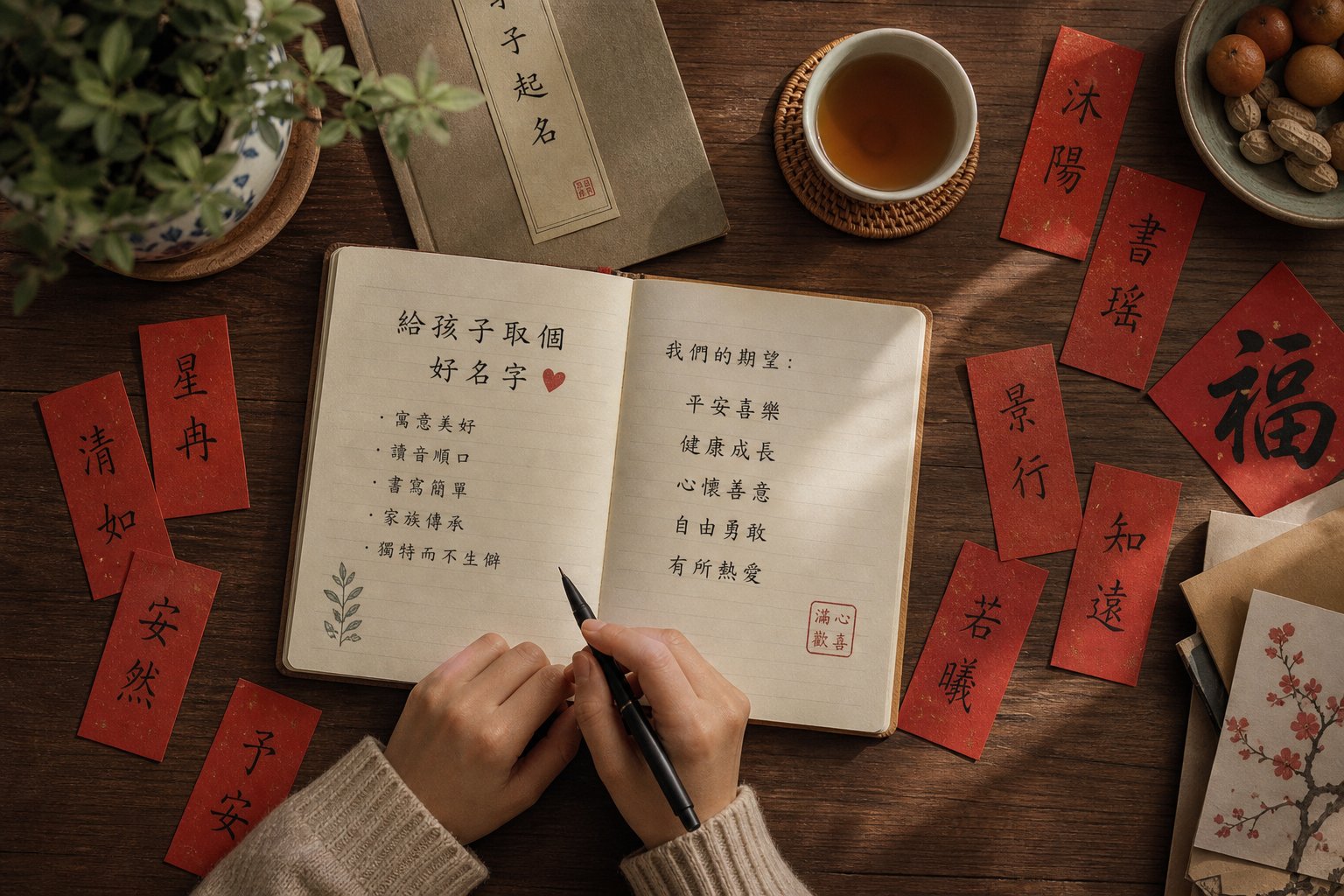
Browsing lists of beautiful names is one thing. Actually committing to one that your family will use every day for years is something else entirely. Unlike formal name selection, which can involve stroke count analysis, bazi charts, and the five-structure system (五格), choosing a milk name is far less rigid. But "less rigid" doesn't mean "no thought required." A few practical steps can help you land on a name that feels right in your mouth, carries the meaning you want, and earns buy-in from the people who'll actually be saying it.
Step-by-Step Process for Choosing a Milk Name
If you've ever wondered what would my chinese name be or how to find the right one for your child, this process gives you a clear path from brainstorming to final decision.
- Start with sound, not meaning. Say potential names out loud. Repeat each one five or six times quickly, the way you'd call a toddler running toward the street. Does it flow? Does it feel natural at volume? A milk name lives in the spoken world far more than on paper, so tonal comfort matters above all else. Avoid combinations where the tones feel flat or awkward in sequence.
- Check for unfortunate homophones. Mandarin is full of words that sound identical but carry wildly different meanings. A name that sounds lovely in one tone might be a homophone for something embarrassing or unlucky in another. For example, 梓 (zi, catalpa tree) is elegant, but careless tone shifts could land near 死 (si, death). Ask a native speaker to listen for unintended associations.
- Decide your philosophy: protective or aspirational. This is the big fork in the road. Do you want a traditional humble name meant to deflect attention, like 石头 (stone) or 铁蛋 (iron egg)? Or do you prefer a modern cute name that expresses hope and affection, like 乐乐 (happy happy) or 小星 (little star)? Neither choice is wrong. It reflects your family's values and how you relate to the tradition.
- Consult elder family members early. Grandparents often have strong opinions about milk names, and in many families, they expect to be involved. Bringing them into the conversation before you've finalized a choice avoids conflict and sometimes surfaces beautiful options you hadn't considered. If you're wondering what is my chinese name heritage or what traditions your family followed in previous generations, this is the moment to ask.
- Test it in context. Picture bedtime, mealtime, and the playground. Imagine whispering it softly and shouting it across a park. A good milk name works at every volume and in every emotional register, from soothing to urgent. If it only sounds right in one setting, keep looking.
- Keep it simple. The best milk names are one or two syllables, easy for siblings and elderly relatives to pronounce, and instantly recognizable to the child. Complexity belongs to the formal name. The milk name should be effortless.
For parents navigating how to spell name in chinese or unfamiliar with tonal pronunciation, pinyin guides and audio resources can help you confirm that your chosen name sounds the way you intend. Recording yourself saying the name and playing it back often reveals whether the rhythm feels natural or forced.
Common Mistakes to Avoid When Selecting a Name
Even with a clear process, a few pitfalls trip up parents regularly. Knowing what to sidestep saves you from a name that sounded great in theory but doesn't hold up in daily life.
- Choosing something too popular. Names like 宝宝 and 豆豆 are beloved for good reason, but in some communities, three children on the same block share the same milk name. If distinctiveness matters to you, check whether your top choice is already in heavy rotation among friends and family.
- Ignoring regional pronunciation. A name that works beautifully in Mandarin might sound odd in your family's dialect. If grandparents speak Cantonese, Hokkien, or Shanghainese, test the name in their language too. The milk name needs to work for the people who'll use it most.
- Overthinking meaning at the expense of sound. Milk names aren't formal names. They don't need to encode your deepest hopes for your child's career. A name that means something modest but sounds wonderful when repeated will serve your family better than a meaningful name that's clunky to say.
- Forgetting the child will grow. A name like 小胖 (little chubby) is endearing for an infant but might embarrass a teenager. Consider whether the name ages gracefully or has a natural expiration date. Some families intentionally choose names they'll phase out, while others want something that can follow the child into adulthood without awkwardness.
The tension between tradition and personal taste doesn't need to be resolved in one direction. Some families honor the old protective philosophy for their first child and choose a modern cute name for the second. Others blend both, picking a humble-sounding name that also happens to be adorable. What matters most is that the name feels like yours, something your family chose with intention and will speak with love.
This personal decision doesn't happen in a vacuum, though. Broader cultural shifts in China are reshaping which milk names parents gravitate toward, and understanding those trends can help you see where your own choice fits within the larger landscape.
Modern Trends vs Traditional Milk Name Practices in China
Cultural shifts don't happen overnight, but they do happen visibly. The way young parents in Shanghai or Shenzhen choose milk names today looks almost nothing like what their grandparents did in rural Henan or Shandong fifty years ago. Urbanization, smaller family sizes, social media, and pop culture have collectively rewritten the playbook for naming in chinese families, creating a generational divide that's fascinating to watch and useful to understand if you're making your own choice.
Traditional Humble Names vs Modern Cute Names
The old philosophy was clear: make the name unappealing so spirits pass over your child. The new philosophy is equally clear: make the name adorable because your baby deserves something beautiful. Both come from love. They just express it differently.
Traditional parents chose names like 狗剩 (dog leftovers) or 铁蛋 (iron egg) because survival was uncertain and superstition offered a sense of control. Modern parents, raised in an era of advanced healthcare and low infant mortality, no longer feel that same existential fear. Instead, they reach for names that reflect joy, aspiration, and personality. A typical chinese name for a baby born in a major city today might be 萌萌 (cute cute) or 小橙 (little orange) rather than anything deliberately humble.
Here's how the two philosophies compare across key dimensions:
| Dimension | Traditional Philosophy | Modern Philosophy |
|---|---|---|
| Core reasoning | Protect the child by deflecting spiritual attention | Express affection and positive wishes for the child |
| Common examples | 狗蛋 (dog egg), 铁柱 (iron pillar), 石头 (stone), 狗剩 (dog leftovers) | 萌萌 (cute cute), 小橙 (little orange), 奶茶 (milk tea), 星星 (star star) |
| Tone and feel | Humble, earthy, deliberately plain | Sweet, playful, sometimes trendy |
| Influenced by | Superstition, ancestral customs, rural community norms | Social media, TV dramas, celebrity baby names, pop culture |
| Popularity today | Still used in rural areas and by older generations | Dominant in urban centers and among parents born after 1990 |
| Relationship to formal name | Deliberately contrasts with the formal name's elegance | Often echoes or complements the formal name's aesthetic |
Social media accelerated this shift dramatically. Platforms like Xiaohongshu (Little Red Book) and Douyin feature parents sharing their babies' milk names alongside photos, turning name selection into a public, trend-driven activity. When a celebrity names their child something charming, thousands of families follow. Pop culture references now appear as milk names too. Children get called 小哪吒 (little Nezha) after animated film characters or 奶茶 (milk tea) after a beloved drink. The typical chinese name chosen as a milk name in 2024 or 2025 often reflects whatever is culturally resonant at that moment rather than centuries-old tradition.
Chinese generational names, which once dictated formal naming across entire family lineages, have also loosened their grip. As the system of chinese generation names fades in urban families, the broader attitude toward naming becomes more individualistic. Parents feel freer to choose milk names based on personal taste rather than inherited obligation. The same independence that leads families to skip generational characters in formal names also emboldens them to pick trendy, unconventional milk names without seeking elder approval first.
Regional Differences Across China
Geography still matters. Northern China, particularly rural provinces like Hebei, Shanxi, and Shandong, retains stronger ties to the traditional humble-name approach. You'll still hear children called 二蛋 (second egg) or 柱子 (pillar) in villages where older customs hold weight. The protective logic hasn't disappeared. It's just concentrated in communities where grandparents remain the primary caregivers and traditional beliefs carry daily authority.
Southern China tells a different story. Cantonese-speaking families in Guangdong and Hong Kong favor the 阿 (a) prefix pattern, producing names like 阿仔 (Ah boy) or 阿女 (Ah girl) that feel casual without being deliberately humble. In cosmopolitan cities like Shanghai, Hangzhou, and Shenzhen, milk names trend cute and modern regardless of the family's ancestral region. Urban parents with university educations and social media accounts are far more likely to name their baby 小芒果 (little mango) than 狗蛋.
The urban-rural divide is the sharpest line. In cities, naming in chinese families has become a creative, personal expression. In rural areas, it remains a communal act shaped by village norms and elder authority. Neither approach is more authentic than the other. Both carry genuine cultural weight. The difference lies in which layer of tradition a family draws from and how much room they leave for individual expression.
For families outside China making this choice, the landscape of options is actually wider than it's ever been. You can honor the old protective tradition, embrace the modern cute trend, or land somewhere in between. What matters is understanding where each approach comes from so your choice feels intentional rather than accidental. That clarity becomes especially important for diaspora and mixed-heritage families navigating the tradition without a built-in community to guide them.
A Guide for Diaspora and Mixed-Heritage Families
Living outside China doesn't mean the milk name tradition is out of reach. It just means you're working without the built-in support system that families in Beijing or Guangzhou take for granted. No grandmother down the hall offering suggestions. No auntie correcting your tones over dinner. For diaspora families, mixed-heritage households, and non-Chinese parents who married into the tradition, the question shifts from "what is your chinese name" to "how do we do this authentically from where we are?"
Navigating Milk Names in Mixed-Heritage Families
When one parent is Chinese and the other isn't, the naming process becomes a negotiation between two cultural frameworks. The non-Chinese parent may not read characters or understand how are chinese names structured, but they can still participate meaningfully. The key is treating the milk name as a shared family project rather than something that belongs exclusively to one side.
Start with meaning. Even without Mandarin fluency, any parent can engage with what a name expresses. If you both agree you want something that conveys warmth and playfulness, that narrows the field immediately. The Chinese-speaking parent or relative can then suggest characters that match, explaining the chinese behind the name so both partners feel ownership over the choice. A name like 小星 (little star) or 乐乐 (happy happy) carries meaning that translates across languages without losing its essence.
Bilingual pronunciation matters too. A milk name that the non-Chinese-speaking parent struggles to say will gradually fall out of use. Choose something with sounds that exist in both languages. Names starting with 小 (xiao) work well because the "sh" sound is familiar to English speakers. Reduplication names like 豆豆 (dou dou) are easy to remember and pronounce regardless of language background. If grandparents on the Chinese side speak a dialect, test the name there too. The goal is a name everyone in the family can say naturally.
For families exploring the cultural significance and history of their chosen characters, resources that explain the chinese behind the name, including stroke meaning, classical references, and elemental associations, help the non-Chinese parent understand why a particular name resonates. This shared understanding turns the milk name into a bridge rather than a barrier.
Tips for Diaspora Parents Without Family Guidance Nearby
Not everyone has a Chinese-speaking elder a phone call away. If you're navigating this tradition without close family support, these practical steps can help you choose a milk name that feels genuine and grounded.
- Connect with local Chinese community groups. Cultural associations, Chinese language schools, and WeChat parent groups in your area often have members happy to help with naming questions. Even a brief conversation with a native speaker can catch tonal issues or unintended meanings you'd miss on your own.
- Use reliable online dictionaries for character verification. Tools like MDBG, Pleco, and LINE Dictionary let you check individual characters for meaning, pronunciation, and common usage. Cross-reference any name you're considering to confirm it carries the association you intend.
- Choose names that work phonetically across your languages. If your household speaks English and Mandarin, pick a milk name whose sounds don't clash with either language. A first name asian families use informally should feel comfortable in every mouth that says it daily.
- Record the story behind your choice. Research on heritage naming shows that children who know why their name was chosen connect more deeply with their cultural roots as they grow. Write down what the characters mean, why you picked them, and who helped you decide. This naming story becomes part of your child's identity.
- Don't aim for perfection. Aim for sincerity. No name will satisfy every possible cultural standard. A milk name chosen with genuine care and basic cultural awareness is far more meaningful than skipping the tradition entirely because you're afraid of getting it wrong.
If someone asks your child "what is your name in chinese language" years from now, the milk name gives them an immediate, personal answer. It's a small anchor of identity that travels with them regardless of where they grow up. The tradition is flexible enough to welcome families who approach it with respect, even imperfectly. What matters isn't fluency or proximity to China. It's the intention to give your child a name that connects them to something larger than themselves.
Frequently Asked Questions About Chinese Milk Names
1. What is a Chinese milk name and how is it different from a formal name?
A Chinese milk name (小名 or 乳名) is an informal pet name given to a baby at birth, used exclusively by close family members at home. Unlike the formal registered name (大名) that appears on official documents and is used in school or professional settings, the milk name has no legal standing. It serves purely as a term of endearment, typically featuring simple patterns like reduplication (豆豆), the 小 prefix (小虎), or food and animal references. The formal name is chosen with careful consideration of meaning, tonal harmony, and sometimes astrological factors, while the milk name is selected quickly from the heart.
2. Why do Chinese families give babies humble or unattractive milk names?
This practice stems from an ancient superstition rooted in high infant mortality rates. Families believed evil spirits targeted precious, valued children, so giving a baby a deliberately humble name like 狗蛋 (dog egg) or 铁蛋 (iron egg) would trick spirits into thinking the child was worthless and not worth taking. It was an act of love disguised as indifference. While this tradition persists in some rural areas and among older generations, most modern urban parents now prefer cute, aspirational milk names instead.
3. How long do Chinese families use a child's milk name?
There is no fixed rule for when a milk name stops being used. It typically becomes less prominent once a child enters school and the formal name takes over in daily interactions. However, many parents and grandparents continue using the milk name at home throughout childhood, the teenage years, and sometimes into adulthood. For some families, the milk name becomes a lifelong private term that instantly signals intimacy and belonging whenever the grown child visits home.
4. Can non-Chinese parents choose a Chinese milk name for their baby?
Yes, non-Chinese parents married into Chinese families or those who want to honor the tradition can absolutely choose a milk name. The key is selecting a name with sounds that work across both languages, consulting native speakers to check for unintended meanings or tonal issues, and understanding the cultural significance behind the chosen characters. Names with the 小 prefix or simple reduplication patterns tend to be easiest for non-Mandarin speakers to pronounce naturally. Community groups, Chinese language schools, and reliable online dictionaries can provide guidance when extended family is not nearby.
5. What are the most popular Chinese milk name patterns in 2024?
The most popular patterns include reduplication names (叠字) like 萌萌 or 乐乐, the 小 prefix combined with a noun like 小星 or 小橙, food-themed names like 奶茶 (milk tea) or 汤圆 (rice ball), and pop culture references from animated films or trending topics on social media platforms like Douyin and Xiaohongshu. Modern urban parents overwhelmingly favor cute, playful names over the traditional humble protective names, though both approaches remain culturally valid depending on family values and regional background.