What Chinese Nickname Dummy Really Means
Imagine your Chinese partner sends you a text that reads "you dummy" followed by a heart emoji. Are they insulting you or flirting with you? In Mandarin, the answer is almost always the latter. The concept of a chinese nickname dummy actually covers two fascinating cultural territories: affectionate insult-nicknames like 傻瓜 (shaguā) and 笨蛋 (bèndan) that lovers whisper to each other, and placeholder dummy names like 张三 (Zhāng Sān) and 李四 (Lǐ Sì) that function the same way "John Doe" does in English.
Both meanings reveal something deeper about how Chinese language plays with identity. One turns an insult into intimacy. The other strips identity away entirely for anonymity. Together, they form a complete picture of how "dummy" operates across Chinese culture, from pillow talk to legal paperwork.
Two Meanings Behind Chinese Dummy Nicknames
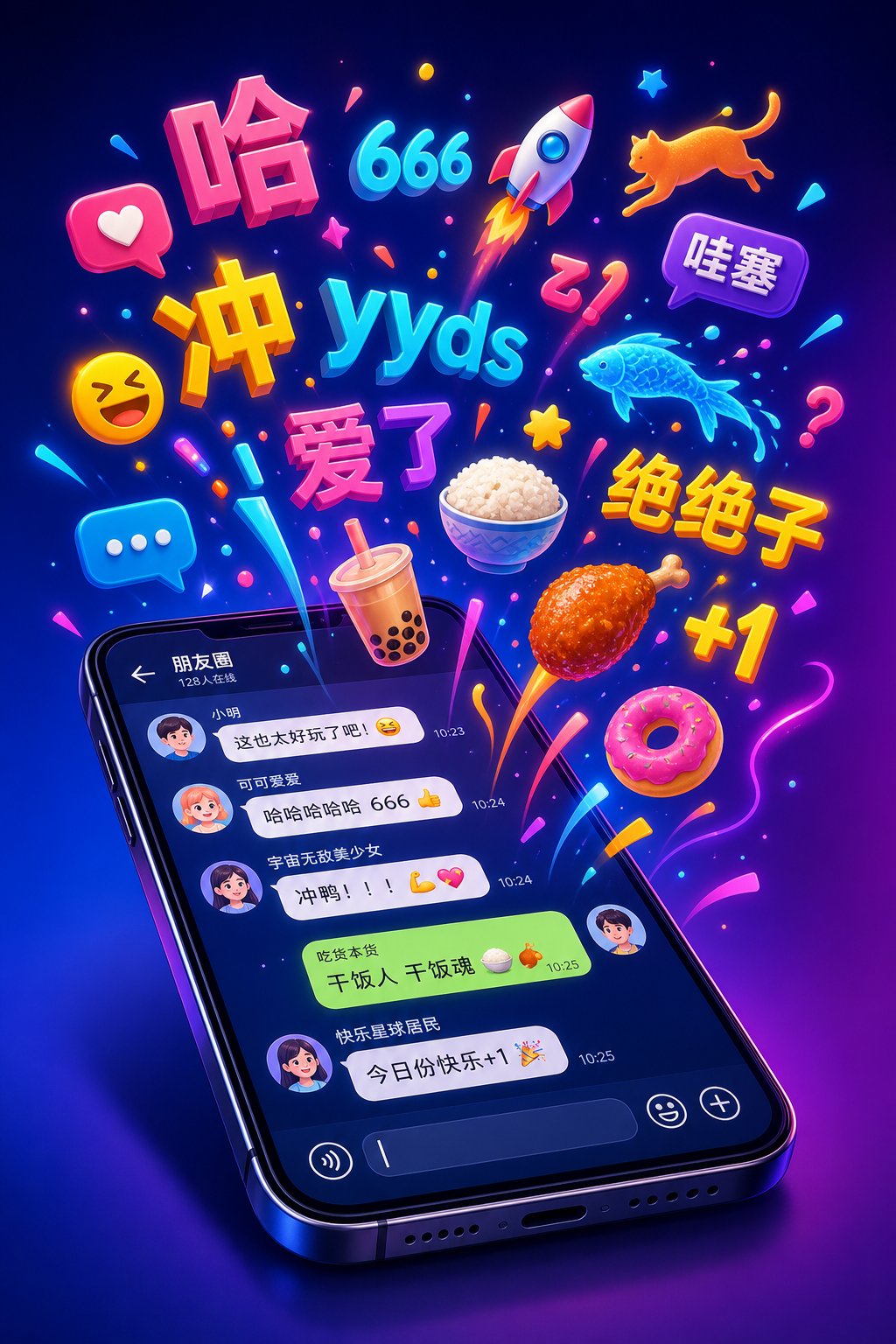
When you search for funny chinese nicknames, you'll quickly stumble across terms like 傻瓜 (silly melon) and 笨蛋 (dumb egg). These sound harsh in direct translation, but they carry warmth and closeness in everyday Mandarin. Couples, parents, and close friends use them the way English speakers might say "silly goose" or "you goof." The nickname chinese speakers choose for loved ones often leans into playful teasing rather than straightforward sweetness.
On the other side, Chinese dummy names serve a purely functional role. 张三 and 李四 are the go-to placeholder identities in legal examples, software testing, and storytelling. They carry no emotional weight at all. Think of them as the Chinese equivalent of "Jane Doe" or "John Smith" when you need a generic stand-in.
This article covers both worlds in full detail, giving you the vocabulary, cultural context, and practical guidance to use each type correctly.
Why Chinese Speakers Call Loved Ones Dummy
The psychological foundation behind affectionate chinese nicknames that sound like insults traces back to a deeply rooted cultural proverb:
打是亲,骂是爱 (dǎ shì qīn, mà shì ài) — Hitting is closeness, scolding is love.
This saying captures a communication style where teasing and mild scolding signal emotional investment. The logic works like this: you would never bother correcting, nagging, or playfully insulting a stranger. That energy is reserved for people you genuinely care about. So when someone calls you 傻瓜 with a soft tone and a smile, they are essentially saying "you matter enough for me to tease."
This dynamic shows up everywhere in Chinese relationships. A girlfriend calling her boyfriend 笨蛋 after he forgets their anniversary. A mother shaking her head at her toddler and saying 小傻瓜 when the child puts shoes on the wrong feet. Even between close friends, these funny chinese names function as verbal proof of comfort and trust.
For language learners and cross-cultural couples, understanding this framework is essential. Without it, nickname chinese culture can feel confusing or even hurtful. With it, you unlock an entire layer of emotional expression that makes Mandarin relationships richer and more playful than surface-level translations suggest.
The real question becomes: which dummy nickname fits your relationship, and how do you use it without accidentally crossing the line from sweet to offensive?
Common Chinese Dummy Endearments With Meanings
Each chinese pet name that sounds like an insult carries its own personality. Some land softer, some pack more punch, and some only work in specific relationships. Knowing the differences helps you pick the right one rather than guessing and hoping for the best.
Below is a full breakdown of the five most widely used dummy-style chinese terms of endearment, complete with pronunciation, literal meaning, and the social context where each one shines.
Most Popular Chinese Dummy Pet Names
| Chinese Characters | Pinyin | Literal Meaning | English Equivalent | Best Used With |
|---|---|---|---|---|
| 傻瓜 | shǎguā | Silly melon | Dummy / Silly | Partner, close friend |
| 笨蛋 | bèndàn | Dumb egg | Dummy / Doofus | Partner, friend |
| 呆瓜 | dāiguā | Spacey melon | Airhead / Space cadet | Friend, sibling |
| 小傻瓜 | xiǎo shǎguā | Little silly melon | Little dummy | Partner, child |
| 小笨蛋 | xiǎo bèndàn | Little dumb egg | Little goofball | Partner, child |
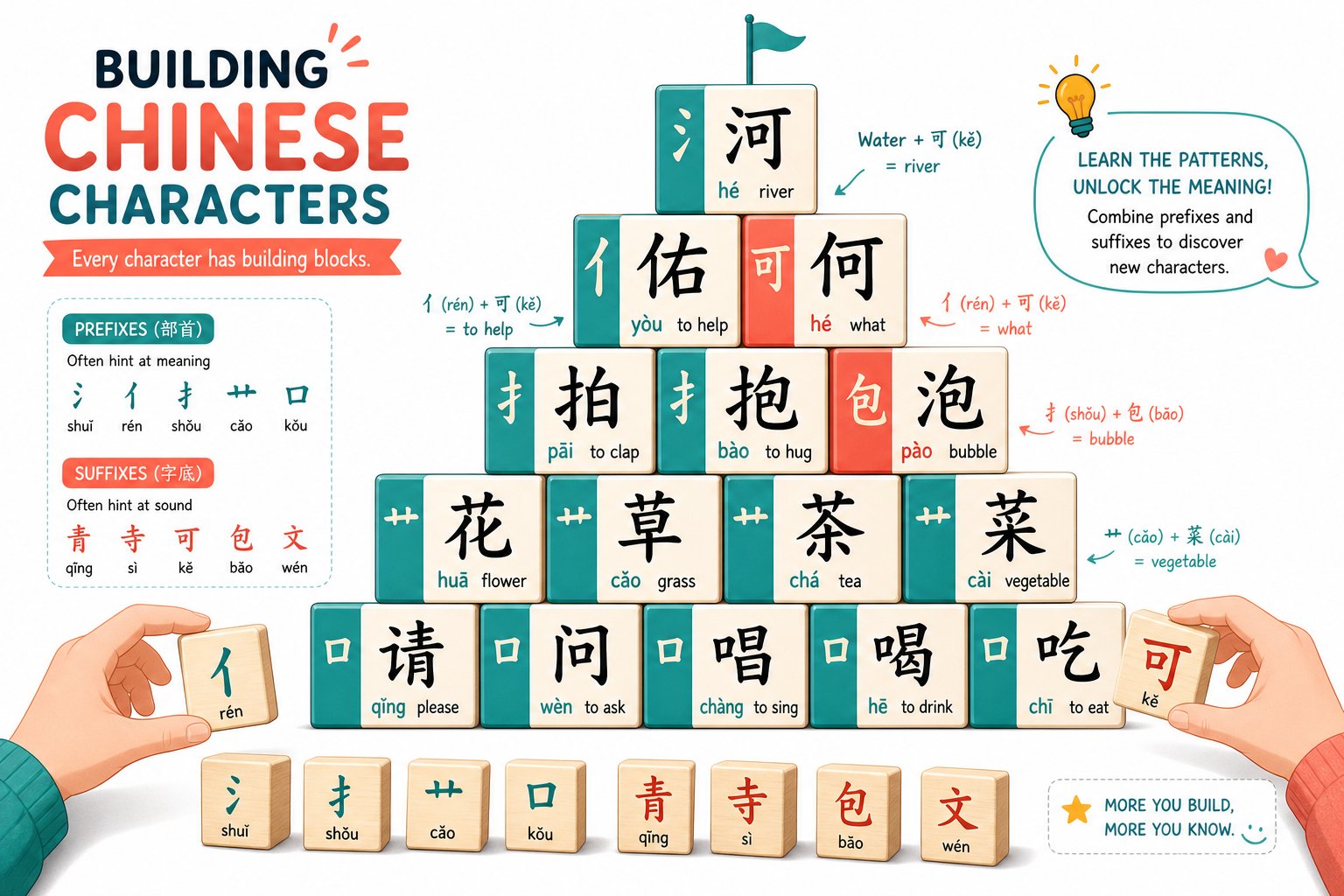
You'll notice a pattern here. The 瓜 (melon) and 蛋 (egg) suffixes are classic building blocks in Chinese teasing vocabulary. They soften the insult by attaching it to something harmless and slightly absurd. Nobody feels genuinely attacked when they're being compared to a melon.
傻瓜 (shǎguā) is the most universal option. It works across nearly every close relationship and carries a warm, familiar tone. Think of it as the default chinese terms of affection when you want to tease someone gently. 笨蛋 (bèndàn) hits a similar register but leans slightly more toward playful scolding, making it a favorite among girlfriends addressing their boyfriends after a minor blunder.
呆瓜 (dāiguā) has a more specific flavor. The character 呆 suggests someone who is zoning out or being absent-minded rather than genuinely unintelligent. It works best when someone does something spacey, like walking into the wrong room or forgetting why they opened the fridge.
Adding 小 (xiǎo, meaning "little") to either 傻瓜 or 笨蛋 instantly dials down the intensity and adds a protective, nurturing quality. Parents use 小傻瓜 and 小笨蛋 with young children, and partners use them to signal "I find your clumsiness adorable." These diminutive forms are among the safest terms of endearment in chinese for beginners to try.
Example Sentences for Each Dummy Nickname
Context brings these chinese endearments to life. Here is how each one sounds in real conversation:
傻瓜 (shǎguā) — Texting a partner:
"傻瓜,下雨了你怎么不带伞?" (Shǎguā, xià yǔ le nǐ zěnme bù dài sǎn?)
"Dummy, it's raining and you didn't bring an umbrella?"
This is classic couple banter. The speaker is expressing concern wrapped in a light tease. The tone says "I worry about you" more than "you're stupid."
笨蛋 (bèndàn) — Teasing a friend:
"你这个笨蛋,又把密码忘了?" (Nǐ zhège bèndàn, yòu bǎ mìmǎ wàng le?)
"You dummy, you forgot your password again?"
Between friends, 笨蛋 carries a "here we go again" energy. It signals familiarity and the kind of comfort where you can poke fun without anyone getting defensive.
呆瓜 (dāiguā) — Joking with a sibling:
"呆瓜,你穿反了!" (Dāiguā, nǐ chuān fǎn le!)
"Airhead, you put it on backwards!"
呆瓜 works perfectly for moments of absent-mindedness. It highlights the action rather than the person's intelligence, keeping the mood light.
小傻瓜 (xiǎo shǎguā) — A parent addressing a child:
"小傻瓜,鞋子穿反了。" (Xiǎo shǎguā, xiézi chuān fǎn le.)
"Little dummy, your shoes are on the wrong feet."
When a parent says this, the voice is soft and amused. The 小 prefix transforms the phrase into something purely tender, the verbal equivalent of ruffling a child's hair.
小笨蛋 (xiǎo bèndàn) — A boyfriend to his girlfriend:
"小笨蛋,我说的是想你。" (Xiǎo bèndàn, wǒ shuō de shì xiǎng nǐ.)
"Little goofball, what I meant was I miss you."
This one carries a protective sweetness. The speaker is gently correcting a misunderstanding while signaling affection. It is one of the most popular cute chinese nicknames in romantic texting.
What makes all five of these terms work is the relationship underneath them. A stranger calling you 笨蛋 on the street would feel rude. Your partner typing it with a blushing emoji feels like a love letter. The nickname itself is neutral. The bond between speaker and listener is what charges it with warmth.
These five terms form the core vocabulary, but they are far from the only options. The real power of Chinese dummy nicknames lies in the structural patterns that let you build your own variations from scratch.
Dummy Nickname Formulas You Can Build Yourself
Memorizing a list of cute chinese nicknames is useful, but understanding the formulas behind them is far more powerful. Chinese teasing nicknames follow predictable structural patterns. Once you recognize these patterns, you can generate dozens of variations on your own, tailored to the exact tone and relationship you want to express.
Think of it like learning grammar instead of memorizing sentences. Each formula acts as a template that modifies emotional intensity, softness, and intimacy. Below are the four core patterns that drive most nicknames in chinese that carry a "dummy" flavor.
The 小 Plus Insult Formula for Softening
The character 小 (xiǎo, meaning "little" or "small") is the single most effective tool for turning a blunt tease into something affectionate. When you place 小 before any insult-style word, it shrinks the sharpness and adds a layer of protective warmth. The result feels nurturing rather than critical.
Why does this work? In Mandarin, calling someone "little" implies they are endearing and under your care. It signals that the speaker sees the listener as someone precious, not someone genuinely foolish. This pattern produces some of the most popular chinese words of endearment in everyday texting and conversation.
- 小 + 傻瓜 = 小傻瓜 (xiǎo shǎguā) — "little dummy." Gentle enough for a child or a romantic partner. The default safe choice.
- 小 + 笨蛋 = 小笨蛋 (xiǎo bèndàn) — "little goofball." Slightly playful, commonly used between couples when one person does something clumsy.
- 小 + 呆瓜 = 小呆瓜 (xiǎo dāiguā) — "little space cadet." Perfect for teasing someone who zones out or daydreams too much.
You can apply this formula to almost any teasing term. Even words that would sound harsh on their own become warm and approachable with 小 in front. If you are unsure whether a nickname mandarin speakers would find too strong, adding 小 is your safety net.
Reduplication and Possessive Patterns That Signal Love
Beyond the 小 prefix, two other structural moves dramatically shift how a dummy nickname lands emotionally: reduplication and the possessive prefix 我的 (wǒ de, meaning "my").
Reduplication for cuteness: Repeating a character or turning an adjective into a reduplicated form makes it sound softer, more childlike, and more affectionate. Instead of calling someone 傻 (shǎ, "silly"), you say 傻傻的 (shǎshǎ de, "silly-silly"). The meaning stays the same, but the emotional register shifts from blunt observation to fond amusement. It is the verbal equivalent of adding a smile to your voice.
- 傻 → 傻傻的 (shǎshǎ de) — "adorably silly." Used to describe someone's behavior with warmth: "你傻傻的样子真可爱" (Your silly little way is so cute).
- 呆 → 呆呆的 (dāidāi de) — "spacey in a cute way." Describes someone staring blankly or being charmingly absent-minded.
- 笨 → 笨笨的 (bènbèn de) — "clumsy-cute." Often paired with a laugh or an emoji in text messages between partners.
These reduplicated forms often appear as descriptions rather than direct address. You might say "你笨笨的" (you're so clumsy-cute) instead of using it as a standalone name. They work beautifully in texting, where the playful repetition of funny chinese characters adds visual charm to the message.
Possessive prefix 我的 for ownership and intimacy: Adding 我的 ("my") before a dummy nickname transforms it from a casual tease into a declaration of closeness. It says "you belong to me, and I say this with love."
- 我的 + 傻瓜 = 我的傻瓜 (wǒ de shǎguā) — "my dummy." Deeply affectionate. Common in romantic contexts when one partner is being reassuring.
- 我的 + 小笨蛋 = 我的小笨蛋 (wǒ de xiǎo bèndàn) — "my little goofball." Combines both the 小 softener and the possessive marker for maximum tenderness.
- 我的 + 呆瓜 = 我的呆瓜 (wǒ de dāiguā) — "my airhead." Playful ownership, often used when recounting a partner's funny moment to friends.
The possessive pattern is the strongest emotional intensifier in this toolkit. It moves a nickname from general teasing into personal territory, the kind of thing you would only say to someone you feel genuinely bonded with.
The X+蛋 and X+瓜 suffix formulas: Finally, the suffixes 蛋 (dàn, "egg") and 瓜 (guā, "melon") function as nickname generators. Attach a negative adjective to either one, and you get an instant teasing name. The food imagery keeps things lighthearted, because it is hard to feel truly insulted when someone compares you to produce.
- 笨 + 蛋 = 笨蛋 (bèndàn) — "dumb egg" → dummy
- 坏 + 蛋 = 坏蛋 (huàidàn) — "bad egg" → little rascal
- 傻 + 瓜 = 傻瓜 (shǎguā) — "silly melon" → silly one
- 呆 + 瓜 = 呆瓜 (dāiguā) — "spacey melon" → airhead
These suffixes are productive in Mandarin, meaning native speakers intuitively understand new combinations even if they have never heard them before. You could playfully invent 懒蛋 (lǎndàn, "lazy egg") or 馋瓜 (chánguā, "greedy melon") and a Chinese speaker would immediately get the joke. The funny chinese characters involved make these formations visually entertaining in text as well.
Each of these four patterns modifies a different emotional dial. The 小 prefix controls gentleness. Reduplication controls cuteness. The 我的 possessive controls intimacy. And the 蛋/瓜 suffixes control playfulness. Stack them together, and you can fine-tune exactly how your nickname lands, from a light poke between friends to a deeply personal term only your partner would recognize.
That precision matters, because the same base word can feel completely different depending on which formula you wrap around it. The gap between "sweet" and "offensive" often comes down to a single structural choice.
When Dummy Is Sweet vs When It Offends
A single structural choice can shift a nickname from flirtatious to hurtful. But structure alone does not tell the full story. Tone of voice, relationship depth, timing, and even facial expression all act as invisible switches that flip the meaning of a chinese nickname dummy from "I adore you" to "I'm insulting you." Understanding where the boundary sits is the difference between making someone blush and making them block your number.
So can you actually call your Chinese friend or partner "dummy" without offending them? Yes, but only if you understand the graduated scale below and read the room correctly.
The Affection to Insult Spectrum Explained
Not all dummy-style nicknames carry the same weight. They exist on a clear spectrum, and native speakers instinctively feel where each term sits. Here is the full ranking from gentlest to harshest, with a clear line marking where affection ends and genuine offense begins:
- 小笨蛋 (xiǎo bèndàn) — "Little goofball"
The softest option on the scale. The 小 prefix and the egg suffix combine to create something almost impossibly gentle. Safe for new relationships, children, and anyone you want to tease without any risk. Even someone who barely knows you would struggle to take offense. - 小傻瓜 (xiǎo shǎguā) — "Little dummy"
Nearly identical in softness to 小笨蛋, with a slightly more playful edge. Parents, partners, and close friends all use this freely. It signals warmth and mild amusement at someone's clumsy moment. - 傻瓜 (shǎguā) — "Dummy / Silly"
The standard-issue endearment. This is the most common funny chinese name couples throw around in daily texting. Without the 小 softener, it carries a bit more directness, but the melon suffix keeps it firmly in affectionate territory. Think of it as the baseline: warm, familiar, and universally understood as a term of love between close people. - 笨蛋 (bèndàn) — "Dummy / Doofus"
Sits at roughly the same level as 傻瓜 but leans slightly more toward playful scolding. A girlfriend might use this when her boyfriend does something forgetful. Between strangers, it would feel rude. Between intimates, it feels like home. - 我的傻瓜 (wǒ de shǎguā) — "My dummy"
The possessive 我的 pushes this into deeply affectionate territory. It is not harsher than 傻瓜 alone. It is more intimate. This is something you whisper, not shout. Reserved for moments of genuine tenderness between romantic partners. Among the funniest chinese names to outsiders, but deeply sincere to the people using it. - 傻子 (shǎzi) — "Fool"
Here the tone starts shifting. 傻子 can still be affectionate in the right context, but it sits right on the boundary. Used between very close friends with obvious humor, it passes. Used without warmth or directed at someone you do not know well, it stings. This is the caution zone. - 蠢 (chǔn) — "Stupid"
A single character that carries real bite. Unlike 傻 (which has softened over centuries of affectionate use), 蠢 retains a genuinely negative connotation. Calling someone 蠢 without layers of obvious humor and deep relationship trust will land as a real insult. - 蠢货 (chǔnhuò) — "Idiot / Moron"
This crosses firmly into offensive territory. 货 (huò, meaning "goods" or "thing") dehumanizes the target, reducing them to an object. There is no affectionate reading of 蠢货 in normal conversation. It is what people say in anger, in road rage, or in genuine contempt. Never use this as a pet name.
The clear dividing line falls between items 5 and 6. Everything above 傻子 is safe territory for people in established close relationships. Everything at 蠢 and below requires extreme caution or should be avoided entirely as a nickname.
Tonal and Contextual Cues That Change Everything
The words themselves only tell half the story. Identical terms land completely differently depending on these four factors:
Voice tone and pitch: A rising, sing-song delivery of 傻瓜 signals playfulness. A flat, clipped delivery of the same word signals irritation. When texting, emojis and punctuation serve the same function. "笨蛋~" with a wave dash reads as flirty. "笨蛋。" with a hard period reads as cold.
Relationship depth: The closer the relationship, the harsher the term you can safely use. A partner of three years can get away with 笨蛋 in almost any context. Someone you met last week cannot. This is why humorous chinese names that sound outrageous in translation actually feel cozy between long-term couples. The shared history acts as a buffer.
Timing and situation: Calling your partner 小傻瓜 when they trip over their own shoelaces? Adorable. Calling them 笨蛋 after they fail an important exam? Cruel, even if you meant it lovingly. Context determines whether the tease lands on a moment of lightness or pokes at a genuine insecurity.
Public vs. private setting: Many Chinese speakers who happily accept 傻瓜 in private texting would feel embarrassed hearing it in front of colleagues or elders. Hilarious chinese names between couples are often kept as inside language, not broadcast in formal settings. Reading the social environment matters as much as reading the relationship.
For language learners wondering where to start: begin with 小笨蛋 or 小傻瓜. These carry almost zero risk of offense in any close relationship. Watch how your friend or partner reacts. If they smile or use a similar term back, you have permission to move up the scale. If they seem uncomfortable, stay gentle or ask directly whether they enjoy that style of teasing.
The beauty of these funny names in chinese is that they create a private emotional language between two people. But private languages only work when both speakers agree on the dictionary. The safest approach is always to let the relationship set the pace rather than the vocabulary list.
Gender plays a significant role in how these terms flow between partners, too. The same nickname can carry a completely different emotional flavor depending on who says it and who receives it.

Gender Dynamics in Chinese Dummy Pet Names
A girlfriend texting her boyfriend 笨蛋 after he forgets to eat lunch carries a completely different energy than a boyfriend calling his girlfriend 小傻瓜 when she gets lost in a shopping mall. The words overlap, but the emotional undertones diverge sharply. In Chinese dating culture, who says the dummy nickname and who receives it shapes the entire meaning of the exchange.
This is not about rigid rules. It is about tendencies that most native speakers recognize instinctively. Understanding these patterns helps you pick the right chinese nicknames for girlfriend or boyfriend contexts without accidentally striking the wrong chord.
Dummy Nicknames From Girlfriend to Boyfriend
When a woman calls her boyfriend 笨蛋 or 傻瓜, the underlying emotion is usually playful scolding. It mirrors the 撒娇 (sājiāo) dynamic, where a girlfriend expresses mild frustration or feigned annoyance as a way of seeking attention and care. The subtext is not "you are stupid." It is closer to "you should have known better, and now you owe me something sweet."
Common scenarios where girlfriends deploy dummy nicknames:
- He forgets a small anniversary or date detail: "笨蛋,连这个都记不住?" (Dummy, you can't even remember this?)
- He says something oblivious about her feelings: "你这个傻瓜,我明明在生气。" (You dummy, I'm obviously upset.)
- He does something clumsy but endearing: "笨蛋,小心点啊。" (Dummy, be careful.)
The tone here is scolding wrapped in affection. She is pointing out a flaw while simultaneously communicating that she cares enough to notice. Chinese pet names for boyfriend choices in this category tend to favor the unmodified 笨蛋 and 傻瓜 without the 小 prefix, because the slightly sharper edge reinforces the playful authority she is claiming in that moment.
How Boyfriends Use Dummy Terms Differently
When a boyfriend calls his girlfriend 小傻瓜 or 小笨蛋, the emotional register shifts toward protective tenderness. The 小 prefix appears far more frequently in male-to-female usage because it activates a caretaking frame. He is not scolding. He is saying "you are adorable and I want to look after you."
Typical boyfriend usage looks like this:
- She gets confused by something simple: "小傻瓜,我来帮你。" (Little dummy, let me help you.)
- She worries unnecessarily: "小笨蛋,别想太多了。" (Little goofball, don't overthink it.)
- A reassuring moment: "我的小傻瓜,有我在呢。" (My little dummy, I'm here for you.)
The possessive 我的 combined with 小傻瓜 is one of the most common chinese girlfriend nicknames boyfriends use in private texting. It stacks two softening layers, the diminutive and the possessive, creating a phrase that feels sheltering rather than critical. If you are looking for a chinese name for girlfriend that carries warmth without being overly saccharine, 小傻瓜 hits that sweet spot naturally.
The table below maps these gendered patterns side by side:
| Direction | Preferred Nicknames | Emotional Tone | Typical Context |
|---|---|---|---|
| Girlfriend → Boyfriend | 笨蛋, 傻瓜, 大傻瓜 | Playful scolding, feigned frustration, attention-seeking | After he forgets something, acts oblivious, or needs gentle correction |
| Boyfriend → Girlfriend | 小傻瓜, 小笨蛋, 我的傻瓜 | Protective affection, reassurance, caretaking | When she is confused, worried, or doing something endearingly clumsy |
| Close female friends | 傻瓜, 笨蛋, 傻丫头 | Sisterly teasing, mutual roasting | Casual banter, reacting to each other's stories or mistakes |
| Close male friends | 傻子, 笨蛋 (less common) | Blunt ribbing, competitive humor | Gaming, sports, calling out a bad decision with a laugh |
Notice how same-gender friendships handle these terms differently. Between close female friends (闺蜜), dummy nicknames flow freely and mirror the girlfriend-to-boyfriend scolding style. Women might call each other 傻瓜 with the same warmth they would use with a partner. Between male friends, the terms appear less frequently and carry a rougher, more competitive edge. A guy calling his buddy 傻子 during a basketball game is ribbing, not nurturing.
Cross-culturally, these dynamics map surprisingly well onto English equivalents. A girlfriend's 笨蛋 functions like calling a boyfriend "doofus" or "dummy" with an eye-roll and a smile. A boyfriend's 小傻瓜 lands closer to "silly goose" or "you adorable idiot." The chinese name for girlfriend usage of 小傻瓜 carries the same protective sweetness that English speakers achieve with "my silly girl," just compressed into three syllables.
The key takeaway: chinese pet names for girlfriend contexts tend to include softening elements (小, 我的), while chinese names for boyfriend contexts often drop those softeners to maintain the playful sting of a loving scold. Both directions express care. They simply express it through different emotional channels, one through sheltering, the other through affectionate challenge.
These gendered patterns play out not just in face-to-face conversation but across the digital spaces where modern Chinese couples spend most of their time together.
Chinese Dummy Nicknames in Digital Culture and Gaming
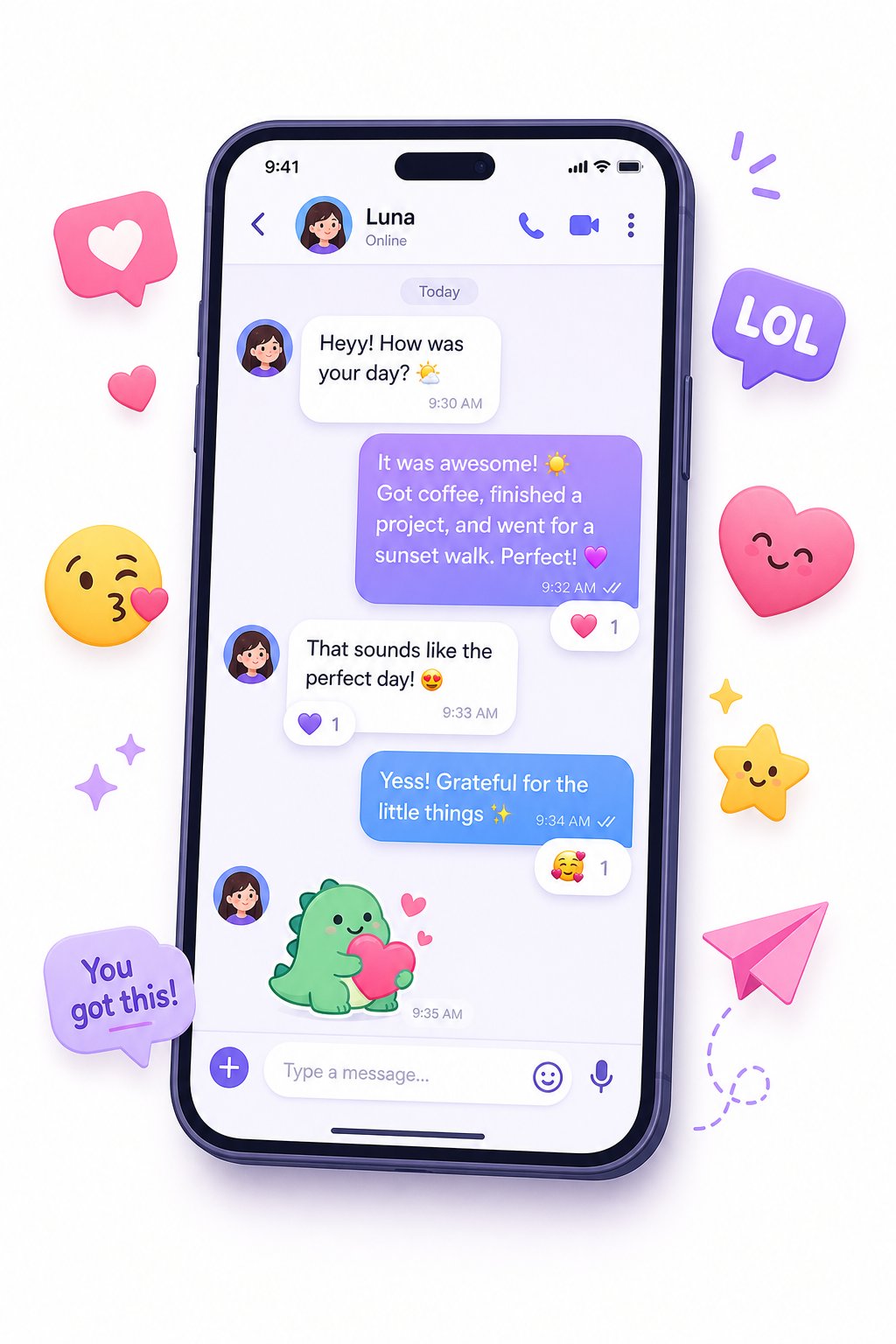
WeChat status updates, Douyin comment sections, and matching couple display names have turned dummy nicknames into a public performance of intimacy. What used to be whispered between two people now shows up on screens for everyone to see. For Chinese couples, setting a dummy-style display name is the digital equivalent of wearing matching outfits. It broadcasts "I belong to someone" without saying it directly.
Dummy Nicknames on WeChat and Chinese Social Media
On WeChat, your display name is one of the first things contacts see. Couples frequently coordinate their names so that one partner's name only makes sense paired with the other. Dummy nicknames fit perfectly into this system because they imply a relationship by their very nature. You would never call yourself 傻瓜 unless someone else had claimed the right to call you that.
Here are creative display name combinations couples use on WeChat and other Chinese social platforms:
- 他的傻瓜 / 她的笨蛋 (His dummy / Her dummy) — A matching pair where each partner labels themselves as the other's "fool." Simple, symmetrical, and immediately recognizable as a couple set.
- 小傻瓜 / 大笨蛋 (Little dummy / Big dummy) — Plays with size contrast to signal the dynamic between partners. Often the girlfriend takes 小 and the boyfriend takes 大.
- 傻瓜的专属 / 笨蛋的唯一 (Dummy's exclusive one / Dummy's only one) — More elaborate pairings that combine the dummy nickname with possessive romantic language.
- 你的傻瓜已上线 (Your dummy is online) — A playful status message directed at one specific person, turning a private nickname into a semi-public declaration.
- 笨蛋本蛋 (The dummy himself/herself) — A self-deprecating twist using the internet slang structure "X本X," meaning "the real X in the flesh." Humorous and trendy.
On Douyin (the Chinese version of TikTok), dummy nicknames flood comment sections under couple content. When a boyfriend posts a video of his girlfriend doing something clumsy, the top comments often read "小傻瓜好可爱" (little dummy is so cute) or the girlfriend herself comments "你才是笨蛋" (you're the dummy). These interactions create a public love language that audiences recognize and engage with. Cool chinese nicknames in this space blend internet humor with genuine affection, making them shareable and relatable.
Weibo bios and Xiaohongshu (RED) profiles follow similar patterns. Users write lines like "某人的小傻瓜" (someone's little dummy) or "官方认证笨蛋" (officially certified dummy) as a way to signal relationship status without a formal announcement. The dummy label becomes a badge of being loved.
Gaming Tags and Display Names Using Dummy Terms
Gaming culture takes dummy nicknames in a different direction. Here, the terms serve both as couple identifiers and as standalone cool chinese nicknames that project a mix of humor and confidence. If you are looking for chinese names for games that stand out while carrying cultural personality, dummy-style tags offer a strong option.
For couple gaming accounts, coordinated names work the same way as WeChat pairs but with a competitive twist:
- 带我的傻瓜 / 保护我的笨蛋 (Carry my dummy / Protect my dummy) — Common in co-op games where one partner is the stronger player.
- 傻瓜射手 / 笨蛋辅助 (Dummy marksman / Dummy support) — Combines the nickname with in-game roles, popular in MOBA games like Honor of Kings.
- 小笨蛋别送 / 小傻瓜别浪 (Little dummy don't feed / Little dummy don't overextend) — Playful instructions disguised as display names, mixing gaming slang with pet names.
For solo players who want chinese gamertags with personality, dummy terms work as self-aware humor. Names like 快乐笨蛋 (happy dummy), 傻瓜也能赢 (even a dummy can win), or 呆瓜在线 (airhead online) project a laid-back attitude that disarms opponents and entertains teammates.
If you are exploring roblox chinese display name ideas specifically, shorter combinations tend to work best due to character limits. Options like 小傻瓜, 笨蛋君 (dummy-kun, blending Chinese with Japanese honorific style popular among younger players), or 呆萌瓜 (cute-spacey melon) fit within typical display name constraints while remaining instantly readable to Chinese-speaking players.
A few practical tips for choosing dummy-style gaming names:
- Keep it under four characters if the platform has tight limits. 傻瓜 or 笨蛋 alone already works.
- Add a number or emoji-style character for uniqueness: 傻瓜一号 (Dummy #1) or 笨蛋鸭 (Dummy duck).
- Pair with action words for energy: 冲鸭笨蛋 (Charge, dummy!) uses the internet slang 鸭 as a playful substitute for the exclamatory particle 呀.
- For matching couple tags, pick complementary terms rather than identical ones. 傻瓜 paired with 笨蛋 reads better than two accounts both named 傻瓜.
What makes dummy nicknames so effective in digital spaces is their instant readability. Any Chinese speaker who sees 小傻瓜 in a display name immediately understands the emotional context behind it. The term carries its own backstory. It says "someone loves me enough to call me this" without needing a single word of explanation.
These digital expressions all draw from the same cultural well as face-to-face dummy nicknames. But Chinese culture has an entirely separate tradition of "dummy" names that serve a completely different purpose: not signaling love, but erasing identity altogether.
Chinese Placeholder and Dummy Names Explained
Every language needs names that belong to nobody. In English, "John Doe" fills police reports and legal filings. "Jane Smith" populates sample forms. These are dummy names, identities designed to stand in when a real person either cannot or should not be named. Chinese has its own system for this, and it runs deeper than most learners realize.
The chinese nickname dummy concept in this context has nothing to do with affection. These are functional placeholders, random chinese names chosen centuries ago that still appear in courtrooms, codebases, and classrooms today. Understanding them gives you a practical tool for reading Chinese documents and a window into how Chinese culture handles anonymity.
Chinese Placeholder Names Like John Doe
The most famous set of Chinese dummy names follows a simple numerical pattern: 张三 (Zhāng Sān), 李四 (Lǐ Sì), and 王五 (Wáng Wǔ). Literally translated, these mean "Zhang Three," "Li Four," and "Wang Five." The surnames Zhang, Li, and Wang were chosen because they rank among the most common in China, shared by roughly 7.9%, 7.1%, and 10% of the population respectively. Pairing ultra-common surnames with plain numbers creates names so generic they could belong to anyone, which is exactly the point.
Why these specific numbers? The phrase 张三李四 (zhāng sān lǐ sì) has existed as a set expression since at least the Song Dynasty, originally meaning "ordinary people" or "any random person." Over time, the individual names broke free from the idiom and became standalone placeholders. The counting pattern (three, four, five) makes them easy to remember and signals immediately that no real person is being referenced.
Beyond this core trio, Chinese has another placeholder tool: 某某 (mǒu mǒu), meaning "so-and-so." This one works differently. Instead of providing a fake complete name, it explicitly marks the blank. You will see it written as 张某某 (Zhāng mǒu mǒu, meaning "a person surnamed Zhang") in news reports where the full identity is withheld for legal reasons. Do chinese people have middle names? Yes, most Chinese names consist of a one-character surname plus a one- or two-character given name, and 某某 replaces that given name portion when anonymity is needed.
| Chinese Name | Pinyin | English Equivalent | Primary Context of Use |
|---|---|---|---|
| 张三 | Zhāng Sān | John Doe | Legal examples, textbook scenarios, casual reference to "some guy" |
| 李四 | Lǐ Sì | Jane Doe / Richard Roe | Legal examples, paired with 张三 as a second party |
| 王五 | Wáng Wǔ | John Smith | Third-party placeholder when two dummy names are not enough |
| 某某 (mǒu mǒu) | mǒu mǒu | So-and-so / unnamed individual | News reports, court documents, privacy-protected references |
| 张三李四 | Zhāng Sān Lǐ Sì | Tom, Dick, and Harry | Idiom meaning "ordinary people" or "just anybody" |
Where Dummy Names Appear in Chinese Life
These chinese name examples show up across surprisingly varied contexts. Here is where you will encounter them most often:
Legal documents and law school: Chinese legal textbooks use 张三 and 李四 the way American law schools use "Party A" and "Party B." A contract law example might read: "张三 agrees to sell his apartment to 李四 for 500,000 yuan." Court reporting uses 某某 to protect identities: "被告人王某某" (the defendant, surnamed Wang).
Software testing and development: Chinese developers filling database fields with test data reach for 张三 the same way English-speaking programmers type "John Doe" or "foo bar." If you open a Chinese software tutorial or API documentation, the sample user accounts will almost certainly be 张三, 李四, and 王五. They are the default random chinese names in every demo environment.
Academic writing and textbooks: Math problems, economics case studies, and language exercises all rely on these placeholders. "张三 has 10 apples, 李四 has 6 apples" is the Chinese equivalent of "Alice has 10 apples, Bob has 6 apples" in English-language textbooks.
Everyday conversation: When telling a story about someone whose name you have forgotten or do not want to reveal, you might say "有个张三" (there was this Zhang San) the way an English speaker would say "some guy." It signals that the specific identity does not matter to the story.
The beauty of this system is its transparency. Unlike affectionate dummy nicknames where tone and context determine meaning, placeholder dummy names are unambiguous. Everyone knows 张三 is not a real person. The name itself announces its own fakeness, which is precisely what makes it useful across legal, technical, and narrative contexts where clarity matters more than personality.
Both meanings of the chinese nickname dummy concept, the affectionate insult and the anonymous placeholder, share one thing in common: they reshape identity through language. One builds intimacy by pretending to insult. The other builds neutrality by pretending to name. How these terms land, though, varies significantly depending on where in the Chinese-speaking world you happen to be.
Regional Differences in Chinese Dummy Terms
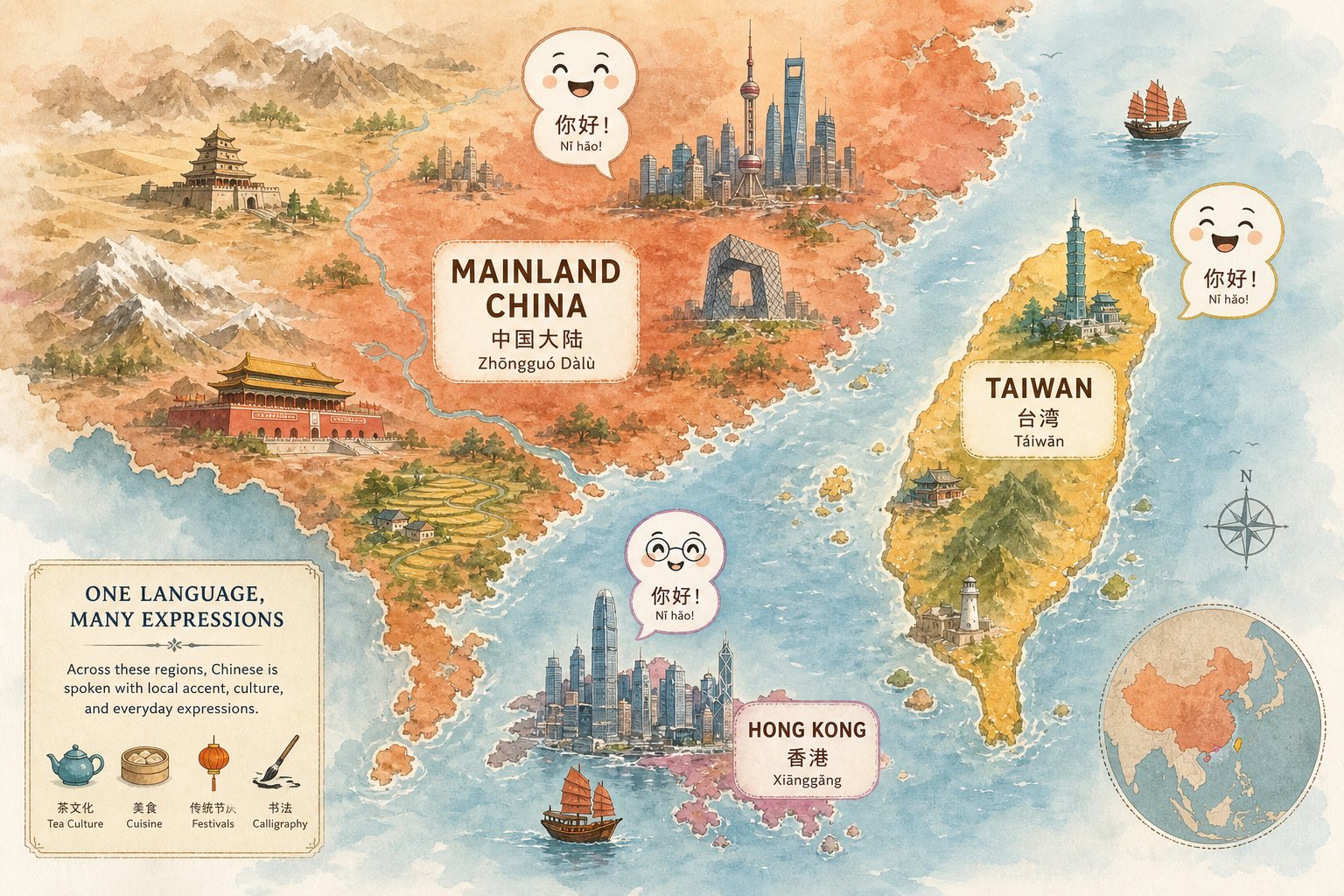
A 傻瓜 in Shanghai does not land the same way in Taipei, and it sounds completely different in a Hong Kong tea shop. Chinese-speaking communities span continents, and each region brings its own flavor to dummy-style endearments. The vocabulary shifts, the acceptable intensity changes, and in diaspora communities, two languages often collide inside a single nickname.
Mainland China vs Taiwan Dummy Nicknames
Mainland Mandarin speakers and Taiwanese Mandarin speakers share the core dummy vocabulary, but the delivery and preferences diverge in subtle ways. In Mainland China, 傻瓜 and 笨蛋 dominate couple texting with relatively direct delivery. Taiwanese speakers tend to soften things further, leaning heavily on the 小 prefix and favoring a gentler vocal register overall.
Taiwan's Mandarin accent is often described as softer, and that softness extends to how teasing nicknames are delivered. Where a Mainland speaker might fire off a blunt 笨蛋 with a flat tone, a Taiwanese speaker often stretches the vowels and adds a lilting quality that further cushions the word. Taiwanese couples also mix in Hokkien-influenced expressions, creating hybrid terms that Mainland speakers might not immediately recognize.
Key differences to note:
- Intensity threshold: Taiwanese culture generally sets the "offensive" line lower. Terms like 傻子 that might pass as rough banter in northern Mainland China can feel genuinely harsh in a Taiwanese context.
- Preferred softeners: Taiwanese speakers use 超 (chāo) as an intensifier where Mainland speakers use 特别. So "超傻的" (super silly) sounds natural in Taiwan while "特别傻" fits Mainland speech patterns.
- Hokkien blends: Some Taiwanese couples mix Mandarin dummy terms with Hokkien endearments, creating layered nicknames that signal both intimacy and local identity.
Cantonese and Overseas Chinese Variations
Hong Kong and Guangdong Province operate in Cantonese, which has its own set of dummy endearments that do not directly translate from Mandarin. Cantonese nicknames for teasing a loved one draw from the same cultural logic of affectionate insults but use entirely different words and tonal patterns.
Common Cantonese dummy terms include:
- 傻豬 (so4 zyu1) — "Silly pig." One of the most popular cantonese nicknames between couples. The pig reference adds a cuddly, round quality that feels warm rather than harsh.
- 蠢豬 (ceon2 zyu1) — "Stupid pig." Slightly stronger than 傻豬 but still used affectionately between close partners. The pig suffix keeps it in playful territory.
- 傻佬 / 傻女 (so4 lou2 / so4 neoi5) — "Silly guy / Silly girl." Gender-specific dummy terms that function as casual endearments among friends and couples alike.
- 戇居 (ngong6 geoi1) — "Dopey" or "goofy." A uniquely Cantonese expression with no direct Mandarin equivalent. It describes someone acting silly in a lovable way.
Notice how Cantonese favors the pig (豬) suffix where Mandarin uses melon (瓜) and egg (蛋). The animal imagery gives Cantonese dummy nicknames a distinctly different texture, rounder and more physical in their humor.
In overseas Chinese communities across North America, Australia, and Southeast Asia, something interesting happens: dummy nicknames go bilingual. Diaspora couples often blend languages mid-sentence, creating funny asian nicknames that only make sense within their specific cultural mix. A Chinese-American couple might text "you're such a 小笨蛋" or call each other "my little shagua" using pinyin romanization as a playful code.
These chinese nicknames in english contexts serve a dual purpose. They signal cultural identity while also functioning as inside jokes that outsiders cannot fully decode. The nickname becomes a marker of shared heritage, something that connects the couple to their Chinese roots even when the rest of their conversation happens in English.
Common patterns in diaspora dummy nicknames:
- Pinyin used as English text: "Hey shagua, dinner's ready" in a family group chat.
- Direct translation used humorously: Calling someone "dumb egg" in English as an inside reference to 笨蛋.
- Code-switching mid-nickname: "My 小傻瓜" mixing English possessive with Chinese characters.
- Anglicized versions for non-Chinese-speaking friends: Explaining asian nicknames like "silly melon" as a cultural term of endearment.
Regional variation matters because it affects what feels natural versus what feels forced. A learner who picks up 傻豬 from a Cantonese drama and uses it with a Mandarin-speaking partner will get a confused look. Someone who uses the blunt Mainland delivery style with a Taiwanese partner might come across as rougher than intended. Matching your dummy nickname to the regional background of the person you are addressing shows cultural fluency beyond just vocabulary knowledge.
With all these regional options on the table, the final challenge is practical: which term should you actually use, and how do you avoid the most common mistakes learners make when trying these nicknames for the first time?
Choosing the Right Chinese Dummy Nickname
You have the vocabulary, the formulas, the regional awareness, and the cultural framework. The only question left is: which term do you actually use tonight when you text your partner, tease your friend, or talk to your child? The table below cuts through the complexity and gives you a clear starting point based on who you are talking to and how comfortable you both are with playful teasing.
Quick Reference by Relationship Type
Whether you are exploring pet names in chinese for the first time or looking for the perfect chinese couple nicknames to match with your partner online, this guide organizes your safest options by relationship category.
| Relationship | Recommended Nickname | Pinyin | Safety Rating (1-5) | Beginner-Friendly |
|---|---|---|---|---|
| Romantic partner (early stage) | 小笨蛋 | xiǎo bèndàn | 5/5 | Yes |
| Romantic partner (established) | 傻瓜 / 我的傻瓜 | shǎguā / wǒ de shǎguā | 4/5 | Yes |
| Close friend | 笨蛋 | bèndàn | 4/5 | Yes |
| Young child | 小傻瓜 | xiǎo shǎguā | 5/5 | Yes |
| Sibling or cousin | 呆瓜 | dāiguā | 4/5 | Yes |
| Chinese pet names for lovers (long-term) | 我的小笨蛋 | wǒ de xiǎo bèndàn | 5/5 | Yes |
A safety rating of 5/5 means virtually zero risk of offense in the specified relationship. A 4/5 means safe with established closeness but worth reading the other person's reaction the first time you use it. Anything below 4 was intentionally left off this beginner guide because it requires native-level social intuition to deploy correctly.
For chinese nicknames for children, stick with the 小 prefix versions exclusively. Kids respond to the gentle, sing-song quality of 小傻瓜 and 小笨蛋 without registering any negative connotation. These cute chinese names land as pure warmth when delivered with a soft voice and a smile.
If you are choosing chinese nicknames for lovers and want something that feels personal, combine the possessive 我的 with any softened term. 我的小傻瓜 works as a chinese name for my love that carries both playfulness and genuine tenderness without sounding overly formal or borrowed from a textbook.
Pronunciation Tips and Common Mistakes
Getting the tone right matters more than getting the word right. A perfectly chosen nickname delivered with wrong tones can confuse or unintentionally amuse your listener. Here are the pronunciation points that trip up most learners:
- 傻 (shǎ) is third tone. Many learners flatten it into a second tone, which changes the emotional color. Practice the dipping third tone so the word sounds gentle rather than sharp.
- 笨 (bèn) is fourth tone. The falling tone gives it a decisive, punchy quality. Soften it by slightly shortening the syllable when using it affectionately rather than drawing it out.
- 瓜 (guā) is first tone. Keep it flat and steady. Rushing through it makes the whole nickname sound clipped and less warm.
- The 小 (xiǎo) prefix carries a third tone too. When followed by another third tone (like in 小傻瓜), the first third tone shifts to a second tone in natural speech. Say "xiáo shǎguā" in practice, even though it is written as xiǎo.
Beyond pronunciation, here are the mistakes learners make most often:
- Using dummy nicknames too early. Even the gentlest option needs relationship foundation. Wait until you have established mutual comfort with casual teasing before introducing these terms.
- Ignoring the response. The first time you try a dummy nickname, watch closely. A smile, a laugh, or a reciprocal tease means green light. Silence or a forced smile means pull back.
- Mixing up regional terms. Do not use Cantonese 傻豬 with a Mandarin speaker or vice versa. Match the term to the person's linguistic background.
- Overusing it. A dummy nickname loses its charm if it replaces someone's actual name entirely. Use it as seasoning, not the main dish.
- Deploying it during real conflict. Never call someone 笨蛋 during a genuine argument. What reads as affection in calm moments reads as contempt when emotions run high.
The cultural principle underneath all of this remains 打是亲骂是爱. Teasing signals closeness. But closeness must exist first before the teasing can signal it. Start with the softest terms on the spectrum, let the relationship tell you when to escalate, and always prioritize your listener's comfort over your desire to sound fluent. The right dummy nickname, delivered at the right moment, says more than any direct "I love you" ever could.
Frequently Asked Questions About Chinese Dummy Nicknames
1. Is it rude to call someone 傻瓜 (shǎguā) in Chinese?
Not when used between people who share a close relationship. 傻瓜 functions as an affectionate term similar to calling someone 'silly' or 'dummy' in English. The cultural principle 打是亲骂是爱 (scolding is love) means teasing signals emotional closeness. However, using it with strangers or acquaintances would feel disrespectful. The key factors are relationship depth, tone of voice, and timing. Start with softer versions like 小傻瓜 (little dummy) and gauge the other person's reaction before using stronger terms.
2. What is the Chinese equivalent of John Doe?
The Chinese placeholder names equivalent to John Doe are 张三 (Zhāng Sān), 李四 (Lǐ Sì), and 王五 (Wáng Wǔ). These names pair China's most common surnames with simple numbers and have been used since the Song Dynasty. They appear in legal documents, software testing, textbook examples, and casual storytelling whenever a generic identity is needed. For privacy-protected references in news and court documents, Chinese uses 某某 (mǒu mǒu), meaning 'so-and-so,' often combined with a real surname like 张某某.
3. What are cute Chinese nicknames for a girlfriend or boyfriend?
For girlfriends, boyfriends commonly use 小傻瓜 (little dummy), 小笨蛋 (little goofball), or 我的小傻瓜 (my little dummy), which carry protective tenderness. For boyfriends, girlfriends often use 笨蛋 (dummy) or 傻瓜 (silly) without the softening 小 prefix, delivering playful scolding that signals affection. The possessive 我的 (my) before any dummy term deepens intimacy. These work best after establishing mutual comfort with teasing, and couples often use them as matching display names on WeChat.
4. What is the difference between 傻瓜 and 蠢货 in Chinese?
傻瓜 (shǎguā) and 蠢货 (chǔnhuò) sit at opposite ends of the affection-to-insult spectrum. 傻瓜 means 'silly melon' and is widely used as a warm endearment between couples, friends, and family. 蠢货 means 'idiot' or 'moron' and is a genuine insult that dehumanizes the target through the suffix 货 (goods/thing). There is no affectionate reading of 蠢货 in normal conversation. The boundary between sweet and offensive falls around 傻子 (fool), which requires careful context to avoid causing hurt.
5. How do Cantonese dummy nicknames differ from Mandarin ones?
Cantonese uses different vocabulary and imagery for affectionate insult-nicknames. While Mandarin favors melon (瓜) and egg (蛋) suffixes, Cantonese leans heavily on pig (豬) imagery. Popular Cantonese terms include 傻豬 (silly pig), 蠢豬 (stupid pig), and the uniquely Cantonese 戇居 (dopey/goofy). Cantonese also has gender-specific forms like 傻佬 (silly guy) and 傻女 (silly girl). These terms should not be mixed across dialects, as using Cantonese 傻豬 with a Mandarin speaker would sound unnatural.