What the Chinese Nickname Little Fatty Actually Means
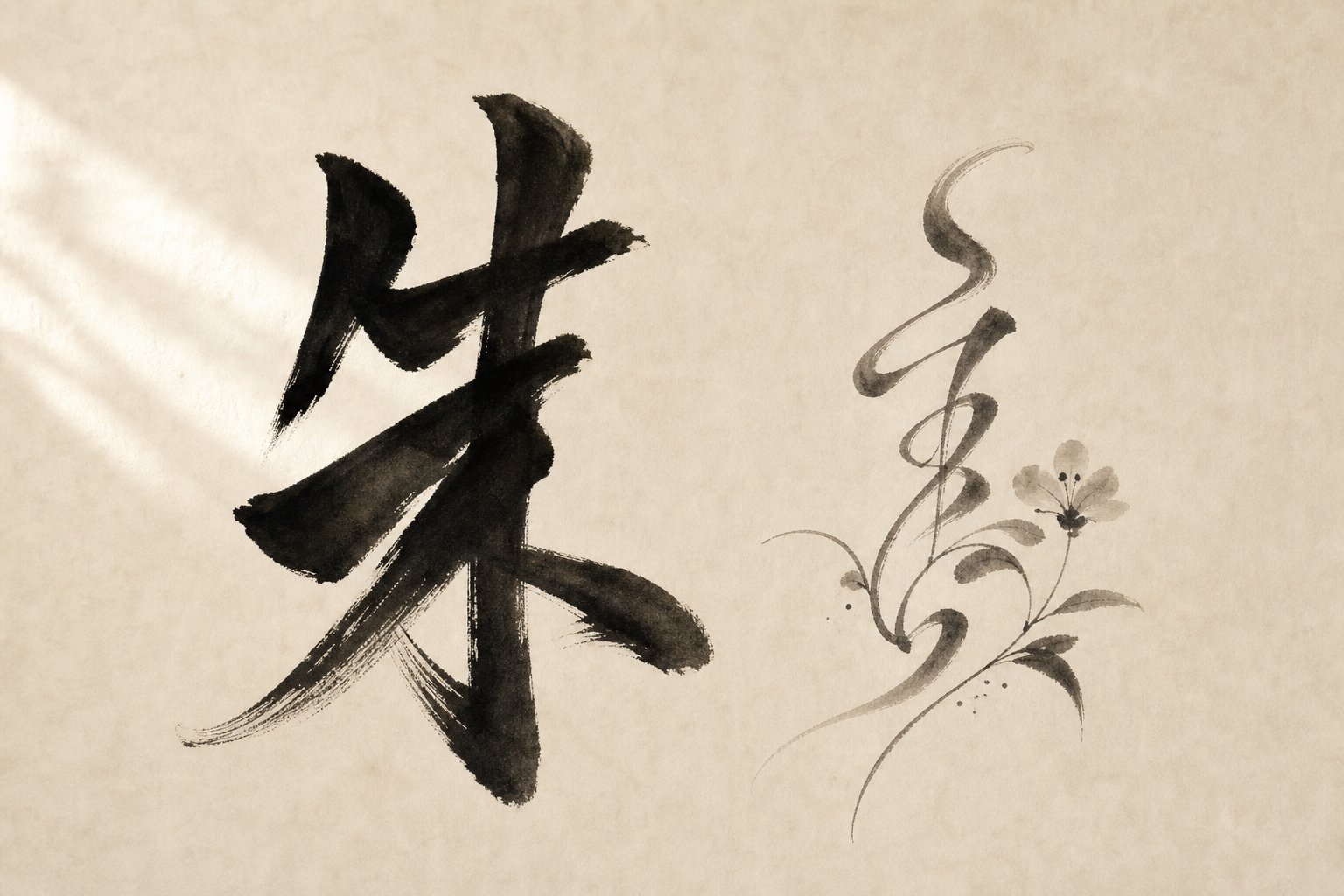
Imagine hearing someone call a child "little fatty" in English. You'd probably cringe. In Chinese-speaking cultures, though, this exact phrase is one of the most popular terms of endearment a person can receive. The Chinese nickname little fatty, written as 小胖 and pronounced xiǎo pàng, carries warmth, closeness, and genuine affection rather than cruelty.
小胖 (xiǎo pàng): A common Chinese affectionate nickname literally meaning "little fatty" or "little chubby one." Used primarily as a term of endearment between family members, close friends, and romantic partners.
What Does Little Fatty Mean in Chinese
At its core, the xiaopang meaning is simple. It combines the character 小 (little) with 胖 (plump or chubby) to create a pet name that signals familiarity and fondness. Parents use it for round-cheeked babies. Friends use it for someone with a slightly stocky build. Partners use it as playful teasing. In every case, the intent is affection, not mockery.
Think of it this way: English speakers might call someone "buddy," "sweetie," or "big guy" without literal meaning attached. Xiaopang works the same way in Chinese. The word fatty in Chinese does not carry the same sting it does in English because the cultural weight behind it is entirely different. It often implies someone is well-fed, healthy, and even cute.
Why English Speakers Find This Nickname Surprising
English-speaking cultures treat any reference to body weight as deeply personal and potentially hurtful. Calling someone "fatty" in an American school would likely be considered bullying. This makes the Chinese usage genuinely shocking to outsiders encountering it for the first time.
The disconnect comes down to one key difference: in much of the English-speaking world, commenting on someone's body is taboo. In Chinese culture, physical descriptions often function as neutral identifiers or even compliments. A chubby baby is a healthy baby. A round face signals prosperity.
This gap between cultural frameworks is exactly what makes the nickname so easy to misread, and why understanding the context behind it matters far more than a direct translation ever could.

Pronunciation and Pinyin Guide for Xiao Pang
Context shapes meaning, but so does sound. If you want to understand how this nickname lands in conversation, you need to hear how it actually works as spoken language. The two characters in xiao pang each carry specific tones that give the phrase its playful, affectionate rhythm.
Pinyin and Tone Breakdown for 小胖
Mandarin Chinese is a tonal language, meaning the pitch contour of each syllable changes its meaning entirely. Xiao pang uses two distinct tones that create a dipping-then-falling melody, almost like a verbal bounce.
| Character | Pinyin | Tone Number | Tone Description | Meaning |
|---|---|---|---|---|
| 小 | xiǎo | 3rd tone | Dipping (falls then rises) | Little, small, young |
| 胖 | pàng | 4th tone | Falling (sharp drop) | Plump, chubby, fat |
The character 小 (xiǎo) functions as a diminutive prefix in Chinese, similar to how English uses "little" before a name to signal closeness. When you hear 小王 (Xiǎo Wang) or 小李 (Xiǎo Li) in a Chinese workplace, the same prefix is at work, softening the address and adding warmth. Paired with 胖 (pàng), the fourth-tone character meaning plump or chubby, it creates a nickname that sounds bouncy and endearing rather than harsh.
For pronunciation, think of xiǎo as starting mid-pitch, dipping low, then rising slightly. Follow it immediately with pàng, which drops sharply from high to low. The combination produces a lilting, almost sing-song quality that sounds playful to native ears.
The Reduplicated Form 小胖胖 and How It Sounds
Want to make the nickname even cuter? Chinese uses a technique called reduplication, where repeating a character intensifies its affectionate quality. This gives you xiao pang pang (小胖胖, xiǎo pàng pàng), a version that sounds softer and more babied, like adding an extra squeeze to a hug.
Reduplication is a common pattern in Chinese nicknames. You'll notice it in names like 丽丽 (Lili), 甜甜 (Tiantian), and 乐乐 (Lele), where doubling the character transforms a simple descriptor into something that feels warm and intimate. With 小胖胖, the repeated pàng-pàng creates a rhythmic bounce that parents especially love using for young children. It signals pure endearment with zero edge.
One common confusion worth addressing: some English speakers search for "little pao" when trying to recall this nickname. That likely stems from mishearing the nasal ending in pàng. The correct final sound is "-ang" (rhyming with "song" in Mandarin phonetics), not "-ao." Getting this right matters because 胖 (pàng) and 跑 (pǎo, to run) are completely different words.
The sounds themselves tell a story. A sharp, clipped nickname would feel aggressive in any language. But the tonal melody of xiǎo pàng, with its dip and drop, mirrors the gentle teasing it represents. This is a nickname built for smiling, not stinging, and that musical quality is part of why it slots so naturally into a broader system of affectionate Chinese naming patterns.
The Nickname Pattern Behind Little Fatty in Chinese Culture
That musical quality of xiǎo pàng isn't unique to this one nickname. It belongs to a productive naming formula that Chinese speakers use constantly, one that turns almost any physical descriptor into something warm and familiar. Understanding this pattern reveals why a term like "little fatty" feels natural in Chinese rather than cruel. It's not an isolated quirk. It's a system.
How the 小 Plus Adjective Pattern Creates Nicknames
Here's how it works: take the prefix 小 (xiǎo, meaning little or small), attach any adjective describing a person's appearance or personality, and you get an instant pet name. The 小 does the heavy lifting. It functions as an affectionate diminutive that softens whatever follows, stripping away any bluntness and replacing it with familiarity.
Imagine calling a tall friend "beanpole" versus "our little beanpole." The "little" changes everything. In Chinese, 小 operates the same way but with even more cultural weight behind it. It signals that the speaker knows the person well enough to use a casual, intimate label. The adjective itself becomes secondary to the relationship the prefix implies.
This is why a fatty Chinese nickname doesn't register as an insult to native speakers. The 小 prefix has already reframed the entire phrase. It tells the listener: this is closeness talking, not criticism. A stranger calling someone 胖 (pàng) on its own might feel rude. But 小胖? That's reserved for people you care about.
Other Common Chinese Body-Type Nicknames
The chinese nickname little fatty is just one entry in a long list of 小 + adjective combinations. You'll encounter dozens of these in everyday life across Chinese-speaking communities. Here are some of the most common:
- 小黑 (xiǎo hēi) - "Little dark one." Used for someone with a darker complexion, often after a summer spent outdoors.
- 小白 (xiǎo bái) - "Little pale one." For someone with notably fair skin, or sometimes a naive newcomer (a "newbie").
- 小瘦 (xiǎo shòu) - "Little skinny." The direct counterpart to 小胖, used for a thin friend or family member.
- 小高 (xiǎo gāo) - "Little tall one." Playfully contradictory since 小 means little, creating a humorous contrast with height.
- 小矮 (xiǎo ǎi) - "Little short one." Used among close friends for someone on the shorter side.
- 小美 (xiǎo měi) - "Little pretty one." A complimentary nickname for an attractive person.
Notice something? Every single one of these describes a physical trait directly. A chinese fat person, a skinny person, a tall person, a dark-skinned person: all get the same linguistic treatment. The pattern doesn't single out weight. It treats all observable traits as equally valid raw material for nicknames, which is a fundamentally different approach from English-speaking norms.
The xiao meme format has even spread into internet culture, where users create playful variations like 小懒 (xiǎo lǎn, "little lazy") or 小馋 (xiǎo chán, "little greedy") for personality traits. The formula is endlessly flexible, and its affectionate tone stays consistent regardless of what adjective you plug in.
What makes this system feel so different from English naming conventions isn't the vocabulary. It's the underlying assumption. In Chinese, describing what someone looks like is simply observational, a starting point for connection rather than a weapon. The 小 prefix makes that intention explicit every single time. It's a built-in signal that says: I see you, I know you, and this is how I show it.
That assumption, that physical descriptions are neutral rather than loaded, runs deep in Chinese social norms and shapes far more than just nicknames.
Why Chinese Culture Treats Body Nicknames Differently
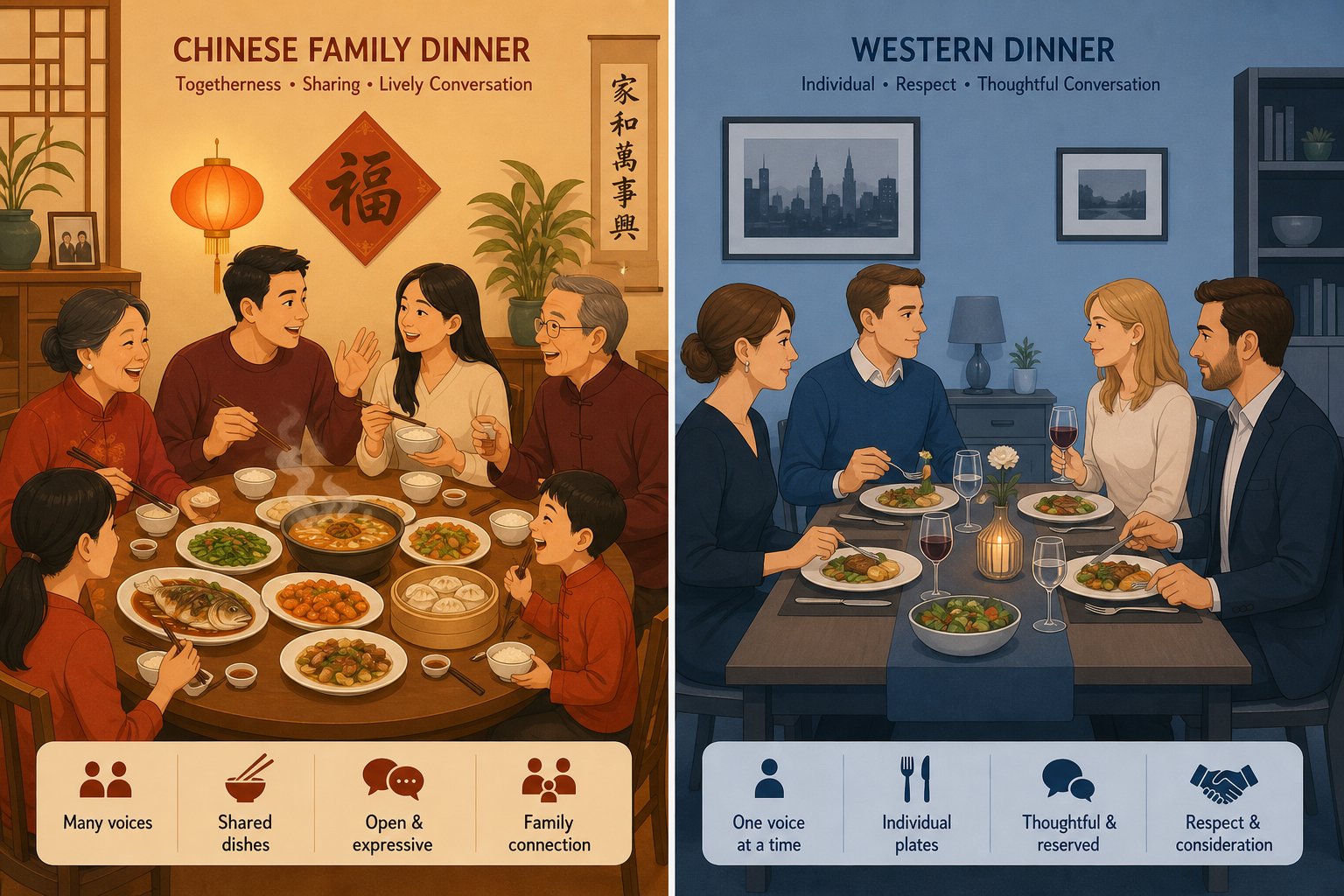
Physical descriptions functioning as neutral observations rather than loaded judgments isn't just a linguistic habit. It reflects a fundamentally different social contract around bodies, appearance, and what counts as polite conversation. To understand why a fat chinese guy might happily answer to 小胖 among friends, you need to look at the cultural machinery running beneath the surface.
Why Body Descriptions Are Neutral in Chinese Social Norms
In Chinese culture, commenting on someone's weight or appearance operates closer to saying "you got a haircut" than "you look terrible." It's observational, not evaluative. Chinese American writer Leanna Chan describes how relatives at holiday gatherings would comment on weight gain "without hesitation or batting an eyelash," treating it as casually as noticing a new sweater. The intent isn't cruelty. It's acknowledgment.
Several cultural threads explain why this feels so natural in Chinese-speaking contexts:
- Historical associations with prosperity. Being plump historically signified wealth and good health. During the Tang Dynasty, a fuller figure was considered beautiful because it meant your household could afford to feed you well.
- Food as love. Chinese culture ties eating closely to care. The common greeting "吃了吗?" (Have you eaten yet?) reflects how nourishment equals affection. Calling someone chubby can imply they're well-loved and well-cared-for.
- Lower cultural stigma around weight. With historically lower obesity rates in China, extra weight simply didn't carry the same moral baggage it does in American culture, where it's often unfairly linked to laziness or lack of discipline.
- Directness as intimacy. Commenting on appearance signals closeness. You wouldn't bother mentioning a stranger's weight, but family? That's different. The observation itself is a marker of the relationship.
Whitney Schindelar, an English teacher in China, recounted a class session where a student read aloud the sentence "Whitney is the fattest person in our class." The reaction from the other students? Absolutely nothing. No gasps, no laughter, no awkwardness. The statement registered as a simple fact, not an attack.
In Chinese social norms, commenting on someone's body is a sign of familiarity and care, not a violation of personal boundaries. Directness about appearance signals that you're close enough to notice and honest enough to say it.
The Cultural Gap That Makes Westerners Uncomfortable
Western cultures, particularly American culture, operate on a different politeness framework. Body commentary sits firmly in the "off-limits" category. You'll notice that in English-speaking contexts, even complimenting someone's weight loss can feel risky because it implies you noticed their body in the first place.
This gap creates real confusion. A chinese fat guy who cheerfully introduces himself by his 小胖 nickname at a mixed cultural gathering might get uncomfortable stares from English speakers who read the term as self-deprecating or sad. Meanwhile, he's simply using a name that signals belonging and warmth in his own cultural context.
The fat asian meme phenomenon online has complicated this further. When body-descriptive Chinese nicknames cross into English-language internet spaces, they lose their cultural cushioning. Stripped of the relationship context and the 小 prefix's softening effect, they land as blunt or even offensive to audiences unfamiliar with the system.
Professor Gary G. Bennett of Duke University offered useful framing: "In a lot of other cultures, weight is a sign of affluence. Where food has historically not been plentiful, there are just fewer social pressures to be thin." American society, by contrast, grew up on tropes of fat villains and "yo mama" jokes, teaching people that weight commentary is inherently hostile.
Neither framework is objectively right or wrong. They're different operating systems for social interaction. The friction only appears when one system's rules get applied to another system's behavior, which is exactly what happens when people encounter the chinese nickname little fatty without its cultural context attached.
Of course, saying the nickname is culturally accepted doesn't mean it lands the same way in every situation. Who says it, when, and to whom all shift the meaning considerably.
Who Uses the Nickname Little Fatty and When
The same two syllables, xiǎo pàng, can feel like a warm hug or an unwelcome jab depending entirely on the relationship between speaker and recipient. Context is everything. A mother cooing at her toddler and a classmate shouting across a playground are using identical words with vastly different emotional payloads.
To make sense of this, it helps to rank the most common usage contexts from purely affectionate to potentially sensitive:
- Parents and grandparents to young children - Almost universally warm. Zero edge.
- Between romantic partners - Playful teasing that signals intimacy.
- Close friend groups - Affectionate ribbing within an established bond.
- School nicknames among peers - Context-dependent. Can be loving or hurtful.
- Self-adopted online identities - Reclaimed and self-directed. The person controls the narrative.
Parents and Family Using Little Fatty as Endearment
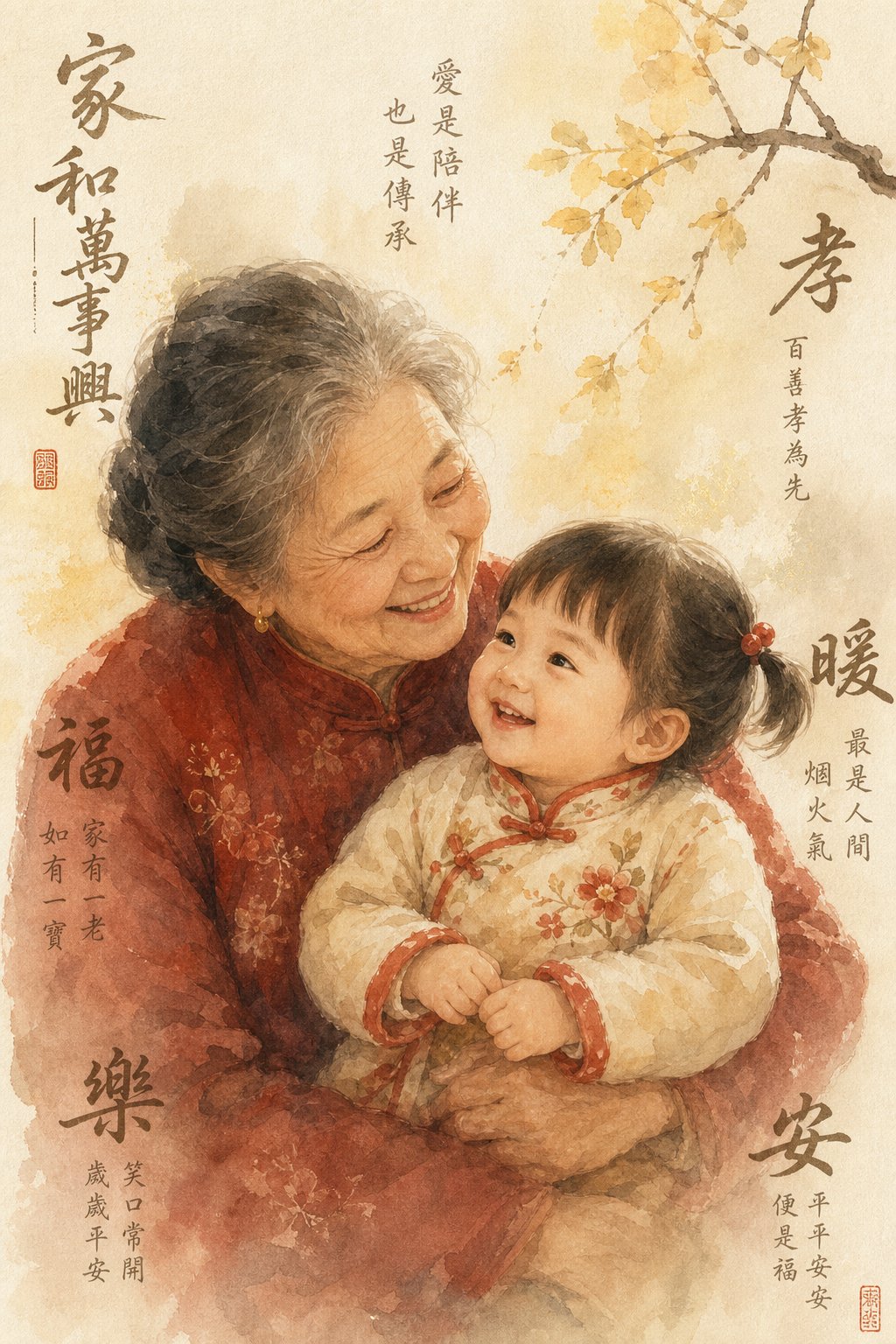
This is where the nickname lives most comfortably. Chinese parents and grandparents call chubby babies and toddlers 小胖 or the even cuter reduplicated 小胖胖 with pure delight. A round baby is a healthy baby, a well-fed baby, a baby someone is clearly taking good care of. The nickname is practically a compliment to the parents themselves.
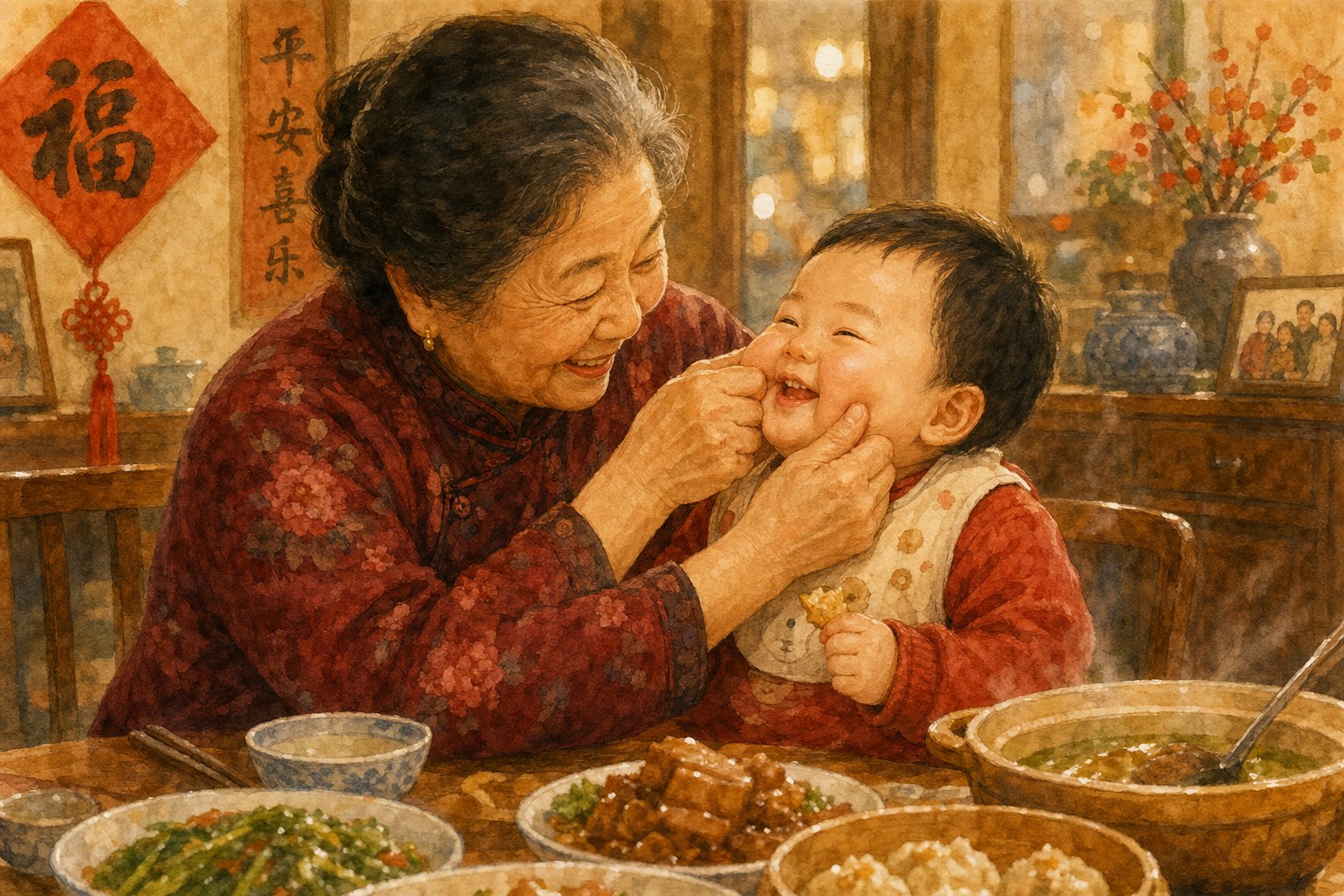
You'll hear it at family dinners, in parks, at school pickups. Grandmothers pinching cheeks and saying "our little fatties are growing so well" is a scene that plays out daily across Chinese-speaking households. The phrase functions like other pet-style nicknames such as 肉肉 (ròuròu, "meaty") or 圓圓 (yuányuán, "roundy"), all of which treat chubbiness as adorable rather than problematic.
Many people carry this family nickname well into adulthood. A 35-year-old man whose mother still calls him 小胖 isn't being insulted. He's being loved in the same language she's used since he was small enough to carry.
Friend Groups and School Settings
Among close friends, the nickname operates as affectionate teasing. It signals that you know someone well enough to be direct, that the relationship is secure enough to handle playful honesty. Think of it like English speakers calling a tall friend "stretch" or a short friend "shorty." The label acknowledges a trait without weaponizing it.
School settings get more complicated. Between genuine friends, 小胖 stays warm. But in a classroom where power dynamics are uneven, the same word can sting. A popular kid assigning the nickname to a shy classmate isn't offering affection. They're labeling. Younger generations in China are increasingly aware of this distinction, and attitudes are shifting. Urban Chinese millennials and Gen Z often express more sensitivity around body commentary than their parents' generation, influenced partly by global media and partly by rising awareness of mental health.
The key factor isn't the word itself. It's whether the recipient chose or accepted the name willingly. Consent, even unspoken, separates endearment from imposition.
Self-Adopted Online Identities
Something interesting happens when people choose the nickname for themselves. Across Chinese social media platforms, countless users adopt handles like 小胖 or variations of it as their screen names. They post xiao pang cute selfies, food content, and lifestyle videos under identities they've deliberately built around the term. Little fatty photos fill feeds not as mockery but as personal branding.
Self-adoption flips the power dynamic entirely. When you name yourself 小胖, you're signaling confidence, humor, and a refusal to treat your body as something shameful. It's reclamation through repetition, turning a descriptor into an identity you own rather than one imposed on you.
This self-naming trend also reflects a generational shift. Younger Chinese internet users treat body-descriptive nicknames as playful rather than defining, using them the way English speakers might ironically call themselves "chaos gremlin" or "trash panda" in their bios. The nickname becomes a vibe, not a verdict.
The relationship context matters so much, in fact, that the same nickname has traveled far beyond personal interactions and into global internet culture, where the rules of who gets to say it and why became much harder to control.

How Little Fatty Became a Global Internet Meme
When nicknames stay within families and friend groups, the rules of affection and consent remain relatively clear. But the internet doesn't respect those boundaries. In the mid-2000s, a single set of photos turned the concept of "little fatty" from a private Chinese endearment into one of the earliest globally recognized internet memes, raising questions about humor, consent, and what happens when cultural context gets stripped away entirely.
The Viral Meme That Made Little Fatty Famous
Around 2003, photos of a Chinese teenager named Qian Zhijun began circulating on Chinese internet forums. He was a heavyset young man with a round face and an earnest expression, photographed in various everyday poses. Users started Photoshopping his image into movie posters, historical paintings, and pop culture scenes. The internet dubbed him 小胖 and the images spread at a speed that was remarkable for that era of the web.
Within months, the chinese kid meme had jumped from Chinese forums to English-language sites. International audiences encountered the images without any of the cultural scaffolding that makes body-descriptive nicknames feel normal in Chinese. They saw a heavyset teenager being called "little fatty" and laughed, but the laughter operated on different frequencies depending on who was looking. Chinese users largely read it as playful absurdism. English-speaking audiences often processed it through a lens closer to mockery.
The "Little Fatty" meme became one of China's first viral exports, demonstrating how quickly a culturally specific nickname could travel globally while losing the affectionate context that made it acceptable in its original setting.
Qian Zhijun himself reportedly took the attention in stride, but his case raised an uncomfortable reality: he never asked to become a meme. His photos were ordinary snapshots repurposed without permission into a global phenomenon. The asian kid meme genre that followed drew heavily from this template, where images of young people from East Asian countries were remixed and captioned for humor that the subjects never consented to.
E'gao Internet Culture and How Nicknames Spread Online
To understand how this happened so quickly, you need to know about e'gao (恶搞), a Chinese internet subculture built around remixing, parody, and irreverent humor. The term literally translates to something like "evil doings" or "mischievous manipulation," but in practice it refers to creative Photoshop edits, satirical videos, and absurdist mashups that dominated Chinese web culture in the 2000s.
E'gao thrives on taking familiar images and placing them in ridiculous new contexts. A politician's face on a superhero body. A celebrity inserted into a historical drama. A round-faced teenager reimagined as the Mona Lisa. The humor comes from the contrast, the unexpected collision of the mundane with the dramatic. Nicknames like 小胖 become shorthand labels that make these remixed figures instantly recognizable across platforms.
This culture produced several dynamics that accelerated the spread of the fat chinese baby meme phenomenon and similar content:
- Anonymity and speed. Forum users created and shared content without attribution, making it impossible to trace origins or ask permission.
- Nickname as identity replacement. Once someone received a meme nickname, their real name became irrelevant. They existed online only as the label.
- Cross-platform migration. Content jumped from Tieba and Mop forums to international sites like 4chan and Reddit, losing cultural context at each hop.
- Participatory creation. Anyone could contribute new edits, meaning the meme grew beyond any single creator's control.
The result was a nickname ecosystem where terms of endearment, observational labels, and outright mockery all blended together. In Chinese online spaces, calling a meme subject 小胖 still carried some of the affectionate diminutive energy. But once that same label appeared as "little fatty" in English captions on international forums, the warmth evaporated. What remained was a body-focused label applied to someone who never chose it.
This tension between cultural affection and global misreading didn't stay confined to memes. Entrepreneurs and creatives eventually found ways to reclaim the nickname on their own terms, turning it from an internet joke into something with real commercial and cultural value.
How Businesses Turned Little Fatty Into a Brand
Reclaiming a nickname from internet chaos is one thing. Building a business around it is another entirely. In Los Angeles, one Chinese-American chef did exactly that, transforming a childhood endearment into a restaurant name that sparks curiosity, celebrates cultural identity, and bridges two very different worlds of meaning.
Little Fatty Restaurant in Los Angeles
David Kuo, a West Covina native and UCLA graduate, opened Little Fatty on Grand View Boulevard in Mar Vista, serving Taiwanese and Chinese cuisine he and his three brothers grew up eating. The name? It came straight from his childhood dinner table. As the youngest of four boys, Kuo had to eat fast to keep up with his older siblings. That earned him the family nickname "Little Fatty," and he wore it proudly enough to put it on a restaurant sign.
"You had to eat really fast because they were all older and that's how I got my nickname 'Little Fatty.' I tried to get my share of the food," Kuo told ABC7 Los Angeles. He even calls himself the "Head Fatty" on staff, leaning fully into the identity rather than distancing from it.
The little fatty menu features dishes like double-fried Orange Chicken, XO Fatty Noodles with pan-fried rolled rice noodles, and BBQ Pork served with steamed bao buns. Many ingredients are imported directly from Taiwan. Most entrees run around $20, and little fatty reviews consistently highlight the balance of nostalgic comfort food with modern presentation. Kuo describes the philosophy simply: food that reminds you of childhood while staying craveable and affordable.
The restaurant operates seven days a week with two happy hour windows nightly, and the response from the Mar Vista community has been strong. What makes the branding work isn't just the food. It's the story. Every first-time guest who asks "why is it called Little Fatty?" gets a mini lesson in Chinese naming culture, whether they realize it or not.
Turning a Cultural Nickname Into a Brand Identity
Kuo's choice to name his restaurant after a Chinese body-descriptive nickname does something subtle but powerful. It normalizes the term for English-speaking audiences by wrapping it in positive associations: good food, warm atmosphere, family heritage. Diners don't encounter "little fatty" as a slur or a meme. They encounter it as an invitation.
The brand extends beyond the restaurant itself. Next door sits Fatty Market in Mar Vista, a grocery store offering multicultural specialties for customers who loved their meal enough to recreate it at home. The little fatty market concept turns a single restaurant visit into an ongoing relationship with the brand and the culture it represents.
This isn't an isolated case. The nickname has appeared across English-language business and media contexts in ways that treat it as charming rather than offensive:
- Restaurant branding - Little Fatty in Mar Vista uses the name to signal authenticity and personal heritage.
- Adjacent retail - Fatty Market extends the brand into grocery, reinforcing the food-as-love connection central to the nickname's meaning.
- Media coverage - Outlets like ABC7 frame the name as a feel-good cultural story rather than something controversial.
- Social media presence - The restaurant's branding invites customers to "embrace your inner fatty," reframing the word as joyful indulgence.
What Kuo accomplished, perhaps without fully intending it, is a form of cultural translation through commerce. English speakers who might flinch at the phrase "little fatty" in isolation encounter it here as something warm, personal, and tied to family love. The restaurant becomes a bridge, proving that the nickname carries pride rather than shame when you understand where it comes from.
Still, not every use of this nickname lands so cleanly. The difference between affection and offense often comes down to factors far more nuanced than a restaurant sign or a family dinner table, and knowing where that line falls requires looking at the full picture of intent, relationship, and individual sensitivity.

Affectionate or Offensive and How to Tell the Difference
A restaurant sign in Mar Vista can celebrate the nickname because the owner chose it for himself. But what about the countless everyday situations where someone else assigns the label? The line between endearment and insult isn't drawn by the word itself. It's drawn by a web of factors that shift from one interaction to the next: who's speaking, who's listening, how close they are, and whether the recipient actually welcomes it.
Getting this right matters whether you're a Chinese speaker navigating generational shifts or a non-Chinese speaker trying to understand what you're hearing.
When Little Fatty Is Purely Affectionate
In certain contexts, the nickname carries zero risk of offense. You can generally trust that it's landing warmly when these conditions are present:
- The relationship is established and close. Family members, longtime friends, and romantic partners who've used the name for years aren't introducing something new. The nickname is part of the relationship's fabric.
- The recipient uses it themselves. If someone introduces themselves as 小胖, posts under that handle, or laughs when the name comes up, they've signaled acceptance clearly.
- The tone is playful and warm. Body language, vocal inflection, and context all reinforce that the speaker means affection. A grandmother squeezing a toddler's cheeks while saying 小胖胖 leaves no room for misinterpretation.
- It's directed at young children. Babies and toddlers don't process the label as identity-defining. Parents and grandparents use it the way English speakers might say "chunky monkey" to an infant.
- Cultural context is shared. When both parties understand the 小 + adjective naming system and its affectionate function, the nickname operates within its intended framework.
When the Nickname Can Cross a Line
The same two syllables become problematic when certain conditions shift. Here's where things get sensitive:
| Factor | Affectionate Context | Potentially Offensive Context |
|---|---|---|
| Relationship | Close family, intimate friends, partners | Acquaintances, coworkers, strangers |
| Consent | Recipient accepts or uses the name willingly | Recipient has never agreed to the label |
| Power dynamic | Equal footing or loving authority (parent to child) | Unequal power (boss to employee, bully to target) |
| Recipient's feelings | Person is comfortable with their body | Person is sensitive about weight or actively trying to lose it |
| Setting | Private, among people who share cultural context | Public, mixed-culture groups, professional environments |
| Generation | Older generations who grew up with body-descriptive norms | Younger urban Chinese influenced by global body-positivity discourse |
| Repetition | Occasional, natural use within conversation | Constant emphasis that reduces a person to one trait |
Generational attitudes deserve special attention here. Many younger Chinese people, particularly those in major cities like Shanghai, Beijing, and Shenzhen, have grown more sensitive to unsolicited body commentary. Exposure to Western media, rising mental health awareness, and changing beauty standards all contribute to a shift where the nickname that felt perfectly fine to their parents' generation now lands differently. A 22-year-old college student in Hangzhou may not appreciate being called 小胖 by a distant relative at Chinese New Year, even if that relative means nothing but warmth.
Regional differences also play a role. Northern Chinese culture tends toward more direct, boisterous communication styles where body nicknames flow freely. Southern and coastal urban cultures can lean slightly more reserved. These aren't hard rules, but they shape how the nickname registers in different communities.
The consent question sits at the center of all of this. Even within Chinese culture, the most respectful approach is simple: if someone doesn't light up when you use the name, stop using it. Affection that the recipient doesn't feel isn't affection. It's imposition wearing a friendly mask.
Guidance for Non-Chinese Speakers
So should you, as a non-Chinese speaker, ever use this nickname? The honest answer is: probably not, unless very specific conditions are met.
Here's why. When a Chinese grandmother calls her grandson 小胖, decades of cultural context, family history, and linguistic tradition cushion the word. When a non-Chinese speaker says "little fatty" to a Chinese friend, none of that scaffolding exists. The word arrives stripped of its cultural warmth, and it may land as exactly what it sounds like in English: a comment about someone's weight from someone outside their cultural circle.
That said, there are situations where engaging with the term is perfectly appropriate:
- If a Chinese friend introduces themselves by the nickname and invites you to use it. Explicit invitation removes ambiguity. Follow their lead.
- If you're discussing the cultural concept itself. Talking about the nickname in educational or cross-cultural contexts, like this article does, is entirely different from applying it to a person.
- If you're ordering at a fatty restaurant or shopping at a little fatty mart. Using a business's chosen name is just... using their name. No cultural risk there.
- If you're in a relationship with a Chinese partner who uses it for you. Couples develop their own language. If your partner calls you 小胖 and you both enjoy it, that's between you two.
What you should avoid: calling a Chinese person "little fatty" because you read that it's affectionate in their culture. Knowing that a term can be affectionate doesn't give you the relational standing to deploy it. Think of it like the word "bro." Your actual brother can call you that. A stranger on the street using it hits differently.
The broader takeaway isn't really about one nickname at all. It's about approaching cross-cultural language with curiosity rather than assumptions. The chinese nickname little fatty teaches something valuable: words don't carry fixed emotional charges. They carry the weight of the relationship, the culture, and the moment they're spoken in. Understanding that makes you a better communicator in any language, even if you never say 小胖 out loud yourself.
Frequently Asked Questions About the Chinese Nickname Little Fatty
1. Is calling someone little fatty rude in Chinese culture?
In most Chinese-speaking contexts, calling someone 小胖 (xiǎo pàng) is not rude. The prefix 小 acts as an affectionate diminutive that softens the descriptor, signaling closeness and familiarity rather than criticism. Parents use it lovingly for children, friends use it as warm teasing, and many people adopt it as their own online identity. However, context matters: the nickname works best within established relationships where both parties share cultural understanding and the recipient welcomes the term.
2. How do you pronounce xiǎo pàng in Mandarin Chinese?
Xiǎo pàng uses two tones that create a dipping-then-falling melody. The first syllable, xiǎo, carries the third tone, meaning your pitch dips low then rises slightly. The second syllable, pàng, uses the fourth tone, dropping sharply from high to low. Together they produce a bouncy, sing-song quality. A common mispronunciation is 'little pao,' which confuses the nasal ending '-ang' with '-ao,' creating an entirely different word.
3. Why do Chinese people comment on weight so openly?
Chinese social norms historically treat physical descriptions as neutral observations rather than value judgments. Several cultural factors contribute: being plump was historically associated with prosperity and good health, food is deeply tied to expressions of love and care, and directness about appearance signals intimacy rather than hostility. Commenting on someone's body in Chinese culture often functions like saying 'you got a haircut' in English, as a simple acknowledgment rather than a critique.
4. What is the Little Fatty restaurant in Los Angeles?
Little Fatty is a Taiwanese and Chinese restaurant in Mar Vista, Los Angeles, opened by chef David Kuo. The name comes from Kuo's childhood family nickname, earned because he had to eat fast to keep up with his three older brothers. The restaurant serves dishes like double-fried Orange Chicken and XO Fatty Noodles, with most entrees around $20. An adjacent grocery store called Fatty Market sells multicultural specialty ingredients for home cooking.
5. Should non-Chinese speakers use the nickname little fatty?
Generally, non-Chinese speakers should avoid using this nickname unless specifically invited to do so by a Chinese friend who uses it themselves. Without the cultural scaffolding of the 小 prefix system, shared linguistic tradition, and an established close relationship, the term loses its warmth and may land as a plain weight comment. Appropriate exceptions include discussing the cultural concept itself, using a business's chosen name like the Little Fatty restaurant, or when a Chinese partner explicitly uses it within your relationship.