How Chinese Nicknames Work as a Cultural System
When you hear someone called "Bobby" or "Liz" in English, you probably don't think twice. Western nicknames are casual, often spontaneous, and carry few social consequences if used incorrectly. Chinese nicknames operate on an entirely different level. They are governed by a structured system of phonetics, social hierarchy, and deeply rooted cultural values that dictate who can call whom what, and when.
A Chinese nickname, whether called 昵称 (nichen, term of endearment) or 小名 (xiaoming, childhood name), is never just a shortened version of someone's full name. It encodes information about the speaker's relationship to the person, their relative social standing, and the level of intimacy they share. Get it wrong, and you risk signaling disrespect or an uncomfortable level of familiarity.
What Makes Chinese Nicknames Different
In English-speaking cultures, nicknames tend to emerge organically. Someone named William becomes "Will" or "Bill" without much thought. Nicknames in Chinese follow deliberate formation patterns, each carrying specific social meaning. Adding 小 (xiao, little) before a surname, for example, signals casual friendliness among peers. Doubling a character from someone's given name, like turning 明 into 明明 (Mingming), conveys affection typically reserved for close family. These are not interchangeable. Using the wrong pattern with the wrong person breaks unspoken social contracts.
Chinese culture places enormous weight on how you address someone based on context and relationship. The same person might be 王经理 (Wang Jingli, Manager Wang) at work, 小王 (Xiao Wang) among colleagues of similar age, and 王王 (Wangwang) only to their closest childhood friends. Each form carries permission built into it.
Why Understanding the Rules Matters
Imagine calling your Chinese boss by a reduplication nickname on your first day. Or picture using an intimate pet name with someone you've only met twice. These mistakes don't just sound awkward. They actively damage how others perceive you.
In Chinese culture, the nickname someone uses for you reveals exactly where you stand in their social world. It is a verbal badge of relationship status, not a casual label.
This is why a simple list of "cute Chinese nicknames" misses the point entirely. Every Chinese nickname exists within a web of rules about formation, tone, context, and permission. Understanding these rules is what separates someone who sounds natural from someone who accidentally offends. This guide breaks down that system piece by piece, starting with the distinct categories that most people incorrectly lump together.
Five Types of Chinese Nicknames You Should Know
Most guides treat all Chinese nicknames as one thing. They're not. The Chinese language actually distinguishes between five separate categories, each with its own rules about who creates it, who uses it, and where it belongs. Confusing one type for another is a fast track to sounding culturally tone-deaf. Here's the full breakdown.
小名 Childhood Names Given at Birth
The 小名 (xiaoming, "small name") or 乳名 (ruming, "milk name") is the first nickname a Chinese person ever receives. Traditionally, babies were named a hundred days after birth, and modern naming laws in China grant parents about a month before requiring official registration. During that gap, families use a milk name, often settled upon in consultation with the grandparents.
These chinese nicknames for children typically use diminutive patterns like doubling a character (圆圆, Yuanyuan) or adding 小 before a word (小宝, Xiaobao, "little treasure"). But here's where it gets interesting. A superstitious tradition holds that parents should choose an ugly or lowly milk name to ward off evil spirits who might otherwise target a precious child. Names referencing dogs, eggs, or stones were historically common because they made the child seem unworthy of a demon's attention. You'll still hear older generations called 狗蛋 (Goudan, "dog egg") or 铁柱 (Tiezhu, "iron pillar") by their families.
The milk name may be abandoned once the formal name is registered, but it often survives as a lifelong familial nickname. Only close family members retain the right to use it. Hearing a stranger call someone by their xiaoming would feel deeply intrusive.
绰号 and 外号 Descriptive Nicknames
These are the closest equivalents to Western-style nicknames, but they split into two related categories. A 绰号 (chuohao) or 外号 (waihao) is a descriptive nickname typically assigned by others based on physical attributes, speaking style, or behavior. Not everyone has one. Most people who do received theirs during childhood or adolescence from family or friends.
Common examples draw on physical traits. A nickname like 小胖 (Xiaopang, "Little Fatty") might sound insulting in English, but it carries a more acceptable, even affectionate tone in Chinese. Animal-based nicknames are also popular, though the cultural associations differ from English. Chinese cows are strong, not stupid. Foxes are devious, not clever. Pigs suggest laziness or contentment, not dirtiness.
The key distinction here is agency. A 绰号 is something others give you. You don't choose it, and you may not love it. It can range from endearing to mildly teasing, and it typically circulates within a specific social group rather than being used universally.
昵称 and 网名 Modern Nickname Categories
The term 昵称 (nicheng) covers affectionate names used between people in close relationships, particularly romantic partners, close friends, or parents addressing children. Think of chinese pet names like 宝贝 (baobei, "baby") or 亲爱的 (qin'aide, "dear"). These are intentional expressions of intimacy, not descriptions of traits.
网名 (wangming, "internet name") is an entirely separate category that emerged with digital culture. These are self-chosen display names for social media, gaming platforms, and online forums. Unlike every other nickname type, a wangming is fully self-assigned and often has no connection to the person's real name or physical characteristics. It follows its own set of formation rules shaped by character limits, censorship filters, and internet subculture trends.
What separates a courtesy name in China from these modern categories? The historical 字 (zi, courtesy name) was a formal alternate name given upon maturity, used by peers to show respect since addressing someone by their given name was considered rude among adults of the same generation. This practice has largely disappeared since the early twentieth century, but its underlying logic, that different names serve different social functions, still runs through every modern nickname category.
| Chinese Term | Pinyin | English Equivalent | Who Assigns It | Typical Context |
|---|---|---|---|---|
| 小名 / 乳名 | xiaoming / ruming | Milk name / childhood name | Parents, grandparents | Family use from birth onward |
| 绰号 | chuohao | Descriptive nickname | Peers, classmates, colleagues | Social groups, casual settings |
| 外号 | waihao | Nickname given by others | Friends, acquaintances | Informal social circles |
| 昵称 | nicheng | Pet name / term of endearment | Partners, close family, friends | Intimate or affectionate relationships |
| 网名 | wangming | Internet handle / screen name | Self-chosen | Social media, gaming, online forums |
Each of these five types follows different formation rules, carries different social weight, and belongs in different contexts. A milk name used at work sounds childish. A waihao used with a stranger sounds presumptuous. An internet handle used face-to-face sounds bizarre. Knowing which category you're dealing with is the first step. The next is understanding exactly how each one gets built, character by character, pattern by pattern.
Formation Patterns and Rules for Building Cute Chinese Nicknames
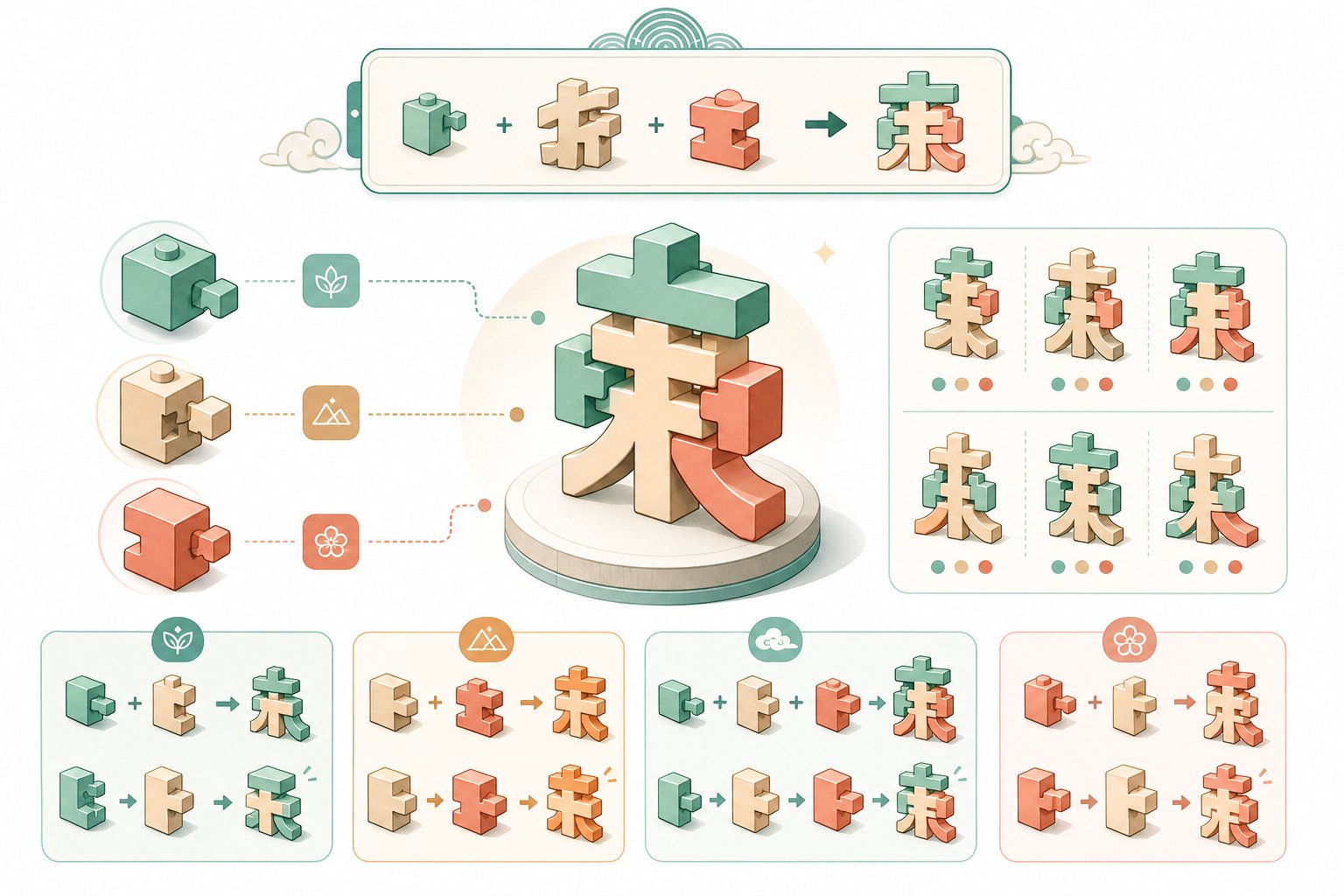
Every Chinese nickname follows a recognizable structural formula. These aren't random inventions. They're patterns passed down through generations, shaped by dialect, region, and social function. Once you learn the core templates, you'll start hearing them everywhere, from family dinner tables to WeChat group chats.
Here are the major formation patterns ranked by how frequently you'll encounter them:
- Reduplication (叠字, dieizi) - doubling a character from the given name
- 小 (xiao) + name - adding the "little" prefix before a surname or given name character
- Regional prefixes - 阿 (a), 大 (da), or 老 (lao) before a name
- Food, animal, or object references - using concrete nouns as standalone nicknames
- 儿 (er) suffix - adding the diminutive "er" sound to a name or word
Reduplication and the 小 Prefix Pattern
Reduplication is the single most common way to form cute chinese nicknames. You take one character from a person's given name and double it. Someone named 李明 (Li Ming) becomes 明明 (Mingming). A child named 张圆 (Zhang Yuan) becomes 圆圆 (Yuanyuan). The doubled sound creates a soft, rhythmic quality that signals warmth and closeness.
This pattern works almost universally with given name characters, but you'll rarely see it applied to surnames. Calling someone 张张 (Zhangzhang) would sound odd to native ears. The reduplication pattern belongs primarily to family contexts and close friendships. Parents, grandparents, and childhood friends use it most naturally.
The 小 (xiao) prefix operates differently. The xiao nickname meaning is literally "little" or "young," and it attaches to either a surname or a given name character to create a casual, friendly address. 小王 (Xiao Wang) uses the surname. 小明 (Xiao Ming) uses the given name. The distinction matters: surname-based 小 forms are common among colleagues and acquaintances, while given-name-based forms suggest slightly more familiarity.
A critical rule: the 小 prefix implies the person is younger than or equal in age to the speaker. Using 小 with someone clearly older than you can feel dismissive, as though you're minimizing their seniority. For older individuals, different prefixes apply.
Regional Prefixes 阿, 大, and 老
Regional variation in prefix choice is one of the most overlooked aspects of Chinese nickname formation. The prefix 阿 (a) dominates in southern China, particularly among Cantonese, Hakka, and Teochew speakers. In these dialects, 阿 functions as what one cultural commentator describes as a "softening, relationship-affirming sound particle" added before a name or title. It expresses both respect and affection simultaneously.
Cantonese nicknames almost always use this prefix. Someone named 陈明 (Chan Ming in Cantonese) becomes 阿明 (Ah Ming). The construction drops the surname entirely and pairs 阿 with the given name, signaling closeness and familiarity. Unlike 小, the 阿 prefix carries no age implication. It works equally well for addressing elders, peers, and juniors, which is why it appears so frequently in southern Chinese communities worldwide.
Northern Mandarin speakers, by contrast, lean toward 老 (lao, "old") and 大 (da, "big") for adults. 老王 (Lao Wang) doesn't mean Wang is elderly. It signals that the speaker and Wang share a comfortable, established relationship, often between male friends or colleagues. 大 works similarly but tends to appear in family contexts: 大哥 (Dage, "big brother") or as a nickname prefix for the eldest child.
The geographic split is clear. Travel from Beijing to Guangzhou and you'll hear 阿 replace 老 and 小 in nearly every informal exchange. Understanding which prefix belongs to which region prevents you from sounding like you're mixing dialects awkwardly.
Food, Animal, and Object-Based Nicknames
Why would loving parents call their baby 蛋蛋 (Dandan, "egg egg") or 豆豆 (Doudou, "bean bean")? This pattern draws on two cultural impulses working together.
The first is the superstitious tradition of choosing humble references. As Chinese naming customs explain, parents historically believed that lowly or plain names helped children survive by making them seem unworthy of evil spirits' attention. Naming a child after a common food item or small animal made them appear insignificant to supernatural threats. This is why you'll still encounter older Chinese people whose milk names reference dogs, stones, or iron.
The second impulse is pure cuteness. Modern parents choose food and animal nicknames because they sound adorable when reduplicated. Some of the most popular funny chinese nicknames in this category include:
- 糖糖 (Tangtang, "candy candy")
- 果果 (Guoguo, "fruit fruit")
- 兔兔 (Tutu, "bunny bunny")
- 鱼鱼 (Yuyu, "fish fish")
- 饺子 (Jiaozi, "dumpling")
- 汤圆 (Tangyuan, "glutinous rice ball")
Notice how many of these combine the reduplication pattern with the food or animal reference. The two formation rules stack on top of each other, creating nicknames that are structurally predictable yet endlessly varied. Parents today might also draw from zodiac animals, seasonal fruits, or even popular snack brands, reflecting how modern milk names have become more diverse and personalized while still following the same underlying templates.
These formation patterns give you the building blocks. But choosing the right sounds involves another layer of rules entirely, one where tones and homophones can turn an innocent-sounding nickname into an unintentional joke.
Tonal Rules and Phonetic Pitfalls in Nickname Choice
Picking the right characters is only half the equation. A nick name in Chinese also has to sound right, and "sounding right" in Mandarin means navigating four tones plus a neutral tone that interact in ways English speakers never have to consider. Two perfectly fine characters can produce an awkward or even laughable nickname if their tones clash.
How Tones Shape Nickname Suitability
Mandarin's four tones, high flat (first), rising (second), low dipping (third), and falling (fourth), create a melodic contour every time you string syllables together. When choosing a nickname in Mandarin, the tone pair matters as much as the meaning. Certain combinations feel smooth and pleasant to native ears. Others sound choppy, monotonous, or unintentionally comic.
Here are general guidelines for tone pairings in nicknames:
- Falling + rising (4+2) or high + falling (1+4) - These create a natural melodic arc. Examples like 乐乐 (Lele, tone 4+4 in reduplication actually softens to 4+0) show how tonal rules shift in practice.
- Two third tones together - Mandarin's tone sandhi rule automatically changes the first third tone to a rising tone. A nickname like 小美 (Xiao Mei, 3+3 becomes 2+3) works fine because speakers adjust naturally, but stacking three or more third-tone syllables creates a tongue-twisting mess.
- Two first tones (1+1) - Sounds flat and monotonous. A nickname like 飞飞 (Feifei, high+high) can feel stiff compared to the more musical rise and fall of 飞扬 (Feiyang, 1+2).
- Fourth tone + fourth tone (4+4) - Sounds abrupt and harsh, almost like scolding. This is why reduplicated nicknames from fourth-tone characters often shift the second syllable to a neutral tone to soften the effect.
- Rising + neutral (2+0) or falling + neutral (4+0) - These feel gentle and affectionate, which is why so many endearment nicknames naturally land on this pattern. Think 宝宝 (Baobao, 3+0 in practice) or 贝贝 (Beibei, 4+0).
The reduplication pattern discussed earlier actually solves many tonal problems automatically. When you double a character, the second instance often shifts toward a neutral tone in casual speech, creating that soft, lilting quality that makes nicknames sound warm rather than stiff.
Sound Symbolism in Chinese Nicknames
Beyond tones, the actual consonants and vowels in a nickname carry subconscious associations. Research on sound symbolism in Chinese has demonstrated that phonological features systematically influence semantic interpretation, and this principle extends directly to how people perceive nicknames.
Certain sounds feel inherently "cute" or "soft" in Mandarin, while others project strength or seriousness. You'll notice these patterns across cool chinese nicknames and childhood pet names alike:
- Soft initials (m-, n-, l-) - Nasal and lateral sounds feel gentle and affectionate. Nicknames like 萌萌 (Mengmeng), 妮妮 (Nini), and 乐乐 (Lele) dominate children's pet names for this reason.
- Round vowels (o, u, ou) - These create a sense of fullness and warmth. 豆豆 (Doudou) and 兜兜 (Doudou) feel rounder and cuter than sharp-vowel alternatives.
- Open vowels (a, ai) - These project brightness and energy. 凯凯 (Kaikai) or 帅帅 (Shuaishuai) sound more outgoing and bold.
- Aspirated stops (p-, t-, k-) - These carry a punchier, more assertive quality. They appear more often in nicknames meant to sound strong or playful rather than delicate.
- Fricatives (sh-, x-, s-) - These can sound either elegant or sharp depending on the vowel that follows. 笑笑 (Xiaoxiao) feels light and cheerful, while 森森 (Sensen) sounds darker and more serious.
This is why parents choosing a nickname don't just think about meaning. They instinctively test how the sounds feel in the mouth and land on the ear. A name might have a beautiful written meaning but sound harsh or clumsy when spoken aloud repeatedly, which is exactly what nicknames are designed for.
Homophones add another layer of danger. Mandarin has only about 400 unique syllables, so many characters share identical pronunciations. A nickname that looks fine on paper can sound identical to an embarrassing word. For instance, 思思 (Sisi, "thoughtful") is perfectly acceptable, but a nickname pronounced "si" in the wrong tone lands on 死 (si, "death"). Similarly, 书 (shu, "book") shares its sound with 输 (shu, "to lose"), making some book-themed nicknames feel unlucky. Native speakers run these homophone checks automatically, but learners and even well-meaning parents occasionally miss them.
The phonetic dimension reveals something important about how these naming conventions actually function. They aren't just about meaning or social hierarchy. They operate at the level of sound itself, where tones, consonants, and vowels carry emotional weight that shapes whether a nickname feels like a warm embrace or an awkward stumble. That emotional weight shifts dramatically depending on who is speaking and who is listening, which brings us to the social permission structures that govern nickname use.

Who Can Call You What and When
Knowing how to build a Chinese nickname is one thing. Knowing whether you're actually allowed to use it is something else entirely. Chinese culture operates on a layered permission system where the form of address you choose broadcasts your perceived relationship with the other person. Use a nickname that's too familiar, and you've overstepped. Stick with something too formal when closeness has already been established, and you signal emotional distance or even rejection.
This isn't guesswork. It's a structured set of social rules rooted in the Confucian principle of 尊卑 (zunbei), the hierarchy of respect between higher and lower, older and younger, insider and outsider. Every nickname form carries an implicit claim about where you stand relative to someone else.
Hierarchy Rules in Family and Workplace
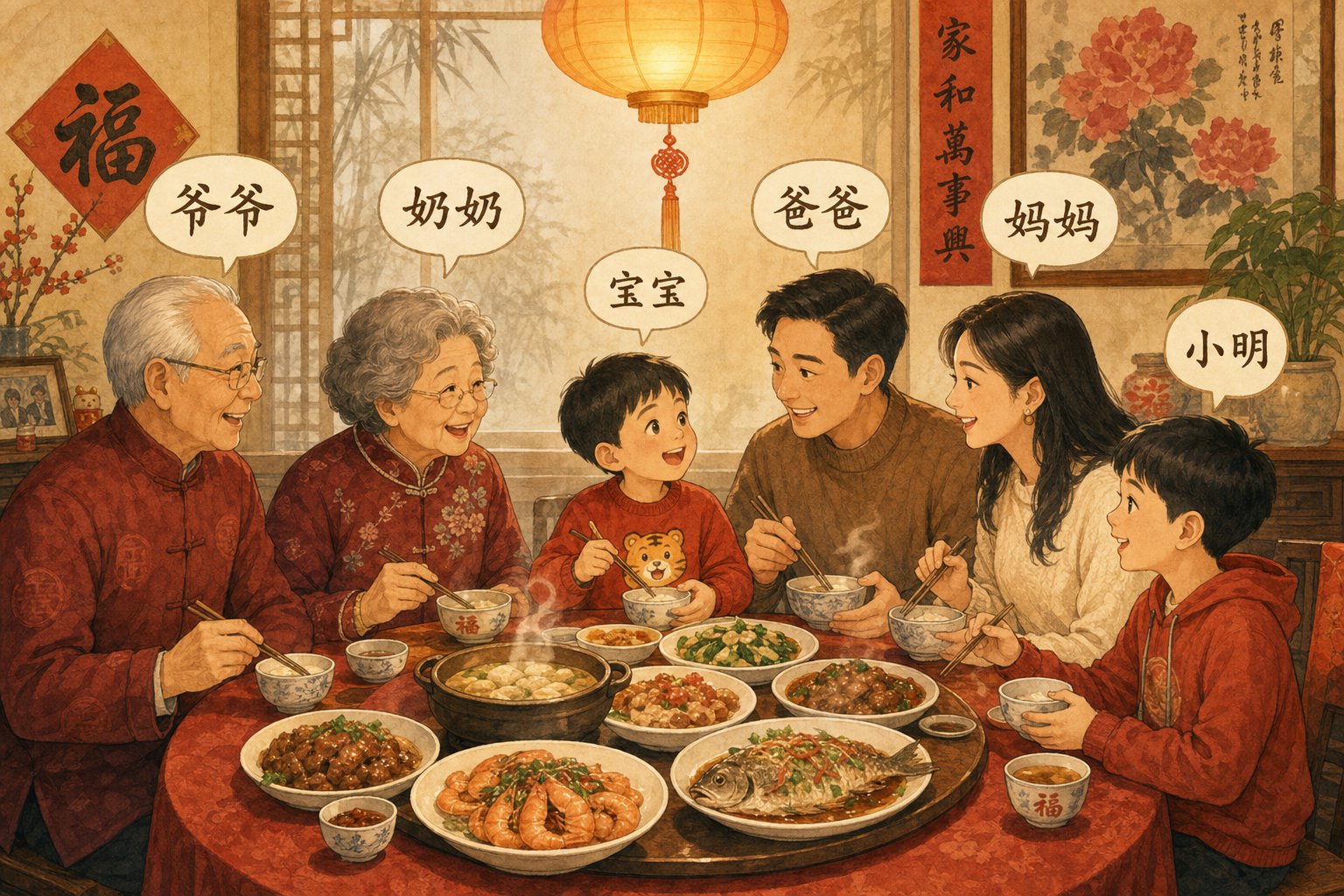
Age and seniority determine the direction of nickname use. In Chinese families, older members can freely use diminutive forms for younger ones, calling a grandchild 宝宝 (Baobao) or a niece by her milk name. The reverse never happens. A grandchild addressing their grandmother by a childhood nickname would be considered deeply disrespectful, regardless of how affectionate the intent.
The same logic applies at work. A senior colleague might call a younger team member 小李 (Xiao Li), but that younger person would never reciprocate with 小张 (Xiao Zhang) if Zhang is their manager. Instead, they'd use a title-based form like 张经理 (Zhang Jingli, Manager Zhang) or the increasingly common 张总 (Zhang Zong) for senior leadership. In many Chinese workplaces, only peers of equal rank exchange casual nickname forms freely.
There's a subtle exception worth noting. When a boss uses a nickname for a subordinate, it can signal either warmth or condescension depending on context. Being called 小王 by a mentor who genuinely supports your career feels inclusive. The same nickname from a dismissive superior feels belittling. Chinese employees read these signals instinctively.
Intimacy Levels and Nickname Progression
Relationships in Chinese culture move through distinct naming stages, and jumping ahead signals presumption. Imagine meeting a new colleague named 陈志远 (Chen Zhiyuan). You'd start with his full name or a title. Over weeks of working together, you might shift to 志远 (given name only). After months of genuine friendship, 小陈 or 远远 might emerge naturally. Chinese words of endearment like 亲爱的 (qin'aide, "dear") or playful pet names only appear once a relationship has reached genuine emotional intimacy.
Rushing this progression feels jarring to native speakers. Using chinese terms of affection with someone you've known for two weeks reads as either socially clueless or manipulatively over-familiar. The unspoken rule is simple: let the other person initiate the shift. When a Chinese friend starts using a more casual form with you, that's your green light to reciprocate at the same level.
This table maps the permission structure across common relationship types:
| Relationship | Acceptable Nickname Forms | Taboo Forms |
|---|---|---|
| Grandparent to grandchild | Milk name, reduplication, 小 + name, food/animal names | None (full freedom) |
| Grandchild to grandparent | Kinship title only (爷爷, 奶奶, 外公, 外婆) | Any nickname, given name, or casual form |
| Close friends (same age) | 小 + surname, reduplication, 老 + surname, descriptive nicknames | Intimate chinese endearments reserved for romantic partners |
| New acquaintances | Full name, surname + title | Any nickname form without explicit invitation |
| Boss to subordinate | 小 + surname, given name | Milk name, intimate pet names |
| Subordinate to boss | Surname + title (王总, 李经理) | 小 + surname, given name alone, any casual nickname |
| Romantic partners | 宝贝, 亲爱的, private pet names, reduplication of given name | Surname + title (signals emotional withdrawal) |
| Classmates / peers | Given name, 小 + surname, playful 绰号 | Title-based forms (sounds overly stiff) |
Notice the pattern: permission flows downward through hierarchy and inward through intimacy. The more senior or emotionally close someone is to you, the more nickname freedom they hold. Group belonging matters too. A nickname that circulates within a friend group stays within that group. Using it in front of outsiders can embarrass the person by exposing a private layer of their identity to people who haven't earned access to it.
These permission structures explain why the same person might respond warmly to a nickname from one speaker and coldly to the identical nickname from another. The words are the same, but the social math behind them is completely different. That math shifts again in romantic relationships, where nickname conventions carry their own gendered expectations and generational divides.
Chinese Terms of Endearment for Romantic Partners
Romantic relationships unlock an entirely separate vocabulary of pet names, and the rules here are surprisingly gendered. Chinese pet names for lovers don't follow a one-size-fits-all pattern. What a woman calls her boyfriend often differs structurally from what he calls her, and the formality level shifts depending on how long the couple has been together, whether they're in public or private, and which generation they belong to.
Pet Names for Girlfriends and Boyfriends
Some terms of endearment in Chinese work in both directions. 宝贝 (baobei, "baby" or "treasure") is the most universal, used freely by both men and women for their partners. 亲爱的 (qin'aide, "dear" or "darling") functions similarly as a gender-neutral endearment that feels natural across age groups. But beyond these shared terms, the landscape splits.
Common chinese girlfriend nicknames tend to emphasize cuteness, smallness, or preciousness:
- 老婆 (laopo) - literally "wife," used casually for girlfriends in established relationships. Signals commitment.
- 小公主 (xiao gongzhu) - "little princess." Affectionate but can sound patronizing if overused.
- 傻瓜 (shagua) - "silly melon." Playful teasing that signals comfort and closeness.
- 甜心 (tianxin) - "sweetheart." Borrowed from Western influence, sounds slightly formal to younger ears.
- 妹妹 (meimei) - "little sister." Implies protectiveness regardless of actual age difference.
Chinese nicknames for boyfriend follow a different logic, often emphasizing reliability, maturity, or playful authority:
- 老公 (laogong) - literally "husband," used for boyfriends in serious relationships. The male counterpart to 老婆.
- 哥哥 (gege) - "older brother." Signals that you find your partner reliable and protective, and most Chinese men find it flattering.
- 老头子 (laotouzi) - "old man." Sounds teasing and affectionate rather than literal, similar to calling someone "old fart" in English.
- 熊熊 (xiongxiong) - "bear bear." Used for someone cuddly or physically strong.
A key rule: 老公 and 老婆 are generally reserved for couples who have been together long enough to feel like a unit. Using them on a third date sounds presumptuous. Meanwhile, 心肝 (xin'gan, "heart and liver") conveys the idea that you can't live without someone, making it one of the more poetic chinese pet names for lovers, though it sounds overly dramatic to some younger speakers.
Generational Differences in Romantic Nicknames
This is where the gap between age groups becomes obvious. Couples in their forties and fifties tend to stick with traditional chinese pet names for girlfriend and boyfriend use: 亲爱的, 老公/老婆, or simply the partner's given name spoken in a softer tone. These feel dignified and understated.
Younger couples, particularly those born after 1995, blend internet slang, English loanwords, and pop culture references into their romantic vocabulary. You'll hear:
- 北鼻 (beibi) - a phonetic transliteration of "baby" that sounds playful and modern.
- 亲 (qin) - a shortened form of 亲爱的, functioning like "bae" in English. Originally popularized on Taobao by sellers addressing buyers, it migrated into romantic use.
- 猪猪 (zhuzhu) - "piggy piggy." Sounds absurd to older generations but feels cute and ironic to Gen Z couples.
- 崽崽 (zaizai) - "baby" in a childish register, trending on social media as a gender-neutral pet name.
- 小哥哥 (xiao gege) - "little older brother." A flirty, internet-era twist on the traditional 哥哥 that younger women use for boyfriends or attractive strangers online.
The generational divide creates real friction. A young woman calling her boyfriend 猪猪 in front of his parents might get puzzled looks. An older husband trying 北鼻 with his wife might sound like he's trying too hard. The unspoken rule is to match your pet name register to your generation and audience. What sounds natural between two twenty-somethings texting on WeChat can sound bizarre spoken aloud at a family dinner.
Chinese pet names for boyfriend and girlfriend use also shift between public and private settings. Many couples maintain a "public name" (often just the given name or a mild 亲爱的) and a "private name" (the sillier, more intimate pet names) that never leaves the relationship. Exposing someone's private nickname in front of friends or colleagues can cause genuine embarrassment, violating the same insider-outsider boundary that governs all Chinese nickname use.
Romance, though, is just one domain where nickname culture is evolving rapidly. The biggest transformation is happening online, where millions of users create digital identities governed by platform rules, character limits, and an entirely new set of creative conventions.
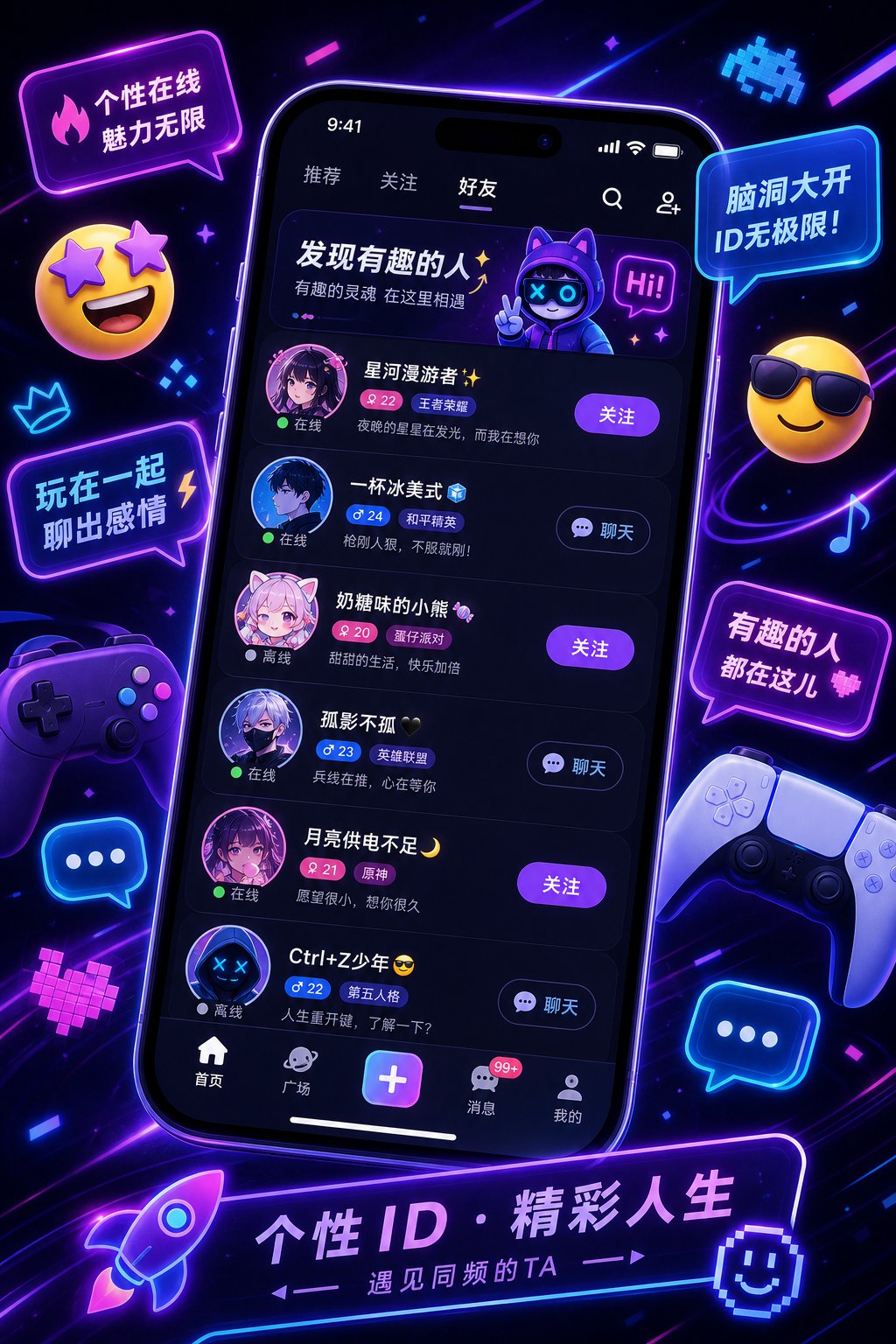
Internet Nicknames and Digital Display Name Rules
Digital platforms have rewritten the playbook. Traditional chinese nickname rules evolved over centuries through family customs and regional dialects. Online nickname culture, by contrast, reinvents itself every few months, shaped by platform constraints, censorship algorithms, and viral trends that sweep through hundreds of millions of users simultaneously. The result is an entirely distinct naming system with its own logic.
A chinese username on WeChat operates under different pressures than a gamertag on Honor of Kings or a display name on Weibo. Character limits, content filters, and audience expectations vary wildly across platforms. Understanding these digital formation rules matters because for many young Chinese people, their online identity is the one they interact through most frequently.
WeChat and Weibo Display Name Patterns
WeChat allows display names up to 16 characters, while Weibo permits up to 30. Within those limits, chinese display names follow several recognizable patterns that blend traditional naming instincts with internet-era creativity:
- English word + Chinese character combos - Names like "Sunny小太阳" or "Luna月" mix languages to project a cosmopolitan identity. The English portion often reflects an aspirational self-image while the Chinese grounds it in cultural familiarity.
- Aesthetic symbols and punctuation - Users insert characters like "·", "_", or decorative Unicode symbols to create visual spacing. A name like "清风·徐来" (gentle breeze arriving slowly) uses the middle dot as a poetic pause.
- Internet slang abbreviations - Pinyin-initial abbreviations like yyds (永远的神, "forever god") or xswl (笑死我了, "dying laughing") appear in display names to signal cultural fluency and humor.
- Self-deprecating or ironic phrases - Names like "今天也没有暴富" ("still didn't get rich today") or "脱发少女" ("hair-loss girl") use humor to build relatability. This pattern dominates among users in their twenties.
- Classical poetry fragments - Pulling two or three characters from Tang or Song dynasty poems gives a display name an elegant, literary feel. "浮生若梦" (life is like a dream) or "长安故人" (old friend from Chang'an) signal cultural depth.
- Food and mood states - Simple names like "想吃火锅" ("craving hotpot") or "困困困" ("sleepy sleepy sleepy") treat the display name as a rotating status update rather than a fixed identity.
You'll notice something important here. Unlike traditional nicknames assigned by others, chinese usernames are entirely self-constructed identities. They function more like personal branding than social markers. A WeChat name doesn't encode your relationship to anyone else. It broadcasts how you want the world to perceive you.
Frequency of name changes also differs by platform culture. WeChat users change display names relatively rarely since contacts see the update. Weibo users swap names more freely, sometimes weekly, treating the display name as a mood ring. Some platforms like Douyin restrict name changes to once per month, which forces users to think more carefully before committing.
Gaming Nicknames and Username Culture
Chinese gamertags follow their own formation rules shaped by competitive culture, character limits, and the desire to stand out in lobbies filled with millions of players. Games like Honor of Kings (王者荣耀) allow up to 12 characters, while others cap names at 6 or 8. These constraints push creativity in specific directions.
Common patterns for chinese names for games include:
- Classical literary references - Names drawn from wuxia novels, historical figures, or mythology. "独孤求败" (Dugu Qiubai, a legendary swordsman) or "卧龙" (Wolong, Zhuge Liang's epithet) project mastery and ambition.
- Number homophones - The same homophone logic that makes 520 mean "I love you" and 666 mean "awesome" extends into gamertags. A name like "1314" (一生一世, "forever") or "9527" (a famous comedy movie reference) packs meaning into minimal characters.
- Edgy or intimidating phrases - Competitive games attract names like "血染长空" ("blood stains the sky") or "不败战神" ("undefeated war god"). These follow a formula: violent verb + grand noun.
- Deliberately absurd humor - Counter to the edgy trend, many players choose intentionally ridiculous names for comedic effect. "被追杀的小学生" ("elementary schooler being chased") or "我打游戏很菜" ("I'm terrible at games") use self-deprecation as a psychological tactic.
- Clan or team prefixes - Organized groups add tags like "丨" (a vertical bar separator) or bracket-enclosed team names before individual identifiers. "丨龙族丨影" means the player "Shadow" belongs to the "Dragon Clan."
Platform-specific censorship adds another layer of complexity. Chinese gaming platforms run automated filters that block characters associated with political sensitivity, profanity, or trademarked terms. Players routinely discover that their preferred chinese username gets rejected by the system, forcing creative workarounds. Substituting visually similar characters, using traditional Chinese forms instead of simplified ones, or inserting invisible Unicode spaces between filtered words are all common tactics.
Character limits also drive a preference for four-character names (四字格), which mirror the rhythm of classical Chinese idioms (成语). A four-character gamertag feels balanced and authoritative in a way that three or five characters often don't. This isn't a written rule anywhere, but scroll through any game lobby and you'll see the pattern immediately.
The distinction between gaming names and social media names reveals something broader about how digital nickname culture works. Social media names lean toward aesthetics, vulnerability, and self-expression. Gaming names lean toward power, humor, and group identity. Both follow formation rules as structured as any traditional naming convention, just optimized for different social functions within digital spaces.
What unites all online chinese nickname rules is the absence of the hierarchy constraints that govern offline naming. Online, you name yourself. Nobody grants you permission. Nobody's seniority limits your choices. The only gatekeepers are platform algorithms and character limits. This freedom, though, comes with its own risks. Without the social guardrails of traditional naming, it becomes easier to stumble into taboos that offline conventions would have steered you away from automatically.
Taboos and Mistakes That Offend Native Speakers
Freedom to create is one thing. Freedom to offend is another. Every nickname in Chinese, whether spoken at a family dinner or typed into a gaming lobby, passes through an invisible filter of cultural taboos. Break one of these rules and the reaction isn't confusion. It's genuine offense. Some taboos are universal across Chinese-speaking communities. Others shift by region, generation, or family tradition. Knowing where the lines are drawn prevents the kind of mistake that makes people wince.
Homophone Dangers and Number Taboos
Mandarin's limited syllable inventory means that any nickname you choose shares its pronunciation with dozens of other characters. Most of those overlaps are harmless. A few are catastrophic. The most dangerous homophone in Chinese naming is 死 (si, "death"), which shares its sound with 四 (si, "four"), 思 (si, "to think"), and 似 (si, "to resemble"). Any nickname that lands heavily on the "si" sound risks triggering this association.
This is why the number 4 is universally avoided in Chinese naming contexts. Its pronunciation mirrors "death" closely enough that buildings skip the fourth floor, phone numbers containing 4 sell at a discount, and parents steer clear of any nickname that foregrounds this sound. A child nicknamed 四四 (Sisi) would sound like "death death" to native ears, regardless of which characters the parents intended.
The homophone problem extends far beyond the number four. Here are the most common sound-based taboos that make a nick in chinese inappropriate:
- 死 (si, death) - Any nickname heavily featuring the "si" sound in fourth tone. Even 思思 (Sisi, "thoughtful") works only because the first tone distinguishes it, but some speakers still find it uncomfortably close.
- 穷 (qiong, poverty) - Characters or combinations that sound like financial misfortune. A nickname like 琼琼 (Qiongqiong, "jade") is technically fine, but in some dialects the tonal distinction blurs.
- 输 (shu, to lose) - Problematic for nicknames using 书 (shu, "book") or 舒 (shu, "comfortable") in competitive or business contexts where "losing" carries extra weight.
- 苦 (ku, bitter/suffering) - Sounds identical to 酷 (ku, "cool") in some regional accents, but the association with hardship makes parents cautious.
- 250 (er bai wu) - A well-known insult meaning "idiot" or "fool." Any nickname that sounds like this number sequence, even accidentally, invites mockery.
- 绿 (lv, green) - In modern slang, "wearing a green hat" (戴绿帽子) means being cheated on. Nicknames emphasizing green carry this unfortunate baggage for men especially.
Regional variation makes this even trickier. In Cantonese, the number 9 (九, gau) sounds like a vulgar word for male genitalia. In Hokkien, certain tonal shifts create obscene homophones that Mandarin speakers would never catch. A nickname in chinese that works perfectly in Beijing might provoke laughter or discomfort in Guangzhou. When choosing asian nicknames for cross-regional use, testing pronunciation across major dialect groups prevents embarrassing surprises.
Generational and Political Naming Conflicts
Homophones are accidental landmines. Generational naming taboos are deliberate boundaries, and crossing them signals something worse than ignorance. It signals disrespect for family structure itself.
The most inviolable rule in Chinese naming: never use a character that appears in an elder's given name for a younger person's nickname. This taboo, called 避讳 (bihu, "name avoidance"), has governed Chinese families for over two thousand years and remains actively enforced today.
Here's how it works in practice. If a grandfather's name contains the character 明 (ming, "bright"), no grandchild, niece, nephew, or younger family member should carry a nickname using that same character. Calling a baby 明明 (Mingming) in this family would feel like equating the child with the elder, erasing the generational hierarchy that Chinese family structure depends on. Some families extend this rule to homophones of the elder's name characters, not just the identical character.
This tradition traces back to imperial China, where writers during the Qing Dynasty had to omit strokes from the emperor's name to avoid the appearance of invoking the ruler's identity. Violating this rule could result in execution. Modern consequences are obviously less severe, but the cultural logic persists. Using an elder's name character in a nickname communicates that you either don't know or don't care about the family's generational structure.
Political sensitivity adds another layer. Certain names and characters carry associations with political figures or historical events that make them inappropriate for casual nickname use:
- Characters from leaders' names - Using 泽 (ze) and 东 (dong) together, or 近 (jin) and 平 (ping) together, creates obvious political associations that most families avoid entirely.
- Cultural Revolution-era names - Characters like 红 (hong, "red"), 卫 (wei, "defend"), and 兵 (bing, "soldier") were popular during the 1960s-70s but now carry heavy political baggage. Using them in nicknames for children today feels anachronistic or ideologically loaded.
- Names of historical villains - Characters associated with infamous figures like 秦桧 (Qin Hui, a traitor in Chinese history) make those specific character combinations permanently unusable.
- Sensitive ethnic or regional terms - Nicknames that reference ethnic minorities, disputed territories, or politically charged geographic names can cause offense far beyond what the speaker intended.
Families also maintain private taboo lists that outsiders can't predict. Some avoid characters associated with deceased relatives out of respect. Others steer clear of characters connected to family tragedies or bad luck. A character that's perfectly neutral in one family might be off-limits in another because of a specific personal history. This is why asking before assigning a nickname in chinese to someone else's child is considered basic courtesy.
The safest approach for anyone navigating these taboos, whether native speaker or learner, is straightforward: when in doubt, ask. Chinese families generally appreciate the question because it demonstrates awareness that naming carries weight. The alternative, stumbling into a taboo and watching someone's expression shift from warmth to discomfort, is exactly the kind of face-losing moment this entire system of rules exists to prevent.
These taboos form the guardrails. But what happens when you're a non-Chinese speaker trying to participate in this system from the outside, either receiving a nickname or attempting to create one? The rules don't disappear for foreigners. They just require a different entry point.
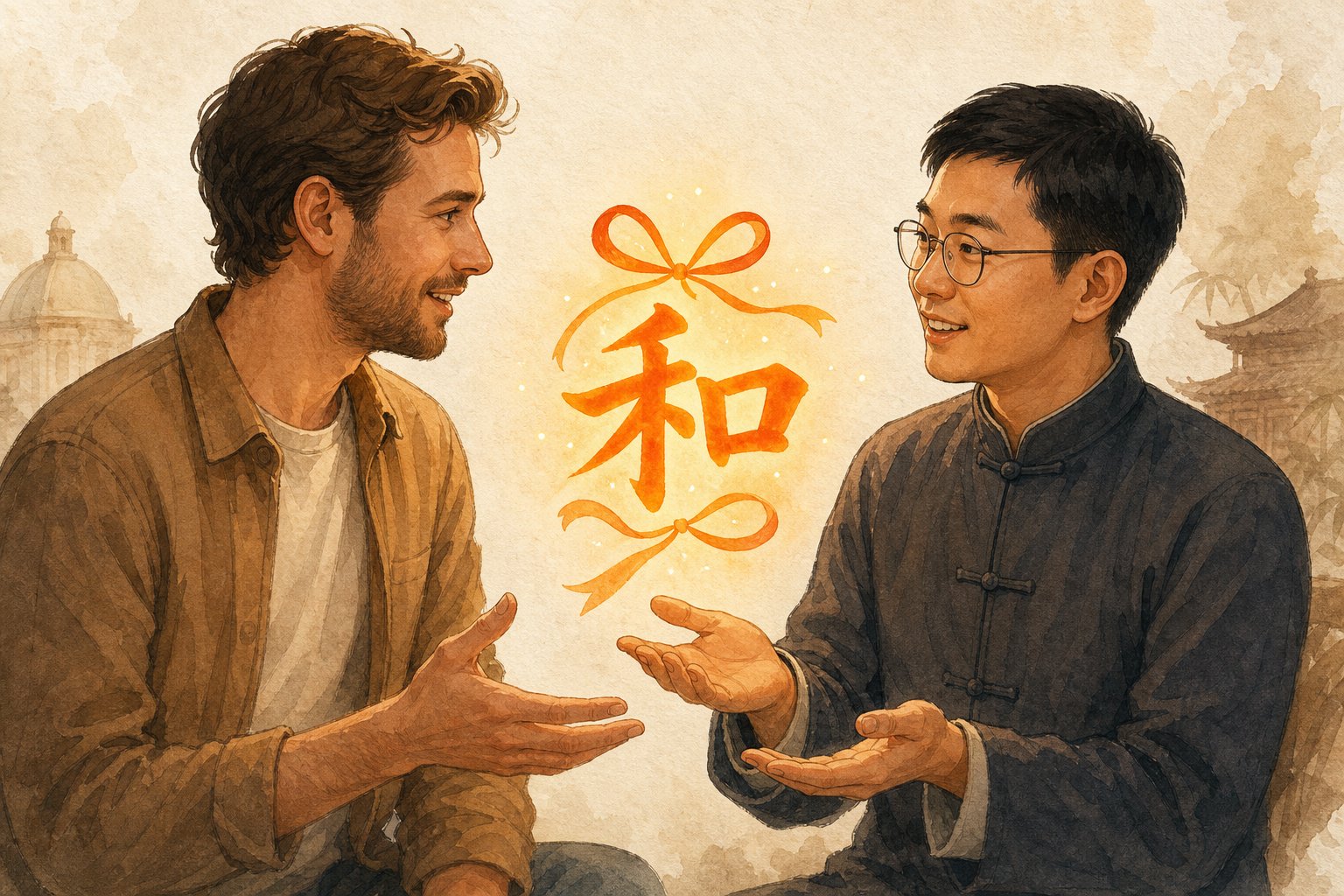
Practical Rules for Non-Chinese Speakers Using Nicknames
Foreigners living, working, or building relationships in Chinese-speaking environments inevitably encounter the nickname system from both sides. Someone gives you a nickname chinese friends find hilarious but you don't understand. Or you want to create one for yourself and have no idea whether it sounds natural or absurd. The rules covered throughout this article still apply to you. They just require a slightly different navigation strategy.
How to Accept a Chinese Nickname Gracefully
When a Chinese colleague or friend assigns you a nickname, they're making a statement about your relationship. It means you've crossed a threshold. They feel comfortable enough to place you inside their informal social circle rather than keeping you at arm's length with your full foreign name or a stiff title.
The most common pattern is adding 小 (xiao) before a simplified version of your foreign name. An American named Michael might become 小麦 (Xiao Mai), borrowing the first syllable. Someone named Sarah could become 小莎 (Xiao Sha). These phonetic approximations follow the same surname-plus-prefix conventions that Chinese people use with each other.
How should you respond? Accept it warmly. Asking "what does it mean?" is perfectly fine and shows genuine interest. Rejecting a nickname or insisting people use your full English name can feel like you're refusing the closeness being offered. If the nickname sounds odd or you suspect it might carry an unintended meaning, ask a trusted Chinese friend privately rather than questioning the person who gave it to you in front of others.
One important signal to watch for: if multiple people in a group start using your nickname, it has been socially ratified. If only one person uses it and others look uncomfortable, it might be a teasing 绰号 rather than an affectionate 昵称. Context and group reaction tell you which category you're in.
Creating Your Own Chinese Nickname as a Foreigner
Choosing your own nickname chinese culture will actually accept requires more than picking characters that sound like your English name. A self-chosen nickname needs to pass several tests simultaneously: phonetic naturalness, tonal flow, absence of taboo homophones, and appropriateness for your actual social context.
Here's a step-by-step process to evaluate whether a proposed Chinese nickname works:
- Start with sound, not meaning. Identify one or two syllables from your name that map cleanly onto Mandarin sounds. Not every English phoneme has a Chinese equivalent. Sounds like "th," "v," or final consonant clusters don't exist in Mandarin, so approximate rather than force.
- Check the tone pairing. Say your proposed nickname aloud. Does it flow naturally, or do the tones clash? Two fourth tones in a row sound harsh. A third-tone pair triggers sandhi. Aim for combinations that feel musical rather than choppy.
- Run a homophone check. Search each syllable in a Chinese dictionary and scan the other characters that share its pronunciation. If any common homophone means something negative, death, loss, poverty, or anything vulgar, reconsider.
- Test it against the taboo list. Avoid characters from any Chinese elder's name if you're embedded in a specific family or close social group. Ask directly if you're unsure.
- Match the formality to your context. A playful reduplication nickname works among friends your age. A 小 + syllable form works in professional settings. Pet names in chinese romantic contexts follow entirely different rules. Don't use a lovers' pet name as your general social nickname.
- Get native speaker feedback. Before committing, ask at least two native speakers from different regions whether your nickname sounds natural. What works in northern Mandarin might sound strange in Cantonese-influenced communities.
- Keep it short. Two syllables is ideal. Three is acceptable. Anything longer loses the casual, easy quality that makes nicknames functional in daily conversation.
A common mistake foreigners make is choosing characters purely for their beautiful meanings without considering how they sound together. A nickname meaning "elegant jade mountain" might look poetic on paper but sound pretentious or unpronounceable in rapid conversation. Native speakers prioritize sound over meaning in nicknames. Follow their lead.
The cross-cultural angle runs both directions. Chinese people choosing English nicknames face a mirror version of this challenge. In diaspora communities and international workplaces, many Chinese professionals adopt English names like "Kevin," "Grace," or "Vivian" specifically to ease communication with non-Chinese colleagues. These chinese nicknames in english aren't translations of their Chinese names. They're separate social identities chosen for phonetic accessibility and Western cultural associations.
Bilingual nickname culture in overseas Chinese communities creates a layered system where the same person might be 小明 (Xiao Ming) to family, "Mike" to coworkers, 明明 (Mingming) to childhood friends, and something entirely different in their WeChat display name. Each layer serves a different audience and follows different rules. The person navigating between them code-switches not just language but entire identity registers.
For non-Chinese speakers entering this system, the most respectful approach is also the simplest: pay attention to what people call each other, notice the patterns, and let relationships develop at their natural pace. The nickname system rewards patience and observation. Rushing to claim intimacy through naming, whether by assigning chinese nicknames for lovers too early or adopting an overly casual form before it's been offered, breaks the same rules that trip up native speakers. The difference is that foreigners get slightly more grace for honest mistakes, as long as they show willingness to learn and adjust when corrected.
Frequently Asked Questions About Chinese Nickname Rules
1. What is the difference between 小名 and 昵称 in Chinese?
小名 (xiaoming) is a childhood milk name given by parents or grandparents at birth, often using humble or cute references to protect the child from evil spirits. It stays within the family for life. 昵称 (nicheng) is a broader term covering affectionate pet names used between romantic partners, close friends, or parents addressing children. The key difference is origin and context: xiaoming is assigned at birth by elders, while nicheng develops organically within intimate relationships and can change over time.
2. Can foreigners use Chinese nicknames without offending people?
Yes, but you need to follow the same permission structure that governs native speakers. Wait for a Chinese friend or colleague to offer you a nickname or invite casual address before using one yourself. When creating your own, prioritize natural sound over poetic meaning, check for taboo homophones, keep it to two syllables, and get feedback from native speakers in different regions. The biggest mistake foreigners make is rushing intimacy through naming before the relationship supports it.
3. Why do Chinese parents give babies ugly or humble nicknames?
This tradition stems from an ancient superstition that evil spirits target precious children. By giving a baby a lowly milk name referencing dogs, eggs, stones, or iron, parents made the child seem unworthy of supernatural attention. Names like 狗蛋 (Goudan, dog egg) or 铁柱 (Tiezhu, iron pillar) were historically common for this reason. While modern parents lean toward cuter food and animal names like 豆豆 or 糖糖, the underlying protective impulse still influences naming choices today.
4. What Chinese nickname taboos should I avoid?
The most critical taboos include: never using characters from an elder's given name in a younger person's nickname (called 避讳, bihu); avoiding homophones of 死 (death), 穷 (poverty), or 输 (to lose); steering clear of politically sensitive character combinations associated with leaders or historical events; and being cautious with the number 4, which sounds like death. Regional dialects add extra pitfalls, as a nickname safe in Mandarin might sound vulgar in Cantonese or Hokkien.
5. How do Chinese nickname rules differ between northern and southern China?
The most visible difference is prefix choice. Northern Mandarin speakers favor 小 (xiao, little) for younger people and 老 (lao, old) for established peers, while southern speakers, particularly Cantonese, Hakka, and Teochew communities, overwhelmingly use 阿 (a) as a universal prefix that carries no age implication. Southern 阿 works for elders, peers, and juniors alike, making it more flexible than the age-sensitive northern prefixes. Homophone taboos also vary by dialect, so a nickname that works in Beijing may cause discomfort in Guangzhou.