Why Chinese Nicknames Are Taking Over TikTok
Scroll through TikTok long enough and you'll notice a pattern: creators with Chinese-inspired handles tend to stop your thumb mid-swipe. Names like Xiaolong, Yueliang, or Lingyu carry a weight and rhythm that generic English usernames simply can't match. That's not a coincidence. Nicknames in Chinese draw from centuries of naming tradition where every character holds meaning, from personality traits and natural imagery to family bonds and aspirations.
Chinese naming conventions pack layers of significance into just one or two characters. A name like Baobao (treasure) or Xuehua (snowflower) isn't just phonetically interesting. It tells a micro-story. On a platform where you have fractions of a second to make an impression, that kind of built-in depth gives creators an edge over yet another variation of "username12345."
Chinese nicknames function like tiny poems. Each character carries visual beauty, tonal musicality, and embedded meaning, three qualities that make them naturally suited to personal branding on short-form video platforms.
Why Chinese Nicknames Work on TikTok
The rise of Chinese-inspired aesthetics on social media, from C-drama edits to calligraphy videos and Douyin trends crossing over to global TikTok, has made these names feel both fresh and culturally resonant. A well-chosen Chinese nickname signals creativity and cultural awareness without saying a word. It also stands out visually in a sea of Latin-script handles, whether you use characters in your display name or romanized pinyin in your username.
Chinese endearments and playful terms also tap into the platform's love of personality-driven branding. Funny names in Chinese like Doudou (little bean) or Baozi (dumpling) land with warmth and humor, making a creator feel instantly approachable.
Who This Guide Serves
This guide works for two audiences. If you're an English-speaking creator drawn to the sound and aesthetic of Chinese names, you'll find options that are easy to romanize into a typeable handle. If you're a Chinese-speaking user looking for creative display names or fresh spins on familiar naming patterns, you'll find structured inspiration organized by vibe and content niche. Either way, the goal is the same: a TikTok identity that's memorable, meaningful, and unmistakably yours.
The real power of these nicknames, though, depends on where you place them. TikTok treats usernames and display names very differently, and that distinction shapes which format, characters or romanization, will actually work for your profile.
TikTok Username vs Display Name and How Chinese Nicknames Fit
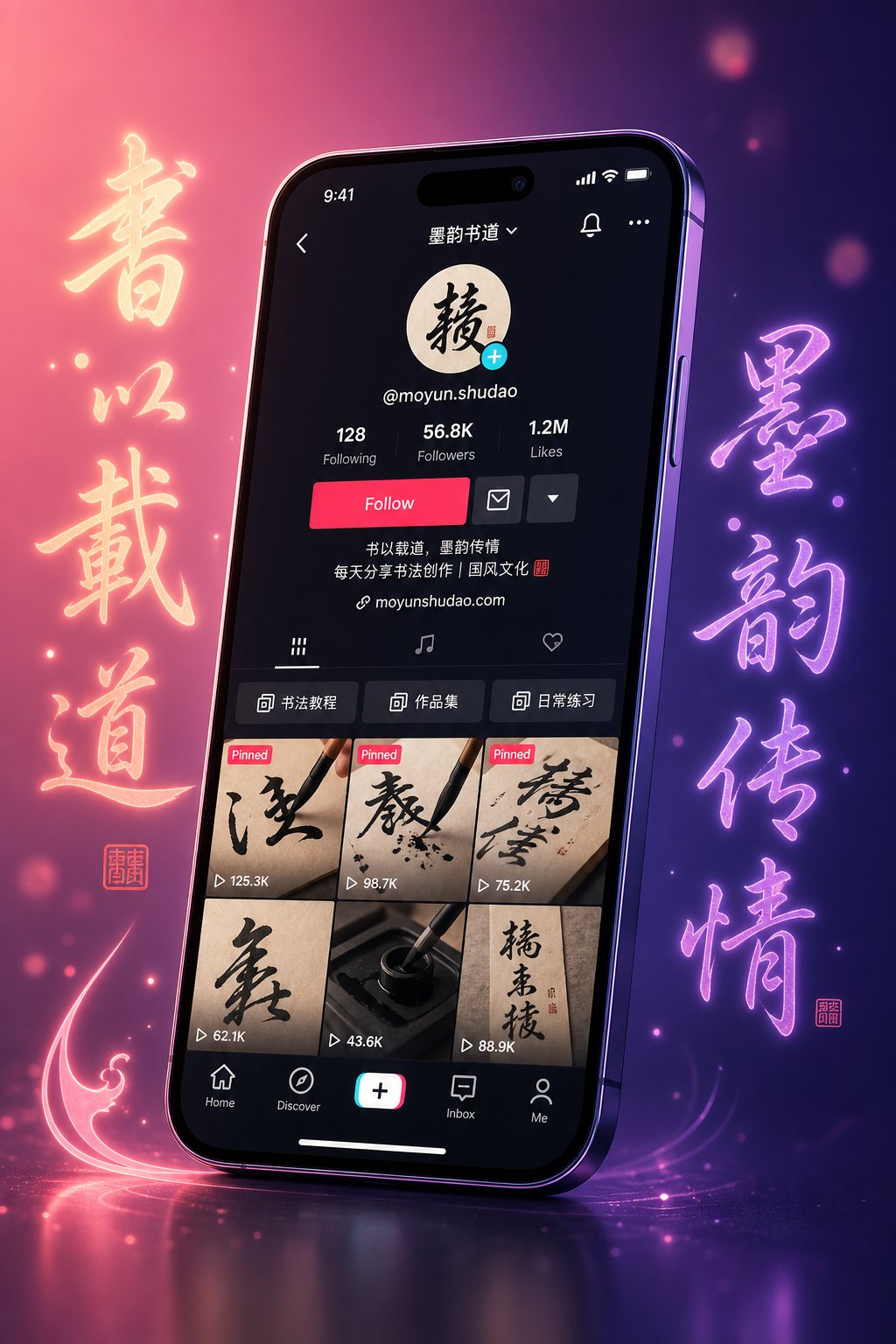
You've picked the perfect Chinese nickname, but where does it actually go on your profile? TikTok gives you two separate identity fields, your username and your display name, and they follow completely different rules. Understanding this distinction is the difference between a polished Chinese-inspired profile and a frustrating "invalid characters" error.
TikTok Username Rules and Character Limits
Your TikTok username is the handle that follows the @ symbol. It's your unique identifier, the thing people type to tag you in comments or find your profile URL (tiktok.com/@yourname). The platform enforces strict formatting rules here:
- Only letters (A-Z, a-z), numbers (0-9), underscores (_), and periods (.) are allowed
- No spaces, hyphens, emojis, or special characters
- Length must be between 2 and 24 characters
- Periods and underscores cannot appear at the beginning or end
- You can only change it once every 30 days
What does this mean for Chinese usernames? You cannot type Chinese characters into the username field. Period. The system will reject them instantly. Instead, you'll need to romanize your chosen Chinese nickname into pinyin, the standard system for spelling Chinese sounds with Latin letters. A name like Xiaomeng (little dream) or Tianle (sweet joy) fits perfectly within these constraints.
Display Name Flexibility for Chinese Characters
Your display name is the bold text that appears above your username on your profile page and beside your comments. This field is far more forgiving. It supports Chinese characters, emojis, special Unicode symbols, and mixed scripts. You can change it as often as you like with no waiting period.
This is where Chinese display names truly shine. You can write your nickname in its original characters, like Xiaomeng, and your audience sees the visual beauty of the script itself. You can also combine characters with English text or emojis for a hybrid look, something like "Meng | Little Dream" to serve both Chinese-speaking and English-speaking followers at once.
| Feature | Username (@handle) | Display Name |
|---|---|---|
| Allowed characters | Letters, numbers, underscores, periods only | Chinese characters, emojis, special symbols, mixed scripts |
| Chinese character support | No (must use romanized pinyin) | Yes (full Unicode support) |
| Character limit | 2-24 characters | Up to 30 characters |
| Uniqueness requirement | Must be globally unique | No uniqueness required |
| Change frequency | Once every 30 days | Unlimited changes |
| Searchability | Exact match in search and tagging | Appears in search results but less precise |
| Best use for Chinese nicknames | Pinyin romanization (e.g., @xiaomeng) | Original characters (e.g., Xiaomeng) or character-English hybrid |
Choosing the Right Format for Your Audience
Your target audience should drive the decision between characters and romanization. Think about who you want finding your profile.
If your content targets Chinese-speaking viewers, using characters in your display name makes you instantly recognizable and searchable within that community. Chinese users naturally search in characters, so a display name like Tiantian (sweet) will surface for those queries. Your username can still be the pinyin equivalent, @tiantian, giving you coverage in both scripts.
If you're primarily reaching English-speaking audiences, a romanized Chinese username works as both your handle and a conversation starter. Names like @lingyu (spirit rain) or @meihua (plum blossom) look elegant in Latin script and prompt curiosity. You might then use the display name to add the characters alongside an English translation, bridging both worlds.
For creators building a bilingual audience, the smartest approach is pairing a pinyin username with a character-based display name. This way, your profile is discoverable regardless of which script someone types into the search bar. You'll notice many successful bilingual creators on TikTok use exactly this dual-format strategy to maximize reach without sacrificing aesthetic cohesion.
With the technical framework clear, the real fun begins: choosing a Chinese nickname that matches your creative identity. The aesthetic vibe you're going for, whether cute, edgy, ethereal, or playful, will shape which characters and sounds feel right for your profile.
Chinese Nicknames Organized by Aesthetic Vibe
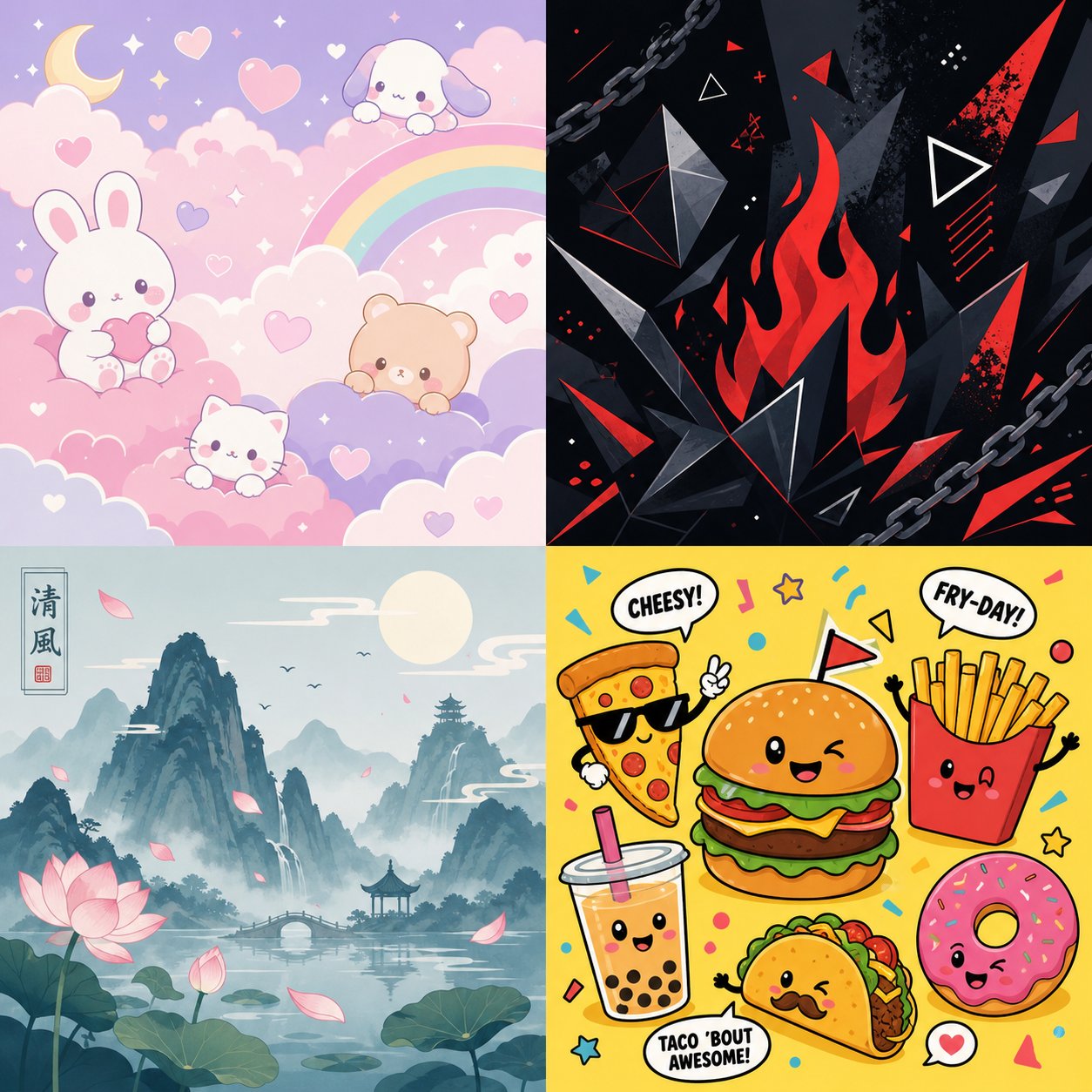
Your TikTok vibe isn't just about the content you post. It starts with the name people see before they ever hit play. Rather than sorting Chinese nicknames by relationship type (boyfriend, girlfriend, friend), let's organize them by the aesthetic energy they project. Think of these four categories as mood boards for your profile identity.
Cute and Adorable Chinese Nicknames
The cute aesthetic (可爱, ke'ai) dominates TikTok's softer side, from pastel-themed creators to wholesome lifestyle content. These names use reduplication, food imagery, and diminutive prefixes to create an instantly warm, approachable feel.
- 糖糖 (Tang Tang) - "Sugar Sugar" - sweet and playful, perfect for lifestyle or beauty creators
- 小桃子 (Xiao Tao Zi) - "Little Peach" - fresh and youthful with a fruity charm
- 奶茶 (Nai Cha) - "Milk Tea" - cozy and trendy, taps into boba culture
- 兔兔 (Tu Tu) - "Bunny Bunny" - soft and endearing through reduplication
- 棉花糖 (Mian Hua Tang) - "Marshmallow" - fluffy and lighthearted
- 小星星 (Xiao Xing Xing) - "Little Star" - bright and aspirational
- 豆豆 (Dou Dou) - "Little Bean" - compact and charming
Cute names tend to perform well with younger demographics and audiences drawn to ASMR, skincare routines, and cozy content. The reduplication pattern (repeating a character twice) is a hallmark of Chinese endearment that instantly signals warmth.
Cool and Edgy Chinese Handles
Looking for cool chinese nicknames that project confidence? The edgy aesthetic (酷, ku) draws from martial arts imagery, dark natural elements, and powerful character combinations that feel sharp and commanding.
- 黑狼 (Hei Lang) - "Black Wolf" - fierce and independent
- 刀锋 (Dao Feng) - "Blade's Edge" - sharp and dangerous
- 暗影 (An Ying) - "Dark Shadow" - mysterious with an edge
- 铁心 (Tie Xin) - "Iron Heart" - unbreakable resolve
- 烈焰 (Lie Yan) - "Fierce Flame" - intense and powerful
- 孤鹰 (Gu Ying) - "Lone Eagle" - solitary strength
- 墨龙 (Mo Long) - "Ink Dragon" - artistic yet formidable
These handles resonate with gaming, fitness, and streetwear audiences. They carry the kind of weight that makes a profile feel established before someone even watches a single video.
Mysterious and Ethereal Name Ideas
The ethereal aesthetic (仙, xian, meaning "immortal" or "celestial") pulls from Chinese mythology, nature poetry, and the dreamy visual language of xianxia fantasy. These names feel like they belong to a character in a period drama.
- 云烟 (Yun Yan) - "Cloud Mist" - drifting and otherworldly
- 月影 (Yue Ying) - "Moon Shadow" - poetic and elusive
- 清风 (Qing Feng) - "Clear Breeze" - serene and untouchable
- 灵溪 (Ling Xi) - "Spirit Stream" - flowing and magical
- 霜华 (Shuang Hua) - "Frost Blossom" - delicate yet cold
- 幽兰 (You Lan) - "Hidden Orchid" - rare and refined
- 梦蝶 (Meng Die) - "Dream Butterfly" - references the famous Zhuangzi parable
Ethereal names attract audiences interested in art, traditional Chinese culture, dance, and cinematic content. They work especially well for creators who lean into visual storytelling and atmospheric editing.
Funny and Playful Chinese Nicknames
Humor is deeply embedded in Chinese nickname culture. Silly chinese names and playful self-deprecation are a staple of how Chinese speakers show affection and personality online. If your content leans comedic, these humorous chinese names set the right expectation from the first glance.
- 土豆 (Tu Dou) - "Potato" - the ultimate couch-dweller energy
- 笨蛋侠 (Ben Dan Xia) - "Dumb Egg Hero" - self-aware and goofy
- 肥猫 (Fei Mao) - "Fat Cat" - lazy and lovable
- 摸鱼王 (Mo Yu Wang) - "King of Slacking Off" - references the popular internet slang for pretending to work
- 吃货 (Chi Huo) - "Foodie" (literally "eating machine") - relatable and food-obsessed
- 菜鸟 (Cai Niao) - "Noob Bird" - humble and self-deprecating
- 沙雕 (Sha Diao) - "Sand Sculpture" - internet slang for hilariously absurd
These asian nicknames funny enough to get a laugh also build instant rapport with viewers. Comedy and food creators especially benefit from names that don't take themselves too seriously. On Chinese social media platforms like Douyin, self-deprecating humor in usernames is a proven strategy for appearing relatable and boosting follow-through rates.
Each of these aesthetic categories gives you a starting point, but the strongest TikTok names go one step further. They align not just with a vibe but with a specific content niche, creating a seamless connection between what your name promises and what your videos deliver.
Chinese Nicknames Matched to Your TikTok Content Niche
A name that matches your vibe is good. A name that matches your vibe and your content? That's branding. When someone lands on your profile and your nickname already hints at what you create, they're far more likely to hit follow. Think of it this way: a food creator named Chihuo (eating machine) sets expectations before a single video plays. That alignment between name and niche reduces friction and builds trust instantly.
Below you'll find Chinese nickname suggestions organized by some of TikTok's most popular content categories. Each entry includes the characters, pinyin pronunciation, English meaning, and a suggested username format that fits TikTok's alphanumeric-only handle rules.
Gaming and Esports Chinese Nicknames
Gaming content thrives on names that project skill, power, or playful competitiveness. Many of these double as chinese gamertags you can use across platforms, and several work as roblox chinese display name ideas if you're building a cross-platform identity. The best chinese names for games tend to be short, punchy, and easy to remember in voice chat.
| Niche | Chinese Characters | Pinyin | English Meaning | Suggested Username |
|---|---|---|---|---|
| Gaming | 战神 | Zhan Shen | God of War | @zhanshen_gg |
| Gaming | 影刺 | Ying Ci | Shadow Assassin | @yingci |
| Gaming | 王者 | Wang Zhe | Champion / King | @wangzhe_plays |
| Gaming | 雷霆 | Lei Ting | Thunder | @leiting99 |
| Gaming | 无敌 | Wu Di | Invincible | @wudi_gaming |
Gaming nicknames benefit from aggressive, high-energy characters. Words referencing combat, mythical creatures, or elemental forces signal that your content is competitive and action-driven. These names also translate well to streaming platforms and game lobbies, giving you a consistent identity across TikTok, Twitch, and in-game profiles.
Beauty and Fashion Chinese Name Ideas
Beauty creators need names that feel polished, aspirational, and visually elegant. Chinese characters related to flowers, jade, light, and color work beautifully here because they mirror the sensory language of makeup and fashion content.
| Niche | Chinese Characters | Pinyin | English Meaning | Suggested Username |
|---|---|---|---|---|
| Beauty | 玉颜 | Yu Yan | Jade Complexion | @yuyan_beauty |
| Beauty | 彩霞 | Cai Xia | Colorful Clouds | @caixia.glow |
| Fashion | 锦衣 | Jin Yi | Brocade Garments | @jinyi_style |
| Beauty | 桃妆 | Tao Zhuang | Peach Makeup | @taozhuang |
| Fashion | 风尚 | Feng Shang | Vogue / Trend | @fengshang_fit |
Notice how these names evoke texture and color without being literal. A name like Yuyan (jade complexion) carries centuries of Chinese beauty ideals in two characters, immediately positioning you within a tradition of elegance that resonates with both Chinese-speaking and international audiences.
Food and Comedy Creator Nicknames
Food and comedy are two niches where playfulness in your name pays dividends. Audiences in these spaces respond to warmth, humor, and relatability, so your nickname should feel like an invitation rather than a brand statement.
| Niche | Chinese Characters | Pinyin | English Meaning | Suggested Username |
|---|---|---|---|---|
| Food | 馋猫 | Chan Mao | Greedy Cat | @chanmao_eats |
| Food | 锅气 | Guo Qi | Wok Energy | @guoqi_kitchen |
| Food | 饭桶 | Fan Tong | Rice Bucket (big eater) | @fantong |
| Comedy | 戏精 | Xi Jing | Drama King/Queen | @xijing_lol |
| Comedy | 段子手 | Duan Zi Shou | Joke Master | @duanzishou |
| Food | 小灶 | Xiao Zao | Little Stove (home cooking) | @xiaozao_cook |
| Comedy | 皮皮虾 | Pi Pi Xia | Mantis Shrimp (meme reference) | @pipixia_tv |
Food nicknames in Chinese often use animal metaphors or self-deprecating humor about appetite. Comedy names lean into internet slang that Chinese-speaking audiences recognize immediately. Xijing (drama queen) and Pipixia (mantis shrimp, a viral meme character) both carry built-in cultural context that makes your content feel native to the platform rather than imported.
Dance and Lifestyle Niche Options
Dance creators benefit from names suggesting movement, rhythm, or physical grace. Lifestyle creators have more flexibility but tend to gravitate toward names that feel aspirational or aesthetically pleasing.
| Niche | Chinese Characters | Pinyin | English Meaning | Suggested Username |
|---|---|---|---|---|
| Dance | 飞燕 | Fei Yan | Flying Swallow | @feiyan_dance |
| Dance | 旋风 | Xuan Feng | Whirlwind | @xuanfeng |
| Lifestyle | 清欢 | Qing Huan | Simple Joys | @qinghuan_life |
| Lifestyle | 慢生活 | Man Sheng Huo | Slow Living | @manshenghuo |
| Dance | 舞灵 | Wu Ling | Dance Spirit | @wuling_moves |
The key principle across all niches is this: your name should create a promise that your content fulfills. When someone sees @chanmao_eats and your first video is a sizzling wok close-up, there's zero cognitive gap. That seamless match between identity and content is what turns casual viewers into loyal followers.
Of course, having the perfect Chinese characters is only half the equation. Turning those characters into a username that TikTok's system actually accepts requires understanding how pinyin romanization works and which formatting tricks keep your handle both readable and unique.
Turning Chinese Characters Into Typeable TikTok Handles
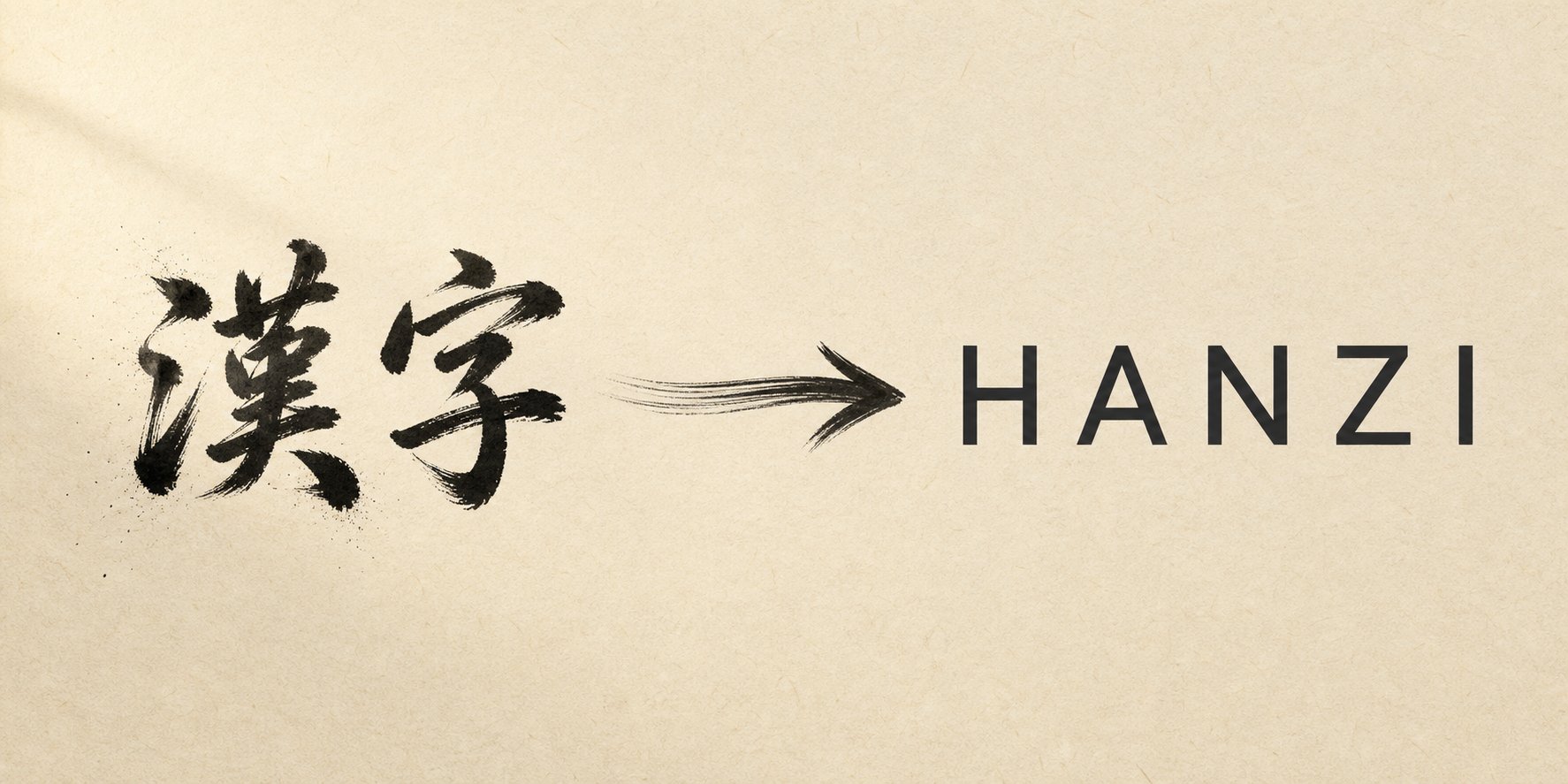
You've found the perfect chinese nickname, maybe something like 梦蝶 (Dream Butterfly) or 战神 (God of War). It looks beautiful in characters. But when you try to type it into TikTok's username field, nothing happens. The platform only accepts Latin letters, numbers, underscores, and periods. So how do you bridge the gap between a character-based name and a valid handle?
The answer is pinyin, Mandarin's official romanization system. Pinyin uses the same 26 letters on your keyboard to represent Chinese sounds. Unlike English, where spelling can be wildly inconsistent (think "through" vs "though"), each pinyin combination maps to one specific sound. That consistency makes it reliable for converting any nick name in chinese into a clean, typeable username.
Pinyin Basics for Username Creation
Here's what you need to know about pinyin for TikTok purposes. In standard written Chinese, pinyin includes tone marks, small diacritical symbols placed over vowels that indicate pitch (like the marks in mǎ or lè). These tone marks are essential for pronunciation, but they're irrelevant for usernames. TikTok's handle field doesn't support diacritics, so you simply drop them.
You also need to handle a few pinyin-specific quirks:
- The letter "ü" (as in 女, nǚ) becomes "nv" or "nu" in username format since the umlaut isn't typeable
- Multi-syllable names get joined together without spaces (小星星 becomes xiaoxingxing)
- Apostrophes used to separate ambiguous syllables (like 西安, xi'an) are dropped or replaced with underscores
The core process is straightforward: take the characters, find their pinyin spelling, strip the tone marks, and merge the syllables into one continuous string. That string becomes your base username.
Examples of Character-to-Username Conversions
Let's walk through the exact steps using a real example. Imagine you want the nickname chinese creators love: 云烟 (Cloud Mist).
- Start with your chosen Chinese characters: 云烟
- Look up the pinyin for each character: yún yān
- Remove all tone marks: yun yan
- Remove the space between syllables: yunyan
- Check if it meets TikTok's 2-24 character limit: "yunyan" is 6 characters, well within range
- Search TikTok to see if @yunyan is available
- If taken, apply formatting variations (covered below)
That same process works for any nickname. Here's how a few popular choices convert:
| Chinese Characters | Pinyin (with tones) | Tone Marks Removed | Base Username |
|---|---|---|---|
| 小桃子 | xiǎo táo zi | xiao tao zi | xiaotaozi |
| 黑狼 | hēi láng | hei lang | heilang |
| 梦蝶 | mèng dié | meng die | mengdie |
| 飞燕 | fēi yàn | fei yan | feiyan |
| 馋猫 | chán māo | chan mao | chanmao |
Formatting Tricks to Make Pinyin Usernames Unique
Here's where creativity kicks in. Since popular pinyin combinations get claimed quickly, you'll often need variations. The good news is that a single chinese nickname can generate dozens of valid username options without losing its identity.
Take 云烟 (yunyan) as your base. All of these are valid TikTok handles derived from the same name:
- Add a niche suffix: @yunyan_art, @yunyan_dance, @yunyan.draws
- Use underscores as syllable separators: @yun_yan
- Add culturally meaningful numbers: @yunyan520 (520 sounds like "I love you" in Chinese), @yunyan88 (8 means prosperity)
- Double a character for emphasis: @yunyunyan or @yunyanyan
- Prefix with "xiao" (little): @xiao_yunyan
- Combine pinyin with English: @yunyan.vibes, @the.yunyan
- Use initials for longer names: 小星星 (xiao xing xing) becomes @xxing or @x.xingxing
Numbers carry special weight in Chinese internet culture. Beyond 520 (wǔ èr líng, sounds like "wǒ ài nǐ" / I love you), you'll see 666 (smooth/impressive), 888 (wealth), and 1314 (forever). Adding these to a pinyin base doesn't just solve availability problems. It layers in meaning that Chinese-speaking followers will immediately recognize.
The flexibility of this system means you're never stuck. Every chinese nickname you liked from the earlier sections can become a working TikTok handle through this conversion process. And once you understand the mechanics, you can go further than copying specific names. The real unlock is learning the structural patterns behind Chinese nicknames so you can generate entirely original combinations on your own.

Chinese Naming Patterns That Generate Unlimited Username Ideas
Copying a name from a list gets you started. Understanding the system behind those names makes you unstoppable. Chinese nicknames aren't random character pairings. They follow predictable linguistic patterns, structural formulas that native speakers use instinctively when creating pet names in chinese, playful handles, and affectionate terms. Learn these patterns once, and you can generate original combinations endlessly rather than competing for the same overused handles everyone else found on the same list.
Think of it like learning chord progressions instead of memorizing individual songs. Once you know the shapes, you can compose your own music. Here are the four most productive patterns Chinese-speaking creators use to build TikTok identities.
Reduplication and Affectionate Prefixes
Reduplication (叠词, diecí) is the simplest and most recognizable pattern in Chinese nickname culture. You take a single character and repeat it. That's it. The repetition transforms a regular word into something intimate, playful, and unmistakably nickname-like. This is the same mechanism behind chinese pet names for lovers, baby names, and close-friend terms alike.
- 甜甜 (Tian Tian) - repeating "sweet" creates an endearing name, like calling someone "Sweetie"
- 乐乐 (Le Le) - doubling "happy" gives it a bouncy, cheerful energy
- 安安 (An An) - "peaceful" repeated feels calm and soothing
- 萌萌 (Meng Meng) - doubling "cute" amplifies the adorable factor
- 悠悠 (You You) - "leisurely" repeated evokes a dreamy, unhurried vibe
Reduplication works because it softens any character. Even strong words become approachable when doubled. A character like 龙 (long, dragon) feels fierce alone, but 龙龙 (Long Long) sounds like a lovable pet name.
Affectionate prefixes take a different approach. Instead of repeating, you attach a modifier to the front of a name or word to shift its emotional register. The two most common are 小 (xiǎo, little) and 老 (lǎo, old/elder), both of which carry social and emotional nuance far beyond their literal translations.
- 小 (xiǎo) + noun/name - creates warmth, youth, and affection: 小鱼 (Xiao Yu, Little Fish), 小月 (Xiao Yue, Little Moon), 小白 (Xiao Bai, Little White/Newbie)
- 老 (lǎo) + noun/name - signals familiarity, respect, or humorous self-awareness: 老铁 (Lao Tie, Old Iron/Best Buddy), 老猫 (Lao Mao, Old Cat)
- 阿 (ā) + name - adds southern Chinese warmth and intimacy: 阿宝 (A Bao, Dear Treasure), 阿飞 (A Fei, Dear Flyer)
For TikTok handles, the 小 prefix is especially powerful. It's short (only four letters in pinyin: xiao), universally understood, and pairs with virtually anything. Chinese couple nicknames often use this prefix too, with partners calling each other 小宝 (Xiao Bao, Little Treasure) or 小心肝 (Xiao Xingan, Little Sweetheart). These same terms translate beautifully into TikTok usernames like @xiaobao or @xiao_xingan.
Four-Character Idioms as TikTok Handles
Chinese has a vast library of four-character idioms called 成语 (chéngyǔ). These are fixed expressions, often thousands of years old, that pack entire stories or philosophies into exactly four syllables. They're the fortune cookies of the Chinese language, except they're actually used in everyday speech and carry real literary weight.
The four-character structure makes them naturally suited to usernames. They're compact, rhythmic, and instantly recognizable to Chinese speakers. Here's how to adapt them:
- 一鸣惊人 (Yī Míng Jīng Rén) - "Amaze everyone with a single cry" - perfect for creators making a bold debut. Username: @yimingjingren
- 风花雪月 (Fēng Huā Xuě Yuè) - "Wind, flowers, snow, moon" - romantic and poetic, ideal for aesthetic content. Username: @fenghuaxueyue
- 天马行空 (Tiān Mǎ Xíng Kōng) - "Heavenly horse galloping through the sky" - signals wild creativity. Username: @tianmaxingkong
- 浮生若梦 (Fú Shēng Ruò Mèng) - "Life is like a dream" - philosophical and ethereal. Username: @fushengruomeng
- 卧虎藏龙 (Wò Hǔ Cáng Lóng) - "Crouching Tiger, Hidden Dragon" - mysterious power. Username: @wohucanglong
You can also abbreviate idioms for shorter handles. Take the first and last characters, or just the two most evocative ones. 风花雪月 becomes @fengxue (wind and snow) or @huayue (flowers and moon). This gives you a name that hints at the full idiom without requiring all 12+ pinyin letters.
Two-Character Poetic Combinations
Sometimes the most striking names are the simplest. Two-character combinations drawn from nature, emotion, or sensory imagery create names that feel like fragments of classical Chinese poetry. These are the building blocks behind many chinese nicknames for lovers and the elegant display names you see on trending profiles.
The formula is straightforward: pair one evocative character with another to create a compound image.
- Nature + Nature: 星河 (Xing He, Star River/Galaxy), 雪落 (Xue Luo, Falling Snow), 山雾 (Shan Wu, Mountain Mist)
- Emotion + Nature: 念风 (Nian Feng, Missing the Wind), 醉月 (Zui Yue, Drunk on Moonlight), 恋雨 (Lian Yu, Love Rain)
- Color + Object: 青竹 (Qing Zhu, Green Bamboo), 墨羽 (Mo Yu, Ink Feather), 银霜 (Yin Shuang, Silver Frost)
- Action + Nature: 听雪 (Ting Xue, Listening to Snow), 追光 (Zhui Guang, Chasing Light), 踏浪 (Ta Lang, Treading Waves)
These two-character names convert into short, clean usernames (6-10 letters in pinyin) that look elegant and are easy to remember. They also work beautifully as display names in their original characters, giving your profile that poetic visual quality that stops scrollers.
Trending Chinese-speaking TikTok creators consistently use these exact patterns. Reduplication for approachability, prefixes for personality, idioms for depth, and poetic pairs for beauty. The pattern isn't the limit. It's the launchpad.
Mixing patterns multiplies your options further. Combine a prefix with a poetic pair: 小听雪 (Xiao Ting Xue, Little Snow Listener). Use reduplication inside an idiom abbreviation: 星星河 (Xing Xing He, Starry River). Layer a prefix onto a reduplicated base: 阿甜甜 (A Tian Tian, Dear Sweetie). Each combination rule you stack creates exponentially more possibilities.
With these generative patterns in your toolkit, the question shifts from "which name should I copy?" to "which combination best represents me?" But before you finalize your choice, there's a practical consideration that affects who actually finds your profile: whether to present your name in Chinese characters or romanized pinyin, and how that decision shapes your discoverability on the platform.
Characters vs Romanization and What It Means for Discoverability
A gorgeous Chinese nickname means nothing if the people you want to reach can't find you. The format you choose, whether full Chinese characters or romanized pinyin, directly controls which audiences discover your profile through search. This isn't just an aesthetic preference. It's a discoverability strategy with real consequences for growth.
How TikTok Search Handles Chinese Characters
TikTok's search engine processes Chinese characters and Latin-script text as entirely separate indexing systems. When a user types 云烟 into the search bar, TikTok returns profiles, videos, and hashtags containing those exact characters. It does not automatically cross-reference the pinyin equivalent "yunyan." The reverse is also true: searching "yunyan" won't surface profiles that only use 云烟 in their display name.
This means your script choice creates a hard boundary around who can organically discover you. A nickname in Mandarin characters lives in one search universe. The same nickname romanized into pinyin lives in another. The two don't overlap unless you deliberately bridge them by using characters in your display name and pinyin in your username, which is exactly why the dual-format approach discussed earlier matters so much for reach.
There's a nuance worth noting for Cantonese nicknames specifically. TikTok doesn't distinguish between Mandarin and Cantonese readings of the same characters. A display name like 靚仔 (leng zai, "handsome guy" in Cantonese) will surface for anyone searching those characters regardless of dialect. But the romanized Cantonese spelling "lengzai" won't match searches for the Mandarin pinyin "liangzai." If you're targeting Cantonese-speaking audiences, characters give you broader coverage than any single romanization system.
Reaching the Right Audience With Your Name Choice
Your target audience should dictate the format, not the other way around. Here's how the tradeoffs break down in practice:
| Factor | Chinese Characters | Romanized Pinyin |
|---|---|---|
| Searchability for Chinese speakers | High - matches natural search behavior | Low - Chinese users rarely search in pinyin |
| Searchability for English speakers | Very low - most can't type characters | High - easy to type and remember |
| Visual aesthetic | Distinctive, elegant, stands out in feeds | Blends with other Latin-script names |
| Pronunciation clarity | Requires Chinese literacy to read | Readable by anyone familiar with Latin alphabet |
| Cross-platform consistency | Limited (many platforms restrict characters in handles) | Works everywhere usernames are alphanumeric |
| Cultural signal | Strong connection to Chinese language and identity | Softer signal, more accessible to global audiences |
| Audience expectation | Viewers expect Chinese-language or bilingual content | No strong content-language expectation |
If you're creating content primarily in Mandarin or targeting Chinese-speaking communities, characters in your display name are non-negotiable. Your audience searches, reads, and engages in that script. A pinyin-only profile feels disconnected from the community you're trying to join.
For English-speaking creators drawn to chinese nicknames in english romanization, pinyin handles work perfectly. Names like @mengdie or @qingfeng carry the phonetic beauty of Chinese without creating a language barrier. Your followers can pronounce your name, type it to tag you, and share it verbally, none of which is easy with character-based handles for non-Chinese speakers.
Bilingual creators benefit most from the hybrid approach: a pinyin username (@xiaoyunyan) paired with a character display name (小云烟). This captures search traffic from both script systems and signals to both audiences that your content bridges cultures.
Cultural Respect When Using Chinese Nicknames
If you're not a Chinese speaker, adopting a Chinese-inspired name is perfectly fine, but a few guidelines keep it respectful rather than reductive.
- Understand what your name means. Don't pick characters purely for how they look. A name that seems aesthetically pleasing might carry unintended meanings, negative connotations, or sound awkward to native speakers. Always verify the meaning and context.
- Avoid sacred or historically sensitive terms. Names referencing specific deities, imperial titles, or culturally sacred concepts can feel appropriative when used casually by someone outside the culture.
- Don't mock tonal pronunciation for humor. Playful names are great, but humor that relies on mispronouncing Chinese or treating the language as inherently funny crosses a line.
- Credit your inspiration. If your name was inspired by a Chinese friend, a C-drama character, or a specific cultural concept, mentioning that context in your bio shows awareness rather than appropriation.
- Use it as a bridge, not a costume. The best Chinese-inspired handles belong to creators who genuinely engage with the culture through their content, whether that's learning the language, exploring Chinese cuisine, or sharing cross-cultural experiences.
A nickname in Mandarin or Cantonese carries cultural weight. Treating it with the same care you'd give any borrowed cultural element, learning its meaning, using it sincerely, and engaging with the community it comes from, turns your name choice into a genuine connection rather than a surface-level aesthetic grab.
With your format decided and cultural considerations addressed, there's one final practical hurdle: confirming your chosen name is actually available on TikTok, and knowing what to do when it inevitably isn't.

Checking Availability and Creating Unique Variations
You've settled on a Chinese nickname that fits your vibe, matches your niche, and respects the culture behind it. One problem remains: someone else probably got there first. Popular pinyin combinations like @xiaomeng, @yunyan, or @tianle were claimed years ago. That doesn't mean your name is dead. It means you need a system for checking availability quickly and generating smart variations that preserve the original meaning.
How to Check TikTok Username Availability
Before you get attached to any single handle, run through this process to confirm whether it's open or taken:
- Open TikTok and tap your profile icon, then select "Edit Profile"
- Tap the username field and type your desired pinyin handle (e.g., yunyan)
- TikTok will display a red warning if the name is already claimed or violates formatting rules
- If it's taken, don't save. Instead, note it down and move to variations
- Search the handle directly in TikTok's search bar (with the @ symbol) to see who currently owns it and whether the account is active
- Check the same name on other platforms you use for cross-platform consistency
- Repeat with your top 3-5 backup options before committing
Preparing multiple variations before you start checking saves time and frustration. Treat your first-choice name as a base, not a final answer.
Creative Variation Strategies When Your Name Is Taken
When your ideal handle is unavailable, these strategies let you stay close to the original while creating something uniquely yours:
- Add a niche-related suffix: @yunyan_draws, @yunyan.cooks, @mengdie_dance. This solves availability and signals your content type simultaneously.
- Use culturally meaningful numbers: @yunyan520 (520 sounds like "I love you"), @heilang666 (666 means "awesome"), @xiaobao888 (8 represents prosperity). These aren't random digits. Chinese-speaking followers recognize them instantly.
- Combine pinyin with English words: @the.yunyan, @yunyan.vibes, @just_mengdie. This hybrid approach works especially well for bilingual creators.
- Apply the 小 (xiao) prefix: If @yunyan is taken, try @xiao_yunyan or @xiaoyunyan. The prefix adds warmth without changing the core identity.
- Swap in lesser-known synonym characters: If 云烟 (cloud mist) is taken everywhere, try 雾岚 (Wu Lan, fog and mist) which carries a similar meaning but uses rarer characters with less competition in pinyin form.
- Use initials or abbreviations: 风花雪月 (feng hua xue yue) becomes @fhxy or @fengxue, keeping the poetic reference compact.
Meaningful Number and Symbol Additions
Numbers in Chinese internet culture carry specific emotional weight. Adding them to your handle isn't filler. It's a second layer of meaning that resonates with anyone familiar with Chinese number slang.
| Number | Pinyin Sound | Meaning | Example Handle |
|---|---|---|---|
| 520 | wǔ èr ling | I love you (sounds like 我爱你) | @tiantian520 |
| 1314 | yī sān yī si | Forever (sounds like 一生一世) | @xiaobao1314 |
| 666 | liu liu liu | Awesome / smooth | @wudi666 |
| 88 | bā bā | Prosperity (double luck) | @yunyan88 |
| 233 | er sān sān | LOL / laughing | @pipixia233 |
| 77 | qī qī | Togetherness (sounds like 齐齐) | @mengmeng77 |
A handle like @tiantian520 doesn't just solve an availability problem. It tells Chinese-speaking followers that this creator understands the culture deeply enough to layer in numeric wordplay. For creators using chinese girlfriend nicknames or chinese pet names for boyfriend as their handle base, numbers like 520 and 1314 add romantic context that feels natural rather than forced. Imagine a couples' content account using a chinese name for girlfriend like 小甜心 (Little Sweetheart) combined with 520: @xiaotianxin520 reads as both a name and a love note.
Similarly, chinese nicknames for boyfriend like 大宝 (Da Bao, Big Treasure) or chinese pet names for girlfriend like 亲爱 (Qin Ai, Darling) pair naturally with meaningful numbers to create handles that are personal, culturally layered, and almost certainly available: @dabao1314, @qinai520.
The real power here is combinatorial. You're not limited to one strategy at a time. Stack a prefix, a poetic two-character base, and a meaningful number: @xiao_tingxue88. Combine a niche suffix with an idiom abbreviation: @fengxue_art. Pair reduplication with a content signal: @tangtang.cooks. Every pattern from the earlier sections becomes a building block you can remix infinitely.
Your next step is simple. Pick two or three naming patterns that resonate with your creative identity, generate five to ten variations using the conversion and formatting techniques covered here, and check them against TikTok's availability in one sitting. The best Chinese-inspired TikTok names aren't the ones that sound perfect in isolation. They're the ones that are actually claimable, culturally grounded, and aligned with the content you're building. Grab yours before someone else reads this guide and beats you to it.
Frequently Asked Questions About Chinese Nicknames for TikTok
1. Can I use Chinese characters in my TikTok username?
No, TikTok usernames (the @handle) only accept letters, numbers, underscores, and periods. Chinese characters must be converted to pinyin romanization for the username field. However, your display name fully supports Chinese characters, emojis, and mixed scripts, making it the ideal place to showcase your nickname in its original form.
2. How do I convert a Chinese nickname into a valid TikTok handle?
Start by looking up the pinyin spelling for each character, then remove all tone marks and spaces between syllables. For example, 云烟 becomes yun yan, then yunyan. If the result is taken, add meaningful numbers like 520 or 88, niche suffixes like _art or _dance, or the prefix xiao to create a unique variation that TikTok accepts.
3. What are some popular Chinese naming patterns for creating unique TikTok names?
Four main patterns dominate Chinese TikTok naming: reduplication (repeating a character like 甜甜), affectionate prefixes like 小 (little) or 阿, four-character idioms shortened into handles, and two-character poetic combinations pairing nature or emotion words. Mastering these patterns lets you generate original names instead of copying from lists.
4. Do Chinese characters or pinyin work better for TikTok discoverability?
It depends on your target audience. Chinese characters rank well for Chinese-speaking users who search in their native script, while pinyin handles are easier for English speakers to find, type, and share. The most effective strategy for bilingual reach is using pinyin in your username and Chinese characters in your display name to capture both search systems.
5. What do numbers like 520, 666, and 888 mean in Chinese TikTok usernames?
These numbers carry cultural meaning based on how they sound in Mandarin. 520 sounds like 'I love you,' 666 means 'awesome' or 'smooth,' 888 represents prosperity, 1314 means 'forever,' and 233 is the equivalent of LOL. Adding them to a pinyin handle solves availability issues while layering in meaning that Chinese-speaking followers instantly recognize.