Understanding Hakka Chinese Surnames and Their Significance
Imagine two people sharing the exact same written surname character, yet their family names sound completely different when spoken aloud. One says "Ye," the other says "Yap." Both are correct. This is the reality of Hakka Chinese surnames, a category of Chinese family names shaped by centuries of migration, linguistic preservation, and cultural resilience.
The Hakka are a subgroup of Han Chinese whose ancestors originated in the Huang He (Yellow River) valley, in what are now Henan and Shanxi provinces. Successive waves of migration, beginning as early as the 4th century and continuing through the 13th century, carried these communities southward into Guangdong, Fujian, Jiangxi, and Guangxi provinces. Today, the global Hakka population is estimated at roughly 80 million. Each migration preserved older phonological features in their speech, and those features show up clearly in how they pronounce and romanize their surnames.
Whether you are a casual learner curious about the diversity of asian names or a genealogy researcher trying to decode a great-grandparent's immigration record, understanding these surname distinctions unlocks real insight into Chinese cultural history.
What Makes Hakka Surnames Distinct
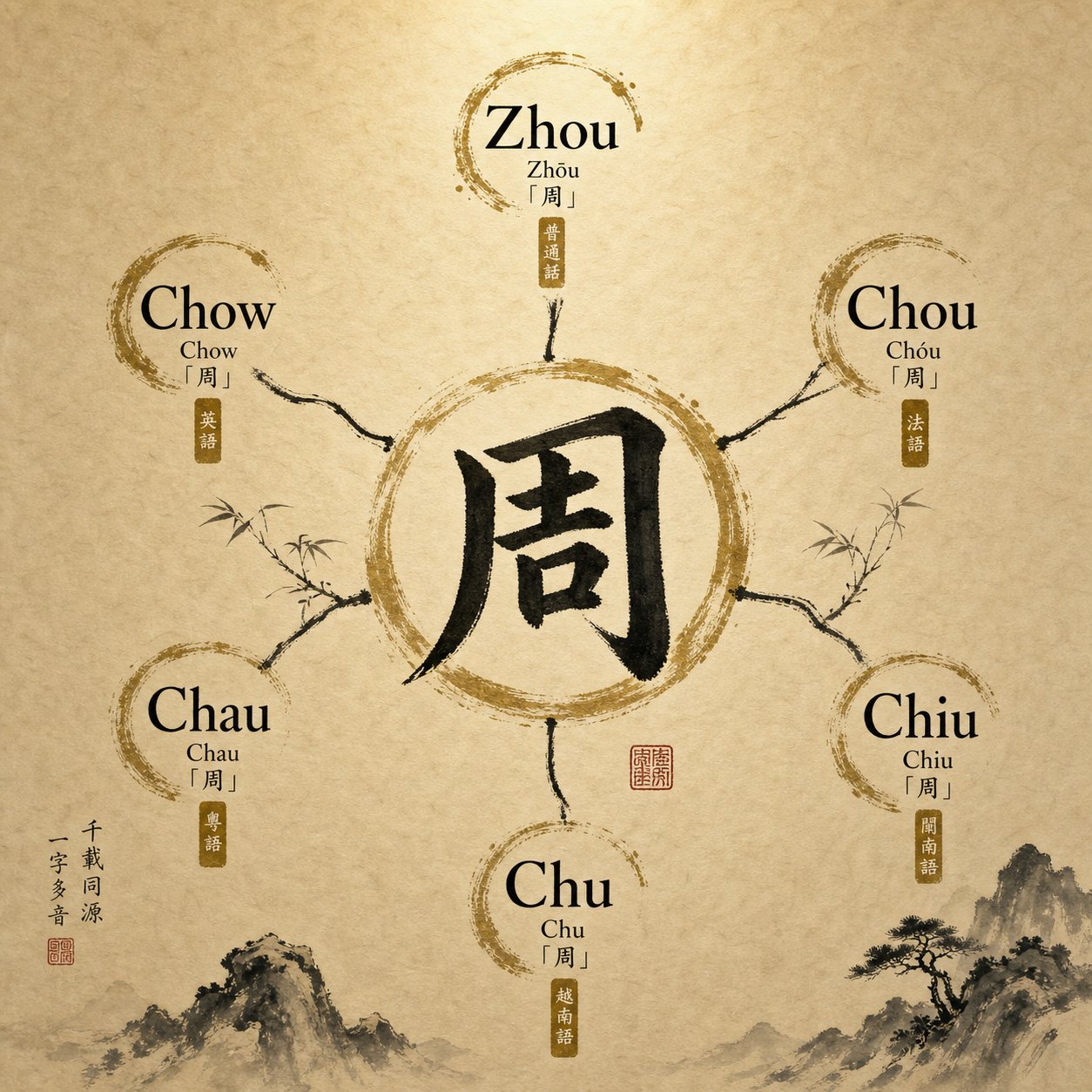
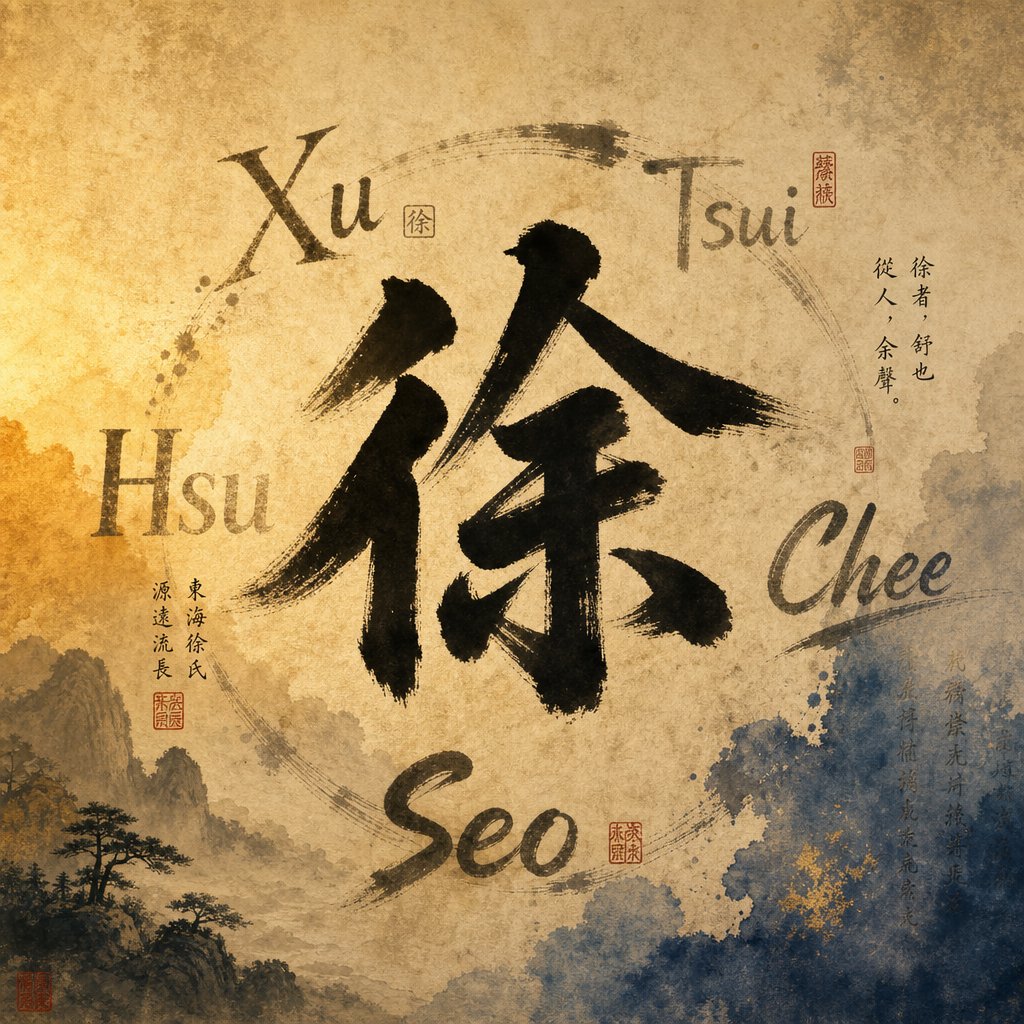
Chinese surnames are written with characters, but characters are not sounds. The same character can produce entirely different pronunciations depending on the dialect group reading it. Hakka, Cantonese, Hokkien, and Mandarin each apply their own phonological system to the same set of written Chinese surnames. The result? A single family name character generates multiple romanized spellings across communities.
The Hakka language shares initial and final consonants with Cantonese while its vowel system more closely resembles Modern Standard Chinese. It retains six tones and preserves syllabic nasal sounds that function as vowels. These phonological traits directly influence how Hakka speakers render their family names into romanized form, producing spellings that look nothing like their Mandarin Pinyin equivalents.
Why Hakka Surname Spelling Matters for Identity
For diaspora members scattered across Malaysia, Taiwan, Singapore, Thailand, Jamaica, and beyond, a surname spelling is often the strongest remaining link to Hakka heritage. Yet confusion is common. Immigration officers, school registrars, and even family members from different branches may not recognize that two seemingly unrelated spellings trace back to the same character and the same lineage.
Hakka pronunciation preserves features of older Chinese that Mandarin and most other modern dialects have lost, making Hakka surnames a living record of medieval Chinese phonology.
This preservation is not accidental. The Hakka never fully assimilated into the native southern populations they settled among, maintaining distinct communities and linguistic practices across generations. Their name, likely derived from the Cantonese pronunciation of the Mandarin word kejia meaning "guest people," reflects this enduring separateness. That same separateness kept their surname pronunciations intact while surrounding dialects evolved in different directions.
Understanding how these asian names and surnames diverged from standard readings is more than an academic exercise. It is a practical key for reconnecting family histories split apart by geography and time, and it reveals just how much phonological history a single syllable can carry.
Historical Origins and Migration Patterns Behind Hakka Surnames
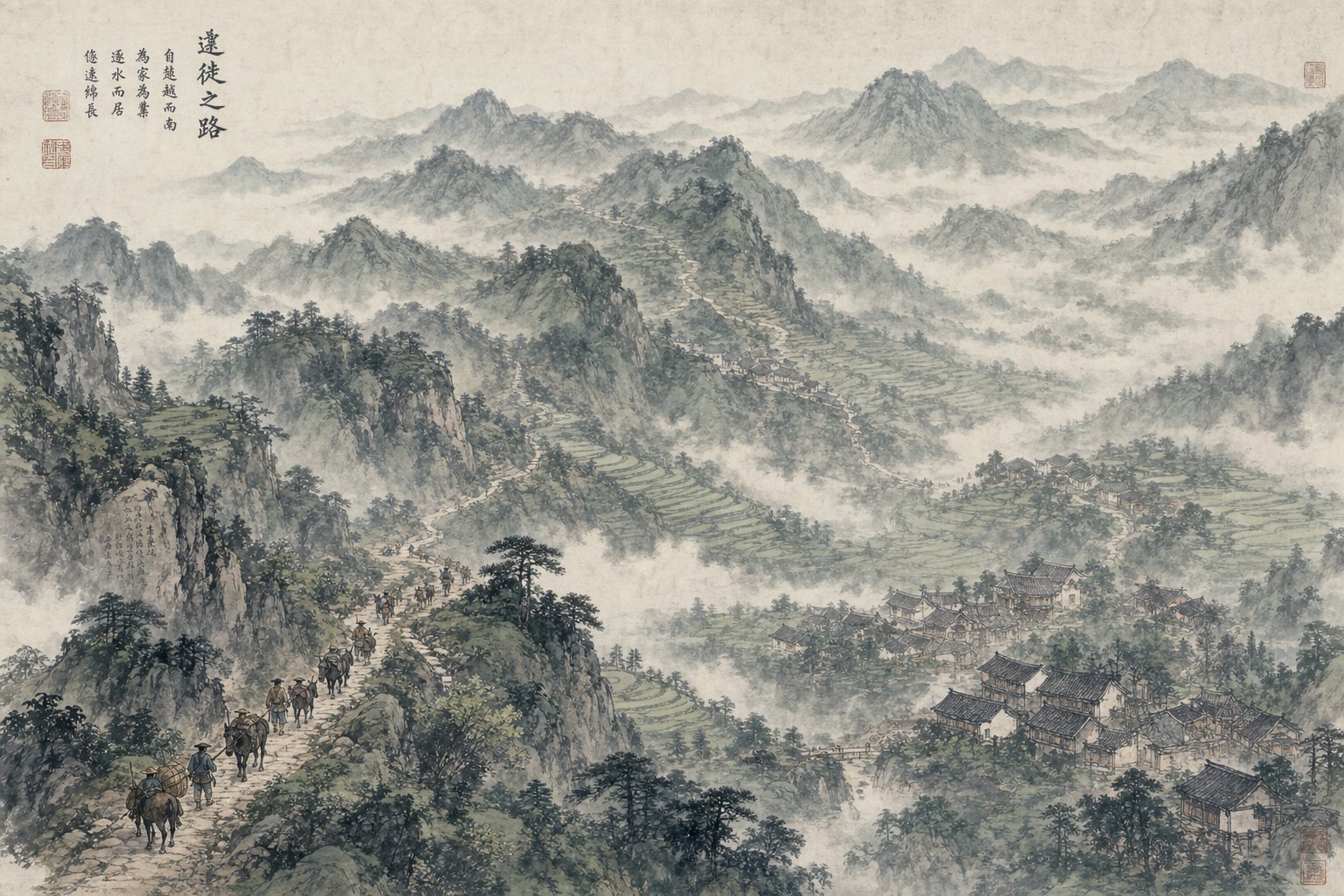
That phonological separateness did not emerge overnight. It was forged across roughly 1,700 years of successive relocations, each one depositing clusters of chinese last names into new territories while sealing older pronunciations in place. To understand why certain surnames dominate specific Hakka communities today, you need to trace the migration waves that carried those families south.
The Hakka draw from the same pool of characters recorded in the Baijiaxing (百家姓), the classic Hundred Family Surnames text compiled during the Song dynasty. Yet when a Hakka speaker reads that text aloud, the result sounds strikingly different from a Mandarin reading. The character 張, for instance, becomes "Cheong" or "Chong" in Hakka rather than "Zhang" in Mandarin. These divergences trace directly to when and where each chinese family branch settled during the great southward migrations.
Six Migration Waves That Shaped Hakka Surname Distribution
Historians traditionally identify six major waves that moved Han Chinese populations from the Central Plains into southern China. While modern scholars debate whether these migrations were uniquely Hakka, the movements themselves shaped the geographic distribution of what we now recognize as Hakka surname communities. Each wave was triggered by war, invasion, or political collapse in the north, pushing families further into mountainous terrain where they maintained linguistic cohesion.
The earliest wave during the Qin and Han dynasties brought military settlers into what is now northern Guangdong. Later waves, particularly the massive displacement during the Jin dynasty's collapse around 300 CE, deposited large surname groups into Fujian and Jiangxi. By the Song-Yuan transition in the 13th century, the most common chinese surnames among Hakka communities had already concentrated in recognizable patterns.
| Migration Wave | Period | Trigger | Primary Regions Settled | Dominant Surnames |
|---|---|---|---|---|
| First | Qin-Han (221 BCE - 220 CE) | Military expansion southward | Northern Guangdong, southern Jiangxi | Liu (劉), Li (李), Zhao (趙) |
| Second | Jin Dynasty (~304-439 CE) | Five Barbarians invasion | Southern Jiangxi, western Fujian | Huang (黃), Xie (謝), Zhong (鍾) |
| Third | Late Tang (~880-960 CE) | Huang Chao Rebellion | Eastern Guangdong, southern Fujian | Lai (賴), Zeng (曾), Ye (葉) |
| Fourth | Song-Yuan (~1127-1279) | Mongol invasion | Jiaying (Meizhou), eastern Guangdong | Chen (陳), Zhang (張), Lin (林) |
| Fifth | Ming-Qing (~1644-1732) | Manchu conquest, coastal evacuation | Western Guangdong, Sichuan, Taiwan | Wu (吳), Peng (彭), Xu (徐) |
| Sixth | Mid-Qing onward (~1850s+) | Taiping Rebellion, Punti-Hakka Wars | Southeast Asia, Hainan, overseas | Luo (羅), Fang (方), He (何) |
How Migration Created Surname Clustering in Specific Regions
Why do certain surnames in asia cluster so heavily in particular towns? The answer lies in how Hakka migrants traveled. Families moved in clan groups, not as isolated individuals. When a Zhong clan settled in a valley in Jiangxi, they brought cousins, in-laws, and neighbors bearing the same surname. Over generations, that valley became overwhelmingly Zhong.
This pattern repeated across Guangdong, Fujian, and Jiangxi provinces. Meizhou, often called the Hakka heartland, became dominated by surnames like Chen, Li, and Huang. Western Guangdong communities around Xinyi developed strong concentrations of Cheng and Sung lineages. In Fujian's Tingzhou prefecture, Lin and Zhong families established deep roots during the third and fourth waves.
The result is a geographic mosaic where knowing someone's surname and their ancestral county can often pinpoint exactly which migration wave brought their chinese family to that region. This clustering also explains why Hakka surname pronunciations vary even among Hakka speakers. A Lai family rooted in Meizhou may pronounce their name slightly differently from a Lai family whose branch settled in Huizhou two centuries earlier.
These regional pronunciation differences become even more dramatic once you compare Hakka romanizations against Cantonese, Hokkien, and Mandarin spellings of the same characters, a comparison that reveals just how far a single written surname can travel phonetically across dialect boundaries.
How Hakka Surname Romanization Differs from Other Dialects
Consider the character 葉. In Mandarin Pinyin, it becomes Ye. A Cantonese speaker writes Ip or Yip. A Hakka speaker? Yap. Three completely different spellings, all pointing to the same written chinese surname. This is not a quirk of one character. It is a systematic pattern that runs through every major surname in the Hakka dialect, producing romanizations that can puzzle even native Chinese speakers unfamiliar with the system.
The confusion multiplies in diaspora communities. A person with the chinese last name Ng might descend from the character 吳 through Cantonese or Hakka lineage, or from 黃 through Hokkien or Teochew heritage. The family name Ng, in other words, does not map to a single origin without knowing which dialect produced the spelling. Chinese surnames are overwhelmingly one syllable last names in their written form, but that single syllable gets filtered through radically different sound systems depending on the speaker's dialect group.
Hakka vs Cantonese vs Mandarin Surname Spellings
The differences are not random. Each dialect group applies its own set of phonological rules to the same characters, and those rules produce predictable patterns once you understand them. The table below compares how eight common surname characters appear across four major dialect systems. You'll notice that Hakka spellings often preserve final consonants like -p, -t, and -k that Mandarin has completely dropped.
| Character | Hakka | Cantonese | Hokkien | Mandarin Pinyin |
|---|---|---|---|---|
| 葉 | Yap | Ip / Yip | Iap / Yap | Ye |
| 王 | Wong / Vong | Wong | Ong / Heng | Wang |
| 張 | Chong / Cheong | Cheung | Teo / Teoh | Zhang |
| 劉 | Liew / Lew | Lau | Lau | Liu |
| 陳 | Chin / Chan | Chan | Tan | Chen |
| 黃 | Wong / Vong | Wong | Ng / Ooi | Huang |
| 吳 | Ng / Ung | Ng | Goh | Wu |
| 林 | Lim | Lam | Lim | Lin |
A few patterns jump out immediately. Hakka and Hokkien sometimes converge where Cantonese diverges (林 is Lim in both Hakka and Hokkien, but Lam in Cantonese). Meanwhile, Hakka and Cantonese share the Wong reading for both 王 and 黃, creating potential confusion that only context or knowledge of the original character can resolve.
Why the Same Character Produces Different Romanizations
The core reason is historical sound change, or more precisely, the absence of it. Middle Chinese, the prestige language of the Tang and Song dynasties, contained a rich inventory of final stop consonants: -p, -t, and -k. Mandarin lost all three over the centuries. Cantonese kept all three. The Hakka dialect also preserved them, which is why 葉 ends in "-p" (Yap) in Hakka but becomes the open syllable "Ye" in Mandarin.
Initial consonants shifted too. Mandarin developed retroflex sounds (zh-, ch-, sh-) that neither Hakka nor Cantonese adopted in the same way. The character 張 starts with "zh-" in Mandarin but "ch-" in Hakka and Cantonese. Hokkien went further, dropping the initial consonant cluster entirely to produce "Teo."
Vowel systems add another layer. Hakka maintains certain vowel distinctions that collapsed in Mandarin. The character 劉 uses a diphthong that Hakka renders as "-iew" while Cantonese flattens to "-au" and Mandarin produces "-iu." These are not arbitrary spelling choices. They reflect genuine phonological differences preserved across generations of speakers who never fully merged their sound systems with surrounding populations.
What makes these one syllable last names so deceptive is their apparent simplicity. A single syllable, a single character, yet the romanized output can look like an entirely different name depending on which dialect community produced it. For genealogy researchers, a single surname character like 陳 has been romanized as Chen, Chan, Chin, Tan, Ting, and more, each spelling a breadcrumb pointing back to a specific dialect origin.
Recognizing these patterns transforms what looks like chaos into a readable map. Once you know that a final "-p" or "-t" likely signals Hakka or Cantonese origin, and that "Tan" almost certainly indicates Hokkien heritage, you can begin reverse-engineering a family's dialect roots from nothing more than the spelling on an old immigration document. That detective work becomes even more productive when paired with knowledge of which surnames appear disproportionately often in Hakka communities and why.
Most Common Hakka Surnames and Their Meanings
Not all Chinese surnames are equally distributed across dialect groups. Some names that rank modestly in the general Chinese population show up at dramatically higher rates within Hakka communities. This concentration is not coincidental. It reflects the clan-based migration patterns that moved specific surname groups into Hakka-dominant territories over centuries, locking certain lineages into demographic prominence.
If you are scanning a list of common chinese last names and wondering which ones signal Hakka heritage, frequency alone tells part of the story. The most popular chinese last names in China overall (Wang, Li, Zhang) certainly exist among Hakka speakers, but several surnames punch far above their national weight within Hakka populations specifically.
Surnames Disproportionately Common Among Hakka People
Among the most common chinese last names in China, Chen (陳) and Li (李) dominate across all dialect groups. Within Hakka communities, however, surnames like Lai (賴), Chung (鍾), Yap (葉), Phang (彭), and Zeng (曾) appear at rates two to five times higher than their national averages. The reason traces back to those clan-based migrations. When a Lai lineage relocated to Meizhou during the late Tang dynasty, they brought an entire extended network. Generations of intermarriage within the community amplified that surname's local share.
In some Hakka villages in Guangdong and Jiangxi provinces, a single surname accounts for over 80% of the population, a concentration level rarely seen in Mandarin-speaking regions where surname diversity tends to be higher.
This clustering means that encountering certain romanized spellings in diaspora records, particularly Hakka-specific romanizations like Chung, Phang, or Yap, provides a strong initial signal of Hakka ancestry even before confirming dialect background.
Meanings and Character Origins of Top Hakka Surnames
Understanding chinese surnames and meanings adds genealogical depth beyond simple identification. Each character carries etymological weight rooted in ancient occupations, geographic features, or ancestral states. Here are the most prevalent surnames found in Hakka communities, ranked by their frequency within Hakka populations:
- Chen (陳) - Originally the name of an ancient feudal state in present-day Henan. The character means "to display" or "to arrange." It is the single most common surname among Hakka speakers in Guangdong.
- Lin (林) - Means "forest" or "grove." The lim last name origin traces to the descendants of Bi Gan, a loyal minister of the Shang dynasty. Hakka speakers romanize it as Lim, identical to the Hokkien spelling.
- Huang (黃) - Means "yellow." Derived from an ancient state name. Romanized as Wong or Vong in Hakka, making it visually identical to the Cantonese rendering of 王.
- Zhong / Chung (鍾) - Means "bell" or "clock." Disproportionately common among Hakka compared to the general population. Many Chung lineages trace to Jiangxi province settlements during the Jin dynasty migration.
- Lai (賴) - Means "to depend on" or "to rely upon." One of the most distinctly Hakka-associated surnames, with heavy concentration in Meizhou and surrounding counties.
- Ye / Yap (葉) - Means "leaf." The Hakka romanization Yap preserves the final -p stop consonant lost in Mandarin. Strongly associated with Hakka communities in Malaysia and Southeast Asia.
- Peng / Phang (彭) - Derived from an ancient state name near present-day Jiangsu. The Hakka spelling Phang reflects the aspirated initial consonant characteristic of Hakka phonology.
- Zeng (曾) - Means "once" or "formerly" in modern usage, but as a surname it derives from a small feudal state. Hakka speakers often romanize it as Tsen or Tsang.
- Wu / Ng (吳) - Originally the name of the ancient Wu state. The Hakka romanization Ng uses a syllabic nasal, a sound that functions as a complete syllable without any vowel.
- Liu / Liew (劉) - Means "to kill" in its archaic sense, though the surname derives from a place name. The Hakka spelling Liew preserves a diphthong that Cantonese flattens to Lau.
Several of these surnames share a common thread: they originate from ancient state names or feudal territories that no longer exist. This pattern reflects how early Chinese surnames often functioned as geographic markers rather than personal identifiers, tying a lineage permanently to a place their ancestors may have left two thousand years ago.
That geographic anchoring extends beyond the surname character itself. Hakka clans developed a secondary identification system, the ancestral hall name, that pinpoints exactly which branch of a surname you belong to and where your specific lineage originated. These hall names function as a genealogical layer sitting directly on top of the surname, adding precision that the surname alone cannot provide.
Ancestral Hall Names and Hakka Genealogical Traditions
A surname tells you which clan someone belongs to. An ancestral hall name, or tang hao (堂號), tells you which branch of that clan and where they came from. Think of it as a second layer of identity sitting directly beneath the surname, one that narrows millions of people sharing a character down to a specific lineage rooted in a specific place.
What Are Ancestral Hall Names in Hakka Culture
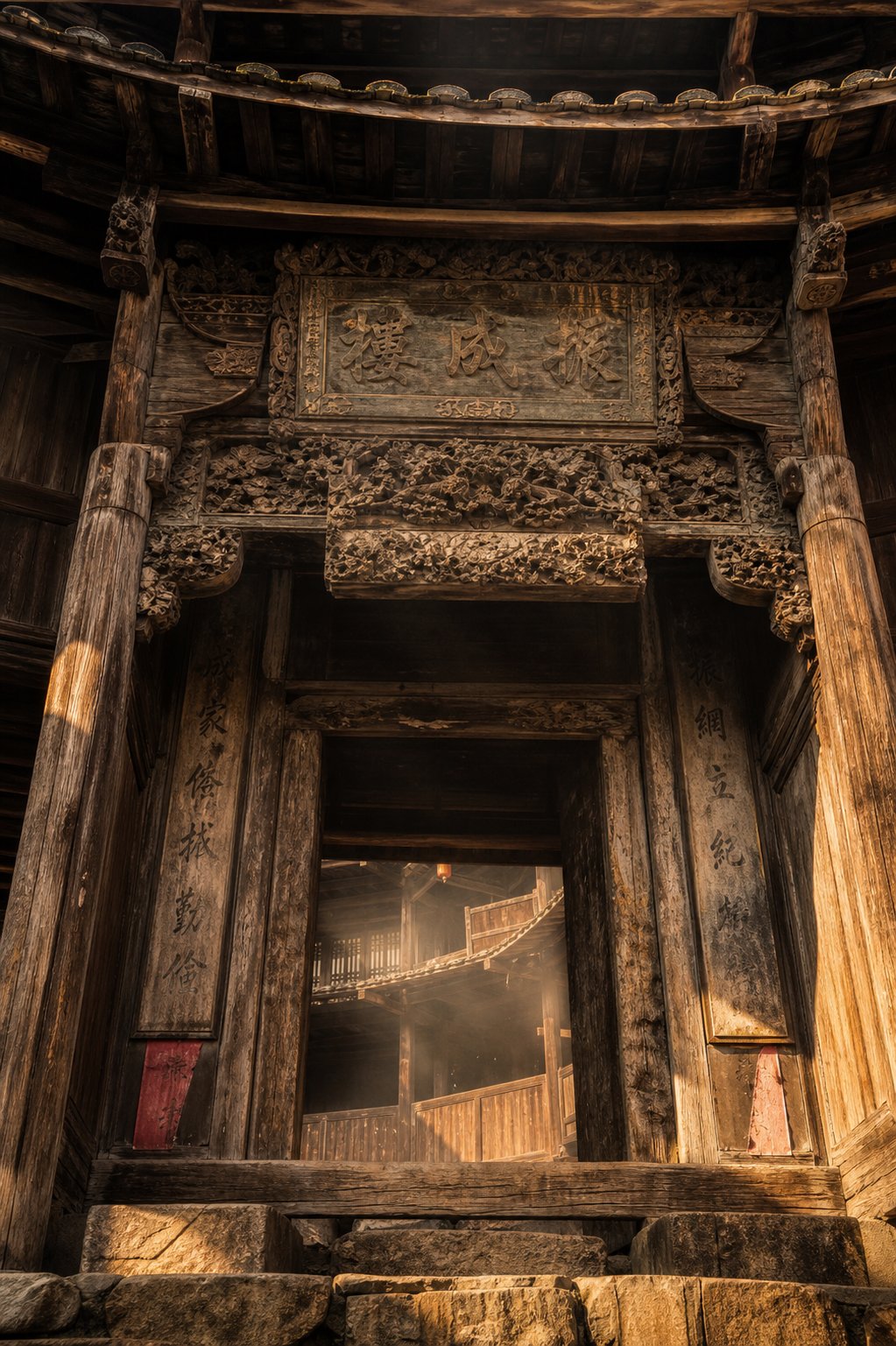
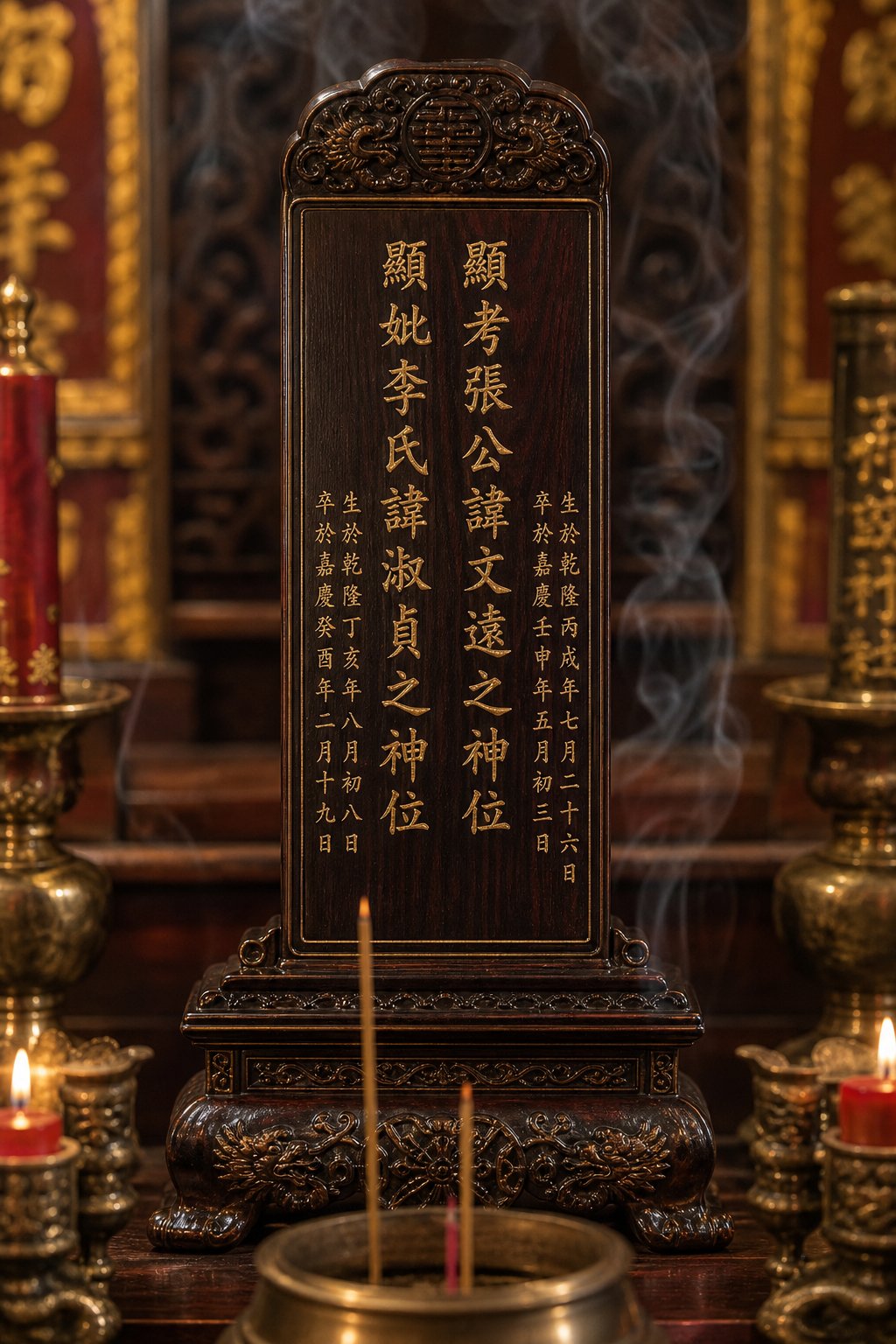
A tang hao is a clan hall designation that identifies a family's geographic origin or commemorates an ancestor's achievement. You'll find them inscribed on ancestral tablets, tombstones, genealogy books, door plaques, and even wedding decorations. In Hakka communities, these hall names carry particular weight because they function as proof of lineage in a culture where multiple unrelated branches may share the same surname character.
The origins of a tang hao typically fall into a few categories: the ancestral homeland or commandery where the family rose to prominence, a classical story associated with the clan, a moral teaching, or the name of a founding ancestor. For example, Jiangxia (江夏) is the most widely used hall name among Huang families worldwide, representing roughly 70% of all Huang lineages. It traces to Huang Xiang (18-106 CE), a Han dynasty minister whose filial devotion became legendary enough to appear in the Three Character Classic.
When you are researching chinese last names and meanings, the tang hao adds a dimension that the surname character alone cannot provide. Two families both surnamed Huang might belong to entirely different branches with different migration histories, different ancestral villages, and different hall names. The tang hao resolves that ambiguity.
How Hall Names Connect Hakka Families Across Generations
For diaspora Hakka families building a chinese family tree, the tang hao often serves as the critical link between overseas descendants and ancestral villages in China. In Singapore, elderly Hakka residents still hang tang hao plaques outside their HDB flats, preserving a tradition that once marked kampong doorways. These plaques spark conversations across generations, connecting younger family members to surnames and meanings they might otherwise never encounter.
Clan associations throughout Southeast Asia incorporate tang hao directly into their organizational names. The Chia (Pow Soo) Hakka Clan Association in Singapore, for instance, includes Baoshu (宝树) in its Chinese name, identifying it specifically as a Xie (謝) clan organization. Knowing your family's hall name can point you toward the right clan association, the right genealogy records, and ultimately the right ancestral village.
A single surname may have multiple tang hao. The Chen clan alone has at least eight, including Yingchuan (颍川), Runan (汝南), and Xiapi (下邳). Conversely, a single tang hao is not always exclusive to one surname. In Fujian and Guangdong, six different surnames, Hong (洪), Jiang (江), Wang (汪), Gong (龔), Weng (翁), and Fang (方), all share the hall name Liugui (六桂), because all six descend from the same Weng lineage.
The table below pairs common Hakka surnames with their most frequently associated tang hao, along with the geographic or historical origin behind each hall name. If you are exploring chinese names and meanings within your own family, this is a practical starting point for narrowing your search.
| Surname (Character) | Hakka Romanization | Tang Hao (Hall Name) | Origin of Hall Name |
|---|---|---|---|
| 陳 | Chin / Chan | Yingchuan (颍川) | Yingchuan Commandery, Henan Province |
| 林 | Lim | Xihe (西河) | Xihe Commandery, Gansu/Henan border region |
| 黃 | Wong / Vong | Jiangxia (江夏) | Jiangxia Commandery, present-day Wuhan, Hubei |
| 李 | Li | Longxi (陇西) | Longxi Commandery, Gansu Province |
| 張 | Chong / Cheong | Qinghe (清河) | Qinghe Commandery, Hebei Province |
| 王 | Wong / Vong | Taiyuan (太原) | Taiyuan Commandery, Shanxi Province |
| 謝 | Chia | Baoshu (宝树) | "Precious tree" - classical reference to Xie clan's flourishing |
| 郭 | Kok / Kwok | Fenyang (汾阳) | Title of Tang dynasty General Guo Ziyi, Prince of Fenyang |
| 鄭 | Chang / Cheng | Xingyang (荥阳) | Xingyang County, Henan Province |
Notice how nearly every hall name points back to a northern Chinese location, often in Henan, Hebei, Shanxi, or Hubei. This geographic pattern reinforces the Hakka narrative of Central Plains origin. Even after centuries in southern China, the tang hao anchors each clan's identity to the north, preserving a sense of rootedness that transcends the surname itself.
These hall names also reveal something practical for genealogy work: they encode migration timing. A family using Jiangxia as their tang hao likely traces through the Han dynasty establishment in Hubei before later southward moves. A family using a less common hall name may belong to a branch that split off at a different historical moment. Paired with generational naming conventions and local records, the tang hao becomes a powerful tool for reconstructing how Hakka families moved across geography and time, particularly once those families crossed national borders into diaspora communities where official records often obscured dialect origins entirely.
How Hakka Surnames Transformed Across the Global Diaspora
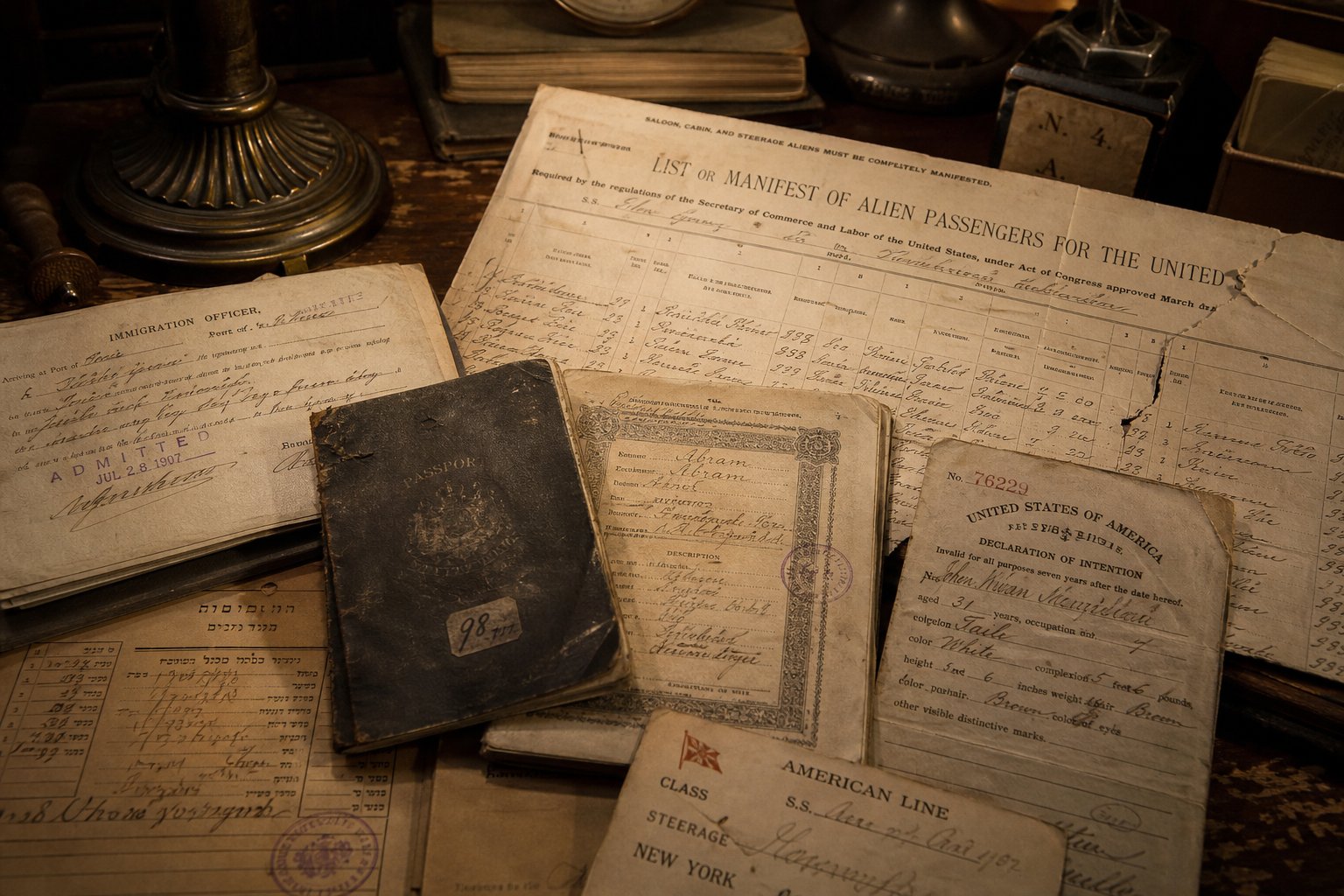
Once Hakka families crossed national borders, their surnames entered foreign administrative systems that had no framework for Chinese phonology. A colonial clerk in British Malaya, a ship steward passing through Hong Kong, a registrar in Kingston, Jamaica, each one filtered the same spoken surname through a different ear, a different language, and a different set of spelling conventions. The result is that common asian last names of Hakka origin can look completely unrelated across countries, even when they trace to the same character and the same family.
This is not a minor inconvenience. For diaspora descendants trying to reconnect family branches, these spelling divergences create real barriers. A Lowe in Jamaica, a Lau in Hong Kong, and a Liew in Malaysia might all descend from the character 劉, yet their official documents suggest no connection whatsoever.
Hakka Surnames in Malaysia Singapore and Southeast Asia
Malaysia and Singapore host the largest Hakka diaspora communities outside mainland China and Taiwan. In these countries, surname romanization was shaped by a patchwork of colonial-era systems, dialect-group self-identification, and local registration practices that varied by state and decade.
In British Malaya, Chinese immigrants typically registered their names through dialect-speaking intermediaries. A Hakka speaker would give their surname in Hakka pronunciation, and a clerk would transcribe it into English spelling based on what they heard. No standardized romanization system existed. The result was organic but inconsistent. A 張 family in Ipoh might be registered as Cheong, while the same surname in Sabah became Chong, and in Penang it appeared as Chang, all depending on which sub-dialect of Hakka the speaker used and which clerk did the writing.
Singapore followed a similar pattern under British administration, though post-independence standardization efforts in the 1960s and 1970s encouraged families to adopt consistent spellings for national identity cards. Many Hakka families in Singapore retained their dialect romanizations rather than switching to Mandarin Pinyin, which is why you still encounter Hakka-origin spellings like Phang, Yap, and Chung on Singaporean identity documents today.
In Indonesia, the situation took a more disruptive turn. Under Suharto-era policies in the late 1960s, ethnic Chinese were pressured to adopt Indonesian-sounding names. Many Hakka families replaced their surnames entirely, making it difficult for later generations to trace their original chinese family names without oral history or pre-1966 documents.
Hakka Surnames in Taiwan India and the Caribbean
Taiwan presents a different case. Hakka make up roughly 15-20% of Taiwan's population, concentrated in Hsinchu, Miaoli, and Pingtung counties. Taiwanese last names for Hakka speakers are officially registered using the same Chinese characters as any other citizen, but romanization becomes relevant for passports and international documents. Taiwan's official romanization system shifted from Wade-Giles to Hanyu Pinyin in 2009, though many people retained older spellings on existing passports. A Hakka Taiwanese person surnamed 葉 might hold a passport reading "Yeh" (Wade-Giles) rather than "Ye" (Pinyin) or "Yap" (Hakka pronunciation), depending on when the document was issued and what the applicant chose.
This means taiwanese surnames on official documents do not reliably indicate dialect background. The romanization reflects national policy rather than family heritage, which is why Hakka identity in Taiwan is tracked through household registration records and self-identification rather than surname spelling.
India's Hakka community, concentrated primarily in Kolkata's Tangra neighborhood, arrived mainly from Meizhou in the 18th and 19th centuries. Their surnames were registered under British Indian administrative systems, producing anglicized spellings that sometimes diverge from both Hakka and Mandarin norms. A Chen might appear as "Chin" on Indian documents, while a Liu could become "Loo."
The Caribbean story is perhaps the most complex. Most Chinese who migrated to Jamaica throughout the 19th and early 20th century were Hakka from Guangdong Province. The jamaican hakka community developed surname spellings filtered through British colonial clerks who often interpreted Hakka pronunciations through English phonetics. At the New York Hakka Conference, speakers have discussed how the surname pronounced "Qiu" in Mandarin was often rendered "Hew" or "Hugh" in Jamaica, a British take on Hakka pronunciation, but might become "Yau" upon passing through Hong Kong due to Cantonese-speaking ship stewards. Still other systems render it Chiu, Khoo, or Khoe.
Paula Madison, organizer of the conference and author of Finding Samuel Lowe, traced her Hakka grandfather's lineage from Jamaica back to his ancestral village in China. Her grandfather, Samuel Lowe, had migrated to Jamaica in 1905 and established general stores before eventually returning to China. The surname "Lowe" itself is a British-colonial rendering of the Hakka pronunciation of 劉, distinct from the Cantonese "Lau" or Mandarin "Liu." Madison's research illustrates how a single family's surname can fracture across documents spanning Jamaica, the United States, and China.
Here is a summary of how administrative systems shaped Hakka surname registration across different diaspora destinations:
- Malaysia (British Malaya) - No standardized system. Clerks transcribed Hakka pronunciation phonetically into English. Spellings vary by state and era. Common results: Chong, Phang, Yap, Liew, Kok.
- Singapore - Similar British-era phonetic transcription, later frozen into national ID spellings post-independence. Hakka romanizations preserved on identity cards.
- Indonesia - Suharto-era forced name changes (post-1966) replaced Chinese surnames with Indonesian names, severing visible links to dialect origin.
- Taiwan - Characters registered uniformly; romanization on passports follows national policy (Wade-Giles, then Pinyin) rather than dialect pronunciation. Taiwanese surnames do not indicate Hakka vs. Hokkien origin.
- India (Kolkata) - British Indian registration produced anglicized Hakka spellings. Small community size limited standardization.
- Jamaica and the Caribbean - British clerks rendered Hakka pronunciations into English spelling. Additional distortion occurred when names passed through Cantonese-speaking intermediaries in Hong Kong transit ports.
- Mauritius and Reunion - French colonial systems applied French phonetic conventions to Hakka surnames, producing spellings like "Ah-Kee" or "Fok" that differ from British-influenced versions.
The common thread across all these destinations is that no one asked the immigrant how they wanted their name spelled. Administrative systems imposed their own logic, and that logic varied by colonial power, local language, and the dialect of whatever intermediary happened to be present. For descendants researching their heritage, this means a single ancestor's surname might appear under three or four different spellings across different documents, none of them matching the Mandarin Pinyin that modern databases use as a default.
Recognizing these country-specific patterns is the first step toward untangling the confusion. But spelling is only one layer of Hakka surname identity. Beneath the romanization sits a deeper system of naming conventions, generational poems, and cultural taboos that Hakka clans used to maintain lineage coherence across exactly these kinds of geographic fractures.
Hakka Naming Conventions and Surname Cultural Practices
Spelling tells you which dialect produced a surname. But within Hakka communities, a person's full name carries far more information than dialect origin alone. The given name, specifically the characters chosen and their position within a generational sequence, encodes family rank, clan membership, and lineage depth in ways that outsiders rarely notice. These naming conventions functioned as an internal tracking system, allowing Hakka clans to verify kinship across vast distances long before modern databases existed.
If you have ever wondered "what is my chinese name" in the context of family heritage, the answer for Hakka descendants often lies not just in the surname character but in the generational naming poem that governed how every member of a clan received their given name.
Generational Naming Poems and Clan Identity
The zi pai (字輩) system is a generational naming convention used across many Chinese lineages, but Hakka clans applied it with particular rigor. Here is how it works: a clan's founding ancestors composed a poem, typically four to twenty characters long, where each character corresponds to one generation. Every person born into that generation incorporates the assigned character into their given name, usually as the first of two given-name characters.
Imagine a Huang clan whose zi pai poem begins with the sequence: 國正天星順 (guo, zheng, tian, xing, shun). The first generation after the poem's adoption uses 國 in their names. Their children all share 正. Their grandchildren share 天. A person named Huang Tianming (黃天明) and a cousin named Huang Tianfu (黃天福) are immediately identifiable as belonging to the same generation, even if they grew up in different countries and never met.
This system solved a real problem. Hakka communities scattered across multiple provinces and eventually multiple continents needed a way to determine seniority and kinship when strangers sharing a surname encountered each other. The zi pai character in someone's name instantly revealed their generational position. Two people with the same surname and the same generational character almost certainly belonged to the same clan branch, even if separated by thousands of kilometers.
Among the most common chinese names in Hakka communities, you will find clusters of given names sharing a character not because the name was fashionable but because an entire generation was bound by their zi pai assignment. This pattern distinguishes traditional Hakka naming from modern naming practices where parents choose characters freely based on meaning or sound preference.
The poems themselves often encoded Confucian values: loyalty, filial piety, scholarly achievement, prosperity. A Lai clan poem might read 世德昌隆 (shi, de, chang, long), meaning "generational virtue, flourishing and prosperous." Each character served double duty as both a generational marker and a moral aspiration. When genealogy researchers encounter popular chinese names that repeat a specific character across siblings and cousins of the same age, the zi pai system is almost always the explanation.
Hakka Naming Taboos and Cultural Rules
Alongside the generational poem, Hakka naming practices enforced strict taboos that further shaped how names in chinese and meanings were assigned within families. The most fundamental rule: never use a character that appears in any direct ancestor's name. This taboo, called bi hui (避諱), applied not just to the surname but to every character in a parent's, grandparent's, or great-grandparent's given name.
In practice, this meant a Hakka parent choosing a child's name had to mentally cross-reference several generations of ancestors to avoid duplication. Using a grandfather's name character was considered deeply disrespectful, a violation that could bring shame on the family and, in traditional belief, misfortune to the child. Some clans extended this prohibition to include homophones, characters that sounded identical even if written differently.
Additional naming conventions common in Hakka tradition include:
- Shared radical patterns among siblings - Brothers might all receive names containing characters with the same radical (e.g., all water-radical characters: 海, 河, 洋), visually linking them as a sibling set.
- Gender-specific character pools - Traditional Hakka families drew from distinct character sets for sons and daughters, though this practice has relaxed considerably in modern generations.
- Milk names vs. formal names - Children often received a casual childhood name (ru ming) used at home, separate from the formal registered name that followed zi pai conventions.
- Avoidance of overly grand characters - Some Hakka communities considered it unlucky to give children names with characters meaning "dragon," "emperor," or "heaven," believing such names invited jealousy from spirits.
For genealogy researchers, these taboos and conventions are not just cultural curiosities. They are verification tools. If you find two people in historical records sharing a surname, a generational character, and a naming pattern consistent with sibling radical-sharing, you have strong circumstantial evidence of kinship. Conversely, if someone's name violates the known zi pai sequence for a clan, it may indicate adoption, a branch split, or a clerical error in the records.
The question "what is my chinese name" takes on layers of meaning in this context. For Hakka descendants, a full answer involves not just the surname and its romanization, but the generational character that places you in a specific position within a centuries-long poem, the taboos that shaped which characters were available to your parents, and the cultural rules that connected your name to every other member of your generation across the diaspora.
These internal naming systems operated invisibly to outsiders, but they left traces in official records, tombstones, and family documents that modern researchers can decode. Paired with the surname spelling patterns and ancestral hall names discussed earlier, they form a three-part identification system: surname, tang hao, and zi pai character. Together, these elements give Hakka descendants concrete starting points for tracing heritage back through the generations and across the national borders that fragmented their family records.
Tracing Your Hakka Surname Heritage
You have the surname spelling, the tang hao clue, maybe a generational character buried in a grandparent's given name. How do you turn those fragments into a traceable lineage? The good news is that Hakka surname research has become significantly more accessible, with clan associations, digital databases, and community-driven registries filling gaps that official records left behind. The challenge is knowing where to start and which signals in your own family name actually point toward Hakka origin.
Identifying Hakka Origin from Your Surname Spelling
Your romanized surname itself is the first piece of evidence. Certain spelling patterns strongly suggest Hakka phonology rather than Cantonese, Hokkien, or Mandarin origin. Here is what to look for:
- Final stop consonants (-p, -t, -k) - Spellings ending in Yap, Kok, or Lat likely reflect Hakka or Cantonese preservation of Middle Chinese stops. Cross-reference with known Hakka romanizations to narrow the dialect.
- Initial V- or F- sounds - Hakka uniquely renders certain characters with a V or F initial (e.g., Vong for 黃 or 王) that neither Cantonese nor Hokkien produces.
- Spellings like Chong, Phang, Liew, or Chia - These are distinctly Hakka romanizations of 張, 彭, 劉, and 謝 respectively. If your family uses one of these, Hakka heritage is highly probable.
- Ng as a standalone surname - While shared with Cantonese, if family oral history points to Guangdong's Meizhou or Jiangxi rather than the Pearl River Delta, Hakka origin is more likely.
- Geographic context - A surname spelling combined with an ancestral connection to Meizhou, Heyuan, Huizhou, or Tingzhou strongly indicates Hakka roots. Similarly, diaspora families from Sabah (Malaysia), Kolkata (India), or Jamaica are statistically more likely to be Hakka than Cantonese.
Name rarity can also be a clue. If your surname spelling appears uncommon in general databases like Forebears but clusters in regions with known Hakka populations, that geographic concentration pattern supports a Hakka connection. A forebears surname search showing high frequency in Sabah, Sarawak, or parts of West Java, for instance, often correlates with Hakka diaspora settlement patterns.
Even rare last names that seem impossible to trace sometimes resolve once you identify the correct dialect reading. A spelling that looks unique in English may simply be an uncommon romanization of a perfectly common character, one that a Mandarin-based search would never surface.
Resources for Hakka Surname and Genealogy Research
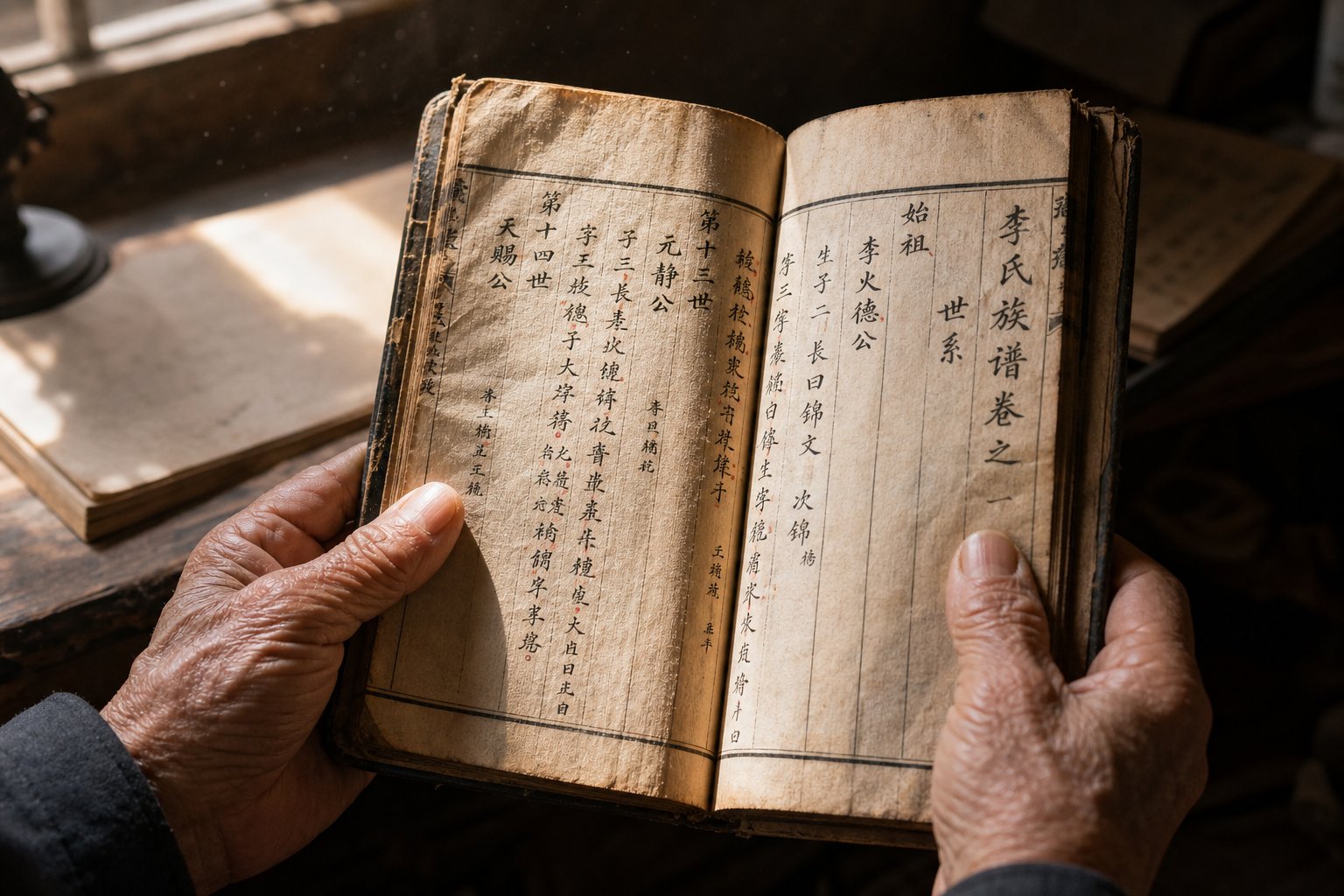
Once you have a working hypothesis about your surname's Hakka origin, the next step is connecting with resources that can confirm it and extend your research further back. Hakka genealogy benefits from a strong tradition of clan record-keeping. As research on Hakka genealogical metadata has documented, Hakka families historically recorded migration processes, ancestral hall names, generational poems, and family instructions in their zupu (genealogy books), creating rich archives for descendants who can locate them.
Here are practical steps for beginning your research:
- Interview living relatives first - Ask about ancestral villages, dialect spoken at home, tang hao (hall name), and any generational naming patterns. Older relatives may remember details that no document preserves.
- Identify your tang hao - Check family altars, ancestral tablets, old photographs of doorway plaques, or funeral documents. The hall name narrows your search from millions of people sharing a surname to a specific clan branch.
- Contact Hakka clan associations - Organizations like the Hakka Association in your country, or surname-specific groups (e.g., the World Lai Clan Association), maintain genealogy records and can connect you with researchers working on the same lineage.
- Search digital genealogy databases - Taiwan's National Central Library Taiwan Memory database holds over 9,000 genealogy records, many digitized from microfilm originally collected by the Genealogical Society of Utah. FamilySearch also maintains Chinese genealogy collections searchable by surname and region.
- Cross-reference last name rarity with geographic data - Use surname distribution tools to check where your specific spelling concentrates globally. Unusual clustering in known Hakka regions confirms dialect origin.
- Locate your ancestral county in China - Once you identify the likely origin county (Meizhou, Heyuan, Dapu, Jiaoling, etc.), search for county-level genealogy compilations or contact local cultural offices that maintain clan records.
- Attend Hakka conferences and reunions - Events like the World Hakka Conference and regional gatherings connect researchers with shared surname interests and sometimes produce breakthroughs through unexpected family connections.
Oral family history often preserves details that written records miss entirely. A grandmother's memory of a village name, a dialect phrase, or a hall name can unlock research paths that no database search would reveal on its own.
The three-part identification system discussed throughout this article, surname romanization, ancestral hall name, and generational naming character, gives you a practical framework. Each element independently narrows the search, and together they can pinpoint a specific clan branch within a specific village across a specific generation. Even if your starting point is nothing more than an unusual spelling on an old immigration form, that spelling carries phonological DNA pointing back to a dialect, a region, and a people whose naming traditions were built precisely to keep families connected across distance and time.
Frequently Asked Questions About Hakka Chinese Surnames
1. Why do Hakka surnames look different from Mandarin Pinyin spellings?
Hakka surnames preserve older Chinese phonological features that Mandarin lost over centuries. Middle Chinese had final stop consonants like -p, -t, and -k, which Hakka retained but Mandarin dropped entirely. This is why the character 葉 becomes Yap in Hakka (keeping the -p ending) but Ye in Mandarin. Initial consonants and vowel systems also differ, so the same written character produces systematically different romanized spellings depending on which dialect group is reading it.
2. How can I tell if my surname spelling indicates Hakka origin?
Several spelling patterns point to Hakka phonology. Look for final stop consonants (-p, -t, -k) in your surname, initial V- or F- sounds (like Vong for 黃), or distinctly Hakka romanizations such as Chong, Phang, Liew, or Chia. Geographic context also helps: if your family traces to Meizhou, Heyuan, Sabah (Malaysia), Kolkata, or Jamaica, Hakka heritage is statistically more likely than Cantonese or Hokkien origin.
3. What is a tang hao and how does it help with Hakka genealogy research?
A tang hao (堂號) is an ancestral hall name that identifies which specific branch of a surname clan your family belongs to and where they originated. While millions of people may share the surname Huang, the tang hao Jiangxia narrows that to a specific lineage tracing through Hubei province. You can find tang hao on ancestral tablets, tombstones, door plaques, and funeral documents. It serves as a critical second layer of identification for connecting diaspora families back to their ancestral villages.
4. Which surnames are most common among Hakka people specifically?
While Chen (陳) and Lin (林) are common across all Chinese dialect groups, surnames like Lai (賴), Chung (鍾), Yap (葉), Phang (彭), and Zeng (曾) appear at rates two to five times higher in Hakka communities than their national averages. This concentration results from clan-based migration patterns where entire extended family networks relocated together, amplifying specific surnames within local populations over generations.
5. What is the zi pai generational naming system used by Hakka clans?
The zi pai (字輩) system is a generational poem composed by clan ancestors, where each character in the poem corresponds to one generation. Every person born into that generation incorporates the assigned character into their given name. For example, if the poem assigns 天 to a generation, all cousins in that generation share that character in their names. This system allowed Hakka families scattered across continents to verify kinship and determine seniority when meeting strangers who shared their surname.