Understanding Hong Kong's Unique Surname Landscape
Imagine two people sharing the exact same Chinese character for their family name, yet spelling it completely differently in English. One writes "Chan," the other writes "Chen." Neither is wrong. This is everyday reality in Hong Kong, where hong kong common surnames carry spellings that puzzle outsiders and sometimes even confuse official record-keepers.
The city's family names sit at a crossroads of Cantonese pronunciation, British colonial administration, and waves of migration from southern China. Unlike Mainland China, which adopted Mandarin-based pinyin as a universal romanization standard, Hong Kong never implemented a single official system for converting Chinese surnames into English letters. The Hong Kong Government Cantonese Romanisation used for street names and identity documents remains unpublished and loosely applied, leaving families to register their names based on personal preference, a clerk's interpretation, or whichever reference book happened to be on the desk that day.
Why Hong Kong Surnames Stand Apart
Hong Kong surnames reflect Cantonese phonetics rather than Mandarin ones. That single difference reshapes nearly every common family name. Wong instead of Wang. Cheung instead of Zhang. Ng instead of Wu. These are not alternate spellings of different names. They represent the same chinese characters read through a different dialect lens. For anyone researching hong kong last names, this distinction is the first and most important thing to grasp.
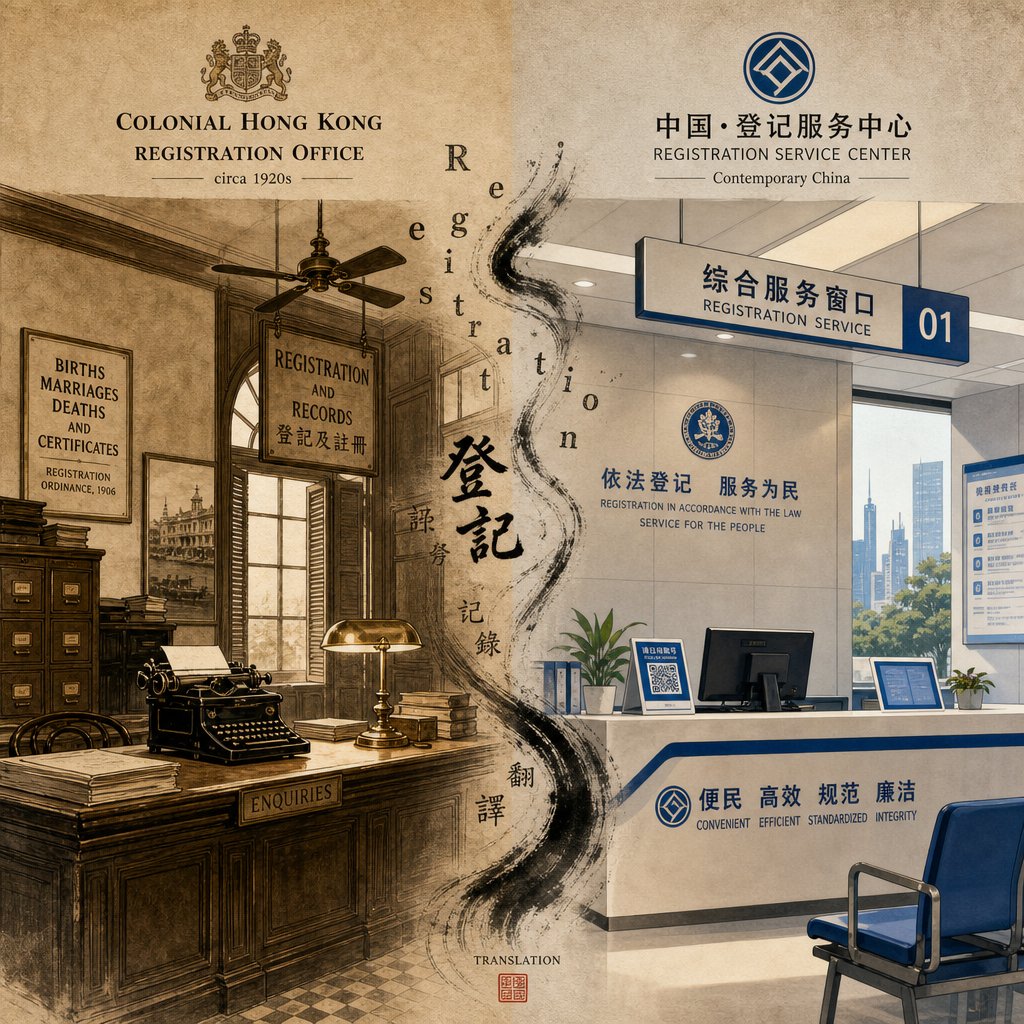
The absence of standardization goes deeper than dialect alone. During the colonial era, registration clerks romanized names inconsistently, and individuals were free to choose their own spelling. The result is a city where siblings born years apart might carry slightly different English versions of the same chinese surnames on their identity cards.
Hong Kong is one of the few places where the same Chinese character can produce multiple English surname spellings depending on when and how a family registered their name.
What Makes This Guide Different
Most lists of hong kong names stop at frequency rankings. They tell you Chan is common and move on. This guide goes further, connecting the statistical data to the cultural and historical forces that shaped these chinese last names. You will find not just which surnames dominate, but why they dominate, how their spellings came to be, and what those spellings reveal about migration, dialect, and identity. Whether you are tracing family heritage, navigating bilingual paperwork, or simply curious about why the same character produces such different English results across the Chinese-speaking world, the answers start with understanding how Hong Kong's naming landscape was built, one registration at a time.
Most Common Hong Kong Surnames Ranked by Frequency
So which family names actually dominate Hong Kong's population? The answer might surprise you if you are familiar with common chinese last names on the Mainland. While Wang (王) holds the top spot across China as a whole, it barely cracks the top 20 in Hong Kong. Instead, Chan reigns supreme, carried by roughly 1 in every 10 residents. That single statistic tells you how strongly Cantonese-speaking Guangdong migration shaped this city's demographic makeup.
The Top 20 Hong Kong Surnames by Population
The following table draws on surname incidence data compiled from civil registry records and population surveys. You'll notice that the most common chinese surnames in Hong Kong look dramatically different from their Mandarin pinyin equivalents, a theme explored in depth later in this article.
| Rank | Chinese Character | Cantonese Romanization | Mandarin Pinyin Equivalent | Approximate Frequency |
|---|---|---|---|---|
| 1 | 陳 | Chan | Chen | 1 in 10 |
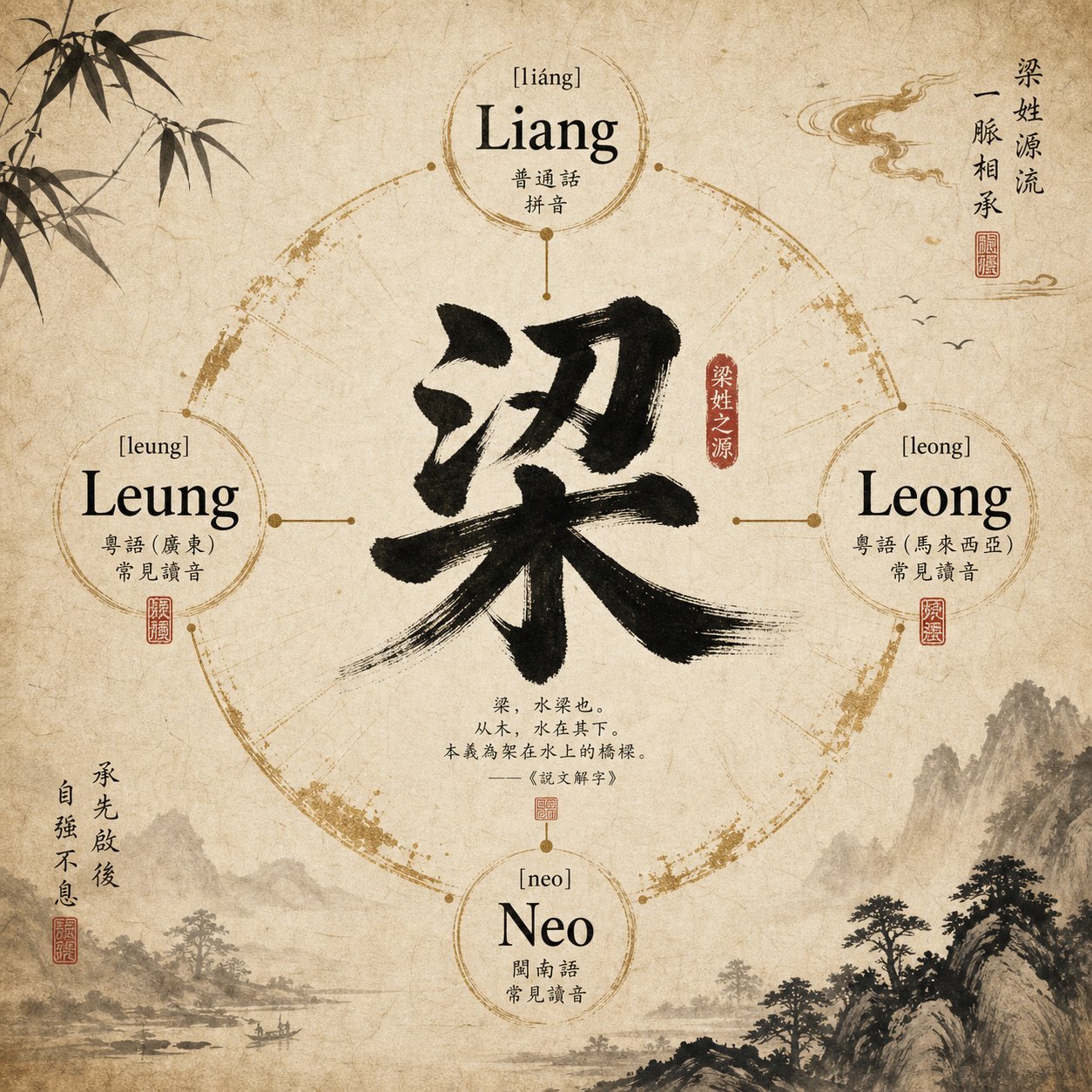
| 2 | 梁 | Leung | Liang | 1 in 23 |
| 3 | 張 | Cheung | Zhang | 1 in 26 |
| 4 | 劉 | Lau | Liu | 1 in 29 |
| 5 | 李 | Li / Lee | Li | 1 in 33 |
| 6 | 鄭 | Cheng | Zheng | 1 in 41 |
| 7 | 黎 | Lai | Li | 1 in 48 |
| 8 | 楊 | Yeung | Yang | 1 in 50 |
| 9 | 鄧 | Tang | Deng | 1 in 52 |
| 10 | 周 | Chow | Zhou | 1 in 56 |
| 11 | 馮 | Fung | Feng | 1 in 61 |
| 12 | 曾 | Tsang | Zeng | 1 in 62 |
| 13 | 郭 | Kwok | Guo | 1 in 65 |
| 14 | 余 | Yu | Yu | 1 in 67 |
| 15 | 朱 | Chu | Zhu | 1 in 77 |
| 16 | 謝 | Tse | Xie | 1 in 77 |
| 17 | 葉 | Yip | Ye | 1 in 78 |
| 18 | 羅 | Law | Luo | 1 in 81 |
| 19 | 廖 | Liu | Liao | 1 in 81 |
| 20 | 黃 | Wong | Huang | 1 in 85 |
A few things stand out immediately. Chan (陳) alone accounts for approximately 712,000 people in a city of around 7.3 million, making it by far the most common chinese surname in Hong Kong. Leung and Cheung follow with over 280,000 bearers each. Together, the top chinese last names on this list cover a substantial share of the entire population.
You might also notice that Wong, often assumed to be the single most popular chinese last name in Hong Kong due to its visibility in media and business, actually ranks around 20th by strict population count. Its cultural prominence outpaces its statistical frequency, a reminder that perception and data don't always align.
How Surname Frequency Is Measured
Where do these numbers come from? Hong Kong's Census and Statistics Department collects population data through regular by-census exercises, while the Births and Deaths Registry records every new name entering the system. Cross-referencing these sources gives researchers a reliable picture of surname distribution.
An additional validation comes from an unexpected source: the Hong Kong Internet Registration Corporation (HKIRC). When HKIRC reserved certain surnames as protected domain names, it effectively published a list of names considered genuinely common in the territory. If a surname appears on that reserved list, you can be confident it represents a significant population cluster rather than a statistical outlier.
The frequency column in the table above uses a ratio format. A frequency of "1 in 10" for Chan means that roughly one out of every ten Hong Kong residents carries that surname. By the time you reach rank 20, the ratio drops to about 1 in 85, still representing tens of thousands of people but far less concentrated than the dominant top three.
These most popular chinese last names share a common thread: nearly all trace their prevalence to Guangdong province, the ancestral homeland of Hong Kong's Cantonese-speaking majority. That geographic connection explains not just which surnames appear most often, but why their English spellings follow Cantonese phonetics rather than the Mandarin-based pinyin system used across the border. The mechanics of how those spelling differences actually work reveals an even more fascinating layer of Hong Kong's naming story.
How Cantonese Romanization Creates Different Spellings
The spelling gap between Hong Kong and Mainland surnames is not random. It stems from fundamentally different systems for converting Chinese characters into English letters. Mainland China uses Hanyu Pinyin, a standardized system built around Mandarin pronunciation. Hong Kong, by contrast, relies on an informal patchwork of Cantonese-based approaches that were never codified into a single mandatory standard. The result? The same chinese surname can look like two entirely unrelated names depending on which side of the border you are standing on.
Government Romanization vs Mandarin Pinyin
The dominant system in Hong Kong is what linguists call Hong Kong Government Cantonese Romanisation. It is based on an 1888 standard and has been used for street names, identity documents, and official records ever since. Here is the catch: the government never formally published its rules. There is no public manual, no downloadable guide. Civil servants consult an internal reference called the Three Way Chinese Commercial/Telegraphic Code Book, originally produced by the Royal Hong Kong Police Force in 1971, to determine spellings. The system omits tone markings and does not distinguish between aspirated and unaspirated consonants, which introduces ambiguity from the start.
Two other systems exist in academic and educational contexts. Jyutping, developed by the Linguistic Society of Hong Kong, offers a more precise and consistent framework with clear rules for every sound. Yale Cantonese romanization, created for American university students in the mid-20th century, uses diacritics to mark tones. Neither Jyutping nor Yale is commonly used on passports or ID cards, but they appear in dictionaries, language courses, and linguistic research.
For everyday cantonese surnames on official documents, government romanization wins by default. And because it reflects Cantonese phonetics rather than Mandarin ones, the English spellings diverge sharply from pinyin. Consider these pairs: Chan vs Chen, Wong vs Wang, Cheung vs Zhang, Lam vs Lin. Each pair represents the same Chinese character read through a different dialect. Most cantonese last names are one syllable last names in both systems, yet the consonants, vowels, and final sounds shift enough to make them look like completely different words on paper.
The table below compares ten common surnames across all three frameworks, making the divergence concrete:
| Chinese Character | HK Government Romanization | Jyutping | Mandarin Pinyin |
|---|---|---|---|
| 陳 | Chan | can4 | Chen |
| 黃 | Wong | wong4 | Huang |
| 張 | Cheung | zoeng1 | Zhang |
| 吳 | Ng | ng4 | Wu |
| 林 | Lam | lam4 | Lin |
| 李 | Lee | lei5 | Li |
| 梁 | Leung | loeng4 | Liang |
| 劉 | Lau | lau4 | Liu |
| 周 | Chow | zau1 | Zhou |
| 謝 | Tse | ze6 | Xie |
Look at the family name Ng. In Cantonese, the character 吳 is pronounced as a standalone nasal consonant with no vowel at all. Mandarin renders it as "Wu" with a clear vowel sound. For English speakers encountering cantonese surnames for the first time, "Ng" can seem unpronounceable, yet it is one of the most recognizable Hong Kong family names worldwide. Similarly, Tse (謝) bears almost no visual resemblance to its Mandarin equivalent Xie, even though both represent the same chinese last name.
Why One Family Can Have Multiple Spellings
Here is where things get genuinely strange. Siblings in the same household, sharing the same parents and the same surname character, can end up with different English spellings on their identity cards. How? Because Hong Kong's registration system historically allowed individual choice at the point of registration, and consistency was never enforced.
During the colonial era, when a parent registered a child's birth, the clerk would romanize the Chinese name based on whatever reference was available or however the parent pronounced it that day. If the family returned years later to register a second child and encountered a different clerk, the spelling might shift slightly. One sibling might be recorded as "Cheung" while another became "Cheong." Both are valid Cantonese renderings of 張, just filtered through different ears and different moments in time.
This flexibility was compounded by the fact that individuals could choose their own romanization when applying for identity documents. Some families standardized their spelling across generations. Others did not, especially if members emigrated at different times or dealt with different government offices. The Registration of Persons Office uses government romanization by default but permits individuals to select their own spelling or adopt another system entirely.
The practical consequence is that a single chinese surname character like 李 might appear as Lee, Li, or Lei across different members of the same extended family. None of these is incorrect. Each reflects a legitimate phonetic interpretation of the Cantonese pronunciation, frozen in place at the moment of registration. For genealogists and family researchers, this means tracing Hong Kong lineages requires looking past English spellings and focusing on the underlying Chinese character instead.
This romanization chaos did not emerge in a vacuum. It grew directly from the migration patterns that brought millions of Cantonese speakers to Hong Kong across different eras, each wave arriving with its own dialect nuances and registration circumstances.
Historical Migration Patterns Behind Hong Kong Surnames
Every surname cluster in Hong Kong traces back to a specific moment in time when a group of people crossed into the territory and put down roots. The city's population did not accumulate gradually. It arrived in waves, each one depositing a distinct layer of chinese family names that still shows up in census data. Understanding which surnames dominate and why requires rewinding through centuries of southern Chinese movement.
Punti and Hakka Communities in Early Hong Kong
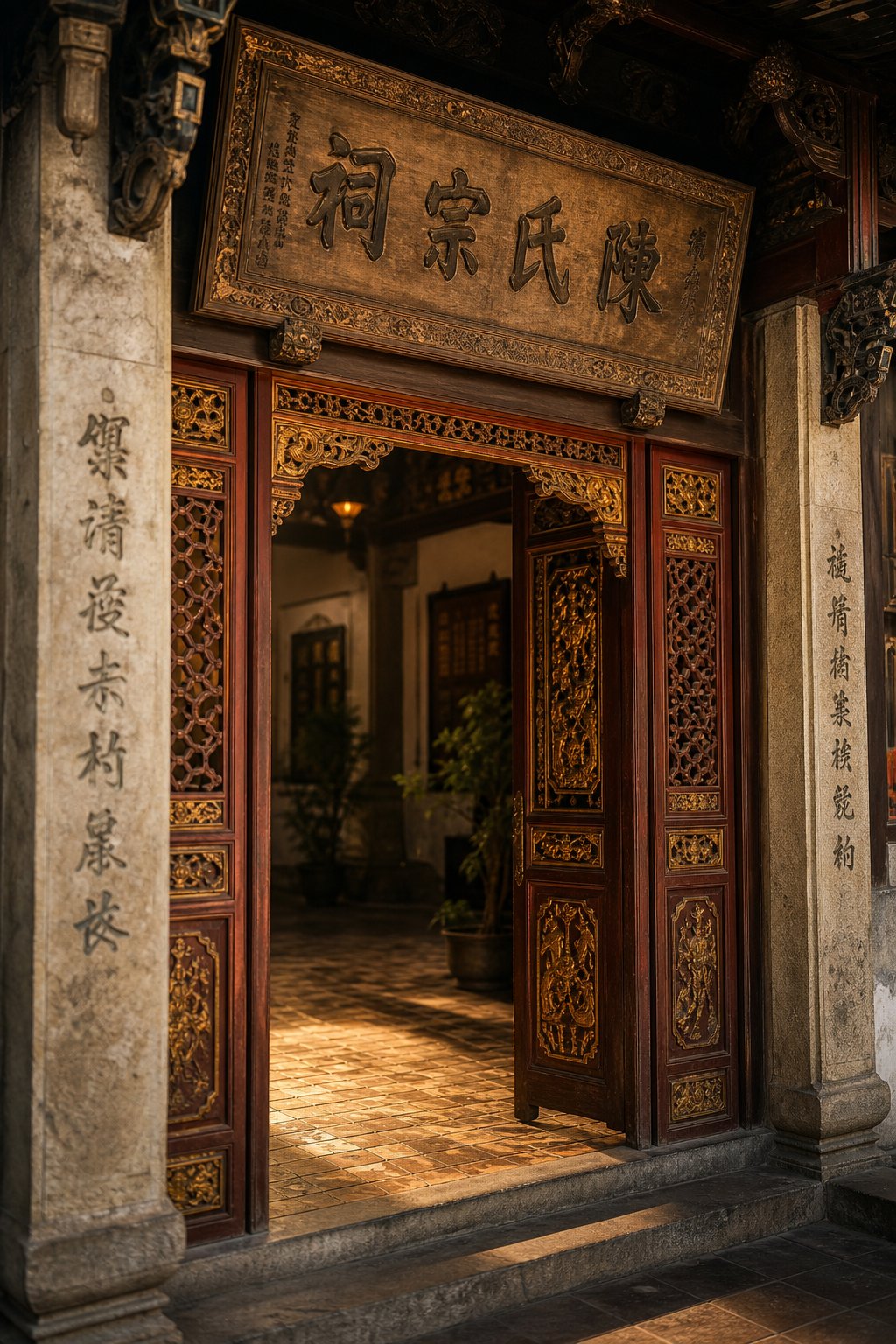
Long before the British flag went up in 1841, two major groups had already established themselves in what is now Hong Kong's New Territories. The Punti, meaning "local people" in Cantonese, were descendants of earlier migrants from central Guangdong who had settled the fertile lowlands centuries prior. They brought surnames like Tang, Hau, Pang, Liu, and Man, names that remain deeply rooted in village life to this day. These families claimed the best agricultural land, built walled villages, and maintained ancestral halls that formalized their lineage identity.
The Hakka, whose name literally means "guest families," arrived later and settled the hillier, less desirable terrain. They carried surnames like Tsang, Lai, and Cheung. Hakka communities spoke a distinct dialect and maintained separate customs, yet their asian surnames blended into the broader landscape over generations. The tension and coexistence between Punti and Hakka groups shaped early settlement patterns, with each community clustering in specific valleys and ridgelines across the New Territories.
Waves of Migration from Guangdong and Beyond
The real population explosion came later, driven by political upheaval and economic desperation on the mainland. Each wave brought thousands of families carrying surnames in asia that reflected their specific region of origin within Guangdong and beyond.
- Pre-colonial settlement (before 1841): Punti clans from the Pearl River Delta and Hakka groups from eastern Guangdong established the foundational surname base. Tang, Hau, Pang, Liu, and Man dominated village registers.
- Early colonial period (1841-1940s): Merchants and laborers from Guangzhou, Dongguan, and the Siyi (Four Counties) region migrated for trade opportunities. Surnames like Chan, Wong, and Lee grew rapidly during this era. Border restrictions remained minimal until 1940.
- Post-civil war influx (1949-1953): The Communist victory triggered a massive refugee wave. By 1956, Hong Kong's population reached 2.5 million, with one third classified as refugees. This wave included Kuomintang members, intellectuals, and business owners from across China, introducing some northern surnames, though Guangdong-origin names still dominated.
- Famine-driven migration (1957-1962): Flooding in northern Guangdong in 1957 and the Great Chinese Famine of 1958-1962 pushed another enormous wave southward. The New York Times reported 140,000 Chinese entering Hong Kong in 1962 alone, with 80,000 arriving illegally in a single month. These migrants came overwhelmingly from Guangdong's Pearl River Delta counties, reinforcing the dominance of Cantonese-origin surnames like Chan, Leung, Cheung, and Lau.
- Cultural Revolution era (1966-1976): Sent-down youth and persecuted families fled to Hong Kong through dangerous border crossings. This wave added another layer of Guangdong surnames while also bringing smaller numbers of families from Fujian and other provinces.
The cumulative effect of these waves explains why Guangdong-origin surnames overwhelm the statistics. Each major migration period drew primarily from the same geographic pool: Cantonese-speaking counties within a few hundred kilometers of Hong Kong. Researchers studying surname associations in Hong Kong have noted that the vast majority of clan organizations were founded by migrants from Guangdong Province, particularly from counties like Kaiping, Taishan, Xinhui, and Dongguan in the Pearl River Delta region.
This geographic concentration is what makes Hong Kong's surname landscape so distinct from Mainland China's national averages. Northern chinese family names like Wang, Zhao, and Sun, which rank among the most common across China as a whole, remain relatively rare in Hong Kong because so few northern migrants ever settled there in large numbers. The city's surname profile is essentially a snapshot of Guangdong province's demographics, compressed into a single urban territory and frozen in Cantonese romanization.
Among these waves, certain clans arrived early enough to claim something more powerful than mere population numbers. They secured land rights, political privileges, and a cultural legacy that persists into the present day.
Indigenous New Territories Clans and Their Legacy
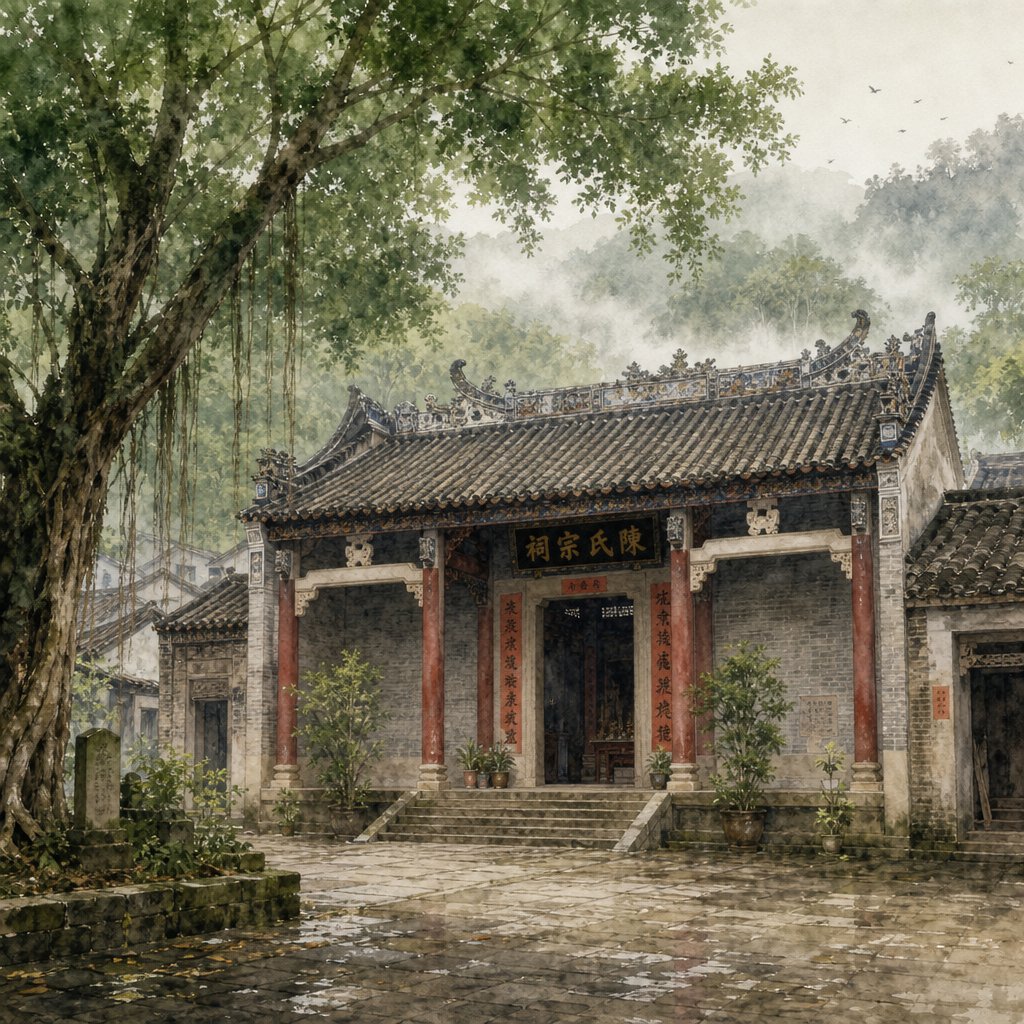
Five surnames carry a weight in Hong Kong that no population statistic can fully capture. The Tang, Hau, Pang, Liu, and Man clans settled the New Territories centuries before the British arrived, and their descendants still hold ancestral land, maintain active genealogical records, and wield political influence through the Heung Yee Kuk, the statutory body representing indigenous residents. These are not just hong kong family names on a census form. They are living institutions with roots stretching back to the Song Dynasty.
The Five Great Clans of the New Territories
Settlement of the New Territories began in the late tenth century during the Northern Song Dynasty. Over the following 400 years, five chinese clan names rose to dominate economic and political life in the region. They built walled villages, temples, schools, and great halls for ancestor worship. Land ownership was the primary marker of wealth, but education mattered too. Passing imperial examinations allowed clan members to enter official life and advance their family's interests through government connections.
Here is each clan with its origins and significance:
- Tang (鄧) - The first to arrive, settling around Kam Tin circa 973 AD. The largest and most powerful of all five clans, the Tangs later branched into Ping Shan and Tai Po. Their lineage now spans over 30 generations, and their ancestral hall at Ping Shan remains the administrative center of clan business. The Tangs famously resisted British takeover in the 1898 Six-Day War.
- Hau (侯) - Arrived toward the end of the twelfth century during the Southern Song Dynasty. They settled at Ho Sheung Heung, with the lineage later branching into three villages at Yin Kong, Kam Tsin, and Ping Kong.
- Pang (彭) - Settled at Fanling, claiming arrival during the Song Dynasty, probably in the mid or late thirteenth century. Their village cluster remains concentrated in the Fanling area.
- Liu (廖) - Arrived from Fujian Province in the thirteenth century and settled around Sheung Shui. Uniquely, the Liu have never lost any branches. The entire lineage still lives together in one village cluster, making them the most geographically cohesive of the five clans.
- Man (文) - Maintain two large village groups separated by considerable distance. The first is at San Tin, north of Yuen Long. The second is at Tai Hang, near Tai Po. Each group operates as a separate lineage under separate leadership, owning no property in common despite sharing the same surname.
What makes these five families remarkable is not just their age but their continuity. In a city defined by rapid change, these clans represent a kind of last name rarity: surnames whose bearers can trace an unbroken chinese family tree across 800 to 1,000 years in the same geographic location.
Ancestral Halls and Living Surname Heritage
The institutional backbone of each clan is its Tso (祖) and Tong (堂) system, a traditional landholding structure that dates back to the Song Dynasty. These organizations set aside ancestral land as perpetual, indivisible holdings meant to benefit descendants from generation to generation. As of the most recent government data, over 7,300 Tso/Tong organizations are registered in the New Territories, collectively holding an estimated 2,400 to 2,790 hectares of land.
Ancestral halls serve as the physical center of this system. They house wooden tablets representing each generation, host ceremonies for ancestor veneration, and function as meeting places where clan decisions are made. The Tang Ancestral Hall at Ping Shan, for example, recently hosted a ceremony marking the first update of the clan's genealogical record book since the 1960s. A 26th-generation member spent three years documenting over a thousand clansmen across the world, using both traditional calligraphy and modern database software to preserve the lineage.
For anyone conducting a surname origin search, these clans offer something extraordinary: documented proof of continuous habitation and lineage that predates nearly every other institution in Hong Kong. Their genealogical records, maintained through centuries of political upheaval, represent the deepest layer of the city's naming heritage. The last name rarity here is not about small numbers. It is about depth of documentation and unbroken continuity in a region where most family histories were disrupted by war, revolution, or migration.
These indigenous clans also hold a unique legal status. The Basic Law protects their traditional rights, including the right of male indigenous villagers to build a small house on clan land. This legal framework means the five great surnames are not merely historical curiosities. They remain active players in Hong Kong's land politics, development debates, and rural governance, connecting the city's oldest hong kong family names directly to its most pressing contemporary issues.
Their story also reveals something broader about how surnames carry meaning beyond simple identification. Each of these five characters encodes a specific origin narrative, a literal meaning, and a connection to ancient Chinese states or occupations that shaped the family's identity centuries ago.
Chinese Characters and Meanings of Hong Kong Surnames
Knowing how to spell a surname is one thing. Knowing what it actually means is another question entirely, and it is the one that drives many Hong Kong residents to dig into their family history. When you look past the Cantonese romanization and examine the underlying character, each name opens a window into ancient Chinese geography, politics, and daily life. Understanding chinese surnames and meanings requires going back thousands of years to the sources that generated these family identifiers in the first place.
The classic reference point is the Hundred Family Surnames (百家姓), a Song Dynasty text compiled around 960 AD that lists over 400 surnames in rhyming verse. Chinese children memorized it for centuries as both a literacy exercise and a cultural primer. The poem's ordering reflected political power rather than population frequency: Zhao (趙) came first because it was the Song emperor's surname. Yet the text remains valuable as a historical catalog of which names in chinese and meanings were considered significant over a millennium ago.
Meanings Behind the Most Popular Surnames
Most popular chinese surnames in Hong Kong fall into four etymological categories: names derived from ancient states, names linked to occupations or titles, names drawn from geographical features, and names granted by royalty. The table below maps the ten most recognizable Hong Kong surnames to their literal meanings and origin stories, giving you a clear picture of what these chinese last names and meanings actually represent.
| Cantonese Romanization | Chinese Character | Literal Meaning | Origin Story |
|---|---|---|---|
| Chan | 陳 | To display / to arrange | Derived from the ancient State of Chen in present-day Henan province during the Zhou Dynasty. Descendants of the state's ruling family adopted the state name as their surname after its fall. |
| Wong | 黃 | Yellow | Connected to the imperial color representing earth and centrality. The Yellow Emperor (黃帝) is considered the mythical ancestor of all Chinese people, and families from the ancient Huang state adopted this name. |
| Lee | 李 | Plum tree | Gained massive prominence as the imperial surname of the Tang Dynasty (618-907 AD). The character combines "wood" (木) and "child" (子), literally depicting a fruit-bearing tree. |
| Cheung | 張 | To draw a bow / to stretch | Traces to the Yellow Emperor's grandson Huī, credited with inventing the bow and arrow. The character combines "bow" (弓) and "long" (長), evoking the act of stretching a bowstring. |
| Lau | 劉 | Battle axe / to conquer | Made illustrious by Liu Bang, founder of the Han Dynasty (206 BC - 220 AD). Originally associated with a type of weapon, the surname spread widely through imperial grants during the Han period. |
| Leung | 梁 | Bridge / roof beam | Originated from a geographical feature. Families living near a notable bridge or beam-like landform in ancient times adopted it as their identifier. Also linked to the ancient Liang state. |
| Lam | 林 | Forest / grove | A geographical surname describing families who lived near or within forested areas. One origin traces to Bi Gan, a loyal minister of the Shang Dynasty whose descendants hid in forests to escape persecution. |
| Ng | 吳 | Ancient Kingdom of Wu | Named after the State of Wu in the Yangtze River Delta. The kingdom was famous during the Spring and Autumn period, and descendants of its ruling family carried the state name forward. |
| Ho | 何 | What / which | Evolved from the surname Han (韓). After the fall of the Han state, fleeing descendants were stopped at a river crossing and asked their surname. Afraid to reveal it, they pointed at the river (河, hé), and the name shifted to the similar-sounding 何. |
| Chow | 周 | Complete circle / cycle | Derived from the Zhou Dynasty (1046-256 BC), the longest-lasting dynasty in Chinese history. Descendants of the Zhou royal house adopted the dynasty name as their surname. |
Ancient Origins from States and Occupations
You'll notice a pattern in the table above. The majority of these popular chinese surnames trace back to ancient states rather than occupations or physical descriptions. Chan comes from the State of Chen. Ng comes from the State of Wu. Chow comes from the Zhou Dynasty itself. This reflects a distinctive feature of Chinese naming history: when a state fell, its ruling family and subjects often adopted the state's name as a permanent identifier. The surname became a portable homeland, carried across generations long after the original territory ceased to exist.
Occupational origins are less common among typical chinese last names but still present. Cheung's connection to archery and Lau's link to weaponry both point toward military roles. Leung's "bridge" meaning suggests engineering or geography. And Lee's "plum tree" origin, while botanical on the surface, gained its real power through royal association when the Li family ruled the Tang Dynasty and granted their surname to loyal subjects as a mark of imperial favor.
The geographical category shows up clearly in Lam (forest) and Wong (yellow, tied to the Yellow River region). These surnames and meanings reflect a time when families were identified by the landscape around them, a practice common across cultures but particularly well-preserved in Chinese naming traditions due to the stability of the writing system.
What makes this knowledge practical for Hong Kong residents is that the same character carries the same meaning regardless of how it gets romanized. Whether you spell it Chan, Chen, or Tan, the character 陳 still means "to display" and still traces to the same ancient state. The chinese names and meanings remain constant beneath the surface-level spelling variations that different dialect regions produce. For anyone exploring their heritage, the character is the anchor point, and its meaning is the story waiting to be read.
These origin stories also reveal why certain surnames cluster in specific regions. Families sharing a state-derived name often migrated together, maintaining clan solidarity across centuries. That pattern of geographic clustering becomes especially visible when you compare Hong Kong's surname rankings against those of Mainland China and Taiwan, where different dialect groups and migration histories produced strikingly different distributions.
How Hong Kong Surname Distribution Differs from Mainland China
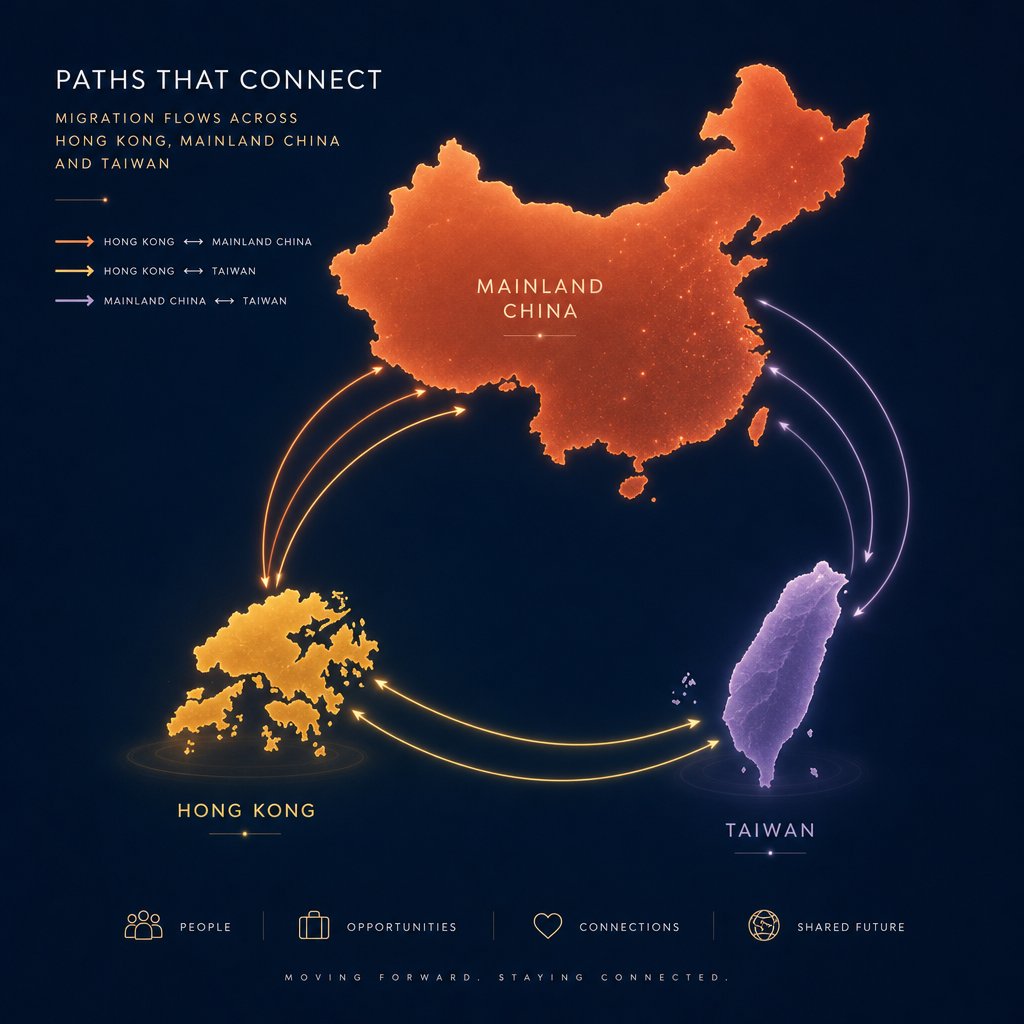
Place the top 10 surnames of Hong Kong, Mainland China, and Taiwan side by side, and you will see three lists that barely overlap in ranking order. The same characters appear, but their positions shift dramatically. Wang (王) dominates the Mainland with over 95 million bearers. In Hong Kong, it does not even crack the top 15. Meanwhile, Chan (陳) sits at number one in Hong Kong and Taiwan but ranks only fifth across China as a whole. These gaps are not statistical noise. They reflect how dialect geography reshapes surname landscapes at the regional level.
Hong Kong vs Mainland China Surname Rankings
The most common surnames in china follow a pattern shaped by the massive populations of northern provinces like Henan, Shandong, and Hebei. Wang, Li, and Zhang together account for over 20% of the national population, a concentration driven by centuries of settlement in the Yellow River basin. Hong Kong's demographics tell a completely different story because its population draws almost exclusively from Guangdong, a single southern province where Chen/Chan has always been the dominant surname.
The table below makes this divergence visible. Each column shows the top 10 surnames for its respective region, romanized according to local convention:
| Rank | Hong Kong (Cantonese) | Mainland China (Pinyin) | Taiwan (Wade-Giles/Local) |
|---|---|---|---|
| 1 | Chan 陳 | Wang 王 (7.17%) | Chen 陳 (11.14%) |
| 2 | Leung 梁 | Li 李 (7.00%) | Lin 林 (8.31%) |
| 3 | Cheung 張 | Zhang 張 (6.74%) | Huang 黃 (6.05%) |
| 4 | Lau 劉 | Liu 劉 (5.10%) | Chang 張 (5.27%) |
| 5 | Lee 李 | Chen 陳 (4.61%) | Li 李 (5.13%) |
| 6 | Cheng 鄭 | Yang 楊 (3.22%) | Wang 王 (4.11%) |
| 7 | Lai 黎 | Huang 黃 (2.45%) | Wu 吳 (4.04%) |
| 8 | Yeung 楊 | Wu 吳 (2.00%) | Liu 劉 (3.16%) |
| 9 | Tang 鄧 | Zhao 趙 (2.00%) | Tsai 蔡 (2.91%) |
| 10 | Chow 周 | Zhou 周 (1.90%) | Yang 楊 (2.66%) |
A few patterns jump out immediately. Taiwan and Hong Kong share the same number one character (陳), reflecting their shared southern Chinese heritage. Taiwanese last names use Wade-Giles or local romanization rather than pinyin, producing spellings like "Tsai" for 蔡 instead of the Mainland's "Cai." Taiwanese surnames also show heavy Hokkien (Min Nan) influence from Fujian province, which is why Lin (林) ranks second there but sits much lower in Hong Kong, where Cantonese speakers dominate.
The common last names in china that rank highest nationally, Wang, Li, and Zhang, owe their dominance to sheer population mass in northern provinces. Research on Chinese surname distribution has shown that northern and central China experienced massive migratory mixing over centuries, spreading these surnames broadly. Southern provinces like Guangdong remained more geographically isolated, allowing local surnames like Chan, Leung, and Lam to concentrate without dilution from northern influxes.
Regional Dialect Groups and Surname Clusters
Dialect boundaries function almost like invisible borders for surname distribution. Cantonese-speaking regions cluster around Chan, Wong, Leung, and Cheung. Hokkien-speaking areas in Fujian and Taiwan concentrate Tan (陳), Lim (林), and Ng (黃). Hakka communities carry Chung, Lai, and Tsang in higher proportions. Each dialect group migrated along specific routes and settled in specific territories, carrying their common surname in china concentrations with them.
This explains a puzzle that confuses many researchers: why Zhao (趙), the ninth most common last names in china nationally, is almost invisible in Hong Kong. Zhao is overwhelmingly a northern surname, concentrated in Henan and Hebei provinces. Very few Zhao families ever migrated south to Guangdong, so the name never gained a foothold in Hong Kong's population. The reverse is also true. Leung (梁), Hong Kong's second most common surname, ranks only 22nd nationally because its concentration in Guangdong gets diluted when averaged across China's 1.4 billion people.
The same dynamic shapes the most common last names in china versus those in any single southern city. National rankings reflect northern demographic weight. Regional rankings reflect local migration history. Hong Kong, Taiwan, and Singapore each present a different slice of southern Chinese surname diversity, filtered through whichever dialect group settled there first and in greatest numbers. These regional differences did not stay confined to Asia. When Hong Kong residents emigrated in the twentieth century, they carried their Cantonese-romanized surnames into diaspora communities worldwide, creating spelling patterns that still serve as markers of geographic origin today.
Hong Kong Surnames in the Global Diaspora
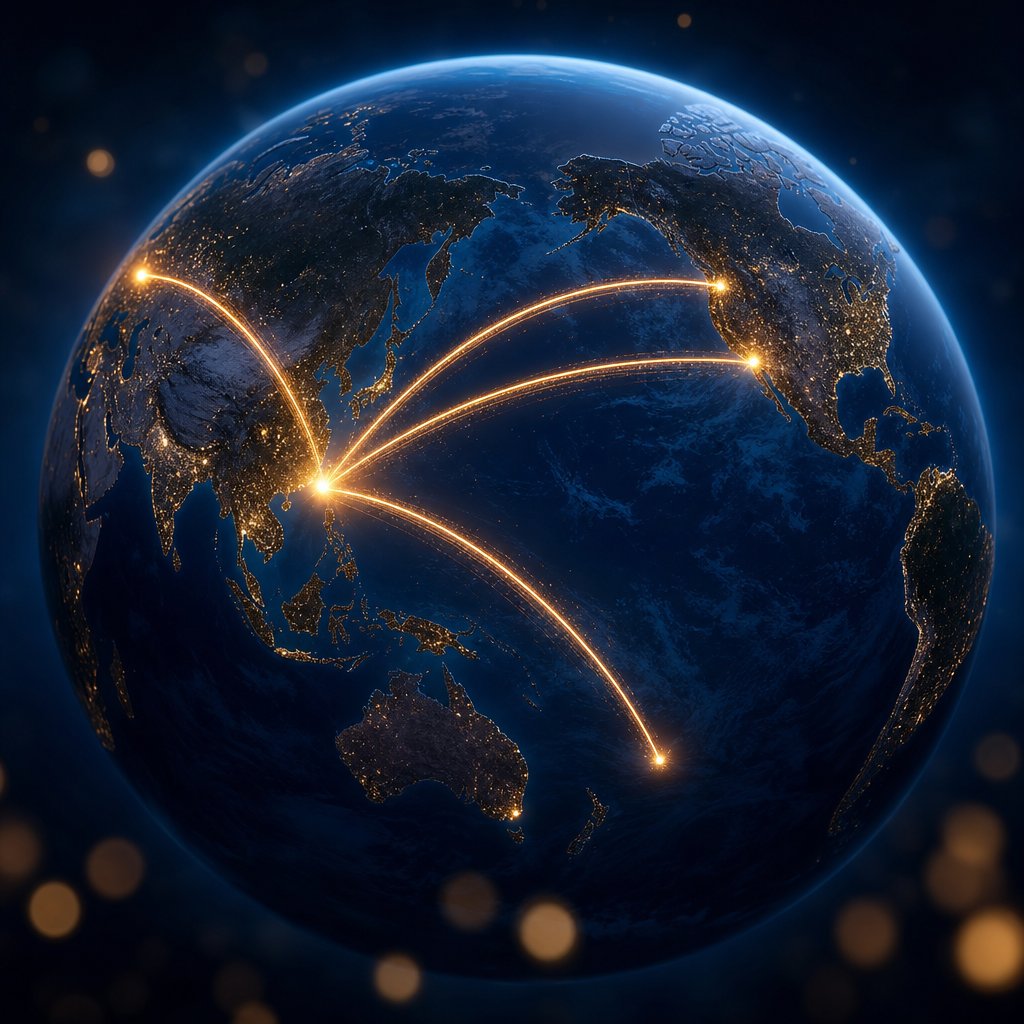
When Hong Kong families emigrated throughout the twentieth century, they did not leave their Cantonese spellings behind. They carried them to new countries, planted them in phone books and business registries, and passed them to children who may never have set foot in Hong Kong. The result is a global map of asian names and surnames where spelling alone can tell you where a family came from and roughly when they left.
Cantonese Surnames in the Global Diaspora
The Cantonese Pacific, a term coined by historian Henry Yu, describes the migration networks that connected Hong Kong to port cities across the Pacific Rim starting in the mid-1800s. Gold rushes in California, Australia, and British Columbia drew the earliest waves. Later, postwar economic migration and the pre-1997 handover exodus sent hundreds of thousands more to English-speaking countries. Each wave deposited Cantonese-romanized surnames into local populations, creating patterns that persist today.
Here is where those common asian last names ended up and what they look like in each destination:
- Canada (Vancouver, Toronto): Wong is the most common Chinese surname in Ontario. Chan, Lee, Lam, Cheung, and Ng dominate directories. Early arrivals from Kaiping and Taishan also brought the Lung Kong Association clans: Liu, Kwan, Cheung, and Chiu.
- United Kingdom (London, Manchester): Chan, Wong, Lam, and Ho appear heavily in restaurant and business registries, reflecting the post-1950s catering trade migration from Hong Kong's New Territories villages.
- Australia (Sydney, Melbourne): Wong, Chan, Lee, and Ng trace to both gold rush-era arrivals and post-1970s skilled migration. Cantonese spellings still outnumber pinyin equivalents in older Chinese-Australian communities.
- United States (San Francisco, New York): Wong ranks as the third most common Chinese surname in America. Lee far outnumbers Li, and Chan outpaces Chen in communities with deep Cantonese roots. Newer Mandarin-speaking arrivals have shifted the balance in some cities.
These patterns make certain asian names immediately recognizable as markers of Hong Kong or Cantonese heritage. When you encounter famous asian last names like Wong Kar-wai, Anna May Wong, or Bruce Lee in global media, the Cantonese spelling signals a specific origin story that pinyin equivalents would not.
Spelling as a Marker of Regional Origin
Imagine two neighbors in Vancouver. One is named Wong. The other is named Wang. Both surnames can represent the character 王, yet their spellings point to entirely different migration paths. The Wong family likely arrived from Hong Kong or Guangdong, their name filtered through Cantonese pronunciation and colonial-era registration. The Wang family more likely emigrated from northern or central China after the 1990s, when Mainland migration to Canada accelerated and pinyin became the default romanization for new arrivals.
The same logic applies across every common pairing. A Cheung traces to Cantonese-speaking origins. A Zhang in the same city points to Mandarin-speaking regions. Lee versus Li. Chan versus Chen. Ng versus Wu. Each pair represents the same character split into two spellings by dialect, geography, and the era of departure. For diaspora communities researching their heritage, these asian second names function as a first clue, narrowing the search to a specific region and time period before any genealogical records are even opened.
This spelling-as-origin-marker works because Hong Kong emigrants left during a window when Cantonese romanization was the only option available to them. They registered with immigration authorities using the same informal system that appeared on their Hong Kong identity cards. Once locked into foreign government databases, those spellings became permanent, passed down through generations regardless of whether descendants still speak Cantonese. The name itself became the archive.
Yet surnames do not exist in isolation. In Hong Kong, they interact with given names, marriage customs, and bilingual conventions in ways that create a naming culture unlike anywhere else in the Chinese-speaking world.
Cultural Practices Around Surnames in Hong Kong
Surnames in Hong Kong do more than identify a family line. They operate within a layered system of cultural rules, bilingual formatting, and marriage customs that make names in hong kong function differently from those in Mainland China or the West. If you have ever been confused by how a Hong Kong person's name appears on a business card versus a passport versus a Chinese-language document, you are not alone. The conventions shift depending on context, audience, and formality.
Marriage and Surname Retention Practices
One of the most distinctive features of Hong Kong naming culture is what happens, or rather what does not happen, after marriage.
Hong Kong women commonly retain their maiden surname after marriage, unlike many Western conventions where a spouse's name is adopted automatically.
This is not merely a social preference. It is the legal default. Women's identity cards, passports, and official records continue to display their birth surname throughout their lives. The practice reflects a broader Chinese tradition where a woman's surname remains her own regardless of marital status. Cultural Atlas notes that formal Chinese documentation always displays a woman's maiden name, even if she socially adopts her husband's surname in certain contexts.
Some senior government officials and public figures use a double-barrelled format, placing the husband's surname before their full maiden name. If a woman named Chiu Sin Wing married a man surnamed Cheng, she might be known socially as Cheng Chiu Sin Wing. This practice is optional, carries no legal weight, and appears primarily in formal or ceremonial settings rather than everyday life.
Children, however, follow a different rule. Hong Kong Free Press has reported that under current regulations, children born to married parents must have their father's surname recorded on the birth certificate. A mother who wants her child to carry her surname instead must obtain the father's permission and file a deed poll, a process requiring legal assistance and additional fees. This creates an asymmetry: women keep their own names, but their children default to the paternal line.
Navigating Bilingual Naming Conventions
The structure of chinese names flips depending on which language you are operating in. In Chinese, the surname always comes first: 陳大文 places the family name Chan (陳) before the given name Tai Man (大文). In English contexts, the same person might write David Chan Tai Man, or simply David Chan, placing the surname last to match Western expectations.
This creates a practical question many people ask: what is my chinese name in English format? The answer depends on which convention you follow. The most common arrangement for hong kongese names in international settings is: [English name] [Cantonese surname] [Cantonese given name]. So a person might appear as "Kevin Wong Siu Keung" on a passport but introduce himself simply as "Kevin Wong" in daily conversation.
Most Hong Kong residents choose an English given name during childhood or adolescence. Parents, teachers, or the individuals themselves select it, and some people change their English name multiple times throughout life. These English names do not always appear on official Chinese documentation, creating a situation where someone's "real" name differs across contexts. Male hong kong names often pair traditional Cantonese given names with common English names like David, Kevin, or Raymond, while names of male in hong kong on formal documents display only the Chinese name in romanized form.
A typical hong kong male names structure on an identity card reads: surname in capitals, followed by the romanized given name. For example, CHAN Tai Man. The capitalization of the surname is a deliberate convention to prevent confusion, since many Chinese characters can function as either a surname or a given name. Without that visual cue, a reader unfamiliar with Chinese naming patterns might not know where the family name ends and the personal name begins.
Generational naming adds another layer. The tradition of 字輩 (zi bei) assigns one shared character to all children within the same generation of a clan. Two siblings might be named Ho Sai Wing and Ho Sai Yiu, where "Sai" is the generation marker linking them visibly as members of the same family branch. This practice, documented in clan genealogies stretching back centuries, is fading in urban Hong Kong but remains active among indigenous New Territories families and some traditional households. A 3 letter chinese name in romanized form, like "Lam Sai Kit," often signals this generational structure at work, with the middle syllable serving as the shared character.
These naming conventions, from surname retention to bilingual formatting to generational markers, reveal how Hong Kong's identity sits at the intersection of Chinese tradition and international practice. The city's surnames are not just inherited labels. They are active cultural artifacts, shaped by law, custom, and the daily negotiation of living in two languages at once.
Frequently Asked Questions About Hong Kong Common Surnames
1. What is the most common surname in Hong Kong?
Chan (陳) is the most common surname in Hong Kong, carried by approximately 1 in every 10 residents, or roughly 712,000 people out of a population of 7.3 million. Its dominance reflects the heavy migration from Guangdong province, where Chen/Chan has historically been the leading family name. In contrast, Wang (王), which tops Mainland China's national rankings, barely reaches the top 20 in Hong Kong due to the city's overwhelmingly Cantonese-speaking demographic base.
2. Why are Hong Kong surnames spelled differently from Mainland Chinese surnames?
Hong Kong surnames use Cantonese-based romanization rather than Mandarin pinyin. The city never adopted a single standardized system for converting Chinese characters into English. Instead, it relies on an informal government romanization rooted in an 1888 standard that reflects Cantonese pronunciation. This produces spellings like Wong instead of Wang, Cheung instead of Zhang, and Ng instead of Wu. The same Chinese character simply sounds different in Cantonese versus Mandarin, and each system transcribes what it hears.
3. Can siblings in Hong Kong have different surname spellings?
Yes, this actually happens. During the colonial era, registration clerks romanized names inconsistently, and individuals could choose their own spelling when applying for identity documents. If a family registered children at different times with different clerks, slight spelling variations could occur. For example, one sibling might be recorded as Cheung while another became Cheong. Both are valid Cantonese renderings of the same character (張), just filtered through different interpretations at the moment of registration.
4. Do Hong Kong women change their surname after marriage?
No, the legal default in Hong Kong is that women retain their maiden surname after marriage. Their identity cards, passports, and official records continue displaying their birth surname throughout life. Some women in formal or ceremonial contexts use a double-barrelled format placing the husband's surname before their full maiden name, but this is optional and carries no legal weight. Children, however, default to the father's surname under current regulations unless a deed poll is filed.
5. What are the Five Great Clans of Hong Kong's New Territories?
The Five Great Clans are Tang (鄧), Hau (侯), Pang (彭), Liu (廖), and Man (文). These families settled the New Territories centuries before British colonization, with the Tang clan arriving around 973 AD. They maintain ancestral halls, genealogical records spanning over 30 generations, and collective landholdings through traditional Tso and Tong organizations. Their descendants still hold legal rights under the Basic Law, including indigenous village house building rights, making them active players in Hong Kong's land politics today.