Understanding Chinese Clan Associations and Their Role in Ancestry Research
Imagine discovering that an organization dedicated to preserving your family's history has existed for over a century, quietly maintaining records of your ancestors, their migrations, and their descendants. For millions of people with Chinese heritage, that organization already exists. It is called a clan association, and your surname is the key to unlocking its doors.
Learning how to find Chinese clan association resources can transform your genealogy research from a frustrating dead end into a rich, deeply documented journey through generations. These organizations hold records that simply do not exist anywhere else, making them one of the most powerful tools available to anyone tracing Chinese ancestry.
What Are Chinese Clan Associations
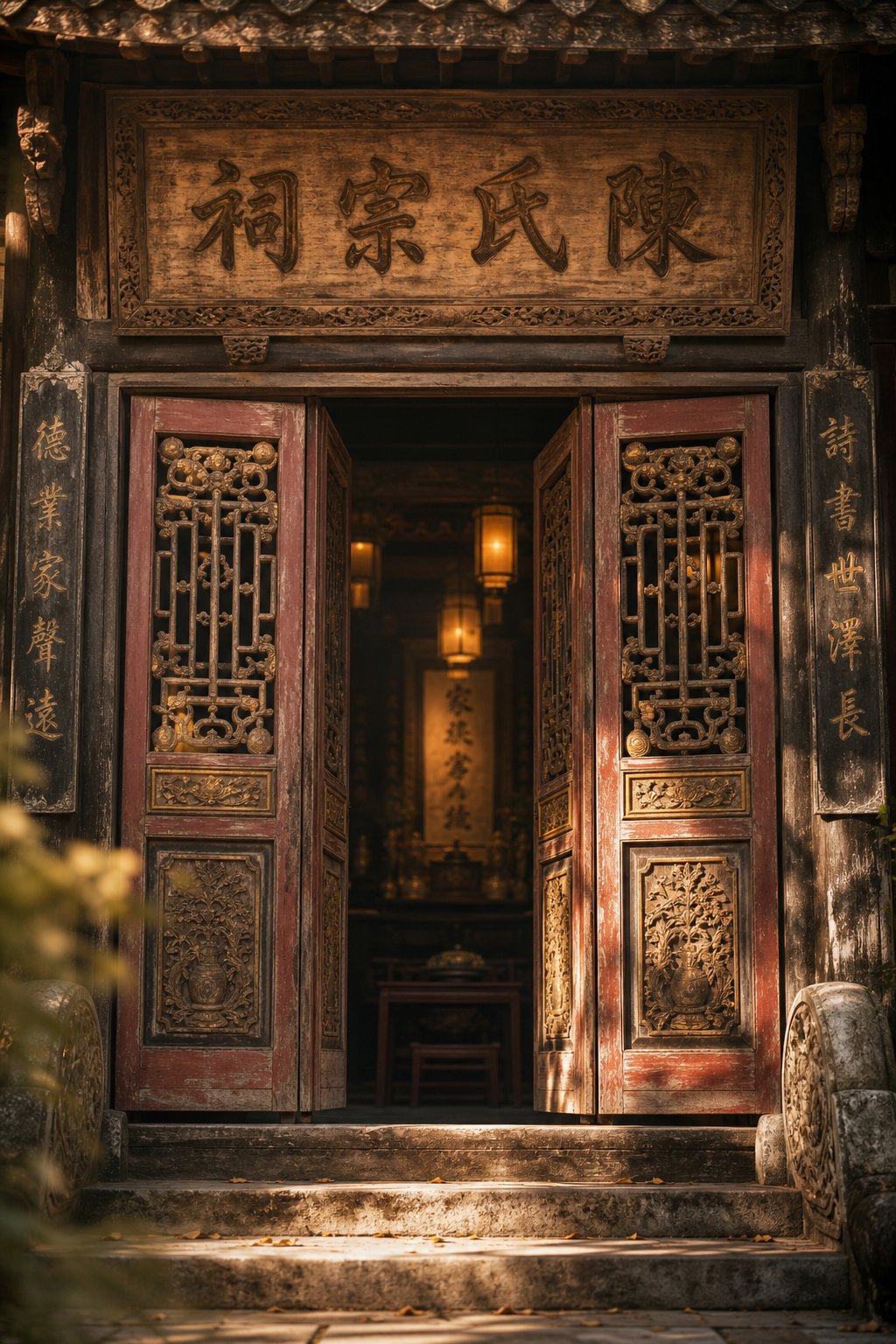
Chinese clan associations are community organizations formed by Chinese immigrants who shared a common surname, dialect, or ancestral region. Known in Chinese as zongqin hui (宗亲会) when based on kinship, or tongxiang hui (同乡会) when based on shared geographic origin, these groups emerged as vital support networks for immigrants navigating life far from home.
The roots of these organizations trace back to the huiguan (会馆) system that flourished during China's Ming (1368-1644) and Qing (1644-1911) dynasties. Originally, huiguan served as meeting halls where merchants, officials, and scholars from the same region could find food, shelter, and assistance while traveling. When waves of Chinese immigrants, mostly from Guangdong and Fujian provinces, began settling overseas from the mid-19th century onward, they brought this organizational model with them.
In their new homes, these associations took on expanded roles. They helped newcomers settle, arbitrated disputes, organized cultural celebrations, and maintained connections to ancestral villages back in China. Some associations unite people of a single surname, like the Lin Clan Temple in Semarang, Indonesia. Others bring together multiple surnames linked by historical or legendary bonds, such as the Lung Kong Tin Yee Association, which unites the Liu, Guan, Zhang, and Zhao families based on the sworn brotherhood depicted in the Romance of the Three Kingdoms.
You will also encounter different naming conventions. An association might call itself a huiguan (meeting hall), gongsuo (public place), zongci (ancestral temple), or tang (hall). These are all variations of the same fundamental institution.
Why Clan Associations Matter for Genealogy Research
Here is the challenge with Chinese genealogy: unlike Western countries where church records and census data provide reliable documentation going back centuries, no equivalent centralized records exist in China beyond the twentieth century. Local clans have historically been the primary drivers of recording family events and lineages.
Clan associations serve as custodians of these irreplaceable records. They preserve genealogy books that can trace a family line back several hundred, sometimes even a thousand years. They maintain membership rolls documenting who arrived, when, and from where. They keep records of ancestral halls and cemetery plots that connect diaspora families to specific villages in China.
Beyond records, these associations offer something databases cannot: living connections. Active members may know oral histories, recognize family names, or point you toward relatives you never knew existed. The social network within a clan association can bridge gaps that no document search ever could.
Types of Records Clan Associations Maintain
The crown jewel of any clan association's holdings is the zupu (族谱) or jiapu (家谱), the Chinese genealogy book. These documents can range from a few handwritten pages to multi-volume publications covering dozens of generations. A zupu typically focuses on one clan in a specific locality, such as the Lees of Longxi or the Wongs of Jinshan.
Beyond genealogy books, clan associations commonly hold these resources:
- Zupu and jiapu (genealogy books) containing detailed lineage charts, ancestor biographies, birth and death dates, and migration histories
- Membership directories listing members by name, date of arrival, occupation, and ancestral village of origin
- Immigration and settlement documents recording when members arrived and where they established themselves
- Cemetery plot records and burial registers connecting individuals to specific grave sites
- Ancestral village connection records linking diaspora families to their home villages in China
- Generation poems (字辈) that guided the naming of children according to their generational position
- Clan rules and regulations documenting membership criteria and family governance
A zupu can contain detailed lineage going back several hundred to several thousand years, prominent ancestors' biographies, clan histories tracing ancient origins and migration patterns, and generation poems that serve as naming guides for new family members. These records represent centuries of careful documentation that no government archive or online database can replicate.
The practical question, of course, is how to actually locate the right association for your family, verify it is still active, and gain access to its records. That process starts with gathering a few critical pieces of information about your own ancestry.
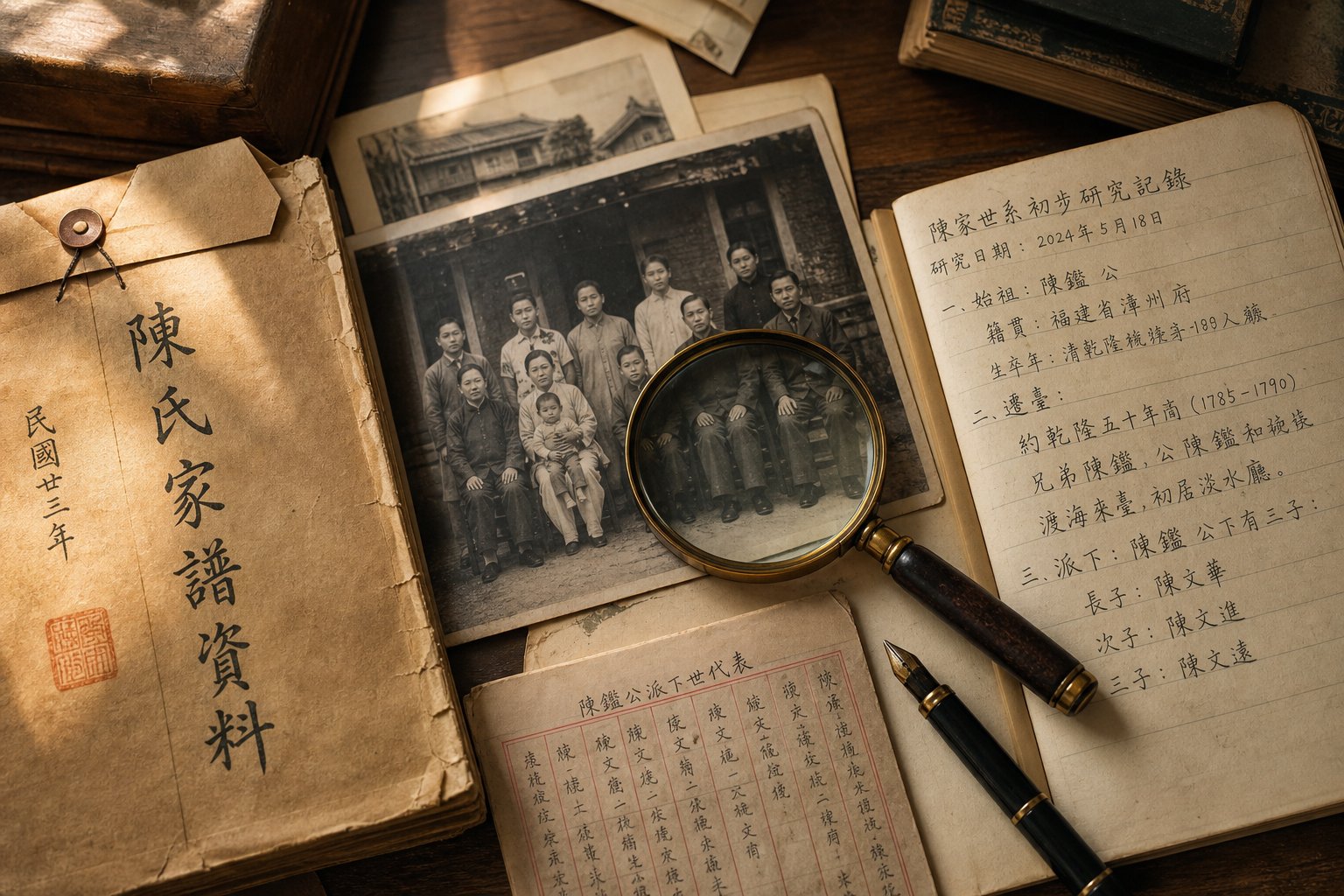
Step 1: Gather Your Preliminary Research Before Searching
A clan association volunteer receives dozens of vague inquiries every year. Messages like "My last name is Lee, can you help me find my family?" rarely lead anywhere productive. The surname Lee alone corresponds to multiple Chinese characters (李, 黎, 利), each representing entirely different lineages. Without a few additional details, even the most willing association cannot point you in the right direction.
Spending time on preparation before reaching out dramatically increases your chances of a meaningful response. You do not need a complete family tree to get started, but knowing what information do you need for Chinese genealogy research, and where to look for it, makes the difference between a dead end and a breakthrough.
Essential Information to Gather Before Your Search
Think of your preliminary research as assembling puzzle pieces. Each piece narrows the search and helps a clan association identify whether their records connect to your family. Some pieces you may already have without realizing it. Others require a bit of detective work.
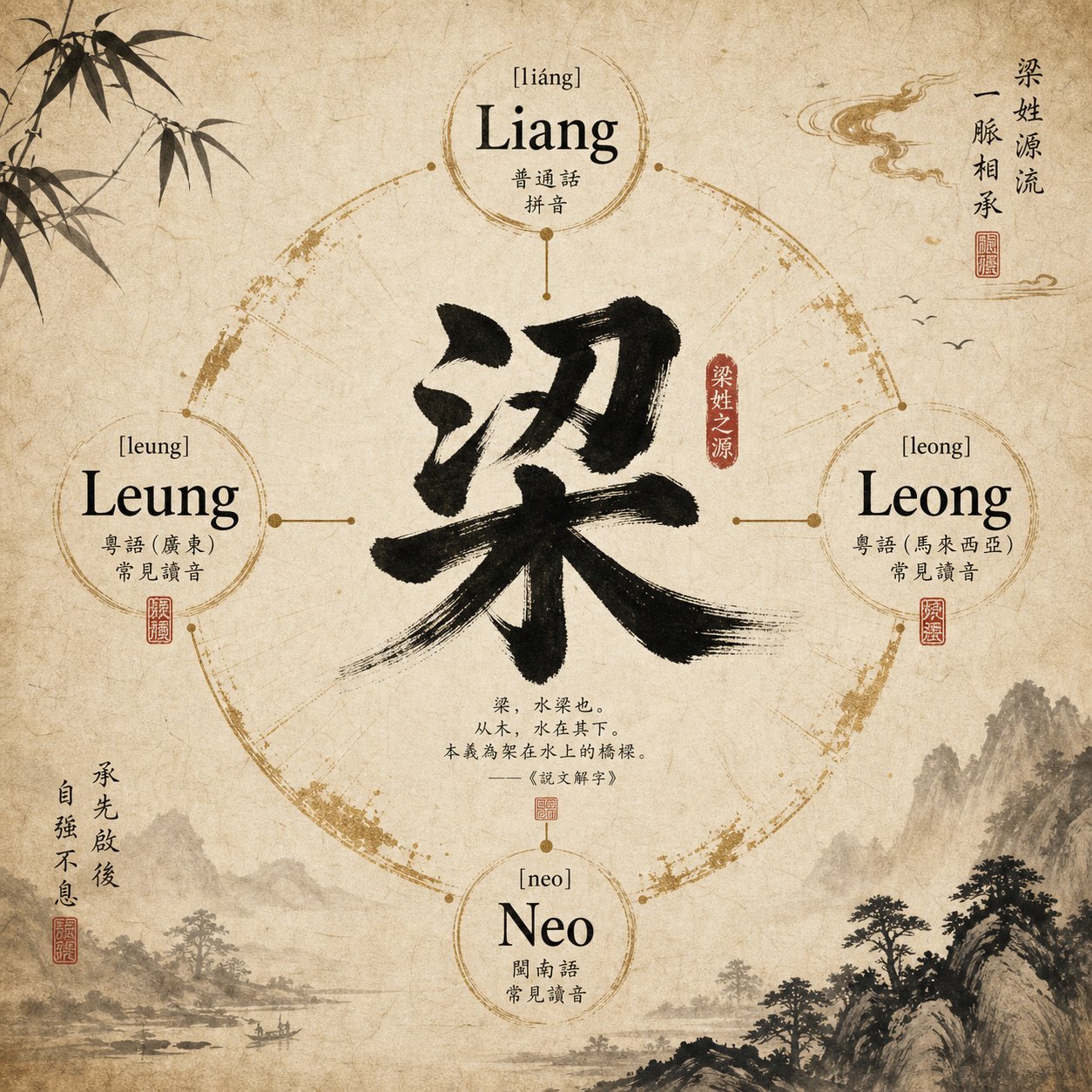
Your Chinese surname in characters is the single most important starting point. Chinese surname research for ancestry depends on knowing the exact character, not just the romanized spelling. "Wong" could be 黄 (Huang) or 王 (Wang). "Chan" might be 陈 (Chen) or 曾 (Zeng) depending on dialect. Ask older relatives, check old documents, or look at any Chinese-language paperwork your family may have kept.
Your ancestral village (祖籍, zuji) is the next critical detail. As FamilySearch explains, your ancestral village is not just a place but the key to unlocking family records, traditions, and stories passed down for generations. It refers to where a paternal ancestor, often from three or more generations ago, originally settled. Knowing this village name helps you identify the correct clan branch and locate the specific jiapu that documents your line.
Your dialect group matters because clan associations often organize along linguistic lines. A Hokkien (Fujian) association operates differently from a Cantonese (Guangdong) one, and their records cover different regions. Common dialect groups include Hokkien, Teochew, Cantonese, Hakka, Hainanese, and Foochow. If your grandparents spoke a Chinese dialect at home, that is a strong clue about which province and region your family originated from.
| Information Category | Where to Find It | Why It Matters |
|---|---|---|
| Surname in Chinese characters (姓) | Old family documents, gravestones, letters, immigration papers | Identifies the correct clan lineage and avoids romanization confusion |
| Ancestral village (祖籍) | Family oral history, immigration records, Chinese Exclusion Act files | Pinpoints the specific branch of a surname clan and locates relevant jiapu |
| Dialect group | Language spoken by older relatives, regional food traditions, religious practices | Determines which regional association network to search within |
| Generation name (字辈) | Siblings or cousins sharing a character in their given names, zupu excerpts | Confirms your generational position within the clan lineage |
| Immigration era | Family stories, ship manifests, naturalization records, census data | Narrows which membership rolls and historical records to search |
Generation names deserve special attention. In many Chinese families, siblings and cousins of the same generation share one character in their given names, following a generation poem (字辈) established by ancestors. If you notice that your grandfather and his brothers all have "Guo" (国) as part of their names, that is likely a generation marker. This detail can help an association place you precisely within a lineage chart.
Immigration records and family oral history round out your preparation. Even fragments help. A story about great-grandfather arriving in San Francisco during the Gold Rush, a mention of a village near Taishan, or a faded envelope with Chinese characters, all of these are usable clues. The Friends of Roots Village Database allows you to search by surname across key Guangdong counties like Taishan, Kaiping, Xinhui, Zhongshan, and Enping, which historically contributed most Chinese immigrants to the United States.
What to Do When You Have Limited Starting Information
Not everyone has the luxury of a chatty grandmother or a box of old letters in the attic. Adoptees, people of mixed heritage, and those whose families deliberately left the past behind face a harder road. If you are trying to trace Chinese ancestry with limited information, alternative starting points exist.
DNA testing through services like 23andMe or AncestryDNA can reveal regional origins within China and connect you with genetic relatives who may know more about shared ancestry. While DNA alone will not give you a village name, it can confirm a provincial origin (Guangdong versus Fujian, for example) and introduce you to distant cousins who hold missing pieces.
For adoptees, adoption agency records sometimes contain birth county or city information. Chinese orphanage records, while often sparse, may include a finding location that corresponds to a specific district. Organizations focused on Chinese adoptee heritage searches can help interpret these documents.
Immigration and exclusion-era records offer another path. Chinese Exclusion Act case files, available through the National Archives, frequently contain detailed interviews where immigrants described their home villages, family members, and even house layouts. These files can reveal an ancestral village name that no living relative remembers. FamilySearch notes that such immigration files may list village names or include interviews mentioning where a family originated.
Even with minimal starting information, you can begin. A confirmed surname character and a general provincial origin are enough to identify candidate associations worth contacting. The search strategies in the next step will show you exactly where and how to look.
Step 2: How to Search for Chinese Clan Associations Online
Armed with your surname, dialect group, and whatever ancestral details you have gathered, the actual search can begin. The good news is that many clan associations have established an online presence over the past decade. The challenge is knowing where to look and what terms to use, because a simple English Google search will only scratch the surface.
A dual-language approach, combining English and Chinese search terms across multiple platforms, yields the best results. You will often find that the same association appears under very different names depending on the language and romanization system used.
English Language Search Strategies
Start with straightforward Google searches using your surname and location. If you are trying to find a Chinese surname association near you, these formula-based search terms work well:
- [Surname] clan association [city] (e.g., "Lee clan association San Francisco")
- [Surname] family association [country] (e.g., "Wong family association Canada")
- [Surname] benevolent association [city] (e.g., "Chin benevolent association Vancouver")
- [Surname] huiguan [city] (e.g., "Huang huiguan New York")
- [Dialect group] association [city] (e.g., "Teochew association Melbourne")
Romanization differences trip up many researchers. The surname 陈 appears as Chen, Chan, Tan, Chin, or Ting depending on dialect and era. Try every variant you can think of. "Goh clan" and "Ng clan" and "Wu clan" might all lead to the same 吴 surname association organized by different dialect communities.
Google Maps is an underrated tool here. Search for "Chinese association" or "clan association" within a city's Chinatown area, and you will often find physical locations with reviews, hours, and contact details that a standard web search misses. Many smaller associations have a Google Maps listing but no website.
Facebook groups are another productive channel. Search for your surname plus "clan," "family," or "association" on Facebook. Many associations maintain active groups where members share genealogy finds, post event photos, and welcome inquiries from researchers. These groups often respond faster than formal email addresses.
Chinese Language Search Terms and Platforms
Searching in Chinese characters opens an entirely different layer of results. Even if you do not read Chinese fluently, you can copy and paste these Chinese genealogy search terms into Google, Baidu, or social media platforms:
- [Surname in Chinese] 宗亲会 [location] (e.g., "林宗亲会 新加坡" for Lim clan association Singapore)
- [Surname in Chinese] 同乡会 [location] (e.g., "陈同乡会 马来西亚" for Chen tongxianghui Malaysia)
- [Surname in Chinese] 会馆 (e.g., "黄会馆" for Huang huiguan)
- [Surname in Chinese] 宗祠 [location] (e.g., "李宗祠 曼谷" for Lee ancestral hall Bangkok)
- [Surname in Chinese] 族谱 [ancestral region] (e.g., "王族谱 潮州" for Wang genealogy Teochew)
WeChat, the dominant messaging platform in Chinese-speaking communities, hosts public accounts (公众号) run by clan associations. Search within WeChat for your surname plus 宗亲 (zongqin, meaning clansmen) to find these accounts. They frequently publish genealogy research updates, event announcements, and calls for descendants to register their family information.
Baidu Tieba (百度贴吧) forums also contain surname-specific discussion boards where people post genealogy queries and share zupu excerpts. A search for "[Surname]氏吧" will often lead you to active communities discussing lineage connections.
Using Federation Directories and Online Databases
Rather than searching for individual associations one by one, federation directories let you browse dozens or even hundreds of organizations in a single location. The Singapore Federation of Chinese Clan Associations (SFCCA) maintains one of the most comprehensive directories in the world, listing over 200 member organizations with contact details, founding dates, and membership sizes.
Browsing the SFCCA directory reveals the sheer variety of associations available. You will find surname-based groups like the Lee Clan General Association (established 1907, over 1,370 members), dialect-based organizations like the Teochew Poit Ip Huay Kuan (established 1929, nearly 6,000 members), and regional groups like the Foochow Association (established 1909, over 1,000 members). Some associations are remarkably specific, such as the Canton Wong Clan Association or the Hainan Tan Clan Association, combining both dialect and surname criteria.
Similar federation structures exist in other countries. In Malaysia, the Federation of Chinese Associations Malaysia (Hua Zong) serves a comparable umbrella role. The United States does not have a single national federation, but city-level umbrella organizations like the Chinese Consolidated Benevolent Association (CCBA) in major cities maintain directories of local member groups. Australia's Chinese community organizations are often listed through state-level multicultural councils.
Many associations have also launched digital genealogy projects. Some have digitized their zupu collections and made them searchable online. Others participate in collaborative databases where multiple clan branches contribute records. The Huang Shi Zong Hui in Singapore, for example, connects Huang/Wong/Oei families across Southeast Asia and maintains links to ancestral records in China.
Keep in mind that online presence varies widely. A well-funded association with thousands of members may have a polished website, while a smaller group with 50 members might only have a phone number listed in a federation directory. The absence of a website does not mean an association is inactive. It often just means they operate through personal networks and in-person gatherings rather than digital channels.
Finding a listing is only the first step. Search results can include associations that merged years ago, moved to new addresses, or stopped holding regular meetings. Before investing time in crafting an outreach letter, you will want to confirm that the organization you found is still operational and relevant to your specific lineage.
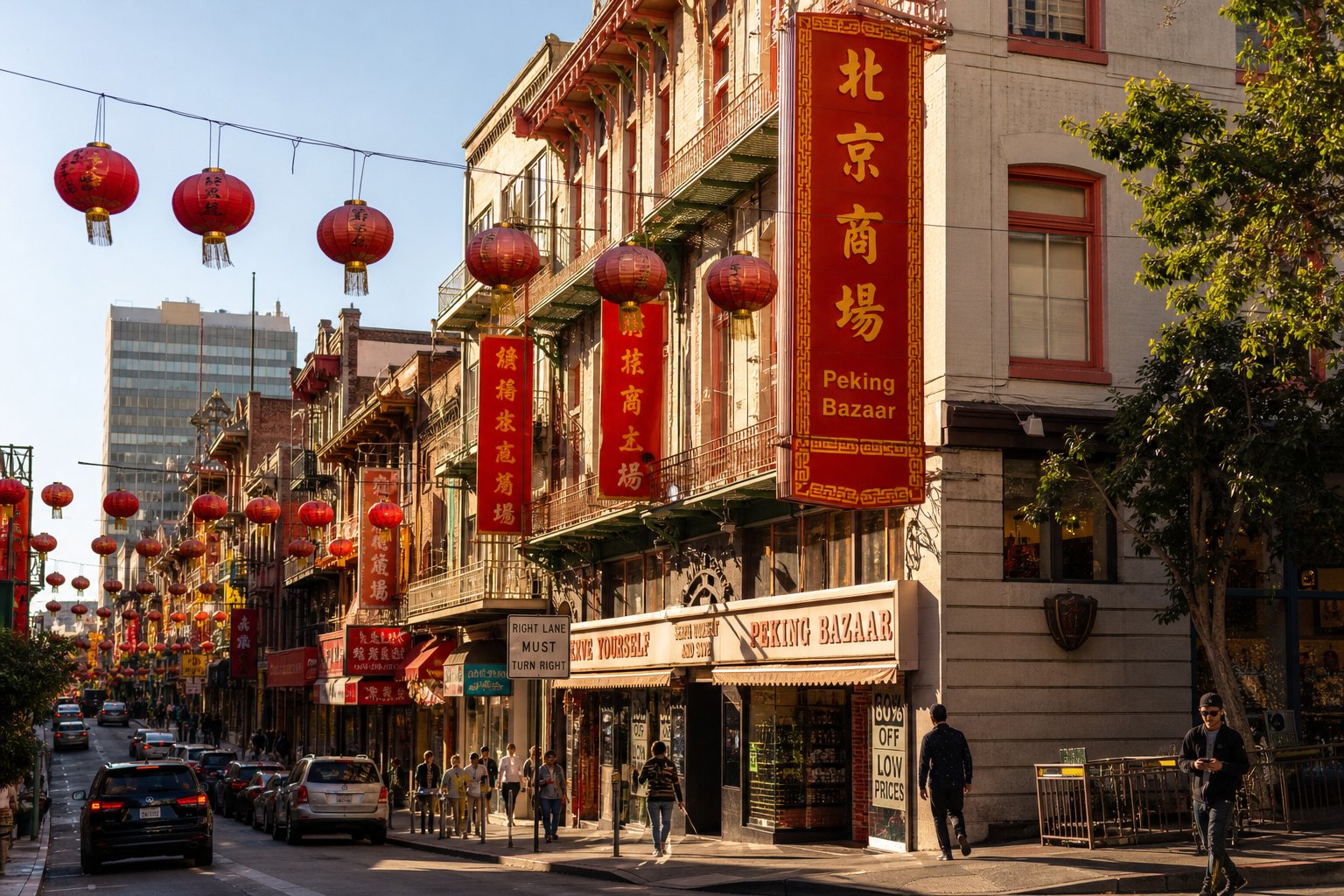
Step 3: Locate Clan Associations in Your Region or Ancestral Area
Clan associations are not evenly distributed across the globe. They cluster wherever Chinese immigrants settled in significant numbers, and the type of association you find in a given city often reflects the specific dialect groups and surname clans that dominated that migration wave. Knowing which cities hold the densest networks, and how those networks are organized, saves you from searching blindly.
Clan Associations in North America and Europe
The United States has one of the oldest and most layered systems of Chinese clan associations in the Western world. San Francisco's Chinatown, the oldest in North America, houses dozens of family and district associations dating back to the 1850s. The Chinese Six Companies, later known as the Chinese Consolidated Benevolent Association (CCBA), formed there around 1854 as an umbrella body uniting the major huiguan.
New York City's Chinatown in Manhattan holds a similarly dense concentration, with the CCBA of New York serving as the coordinating body. You will find surname associations like the Lee Family Association, the Eng Family Association, and dialect-based groups like the Hoy Sun Ning Yung Benevolent Association all within a few blocks of each other on Mott and Pell Streets.
Los Angeles tells a particularly rich story. The CCBA-LA at 925 N. Broadway includes 27 member organizations with 69 voting members, encompassing family associations, district associations, and civic groups. The Wong Family Benevolent Association, established in Los Angeles by 1870, has operated from its headquarters at 744 N. Broadway since 1951 and holds triannual conventions with Wong Family Associations in San Francisco, New York City, Chicago, Boston, and Canada. The Kong Chow Benevolent Association, formed in 1889, unites families from the Wu Yi (five districts) region of Guangdong, including the Lew, Quan, Wong, Louie, and Fong surnames.
In Canada, Vancouver's Chinatown on Pender Street and Toronto's older Chinatown near Spadina Avenue both host active clan associations. Vancouver's Chinese Benevolent Association of Canada has served as an umbrella organization since 1884. In the UK, London's Chinatown in Soho and Manchester's growing Chinese community maintain associations, though they tend to be fewer in number and more dialect-focused, reflecting the predominantly Cantonese and later Fujianese migration patterns to Britain.
Southeast Asian Clan Association Networks
If North America has depth, Southeast Asia has density. Singapore, Malaysia, Thailand, Indonesia, and the Philippines all host extensive clan association networks, many predating their counterparts in the West.
Singapore stands out as having one of the most organized systems in the world. The Singapore Federation of Chinese Clan Associations (SFCCA) serves as an umbrella body for over 200 member organizations, making it an unmatched starting point for anyone researching Southeast Asia Chinese clan association records. Whether you are searching by surname, dialect, or ancestral county, the SFCCA directory lets you browse systematically. Associations here range from massive organizations like the Teochew Poit Ip Huay Kuan with nearly 6,000 members to smaller surname-specific groups with a few hundred.
Malaysia's network is equally extensive, organized under the Federation of Chinese Associations Malaysia (Hua Zong). Penang, Malacca, Kuala Lumpur, and Ipoh all have thriving clan associations, many with their own ancestral halls and active genealogy programs. Thai-Chinese associations in Bangkok, particularly along Yaowarat Road, tend to organize by dialect group, with Teochew associations being the most prominent given the historical dominance of Teochew migration to Thailand.
| City/Region | Types of Associations Commonly Found | How to Access Directories |
|---|---|---|
| San Francisco, USA | Surname associations, district (huiguan), CCBA umbrella | CCBA San Francisco member list; physical visits to Chinatown on Grant Ave and Stockton St |
| New York City, USA | Surname associations, dialect groups, tongs | CCBA New York directory; walk Mott St, Pell St, and Bayard St in Manhattan Chinatown |
| Los Angeles, USA | Family associations, district associations, civic groups | CCBA-LA (925 N. Broadway) with 27 member organizations; North Broadway and Hill St area |
| Vancouver, Canada | Surname clans, regional associations, benevolent societies | Chinese Benevolent Association of Canada; Pender St Chinatown area |
| Singapore | Surname, dialect, regional, and trade associations | SFCCA online directory (sfcca.sg) listing 200+ organizations with contact details |
| Penang/KL, Malaysia | Surname halls, dialect kongsi, regional huiguan | Federation of Chinese Associations Malaysia (Hua Zong); clan temples along Armenian St (Penang) |
| Bangkok, Thailand | Dialect-based associations (predominantly Teochew) | Yaowarat Rd Chinese community centers; Thai-Chinese cultural organizations |
| London, UK | Dialect associations, community centers | London Chinatown community boards; Chinese community organizations in Soho |
| Sydney/Melbourne, Australia | Surname associations, dialect groups, state-level federations | State multicultural council directories; Chinatown community notice boards |
Offline Methods for Locating Associations
Not everything lives on the internet, especially when it comes to smaller or older associations run by volunteers who prefer face-to-face interaction. If you are wondering how to find Chinese family associations in Chinatown, sometimes the most effective method is simply showing up.
Walk through a Chinatown district and look for signage in Chinese characters. Many associations occupy upper floors of commercial buildings, marked only by a small sign at street level. In Los Angeles, for instance, the Eng Family Benevolent Association and the SooHoo Association both operate from modest storefronts on North Hill Street and Broadway that you would miss without looking up. Community bulletin boards in Chinese grocery stores, restaurants, and cultural centers often post meeting announcements and event flyers for local associations.
Chinese-language newspapers remain a surprisingly effective resource. Publications like Sing Tao Daily, World Journal, and local Chinese community papers regularly carry advertisements and event notices from clan associations, especially around Lunar New Year and Qingming (tomb-sweeping) festival when associations hold their largest gatherings.
Local Chinese community centers and Chinese-language schools also serve as connectors. Staff and teachers at these institutions often know which associations are active in the area and can make personal introductions, which carry far more weight than a cold email. Libraries in cities with significant Chinese populations sometimes maintain local history collections that include directories of Chinese organizations.
Whether you locate an association through a federation directory, a Facebook group, or a faded sign above a noodle shop, the next question is the same: is this organization still active, and is it the right one for your specific lineage? A listing that has not been updated in years, or an association that merged with another group a decade ago, can send you down a frustrating path if you do not verify before reaching out.
Step 4: Verify the Association Is Active and Legitimate
A Google search might return a dozen results for a given surname association, but not every listing represents an organization that still opens its doors. Some associations dissolved years ago, merged with larger groups, or exist only as a name on a building that no one visits anymore. Reaching out to a dormant organization wastes time and, worse, can make you think no resources exist when they actually do, just under a different name or at a different address.
Verification takes only a few minutes and saves you from chasing ghosts. Before you draft that first inquiry letter, run through a quick set of checks to confirm the association is operational, relevant to your lineage, and capable of assisting with genealogy questions.
Signs an Association Is Active and Legitimate
Are Chinese clan associations still active? Many are, but their level of activity varies enormously. A large surname association in Singapore with thousands of members might hold monthly events and maintain a professional website. A small family association in a mid-sized American city might meet only twice a year, during Lunar New Year and Qingming festival, with no online presence beyond a phone number in a community directory.
Both can be valuable for your research. The key is distinguishing between "small but active" and "effectively closed." Here is a verification checklist to work through before making contact:
- Recent social media activity: Check their Facebook page, WeChat account, or website for posts within the past 12 months. Event photos, meeting announcements, or holiday greetings all signal life.
- Registered nonprofit status: In the US, search the IRS Tax Exempt Organization database or your state's charity registry. In Singapore, check the Registry of Societies. Active registration means the organization still files paperwork and maintains legal standing.
- Physical address confirmation: Use Google Maps Street View to verify the address exists and appears maintained. Look for signage, a functioning entrance, or any indication the space is in use.
- Presence in a federation directory: If the association appears in the SFCCA directory, CCBA member list, or Hua Zong registry, it has been vetted by a larger umbrella body. Federation membership typically requires annual dues and participation, which filters out defunct groups.
- Scheduled events or meetings: Look for upcoming event listings, annual general meeting notices, or scholarship announcements. Associations that still hold elections and events are actively governed.
- Working contact information: Call the phone number or send a brief email. If the phone is disconnected or emails bounce, that tells you what you need to know.
- Updated website content: A website last updated in 2014 with broken links suggests the organization may have gone quiet, even if the domain is still live.
Keep in mind that many associations are entirely volunteer-run. Limited hours, a slow email response, or an outdated website design does not necessarily mean the group is inactive. It often just means the volunteers are elderly, busy, or not tech-savvy. A phone call during posted hours, or showing up at an advertised event, can reveal a thriving community behind a bare-bones online presence.
One practical tip: search for the association's name in local Chinese-language news archives. If a newspaper covered their Lunar New Year banquet or anniversary celebration within the past couple of years, the group is almost certainly still functioning.
Understanding Different Types of Clan Organizations
Verification also means confirming you have found the right type of organization for your research. Not all clan associations serve the same purpose, and contacting the wrong one can lead to polite but unhelpful responses. The difference between surname and dialect associations matters more than you might expect.
Surname associations (宗亲会) unite everyone who shares a specific Chinese surname, regardless of dialect or region. The Lee Family Association, for example, welcomes all Lees whether they are Cantonese, Hokkien, or Hakka. These groups are your best bet if you are primarily searching for genealogy records tied to your surname lineage. They are most likely to hold zupu, maintain connections to ancestral villages, and know about generation naming conventions for your clan.
Dialect associations (方言群会馆) organize people by the language they speak, such as Teochew, Hokkien, Cantonese, or Hakka. These groups serve a broader community and focus more on cultural preservation, mutual aid, and social events. They may not hold surname-specific genealogy records, but they can point you toward the correct surname association within their dialect network and provide context about migration patterns from specific regions.
Regional associations (同乡会) bring together people from the same geographic area in China, like a specific county or prefecture. The Hoy Sun Ning Yung Benevolent Association, for instance, unites people from the Taishan (Hoisan) region of Guangdong. These groups are particularly useful if you know your ancestral county but are unsure which surname branch within that county your family belongs to.
Some organizations combine multiple criteria. The Canton Wong Clan Association, for example, is both surname-specific (Wong/Huang) and dialect-specific (Cantonese). If your surname is Wong and your family spoke Cantonese, this is a more precise match than a general Wong association that includes Hokkien and Hakka Wongs from entirely different regions.
When you are unsure which type to approach, start with the surname association. They have the most direct connection to genealogy records and can often redirect you to a more specific sub-group if one exists. If no surname association exists for your clan in your area, a dialect or regional association is your next best option, as members there may know of surname-specific groups in other cities or countries that maintain the records you need.
With a verified, active association identified and confirmed as the right match for your lineage, the next move is reaching out. How you make that first contact, the language you use, the tone you strike, and what you include in your message, shapes whether you receive a warm welcome or silence.
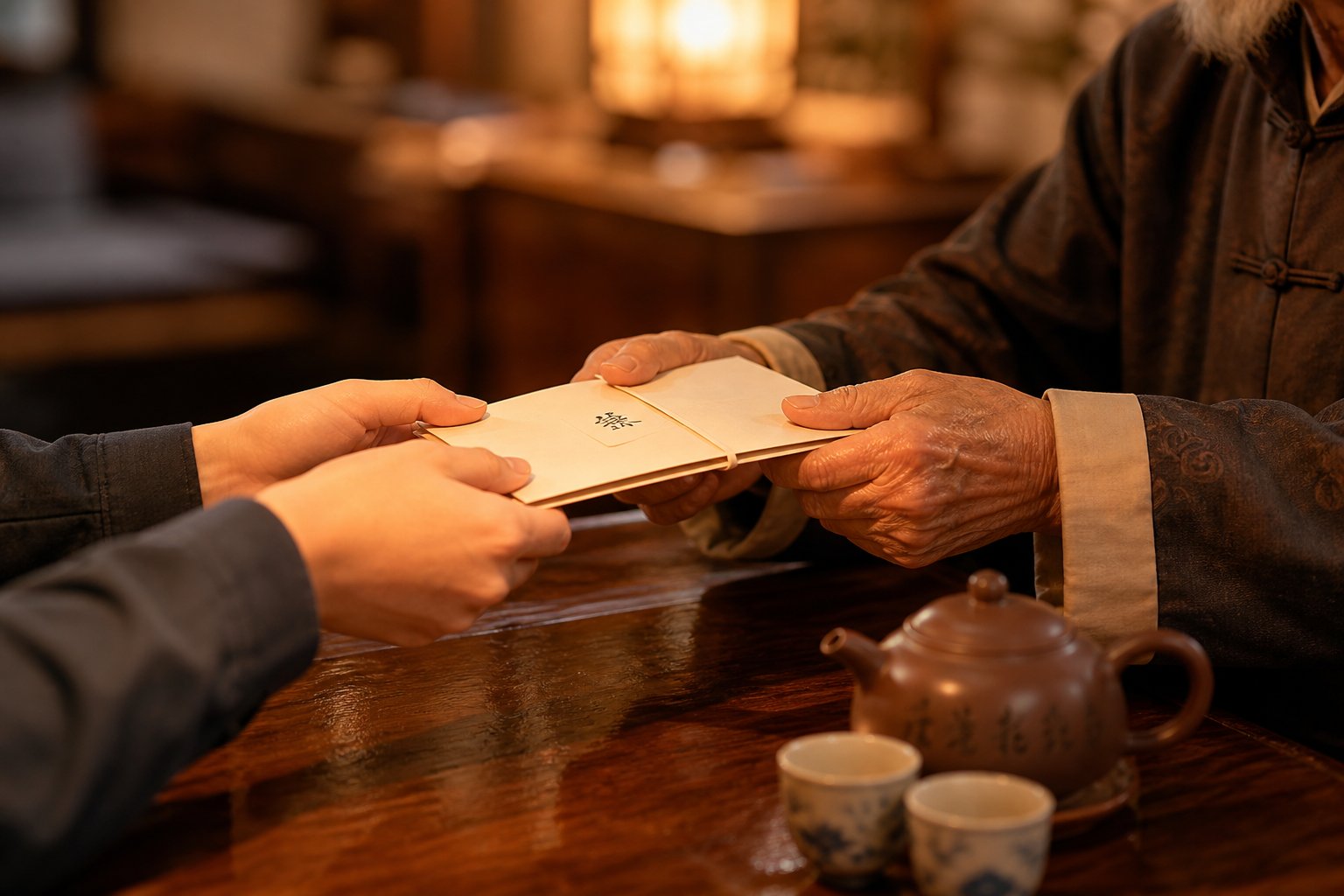
Step 5: How to Contact Chinese Clan Association for Genealogy Research
You have identified an active association that matches your surname and dialect group. The temptation is to fire off a quick email asking for everything at once. Resist that impulse. How you approach a clan association, especially one staffed by elderly volunteers who have dedicated decades to preserving heritage, determines whether your inquiry gets a thoughtful response or gets quietly set aside.
Cultural etiquette for Chinese ancestry research is not about rigid formality. It is about demonstrating that you value what these organizations have built and that you are not simply extracting information. A well-crafted first contact signals respect, genuine interest, and a willingness to give back.
Crafting Your Initial Inquiry Letter or Email
Many clan associations operate primarily in Chinese. Their leadership, record-keepers, and most active members often communicate in Mandarin, Cantonese, or another dialect. A bilingual message, with English and Chinese side by side, dramatically increases your chances of a response. Even if your Chinese is imperfect, the effort itself communicates sincerity.
Your first message should be concise and include these elements: a brief self-introduction stating your full name and your Chinese surname, your known ancestral details (village, dialect group, generation name if available), a clear but modest request, and an offer to contribute. Avoid overwhelming the reader with a multi-page family history on first contact. Think of it as an introduction, not a research dump.
Dear [Association Name] leadership, my name is [Your Name] and my family surname is [Surname in Chinese characters]. My grandfather immigrated from [village/region] around [decade]. I am researching my family history and would be grateful for any guidance on whether your association holds genealogy records or membership rolls that might connect to my family line. I would welcome the opportunity to visit, contribute to your preservation efforts, or share any research I uncover.
If you can produce a Chinese translation of this message, include it directly below the English version. Ask a bilingual friend, a community college Chinese instructor, or a professional translator for help. Translation apps can handle basic correspondence, but a human review catches the cultural nuances that matter most.
When you request genealogy records from a clan association, frame it as a collaborative inquiry rather than a demand. Phrases like "I would be grateful for any guidance" and "if it is convenient" reflect the kind of humility that resonates with volunteer-run organizations. Avoid language that implies entitlement to access or that treats the association as a free research service.
Cultural Etiquette When Approaching Clan Associations
Respect for elders sits at the center of Chinese cultural values, and most active clan association members are senior community figures who have invested years, sometimes decades, in maintaining these organizations. Approaching them as a younger person seeking wisdom, rather than a customer requesting a service, sets the right tone.
A few principles go a long way:
- Express genuine interest in the association's work beyond your personal research. Ask about their history, their events, or their preservation projects.
- Offer something in return. Mention that you are happy to share whatever you discover, volunteer at events, or make a donation to support their operations. Many associations run on thin budgets and appreciate any contribution.
- Be patient. Volunteer organizations do not operate on corporate timelines. Allow two to three weeks for a response before following up, and keep follow-ups brief and polite.
- If you receive help, follow through. Send a thank-you note, share your findings, or attend an event. Building a relationship yields far more over time than a single transactional exchange.
As My China Roots notes, some associations have an ageing membership, which means you may not find them online. Calling by phone or visiting their office location in person often works better than digital outreach for these groups.
In-Person Visits Versus Written Correspondence
When should you show up in person, and when is a letter or email more appropriate? The answer depends on the association's size, location, and how much information you already have.
Written correspondence works best when the association is in another city or country, when you want to give the recipient time to check records before responding, or when language barriers make real-time conversation difficult. A bilingual letter gives the reader time to consult with others, look up records, and compose a thoughtful reply without the pressure of an on-the-spot interaction.
In-person visits are ideal when the association is local, when you have confirmed their meeting hours or event schedule, and when you are comfortable navigating a potentially Chinese-dominant environment. Showing up at a public event like a Lunar New Year dinner, an annual general meeting, or a Qingming gathering is often the smoothest entry point. You meet people in a social context, introduce yourself naturally, and build rapport before making any research requests.
If you visit without an appointment, bring a printed copy of your inquiry letter in both languages. Hand it to whoever greets you. This gives them something concrete to pass along to the person who handles genealogy questions, who may not be present that day. A small gift, such as fruit or pastries, is a traditional gesture when visiting Chinese organizations for the first time, though it is not strictly required.
Tip: If the association holds regular meetings, ask if you can attend one as a guest before making any formal records request. Showing your face and expressing interest in the community builds trust faster than any email can.
Whether you write or visit, keep your initial interaction focused on building a connection rather than extracting records. The genealogy books and membership rolls will follow once the association sees you as a genuine member of the extended clan family, not just a passing researcher. That relationship is what opens the door to the records themselves, and understanding how to read and interpret those records is its own skill.
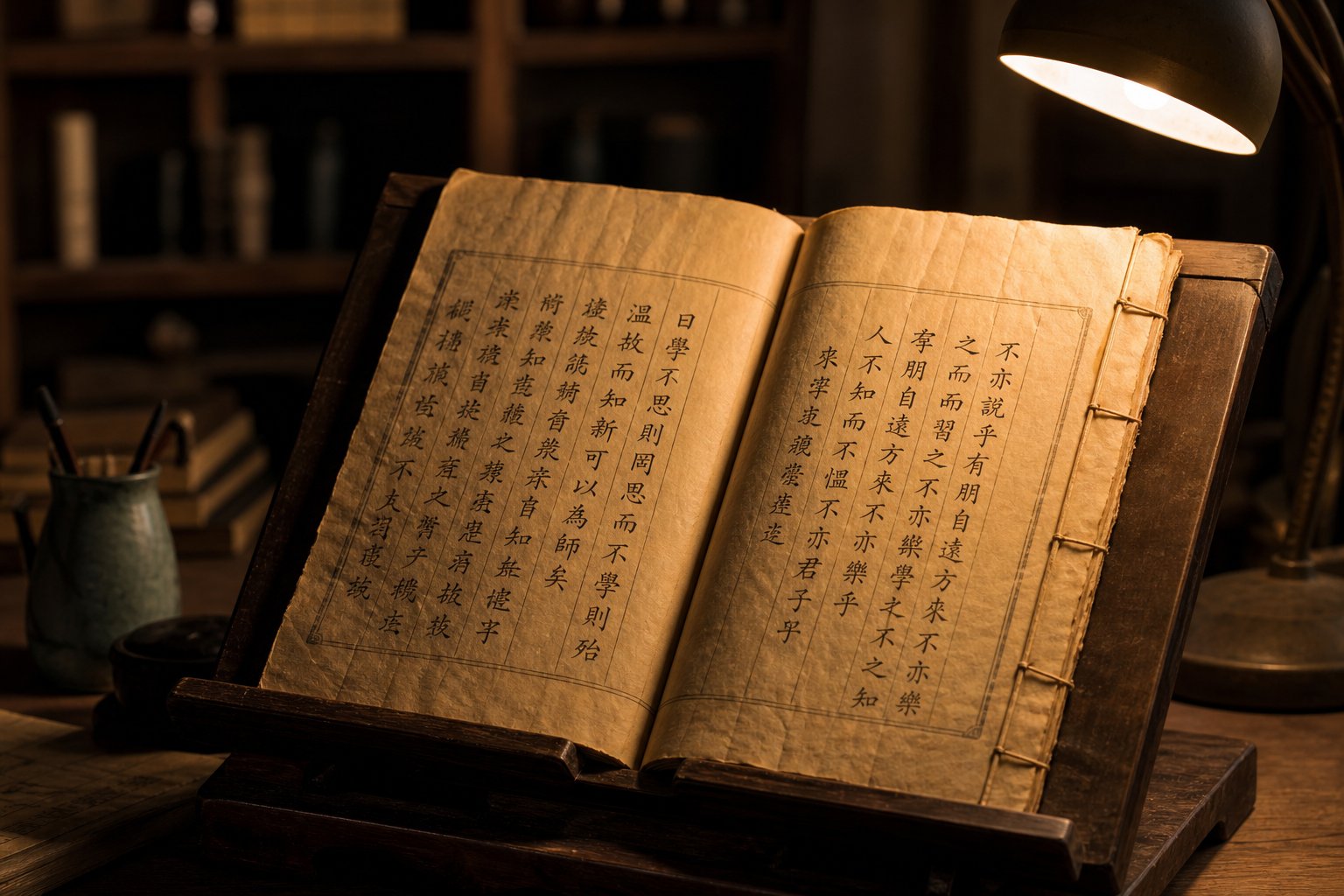
Step 6: How to Read Chinese Zupu Genealogy Books and Clan Records
The association has welcomed you, confirmed they hold records relevant to your lineage, and offered access. You sit down with a bound volume, or perhaps a digitized scan, and open it to find page after page of vertical Chinese text, hand-drawn charts, and unfamiliar formatting. What are you actually looking at?
A jiapu (家谱) or zupu (族谱) is not a simple family tree diagram. It is a comprehensive clan document that can span dozens of generations and contain far more than names and dates. Understanding its structure, even at a basic level, helps you extract the specific information that connects your family line to the broader clan history.
Understanding Zupu and Jiapu Genealogy Books
What is a jiapu Chinese family record, exactly? According to FamilySearch, a jiapu (also called a zupu) is a traditional book that records family lineages, preserving a clan's bloodline heritage and often tracing back hundreds of years of history. It usually focuses on male descendants and serves as the primary source for Chinese family history information.
These are not mass-produced government documents. Each jiapu is unique to a specific clan in a specific locality. The Lins of Longxi have a different jiapu than the Lins of Putian, even though they share a surname. Your goal is to find the volume that traces your particular branch.
Researchers estimate that approximately 60,000 titles of Chinese genealogies exist around the world, many containing valuable undiscovered information waiting to be revealed. Clan associations serve as custodians of these books, storing them in ancestral halls, association offices, or increasingly in climate-controlled archives. Some associations hold a single volume covering their local branch, while larger organizations maintain collections spanning multiple editions updated over centuries.
A jiapu differs from a Western family tree in several important ways:
- It follows a top-down arrangement, starting from the founding ancestor and recording male descendants generation by generation
- Wives are usually recorded only by their maiden surname, and daughters are rarely included in detail
- It is clan-centered, presenting the history of a single patrilineal family rather than mapping the marital connections of multiple families
- It often includes far more than lineage charts, functioning as a combined history book, rule book, and cultural archive for the entire clan
Protocols for accessing these records vary by association. Some allow any verified clan member to view the jiapu freely during office hours. Others require a formal written request, a small donation, or an introduction from an existing member. A few associations restrict access to specific sections, particularly if the records contain sensitive information about living individuals. Ask clearly about their access policy before your visit, and respect whatever boundaries they set.
If you need copies, ask whether photocopying or photography is permitted. Some associations will provide scanned pages for a fee. Others prefer that you take handwritten notes rather than reproduce the original. Digital copies, when available, are often the most practical option for researchers who need time to study the content at home with translation assistance.
How to Read and Interpret Clan Records
Opening a jiapu for the first time can feel overwhelming, but the internal structure follows recognizable patterns. FamilySearch identifies several common jiapu styles, each organizing lineage information differently:
- Su Style (苏式/垂珠体): Uses a "hanging pearl" format where descendants branch downward from each ancestor, resembling a cascading chart
- Ou Yang Style (欧阳式/横行体): Arranges generations in horizontal rows, making it easy to see who belongs to the same generation
- Imperial Style (牒记式): Presents information in a narrative, document-like format with detailed biographical entries
- Pagoda Style (宝塔式): Structures the lineage in a pyramid or pagoda shape, with the founding ancestor at the top
- Document Style (文档式/流水式): Records lineage in a flowing, story-like narrative rather than a visual chart
Regardless of style, most jiapu contain a predictable set of sections. Here is what you will typically find inside and what each section reveals about your family history:
- Preface (序): Written by a respected clan elder or scholar, explaining when and why the jiapu was compiled or updated. This tells you the edition date and the compiler's perspective.
- Surname origins (姓氏源流): Traces the legendary or historical origin of the surname, often connecting the clan to ancient figures or geographic regions.
- Migration history (迁徙记录): Documents when and why branches of the clan moved from one location to another. This is often the most valuable section for diaspora researchers.
- Pedigree charts (世系图): The core lineage diagrams showing parent-child relationships across generations. Your name or your ancestor's name appears here.
- Biographical tables (世系表): Expanded entries for each individual, typically listing birth date, death date, spouse's surname, number of sons, burial location, and sometimes occupation or achievements.
- Generation poem (字辈/辈分诗): A poem where each character corresponds to one generation, dictating which character appears in the given names of all clan members born in that generation.
- Ancestral portraits (祖先像): Painted or drawn images of prominent ancestors, sometimes accompanied by brief biographies.
- Cemetery maps (墓地图): Diagrams showing the location of ancestral graves, which can help you identify burial sites in the ancestral village.
- Ancestral hall records (宗祠记): Information about the clan's ancestral hall, including its location, construction history, and ritual practices.
- Family rules and teachings (家规家训): Codes of conduct and moral teachings passed down within the clan.
The generation poem deserves special attention. If you can identify which character in the poem corresponds to your grandfather's generation, you can count forward or backward to place yourself precisely within the lineage. This single detail can help an association locate your exact branch within a jiapu that covers thousands of individuals.
Here is the reality many researchers face: a significant number of jiapu are handwritten in classical Chinese (文言文), a literary form quite different from modern Mandarin. Characters may be in traditional form, written vertically from right to left, and use archaic vocabulary for dates, locations, and relationships. If you do not read classical Chinese, you will likely need translation assistance.
Options for getting help include hiring a professional genealogy translator familiar with classical Chinese documents, asking bilingual clan association members to walk you through key sections, consulting university East Asian studies departments where graduate students may assist as a research exercise, or using FamilySearch's Jiapu Guide, which helps readers understand each part of a jiapu even without Chinese language ability.
Some associations have undertaken digital preservation projects, scanning fragile originals and creating searchable databases. The Shanghai Library maintains one of the largest digitized jiapu collections in the world, and FamilySearch has digitized thousands of genealogy volumes that can be searched through their online catalog. If your clan association has participated in such a project, you may be able to access records remotely rather than traveling to view physical copies.
Even partial comprehension of a jiapu yields valuable results. A migration history section might reveal the exact village your great-grandfather left. A biographical table might list his birth year, his father's name, and how many brothers he had. A cemetery map might show you where ancestors are buried. Each fragment adds to the picture, and each piece of confirmed information makes the next step of your research easier.
Of course, not every search goes smoothly. Records may be incomplete, damaged, or simply absent for your particular branch. Language barriers can slow progress to a crawl. And sometimes, despite your best efforts, the association you need does not seem to exist at all. These obstacles are common, but they are not dead ends.
Step 7: How to Overcome Challenges in Chinese Ancestry Research
Every genealogy journey hits walls. Maybe you sent three emails and heard nothing back. Maybe the association you found operates entirely in Cantonese and you speak zero Chinese. Maybe your surname search returns dozens of results in Singapore but absolutely nothing in the city where your grandfather actually settled. These frustrations are normal, and nearly every researcher working with clan associations encounters them.
The difference between a stalled project and a breakthrough often comes down to knowing which workaround to try next. Chinese genealogy research language barriers, dormant organizations, incomplete records, and romanization confusion all have practical solutions once you understand what is actually causing the blockage.
Overcoming Language Barriers in Your Research
Language is the single most common obstacle. Most clan association records are written in Chinese, many volunteers communicate primarily in Chinese, and the genealogy books themselves may be in classical Chinese that even native Mandarin speakers struggle to read. If you do not speak or read Chinese, this can feel like an impassable wall. It is not.
You have several options, ranging from free to professional:
- Bilingual community members: Chinese churches, cultural centers, and university Chinese student associations often have members willing to help translate a letter or accompany you on a visit. Many people are genuinely excited to help someone reconnect with their heritage.
- Professional translators: For jiapu interpretation or formal correspondence, hire a translator experienced with genealogical documents. General translators may struggle with classical Chinese or archaic place names. Look for specialists through genealogy forums or services like My China Roots.
- Translation apps for basic communication: Google Translate and DeepL handle modern Chinese reasonably well for simple emails and text messages. Use them to draft a bilingual inquiry or to get the gist of a Chinese-language website. Do not rely on them for interpreting handwritten historical documents.
- University partnerships: East Asian studies departments at local universities sometimes welcome real-world translation projects. A graduate student studying Chinese history might assist with your jiapu as a research exercise or independent study project.
- Clan association members themselves: Once you establish a relationship, bilingual members within the association often volunteer to help interpret records. Building rapport first, as discussed in the previous steps, makes this kind of assistance far more likely.
For written correspondence, always prepare your message in both English and Chinese, even if the Chinese version is imperfect. As noted in the reference materials from The Digital Orientalist, using Chinese-language search terms and queries produces fundamentally different results than English alone. The same principle applies to communication: a bilingual letter signals effort and respect, which increases your chances of a response even if the translation contains minor errors.
What to Do When You Cannot Find Your Clan Association
You have searched in English and Chinese, checked federation directories, browsed Facebook groups, and still cannot find a clan association for your surname in your area. Before concluding that none exists, try these troubleshooting approaches:
Chinese surname romanization differences in genealogy research trip up more people than any other single issue. The same Chinese character gets romanized differently depending on dialect, era, and country of immigration. Consider these common variations:
- 陈 appears as Chen, Chan, Tan, Chin, Ting, or Tran (Vietnamese)
- 黄 appears as Huang, Wong, Ng, Oei, Ong, or Hwang
- 林 appears as Lin, Lim, Lam, Hayashi (Japanese reading), or Rim (Korean reading)
- 吴 appears as Wu, Ng, Goh, Go, or Ouw
- 张 appears as Zhang, Chang, Cheung, Teo, or Chong
If you have been searching only one romanization, you may have missed an active association operating under a different spelling. Try every dialect variant of your surname. A "Ng Family Association" and a "Wu Clan Association" in the same city might serve the exact same surname group organized by different dialect communities.
Broadening your geographic scope also helps. Your city may not have a dedicated association for your surname, but a neighboring city or the nearest major metropolitan area might. Many associations serve regional rather than strictly local memberships. A researcher in Sacramento, for example, might find their clan association in San Francisco, just 90 miles away.
Explore related organizations when a direct surname match does not exist:
- Multi-surname associations: Some groups unite several surnames with historical or legendary connections. The Lung Kong Association combines Liu (刘), Guan (关), Zhang (张), and Zhao (赵). The Zhaolian Gongsuo unites Zhao (赵), Qian (钱), Sun (孙), and Li (李). Your surname might be part of a combined group rather than standing alone.
- Dialect group associations: If no surname-specific group exists, a Teochew, Hokkien, Cantonese, or Hakka association in your area likely includes members who share your surname and may maintain informal genealogy networks.
- Regional associations: A tongxianghui for your ancestral county or prefecture connects you with people from the same geographic area, regardless of surname. They may know of surname-specific resources back in China or in other diaspora cities.
- Overseas Chinese umbrella organizations: The CCBA, local Chinese community centers, or multicultural councils can often direct you to smaller groups that do not appear in online searches.
Also consider that some associations have merged, renamed, or restructured over the decades. An association that existed in the 1960s under one name might now operate as part of a larger combined organization. Older community members, local historians, or librarians specializing in Chinese-American history can sometimes trace these organizational genealogies for you.
Working Around Limited Access and Incomplete Records
Even when you find the right association, access is not always straightforward. Volunteer-run organizations keep irregular hours. Records may be stored in a locked cabinet that only one elderly member has the key to. Some jiapu have water damage, missing pages, or gaps spanning entire generations. Political sensitivities can complicate connections to mainland China.
Here are common obstacles paired with practical solutions:
- Limited operating hours: Many associations open only on weekends or during specific events. Ask about their meeting schedule and plan your visit around a regular gathering rather than expecting walk-in availability during weekday business hours.
- Slow or no response to emails: Switch to phone calls during posted hours, or visit in person during a public event. Some associations simply do not monitor email regularly. A voicemail in both English and Chinese, or a physical letter sent by post, sometimes reaches people that digital messages do not.
- Incomplete records for your branch: A jiapu may cover the main lineage but omit branches that emigrated early or lost contact with the home village. In this case, cross-reference with immigration records, cemetery registers, and membership rolls from other associations in different cities. Your branch may appear in a different edition of the jiapu compiled by a diaspora chapter rather than the ancestral village.
- Damaged or deteriorating documents: If original records are fragile, the association may restrict handling. Ask whether digitized copies exist, or whether you can photograph specific pages under supervision. Offer to help fund digitization efforts as a way to contribute while gaining access.
- Associations that have dissolved: If the organization no longer exists, its records may have been transferred to a university library, a historical society, a federation archive, or another clan association that absorbed its membership. Check local archives and ask umbrella organizations where dissolved groups' materials ended up.
- Cross-strait political sensitivities: Connecting with ancestral villages in mainland China can involve navigating complex political dynamics, particularly for families with ties to Taiwan. Clan associations in Southeast Asia often maintain relationships with both sides and can serve as neutral intermediaries. Frame your inquiry as a family history matter rather than a political one.
Patience is not just a virtue here; it is a strategy. Genealogy research through clan associations operates on relationship time, not internet time. A first visit might yield nothing more than a friendly conversation and a cup of tea. A second visit, three months later, might produce an introduction to the one member who remembers your grandfather's generation. A third interaction might finally open the jiapu to the exact page where your family line appears.
If you exhaust all local options and still cannot locate relevant records, consider expanding your search to the ancestral homeland itself. Libraries in China, particularly the Shanghai Library's genealogy collection, hold tens of thousands of jiapu volumes. FamilySearch has digitized many of these and made them searchable through their online catalog. Provincial and county archives in Guangdong, Fujian, and other emigrant-heavy regions sometimes hold clan records that never made it overseas.
The path through Chinese genealogy research is rarely straight. It loops, doubles back, and sometimes requires you to set a question aside for months before a new lead appears. But clan associations remain the richest single resource available for tracing Chinese ancestry, and the challenges of working with them are far outweighed by what they can reveal: not just names and dates, but the full story of where your family came from, why they left, and who they were before the journey began.
Frequently Asked Questions About Finding Chinese Clan Associations
1. What is a Chinese clan association and what records do they hold?
A Chinese clan association is a community organization formed by immigrants sharing a common surname, dialect, or ancestral region. They typically hold zupu or jiapu (genealogy books) tracing lineages back hundreds of years, membership directories with immigration details, cemetery plot records, ancestral village connection documents, and generation poems used for naming children. These records often cannot be found in any government archive or online database, making clan associations uniquely valuable for Chinese genealogy research.
2. How do I search for a Chinese clan association if I only know my romanized surname?
Start by identifying all possible Chinese characters your romanized surname could represent, since one spelling often maps to multiple characters. For example, 'Wong' could be either Huang (黄) or Wang (王). Then search using formula-based terms like '[Surname] clan association [city]' in English, and '[Surname in Chinese] 宗亲会 [location]' in Chinese. Check federation directories like the SFCCA in Singapore, browse Facebook groups, search Google Maps in Chinatown areas, and try every dialect variant of your surname spelling.
3. Are Chinese clan associations still active today?
Many Chinese clan associations remain active, though their level of activity varies widely. Large associations in Singapore or major US Chinatowns may hold monthly events and maintain professional websites. Smaller groups might meet only during Lunar New Year and Qingming festival. To verify activity, check for recent social media posts, confirm registered nonprofit status, look for upcoming event listings, and try calling during posted hours. A bare-bones online presence does not mean inactivity, as many are volunteer-run by elderly members who prefer in-person interaction.
4. What is the difference between a surname association, dialect association, and regional association?
Surname associations (宗亲会) unite everyone sharing a specific Chinese surname regardless of dialect, making them the best source for genealogy records and zupu. Dialect associations (方言群会馆) organize people by language spoken, such as Teochew or Cantonese, focusing on cultural preservation and mutual aid. Regional associations (同乡会) bring together people from the same geographic area in China. Some organizations combine criteria, like the Canton Wong Clan Association which is both surname and dialect specific. For genealogy research, start with surname associations first.
5. How should I contact a Chinese clan association for genealogy help?
Prepare a bilingual message in both English and Chinese that includes your full name, Chinese surname in characters, known ancestral details like village and dialect group, a modest and specific request, and an offer to contribute through donations or volunteer time. Frame your inquiry as collaborative rather than transactional. Allow two to three weeks for a response, as most associations are volunteer-run. For groups without an online presence, phone calls or in-person visits during public events like Lunar New Year dinners often work better than email.