What Defines a Modern Chinese Girl Name
Imagine two generations of parents sitting side by side, each choosing a name for a newborn daughter. One reaches for characters like 淑 (shu, virtuous) and 德 (de, moral integrity) — names rooted in Confucian expectations of feminine duty. The other gravitates toward 诗 (shi, poetry), 涵 (han, encompassing), or 梓 (zi, catalpa tree) — characters that evoke literary beauty, depth, and individuality. That contrast captures exactly what separates modern Chinese girl names from their traditional counterparts.
What Makes a Chinese Girl Name Modern
The shift isn't random. A growing number of post-1990 generation parents in China are reclaiming traditional Chinese culture as a living aesthetic, drawing inspiration from classical poetry, nature imagery, and philosophical texts rather than rigid moral frameworks. Where older chinese female names emphasized domestic virtue and obedience, today's parents choose characters that project creativity, emotional richness, and personal strength.
You'll notice this clearly in trending chinese girl names and meanings across recent years. Names like 砚舟 (Yanzhou, inkstone boat) reference Song Dynasty poetry, while 驰柔 (Chirou, harnessing gentleness) draws from the Tao Te Ching's philosophy of quiet power. These aren't throwbacks — they're deliberate acts of cultural identity expressed through a child's name.
Modern Chinese naming isn't a rejection of tradition. It's a reinterpretation — parents now treat classical culture as an aesthetic resource for self-expression rather than a set of moral prescriptions to follow.
Why Character Meaning Still Matters
Unlike most English names, every Chinese girl name carries transparent, readable meaning. Anyone with basic character literacy can decode the wishes a parent embedded in their daughter's name. As one cultural analysis of Han Chinese names notes, each character represents a self-contained word with its own specific meaning, making the selection process far more deliberate than picking a name that simply sounds pleasant.
This is why character choice remains central to chinese names for girls, even as styles evolve. A parent selecting 瑾 (jin, fine jade) isn't just choosing a sound — they're encoding a wish for inner virtue that shines outward. Someone choosing 晗 (han, dawn light) is naming their daughter after the first glow of sunrise. The meaning is the name.
That layered significance is what makes choosing a chinese girl name both rewarding and complex. Throughout this guide, we'll walk through character meanings, pronunciation rules, cultural context, and practical strategies — everything you need to select female chinese names that honor heritage while reflecting who your daughter might become. And it all starts with understanding how girl chinese names are actually structured.
How Chinese Names Work and Why Tones Matter
Every chinese girl name you encounter follows a specific architecture — one that reverses the Western order and packs enormous meaning into just two or three characters. Before you can choose the right characters for a daughter's name, you need to understand how those pieces fit together and why pronunciation isn't just about getting the sounds right. A single syllable meaning can shift from "poetry" to "corpse" depending on the tone you use. That's not an exaggeration — it's how Mandarin works.
Surname and Given Name Structure
Chinese names place the family name (姓, xing) first, followed by the given name (名, ming). In the name Wang Shihan (王诗涵), Wang is the surname and Shihan is the given name. This surname-first order reflects a cultural emphasis on family lineage preceding individual identity — your clan anchors you before your personal name distinguishes you.
Most chinese surnames are a single character. The top 100 one-character surnames cover roughly 85 percent of China's population, with Li (李), Wang (王), and Zhang (张) being the most common. Rare compound surnames like Ouyang (欧阳) or Shangguan (上官) do exist, but they account for a small fraction of the population.
The given name then follows — either one or two characters that function together as a unified first name. There's no middle name in the Western sense. When you see a three-syllable chinese name like Chen Yuxin, "Chen" is the surname and "Yuxin" is the complete given name, not a first-plus-middle combination. This compact structure means every character in the given name must carry its weight across sound, meaning, and visual form simultaneously.
How Tones Change Meaning in Names
Mandarin Chinese is a tonal language with four main tones plus a neutral tone. The same syllable pronounced with different pitch patterns becomes an entirely different word. Imagine saying "ma" four ways and getting four unrelated meanings — that's exactly what happens.
Here's why this matters for naming: the syllable "shi" appears in dozens of popular chinese given names female, but its meaning depends entirely on the tone. Pronounced shi (first tone, high and flat), it gives you 诗 meaning "poetry" — a beautiful name character. Shift to the third tone and you get 屎, which means something no parent would choose. The difference between an elegant name and an embarrassing one can be a single pitch change.
This table shows how five common name-related syllables transform across all four tones:
| Syllable | 1st Tone (High, Flat) | 2nd Tone (Rising) | 3rd Tone (Low, Dipping) | 4th Tone (Falling) |
|---|---|---|---|---|
| ma | mā 妈 (mother) | má 麻 (hemp) | mǎ 马 (horse) | mà 骂 (scold) |
| shi | shī 诗 (poetry) | shí 石 (stone) | shǐ 史 (history) | shì 世 (world, era) |
| li | lī 哩 (particle) | lí 丽 (beautiful) | lǐ 礼 (ritual, gift) | lì 丽 (elegant) / 力 (strength) |
| mei | mēi (rare) | méi 梅 (plum blossom) | měi 美 (beautiful) | mèi 妹 (younger sister) |
| yu | yū (rare) | yú 瑜 (fine jade) | yǔ 雨 (rain) | yù 玉 (jade) / 育 (nurture) |
Notice how many of these characters — 诗, 丽, 梅, 美, 瑜, 雨, 玉 — appear frequently in female mandarin names. A parent choosing between yǔ (雨, rain) and yù (玉, jade) isn't just picking a sound. They're selecting entirely different imagery, cultural associations, and written forms. Getting the tone right is the difference between naming your daughter "gentle rain" and "precious jade."
Tonal harmony also matters when the full name is spoken aloud. A well-crafted name avoids stacking identical tones — three falling tones in a row, for instance, sounds choppy and heavy. The best chinese names and characters flow through contrasting tones, creating a natural rhythm when someone introduces herself across a room.
Single vs Two-Character Given Names
Chinese first names female can be either one character or two. Both are grammatically correct, but they carry different weight and associations.
A single-character given name creates a two-character full name (surname + one given character). Think of names like Wang Fei (王菲) or Li Na (李娜). These feel punchy, modern, and direct. They're common among public figures and have a clean, memorable quality. The trade-off? With only one character doing all the expressive work, that character needs to be strong enough to stand alone — both in meaning and in sound paired with the surname.
Two-character given names offer more room to layer meaning. The two characters can complement each other — one expressing an aspiration, the other grounding it in imagery. In a name like 诗涵 (Shihan), 诗 (poetry) sets the tone while 涵 (encompassing, nurturing) adds depth. Together they suggest someone whose inner world is as rich as verse. This pairing approach gives parents more flexibility to balance sound, meaning, and even elemental considerations.
Historically, two-character given names also served a practical function: one character might be a "generation name" (字辈, zibei) shared by all siblings and cousins of the same generation, while the second character was unique to the individual. This practice has faded in modern urban families, but it still appears in some traditional lineages.
For parents choosing unique girl names today, two-character given names remain the more popular choice — they reduce the chance of duplicates (a real concern when millions of families draw from the same pool of favored characters) and allow for richer chinese name definition through character pairing.
Understanding this structural foundation — surname first, given name second, tones shaping every syllable meaning — is what separates a thoughtful name choice from a random one. But structure alone doesn't explain why certain characters surge in popularity while others fade. That story unfolds across decades of cultural change.
How Modern Chinese Girl Names Have Evolved
Cultural shifts don't happen overnight — they accumulate across generations. The common chinese girl names parents chose in 1970 look nothing like the ones topping birth registries today, and each era left its fingerprint on the naming landscape. Tracing that evolution reveals how political movements, economic reform, pop culture, and globalization reshaped what parents want a daughter's name to say about her.
Naming Trends From the 1980s to Now
Think of Chinese girl naming as a pendulum swinging between collective identity and individual expression. Here's how that arc played out decade by decade:
- 1960s–1970s: Revolutionary-era names. During the Cultural Revolution, political loyalty drove naming choices. Characters like 红 (hong, red), 兵 (bing, soldier), and 军 (jun, military) dominated — even for girls. As naming research shows, Wendi Deng's birth name was 邓文革 (Deng Wenge), literally referencing the Cultural Revolution itself. These old chinese female names reflected an era where ideology outweighed personal meaning.
- Late 1970s–1980s: Simplicity and Western influence. After Reform and Opening Up, single-character given names surged as parents pursued a concise, modern style. Western-style adaptations appeared — a girl surnamed 苏 (Su) might become 苏珊 (Susan), and 安娜 (Anna) entered the lexicon. Doubled-character names like 冰冰 and 诗诗 also gained popularity for their lighthearted, cute quality.
- 1990s: Individuality and maternal surnames. Parents began incorporating the mother's surname into children's names — a quiet rebellion against patrilineal tradition. Name compositions grew more creative as families sought to avoid duplication among popular chinese female names. Some parents even selected rare characters to ensure uniqueness.
- 2010s: Literary renaissance. Two-character given names rebounded to roughly 85 percent of newborns. Parents drew from classical poetry and nature imagery, producing names like 雨桐 (Yutong, rain paulownia) and 梓萱 (Zixuan, catalpa tree and daylily) — which became the most popular girl's name in China. Pop culture amplified certain choices: after the TV drama Treading On Thin Ice aired in 2011, the heroine's name 若曦 (Ruoxi) swept nurseries nationwide.
- 2020s: Poetic rarity. Today's mainland parents favor uncommon characters with deep literary roots, actively avoiding the common chinese female names that created duplication problems in previous decades. The goal is a name that feels both culturally grounded and unmistakably individual.
Mainland China vs Diaspora Naming Patterns
While mainland trends lean toward rare, poetic characters mined from ancient texts, diaspora families face a different puzzle. Overseas Chinese parents — particularly in North America, Australia, and Southeast Asia — often seek names that honor heritage while remaining pronounceable in English-speaking environments. This creates two distinct strategies.
Mainland parents might choose 沐瑶 (Muyao, bathe in jade) or 思睿 (Sirui, thoughtful wisdom), prioritizing literary depth and tonal beauty without worrying about cross-linguistic usability. Famous female chinese names from entertainment — like those of actresses or pop stars — also influence mainland choices more directly.
Diaspora families, by contrast, often gravitate toward names where the pinyin maps cleanly onto English phonetics. Names like 美琳 (Meilin) or 安娜 (Anna) serve double duty, functioning naturally in both languages. Some families choose a traditional chinese names female option for formal Chinese contexts and pair it with a separate English name entirely — a dual-naming approach that's become standard among Chinese American households.
These diverging paths share one thing in common: both reject the old revolutionary-era uniformity in favor of names that feel personal, intentional, and rich with meaning. The difference is simply which audience the name needs to reach. And regardless of which path a family takes, the characters themselves — their imagery, their radicals, their poetic associations — remain the raw material every parent works with.
Nature-Inspired Modern Chinese Girl Names
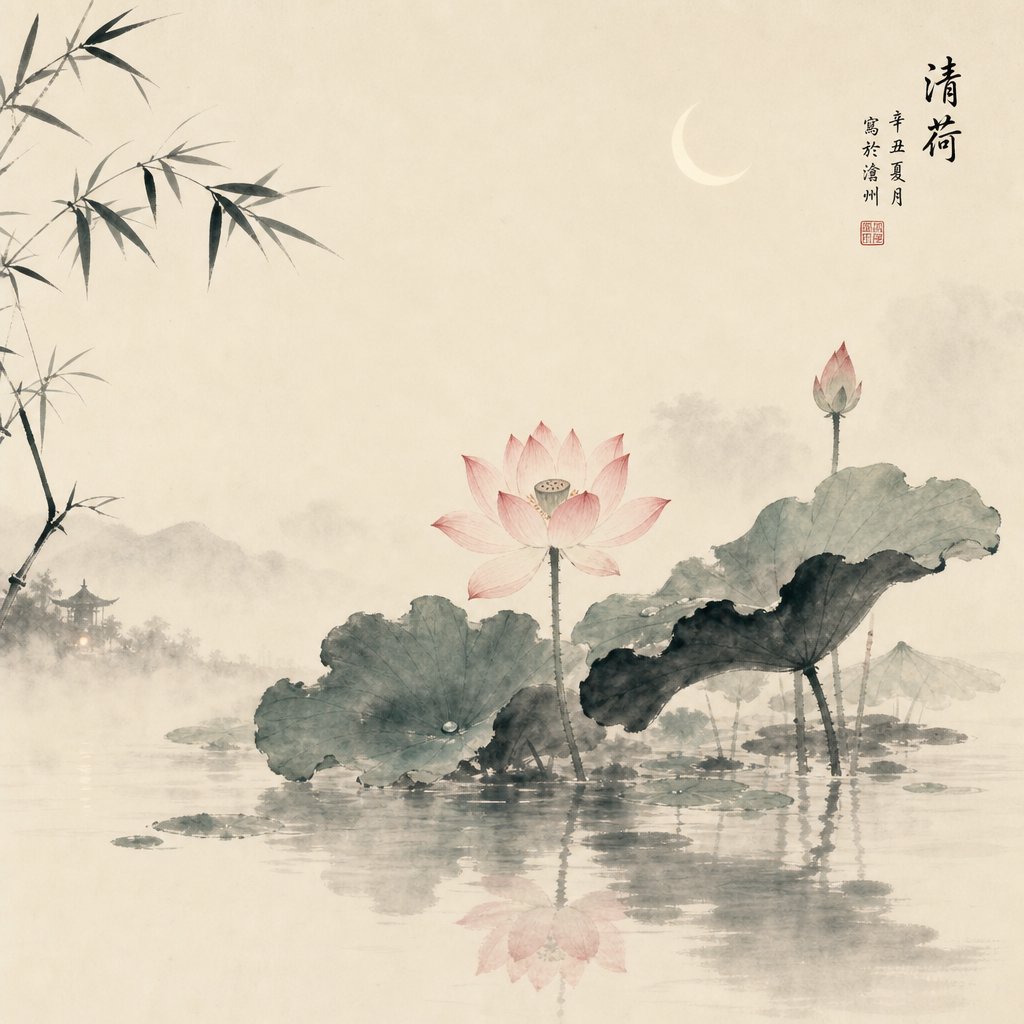
Characters themselves — their imagery, their radicals, their poetic associations — are the raw material every parent works with. And nowhere is that material richer than in nature. Chinese flower names girl families have chosen for centuries draw from a deep well: the grass radical (艹) signals a plant, the water radical (氵) evokes flowing streams, and the moon radical (月) ties a name to celestial cycles. When parents select nature-inspired characters, they're encoding an entire landscape into a daughter's identity.
What makes these names feel modern rather than old-fashioned? It's the combinations. Contemporary parents pair nature characters in unexpected ways — layering a flower with a celestial image, or combining water imagery with light. The result is a name that reads like a line of poetry rather than a simple label.
Flower and Plant Names
Flowers carry layered symbolism in Chinese culture. The "Four Gentlemen" (四君子) — plum blossom, orchid, bamboo, and chrysanthemum — have represented noble character traits for centuries. But modern flower girl names go beyond these classics, drawing from a wider botanical palette that includes jasmine, lotus, angelica, and wisteria.
Understanding the radicals helps you decode any flower name at a glance. The grass radical 艹 (cao) sits atop characters related to plants and herbs — you'll spot it in 芷 (zhi, angelica), 萱 (xuan, daylily), 荷 (he, lotus), and 芙 (fu, hibiscus). As research on Chinese nature radicals explains, this radical is an image of two strands of grass and appears in characters related to flowers, teas, and medicinal herbs. When you see 艹 in a name, you immediately know the character connects to the plant world.
In Chinese tradition, flower meanings carry specific cultural weight. Hibiscus (芙蓉, furong) represents graceful, timeless beauty — the character 芙 contains the grass radical indicating its botanical nature, while 蓉 adds the connotation of flourishing elegance. The lotus (荷, he) symbolizes purity rising from muddy water. Plum blossom (梅, mei) embodies resilience because it blooms in winter when other flowers cannot.
| Characters | Pinyin | Individual Character Meanings | Combined Meaning |
|---|---|---|---|
| 芷兰 | Zhǐ Lán | 芷 = angelica (艹 grass radical + 止 stop); 兰 = orchid | Fragrant herbs and noble orchid — refined, elegant character |
| 清菡 | Qīng Hàn | 清 = clear, pure (氵 water radical); 菡 = lotus bud (艹 grass radical) | Pure as a lotus in clear water — graceful nobility |
| 雨薇 | Yǔ Wēi | 雨 = rain; 薇 = fern/tiny rose (艹 grass radical + 微 delicate) | Delicate blossoms kissed by rain — fresh, natural beauty |
| 芙蓉 | Fú Róng | 芙 = hibiscus (艹 grass radical); 蓉 = flourishing (艹 grass radical) | Hibiscus in full bloom — timeless, graceful beauty |
| 木兰 | Mù Lán | 木 = wood/tree (木 wood radical); 兰 = orchid | Magnolia flower — noble independence and quiet strength |
| 萱依 | Xuān Yī | 萱 = daylily/mother's flower (艹 grass radical); 依 = gentle, reliant | Tender as a mother's bloom — warmth and devotion |
Notice how each flower character contains the grass radical 艹 as a visual cue. A parent scanning unfamiliar characters can immediately identify botanical names by this top-positioned radical — it's like a built-in category marker within the writing system itself.
Moon and Celestial Names
The moon holds a special place in Chinese poetry and naming. It represents feminine beauty, cyclical renewal, and quiet luminosity. Names that mean moon often pair the character 月 (yue) with complementary imagery — jade, stars, or gentle light — to create something that feels like a moon blossom of meaning, layering celestial grace with earthly warmth.
The sun radical 日 (ri) also appears in celestial names, though less commonly for girls. Characters containing 日 relate to brightness, dawn, and time. The character 晗 (han, dawn light) places 日 within its structure, literally encoding sunrise into the name. For parents seeking names with meaning of sun, characters like 晗, 曦 (xi, morning sunlight), and 昕 (xin, dawn) all carry that solar warmth while remaining soft enough for a girl's name.
| Characters | Pinyin | Individual Character Meanings | Combined Meaning |
|---|---|---|---|
| 汐玥 | Xī Yuè | 汐 = evening tide (氵 water radical); 玥 = sacred jade/mythical pearl of the moon | Moonlit tide — gentle, ethereal, and precious |
| 星岚 | Xīng Lán | 星 = star (日 sun radical at top); 岚 = mountain mist (山 mountain radical) | Stars veiled in mountain mist — mysterious, dreamlike beauty |
| 月菲 | Yuè Fēi | 月 = moon; 菲 = fragrant, lush (艹 grass radical) | Moonlight and faint fragrance — quiet, poetic elegance |
| 皓月 | Hào Yuè | 皓 = bright, luminous (白 white radical); 月 = moon | Brilliant full moon — radiant clarity and timeless beauty |
| 晨曦 | Chén Xī | 晨 = morning (日 sun radical); 曦 = first sunlight (日 sun radical) | Dawn's earliest rays — hope, warmth, and new beginnings |
| 云舒 | Yún Shū | 云 = cloud; 舒 = unfold, relaxed | Clouds drifting freely — calm, unhurried grace |
The name 汐玥 (Xiyu) ranks among the most popular girl names in China's recent household registration data, combining the evening tide with a mythical jade pearl associated with the moon. It captures exactly what modern parents want: celestial imagery that feels poetic without being heavy-handed.
Water and Nature Names
Water imagery runs deep in Chinese philosophy. The Tao Te Ching praises water as the softest substance that overcomes the hardest — making names that mean water a natural fit for parents who want to express gentle strength. The water radical 氵 (three drops of water) appears on the left side of characters like 溪 (xi, stream), 涵 (han, contain/nurture), 澜 (lan, great waves), and 沁 (qin, refresh).
These characters aren't just about literal water. They carry philosophical weight: 涵 suggests a mind deep enough to hold multitudes, 澜 implies the courage of ocean waves, and 溪 evokes the clarity of a mountain brook. Parents choosing water names are often encoding qualities like adaptability, depth, and quiet persistence.
| Characters | Pinyin | Individual Character Meanings | Combined Meaning |
|---|---|---|---|
| 若溪 | Ruò Xī | 若 = like, as if; 溪 = mountain stream (氵 water radical) | Like a clear mountain stream — natural, vivid charm |
| 沐瑶 | Mù Yáo | 沐 = bathe in blessings (氵 water radical); 瑶 = fine jade (王 jade radical) | Bathed in light like precious jade — warm purity |
| 锦汐 | Jǐn Xī | 锦 = brocade, splendid future (金 metal radical); 汐 = evening tide (氵 water radical) | A promising future, soft as the tide — elegant ambition |
| 澜 | Lán | 澜 = great waves (氵 water radical + 阑 railing/vast) | Broad-minded and extraordinary — single-character power name |
| 云溪 | Yún Xī | 云 = cloud; 溪 = stream (氵 water radical) | Clouds above a winding stream — peaceful, poetic landscape |
| 秋水 | Qiū Shuǐ | 秋 = autumn (禾 grain radical); 水 = water | Clear autumn waters — gentle poetic charm from classical verse |
Single-character water names like 澜 (Lan, great waves) and 澄 (Cheng, clear calm water) have gained traction among parents who want a name that feels bold and self-contained. These one-character choices work especially well when paired with a surname that already has tonal contrast — the name hits with immediate clarity.
What connects all these nature-inspired names — whether drawn from flowers, celestial bodies, or water — is the radical system acting as a visual key. A reader encountering an unfamiliar name can decode its category instantly: 艹 means plant, 氵 means water, 日 means sun or light, 山 means mountain. This built-in transparency is part of what makes Chinese naming so rich. Every character wears its meaning on its face.
Nature imagery gives a name beauty and cultural resonance. But many parents want something more — characters that project not just aesthetic grace but inner strength, intelligence, and the kind of elegance that commands a room.
Strong and Elegant Modern Chinese Girl Names
A generation ago, strong female names for Chinese girls meant characters tied to obedience and domestic harmony — 淑 (shu, virtuous wife), 贞 (zhen, chaste), 顺 (shun, compliant). These encoded what society expected of women, not what women might achieve. Today's parents have flipped that script. They want names that project capability, intellect, and resilience — qualities that belong to the daughter herself rather than to the role she's expected to fill.
This is a major naming trend among modern families. Characters once considered too assertive for girls — like 毅 (yi, resolute) or 卓 (zhuo, outstanding) — now appear regularly in birth registries. The shift reflects a broader cultural change: parents naming daughters for who they might become, not who they should serve.
Names Meaning Strength and Courage
Looking for badass girl names rooted in Chinese culture? These characters carry the weight of perseverance and independence without losing their feminine grace. Think of them as female warrior names translated into literary form — steel wrapped in silk, as one Chinese naming tradition describes it.
| Characters | Pinyin | Meaning | Cultural Context |
|---|---|---|---|
| 毅宁 | Yi Ning | 毅 = perseverance, resolute; 宁 = peaceful, calm | Inner steel paired with outer composure — a girl who stays steady under pressure |
| 卓然 | Zhuo Ran | 卓 = outstanding, surpassing; 然 = naturally so | Effortless excellence — implies leadership that doesn't need to announce itself |
| 恒悦 | Heng Yue | 恒 = constancy, persistence; 悦 = joy | Joyful determination — the grit to pursue goals without losing lightness |
| 桢慧 | Zhen Hui | 桢 = hardwood pillar; 慧 = wisdom | A wise foundation — reliable, capable, and intellectually strong |
Notice how each name pairs a strength character with something softer — peace, joy, nature. This balance is intentional. Modern parents aren't choosing names of strong woman figures to sound harsh. They're encoding the idea that strength and gentleness coexist.
Names Meaning Wisdom and Intelligence
Wisdom characters in Chinese carry a specific nuance. 慧 (hui) isn't raw IQ — it's emotional insight, the ability to read situations and people deeply. 睿 (rui) implies farsightedness, seeing what others miss. These characters tell a daughter: your mind is your greatest asset.
| Characters | Pinyin | Meaning | Cultural Context |
|---|---|---|---|
| 慧妍 | Hui Yan | 慧 = wisdom of the heart; 妍 = beautiful, graceful | Intelligence that radiates outward as beauty — wisdom as a form of grace |
| 思睿 | Si Rui | 思 = to think, reflect; 睿 = farsighted wisdom | Deep reflection paired with vision — a thoughtful, strategic mind |
| 知瑜 | Zhi Yu | 知 = knowledge, understanding; 瑜 = fine jade luster | Knowledge that shines like polished jade — well-read and perceptive |
| 敏诗 | Min Shi | 敏 = quick, agile mind; 诗 = poetry | A nimble intellect with poetic sensibility — sharp yet artistic |
The difference from older virtue names is clear. Traditional names like 淑慧 (Shuhui) paired wisdom with wifely virtue. Modern combinations like 思睿 or 慧妍pair wisdom with vision and beauty — framing intelligence as a personal quality rather than a domestic asset.
Names Meaning Grace and Elegance
Elegance in Chinese naming carries a specific elegant meaning: composed presence, refined taste, and quiet confidence. The jade name meaning runs deep here — jade (玉, 瑾, 琳, 瑶) represents virtue that has been polished through effort, beauty that comes from inner substance rather than surface decoration.
| Characters | Pinyin | Meaning | Cultural Context |
|---|---|---|---|
| 瑾萱 | Jin Xuan | 瑾 = lustrous jade, integrity; 萱 = daylily (forgetting sorrow) | Precious character that brings ease to others — elegant girl names at their finest |
| 雅琳 | Ya Lin | 雅 = standard of elegance; 琳 = beautiful jade | Refined beauty with substance — the jade radical 王 signals preciousness |
| 婉清 | Wan Qing | 婉 = graceful, tactful; 清 = clear, pure | Graceful clarity — emotional intelligence and a soothing presence |
| 诗韵 | Shi Yun | 诗 = poetry; 韵 = rhythm, charm | Poetic rhythm — a name that sounds like verse and implies artistic refinement |
Among these elegant female names, jade characters deserve special attention. The character 瑾 (jin) contains the jade radical 王 (originally 玉, compressed when used as a radical component), signaling that this isn't ordinary stone — it's jade that has been worked and refined. In Chinese philosophy, jade represents virtue made visible through sustained effort. Naming a daughter 瑾 tells her that true elegance isn't given; it's cultivated.
Characters like 琳 (lin, beautiful jade) and 瑶 (yao, precious jade) carry similar weight. They appear in popular combinations like 瑾琳 (Jinlin) — doubling the jade imagery to emphasize both inner integrity and outward beauty. For parents seeking elegant girl names that project substance alongside grace, jade characters remain among the most powerful choices available.
Strength, wisdom, elegance — these categories aren't mutually exclusive. The best modern names often blend elements from all three, creating a character portrait that feels complete. But choosing the right characters is only half the challenge. For families navigating two languages and two cultures simultaneously, the question becomes: how do you find a name that carries all this meaning and still works when your daughter introduces herself in English?
Cross-Cultural Names for Bilingual Families
For families living between two languages, a name has to do double duty. It needs to carry meaning in Chinese — real meaning, rooted in characters and radicals — while also rolling off the tongue naturally when a teacher calls attendance in an English-speaking classroom. That tension between depth and accessibility is the central puzzle for Chinese American girl names, and it's one that millions of diaspora families solve in creative ways every year.
The good news? You don't have to sacrifice one language for the other. Some chinese baby girl names are genuinely bilingual — they sound intuitive in English, carry rich meaning in Chinese, and don't require anyone to switch between two separate identities depending on the room they walk into.
Names That Bridge Chinese and English
Certain names sit naturally at the intersection of both languages. Their pinyin pronunciation maps closely enough to English phonetics that non-Chinese speakers can say them correctly on the first try, while the characters behind them retain full literary weight. As research on cross-linguistic naming explains, some transcriptions achieve a "phono-semantic matching" where both sound and meaning align — the ideal outcome for bilingual families.
Here are examples of chinese baby names girl options that work seamlessly across both worlds:
| Characters | Pinyin | English Sound | Chinese Meaning |
|---|---|---|---|
| 美琳 | Měilín | Sounds like "Maylin" | Beautiful jade — elegance and preciousness |
| 安娜 | Ānnà | Sounds like "Anna" | Peaceful and graceful — calm composure |
| 莉娜 | Lìnà | Sounds like "Lina" | Jasmine grace — fragrant beauty |
| 雅琳 | Yǎlín | Sounds like "Yalin" | Elegant jade — refined and precious |
| 恩雅 | Ēnyǎ | Sounds like "Enya" | Gracious elegance — kind and charming |
| 珊瑚 | Shānhú | Sounds like "Shanhu" | Coral — oceanic beauty and resilience |
Notice how names like 恩雅 (Enya) work particularly well — the pinyin is easy to pronounce in both English and Mandarin, and the characters carry genuine meaning rather than serving as empty phonetic placeholders. As What to Expect notes, Enya means "gracious and charming" and is easy to pronounce in both languages, making it a strong pick for families navigating two cultures.
Strategies for Pairing Chinese and Western Names
Not every family wants a single name that does everything. Some prefer distinct Chinese and English names that complement each other. Others want one name that functions in both contexts. Here are the main approaches american chinese girl names families use:
- Phonetic echo: Choose a Chinese name that sounds like an existing English name. A girl named Lily might receive the Chinese name 莉莉 (Lìlì, jasmine) — the sounds align, and both names reference flowers. Someone named 玲 (Ling) might go by Lynn in English, as GoEast Mandarin documents is a common pattern among Chinese speakers choosing English equivalents.
- Meaning match: Select a Chinese name whose meaning mirrors the English name's origin. A girl named Selena (from the Greek moon goddess) might receive the Chinese name 月婵 (Yuechan, moon beauty). The sounds differ completely, but the meaning carries across languages.
- Independent selection: Pick a Chinese name purely for its character meaning and a separate English name for its sound and cultural fit. The two names don't need to connect phonetically or semantically — they serve different contexts. This is the most common approach among families who want full creative freedom in both languages.
- Dual-function names: Find names that genuinely work as both Chinese and English without modification. Names like 美琳 (Meilin), 安妮 (Anni/Annie), or 凯琳 (Kailin/Caitlin) function in both worlds simultaneously, requiring no code-switching.
Each strategy has trade-offs. Phonetic echoes sometimes force parents into characters chosen for sound rather than meaning — and in Chinese naming, meaning always matters. Independent selection gives maximum freedom but means your daughter carries two separate identities. Dual-function names offer the cleanest solution but limit the character pool significantly.
Names Popular Among Chinese American Families
Among asian american names girl trends, certain combinations appear repeatedly because they solve the bilingual puzzle elegantly. These aren't random — they represent years of collective problem-solving by diaspora families who wanted both cultural authenticity and practical usability.
You'll notice that many popular asian names in Chinese American communities share specific traits: two-syllable given names, open vowel sounds that English speakers handle easily, and characters with clear positive meanings. Names like 美琳 (Meilin, beautiful jade) and 珍妮 (Zhenni, precious) show up frequently because they check every box — pronounceable, meaningful, and culturally grounded.
The word for baby in chinese is 宝宝 (baobao, precious treasure), and that sense of preciousness often guides diaspora naming choices. Parents want a name that feels like a gift in both languages — something a grandmother in Guangzhou and a kindergarten teacher in California can both say with warmth and recognition.
A few practical tips for bilingual families weighing their options:
- Test the name with native speakers of both languages. A name that looks bilingual on paper might hit awkward homophones in one language that you'd miss without feedback.
- Consider how the name will appear on official documents. In the US, the pinyin version typically becomes the legal name, so make sure it reads clearly in romanized form.
- Think about nicknames. A name like 美琳 naturally shortens to "Mei" in Chinese contexts and "Lin" in English ones — giving your daughter flexibility.
- Don't force a phonetic match if it means choosing weak characters. A Chinese name with rich meaning will serve your daughter better than one that merely sounds like an English name but carries hollow characters.
The bilingual naming challenge is ultimately about respect — respect for the Chinese language's depth and respect for the practical reality of living in an English-speaking world. The best chinese baby girl names for diaspora families honor both without compromising either.
Finding the right cross-cultural name is one layer of the puzzle. But even the most beautifully bilingual name can stumble if it accidentally violates cultural taboos that many non-native speakers don't know exist — rules about family names, homophones, and regional conventions that can turn a well-intentioned choice into an awkward one.
Naming Taboos and Cultural Rules You Should Know
A beautifully chosen name can still land badly if it breaks unwritten rules that Chinese families have followed for generations. These aren't minor preferences — some taboos carry enough cultural weight that violating them signals disrespect to elders or invites ridicule from native speakers. Whether you're selecting chinese female names and surnames for a newborn or choosing a Chinese name as an adult, these guardrails will save you from costly missteps.
Characters and Combinations to Avoid
The most fundamental rule in Chinese naming is 避讳 (bihuì) — the taboo against using characters that appear in the names of living elders. Historically, this extended to emperors and ancestors going back seven generations. In modern families, the practice has narrowed but hasn't disappeared. You'll still find that most Chinese families avoid giving a daughter any character that appears in her grandparents' or parents' given names.
Why does this matter? Using an elder's name character implies you're placing the child on the same generational level — or worse, above them. In a culture where filial respect structures family relationships, that's a serious breach. Imagine naming your daughter after her living grandmother's personal name. In Western culture, that's an honor. In Chinese culture, it can feel like an erasure of generational hierarchy.
Beyond family taboos, several other rules shape which characters and combinations are off-limits:
- Elder name avoidance (避讳 bihuì): Never reuse characters from living parents', grandparents', or great-grandparents' given names. Some families extend this to aunts and uncles as well. The taboo applies to the exact character — homophones with different characters are generally acceptable.
- Stroke count numerology: Traditional naming practice considers the total stroke count of the full name (surname plus given name). Certain totals are considered auspicious — numbers like 3, 5, 8, 11, 13, 15, 16, 21, and 23 — while others carry negative associations. The characters should also balance Yin (even strokes) and Yang (odd strokes) in specific patterns.
- Zodiac year conflicts: Some parents consult the Chinese zodiac when selecting characters. A girl born in the Year of the Rabbit might avoid characters containing the radical for "rooster" (酉), since Rabbit and Rooster clash in the zodiac cycle. Characters with water radicals might be favored for fire-year babies to create elemental balance.
- Government-restricted characters: China's household registration system (户口, hukou) only accepts characters from a standardized digital database. Extremely rare or archaic characters — even beautiful ones — may be rejected at the registration office if they don't appear in the approved set. Parents who fall in love with an obscure literary character sometimes discover this the hard way.
- Overly common combinations: While not a taboo per se, names like 子涵 (Zihan) and 梓萱 (Zixuan) became so popular in the 2010s that some parents now actively avoid them. Having five classmates with the same name creates practical confusion and defeats the purpose of individual identity.
Homophone Pitfalls in Name Selection
This is where non-native speakers stumble most often. Mandarin has a limited number of syllables — roughly 400 — spread across four tones, which means homophones are everywhere. A name that looks elegant on paper might sound identical to something embarrassing when spoken aloud.
Consider the chinese name meanings behind these cautionary examples. The name 诗婷 (Shīting, poetic grace) looks lovely in characters. But spoken quickly, it sounds uncomfortably close to a crude English word — a problem for bilingual families. Within Chinese alone, 吴硕 (Wu Shuo) sounds like 无所 (wusuo, "nothing"), and 杨伟 (Yang Wei) is a homophone for a term meaning sexual dysfunction. These aren't obscure traps — they're well-known pitfalls that any experienced Chinese speaker would catch immediately.
The safest approach? Say the full name — surname plus given name — out loud, quickly and repeatedly. Listen for unintended words that emerge from the syllable combinations. Ask native speakers from different dialect backgrounds to do the same, since a name that sounds fine in Mandarin might create problems in Cantonese or Hokkien, depending on the family's regional roots.
Pay special attention to how the surname interacts with the given name. Chinese family names and meanings combine with given-name characters to form a complete phrase when spoken. The surname 范 (Fan) paired with 统 (tong, unite) creates 范统 — a homophone for 饭桶 (fantong, "rice bucket," meaning useless person). The surname 史 (Shi) paired with 珍 (zhen, precious) produces 史珍 — which sounds like a vulgar term. These surname-given name collisions are the most common source of naming disasters.
Regional Naming Differences Across Chinese Communities
Chinese naming conventions aren't monolithic. The rules shift depending on whether you're registering a name in Beijing, Taipei, Hong Kong, or Singapore — and understanding these differences matters for families with ties to multiple regions.
In mainland China, names must use simplified characters and pass through the digital registration system. Two-character given names dominate, and the government occasionally publishes lists of overly common names to discourage duplication. Asian surnames names like Wang, Li, and Zhang are so prevalent that given-name creativity becomes essential for differentiation.
In Taiwan, traditional characters are standard, and naming culture tends to be more conservative. Generation names (字辈) persist more strongly in Taiwanese families, and fortune-telling consultations for stroke count and elemental balance remain common practice. Chinese last names for girls follow the same patrilineal tradition, though maternal surname inclusion is growing.
In Hong Kong, the situation is more complex. Cantonese girl names use traditional characters but follow Cantonese pronunciation rather than Mandarin pinyin. A character like 慧 is "wai" in Cantonese rather than "huì" — completely different phonetics that affect tonal harmony calculations. Hong Kong residents also typically have an English name registered alongside their Chinese name, making cross-cultural considerations part of the default process rather than an optional extra.
In Singapore, families may draw from Mandarin, Hokkien, Teochew, or Cantonese naming traditions depending on their dialect group. The romanization of asian surnames follows older dialect pronunciations — which is why the same character 林 appears as "Lim" (Hokkien) in Singapore but "Lin" (Mandarin) in mainland China. A chinese character female name chosen in Singapore needs to work across multiple dialect readings.
The single most important rule across all Chinese communities: say the complete name aloud — surname and given name together — and listen for unintended homophones before committing to any choice.
These taboos and regional rules might feel like constraints, but they're actually guardrails that protect a name's integrity. A name that clears every check — no elder conflicts, no homophone traps, balanced strokes, and clean pronunciation across relevant dialects — carries a confidence that shortcuts can't replicate. With these boundaries mapped, the final step is assembling everything into a clear decision-making process.
How to Choose the Perfect Modern Chinese Girl Name
You've explored character meanings, tonal mechanics, cultural taboos, and cross-linguistic strategies. The question now is: how do you pull all of that together into a single, confident decision? Choosing beautiful chinese girl names isn't about finding one perfect character in isolation — it's about building a name where every element reinforces the others. Sound supports meaning. Meaning respects family. Family context fits the broader culture.
Here's a structured process that walks you from blank page to final choice.
Step-by-Step Name Selection Process
Follow these steps in order. Each one narrows your options and builds on the previous decision, so skipping ahead often means backtracking later.
- Define the quality or meaning you want the name to express. Start broad. Do you want the name to convey wisdom? Resilience? Natural beauty? Poetic sensibility? Write down two or three core qualities. This becomes your filter for every character you consider. Parents searching for unique chinese girl names often begin here — clarity on meaning prevents you from chasing trendy characters that don't reflect your actual values.
- Select characters with complementary meanings. Once you know the qualities you want, find characters that express them — then pair characters that enhance each other rather than repeat the same idea. A name like 慧琳 (Huilin) pairs wisdom (慧) with beautiful jade (琳), creating depth through contrast. Two characters meaning the same thing (like pairing two "beauty" characters) often feels flat. Aim for one character that sets the aspiration and another that grounds it in imagery.
- Check tonal harmony between surname and given name. Say the full name aloud — surname plus given name — and listen to the rhythm. Avoid stacking three identical tones in a row. A mix of rising, falling, and flat tones creates a natural musicality. For example, a fourth-tone surname like 赵 (Zhao) pairs well with a first-tone and second-tone given name, creating a falling-then-rising melody that feels balanced.
- Verify stroke count balance. Count the strokes in each character. Traditional practice favors specific total stroke counts for the full name and a Yin-Yang balance across the characters (even strokes = Yin, odd strokes = Yang). Even if you don't follow numerology strictly, visually balanced characters — where one isn't dramatically more complex than the other — look better in writing.
- Test for homophone conflicts. Say the full name quickly, multiple times. Does it sound like an unintended word or phrase? Ask a native Mandarin speaker to do the same. If the family has Cantonese, Hokkien, or other dialect roots, test in those pronunciations too. This single step catches the most embarrassing mistakes.
- Consider cross-cultural usability (if relevant). For bilingual families, check whether the pinyin reads naturally in English. Can a non-Chinese speaker pronounce it on the first attempt? Does it create awkward associations in English? If cross-cultural function matters to you, this filter may eliminate otherwise strong candidates — and that's fine.
- Confirm the name doesn't violate family or cultural taboos. Cross-reference your chosen characters against living elders' names. Check that no character duplicates a grandparent's or parent's given-name character. Verify the name isn't on China's restricted character list if you're registering domestically. Confirm it doesn't share a name with a controversial public figure.
The best name isn't the one with the most beautiful individual characters — it's the one where surname, given name, tone, meaning, and cultural context all work together as a unified whole.
Testing Your Chosen Name
Before you commit, put your top candidates through real-world pressure tests. This is where cute chinese names for girls that looked perfect on paper sometimes reveal hidden problems — or where a name you weren't sure about proves itself under scrutiny.
Try these checks:
- The shout test: Imagine calling the name across a crowded room. Does it carry well? Does it sound clear and distinct, or does it blur into common syllables?
- The native speaker test: Share your top choices with two or three native Chinese speakers — ideally from different regions. As naming guides recommend, take your chosen name out for a test drive before making it official. If someone laughs or hesitates, ask why. A native ear catches problems that dictionaries miss.
- The written test: Write the full name in characters. Do the characters look balanced together? Is one dramatically more complex than the other? Pretty chinese girl names should feel harmonious visually — the characters sitting side by side on paper should complement each other in density and structure.
- The nickname test: What natural nicknames emerge from the name? Chinese speakers often double the last character (e.g., 琳琳 Linlin) or add 小 (xiao) before the surname. Make sure these shortened forms don't create unintended meanings.
Final Checklist Before Deciding
Once you've narrowed to one or two finalists, run through this quick checklist. Every "yes" builds confidence that you've found beautiful chinese names for girl with meaning that will serve your daughter well across her lifetime.
| Criterion | Check |
|---|---|
| Characters express the qualities I value | Yes / No |
| The two given-name characters complement (not duplicate) each other | Yes / No |
| Full name has tonal variety when spoken aloud | Yes / No |
| Stroke count is balanced and visually harmonious | Yes / No |
| No homophone conflicts in Mandarin (or relevant dialects) | Yes / No |
| Pronounceable cross-culturally (if needed) | Yes / No |
| No elder-name conflicts within the family | Yes / No |
| Characters are registrable (not restricted or archaic) | Yes / No |
| Native speakers approve without hesitation | Yes / No |
If you're checking every box, you've done the work. The name isn't just cute female chinese names picked from a list — it's a deliberate, layered choice that respects the language, honors the family, and gives your daughter something meaningful to carry forward. And that's exactly what a well-chosen name should do: feel inevitable in hindsight, as if it were always hers.
Frequently Asked Questions About Modern Chinese Girl Names
1. What makes a Chinese girl name modern versus traditional?
Modern Chinese girl names prioritize aesthetic beauty, literary references, and individuality over the strict Confucian virtue-based naming of earlier generations. While traditional names used characters like 淑 (virtuous) and 德 (moral integrity) to encode expectations of feminine duty, contemporary parents choose characters like 诗 (poetry), 涵 (encompassing), and 梓 (catalpa tree) that evoke creativity, emotional depth, and personal strength. The shift reflects parents treating classical culture as an artistic resource for self-expression rather than a moral prescription to follow.
2. How do tones affect the meaning of a Chinese girl name?
Mandarin has four main tones, and the same syllable pronounced with different pitch patterns becomes an entirely different word. For example, the syllable 'shi' in the first tone means poetry (诗) — a popular name character — but in the third tone means something no parent would choose. When selecting a name, tonal harmony across the full name (surname plus given name) also matters. Stacking identical tones sounds choppy, while contrasting tones create a natural, pleasing rhythm when spoken aloud.
3. What are the most important naming taboos in Chinese culture?
The most critical taboo is 避讳 (bihuì) — never using characters from living elders' given names, as it implies placing the child on the same generational level. Other key rules include avoiding homophone conflicts where the full name sounds like an embarrassing word or phrase, checking stroke count balance for numerological harmony, considering zodiac year influences on character selection, and verifying that chosen characters are accepted by China's official registration system. Always say the complete name aloud repeatedly to catch unintended sound-alike problems.
4. How do bilingual families choose Chinese names that work in English?
Bilingual families typically use one of four strategies: phonetic echo (choosing a Chinese name that sounds like an English name, such as 莉莉 for Lily), meaning match (selecting characters whose meaning mirrors the English name's origin), independent selection (picking unrelated names for each language), or dual-function names that work in both contexts without modification (like 美琳 Meilin or 恩雅 Enya). The key is never sacrificing character meaning just for phonetic convenience — a Chinese name with rich meaning serves a daughter better long-term.
5. What are popular nature-inspired Chinese girl names and their meanings?
Nature-inspired names draw from flowers, celestial imagery, and water. Popular flower names include 芷兰 (Zhilan, angelica and orchid representing refined character) and 清菡 (Qinghan, pure lotus bud). Celestial names like 汐玥 (Xiyue, evening tide and mythical moon pearl) rank among China's most registered names. Water names such as 若溪 (Ruoxi, like a mountain stream) and 沐瑶 (Muyao, bathed in jade light) encode philosophical qualities like adaptability and depth. The radical system — 艹 for plants, 氵 for water, 日 for sun — helps decode any nature name at a glance.