Understanding Popular Chinese Characters Behind Beautiful Girl Names
Imagine naming your daughter not with a word, but with a tiny piece of art that carries its own sound, meaning, and visual elegance. That's exactly how Chinese girl names work. Each character in a name is a deliberate choice, selected not just for what it means but for how it sounds and even how it looks when written with a brush or printed on paper.
When you browse lists of chinese names for girls, you'll often see complete two-character combinations like 美华 (Měihuá) or 雪莲 (Xuělián). These are lovely, but they only scratch the surface. The real creative power lies in understanding the individual characters themselves. Once you know that 雪 means "snow" and carries connotations of purity, or that 莲 evokes the lotus rising clean from muddy water, you can mix and match characters to build a chinese girl name that feels personal rather than borrowed from a list.
In Western naming, parents choose from existing names with fixed meanings. In Chinese naming, parents are composers — selecting each character independently for its meaning, tonal sound, and brushstroke beauty, then pairing characters into a harmonious whole.
Why Individual Characters Matter More Than Complete Names
Think of popular chinese characters for girl names as a palette rather than a finished painting. A single character like 月 (yuè, moon) can pair with dozens of other characters to create unique girl names, each with a different emotional texture. 月华 feels luminous. 月琴 feels musical. Same first character, entirely different names. This modular approach gives parents far more creative control than picking from a fixed list of complete names ever could.
Understanding characters also helps you avoid common pitfalls. Two beautiful characters placed together might clash tonally or accidentally sound like an unflattering word in spoken Mandarin. Knowing the building blocks means you can construct chinese girl names with intention and confidence.
Who This Guide Serves
This guide speaks to two groups. First, Chinese heritage families who want a curated reference for characters that carry cultural weight — parents and grandparents selecting female chinese names with precision, balancing tradition, family expectations, and modern taste. Second, non-Chinese parents drawn to the beauty of chinese names female speakers use daily, who want to understand what each character actually means before choosing one for their daughter.
Whether you're searching for cute chinese girl names with poetic depth or researching characters to honor a family lineage, the approach is the same: start with the characters, understand their layers, and then build outward. The sections ahead break down the most beloved characters by theme — from nature and virtue to jade and starlight — giving you everything you need to select with both heart and knowledge.
How We Selected and Ranked These Characters
Every chinese character female names draw from is built on a structural logic that goes back thousands of years. Before diving into specific characters, it helps to understand how they're constructed and why we ranked them the way we did. This isn't a random collection — it's a curated system based on how Chinese characters actually work at a structural level.
How Chinese Characters Are Built From Radicals
Picture a radical as the DNA of a character. It's a smaller component embedded within the full character that signals meaning, category, or origin. When you're exploring chinese names and meanings, you'll notice certain radicals appear again and again in feminine name characters. That's not coincidence — it's linguistic design.
Here are the key radicals that produce clusters of popular characters used in girl names:
- 女 (nǚ) — Woman radical: The most direct signal of femininity. Characters like 妍 (gorgeous), 婷 (graceful), and 娜 (elegant) all contain this radical, anchoring their chinese name meaning to womanhood itself.
- 玉/王 (yù) — Jade radical: Appears as 王 on the left side of characters. It generates a whole family of precious-stone characters like 琳 (fine jade), 瑶 (precious jade), and 珊 (coral) — all prized in girl names.
- 草 (cǎo) — Grass radical (艹): Sits atop characters connected to plants and flowers. You'll find it in 花 (flower), 莲 (lotus), 芳 (fragrant), and 蕾 (bud), giving names a natural, living quality.
- 水 (shuǐ) — Water radical (氵): Signals fluidity and softness. Characters like 淑 (virtuous), 洁 (pure), and 涵 (contain/encompass) carry this radical, evoking depth and clarity.
Recognizing these radicals gives you a shortcut for chinese name interpretation. Spot the jade radical, and you know the character likely relates to something precious. See the grass radical on top, and you're looking at a botanical reference.
Selection Criteria for Ranking Popular Characters
We ranked each chinese character female names commonly use based on three factors: frequency of use in birth registrations across Chinese-speaking regions, versatility in pairing with other characters, and richness of chinese name meanings across literary and cultural contexts. Characters that score high on all three — like 雅 (elegance) or 月 (moon) — sit at the top because they work beautifully in dozens of combinations while carrying deep mandarin name meaning.
Stroke Count and Five Elements in Naming
Stroke count isn't just about how complex a character looks. In traditional Chinese naming practice, the total stroke count of a full name connects to numerological fortune. Some families consult charts to ensure the combined strokes of surname and given name fall into auspicious ranges.
The Five Elements theory — wood, fire, earth, metal, and water — adds another layer. Each element corresponds to specific radicals and characters. A child's birth date determines which element they need more of, and parents select chinese characters names that supply that balance. A name heavy in water-radical characters might suit a child whose birth chart lacks the water element.
Tonal pronunciation matters too. Mandarin has four tones, and the same pinyin spelled identically can mean completely different things depending on tone. Consider "yù" — with the fourth tone it means jade (玉), but "yǔ" with the third tone means rain (雨). Understanding china name meaning requires hearing the tone, not just reading the spelling. When pairing characters, parents listen for tonal variety so the full name rises and falls musically rather than landing flat on repeated tones.
With this structural foundation in place, each character in the sections ahead becomes far more than a pretty symbol — it's a deliberate intersection of meaning, sound, visual form, and elemental balance.
Nature Characters That Evoke Beauty and Grace
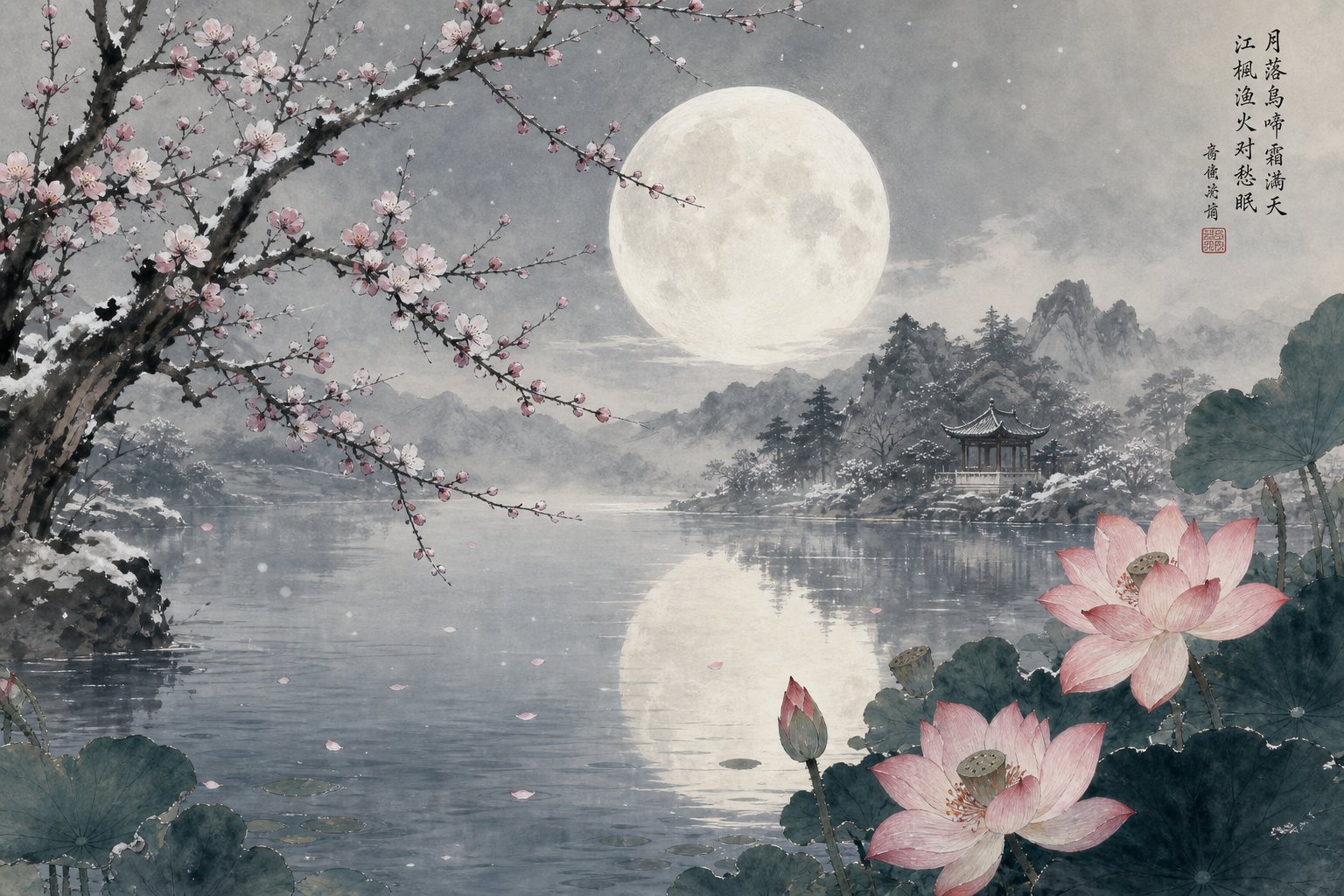
Nature has always been the richest source of inspiration on any chinese names list female families turn to. When Chinese parents reach for a character tied to the natural world, they're doing more than picking something pretty. Each nature character carries seasonal symbolism, literary echoes, and phonetic qualities that give a name emotional texture. The connection between nature and meaning runs deep in Chinese culture — a flower isn't just a flower, it's a metaphor for character, resilience, or purity.
Let's look at five of the most enduring nature characters used in girl names, breaking down exactly why each one has remained popular across generations.
Moon and Snow Characters for Ethereal Names
If you're drawn to names that mean moon, 月 (yuè) is the character you'll encounter most often. It carries a fourth tone that drops cleanly, giving it a decisive yet graceful sound. The character itself is also a radical — it appears inside other characters related to time and light. In poetry, the moon represents longing, beauty, and quiet strength. Think of the famous Tang Dynasty poet Li Bai writing to the moon as a companion. A name like 月华 (Yuèhuá) evokes moon blossom imagery — luminous and soft.
雪 (xuě, snow) works differently. Built with the rain radical (雨) on top, it belongs to the water-element family, making it ideal for children whose birth charts need water balance. Snow in Chinese literature symbolizes purity and endurance — plum blossoms blooming through snow is one of the most celebrated images in classical painting. The third-tone dip in xuě gives it a gentle, unhurried quality that pairs well with sharper-sounding characters. For parents seeking names that mean water through poetic association rather than literal reference, 雪 delivers beautifully.
Flower and Blossom Characters With Literary Roots
花 (huā, flower) is the most universal flower girl names character in Chinese. It uses the grass radical (艹) and carries a first tone — high and bright, like a bloom opening. While some modern parents consider it slightly traditional, it remains a staple in compound names where it adds warmth without heaviness. Just as flower meanings hibiscus and peony carry specific symbolism in Western gardens, 花 in Chinese naming signals beauty in its broadest, most joyful sense.
莲 (lián, lotus) goes deeper. Also built on the grass radical, the lotus holds a unique place in Chinese philosophy. It grows from mud yet emerges spotless — a metaphor for moral integrity that appears in Confucian and Buddhist texts alike. The second-tone rise in lián gives it an uplifting sound, and it pairs naturally with characters that carry stillness or clarity.
梅 (méi, plum blossom) is perhaps the most culturally loaded of all. The plum blossom is one of China's "Four Gentlemen" plants and blooms in winter when nothing else dares. It represents perseverance and quiet courage. The name Mei Ling (美玲 or 梅玲) has become recognizable worldwide, demonstrating how well 梅 travels across languages. Its second tone and open vowel make it easy to pronounce in both Mandarin and English.
Pairing Nature Characters With Common Surnames
How a character sounds after a surname matters as much as its meaning. You'll notice that tonal contrast creates the most pleasing combinations — a surname in one tone followed by a given-name character in a different tone prevents the name from sounding monotone.
| Character | Pinyin | Radical | Core Meaning | Example Full Name |
|---|---|---|---|---|
| 月 | yuè (4th tone) | 月 (moon, self-radical) | Moon, brightness, longing | 王月琴 (Wáng Yuèqín) |
| 雪 | xuě (3rd tone) | 雨 (rain) | Snow, purity, endurance | 李雪梅 (Lǐ Xuěméi) |
| 花 | huā (1st tone) | 艹 (grass) | Flower, beauty, vitality | 张花妍 (Zhāng Huāyán) |
| 莲 | lián (2nd tone) | 艹 (grass) | Lotus, purity, integrity | 王莲清 (Wáng Liánqīng) |
| 梅 | méi (2nd tone) | 木 (wood) | Plum blossom, resilience, winter courage | 李梅芳 (Lǐ Méifāng) |
Notice how 李雪梅 (Lǐ Xuěméi) combines two nature characters — snow and plum blossom — painting a complete seasonal picture in just three syllables. Meanwhile, 王莲清 pairs the lotus with 清 (clear/pure), reinforcing the lotus's symbolic meaning through repetition of concept rather than sound.
These nature characters give parents a starting vocabulary that feels timeless without being dated. They connect a daughter's name to seasons, landscapes, and centuries of poetry. Yet nature is only one dimension of meaning Chinese parents draw from. Qualities like wisdom, grace, and inner virtue form an equally powerful — and equally popular — category of characters that parents have trusted for generations.
Virtue and Elegance Characters for Meaningful Names
Nature characters paint pictures of the external world — snow, moonlight, blossoms. But some of the most enduring chinese female names look inward instead, encoding qualities parents hope their daughters will embody. These virtue and elegance characters carry centuries of philosophical weight, connecting a child's identity to ideals that Chinese culture has prized since the time of Confucius.
What makes these characters so compelling? They don't describe what a girl looks like. They describe who she might become. And that distinction gives them a staying power that trends can't touch.
Wisdom and Intelligence Characters
慧 (huì, wisdom) is one of the most respected characters in feminine chinese names. Built with the heart radical (心) at its base, it signals that true wisdom lives in emotional intelligence, not just book knowledge. Confucian texts praise 慧 as cultivated intellect — the kind that comes from reflection and self-awareness rather than raw cleverness. Its fourth tone drops with authority, giving names like 陈慧琳 (Chén Huìlín) a confident, grounded sound.
In The Book of Songs (诗经), the character 淑 appears in the famous line "窈窕淑女, 君子好逑" — describing a virtuous and graceful woman as the ideal companion. This single literary reference has kept 淑 in active use for over 2,500 years.
淑 (shū, virtuous) draws its power directly from that classical source. Containing the water radical (氵), it suggests virtue that flows naturally rather than being forced — a quiet, deep goodness. Parents who choose 淑 are often referencing this literary tradition consciously, connecting their daughter to one of Chinese poetry's most celebrated feminine ideals.
Elegance and Grace Characters Across Generations
雅 (yǎ, elegance) carries an elegant meaning that has remained remarkably consistent from the 1980s through today. Its third tone dips gently, mirroring the understated refinement the character represents. You'll find 雅 in names across every generation of modern Chinese women — it appeared frequently in 1980s birth records and still ranks among the top characters chosen by young parents. That kind of cross-generational appeal is rare.
婷 (tíng, graceful) contains the woman radical (女), anchoring its meaning explicitly to feminine poise. The second tone rises lightly, giving it an uplifting quality that sounds optimistic when spoken aloud. 静 (jìng, serene) takes a different approach — its fourth tone and meaning both suggest stillness, composure, and inner calm. Together, these characters represent a spectrum of elegant female names: 婷 leans toward outward grace while 静 points to internal peace.
These characters have endured because they describe qualities rather than appearances. A name built on beauty might feel limiting as a girl grows into womanhood. A name built on wisdom or serenity grows with her.
| Character | Pinyin | Meaning Layers | Cultural Context |
|---|---|---|---|
| 慧 | huì (4th tone) | Wisdom, insight, emotional intelligence | Confucian ideal of cultivated intellect; heart radical signals inner knowing |
| 雅 | yǎ (3rd tone) | Elegance, refinement, cultured taste | Used in classical poetry to describe artistic sophistication |
| 婷 | tíng (2nd tone) | Graceful bearing, poised, slender beauty | Woman radical (女) signals feminine origin; popular since the 1980s |
| 静 | jìng (4th tone) | Serenity, calm, stillness of mind | Daoist and Confucian value of inner peace; appears in meditation texts |
| 淑 | shū (1st tone) | Virtuous, kind-natured, morally good | The Book of Songs (诗经) established this as the definitive feminine virtue character |
Why Virtue Characters Remain Timeless Choices
Pretty female chinese names built on virtue characters resist the cycle of fashion that makes other names feel dated within a decade. The reason is structural: these characters encode values rather than trends. A girl named 慧雅 (Huìyǎ) in 1985 carries the same dignity as one named 慧雅 today because wisdom and elegance don't expire.
Surname pairing matters here just as much as with nature characters. Listen to how these combinations sound: 刘婷 (Liú Tíng) rises smoothly from second tone to second tone with a pleasing rhythm. 李静 (Lǐ Jìng) drops from third tone to fourth, creating a sense of settling into calm. 陈雅 (Chén Yǎ) moves from second tone to third, producing a gentle wave pattern that feels balanced and unhurried.
These strong female names prove that power doesn't require volume. Characters like 慧 and 静 carry quiet authority — the kind that comes from depth rather than force. They represent elegant girl names in the truest sense: beauty defined by substance, not decoration.
Virtue characters speak to who a person is. But Chinese naming tradition also draws heavily from what is rare and precious — materials that cultures have treasured for millennia. Jade, coral, and gemstone characters form their own rich category, one where the physical world meets symbolic worth in ways unique to Chinese culture.
Precious and Jade Characters That Symbolize Worth
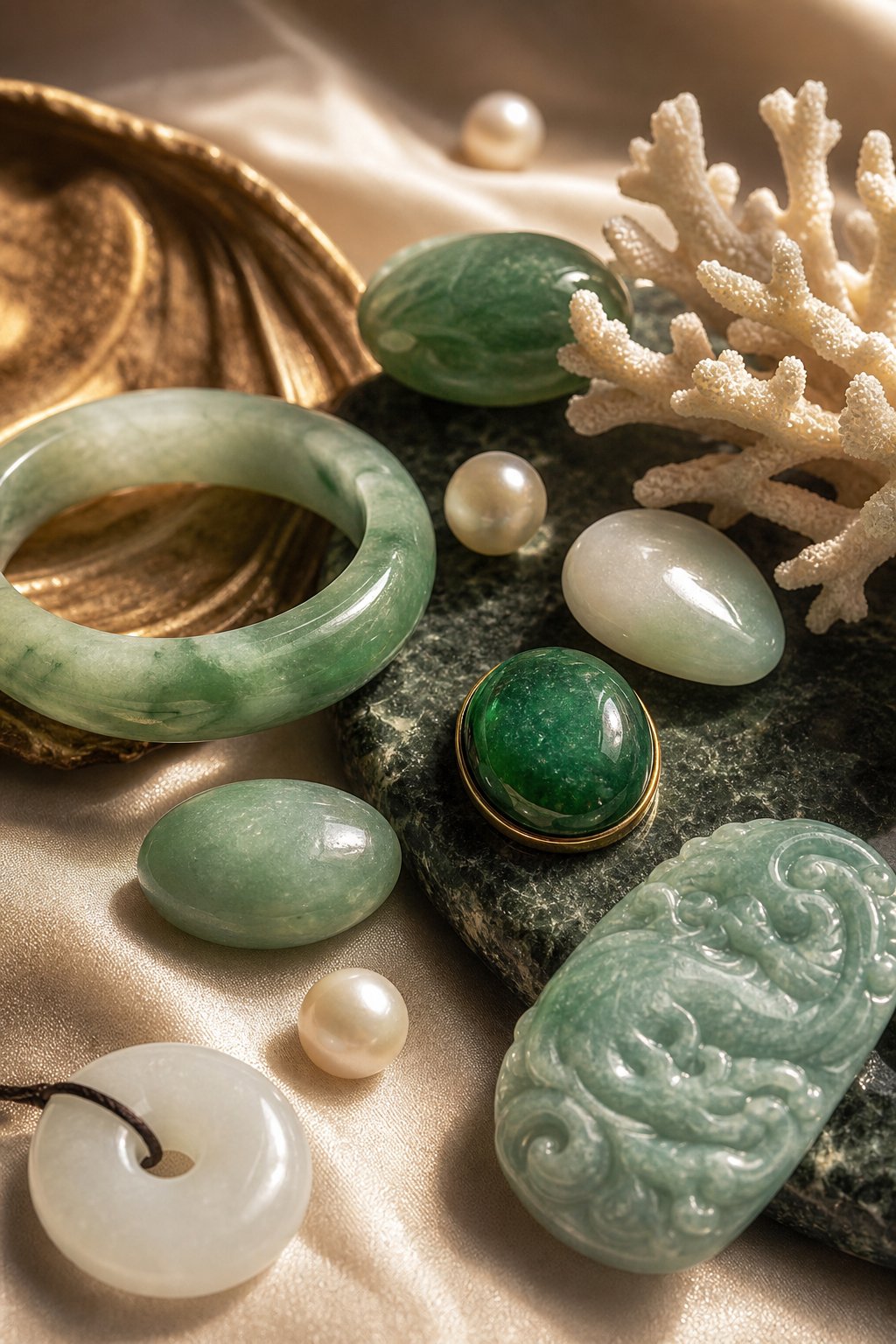
In Chinese culture, jade isn't just a gemstone — it's a moral metaphor. For thousands of years, jade has represented integrity, purity, and inner worth that only reveals itself over time. That cultural weight is exactly why the jade radical (玉, written as 王 when it appears on the left side of a character) produces more beautiful chinese girl names than almost any other radical family. When parents choose a jade-related character, they're saying their daughter is rare, valuable, and refined from within.
Jade Characters and Their Cultural Weight
The jade name meaning goes far beyond "pretty stone." Confucius himself compared a virtuous person to jade, noting that its warmth resembles benevolence, its clarity resembles wisdom, and its firmness resembles justice. That philosophical depth is why 玉 (yù) has appeared in chinese women names for centuries without ever feeling outdated.
玉 (yù, jade) is the root character — simple, direct, and carrying a fourth tone that sounds decisive. On its own, it works beautifully in names like 王玉兰 (Wáng Yùlán). But its real influence comes from the dozens of characters it generates as a radical. Every character in this family inherits some of that precious meaning, creating a whole vocabulary of worth and rarity for parents to draw from.
Precious Stone Characters Beyond Jade
The jade radical family extends well beyond 玉 itself. Here are the characters that consistently appear among pretty chinese girl names built on the theme of rarity and value:
珍 (zhēn, precious/rare) carries a first tone that rings clear and bright. It suggests something so uncommon it deserves protection — a fitting sentiment for a daughter. 瑶 (yáo, precious jade) adds a second-tone rise that sounds hopeful and warm, referencing a mythical jade found in paradise. 琳 (lín, fine jade) uses a second tone as well, and its sound pairs smoothly with many surnames, making it one of the most versatile rich girl names characters available. 珊 (shān, coral) shifts the imagery from stone to sea, evoking something delicate, branching, and alive — coral's organic beauty translated into a name.
When researching chinese family names and meanings, you'll notice these jade-radical characters pair especially well with single-syllable surnames like 李, 王, and 张 because their two-syllable given-name combinations create a balanced three-beat rhythm.
Pros of Choosing Characters With the 玉 Radical
- Instantly recognizable precious meaning — any Chinese reader will associate the radical with value and beauty
- Large character family offers many options, so names feel unique rather than repetitive
- Strong literary and philosophical roots give the name cultural depth across generations
- Most jade-radical characters have moderate stroke counts (8-15 strokes), making them practical for daily writing
Cons of Choosing Characters With the 玉 Radical
- Popularity means potential overlap — characters like 琳 appear frequently, so full-name combinations need careful thought to stand apart
- Some characters (like 瑶) may be unfamiliar to non-Chinese speakers, creating pronunciation challenges in bilingual settings
- The radical visually resembles 王 (king), which can cause confusion for those learning to read Chinese characters
Simplified vs Traditional Forms of These Characters
Here's good news for parents navigating the simplified-versus-traditional question: most jade-radical characters look identical in both systems. China's character simplification from 1956 to 1964 produced a total of 2,238 simplified characters, but many gemstone characters weren't among them because their stroke counts were already manageable.
Simplified Chinese is the standard writing system in mainland China, while Traditional Chinese remains standard in Taiwan, Hong Kong, and Macau. For naming purposes, this means a character like 琳 or 珊 will look the same whether your family connects to Beijing or Taipei. However, a few characters in this category do differ slightly between systems.
| Character | Pinyin | Simplified Form | Traditional Form | Difference? |
|---|---|---|---|---|
| 玉 | yù | 玉 | 玉 | No change |
| 珍 | zhēn | 珍 | 珍 | No change |
| 瑶 | yáo | 瑶 | 瑤 | Right component differs slightly |
| 琳 | lín | 琳 | 琳 | No change |
| 珊 | shān | 珊 | 珊 | No change |
The practical takeaway? If you're choosing among these characters for a daughter's name, most will transfer seamlessly across Chinese-speaking regions. Only 瑶 shows a minor variation between its simplified (瑶) and traditional (瑤) form — and even that difference is subtle enough that both versions are immediately recognizable.
This cross-regional consistency makes jade-radical characters especially practical for diaspora families maintaining connections across mainland China, Taiwan, and overseas communities. The name reads the same everywhere it matters.
Precious stones speak to external worth — what the world sees and values. But Chinese naming tradition also reaches toward the intangible: poetry, music, dreams. Characters drawn from artistic and literary traditions form their own category, one that appeals to parents who want a name with creative soul rather than material symbolism.
Literary and Poetic Characters for Creative Names
Poetry and music have shaped Chinese culture for over three thousand years. It makes sense, then, that some of the most beloved chinese given names female families choose draw directly from these artistic traditions. Characters rooted in literature and sound carry a different kind of beauty than nature or jade characters — they evoke imagination, creativity, and the intangible qualities that make a person memorable. For parents who want a name with artistic soul, this category offers some of the coolest and most distinctive options available.
These aren't obscure choices, either. Many famous chinese names belong to women whose given names contain exactly these characters — actresses, poets, musicians whose names feel like small works of art in themselves.
Poetry and Dream Characters for Artistic Names
诗 (shī, poetry) is about as direct a literary reference as you can get. This character literally means "poem" or "poetry," and it carries a first tone that sounds clean and elevated. Built with the speech radical (讠) on the left, it signals verbal artistry — the craft of turning language into something transcendent. In ancient chinese names, references to poetry signaled that a family valued education and artistic cultivation. Today, 诗 remains popular because it's both meaningful and phonetically versatile. Names like 诗涵 (Shīhán) or 诗雅 (Shīyǎ) pair it with characters for depth or elegance, creating combinations that feel cultured without being heavy.
梦 (mèng, dream) takes a more ethereal approach. Its fourth tone drops with a sense of weight, grounding what could otherwise feel too wispy. The character contains the evening radical (夕) at its base, connecting dreams to nightfall and the subconscious. Parents who choose 梦 are often drawn to its sense of possibility — a dream isn't fixed, it's aspirational. 梦琪 (Mèngqí) and 梦瑶 (Mèngyáo) are combinations that balance the dreamlike quality with something solid, whether that's jade or wonder.
What makes these characters cool chinese names material is their layered resonance. 诗 doesn't just mean "poetry" — it implies a person who sees beauty in language, who thinks in metaphor. 梦 doesn't just mean "dream" — it suggests vision, ambition, and the courage to imagine something beyond the ordinary.
Music-Inspired Characters With Melodic Sounds
琴 (qín, musical instrument) refers specifically to the guqin, a seven-stringed zither that has been central to Chinese scholarly culture for over 3,000 years. Playing the qin was one of the Four Arts that every educated person was expected to master, alongside chess, calligraphy, and painting. When this character appears in a name, it signals refinement and artistic discipline. The actress Qin Lan (秦岚), whose surname shares the same pinyin sound, demonstrates how naturally this syllable flows in spoken Chinese — though her 秦 is a surname character rather than the instrument character 琴.
韵 (yùn, rhyme/charm) is subtler. It means both the musical concept of rhyme and a personal quality of charm or magnetism. Its fourth tone gives it a decisive finish, and the sound radical (音) embedded within it reinforces the connection to melody and rhythm. Among chinese first names female speakers use today, 韵 has gained popularity with younger parents who appreciate its dual meaning — a name like 韵诗 (Yùnshī) literally translates to "rhyming poetry" while suggesting a person with natural charisma.
颖 (yǐng, intelligent/outstanding) rounds out this category by bridging artistry and intellect. It means "sharp" in the sense of a brilliant mind — someone who stands out from the crowd. The character contains the page radical (页), historically connected to the head, reinforcing its association with mental sharpness. Yi Mei (艺美 or 逸美), another combination popular among famous female chinese names, shows how artistic characters pair naturally with beauty characters to create names that feel both creative and grounded.
| Character | Pinyin | Core Meaning | Radical | Literary Connection |
|---|---|---|---|---|
| 诗 | shī (1st tone) | Poetry, verse, literary art | 讠(speech) | The Book of Songs (诗经), China's oldest poetry anthology |
| 梦 | mèng (4th tone) | Dream, vision, aspiration | 夕 (evening) | Zhuangzi's butterfly dream parable |
| 琴 | qín (2nd tone) | Stringed instrument, musical refinement | 王 (jade/king) | One of the Four Arts of the Chinese Scholar |
| 韵 | yùn (4th tone) | Rhyme, charm, melodic quality | 音 (sound) | Classical poetry's tonal regulation system |
| 颖 | yǐng (3rd tone) | Intelligent, outstanding, sharp | 页 (page/head) | Used in idioms describing exceptional talent |
Trending Characters vs. Classic Choices
Naming trends shift in Chinese culture just as they do everywhere else. Among younger Chinese parents — particularly millennials and Gen Z starting families — characters like 梦, 诗, and 颖 have surged in popularity. These parents often gravitate toward names that sound modern and aspirational rather than strictly traditional. Characters that suggest creativity, independence, and vision resonate with a generation that values self-expression.
Classic choices like 琴 and 韵, meanwhile, maintain steady use without dramatic spikes. They appeal to families who want a name rooted in cultural heritage — something that would have sounded equally appropriate in a Tang Dynasty poem or a modern classroom. The distinction isn't better or worse; it's a question of whether parents want their daughter's name to feel contemporary or timeless.
For families researching famous chinese names for inspiration, you'll find both categories well-represented among public figures. Actresses, authors, and musicians carry names built from these exact characters, proving that literary names translate well from paper to real life.
Naming Taboos and Characters to Avoid
Choosing a beautiful character is only half the work. Chinese naming tradition also carries firm taboos — rules about what you should never do when selecting chinese first names female children will carry for life. Breaking these isn't just a style mistake; in some cases, it's considered disrespectful or even unlucky.
Here are the most important naming taboos to understand:
- Homophone conflicts: A character might look beautiful on paper but sound identical to a word with negative meaning when spoken aloud. For example, 诗 (shī, poetry) is lovely, but pairing it carelessly could create a name that sounds like 失 (shī, loss) in certain combinations. Always speak the full name aloud in all four tones to check for unfortunate homophones.
- Using elders' characters: In traditional Chinese families, a child's name must never contain a character from a living grandparent's, parent's, or respected elder's name. This is called 避讳 (bìhuì) — name avoidance — and violating it is considered deeply disrespectful, as it implies the child is on equal standing with the elder.
- Government-approved character lists: In mainland China, birth registrations must use characters from an officially approved list. Rare or archaic characters — no matter how beautiful — may be rejected by the household registration office. Parents who fall in love with an unusual ancient character sometimes discover they cannot legally register it.
- Characters with excessive complexity: Names with very high stroke counts (above 20 strokes per character) create practical problems. Children struggle to write them in school, and they often render poorly in small digital fonts. A name should be writable by a six-year-old learning characters.
- Overly common combinations: While individual characters like 颖 or 梦 are fine, certain full-name combinations have become so widespread that they lose distinctiveness. Checking regional birth registration data can help parents avoid giving their daughter a name shared by dozens of classmates.
These taboos aren't arbitrary restrictions — they reflect a naming culture that treats a child's name as a serious, consequential act. The character you choose will be written thousands of times, spoken millions of times, and carried for a lifetime. That weight is exactly what makes the selection process so meaningful.
Literary characters channel the inner world — imagination, intellect, artistic vision. But a growing number of modern Chinese parents want something different: names that radiate outward energy, brightness, and strength. Characters associated with light, dawn, and radiance represent this newer wave of naming philosophy, one that's reshaping what popular characters look like for the next generation of girls.

Radiance and Strength Characters for Modern Girls
A generation ago, the most popular names of chinese female newborns leaned toward softness — quiet virtue, gentle flowers, serene moonlight. That's shifting. Young Chinese parents, particularly those born after 1990, increasingly want names that project brightness, energy, and inner power. Characters associated with light and radiance have surged in popularity because they carry a forward-looking optimism — the sense that a daughter will illuminate whatever space she enters.
This isn't about rejecting tradition. It's about expanding what tradition offers. Light characters draw from the same classical poetry and philosophical texts as any other category, but they emphasize a different quality: visibility, warmth, and the kind of strength that doesn't need to announce itself because it simply shines.
Light and Radiance Characters for Modern Names
明 (míng, bright) is one of the most structurally elegant characters in Chinese. It combines 日 (sun) on the left with 月 (moon) on the right — literally, the two brightest objects in the sky joined into a single concept. The ming meaning extends beyond physical brightness into intelligence, clarity, and openness. Its second tone rises with confidence, making it phonetically strong without being harsh. For parents seeking names with sun meaning woven into their daughter's identity, 明 delivers both the literal solar reference and the metaphorical brilliance.
The supermodel Ming Xi (明熙) demonstrates how naturally this character works in a full name — 明 paired with 熙 (warmth, prosperity) creates a combination that sounds luminous and modern. It's a name that travels well internationally because the syllable "ming" is easy for English speakers to pronounce clearly.
曦 (xī, dawn light) is more specialized and poetic. It refers specifically to the first rays of sunlight breaking over the horizon — not the harsh midday sun, but that golden, hopeful moment when darkness gives way. Built with the sun radical (日) on the left, 曦 carries a first tone that sounds bright and lifted. Its higher stroke count (20 strokes) makes it visually complex, which some parents see as a feature rather than a bug — the character looks impressive when written in calligraphy. Among names with meaning of sun, 曦 offers the most poetic and specific interpretation: not just sunlight, but the promise of a new day.
晨 (chén, morning) takes a similar temporal approach. It means "morning" or "dawn" and uses the sun radical (日) at its top, signaling its connection to daylight. The second tone rises gently, and the character's moderate stroke count (11 strokes) makes it practical for everyday writing. According to LingoAce's naming guide, 晨 represents "new beginnings" — a meaning that resonates deeply with parents welcoming a daughter into the world. Names like 晓晨 (Xiǎochén) double down on the morning theme, while 晨曦 (Chénxī) combines morning with dawn light for a name that feels like watching the sunrise.
辉 (huī, radiance) carries a different energy. Where 曦 and 晨 are soft and hopeful, 辉 is bold — it means radiance in the sense of glory, splendor, and brilliance that commands attention. Its first tone rings high and clear. Traditionally more common in masculine names, 辉 has crossed over as parents reject rigid gender boundaries in naming. A girl named 辉 carries the same luminous power the character has always held, now freed from outdated expectations about which characters "belong" to which gender.
Strength Characters With Feminine Energy
妍 (yán, beautiful/gorgeous) is where strength and femininity merge most visually. Look at its structure: the left side is the woman radical (女), explicitly marking it as feminine in origin. But the right component 开 means "open" — suggesting beauty that unfolds, expands, and takes up space. This isn't passive prettiness. 妍 describes a beauty that's active and confident, the kind that draws the eye because it refuses to shrink.
The second tone in yán rises with energy, and the character pairs beautifully with both soft and strong companions. 妍秀 (Yánxiù) leans graceful. 妍明 (Yánmíng) leans radiant. The woman radical grounds it in feminine identity while the meaning itself conveys power — making 妍 a favorite among parents who want something bolder than traditional choices but still culturally rooted.
For parents drawn to the spirit of female warrior names but wanting something authentically Chinese rather than borrowed from Western mythology, characters like 妍 and 辉 offer that energy within a native framework. These aren't names that mean "warrior" literally — Chinese naming culture rarely works that literally. Instead, they encode strength through metaphor: radiance that can't be dimmed, beauty that opens rather than hides, mornings that break through darkness. The names of strong woman figures throughout Chinese history often contain exactly these light-and-power characters, from empresses to revolutionary poets.
What makes these characters feel like badass girl names to modern ears is their refusal to be small. 曦 is visually commanding at 20 strokes. 辉 rings with unmistakable brightness. 妍 declares beauty as an active force. They represent a new generation's answer to what feminine strength looks like in a name.
Regional Differences in Light and Strength Characters
Which radiance characters trend depends partly on geography. In mainland China, 晨 and 曦 have appeared frequently in recent newborn registration data, reflecting the broader trend toward poetic, classically-inspired names that the Global Times reports among post-1990 parents. Names like "Jincheng" and "Yanzhou" — drawn from classical idioms and Song Dynasty poetry — signal that mainland parents are reaching into literary tradition for fresh inspiration, and light characters fit perfectly into that movement.
In Taiwan, 妍 has been especially popular, often paired with characters like 希 (xī, hope) or 心 (xīn, heart) to create names that feel warm and aspirational. Taiwanese naming tends to favor softer phonetic combinations, so the gentle rise of yán suits the regional preference well.
Hong Kong naming conventions, influenced by Cantonese pronunciation, sometimes favor different characters entirely. A character that sounds elegant in Mandarin might land awkwardly in Cantonese, and vice versa. 晨 (Mandarin: chén; Cantonese: san4) works well in both systems, which partly explains its cross-regional appeal. Meanwhile, 曦 (Mandarin: xī; Cantonese: hei1) carries a breathy quality in Cantonese that some Hong Kong parents find particularly beautiful.
How to Combine Two Characters Into a Harmonious Name
Selecting a single powerful character is only the first step. Chinese given names typically use two characters working together, and the art lies in making them complement rather than compete. Imagine two musical notes — each beautiful alone, but together they need to form a chord rather than a clash.
Here are the core principles for combining characters into a harmonious given name:
- Alternate tones for musical flow. Avoid pairing two characters with the same tone. A name like 明曦 (Míngxī) places a second tone before a first tone, creating a gentle rise-then-level pattern. Two fourth tones in a row (like 慧辉, Huìhuī) can sound abrupt and choppy. The goal is a name that feels rhythmic when spoken aloud — test it by saying the full name (surname included) three times quickly.
- Balance meaning without redundancy. Two characters that mean nearly the same thing (like pairing 明 with 辉, both meaning brightness) can feel heavy-handed. Instead, pair a quality with a context: 明月 (bright + moon) or 晨曦 (morning + dawn light) work because one character sets the scene while the other provides the quality. The combination tells a tiny story.
- Consider stroke count contrast. A visually balanced name pairs a simpler character with a more complex one. 妍 (7 strokes) beside 曦 (20 strokes) creates visual interest when written — like a short note followed by an elaborate one. Two equally complex characters can look dense and heavy on paper.
- Check the Five Elements relationship. Characters associated with compatible elements strengthen each other. Fire-element characters (those with the sun radical, like 明 and 晨) pair naturally with wood-element characters (grass radical) because wood feeds fire in the productive cycle. Avoid pairing elements that clash — water characters can "extinguish" fire characters, creating tension in the name's elemental balance.
- Test against the surname. The given name doesn't exist in isolation. A surname like 王 (Wáng, second tone) followed by 明曦 (Míngxī, second + first tone) creates a smooth ascending pattern. But 张明 (Zhāng Míng, first + second) followed by another rising tone might feel like the name never settles. Write out the full three-character name and read it as a complete unit.
- Verify there are no unfortunate homophones. Speak the full name aloud in natural conversation speed. Does it accidentally sound like a common phrase or word with negative connotations? Ask a native Mandarin speaker to listen — they'll catch phonetic collisions that non-native ears might miss.
These principles apply regardless of which character category you're drawing from. But they matter especially with radiance characters because these tend to carry strong, bright sounds that need careful balancing. A name built entirely from high-energy characters can feel exhausting. Pairing a radiant character with something grounding — 曦静 (dawn light + serenity) or 明淑 (bright + virtuous) — creates a name with both spark and depth.
The beauty of understanding combination principles is that they transform character selection from guesswork into craft. You're no longer just picking characters you like individually — you're composing a name where every element supports the whole, from tonal rhythm to elemental balance to visual weight on the page.
Complete Character Comparison at a Glance
Knowing combination principles is one thing. Having all your options laid out side by side is another. When you're comparing twenty-five characters across five categories, a single reference point saves hours of flipping between sections. The table below organizes every character discussed in this guide by category, structural complexity, tonal pattern, and how easily each one works in bilingual contexts — a factor that matters enormously for chinese american girl names that need to function in two languages daily.
Master Character Comparison Table
| Character | Category | Stroke Count | Tone | Ease of Pronunciation | Versatility Rating |
|---|---|---|---|---|---|
| 月 (yuè) | Nature | 4 | 4th | High | ★★★★★ |
| 雪 (xuě) | Nature | 11 | 3rd | Medium | ★★★★☆ |
| 花 (huā) | Nature | 8 | 1st | High | ★★★★☆ |
| 莲 (lián) | Nature | 10 | 2nd | High | ★★★☆☆ |
| 梅 (méi) | Nature | 11 | 2nd | High | ★★★★★ |
| 慧 (huì) | Virtue | 15 | 4th | Medium | ★★★★☆ |
| 雅 (yǎ) | Virtue | 12 | 3rd | High | ★★★★★ |
| 婷 (tíng) | Virtue | 12 | 2nd | High | ★★★★☆ |
| 静 (jìng) | Virtue | 14 | 4th | Medium | ★★★★☆ |
| 淑 (shū) | Virtue | 11 | 1st | Medium | ★★★☆☆ |
| 玉 (yù) | Precious | 5 | 4th | Medium | ★★★★★ |
| 珍 (zhēn) | Precious | 9 | 1st | Medium | ★★★★☆ |
| 瑶 (yáo) | Precious | 14 | 2nd | Medium | ★★★☆☆ |
| 琳 (lín) | Precious | 12 | 2nd | High | ★★★★★ |
| 珊 (shān) | Precious | 9 | 1st | High | ★★★★☆ |
| 诗 (shī) | Literary | 8 | 1st | Medium | ★★★★☆ |
| 梦 (mèng) | Literary | 11 | 4th | Medium | ★★★★☆ |
| 琴 (qín) | Literary | 12 | 2nd | Low | ★★★☆☆ |
| 韵 (yùn) | Literary | 13 | 4th | Low | ★★★☆☆ |
| 颖 (yǐng) | Literary | 13 | 3rd | Low | ★★★★☆ |
| 明 (míng) | Radiance | 8 | 2nd | High | ★★★★★ |
| 妍 (yán) | Radiance | 7 | 2nd | Medium | ★★★★☆ |
| 辉 (huī) | Radiance | 12 | 1st | Medium | ★★★☆☆ |
| 晨 (chén) | Radiance | 11 | 2nd | Medium | ★★★★☆ |
| 曦 (xī) | Radiance | 20 | 1st | High | ★★★☆☆ |
A few patterns emerge immediately. Characters with the highest versatility ratings — 月, 梅, 雅, 琳, 玉, and 明 — share two traits: moderate stroke counts that make them easy to write, and phonetic shapes that pair smoothly with a wide range of companions. These are the workhorses of chinese first names, characters flexible enough to fit almost any surname and complement almost any second character.
Characters That Bridge Chinese and Western Naming
For asian american girl names, pronunciation accessibility becomes a practical filter. English speakers generally handle open vowels and familiar consonant clusters more easily than retroflex sounds (zh, ch, sh) or the "ü" vowel that has no English equivalent. Looking at the table through that lens, certain characters stand out as natural bridges between languages.
梅 (méi) sounds nearly identical to the English name "May." 琳 (lín) maps directly onto "Lin" or "Lynn." 明 (míng) is intuitive for anyone who's encountered the word "Ming" in English contexts. 珊 (shān) echoes "Shan" or even "Shannon." 曦 (xī) sounds like "she" — simple and clean. These characters let a child move between Mandarin and English without her name becoming unrecognizable in either language.
Characters rated "Low" for pronunciation ease — 琴 (qín), 韵 (yùn), 颖 (yǐng) — contain sounds that English speakers consistently struggle with. The "q" in Mandarin pinyin doesn't map to any English sound, and "yǐng" requires a third-tone dip that non-tonal-language speakers often flatten. Beautiful characters, but ones that may require constant correction in English-speaking environments.
Among the most common chinese names, you'll notice that families navigating both cultures tend to gravitate toward characters in the "High" pronunciation column. This isn't about simplifying Chinese culture — it's about giving a daughter a name she won't have to spell out or re-pronounce five times at every coffee shop counter.
Choosing Characters for Bilingual Families
Many diaspora families solve the bilingual challenge through a dual-name strategy. The child receives a full Chinese name — surname plus one or two given-name characters chosen with all the cultural precision discussed throughout this guide — and a separate English name for Western contexts. According to Cultural Atlas, it's common for Chinese people to adopt a Western personal name for international settings while reverting to their original Chinese name when speaking or writing in Chinese.
Some families take a middle path: choosing a Chinese character whose pinyin doubles as a recognizable English name. 美 (měi) becomes "Mei." 莲 (lián) becomes "Lian." 雅 (yǎ) becomes "Ya" or pairs into a name like "Yara." This approach lets the Chinese name carry its full cultural weight — radical meaning, tonal beauty, elemental balance — while still functioning smoothly when called across a playground in Boston or Vancouver.
For families where both parents share asian surnames like Wang, Li, or Zhang, the given name carries even more weight as a distinguishing identifier. These are among the five most common family names in mainland China, shared by over 300 million people. Choosing a distinctive given-name character — something with personality beyond the most frequently used options — helps a daughter's full name stand apart while still honoring the family line.
The dual-name approach also gives asian girl names room to breathe across contexts. A daughter might be 王曦月 (Wáng Xīyuè) at Chinese school and family gatherings, and "Celia Wang" at her American school. Neither name is more "real" than the other — they're two facets of the same identity, each serving its context perfectly. The key is choosing the Chinese characters with the same care and intentionality regardless of whether a Western name will also exist alongside them.
How to Choose the Perfect Character for Your Daughter
You've explored nature, virtue, jade, literary, and radiance characters. You've seen how radicals signal meaning, how tones create rhythm, and how stroke count affects both aesthetics and practicality. The question now is simple: how do you actually decide?
Choosing chinese baby names built from individual characters can feel overwhelming precisely because the options are so rich. But the process becomes manageable when you follow a clear sequence — one that mirrors how thoughtful Chinese families have approached naming for generations.
Step-by-Step Character Selection Framework
Rather than browsing endless lists of popular chinese names and hoping something clicks, work through these steps in order. Each one narrows your options until the right character emerges naturally:
- Start with meaning category. Ask yourself what quality matters most to your family. Do you value resilience (nature characters like 梅)? Inner wisdom (virtue characters like 慧)? Brightness and ambition (radiance characters like 曦)? Let your family's values guide the category before you look at individual characters.
- Narrow by sound. Within your chosen category, say each character aloud with your surname. Listen for tonal contrast — a third-tone surname pairs best with a first or fourth-tone given name. Eliminate characters that create awkward tonal repetition or unfortunate homophones.
- Verify stroke count balance. Write the full name by hand. Does it look visually balanced, or does one character overwhelm the others? A surname like 李 (7 strokes) pairs well with moderate-complexity characters (8-14 strokes) rather than extremely simple or extremely dense ones.
- Check elemental compatibility. If your family observes Five Elements traditions, confirm that the character's radical aligns with what your daughter's birth chart needs. Even families who don't follow this strictly can use it as a tiebreaker between two equally appealing options.
- Test with native speakers. Share your top two or three choices with Mandarin-speaking friends, family members, or a Chinese language teacher. They'll catch connotations, regional associations, or phonetic issues that research alone might miss.
Testing Your Character Choice With Family and Native Speakers
This final step deserves emphasis. As DigMandarin's naming guide stresses, you should let different native speakers check your choice repeatedly before committing. A character might carry regional slang associations in one dialect that don't exist in another. A combination that sounds elegant in Mandarin might land differently in Cantonese or Hokkien, depending on your family's linguistic roots.
When consulting others, ask specific questions: Does this name sound like it belongs to someone my daughter's age, or does it feel dated? Are there any negative associations I'm missing? Would you remember this name after hearing it once? The most popular chinese female names succeed on all three counts — they sound current, carry positive weight, and stick in memory.
For families exploring chinese names for females across diaspora contexts, testing should include both Mandarin speakers and the English-speaking community your daughter will grow up in. A name that works beautifully in both worlds is worth the extra consultation time.
A Chinese name is not a label — it is a wish written in brushstrokes, a small poem your daughter carries for life. Choose the character that speaks to who you hope she becomes, and trust that its meaning will grow alongside her.
The characters in this guide represent the most popular chinese names female families have trusted across generations — from jade to moonlight, from ancient virtue to modern radiance. Understanding chinese girl names and meanings at the character level gives you something no pre-made list can offer: the ability to compose a name that belongs to your daughter alone, built from centuries of beauty and chosen with intention.
Frequently Asked Questions About Chinese Characters for Girl Names
1. What are the most common radicals found in Chinese girl name characters?
Four radicals dominate feminine Chinese name characters. The woman radical (女) appears in characters like 婷 and 妍. The jade radical (玉/王) generates precious-stone characters such as 琳 and 瑶. The grass radical (艹) sits atop plant-related characters like 莲 and 花. The water radical (氵) signals fluidity in characters like 淑 and 洁. Recognizing these radicals helps you quickly understand a character's meaning category and cultural associations.
2. How do Chinese parents choose characters that sound good together in a name?
Chinese parents follow several combination principles. They alternate tones to create musical flow, avoiding two characters with the same tone in sequence. They balance meaning without redundancy, pairing a quality with a context rather than two synonyms. Stroke count contrast creates visual interest when the name is written. Parents also check Five Elements compatibility and test the full name with the surname to ensure no unfortunate homophones exist in natural speech.
3. What Chinese name characters work well for bilingual families?
Characters with sounds that map easily to English phonetics work best in bilingual contexts. 梅 (mei) sounds like the English name May. 琳 (lin) maps to Lin or Lynn. 明 (ming) is intuitive for English speakers. 珊 (shan) echoes Shannon. 曦 (xi) sounds like 'she.' These characters let a child move between Mandarin and English without constant pronunciation corrections, while still carrying full cultural meaning and tonal beauty in Chinese.
4. Are there naming taboos to avoid when choosing Chinese characters for a girl's name?
Yes, several important taboos exist. Never use a character from a living elder's name, as this violates the respect principle called 避讳 (bihui). Avoid characters that sound like negative words when spoken aloud with the surname. In mainland China, only government-approved characters can be legally registered. Characters with extremely high stroke counts create practical writing difficulties for children. Additionally, overly common full-name combinations may lack distinctiveness among classmates.
5. What is the difference between simplified and traditional Chinese characters in girl names?
Simplified Chinese is standard in mainland China, while Traditional Chinese is used in Taiwan, Hong Kong, and Macau. For naming purposes, many popular girl name characters look identical in both systems because their stroke counts were already manageable when simplification occurred. Characters like 琳, 珊, 玉, and 珍 remain unchanged across both systems. Only a few characters like 瑶 (simplified) versus 瑤 (traditional) show minor differences, making most jade and nature characters practical across all Chinese-speaking regions.