What Makes Elite Chinese Naming a Distinct Phenomenon
Imagine two children born in the same city, the same year, even the same hospital. One is named Zihan (子涵), a name so widespread it tops government frequency lists. The other carries a name drawn from a Tang dynasty poem, built with a rare character most adults need a dictionary to read. Both are valid chinese names. But only one signals something deliberate about family background, education, and social aspiration.
That gap between common chinese names and the carefully constructed names found among China's educated and wealthy families is not accidental. It is a system, and it operates with remarkable consistency.
Why Elite Chinese Names Differ From Common Ones
China's Ministry of Public Security publishes annual naming data revealing the most common chinese name choices each year. Names like Yichen, Zihan, and Yuxi dominate these lists, reflecting broad cultural trends that sweep through millions of families simultaneously. These popular chinese baby names tend to cluster around a small set of aesthetically pleasing characters with transparent, positive meanings.
Elite families diverge sharply from this pattern. Their chinese first names tend to avoid trending characters entirely, drawing instead from classical literature, historical allusion, or phonetic structures optimized for cross-cultural contexts. Where mainstream naming follows fashion, elite naming follows scholarship and strategic intent.
Naming as Cultural Capital in Chinese Society
Among China's upper classes, a name is not simply a label. It functions as compressed cultural information, readable by those with the education to decode it. A name referencing the Book of Songs or carrying a rare archaic character immediately communicates something about the family behind it.
In Chinese society, a name operates as cultural capital in its purest form: invisible to those without the knowledge to read it, unmistakable to those who do.
This dynamic turns naming into a quiet act of class signaling. Famous chinese names from history, whether belonging to scholars, poets, or statesmen, followed this same logic. The tradition persists today, adapted but unbroken.
Most English-language resources on Chinese naming focus on linguistics or translation. What remains largely unexamined is how socioeconomic position shapes these choices, creating distinct naming trends among chinese elite families that separate them from the broader population. That separation, its historical roots, regional variations, and modern evolution, is exactly what this analysis unpacks.
Historical Roots of Elite Naming From Dynastic China to Today
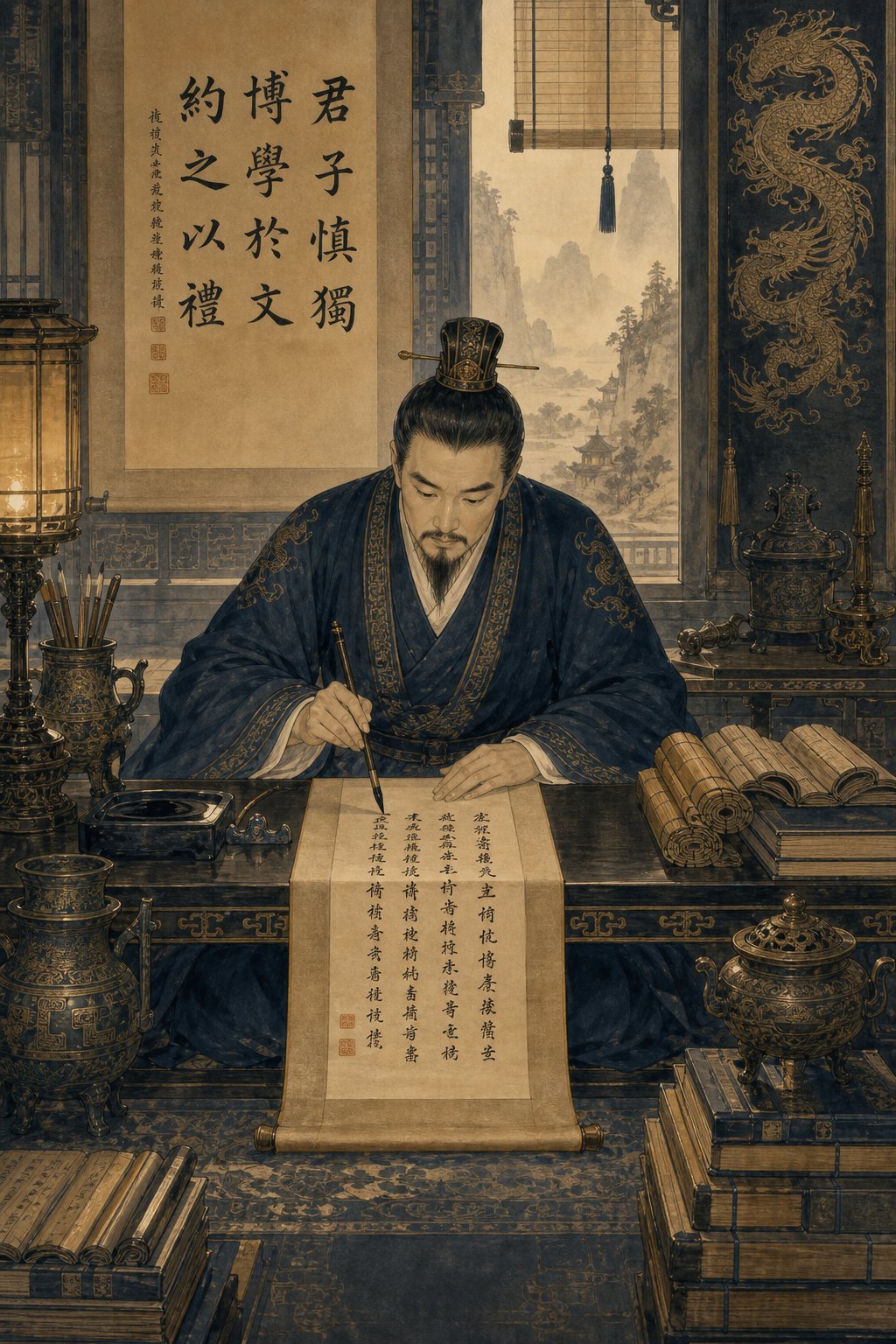
That separation between elite and common naming is not a modern invention. It stretches back thousands of years, rooted in a system where a single person could carry multiple names, each serving a distinct social function. When you look at ancient chinese names from the imperial period, you quickly realize that the more names a person held, the higher their status.
Imperial Naming Taboos and Aristocratic Conventions
In dynastic China, the personal name of an emperor was sacred. The practice of bihu (避讳, bihui, "name taboo") meant that no one in the entire empire could use the same characters found in the ruler's name. If your name happened to share a character with the new emperor, you changed it. Texts were rewritten. Even book titles were altered. The Kangxi Emperor's personal name contained the character xuan (玄), so the classic text Taixuanjing was renamed Taiyuanjing for decades.
This was not mere superstition. Name taboos functioned as a power structure, reinforcing the emperor's singular authority through language itself. For aristocratic families, navigating these taboos required deep literacy and awareness of court politics, qualities that further distinguished the educated elite from commoners.
Courtesy Names and Art Names as Elite Identity Markers
Beyond the birth name (ming 名), individuals from the middle class and above received a chinese courtesy name (zi 字) upon reaching adulthood: age 20 for men, 15 for women. This courtesy name was given by respected elders and typically complemented or expanded the meaning of the birth name. Zhuge Liang's (诸葛亮) ming meant "bright," while his zi, Kongming (孔明), meant "enlightened." The poet Yue Fei's (岳飞) ming meant "flying," and his zi was Peng (鹏), "phoenix."
The art name or pseudonym (hao 号) added yet another layer. Unlike the courtesy name, the hao was self-chosen, a creative act that revealed personal philosophy or artistic identity. The Song dynasty calligrapher Huang Tingjian called himself Shangu Daoren (山谷道人, "Daoist of the Mountain Valley"). The writer Ouyang Xiu adopted Zuiweng (醉翁, "Old Drunkard"). These old chinese names were not casual nicknames. They were deliberate performances of intellectual identity, legible only to those within the same cultural sphere.
Scholars preparing for the imperial examinations often chose names referencing the Four Books and Five Classics, the canonical Confucian texts that formed the examination curriculum. A name alluding to the Analerta, the Doctrine of the Mean, or the Classic of Poetry signaled both learning and ambition. It told examiners and peers alike: this person belongs to the scholarly class.
The layered system of chinese honorifics and naming conventions created a hierarchy visible in the table below:
| Naming Element | Chinese Term | Function | Historical Example |
|---|---|---|---|
| Birth Name (ming) | 名 (ming) | Personal identity; taboo for others to use directly | Li Shimin 李世民 (Tang Taizong) |
| Courtesy Name (zi) | 字 (zi) | Polite address among peers; given at adulthood | Zhuge Liang's zi: Kongming 孔明 |
| Art Name (hao) | 号 (hao) | Self-chosen identity expressing philosophy or taste | Ouyang Xiu's hao: Zuiweng 醉翁 |
| Posthumous Title (shi) | 谥 (shi) | Evaluation of life achievements after death | Emperor Wu 武帝 ("the Martial") |
Each layer required cultural knowledge to bestow, interpret, and use correctly. A commoner had a name. A scholar had a name, a courtesy name, and possibly an art name. An emperor had all of these plus reign titles, temple names, and posthumous honors. The more names you carried, the more legible your elite status became to those around you.
This multi-layered architecture did not vanish with the fall of the last dynasty. Its logic persists in how elite Chinese families approach naming today, compressed into fewer formal layers but carrying the same impulse: to encode depth, learning, and distinction into the characters a child will carry for life. That impulse finds its most structured expression in the generational naming systems that prominent clans maintained across centuries.
Generational Name Systems in Historically Prominent Clans
Prominent Chinese clans did not leave naming to individual inspiration. They engineered it across centuries, embedding a predetermined character into every generation's names so that any member of the lineage could be placed instantly within the family tree. This system, known as zibei (字辈) or beifen (辈分), transformed a chinese surname from a simple family marker into a living genealogical record.
How Generational Poems Structured Elite Family Identity
Here is how it worked. A clan patriarch or council composed a poem, sometimes four lines, sometimes eight, with each character in the poem assigned sequentially to a future generation. When a child was born, the family consulted the genealogy, identified which character belonged to that generation, and incorporated it into the child's given name. The result: every cousin, sibling, and distant relative within the same generation shared one identical character in their name.
This practice started gaining regularity during the Wei Kingdom (220-266) and Jin Dynasty (265-420), but it reached full maturity during the Ming (1368-1644) and Qing (1644-1912) dynasties. According to research by Irena Kaluzynska, the recording of generational names in familial genealogies became almost standard by the Tang and Song periods. The tradition ensured unity within great families and maintained continuity across centuries.
Consider the Mao family's generation poem, established in 1737 and extended in 1881:
- 立 (li) - "establish"
- 显 (xian) - "manifest"
- 荣 (rong) - "glory"
- 朝 (chao) - "court"
- 士 (shi) - "scholar"
- 文 (wen) - "literature"
- 方 (fang) - "direction"
- 运 (yun) - "fortune"
- 际 (ji) - "occasion"
- 祥 (xiang) - "auspicious"
- 祖 (zu) - "ancestor"
- 恩 (en) - "grace"
- 贻 (yi) - "bequeath"
- 泽 (ze) - "beneficence"
- 远 (yuan) - "far-reaching"
Mao Zedong (毛泽东) belonged to the fourteenth generation, carrying the character ze (泽). His brothers Mao Zemin (毛泽民) and Mao Zetan (毛泽覃) shared that same generational marker. Anyone familiar with the poem could identify their exact position in the family hierarchy at a glance. This is what chinese generation names accomplished: instant, silent recognition of lineage and rank.
The Kong Family and Other Prominent Clan Naming Systems
No family illustrates this system more dramatically than the Kong (孔) clan, the direct descendants of Confucius (551-479 B.C.). The first set of generational characters was established for the 56th-generation grandson during the Yuan Dynasty (1260-1368). A third set was added during the Qing Dynasty and remains in use today. That means a naming poem composed over 700 years ago still determines how children in this family are named.
When you encounter chinese last names like Kong followed by a shared generational character, you are looking at a system that predates most modern nations. The chinese last name meanings in these cases extend far beyond etymology. They encode belonging, hierarchy, and historical continuity in a way few Western naming traditions attempt.
The practical effect was powerful. If you met someone named Deng Xiaoping, Deng Liaoping, and Deng Guoping, you could identify them as brothers or cousins immediately. The shared character xiao/liao/guo was not the generational marker; ping (平) was. That single shared element functioned like a badge of generational membership, visible to anyone who understood how chinese surnames meaning and given-name structure interlock.
This system was explicitly elite. Commoners rarely maintained genealogies detailed enough to sustain multi-generational naming poems. The practice required literacy, record-keeping, clan organization, and the kind of institutional continuity that only wealthy or scholarly families could maintain. A surname in chinese culture already carried weight, but a surname paired with a verifiable generational character carried proof of lineage.
The decline of these systems accelerated under Communist rule, the destruction of clan structures, and the one-child policy. Yet the logic behind them, the idea that a name should locate you within a larger structure of meaning, did not disappear. It simply migrated into new forms of elite distinction, ones built less on clan poems and more on individual literary sophistication.
Classical Literature and Poetry Behind Elite Name Choices
Individual literary sophistication, in practice, means this: educated Chinese families treat canonical texts the way Western architects treat blueprints. They do not invent names from scratch. They discover them inside poems written a thousand years ago. The chinese name meaning embedded in these choices operates on multiple levels simultaneously, with surface beauty visible to everyone and deeper allusions legible only to those who share the same classical education.
There is an old saying in Chinese naming culture: "男楚辞,女诗经" (nan Chu Ci, nu Shi Jing) — boys' names come from the Chu Ci, girls' names come from the Book of Songs. While this is a simplification, it captures a real pattern. Educated families have drawn from these texts for centuries, and the tradition remains alive among elite parents today.
Tang Poetry and Chu Ci as Naming Sources for Educated Families
Why these specific texts? Because they represent the deepest layer of Chinese literary heritage, and referencing them in a name signals familiarity with that heritage. A name pulled from the Chu Ci (楚辞, Chu Ci, "Songs of Chu") carries the weight of Qu Yuan's poetic legacy from the 3rd century B.C. A name drawn from Tang dynasty verse connects to what most Chinese consider the golden age of poetry.
Consider the character lan (兰, lan, "orchid"). Used alone, it is a pleasant but common choice. But when a parent names a daughter Ruolan (若兰), they are echoing Qu Yuan's line "扈江离与辟芷兮,纫秋兰以为佩" from the Li Sao — where orchids symbolize moral integrity. The name in chinese meaning shifts from "orchid" to "one who wears virtue like an ornament." That second layer is invisible to anyone unfamiliar with the source text.
Similarly, the character yi (逸, yi, "unrestrained elegance") appears in Wang Wei's poetry describing a life of refined withdrawal from worldly ambition. Naming a son Yiming (逸明) does not just mean "bright and free." It evokes an entire philosophical stance toward life, one associated with scholar-recluses who chose art over politics.
The mandarin name meaning in these cases is never flat. It is layered, allusive, and deliberately constructed to reward recognition. Here are the primary literary sources elite families consult, along with example characters and their poetic origins:
- Book of Songs (诗经, Shi Jing) — Character: 琇 (xiu, a type of precious jade). Origin: "充耳以琇" from the ode Jun Zi Xie Lao. Meaning: refined beauty and virtue.
- Chu Ci (楚辞) — Character: 灵均 (Lingjun, "divine balance"). Origin: Qu Yuan's courtesy name in Li Sao. Meaning: spiritual purity and cosmic harmony.
- Tang Poetry (唐诗) — Character: 霁 (ji, "sky clearing after rain"). Origin: Wang Wei's "渭城朝雨浥轻尘." Meaning: renewal, clarity after difficulty.
- Book of Changes (易经, Yi Jing) — Character: 谦 (qian, "humility"). Origin: The Qian hexagram. Meaning: the only hexagram where all six lines are auspicious, symbolizing lasting good fortune through modesty.
- Daodejing (道德经) — Character: 若水 (ruoshui, "like water"). Origin: "上善若水" (the highest good is like water). Meaning: gentle strength and adaptability.
Each of these sources carries different cultural weight. The Shi Jing suggests Confucian orthodoxy. The Chu Ci suggests romantic individualism. Tang poetry suggests aesthetic refinement. The choice of source text itself communicates something about the family's values and intellectual orientation.
Why Rare Classical Characters Signal Refinement
Beyond literary allusion, elite families often select characters that most people cannot read without a dictionary. This is not accidental difficulty. It is deliberate distinction. When understanding meaning chinese names requires specialized knowledge, the name itself becomes a filter, separating those with classical literacy from those without.
Characters like 翛 (xiao, "free and unfettered," from Zhuangzi), 彧 (yu, "refined and accomplished"), or 昪 (bian, "joyful radiance") are rare enough that even educated native speakers may hesitate over their pronunciation. That hesitation is the point. It creates a moment of recognition: this family chose depth over accessibility.
The china name meaning encoded in these rare characters often carries nuances that common synonyms lack. The character 澹 (dan, "tranquil") could be replaced by the far more common 淡 (dan, "light/plain"), but 澹 specifically evokes the tranquility described in Zhuge Liang's famous line "非淡泊无以明志" — choosing the rarer variant signals that the namer knows the literary context and wants it embedded in the child's identity.
This preference for archaic or low-frequency characters among elite families creates a practical tension. Names and characters must work across four dimensions — sound, form, meaning, and elemental balance — and a rare character that satisfies literary depth might fail on visual balance or tonal harmony. Navigating that tension, finding the character that succeeds on all fronts while remaining distinctive, is precisely what separates elite naming from simply picking an unusual word out of a dictionary.
The result is a naming culture where chinese names and meanings function as a kind of literary puzzle. The surface is beautiful. The depth is accessible only to those who read the same books. And that selective legibility is exactly what makes these names function as markers of class and education, a dynamic that creates real social friction when aspirational families attempt to replicate the pattern without the underlying scholarship.
The Tension Between Tradition and Modern Elite Preferences
That literary puzzle does not exist in a vacuum. It collides with another powerful force in Chinese naming: metaphysical tradition. For centuries, naming a child meant consulting the cosmos as much as consulting poetry. The five elements (五行, wuxing), the eight characters of a birth chart (八字, bazi), stroke count numerology — these systems impose structural constraints on which characters are even permissible for a given child. Understanding how do chinese names work at this level means recognizing that a name is not just chosen. It is calculated.
Traditional Numerology Versus Modern Literary Aesthetics
Here is the core tension. A parent might fall in love with a character from the Chu Ci, only to discover it carries the wrong elemental association for their child's birth chart. The bazi system assigns each person a balance of metal, wood, water, fire, and earth based on the exact hour, day, month, and year of birth. If a child's chart is deficient in water, the name should contain water-element characters (those with the radical 氵 or characters semantically linked to water). A beautiful literary character associated with fire becomes, in this framework, actively harmful.
Stroke count adds another layer. Traditional chinese name interpretation through numerology assigns fortune values to the total stroke count of each character and to various combinations of strokes across the full name. Certain totals are auspicious. Others are not. A name that reads beautifully and carries deep literary meaning might sum to an unlucky stroke configuration, sending parents back to the drawing board.
Modern elite families split roughly into two camps. One camp prioritizes aesthetic and literary quality, treating numerological systems as outdated superstition. The other camp insists on satisfying both — demanding names that are classically allusive and metaphysically optimized. That second demand is what created the luxury naming industry.
Premium Naming Consultants and the Luxury Naming Industry
Standard naming services, including the many online tools that let you chinese name convert based on phonetics or ask "what is my chinese name" through automated generators, operate on a simple model. Input a birth date, select some preferences, receive a list. These services typically cost between $300 to $800 SGD in markets like Singapore, and far less for purely algorithmic options.
Premium consultants serving elite families operate in a different universe entirely. They combine classical scholarship — the ability to source characters from canonical texts — with rigorous bazi analysis, stroke numerology, phonetic harmony assessment, and even consideration of how the name will function internationally. The process requires hours of personalized analysis per name, not seconds of computation. A comprehensive service includes the bazi of both parents, detailed consultation, and hand-written reports explaining the reasoning behind each recommendation.
The difference is not just price. It is depth of chinese name translation between abstract cultural values and concrete character choices. Consider the comparison:
| Factor | Standard Naming Service | Premium Elite Naming Consultant |
|---|---|---|
| Approach | Algorithmic or template-based | Personalized scholarly analysis |
| Sources Consulted | Common character databases, basic stroke charts | Classical texts, bazi charts, family genealogy, phonetic cross-referencing |
| Cultural Depth | Surface meaning and elemental balance | Literary allusion, historical resonance, cross-generational coherence |
| International Consideration | Rarely addressed | Pinyin romanization aesthetics, phonetic compatibility with English |
| Turnaround | Instant to 24 hours | Multiple days with iterative consultation |
| Deliverable | Name list with basic explanations | Comprehensive report with literary sourcing, bazi reasoning, and alternatives |
The one-child policy (1980-2015) intensified this dynamic enormously. When a family has one shot at naming, the stakes feel absolute. Elite parents who might have distributed their cultural ambition across several children concentrated it entirely into a single name. Every character had to carry maximum weight — literary depth, metaphysical alignment, phonetic beauty, and social distinction all compressed into two or three syllables. That era produced a generation of names that function almost as miniature dissertations on their parents' values and aspirations.
Even families who dismiss numerology as superstition often hedge their bets. You will find Tsinghua-educated parents who openly mock stroke counting but still quietly verify that their chosen name does not land on a notoriously unlucky total. The cultural gravity of these systems is difficult to escape entirely, even for those who consider themselves rationalists. Anyone who has tried to name convert to chinese or use a chinese name converter for cross-cultural purposes quickly discovers that the process involves far more variables than simple phonetic matching.
This collision between tradition and modernity, between cosmic calculation and literary taste, does not resolve neatly. It produces different outcomes depending on geography, class fraction, and generational attitude — differences that become starkly visible when you compare elite naming patterns across Chinese-speaking regions worldwide.

Regional Differences Among Chinese Elite Families Worldwide
Geography reshapes everything. A mainland tech billionaire, a Hong Kong shipping heir, a Taiwanese semiconductor dynasty, and a Singaporean tycoon family all qualify as elite — yet their naming philosophies diverge in ways that reveal fundamentally different relationships to Chinese culture, colonial history, and global ambition. The idea that elite naming is a single, unified phenomenon breaks down the moment you cross a border.
Mainland New Money Versus Hong Kong Old Money Naming Styles
Mainland China's new-money elite — tech founders, real estate magnates, finance executives who rose after the 1990s reforms — tend toward names that broadcast literary depth. Their children carry characters sourced from classical poetry, rare enough to require a dictionary, designed to signal the cultural capital their parents acquired through education rather than inheritance. These names lean heavily on Mandarin phonetics, prioritizing tonal beauty in putonghua and often ignoring how the characters sound in other Chinese dialects.
Hong Kong's established families operate from a completely different logic. Cantonese names in old-money Hong Kong circles often favor simplicity and solidity over literary flourish. Characters like 嘉 (ga, "excellence"), 俊 (jeun, "distinguished"), and 柏 (paak, "cypress/steadfast") recur across generations of prominent families. The aesthetic is restraint, not display. A name that tries too hard reads as nouveau riche in these circles. British colonial influence also left its mark: many elite Hong Kong families maintain a tradition of English first names paired with Chinese names, with the English name often carrying equal or greater social weight in professional contexts.
This contrast is telling. Mainland elites use names to prove they belong to the cultured class. Hong Kong elites use names to prove they have always been there. The former optimizes for depth. The latter optimizes for continuity.
Taiwanese business dynasties occupy a middle ground. Families behind major industrial conglomerates often maintain generational naming structures similar to those discussed earlier, but with a distinctly Hokkien or Hakka phonetic sensibility. The characters chosen tend to emphasize prosperity and longevity — 宏 (hong, "grand"), 永 (yong, "eternal"), 昌 (chang, "flourishing") — reflecting a merchant-class pragmatism that values directness over literary obscurity. Among Taiwan's cultural and academic elite, however, you find the same classical allusion patterns seen on the mainland, filtered through a Japanese colonial-era education system that preserved certain classical Chinese traditions the mainland disrupted during the Cultural Revolution.
Diaspora Elite Families and Cross-Cultural Naming Strategies
Southeast Asian Chinese tycoon families — the Liem, Riady, Kuok, and Sy clans — face a unique challenge. Operating across Indonesia, Malaysia, the Philippines, and Thailand, they navigate not just Chinese-Western dynamics but Chinese-local dynamics. Many adopted local surnames during periods of forced assimilation (Liem Sioe Liong became Sudono Salim in Indonesia), while maintaining Chinese names within the family. Their naming strategies prioritize adaptability: an asian name that works in Hokkien, Teochew, or Cantonese at home, paired with a local name for business and civic life.
In North America, elite Chinese diaspora families face yet another calculus. Research published in Qualitative Sociology examining elite Chinese international students at a Midwestern university found that these students negotiate between multiple names to manage ethnic distinctions, with name choices evolving throughout their school lives and shaped by power relations in American cultural contexts. Their names become multi-layered and temporal — not fixed identities but strategic tools adjusted to context.
Popular chinese american names among established diaspora families reflect this negotiation. Common chinese american names in professional circles often feature Chinese given names selected specifically for smooth romanization — names where the pinyin reads naturally to English speakers without awkward consonant clusters or confusing tone marks. Characters like 凯 (kai), 明 (ming), and 安 (an) appear frequently because they translate chinese names into english effortlessly while retaining genuine Chinese meaning.
The table below maps how these regional differences play out across key dimensions:
| Region | Typical Character Choices | Cultural Priority | International Strategy |
|---|---|---|---|
| Mainland (new money) | Rare literary characters, classical allusions | Demonstrating scholarly depth and cultural capital | Increasingly optimized for pinyin romanization |
| Hong Kong (old money) | Simple, solid characters; generational repetition | Continuity, restraint, understated status | English first name carries equal weight; Cantonese romanization used |
| Taiwan (business dynasties) | Prosperity-oriented characters; Hokkien/Hakka phonetics | Pragmatic fortune; classical depth in academic families | Wade-Giles romanization; English names common in younger generation |
| Southeast Asia (tycoon families) | Dialect-group characters (Hokkien, Teochew, Cantonese) | Adaptability across Chinese and local identities | Local surname adoption; Chinese name maintained privately |
| North America (diaspora elite) | Phonetically smooth characters; cross-cultural compatibility | Balancing heritage legibility with professional accessibility | Names chosen partly for how they sound as an asian name in English contexts |
Chinese famous names from each region reflect these priorities clearly. A Jack Ma (马云, Ma Yun) represents the mainland pattern — a simple, meaningful Chinese name paired with a casual English name adopted for international business. A Li Ka-shing (李嘉诚) represents the Hong Kong pattern — cantonese names romanized in the local system, with no English first name needed because the family name itself carries sufficient global recognition.
What unites all these regional variations is the underlying impulse: elite families everywhere treat naming as a strategic act, not a casual one. The strategies differ because the social environments differ. But the seriousness of intent remains constant. That shared seriousness becomes especially visible among the current generation of globally educated parents, who face the novel challenge of optimizing a single name for both Chinese depth and international fluency.
How Modern Educated Elites Choose Names for a Global World
That shared seriousness takes a distinctive shape among today's globally educated Chinese parents. Graduates of Tsinghua, Peking University, or Ivy League programs who now work in tech, finance, or academia approach naming with a dual optimization problem their parents never faced: the name must carry genuine literary weight in Chinese and function smoothly in international contexts where pinyin romanization is the only version most people will ever see.
How Ivy League Chinese Parents Approach Naming Differently
Imagine a couple — both returned from graduate programs abroad, now working at a Beijing tech firm or a Shanghai investment bank. They have lived the friction of introducing themselves in English with a name that confuses native speakers. They have watched colleagues default to nicknames because the pinyin felt unpronounceable. When naming their own child, they refuse to accept that tradeoff.
These parents still want classical depth. A name in chinese language that references the Shi Jing or carries a rare character remains desirable. But they add a constraint their own parents never considered: how does this name sound when romanized? Does the pinyin produce a syllable that English speakers can approximate without mangling it? Will the child spend a lifetime correcting pronunciation, or will the name travel across languages with minimal friction?
This is not about choosing a chinese name from english phonetics or simply finding chinese names for english names. It is about selecting Chinese characters that happen to produce internationally friendly sounds. The character 凯 (kai) works because "Kai" reads naturally in English, German, and Japanese. The character 睿 (rui) works less well because English speakers stumble over the initial "r" sound in Mandarin pinyin, often producing something closer to "roo-ee."
Optimizing Names for International Phonetic Compatibility
The practical result is a filtering process. Parents generate candidates based on literary merit, then stress-test each one against romanization. Characters producing pinyin like "xi," "zhi," "qiu," or "cuo" get eliminated not because they lack beauty in Mandarin, but because they create confusion in international settings. Research from the Complexity Science Hub has demonstrated how pinyin transliteration compresses thousands of distinct Chinese characters into just 375 syllables, creating ambiguity that educated parents now actively work to minimize.
Two-character given names have become the strong preference in this cohort, partly because they offer more phonetic flexibility than single-character names. A two-syllable given name like Yiran or Mingze gives English speakers enough phonetic material to approximate correctly, while a single character like 曦 (xi) leaves them stranded. Names with a hyphen in their romanized form — common in Cantonese traditions like "Ka-wing" or "Tsz-hin" — are less favored among Mandarin-speaking elites precisely because the hyphenated structure signals regional convention rather than mainland educated-class norms.
Here are the naming priorities modern educated elite parents typically weigh, roughly in order of importance:
- Literary or philosophical depth — The name should reference classical texts, carry layered meaning, or evoke a specific cultural value. Surface-level "pretty" characters without allusive depth feel insufficient.
- Phonetic beauty in Mandarin — Tonal contour matters. Parents avoid combinations where both characters share the same tone, preferring the rise-and-fall patterns that sound musical in spoken Chinese.
- International phonetic compatibility — The pinyin romanization should be pronounceable by non-Chinese speakers without instruction. Syllables like "an," "kai," "lin," "ming," and "yi" score high.
- Visual character balance — The written characters should look aesthetically balanced together, with complementary stroke density. A 23-stroke character paired with a 3-stroke character feels visually lopsided.
- Distinctiveness from trending names — Avoiding whatever appears on the Ministry of Public Security's annual most-common lists is a baseline requirement, not a bonus.
- Absence of negative homophones — The full name, when spoken aloud, should not accidentally echo words with unfortunate meanings in Mandarin or major dialects.
- Functional english name chinese name pairing — Many parents now consider whether the Chinese name's pinyin can double as an English first name, eliminating the need for a separate Western name entirely.
This last point represents a generational shift. Older elites maintained two completely separate identities — a Chinese name for Chinese contexts, an English name for Western ones. Today's educated parents increasingly reject that split. They want a single chinese name from english-compatible phonetics that works everywhere, carrying cultural depth without requiring translation or substitution. A name like Kaiwen (凯文) or Anran (安然) achieves this: legible as Chinese, pronounceable as English, meaningful in both directions.
The result is a new kind of elite naming that treats international usability not as a compromise but as an additional dimension of sophistication. Finding a name that satisfies classical scholarship, phonetic beauty, visual elegance, and cross-cultural fluency is genuinely difficult. That difficulty is part of the appeal. It demonstrates a cosmopolitan literacy that purely domestic names, however poetic, cannot signal. And it is precisely this visible cosmopolitanism that triggers backlash from those who see it as cultural dilution or class performance dressed up as practicality.
Class Tension and Social Commentary Around Elite Names
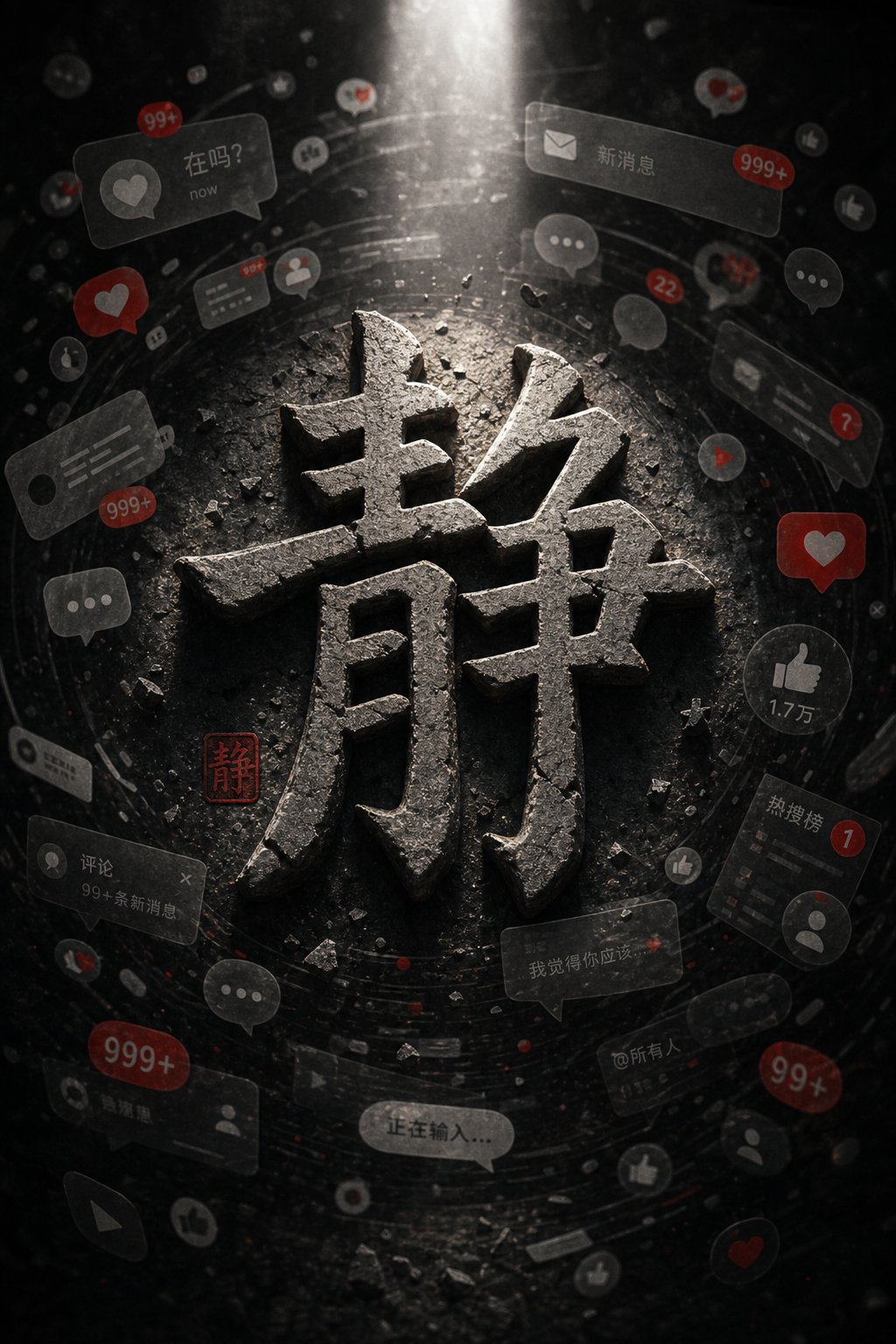
That backlash is not subtle. On platforms like Weibo, Douyin, and Xiaohongshu, naming choices have become a recurring flashpoint for class resentment. A parent posts their newborn's name — something drawn from the Chu Ci, built with a character most people cannot pronounce — and the comment section splits instantly. Some admire the depth. Others mock it as performative, accusing the family of using a child's name as a vanity project. The name itself becomes a battlefield where anxieties about class, education, and social mobility play out in real time.
Social Media Backlash Against Pretentious Naming
The criticism follows a predictable pattern. When a name uses characters so rare that teachers, doctors, and government clerks cannot input them into standard computer systems, commenters ask: who is this name actually for? The child who will spend a lifetime spelling it out, or the parents who want to broadcast their classical education? Posts cataloging "names that make teachers cry" regularly go viral, listing characters that require specialized Unicode blocks or fall outside China's GB2312 standard character set.
The mockery intensifies when the literary reference feels forced. A name that awkwardly stitches together two prestigious characters without genuine poetic coherence gets labeled "装" (zhuang) — pretentious, performative, trying too hard. Chinese internet users have developed a sharp eye for the difference between names that emerge from genuine scholarship and names that mimic the pattern without understanding it. The former earns respect. The latter earns ridicule.
This dynamic creates a peculiar irony. The most common name in china — names like Zihan or Yichen that appear tens of thousands of times in annual registration data — gets mocked for being generic. But names that swing too far in the opposite direction get mocked for being pretentious. Parents find themselves navigating a narrow corridor between "too ordinary" and "trying too hard," with social media ready to punish either extreme.
Naming as Class Signaling and Cultural Conflict
The deeper tension is not really about individual names. It is about what those names represent in a society experiencing rapid stratification. When middle-class families observe elite naming patterns and attempt to replicate them — pulling characters from classical texts they may not have studied deeply, hiring naming consultants they cannot easily afford — they are engaging in what sociologist Pierre Bourdieu called the imitation of cultural capital. And established elites respond exactly as Bourdieu predicted: by moving the goalposts further.
Naming in contemporary China functions as a form of cultural capital that reproduces class boundaries precisely because it appears to be a matter of personal taste rather than economic privilege — the most effective class markers are those that feel like individual choices while operating as structural filters.
This cycle is visible in real time. A decade ago, names referencing Tang poetry felt distinctively elite. As that pattern spread into the educated middle class, truly elite families shifted toward even more obscure sources — pre-Qin philosophical texts, Buddhist sutras, or characters so archaic they predate standard dictionaries. The common names in china keep shifting as each wave of aspiration triggers a new wave of distinction.
The conflict also runs along generational lines. Older family members who favor traditional five-element balancing or auspicious stroke counts clash with younger parents who prioritize literary aesthetics and international phonetics. Grandparents who see naming as cosmic alignment meet children who see it as cultural curation. Both sides accuse the other of missing the point, and both sides are performing class identity through their preferences.
What makes this particularly charged is that naming is one of the few remaining arenas where cultural capital cannot be simply purchased. You can buy a luxury car without understanding engineering. You cannot convincingly name a child from the Shi Jing without actually reading it. This is why china common names drawn from trending character lists provoke less social friction than elite-aspirational names that fail — the failure reveals the gap between economic capital and cultural capital in ways that feel personally exposing.
The result is a naming culture under constant surveillance, where every choice is legible as a class statement to someone. Typical chinese names from the general population read as unremarkable. Generic chinese names read as lacking ambition. Overly literary names read as pretentious unless the family's broader cultural credentials validate them. And names optimized for international contexts read as either cosmopolitan sophistication or cultural abandonment, depending on who is judging. Every common chinese name sits somewhere on this spectrum, evaluated not just for its meaning but for what it reveals about the namer's position in society.
This perpetual tension — between aspiration and authenticity, between distinction and accessibility — is not a flaw in the system. It is the system. Elite naming maintains its value as cultural capital precisely because it cannot be easily replicated, and the social commentary surrounding it functions as the enforcement mechanism that keeps the boundaries visible.
What Elite Naming Reveals About Chinese Culture and Status
That enforcement mechanism — the constant social surveillance of naming choices — points to something larger. Naming trends among chinese elite families are not a collection of isolated preferences. They form a coherent system, one that has operated continuously from imperial courts to WeChat group chats, adapting its surface while preserving its core logic: names encode who you are, where you come from, and what cultural world you inhabit.
Key Patterns That Define Elite Chinese Naming
Across every era and region examined here, the same structural principles recur. The characters change. The literary sources rotate. The phonetic priorities shift with globalization. But the underlying mechanism stays constant: elite families use naming to create legibility within their own class and opacity outside it. A name that requires classical education to decode is doing exactly what it was designed to do.
What separates these choices from popular names in china — the Zihans and Yuchens that dominate annual registration lists — is not simply aesthetics. It is the depth of intentionality behind each character. The most popular name in china reflects broad cultural currents. An elite name reflects a specific family's relationship to history, literature, and social position.
Here are the distinguishing features that separate elite naming from general population patterns:
- Source material — Elite names draw from canonical texts (Shi Jing, Chu Ci, Tang poetry, philosophical classics) rather than trending character combinations or popular media.
- Character rarity — Deliberate selection of low-frequency or archaic characters that require specialized literacy to read, creating a built-in recognition filter.
- Layered meaning — Names carry allusive depth beyond surface semantics, rewarding those who recognize the literary or historical reference.
- Structural continuity — Connection to generational naming systems, family genealogies, or deliberate departure from them as a statement of modern identity.
- Cross-cultural optimization — Among globally educated elites, names are stress-tested for international phonetic compatibility without sacrificing Chinese literary substance.
- Avoidance of frequency — Active rejection of whatever appears on china popular names lists, treating commonality itself as a disqualifier.
- Multi-dimensional balance — Simultaneous attention to sound, visual form, meaning, and (often) metaphysical alignment that standard naming rarely attempts at the same depth.
Understanding the Cultural Depth Behind These Names
For readers encountering these patterns for the first time, the practical takeaway is this: when you see a Chinese name built from unusual characters, referencing classical literature, or structured with obvious generational markers, you are likely looking at a deliberate act of cultural positioning. The name is not random. It is not merely pretty. It is doing work — locating its bearer within a specific intellectual and social tradition.
The continuity from dynastic naming taboos to modern luxury naming consultants is not coincidental. Imperial scholars who chose names from the Four Books and Five Classics were performing the same essential act as today's Tsinghua graduates who source characters from the Chu Ci while checking pinyin compatibility. The tools evolved. The impulse — to compress identity, aspiration, and belonging into a handful of characters — remained.
Most popular chinese names tell you what a generation valued broadly. Elite names tell you what a specific family valued precisely. That difference, quiet and encoded, is the status code hidden in a name.
Frequently Asked Questions About Elite Chinese Naming Trends
1. How do elite Chinese names differ from common Chinese names?
Elite Chinese names diverge from common ones in several key ways. While popular names like Zihan or Yichen appear tens of thousands of times in annual registration data, elite families deliberately avoid trending characters. They source names from canonical texts such as the Chu Ci, Book of Songs, or Tang poetry, often selecting rare or archaic characters that require classical literacy to read. This creates layered meanings visible only to those with the education to decode them, functioning as a quiet form of class signaling rather than following mass cultural trends.
2. What is the generational name system (字辈) in Chinese elite families?
The generational name system, known as zibei or beifen, is a structured naming tradition where a clan composes a poem with each character assigned to a successive generation. When a child is born, the family identifies which character belongs to that generation and incorporates it into the given name. This means all cousins and siblings within the same generation share one identical character. The Kong family (descendants of Confucius) has maintained such a system for over 700 years, making it one of the longest-running naming traditions in human history.
3. Why do educated Chinese parents choose rare or archaic characters for names?
Rare characters serve as a deliberate distinction mechanism. Characters like 翛 (xiao, free and unfettered) or 彧 (yu, refined and accomplished) require specialized knowledge to read, creating a built-in recognition filter. The hesitation most people experience when encountering these characters is intentional — it separates those with classical literacy from those without. These characters also carry nuances that common synonyms lack, often evoking specific literary or philosophical contexts that add depth beyond surface meaning.
4. How do modern Chinese elites optimize names for international use?
Globally educated Chinese parents now apply a dual optimization: names must carry genuine literary weight in Chinese while producing pinyin romanizations that English speakers can pronounce naturally. Characters producing syllables like kai, ming, an, or lin score high for international compatibility, while those yielding pinyin like xi, zhi, or qiu get filtered out due to pronunciation confusion. Many parents now seek a single name that functions across languages without requiring a separate Western name, treating cross-cultural phonetic fluency as an additional dimension of sophistication.
5. What role do naming consultants play for wealthy Chinese families?
Premium naming consultants serving elite families combine classical scholarship with rigorous bazi (birth chart) analysis, stroke numerology, phonetic harmony assessment, and international compatibility checks. Unlike standard algorithmic services that generate names in seconds, these consultants spend multiple days on personalized analysis, consulting canonical texts, family genealogies, and cross-referencing phonetic patterns. They deliver comprehensive reports explaining the literary sourcing and metaphysical reasoning behind each recommendation, treating naming as a scholarly exercise rather than a simple selection process.