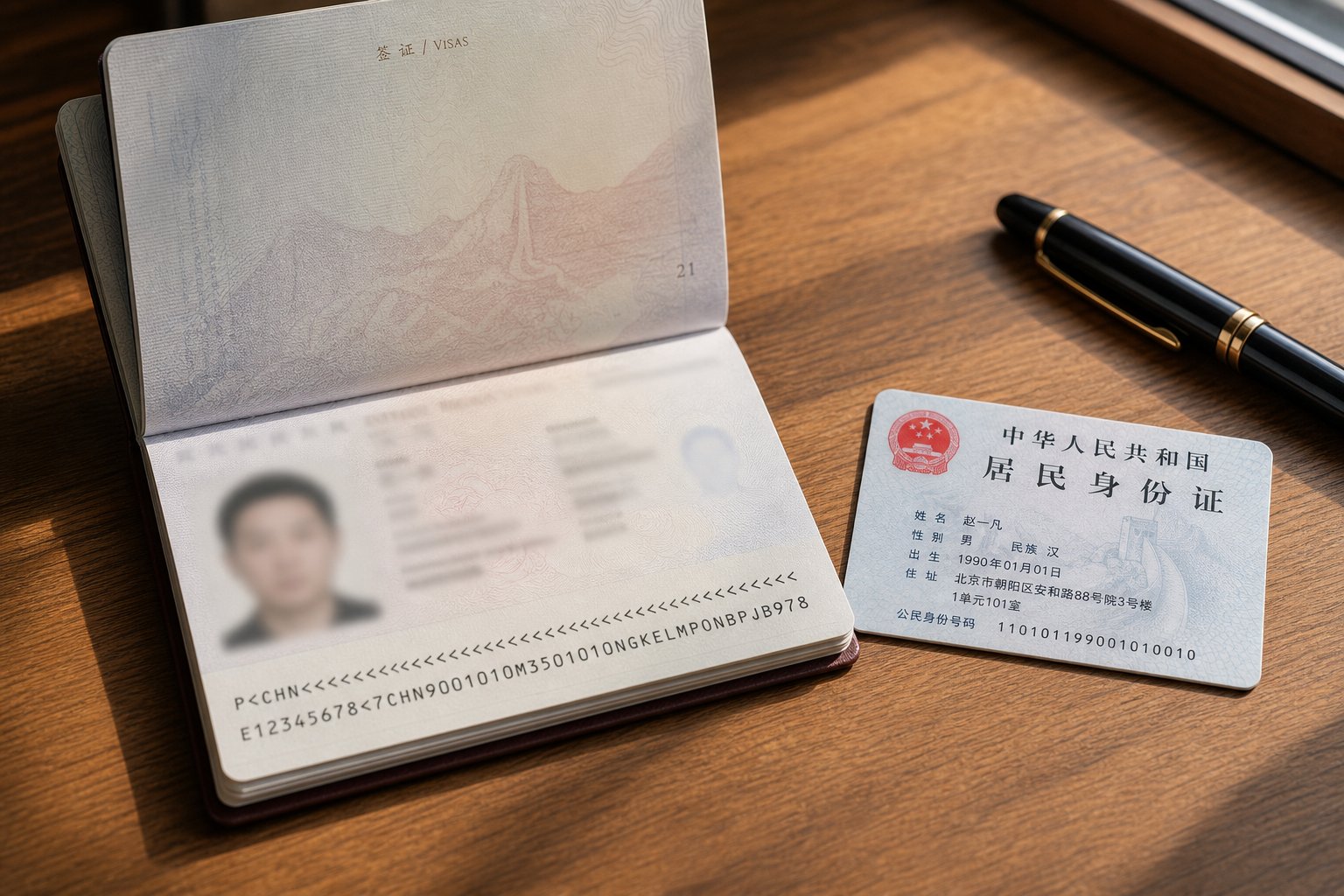
What Pinyin Name Literary References Reveal About Chinese Texts
Imagine reading a novel where every character's name is a poem, a philosophical argument, or a nod to a thousand-year-old text. You just can't see it because the name has been converted into a string of Roman letters. That's the reality of pinyin name literary references: names rendered in pinyin romanization that carry embedded allusions to classical texts, historical figures, philosophical concepts, or poetic imagery. For readers encountering Chinese literature in translation, these hidden layers represent some of the richest meaning in the entire work.
What Makes a Pinyin Name a Literary Reference
Not every Chinese name in a translated novel is a literary puzzle. Many chinese names function the way English names do, chosen for pleasant sound or family tradition without deeper textual significance. The distinction lies in deliberate craft. When an author selects characters whose chinese name meaning points toward a classical poem, mirrors a historical figure's virtue, or encodes a philosophical stance, that name becomes a literary device as potent as metaphor or foreshadowing.
Consider how names and characters work together in the Chinese writing system. Zhuge Liang, the legendary strategist from the Three Kingdoms period, carries the given name "Liang" meaning "bright," paired with the style name Kongming, where "ming" also means "bright." As documented in historical analyses of Three Kingdoms nomenclature, this doubling of luminous meaning was no accident. It signaled the character's defining quality through naming alone. Rendered in pinyin, however, "Zhuge Liang" becomes an opaque phonetic label unless you already know what lies beneath.
Similarly, author Wendy Chen describes how her own name converts into two characters where "wen" evokes clouds forming shapes in the sky, while the combined characters reference part of a flower, linking her name to her sister's through shared floral meaning. This layering of familial, visual, and botanical significance is typical of how chinese names and meanings intertwine, yet none of it survives the journey into alphabetic romanization.
Why Readers of Translated Chinese Literature Should Care
When you read a pinyin name in translation, you're seeing the surface of something deep. The romanized spelling preserves pronunciation but strips away the visual architecture of the characters, the radical components that hint at symbolic categories, and the tonal patterns that distinguish one meaning from dozens of homophones.
In Chinese, a name written in characters reveals its meaning at a glance. Rendered in pinyin, that same name becomes a closed door, requiring a key most English-language readers don't know they need.
Understanding these references transforms how you engage with a text. You move from passively accepting names as arbitrary labels to recognizing them as carriers of theme, foreshadowing, and cultural commentary. A character named for a classical virtue might be destined to embody or betray that virtue. A surname echoing a dynastic founder might signal political ambition. These are reading experiences available to anyone willing to look beneath the pinyin surface.
This isn't a linguistics exercise. It's a literature-first skill, one that deepens your relationship with the story the same way understanding biblical allusions enriches reading Milton. The difference is that pinyin creates an additional barrier, one that even attentive readers may not realize exists.
The mechanics of how authors actually build these allusions into their characters' names, through specific strategies of character selection, tonal play, and radical symbolism, reveal just how intentional and layered this craft truly is.
How Chinese Names Encode Layers of Literary Meaning
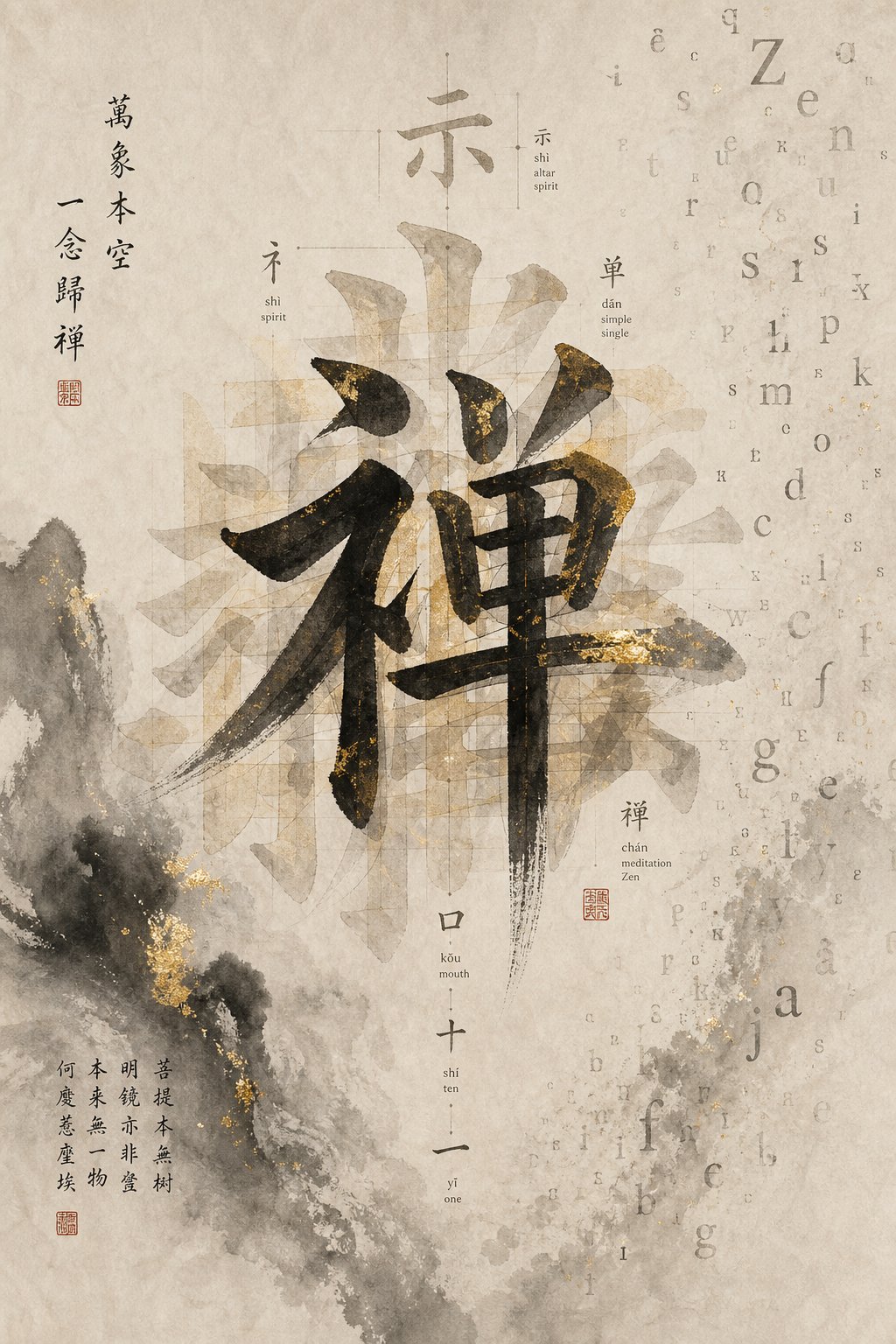
A name in Chinese is never just a sound. It's a structure built from characters that each carry their own history, visual logic, and web of associations. When an author crafts a literary name, they're working across multiple dimensions simultaneously: selecting specific characters for their textual echoes, arranging tones for rhythmic effect, and embedding radicals that signal symbolic categories. Understanding these mechanics is what separates a reader who skims past "Lin Daiyu" from one who recognizes the grief encoded in every stroke.
Character Selection as Literary Craft
Each character in a name chinese characters form can reference a specific classical text or philosophical tradition. The chinese name definition goes far beyond a dictionary entry. Authors choose characters the way poets choose words: for denotation, connotation, visual weight, and historical resonance all at once.
Consider how the four dimensions of Chinese naming operate. A character like "ze" (泽) doesn't simply mean "pool of water." In literary context, it evokes grace, brilliance, and benevolence. Pair it with "jin" (金, gold), and you get a name suggesting radiant integrity. The finest Chinese names are discovered in classical texts: the Book of Songs, the Chu Ci, and Tang dynasty poetry all serve as hunting grounds for name characters, lending each name an echo of literary heritage.
This is precisely what vanishes in pinyin. The chinese words name carries, the radical components hinting at elemental categories, the visual balance of brushstrokes, all collapse into a flat alphabetic string. A reader seeing "Jinze" has no access to the gold radical, the water radical, or the productive cycle of Metal generating Water that a Chinese reader perceives instantly.
The Role of Tones and Homophones in Name Meaning
Here's where pinyin creates its deepest ambiguity. Mandarin has four tones, and the same syllable pronounced differently becomes an entirely different word. The name in chinese meaning shifts dramatically based on tone: "wèn" (问, fourth tone) suggests an inquisitive mind, while "wén" (蚊, second tone) means mosquito. Standard pinyin in most translated fiction drops tone marks entirely, leaving readers unable to distinguish between dozens of possible characters sharing the same spelling.
Authors exploit this multiplicity deliberately. A name in chinese can function as a riddle, where the "correct" character is confirmed only through context, behavior, or narrative arc. The tonal pattern itself carries weight: a well-crafted name moves through contrasting tones to create a melodic flow, while a name with clashing tones might signal disharmony in the character's fate.
Writers encoding literary meaning into names typically draw from a set of established strategies:
- Direct classical quotation — lifting characters or phrases from canonical texts like the Shijing or Daodejing, so the name functions as a compressed citation
- Homophonic wordplay — choosing characters whose pinyin spelling mirrors another word, creating a double meaning visible only to those who know both possible characters
- Radical symbolism — selecting characters that share radicals with symbolic concepts (the jade radical for preciousness, the water radical for fluidity and depth)
- Historical figure echoes — naming a character with phonetic or semantic parallels to a famous historical person, signaling the narrative role they'll play
Each strategy operates differently once the name hits the page in romanized form. Direct quotation becomes invisible. Homophonic wordplay multiplies into unresolvable ambiguity. Radical symbolism disappears completely. Only historical echoes sometimes survive, and only if the reader already knows the chinese for name of the referenced figure.
These encoding strategies didn't emerge in a vacuum. They evolved alongside the romanization systems themselves, and the way a literary name is transliterated, whether through Wade-Giles, Yale, or modern pinyin, fundamentally shapes which layers of meaning reach the English-language reader.
Historical Evolution of Romanizing Literary Names
The romanization system a translator uses isn't a neutral technical choice. It shapes how a literary name sounds in the reader's mind, which associations it triggers, and whether its poetic qualities survive the crossing between languages. Over the past 150 years, Chinese name translation has passed through several distinct systems, each leaving its own fingerprint on the literary works produced during its era. The result is that the same fictional character can feel like a different person depending on when and how their name was transliterated.
From Wade-Giles to Pinyin and the Shifting Sound of Literary Names
Thomas Wade and Herbert Giles devised their romanization system in 1867, drawing on earlier missionary systems. For over a century, Wade-Giles dominated English-language sinology, and many classical works of scholarship and translation still carry its imprint. The Yale system followed in 1948, designed for teaching Chinese at the university level, and saw extensive use in language instruction worldwide. Then in 1958, the PRC government announced Hanyu Pinyin, a system twenty years in the making that eventually gained ISO certification and United Nations adoption in 1986.
Each transition reshaped how chinese names into english appeared on the page. Wade-Giles uses apostrophes to mark aspiration, hyphens to connect syllables in given names, and diacritics that give names a distinctly archaic texture. A name like "Ts'ao Hsueh-ch'in" carries visual complexity that signals foreignness and formality. The same name in pinyin, "Cao Xueqin," reads as sleeker, more modern, but also more opaque to readers unfamiliar with pinyin's conventions.
Consider what happens to the literary resonance. In Wade-Giles, the hyphenated given name "Hsueh-ch'in" visually separates the two characters, preserving a hint that each syllable carries independent meaning. Pinyin joins them into "Xueqin," a single undifferentiated block. For a reader trying to parse the name's literary content, that joined spelling obscures the boundary between "xue" (snow) and "qin" (a type of celery or parsley), each of which carries its own poetic associations in classical Chinese verse.
How Standardization Tensions Shape Literary Name Rendering
Pinyin's great strength is consistency. Its great weakness, for literary purposes, is that same consistency. Standardization prioritizes uniform representation: every instance of a sound maps to one spelling, regardless of context. But literary names thrive on ambiguity, resonance, and the tension between what a name sounds like and what it means. When you name translate chinese literary characters into a standardized system, you gain searchability and cross-reference ease at the cost of poetic texture.
Translation studies scholarship highlights this tension directly. As research published in Perspectives: Studies in Translation Theory and Practice notes, the representation of Chinese personal names in English is "very confusing, and important features of the Chinese language and naming practice are more or less lost." The study argues that translators should respect the source culture more rather than rendering names randomly, a problem compounded by the coexistence of multiple romanization systems across different editions of the same work.
The practical consequences are visible in how major literary works exist in multiple romanized forms. The four major English translations of Hong Lou Meng (Dream of the Red Chamber) use different systems, meaning readers encounter the same characters under different spellings depending on which edition they pick up. The table below illustrates how several well-known literary names shift across systems:
| Character (English Gloss) | Wade-Giles | Yale | Pinyin | Literary Allusion Preserved? |
|---|---|---|---|---|
| Cao Xueqin (novelist) | Ts'ao Hsueh-ch'in | Tsau Sywe-chin | Cao Xueqin | Hyphenation in WG hints at two-character meaning; pinyin merges them |
| Lin Daiyu (fictional) | Lin Tai-yu | Lin Dai-yu | Lin Daiyu | WG/Yale hyphen separates "dai" (carry) from "yu" (jade); pinyin obscures the jade reference |
| Zhuangzi (philosopher) | Chuang-tzu | Jwang-dz | Zhuangzi | WG "tzu" signals the honorific "master" suffix; pinyin "zi" is less recognizable to newcomers |
| Li Bai (poet) | Li Pai | Li Bai | Li Bai | Yale and pinyin align here; WG "Pai" obscures connection to "bai" (white/pure) |
| Cixi (Empress Dowager) | Tz'u-hsi | Tsz-shi | Cixi | WG preserves syllable boundary showing "ci" (compassionate) + "xi" (joy); pinyin joins them |
You'll notice a pattern. Wade-Giles, for all its visual clutter, often preserves syllable boundaries through hyphens, giving readers a structural clue that each segment of a name carries independent weight. Pinyin's joined spellings prioritize phonetic flow but flatten that structural information. The Yale system splits the difference but never achieved wide literary adoption.
The Library of Congress pinyin conversion project documents these differences systematically: Wade-Giles personal names "often include a hyphen" while pinyin personal names "will often include joined syllables." For literary interpretation, that hyphen isn't mere punctuation. It's a signal that the name contains separable meaningful units, a signal that disappears in modern chinese translation for names.
Regional variation adds another layer. Cantonese names romanized under older Hong Kong conventions produce yet different spellings, meaning the same literary figure might appear as "Tsang" in one text and "Zeng" in another. Readers of diaspora literature frequently encounter this multiplicity without realizing that different spellings point to the same underlying characters and their embedded literary meanings.
This fragmentation across systems creates a practical problem: how does a reader who encounters an unfamiliar pinyin name determine whether it carries a classical allusion? The answer requires a recognition framework, a set of signals and source texts that flag when a name is doing more than identifying a character.

Recognizing Classical Allusions Hidden in Pinyin Names
So you're reading a translated Chinese novel and encounter a string of pinyin names. Some feel ordinary. Others seem to hum with extra weight, as if the author lingered over them. That instinct is worth trusting. Certain textual signals reliably indicate when a name is doing double duty as a literary allusion, and knowing where authors typically source their references gives you a map for chinese name interpretation that transforms guesswork into informed reading.
Signals That a Pinyin Name Carries Hidden Meaning
Not every name in a Chinese literary work encodes a classical reference. But when one does, the text usually leaves clues. You'll notice that translators sometimes attach footnotes to specific names, explaining their component characters or noting a connection to a historical figure. That footnote is your clearest signal, but it's far from the only one.
Watch for these patterns:
- Contextual emphasis — When a narrator pauses to comment on a character's name, or when other characters react to it with recognition or irony, the name almost certainly carries layered meaning.
- Behavioral mirroring — A character whose actions closely parallel a famous chinese names from history or legend is likely named to echo that figure. If someone named "Kongming" displays extraordinary strategic brilliance, the reference to Zhuge Liang's courtesy name is deliberate.
- Unusual melodic structure — Names that sound conspicuously poetic, with balanced tonal patterns or rhythmic syllable counts, often derive from verse. Ancient chinese names drawn from poetry tend to carry an audible musicality even in pinyin.
- Thematic clustering — When multiple characters in a novel share naming patterns (all drawn from plants, all containing jade-related syllables, all echoing a single classical text), the author is building a symbolic system through names.
A secondary layer of allusion often operates through the chinese courtesy name, or zi. As recorded in the Book of Rites, a person received their courtesy name upon reaching adulthood, and it was designed to complement or expand upon the meaning of their given name. In the traditional system, the ming (given name) and zi (courtesy name) together formed a person's full identity, with meanings that often contrasted or elaborated on each other. When you encounter a character who has both a given name and a courtesy name in translation, treat the pair as a single literary statement. The relationship between them frequently encodes the author's thematic intent.
Classical Sources Most Frequently Referenced in Literary Names
Chinese authors don't invent allusive names from thin air. They draw from a relatively stable canon of source texts, and knowing these sources dramatically narrows the interpretive field. The Four Books and Five Classics form the deepest well. Among these, the Classic of Poetry (Shijing), a collection of 305 poems spanning folk songs, court ceremonies, and sacrificial hymns, has supplied naming material for over two thousand years. The Analects of Confucius and the Mencius provide philosophical vocabulary that authors embed in names to signal moral orientation. The Daodejing contributes a different register entirely, with names evoking naturalness, emptiness, and paradox.
Tang dynasty poetry, particularly the works of Li Bai, Du Fu, and Wang Wei, offers another rich source. Names drawn from Tang verse tend to carry landscape imagery: mountains, rivers, moonlight, and seasonal change. And the Four Great Classical Novels, Romance of the Three Kingdoms, Water Margin, Journey to the West, and Dream of the Red Chamber, function as a shared cultural vocabulary. A modern author naming a character with echoes of these famous chinese names is making an intertextual claim about their character's role or fate.
Here's a step-by-step process you can apply when encountering unfamiliar pinyin names in translated fiction:
- Check the paratext. Look for glossaries, character lists, or translator's notes that break names into component characters and their meanings.
- Note the name's structure. Count syllables. A two-syllable given name (the norm) suggests two characters, each potentially carrying independent meaning. A single-syllable given name is rarer and often more pointed in its reference.
- Listen for musicality. Read the name aloud. If it sounds unusually balanced or melodic, it may derive from a poetic source where rhythm mattered.
- Watch the character's arc. Does their behavior, fate, or social role mirror a well-known historical or literary figure? If so, the name likely references that figure directly.
- Look for thematic patterns across names. Map all character names in the work. Shared syllables, parallel structures, or contrasting meanings between names often reveal the author's symbolic architecture.
- Cross-reference with classical sources. Search the pinyin spelling against the Shijing, Analects, Daodejing, or Tang poetry anthologies. Many translations include pinyin indices that make this feasible.
- Identify courtesy name pairs. If a character has both a given name and a zi, research how the two relate. The complementary or contrasting relationship between them is itself a literary statement about the character's identity.
This framework won't decode every name, but it reliably identifies which names reward deeper investigation. The payoff is substantial: once you recognize that a character's name quotes the Shijing or mirrors a Three Kingdoms strategist, their entire narrative arc gains a layer of meaning that was always there, just hidden beneath the pinyin.
These allusive strategies don't operate identically across all literary forms. A name functioning as a poetic device in translated verse works differently from a name building narrative architecture in a novel or generating dramatic irony on stage. Genre shapes how authors deploy naming references and how much of that deployment survives translation.
Genre by Genre: How Pinyin Names Function in Literature
A name that works as a compressed poem operates differently from one that anchors a 120-chapter family saga or triggers a laugh from a theater audience. Genre determines how authors deploy naming references, how much context surrounds each name, and how much of the original craft survives the journey into pinyin. Reading strategies that work for novels can mislead you in poetry, and vice versa.
Pinyin Names as Poetic Devices in Translated Verse
In classical Chinese poetry, a name often IS the poem's argument. When Du Fu addresses a poem to Li Bai, the name "Bai" (white, pure) resonates against the poem's imagery of moonlight and snow. The name isn't just identifying the recipient; it's participating in the poem's aesthetic logic. In translated verse, this collapses. You see "Li Bai" as a proper noun, not as a luminous image woven into the surrounding lines.
The problem intensifies with lesser-known figures. A poem addressed to someone whose name means "autumn clarity" gains a seasonal dimension that pinyin renders invisible. Classical poets frequently chose pen names that functioned as artistic statements. Wang Wei's given name "Wei" and courtesy name "Mojie" together transliterate the name of the Buddhist figure Vimalakirti, signaling his spiritual orientation through naming alone. In pinyin, that signal goes dark unless a translator intervenes with a footnote.
Modern Chinese poets continue this tradition. When a contemporary poet adopts a pen name drawn from Tang verse, they're positioning themselves within a lineage. Readers encountering that name in pinyin miss the genealogical claim entirely.
Character Names as Narrative Architecture in Chinese Novels
Novels give names room to breathe. A character introduced in chapter one accumulates meaning over hundreds of pages, and their name can function as foreshadowing, irony, or thematic thesis. The chinese name first name last name structure itself becomes a tool: the chinese surname anchors a character within a family system, while the given name carries individual destiny.
Cao Xueqin's Dream of the Red Chamber represents the pinnacle of this craft. The novel's four great families bear character surnames that form a phonetic pun: Jia (贾, "false"), Shi (史, "history"), Wang (王, "king"), and Xue (薛). Read together, their chinese last names sound like the phrase "true facts are hard to find." This wordplay, invisible in pinyin without annotation, encodes the novel's central theme of illusion versus reality at the level of family nomenclature.
Within the Jia household, the naming system operates with architectural precision. The four sisters, Yuanchun, Yingchun, Tanchun, and Xichun, carry given names whose first characters together form a homophone with "supposed to sigh," foreshadowing the family's decline. Translator David Hawkes recognized this layering and adopted a mixed strategy: leaving masters' and mistresses' names in pinyin while translating servants' names into English equivalents like "Aroma" and "Skybright." That choice preserves chinese last name meanings for the aristocratic characters while making servants' names immediately legible.
Because chinese names surname first places the family identifier before the individual, novelists can use shared surnames to build clan structures visible at a glance in characters. In pinyin, readers still see the repeated "Jia" prefix, but they lose the character's meaning ("false/pretend") that colors every interaction within that family.
Stage Names and Dramatic Irony in Chinese Theater
Theater adds a dimension novels and poetry lack: the audience hears the name spoken aloud, and phonetic wordplay lands in real time. In traditional Chinese opera, character names frequently pun on their dramatic function. A corrupt official might bear a name that sounds identical to "greedy wolf." A virtuous maiden's name might echo a line from the Classic of Poetry. The audience catches these references instantly because they hear the tones and recognize the homophones.
Translators face a stark choice here. Romanize the name and preserve its sound but lose the joke? Or translate the meaning and sacrifice the phonetic identity? Most opt for romanization with explanatory notes, but this strips theatrical names of their immediate comic or ironic punch. A stage name designed to make an audience laugh becomes, in pinyin, just another unfamiliar string of syllables.
The genre tells you how to read the name. In poetry, treat names as images. In novels, treat them as architecture. In theater, treat them as punchlines waiting to land.
This principle matters because it prevents a one-size-fits-all approach to pinyin name literary references. A reader who applies novelistic patience to a poem will miss the immediate imagistic force of the name. A reader who expects theatrical immediacy from a novel's naming system will overlook the slow-building structural patterns that only emerge across hundreds of pages.
Genre-specific reading, though, assumes you're working with texts already in translation. A different question arises when contemporary authors writing in English deliberately choose pinyin names as creative tools, crafting references that operate across both languages simultaneously.
Contemporary Authors Using Pinyin Names as Literary Devices
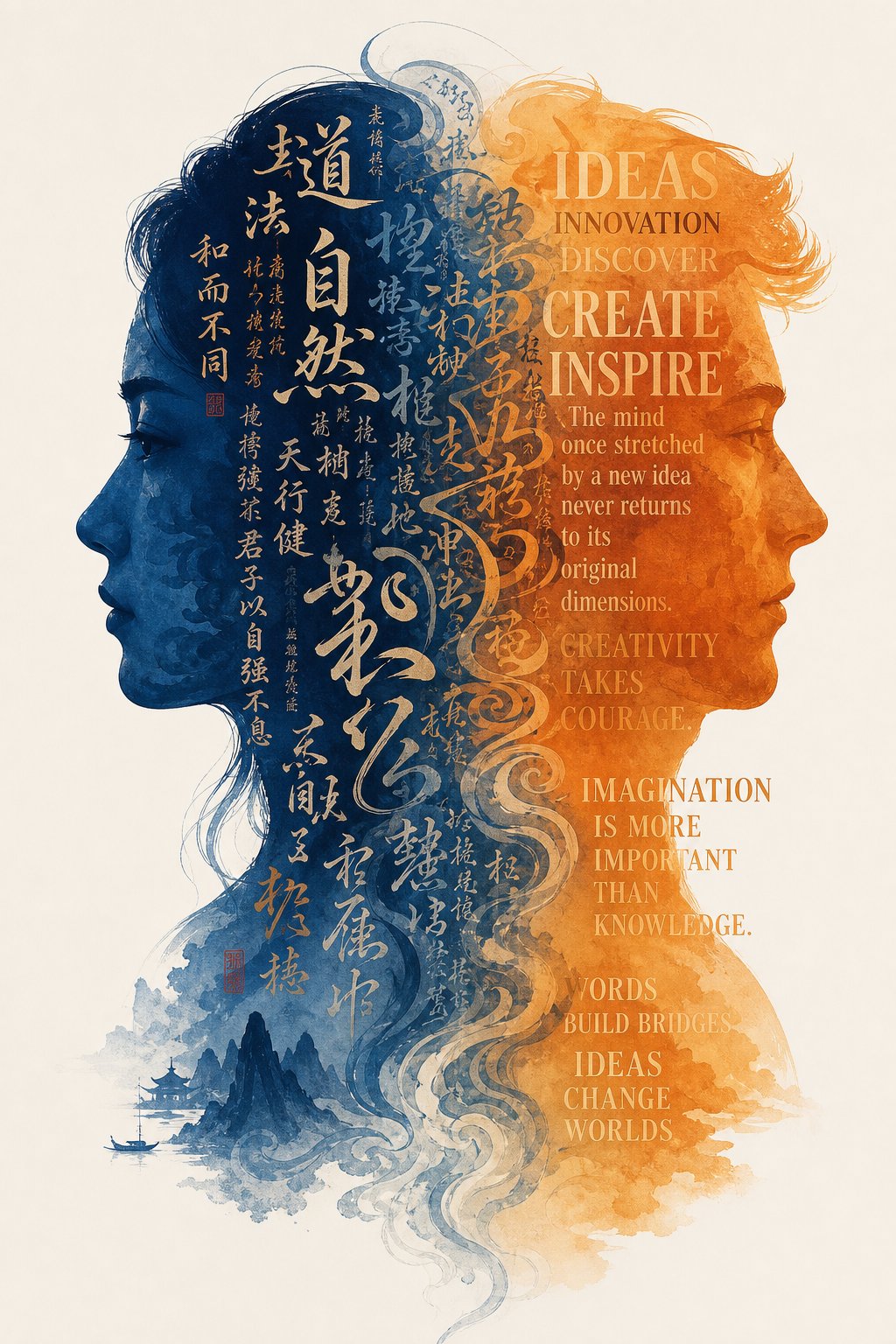
Translation isn't the only path pinyin names take into English-language literature. A growing number of contemporary authors, many writing from diasporic positions, deploy pinyin names as deliberate creative choices rather than inherited artifacts of translation. These writers aren't constrained by a source text. They're building names that function simultaneously in two linguistic registers, encoding meaning for bilingual readers while remaining phonetically natural for monolingual English audiences.
Pinyin Names as Identity Markers in Diaspora Fiction
When a character in a diaspora novel is called "Meiling" rather than "May," that choice carries weight. The pinyin signals cultural rootedness, a refusal to anglicize, or a parent's insistence on heritage. When the same character later introduces herself as "May" at school, the toggle between her english name chinese name pairing becomes a narrative engine. You're watching identity negotiated in real time through naming.
Authors like Celeste Ng, C Pam Zhang, and R.F. Kuang use this toggle strategically. Characters who move between pinyin and anglicized names aren't just code-switching. They're performing the central tension of the narrative: belonging, displacement, and the cost of legibility. The pinyin name becomes a marker of the self that exists in family kitchens and ancestral memory, while the English name maps the self that navigates institutions and public life.
This dynamic also surfaces in how characters relate to each other. A grandmother who only uses pinyin names, a coworker who mangles the pronunciation, a love interest who learns to say it correctly: each interaction reveals power dynamics and intimacy through the simple act of naming. For readers attuned to these patterns, asian names in English-language fiction carry social information far beyond identification.
Crafting New Literary References Through Pinyin in Modern Fiction
Some contemporary writers go further. Rather than simply preserving a character's "authentic" name, they invent pinyin names that encode literary references accessible only to readers who recognize the underlying characters. This is a creative act distinct from translation. The author is building a chinese name from english narrative context, selecting pinyin that sounds unobtrusive on the page while pointing toward classical sources for those who can hear the echo.
Imagine a character named "Yuhan" in a novel about artistic ambition. A monolingual reader registers a pleasant sound. A reader who knows Mandarin might parse it as 语含 (containing language), 玉寒 (cold jade), or 雨涵 (rain's depth), each interpretation coloring the character differently. The author may never confirm which characters they intended, letting the ambiguity itself function as literary technique.
Contemporary writers employ several strategies to make this layering work:
- Tonal wordplay visible only to Mandarin speakers — choosing pinyin that maps to characters with contrasting or ironic meanings depending on tone, creating a secondary reading experience for bilingual audiences
- Names that reference classical texts — embedding syllables drawn from the Shijing, Tang poetry, or philosophical works, so the name functions as an unmarked quotation for readers who recognize the source
- Phonetic patterns evoking specific literary traditions — using syllable combinations characteristic of certain dynasties or genres, signaling period and register through sound alone
- Deliberate homophonic ambiguity — selecting pinyin that could correspond to multiple character combinations, inviting bilingual readers to hold several interpretations simultaneously
- Generational naming conventions as plot architecture — assigning shared syllables across sibling or cousin characters, mirroring traditional chinese names for english names readers while encoding family hierarchy and thematic unity
What makes this practice distinct from classical literary naming is its audience awareness. Traditional authors wrote for readers who shared their script and could see the characters directly. Contemporary English-language authors writing pinyin names are crafting for a split audience: one group reads the name as pure sound, another reads it as a compressed literary statement. The name succeeds if it works for both without requiring either to feel excluded.
This dual-register approach represents something genuinely new in literary history. It's not translation, not transliteration, but a hybrid form where pinyin becomes a creative medium in its own right. The challenge for readers who want to access these deeper layers isn't learning Chinese fluently. It's developing practical strategies for recognizing when a name rewards investigation and knowing where to look when it does.
Practical Strategies for Reading Pinyin Names in Translation
Recognizing that a pinyin name carries hidden meaning is one thing. Knowing what to do about it, without a degree in Chinese literature, is another. The good news: you don't need fluency to read these names with greater depth. You need a system. A few deliberate habits, applied consistently, can transform pinyin names from opaque labels into entry points for richer engagement with the text.
Building a Personal Reference System for Literary Names
The simplest and most effective strategy is keeping a name glossary as you read. When you encounter a new pinyin name, jot it down alongside any contextual clues the text provides: the character's role, personality traits, relationships, and any translator's notes attached to the name. Over the course of a novel, patterns emerge. You'll notice shared syllables between family members, contrasting sounds between rivals, or names that echo chapter titles.
Cross-referencing character lists is equally valuable. Many quality translations of Chinese literature include a dramatis personae at the front or back of the book, sometimes with character breakdowns showing how do chinese names work at the structural level. These lists often reveal that a given name splits into two meaningful characters, or that a courtesy name complements the given name in ways the narrative never states explicitly. Treat these lists as interpretive tools, not just memory aids.
Contextual clues within the narrative itself do heavy lifting too. When a character's behavior conspicuously mirrors their name's possible meaning, or when the narrator draws attention to a name's sound, you're being handed an interpretive key. Flag those moments in your glossary. They often unlock not just one name but the entire naming logic of the work.
Resources for Deepening Understanding of Name Meanings
When you want to move beyond context clues and investigate chinese name meanings directly, several resource types prove useful. Online dictionaries that allow you to search by pinyin spelling and browse all possible character matches, such as MDBG, let you see the full range of characters a pinyin name might represent. You don't need to read Chinese to benefit from this. Simply scanning the English glosses for each possible character gives you a sense of the semantic field the author was working within.
Scholarly annotations represent another tier. Academic editions of major Chinese novels often include extensive name analysis. Howard Goldblatt's translations, David Hawkes' Story of the Stone, and Moss Roberts' Three Kingdoms all feature apparatus that unpacks naming strategies. Even if you're reading a different edition, consulting these annotated versions for name explanations enriches your understanding of the text you're actually holding.
Translation comparison is a surprisingly powerful method. When multiple English translations of the same work exist, comparing how different translators handle the same name reveals what each translator believed was important about it. One might leave a name in pinyin while another translates it into English, immediately telling you the name carries recoverable meaning. Tools that let you search english to chinese name equivalents or name convert to chinese characters help bridge the gap when you want to see what lies beneath a romanized spelling.
Here's an actionable reading protocol you can apply to any translated Chinese text:
- Start with the paratext. Before reading chapter one, check for glossaries, character lists, translator's introductions, or appendices that discuss naming conventions. Note any names the translator flags as significant.
- Create a running name log. Record each new name with its context: who the character is, what they do, and any textual emphasis placed on the name itself.
- Identify structural patterns. After meeting several characters, look for shared syllables, parallel constructions, or contrasting sounds between names. These patterns often encode thematic relationships.
- Use a pinyin-searchable dictionary. When a name feels weighted with extra significance, look up its possible character meanings. Even a quick scan of options sharpens your interpretive instincts.
- Compare translations when available. If another English version exists, check how it renders the same names. Divergences between translators highlight names with layered mandarin name meaning worth investigating.
- Revisit your log at the novel's end. Names that seemed arbitrary early on often reveal their significance retrospectively. A second pass through your glossary with full knowledge of the plot frequently unlocks meanings invisible on first encounter.
None of these strategies require you to learn Chinese. They require attention, curiosity, and a willingness to treat names as meaningful text rather than arbitrary labels. Think of it as the same skill you'd apply to recognizing biblical allusions in English literature or mythological references in European fiction: a learned attentiveness that deepens with practice.
The payoff compounds over time. Each work you read with this approach builds your internal library of pinyin name patterns, classical sources, and authorial strategies. What feels effortful with your first Chinese novel becomes intuitive by your fifth. You're not becoming a chinese name converter in any technical sense. You're becoming a more perceptive reader, one who hears the resonance beneath the romanization and lets it enrich the story.

Why Pinyin Name Literacy Transforms Your Reading Experience
Chinese literature is reaching more readers worldwide than at any previous point in history. The international audience for Chinese literary works leapt to 352 million in 2024, driven by expanded translation efforts and growing cross-cultural curiosity. As this readership expands, so does the number of people encountering pinyin names without the tools to hear what those names are saying.
The Growing Importance of Pinyin Literacy in World Literature
This isn't a niche concern anymore. When hundreds of millions of readers engage with Chinese fiction, poetry, and drama in translation, the ability to recognize literary meaning in names becomes a gateway skill for global literary culture. The most common chinese names in fiction aren't arbitrary. They follow a chinese naming convention refined over millennia, where even typical chinese names carry echoes of classical sources, philosophical traditions, and poetic imagery.
As more works cross linguistic borders, readers who understand how chinese first names encode meaning gain access to an entire dimension of the text that others pass over. You don't need to become a sinologist. You need the frameworks this article has outlined: awareness of encoding strategies, familiarity with major classical sources, genre-specific reading habits, and practical tools for investigation.
From Surface Reading to Deep Engagement
Pinyin names are not barriers between you and the text. They are bridges between two literary traditions, carrying meaning across linguistic systems for any reader willing to look beneath the romanized surface.
The transformation is straightforward. Before, you skimmed past names as phonetic placeholders. After, you recognize them as carriers of theme, foreshadowing, cultural identity, and intertextual dialogue. The most popular chinese names in literature earned that frequency precisely because their meanings resonate across centuries of reading.
The next time you pick up a translated Chinese novel, open a poetry collection, or encounter chinese first names in contemporary diaspora fiction, pause at the names. Let them be more than sounds. They were crafted to mean something, and now you have the tools to hear what they're telling you.
Frequently Asked Questions About Pinyin Name Literary References
1. How can I tell if a pinyin name in a translated Chinese novel contains a literary reference?
Several textual signals indicate a pinyin name carries hidden meaning. Look for translator footnotes attached to specific names, contextual emphasis where the narrator comments on a name, behavioral mirroring where a character's actions parallel a famous historical figure, unusual melodic structure suggesting poetic origins, and thematic clustering where multiple characters share naming patterns like plant imagery or jade-related syllables. When an author lingers over a name or other characters react to it with recognition, that name almost certainly encodes a classical allusion worth investigating.
2. What classical Chinese texts do authors most commonly reference when crafting literary names?
Authors draw from a relatively stable canon of source texts. The Classic of Poetry (Shijing) has supplied naming material for over two thousand years. The Analects of Confucius and Mencius provide philosophical vocabulary signaling moral orientation. The Daodejing contributes names evoking naturalness and paradox. Tang dynasty poetry from Li Bai, Du Fu, and Wang Wei offers landscape imagery. The Four Great Classical Novels—Romance of the Three Kingdoms, Water Margin, Journey to the West, and Dream of the Red Chamber—function as shared cultural vocabulary that modern authors frequently echo.
3. Why does pinyin romanization obscure the literary meaning of Chinese names?
Pinyin converts Chinese characters into alphabetic strings, stripping away multiple meaning-carrying layers. The visual architecture of characters disappears, radical components that hint at symbolic categories become invisible, and tonal distinctions that separate dozens of homophones are typically dropped in published translations. A single pinyin spelling like 'yu' could correspond to characters meaning jade, rain, language, or fish, each carrying entirely different literary associations. Without tone marks or character visibility, readers lose access to the specific meaning the author intended.
4. What is the difference between a Chinese given name and a courtesy name in literature?
In traditional Chinese culture, a person received their given name (ming) at birth and a courtesy name (zi) upon reaching adulthood. The courtesy name was designed to complement or expand upon the given name's meaning, and together they formed a complete literary statement about a person's identity. In fiction, authors use this pairing deliberately—the relationship between the two names often encodes thematic intent. For example, Zhuge Liang's given name means 'bright' and his courtesy name Kongming also contains 'bright,' doubling the luminous quality that defines his character.
5. How do contemporary diaspora authors use pinyin names differently from traditional Chinese writers?
Contemporary diaspora authors deploy pinyin names as creative tools rather than inherited translation artifacts. They craft names that function in two linguistic registers simultaneously—sounding natural to monolingual English readers while encoding classical references for bilingual audiences. They also use the toggle between pinyin and anglicized names as a narrative device reflecting cultural identity negotiation. A character called 'Meiling' at home and 'May' at school performs the tension between heritage and assimilation through naming alone, making the name itself a story engine rather than just an identifier.