What Makes a Chinese Surname Rare
Imagine stopping a random person on the street in China. There is a solid chance their surname is Wang, Li, or Zhang. These three chinese last names alone account for more than 270 million people. The top five surnames cover roughly 30% of the entire population. Yet tucked within that same nation of 1.4 billion, certain surnames cling to existence with fewer than 1,000 living carriers, some with fewer than 100. These rare chinese surnames represent a vanishing thread of cultural heritage that most people never encounter.
Why Chinese Surnames Matter Beyond Identity
Chinese naming conventions place the family name first, before the given name. This is not a minor formatting detail. It reflects a worldview where lineage and collective identity take precedence over the individual. The system stretches back more than 3,000 years to the Shang and Zhou dynasties, when surnames were first recorded on bronze, bamboo, and silk. A chinese family name carries origin stories, migration patterns, and ancestral ties that can span millennia.
What makes this system especially striking is how small the surname pool actually is. The United States, with less than a quarter of China's population, reported 6.3 million surnames in its 2010 census. China, by contrast, operates with roughly 6,000 surnames in active use. You cannot simply add a stroke to a Chinese character and invent a new chinese last name the way you might add a letter to an English one. The language itself constrains the possibilities.
Fewer than 6,000 surnames serve the world's largest population, and nearly 86% of Chinese citizens share just 100 of those names.
Defining Rarity in a Nation of 1.4 Billion
So when does a surname cross from "uncommon" into genuinely rare? Researchers and demographers use several markers:
- The surname does not appear in the classic Song Dynasty text Hundred Family Surnames (百家姓), which canonized several hundred chinese surnames as standard.
- It falls outside the top 500 in modern national census data published by the Ministry of Public Security.
- Fewer than 1,000 living individuals carry the name, with some surnames held by only a handful of families in a single village.
Any one of these criteria can flag a surname as rare. When all three overlap, you are looking at chinese family names on the edge of extinction.
Throughout its long history, China has recorded more than 20,000 surnames. Wars, forced name changes, migration, and even modern technology have whittled that number down to the roughly 6,000 in use today. Understanding how and why certain names survived while others vanished requires looking at this question from multiple angles: the linguistic structure of Chinese characters, the historical forces that reshaped clans, the demographic data that quantifies disappearance, and the cultural weight that makes each lost surname an irreplaceable piece of heritage.
The scale of contrast is staggering. A surname like Wang boasts over 100 million carriers. A surname like 难 (Nan) may have only a few hundred. Between those two extremes lies a story of power, survival, and quiet erasure that stretches across thirty centuries of Chinese civilization.
The History Behind Rare Chinese Family Names
Every naming system has a canon, a reference point that separates the mainstream from the margins. For Chinese surnames, that reference point was written nearly a thousand years ago and still shapes how people think about which names are "normal" and which are not.
The Hundred Family Surnames and What It Left Out
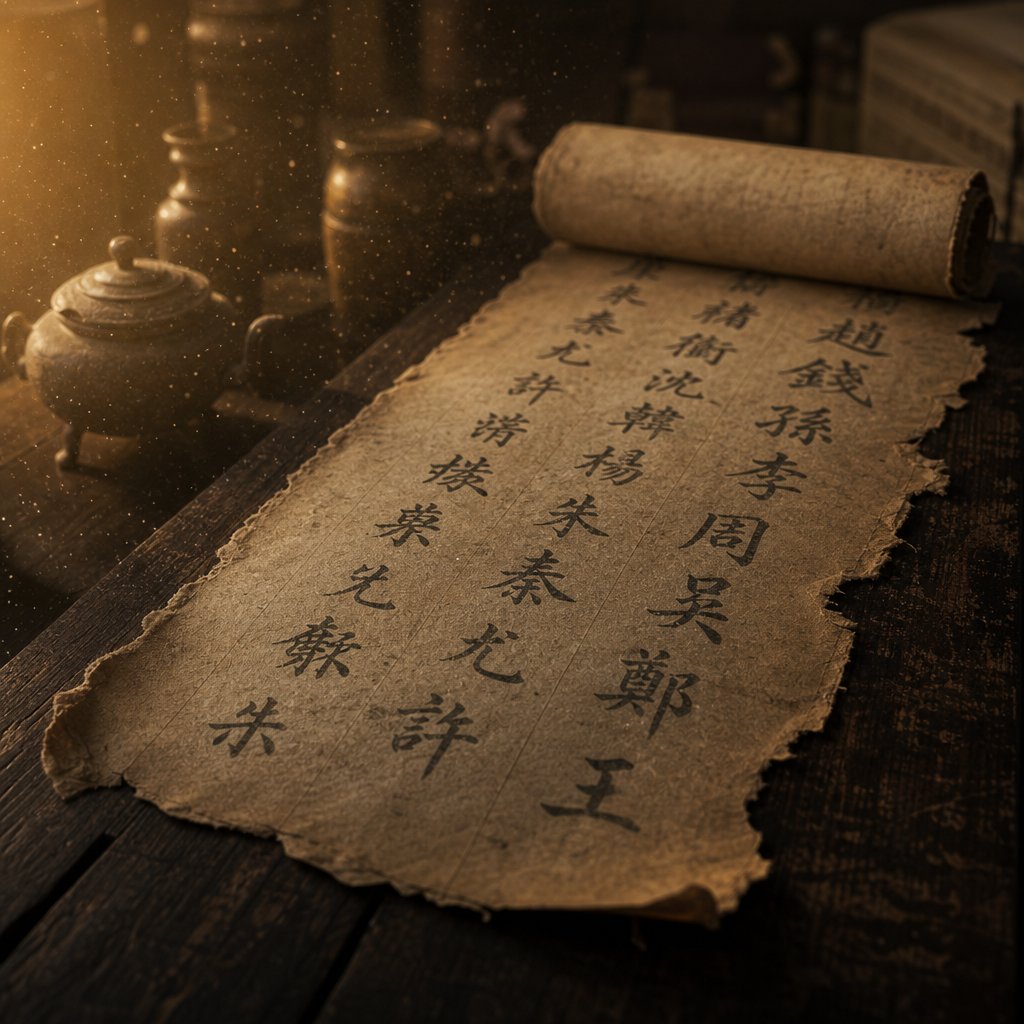
During the early Song Dynasty (960-1279 AD), a text called the Hundred Family Surnames (百家姓, Baijiaxing) was compiled as a children's literacy primer. It originally contained 411 surnames, later expanded to 504, with 444 single-character surnames and 60 double-character surnames. The text was organized in rhythmic four-character lines, making it easy to memorize and recite in schools across the empire.
Here is the key detail most people miss: the surnames were not listed by popularity. The first four entries, Zhao (赵), Qian (钱), Sun (孙), and Li (李), reflected political power at the time. Zhao was the royal chinese surnames of the Song Dynasty emperors. Qian belonged to the kings of Wuyue. Sun was the queen's family name. Li came from the rulers of Southern Tang. In other words, this was a document shaped by politics as much as demographics.
What the text left out matters just as much as what it included. Thousands of surnames in active use during the Song Dynasty never made the list. Some were too regional. Others belonged to ethnic minorities on the empire's periphery. Still others were simply overlooked. Over centuries, the Hundred Family Surnames became a cultural gatekeeper. If your surname appeared in it, you belonged to the mainstream. If it did not, your name carried an invisible asterisk.
How Census Data Reveals Surname Rarity
Modern demographics put hard numbers behind what the Song Dynasty text only hinted at. China's Ministry of Public Security conducts nationwide surname surveys that reveal a dramatic concentration at the top and a long, fragile tail at the bottom.
Consider the scale difference between the most common chinese surnames and those barely holding on:
| Surname | Hanzi | Estimated Carriers | Category |
|---|---|---|---|
| Wang | 王 | 101+ million | Most popular |
| Li | 李 | 100+ million | Most popular |
| Zhang | 张 | 95+ million | Most popular |
| Liu | 刘 | 72+ million | Top 5 |
| Nan | 难 | ~1,000 | Rare |
| Du (poison) | 毒 | ~200 | Extremely rare |
| Si (death) | 死 | ~100 | Near extinction |
The top five most popular chinese last names account for over 433 million people, roughly 30% of the population. Meanwhile, surnames at the bottom of the distribution are carried by fewer people than could fill a single apartment building. China has about 6,000 surnames in active use, yet almost 86% of citizens share just 100 of them. The remaining thousands of surnames split a thin slice of the population among themselves.
This is what makes common last names china so dominant and rare ones so vulnerable. When a surname has only a few hundred carriers concentrated in one village or region, a single generation without male heirs can erase it entirely.
Historical Forces That Made Surnames Disappear
Chinese surnames and meanings are deeply tied to their origins. Understanding why some names became rare requires looking at how surnames were created in the first place. Researchers identify several major origin patterns for chinese family names and meanings:
- Occupational origins: Surnames like Tao (陶, potter), Tu (屠, butcher), and Wu (巫, shaman) derived from ancestral trades. When an occupation disappeared or lost social standing, its associated surname sometimes faded with it.
- Geographic origins: Many common chinese last names trace back to ancient states or fiefdoms. Qi, Lu, Song, Zheng, and Chu all became surnames after the kingdoms that bore them. Smaller, shorter-lived territories produced surnames that never gained critical mass.
- Ancestral clan designations: Noble families used clan names (氏, shi) to distinguish branches within a larger surname group. Some of these branch names survived as independent surnames; many did not.
- Imperial bestowals: Emperors occasionally granted new surnames to loyal subjects or forced conquered peoples to adopt Chinese names. These royally bestowed names sometimes thrived, but others vanished when the granting dynasty fell from power.
Beyond origin patterns, specific historical events actively destroyed surnames. Warfare decimated entire clans. The Galton-Watson process, a naturally occurring phenomenon in patrilineal societies, predicts that surnames will die out over time as families without male descendants lose their name in each generation. Researchers from Stanford University and the Chinese Academy of Sciences noted that China's surname pool shrank more dramatically than Europe's or Japan's precisely because the system started thousands of years earlier, giving more time for names to disappear.
Forced name changes added another layer of loss. During periods of intense political upheaval, ethnic minorities and conquered populations were compelled to adopt Han Chinese surnames. Sometimes people voluntarily simplified complex characters into similar-sounding common ones, or abandoned names believed to bring bad fortune. In one documented case from Shandong province, over 200 villagers sharing an ancestral surname were pressured to change it because the character could not be processed by modern computer systems.
Each of these forces, natural attrition, political coercion, cultural assimilation, and technological incompatibility, chipped away at China's surname diversity. The result is a system where a handful of names dominate while thousands of others survive on the thinnest of margins, their histories encoded in characters that fewer and fewer people carry.
Rare Single-Character Surnames and Their Meanings
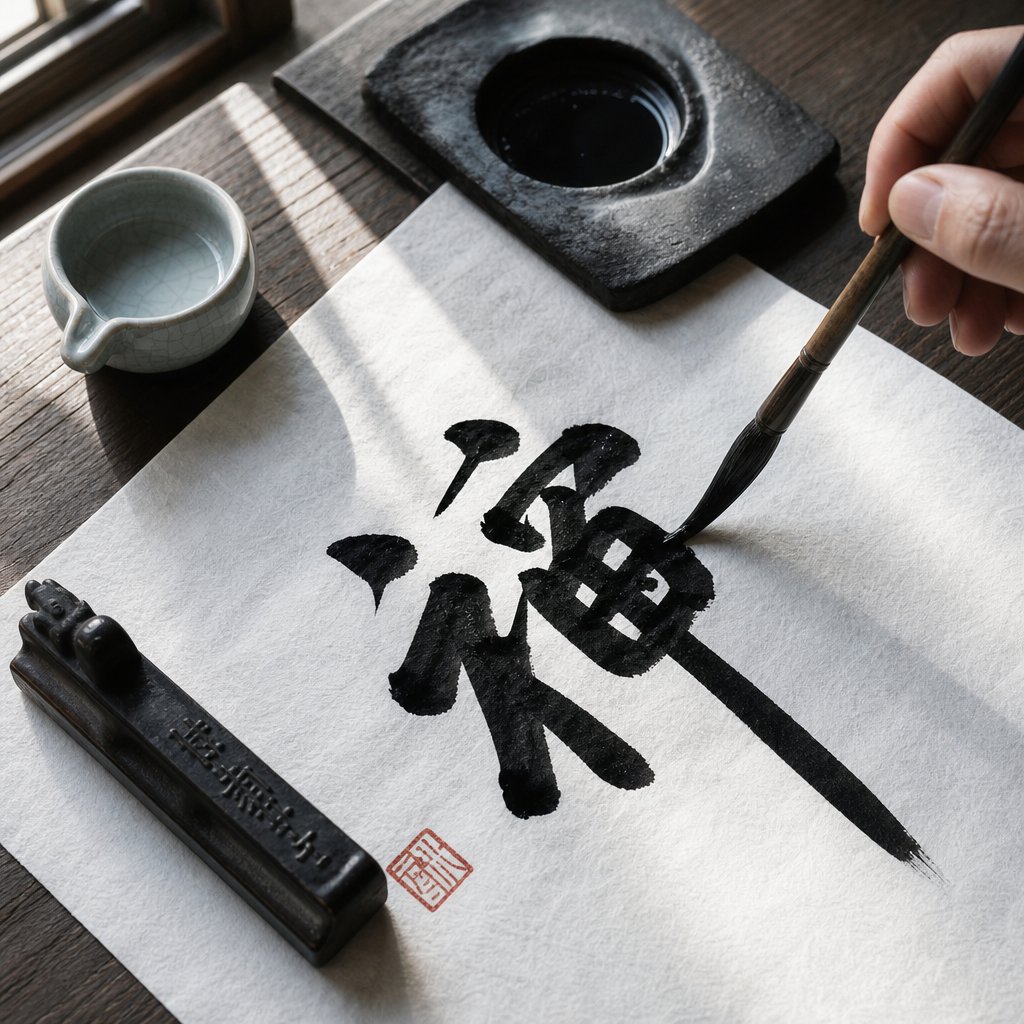
Some surnames vanish because their carriers are too few. Others survive despite carrying meanings so uncomfortable that every introduction becomes a conversation. Among the most fascinating rare chinese last names are single-character surnames whose standalone meanings range from mildly unusual to outright taboo. These characters tell stories about ancient geography, forgotten occupations, and social pressures that have shaped families for generations.
Surnames with Unusual or Taboo Meanings
Imagine handing someone your business card and watching their expression shift from polite to confused. That is daily life for carriers of surnames whose characters carry negative or startling meanings. These are among the most unique chinese last names still in existence, and their chinese surnames meaning often shocks native speakers on first encounter.
- 死 (Si, third tone) - Composed of one horizontal stroke atop the character 夕 (evening) with 匕 (ladle/dagger), totaling 6 strokes. Standalone meaning: death. Origin: Believed to trace back to the ancient Xianbei ethnic group in northern China. Some researchers link it to a branch of the Beilu tribe whose name was transliterated into this character during the Northern Wei Dynasty. Fewer than 100 people are estimated to carry this surname today.
- 毒 (Du, second tone) - The character combines 毋 (do not) with 母 (mother) under the radical 毒, totaling 9 strokes. Standalone meaning: poison. Origin: One theory traces it to an ancient minister named Dou who served during the Zhou Dynasty. The character was later altered through scribal changes. Approximately 200 carriers remain, concentrated in Shaanxi and Jiangsu provinces.
- 难 (Nan, fourth tone) - Written with the bird radical 隹 on the right and 又 (again) on the left in its simplified form, totaling 10 strokes. Standalone meaning: difficulty, hardship. Origin: Derived from the ancient Nanluo clan (难罗氏) of the Xianbei people. The full clan name was shortened to a single character during sinicization. Roughly 1,000 carriers remain, mostly in Henan province.
- 丑 (Chou, third tone) - A simple 4-stroke character originally representing the second Earthly Branch in the Chinese zodiac. Standalone meaning: ugly, shameful. Origin: Likely geographic, tied to an ancient settlement. Bearers today number in the low hundreds.
- 黑 (Hei, first tone) - Composed of 12 strokes with the fire radical (灬) at the bottom. Standalone meaning: black, dark. Origin: Traced to the Mohist school of philosophy during the Warring States period, where followers of Mozi adopted the character as a surname. A small population persists in Henan and Shandong.
Each of these chinese last name meanings creates real social friction. School registration, job applications, and even online forms can trigger awkward questions or outright disbelief from officials who assume a typo.
Geographic and Occupational Origin Surnames
Not all rare single-character surnames carry taboo weight. Some are simply obscure, their origins tied to places or professions that no longer exist.
- 揭 (Jie, first tone) - 12 strokes with the hand radical (扌). Standalone meaning: to lift, to reveal. Origin: Geographic, from the ancient Jieyang region in Guangdong. Carriers are concentrated in southern China.
- 粟 (Su, fourth tone) - 12 strokes with the rice radical (米). Standalone meaning: millet grain. Origin: Occupational, linked to families who managed grain storage for feudal lords. A few thousand carriers remain, primarily in Guangxi and Hunan.
- 禤 (Xuan, first tone) - 13 strokes with the spirit radical (示). Standalone meaning: the character has no common standalone use outside the surname context. Origin: Traced to a general in the Eastern Han Dynasty who was granted this character as a surname by the emperor. Concentrated almost entirely in Guangdong province.
These surnames illustrate how chinese last names and meanings are deeply intertwined with local history. A single chinese surname can function as a geographic marker, pointing researchers toward the village or region where a family line began.
Understanding Each Character's Composition
Why does character composition matter for understanding rare surnames? Because in Chinese, every character is built from radicals and components that carry semantic or phonetic information. When you break down a rare surname into its parts, you often uncover clues about its original pronunciation, meaning, or the scribal error that created it.
Take 毒 (Du). The top component 毋 means "do not," while the bottom resembles 母 (mother). Some etymologists believe the character originally depicted a poisonous plant, and its use as a surname was a phonetic borrowing unrelated to the meaning "poison." The same pattern applies to 死 (Si), where the character's association with death likely came after its adoption as a surname, not before.
This distinction matters for bearers of these names. Many families with taboo-meaning surnames maintain oral histories explaining that their name predates the character's negative connotation, or that the character was originally different and was simplified or corrupted over centuries. Some families have petitioned to change their surname entirely, while others wear it as a badge of ancestral resilience.
Modern life adds new pressures. Computer systems that flag unusual characters, social media platforms that reject "inappropriate" names, and the simple exhaustion of explaining your surname at every new encounter all push carriers toward abandoning these unique chinese last names. Yet each surname that disappears takes with it an irreplaceable thread of linguistic and cultural history, one that no amount of reconstruction can fully restore.
Single-character surnames, however unusual, represent only half of the rarity equation. Chinese naming tradition also produced multi-character compound surnames, a category with its own distinct history, noble associations, and vanishing members.
Rare Compound Surnames You Have Never Encountered
Compound surnames (复姓, fuxing) occupy a completely different branch of the Chinese naming tree. Where single-character surnames are built from one hanzi, compound surnames use two or more characters functioning as an inseparable unit. They cannot be split apart without destroying the name's meaning and lineage. This structural difference also makes them inherently rarer. Any comprehensive chinese surname list will show that the vast majority of entries are single characters, while compound surnames form a small, shrinking minority with deep historical roots.
What Are Compound Surnames
Think of it this way: the surname Ouyang (欧阳) is not a combination of the surnames Ou and Yang. It is a single, indivisible family name that happens to require two characters to write. This distinction separates true compound surnames from modern double-barrelled names, where parents blend two single-character surnames for their children. Genuine compound surnames trace back centuries or millennia to specific origins: ancient feudal territories, official titles in the Zhou Dynasty court, or ethnic group names transliterated into Chinese characters.
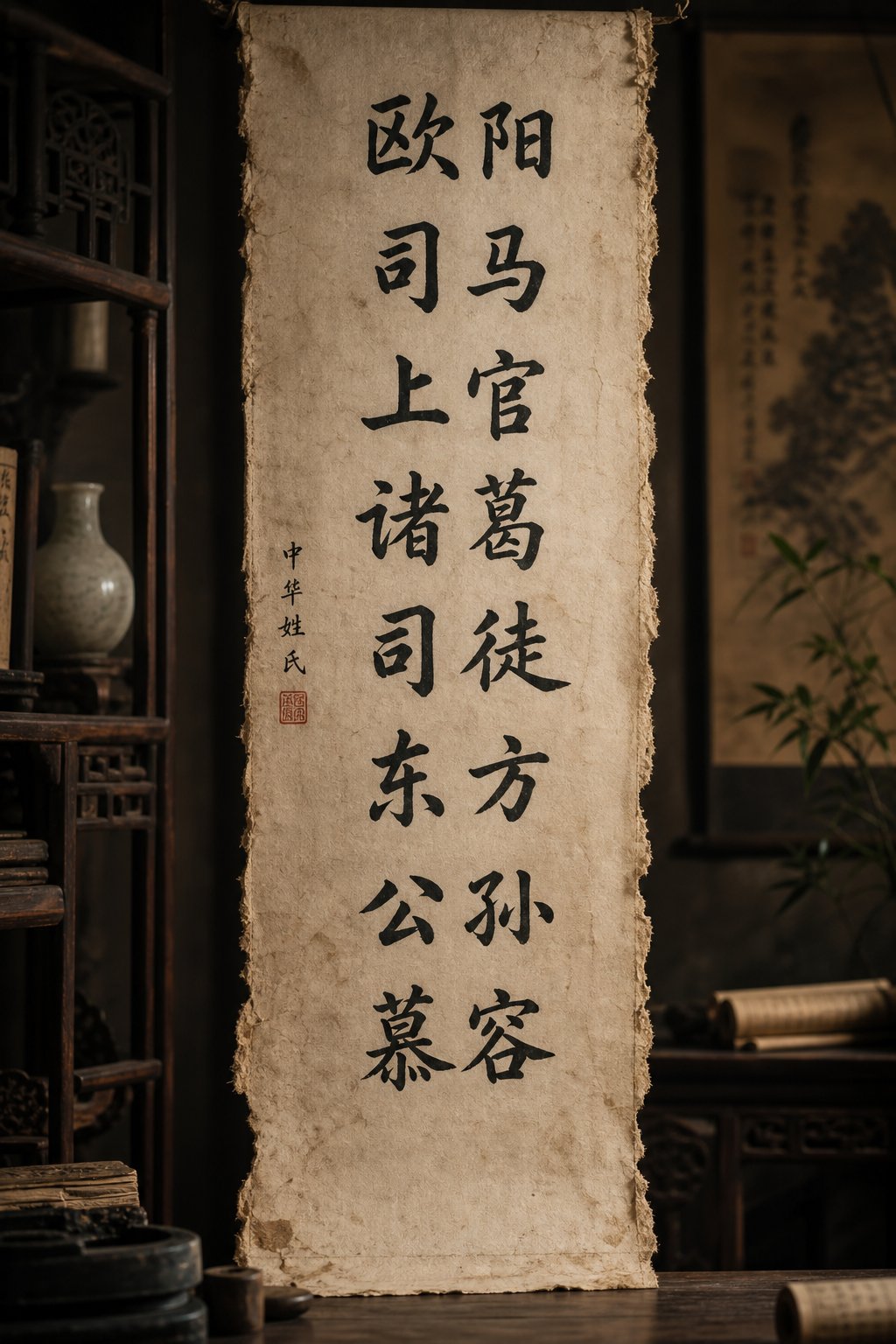
China once had over 1,000 compound surnames. Fewer than 100 remain in active use. The most recognized mandarin surnames in this category, Ouyang (欧阳), Sima (司马), and Zhuge (诸葛), still appear in everyday life. Ouyang alone has over 1.1 million carriers, according to China's 2020 National Name Report. Shangguan (上官) follows with 88,000 users, then Huangfu (皇甫), Linghu (令狐), Zhuge, Situ (司徒), and Sima. These are the survivors. Below them on any list of chinese surnames sit dozens of compound names most native speakers would not recognize.
Rare Compound Surnames Most People Have Never Heard
Beyond the familiar names, a layer of ancient chinese family names persists with tiny populations and almost no public visibility. Ranked from slightly more recognized to nearly unknown:
- Xiahou (夏侯) - Meaning "Marquess of Xia," granted to descendants of Yu the Great during the Spring and Autumn period. Recognizable to history enthusiasts through the Three Kingdoms general Xiahou Dun.
- Nangong (南宫) - Meaning "Southern Palace," derived from a place of residence near the royal court during the Zhou Dynasty. Carried by a disciple of Confucius, Nangong Kuo.
- Gongsun (公孙) - Meaning "dukes' descendants," once a common address for noble offspring in the Spring and Autumn period. Now extremely rare despite its prestigious origin.
- Diwu (第五) - Literally "the fifth." Created when the Qin Dynasty forcibly relocated noble families and numbered them. Surnames Diyi through Diba (first through eighth) once existed; only Diwu survives.
- Zuoren (左人) - Meaning "left-handed person." An occupational or descriptive surname with almost no modern carriers and minimal historical documentation.
- Xushi (许世/世) - A compound surname reportedly down to a single living inheritor, Xushi Yin'e, descended from a Ceylon prince stranded in Quanzhou during the 15th century.
Each of these mandarin surnames tells a story that single-character names simply cannot. Their multi-character structure preserves more semantic information, often encoding a title, a place, or a relationship directly into the name itself.
Noble and Scholarly Origins of Multi-Character Names
Why do compound surnames carry such strong associations with nobility and scholarship? The answer lies in their origins. Many derive from official titles in the Zhou Dynasty bureaucracy: Sima (司马) meant "Master of the Horse," a military commander role equivalent to a marshal. Situ (司徒) was the "Minister over the Masses." Sikong (司空) served as "Minister of Works." These were not names ordinary farmers carried. They were chinese noble last names by definition, inherited by families who once held real political power.
Geographic compound surnames tell a similar story. Ouyang means "south of Mount Ou Yu," indicating a family that controlled or resided in a specific territory. Dongguo (东郭) means "Eastern Wall," referring to families living outside the eastern wall of a city, often merchants or officials with designated quarters.
This noble lineage partly explains why compound surnames are romanticized in Chinese popular culture. Wuxia novelists like Jin Yong filled their stories with characters bearing compound surnames: Linghu Chong, Ouyang Feng, Dongfang Bubai. The literary tradition reinforces the perception that these names belong to extraordinary people, scholars, warriors, strategists. Han Dynasty historian Sima Qian, Song Dynasty poet Ouyang Xiu, and Three Kingdoms strategist Zhuge Liang all cemented this association between compound surnames and intellectual greatness.
The tragedy is that most compound surnames disappeared not because their bearers lacked distinction, but because patrilineal inheritance and historical disruption worked against them. When a family produced only daughters in one generation, the compound surname often died. Some families voluntarily simplified their names, splitting Ouyang into Ou or Yang for convenience. Others lost their names during dynastic transitions when political associations became dangerous. The result is a category of ancient chinese family names that once numbered over a thousand, now reduced to fewer than a hundred, with several balanced on the edge of total extinction.
Rare Surnames from Non-Han Ethnic Origins
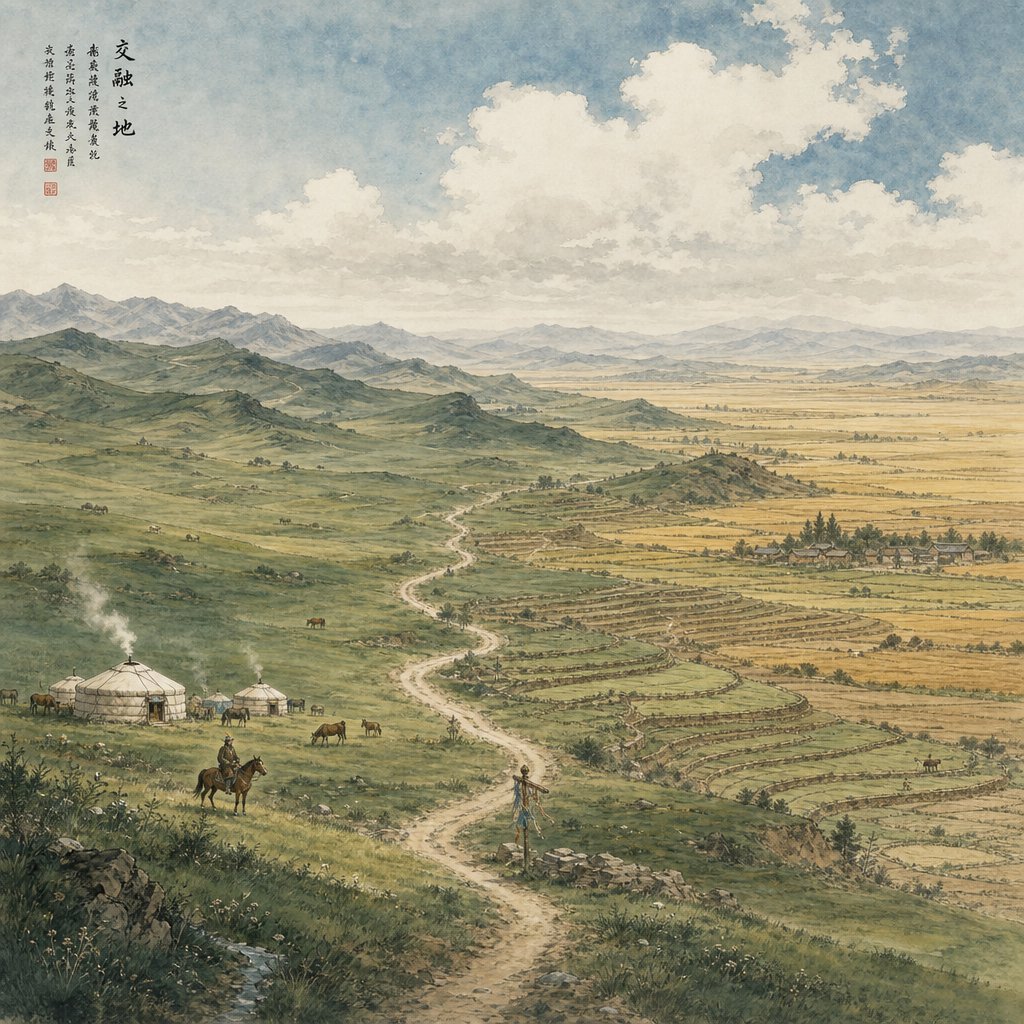
Compound surnames are not the only category hiding noble histories beneath a single character. Across China, thousands of rare surnames trace their roots not to the Han majority but to the 55 recognized ethnic minorities whose naming traditions were compressed, translated, or absorbed into the Chinese system over centuries. These names represent a hidden layer of diversity within what many outsiders assume is a homogeneous pool of asian last names.
Manchu Clan Names That Became Rare Surnames
When the Qing Dynasty collapsed in 1912, Manchu families faced immediate pressure to assimilate. The elaborate multi-syllable clan names that had identified Manchu nobility for centuries became liabilities overnight. Families needed to adopt Han-style single-character surnames quickly, and the methods they used created a fascinating patchwork of rare china surnames with concealed ethnic origins.
The conversion followed several patterns. Some families transliterated the first syllable of their clan name into a phonetically similar Chinese character. Others translated the meaning of their Manchu name into Chinese. Still others adopted the surname of the territory they controlled or simply chose a common Han surname to blend in. The imperial Aisin Gioro clan alone scattered into surnames like Jin (金), Pu (蒲), Yu (于), Ai (艾), Zhao (赵), and Xi (奚), each branch choosing differently based on local circumstances.
Less prominent clans produced rarer outcomes. The Argi clan (阿尔吉氏) became Jiu (酒, meaning "wine"), a direct translation of the clan name's Manchu meaning. The Aoratosin clan (敖拉托欣氏) became Shan (山, meaning "mountain"), again a semantic translation. These resulting surnames are uncommon enough that most Chinese people would never guess their Manchu origins.
Mongol and Tibetan Surname Contributions
Manchu clans were not alone in this transformation. Mongol families who settled in China during and after the Yuan Dynasty underwent similar processes. The famous Borjigin clan, the lineage of Genghis Khan, adopted surnames like Bao (鲍) and Qi (奇) through Chinese transliteration. Other Mongol clans became Ba (巴), Bai (白), or Jin (金), surnames common enough to hide their steppe origins entirely.
Tibetan, Miao, Yi, and Zhuang communities contributed their own layers. Some Tibetan names were shortened into single characters that retain unusual phonetic combinations, marking them as non-Han in origin to a trained ear. Miao surnames in Guizhou and Yunnan often cluster around characters like Long (龙), Shi (石), and Ma (麻) that reflect local naming conventions rather than traditional chinese surnames of Han origin.
Among common asian surnames, these ethnic-origin names stand apart because their distribution patterns are geographically concentrated rather than spread across the country. A surname that appears frequently in one province may be virtually unknown 500 kilometers away.
Regional Patterns of Ethnic Minority Surnames
Research on Chinese surname distributions confirms that prefectures with high proportions of ethnic minorities show distinctly different surname patterns from Han-majority regions. These areas tend to have more power-law-like distributions, meaning a few local surnames dominate while many rare ones persist in small numbers. The geographic isolation of mountainous terrain in Yunnan, Guizhou, Guangxi, and Tibet helped preserve these distinct east asian last names by limiting intermarriage and migration.
| Original Ethnic Name | Simplified Chinese Surname | Ethnic Group | Primary Region |
|---|---|---|---|
| Aisin Gioro (爱新觉罗) | Jin (金), Pu (蒲) | Manchu | Liaoning, Beijing |
| Borjigin (博尔济吉特) | Bao (鲍), Qi (奇) | Mongol | Inner Mongolia |
| Tatara (他他啦氏) | Tang (唐), Tan (谭) | Manchu | Heilongjiang, Jilin |
| Donggo (董鄂氏) | Dong (董), Tong (佟) | Manchu | Liaoning |
| Cahala (察哈拉氏) | Cha (察), Zhu (朱) | Manchu/Mongol | Hebei, Inner Mongolia |
| Colos (绰罗斯氏) | Luo (罗), Qi (齐) | Mongol (Oirat) | Xinjiang, Qinghai |
You will notice that many of these asian surnames look perfectly ordinary on paper. Jin, Dong, Tang, and Bao are all recognizable names that blend seamlessly into the broader population. That is precisely the point. The Qing-to-Republic transition was designed to erase visible ethnic markers, and it largely succeeded. The rarer outcomes, surnames like Jiu (酒) or E (鄂) that few Han families share, are the ones that inadvertently preserved their ethnic fingerprint.
This ethnic dimension adds urgency to preservation efforts. When a rare surname disappears, it does not just erase a family line. It erases evidence of cultural contact, conquest, and coexistence that shaped China's population over millennia. The question becomes whether these names can survive the same modernizing forces that created them in the first place.
Surname Extinction and Modern Preservation Efforts
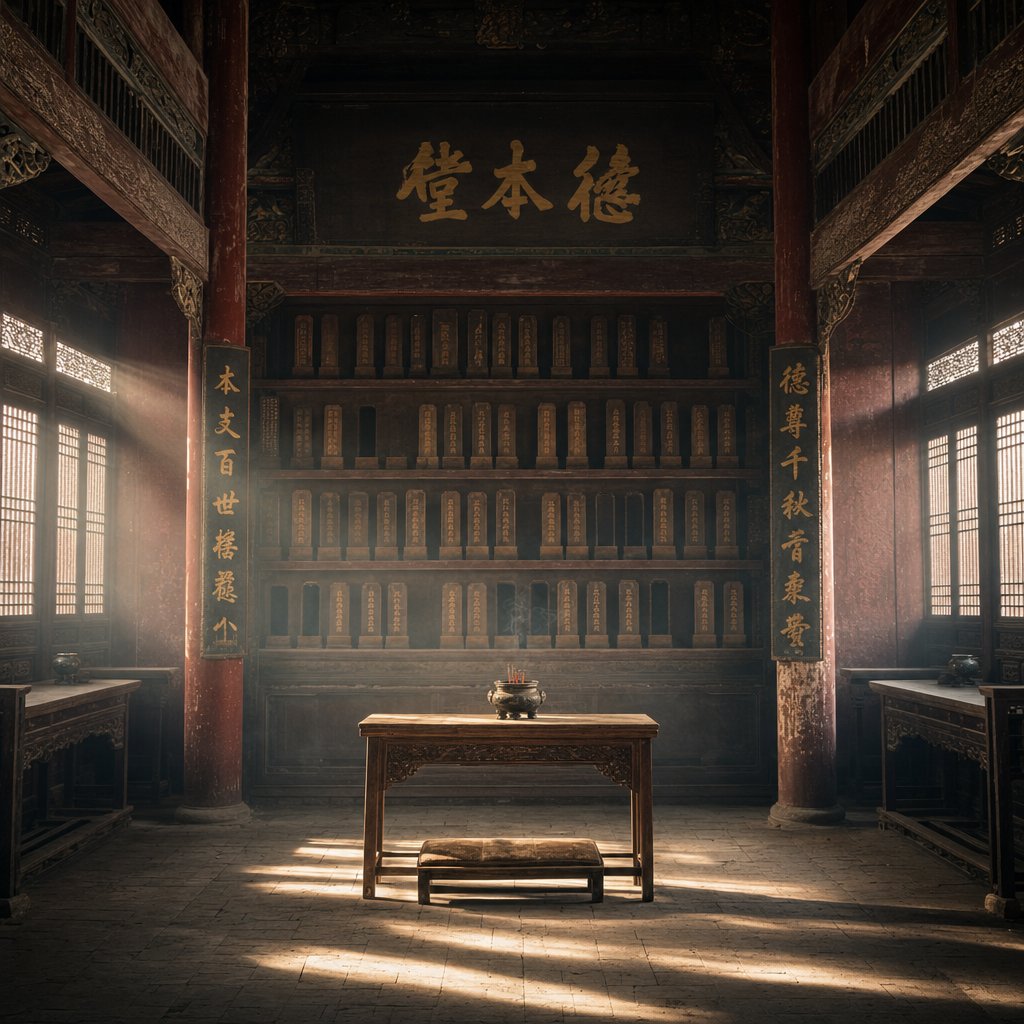
Ethnic minority surnames are not the only ones slipping away. Across every origin category, single-character and compound alike, surnames are disappearing from the living record entirely. Some vanished centuries ago during dynastic upheavals. Others are fading right now, one funeral at a time, in villages where the last carriers are aging without heirs who will carry the name forward. Among the rarest chinese surnames, the line between endangered and extinct is often just a single generation.
Surnames That Have Already Disappeared
Historical texts reference thousands of surnames that no longer appear in any modern census. Ancient genealogies, bronze inscriptions, and imperial records preserve names like Tuqiu (屠丘), Zuoqiu (左丘), and Gongbo (公伯) that have zero confirmed living carriers. These are not hypothetical losses. They represent real lineages that once thrived and now exist only as ink on bamboo or stone.
The compound surname Xushi (许世) offers a vivid example of extinction in progress. Created by a descendant of a 15th-century Ceylon prince stranded in Quanzhou, the name reportedly has only one living inheritor, Xushi Yin'e. When she passes without a child carrying the surname, a 500-year lineage ends permanently. China once had over 1,000 compound surnames. Fewer than 100 survive. The numbered surnames Diyi through Diba (first through eighth) have all vanished except Diwu (fifth). Each disappearance erases not just a name but an entire origin story, a piece of evidence about how people moved, married, and organized themselves across centuries.
What qualifies as one of the rarest last names in the world? In China's context, any surname with fewer than 10 living carriers is functionally on the brink. Several documented surnames exist with only a single family remaining, concentrated in one village, dependent on one generation's reproductive choices.
Government and Academic Preservation Projects
China's national identity information system, maintained by the National Citizen Identity Information Center, contains records for 1.28 billion citizens and documents 7,184 distinct surnames. This dataset allows researchers to track exactly which surnames are growing, stable, or declining. The Ministry of Public Security publishes periodic National Name Reports that rank surname frequency and flag demographic shifts.
Academic institutions have built on this data. Researchers at Beijing Normal University and the Chinese Academy of Sciences developed statistical models analyzing surname distributions at the province, prefecture, and county levels. Their work reveals that prefectures with lower migration rates tend to preserve more uncommon chinese surnames through genetic drift, while high-migration areas homogenize toward the dominant names. This research provides an early warning system: when a surname's carrier count drops below a critical threshold in its home region, extinction becomes statistically likely within two to three generations.
University-based genealogy projects also digitize clan records (族谱, zupu) that document uncommon chinese last names stretching back centuries. These records often contain the only evidence that certain surnames existed at all, preserving branch histories, migration routes, and intermarriage patterns that census data alone cannot capture.
Clan Culture Keeping Rare Surnames Alive
Where government projects track data from above, grassroots clan associations (宗族, zongzu) work from below. Chinese clan names carry weight precisely because they are backed by living communities, not just database entries. Even surnames with tiny populations sometimes maintain remarkably organized clan structures.
Consider the Zheng clan of Pujiang County in Zhejiang Province. This single-surname village has maintained continuous clan governance for over 925 years, with 168 patriarchal rules, ancestral halls, and folk customs now recognized as intangible cultural heritage. While the Zheng surname itself is not rare, the organizational model demonstrates how clan culture can sustain a surname through centuries of upheaval. Smaller, rarer clans adopt similar strategies: maintaining genealogical records, holding annual gatherings, and actively encouraging surname inheritance.
Some families with unique chinese surnames have begun advocating for children to inherit the mother's surname when the father carries a common name and the mother carries a rare one. This reversal of patrilineal tradition is controversial but increasingly discussed as a preservation mechanism.
Urbanization pulls young people away from the ancestral villages where rare surnames concentrate, while the very clan structures that preserved those names for centuries struggle to function across geographic distance.
Migration to cities fragments the tight-knit village communities that once reinforced surname identity through daily contact, shared rituals, and social pressure to maintain the family line. A young person carrying a rare surname in Shanghai or Shenzhen may feel little connection to a clan association meeting 1,000 kilometers away in a rural ancestral hall. The rarity surname that survived wars, famines, and dynastic collapses may ultimately succumb to something far more mundane: the simple drift of modern life pulling people away from the structures that kept their names alive.
Yet preservation is not hopeless. Digital genealogy platforms, DNA-linked surname research, and renewed cultural pride in unique chinese surnames are creating new pathways for connection. The question is whether these modern tools can replace the village-level cohesion that sustained rare names for millennia, or whether they arrive too late for surnames already balanced on the edge of disappearance.
Rare Chinese Surnames in the Global Diaspora
Digital tools and clan associations offer lifelines within China's borders, but what happens when a rare surname crosses an ocean? For the estimated 50 million overseas Chinese spread across Southeast Asia, North America, Europe, and Australasia, surname preservation faces an entirely different set of challenges. The moment a Chinese character is converted into Roman letters, layers of meaning, tone, and distinctiveness can vanish. A surname that is unmistakably rare in hanzi may become invisible, or unrecognizable, once romanized.
Romanization and How It Obscures Rarity
Chinese surnames do not have a single "correct" spelling in English. The romanization depends on which system is used, which in turn depends on where the family emigrated from and when. Mainland China uses Pinyin. Taiwan uses Wade-Giles. Hong Kong uses a Cantonese-based system without official standardization. Southeast Asian communities rely on Hokkien, Teochew, or Hakka transliterations shaped by colonial-era spelling conventions.
The result? A single rare surname can appear as three or four completely different English spellings across regions. Someone researching their ancestry might not realize that the "Seah" in Singapore, the "Tse" in Hong Kong, and the "Xie" in Beijing all represent the same character 谢. For common surnames, this fragmentation is well-documented. For rare ones, it creates a fog that makes already-small populations seem even smaller, or renders them entirely untraceable.
Here is how a few rare surnames appear across different romanization systems:
- 揭 (Jie) - Pinyin: Jiē / Wade-Giles: Chieh / Cantonese: Kit / Hokkien: Kiat
- 禤 (Xuan) - Pinyin: Xuān / Wade-Giles: Hsüan / Cantonese: Hyun / Hokkien: Hian
- 佘 (She) - Pinyin: Shé / Wade-Giles: She / Cantonese: Se / Hokkien: Sia
- 覃 (Qin/Tan) - Pinyin: Qín or Tán / Wade-Giles: Ch'in or T'an / Cantonese: Tam / Hokkien: Tham
- 冼 (Xian) - Pinyin: Xiǎn / Wade-Giles: Hsien / Cantonese: Sin / Hokkien: Sian
Notice how 禤 becomes four entirely different-looking words depending on the system. A genealogy researcher searching for "Hian" in Hokkien records would never find it by searching "Xuan" in a Pinyin-based database. This fragmentation does not just obscure rarity. It actively fractures already-tiny surname communities across linguistic boundaries.
Rare Surnames in Hong Kong and Cantonese Communities
Hong Kong presents a particularly interesting case. The city's cantonese last names follow romanization patterns that diverge sharply from mainland Pinyin. Chan, Wong, Leung, and Lau dominate the local landscape, corresponding to Chen, Wang/Huang, Liang, and Liu in Mandarin. But among hong kong last names, rare surnames face a double challenge: they are uncommon in character form and their Cantonese romanizations often look nothing like their Pinyin equivalents.
Take the surname 岑 (Cen in Pinyin, Sham in Cantonese). With roughly 520,000 carriers in mainland China, it barely cracks the top 200. In Hong Kong's smaller population, carriers are proportionally even fewer. A person named Sham in Hong Kong and a person named Cen in Vancouver may share the exact same ancestral surname without ever recognizing the connection from spelling alone.
The same dynamic plays out across cantonese surnames in diaspora communities throughout Malaysia, Singapore, and Australia. Singapore's most common Chinese surnames like Tan, Lim, and Ng reflect Hokkien and Teochew pronunciations that bear little visual resemblance to their Mandarin counterparts Chen, Lin, and Huang. Rare hong kong surnames that emigrated during the 1960s-1990s wave may now exist as isolated families in Toronto or Sydney, their romanized spellings disconnected from any searchable Chinese-language database.
Diaspora Identity and Ancestral Surname Connections
For Chinese Americans and other diaspora communities, a rare ancestral surname can become both a burden and a source of pride. The practical challenges are immediate: mispronunciation at school, misspelling on legal documents, confusion at border crossings when different family members romanized the same surname differently across generations.
Chinese american surnames often reflect the dialect and era of immigration. A family that arrived in San Francisco during the Gold Rush era might carry a Cantonese romanization like "Fong" (方), while their cousins who emigrated to New York in the 1990s use the Pinyin "Fang." For common surnames, this creates mild confusion. For rare ones, it can sever the visible link between family members entirely.
Yet many diaspora families report that carrying an unusual surname strengthens their connection to Chinese heritage rather than weakening it. A rare name demands explanation, and that explanation becomes a story retold across generations: where the family came from, why the name is unusual, what it meant in the original context. In communities where assimilation pressure is strong, a distinctive surname can serve as an anchor to identity that a common name like Lee or Wong might not provide.
Genealogy platforms and DNA testing services have begun bridging these gaps. Services that cross-reference multiple romanization systems against character databases allow diaspora families to reconnect with mainland clan associations they lost contact with decades ago. For carriers of rare cantonese surnames or obscure Hokkien transliterations, these tools offer the first realistic path to tracing their name back to a specific village, a specific genealogy record, and a specific place in the broader story of Chinese surname diversity.
The diaspora dimension reveals something important: rarity is not just a matter of population count within China's borders. It is also a matter of visibility, connection, and recognition across the global network of Chinese communities. A surname might have 500 carriers in Guangdong but appear completely unique to a family in Melbourne who has never met another person with the same romanized spelling. Whether that family can find its way back to the broader clan depends on tools, awareness, and the persistence to look past the surface of Roman letters to the character underneath.
Comparing Rare and Common Chinese Surnames
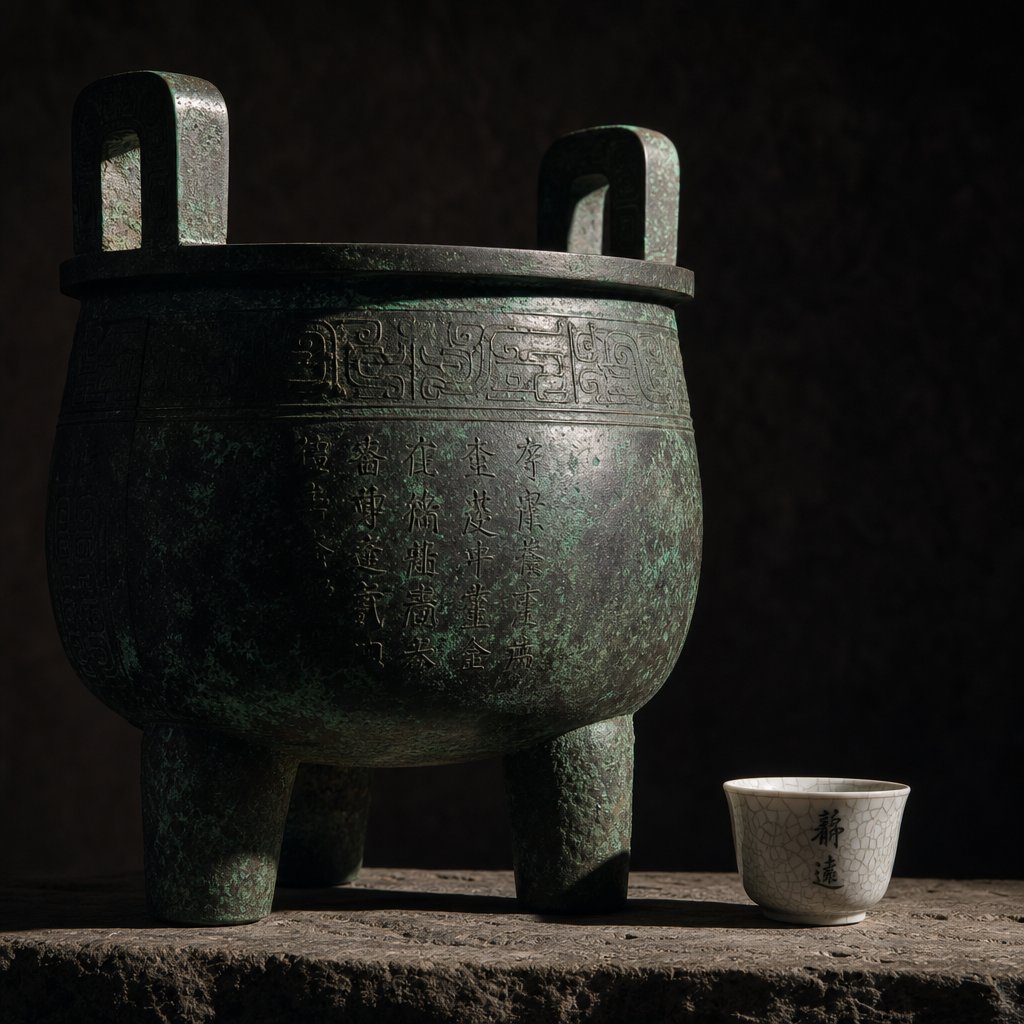
Visibility across the diaspora depends on knowing what you are looking for. But even within China, the sheer numerical gap between dominant surnames and endangered ones is difficult to grasp without placing them side by side. The most common last names in china each represent populations larger than many countries. The rarest represent populations smaller than a single school classroom. Seeing these figures together makes the fragility of surname diversity impossible to ignore.
Scale Comparison of Common vs Rare Surnames
How dramatic is the gap? Wang (王), the most common chinese last name, has over 101 million carriers. That is more people than the entire population of Germany. Li (李), the second most common surname in china, follows closely with roughly 100 million. At the other end of the spectrum, surnames like Si (死) and Du (毒) cling to existence with carrier counts in the double or triple digits.
| Surname | Hanzi | Estimated Carriers | Origin Type | Rarity Classification |
|---|---|---|---|---|
| Wang | 王 | 101,000,000+ | Royal title (king) | Most common |
| Li | 李 | 100,000,000+ | Ancestral (plum tree) | Most common |
| Zhang | 张 | 95,000,000+ | Occupational (bow maker) | Most common |
| Cen | 岑 | ~520,000 | Geographic (mountain) | Uncommon |
| Diwu | 第五 | ~5,000 | Imperial relocation numbering | Rare |
| Nan | 难 | ~1,000 | Ethnic (Xianbei transliteration) | Rare |
| Du | 毒 | ~200 | Occupational/scribal change | Extremely rare |
| Si | 死 | ~100 | Ethnic (Xianbei transliteration) | Extremely rare |
| Xushi | 许世 | 1 | Foreign prince lineage | Possibly extinct |
The contrast is staggering. The top three popular chinese last names together account for nearly 300 million people, roughly 21% of the population. Meanwhile, the bottom tier of this table collectively represents fewer people than a small village. A common chinese surname like Zhang has more carriers than the combined populations of dozens of rare surnames put together. This is the demographic reality that makes preservation so urgent: one generation without heirs, one village depopulated by urban migration, and a surname with centuries of history simply ceases to exist.
How to Research Your Own Rare Surname
What if your family carries an unusual surname and you want to know whether it qualifies as genuinely rare versus simply uncommon? Several resources can help you trace origins and verify rarity.
- China's National Name Reports: Published periodically by the Ministry of Public Security, these reports rank the most common surnames in china and provide carrier estimates. If your surname does not appear in the top 500, it likely falls into the uncommon or rare category.
- Clan genealogy records (族谱, zupu): These family books document lineage from father to son, sometimes stretching back thousands of years. FamilySearch hosts digitized jiapu (家谱) that you can search by surname, province, and ancestral hall name. Start by gathering your surname in Chinese characters, your family's hometown down to the village level, and any known generation poem or ancestral hall designation.
- Academic surname databases: Researchers at institutions like Beijing Normal University and the Chinese Academy of Sciences maintain datasets covering over 7,000 surnames drawn from national identity records of 1.28 billion citizens. Published studies on surname distribution can confirm whether your name clusters in a specific region or appears scattered across the country.
- The Hundred Family Surnames text: A quick check against the original 504 entries tells you whether your surname was considered mainstream during the Song Dynasty. Absence from this list is one traditional marker of rarity.
- DNA and genealogy platforms: Modern services cross-reference romanization systems against character databases, helping diaspora families reconnect with mainland records even when spelling conventions differ across regions.
A surname is genuinely rare if it meets multiple criteria: absent from the Hundred Family Surnames, outside the modern census top 500, and carried by fewer than 1,000 living individuals. A surname that fails only one of these tests is better described as uncommon. The distinction matters because uncommon surnames like Cen (岑) or Zuo (左) still have hundreds of thousands of carriers and face no immediate extinction risk, while truly rare ones may vanish within a generation.
Why Surname Diversity Matters
Sounds abstract? Consider what is lost when a surname disappears. Each name encodes information that no other historical source preserves in quite the same way. A surname tied to an ancient occupation tells us what people did for a living in a specific era. A surname derived from a Xianbei clan name proves ethnic contact between steppe peoples and Han Chinese at a particular time and place. A compound surname referencing a feudal title maps the political geography of the Zhou Dynasty. These are not just labels. They are compressed historical records carried in living memory.
China's traditional family culture treats surnames and genealogies as cultural markers that transmit ancestral legacies across generations, shaping shared intergenerational memory. This is why surname preservation increasingly falls under the umbrella of intangible cultural heritage. The same impulse that protects paper-cutting, embroidery, and ceramic craftsmanship applies to the living practice of carrying and passing down a name that connects you to a specific lineage, a specific place, and a specific moment in history.
Chinese common last names like Wang and Li will never face this threat. Their populations are self-sustaining many times over. But the long tail of rare surnames, the thousands of names carried by handfuls of families, represents a form of cultural biodiversity. Lose enough of them and the historical record they collectively encode becomes permanently incomplete. No reconstruction from texts or databases can replace a living surname carried by a person who knows their family's story.
For researchers, genealogy enthusiasts, and families carrying unusual names, the practical takeaway is simple: document what you know now. Record the character, its pronunciation, its origin story, and the family history attached to it. Connect with clan associations if they exist. Upload genealogical records to digital platforms where they can survive beyond a single household. The most common surnames in china will take care of themselves. The rare ones need active stewardship from the people who carry them, before the last carrier is gone and the name passes from endangered to extinct.
Frequently Asked Questions About Rare Chinese Surnames
1. What is the rarest Chinese surname?
Several surnames compete for this distinction. The compound surname Xushi (许世) reportedly has only one living inheritor, making it possibly the rarest documented Chinese surname. Single-character surnames like Si (死, meaning death) with roughly 100 carriers and Du (毒, meaning poison) with approximately 200 carriers are among the rarest still in active use. Researchers classify any surname with fewer than 100 living carriers as extremely rare or near extinction.
2. How many Chinese surnames exist today?
China's national identity information system documents approximately 7,184 distinct surnames across 1.28 billion citizen records. However, only about 6,000 are considered in active use. Historically, over 20,000 surnames have been recorded in Chinese texts, meaning roughly two-thirds have already disappeared. The top 100 surnames account for nearly 86% of the population, leaving thousands of rare names shared among a tiny fraction of citizens.
3. Why do some Chinese surnames have negative meanings like death or poison?
Surnames like Si (死, death) and Du (毒, poison) typically predate the negative connotations of their characters. Many originated as phonetic transliterations of non-Han ethnic group names, particularly from the Xianbei people during the Northern Wei Dynasty. The characters were chosen for their sound rather than their meaning. Over centuries, as the characters acquired stronger negative associations, the surnames became socially challenging to carry, but families maintained them as markers of ancestral identity.
4. What are compound Chinese surnames and why are they rare?
Compound surnames (复姓, fuxing) are multi-character family names that function as a single inseparable unit, such as Ouyang (欧阳) or Sima (司马). China once had over 1,000 compound surnames, but fewer than 100 remain in active use today. They are inherently rarer because patrilineal inheritance means one generation without male heirs can end the name, and many families voluntarily simplified their compound names into single characters for convenience during periods of social upheaval.
5. How can I find out if my Chinese surname is rare?
Check your surname against three key markers: whether it appears in the Song Dynasty Hundred Family Surnames text (504 entries), whether it ranks in the modern census top 500, and its estimated carrier count. Resources include China's National Name Reports from the Ministry of Public Security, digitized clan genealogy records (族谱) on platforms like FamilySearch, and academic surname databases from institutions like Beijing Normal University. A surname meeting all three rarity criteria with fewer than 1,000 carriers is genuinely rare.