What a Twin Name Generator Does and Why It Matters
A twin name generator is a tool that suggests paired baby names designed to sound harmonious together while keeping each name distinct. It analyzes factors like phonetic patterns, syllable count, shared origins, and stylistic compatibility to produce twin names that feel like a natural set rather than two random picks.
Sounds simple enough, right? In practice, choosing names for twins is a puzzle with far more moving parts than naming a single child.
Why Naming Twins Is Harder Than Naming One Baby
When you name one baby, you weigh meaning, sound, and family significance. When you name twins, every choice you make for one child immediately affects the other. Pick a bold, uncommon name for Twin A, and suddenly Twin B needs something equally distinctive or the pairing feels lopsided. As twin parenting experts note, there is also the question of identity: overly similar twins names can reinforce the idea that two children are a single unit rather than separate people with their own personalities.
You are balancing three things at once: harmony between the names, individuality for each child, and personal meaning that honors your family or values.
Naming one baby is a decision. Naming twins is a relationship between two decisions, where each choice reshapes the other.
What a Twin Name Generator Actually Does
A quality generator does more than spit out random pairs. It applies linguistic rules, matching names by vowel sounds, rhythmic cadence, cultural origin, or thematic meaning, so the results feel intentional. Think of pairs like Ella and Alexander (George and Amal Clooney's twins) or Rumi and Sir (Beyonce's twins): each name stands on its own, yet together they create a cohesive set.
This article goes deeper than any tool can. You will learn the phonetic principles behind perfect twin name pairs, explore cultural traditions, understand the psychology of twin identity, and walk away with a practical framework for generating your own shortlist, whether you rely on a digital tool or your own instincts.
The Linguistics Behind Perfect Twin Name Pairs
Some twin name pairs just click. You hear "Liam and Noah" and something feels right. You hear "Ella and Anna" and the pairing sounds like it was always meant to be. That instinct is not random. It is rooted in phonetics, the science of how speech sounds interact, flow, and create patterns your ear recognizes as pleasing.
Understanding these principles is what separates good twin names from great twin names. It is also exactly what a twin name generator uses under the hood to score and rank its suggestions. The good news: once you grasp the basics, you can apply them yourself without any algorithm.
Vowel Harmony and Consonant Mirroring Explained
Vowel harmony happens when two names share similar vowel sounds, creating an audible thread that ties them together. Think of "Mila and Nina." Both names lean on the short-i and open-a sounds, producing a sense of cohesion without being identical. Research on phonological patterns in twins' names found that ending rhyme similarity appeared in 42 out of 50 studied pairs, confirming that shared vowel sounds at the end of names are the most common phonetic strategy parents use worldwide.
Consonant mirroring works differently. Instead of matching vowels, you echo a consonant sound across both names. "Sebastian and Sylvester" mirror the initial /s/, while "Caleb and Jacob" share the hard /k/ sound in different positions. This technique creates a subtle link that listeners feel without consciously identifying it.
Syllable Count and Rhythmic Balance in Name Pairs
Imagine calling your twins in from the backyard. "E-li-jah! So-phi-a!" Three syllables each, a balanced rhythm that rolls off the tongue. Syllable count is one of the simplest tools for building cute twin names that sound intentional as a pair.
The same research found that 40 out of 50 twin name pairs had an equal number of sounds in each name, showing a strong parental instinct toward phonetic balance. Name flow analysis confirms that matching syllable counts between paired names creates a sense of symmetry, while mismatched counts can still work if the stress patterns complement each other.
Here is the key: matching does not mean identical. "Oliver and Eleanor" are both three syllables, but their internal rhythms differ enough to keep each name feeling independent. That contrast within similarity is what makes the best twin names memorable.
How Sound Patterns Create Natural Name Harmony
These phonetic principles do not work in isolation. They layer on top of each other to produce what linguists call euphony, a pleasing quality of sound. Here are the core principles at a glance:
- Vowel harmony - Shared or complementary vowel sounds (open vowels like /a/ and /o/, or closed vowels like /i/ and /e/) create an audible connection between names.
- Consonant mirroring - Repeating a consonant in the same or different position across both names builds a subtle phonetic echo.
- Syllable count balance - Equal or near-equal syllable counts produce rhythmic symmetry when names are spoken together.
- Stress pattern complementarity - Alternating stressed and unstressed syllables between names prevents the pair from sounding monotonous or clashing.
- Ending sound cohesion - Names that share a final vowel or consonant sound (like the /a/ in "Stella and Clara") feel like a matched set without rhyming outright.
A twin name generator applies these rules computationally, scoring thousands of combinations against phonetic criteria in seconds. But you can do the same thing with a simpler test: say both names aloud twenty times at conversational speed, as if calling roll or introducing your children at a party. If your tongue trips or one name overpowers the other, the phonetics are fighting you. If the pair flows without effort, you have found clever twin names that work on a structural level.
The real trick is knowing which principles matter most to you. Some parents prioritize rhythmic balance. Others care more about shared vowel sounds. Either approach can produce a pair that feels cohesive, as long as you are working with the sounds rather than against them.
Boy and Girl Twin Names That Complement Each Other
Phonetic principles give you the foundation, but boy and girl twin names introduce an extra layer of complexity. You are pairing names across gendered naming traditions that often have different sound profiles, syllable tendencies, and cultural associations. A masculine name like "Alexander" and a feminine name like "Mia" might both be beautiful individually, yet together they feel mismatched in weight and formality.
The goal is finding twin names for boy and girl that feel like they belong in the same family without sounding like a themed costume. Here are three strategies that consistently produce strong pairs.
Shared Origin Pairing for Boy and Girl Twins
One of the most reliable approaches is choosing names from the same linguistic or cultural origin. Names that share a heritage tend to have compatible sound structures, similar vowel patterns, and a cohesive stylistic feel. Think of Italian pairs like "Giovanni and Marissa" or Hebrew pairs like "Caleb and Rebecca." The shared origin does the heavy lifting of creating harmony without requiring you to match initials or syllable counts.
This strategy also works beautifully for families honoring a specific heritage. Pampers' twin naming guide highlights international pairs like the Arabic "Zain and Zahra" or the Latin-rooted "Vito and Ava" (both meaning "life") as examples of origin-based pairing that feels natural rather than forced.
Thematic Connections Without Being Too Matchy
Thematic pairing links names through meaning, association, or category rather than sound. Nature pairs like "River and Willow," virtue pairs like "Felix and Abigail" (both meaning "happy/joy"), or literary pairs like "Finn and Quinn" create a connection that is felt more than heard.
The key is subtlety. Parents.com advises resisting names that are too similar, noting that your kids deserve names as unique as they are. A pair like "Bonnie and Beau" (both meaning "beautiful/handsome") shares a hidden thread without announcing itself to everyone at the playground.
When searching for unique twin names for boy and girl, thematic connections through meaning offer a way to be distinctive while maintaining cohesion. Rare twin names boy and girl like "Helios and Marisol" (both referencing the sun) or "Leonard and Ariel" (both referencing lions) feel special precisely because the link is not obvious.
Testing How Names Sound Called Together
Every pairing strategy needs a real-world stress test. Imagine yourself at a crowded park calling both names. Do they flow, or does one swallow the other? Dad's Guide to Twins recommends testing names spoken in both orders and verifying you like how they sound with your last name.
Here is a practical framework for evaluating boy and girl twin names side by side:
| Pairing Strategy | How It Works | Example Pairs |
|---|---|---|
| Shared origin | Both names from the same language or culture | Silas and Sophia (Latin), Elijah and Aria (Hebrew/Italian) |
| Matched meaning | Names share a meaning but differ in sound | Felix and Abigail ("happy"), Eve and Zoe ("life") |
| Same initial | Shared first letter with distinct sounds after | Chloe and Connor, Finn and Felicity |
| Syllable balance | Equal syllable count with different rhythms | Emmett and Eve (2 each), Zachary and Zoey (3 and 2) |
| Stylistic match | Same formality level and era feel | Abigail and Alexander (classic), River and Willow (modern nature) |
One often-overlooked test: nickname compatibility. If "Alexander" becomes "Alex" and "Isabella" becomes "Izzy," do those shortened forms still feel balanced? Consider that your twins will likely go by nicknames for most of their daily lives. A pair where one name has a natural, appealing nickname and the other does not can create an unintentional imbalance over time.
Also check that both names sit at the same level of commonness. Pairing a top-ten name like "Olivia" with something highly unusual like "Zephyrine" can make one twin feel ordinary and the other conspicuous. The strongest pairs share a similar rarity level, whether both are popular classics or both are distinctive finds.
Matching and Rhyming Twin Names That Flow Together
Rarity level and stylistic balance matter, but there is a bigger question lurking behind every twin naming decision: how coordinated do you actually want the pair to be? Some parents love the idea of matching twin names that announce the sibling bond immediately. Others cringe at anything that feels like a set. Most land somewhere in between, and knowing where you fall on that spectrum saves hours of indecision.
The Matching Spectrum From Subtle to Obvious
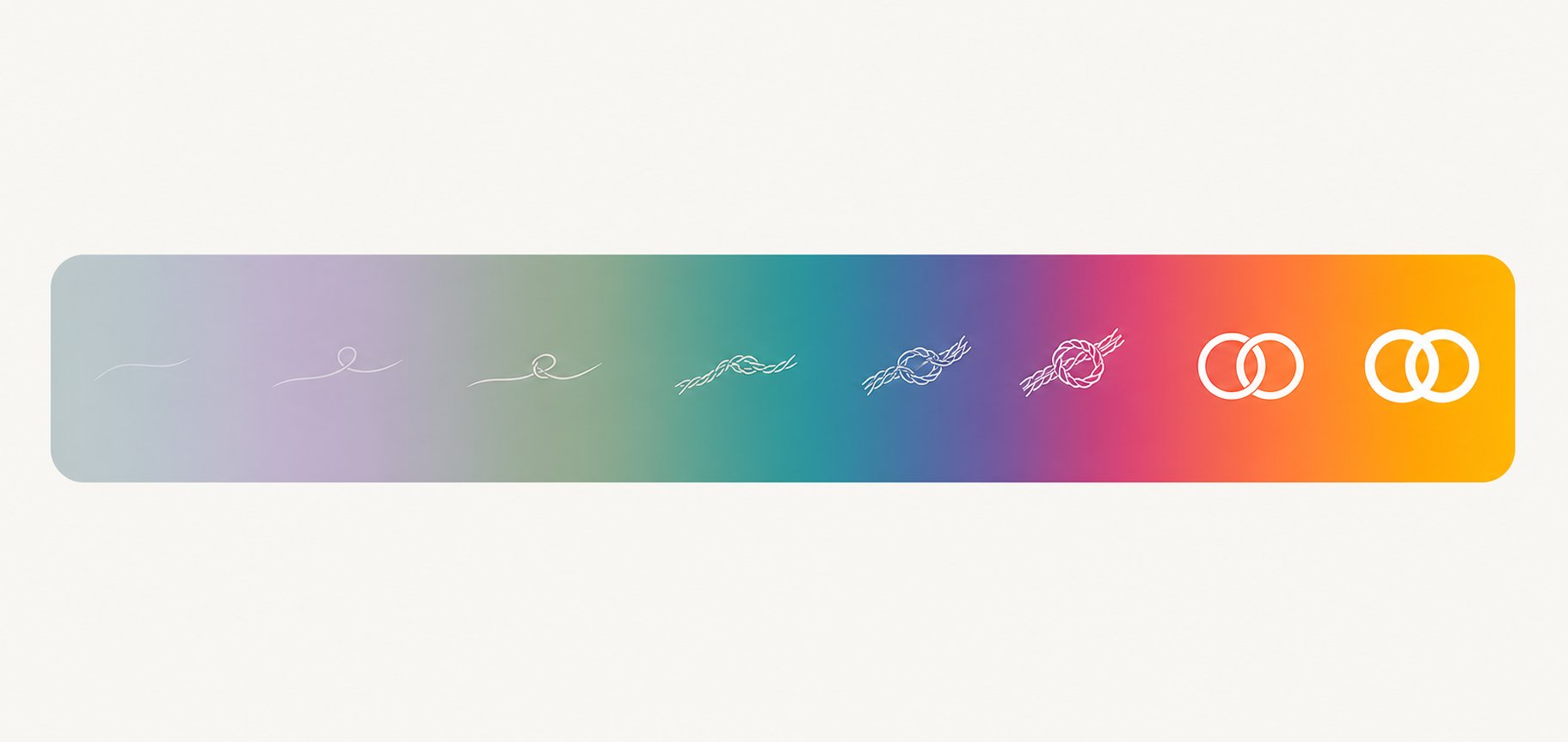
Think of name coordination as a dial, not a switch. You can turn it up or down depending on your comfort level. Here is the full range, from barely-there connections to unmistakable pairs:
- Style matching only - Both names share an era or aesthetic (vintage, modern, literary) without any phonetic overlap. Example: Theodore and Josephine. The connection is invisible to strangers but feels intentional to you.
- Shared cultural origin - Both names come from the same linguistic tradition, giving them compatible sound structures. Example: Finn and Isla (Celtic), Ezra and Miriam (Hebrew). The link is meaningful but not obvious at a glance.
- Matched meaning or theme - Names connect through what they mean rather than how they sound. Example: Felix and Beatrice (both meaning "happy"). Only people who look up the etymology will notice.
- Same syllable count and rhythm - The names mirror each other in length and cadence without sharing letters. Example: Elijah and Sophia. Subtle enough that most people will not consciously register the pattern.
- Shared first letter - Both names start with the same initial. Example: Emma and Ethan, Sophia and Samuel. This is where matching names for twins become noticeable to others.
- Shared ending sound - Names that end on the same vowel or consonant. Example: Stella and Clara, Owen and Landen. One twin parent shared this approach, explaining she wanted names that "end the same" rather than start the same for a subtler ring.
- Rhyming or near-identical names - Names that sound almost interchangeable. Example: Jayden and Kayden, Addison and Madison. The twin bond is front and center, and individuality takes a back seat.
Where you land on this scale is personal. There is no objectively correct level of coordination. But understanding the full range helps you make a deliberate choice rather than accidentally ending up more matchy (or more disconnected) than you intended.
When Rhyming Names Work and When They Backfire
Let's address the elephant in the room. Do twin names that rhyme ever work well? The honest answer: sometimes, but the risks are real.
Rhyming pairs like "Will and Jill" or "Brandon and Landon" have an undeniable musicality. They sound playful, memorable, and clearly signal a sibling connection. For some families, that is exactly the vibe they want. If you love the idea of names that rhyme for twins, you are not wrong for considering it.
The problems emerge in daily life. Dara Lovitz, author of Twinsight: A Guide to Raising Emotionally Healthy Twins, cautions against rhyming schemes, noting that adult twins she interviewed generally disliked being treated as a single unit. Rhyming names reinforce that "set" perception in every introduction, every roll call, every doctor's visit.
When twin names rhyme, you also create a practical confusion problem. Imagine a teacher calling attendance in a noisy classroom. "Brandon?" "Landon?" The sounds blur together, and both children look up. Over years of schooling, that small frustration compounds. Medical settings carry even higher stakes: similar-sounding names on charts with the same birth date and address are a recipe for mix-ups.
Rhyming works best when the names share an ending sound but differ significantly in their opening consonants and vowels, giving listeners a clear phonetic hook to distinguish them. "Aria and Maria" rhyme but start differently enough to avoid constant confusion. "Jayden and Kayden" offer almost no distinguishing features when spoken quickly.
How Matched Names Function in Real-World Contexts
Matching names twins carry through childhood eventually follow them into adulthood. It is worth thinking about how coordinated names appear beyond the nursery.
On school rosters and attendance lists, same-initial names appear consecutively since records are typically sorted by last name first, then first name. Two children named "Cooper" and "Colton Smith" will sit next to each other on every alphabetical list for their entire school career. For some families, that proximity feels right. For others, it reinforces the unit perception they want to avoid.
Insurance companies and government agencies can also struggle with same-initial twins who share a birth date and address. Twin parents have reported difficulties with records getting merged or confused when names begin with the same letter, since automated systems sometimes flag them as duplicate entries.
In professional contexts decades later, matching names twins chose for them can feel charming or limiting depending on the individual. "Alexander and Anastasia" on two separate resumes reads as distinguished. "Braden and Caden" on two LinkedIn profiles might feel more juvenile than either sibling would prefer at thirty-five.
The practical takeaway: the more overtly coordinated your matching twin names are, the more you should stress-test them in adult scenarios. Say each name followed by your surname as if introducing a colleague. Write them on a mock job application. If they still feel strong and professional independently, the matching element is a bonus rather than a burden.
Unique and Rare Twin Name Ideas Worth Exploring
Professional contexts and real-world usability tests help you avoid coordination pitfalls, but they also raise a deeper question: what if you want twin name ideas that nobody else at the playground has? The desire for unique twin names has grown steadily as parents move away from top-ten lists and toward names that feel personal, meaningful, and distinctive.
Here is the tension, though. A name can be so unusual that it becomes a burden. The sweet spot is a name that surprises people in a good way, one that feels fresh without requiring a pronunciation guide at every introduction.
What Makes a Twin Name Truly Unique
There is a difference between a name that is genuinely unique and one that is simply unfamiliar. A baby name consultant who works with parents professionally describes it this way: unique names require less of a word search and more of a scavenger hunt. The result is almost always a kind of epiphany when you find "the one," but unique names do require extra consideration around usability, integration into daily life, and unintended connotations.
Genuinely unique names for twins share a few qualities. They are rare in current usage but not invented on the spot. They have a traceable origin, whether linguistic, historical, or cultural. And they pass the real-life test: a child can say the name confidently, a teacher can read it from a roster without stumbling, and it ages well from kindergarten through a career.
Merely unfamiliar names, by contrast, are often creative respellings of common names ("Jaxsyn" for Jackson) or mashups that lack etymological roots. These can feel unique at first glance but often create lifelong spelling corrections without offering the depth that a truly rare name carries.
Finding Rare Names Through Etymology and Culture
The richest source of unique names for twins is not a random generator but the vast landscape of world languages, ancient traditions, and historical records. When you dig into etymology, you find names that are both rare in your community and grounded in centuries of meaning.
Consider ancient names that have fallen out of common use. Lists of ancient baby names reveal options like Cyrus (Persian, meaning "sun") paired with Aurelia (Latin, meaning "golden one"), or Leander (Greek, meaning "lion-man") paired with Isolde (Welsh, meaning "ice ruler"). These are cool names for twins that carry weight and history without appearing on any current popularity chart.
Cross-cultural exploration opens even more doors. A Japanese name like Hiro ("large, widespread") paired with a Gaelic name like Niamh (pronounced NEEV, meaning "brightness") works for multicultural families who want each name to honor a different heritage while maintaining a shared sense of beauty and strength.
Here are reliable sources and methods for discovering uncommon names that still work as pairs:
- SSA historical data - The Social Security Administration's baby names database lets you search popularity by birth year going back to 1879. Names that ranked in the top 200 a century ago but have since dropped off the list entirely are prime candidates for revival.
- Ancient language roots - Latin, Greek, Sanskrit, Old Norse, and Persian naming traditions offer hundreds of options that sound distinctive in modern English. Pairs like Bodhi and Asha (both Sanskrit) or Zephyr and Gaia (both Greek) feel cohesive through shared origin.
- Literary and mythological sources - Names from mythology, epic poetry, and classical literature carry built-in meaning and narrative depth. Orion and Calliope, Cassius and Persephone, Atlas and Juno all come with stories attached.
- Regional and dialect variations - Explore how common names appear in other languages. The English "John" becomes "Ivo" in German or "Hiro" in Japanese, each with its own distinct feel and meaning.
- Nature and place names from other cultures - Hawaiian, Maori, and Celtic traditions offer nature-inspired names that are rare in most English-speaking communities. Aine (Irish, meaning "radiance") or Itzel (Mayan, meaning "rainbow lady") bring both beauty and cultural specificity.
Balancing Originality With Everyday Usability
Finding rare names is the exciting part. The harder work is making sure those names function in your child's actual life. The same naming consultant recommends running every unique name through three checks: usability (can people say it and write it?), integration (how does it work on forms, in introductions, and across life stages?), and connotation (does it carry unintended meanings or associations?).
For unique twin names boy and girl, you also need to verify that both names sit at the same level of rarity. Pairing an extremely obscure name with a merely uncommon one creates the same imbalance problem as pairing a top-ten name with something no one has heard of. Both names should feel equally special.
To verify actual uniqueness, search each name in the SSA database. If a name does not appear in the records at all, it means fewer than five babies received that name in any given year, a strong indicator of genuine rarity. If it appears but ranks below 1,000, you are in cool names for twins territory: distinctive enough to stand out, established enough to be recognized as a real name.
The final gut check is simple. Say the full name, first and last, as if introducing your child at a job interview twenty-five years from now. If it sounds confident and complete, you have found a unique name that will serve them well from the nursery through adulthood.

Twin Naming Psychology and Identity Development
Usability and rarity checks help you find names that work in the real world, but they do not answer a deeper question: how will the names you choose shape who your twins become? The relationship between a name and a sense of self is powerful for any child. For twins, it carries extra weight because their names exist in constant comparison, spoken together at dinner tables, on school rosters, and in every introduction from birth onward.
Psychology research suggests that naming is one of the earliest signals parents send about whether they view their twins as a unit or as two distinct individuals. That signal echoes through childhood and into adulthood in ways most parents never anticipate.
How Name Similarity Shapes Twin Identity
When parents choose very similar names for identical twin names or fraternal twin names, they are making a statement, often unconsciously, about how they perceive the pair. A 2024 study from the University of Sao Paulo analyzing 2,387 pairs of Brazilian sibling names found that monozygotic (identical) twins received significantly more similar names than dizygotic (fraternal) twins, who in turn received more similar names than non-twin siblings. The pattern was clear: the more genetically alike the children, the more parents emphasized that sameness through naming.
This is not just a quirk of preference. The researchers concluded that by naming their twin children, parents emphasize twinness through similar names, whereas they emphasize the individuality of their single-born children through different names. In other words, the name itself becomes a daily reinforcement of how the world categorizes the pair.
Names chosen for twins reflect parental expectations about individuality versus relationality, and those expectations shape how twins negotiate their relationship and construct their identity throughout life.
The study also revealed a gender dimension. Female twins received more similar names than male twins across all categories, suggesting that parents perceive closeness and dependency as more acceptable in girls while expecting greater autonomy from boys. This finding held true across earlier research from the United States and France as well, pointing to a cross-cultural pattern rather than a regional quirk.
The Individuality Versus Connection Balance
Imagine growing up as "Brandon and Landon" versus "Marcus and Julian." The first pair announces the twin bond in every syllable. The second pair allows each child to exist as a separate person who happens to have a sibling born on the same day. Neither approach is inherently wrong, but each carries psychological consequences.
Research on twin identity development describes how twins often begin life in an undifferentiated "we-space," seeing themselves and their twin as one unit rather than two separate people. Over time, healthy development requires what psychologists call individuation, the process of forming a distinct sense of self. Very similar names, matching outfits, and shared classrooms can all slow that process by reinforcing the merged identity.
Developmental psychologists recommend that parents of twins take simple precautions like selecting names with different sounds to help babies begin identifying themselves as two individuals rather than a "package." When twins are treated as completely identical, including through their names, they may feel confused about their own personalities as they grow.
The flip side matters too. Twins share a bond that is genuinely unique. Completely disconnected names with no stylistic relationship can feel like a denial of that bond. The healthiest approach, according to the research, is a "both/and" framework: names that acknowledge the twin connection through subtle coordination while giving each child a distinct phonetic identity. Think of it as twin nicknames that feel related but never interchangeable.
What Adult Twins Say About Their Names
The most revealing perspective comes from twins themselves, years after the naming decision was made. In qualitative research interviewing adult identical and fraternal twins about their identity experiences, a consistent theme emerged: twins who were always referred to as a unit, including through matching names, reported a more difficult time establishing individual identity in adulthood.
One monozygotic twin in the study described the experience this way: "I didn't call her by her name, not until we were adults, like in our late teens." Another explained the drive toward separation: "I try to be individual. I'm more conscious of just trying to make sure people think of us as separate." These accounts reveal how deeply naming and identity intertwine for twins.
The research also found that twins who successfully individuated did not have to abandon their twin identity entirely. Instead, they learned to embrace both an individual identity and a shared twin identity without viewing them as mutually exclusive. Twins who achieved this integration reported a greater sense of wholeness and well-being.
For parents choosing nicknames for twins or deciding how similar their given names should be, this research offers a practical insight: your naming choice sets an initial trajectory, but it is not destiny. What matters more is whether the broader environment, how you dress them, whether you separate them in school, how you introduce them, supports each child's emerging sense of self.
Still, names carry weight precisely because they are permanent and public. A twin who grows up wanting to be seen as an individual will find that easier with a name that stands on its own. A twin who treasures the sibling bond will appreciate a name that nods to the connection without erasing their personhood. The best naming decisions anticipate both needs simultaneously, giving each child room to grow into whoever they become while honoring the remarkable fact that they started life together.
Common Twin Naming Mistakes Every Parent Should Avoid
Psychology tells you what kind of impact your naming choice can have. Practical experience tells you what goes wrong when that choice is not stress-tested against real life. Even parents who carefully research meaning, origin, and phonetics can stumble into pitfalls that only become obvious once the names are on a birth certificate and circulating through school systems, medical records, and daily conversation.
Finding good names for twins means avoiding traps that sound harmless in the nursery but create friction for years. Here is what to watch for.
Names That Confuse Teachers and Doctors
A substitute teacher shared their frustration on Reddit after encountering identical twins named Selene and Selina in their classroom. The post sparked hundreds of responses from educators who had experienced the same problem: twins named Chris and Christopher, Rick and Richard, Kelly and Kellen. One commenter, a twin mom herself, said names like these "make my teeth itch."
The classroom confusion is annoying. The medical setting is genuinely dangerous. Twins share a birth date, an address, and often the same insurance policy. When their names also look nearly identical on a chart, the risk of record mix-ups climbs. Prescriptions, allergy notes, and vaccination records can get crossed between siblings whose names differ by a single letter. Hospital systems flag potential duplicates based on name similarity, and near-identical twin names trigger those flags constantly.
The rule of thumb: if you have to squint to tell the names apart on paper, they are too similar for practical purposes. The best names for twins are clearly distinguishable at a glance, even in a rushed handwritten note or a crowded attendance sheet.
Unintended Initials and Acronym Problems
You have probably heard this advice for single babies, but it doubles in importance for twins. Dad University's naming guide warns that many parents focus entirely on picking a nice first name and forget to check what initials the full name creates. For twins, you are checking two sets of initials and also how those sets look side by side on monogrammed items, school forms, and family stationery.
Imagine twins named Andrew Samuel Smith and Sophia Isabelle Smith. Individually, A.S.S. and S.I.S. might slip past you during the excitement of choosing names. Written on backpacks, embroidered on towels, or printed on a family holiday card, they become impossible to ignore. Children notice these things quickly, and classmates notice even faster.
Write out every combination: first-middle-last, first-last, and even first-middle only. Then check both twins' initials together. Do they spell anything? Do they form an unintended word when placed side by side? This two-minute exercise can save years of teasing.
When One Twin Name Overshadows the Other
This is the subtlest mistake and one of the most common. It happens when one name carries significantly more cultural weight, perceived prestige, or popularity than the other. Pairing "Alexander" with "Todd," for example, creates an imbalance in formality and gravitas. One name sounds like a future senator; the other sounds like his college roommate.
The same imbalance occurs with popularity gaps. If you pair a top-ten name like "Olivia" with something that ranks below 500, one twin will constantly hear "oh, what a pretty name!" while the other gets "how do you spell that?" Neither reaction is wrong on its own, but the contrast between them, repeated thousands of times over a childhood, can breed resentment.
Popular twin names do not have to match in rank exactly, but they should sit in the same general tier of recognition. Two names from the top 100, two names from the 200-500 range, or two names that are equally rare all work. The mismatch is what causes problems.
Here is a quick checklist of mistakes to screen for before finalizing your decision:
- Near-identical spelling or sound - If the names differ by only one or two letters (Selene/Selina, Jayden/Kayden), teachers, doctors, and automated systems will confuse them regularly.
- Embarrassing initials - Write out full initials for both children and check for unintended words or acronyms, individually and as a pair.
- Rhyming with the surname - Say each first name with your last name aloud. "Grant Cant" or "Bella Stella" might not register until you hear them spoken at a graduation ceremony.
- Popularity imbalance - Check both names against SSA data. A gap of several hundred ranking positions can make one twin feel ordinary and the other conspicuous.
- Formality mismatch - Both names should carry similar weight and gravitas. Pairing a four-syllable classical name with a casual one-syllable nickname-name creates an uneven impression.
- Nickname collision - Verify that the natural nicknames for each name do not sound alike. "Elizabeth" (Liz) and "Alistair" (Al) are fine; "Christine" (Chris) and "Christopher" (Chris) are not.
- Unintended cultural associations - A quick search can reveal whether a name carries negative connotations in another language or is strongly associated with a controversial figure.
None of these mistakes are catastrophic on their own. But common twin names that trip multiple items on this list will generate small daily frustrations that accumulate over eighteen years of school forms, doctor visits, and introductions. Spending ten minutes running your shortlist through these checks is one of the simplest ways to ensure your final pair works as well in practice as it sounds in your imagination.
Cultural Traditions in Twin Naming Around the World
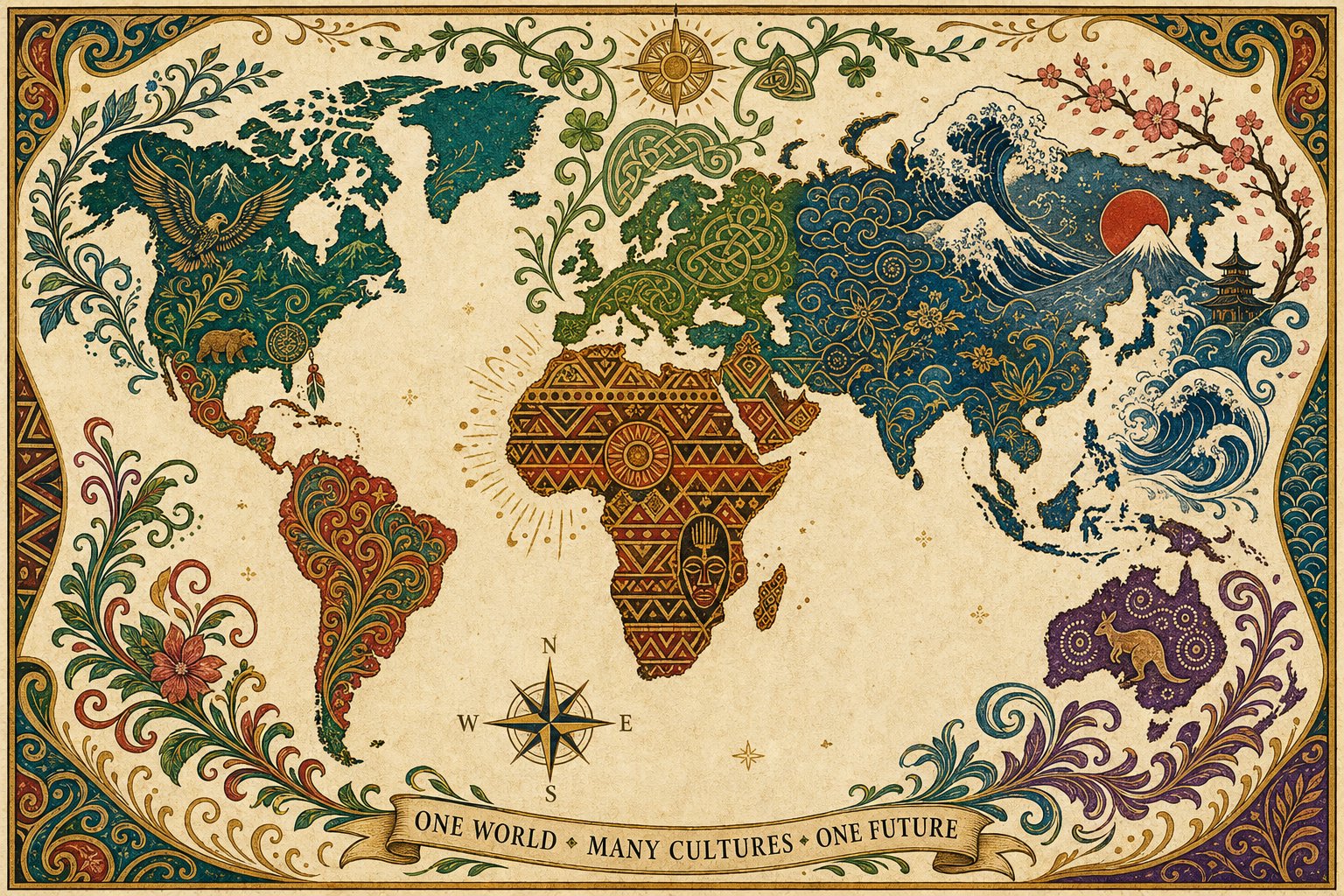
Screening for practical pitfalls keeps you out of trouble, but it does not tell you where to look for inspiration. Some of the most compelling twin name pairs come not from algorithms or popularity charts but from centuries-old cultural traditions that have been pairing names for multiples long before any digital tool existed. These traditions offer tested frameworks for creating harmony between two names, and they reveal just how differently societies think about the twin bond.
Twin Naming Traditions Across World Cultures
Many cultures have specific naming conventions reserved exclusively for twins. Among the Yoruba people of Nigeria, twin naming follows a fixed pattern: the firstborn twin is always called Taiwo (meaning "taste the world") and the second is Kehinde ("came after"). These are not suggestions but established names that signal birth order and twin status immediately. In Uganda, male twin names follow a similar structure: Kakuru or Wasswa for the elder twin and Kato for the younger. In Ghana, the unisex names Panyin (older) and Kakra (younger) are used for twins regardless of gender.
The Bamileke culture of Cameroon extends twin naming beyond the children themselves. Parents of twins receive honorific names: Magne for the mother and Tagne for the father. Even the child born directly after twins gets a designated name like Kenfack or Kengne. This system treats twinhood as a family-wide event rather than something that belongs only to the pair.
These traditions share a common philosophy: twin names should acknowledge the relationship between the children while marking each one's distinct position. Whether you adopt these names directly or simply borrow the underlying logic, the principle of complementary distinction applies across cultures.
| Culture | Naming Convention | Example Pairs |
|---|---|---|
| Yoruba (Nigeria) | Fixed names based on birth order | Taiwo and Kehinde |
| Akan (Ghana) | Unisex names meaning "older" and "younger" | Panyin and Kakra |
| Buganda (Uganda) | Gender-specific birth order names | Wasswa and Kato (boys), Babirye and Nakato (girls) |
| Celtic (Irish/Scottish) | Shared mythological origin with distinct meanings | Finn and Maeve, Niamh and Oisin |
| Hebrew | Complementary or contrasting meanings | Esther and Stella (both mean "star") |
| Latin/Roman | Shared linguistic roots with different endings | Felix and Felicity, Aurelius and Aurelia |
| Japanese | Shared kanji element with different readings | Haruto and Haruki (both use "haru" for spring) |
Names That Work Across Multiple Languages
For multicultural families, the naming challenge multiplies. You need twin brother names or twin sister names that grandparents in two different countries can pronounce, that work on legal documents in multiple scripts, and that do not carry embarrassing meanings in either parent's language.
Multicultural names that travel well across borders tend to share certain qualities: short syllable counts, open vowel endings, and consonant sounds that exist in most major languages. Names like Kai (Hawaiian, Frisian, and Chinese origins meaning "sea," "warrior," or "triumph") and Mira (Latin, Slavic, Arabic, Sanskrit, and Japanese origins meaning "admirable," "peace," or "ocean") work precisely because they feel native in multiple linguistic contexts without belonging exclusively to any one.
For names for twin brothers in a bilingual household, consider pairs like Asa and Kai. Asa carries Hebrew and Japanese roots (meaning "healer" and "born in the morning"), while Kai spans Hawaiian, Chinese, and Northern European traditions. Both are short, phonetically clear, and impossible to mispronounce in English, Spanish, French, or German. For twin sister names, Aria (Italian and Hebrew, meaning "air" or "lion") paired with Lila (Arabic and Sanskrit, meaning "night" or "play") offers the same cross-cultural flexibility.
Famous twin names from celebrity parents often model this multicultural approach well. George and Amal Clooney chose Ella (German and English roots) and Alexander (Greek) for their boy-girl twins, names that function seamlessly across the family's international lifestyle. The key is choosing names where pronunciation stays consistent regardless of the speaker's native language.
Gender-Neutral Twin Name Pairs
Some parents prefer not to signal gender through naming at all, whether because they are expecting twins whose sex is unknown, because they value flexibility, or because they want names that will not box their children into gendered expectations. Gender-neutral pairs also solve the coordination problem elegantly: when both names occupy the same stylistic space, balance happens naturally.
Nameberry's twin naming guide suggests unisex pairs like Sage and Wren (both nature-inspired), Remy and Rory (both energetic and short), or Eden and Haven (both place-inspired with peaceful connotations). More distinctive options include Cedar and Cove, Hero and Honor, or Summit and Zephyr for parents seeking something less common.
The advantage of gender-neutral pairs is that they sidestep the formality mismatch problem entirely. You do not have to worry about whether a traditionally masculine name feels "heavier" than a feminine one, because both names exist outside that spectrum. For families who want their twins' names to feel like equals in every context, unisex pairing is one of the most reliable paths to balance.
Whether you draw from Yoruba birth-order traditions, Japanese shared-element naming, or the growing pool of cross-cultural unisex options, cultural traditions offer something a twin name generator cannot replicate on its own: depth of meaning rooted in community and history. The best approach often combines algorithmic efficiency with cultural intentionality, using a tool to surface candidates and then filtering them through the traditions that matter most to your family.
A Step-by-Step Framework for Generating Twin Names Yourself
Cultural traditions and algorithmic tools both have their place, but at some point you need a personal system for turning thousands of possibilities into a shortlist of two. A twin names generator can surface candidates quickly, and sibling name generators can check compatibility scores, but the final decision still requires human judgment. Here is a structured methodology you can follow whether you are starting from scratch or already have one name locked in.
Establishing Your Twin Naming Priorities
Before opening a single name list, answer four questions. These become your filter for every candidate that crosses your path:
- Origin preference - Do you want names from a specific culture, language, or heritage? Or are you open to mixing traditions? This single decision eliminates roughly 80% of options immediately.
- Sound profile - Do you prefer soft, vowel-heavy names (Aria, Elias) or strong, consonant-forward names (Grant, Bridget)? Knowing your phonetic taste prevents hours of browsing names that will never feel right.
- Meaning priority - Is shared or complementary meaning essential, or are you comfortable choosing names purely for sound and style? Some parents need the meaning connection; others find it unnecessary.
- Uniqueness level - Where do you want to land on the popularity spectrum? Top 100 classics, mid-range names ranked 200-500, or rare finds below 1,000? Both names should sit in the same tier.
- Coordination level - Revisit the matching spectrum from earlier. Decide how connected you want the pair to feel before you start searching, not after you have already fallen in love with mismatched options.
The strongest twin name pairs are not found by searching for two names simultaneously. They are built by defining your constraints first, then letting those constraints do the filtering work for you.
Write your answers down. When you are deep in a list of 300 names at midnight, these five priorities pull you back to what actually matters to your family.
The Reverse Engineering Method for Finding a Match
Most parents already have one name they love. The challenge is finding its complement. This is where a baby name generator using sibling names becomes useful, but you can replicate the logic manually with a simple process.
Start with your chosen name and break it into components:
- How many syllables does it have?
- What vowel sounds dominate?
- What is its origin and meaning?
- What formality level does it carry?
- What are its natural nicknames?
Then search for names that match on two or three of those components while differing on the rest. If your locked-in name is "Sebastian" (three syllables, Latin origin, formal, nickname Seb), you might look for another Latin name with three syllables but different vowel sounds and a distinct nickname. "Valentina" (four syllables, Latin, formal, nickname Val) shares origin and formality while offering enough phonetic contrast to stand on its own.
This duo name generator approach, starting from one anchor and building outward, produces more cohesive results than trying to find two names independently and hoping they work together. A 2 name generator tool can speed up this process by scoring phonetic compatibility, but the underlying logic is the same: define what your first name is, then look for a complement that shares its DNA without duplicating its identity.
Your Final Narrowing Checklist From Hundreds to a Shortlist
Once you have a longlist of 10-15 candidate pairs, run each one through these filters in order. Each step should eliminate at least one or two options:
- The playground test - Say both names aloud as if calling across a park. Does the pair flow naturally in both orders? If one name consistently gets swallowed by the other, cut it.
- Surname compatibility - Say each name individually with your last name. Check for unintended rhymes, awkward rhythms, or tongue-tripping consonant clusters. A name that sounds beautiful alone can collapse when paired with certain surnames.
- Nickname mapping - Write out every likely nickname for each name. Verify that the shortened forms remain distinct from each other and still sound balanced as a pair.
- Meaning verification - Look up the etymology of each finalist. Confirm that neither name carries a meaning that contradicts your values or creates an unintentional hierarchy between the twins.
- Initial and monogram check - Write out full initials (first, middle, last) for both children. Scan for unfortunate acronyms individually and side by side.
- The future test - Imagine introducing each child at a job interview, a wedding toast, and a doctor's office. If the name feels too juvenile or too heavy for any of those contexts, reconsider.
- The sleep test - Live with your top three pairs for at least a week. The pair that still excites you after seven days of saying it casually is almost certainly your answer.
This framework works whether you use a name generator with siblings already in mind or you are naming your first children. The Independent List Method, where each parent creates a separate list of favorites and then compares for overlap, pairs beautifully with this checklist. Generate your individual lists using whatever sibling name generators or cultural sources inspire you, then run the overlapping favorites through these seven filters together.
By the time you reach step seven, your list of hundreds will be down to two or three pairs at most. That is the point where instinct takes over. The data, the phonetics, the cultural research, and the practical checks have done their job. Trust what remains. The names that survive every filter and still make you smile are the ones your twins were meant to carry.
Frequently Asked Questions About Twin Name Generators
1. How does a twin name generator work?
A twin name generator analyzes phonetic patterns, syllable counts, shared cultural origins, and stylistic compatibility to suggest paired baby names. It scores thousands of combinations against linguistic criteria like vowel harmony, consonant mirroring, and rhythmic cadence to produce pairs that sound cohesive when spoken together. Quality generators also factor in meaning connections and popularity balance so neither name overshadows the other.
2. Should twin names match or be completely different?
There is no single correct answer. Name coordination exists on a spectrum from subtle style matching (same era or aesthetic) to overt rhyming pairs. Research suggests that very similar names can reinforce a unit identity and slow individuation, while completely unrelated names may feel like a denial of the twin bond. Most experts recommend landing in the middle: names that share a subtle connection through origin, meaning, or sound profile while remaining clearly distinct in spelling and pronunciation.
3. What are the best strategies for naming boy-girl twins?
Three reliable strategies work well for boy-girl pairs. Shared origin pairing uses names from the same language or culture for natural phonetic compatibility. Thematic connections link names through meaning rather than sound, such as both names meaning 'light' in different languages. Stylistic matching ensures both names carry the same formality level and era feel. Whichever strategy you choose, test that nicknames remain balanced and that both names sit at a similar popularity level.
4. Do rhyming twin names cause problems later in life?
Rhyming names can create practical issues in school and medical settings where similar-sounding names on records with the same birth date lead to mix-ups. Adult twins interviewed in research studies generally reported disliking being treated as a single unit, which rhyming names reinforce in every introduction. Rhyming works best when names share only an ending sound but differ significantly in their opening consonants, giving listeners a clear way to distinguish them quickly.
5. How can I find unique twin names that are still usable?
Explore historical SSA data for names that ranked highly a century ago but have since disappeared from charts. Ancient languages like Latin, Greek, Sanskrit, and Old Norse offer hundreds of distinctive options with traceable etymologies. Cross-cultural exploration and mythological sources also yield rare finds. Run every candidate through three checks: can people pronounce it without help, does it work on official forms, and does it age well from childhood through a professional career? Both names should sit at the same rarity level to avoid imbalance.