Understanding Weibo Name Culture as a Digital Phenomenon
Imagine scrolling through a social media feed where a single username can tell you someone's generation, political leanings, fan loyalties, and sense of humor all at once. That is everyday reality on Sina Weibo, China's dominant microblogging platform. For anyone asking "weibo what is it" in simple terms, think of a public square where over 580 million registered users broadcast thoughts, share news, and build identities through short posts. But here is what most English-language guides miss entirely: the usernames themselves are a cultural phenomenon worth studying on their own.
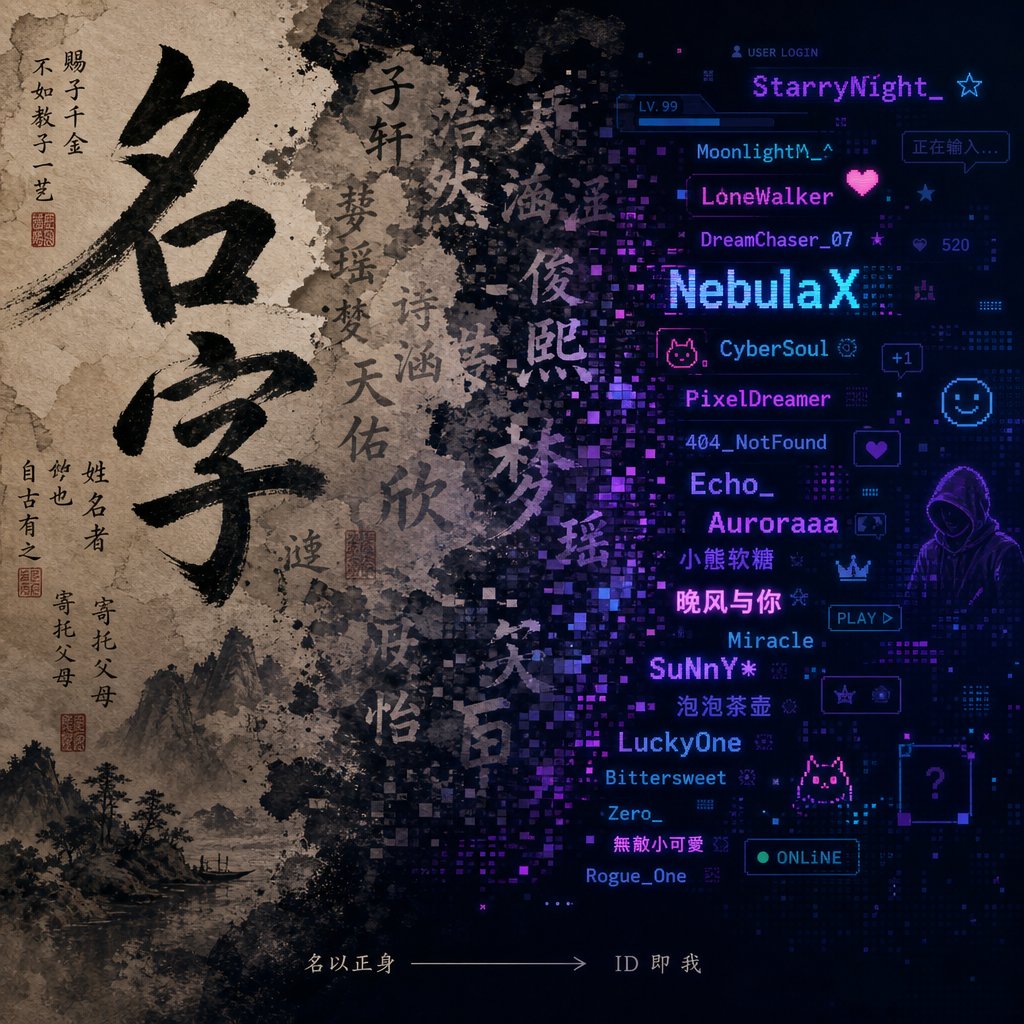
Weibo name culture is not just about picking a handle. It is a layered system of identity expression shaped by the Chinese language's tonal richness, centuries of literary tradition, internet humor, political awareness, and platform-specific constraints. Each name functions as a miniature self-portrait, legible to those who share the cultural context and often invisible to outsiders.
Weibo names are cultural artifacts that encode humor, identity, group belonging, and even political awareness in ways that have no direct equivalent on Western platforms.
What Weibo Name Culture Really Means
So what is Weibo in the context of naming? Since its launch in 2009, Sina Weibo has evolved into far more than a microblogging tool. Research from the Association for Asian Studies describes it as a tension-filled social arena where millions of users negotiate identity, credibility, and community belonging in real time. The weibo meaning itself, "micro-blog," understates the platform's cultural weight. It is China's primary space for public discourse, celebrity interaction, political commentary, and collective humor.
Within this arena, naming conventions have developed into a distinct subculture. Users deploy homophones, classical allusions, numerical codes, self-deprecating jokes, and coded political references when choosing display names. These choices are deliberate acts of self-presentation. A study published in Discourse, Context and Media found that Chinese college students on Sina Weibo strategically construct situation-appropriate multiple identities, using language as identity rhetoric to achieve specific communicative goals. The username is often the first and most compressed expression of that strategy.
Why Naming Matters on Chinese Social Media
On Western platforms, usernames tend to be functional. You pick a variation of your real name or a quirky phrase and move on. Chinese social media operates differently. The linguistic properties of Mandarin, where a single syllable maps to dozens of characters with distinct meanings, turn every name into a puzzle box of potential interpretations. Add in the public-facing, broadcast nature of Sina Weibo, and you get a naming environment where creativity is both expected and rewarded.
For anyone still wondering "sina weibo what is it" beyond the technical definition, consider this: it is the platform where naming conventions reflect generational shifts, regional identity, fandom allegiance, and responses to censorship all at once. Understanding these patterns offers a window into how digital identity works in a culture where face, collectivism, and linguistic play intersect daily. This guide treats that naming system as the rich cultural subject it deserves to be, rather than a footnote in a broader platform overview.
The sheer variety of naming strategies on Weibo raises an obvious question: what categories do these names actually fall into, and what cultural logic drives each one?
A Complete Taxonomy of Weibo Name Types
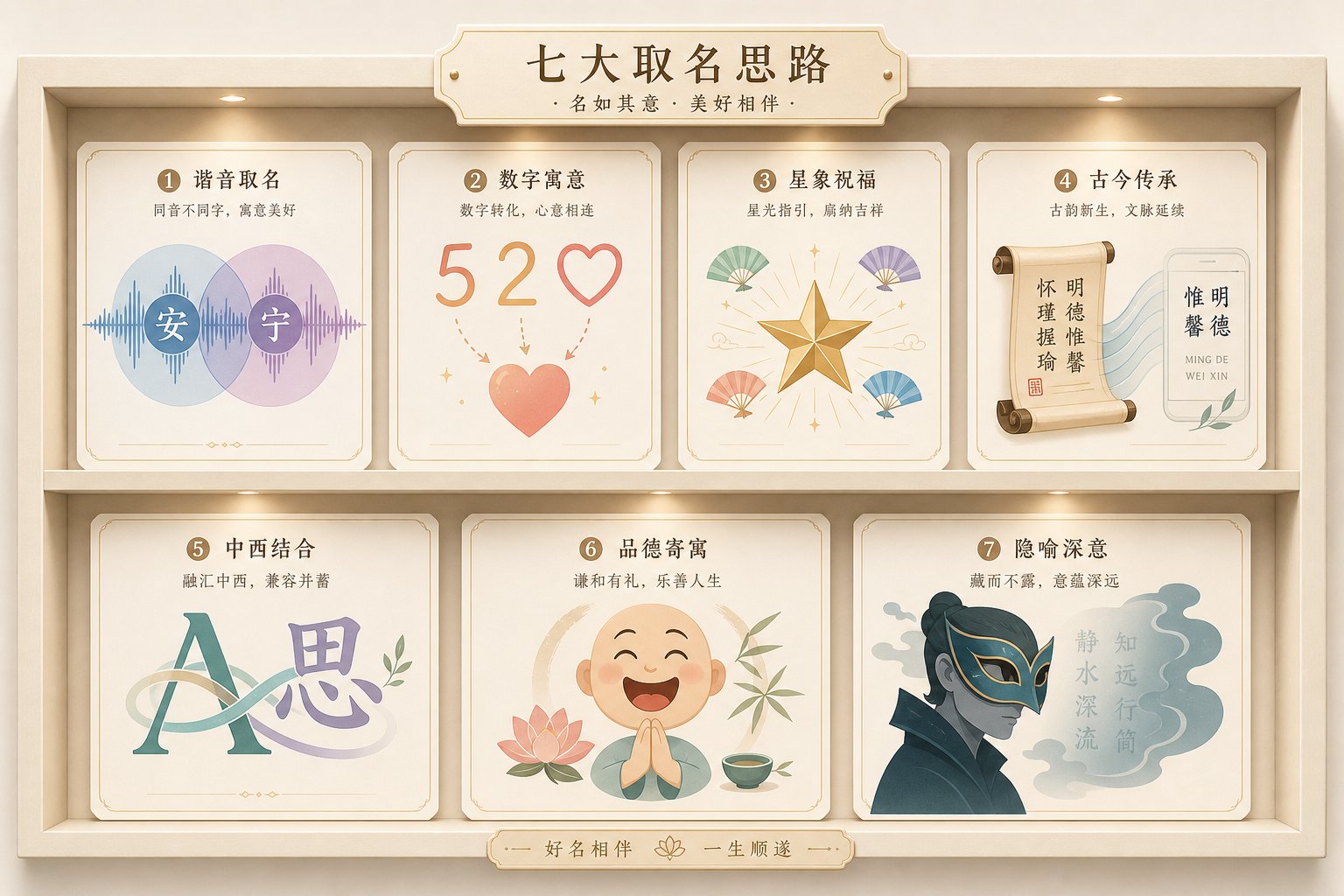
Every weibo username tells a story, but not every name tells it the same way. Across the platform, naming strategies cluster into distinct categories, each driven by different cultural motivations and linguistic techniques. Think of these categories as a toolkit: users mix and match depending on what they want to signal about themselves.
The table below maps out the major name types you will encounter, their Chinese terminology, and the cultural function each one serves.
| Name Type | Chinese Term | Example Pattern | Cultural Function |
|---|---|---|---|
| Homophone-based | 谐音梗 (xiéyīn gěng) | Using characters that sound like a phrase with a different meaning | Humor, cleverness display, plausible deniability |
| Numerical wordplay | 数字谐音 (shùzì xiéyīn) | 520 (wǒ ài nǐ / I love you), 666 (liù / awesome) | Efficiency, in-group recognition, emotional shorthand |
| Fan-given celebrity nicknames | 粉丝昵称 (fěnsī nìchēng) | Incorporating idol references like "羊" for Yang Yang fans | Fandom allegiance, community belonging |
| Literary and classical references | 文学典故名 (wénxué diǎngù míng) | Allusions to Tang poetry, Song ci, or classical novels | Cultural capital, education signaling, aesthetic identity |
| English-Chinese hybrid | 中英混搭 (zhōng yīng hùndā) | Mixing pinyin, English words, and Chinese characters | Cosmopolitan identity, bilingual play |
| Self-deprecating humor | 自嘲式 (zìcháo shì) | Names referencing laziness, being broke, or social awkwardness | Relatability, anti-pretension, generational bonding |
| Political satire or coded | 政治隐喻名 (zhèngzhì yǐnyù míng) | Obscure historical references or character substitutions | Commentary, resistance, collective awareness |
Homophone Names and Numerical Wordplay
Homophone names, or 谐音梗, exploit the fact that Mandarin has a limited number of syllables shared across hundreds of characters. A weibo username built on homophones can carry a surface meaning and a hidden one simultaneously. For instance, a name might read as an innocent phrase about weather while sounding identical to a sarcastic commentary on daily life.
Numerical wordplay takes this further. Chinese netizens have developed an entire system where numbers stand in for words based on phonetic similarity. The number 520 (wǔ èr líng) sounds like "我爱你" (wǒ ài nǐ, I love you). The sequence 7456 (qī sì wǔ liù) maps to "气死我了" (qì sǐ wǒ le, I am so angry). Users weave these codes directly into their display names, creating a weibo message that is instantly readable to insiders but opaque to anyone unfamiliar with the system. Numbers like 233 (hahaha) or 555 (crying sounds) appear in names to broadcast a user's emotional persona at a glance.
Celebrity Nicknames and Fan Culture Names
Fan communities on Weibo generate elaborate nickname ecosystems around their idols. When you see references to Yang Yang's weibo presence, for example, fan accounts often incorporate "羊" (yáng, sheep) or related wordplay into their usernames to signal loyalty. These fan-given names become a weibo story of collective identity: thousands of accounts adopting similar naming patterns to form a visible community in comment sections and trending topics.
This goes beyond simple admiration. Fan-culture names function as membership badges. They tell other users which "super topic" community someone belongs to, which idol wars they participate in, and how dedicated they are. The more creative or obscure the reference, the deeper the perceived fandom commitment.
Literary References and Hybrid Identities
Not all names aim for humor or group signaling. A significant subset of users draw from classical Chinese literature, pulling phrases from Tang dynasty poetry, lines from the Four Great Classical Novels, or philosophical concepts from Daoist and Confucian texts. These names project cultural sophistication and serve as quiet markers of education level.
English-Chinese hybrid names occupy a different space entirely. By mixing scripts, pinyin abbreviations, and English phrases, users construct a cosmopolitan persona that straddles two linguistic worlds. A name might combine a Chinese character with an English adjective, or use pinyin initials alongside emoji-style characters. This hybrid approach reflects the bilingual reality of younger, globally connected users who move fluidly between cultural contexts.
Each of these categories relies on specific properties of the Chinese language, properties that make this level of naming creativity possible in ways alphabetic writing systems simply cannot replicate.
Chinese Linguistic Features That Power Creative Naming
Mandarin Chinese has roughly 400 base syllables. Factor in four tones and you get around 1,600 distinct spoken sounds, yet the language uses over 50,000 characters. That math alone explains why a single pronunciation can map to dozens of characters, each carrying a completely different meaning. For Weibo users, this is not a limitation. It is a creative playground.
When you try to render weibo in english language, much of this wordplay simply evaporates. The layered meanings, the tonal puns, the visual jokes embedded in character structure all depend on properties unique to Chinese script. Understanding these linguistic mechanics is the key to grasping why naming on this platform reaches a level of creativity that alphabetic systems cannot match.
Tonal Wordplay and Homophone Creativity
Imagine you want to say something edgy in your username without saying it directly. In Mandarin, you can swap in a character that sounds identical or nearly identical but means something completely innocent. The syllable "shi" alone corresponds to characters meaning lion (狮), history (史), poetry (诗), stone (石), and dozens more. A username built on this ambiguity carries plausible deniability baked into its structure.
This is why homophone-based naming thrives on Weibo. Users craft names where the surface reading is harmless while the phonetic reading delivers humor, sarcasm, or commentary. The tonal system adds another dimension: changing a tone shifts meaning entirely, so even slight phonetic nudges open new interpretive doors. A text message in chinese between friends might use the same technique casually, but on Weibo, it becomes a public performance of linguistic wit.
Character Decomposition in Username Design
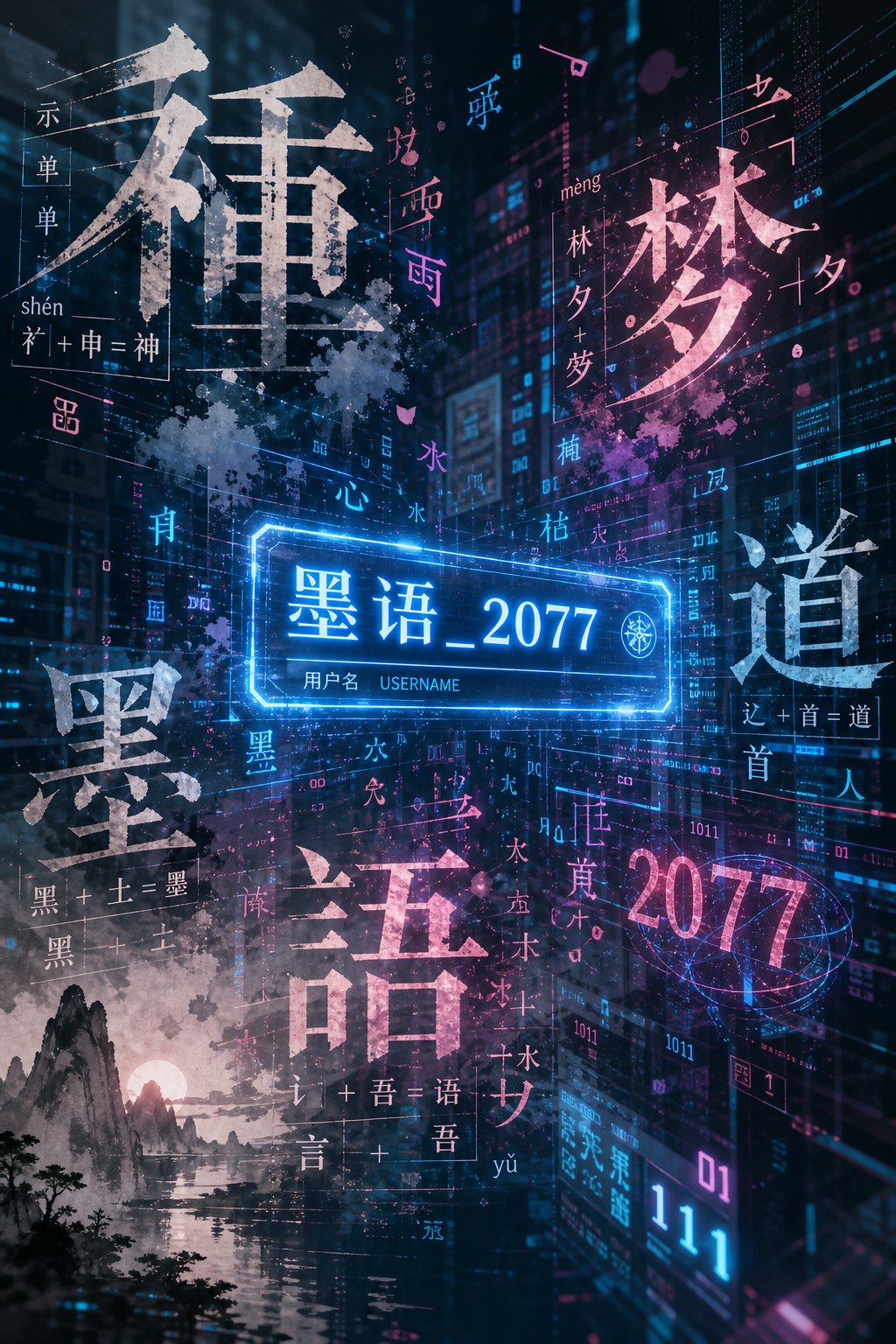
Chinese characters are not monolithic symbols. They are built from smaller components, radicals and strokes, that carry their own semantic weight. The technique called 拆字 (chāizì), or character decomposition, splits a single character into its constituent parts to create hidden meanings or visual puzzles.
Research on Chinese character decomposition confirms that humans naturally parse characters into compositional components and recombine them to form new meanings. Weibo users exploit this same cognitive principle. A username might break a sensitive character into its radicals, displaying them separately so the name passes moderation filters while remaining perfectly legible to any literate reader. The radical 氵(water) next to 每 forms 海 (sea), but displaying the parts separately creates a puzzle that rewards recognition.
Key linguistic techniques that power creative Weibo names include:
- Homophone substitution (谐音替换) - Replacing a character with one that sounds the same but has a different meaning, often to bypass filters or add humor
- Character decomposition (拆字) - Splitting characters into radicals or components to encode hidden messages within a visible structure
- Radical recombination - Combining radicals from different characters to invent pseudo-characters or visual puns
- Tonal shifting - Exploiting the fact that changing a tone transforms meaning, allowing names to carry dual readings
- Pinyin abbreviation (拼音缩写) - Using first-letter pinyin initials as shorthand, such as "dbq" for 对不起 (sorry) or "xswl" for 笑死我了 (laughing to death)
- Number-phonetic mapping - Assigning phonetic values to digits based on sound similarity, then building names from number strings
How Internet Slang Shapes Naming Trends
Internet slang, or 网络用语 (wǎngluò yòngyǔ), feeds directly into username creation. New slang terms emerge from viral moments, memes, or platform-specific humor, and users rapidly adopt them as name elements. Pinyin abbreviations like "yyds" (永远的神, meaning "eternal god" or the greatest) became so widespread that they appeared in thousands of usernames almost overnight.
Character substitutions work similarly. When a word becomes too popular or too politically sensitive, users swap in visually similar or phonetically adjacent characters. The weibo english language barrier makes these substitutions nearly impossible to track from outside the ecosystem, since they rely on visual resemblance between characters or phonetic associations that only native readers catch instantly.
This constant linguistic innovation means Weibo names are never static. They evolve with the internet lexicon itself, reflecting whatever slang, meme, or cultural moment is currently resonating. The language does not just enable creativity. It demands it, because the same phonetic and structural flexibility that makes wordplay possible also makes standing out increasingly difficult.
Yet linguistic tools alone do not explain why users choose the names they do. The deeper question is what cultural values guide those choices, from how much individuality is acceptable to how humor and modesty shape self-presentation online.
Cultural Values Behind Chinese Naming Patterns
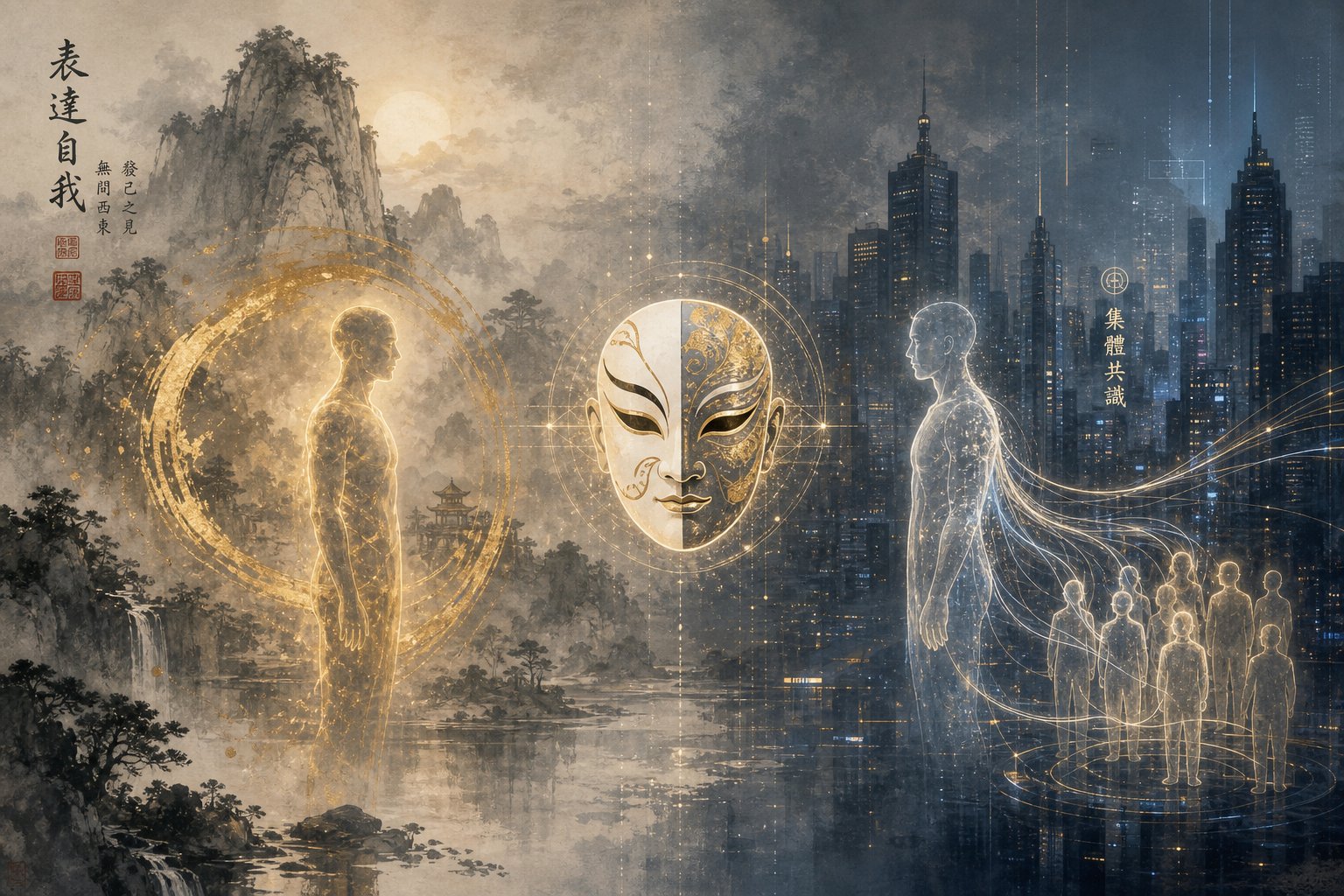
A clever username is never just about language skills. Behind every naming choice on Weibo sits a web of cultural values that most users absorb without consciously thinking about them. Why does one person pick a self-deprecating joke while another opts for an aspirational literary reference? Why do users in some Chinese provinces gravitate toward highly unique nicknames while others cluster around similar patterns? The answers trace back to deep cultural forces: face consciousness, the tension between collectivism and individualism, and evolving attitudes toward humor and self-presentation on china social media.
Face Culture and Name Selection Psychology
Mianzi, or 面子, is one of the most powerful invisible forces shaping behavior in Chinese society. It refers to a person's social standing, dignity, and reputation as perceived by others. Research published in BMC Psychology defines mianzi consciousness as an individual's motivation to acquire, preserve, and prevent the loss of face in order to present themselves better within their social network. This motivation does not disappear when someone logs onto Weibo. It migrates directly into how they name themselves.
The same research identifies two distinct dimensions of face consciousness: proactive mianzi consciousness, which drives people to enhance their social image, and defensive mianzi consciousness, which focuses on protecting existing reputation from damage. On Weibo, these two impulses produce different naming strategies:
- Proactive face - Users choose names that project success, wit, or cultural sophistication. Literary allusions, bilingual wordplay, and aspirational references all serve to gain face by signaling intelligence or status.
- Defensive face - Users opt for modest, humorous, or deliberately vague names that avoid the risk of appearing pretentious. Self-deprecating humor names ("still broke this month" or "perpetually confused") protect face by lowering expectations preemptively.
- Combined strategy - Many users balance both impulses, crafting names that are clever enough to impress insiders but casual enough to avoid seeming like they are trying too hard.
This dual dynamic explains a pattern that puzzles outside observers: why would someone on a public platform choose a name that highlights their own failures? In face culture logic, self-deprecation is actually a sophisticated defensive move. By naming yourself something humble or absurd, you remove the possibility of others judging you for falling short of your own projected image.
Offline social norms around face do not weaken in digital spaces. They transform, finding new expression through naming strategies that balance the desire to impress with the need to avoid appearing arrogant.
Collectivism Versus Individual Expression Online
China is often described as a collectivistic culture, but that label hides enormous regional variation. A collectivism index published in Scientific Data used Census indicators across 356 Chinese prefectures to measure regional differences in collectivism from 1982 to 2020. The researchers found that rice-farming southern China tends to be more collectivistic than wheat-farming northern China, with measurable differences in family living arrangements, innovation rates, and independence markers.
What does this have to do with Weibo names? Quite a lot. The same dataset validated its collectivism measures partly by examining the uniqueness of nicknames on Sina Weibo across provinces. Regions scoring higher on individualism tended to produce users with more distinctive, unusual usernames. Regions with stronger collectivist orientations showed more convergence in naming patterns, with users gravitating toward group-aligned names or adopting similar formats within their communities.
This is not just about geography. Research using 2.1 million Chinese names found that the trend toward unique naming has been rising steadily since the 1970s, with characters that are rare in daily life appearing more frequently in given names over time. The researchers interpreted this as evidence of increasing individualism in China. On social media china platforms like Weibo, this same cultural shift plays out in real time: younger users increasingly treat their usernames as expressions of personal identity rather than markers of group membership.
The interplay between these forces creates a fascinating tension. A user might simultaneously want to stand out as an individual and signal belonging to a specific community. Fan culture names solve this elegantly: they are unique enough to express personal creativity while following recognizable patterns that mark group allegiance. The collectivism-individualism spectrum is not a binary. It is a dial that users adjust depending on context, audience, and which aspect of their identity they want to foreground.
Climate and economic development add further nuance. Research on Sina Weibo nickname uniqueness found that climatic and economic factors correlate with regional patterns of how distinctive users make their display names. Warmer, wealthier regions with historically rice-based agriculture tend toward tighter social norms, which can suppress naming individuality. Cooler, wheat-farming regions with looser social structures give users more cultural permission to experiment.
For anyone exploring a chinese social media app like Weibo for the first time, these patterns are visible in aggregate even without reading Chinese. Scroll through trending topics from different provinces and you will notice clusters of similar-format names in some regions, while others display far more variety. The usernames are not random. They are cultural data points, reflecting values that run centuries deep but express themselves through the newest digital medium available.
These cultural values do not operate in a vacuum, though. They collide with a very practical reality: Weibo's own platform rules, content moderation systems, and censorship mechanisms actively constrain what users can name themselves, forcing creativity in directions that pure cultural preference alone would never produce.
How Platform Rules and Censorship Shape Weibo Names
Cultural values and linguistic creativity set the stage, but there is a third force shaping what Weibo users actually name themselves: the platform itself. Weibo's technical constraints, moderation policies, and evolving registration requirements do not just limit naming options. They actively redirect creative energy, producing naming strategies that would never exist without the pressure of restriction. You could say the rules are as much a part of weibo name culture as the language itself.
Platform Rules and Character Restrictions
When you sign up for weibo, you immediately encounter a set of naming constraints that narrow the creative field. The weibo application enforces specific technical and policy-based rules on display names:
- Character length limits - Display names must fall within a set character range (typically 4 to 30 characters), which forces users to compress meaning into tight spaces
- Restricted keyword lists - Certain words, phrases, and character combinations are blocked outright and cannot appear in usernames
- Uniqueness requirements - No two users can share the same display name, pushing later adopters toward increasingly creative variations
- Real-name registration - Since 2017, all users must register with their legal identity, though display names could remain pseudonymous
- Prohibited impersonation - Names that mimic official accounts, government entities, or verified celebrities are rejected
- Periodic crackdowns on homophones - The platform has explicitly targeted intentional misspellings and soundalike substitutions in usernames
The real-name registration policy deserves special attention. The Cyberspace Administration of China mandated in 2017 that Weibo users register with their real identity, but this initially remained a backend requirement. Users could still present any pseudonym publicly. That changed dramatically when the weibo owner, Sina Corporation, announced in late 2023 that verified influencers with over one million followers would need to display their legal names publicly. The policy then extended to accounts with over 500,000 followers.
The response was immediate and revealing. Popular book blogger Tu Pao Ding ("rabbit butcher"), who had built a two-decade identity under that pseudonym, announced she was leaving the platform. Science blogger Ming Yu Zhui Ran began purging followers to drop below the threshold. Rapper Kindergarten Killer deleted his account entirely. Finance influencer Tianjin Stock King removed over six million followers overnight, cutting from seven million to just over 900,000. These reactions show how deeply intertwined naming and identity are on the platform. For many users, losing a pseudonym is not a minor inconvenience. It is an identity crisis.
The weibo.com sign up process itself has become a strategic decision point. New users now weigh their naming choices against the possibility that future policy changes could force public disclosure. This creates a chilling effect where some users preemptively choose less distinctive names, while others double down on creative pseudonyms as a form of quiet resistance.
How Censorship Drives Naming Innovation
Here is the paradox: censorship does not kill creativity on Weibo. It supercharges it. Every time the platform blocks a word or phrase, users invent two new ways to say the same thing. This cat-and-mouse dynamic has been running for over a decade, and it shapes naming conventions as much as it shapes post content.
The concept of "sensitive words" (敏感词, mǐngǎn cí) sits at the center of this dynamic. These are terms the platform's automated systems flag for deletion or blocking. They shift constantly based on current events, political developments, and regulatory directives. When a word becomes sensitive, users who had it in their display names face forced changes, and those who want to reference the concept must find workarounds.
Reporting from Rest of World documents how Chinese netizens substitute characters that sound like or visually resemble banned terms. The word for "river crab" (河蟹, héxiè) became code for censorship itself because it sounds like "harmony" (和谐, héxié), the official euphemism for content removal. When "river crab" was eventually blocked, users shifted to generic "seafood" references. This layered substitution pattern plays out directly in usernames.
In July 2022, Weibo explicitly announced it would crack down on homophones, character variants, and intentional "typos" used to circumvent filters in usernames and posts. The platform stated it would "intensify investigations" and "standardize the use of Chinese characters." Independent political analyst Wu Zuolai noted that the move was likely triggered by successful circumvention during the Henan bank protests and Shanghai lockdowns, where users had swapped "Henan" (河南) for "the Netherlands" (荷兰, Hélán) due to phonetic similarity.
Sociolinguist Xuan Wang of Cardiff University pointed out that fully banning this kind of language evolution is "not realistic or tenable," because the creative techniques extend beyond text into memes, images, and even everyday objects layered with subtext. As Wang put it: "Wherever there is censorship and control, there is resistance. There is no end to it."
The creative workarounds users employ in their names include:
- Phonetic substitution - Swapping banned characters for ones that sound identical but carry innocent meanings
- Visual similarity - Using characters that look alike on screen but have different pronunciations and meanings
- Radical splitting - Decomposing a sensitive character into its component parts and displaying them separately
- Numerical encoding - Representing banned phrases through number sequences (e.g., "535" for May 35th, a reference to June 4th)
- Foreign language insertion - Embedding references in English, Japanese, or other scripts that Chinese-language filters may not catch
- Obscure classical allusions - Referencing historical events or literary passages that parallel current situations without using any flagged modern terminology
- Emoji and symbol layering - Using non-text characters to break up keyword patterns while preserving readability for human eyes
The weibo ownership structure matters here too. As a publicly traded company operating under Chinese regulatory oversight, Sina Corporation must comply with directives from the Cyberspace Administration of China. Eric Liu, a former Weibo censor, explained to Rest of World that platform policies like real-name display rules are likely responses to CAC directives rather than independent business decisions. This means naming constraints are not just corporate policy. They reflect state-level priorities around controlling online discourse.
Professor Min Jiang of the University of North Carolina at Charlotte noted that "outspoken individuals have been conditioned to navigate the red line with ingenuity and creativity, steering public opinions even under heavy censorship." That ingenuity shows up clearly in naming patterns. Users treat their display names as living documents, updating them in response to trending events, new censorship waves, or shifts in what the platform permits.
The result is a naming ecosystem that is never static. It breathes with the political and cultural moment, adapting faster than moderation systems can keep pace. And within this ecosystem, different generations respond to these pressures in markedly different ways, from cautious formality to gleeful absurdism.
Generational Differences in Weibo Naming Approaches
China's rate of social change is often measured in what commentators call "China years," where transformations that take seven years elsewhere happen in just one. GDP has grown more than one hundred times since 1979, urbanization has jumped from under 20% to roughly two-thirds, and each decade has delivered dramatically more opportunity than the last. That compressed timeline means generational gaps in China are far more pronounced than in most countries, and those gaps show up vividly in how users across age groups name themselves on sinaweibo.
Generational Naming Styles from Post-70s to Post-00s
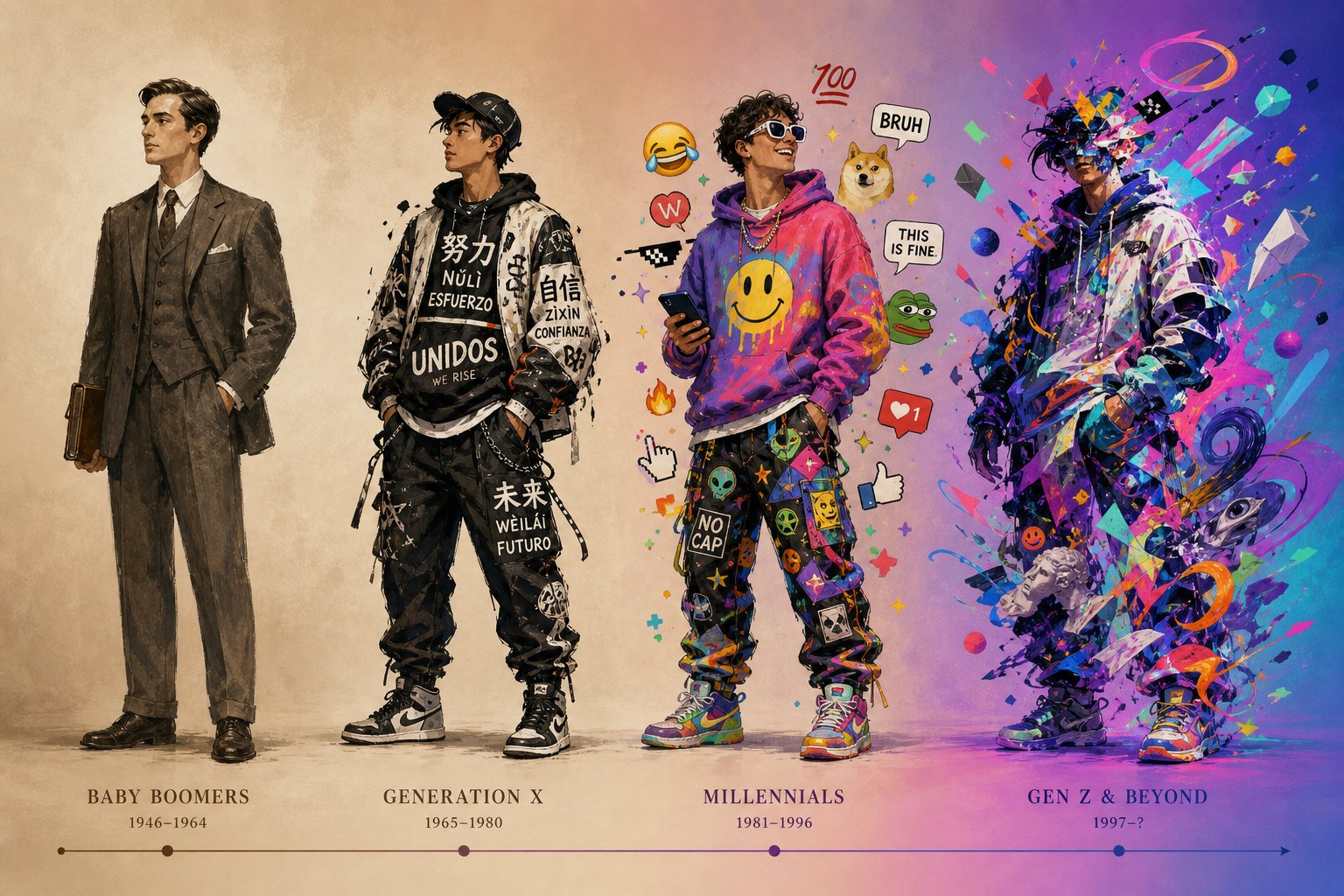
Each generational cohort on Weibo carries distinct cultural baggage that shapes their naming instincts. Post-70s users came of age during economic scarcity and the tail end of the Cultural Revolution's influence. Post-80s witnessed China's transformation from relatively poor to wealthy and modern, making them less likely to take things for granted. Post-90s have only ever known a prosperous China and became notably more liberal spenders. Post-00s, meanwhile, had their formative travel and study-abroad years disrupted by Covid, increasing their orientation toward domestic culture and digital-native expression.
These lived experiences translate directly into naming preferences. Consider how each group typically approaches their display name on sina.com's microblogging platform:
| Generation | Typical Name Style | Cultural Influences | Example Patterns |
|---|---|---|---|
| Post-70s (七零后) | Formal, literary, restrained | Austerity-era values, classical education, respect for tradition | Classical poetry fragments, professional titles, real-name variations |
| Post-80s (八零后) | Aspirational, bilingual, nostalgic | Witnessed China's rise, foreign brand admiration, overseas study as privilege | English-Chinese hybrids, pop culture references from the 2000s, subtle humor |
| Post-90s (九零后) | Ironic, self-deprecating, meme-driven | Only known prosperity, liberal spending, internet-native humor | Self-mocking phrases, internet slang abbreviations, fandom identifiers |
| Post-00s (零零后) | Absurdist, chaotic, deliberately meaningless | Covid isolation, domestic brand preference, rejection of meritocracy pressure | Random character strings, anti-logic humor, emotional catchphrases, surreal imagery |
The progression is clear: each successive generation moves further from formality and closer to playful subversion. Post-80s users who once browsed sinanet during its early portal days tend to maintain names that project competence and worldliness. Their younger counterparts treat naming as performance art.
Youth Culture and Absurdist Naming Trends
The post-00s cohort deserves special attention. This generation entered adulthood facing a youth unemployment rate of 17.1% and intense competition from 12.2 million annual graduates flooding the job market. Their naming choices reflect this reality. Where older generations might choose aspirational names projecting success, post-00s users lean into absurdist self-deprecation as both coping mechanism and generational identity marker.
The viral phrase "ai ni laoji" (love you, my dear self) captures this shift perfectly. Sixth Tone reports that this expression, which emerged near the end of 2025, represents young Chinese rejecting the "education through hardship" model that shaped previous generations. The phrase and its variants have appeared in countless usernames, reflecting what researchers describe as the destigmatization of happiness and the rejection of meritocracy's demand that self-care must be earned.
You will notice post-00s names often read like anti-resumes: deliberately unimpressive, aggressively casual, sometimes bordering on nonsensical. A name might reference being perpetually tired, loving naps more than career advancement, or simply consist of characters chosen for their visual chaos rather than semantic meaning. This is not laziness. It is a deliberate rejection of the face-conscious, achievement-signaling approach their parents' generation favored.
The contrast with earlier platforms is telling. Users who once maintained accounts on 腾讯微博 (Tencent Weibo, which shut down in 2020) during its peak years often carried more conventional names suited to that era's internet culture. The migration of users across platforms over the past decade has layered these generational styles on top of each other, creating a naming landscape where a literary classical reference might sit in the same comment thread as a string of absurdist nonsense, each perfectly legible to its intended audience.
Generational naming is never purely personal, though. Every username exists within a social context, read and interpreted by others. The next layer of this phenomenon is how names function as deliberate signals, broadcasting group membership, fandom loyalty, and social positioning to anyone paying attention.
Social Signaling and Identity Through Weibo Names
A Weibo username is never just a label. It is a broadcast, a flag planted in public view that tells other users exactly where you stand. In a platform ecosystem where hundreds of millions of accounts compete for attention, names function as instant social shorthand. One glance at a display name can reveal fandom loyalty, professional credibility, political orientation, or humor tribe membership without a single post being read. This signaling layer is what transforms naming from a personal choice into a social act.
Names as Social Identity Markers
Think of Weibo names as wearable badges in a crowded digital city. Other users scan them constantly, especially in comment sections under weibo hotsearch trending topics, where thousands of strangers interact simultaneously. A name that references a specific idol, uses a particular slang format, or adopts a recognizable pattern immediately sorts its owner into a social category.
The major social signals encoded in Weibo names break down into distinct categories:
- Fan identity - Incorporating idol references, fandom-specific symbols, or weibo super topic community markers that instantly identify the user as part of a specific fan circle
- Professional credibility - Using industry terminology, credentials, or field-specific language to signal expertise in finance, tech, law, or media
- Humor tribe - Adopting absurdist, self-deprecating, or meme-driven naming patterns that mark belonging to a particular internet humor subculture
- Regional identity - Embedding dialect words, local slang, or geographic references that signal provincial or city-level belonging
- Political commentary - Using coded historical allusions, character substitutions, or obscure references that communicate political awareness to those who share the context
Each signal type operates on a different frequency. Professional names speak to potential collaborators and clients. Fan names speak to fellow community members. Political names speak to those who share a critical perspective. The same user might change their name depending on which audience they want to address at a given moment, and anyone using the weibo search engine to look up accounts will encounter these identity markers as the first point of contact.
Fandom Signaling and Community Belonging
Nowhere is social signaling through names more visible than in fan communities. Research on Chinese fan circles documents how fandoms develop elaborate internal classification systems, unique symbols, and language codes that fans use to confirm their identity. These markers extend directly into usernames. A fan's display name might reference their idol's support color, use abbreviated idol names recognizable only to insiders, or incorporate the specific weibo super topic community name they belong to.
The hierarchical structure within fan circles makes naming even more strategic. Core fans with high influence adopt names that signal their status and dedication level, while newer fans use naming patterns that demonstrate they have met the fandom's eligibility requirements. In some communities, reaching a certain "super topic" level or demonstrating financial support through album purchases qualifies someone to use specific naming conventions reserved for verified members.
Name changes in response to trending events on weibo resou (hot search) represent perhaps the most fascinating collective signaling behavior. When a major event breaks, whether a celebrity scandal, a political moment, or a cultural controversy, thousands of users simultaneously update their display names to reflect a shared stance. This coordinated renaming functions as a form of collective expression visible across the platform. If you define reposting as amplifying a message through sharing, then coordinated name changes serve a parallel function: they amplify a position through sheer visible repetition across comment sections and follower lists.
Fan communities are especially practiced at this. When fans perceive their idol has been treated unfairly, mass name changes incorporating protest language or solidarity symbols sweep through the fandom within hours. The research notes that fans "exchange anger in online communities and develop detailed strategies for safeguarding their rights," and synchronized naming is one of the most visible tools in that strategy. The weibo search engine surfaces these patterns clearly: search for a trending topic and you will see clusters of similarly formatted names dominating the conversation, each one a small signal contributing to a collective roar.
This signaling system works precisely because Weibo is a public-facing platform. Every name is visible to every other user. But how does this compare to platforms where names serve different purposes, where privacy settings change the calculus, or where entirely different cultural norms govern self-presentation? The answer reveals just how unique Weibo's naming ecosystem really is.
Weibo Names Compared to Other Platform Conventions
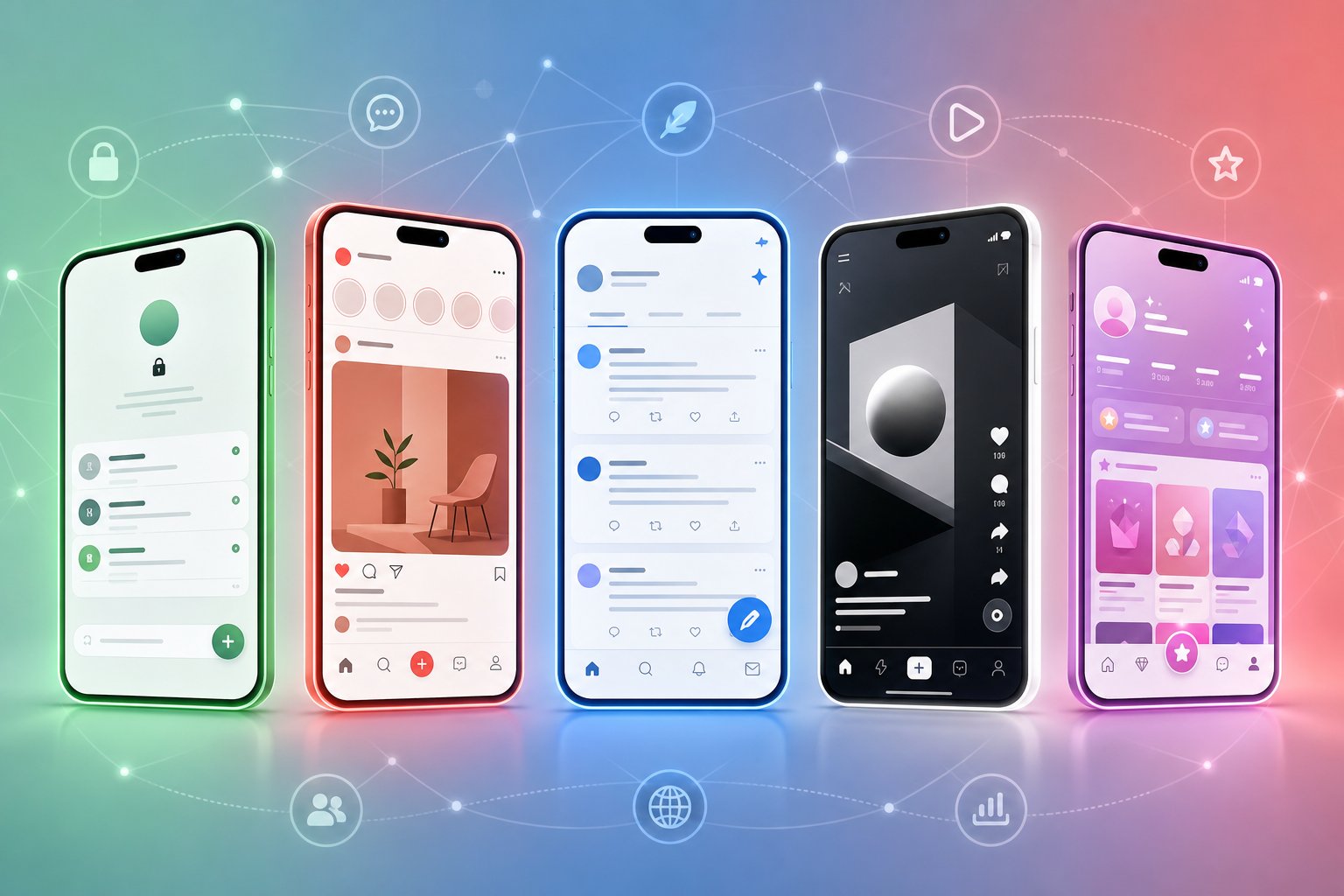
Weibo's naming ecosystem does not exist in isolation. It sits within a broader landscape of chinese social media platforms, each with its own rules, audiences, and cultural expectations around self-presentation. The same person might maintain wildly different names across Weibo, WeChat, Douyin, and Xiaohongshu, adjusting their identity performance to match each platform's social logic. Comparing these conventions reveals just how much platform architecture shapes naming behavior, and why Weibo produces a level of creative naming that other spaces simply do not.
Weibo Versus WeChat and Douyin Naming Norms
The core difference comes down to audience. Weibo is a public broadcast platform, often described as the chinese twitter equivalent, where posts reach strangers, trending topics attract millions of eyes, and your display name is your first impression to people who have never met you. WeChat, by contrast, is built around existing relationships. Your contacts are people who already know your real name, your face, your voice. That fundamental difference in audience changes everything about how users approach naming.
On WeChat, names tend toward the personal and understated. A user might go by a childhood nickname, a single character from their given name, or a simple emoji. There is no need to signal identity to strangers because the audience already knows who you are. The platform's private, relationship-based architecture removes the performative pressure that drives Weibo's creative naming. You will rarely find elaborate wordplay or political commentary in WeChat display names because the social context does not reward it.
Douyin operates on yet another logic. As China's dominant short-video platform, it prioritizes discoverability and personal branding. A Douyin name needs to be memorable in the three seconds before a viewer scrolls past a weibo video or short clip. This creates naming incentives that favor brevity, catchiness, and content-type signaling over linguistic complexity. Creators often choose names that immediately communicate their niche: food reviews, comedy skits, beauty tutorials. The name is a content label first and an identity expression second.
Xiaohongshu (RED) sits somewhere between these poles. Its lifestyle-discovery format encourages names that project aesthetic sensibility and authenticity. Users lean toward names that feel curated but approachable, often incorporating soft humor, aspirational lifestyle references, or niche interest markers. The platform's emphasis on "real review" culture means names that sound too commercial or too anonymous both underperform socially.
Here is how these platforms compare across key naming dimensions:
| Platform | Anonymity Level | Typical Name Style | Character Options | Cultural Function of Names |
|---|---|---|---|---|
| Pseudonymous (real-name backend) | Creative, performative, politically coded | Chinese characters, numbers, limited English | Public identity performance, social signaling, collective expression | |
| Low (contacts know you) | Personal, understated, intimate | Chinese characters, emoji, any script | Relationship maintenance, private self-expression | |
| Douyin | Pseudonymous | Catchy, brand-oriented, niche-signaling | Chinese characters, numbers, English | Content discoverability, creator branding |
| Xiaohongshu (RED) | Pseudonymous | Aesthetic, curated, lifestyle-aligned | Chinese characters, English, emoji | Taste signaling, community trust, authenticity projection |
| Twitter/X | Pseudonymous | Handles plus display names, often real names | Latin alphabet, numbers, underscores | Personal branding, professional identity, humor |
| Pseudonymous | Clean, brandable, often real-name adjacent | Latin alphabet, numbers, periods, underscores | Visual identity extension, aesthetic coherence |
Chinese Versus Western Platform Naming Conventions
The gap between Chinese and Western naming conventions runs deeper than language. On platforms like Twitter/X and Instagram, the alphabetic writing system imposes hard constraints. Twenty-six letters, no tonal ambiguity, no character decomposition, no radical-based visual puns. Western usernames can be clever, but they operate within a narrower creative bandwidth. A pun in English works on one level. A pun in Chinese can work on phonetic, visual, and semantic levels simultaneously.
Cultural norms compound this difference. Western platforms generally reward consistency. Users build a "personal brand" around a stable handle, and changing your name frequently reads as flaky or confusing. On Weibo, name changes are a feature, not a bug. Users update their display names in response to trending events, mood shifts, fandom campaigns, or political moments. The name is treated as a living, mutable expression rather than a fixed identifier.
The international weibo experience highlights this contrast sharply. Users accessing weibo international versions from outside China often notice how much more dynamic and layered Chinese-language names appear compared to the static handles they are accustomed to on Western platforms. A weibo video comment section might contain dozens of names that reference the same trending event, each with a slightly different creative spin, something that rarely happens on Instagram or Twitter where names stay fixed regardless of current events.
There is also the question of what names are for on each platform. On Instagram, your handle is primarily a search and tagging mechanism. On Twitter/X, it functions as a brand anchor. On Weibo, the display name carries social, political, and emotional weight that Western equivalents rarely bear. It is simultaneously a creative outlet, a group membership card, a political statement, and a humor performance, all compressed into a handful of characters.
This cross-platform comparison makes one thing clear: weibo name culture is not simply "Chinese people picking usernames." It is a phenomenon enabled by a specific combination of linguistic richness, platform architecture, cultural values, and political context that no other platform in the world fully replicates. Understanding it requires looking at all these layers together, which is exactly what makes it one of the most fascinating corners of digital culture to study from a cross-cultural perspective.
Frequently Asked Questions About Weibo Name Culture
1. What is Weibo name culture and why does it matter?
Weibo name culture refers to the complex system of identity expression through usernames on China's largest microblogging platform, Sina Weibo. Unlike simple handles on Western platforms, Weibo display names encode humor, fandom loyalty, political awareness, generational identity, and group belonging through linguistic techniques like homophones, character decomposition, and numerical wordplay. It matters because these names function as compressed cultural artifacts that reveal how over 580 million users negotiate identity in a space shaped by censorship, collectivism, and rapid social change.
2. How do Chinese language features make Weibo usernames more creative than English ones?
Mandarin Chinese has roughly 400 base syllables mapped across over 50,000 characters, meaning a single pronunciation can correspond to dozens of different meanings. This enables layered wordplay impossible in alphabetic languages. Users exploit tonal ambiguity, character decomposition (splitting characters into radicals), pinyin abbreviations, and number-phonetic mapping to create names that carry multiple simultaneous meanings. A username can read as innocent on the surface while delivering sarcasm or political commentary through its phonetic reading.
3. Why do Weibo users change their display names so frequently?
Unlike Western platforms where name consistency builds personal branding, Weibo treats display names as living, mutable expressions. Users update names in response to trending events, fandom campaigns, political moments, or censorship waves. Coordinated mass name changes also serve as collective expression, particularly within fan communities defending their idols or users commenting on current affairs. This dynamic approach reflects a cultural norm where names are social acts rather than fixed identifiers.
4. How does censorship affect Weibo naming conventions?
Censorship paradoxically supercharges naming creativity on Weibo. When the platform blocks specific words or phrases, users invent workarounds including phonetic substitutions, visually similar characters, radical splitting, numerical encoding, and obscure classical allusions. This cat-and-mouse dynamic has persisted for over a decade. In 2022, Weibo explicitly announced crackdowns on homophones and intentional typos in usernames, but linguists note that fully banning this kind of language evolution is unrealistic because creative resistance always adapts faster than automated filters.
5. What are the main types of Weibo usernames and what do they signal?
The major categories include homophone-based names for humor and plausible deniability, numerical wordplay for emotional shorthand, fan-given celebrity nicknames for community belonging, literary references for cultural capital signaling, English-Chinese hybrids for cosmopolitan identity, self-deprecating names for generational bonding, and politically coded names for commentary. Each type serves a distinct social function, and users often mix categories depending on which audience they want to address and what aspect of their identity they wish to foreground at any given time.