Why Zheng and Cheng Surnames Confuse Everyone
Why Zheng and Cheng Cause So Much Confusion
Imagine you're tracing your family tree and you find one branch spelled "Zheng" and another spelled "Cheng." Are these the same clan? Distant relatives? Or completely unrelated families who just happen to look alike in English? If you've ever stared at these two spellings and felt unsure, you're dealing with one of the most common mix-ups in Chinese surname romanization.
The problem runs deep. Chinese transliteration compresses thousands of unique characters into a limited set of syllables. As research from the Complexity Science Hub illustrates, people with entirely different Chinese names can end up with identical romanized spellings, since distinct characters get grouped under the same syllable. For surnames, this creates real confusion: the zheng last name (郑) and the cheng surname (程) look nearly identical once stripped of their Chinese characters and tone marks.
This isn't just an academic curiosity. It affects passport applications, genealogy searches, immigration records, and family reunions. Someone surnamed 郑 might appear as "Cheng" on older documents, making them indistinguishable from a person actually surnamed 程. Even the chen surname and its variants add another layer of potential mix-ups for researchers unfamiliar with these systems.
Are Zheng and Cheng the same surname or different surnames? The answer depends on which Chinese character is involved.
What This Comparison Covers
This article breaks down the top 5 key differences between these surnames, ranked by how much confusion each factor creates. Whether you're researching chen last name origin connections, sorting through old family documents, or simply trying to understand why your relatives spell the zheng last name differently across countries, you'll find clear answers here. We cover the distinct Chinese characters behind each spelling, the romanization systems that split one name into multiple English versions, the separate historical origins of each lineage, dialect-driven spelling variations across Asia, and the geographic distribution patterns that set these families apart.
Think of this as your disambiguation guide, built for genealogy researchers, diaspora families, and anyone who has ever looked at "Cheng" on a document and wondered which family it actually represents.
How We Ranked These Surname Differences
Not all sources of confusion carry equal weight. Some differences between Zheng and Cheng trip people up daily on government forms, while others only surface during deep genealogical digs. To give you a practical hierarchy rather than a flat list, we evaluated each distinction against a consistent set of criteria.
Ranking Criteria for Surname Differences
Each of the five differences covered in this article was scored based on how broadly and how severely it contributes to misidentification. Here are the evaluation criteria, listed from most to least important:
- Number of people affected - How many surname bearers worldwide face this particular source of confusion? A factor impacting tens of millions ranks higher than one affecting a regional subset.
- Frequency of misidentification in official documents - How often does this difference cause errors on passports, immigration records, birth certificates, and legal paperwork? Real-world administrative consequences push a factor up the list.
- Genealogical research impact - Does this difference cause researchers to conflate unrelated family lines or miss genuine connections? Clan records known as zupu (族谱) are a primary source for Chinese family history, and as Legacy Tree Genealogists notes, these documents can trace lineages back several hundred to several thousand years. A factor that corrupts searches across such records scores high.
- Geographic scope - Is the confusion limited to one country or romanization tradition, or does it span multiple nations and diaspora communities? Broader geographic reach means more people encounter the problem independently.
- Persistence over time - Will this confusion resolve as older documents age out, or is it structurally embedded in how Chinese names get romanized? Permanent, systemic issues outrank transitional ones.
Sources and Romanization Systems Consulted
Sorting out the chen last name from Zheng from Cheng requires looking across multiple spelling systems, not just modern Pinyin. This comparison draws on five romanization frameworks:
- Hanyu Pinyin - the international standard adopted by mainland China in 1958 and used in most global contexts today
- Wade-Giles - the older system dominant in English-language scholarship and official documents before 1979, still common in Taiwan
- Jyutping - the standardized romanization for Cantonese, relevant for Hong Kong and Guangdong-origin families
- POJ (Pe-oh-ji) - the Hokkien romanization system used across Fujian-origin communities in Southeast Asia
- Chinese Postal Map Romanization - the system used on historical maps and postal addresses, which shaped many diaspora spellings that persist today
As the Yale University Library's Chinese Romanization Guide explains, Pinyin replaced Wade-Giles as the U.S. library standard, yet many established personal names were never converted. This means a single family's records can span multiple systems depending on when and where each document was created.
Population and geographic assessments in this article rely on modern census data from China's National Bureau of Statistics alongside historical clan records. The chan last name origin and similar Cantonese-derived spellings are addressed where dialect variation is the driving factor. Together, these sources let us rank each difference not by abstract linguistic interest, but by how much real confusion it generates for real people trying to connect with their family history.
Different Chinese Characters Behind the Same English Spelling
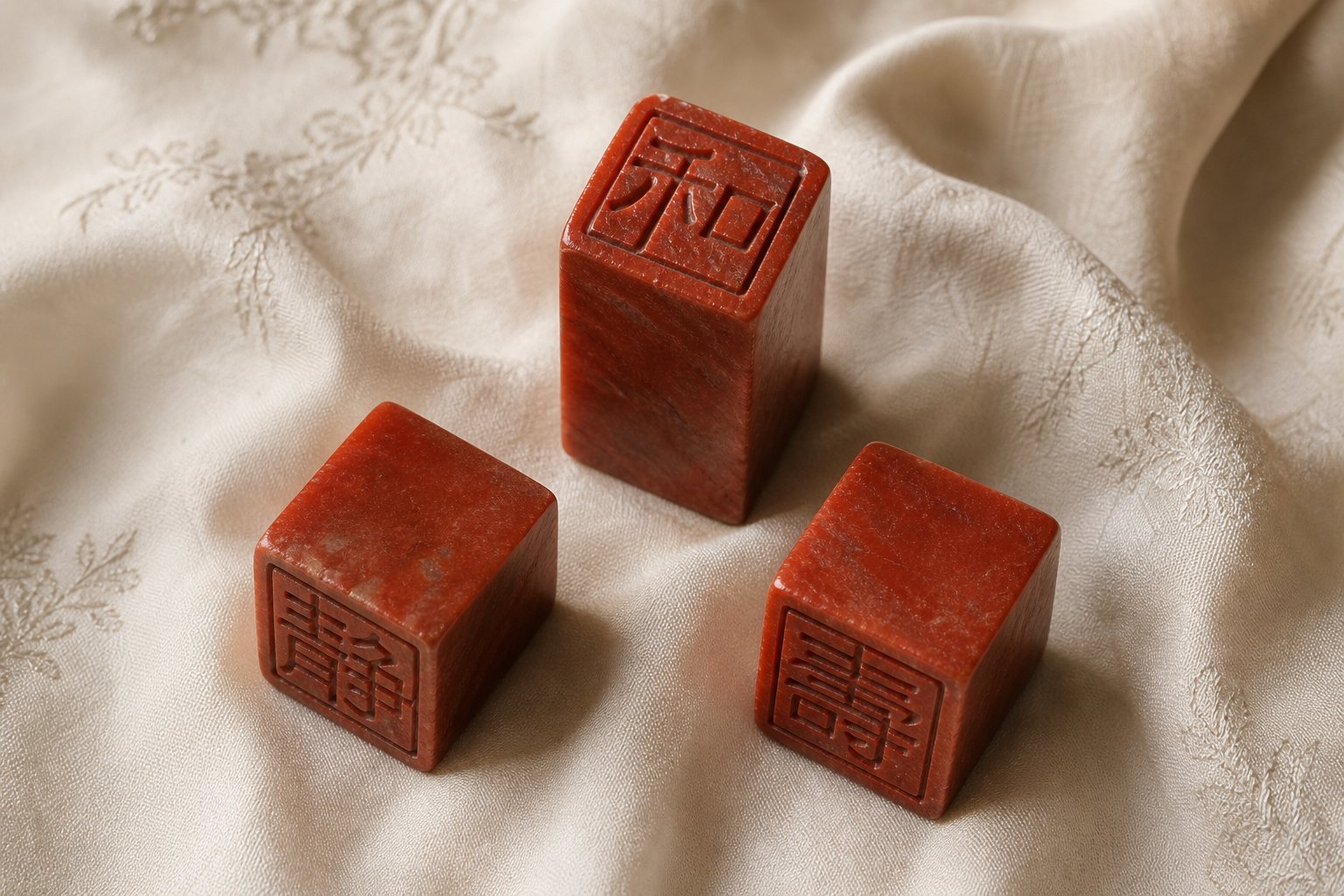
Here's the single most important thing to understand about this entire debate: "Zheng" and "Cheng" are not just two spellings. They can represent three completely different Chinese characters, each with its own meaning, ancestry, and lineage. This is the number one source of confusion, and it's where most misidentifications begin.
When you see "Cheng" written in English, it could refer to 程 (Cheng, meaning "journey" or "procedure"), 成 (Cheng, meaning "to become" or "to accomplish"), or even 郑 (Zheng) rendered through the older Wade-Giles system. Three distinct families, three distinct histories, collapsed into one English syllable. The zheng pronunciation in Mandarin uses a retroflex "zh" sound that doesn't exist in English, which is partly why older romanization systems defaulted to "Ch" instead.
Three Different Characters Behind Two English Spellings
Think of it this way. In English, the last names "Smith" and "Smyth" are clearly variants of the same name. But "Zheng" and "Cheng" are not variants of anything. They are separate characters that happen to sound vaguely similar to English-speaking ears. It's comparable to how "how to pronounce Xiong" trips people up because the English letters don't map neatly to the actual Mandarin sound. The same gap between writing and pronunciation drives the Zheng-Cheng confusion.
Among last names that start with Ch in English-language records, "Cheng" is particularly tricky because it sits at the intersection of multiple romanization systems and multiple source characters. Someone named Cheng could belong to any of three unrelated clans. Without the Chinese character, you simply cannot tell.
Meanings and Stroke Count Comparison
Each of these three characters carries a distinct meaning, uses a different radical, and has a different stroke count. Here's how they compare side by side:
| Feature | 郑 (Zhèng) | 程 (Chéng) | 成 (Chéng) |
|---|---|---|---|
| Chinese Character | 郑 (traditional: 鄭) | 程 | 成 |
| Pinyin | Zhèng (4th tone) | Chéng (2nd tone) | Chéng (2nd tone) |
| Meaning | Name of an ancient state in Henan | Journey, procedure, rule | To become, to accomplish |
| Stroke Count (simplified) | 8 | 12 | 6 |
| Radical | ⻏ (city/state radical) | 禾 (grain radical) | 戈 (halberd radical) |
| Ranking in Mainland China (2020) | 21st most common | 44th most common | ~156th most common |
Notice the differences in population size alone. According to census data, 郑 ranks 21st among mainland Chinese surnames, making it far more common than 程 at 44th or 成 at roughly 156th. When you encounter "Cheng" in a Western document, the statistical likelihood varies dramatically depending on the person's region of origin and the era the document was created.
The tones matter too. 郑 uses the falling fourth tone (Zhèng), while both 程 and 成 use the rising second tone (Chéng). Native Mandarin speakers hear these as completely different sounds. But once tone marks disappear in English text, that auditory distinction vanishes entirely.
Pros and Cons of Each Romanization
Each spelling system has trade-offs. Whether someone writes their name as "Zheng" or "Cheng" depends on when and where their family's documents were created, not on personal preference.
Pros of Using "Zheng" (Pinyin for 郑)
- Immediately distinguishes 郑 from 程 and 成 in modern contexts
- Aligns with the current international standard used by the UN, global media, and PRC passports
- Reduces ambiguity for genealogy database searches
Cons of Using "Zheng" (Pinyin for 郑)
- Unfamiliar to English speakers who may mispronounce it as "Zeng"
- Does not match older family documents, Taiwan records, or Cantonese-origin spellings
- Creates a disconnect within families where older generations used "Cheng"
Pros of Using "Cheng" (for 程 or 成)
- Phonetically intuitive for English speakers
- Consistent with both Pinyin (for 程/成) and Wade-Giles (for 郑), making it familiar across eras
- Matches how Cantonese speakers romanize 郑 as well, preserving dialect identity
Cons of Using "Cheng" (for 程 or 成)
- Highly ambiguous: could represent 程, 成, or 郑 depending on context
- Impossible to determine the correct Chinese character without additional information
- Causes frequent misidentification in immigration, legal, and genealogical records
The pattern is clear. "Zheng" offers precision for one specific character but alienates older records. "Cheng" feels natural in English but hides which of three possible surnames someone actually carries. Neither spelling alone solves the problem.
This is why genealogy researchers who encounter "Cheng Cheng" as a full name in records face an immediate puzzle: is the surname 程, 成, or even 郑 under a different romanization? The only reliable answer comes from confirming the original Chinese character, whether through family documents, ancestral tablets, or direct conversation with elder relatives.
The English spelling alone cannot tell you which surname someone has. The Chinese character is the only definitive identifier.
Understanding that these are three separate characters with separate lineages is the foundation for everything that follows. The next question becomes: how did one of these characters, 郑, end up spelled as both "Zheng" and "Cheng" in the first place? That answer lies in a specific historical turning point in how China presented its language to the world.
Pinyin vs Wade-Giles and the Romanization Split
A single Chinese character, 鄭 (simplified: 郑), appears in English records as both "Zheng" and "Cheng." Not because two families are involved, but because two romanization systems are. This is the second-biggest source of confusion, and it's entirely a product of history rather than linguistics.
How One Character Became Two English Spellings
The Wade-Giles system, developed in the 19th century by British diplomats Thomas Wade and Herbert Giles, dominated English-language transcription of Chinese for over a hundred years. Under Wade-Giles rules, the initial sound "zh" in Mandarin gets written as "ch." So 鄭 became "Cheng." The same logic turned 張 into "Chang" (relevant if you've ever researched the chang last name origin) and 陳 into "Ch'en" (the surname chen in its older English form).
Pinyin, developed in the 1950s by Chinese linguists, uses "zh" to represent that retroflex sound directly. Under Pinyin, 鄭 is written as "Zheng." The difference is purely a matter of spelling convention. The pronunciation hasn't changed. The character hasn't changed. Only the system used to write it in Roman letters shifted.
As the Library of Congress FAQ on romanization explains, you can often distinguish the two systems at a glance: Pinyin syllables begin with B, D, G, Q, X, or Z, while Wade-Giles syllables never do. Wade-Giles uses apostrophes to mark aspiration (like "Ch'en" for 陳 versus "Chen" for 鄭), but in practice those apostrophes frequently get dropped in personal names, collapsing the distinction entirely. Someone like Catherine Cheng on a Taiwan passport could be 鄭, 程, or even 成, and the spelling alone won't tell you which.
The 1979 Pinyin Adoption Turning Point
The critical date is January 1, 1979. That's when the People's Republic of China officially adopted Hanyu Pinyin for all romanized text in international communications. The United Nations followed suit. Major news agencies switched over. Libraries began converting their catalogs.
Before that date, virtually all English-language documents originating from China used Wade-Giles or the Chinese Postal Map Romanization system. After that date, mainland Chinese documents use Pinyin exclusively. This creates a clean dividing line for researchers: a mainland Chinese document showing "Cheng" almost certainly predates 1979 if it refers to 鄭.
Taiwan, however, never fully adopted Pinyin. As Taiwan News reports, the government issues passports using a modified version of Wade-Giles romanization. Some individuals choose Tongyong Pinyin or even Hanyu Pinyin for political or practical reasons, but the default system on official documents remains Wade-Giles. This means a person surnamed 鄭 in Taiwan will typically appear as "Cheng" on their passport regardless of the year it was issued.
The result? Two people with the exact same surname character, 鄭, can carry different English spellings depending solely on which side of the Taiwan Strait their documents originate from. Meanwhile, someone with the last name Chan from a Cantonese-speaking region represents yet another romanization tradition entirely, adding further layers for researchers sorting through diaspora records.
Practical Dating Heuristic for Old Documents
If a document predates 1979 and shows Cheng, it may actually be 鄭 (Zhèng) in Wade-Giles, not 程 (Chéng).
This heuristic is especially useful for genealogy researchers working through immigration records, university transcripts, or diplomatic correspondence from the mid-20th century. Here's a quick reference showing how the single character 鄭/郑 appears across the major romanization systems:
| Romanization System | Spelling of 鄭/郑 | Era / Region of Use |
|---|---|---|
| Hanyu Pinyin | Zhèng | Mainland China, post-1979; international standard |
| Wade-Giles | Cheng | Pre-1979 globally; Taiwan passports (current) |
| Tongyong Pinyin | Jhèng | Taiwan, 2002-2008 official use; some personal names |
| Chinese Postal Map Romanization | Cheng | Historical maps, postal addresses, pre-1949 documents |
| Yale Romanization | Jèng | Mid-20th century academic texts |
Notice that three of the five systems produce "Cheng" or something close to it. Pinyin's "Zheng" is actually the outlier in historical terms, even though it's now the global default. This explains why so many older diaspora families spell their name "Cheng" and see no reason to change: for most of the 20th century, that was the correct English rendering.
The practical takeaway for anyone searching records: always check the date and origin of a document before assuming "Cheng" means 程. A 1965 immigration form from mainland China showing "Cheng" is almost certainly 鄭 in Wade-Giles. A 2020 Singapore document showing "Cheng" could be either 鄭 (via Cantonese romanization) or 程 (via Pinyin). Context is everything.
Romanization systems explain how one character got split into two spellings. But the confusion doesn't stop at spelling conventions. These surnames also trace back to entirely different moments in Chinese history, with separate founding ancestors and separate geographic cradles, which is where the third major difference comes in.

Completely Different Historical Origins Compared
Similar English spellings might suggest a shared past, but the zheng last name origin and the origins of the two Cheng surnames trace back to entirely different founding ancestors, different dynasties, and different geographic cradles. This is the third-ranked difference, and it matters enormously for anyone building a family tree. Connecting your lineage to the wrong founding clan is like grafting a branch onto the wrong trunk.
State of Zheng and the Origin of 郑
The surname 郑 (Zhèng) has one of the clearest origin stories in Chinese genealogy. It traces directly to a feudal state:
- In 806 BC, King Xuan of Zhou granted his younger brother Ji You (姬友) a fief that became the State of Zheng, located in present-day Henan province.
- Ji You is posthumously known as Duke Huan of Zheng (鄭桓公), the recognized progenitor of all 郑 surname bearers.
- After the State of Zheng was conquered by the State of Han in 375 BC, its former citizens adopted the state's name as their surname to preserve their identity.
- The character 郑 itself contains the city radical (⻏), reflecting its origin as a place name turned family name.
This single, well-documented origin point makes 郑 relatively straightforward to trace. If your surname is 郑, your ancestral line leads back to the Zhou royal family, much like how the zhang last name traces to a specific legendary ancestor. The clarity of this lineage is one reason 郑 ranks as the 21st most common surname in China today, with concentrated populations in Fujian and Zhejiang provinces.
Cheng Bo and the Shang Dynasty Roots of 程
The surname 程 (Chéng) has a different royal connection entirely. FamilySearch records document that the name derives from a fief called Cheng in Henan province, granted to Xiu Fu by King Xuan of Zhou (reigned 827-782 BC). Some traditional genealogies trace the lineage even further back to a figure known as Cheng Bo (程伯) during the late Shang period, who administered a territory of the same name.
- The primary origin links to Xiu Fu, who received the fief of Cheng (程) from King Xuan of Zhou.
- A secondary origin connects to descendants of the Xun (荀) family in the state of Jin, who were granted a fief also called Cheng in Shaanxi province during the Spring and Autumn period (770-476 BC).
- The character 程 uses the grain radical (禾), reflecting its ancient meaning of "measurement" or "standard," likely connected to agricultural land administration.
Even though both 郑 and 程 involve fiefs granted by Zhou dynasty kings, the recipients were unrelated individuals governing different territories. These are separate branches of history that happen to sound alike when you try to pronounce Kuo, Zheng, or Cheng without tonal context in English.
Why Historical Origins Matter for Genealogy
The surname 成 (Chéng) adds yet another distinct thread. Its origins are more diverse:
- One line descends from Shu Wu, a son of King Wen of Zhou, who received a fief called Cheng (郕) in Henan. His descendants simplified the character to 成.
- Another line traces to Ji Dai, granted a separate fief also named Cheng (郕) in Shandong by King Wu of Zhou.
- A third line comes from Cheng Hu (成虎), son of Ruo Ao, a high official in the state of Chu during the Spring and Autumn period.
- Additional origins include the Tu Ge tribe and indigenous groups in southern China.
These multiple origin points for 成 alone illustrate why romanized spellings are useless for genealogical research. Two people both surnamed "Cheng" in English could descend from completely unrelated ancestors separated by centuries and hundreds of miles. Among malaysian surnames, for instance, "Cheng" appears frequently in communities with roots in different Chinese provinces, each carrying a different character and a different founding story.
The practical lesson is simple: if you're researching family history, the English spelling tells you almost nothing about which ancestral line you belong to. You need the Chinese character first. Just as people often struggle to pronounce Kuo correctly without knowing it represents 郭 in Wade-Giles, you cannot reconstruct a lineage from romanized letters alone. The character is the key that unlocks which dynasty, which fief, and which founding ancestor sits at the root of your family tree.
These distinct historical origins also shaped where each clan eventually settled and spread. Geography reinforced the separation between lineages, and when families migrated to Southeast Asia, their dialect groups added yet another layer of spelling variation to an already complex picture.
Dialect Variations That Create Even More Spellings
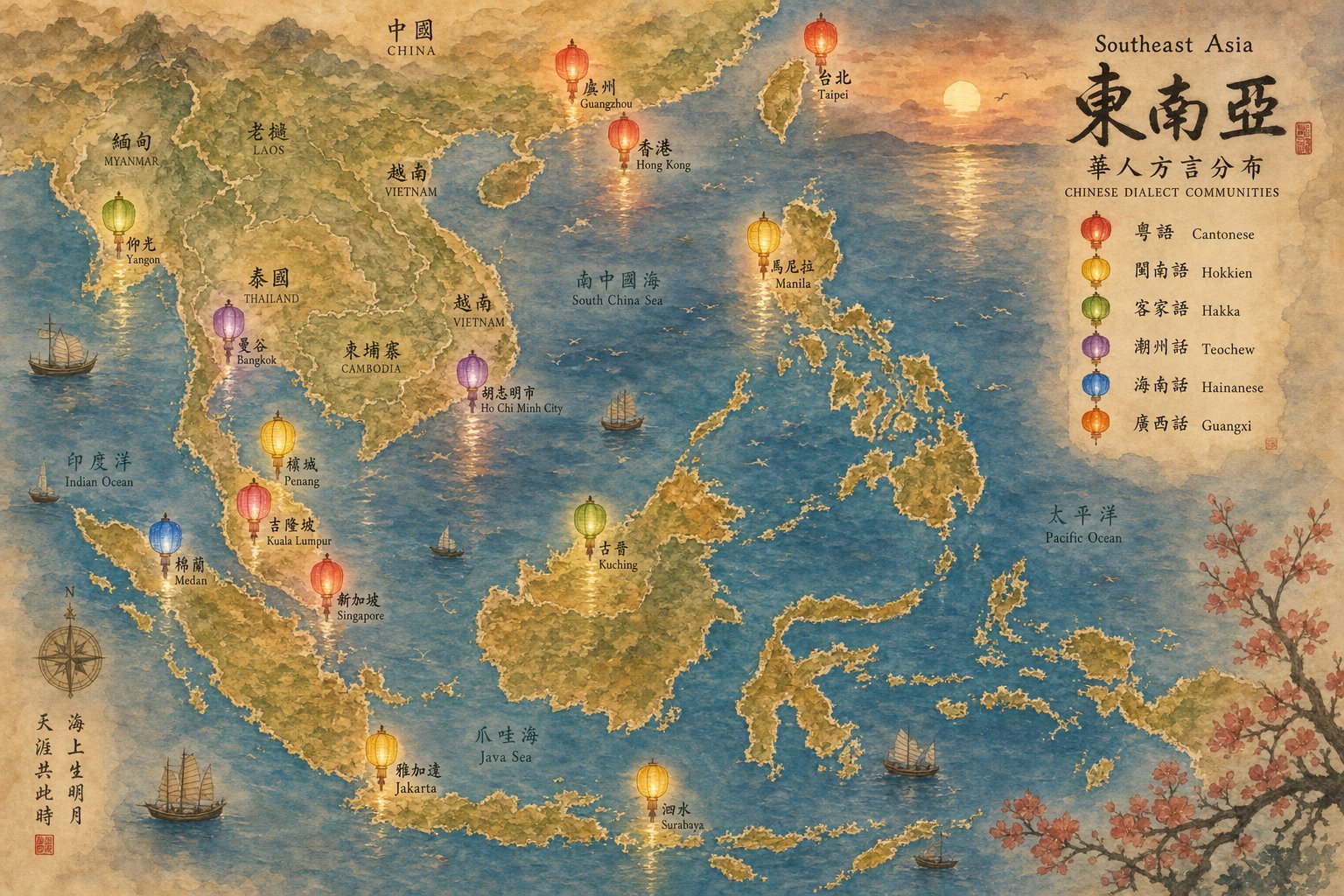
Romanization systems like Pinyin and Wade-Giles only account for Mandarin pronunciation. But millions of Chinese diaspora families don't trace their naming conventions to Mandarin at all. They speak Cantonese, Hokkien, Teochew, Hakka, or Hainanese, and each of these dialect groups produces a completely different English spelling for the exact same character 郑. This is the fourth-ranked source of confusion, and it's the one that hits hardest in Southeast Asia.
Consider this: if you've ever wondered how to pronounce Zheng and gotten conflicting answers, part of the reason is that native speakers of different Chinese dialects genuinely say it differently. The character doesn't change. The sound does. And when those sounds get written in English, you end up with spellings that look nothing alike.
How Cantonese Speakers Spell 郑
In Cantonese, 郑 is pronounced with a "j" onset and a low falling tone. The Jyutping romanization system writes it as "zeng6." In practice, Cantonese speakers in Hong Kong and Guangdong typically romanize their surname as "Cheng" or occasionally "Jeng" on identity documents.
This creates an immediate collision. A Cantonese person surnamed 郑 who writes "Cheng" looks identical on paper to a Mandarin speaker surnamed 程 (Chéng) using Pinyin. Both appear as "Cheng" in English, yet they carry different characters, different tones, and different ancestral lineages. The only clue is context: if the person has Cantonese heritage and their family originates from Guangdong or Hong Kong, "Cheng" almost certainly represents 郑 rather than 程.
This same pattern applies to the chan last name, where Cantonese speakers write 陳 as "Chan" while Mandarin speakers write it as "Chen." The dialect determines the spelling, not the character itself.
Hokkien, Teochew, and Hakka Variants
Move beyond Cantonese and the spellings diverge even further from anything resembling "Zheng" or "Cheng":
- Hokkien (Fujian/Taiwan) - 郑 is pronounced roughly as "Tay" or "Teh" in the Southern Min dialect. This is the dominant spelling among Chinese-Singaporeans and Chinese-Malaysians with Hokkien roots.
- Teochew (Chaozhou) - Closely related to Hokkien, Teochew renders 郑 as "Teh" or "Te." Teochew communities are concentrated in eastern Guangdong, Thailand, and parts of Malaysia.
- Hakka - 郑 becomes "Chang" or "Tsang" in Hakka pronunciation. This is common in parts of Guangdong, Jiangxi, and among Hakka diaspora communities in Sabah (Malaysian Borneo) and Mauritius.
- Hainanese - On Hainan Island and in Hainanese diaspora communities across Southeast Asia, 郑 is romanized as "Dang" or "Tang."
Imagine trying to search for relatives when one branch spells the family name "Tay," another writes "Cheng," and a third uses "Zheng." All three are the same character, the same clan, the same lineage. The spelling gap exists purely because their ancestors settled in regions where different dialects dominated. It's similar to how people debate how to zheng he pronounce the famous admiral's name: the answer shifts depending on whether you're using Mandarin, Cantonese, or Hokkien conventions.
The Southeast Asian Diaspora Spelling Map
In countries like Singapore, Malaysia, Indonesia, and the Philippines, surname spellings were typically fixed during colonial-era registration. Officials recorded names based on how they sounded in the speaker's native dialect, not based on any standardized system. Those spellings then became permanent legal identities passed down through generations.
Here's how 郑 appears across different dialect communities and regions:
| Dialect Group | Romanization of 郑 | Regions Where Common |
|---|---|---|
| Mandarin (Pinyin) | Zheng | Mainland China (post-1979), international contexts |
| Mandarin (Wade-Giles) | Cheng | Taiwan, pre-1979 documents globally |
| Cantonese | Cheng / Jeng | Hong Kong, Macau, Guangdong, older Malaysian records |
| Hokkien | Tay / Teh | Singapore, Malaysia (Penang, Malacca), Philippines, Taiwan |
| Teochew | Teh / Te | Thailand, Malaysia (Johor), Cambodia |
| Hakka | Chang / Tsang | Malaysia (Sabah), Mauritius, parts of Guangdong and Jiangxi |
| Hainanese | Dang / Tang | Hainan, Malaysia, Singapore (smaller community) |
As the Asia Media Centre notes, in places with a sizeable Chinese diaspora like Singapore and Malaysia, the way a family name is spelled acts as a signifier of the region a person's ancestors come from. A Singaporean named "Tay" is understood to have Hokkien heritage, just as someone with the chung name origin in their family likely traces back to a Cantonese or Hakka-speaking community where 鍾 or 鄭 took that particular form.
This also explains why you'll encounter the famous Ming dynasty navigator's name written multiple ways. People often ask how to zheng he pronounce correctly, but the "correct" pronunciation depends on dialect. In Hokkien-dominant regions of Southeast Asia, his name might be rendered closer to "Teh Ho" rather than the Mandarin "Zheng He."
Pros of Dialect-Based Romanization
- Preserves cultural and linguistic heritage specific to each family's dialect group
- Acts as a built-in identifier of ancestral region and migration history
- Maintains continuity with legal documents, property records, and family registrations spanning generations
- Reflects actual pronunciation within the community rather than imposing a Mandarin standard
Cons of Dialect-Based Romanization
- Makes cross-dialect family searches extremely difficult since the same surname appears under completely different spellings
- Creates confusion in international contexts where only Pinyin is expected
- Genealogy databases often fail to connect "Tay," "Cheng," and "Zheng" as variants of the same character
- Younger generations may not know which Chinese character their romanized surname represents
The trade-off is real. Dialect spellings carry identity and history in every letter, but they fracture searchability. A researcher looking for all 郑 descendants in Malaysia would need to search "Cheng," "Tay," "Teh," "Chang," and "Dang" separately, with no guarantee that databases link these variants together.
Dialect heritage doesn't just affect how the name is spelled. It also correlates strongly with where families settled, both within China and across the diaspora. Those geographic patterns form the fifth and final major difference between Zheng and Cheng surname bearers.
Geographic Distribution and Migration Patterns
Dialect heritage and geography are deeply intertwined. The reason Hokkien spellings dominate in Singapore while Cantonese spellings dominate in Hong Kong isn't random. It reflects centuries of migration from specific Chinese provinces to specific overseas destinations. This fifth-ranked difference, geographic distribution, explains why certain spellings cluster in certain parts of the world and why 郑 and 程 families rarely overlap on the map.
Where Zheng Families Are Concentrated
The surname 郑 (Zheng) has its strongest presence along China's southeastern coast. MyChinaroots genealogy data confirms that most Zhengs who left China and settled overseas in the past 400 years likely came from the provinces of Guangdong and Fujian. Within China, the highest concentrations appear in:
- Fujian Province - The historical heartland of overseas Zheng migration, particularly to Southeast Asia. Hokkien-speaking Zhengs from Fujian became the "Tay" and "Teh" families of Singapore and Malaysia.
- Zhejiang Province - A secondary concentration zone, with Zheng families historically prominent in cities like Wenzhou and Taizhou.
- Guangdong Province - Cantonese-speaking Zhengs from this region became the "Cheng" families of Hong Kong and older Malaysian communities.
- Henan Province - The ancestral origin point, where the State of Zheng once stood. While many families migrated south over centuries, a significant population remains.
This coastal concentration is no accident. Fujian and Guangdong were the primary departure points for Chinese emigration to Southeast Asia from the 16th century onward. Families surnamed 郑 who lived near ports had access to maritime trade routes connecting to the Philippines, the Malay Peninsula, and the Indonesian archipelago.
Where Cheng Families Are Most Common
The surname 程 (Cheng) follows a distinctly different geographic pattern. Its population centers sit further inland, concentrated in central China's river valleys rather than the southeastern coast:
- Anhui Province - The strongest concentration of 程 families in China, particularly in the southern Anhui region historically known as Huizhou.
- Henan Province - Where the original Cheng fief was located, the surname maintains a steady presence across the province's central plains.
- Hubei Province - Along the middle Yangtze River, 程 families have been established since the Tang dynasty.
- Jiangxi Province - A secondary cluster, often linked to migration from Anhui during the Song and Ming dynasties.
A study published in the American Journal of Physical Anthropology analyzing 1.28 billion Chinese citizens found that surname distributions in southern coastal provinces (where 郑 dominates) exhibit more power-law-like patterns, indicating long-term population isolation and less mixing. Central provinces along the Yangtze basin (where 程 is more common) show higher surname diversity driven by centuries of internal migration. These statistical patterns confirm that 郑 and 程 occupy fundamentally different demographic niches within China.
| Feature | 郑 (Zheng) | 程 (Cheng) |
|---|---|---|
| Primary Provinces | Fujian, Zhejiang, Guangdong | Anhui, Henan, Hubei |
| Geographic Character | Southeastern coast | Central inland river valleys |
| Terrain | Coastal, mountainous hinterland | Plains and river basins |
| Main Diaspora Destinations | Singapore, Malaysia, Philippines, Indonesia | Less overseas migration historically |
| Dominant Dialect in Diaspora | Hokkien, Cantonese, Teochew | Mandarin (limited diaspora presence) |
| Overseas Spelling Variants | Tay, Teh, Cheng, Dang, Chang | Cheng (primarily Pinyin) |
Migration Patterns and Modern Distribution
The geographic split between these surnames explains a practical reality for researchers: if you encounter "Cheng" in Southeast Asian records, it's far more likely to represent 郑 (via Cantonese or Wade-Giles) than 程. The 程 surname simply didn't produce large overseas communities because its population centers were inland, far from the emigration ports of Xiamen, Shantou, and Guangzhou.
This pattern also clarifies why the chung surname and its variants (often representing 鍾 or 钟) appear frequently in Cantonese diaspora communities alongside 郑. Both surnames have strong roots in Guangdong, and both migrated along the same maritime routes. Understanding the chung surname origin alongside Zheng helps researchers distinguish between Cantonese-origin families whose names look similar in English but carry different characters.
Meanwhile, notable individuals like computer vision researcher Zheng Zhang illustrate how modern Pinyin has standardized the spelling for mainland-origin bearers of 郑 and 张 alike, while older diaspora communities retain their dialect-based forms. The coexistence of these spelling traditions across generations means that geographic context remains one of the most reliable clues for identifying which character a romanized surname represents.
These five differences, character identity, romanization systems, historical origins, dialect variation, and geographic distribution, interact with each other in ways that can make a single family's records look like they belong to five different people. Pulling all of these threads together into one reference framework makes the full picture easier to navigate.
Complete Comparison Summary at a Glance
Five differences. Three characters. Dozens of possible English spellings. When you're staring at a stack of family documents or scrolling through a genealogy database, you need a single reference point that pulls everything together. That's what this section provides.
Complete Side-by-Side Comparison Table
The table below consolidates every major distinction covered in this article into one matrix. Whether you're trying to confirm a relative's lineage or decode an old immigration record, start here:
| Distinction | 郑 (Zhèng) | 程 (Chéng) | 成 (Chéng) |
|---|---|---|---|
| Chinese Character | 郑 (traditional: 鄭) | 程 | 成 |
| Pinyin Spelling | Zheng | Cheng | Cheng |
| Wade-Giles Spelling | Cheng | Ch'eng | Ch'eng |
| Tone | 4th (falling) | 2nd (rising) | 2nd (rising) |
| Meaning | Ancient state name (Henan) | Journey, procedure, standard | To become, to accomplish |
| Historical Origin | State of Zheng, 806 BC; founded by Ji You, brother of King Xuan of Zhou | Fief of Cheng granted to Xiu Fu by King Xuan of Zhou; secondary origin in state of Jin | Multiple origins: fiefs in Henan and Shandong granted by Zhou kings; also from state of Chu officials |
| Primary Provinces in China | Fujian, Zhejiang, Guangdong | Anhui, Henan, Hubei | Scattered; no single dominant region |
| Cantonese Romanization | Cheng / Jeng | Ching | Sing / Shing |
| Hokkien Romanization | Tay / Teh | Thia / Thiann | Sian / Chiann |
| Hakka Romanization | Chang / Tsang | Chin | Shin |
| Major Diaspora Presence | Singapore, Malaysia, Philippines, Indonesia | Limited overseas migration | Minimal overseas presence |
| Approximate Rank in China | 21st | 44th | ~156th |
Notice how 郑 generates the widest variety of English spellings across dialect groups, while 程 and 成 remain relatively stable in romanization. This is because 郑 bearers migrated heavily to Southeast Asia, where dialect-based naming conventions locked in spellings like "Tay," "Cheng," and "Chang" across different communities. If you've ever researched the eng last name origin in Southeast Asian records, you may have encountered yet another truncated variant where colonial-era clerks shortened dialect pronunciations even further.
Quick Reference for Document Identification
Here's where the confusion becomes tangible. Imagine a single person surnamed 郑 who holds documents from different countries. Their name could appear differently on every single one:
| Document Type | Country / Region | Name as Printed | Romanization System Used |
|---|---|---|---|
| Passport | People's Republic of China | ZHENG | Hanyu Pinyin |
| Passport | Taiwan (ROC) | CHENG | Wade-Giles |
| Identity Card (IC) | Singapore | TAY | Hokkien dialect romanization |
| Identity Card (IC) | Malaysia | TEH | Hokkien/Teochew dialect romanization |
| Identity Card | Hong Kong | CHENG | Cantonese romanization |
| Historical Record | Philippines | DY / TIU | Hokkien via Spanish colonial transcription |
Six documents. Six different spellings. One person. One character. This scenario isn't hypothetical. It reflects the lived reality of diaspora families whose members hold citizenship or residency across multiple countries. Someone researching the last name Chang in their family records might discover it represents 郑 through Hakka romanization, or 張 through Wade-Giles, or an entirely different character depending on the dialect and era involved.
The same fragmentation affects anyone trying to trace the eng last name origin in older records, where shortened or adapted spellings were common during colonial registration. A clerk in British Malaya or the Dutch East Indies might have recorded only the final syllable of a dialect pronunciation, creating variants that look nothing like the original character.
This is also why questions about zheng he pronunciation persist. The famous admiral's name (鄭和) appears as "Cheng Ho" in older English texts, "Zheng He" in modern Pinyin, and something closer to "Teh Ho" in Hokkien-speaking communities. Same person, same characters, completely different English renderings depending on the system and dialect in play.
The English spelling alone cannot tell you which surname someone has. Always confirm the Chinese character.
This principle applies whether you're filling out paperwork at a consulate, searching genealogy databases, or simply trying to figure out if two relatives with different-looking surnames actually share the same lineage. The character is the anchor. Everything else is a translation artifact shaped by history, geography, and dialect.
With the full picture now consolidated, the practical question becomes: what do you actually do with this information? How do you trace your own surname back to its correct character when all you have is an English spelling and a few old family stories?
Final Recommendations for Identifying Your Surname
You've seen how a single character can fracture into half a dozen English spellings depending on era, dialect, and geography. The question now is personal: how do you figure out which character your family actually carries? Whether you're starting from scratch or trying to verify a hunch, these steps will get you closer to a definitive answer.
How to Determine Which Character Your Surname Uses
If all you have is an English spelling like "Cheng" or "Tay" and no Chinese documents in hand, don't worry. Most families retain clues even when the language itself has been lost across generations. Here's a practical sequence to follow:
- Ask elder family members for the Chinese character directly. Even relatives who don't read Chinese may recognize the character visually or remember it from ancestral tablets, wedding invitations, or New Year decorations. Show them 郑, 程, and 成 side by side and ask which one looks familiar. Sometimes a grandparent who "doesn't know Chinese" can still point to the right character on sight.
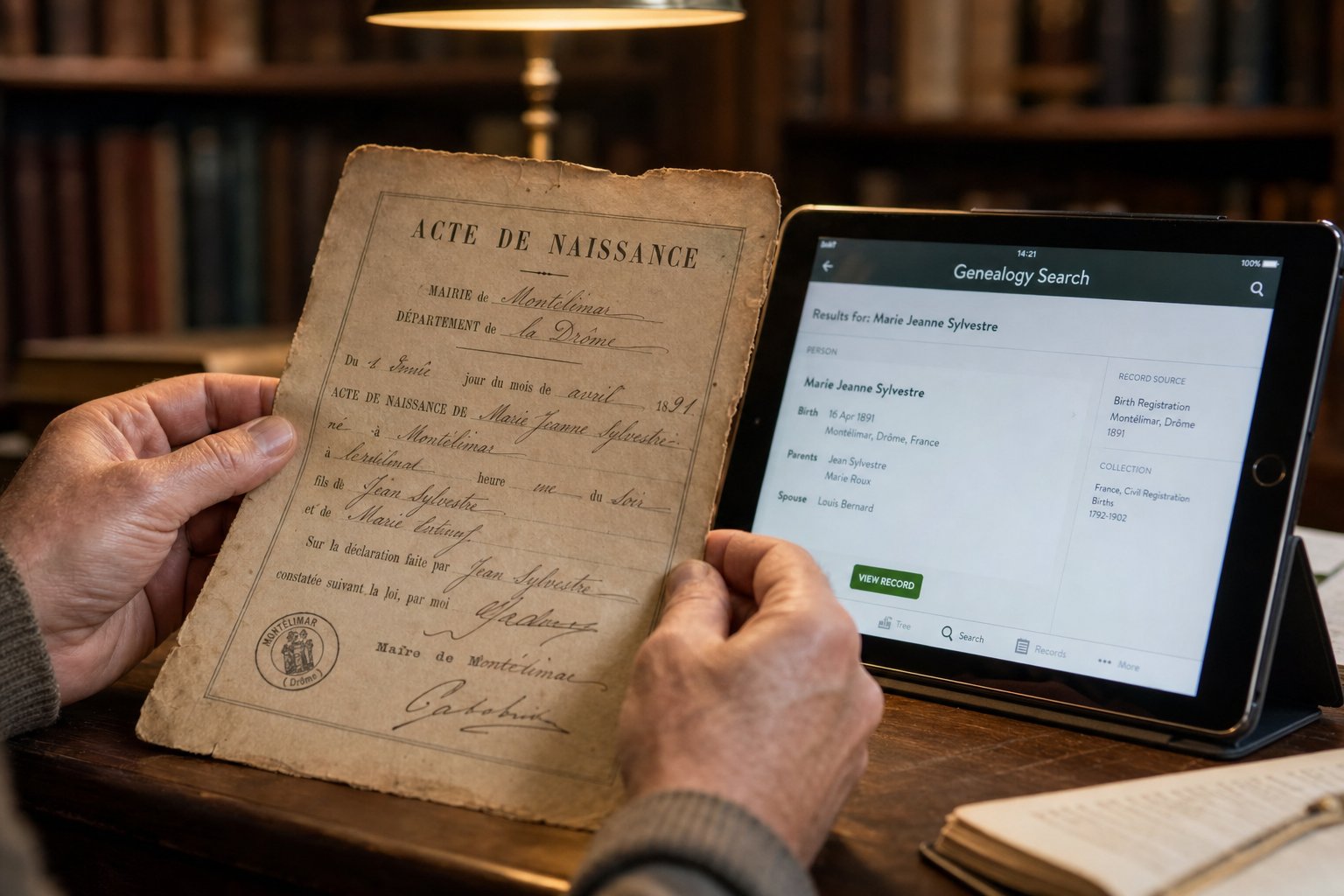
- Check old family documents and ancestral tablets. Tombstones, ancestral hall plaques, old letters, immigration papers, and certificates of residence often include Chinese characters alongside English text. As Legacy Tree Genealogists notes, graves and tombstones with Chinese inscriptions are one of the most reliable sources for confirming an ancestor's name and hometown in characters. Even a single photograph of a headstone can resolve decades of spelling confusion.
- Search genealogy databases using the Chinese character rather than the romanized spelling. Platforms like FamilySearch, MyChinaroots, and China's zupu (族谱) archives all support character-based searches. Typing 郑 into a database will return results that a search for "Cheng" or "Tay" or "Zheng" individually never could, because the character unifies all dialect variants under one identity. The word for family in Mandarin, 家 (jia), appears throughout these clan records, and even basic character recognition can help you navigate them.
- Consider your dialect group and region of origin. If your family came from Fujian and spells the name "Tay," that's almost certainly 郑. If your ancestors were from Anhui and spell it "Cheng," the character is likely 程. The geographic and dialect tables from earlier in this article serve as a decoder ring. Knowing whether your family spoke Hokkien, Cantonese, Hakka, or Mandarin narrows the possibilities dramatically.
- Use era-based heuristics for old documents. A pre-1979 mainland Chinese document showing "Cheng" is probably 郑 in Wade-Giles. A post-1979 document showing "Cheng" is probably 程 in Pinyin. A Taiwan document showing "Cheng" from any era is likely 郑 under Wade-Giles conventions. Date and origin together eliminate most ambiguity.
Tips for Genealogy Researchers Using Chinese Records
If you're digging into clan records or historical archives, a few additional strategies will save you hours of misdirected searching:
- Search multiple spelling variants simultaneously. When looking for 郑 descendants across diaspora records, search "Zheng," "Cheng," "Tay," "Teh," "Chang," and "Dang" as a set. No single spelling captures the full family.
- Cross-reference with the chen surname origin and other common names. In older records, clerks sometimes confused 郑 (Zheng/Cheng) with 陈 (Chen/Chan) due to similar sounds. If a record doesn't match your expected lineage, check whether a transcription error swapped one surname for another.
- Look for generation poems (字辈). Many Chinese clans assigned a specific character to each generation's given names. If you can identify the generation character in your family, it confirms which clan genealogy (zupu) your line belongs to, regardless of how the surname got spelled in English.
- Use the Family History Library's Chinese collection as a starting point if you're in the United States. Their microfilmed clan records, gazetteers, and the China Vital Records Index are searchable by character and can connect romanized names back to specific villages.
When to Search by Character Instead of Romanization
The short answer: always, when possible. Romanized spellings are useful for finding documents created in English-speaking contexts, like immigration records, naturalization papers, or school enrollments. But for anything originating in China, Taiwan, or Chinese-community archives in Southeast Asia, the character is your primary search key.
This applies equally whether you're researching the last name Tsai origin (蔡 in Wade-Giles), tracing a Zhen Zhang connection (potentially 郑 or 张 depending on context), or trying to confirm whether your family's "Cheng" is 郑, 程, or 成. The romanization is a translation artifact. The character is the identity.
Understanding the five differences between these surnames isn't just academic. It's the difference between connecting with your actual ancestral lineage and accidentally grafting your family onto someone else's tree. Every spelling variant, every romanization system, every dialect pronunciation points back to a single Chinese character that carries your family's entire history within its strokes. Find that character, and the rest of your research falls into place.
Frequently Asked Questions About Zheng vs Cheng Surnames
1. Are Zheng and Cheng the same surname?
Not necessarily. Zheng and Cheng can represent entirely different Chinese characters with separate ancestral lineages. The character 郑 (Zheng in Pinyin) was romanized as 'Cheng' under the older Wade-Giles system, which creates overlap with 程 (Cheng in Pinyin), a completely unrelated surname. A third character, 成 (also Cheng), adds further ambiguity. The only reliable way to determine whether two people share the same surname is to confirm the original Chinese character, since English spellings alone cannot distinguish between these three distinct family lines.
2. Why does the same Chinese surname appear with different English spellings?
Multiple romanization systems and Chinese dialect groups produce different English spellings for identical characters. For example, 郑 appears as 'Zheng' in Hanyu Pinyin (post-1979 mainland China), 'Cheng' in Wade-Giles (Taiwan and pre-1979 documents), 'Tay' or 'Teh' in Hokkien (Singapore and Malaysia), and 'Chang' in Hakka communities. Colonial-era registration practices in Southeast Asia permanently fixed dialect-based pronunciations as legal surnames, creating a situation where one family can have six different spellings across different countries.
3. How can I find out which Chinese character my surname represents?
Start by asking elder family members if they recognize the character visually. Check ancestral tablets, tombstones, old wedding invitations, or immigration documents that may include Chinese text alongside English. Your family's dialect group and province of origin are strong indicators: Hokkien-speaking families from Fujian who spell their name 'Tay' almost certainly carry 郑, while families from Anhui spelling it 'Cheng' likely carry 程. For old documents, use the 1979 date as a heuristic: pre-1979 mainland documents showing 'Cheng' probably represent 郑 in Wade-Giles.
4. What is the origin of the Zheng (郑) surname?
The surname 郑 traces back to 806 BC when King Xuan of Zhou granted his younger brother Ji You a fief that became the State of Zheng in present-day Henan province. Ji You is known posthumously as Duke Huan of Zheng and is recognized as the progenitor of all 郑 surname bearers. After the state was conquered by Han in 375 BC, its citizens adopted the state name as their family name. Today 郑 ranks as the 21st most common surname in mainland China, with concentrations in Fujian, Zhejiang, and Guangdong provinces.
5. Should I search genealogy databases using Chinese characters or English spellings?
Always use the Chinese character when searching databases that support it, such as FamilySearch, MyChinaroots, or Chinese zupu archives. A character-based search for 郑 will return results across all dialect spellings simultaneously, something impossible when searching 'Zheng,' 'Cheng,' 'Tay,' and 'Teh' separately. Reserve English spelling searches for documents created in English-speaking contexts like immigration records or naturalization papers. For comprehensive results, search multiple romanized variants as a set alongside the character-based query.