What Chinese Character Meaning Really Tells You
When you look at the letter "B" in English, it tells you nothing about meaning. It represents a sound, and that sound only becomes meaningful when combined with other letters to form a word. Chinese characters work on an entirely different principle. Each chinese symbol is a self-contained unit of meaning, built from components that signal what the character is about before you even know how to pronounce it.
Chinese character meaning is encoded through structural components—radicals, phonetic elements, and pictographic roots—that together convey semantic information within each symbol.
What Chinese Characters Are and Why Meaning Is Built Into Their Structure
So what are chinese writing symbols called? They are known as Hanzi, a logosyllabic writing system where each character represents one syllable and one morpheme, or minimal unit of meaning. Unlike alphabetic scripts that map letters to sounds, the chinese writing system maps visual structure to semantic content. The character 山 (mountain) still echoes the shape of peaks. The character 日 (sun) traces back to a circle representing the solar disc. Meaning lives inside the form itself.
This is what makes chinese symbols and meanings inseparable. A character is not an arbitrary label slapped onto a concept. Its internal parts, its radicals and phonetic elements, give you real clues about what it refers to and how it relates to other characters in the same family.
Why Chinese Characters Are Not an Alphabet
People sometimes ask what are chinese symbols called, expecting an answer like "letters." But chinese characters are not letters. An alphabet breaks language into individual sounds. English uses 26 letters to spell out pronunciation, and meaning only emerges from the full sequence. Chinese does the opposite: each character delivers meaning directly, with pronunciation as a secondary layer.
This distinction matters for learners. If you approach chinese characters as random drawings to memorize one by one, the task feels impossible. But once you see that meaning is systematically built into their structure through recurring components, the system reveals its logic. You stop memorizing and start decoding.
That decoding process starts with one key building block: the radical.
How Radicals Reveal a Character's Meaning
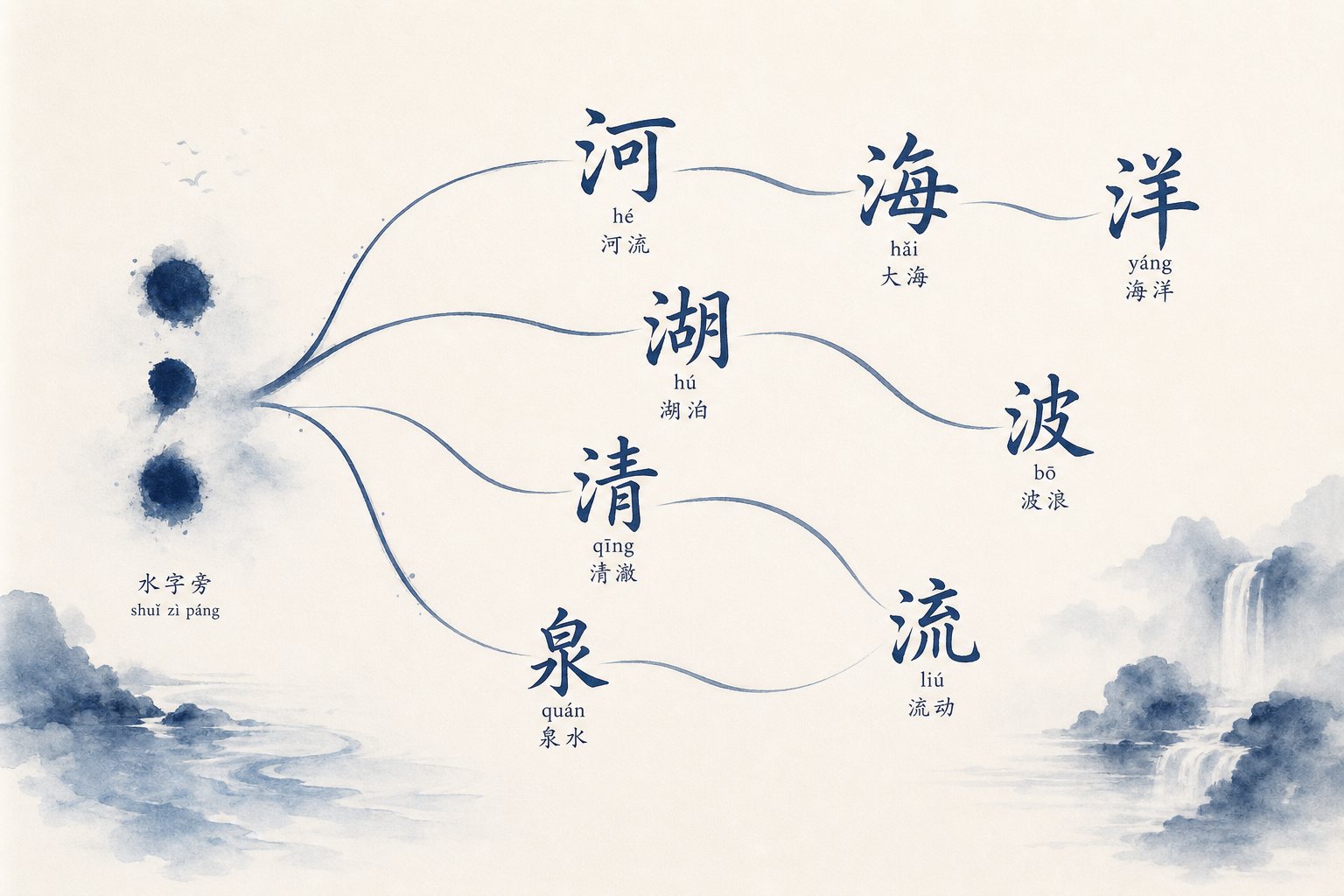
Imagine you encounter an unfamiliar character and, without knowing its pronunciation or having seen it before, you can already tell it has something to do with water. That is exactly what radicals let you do. A radical is a recurring component inside a character that signals its semantic category, essentially tagging it with a meaning domain. Spot the three-dot water radical 氵on the left side of any character, and you immediately know the character relates to liquid, flow, or moisture in some way.
The traditional classification system, known as the Kangxi radical system, organizes all chinese characters into 214 radicals. These 214 building blocks act as a filing system for the entire language. Every character in a Chinese dictionary is indexed under one of these radicals, which means every single character carries at least one semantic tag built into its structure.
Not every radical is equally useful, though. Some appear in thousands of characters while others show up in only a handful. The practical payoff comes from learning the most frequent ones first. Once you recognize even ten common radicals, you'll notice chinese character meanings start to feel less random and more like a system of labeled categories.
How Radicals Signal Meaning Categories
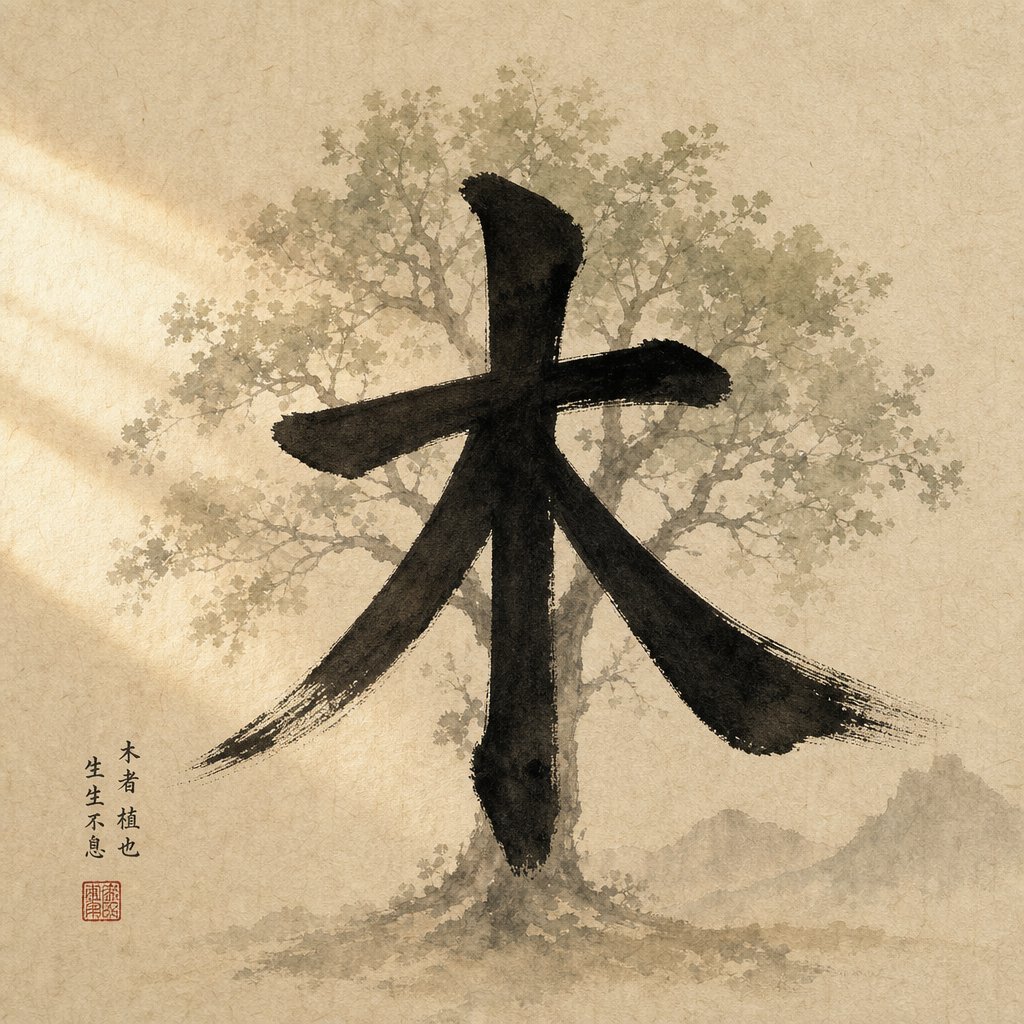
Here is how the pattern works in practice. The water radical 氵appears in 河 (river), 湖 (lake), 洗 (wash), 海 (ocean), and 江 (river). Every one of these characters relates to water. The wood radical 木 appears in 树 (tree), 林 (forest), 桌 (table), 根 (root), and 本 (origin, from the base of a tree). Every one connects back to wood or plant material.
This is not coincidence. It is the core logic of how chinese characters and meanings are linked. The radical functions like a category label embedded directly into the character's visual form. When you encounter a character you have never seen before, identifying its radical narrows the possibilities dramatically. You may not know the exact definition yet, but you already know the neighborhood it lives in.
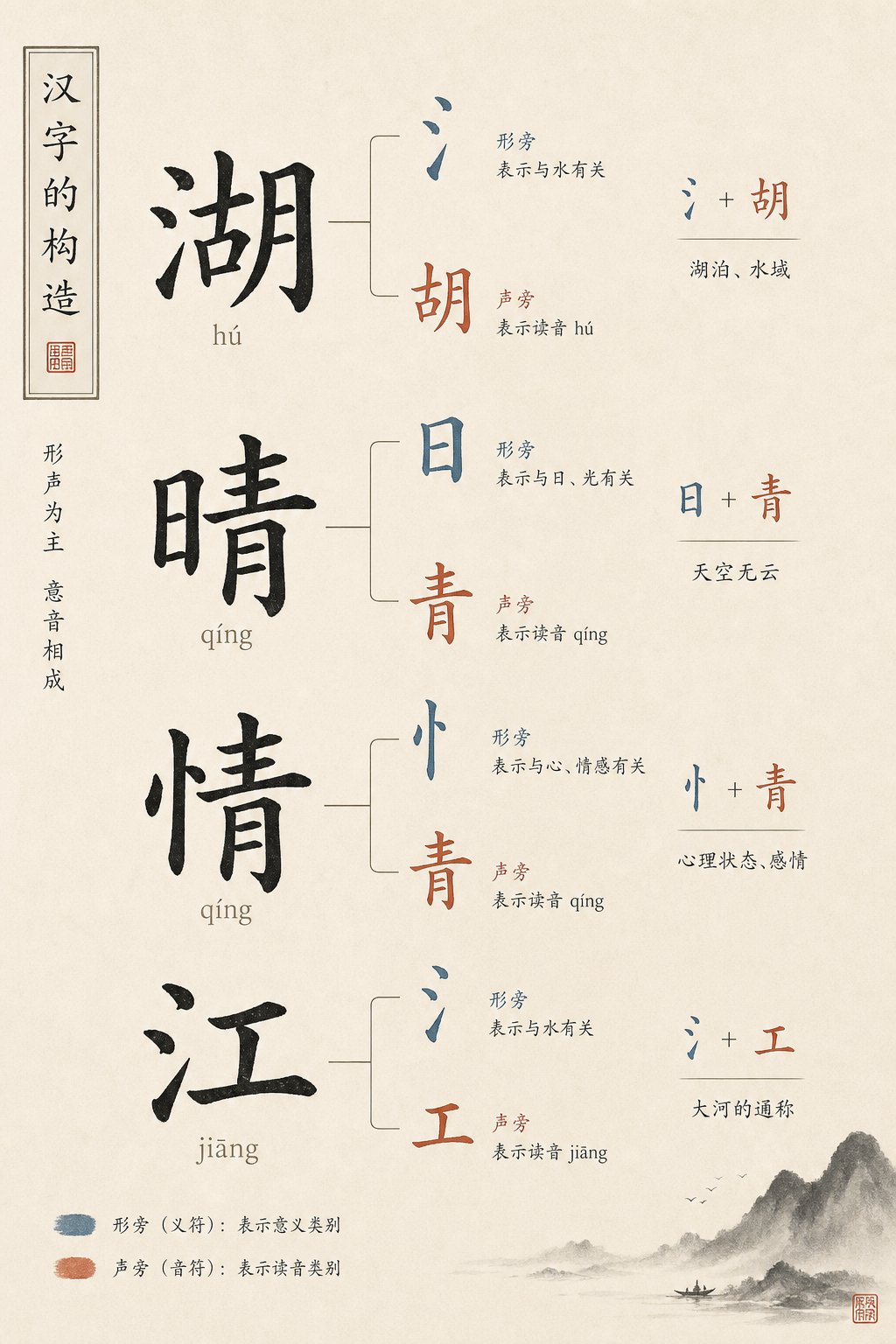
Radicals typically sit in predictable positions. Most semantic radicals appear on the left side or at the bottom of a character. The remaining portion, usually on the right, often provides a phonetic hint about pronunciation. This left-right split between meaning and sound is the structural backbone of the majority of chinese characters with meaning encoded in their components.
The Most Common Radicals and Their Semantic Domains
You do not need to memorize all 214 radicals to start decoding characters. The table below covers some of the most productive ones, each appearing in dozens or even hundreds of characters. Study these, and you will have a head start on recognizing the meaning domain of a large portion of all chinese characters you encounter in daily reading.
| Radical | Meaning Domain | Example Characters |
|---|---|---|
| 氵(shuǐ) | Water, liquid, flow | 河 (river), 湖 (lake), 洗 (wash) |
| 木 (mù) | Wood, trees, plants | 树 (tree), 林 (forest), 桌 (table) |
| 火 / 灬 (huǒ) | Fire, heat, cooking | 灯 (lamp), 炎 (flame), 热 (hot) |
| 心 / 忄 (xīn) | Heart, emotions, mind | 忆 (remember), 忙 (busy), 快 (happy/fast) |
| 讠(yán) | Speech, language, words | 说 (speak), 话 (speech), 语 (language) |
| 金 / 钅 (jīn) | Metal, minerals | 银 (silver), 钟 (bell/clock), 钥 (key) |
| 人 / 亻 (rén) | Person, human activity | 你 (you), 他 (he), 仙 (immortal) |
| 女 (nǚ) | Woman, female | 妈 (mother), 好 (good), 姓 (surname) |
| 土 (tǔ) | Earth, ground, land | 地 (ground), 城 (city), 型 (model) |
| 目 (mù) | Eye, sight, vision | 看 (look), 眠 (sleep), 盲 (blind) |
Notice the pattern: every character in a row connects back to the radical's core meaning. 忆 (remember), 忙 (busy), and 快 (happy/fast) all involve mental or emotional states, which is why they carry the heart radical. 银 (silver), 钟 (clock), and 钥 (key) all involve metal objects, tagged by the metal radical.
This is the system hiding inside what many learners assume is random memorization. Radicals do not guarantee an exact definition, but they reliably point you toward the right semantic territory. Think of them as the first filter in decoding any unfamiliar character: they tell you what general category of meaning you are dealing with before you look anything else up.
Radicals reveal the "what" of a character's meaning. But a single character often carries more than one layer of information, from its ancient pictographic origin to the way its meaning shifts inside compound words. Those deeper layers are where the full picture comes together.
Understanding the Layers of Meaning in Chinese Characters
A radical tells you the general category. But character meaning in chinese goes deeper than a single tag. Every character is a stack of information, with each layer contributing something different to the full picture. When you learn to read all the layers at once, chinese character interpretation stops being guesswork and starts feeling like structured analysis.
Think of it this way: a single character is not flat. It has depth. Its ancient pictographic origin, its radical, its phonetic component, and the compounds it appears in each add a distinct dimension of meaning. Recognizing these layers gives you a framework you can apply to any character, whether you have seen it before or not.
The Four Layers of Meaning in Every Character
Here is the framework. Each layer answers a different question about the character:
- Pictographic origin — What ancient image did this character evolve from? Even characters that no longer look like pictures often trace back to a concrete visual concept carved into oracle bones thousands of years ago. This layer gives you a memory anchor.
- Radical/semantic signal — What meaning category does the radical assign? This is the layer covered in the previous section: the built-in tag that tells you the character's semantic neighborhood.
- Phonetic element — What does the remaining component tell you about pronunciation? In most compound characters, one part signals meaning (the radical) and another signals sound. But here is the interesting part: the phonetic element sometimes carries its own meaning that reinforces the character's definition.
- Contextual meaning — How does the character's meaning shift when it appears in different compound words? A character rarely operates alone in modern Chinese. Its meaning narrows, extends, or transforms depending on what character sits next to it.
This four-layer approach works for the majority of chinese characters meaning is built into. It is especially powerful for the roughly 80-90% of characters that follow the semantic-phonetic compound structure, where one component handles meaning and another handles sound.
People searching for chinese kanji meanings often discover that the same structural logic applies across both Japanese kanji and Chinese hanzi, since kanji originated from Chinese characters and retained these layered components.
A Complete Worked Example From Origin to Modern Usage
Let's walk through the character 清 (qīng), meaning "clear" or "pure," across all four layers.
Layer 1: Pictographic origin. The character connects to water at its root. Ancient forms show the concept of clarity tied to the visual image of clean, transparent water. The idea of purity begins with something you can literally see through.
Layer 2: Radical/semantic signal. The left side of 清 is 氵, the water radical. This immediately places the character in the water domain. Before you know anything else, you know this character relates to liquid, flow, or a quality of water.
Layer 3: Phonetic element. The right side is 青 (qīng), which means "green," "blue," or "nature's color." As a phonetic component, 青 tells you the character is pronounced qīng. But it does more than signal sound. The association with blue-green, the color of clear sky and clean water, reinforces the idea of purity. The phonetic element is not just a pronunciation tag here; it adds a semantic echo.
Layer 4: Contextual meaning. Watch how 清 shifts depending on its compound:
- 清水 (qīngshuǐ) — clean water. The meaning stays close to the literal: clear, pure liquid.
- 清楚 (qīngchu) — clear, understood. The meaning extends from physical clarity to mental clarity. Nothing about water remains; the concept has moved into the abstract.
- 清洁 (qīngjié) — clean, hygienic. The meaning narrows to cleanliness in a sanitary sense.
One character, four layers, multiple meanings depending on context. This is the chinese characters definition in action: not a fixed one-to-one translation, but a flexible unit whose core meaning bends and adapts.
You can apply this same four-layer analysis to any character. Identify the origin, read the radical, check the phonetic element for sound and possible meaning overlap, then look at how context shapes the final definition. The more you practice this framework, the more meaning in chinese characters reveals itself as systematic rather than arbitrary.
Of course, individual characters rarely stand alone in modern usage. Most Chinese words are compounds of two or more characters, and the way those characters combine creates entirely new meanings that neither character carries on its own.
How Character Meanings Combine in Chinese Words
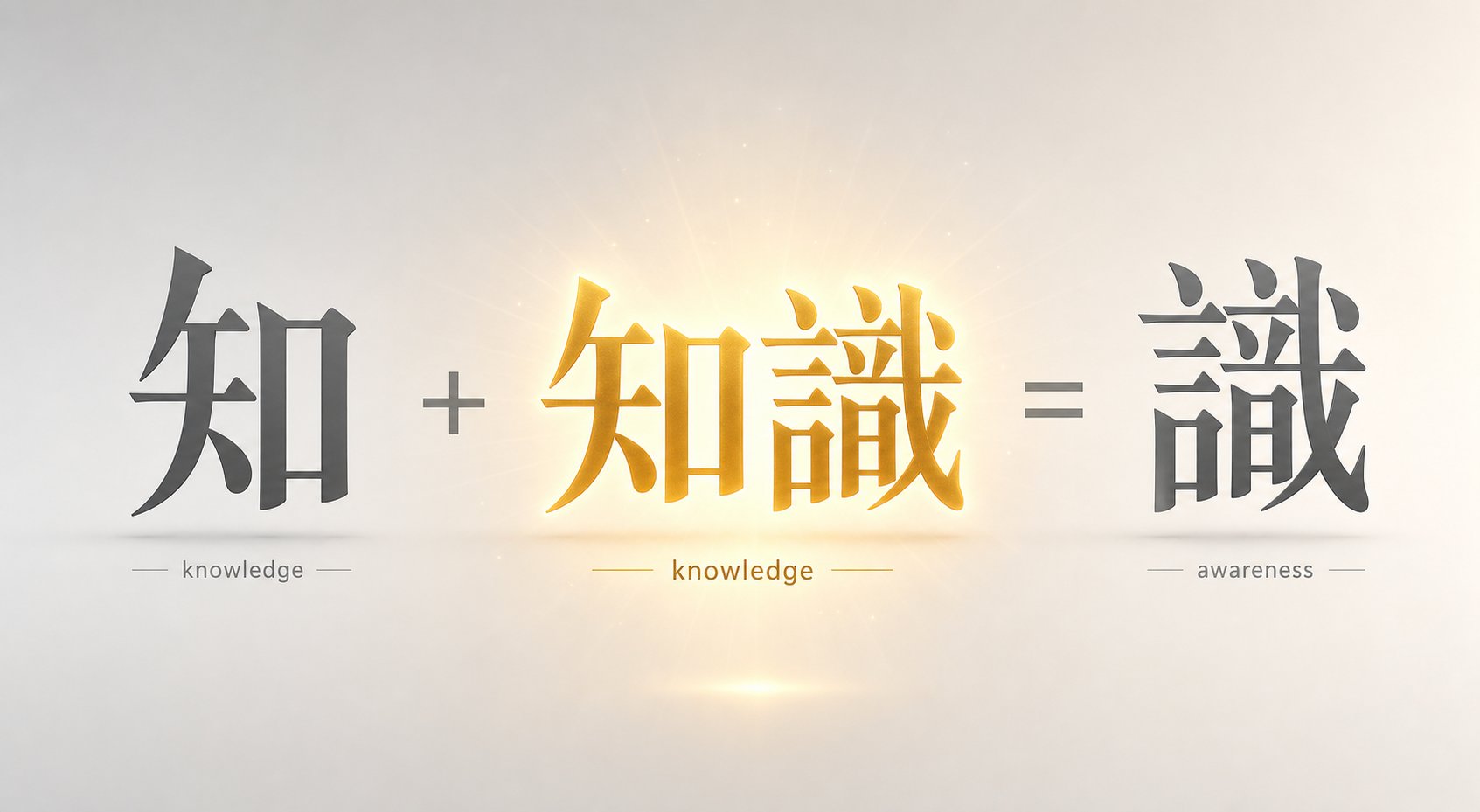
Knowing what a single character means is only half the story. In modern Chinese, most words are built from two characters placed side by side, and the resulting chinese word often means something neither character expresses alone. The character 电 means "electricity." The character 话 means "speech" or "conversation." Put them together as 电话, and you get "telephone": electric speech. The logic is visible once you know where to look.
This is what makes chinese words symbols and meanings so fascinating. Each compound is a tiny equation. Two known quantities combine to produce a third meaning that feels almost inevitable in hindsight. 火 (fire) + 车 (vehicle) = 火车 (train). 手 (hand) + 机 (machine) = 手机 (mobile phone). 电 (electricity) + 脑 (brain) = 电脑 (computer). The logic of word formation in Chinese follows patterns you can learn to predict.
How Two Characters Create New Meaning Together
When you find a chinese word you have never seen before, the individual characters inside it usually give you a strong clue about its meaning. This is fundamentally different from English, where breaking "telephone" into "tele" and "phone" requires knowledge of Greek roots most speakers do not have. In Chinese, the building blocks are characters you already know from other contexts.
But the combination is not always a simple sum. Sometimes two characters add together transparently. Sometimes one character extends the other into figurative territory. And sometimes the pairing narrows to a very specific referent that neither character points to on its own. Recognizing which pattern is at work helps you decode unfamiliar chinese word symbols faster and remember them longer.
Three Patterns of Meaning Combination in Compound Words
Compound words in Chinese follow three broad combination patterns:
- Additive — Both characters contribute their literal meanings, and the compound is a logical sum. 足 (foot) + 球 (ball) = 足球 (football/soccer). You can see the meaning directly.
- Metaphorical — One or both characters extend figuratively. 风 (wind) + 景 (scenery) = 风景 (landscape/view). Wind does not literally create scenery, but the pairing evokes the feeling of an open vista.
- Specialized — The characters narrow to a specific modern referent that goes beyond their individual meanings. 手 (hand) + 机 (machine) = 手机 (mobile phone). A "hand machine" could theoretically be many things, but usage has locked this compound to one meaning.
The table below makes these patterns visible across several common compounds. When you study chinese letters and meanings at the compound level, you will notice that most everyday vocabulary follows one of these three tracks.
| Character 1 | Meaning | Character 2 | Meaning | Compound | Compound Meaning | Pattern |
|---|---|---|---|---|---|---|
| 电 | electricity | 话 | speech | 电话 | telephone | Additive |
| 火 | fire | 车 | vehicle | 火车 | train | Specialized |
| 手 | hand | 机 | machine | 手机 | mobile phone | Specialized |
| 电 | electricity | 脑 | brain | 电脑 | computer | Metaphorical |
| 足 | foot | 球 | ball | 足球 | football/soccer | Additive |
| 风 | wind | 景 | scenery | 风景 | landscape | Metaphorical |
| 东 | east | 西 | west | 东西 | thing/stuff | Metaphorical |
| 大 | big | 衣 | clothes | 大衣 | overcoat | Specialized |
Notice how 东西 (east + west = thing) seems illogical at first glance. Yet this is a well-documented case where directional opposites merged into an abstract concept through centuries of usage. You cannot predict it from the parts alone, but once you know the compound, the characters still serve as memorable anchors. Even when the logic is not transparent, knowing the individual characters makes the word far easier to remember than a random string of strokes.
This is the key insight: a character's standalone meaning and its role inside a compound are related but not identical. The character 机 means "machine" or "mechanism" on its own, but inside 手机 it narrows to a very specific device. The character 脑 means "brain," but inside 电脑 it becomes a metaphor for processing power. Learning to read these shifts is what separates someone who memorizes vocabulary from someone who genuinely understands how chinese character meaning operates at the word level.
Still, compound logic only works smoothly when you start with accurate knowledge of each character's standalone meaning. And that is where many learners run into trouble, carrying assumptions about how characters work that quietly steer them in the wrong direction.
Common Misconceptions About Chinese Character Meaning
Assumptions shape how you learn. If you believe every character is a tiny drawing, you will try to find pictures where none exist. If you think each character maps to exactly one English word, you will hit a wall the moment context shifts its meaning. These misconceptions are not harmless. They actively slow learners down and make the system feel more chaotic than it actually is.
Below are four of the most persistent myths about how chinese character meaning works, paired with the reality that replaces each one.
Why Most Characters Are Not Pictures
This is the misconception that does the most damage early on. Introductory courses love showing how 山 looks like a mountain and 日 looks like a sun. The visual connection is satisfying, and it makes characters feel approachable. The problem? It creates the expectation that every character should be a recognizable picture.
- Misconception: Every Chinese character is a picture of the thing it represents.
Reality: Only about 5% of characters are purely pictographic. The vast majority, roughly 80%, are phonetic-semantic compounds where one component signals meaning (the radical) and another signals pronunciation (the phonetic element). The character 洋 (ocean) is not a picture of an ocean. It combines the water radical 氵with 羊 (sheep), which contributes its sound (yang) and nothing about its meaning. Expecting pictures everywhere leads to frustration and invented stories that do not hold up.
This matters because learners who cling to the pictographic model will struggle once they move past the first hundred or so basic characters. The sooner you shift to reading characters as radical-plus-phonetic structures, the sooner the system starts making sense at scale.
The Myth of One Character Equals One Meaning
English dictionaries give you a word and its definitions. It feels natural to expect the same from Chinese: one character, one meaning, done. But characters are more flexible than that.
- Misconception: Each character has one fixed meaning that stays constant everywhere it appears.
Reality: Most characters carry multiple meanings depending on context and compound usage. The character 快 can mean "fast," "happy," or "sharp" (as in a sharp blade). The character 打 has dozens of uses, from "hit" to "make a phone call" to "play" a sport. Meaning is not locked inside the character. It is activated by what surrounds it. As the previous section showed, the same character shifts its role dramatically from one compound to another.
- Misconception: Simplified and traditional chinese characters always differ in meaning.
Reality: Simplification changed the visual form of characters, not their meaning. The traditional 學 and the simplified 学 both mean "to learn." The traditional 國 and the simplified 国 both mean "country." China's script reform in the 1950s and 1960s reduced stroke counts to improve literacy rates, but the semantic content stayed intact. A learner of simplified characters and a learner of traditional chinese characters are accessing the same meanings through different visual forms.
This misconception sometimes discourages learners from studying one system because they fear it will not transfer to the other. In practice, the meaning layer is shared. The structural logic of radicals and phonetic components operates identically in both systems, even when the shapes look different on the surface.
- Misconception: Chinese has an alphabet, and you can count how many letters in chinese the same way you count 26 letters in English.
Reality: Chinese does not have an alphabet. Characters are not letters. A letter represents a sound. A character represents a morpheme, a unit of meaning. There is no answer to "how many letters in mandarin alphabet" because the question itself misunderstands the system. The total number of characters ever recorded exceeds 50,000, but that number is misleading. How many chinese characters are there that you actually need? Educated native speakers typically use between 3,000 and 4,000 in daily life. The HSK proficiency framework requires roughly 2,600 characters through its highest level. Functional literacy does not demand memorizing tens of thousands of symbols.
People asking how many characters are in the chinese alphabet are usually trying to gauge whether the task is achievable. The honest answer is reassuring: you do not need "all" of them. A working knowledge of 3,000 to 4,000 characters covers the vast majority of what you will encounter in newspapers, books, and everyday communication. And because those characters share a limited set of radicals and phonetic components, the learning curve flattens significantly once you internalize the structural patterns.
These four misconceptions share a common thread. They all treat characters as isolated, static objects rather than as flexible components inside a living system. Once you clear away these assumptions, the real question becomes practical: when you encounter a character you have never seen before, how do you figure out what it means using the structural clues built into it?
How to Figure Out What a Chinese Character Means
You are reading a sign, scanning a menu, or working through a text, and a character you have never studied appears. Your first instinct might be to reach for a dictionary or a chinese character recognizer app. But before you do, the character itself is already giving you information. The structural clues covered in previous sections are not just theory. They form a practical method you can apply in real time to any unfamiliar character.
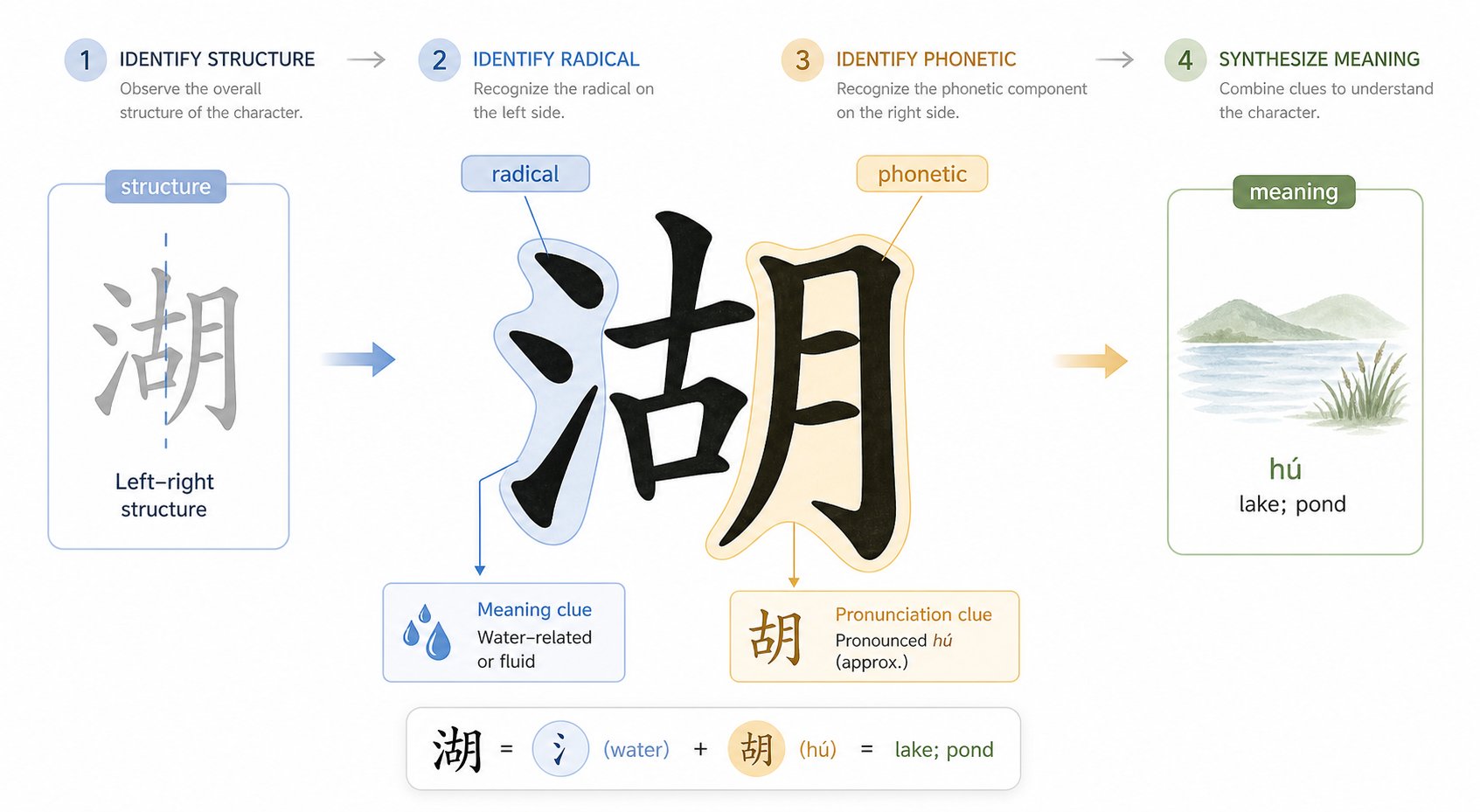
The next time you find yourself asking "what does this chinese character mean," try running through this four-step process before looking anything up.
A Step-by-Step Method to Decode Any Unfamiliar Character
- Identify the radical. Look at the left side of the character first. If nothing obvious appears there, check the bottom, the top, or the enclosing frame. The radical is usually the component that spans the full height or width of one side. Refer to the common radicals table from earlier sections to see if you recognize it.
- Determine the semantic domain. Once you spot the radical, ask: what category does this point to? Water? Emotion? Speech? Metal? This single step narrows the character's possible meaning from thousands of options down to a manageable cluster.
- Examine the remaining component. The non-radical part of the character often serves as a phonetic hint. Does it look like a character you already know? If so, the pronunciation may be similar. Sometimes this component also carries a secondary meaning that reinforces the radical's signal.
- Use context. Look at the characters surrounding it in the sentence or compound word. Even if steps one through three only give you a vague domain, context usually pins down the specific meaning.
Radical tells you WHAT domain, phonetic tells you HOW to say it, context tells you WHICH specific meaning.
This method works reliably for the roughly 80% of characters that follow the semantic-phonetic compound structure. For the remaining characters, pictographic or ideographic ones, the radical step alone often provides enough of a clue to make an educated guess.
Three Practice Examples With Full Analysis
Let's walk through three characters as if encountering them cold, applying each step in sequence.
Example 1: 泪 (lei)
Step 1: The left side shows 氵, the water radical. Step 2: Semantic domain is water or liquid. Step 3: The right component is 目, which means "eye." Step 4: Water from the eye. The meaning clicks: tears. This is a case where both components contribute meaning directly, making it almost transparent.
Example 2: 铜 (tong)
Step 1: The left side shows 钅, the metal radical. Step 2: Semantic domain is metal or minerals. Step 3: The right component is 同 (tong, meaning "same"), functioning here as a phonetic element. It tells you the pronunciation is tong. Step 4: A metal pronounced tong. The meaning is copper. The radical narrowed the domain, the phonetic gave you the sound, and together they point to a specific metal.
Example 3: 悟 (wu)
Step 1: The left side shows 忄, the heart/mind radical. Step 2: Semantic domain is emotion or mental activity. Step 3: The right component is 吾 (wu, meaning "I" or "self"), serving as a phonetic element. Step 4: A mental process pronounced wu, relating to the self. The meaning is "to realize" or "to awaken to understanding." The phonetic element subtly reinforces the idea of personal insight.
You will notice the method works cleanly when the character follows standard semantic-phonetic structure. It becomes less predictable with characters that have undergone heavy simplification or whose phonetic components have drifted far from their original pronunciation over centuries. In those cases, the radical still gives you the domain, but you may need to look up chinese symbols using a dictionary or a drawing-based tool to confirm the exact meaning.
If you encounter a character in the wild and cannot type it, many apps let you draw a chinese character directly on screen to identify it. This is especially useful when you are staring at a sign or handwritten note and thinking "what is this chinese symbol?" Drawing-based input acts as a chinese word identifier that bridges the gap between visual recognition and dictionary lookup.
The key takeaway: structural analysis is your first pass, not your only tool. It gives you a working hypothesis before you confirm with a reference. Over time, as you internalize more radicals and phonetic components, the hypothesis becomes accurate more often, and you find yourself needing the dictionary less and less.
This individual-character decoding skill becomes even more powerful when you start recognizing entire families of characters that share the same radical and therefore cluster around the same meaning domain.
Meaning Patterns Across Chinese Character Families
Decoding one character at a time is useful. But the real acceleration happens when you zoom out and see entire families of characters clustered around the same radical, all sharing a meaning domain. Suddenly, mandarin characters stop looking like thousands of unrelated symbols and start revealing themselves as variations on a limited set of themes.
Consider how many hanzi exist in total: estimates exceed 50,000. That number feels crushing until you realize those tens of thousands of characters are built from only 214 radicals. A single productive radical like 氵(water) generates nearly 1,600 characters in the Kangxi Dictionary alone. Learn one radical's meaning domain, and you have a head start on every character in its family.
Radical Families That Share a Meaning Domain
Each radical family is a cluster of characters that share a semantic thread. The table below groups five major families, showing how the radical tags every member with the same category of meaning. When you are learning mandarin chinese characters, recognizing these families turns unfamiliar characters into partially solved puzzles.
| Radical | Meaning Domain | Example Characters | Meanings |
|---|---|---|---|
| 氵(shuǐ) | Water, liquid, flow | 河, 海, 洗, 清, 浪 | river, sea, wash, clear, wave |
| 火 / 灬 (huǒ) | Fire, heat, energy | 灯, 炎, 热, 点, 然 | lamp, flame, hot, dot/light, burn/so |
| 心 / 忄(xīn) | Heart, emotion, mind | 忆, 忙, 快, 悟, 情 | remember, busy, happy/fast, realize, emotion |
| 讠(yán) | Speech, language, communication | 说, 话, 语, 讲, 识 | speak, speech, language, explain, recognize |
| 金 / 钅(jīn) | Metal, minerals, tools | 银, 钟, 钥, 铜, 铁 | silver, bell/clock, key, copper, iron |
Notice the consistency. Every character in the water family connects to liquid or flow. Every character in the heart family involves an emotional or mental state. Every character in the metal family names a metallic substance or an object made from metal. The radical is not decoration. It is a reliable semantic signal woven into the structure of each character.
Research published in Frontiers in Psychology found that learners who were explicitly taught semantic radicals could transfer that knowledge to infer meanings of unfamiliar characters they had never studied, even characters containing radicals they had not been directly taught. The pattern recognition skill itself transfers, not just the individual radical knowledge.
How Pattern Recognition Accelerates Character Learning
Here is why this matters practically. When you encounter an unknown character and spot the 讠radical on its left side, you already know it relates to speech or language. You have not looked it up yet, but the family membership narrows your guess to a specific domain. The same logic applies across all mandarin characters and meanings: identify the family, and you have decoded the first layer instantly.
This is what makes learning mandarin chinese characters manageable despite how many characters in mandarin a literate reader needs (roughly 3,000 to 4,000 for daily use). You are not memorizing 3,000 isolated symbols. You are learning a few hundred radicals and then recognizing how each new character fits into a family you already understand. The more families you internalize, the fewer truly "new" characters you encounter. Each one arrives partially decoded.
Think of it as compound interest for your vocabulary. Every radical you master pays dividends across dozens or hundreds of chinese mandarin characters that share it. A learner who knows 50 productive radicals can make educated guesses about the meaning domain of the majority of all mandarin characters they will ever encounter in print.
Radical families explain how meaning is organized in the present. But characters did not always mean what they mean today. Some have drifted far from their origins over thousands of years, and understanding that drift reveals why certain characters carry meanings that seem disconnected from their components.
How Chinese Character Meanings Evolved Over Time
Some characters carry meanings that seem to have no connection to their visual components. You look at the structure, identify the radical, check the phonetic element, and the modern definition still does not click. The reason is often historical: the character meant something different centuries ago, and its meaning shifted gradually through thousands of years of use. What looks arbitrary today was once perfectly logical.
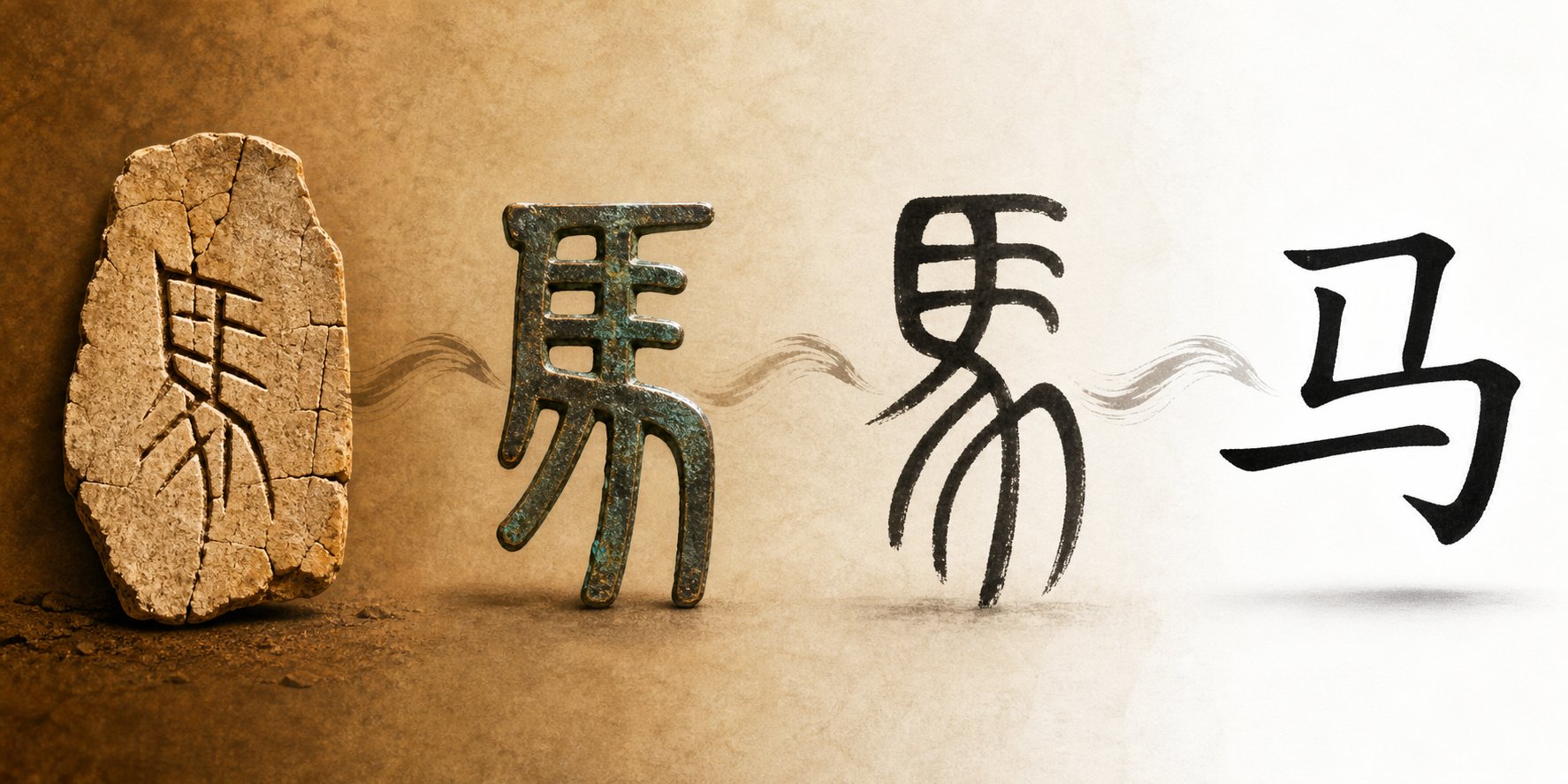
Chinese characters have passed through distinct stages of evolution. Research tracing character development identifies five major periods: oracle bone inscriptions (carved into turtle shells and cattle bones during the Shang Dynasty), bronze inscriptions, seal script, official script, and regular script. At each stage, forms simplified, strokes merged, and sometimes meanings drifted away from the original concept. Traditional chinese writing preserved many of these older forms longer, which is why etymology often becomes clearer when you compare simplified characters to their traditional counterparts.
Understanding this evolution is not just academic trivia. It gives you a memory hook. When you know why a character ended up meaning what it does, the definition sticks in a way that brute-force memorization never achieves.
How Character Meanings Shifted Over Thousands of Years
Semantic drift in Chinese follows recognizable patterns: meanings broaden, narrow, or slide sideways through metaphorical extension. Here are three characters with well-documented journeys from ancient to modern usage.
- 走 (zou) — from "run" to "walk"
In oracle bone inscriptions, 走 depicted a person swinging their arms in a running motion. Its original meaning was "to run." Over centuries, as the character 跑 took over the "run" meaning, 走 gradually softened to mean "to walk" or simply "to go." The ancient sense survives in classical expressions like 走马观花 (watching flowers from a galloping horse), where 走 still carries its original speed. Memory hook: imagine someone who used to sprint but slowed down with age. The character aged the same way. - 去 (qu) — from "depart a dwelling" to "go"
The ancient form of 去 showed a person leaving an enclosed space, a dwelling or container. The original meaning was specifically "to depart" or "to leave from." Over time, the meaning generalized from leaving a specific place to simply "going" in any direction. Modern usage retains traces of the original in words like 去世 (to depart the world, meaning "to pass away"). Memory hook: picture someone stepping out of a doorway. That departure is the core image, even though today the character just means "go." - 要 (yao) — from "waist" to "want/need"
The earliest forms of 要 depicted two hands placed on a woman's waist. Its original meaning was literally "waist," which is why the character 腰 (waist) was later created with a flesh radical to reclaim that meaning. How did "waist" become "want"? The waist is the body's center, the essential part. From "essential" came "important," and from "important" came "to need" and "to want." Memory hook: think of the waist as the core of the body, the part you need. The character followed that logic from physical center to abstract necessity.
Each of these shifts followed a chain of logic, not random reassignment. Meanings slid along a path of association: physical action softened, specific locations generalized, body parts became abstract concepts.
Using Etymology as a Memory Tool
You do not need to become a scholar of chinese hieroglyphics or ancient scripts to benefit from this knowledge. Even a basic awareness of a character's origin story creates a stronger mental connection than pure repetition. The pictographic roots of characters, what some people search for as a chinese pictograms list, serve as anchors that tie abstract modern meanings back to concrete ancient images.
People sometimes search for a chinese hieroglyphics translator hoping to decode ancient symbols directly. While oracle bone inscriptions are not technically hieroglyphics (that term belongs to Egyptian writing), the impulse is the same: understanding what the original image meant helps you remember what the modern character means. The connection between ancient and modern is not always obvious, but when you see it, the character stops being a random shape and becomes a story.
This is also why kanji in chinese and Japanese share etymological roots. Japanese kanji were borrowed from Chinese characters and carried their historical meanings along. A learner studying either system benefits from the same etymological awareness, because the evolution happened before the characters crossed into Japanese usage.
Etymology works best as a supplement, not a replacement, for structural analysis. The radical still tells you the semantic domain. The phonetic element still hints at pronunciation. But when those clues are not enough, or when a character's modern meaning seems disconnected from its parts, the historical story fills the gap and gives your memory something concrete to hold onto.
Structural analysis and historical awareness cover most situations. But sometimes you encounter a character where neither approach gives you a confident answer, and you need an external tool to confirm what you are looking at. The question then becomes: what is the fastest way to look up a character you cannot even type?
Tools and Techniques for Looking Up Character Meanings
You spot a character on a street sign, in a handwritten note, or inside a screenshot someone sent you. You cannot type it because you do not know its pronunciation. Structural analysis gives you a general domain, but you need the exact definition. This is where lookup tools come in, not as a replacement for the decoding skills covered earlier, but as the confirmation step that closes the gap between educated guess and verified meaning.
Different situations call for different approaches. A character you can see but cannot type requires a different tool than one you are studying systematically in a textbook. Below are the main methods for chinese character lookup, organized by when each one works best.
Drawing-Based Character Lookup Methods
When you need to find a chinese character by drawing, handwriting recognition tools let you sketch the character on screen with your finger or mouse. The software matches your strokes against its database and returns candidates ranked by similarity. This is the fastest path from "I can see it but cannot type it" to a full definition with pinyin.
Where to use chinese character lookup draw features:
- Pleco — The gold-standard dictionary app includes a handwriting input panel. Draw a character, and Pleco returns its definition, pinyin, stroke order, and example compounds. The free tier handles lookups well; paid add-ons unlock deeper features like optical character recognition from photos.
- Google Translate handwriting mode — Open the app, select Chinese as the input language, and tap the handwriting icon. Sketch the character and the chinese character translator returns a translation instantly. Useful for quick meaning checks when you are on the go.
- MDBG Chinese Dictionary — The MDBG dictionary offers a handwriting input tool directly in the browser. Draw the character, select the correct match, and get a full entry with radical breakdown, stroke count, and English definitions. No app installation required.
Drawing-based tools work best when you encounter characters in the wild: signs, menus, packaging, handwritten notes, or printed materials you cannot copy-paste from. Your strokes do not need to be perfect. Most recognition engines are forgiving about stroke order and proportions, though getting the basic structure right improves accuracy.
For digital text you can see on screen but cannot select, apps like Novli let you snap a photo or screenshot and tap individual characters for instant definitions and pinyin. This turns any physical or digital Chinese text into a searchable resource without needing to draw each character manually.
Dictionary Resources for Deep Meaning Analysis
Drawing tools give you quick answers. But when you want to understand a character deeply, including its radical structure, etymology, and full range of compound words, you need a proper dictionary resource. These are the tools for systematic chinese character search during focused study sessions.
- MDBG Chinese Dictionary — Beyond its handwriting input, MDBG provides radical and stroke breakdowns for every character, compound word lists, and links to related entries. It is one of the most comprehensive free resources for understanding how a character's components contribute to its meaning.
- Zhongwen.com — This character dictionary lets you search by pronunciation, radical, stroke count, or English meaning. Its interface shows character relationships visually, making it useful for exploring how characters within the same radical family connect to each other.
- Han Dian (zdic.net) — A Chinese-Chinese dictionary that includes entries from the Kangxi Zidian, historical definitions from the Shuowen Jiezi, and images showing how the character evolved from ancient scripts to modern form. Best for learners who want etymological depth.
- YellowBridge — Offers animated stroke order, audio pronunciation, example sentences, and flashcard integration. Useful when you want to learn not just what a character means but how to write and use it correctly.
For learners who want to trace a character back to its oracle bone or bronze script origins, the Xiao Xue Tang database maintained by Academia Sinica contains over 180,000 historical glyph forms. This level of depth is not necessary for everyday lookup, but it connects directly to the etymological memory techniques discussed in the previous section.
Choosing the Right Method for the Situation
Each lookup approach fits a specific scenario. Here is a quick guide:
- You see a character on a sign or in a photo and cannot type it — Use a drawing-based tool or photo-scanning app to identify it first.
- You are studying a text and want full breakdowns — Use MDBG or Zhongwen.com to see radical structure, phonetic components, and compound words.
- You want historical context for why a character means what it does — Use Han Dian or Xiao Xue Tang for classical references and glyph evolution.
- You need a fast translation while reading digital content — Use a browser extension or a photo-based app that gives instant pop-up definitions.
The important thing to remember: these tools work best when you already have structural analysis skills. A chinese character translator gives you a definition, but it does not teach you why the character means what it does. When you combine tool-based lookup with the radical recognition, phonetic decoding, and compound logic covered throughout this article, each new character you look up reinforces the system rather than adding another isolated fact to memorize.
Over time, you will find yourself needing these tools less often. The radicals become familiar. The phonetic patterns repeat. The compound logic clicks faster. The tools shift from being your primary method to a safety net you use only for edge cases. That progression, from dependent lookup to independent decoding, is the real measure of fluency with chinese character meaning.
Frequently Asked Questions About Chinese Character Meaning
1. How do Chinese characters encode meaning differently from alphabetic letters?
Alphabetic letters represent sounds and only produce meaning when combined into words. Chinese characters work the opposite way: each one is a self-contained unit of meaning built from structural components called radicals and phonetic elements. The radical signals the semantic category (water, fire, emotion, metal, etc.), while the phonetic element hints at pronunciation. This means you can often infer a character's general meaning from its visual structure alone, without knowing how to pronounce it. About 80% of all Chinese characters follow this semantic-phonetic compound pattern.
2. How many Chinese characters do you need to know to be literate?
While over 50,000 Chinese characters have been recorded historically, functional literacy requires far fewer. Educated native speakers typically use between 3,000 and 4,000 characters in daily life. The HSK proficiency framework, China's standardized language test, requires roughly 2,600 characters through its highest level. Because these characters share a limited set of about 214 radicals and common phonetic components, the learning curve flattens significantly once you internalize the structural patterns rather than memorizing each character in isolation.
3. What is the fastest way to look up a Chinese character you cannot type?
Drawing-based lookup tools are the fastest option when you can see a character but do not know its pronunciation. Apps like Pleco and Google Translate offer handwriting recognition where you sketch the character on screen, and the software matches it against its database. Browser-based tools like MDBG also provide handwriting input without requiring app installation. For characters in photos or on signs, optical character recognition apps let you snap a picture and tap individual characters for instant definitions. Your strokes do not need to be perfect since most recognition engines are forgiving about stroke order.
4. Why do some Chinese characters have multiple meanings?
Most Chinese characters carry several meanings that activate depending on context and compound usage. The character 快, for example, can mean fast, happy, or sharp depending on what surrounds it. This happens because characters function as flexible morphemes rather than fixed-definition words. In compound words, a character's meaning narrows, extends, or transforms based on its partner. The character 机 means machine alone but becomes mobile phone in 手机 and opportunity in 机会. Context, not the character itself, determines which specific meaning applies in any given sentence.
5. Are simplified and traditional Chinese characters different in meaning?
No. China's script reform in the 1950s and 1960s reduced stroke counts to improve literacy rates, but the semantic content remained identical. The traditional 學 and simplified 学 both mean to learn. The traditional 國 and simplified 国 both mean country. The structural logic of radicals and phonetic components operates the same way in both systems. A learner of either system accesses the same meanings through different visual forms, and knowledge transfers between the two once you recognize the shared underlying patterns.