Every Chinese Restaurant Name Tells a Story
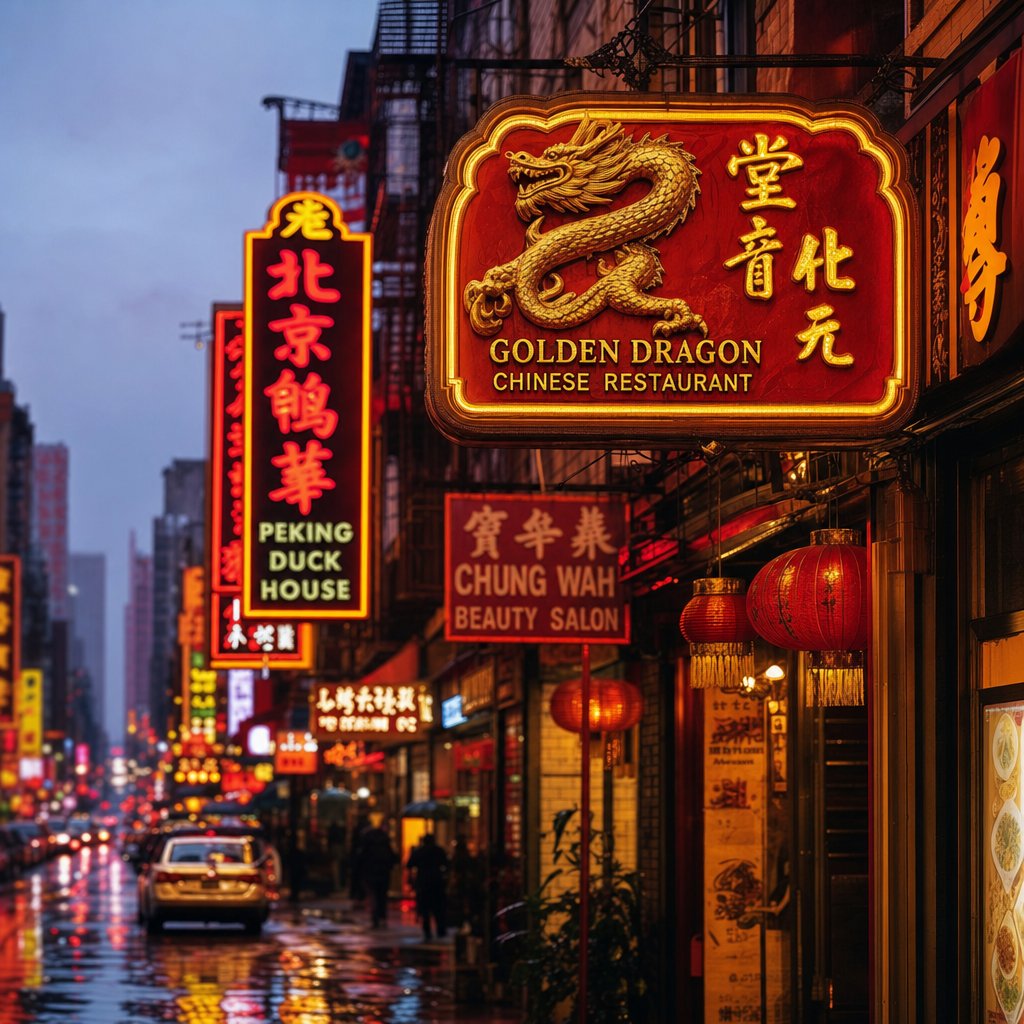
Walk down any American street and you'll spot them: Golden Dragon, Jade Garden, Lucky Wok, Panda Express. With over 50,000 Chinese restaurants spread across the United States, these names might seem interchangeable at first glance. But look closer. Each one is a small act of cultural storytelling, encoding immigration history, family identity, and deeply held aspirations into just a few words on a sign.
Chinese restaurant naming traditions encompass the linguistic, cultural, and commercial decisions behind choosing a name. They draw on centuries of Chinese naming philosophy, respond to the realities of operating in English-speaking markets, and reflect the personal stories of the families who built these businesses. The name of the chinese restaurant on your corner isn't random. It's the product of deliberate choices shaped by geography, generation, dialect, and audience.
Every Chinese restaurant name negotiates between cultural authenticity and commercial accessibility, balancing what the owner wants to express with what the customer needs to understand.
What Chinese Restaurant Names Really Tell Us
When you see names of chinese restaurants clustered around words like "golden," "fortune," "garden," and "dragon," you're witnessing a pattern rooted in Chinese beliefs about auspiciousness. These aren't marketing gimmicks. They reflect a cultural conviction that a name carries energy and shapes destiny. As Cedric Yeh of the National Museum of American History explains, many chinese restaurant names are chosen for their auspiciousness, out of the owners' desire for success. The wordplay embedded in these names is usually lost on American diners, but it carries deep significance for the people who chose them.
Why Naming Conventions Matter Beyond Marketing
Among asian restaurant names more broadly, Chinese establishments stand out for the consistency and cultural density of their naming patterns. This isn't coincidence. It reflects a community-wide tradition where names serve as markers of restaurant type, regional cuisine, and cultural identity all at once. A study of 423 American Chinese restaurants in Los Angeles County found that names simultaneously showcase regional diversity within the Chinese culinary tradition while reflecting an embrace of cultural assimilation.
This article traces that full picture, from the historical roots of chinese cafe names in Gold Rush-era San Francisco to the minimalist, irony-laced names chosen by today's second-generation restaurateurs. Along the way, you'll discover how translation challenges reshape meaning, how geography influences naming strategy, and why the patterns you see repeated across thousands of restaurants exist for reasons far deeper than simple imitation.
A Historical Timeline of Chinese Restaurant Names in America
Those naming patterns didn't emerge in a vacuum. They evolved across nearly two centuries of immigration, shaped by federal policy, social attitudes, and the sheer survival instincts of Chinese entrepreneurs navigating a hostile landscape. Each era of Chinese immigration brought a distinct naming philosophy, and understanding that timeline reveals why certain types of chinese restaurants carry the names they do today.
Consider the scale: the Chinese American Restaurant Association reports over 45,000 Chinese restaurants across the United States, more than McDonald's, Burger King, KFC, and Wendy's combined. How many chinese restaurants are in the us at any given moment depends on how you count, but the number has consistently grown across four distinct naming eras, each leaving its fingerprint on the signs we see today.
From Gold Rush Chop Suey Houses to Modern Eateries
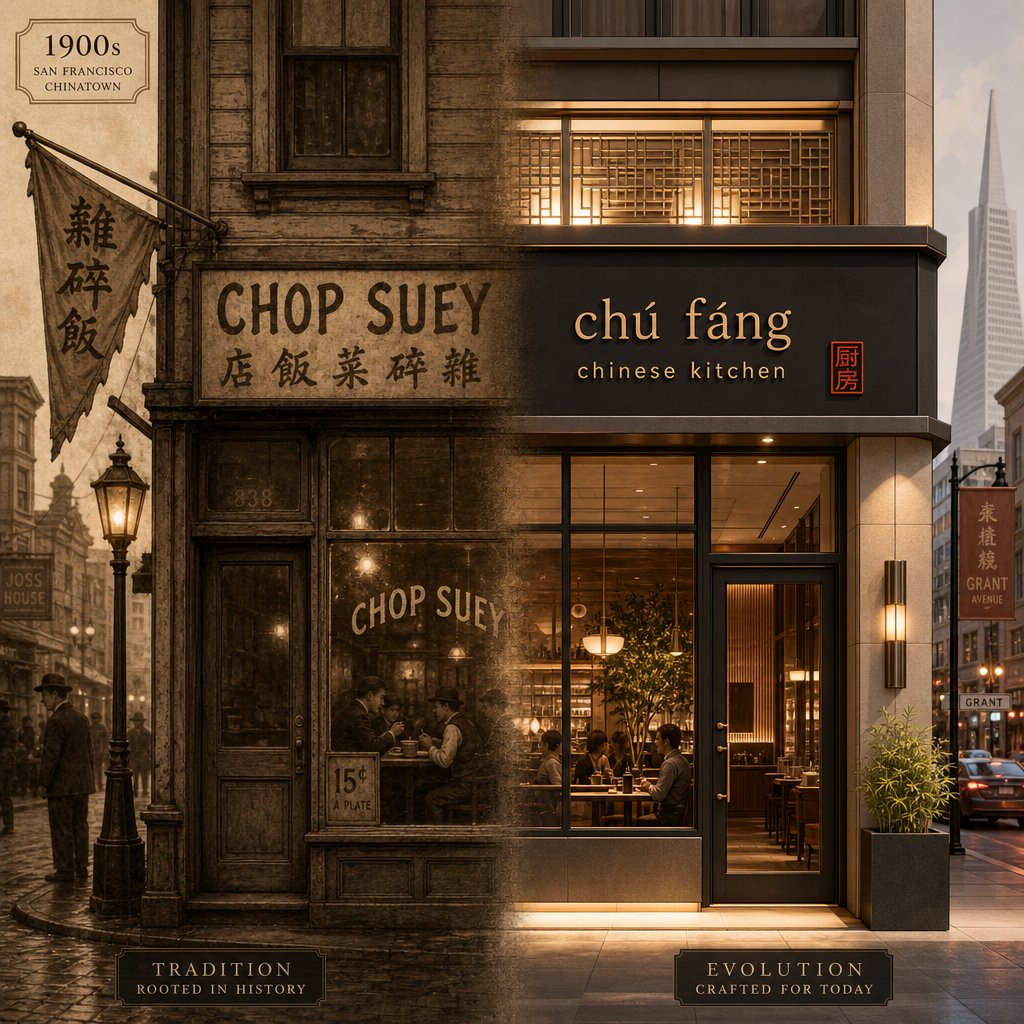
The story begins in the 1840s. Chinese immigrants fleeing economic hardship in Guangdong province arrived during the California Gold Rush and established the first Chinatowns. By the 1850s, small eateries known as "chow chow houses" emerged in San Francisco, identifiable by three-cornered yellow silk flags hung outside. These weren't names in the modern branding sense. They were functional descriptors, signaling to Chinese laborers that familiar food was available inside.
Then came the 1882 Chinese Exclusion Act, and everything shifted. This draconian law barred Chinese laborers from entering the country, yet paradoxically stimulated the formation of Chinese businesses through a system of visa preferences. After a 1915 court case granted special immigration privileges to Chinese restaurant owners, entrepreneurial families opened restaurants as a way to bypass restrictions. The result? Between 1910 and 1920, Chinese restaurants in New York City nearly quadrupled, then more than doubled again over the next decade.
During this explosion, the dominant naming style shifted to "chop suey palaces" and "chop suey houses." These luxury establishments, with start-up capital averaging $90,000 to $150,000 in today's currency, used names that signaled the one dish Americans already recognized. The naming logic was pure pragmatism: use the words your customers already know.
How Immigration Policy Shaped Restaurant Names
The post-World War II era brought a different naming philosophy. Returning soldiers had encountered Asian cuisine abroad, and suburban growth fueled demand for ethnic dining. Chinese restaurants became fixtures in strip malls and city centers, and their names reflected a deliberate strategy of Americanization. This was the era of oriental restaurant names like "China Inn," "Chinese Kitchen," and "Dragon House," names designed to feel familiar and approachable to mainstream diners while still signaling their cuisine type.
Restaurateurs during this period operated as what sociologists Shun Lu and Gary Alan Fine called "cultural entrepreneurs," creating market niches while understanding that their traditional culture was being altered. Names became part of that negotiation. They needed to sound exotic enough to attract curiosity but accessible enough to avoid alienating suburban families. Many famous restaurant names from this era followed a simple formula: a lucky word plus a generic English descriptor.
The Post-1965 Authenticity Wave
Everything changed again with the 1965 Immigration and Nationality Act, which removed discriminatory quotas and opened the door to immigrants from diverse Chinese regions. Between 1965 and 1984, 419,373 Chinese immigrants arrived in the United States, bringing cuisines from Sichuan, Hunan, Fujian, and Shanghai. Suddenly, restaurant names started reflecting regional specificity rather than generic "Chinese-ness." You'd see "Hunan Palace," "Sichuan Garden," and "Shanghai Cafe" instead of the catch-all "China" branding of previous decades.
This wave also brought names in transliterated Mandarin and Cantonese, names that prioritized meaning for Chinese-speaking diners over accessibility for English speakers. In 1967, Shun Lee Palace became the first Chinese restaurant to earn a four-star review from the New York Times, and its name, a transliteration rather than a translation, signaled a new confidence in presenting Chinese identity without Anglicization.
Here's how these eras break down chronologically:
- 1840s-1910s (Gold Rush and Exclusion Era): Functional descriptors like "chow chow houses" and simple signage aimed at Chinese-speaking laborers. Names served identification, not branding.
- 1910s-1940s (Chop Suey Era): "Chop suey palaces" and "chop suey houses" dominated, using the one dish Americans recognized as the primary name identifier.
- 1940s-1965 (Americanization Era): Generic oriental-themed names like "China Garden" and "Golden Dragon" designed for suburban mainstream appeal. Lucky words plus English descriptors became the formula.
- 1965-1990s (Regional Authenticity Era): Province and city names appeared as identifiers. Transliterated names grew common. Regional cuisine specificity replaced generic "Chinese" branding.
- 1990s-Present (Diversification Era): All approaches coexist, from traditional auspicious names to minimalist single-word concepts, reflecting the full spectrum of Chinese-American identity and generational difference.
Each of these eras didn't simply replace the last. They layered on top of one another, which is why you can still find a "chop suey" sign in one neighborhood and a sleek pinyin-only name three blocks away. The naming traditions we see today are the accumulated sediment of 175 years of adaptation, resistance, and reinvention, and the specific patterns within each category carry meanings that go far deeper than marketing convenience.
The Most Common Chinese Restaurant Naming Patterns Decoded
Those 175 years of layered history produced distinct naming categories, each with its own cultural logic and audience signal. When researchers analyzed the names of nearly every Chinese eating establishment in the United States, clear patterns emerged from the data. A comprehensive analysis found that over 40% of chinese restaurants names include the word "China" or "Chinese" as an identifier. But that's just the surface. Beneath that dominant category lie at least five other naming traditions, each serving a different purpose and speaking to a different audience.
Why does this matter? Because each category isn't just a marketing choice. It's a cultural statement. A restaurant called "Hunan Garden" is making a fundamentally different claim than one called "Golden Dragon" or "Lee's Kitchen." Understanding these categories helps decode what each name is really communicating.
Geographic and Provincial Name Patterns
Imagine you're a Sichuan chef who just arrived in Los Angeles. You don't cook generic "Chinese food." You cook a specific regional cuisine with its own techniques, ingredients, and identity. How do you communicate that in a name? You use geography.
A study of 423 American Chinese restaurants in Los Angeles County found that province in the names of chinese restaurants appeared in about 5% of cases, while city names showed up in 10%. Examples include "Hunan Cafe," "Szechuan Palace," "Chengdu Taste," and "Shanghai Grill." The region name "Canton," referencing the historical origin point of Chinese immigration to America, appeared in another 2% of names.
Geographic names serve a dual function. For Chinese-speaking diners, they signal exactly what regional cuisine to expect. A customer from Chengdu seeing that city name on a sign knows they'll find familiar flavors. For non-Chinese diners, these names signal authenticity and specificity, a step beyond generic "Chinese food" toward something more curated. You'll also find broader geographic markers like "East," "Orient," and even the medieval term "Cathay," each carrying different historical weight.
Auspicious Words and Lucky Symbols
Here's where Chinese naming philosophy diverges most sharply from Western branding logic. In Chinese culture, a name isn't just a label. It carries energy. It shapes outcomes. Choosing an auspicious name for a business is as natural as choosing one for a child.
The most popular restaurant names in this category draw from a specific vocabulary of fortune:
- Golden (jin): Represents wealth and success. Found in names like Golden Dragon, Golden Wok, and Golden Star. Appeared in 3% of the LA County study sample.
- Dragon (long): Symbolizes power, strength, and good luck. The most frequently occurring mythical creature in china restaurant names, appearing 15 times (3%) in the LA study alone. Examples include Golden Dragon, Sea Dragon, and Dragon Express.
- Phoenix (feng): Represents grace and signals great impending fortune. Found in Phoenix Kitchen and Phoenix Food Boutique.
- Jade (yu): Symbolizes beauty, nobility, and perfection. Appears in Jade Palace, Jade East, and Jade Wok.
- Lucky/Fortune: Direct invocations of good luck. Lucky Star, Fortune Garden, and Golden Fortune are common examples.
- Numbers (especially 8 and 88): The number 8 sounds like the word for "wealth" in Chinese. Names like 888 Fast Food use numerology as a blessing.
These aren't random feel-good words. They're drawn from a coherent symbolic system where specific images carry specific meanings, understood instantly by Chinese-speaking customers and perceived as vaguely positive by everyone else.
Family Names and Personal Identity
Surnames appeared in 9% of the restaurants studied in Los Angeles, making them one of the most common naming elements. Names like Lee's Garden, Wong's Kitchen, Yang's Dining Room, and Hu's Szechwan put family identity front and center. Some include courtesy titles: Mr. Chow, Chef Ming's Kitchen, Madame Wu's Asian Bistro, MaMa Lu's Dumpling House.
This category signals something different from auspicious words or geographic markers. It says: a real person stands behind this food. A family takes responsibility for what you eat here. For many family-run establishments, putting a surname on the sign is an act of pride and accountability, tying personal reputation to the quality of the meal.
Interestingly, some restaurants use English given names instead, like Cindy's Kitchen or Paul's Kitchen. This reflects what researcher Lindsey Chen calls "onomastic acculturation", the adoption of American naming conventions as a gesture of cultural integration.
Here's how these categories compare at a glance:
| Category | Common Examples | Cultural Meaning | Target Audience Signal |
|---|---|---|---|
| National Identifier ("China/Chinese") | China King, China Wok, Chinese Kitchen | Direct cuisine-type marker; functional clarity | General public; signals what food to expect |
| Geographic/Provincial | Hunan Garden, Szechuan Palace, Chengdu Taste | Regional pride; culinary specificity | Knowledgeable diners; Chinese-speaking community |
| Auspicious Symbols | Golden Dragon, Jade Palace, Lucky Star | Fortune, prosperity, and cosmic blessing | Broad appeal; culturally resonant for Chinese diners |
| Family Surnames | Lee's Garden, Wong's Kitchen, Mr. Chow | Personal accountability; family honor | Community trust; signals family-run authenticity |
| Nature/Ambiance Imagery | Bamboo Garden, Lotus House, Plum Tree Inn | Tranquility, refinement, paradise | Diners seeking atmosphere and elegance |
| Imperial/Royalty References | Empress Pavilion, King's Palace, Dynasty | Power, prestige, fine dining tradition | Upscale positioning; special occasion diners |
What makes these popular restaurant names so persistent isn't laziness or lack of creativity. It's the fact that each category performs real cultural work, communicating identity, aspiration, and cuisine type simultaneously. A name like "Golden Hunan Palace" stacks three categories at once: auspicious word, geographic identifier, and imperial reference, each layer speaking to a different audience need.
But these categories only tell you what the names say on the surface. The deeper question is what these symbols actually mean within Chinese culture, and why certain images carry such weight that they've persisted across centuries and continents.

Cultural Symbolism Hidden in Plain Sight
A name like "Golden Dragon" might seem like a cliche to the casual passerby. But within Chinese culture, those two words carry the weight of thousands of years of symbolic meaning. They aren't decorative. They're intentional invocations, chosen because Chinese naming philosophy holds that a name carries energy and actively shapes the destiny of what it represents.
This belief isn't limited to restaurants. In Chinese communities across East Asia, people change their legal names to shift their fortune during difficult times. As Hong Kong feng shui practitioner Lee Shing-chak explains, "Other than one's timing of birth or doing good deeds, one's name is believed to be one of the factors" that decide destiny. If individuals believe a name change can alter their career prospects and health, imagine how seriously a restaurant owner takes the name that will be spoken thousands of times daily by customers, employees, and delivery drivers alike.
Prosperity and Fortune Symbolism in Names
When you see "Golden" in a restaurant name, you're looking at the Chinese character jin (金), which literally means gold or metal. In Chinese culture, gold represents not just material wealth but the highest form of value and permanence. A restaurant named "Golden Palace" or "Golden Wok" isn't just describing a color scheme. It's embedding a wish for financial success into the very identity of the business.
The same logic applies to words like "fortune," "treasure," and "prosperity." These map directly to Chinese characters that carry specific energetic weight. The character fu (福), meaning blessing or good fortune, is so culturally significant that Chinese families hang it upside down on their doors during Spring Festival. The inverted character creates a pun: the word for "upside down" (dao) sounds identical to the word for "arrive," so an upside-down fu symbolizes the arrival of good luck. Restaurants incorporating "fortune" or "lucky" into their names are tapping into this same deep current of belief.
Chinese food numbers also play a role in prosperity naming. The number 8 (ba) sounds nearly identical to fa, meaning "to prosper" or "to get rich." That's why you'll find restaurants named "888 Chinese Food" or "Lucky 8 Kitchen." The number isn't arbitrary. It's a phonetic blessing, a way of encoding wealth wishes into the business identity through sound alone. Conversely, the number 4 (si) sounds like "death" (si), which is why you'll almost never see it in a restaurant name.
Dragons, Phoenixes, and Imperial Power
The dragon and phoenix occupy the highest tier of Chinese symbolic imagery. In traditional Chinese culture, the dragon represents yang energy: power, strength, authority, and the emperor himself. The phoenix represents yin energy: grace, beauty, virtue, and the empress. Together, they form the concept of "dragon and phoenix in harmony," symbolizing balance, prosperity, and the reconciliation of opposing forces.
A restaurant named "Golden Dragon" is claiming imperial power and financial success in two words. One named "Phoenix Garden" invokes grace, beauty, and the promise of great fortune. These aren't just pretty images. They're drawn from a symbolic vocabulary where the dragon has represented supreme authority for over 5,000 years and the phoenix has signaled the arrival of peace and prosperity.
Jade (yu) carries yet another layer of meaning. In Chinese culture, jade represents purity, moral integrity, and nobility. It's considered the "stone of heaven," more precious than gold in traditional valuation. A restaurant called "Jade Garden" or "Jade Palace" is positioning itself as refined, pure, and worthy of respect. The word "garden" (yuan) itself evokes paradise, the classical Chinese garden being a miniature representation of an ideal world. A chinese food garden name combines natural beauty with cultivated perfection, suggesting a dining experience that nourishes both body and spirit.
How Chinese Naming Philosophy Shapes Business Identity
These individual symbols don't operate in isolation. They're part of a broader system where feng shui, numerology, and the five elements (wood, fire, earth, metal, water) all influence naming decisions. In business naming feng shui, a name is understood as a "source of constant energy vibration" that spreads into the marketplace every time it's spoken. The sound of the name, its stroke count, and its elemental associations all matter.
A feng shui practitioner analyzing a restaurant name would consider whether the sounds align with the five elements appropriate for the food industry. Earth element sounds (formed by the lips: B, P, M, F) represent stability and trust. Fire element sounds (formed by the tongue: D, T, N, L) represent visibility and passion. A name like "Ming's" (tongue sound, fire element) carries different energetic properties than "Bamboo" (lip sound, earth element), and a practitioner would argue these differences subtly influence customer perception and business fortune.
The stroke count of Chinese characters in a name also matters. Certain totals are considered auspicious for business: 16 represents leadership, 23 represents rapid growth, and 24 is considered the luckiest number for pure financial wealth, representing the "golden harvest" of building prosperity without struggle. Restaurant owners who consult feng shui masters before naming their business are engaging in a practice that treats the name as architectural, positioning the "front door" of the brand to catch favorable energy.
Here are the most common auspicious elements found in Chinese restaurant names, along with their deeper cultural meanings:
- Golden/Gold (jin 金): Represents wealth, permanence, and the metal element. Found in Golden Buddha, Golden Wok, Golden Star. Signals financial aspiration and high value.
- Dragon (long 龙): Symbolizes supreme power, yang energy, and the emperor. Found in Dragon Palace, Sea Dragon, Golden Dragon. Signals authority and strength.
- Phoenix (feng 凤): Represents grace, yin energy, and the arrival of prosperity. Found in Phoenix Garden, Phoenix Kitchen. Signals elegance and auspicious change.
- Jade (yu 玉): Symbolizes purity, moral perfection, and heavenly value. Found in Jade Palace, Jade East, Jade Wok. Signals refinement and integrity.
- Garden (yuan 园): Evokes paradise, harmony with nature, and cultivated beauty. Found in Hunan Garden, Bamboo Garden, Lotus Garden. Signals a peaceful, nourishing environment.
- Fortune/Lucky (fu 福 / ji 吉): Direct invocations of blessing and good luck. Found in Fortune House, Lucky Star, Good Fortune. Signals optimism and divine favor.
- Number 8 (ba 八): Sounds like "prosper" (fa 发). Found in 888 Chinese, Lucky 8 Kitchen. Signals wealth through phonetic wordplay.
- Lotus (lian 莲): Represents purity rising from muddy water, spiritual enlightenment. Found in Lotus House, Lotus Blossom. Signals transcendence and beauty.
- Bamboo (zhu 竹): Symbolizes resilience, integrity, and upright character. Found in Bamboo Garden, Bamboo House. Signals strength through flexibility.
- Dynasty/Imperial (huang 皇 / chao 朝): References to royal power and historical grandeur. Found in Dynasty, Empress Pavilion, Imperial Palace. Signals prestige and fine dining.
What connects all these elements is a single underlying conviction: words have power. A name isn't passive. It actively participates in shaping reality. When a restaurant owner names their establishment "Success Chinese" or puts "Golden Buddha" on the sign, they're not just describing what's inside. They're performing an act of intention, channeling cultural beliefs about language, luck, and destiny into a business identity that will be repeated thousands of times over the life of the restaurant.
This philosophy explains why certain names persist across generations and geographies. They work on multiple levels simultaneously: as cultural markers for Chinese-speaking customers, as exotic-sounding brands for general audiences, and as energetic blessings for the owners themselves. The symbolism is hidden in plain sight, visible to anyone who knows where to look, yet functioning perfectly well even for those who don't.
Of course, all this symbolic richness exists in Chinese. The moment a name crosses into English, an entirely different set of challenges emerges, and meaning that feels profound in one language can land awkwardly in another.
The Art of Translating Chinese Names into English
A restaurant name that sounds poetic in Mandarin can land flat, confusing, or even unintentionally comical in English. That's the core tension every Chinese restaurateur faces when bridging two languages that operate on fundamentally different principles. Chinese is tonal, character-based, and rich with homophones that create layered wordplay. English is alphabetic, stress-timed, and largely deaf to the tonal puns that make Chinese names resonate. Navigating this gap isn't just a branding exercise. It's a linguistic negotiation that shapes how millions of Americans encounter asian food names every day.
Three distinct strategies have emerged for handling this translation challenge, each with its own trade-offs. Understanding them helps explain why some Chinese restaurant names feel instantly familiar while others seem impenetrable, and why that difference is often intentional.
Literal Translation vs. Transliteration vs. Phonetic Adaptation
When a restaurateur decides how their Chinese name will appear in English, they're choosing between three fundamentally different approaches. Each prioritizes something different: meaning, sound, or marketability.
Literal translation converts the meaning of Chinese characters into English words. A restaurant named 金龙 becomes "Golden Dragon." The customer gets the symbolic content, the auspicious imagery, the cultural meaning. But they lose the sound, the tonal quality, and sometimes the poetic compression that made the name elegant in Chinese. A name like 天下一品 (literally "best under heaven") might become "World's Best" in English, which sounds generic rather than grand.
Transliteration preserves the sound of the Chinese name using romanized spelling, most commonly pinyin. This is the approach behind names like Junzi, Zai Lai, and Xi'an Famous Foods. The customer hears something close to what a Chinese speaker would say, but the meaning becomes invisible unless they already speak the language. As NPR reported, more Chinese and Taiwanese restaurants are embracing this approach, spelling out Mandarin in the Roman alphabet on their storefronts.
Phonetic adaptation creates an English approximation that captures neither the exact sound nor the literal meaning, but instead produces something that feels natural in English while nodding toward Chinese origins. Think "Chopstix" instead of the actual Chinese word for chopsticks (kuaizi), or "Wok n Roll" as a playful English construction that references Chinese cooking without translating anything specific.
Here's how these three methods compare in practice:
| Method | How It Works | Example | Pros | Cons |
|---|---|---|---|---|
| Literal Translation | Converts character meanings into English words | 金龙 → Golden Dragon | Preserves cultural symbolism; immediately understandable to English speakers | Can sound generic or cliched; loses tonal wordplay and poetic compression |
| Transliteration (Pinyin) | Spells out the Chinese pronunciation using Roman letters | 再来 → Zai Lai | Preserves authentic sound; signals cultural confidence; creates curiosity | Pronunciation barriers for non-Chinese speakers; meaning invisible without explanation |
| Phonetic Adaptation | Creates English-friendly constructions inspired by Chinese elements | Wok n Roll, Chopstix | Memorable and accessible; works as English wordplay; easy to pronounce | Sacrifices both meaning and authentic sound; can feel gimmicky or reductive |
Each approach attracts a different type of customer and positions the restaurant differently in the market. Literal translations dominate among traditional establishments. Transliteration is surging among newer, confidence-driven restaurateurs. Phonetic adaptations tend to appear in casual, takeout-focused, or humor-driven concepts.
When Meaning Gets Lost Between Languages
The real challenge isn't choosing a method. It's accepting what gets lost no matter which one you pick. Chinese names often work through homophones, tonal puns, and character-level visual symbolism that simply cannot cross into English.
Consider a name like 福临门 (fu lin men). Literally, it means "fortune arrives at the door," a beautiful blessing for a business. But translated directly, "Fortune Arrives at the Door" sounds like a fortune cookie message, not a restaurant name. Shortened to "Fortune Door" or "Lucky Gate," it loses the verb that makes the original feel dynamic and alive. The names of china food establishments often carry this kind of compressed poetry that English flattens into something pedestrian.
Tonal wordplay presents an even deeper problem. In Mandarin, the word for "fish" (yu, second tone) sounds identical to the word for "surplus" or "abundance" (yu, second tone). A restaurant name incorporating "fish" is simultaneously wishing for abundance. English has no mechanism to carry this double meaning. The oriental dishes meaning embedded in many names relies on this kind of sonic layering that vanishes the moment you switch alphabets.
Edward Huang, owner of the New York eatery Zai Lai, experienced this firsthand. As he told NPR, "People come and they say, 'Oh, is this zay lay?'" The pronunciation challenge is real. His restaurant's name, inspired by the Mandarin phrase meaning "come again," rhymes with "eye lie" and starts with a "ds" sound that doesn't map neatly onto English phonetics. Yet Huang chose it anyway because "it has to have some soul behind it. It has to have a reason for being."
Jason Wang of Xi'an Famous Foods made a similar calculation. The "Xi" in his restaurant's name is one of the hardest sounds for non-Mandarin speakers, pronounced like "she." Rather than simplify it, Wang leaned into the difficulty. "Let's just keep things authentic," he explained. "People like discovering stuff. They don't really like everything handed to them on a platter."
Dual Naming for Dual Audiences
Many restaurants solve the translation problem by not choosing at all. They maintain two names: one in Chinese characters for Chinese-speaking customers and a completely different English name for everyone else. Walk into a Chinatown restaurant and you'll often notice that the Chinese characters on the sign don't translate to the English name beside them. They're two separate identities serving two separate audiences.
The Chinese name might emphasize regional authenticity, using a hometown reference or a classical literary allusion that resonates with diners from that province. The English name might be something accessible and broadly appealing, like "Happy Garden" or "New China Buffet." Neither name is wrong. They're just doing different jobs.
This dual-naming strategy reflects a practical reality: the information Chinese-speaking diners need from a name differs fundamentally from what English-speaking diners need. A Chinese customer scanning a street full of restaurants wants to know the regional cuisine, the owner's hometown, or the specific style of cooking. An English-speaking customer often just needs to know it's Chinese food and that it sounds inviting. Asian cuisine restaurant names that serve both audiences simultaneously are performing a remarkable act of code-switching, presenting one face to one community and another face to another, all on the same sign.
Hongyuan Dong, author of A History of the Chinese Language and a professor at George Washington University, notes that the growing use of romanized Mandarin names signals a shift. As he told NPR, Mandarin "is probably not as exotic as people would think in the past." With Chinese language enrollment at U.S. colleges jumping more than 55% between 2002 and 2016, more Americans can parse pinyin names without a translation. The gap between the two audiences is narrowing.
Historian Heather Lee of NYU Shanghai frames this shift in geopolitical terms: seeing pinyin on more restaurant signs "means that we're ready to engage mainland China. We're speaking in the language of mainland China." The transition from Cantonese transliterations (like Wo Hop and Nom Wah in Manhattan's Chinatown) to Mandarin pinyin names reflects changing immigration patterns and a new generation of restaurateurs who are, as Jason Wang put it, "more confident in presenting the actual names versus trying to hide it behind some sort of euphemism of a name."
This confidence doesn't exist in a vacuum. It's shaped by where a restaurant operates, who lives nearby, and how large the local Chinese-speaking community is. The same name that works brilliantly in Flushing, Queens might confuse customers in rural Ohio, which is why geography plays such a decisive role in how restaurateurs navigate these translation choices.
How Geography Shapes Chinese Restaurant Names Across America
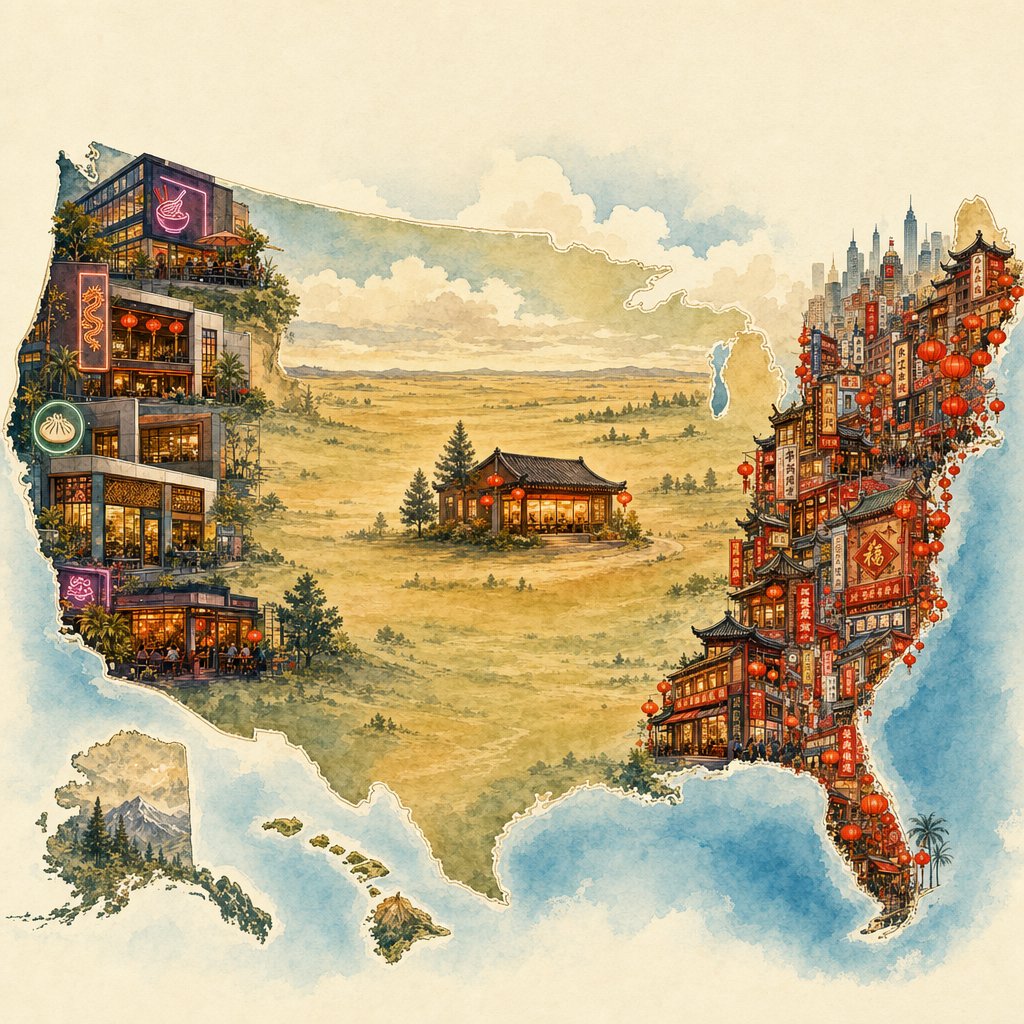
A pinyin-only name that draws crowds in Manhattan's Flushing neighborhood might leave diners scratching their heads in rural Kansas. That's because naming strategy doesn't happen in isolation. It responds to the specific community where a restaurant operates, the density of competition, and the size of the local Chinese-speaking population. With estimates of how many chinese restaurants are in the united states ranging from 40,000 to over 50,000, the sheer geographic spread of these businesses means naming conventions vary dramatically from coast to coast.
Think of it this way: a restaurateur choosing a name is reading their local audience. In a neighborhood with ten other Chinese restaurants, you need to differentiate. In a town where yours is the only one, you need to be immediately recognizable. That calculation produces strikingly different naming outcomes depending on where in America you plant your sign.
East Coast Chinatown Naming Traditions
The East Coast, particularly New York City, has served as the center of the Chinese food universe since the late 19th century. Dense Chinatown communities in Manhattan, Brooklyn, Boston, and Philadelphia created environments where restaurants compete primarily for Chinese-speaking customers. The result? Names that lean heavily on traditional conventions.
You'll notice several distinctive patterns in East Coast Chinatown districts:
- Classical Cantonese transliterations: Legacy names like Wo Hop, Nom Wah, and Jing Fong reflect the early Cantonese immigrant communities that built these neighborhoods. These names prioritize sound authenticity over English accessibility.
- Regional cuisine identifiers: With high competition density, restaurants use province and city names to carve out specific niches. Fujianese, Cantonese, and Shanghainese establishments cluster within blocks of each other, and their names must signal exactly what they serve.
- Dual-language signage as standard: In neighborhoods where Chinese-speaking foot traffic is high, the Chinese-character name often takes visual priority over the English version. The English name may be a simplified translation or an entirely different identity.
- Imperial and literary references: Upscale establishments in older Chinatowns draw on dynastic imagery. Names like "Imperial Palace" and "Empress Pavilion" carry deep connotations for Chinese diners, evoking historical grandeur even when the decor is modest.
Andrew Coe, author of Chop Suey: A Cultural History of Chinese Food in the United States, points to his favorite restaurant in Queens, "Main Street Imperial Chinese Gourmet," as a perfect example. The name stacks geographic specificity, imperial prestige, and cuisine quality into one phrase. The food is wonderful, but the restaurant itself is basically a hole in the wall. The name does aspirational work that the physical space doesn't need to match.
West Coast Regional Diversity in Names
The West Coast tells a different story. California's Chinese communities are older, more geographically dispersed, and more regionally diverse than their East Coast counterparts. The result is a naming landscape that reflects the full breadth of Chinese regional cuisines rather than defaulting to Cantonese conventions.
In cities like Los Angeles and San Francisco, you'll find naming patterns shaped by successive immigration waves:
- Cantonese legacy names in historic districts: San Francisco's Chinatown, the oldest in North America, retains traditional Cantonese-influenced names. But step outside that district and the naming conventions shift dramatically.
- Mandarin pinyin proliferation: The San Gabriel Valley east of Los Angeles has become a hub for Mandarin-speaking immigrants from mainland China and Taiwan. Restaurants here increasingly use pinyin names like "Chengdu Taste" and "Mian" that assume a customer base comfortable with Mandarin references.
- Regional specificity as competitive advantage: A chinese restaurant pasadena or Arcadia location might name itself after a specific city or province because the surrounding community includes enough diners from that region to sustain a niche. You'll see "Xi'an," "Chongqing," and "Yunnan" as name elements far more frequently on the West Coast than elsewhere.
- Fusion and hybrid naming: California's multicultural environment also produces names that blend Chinese elements with broader Asian or American references, reflecting the state's comfort with cultural mixing.
The growing number of Chinese students at American universities has also introduced regional influences in unexpected West Coast locations. As Coe notes, cities like Pittsburgh and college towns across the Pacific Northwest are seeing restaurants with names that reference specific Chinese regions, driven by student populations hungry for hometown flavors.
Midwest and Southern Adaptation Strategies
Travel to the Midwest or the South, and the naming calculus shifts entirely. In areas with smaller Chinese-speaking populations, restaurants face a different challenge: they're often the only Chinese option for miles. The name doesn't need to differentiate from other Chinese restaurants. It needs to signal "Chinese food" clearly and feel welcoming to a customer base with limited exposure to Chinese culture.
This produces distinctly Americanized naming patterns:
- Explicit cuisine markers: Chinese restaurants in michigan and across the Midwest disproportionately include "China" or "Chinese" in their names. When you're the sole Chinese restaurant in a small town, clarity trumps creativity. Names like "China Garden," "Chinese Kitchen," and "China King" dominate.
- Familiar English descriptors: Words like "express," "buffet," "house," and "kitchen" appear more frequently in regions where the customer base prioritizes speed, value, and accessibility over authenticity signaling.
- Lucky-word formulas: The "Golden + noun" and "Lucky + noun" patterns persist strongly in areas where restaurateurs rely on broadly positive associations rather than culturally specific references. "Golden Dragon" and "Lucky Star" work everywhere because they require no cultural literacy to parse.
- Southern hybrid names: In states like Texas, Georgia, and the Carolinas, you'll occasionally find names that blend Chinese elements with Southern hospitality cues. Houston, with its growing Chinese population, represents a transitional zone where traditional naming is gaining ground alongside Americanized conventions.
The suburban versus urban divide cuts across all regions. Urban restaurants in dense, diverse neighborhoods can afford names that require cultural context to decode. Suburban strip-mall locations, regardless of which coast they're on, tend toward the accessible end of the spectrum. A transliterated pinyin name works in an urban food hall surrounded by adventurous eaters. The same name on a highway exit sign needs to communicate instantly to drivers making split-second decisions.
How many chinese restaurants in america use each strategy is impossible to pin down precisely, but the geographic pattern is clear. The larger and more established the local Chinese community, the more traditional, regionally specific, and linguistically confident the naming becomes. Where Chinese populations are sparse, names default to the familiar formulas that have worked for decades: lucky words, national identifiers, and English descriptors that leave nothing to interpretation.
These geographic patterns held relatively stable for generations. But a new force is reshaping the naming landscape from within: younger Chinese-American restaurateurs who grew up in these communities and are now deliberately breaking every convention their parents followed.
Modern Naming Trends Breaking Traditional Rules
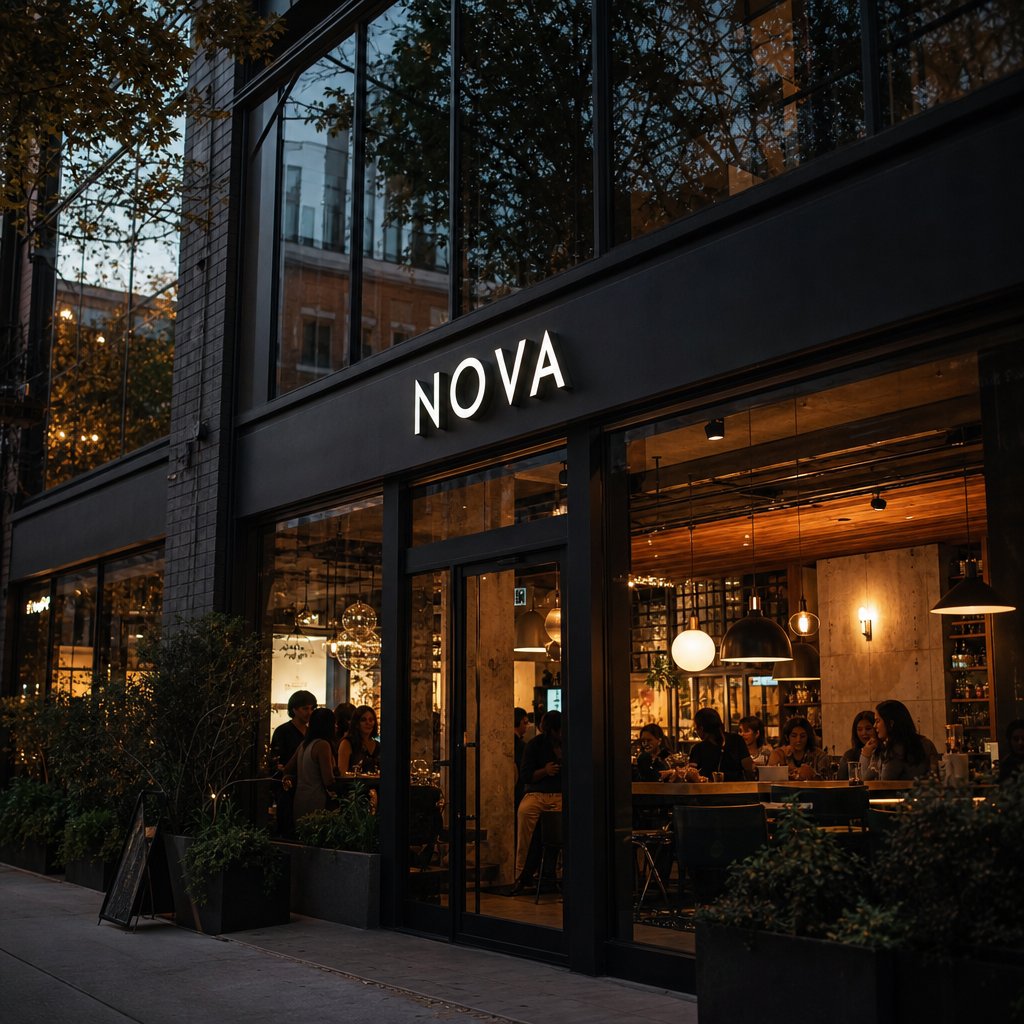
For decades, the formula was reliable: pick an auspicious word, add a geographic marker or English descriptor, and hang the sign. But a generation of Chinese-American restaurateurs who grew up eating at Golden Dragon and helping out at their family's China Garden are now opening their own places, and many of them want nothing to do with those conventions. They're choosing names that would have baffled their grandparents, names that are minimalist, ironic, untranslatable, or deliberately stripped of any signal that says "Chinese food here."
This isn't rebellion for its own sake. It reflects a fundamentally different relationship to Chinese-American identity, one shaped by growing up bicultural, navigating stereotypes, and watching how naming conventions can flatten a rich culinary tradition into a single monolithic category.
The Generational Shift in Naming Philosophy
When Lucas Sin opened Junzi Kitchen in New Haven, he chose a pinyin name that most non-Chinese customers couldn't pronounce on first try. When Peter Chang built his restaurant empire across Virginia, he put his own anglicized name on the door rather than reaching for dragons or jade. When the team behind Bonnie's in Brooklyn named their Cantonese-American restaurant after a grandmother, they sidestepped every traditional naming category entirely.
These choices share a common thread: confidence. As NPR reported, younger restaurateurs are "more confident in presenting the actual names versus trying to hide it behind some sort of euphemism." Jason Wang of Xi'an Famous Foods put it bluntly: keeping the authentic name forces a kind of cultural engagement that sanitized English names never require.
The generational divide isn't just aesthetic. It's philosophical. First-generation owners often named restaurants with survival in mind, choosing whatever would attract the broadest customer base in an era when Chinese food was still viewed with suspicion. Their children and grandchildren, operating in a food culture that now celebrates authenticity, face the opposite pressure. A name that sounds too generic or too "safe" can actually hurt credibility with today's diners, who associate traditional naming formulas with takeout containers rather than culinary ambition.
Minimalism, Irony, and Deliberate Subversion
The modern naming landscape has splintered into several distinct approaches, each representing a different stance toward tradition:
- Pinyin-only names: Restaurants like Junzi, Mian, and Bao signal Chinese identity through romanized Mandarin without offering English translation. The name becomes a small act of cultural assertion, requiring the customer to meet the restaurant halfway.
- Single-word minimalism: Names like "Mala," "Dolo," and "Wok" strip away ornamentation entirely. They're designed for Instagram handles and delivery app thumbnails as much as physical signage.
- Personal names without context: Restaurants named after grandmothers, childhood nicknames, or family stories (Bonnie's, Uncle Lou, MaMa Chang's) prioritize intimate storytelling over cultural signaling.
- Deliberate absence of Chinese markers: Some restaurateurs choose names like "Lazy Susan" or "Moonlake" that refuse to announce their cuisine at all, forcing the food itself to do the talking.
- Reclaimed tradition with fresh framing: Others circle back to traditional elements but recontextualize them. A no name chinese restaurant concept, for instance, plays with the idea of identity itself, turning the absence of a conventional name into a statement.
What unites these approaches is intentionality. Where previous generations chose "Golden Palace" because it was safe and proven, this generation chooses weird chinese restaurant names or aggressively simple ones because they want to disrupt expectations. The name becomes a thesis statement about what Chinese food can be when freed from the weight of convention.
Humor as Cultural Commentary in Restaurant Names
Then there's the humor angle. Funny chinese restaurant names have always existed, but the motivation behind them has shifted. Older pun-based names like "Wok This Way" or "Wonton Not" were often created by non-Chinese owners or designed purely for easy recall. The newer wave of intentionally playful naming comes from within the community and carries a different edge.
When a Chinese-American owner chooses an irreverent name, they're often making a point about the absurdity of the expectations placed on Chinese restaurants. Why should every Chinese eatery sound solemn and ancient? Why can't a dumpling shop be funny? The humor becomes a form of cultural commentary, pushing back against the idea that Chinese food must always perform seriousness or tradition to be taken seriously.
That said, there's a meaningful line between humor that comes from within a culture and humor imposed from outside. Chinese restaurant funny names chosen by Chinese-American owners carry self-aware wit. The same style of name chosen by someone with no connection to the culture can read as mockery. The Lucky Lee's controversy in New York illustrated this tension perfectly: a restaurant using a name that evoked Chinese identity ("Lee" being a common Chinese surname, "Lucky" being a staple of Chinese restaurant naming) while being owned by white restaurateurs drew immediate backlash for what critics called cultural appropriation dressed up as branding.
Funny names of chinese restaurants work best when they emerge from genuine cultural fluency. A second-generation owner who grew up fielding jokes about their family's restaurant can reclaim that humor on their own terms. A food truck named something cheeky works because chinese food truck names have always operated in a more casual register, where playfulness feels natural rather than forced. The mobile format invites informality that a sit-down establishment might not.
The broader pattern is clear: naming has become a site of identity negotiation for a new generation. Some restaurateurs use names to assert cultural pride without compromise. Others use them to reject categorization entirely. Still others deploy irony and humor as tools for reframing how Americans think about Chinese food. What they share is a refusal to let naming conventions be dictated by the same commercial anxieties that shaped their parents' choices.
Asian restaurant names funny or subversive enough to generate social media buzz also serve a practical marketing function in the age of Instagram and TikTok. A name that makes someone pause, laugh, or ask "what does that mean?" generates the kind of organic curiosity that no amount of traditional signage can match. The weird name becomes the hook, and the food becomes the payoff.
This generational evolution raises a practical question for anyone opening a Chinese restaurant today: with all these approaches available, from traditional auspicious naming to radical minimalism to deliberate humor, how do you actually choose? The answer depends on understanding not just what each tradition means, but which combination of cultural, linguistic, and commercial factors applies to your specific situation.
Practical Guide to Choosing a Chinese Restaurant Name
With traditional auspicious naming, regional identifiers, pinyin minimalism, and deliberate subversion all on the table, the question becomes intensely personal: which approach fits your restaurant, your audience, and your identity? Choosing a chinese restaurant name isn't a matter of picking the "right" formula. It's a matter of understanding what each choice communicates and deciding what story you want your sign to tell before a single customer walks through the door.
The best chinese restaurant names share one quality regardless of style: intentionality. Whether you land on "Golden Dragon" or a single untranslated Mandarin word, the name should reflect a deliberate decision rooted in cultural understanding rather than default or imitation.
Key Questions to Ask Before Choosing a Name
Before brainstorming names for a chinese restaurant, step back and answer a few foundational questions. Who is your primary audience? A restaurant in a dense Chinatown serving mostly Chinese-speaking diners faces entirely different naming pressures than one in a suburban strip mall targeting families who've never tried mapo tofu. What regional cuisine do you serve? If you specialize in Sichuan cooking, a name that signals that specificity attracts the right customers and sets accurate expectations.
Consider also what generation you represent. A first-generation immigrant opening their first restaurant may feel drawn to auspicious naming traditions that honor family beliefs about fortune and destiny. A second-generation owner might prefer something that reflects their bicultural identity. Neither impulse is wrong. Both produce good chinese restaurant names when executed with clarity and conviction.
Balancing Cultural Authenticity with Market Appeal
This is the tension at the heart of every naming decision. Lean too far toward authenticity and you risk alienating customers who can't pronounce or remember your name. Lean too far toward accessibility and you risk blending into the sea of generic asian food restaurant names that all sound interchangeable.
The sweet spot depends on your market. In areas with large Chinese-speaking populations, authenticity is market appeal. A pinyin name or regional identifier attracts exactly the customers you want. In areas where yours is the only Chinese restaurant for miles, clarity matters more than cultural depth. The name needs to communicate cuisine type instantly.
A practical framework for balancing these forces includes considering cultural resonance, target audience alignment, memorability, and differentiation from nearby competitors. P.F. Chang's offers a useful case study: founder Philip Chiang's surname was simplified to "Chang" for easier pronunciation, blending personal identity with commercial accessibility. Panda Express took a different route entirely, leveraging a universally recognized animal symbol rather than any Chinese linguistic element.
You might also consider whether to display Chinese characters alongside your English name. In neighborhoods with Chinese-speaking foot traffic, bilingual signage serves dual audiences simultaneously. In other locations, Chinese characters function as a visual authenticity marker even for customers who can't read them.
Testing and Validating Your Restaurant Name
A name that sounds perfect in your head may land differently with actual customers. Before committing, test your options with real people from your target demographic. Run informal focus groups, post social media polls, or simply say the name aloud to strangers and watch their reactions. Can they spell it after hearing it once? Can they pronounce it after reading it? Do they have any sense of what kind of food you serve?
A chinese restaurant name generator can spark initial ideas, but treat algorithmic suggestions as raw material rather than finished products. These tools combine common words and patterns without understanding the cultural weight behind them. A generator might spit out "Jade Phoenix Express," which stacks auspicious symbols effectively but carries no personal meaning. The cultural traditions covered throughout this article give you something no algorithm can: the ability to choose a name that means something specific to you and resonates authentically with your community.
Here's a comprehensive checklist that synthesizes the cultural, linguistic, and commercial insights into a practical naming process:
- Define your audience: Identify whether you're primarily serving Chinese-speaking diners, a general American audience, or both. This single decision shapes every subsequent choice.
- Choose your translation strategy: Decide between literal translation, pinyin transliteration, phonetic adaptation, or a dual-naming approach. Each carries different trade-offs in accessibility versus authenticity.
- Signal regional specificity (or don't): If you serve a specific regional cuisine, consider whether naming it attracts your ideal customer. "Sichuan" in the name sets expectations that generic "Chinese" does not.
- Consider auspicious meaning: If traditional symbolism matters to you, select elements (golden, jade, dragon, phoenix, lucky numbers) that align with your aspirations. These carry real cultural weight beyond decoration.
- Test pronunciation and memorability: Say the name to ten people who represent your target market. If more than half stumble on pronunciation or can't recall it an hour later, reconsider.
- Check legal availability: Search the USPTO trademark database, your state's business registry, domain availability, and social media handles before falling in love with a name.
- Evaluate competitive differentiation: Research existing restaurants in your area. If three nearby spots already use "Golden" in their names, that word won't help you stand out regardless of its auspicious meaning.
- Consider scalability: If you envision multiple locations or franchising, ensure the name works beyond your initial neighborhood. A hyper-local reference may limit future growth.
- Assess cross-linguistic implications: If your name includes Chinese words, check whether the sounds carry unintended meanings in other languages spoken in your community.
- Align with your personal story: The most enduring names carry genuine meaning for their owners. Whether it's a family surname, a hometown reference, or a grandmother's nickname, personal connection gives a name staying power that trends cannot.
Ultimately, the decision to name a chinese restaurant draws on everything this article has explored: historical patterns, cultural symbolism, translation challenges, geographic context, and generational identity. No single approach is universally correct. A traditional auspicious name honors centuries of Chinese naming philosophy. A bold pinyin-only name asserts cultural confidence. A playful English construction invites curiosity. What matters is that the choice is yours, made with full understanding of what each tradition means and what your name will communicate to every person who reads it, speaks it, or searches for it online.
Frequently Asked Questions About Chinese Restaurant Naming Traditions
1. Why do so many Chinese restaurants have similar names like Golden Dragon or Jade Garden?
These names draw from centuries of Chinese naming philosophy where words carry energy and shape destiny. 'Golden' (jin) represents wealth and permanence, 'Dragon' (long) symbolizes supreme power, and 'Garden' (yuan) evokes paradise. Owners choose these auspicious words as intentional blessings for business success, not as random marketing choices. Research shows over 40% of Chinese restaurants include 'China' or 'Chinese' as identifiers, while auspicious symbols like dragons appear in roughly 3% of names. The repetition reflects a shared cultural conviction rather than a lack of creativity.
2. How do Chinese restaurant owners decide between using a Chinese name or an English name?
Restaurateurs typically choose from three translation strategies: literal translation (converting meaning, like 金龙 becoming Golden Dragon), transliteration (preserving sound using pinyin, like Junzi or Zai Lai), or phonetic adaptation (creating English-friendly constructions like Wok n Roll). Many establishments maintain dual names, one in Chinese characters for Chinese-speaking diners emphasizing regional authenticity, and a separate English name for broader accessibility. The choice depends on location, target audience, and generational identity. Younger restaurateurs increasingly favor pinyin-only names as an assertion of cultural confidence.
3. What role does feng shui play in naming a Chinese restaurant?
In business naming feng shui, a name is treated as a source of constant energy vibration that influences the marketplace each time it is spoken. Practitioners consider the elemental associations of sounds (earth element lip sounds like B and M represent stability, fire element tongue sounds like D and L represent visibility), the stroke count of Chinese characters (24 strokes is considered luckiest for financial wealth), and numerological significance (the number 8 sounds like 'prosper' in Chinese). Restaurant owners who consult feng shui masters treat naming as architectural work, positioning the brand's 'front door' to attract favorable energy.
4. How are modern Chinese-American restaurateurs changing traditional naming conventions?
Second and third-generation Chinese-American owners are deliberately breaking traditional formulas through several approaches: pinyin-only names that require customers to engage with Chinese language (like Junzi and Mian), single-word minimalism designed for social media, personal names tied to family stories rather than cultural symbols, and names that refuse to signal Chinese cuisine at all. This shift reflects growing cultural confidence and a rejection of the survival-driven naming strategies their parents used. Some also deploy humor and irony as cultural commentary, reclaiming stereotypes on their own terms rather than conforming to expectations.
5. Does the location of a Chinese restaurant affect its naming strategy?
Geography plays a decisive role. In dense East Coast Chinatowns, restaurants use traditional Cantonese transliterations and regional cuisine identifiers to compete for Chinese-speaking customers. West Coast cities like Los Angeles show greater Mandarin pinyin usage and regional specificity reflecting diverse immigration waves. Midwest and Southern restaurants disproportionately include explicit markers like 'China' or 'Chinese' because they often serve as the only Chinese option in their area, prioritizing instant recognition over cultural depth. The general rule: the larger the local Chinese-speaking community, the more linguistically confident and regionally specific the naming becomes.