Understanding Miao Minority Naming Traditions
Miao minority naming traditions are a system of personal naming practices used by the Miao people (苗族) of southern China, where names encode clan membership, generational position, spiritual beliefs, and ancestral lineage rather than simply conveying auspicious meaning. Unlike mainstream Han Chinese naming, which typically pairs a family surname with one or two chosen characters, Miao names function as oral genealogical records, linking each individual to a chain of ancestors through patronymic structures and clan-specific elements.
What Are Miao Naming Traditions
With a population of around nine million across China, the Miao ethnic group is concentrated primarily in Guizhou Province (home to roughly half the population), with another third split between Yunnan and western Hunan. These communities encompass four distinct subgroups: the Hmu of southeast Guizhou, the Qo Xiong of west Hunan, the A-Hmao of Yunnan, and the Hmong ethnic communities of Guizhou, Sichuan, and Guangxi. Each carries its own naming conventions shaped by local language, spiritual practice, and kinship rules.
Even the group's name itself reflects the politics of identity. "Miao" is a Chinese exonym, with the character miaw (苗) carrying the surface meaning of "sprouts" or "seedlings." Many communities outside China prefer their own autonyms, particularly "Hmong." This tension between externally imposed labels and self-chosen identity extends directly into personal naming. A person's traditional name, spoken in their own tonal language, often cannot be accurately rendered in Mandarin Chinese characters without losing meaning or spiritual significance.
Miao Identity and the Power of Names
In Miao communities, a name is not merely a label but a living thread connecting an individual to their clan, their ancestors, and the spiritual world that governs daily life.
Where Han Chinese parents might consult dictionaries or fortune tellers to select characters with favorable stroke counts, Miao naming draws on entirely different logic. Names may reference birth order, the father's personal name, clan affiliation, or guidance received during spiritual ceremonies. They serve as identity verification within communities where oral tradition, not written records, has historically preserved lineage knowledge. This makes naming far more than a personal choice. It is a communal act with social, spiritual, and genealogical consequences.
The question of who holds authority over that act, and what rules govern it, reveals even deeper layers of Miao cultural structure.
Who Assigns Names in Miao Communities
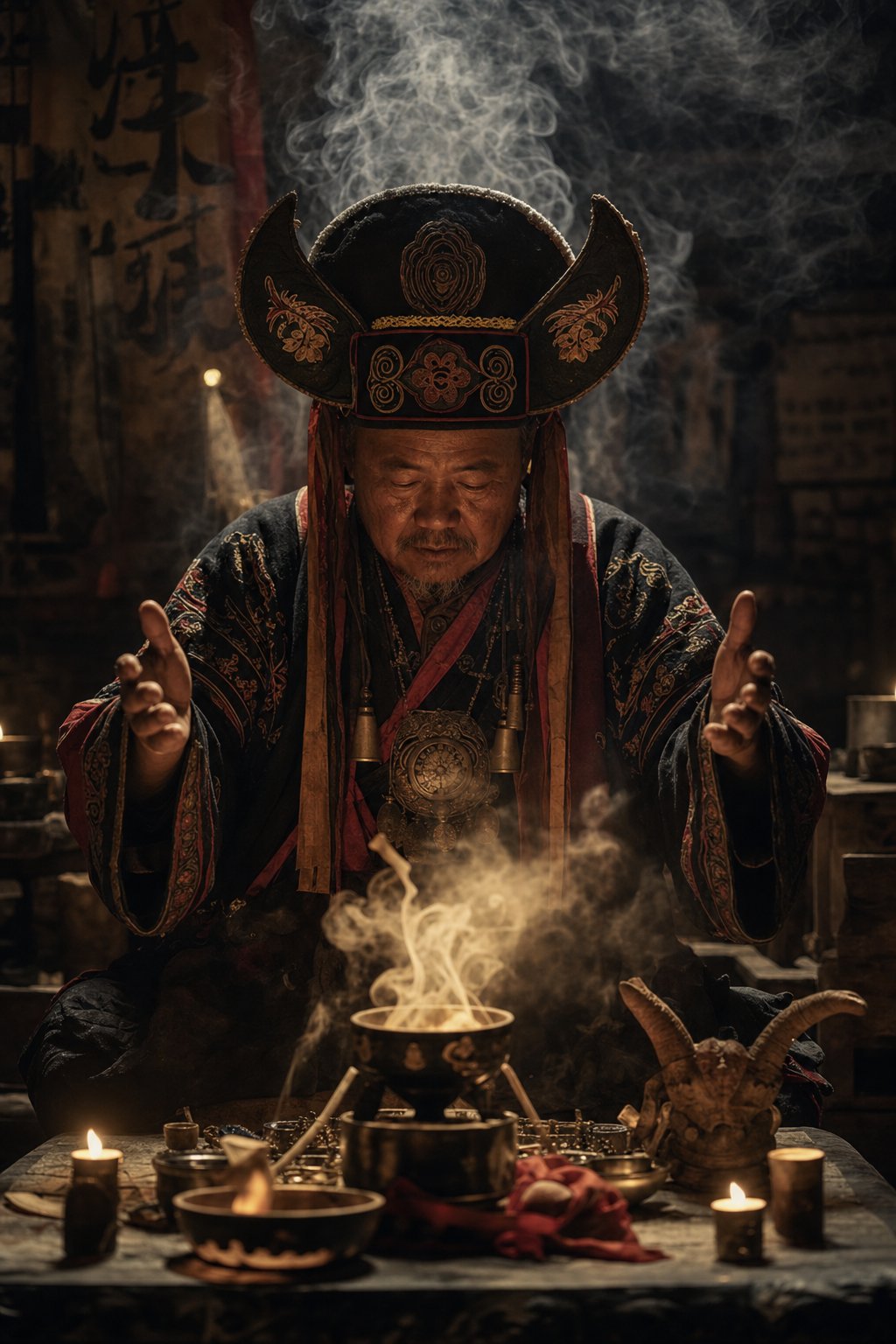
Naming a child in a Miao household is rarely a private decision between two parents. Imagine a process where spiritual diagnosis, elder consensus, and ancestral memory all converge before a newborn receives their identity. Among the Miao people in China, name selection involves a layered negotiation between human authority and the spirit world, with each voice carrying distinct weight depending on the community's branch and local customs.
The Role of Shamans and Elders in Name Selection
The shaman, known as txiv neeb in Hmong communities, holds a central role in determining a child's name. This is not simply a blessing or formality. The shaman performs a soul-calling ceremony called hu plig shortly after birth, a ritual designed to summon and secure the infant's soul into the physical world. During this ceremony, the shaman enters a trance state to communicate with the spirit realm and identify which ancestral soul has chosen to accompany or reincarnate into the newborn.
The identity of that ancestral soul directly shapes the name given. If the shaman determines that a grandfather's spirit has returned, the child may receive name elements that honor or reference that ancestor. In other cases, the ceremony reveals that the child carries an entirely new soul, opening different naming possibilities. You'll notice this gives the shaman considerable influence, functioning as both spiritual diagnostician and naming authority within the Miao Chinese ethnic group.
Clan elders also weigh in, particularly regarding which name elements are appropriate for the family's lineage position. Their role is to ensure the chosen name does not violate generational naming rules or accidentally duplicate the name of a living senior relative, which would be considered deeply disrespectful.
Parental Influence and Family Negotiations
Parents are not without voice in this process, but their preferences operate within boundaries set by spiritual and social authority. A mother or father might suggest a personal element for the name, often drawn from natural imagery, desired qualities, or circumstances surrounding the birth. However, this personal element must fit within the structural framework that clan rules and the shaman's guidance have already established.
Ancestor worship traditions among Hmong in China add another dimension. Commemorative naming, where a deceased relative's name or name component is deliberately passed forward, serves as a way to maintain spiritual continuity between generations. The mythological ancestor Panhu, revered in some Miao origin narratives, illustrates how deeply ancestral identity permeates the culture's relationship with naming and lineage.
Conversely, certain names are deliberately avoided. If a recently deceased family member suffered misfortune or illness, their name elements may be considered spiritually dangerous for a new child. The shaman's reading during hu plig often clarifies which ancestral connections to embrace and which to sidestep.
This interplay between spiritual revelation and family structure produces names that carry far more information than a simple label. Each name encodes a specific relationship to the dead, the living, and the clan's collective future, built from components that follow precise structural rules.
How Miao Names Are Structured and What They Mean
Each component in a Miao name carries a specific job. Rather than functioning like a Western first-name-last-name pair or a Han Chinese surname-plus-given-name combination, a traditional Miao name is a compressed genealogical statement. When you hear a full traditional name spoken aloud, you're hearing clan identity, family position, and personal identity stacked together in a deliberate sequence.
Breaking Down a Miao Name Component by Component
A typical Miao name, particularly among Hmong-speaking communities, consists of three core layers: a clan identifier, a generational or patronymic element, and a personal name. The miao meaning embedded in each layer serves a distinct social function. Consider how these parts work together in practice:
| Component | Function | Example | Approximate Meaning |
|---|---|---|---|
| Clan name (xeem) | Identifies lineage group and determines marriage eligibility | Vaj (Yang in Miao Chinese transliteration) | Membership in the Vaj/Yang clan |
| Father's personal name (patronymic) | Links child directly to father, creating a genealogical chain | Tswv | "The one belonging to Tswv" |
| Personal name | Distinguishes the individual within the family | Nplaim | "Flame" or "lightning" |
This patronymic system, sometimes called teknonymy, is one of the most distinctive features of Miao naming. In some areas, a son's name is followed by his father's personal name, creating an oral chain that can be recited backward through generations. Imagine a sequence: Nplaim Tswv, Tswv Xeeb, Xeeb Tuam. Each name contains the previous father's personal element, forming a living genealogy without any written record. This is how lineage knowledge survived across centuries in communities that historically lacked a written script.
Generational Markers and Birth Order Indicators
Beyond the patronymic link, many Miao communities use generational words, elements shared by all siblings or cousins within the same generation, to indicate family hierarchy. Influenced by broader kinship systems, the Miao adopted words in their names to mark their position within the family structure. Birth order also plays a role. Among some branches, prefixes or suffixes signal whether a child is firstborn, middle, or youngest, giving listeners immediate context about family dynamics.
Gendered naming patterns add another layer of distinction. Hmong male names often draw from imagery associated with strength, metal, sky, or ancestral warriors. Names like Tooj ("bronze") or Ntaj ("sword") are common among boys. Female names, by contrast, tend toward natural beauty, flowers, precious metals, or qualities like gentleness. A girl might be named Paj ("flower") or Kub ("gold"). Research on Hmong naming practices confirms that women gain a new name when they marry, while men are often renamed by their parents-in-law after the birth of their first child. This means a woman's birth name is, in a sense, temporary, replaced by a married name that repositions her within her husband's clan structure.
When rendered in Chinese characters for official documents, these layered names collapse. The tonal distinctions that differentiate miao in chinese transliterations disappear, and the patronymic chain breaks apart into what looks like a standard two- or three-character Chinese name. The structural logic, so clear when spoken in the original language, becomes invisible on paper.
That structural logic does not operate in isolation. It is bound to a larger system of clan rules that dictate which name elements belong to which lineage, and how those elements pass from one generation to the next.
Clan Systems and Surname Inheritance Patterns
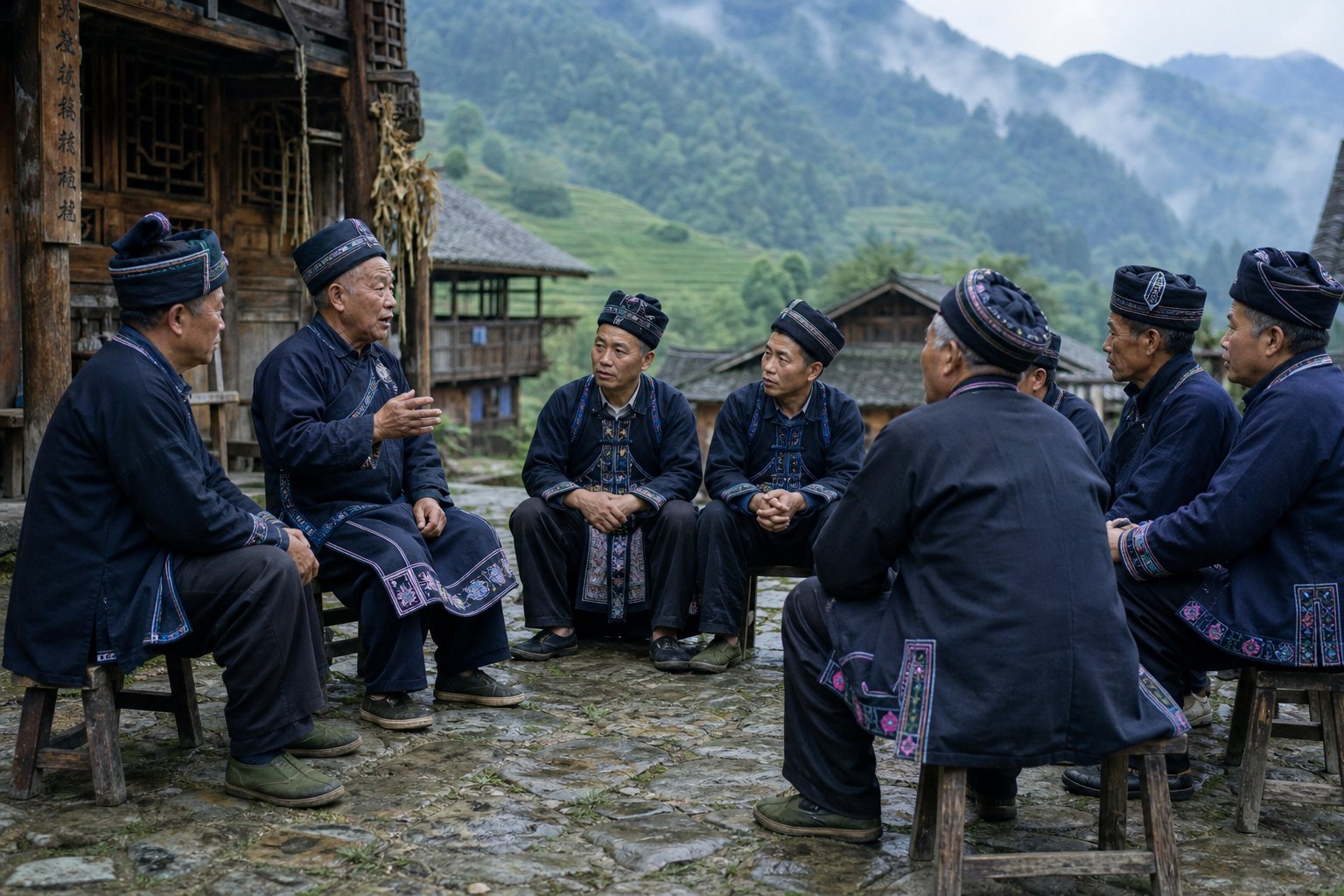
Every Miao name begins with a question of belonging. In Hmong, the word for clan is xeem, and it functions as the foundational layer of personal identity. Your xeem is the surname your father gave you, the one his father gave him, and so on through every generation stretching back to a common ancestor. It determines not just what you are called, but who you can marry, how your funeral will be conducted, and which spiritual protocols govern your household.
Clan Names and the Eighteen Xeem System
Hmong ethnic groups are organized into an 18-clan structure, with all members of a given clan recognizing shared descent from a common ancestor. These hmong 18 clans each carry distinct ceremonial traditions, dietary taboos, and naming conventions that shape which elements are available when a child receives their name. The recognized clan names include:
- Chang (Cha) - one of the smaller clans with naming elements often tied to agricultural imagery
- Fang - shares ancestral roots with the Vang clan, prohibiting intermarriage between the two
- Her (Herr/Heu) - linked to the Hang clan through common descent, with shared naming restrictions
- Kong - carries naming traditions associated with leadership and community authority
- Lee (Ly) - one of the most widespread clans across diaspora communities
- Lor (Lo) - maintains distinct ceremonial naming practices for firstborn sons
- Moua (Mua) - known for preserving lengthy oral genealogies through patronymic chains
- Thao (Thor) - shares ancestral connection with the Kue clan
- Vang (Va) - members observe specific taboos, including prohibitions on certain foods during naming ceremonies
- Xiong - among the largest clans, with the xiong miao lineage well-documented across Guizhou and diaspora communities
- Yang (Ya) - carries dietary restrictions that extend into naming ceremony protocols
Each clan's taboos directly influence naming. For instance, members of the Vang clan are prohibited from eating fruit during meals, while Yang clan members cannot consume animal liver or heart. Violating these rules is believed to invite illness. These same spiritual boundaries shape which natural elements, animals, or objects can appear in a clan member's personal name.
Surname Inheritance Across Patrilineal Lines
Clan membership passes strictly through the father's line. A child born into the Xiong clan carries that xeem regardless of where they live or whom their mother's family is. Upon marriage, a woman traditionally joins her husband's clan, though many women today retain their birth clan name in official records. The two sides of the family, kwv tij (father's side) and neej tsa (mother's side), carry different weight in naming decisions, with the paternal lineage holding primary authority.
This patrilineal inheritance creates something remarkable within the miao chinese group: oral genealogical chains that can stretch back dozens of generations. A person recites their ancestry by linking patronymic names in sequence, each name containing the father's personal element from the generation before. Some families add a grandfather's name to their surname to clarify exact lineage position. The surname Saykaothao, for example, signals that the family's grandfather was Say Kao Thao, embedding three generations of identity into a single word.
These recitations are not casual. They serve as identity verification when meeting strangers from the same clan, as proof of lineage during marriage negotiations, and as historical records in communities where written documentation was historically absent. To know your xeem and recite your chain is to prove you belong.
Clan membership also determines who is off-limits for marriage. Hmong practice strict exogamy, meaning you must marry outside your own clan. Certain clans that share a common ancestor, like Fang and Vang or Her and Hang, are also prohibited from intermarrying. A name, then, is not just identity. It is a boundary marker that governs the most fundamental social relationships.
These boundaries hold firm across the broader Miao population, but the specific naming conventions built on top of them vary dramatically from one subgroup and region to the next.
Naming Variations Across Miao Subgroups and Regions
Sounds complex? It gets more layered. The clan system described above operates within a single branch of the Miao population, but the official Miao category in China actually encompasses four linguistically distinct groups whose languages are mutually unintelligible. The Hmong, Hmu, A-Hmao, and Qo Xiong each developed their naming conventions independently over centuries of geographic separation. A name that carries deep meaning in one community may be unrecognizable, or even carry an entirely different connotation, in another.
Naming Differences Among Hmong Hmu and A-Hmao Branches
The four primary subgroups classified under the ethnic Miao umbrella diverged significantly, with some linguists comparing the distance between their languages to that between French and Italian. This linguistic gap directly shapes how names are constructed, pronounced, and understood.
Among the Hmong (Gha-Mu), the patronymic chain system dominates. Names link father to child through shared personal elements, creating recitable genealogies. The Hmong use a tonal language with eight tones, meaning a single syllable like "nplaim" shifts meaning entirely depending on pitch. This tonal precision makes Hmong names highly specific but extremely difficult to render accurately in Chinese characters or romanized spelling.
The Hmu (Hmub) of southeast Guizhou China follow a different pattern. Their naming conventions place heavier emphasis on generational markers shared across an entire age cohort within a village. Rather than linking exclusively to the father's personal name, Hmu names often incorporate a syllable that identifies the generation, allowing community members to immediately place someone within the village's social hierarchy. The Hmu language belongs to a separate branch of the Hmongic family, and its phonological system produces name sounds that Hmong speakers cannot easily parse.
The A-Hmao, concentrated in western Guizhou and northeast Yunnan, developed naming practices influenced by their early contact with Christian missionaries in the late 19th and early 20th centuries. Some A-Hmao communities adopted a written script (the Pollard script) earlier than other Miao subgroups, which affected how names were recorded and transmitted. Their traditional naming still follows patrilineal logic, but the structure tends toward shorter, two-element names compared to the longer chains found among the Hmong.
The Qo Xiong (Xong) of Hunan west represent yet another variation. Known historically as the Red Miao due to the color of their women's clothing, the Qo Xiong use a naming system that integrates more Han Chinese influence than other branches, reflecting centuries of closer contact with Han populations in the Xiangxi region. Their names may blend traditional Xong-language elements with Chinese-style surname conventions, creating hybrid structures unique to this subgroup.
Regional Variations from Guizhou to Hunan and Beyond
Geography compounds the linguistic differences. Even within a single subgroup, naming practices shift from valley to valley. The Miao ethnicity spans terrain from subtropical lowlands to cold mountain plateaus, and isolation between communities allowed local conventions to develop independently.
| Subgroup | Typical Name Structure | Language Branch | Primary Region |
|---|---|---|---|
| Hmong (Gha-Mu) | Clan name + father's personal name + individual name (patronymic chain) | Western Hmongic (Chuanqiandian dialect) | South Yunnan, West Guizhou, South Sichuan |
| Hmu (Hmub) | Clan identifier + generational marker + personal name | Eastern Hmongic (Qiandongnan dialect) | Southeast Guizhou |
| A-Hmao | Patrilineal element + personal name (shorter two-element form) | Western Hmongic (Diandongbei sub-dialect) | West Guizhou, Northeast Yunnan |
| Qo Xiong (Xong) | Chinese-influenced surname + traditional personal element or generational word | Xiangxi Hmongic (Western Hunan dialect) | West Hunan (Xiangxi Prefecture) |
Consider what happens when a Hmong person from Miao China's Yunnan province meets a Hmu speaker from Qiandongnan. Their clan systems may share deep historical roots, but the names themselves sound nothing alike. A Hmong clan name like "Vaj" has no phonetic equivalent in the Hmu system. The same ancestral concept, belonging to a particular lineage, gets expressed through completely different sounds, tones, and structural positions within the name.
Tonal variation creates an additional layer of confusion. In Hmong, the syllable "pov" can mean "to throw," "a ball," or serve as a personal name element depending on which of the eight tones is applied. When this name gets transliterated into Chinese characters for official documents, the tonal distinction vanishes. Two people with phonetically identical romanized names might actually carry completely different names in spoken Hmong. Multiply this across four major language branches and dozens of local dialects, and you begin to see why cross-community identification among the china miao people has always relied on clan recitation and face-to-face verification rather than written records.
This diversity also means that generalizations about Miao naming are inherently incomplete. What holds true for Hmong patronymic chains in Yunnan does not necessarily apply to Qo Xiong naming in Hunan west, or to Hmu generational markers in Guizhou. Each system evolved to serve its own community's social needs, spiritual beliefs, and linguistic possibilities.
Yet across all these variations, certain shared principles persist: names carry spiritual weight, certain words are forbidden, and a person's name is expected to change as they move through different stages of life.
Name Taboos and Lifecycle Changes in Miao Culture
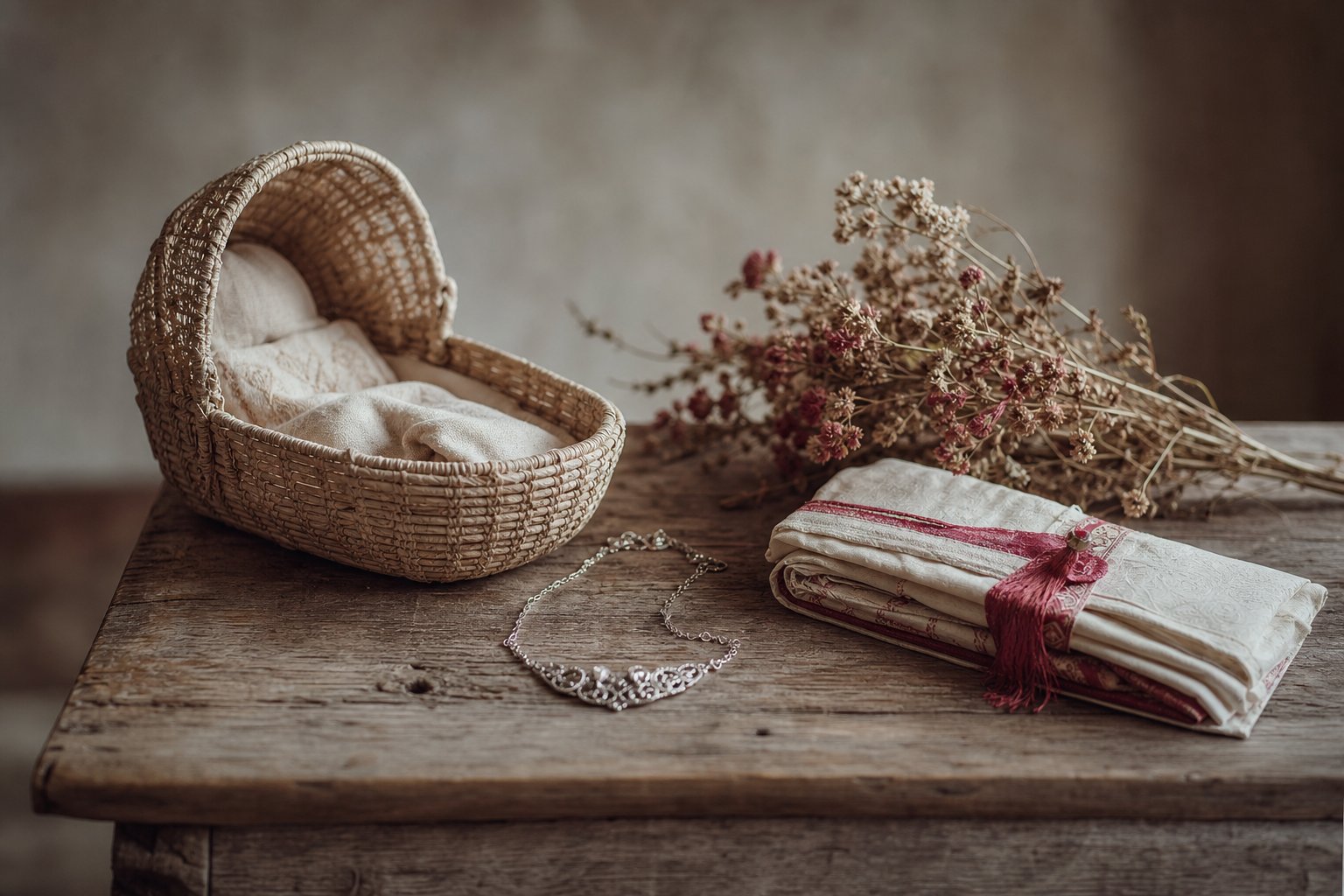
Spiritual weight is not a metaphor here. In miao culture, speaking the wrong name at the wrong time can invite illness, crop failure, or ancestral displeasure. Names carry real power in the community's worldview, which is precisely why so many rules govern their use, and why a single person may carry several different names across a lifetime.
Taboo Names and Avoidance Customs
The most fundamental naming taboo among chinese miao people is the prohibition against speaking the personal names of deceased elders. Once a grandparent or great-grandparent dies, their name becomes spiritually charged. Using it casually is believed to disturb the ancestor's soul and potentially draw misfortune onto the speaker's household. Family members refer to the deceased by kinship terms or indirect descriptions instead.
A similar avoidance applies to in-laws. A married woman traditionally does not speak her father-in-law's name, and he does not use hers. This mutual avoidance extends into naming decisions for children. If a grandfather's personal name contains a particular syllable, that syllable becomes unavailable for any grandchild's name within the same household line.
Beyond personal names, certain categories of words are off-limits entirely. Names referencing thunder, lightning spirits, or specific animals considered spiritually dangerous (such as tigers in some communities, or certain birds associated with death omens) cannot be given to children. The logic is straightforward: naming a child after a powerful spiritual entity creates an unwanted connection between the child's soul and that force. Hmong communities also avoid praising a newborn aloud, believing that spirits who overhear compliments may become jealous and steal the child's soul. Some families greet newborns with phrases like "you are ugly" specifically to deceive listening spirits.
Breaking these prohibitions is not treated as a minor social error. Within the miao ethnic worldview, a taboo violation requires ceremonial correction, often involving animal sacrifice and a shaman's intervention to repair the spiritual damage.
How Names Transform Throughout a Lifetime
A person's name is not fixed at birth. It shifts as they move through social roles, accumulating layers that reflect their changing position within the family and community. The sequential stages look like this:
- Birth name (soul name) - Given during the soul-calling ceremony three days after birth, this name is determined by the shaman's spiritual reading and ties the infant's soul to the physical world.
- Childhood nickname - An informal name used daily by family, often deliberately plain or unattractive to avoid drawing spiritual attention to the child. Parents may use terms meaning "little one" or even mildly unflattering words as protective camouflage.
- Adult name - Traditionally given to men after the birth of their first child. Among White Hmong, the wife's parents bestow this name. Among Green Hmong, the husband's parents do. The adult name is added as a prefix to the birth name. For example, a man named Vang might become Nao Vang after receiving his adult name.
- Marriage-related name change - A woman's birth name and clan name traditionally cease to be used after marriage. She is referred to by her husband's name, effectively becoming identified through his lineage rather than her own. In some communities, she receives a new name from her husband's family entirely.
- Posthumous reference - After death, the personal name becomes taboo for the living to speak. The deceased is referenced through kinship terms, and their name elements may be either passed forward to honor them or permanently retired to avoid spiritual disturbance.
If misfortune or chronic illness strikes at any stage, a shaman may determine that the current name is wrong, that it conflicts with the person's soul or attracts harmful spirits. In such cases, a renaming ceremony is performed, and the old name is abandoned entirely. This is not uncommon. Some individuals receive two or three names before one "fits" properly according to spiritual diagnosis.
These lifecycle transitions reveal something important about how naming functions in practice: a name is less a permanent label and more a living relationship between a person and their spiritual-social environment. When that environment changes, through marriage, parenthood, or death, the name must change with it.
This fluidity creates a practical challenge in the modern world. Official documents expect one fixed legal name. The question of which name gets recorded, and what happens to all the others, sits at the heart of a growing tension between traditional practice and administrative reality.
Traditional Names Versus Official Chinese Registration
That tension is not abstract. Every Miao person living in China mainland carries at least two names: one spoken at home, in ceremony, and among kin, and another printed on their national ID card, household registration, and school diplomas. These two names often bear little resemblance to each other. The traditional name, rich with patronymic links, clan markers, and spiritual meaning, gets compressed into a two- or three-character Chinese name that fits neatly into government databases but strips away nearly everything the original conveyed.
Dual Identity Through Traditional and Registered Names
China's household registration system, the hukou, requires every citizen to register under a legal name written in Chinese characters. For Han Chinese families, this is straightforward. Their names already exist within the character system. For the miao of china and other ethnic minorities whose languages use entirely different phonological structures, registration forces a translation that is really a replacement.
Consider a Hmong child whose traditional name is Vaj Tswv Nplaim, encoding Yang clan membership, a patronymic link to his father Tswv, and the personal element meaning "flame." When registered, this might become Yang Zhuliang (杨主亮), a set of characters chosen to approximate the sounds of the original while also carrying acceptable meanings in Mandarin. The patronymic structure disappears. The clan marker becomes a standard Chinese surname. The spiritual significance of the name, determined through a shaman's ceremony, becomes invisible.
You'll notice this creates a split identity. Within the village, among family, at festivals and funerals, the traditional name is the real name. It is the one used in ancestor recitations, the one that locates a person within their genealogical chain, the one that carries spiritual protection. The registered name, by contrast, exists for schools, hospitals, banks, and police. Many Miao individuals report that their official Chinese name feels like a label worn for outsiders rather than a true reflection of who they are.
Navigating Modern Administration While Preserving Heritage
The transliteration problem runs deeper than simple phonetic mismatch. Hmong in Chinese characters loses tonal distinctions that are fundamental to meaning. A single romanized syllable like "pov" might correspond to several completely different words depending on tone, but Chinese characters cannot represent Hmong tones. Two people with different traditional names might end up with identical registered names, or one person's name might accidentally become a homophone for an embarrassing or inauspicious word in Mandarin.
Some families approach registration strategically. They select Chinese characters that preserve at least partial meaning from the traditional name, choosing characters whose Mandarin pronunciation echoes the original sounds while also carrying positive connotations. Others abandon any attempt at phonetic correspondence and simply choose a "good" Chinese name unrelated to the traditional one, treating the two identities as entirely separate systems.
The administrative pressure toward standardization has intensified with digitization. Online banking, social media verification, train ticket purchases, and university enrollment all require exact character-for-character name matching. A traditional name that once lived comfortably alongside an official one now faces practical erasure in digital spaces where only the registered version functions.
For many Chinese Miao families, the traditional name remains the true name, the one whispered during soul-calling ceremonies, recited in genealogies, and spoken at funerals, even as the registered name handles every interaction with the modern state.
Younger generations face this duality most acutely. A university student from Guizhou might introduce herself by her Mandarin name in class, switch to her traditional name when calling home, and feel that neither fully captures her identity. Intermarriage with Han Chinese partners adds another layer, as couples negotiate whether children will carry traditional Miao names at all or simply receive Chinese names from birth.
This quiet erosion, name by name, registration by registration, is precisely what drives growing efforts to document and preserve traditional naming practices before the oral chains that sustain them fall silent.
Preserving Miao Naming Traditions for Future Generations
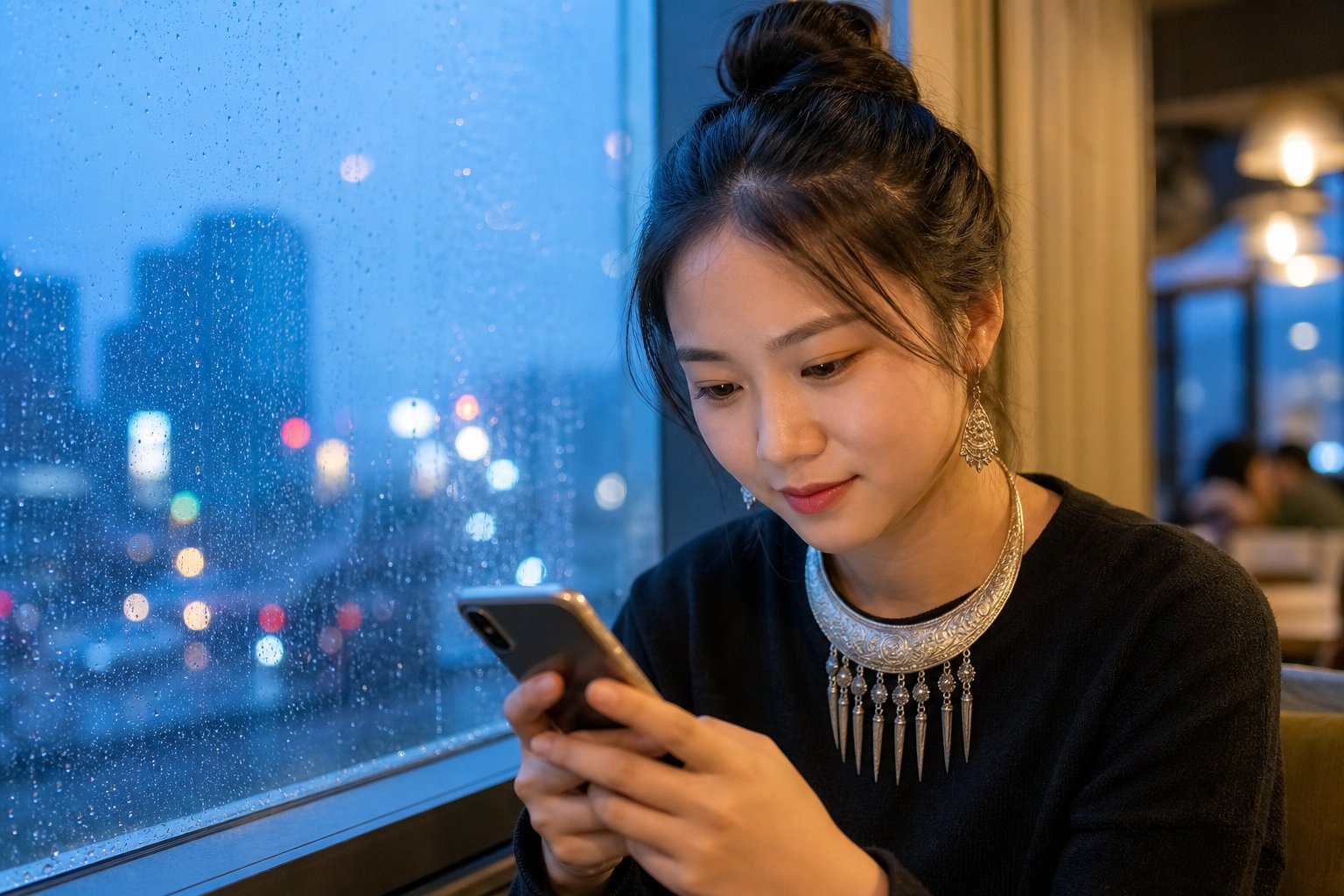
The oral chains have not fallen silent yet. Across villages in Guizhou, diaspora communities in California, and university campuses in between, efforts to document and sustain these naming practices are gaining momentum. The challenge is not simply recording names on paper. It is keeping alive the entire system of spiritual logic, clan knowledge, and generational memory that gives those names meaning.
Preserving Naming Heritage in a Changing World
Urbanization pulls young miao people of china away from the villages where elders still recite patronymic chains from memory. When a family moves to Guiyang or Kunming for work, the daily context that reinforces naming knowledge disappears. Children grow up hearing their Mandarin registered names at school and may never learn the full genealogical recitation that once served as proof of identity. Intermarriage with Han Chinese partners accelerates this shift. A child of mixed heritage may receive only a Chinese name, with no soul-calling ceremony and no clan element embedded in their identity.
Digital life compounds the problem. Social media profiles, gaming handles, and professional networks all default to the registered Chinese name. The traditional name, designed for oral transmission within a tight-knit community, has no obvious place in these spaces. Yet some young people are pushing back, using romanized Hmong names on international platforms or adding their xeem to online profiles as a quiet assertion of belonging.
Cultural organizations and scholars have responded with structured preservation work. Much like efforts to document traditional miao clothing patterns before master artisans pass away, naming heritage projects aim to capture knowledge that exists only in living memory. Practical initiatives currently underway include:
- Oral history recordings - Elders recite their full patronymic chains on video, preserving dozens of generations of linked names that would otherwise die with them
- Community genealogy registries - Local organizations in miao in china communities compile clan-specific name records, documenting which elements belong to which lineage and the rules governing their use
- Cultural education curricula - Programs like the Hmong History and Cultural Studies Model Curriculum in California integrate naming traditions into broader heritage education for diaspora youth
- Academic documentation - Linguists and anthropologists work with community members to record naming structures, taboo systems, and ceremony protocols in both the original language and translations (苗族 english-language scholarship has expanded significantly in recent decades)
- Intergenerational naming workshops - Village-level gatherings where elders teach young parents the proper procedures for name selection, including which clan elements to use and which taboos to observe
How Young Miao People Navigate Naming Identity Today
The internal perspective matters here. For outsiders, these traditions might look like folklore to be cataloged. For the communities themselves, naming is still a living practice with real consequences. A young Hmong woman in Guizhou who names her child without consulting a shaman is not simply breaking with tradition. She is, in her community's eyes, leaving her child's soul unsecured. The stakes are spiritual, not merely cultural.
This is where preservation efforts must be careful. Documenting names in a database is not the same as maintaining the spiritual authority of the txiv neeb who determines them. Recording a patronymic chain on video does not replicate the social context where that chain functions as identity verification between strangers. The most effective preservation happens not in archives but in practice, when young families choose to hold soul-calling ceremonies, when fathers teach sons their full recitation, and when communities maintain the clan rules that give each name its weight.
Some china indigenous cultural advocates argue that the best protection for naming traditions is economic. When young people can build viable lives in their home regions rather than migrating to cities, the daily fabric of community life that sustains oral knowledge remains intact. Others focus on visibility, ensuring that traditional miao clothing, naming ceremonies, and oral genealogies appear in media and education as living practices rather than museum exhibits.
The traditions are adapting, not disappearing. Families find creative compromises: giving children both a traditional name and a Chinese name from birth, maintaining the soul-calling ceremony even in urban apartments, or using clan social media groups to share genealogical knowledge across distances that would have been impossible a generation ago. The core functions of naming, establishing identity, encoding lineage, and connecting the living to the spiritual world, persist even as the forms evolve. A name spoken in a high-rise in Chengdu still carries the same clan weight it would in a mountain village, as long as someone remembers what it means.
Frequently Asked Questions About Miao Minority Naming Traditions
1. How do Miao names differ from Han Chinese names?
Miao names function as oral genealogical records rather than simply conveying auspicious meaning. While Han Chinese names pair a family surname with one or two chosen characters, Miao names encode clan membership, patronymic links to the father, generational position, and spiritual guidance received during birth ceremonies. The patronymic chain system allows a person to recite their ancestry backward through dozens of generations by linking each name to the previous father's personal element.
2. What role does a shaman play in Miao naming ceremonies?
The shaman (txiv neeb) performs a soul-calling ceremony called hu plig shortly after birth to determine which ancestral soul has entered the newborn. Through trance communication with the spirit realm, the shaman identifies whether a specific ancestor has reincarnated into the child, which directly influences the name given. The shaman also has authority to rename individuals later in life if illness or misfortune suggests the current name conflicts with the person's soul.
3. Why do Miao people have two different names?
Miao individuals maintain a traditional name used within their community alongside a Mandarin Chinese name required by China's household registration (hukou) system. The traditional name carries patronymic links, clan markers, and spiritual significance, while the registered name is a Chinese-character approximation that fits government databases. The two names often bear little resemblance because Hmong tonal distinctions and patronymic structures cannot be accurately represented in Chinese characters.
4. What are the 18 Hmong clans and how do they affect naming?
The 18 Hmong clans (xeem) include Chang, Fang, Her, Kong, Lee, Lor, Moua, Thao, Vang, Xiong, and Yang among others. Each clan carries distinct ceremonial traditions, dietary taboos, and naming conventions that determine which name elements are available to members. Clan membership passes through the father's line and also governs marriage rules through strict exogamy, meaning the clan name in a person's identity simultaneously marks lineage belonging and social boundaries.
5. How many times can a Miao person's name change during their lifetime?
A Miao person typically passes through at least five naming stages: a birth name given during the soul-calling ceremony, a childhood nickname used as spiritual protection, an adult name received after the birth of their first child, a marriage-related name change (particularly for women who join their husband's clan), and posthumous reference terms used after death. Additional renaming ceremonies may occur if a shaman determines the current name attracts misfortune, meaning some individuals receive two or three names before one fits properly.